
What does it mean to be fundamentally Mickey?
Whew! What a hard question to answer.
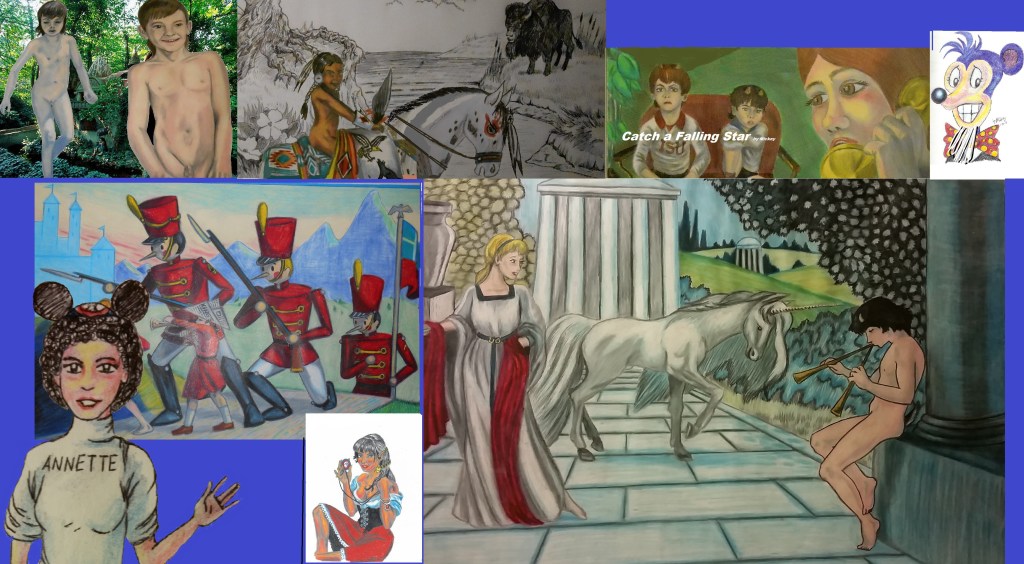
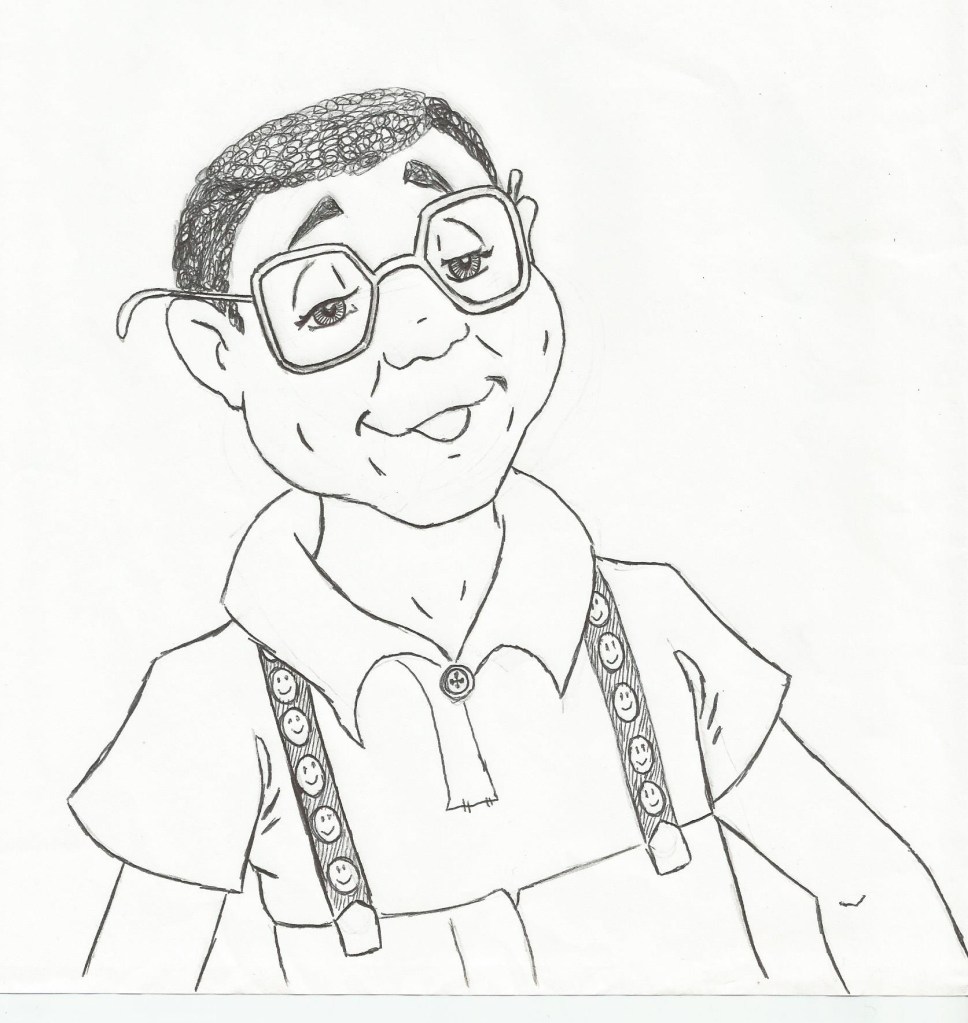
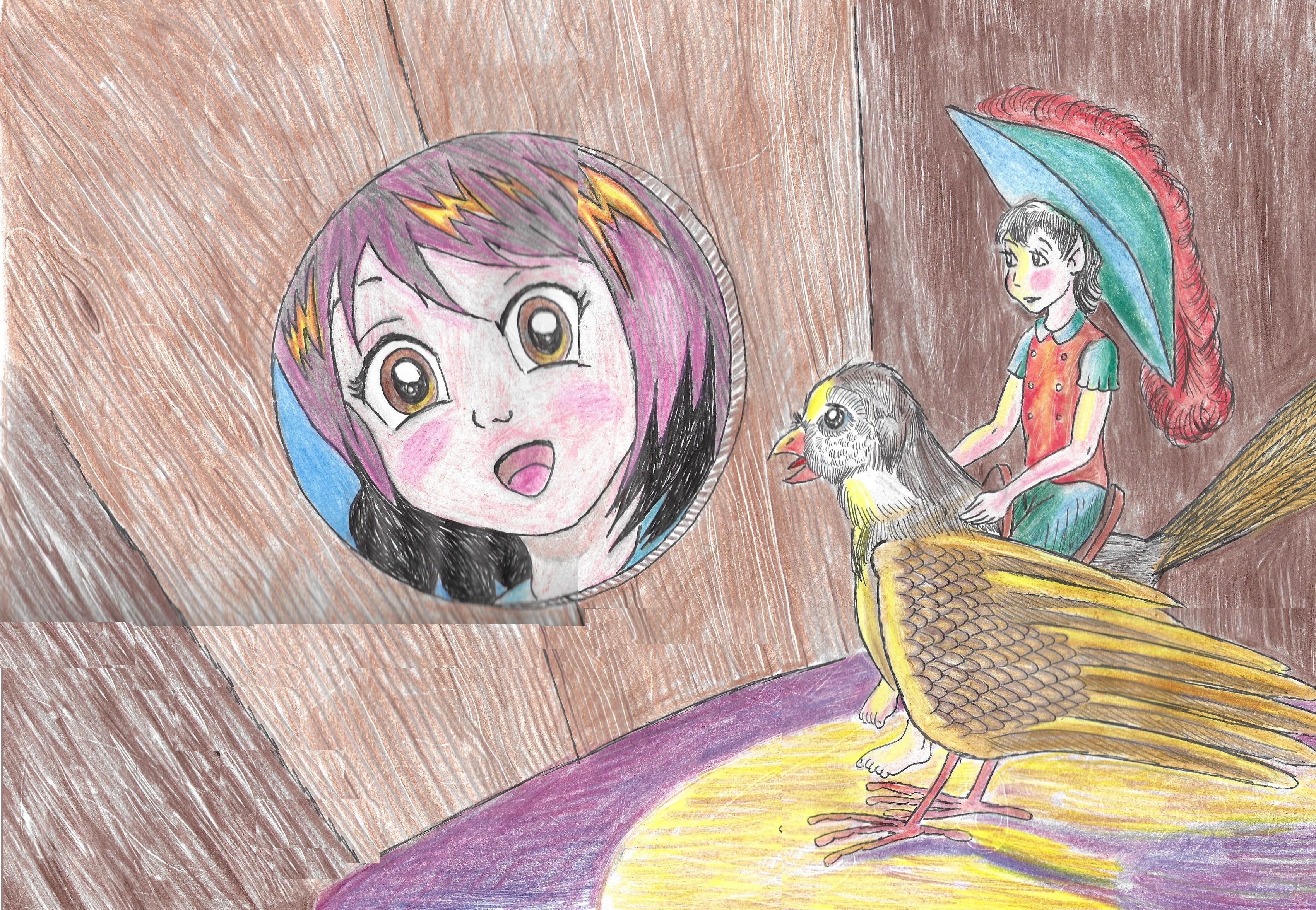
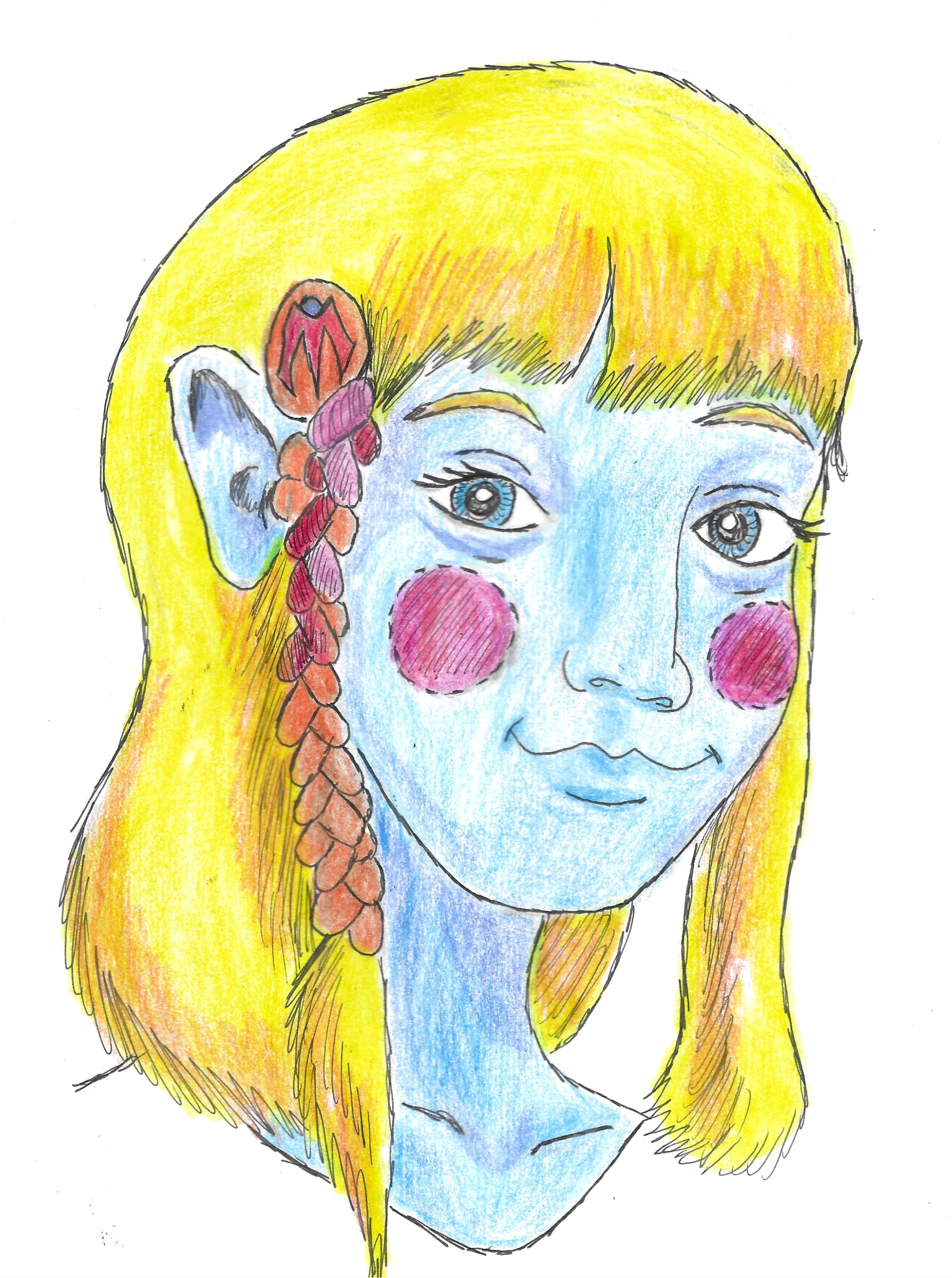
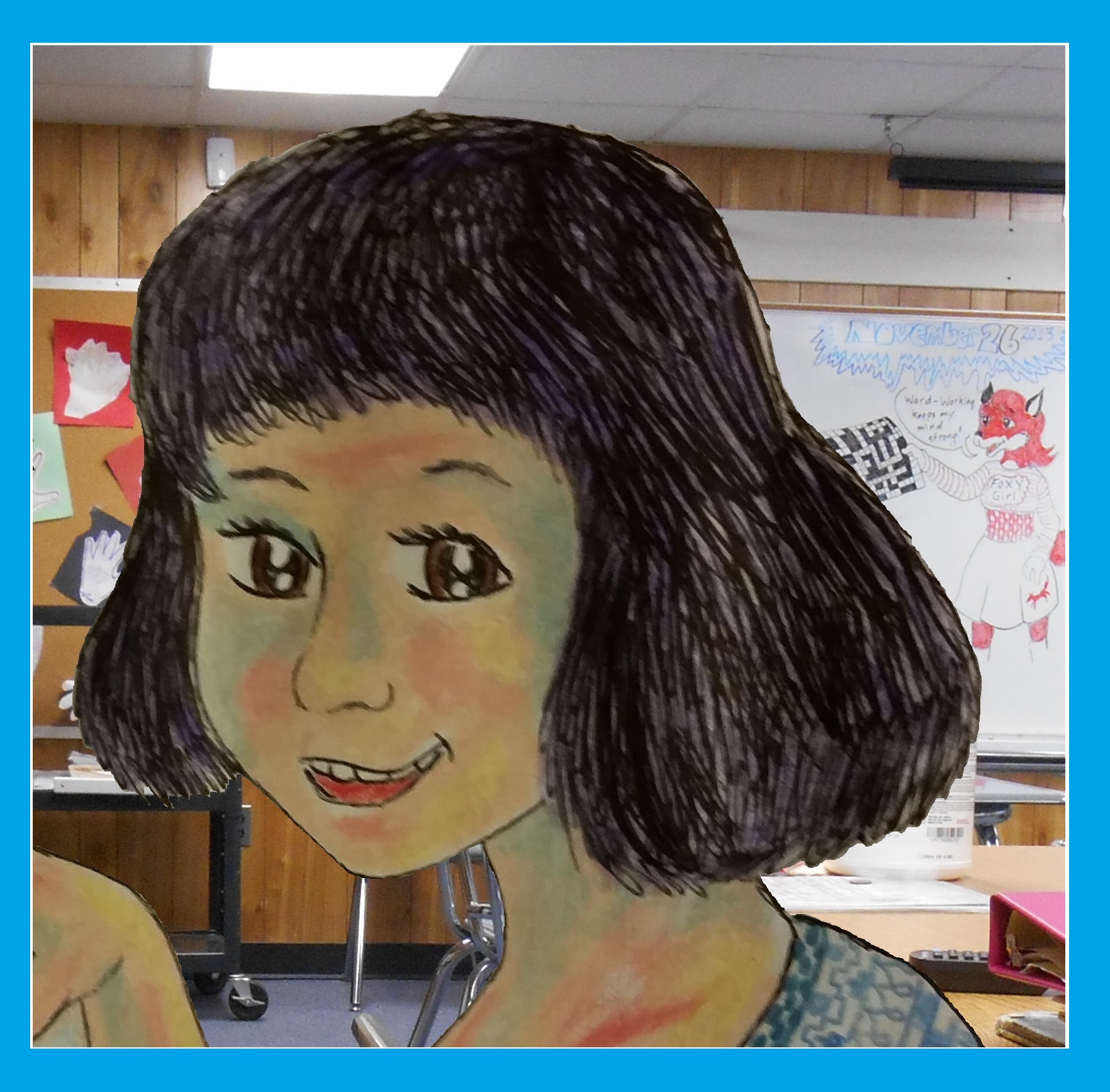
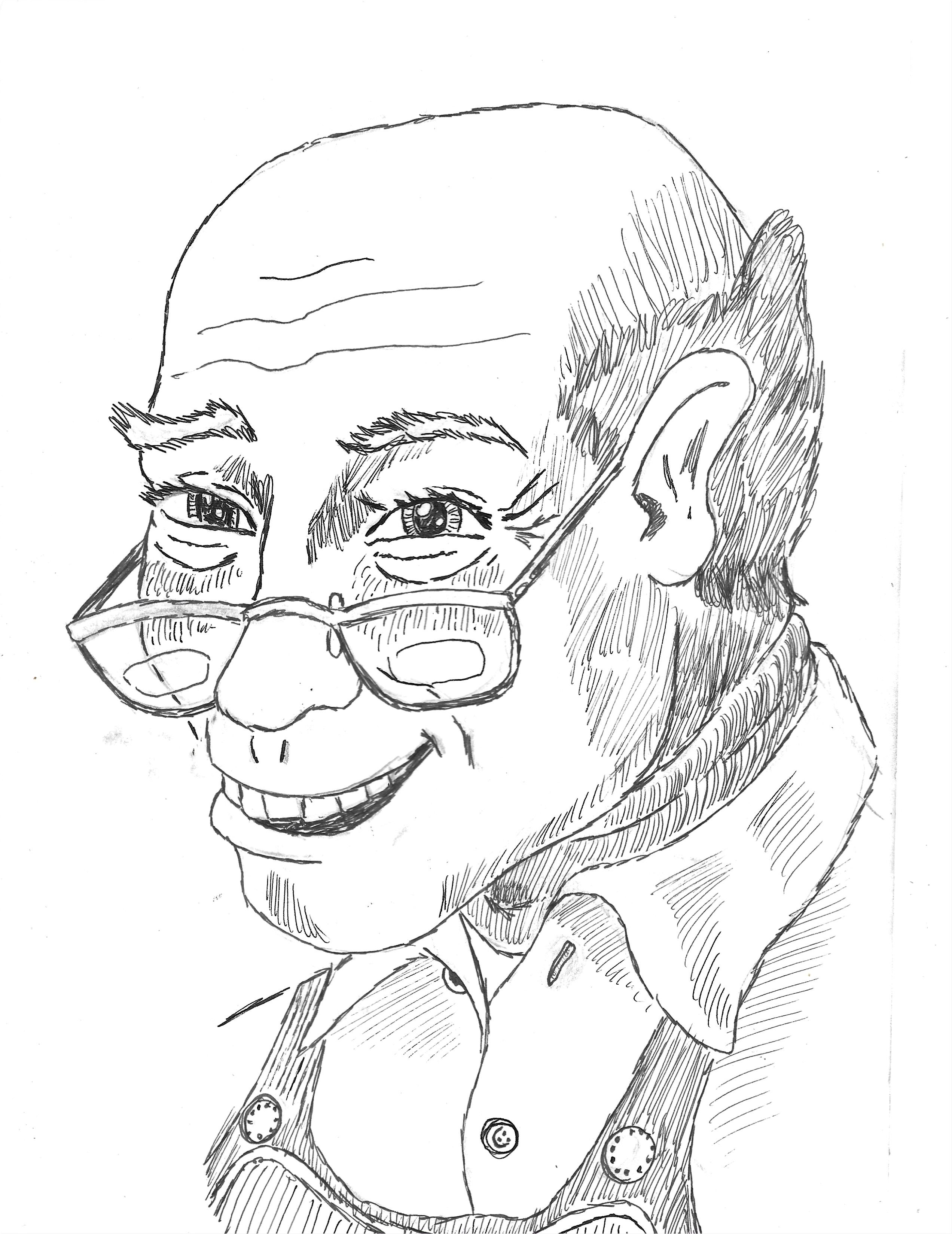
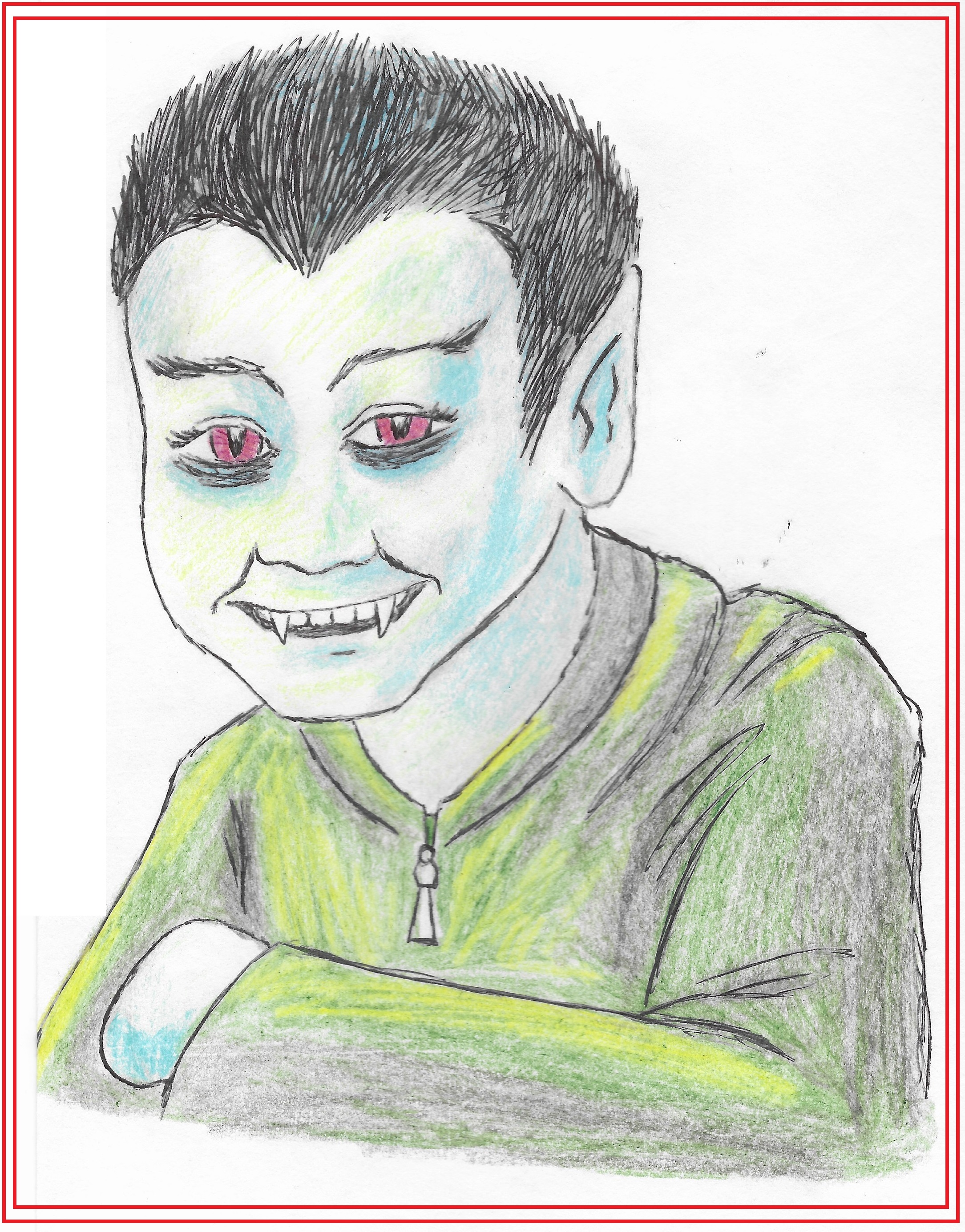
Mickey is a nickname, a cartoonist’s pen name, a wererat from Tellosia, the secret kingdom of fairies hidden in a willow tree in Rowan, Iowa, called Norwall in Mickey’s Hometown Novels.
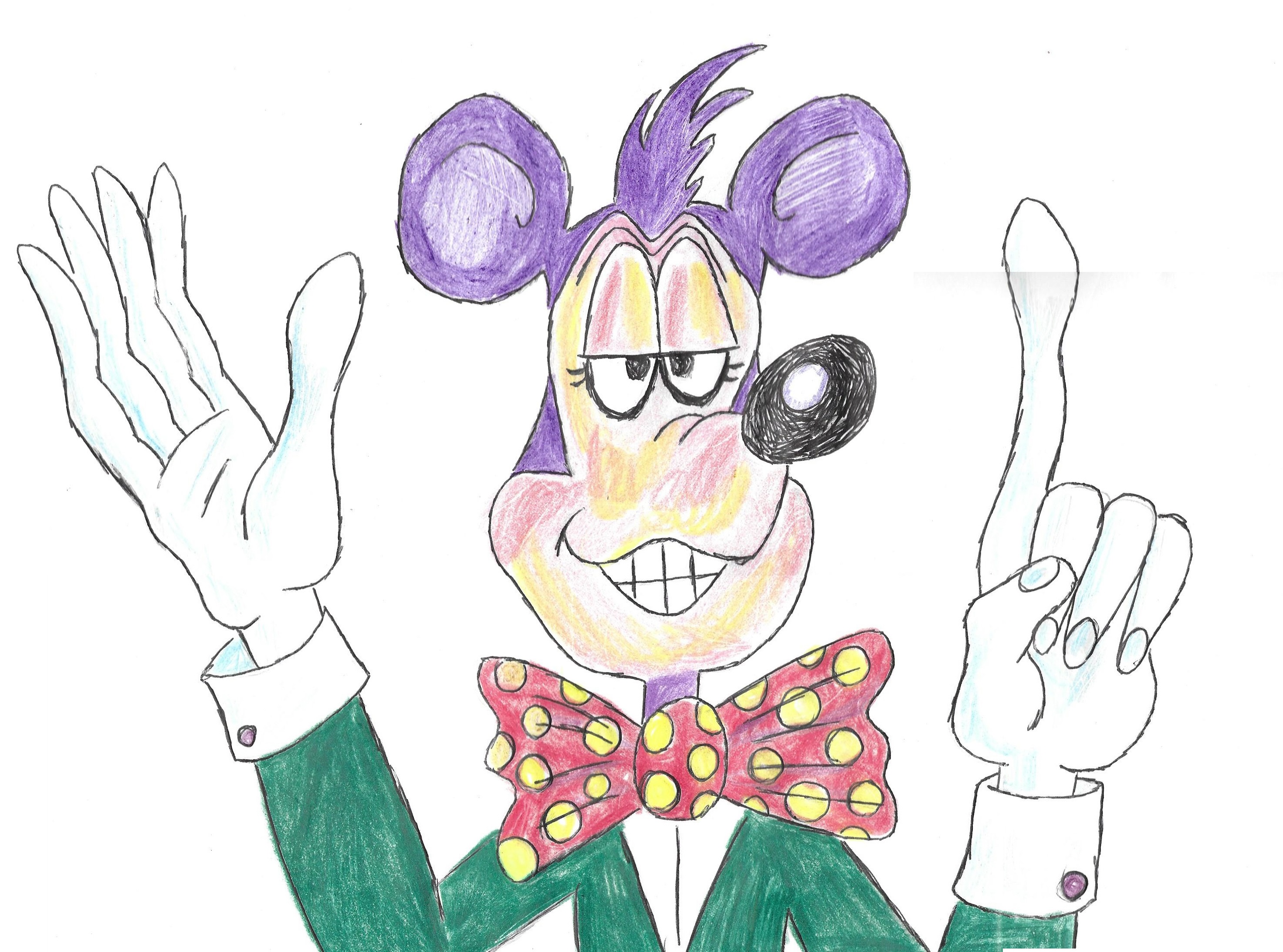
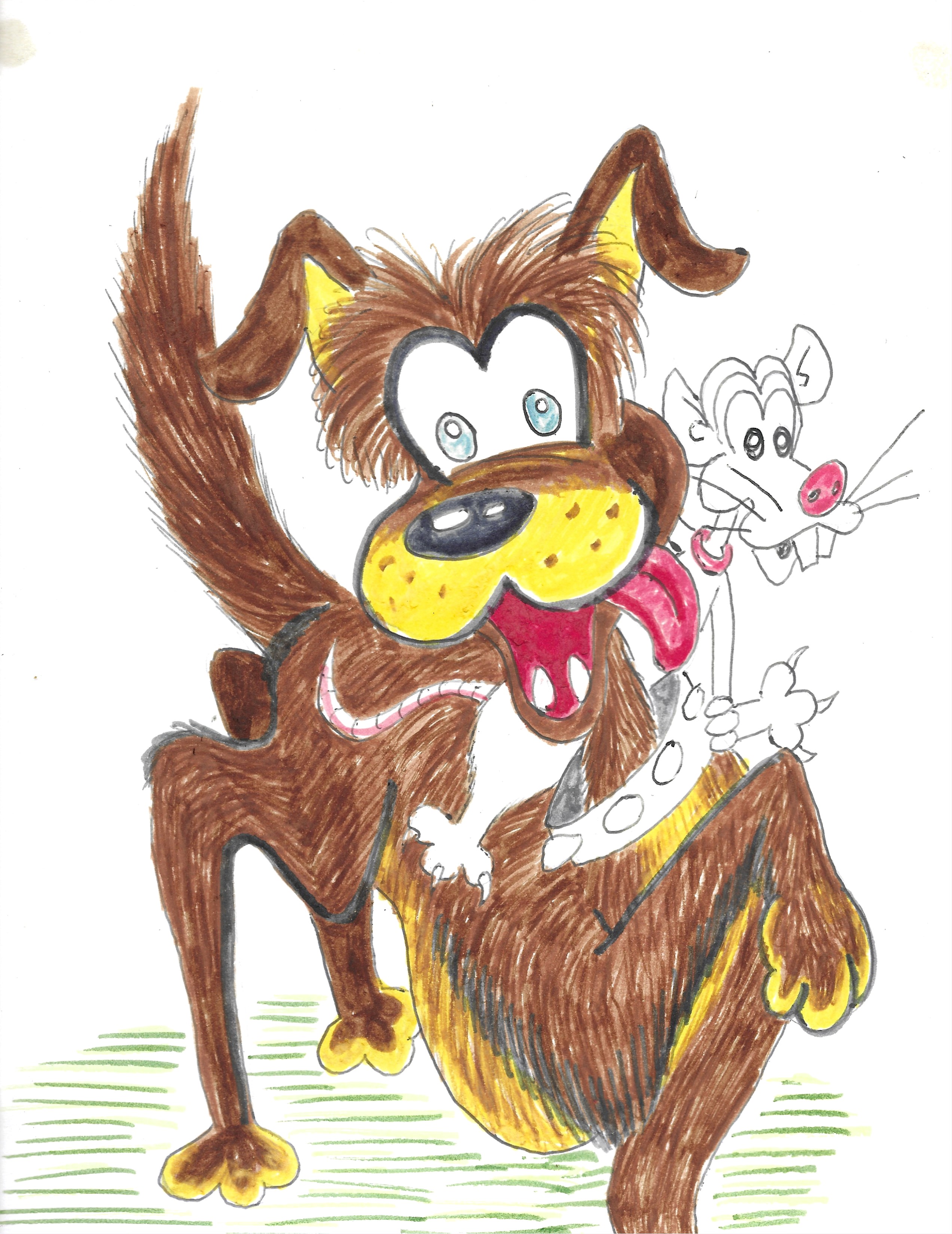
Mickey is a cartoon mouse with purple fur who talks too much in writing and not enough in real life.
The difference between a John Green, author of The Fault in Our Stars, and a Mickey is that John Green became a recognizable personality on YouTube before becoming a published novelist. And he is younger with more opportunity to go and do what an author has to go and do to market a best-selling novel. Mickey markets worst-selling novels. But their writing styles and writing goals are remarkably similar. (Do you feel the urge to argue that point? You may have to buy and read a worst-selling novel or two to prove me wrong.)

Mickey thinks of himself as a nudist. He plans to revisit a nudist park this Saturday if his body doesn’t fail him again and prevents him from making that long drive. He essentially makes himself spiritually naked by revealing all his inner secrets and emotions by writing them all in this blog and his silly books. Some readers find that the naked people in his stories wreck their enjoyment of the books. But those readers generally have bad things in their imaginations that don’t necessarily come from the characters taking their clothes off. And not all of Mickey’s books have nudist characters in them. Most do not.
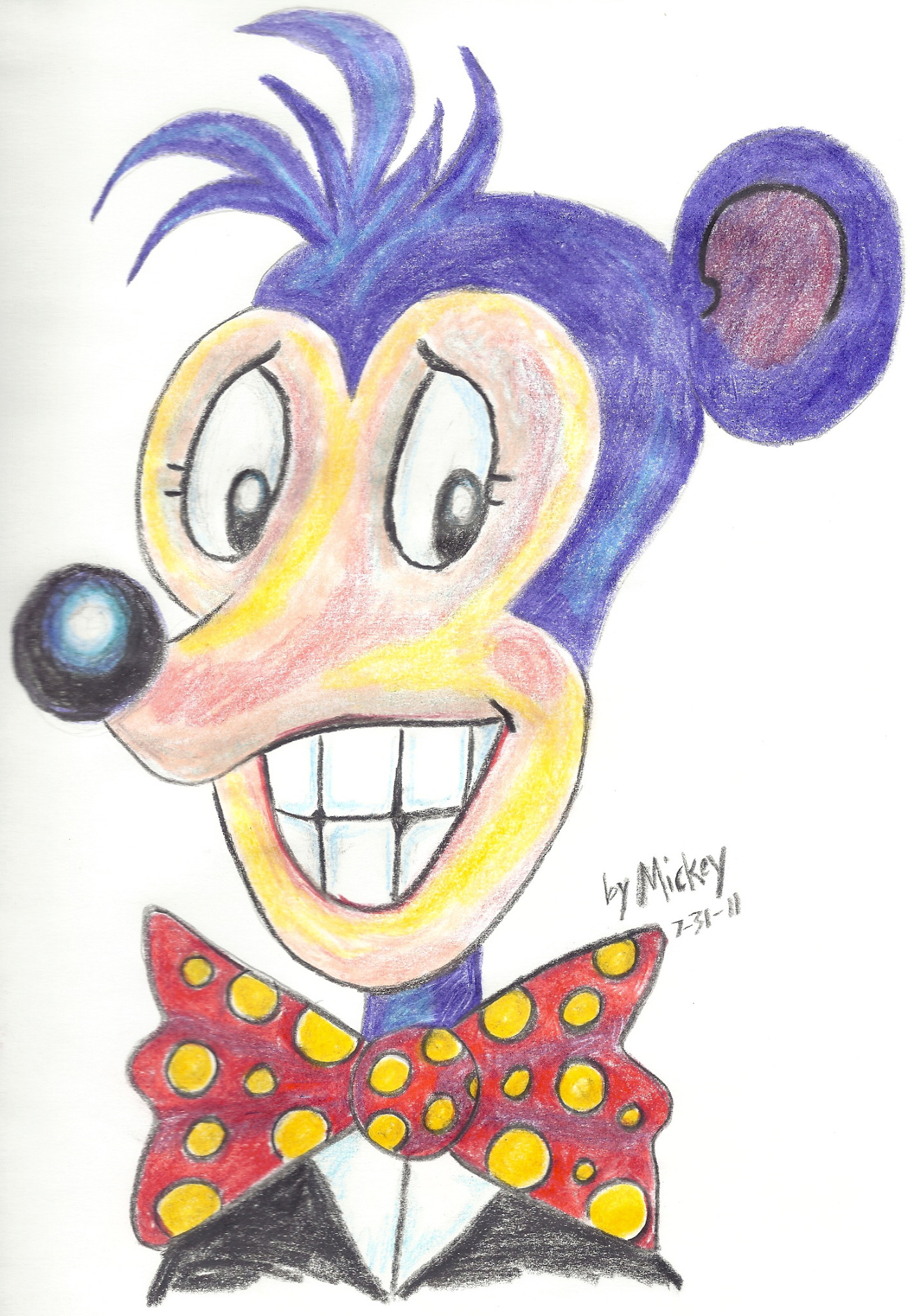
Mickey is not a real person. That is not the author’s real name.
But Mark Twain is not a real person either.
Neither is William Shakespeare. (You are welcome to argue that if you like.)
Mark Twain is on Mickey’s side about Shakespeare not being real.
Mickey believes there is real magic in the world. Of course, Mickey is pretty much crazy and claims to be a wizard. But he defines magic as, “”The use of undiscovered science or uncommon artifice by individuals who are gifted with possession of arcane and rare knowledge.”
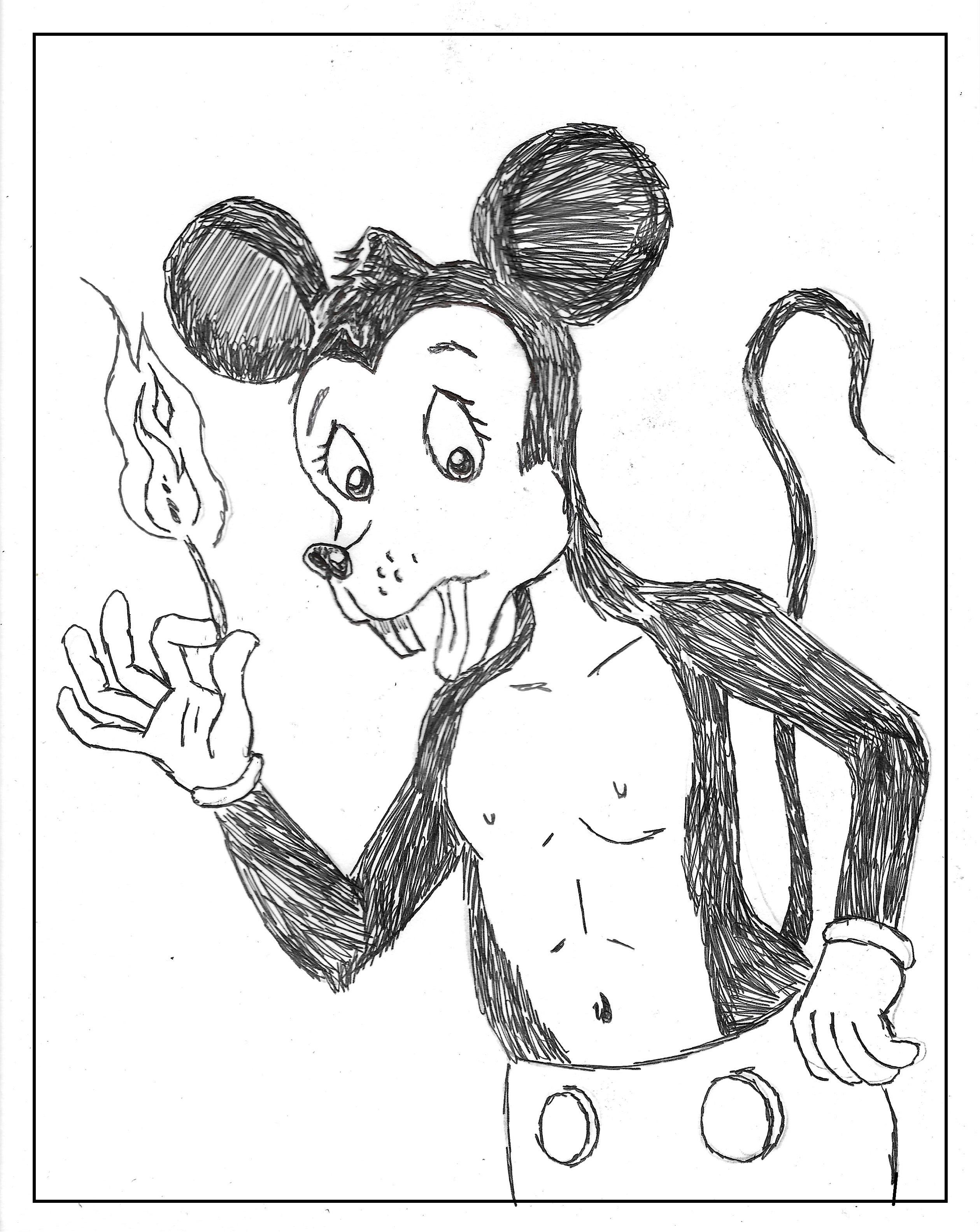
But being fundamentally Mickey is not something I would recommend as a life course for anybody else in this world. Mickey is stuck with being Mickey in the same way that you are probably stuck being you. And we simply try to be the best Mickey or the best you that we can be because we don’t have any choice but to be the best of whatever we are stuck with being.





 Catch a Falling Star
Why We Doo
I remember when Scooby Doo, Where Are You? premiered on Saturday Morning Cartoons in 1969. I was thirteen and in the 7th grade. I had been six during the Cuban Missile Crisis of 1962, seven when Kennedy was assassinated in 1963, ten when I was sexually assaulted in 1966, and still twelve when Neil Armstrong walked on the Moon in the Summer of 1969. I was obsessed with monsters, horror comics, 20,000 Leagues Under the Sea, and the Pirates threatening Jim Hawkins in Treasure Island. I knew what fear was. And I was mad to find ways to combat the monsters I feared.
Don’t get me wrong. I was under no illusions that Fred, Daphne, Velma, Norville “Shaggy” Rogers and Scooby Doo were the answer to all my fears as viable heroes and heroines. They were goofballs, all of them, based on the characters I vaguely remembered from The Many Loves of Dobie Gillis. I was aware that Shaggy was just Maynard Krebs in cartoon form (the hippie character portrayed by Gilligan’s Island actor Bob Denver.)
One of the critical things about the show for me was the fact that there was a rational explanation for the monsters. They were men in masks, special effects and projector tricks, or remote-controlled mechanical things.
And the way you overcame them and saved the day was by having Shaggy and Scooby act as bait, cause the traps to get sprung at the wrong time, and then fall on the villains, trapping them under the butt of the talking dog.
Villains and horror could be overcome by laughing at them. They were more likely to be clowns than carnivores. And even if they were carnivores, the teeth were not real.
There was a universal truth in that. Danger and horror and fear were easier to handle when you could laugh in spite of those things.
And to top it all off, those meddling kids and their stupid talking dog were with me my whole life. Those cartoons got remade and spun off so many times that my kids learned to love them as much as I did. And those four meddling kids and that talking dog are still making new stories even now.
And that is why we do the Doo!
2 Comments
Filed under autobiography, cartoon review, cartoons, commentary, humor, monsters, Uncategorized
Tagged as Scooby Doo