

I start today with nothing in my head to write about. I guess I can say that with regularity most days of the writing week. Sundays in particular are filled with no useful ideas of any kind. But I have a certain talent for spinning. As Rumpelstiltskin had a talent for spinning straw into gold, I take the simple threads of ideas leaking out of my ears and spin them into yarns that become whole stories-full of something to say. And it is not something out of mere nothing. There is magic in spinning wheels. They take something ordinary and incomplete, and turn it into substantial threads useful for further weaving.
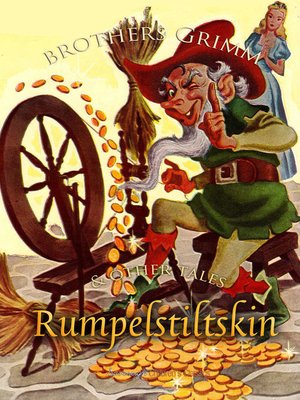
Of course the spinning wheel is just a metaphor here for the craft of writing. And it is a craft, requiring definable skills that go well beyond merely knowing some words and how to spell them.
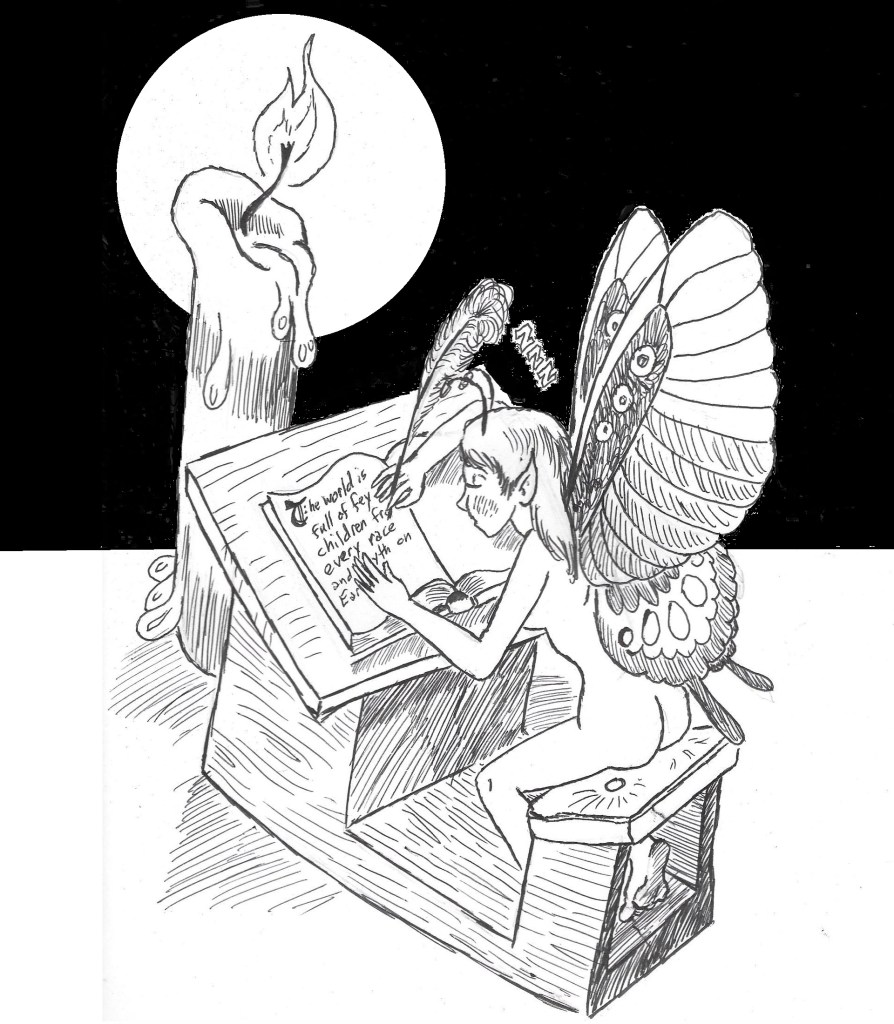
The first skill is, of course, idea generation. You have to come up with the central notion to concoct the potion. In this case today, that is, of course, the metaphor of using the writing process as a spinning wheel for turning straw into gold. But once that is wound onto the spindle, you begin to spin yarn only if you follow the correct procedure. Structuring the essay or story is the next critical skill.
Since this is a didactic essay about the writing process I opened it with a strong lead that defined the purpose of the essay and explained the central metaphor. Then I proceeded to break down the basic skills for writing an essay with orderly explanations of them, laced with distracting images to keep you from dying of boredom while reading this, a very real danger that may actually have killed a large number of the students in my writing classes over the years (although they still appeared to be alive on the outside).

As I proceed through the essay, I am stopping constantly to revise and edit, makeing sure to correct errors and grammar, as well as spending fifteen minutes searching for the picture of my mother’s spinning wheel used directly above. Notice, too, I deliberately left the spelling-error typo of “making” to emphasize the idea that revising and proof-reading are two different things that often occur at the same time, though they are very different skills.
And as I reach the conclusion, it may be obvious that my spinning wheel of thought today spun out some pure gold. Or, more likely, it may have spun out useless and boring drehk. Or boring average stuff. But I used the spinning wheel correctly regardless of your opinion of the sparkle of my gold.



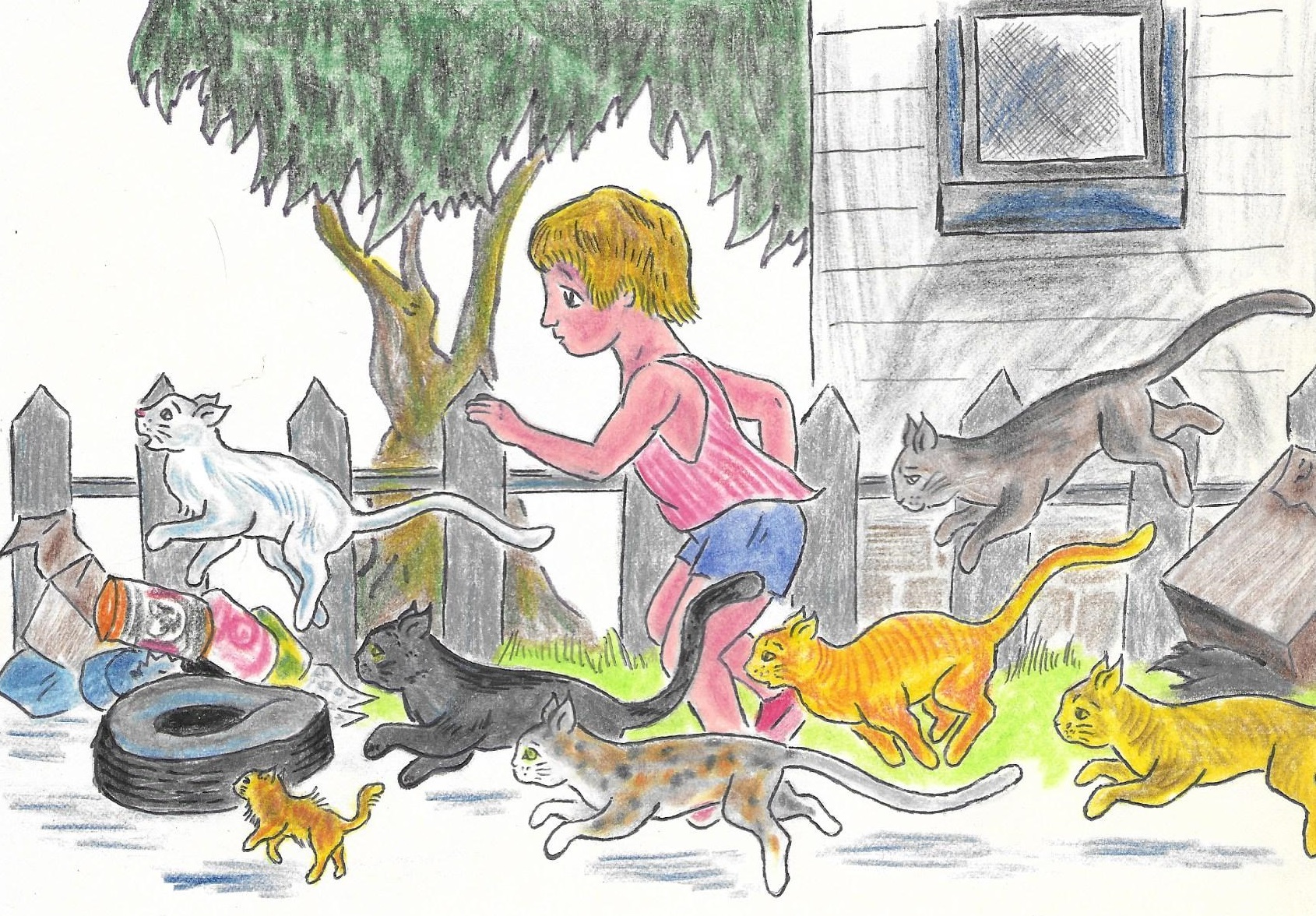
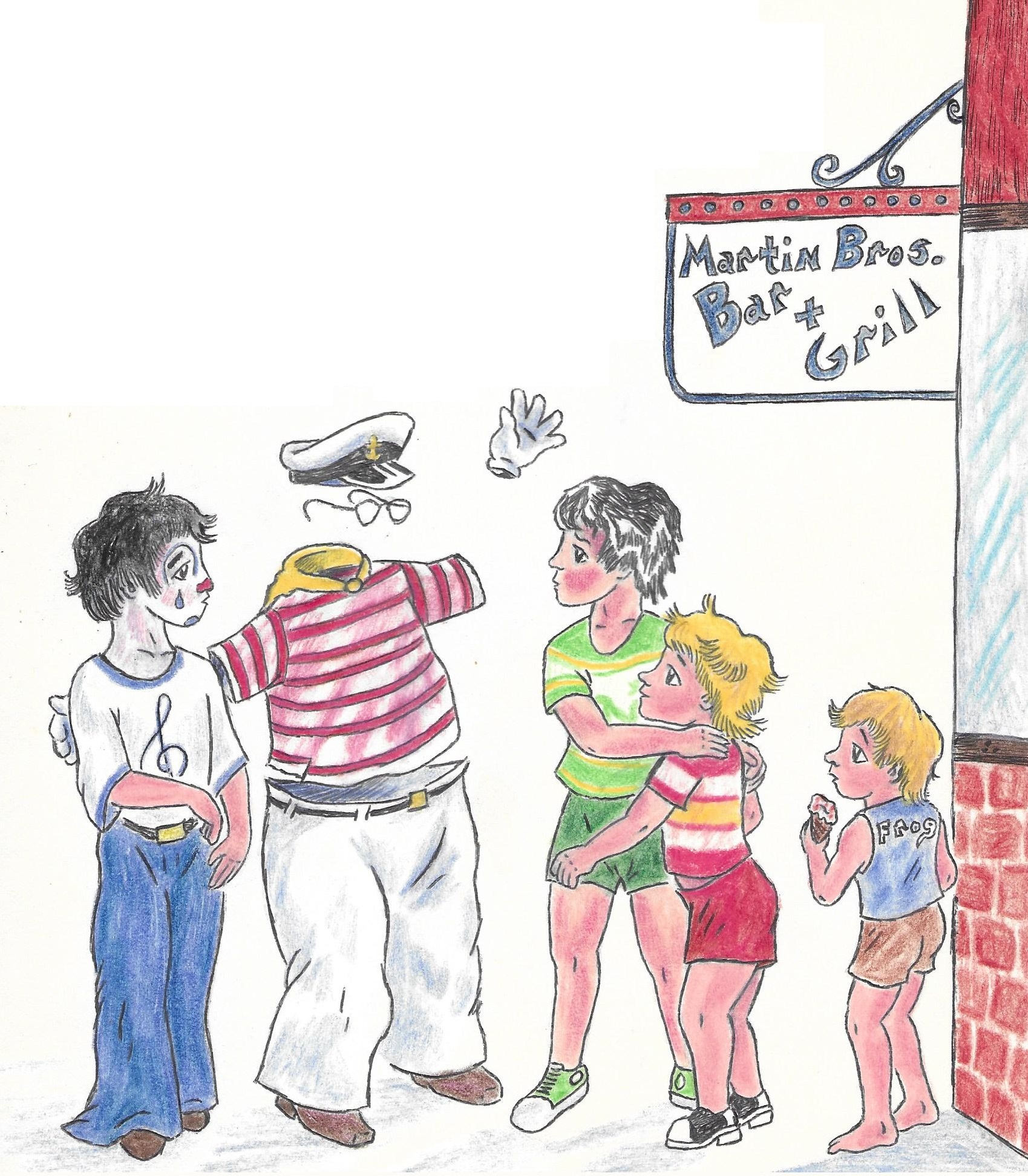
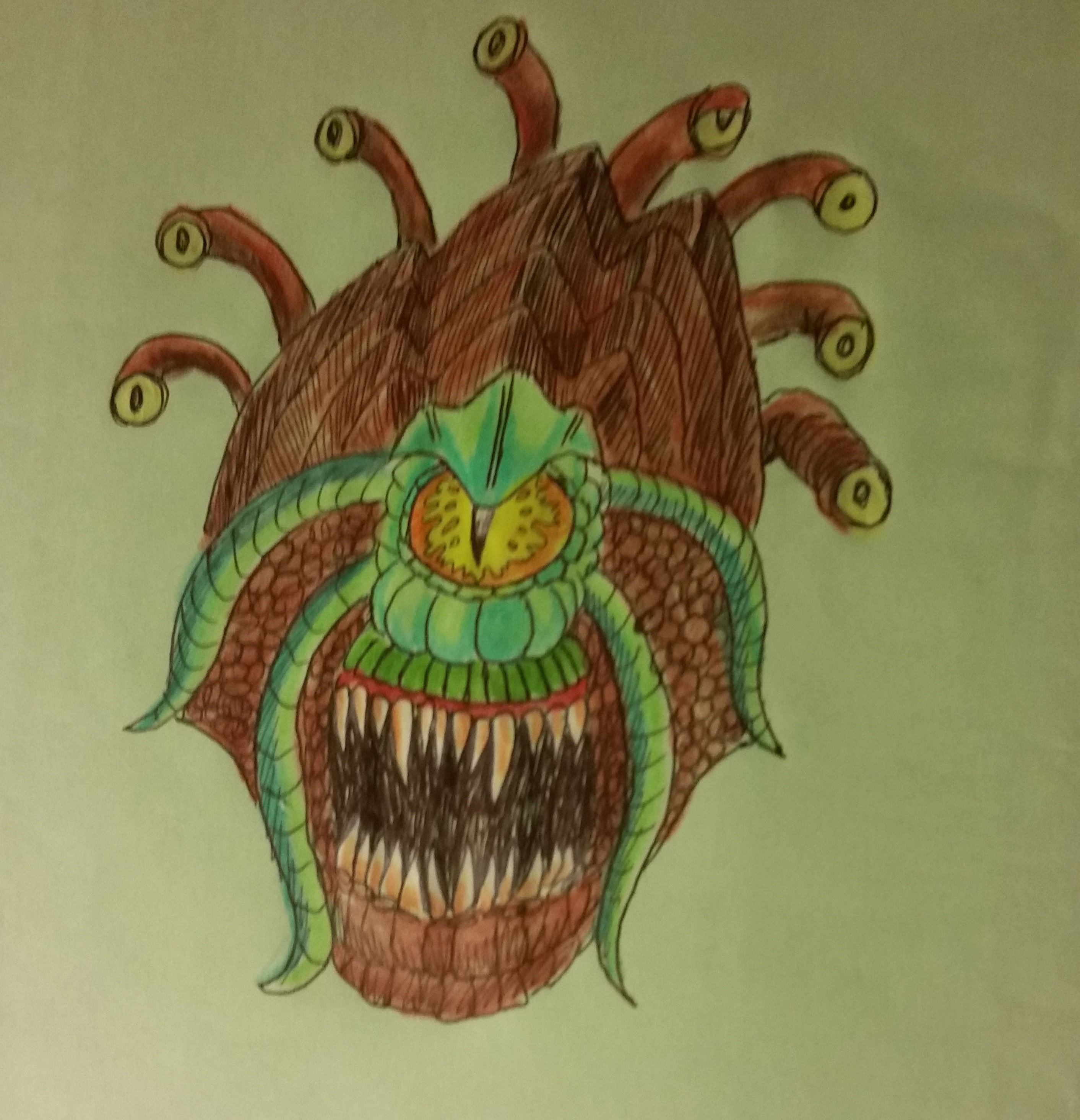


 Ah, irony again! It ends up being anything but simple. You can write in simple, adjective-and-adverb-free sentences as Hemingway did, and still manage to convey deeply complicated and thoughtful ideas. One might even suggest that you can create poetic ideas in mere prose, dripping with layers of emotion, conflict, theme, and deeper implied meaning. You can also write prose in the intensely descriptive and convoluted style of a Charles Dickens with many complex sentences and pages-long paragraphs of detail, using comic juxtapositions of things, artfully revealing character development, and idiosyncratic dialogue all for comedic effect. Prose is a powerful and infinitely variable tool for creating meaning in words. Even when it is in the form of Mickian purple paisley prose that employs extra-wiggly sentence structure, pretzel-twisted ideas, and hyperbolically big words.
 Catch a Falling Star
The Way Mickey’s Mind Works
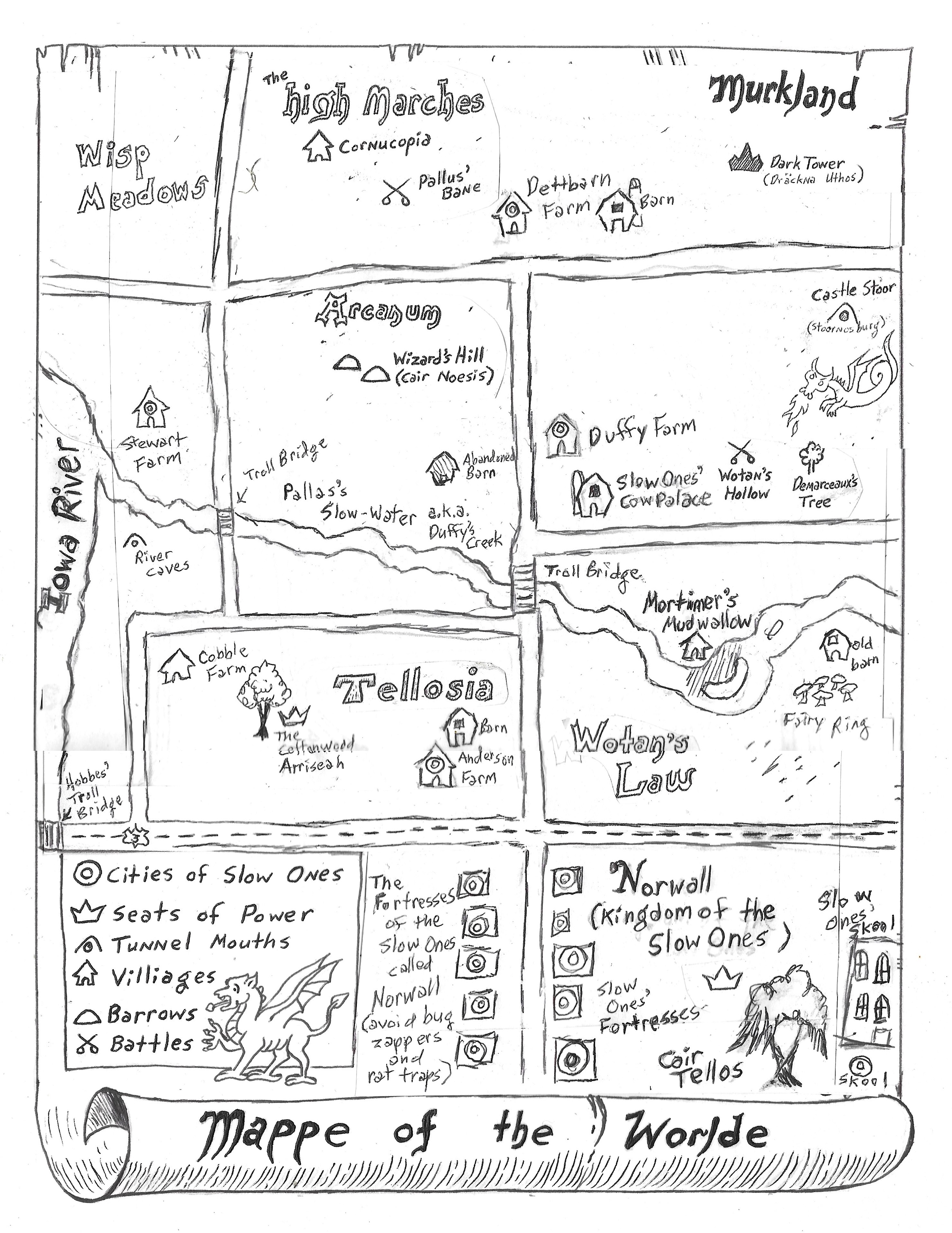
If you’ve read any of the crap that Mickey wrote about before in this goofy blog, you probably already suspect that Mickey’s mind does not work like a normal mind. The road map above is just one indicator of the weirdness of the wiring that propels Mickey on the yellow brick road to Oz and back. He just isn’t a normal thinker.
But having a few bats in the old belfry doesn’t prevent the man from having a plan. If you read all of Mickey’s hometown novels, you will discover he hasn’t written them in time order. Main characters in my 2016 novel weren’t even born yet in my 2017 books. If you look at them in chronological order rather than the order written, you will see characters growing and changing over time. A shy kid in one novel grows into a werewolf hunter in the next. A girl who loses her father to suicide in a novel not yet completed, learns how to love again in another novel.
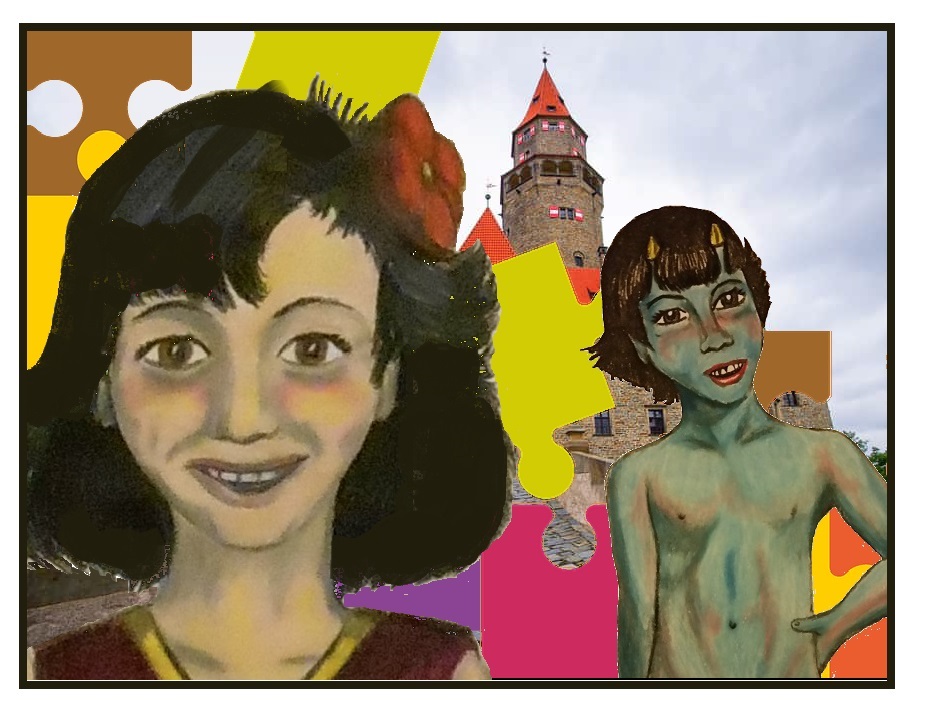
Multiple Mickian stories are totally infected with fairies. The magic little buggers are harder to get rid of than mosquitoes and are far and away more dangerous. And there are disturbing levels of science-fiction-ness radiating through all of the stories. How dare he think like that? In undulating spirals instead of straight lines! He doesn’t even use complete sentences all the time. And they used to let that odd bird teach English to middle school kids.
But there is a method to his utter madness. He started with the simpler stories of growing up and learning about the terrors of kissing girls when you are only twelve. And then he moved on into the darker realms of dealing with death and loss of love, the tragedy of finding true love and losing it again almost as soon as you recognize its reality. Simple moves on to complex. Order is restored with imagination, only to be broken down again and then restored yet again,.
And, of course, we always listen to Mr. Gaiman. He is a powerful wizard after all. The Sandman and creator of good dreams. So Mickey will completely ignore the fact that nobody reads his books no matter what he does or says. And he will write another story.
It is called Sing Sad Songs, and it is the most complex and difficult story that Mickey has ever written. And it will be glorious. It also rips Mickey’s heart out. And I will put that ripped-out heart back in place and make Mickey keep writing it, no matter how many times I have to wash, rinse, and repeat. The continued work is called Fools and Their Toys. It solves the murder mystery begun in Sing Sad Songs. This re-post of an updated statement of goals is the very spell that will made that magic happen. So, weird little head-map in hand, here we go on the writer’s journey once again and further along the trail.
1 Comment
Filed under commentary, goofiness, humor, novel plans, NOVEL WRITING, Paffooney, strange and wonderful ideas about life
Tagged as Sing Sad Songs