
I have told you before that I am blessed with the mental quirk known as synesthesia. I get sensory impressions of things that they can’t possibly have, but my brain imposes them anyway. For instance, today is a Thursday, so it is a yellow-ochre day. You can’t actually see the colors of a day or a month, but I do. I have very strong impressions with crossed-up sensory input. Mondays are teal blue, except in the month of September which is sky blue, so they become a darker blue or indigo-color day every week. And this weird mental mini-illness also applies to fiction.

For example, the character of Atticus Finch, the lawyer and father of Scout in To Kill a Mockingbird comes across to me as a beige character. He represents a hero who struggles to do what is essentially right in a difficult situation. He faces raising Scout and her older brother Gem in a time and place where racism and vindictiveness are often dominant, and fairness and a sense of equity is often lost in the face of those problems. Hence, I believe that if he was some kind of pure, saintly character, he would be pure white as a character. But he has to make compromises. He has to shoot the rabid dog. He has to accept food and other goods in lieu of fees from people who can’t otherwise pay a lawyer for legal help. He has to defend a black man from wrongful rape charges as a public defender. But he is definitely a good man. He understands and accepts the shortcomings of a damaged soul like Boo Radley. He defends Tom Robinson, the black man, as an equal, even as a friend. He has to defeat the Ewells in court, but he understands and feels sympathy for abused Mayella Ewell.
Atticus Finch is beige in color because he is a character of firm principles who is not perfect, and slightly browned by the compromises of a regular hard life.

Captain Ahab, from the novel Moby-Dick, is a very different character, though he is played here by the same actor, Gregory Peck. Ahab is a dark navy-blue character. Navy blue is a color associated with the sea and the Navy (well, duh!), but also represents the depths of the ocean, the darkness that can fill the deepest corners of the obsessive mind. It is not quite a black villainous color, but definitely darker than what is needed. Ahab is a main character in his story, but definitely not a hero. He is an obsessive-compulsive nightmare, which is also a navy-blue thing. He is a storm-cloud threatening to sink his own ship, which he eventually does, and also a navy-blue thing.

Captain Keith Mallory, the anchoring main character in the plot of Alistair Maclean’s novel The Guns of Navarone, is a Kelly green character.
Now, that, of course, is not a mere Irish association, although Mallory is probably an Irish name. The color, for me, smacks of military discipline, resilience, irrepressible life and hope, and responsibility. Captain Mallory is not the leader of the commando raid on the impossibly secure anti-ship gun site on the island of Navarone, but leadership is thrust upon him when Major Franklin is injured climbing the cliff towards the guns. He is forced to adapt and make incredibly hard choices, leaving Franklin behind to be cured of gangrene by the enemy while in possession of false information that Mallory intentionally made him believe, knowing it would be tortured out of him. He also must decide to execute the resistance girl who had been helping the commandos until it was revealed she was a plant and actually helping the Germans. He is a Kelly green character of life and hope because he finds a way to succeed in the mission and brings most of the group out of it alive, having struck a major blow to the Germans.
This essay is not about Gregory Peck, though he is in all the pictures. I am merely using him to illustrate the idea that characters in fiction have different colors for me. He is a very good actor to be able to change color so easily. But the colors represent for me the kinds and qualities of the characters. I know it is not an entirely rational thing. But like the synesthesia effects on the days of the week, the colors perceived by my irrational Mickey-brain for fictional characters mean something to me, and I am attempting to explain in the best way that an irrational Mickey can.
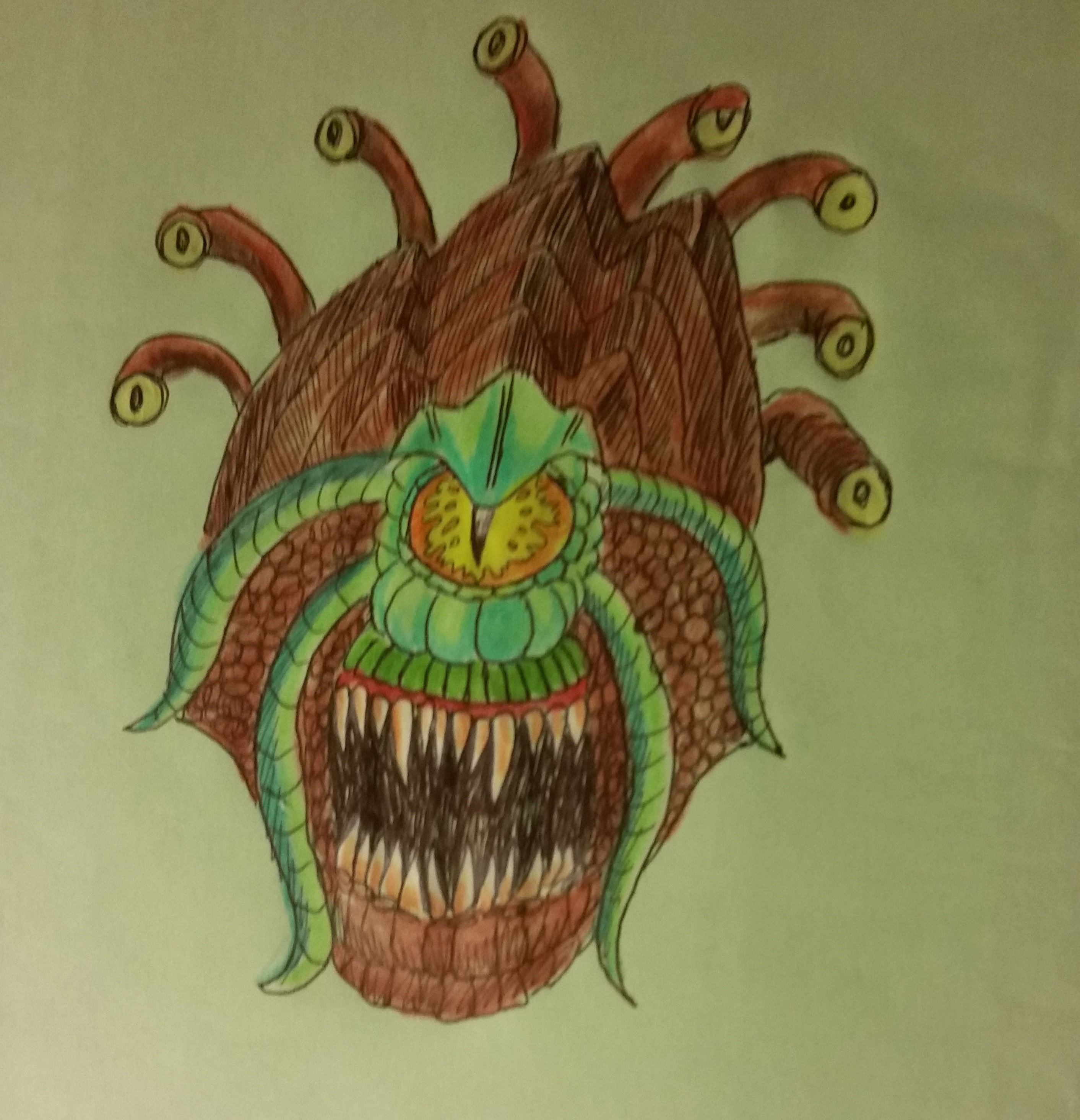
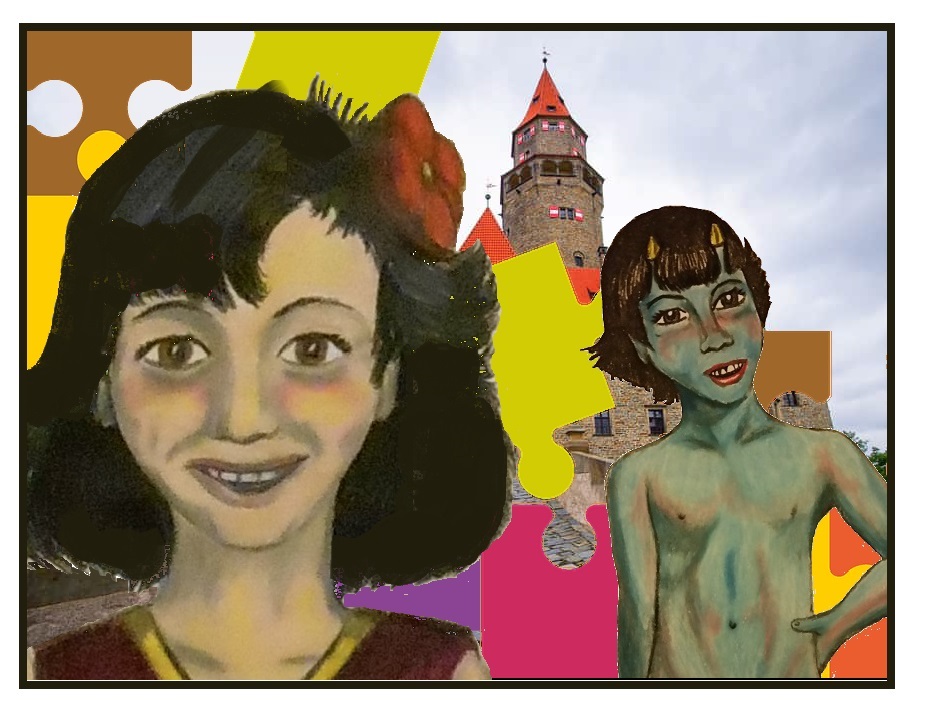
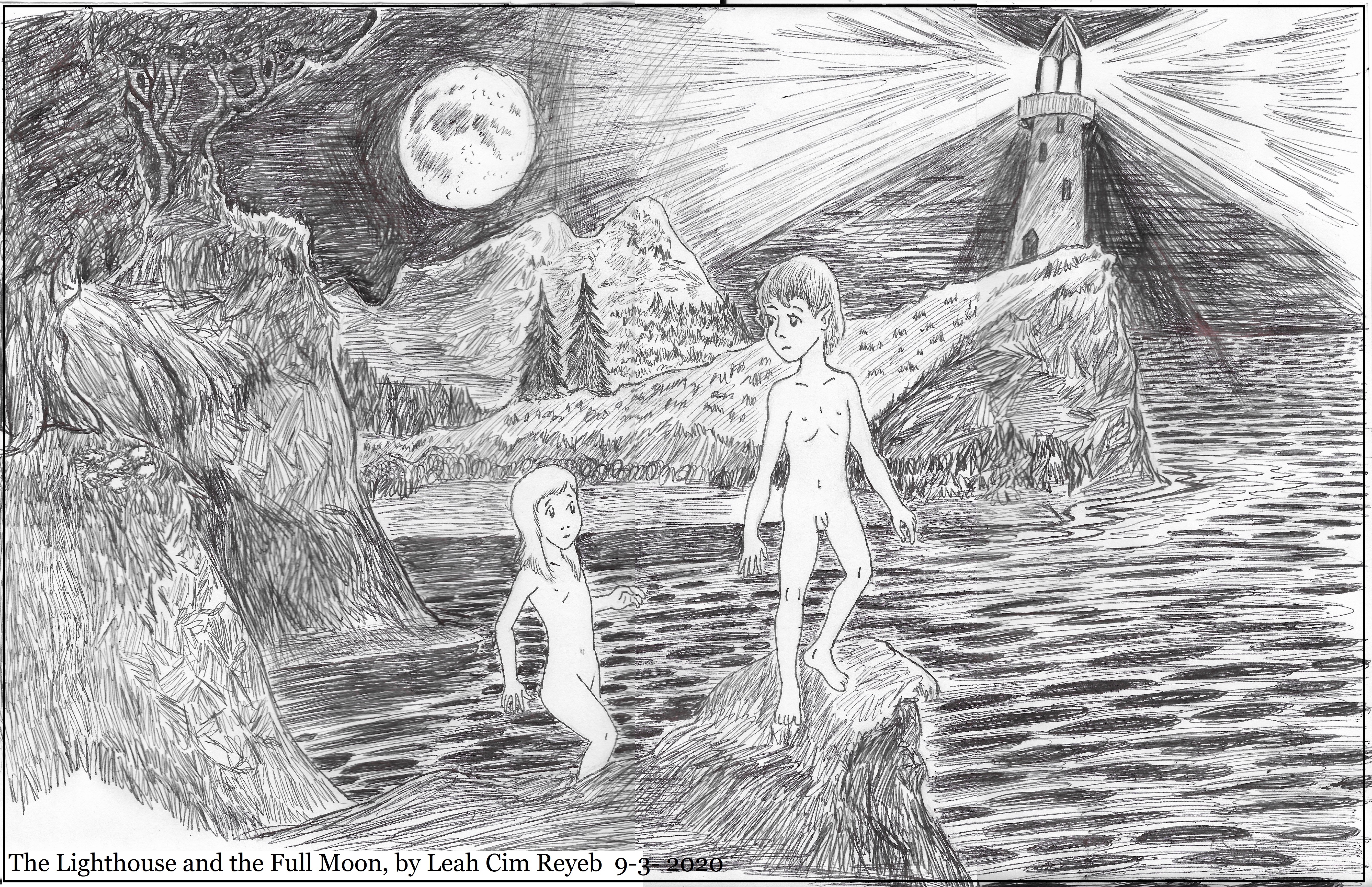
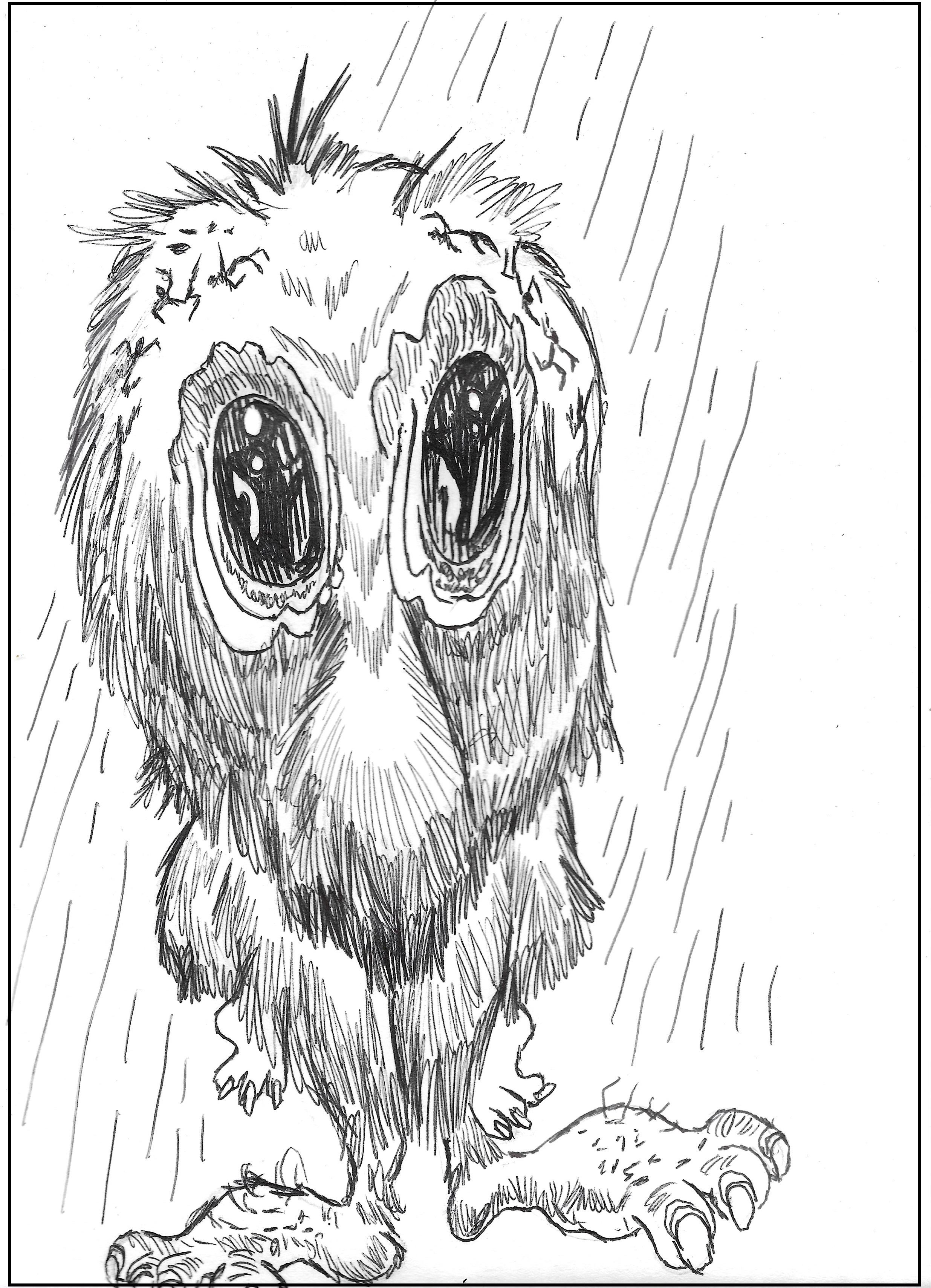


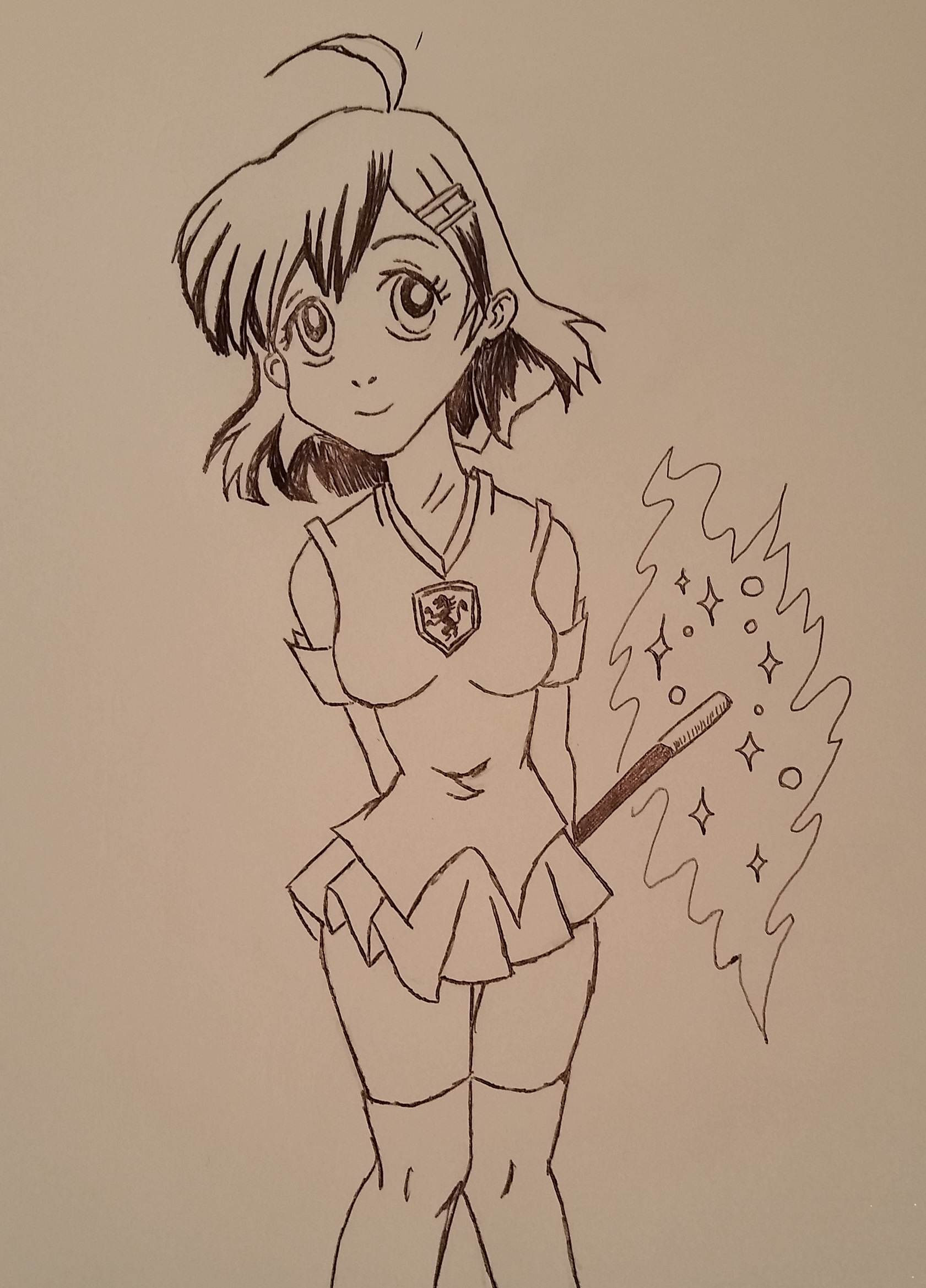 Ah, irony again! It ends up being anything but simple. You can write in simple, adjective-and-adverb-free sentences as Hemingway did, and still manage to convey deeply complicated and thoughtful ideas. One might even suggest that you can create poetic ideas in mere prose, dripping with layers of emotion, conflict, theme, and deeper implied meaning. You can also write prose in the intensely descriptive and convoluted style of a Charles Dickens with many complex sentences and pages-long paragraphs of detail, using comic juxtapositions of things, artfully revealing character development, and idiosyncratic dialogue all for comedic effect. Prose is a powerful and infinitely variable tool for creating meaning in words. Even when it is in the form of Mickian purple paisley prose that employs extra-wiggly sentence structure, pretzel-twisted ideas, and hyperbolically big words.
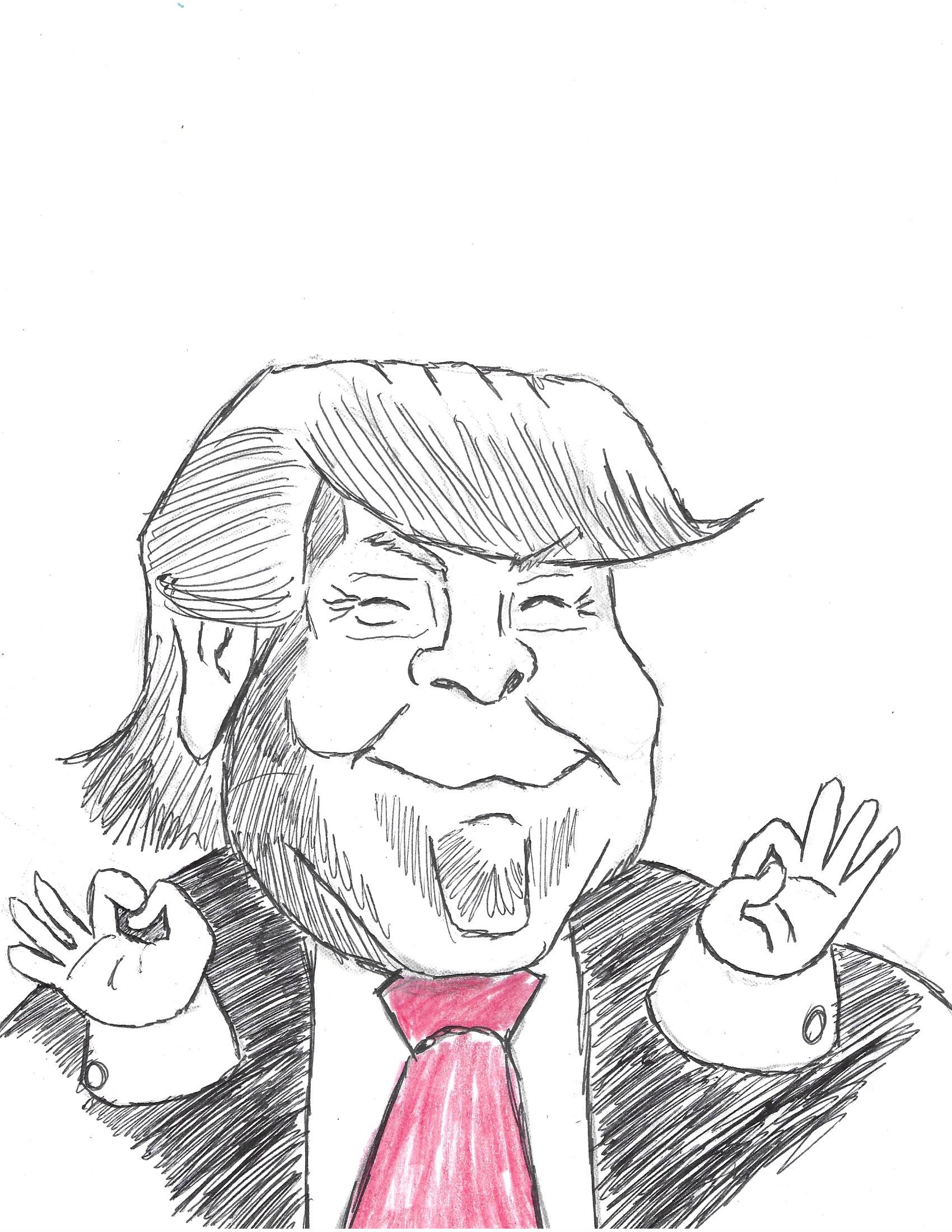
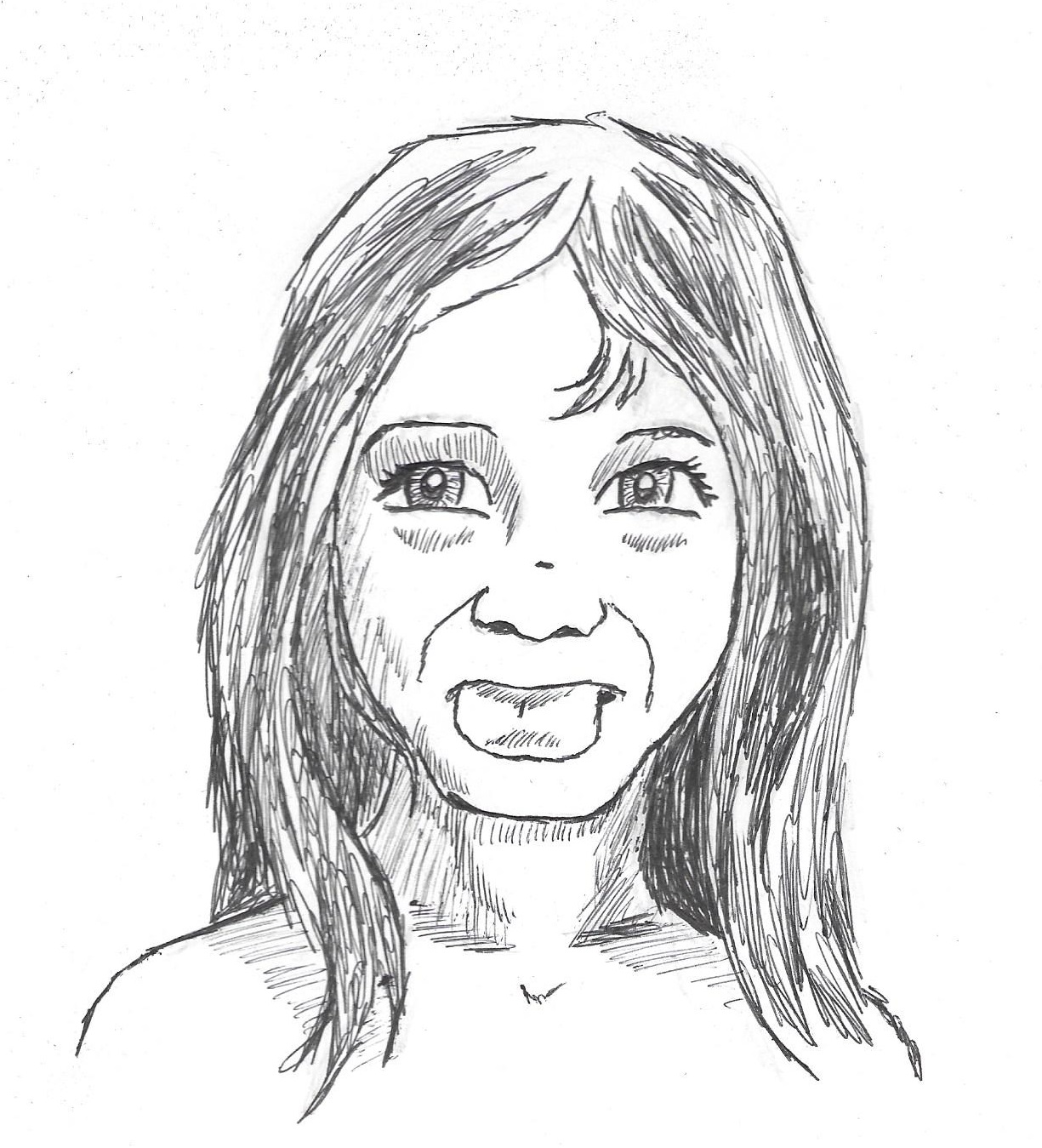
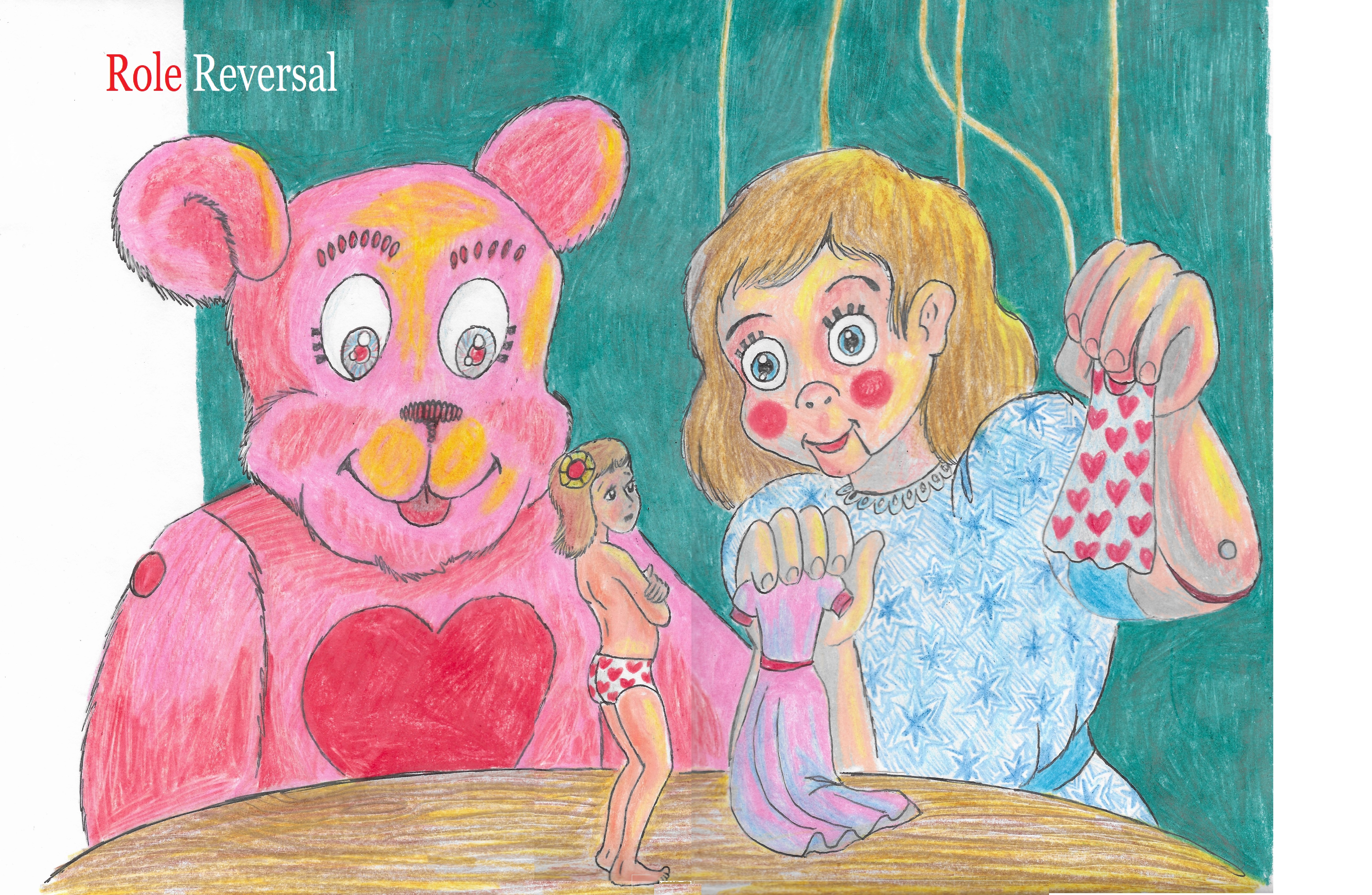

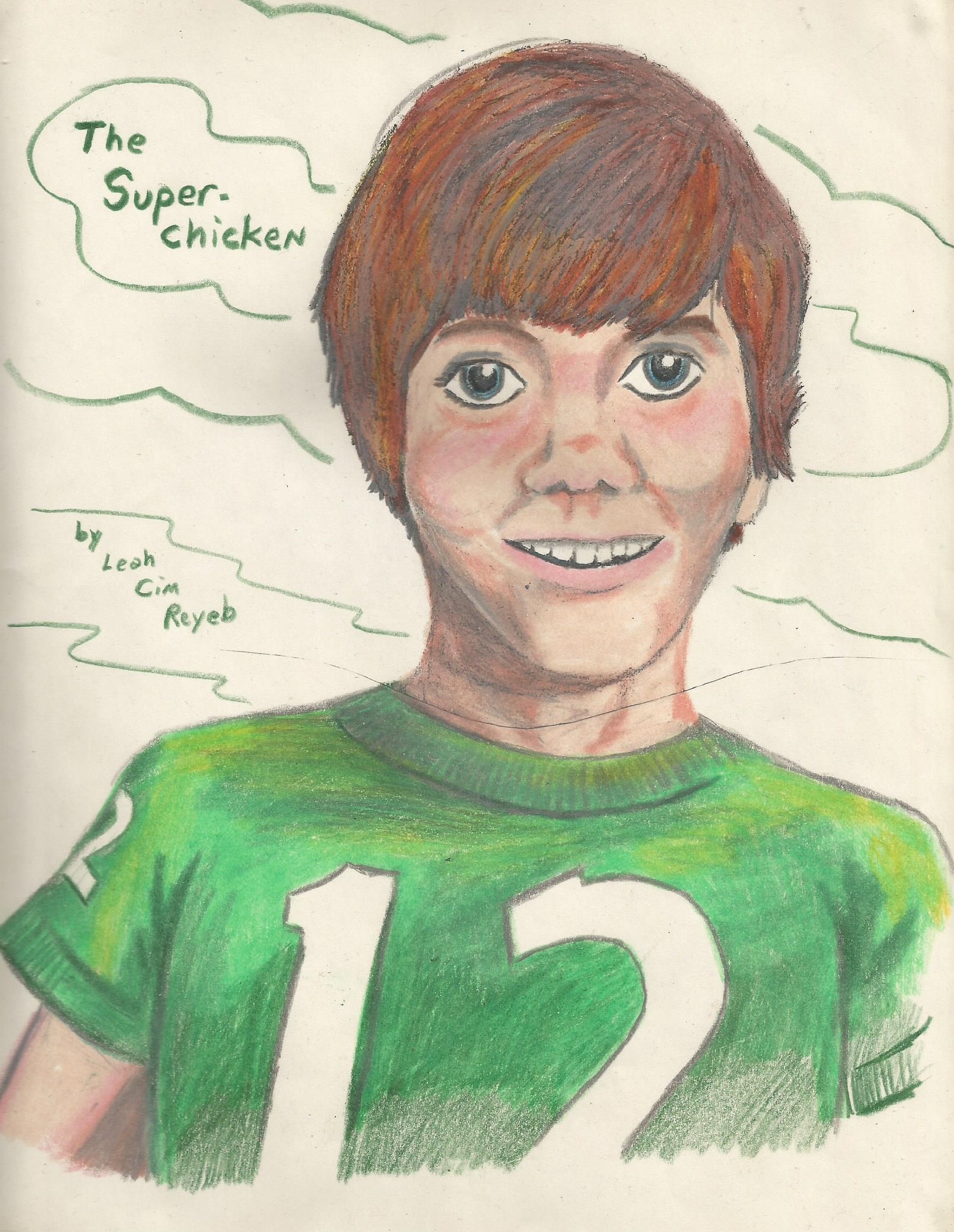
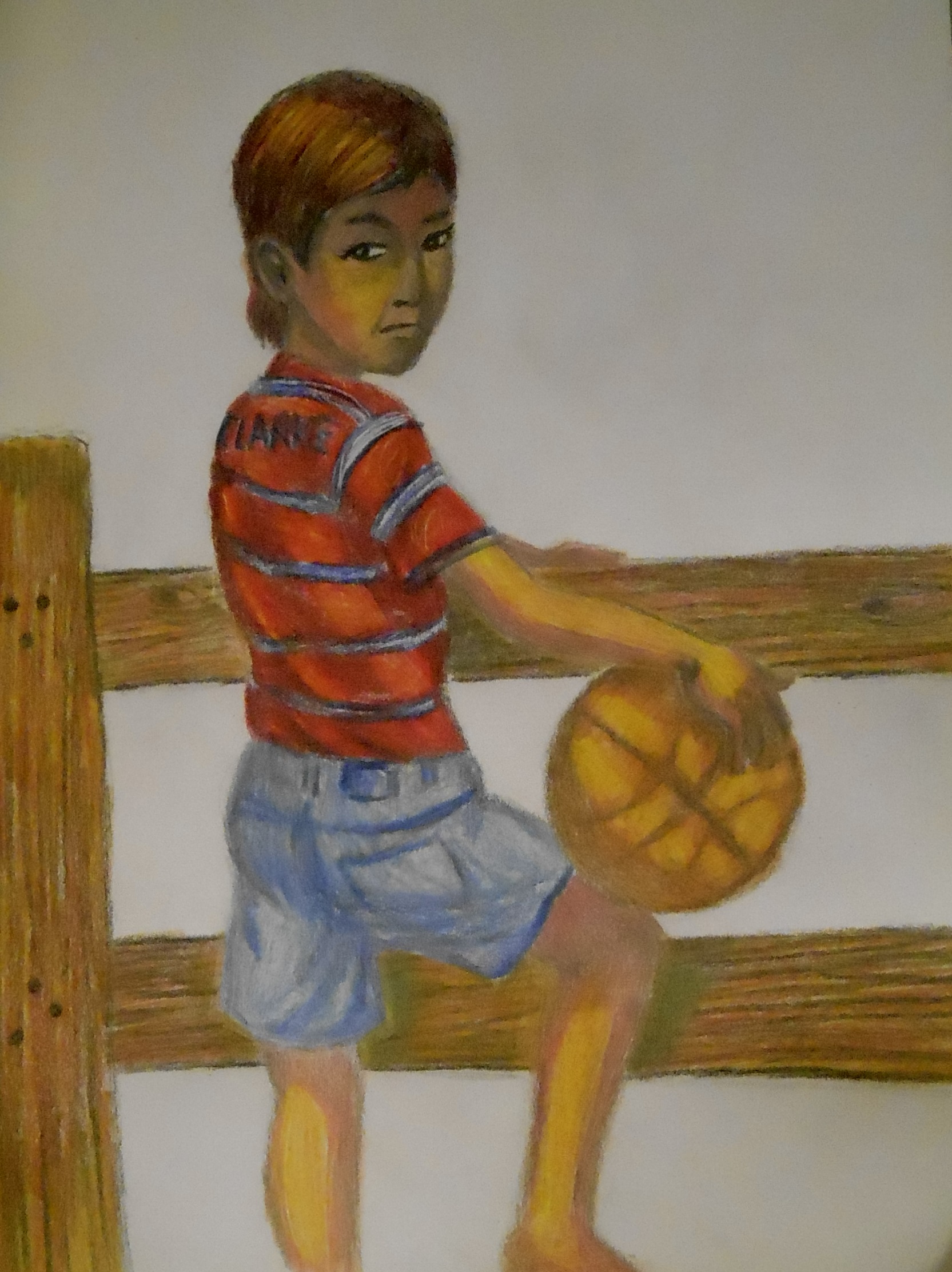
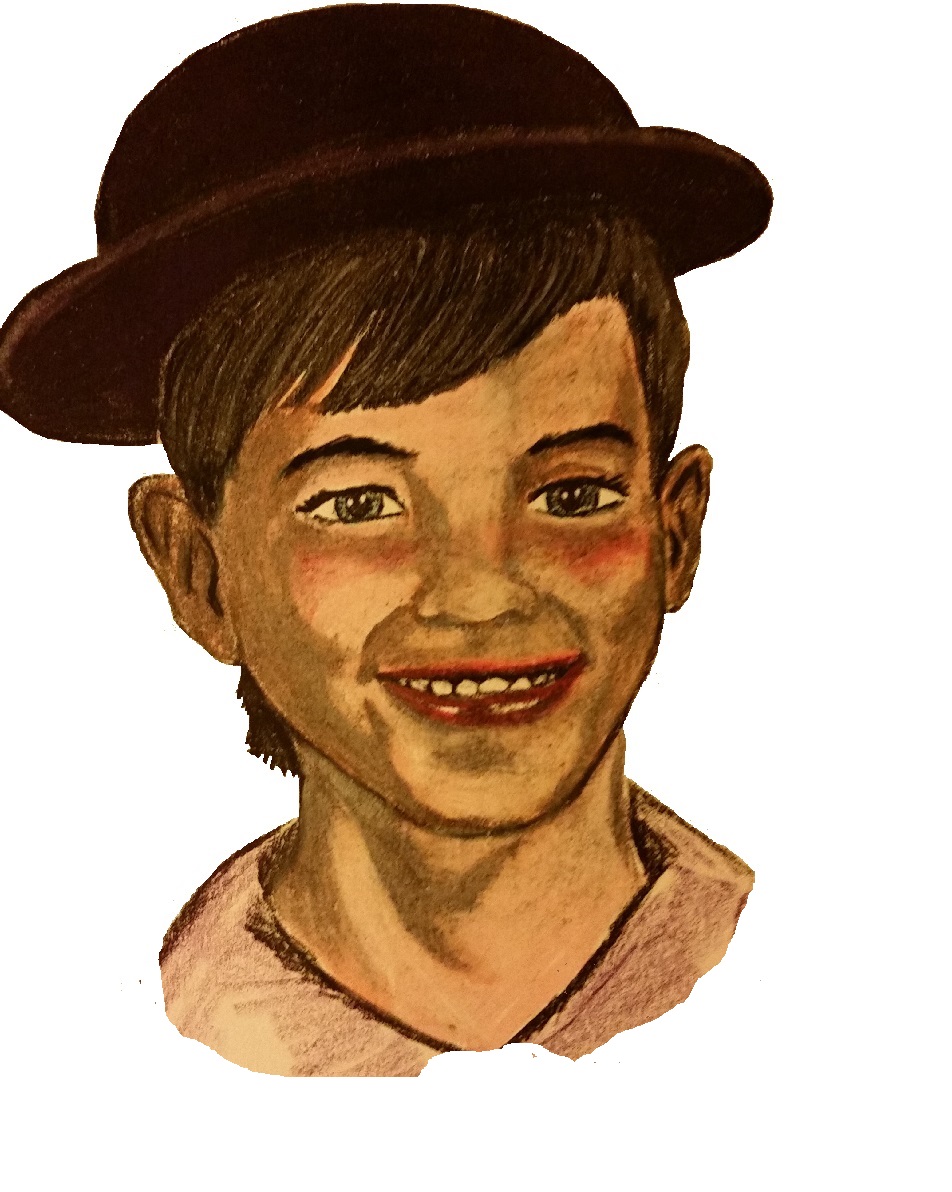
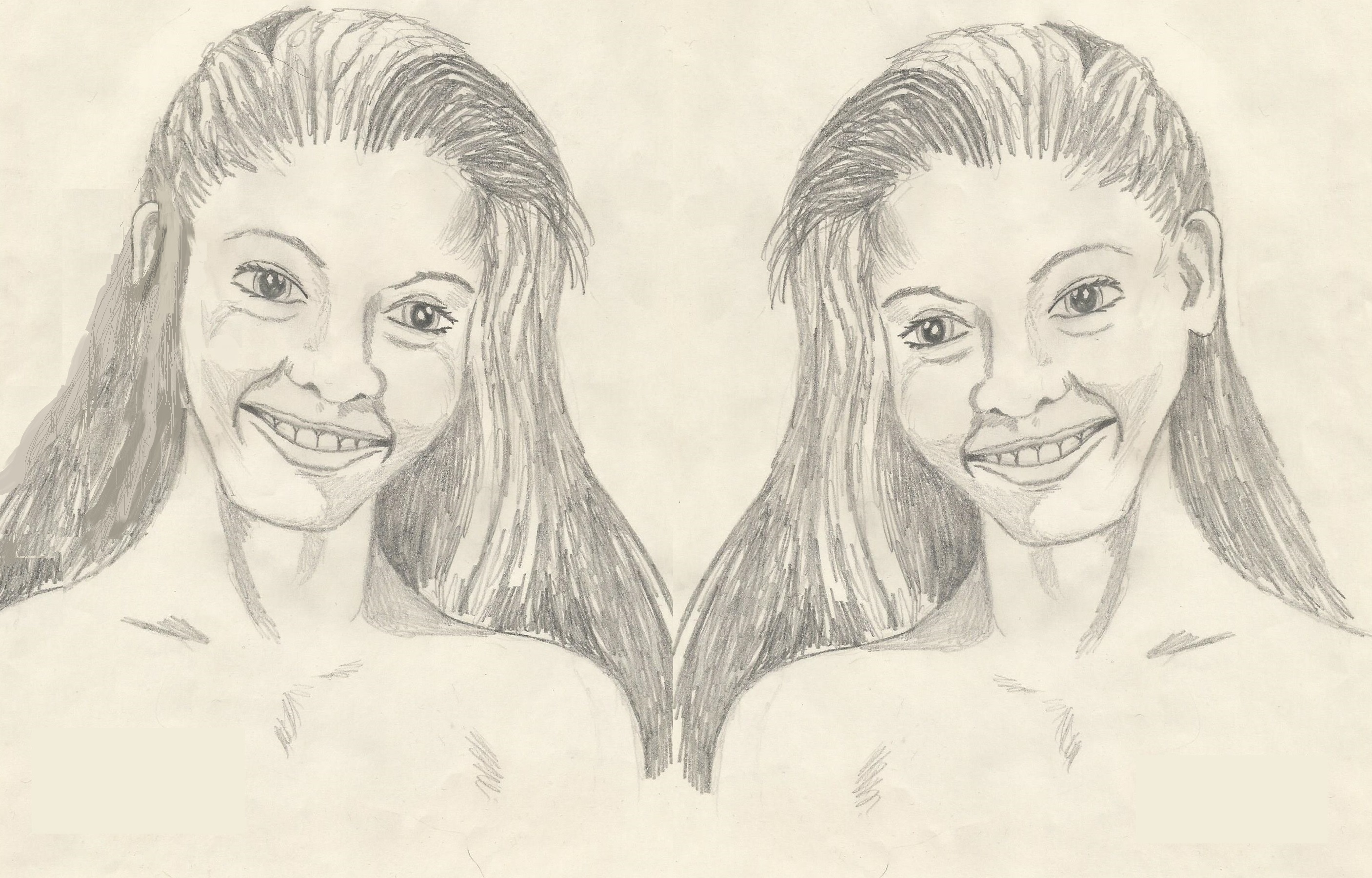








 Catch a Falling Star
The Way Mickey’s Mind Works
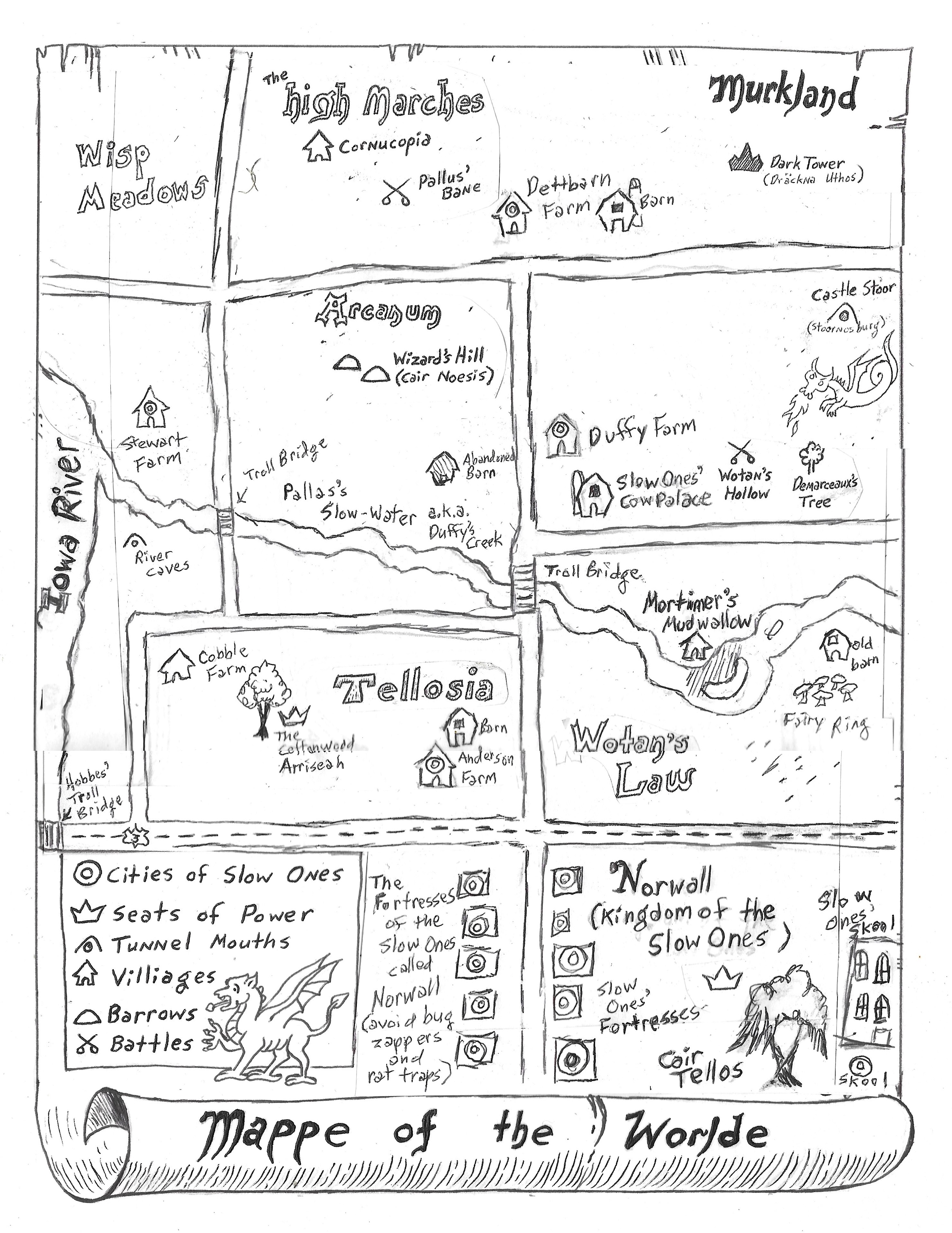
If you’ve read any of the crap that Mickey wrote about before in this goofy blog, you probably already suspect that Mickey’s mind does not work like a normal mind. The road map above is just one indicator of the weirdness of the wiring that propels Mickey on the yellow brick road to Oz and back. He just isn’t a normal thinker.
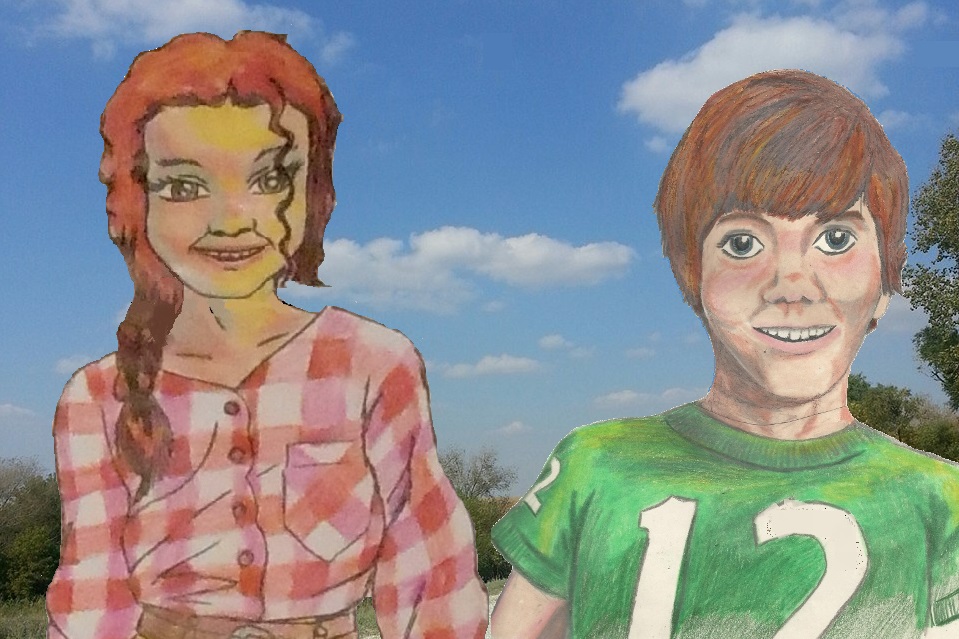
But having a few bats in the old belfry doesn’t prevent the man from having a plan. If you read all of Mickey’s hometown novels, you will discover he hasn’t written them in time order. Main characters in my 2016 novel weren’t even born yet in my 2017 books. If you look at them in chronological order rather than the order written, you will see characters growing and changing over time. A shy kid in one novel grows into a werewolf hunter in the next. A girl who loses her father to suicide in a novel not yet completed, learns how to love again in another novel.
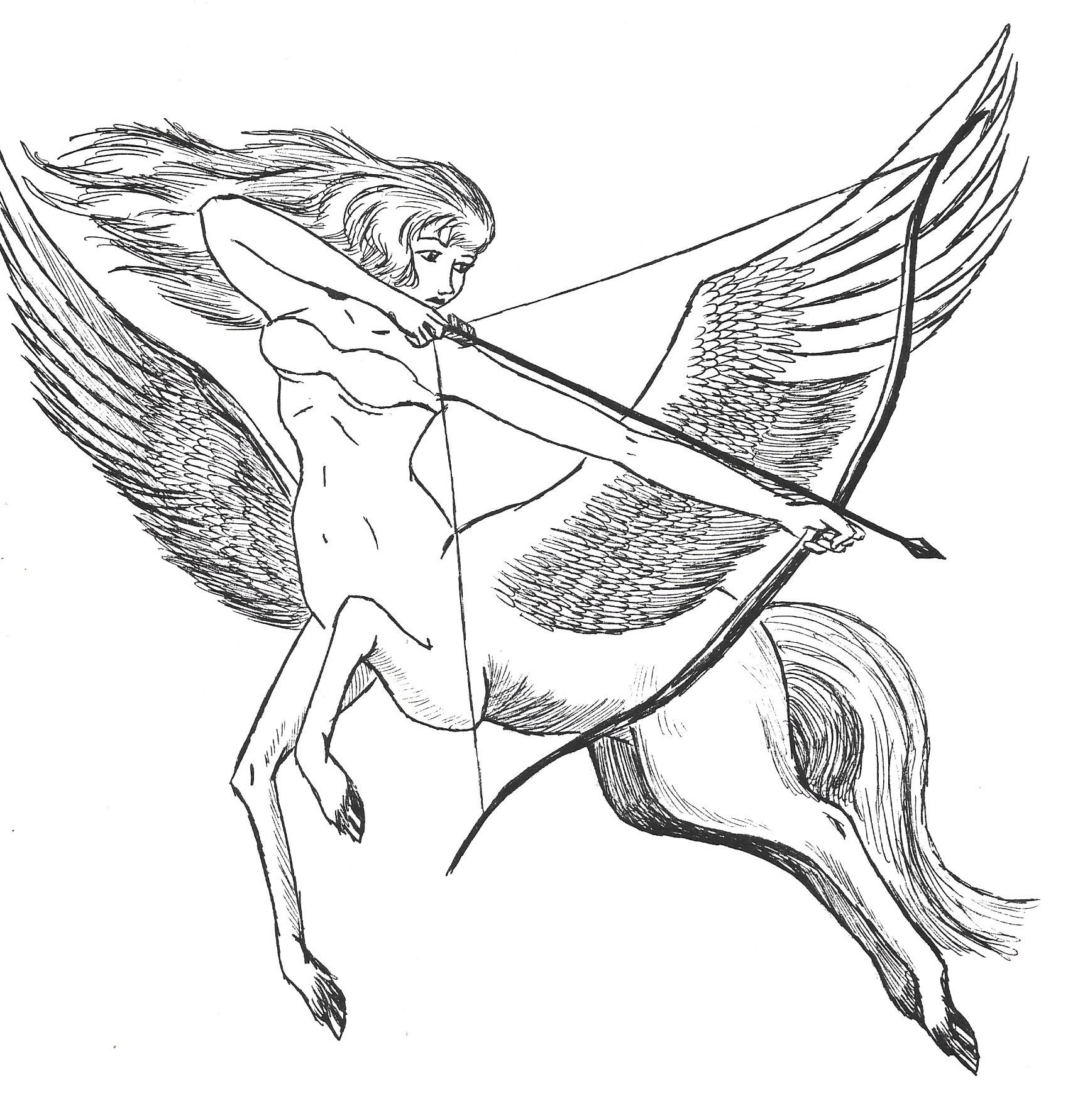
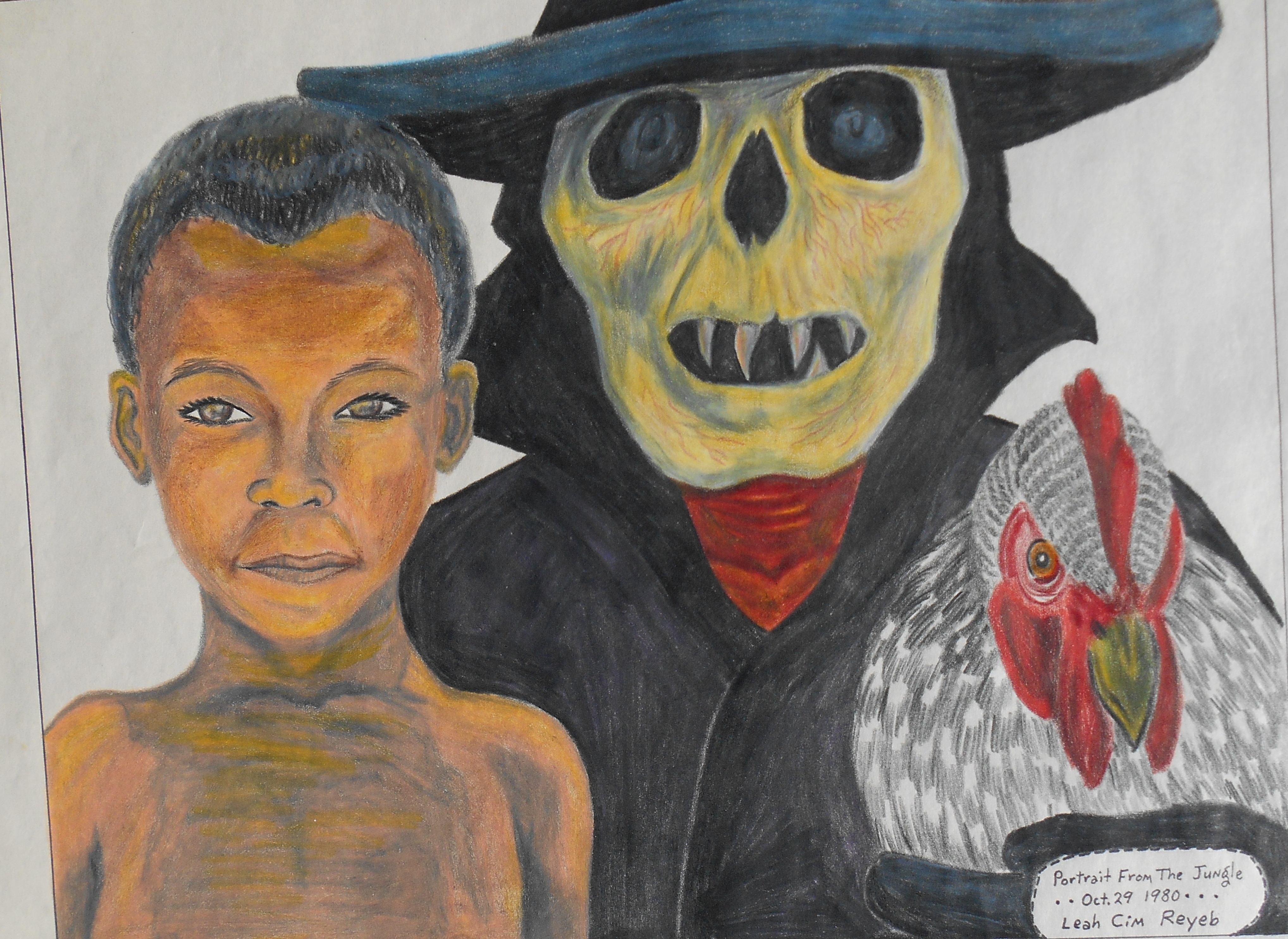
Multiple Mickian stories are totally infected with fairies. The magic little buggers are harder to get rid of than mosquitoes and are far and away more dangerous. And there are disturbing levels of science-fiction-ness radiating through all of the stories. How dare he think like that? In undulating spirals instead of straight lines! He doesn’t even use complete sentences all the time. And they used to let that odd bird teach English to middle school kids.
But there is a method to his utter madness. He started with the simpler stories of growing up and learning about the terrors of kissing girls when you are only twelve. And then he moved on into the darker realms of dealing with death and loss of love, the tragedy of finding true love and losing it again almost as soon as you recognize its reality. Simple moves on to complex. Order is restored with imagination, only to be broken down again and then restored yet again,.
And, of course, we always listen to Mr. Gaiman. He is a powerful wizard after all. The Sandman and creator of good dreams. So Mickey will completely ignore the fact that nobody reads his books no matter what he does or says. And he will write another story.
It is called Sing Sad Songs, and it is the most complex and difficult story that Mickey has ever written. And it will be glorious. It also rips Mickey’s heart out. And I will put that ripped-out heart back in place and make Mickey keep writing it, no matter how many times I have to wash, rinse, and repeat. The continued work is called Fools and Their Toys. It solves the murder mystery begun in Sing Sad Songs. This re-post of an updated statement of goals is the very spell that will made that magic happen. So, weird little head-map in hand, here we go on the writer’s journey once again and further along the trail.
1 Comment
Filed under commentary, goofiness, humor, novel plans, NOVEL WRITING, Paffooney, strange and wonderful ideas about life
Tagged as Sing Sad Songs