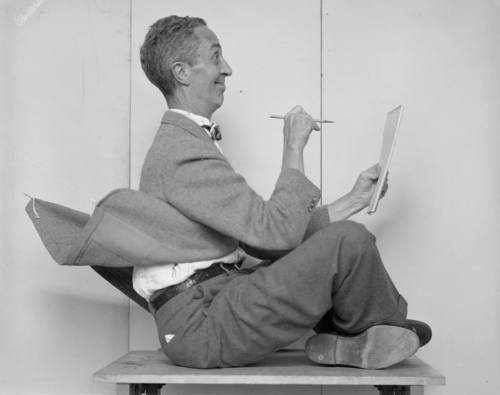
When learning to write, you have to learn the rules. And then you start writing, and you learn that you have to break all the rules to do it well. But what do I know? You have to be pretty desperate to get your writing advice from a Mickey. After all, it’s not like Mickey was a writing teacher for over thirty years… oh, wait a minute… yes, he was.
Okay, so I decided to write today about the K.I.S.S. rule of writing. That’s right, Keep It Simple, Stupid. Other writing teachers tell me it should be, Keep It Simple, Sweetie, because you can’t say “stupid” to a kid. Okay, that’s mostly true. But I use “stupid” when I use the rule myself. I’m talking to Mickey after all.
So, I better stop “bird-walking” in the middle of this essay, because “bird-walking”, drifting off topic for no purpose, is the opposite of keeping it simple.
I try to write posts of no more than 500 words. I write an introduction that says something stupid or inane that speaks to the theme I want to talk about. Then I pile in a few sentences that talk more about the theme and do a good job of irritating the reader to the point that they can’t wait to get to the conclusion. Finally I finish up with a really pithy and wonderful bit of wisdom to tie a knot in the bow of my essay. I save that bit for the end as a sort of revenge for all the readers who don’t read all the way to the end, even on a short post like this one. Of course, I could be wrong about how wonderful and pithy it is. What does “pithy” even mean? It can be like the soup in the bottom of the chili pot, thicker and spicier than what came before… or possibly overcooked with burned beans.
That was another bit of “bird-walking”, wasn’t it? See, you have to break the rules to make it work better.
So, in order to keep it simple, I guess I need to end here for today. Simple can be the same thing as short, but more often you are trying to achieve “simple and elegant” and pack a lot of meaning and resonance into a few lines. And I, of course, am totally incapable of doing that with my purple paisley prose. And there’s the knot in that bow.
On my daily walk in the greenbelt park there are bridges to get back and forth across the creek. The park is both a place of recreation and a flood-control device that helps keep the city above water. I crossed bridges six times in my walk today (one small bridge twice, the Josey Lane street bridge, the Frankford Road bridge, and the two wooden-plank bridges that help you walk a loop through the park.) With my near-crippling arthritis, I could not navigate the park without those bridges.
And life is getting harder as I get older. My eyesight is becoming cloudy and blurred. My joints all ache. I have problems with bodily functions. I constantly talk about things like that last one in this blog that you really don’t want to know.
Yesterday this blog got fewer views than any single day since 2013. And that includes days when I didn’t publish even one post. Yesterday I published two, one I wrote about God believing science fiction is true, and the other about crying at movies that is a popular old post re-posted.
I do this blog because I am nominally supposed to be promoting my published books. I was set on this path by the marketing advisor for I-Universe Publishing. It was not intended as a way to have fun writing and using it as a way to prove to myself that I am somehow a successful writer.
The bridge I have to cross is believing in myself. I need to stop having doubts. Good days and bad days happen to all writers. Stephen King , getting run over by a passing car, had a worse bad day than I have ever experienced. And because I continue to struggle and write, getting words down on paper, and putting together publishable paragraphs, I am proving that I am a writer every day. No one can take that away from me. And I truly believe I am a good writer. I know a lot about how to write that even successful writers don’t really know. And even though some who read my books have hated them, and a majority of those who have read them don’t leave a review, I have good reasons to cross the bridge into the bright green park of believing in my own writing..
Writing every day is the exercise that keeps my mind alive just as walking in the park every day keeps my body and especially my heart alive.
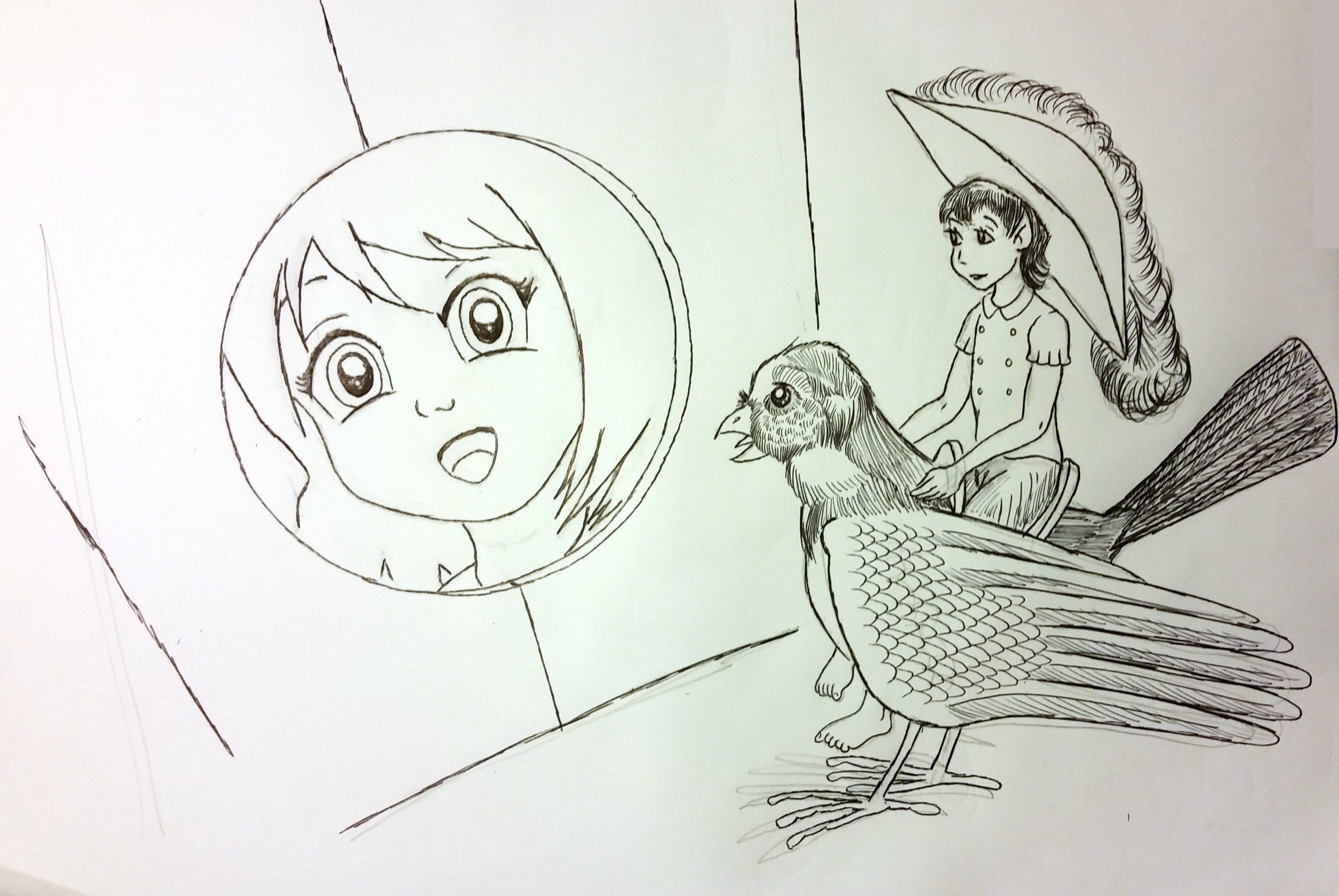
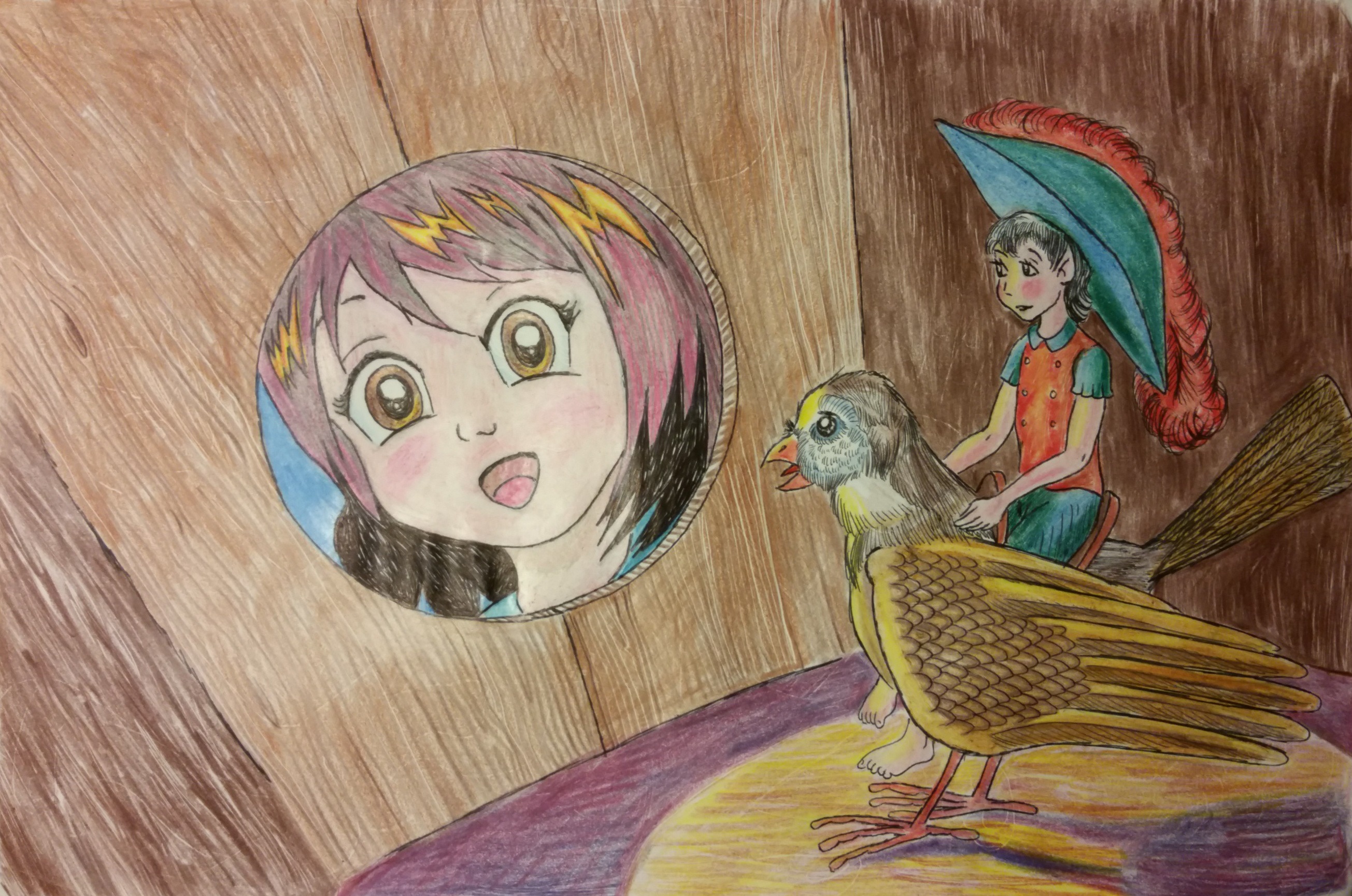
A simple, black-and-white drawing done in pen and ink. Elegant. Easy to understand. At least, if you can get past the weird little kid inside a birdhouse who has apparently saddled a mutant pigeon-sparrow. The black and white is the essential underpinning. The bones of the idea.
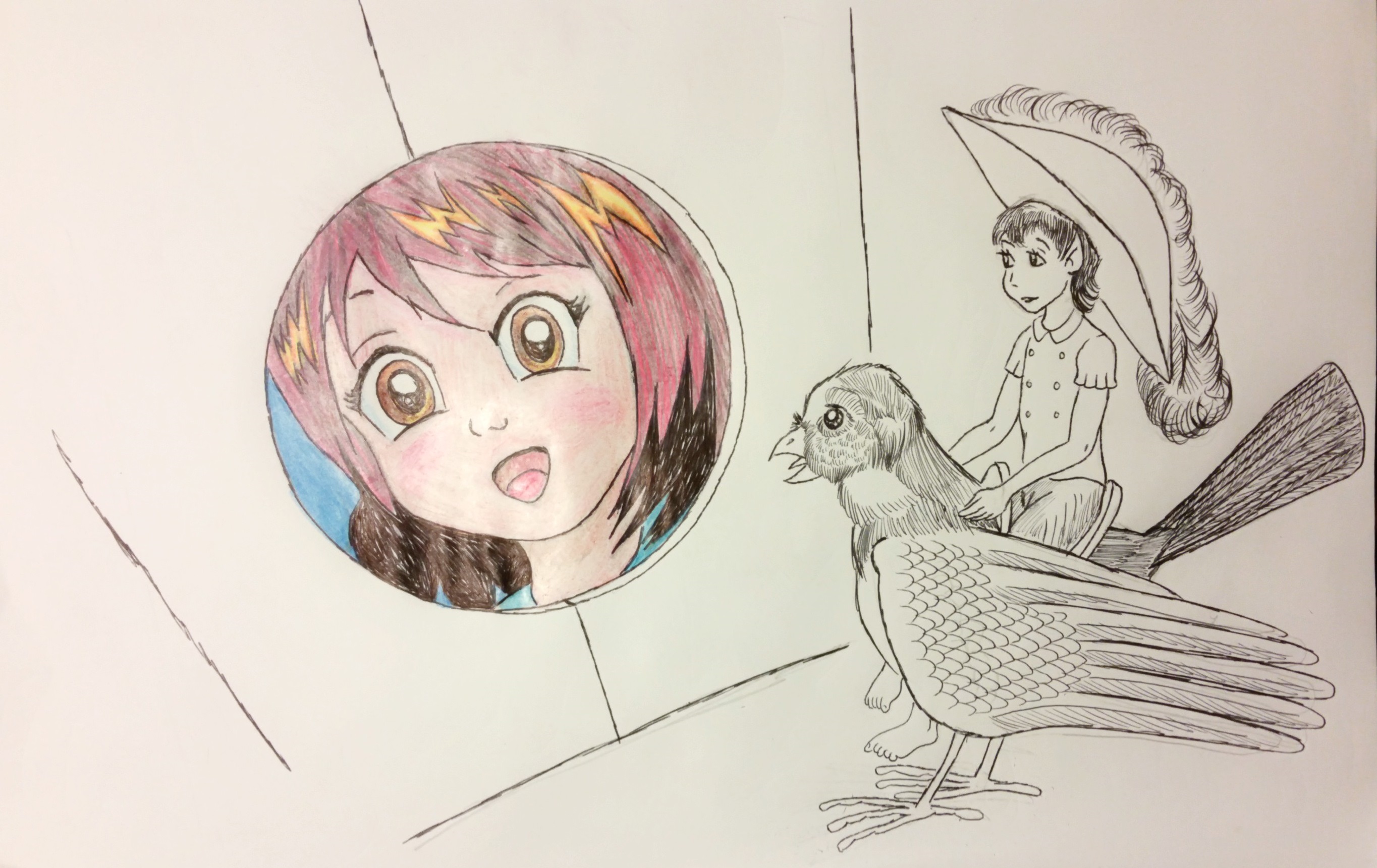
So, adding color makes things a little more complex. I started with the girl’s face. Here is where I establish the basic color-theme. And give more character to the surprised face peering through the portal of the bird house.
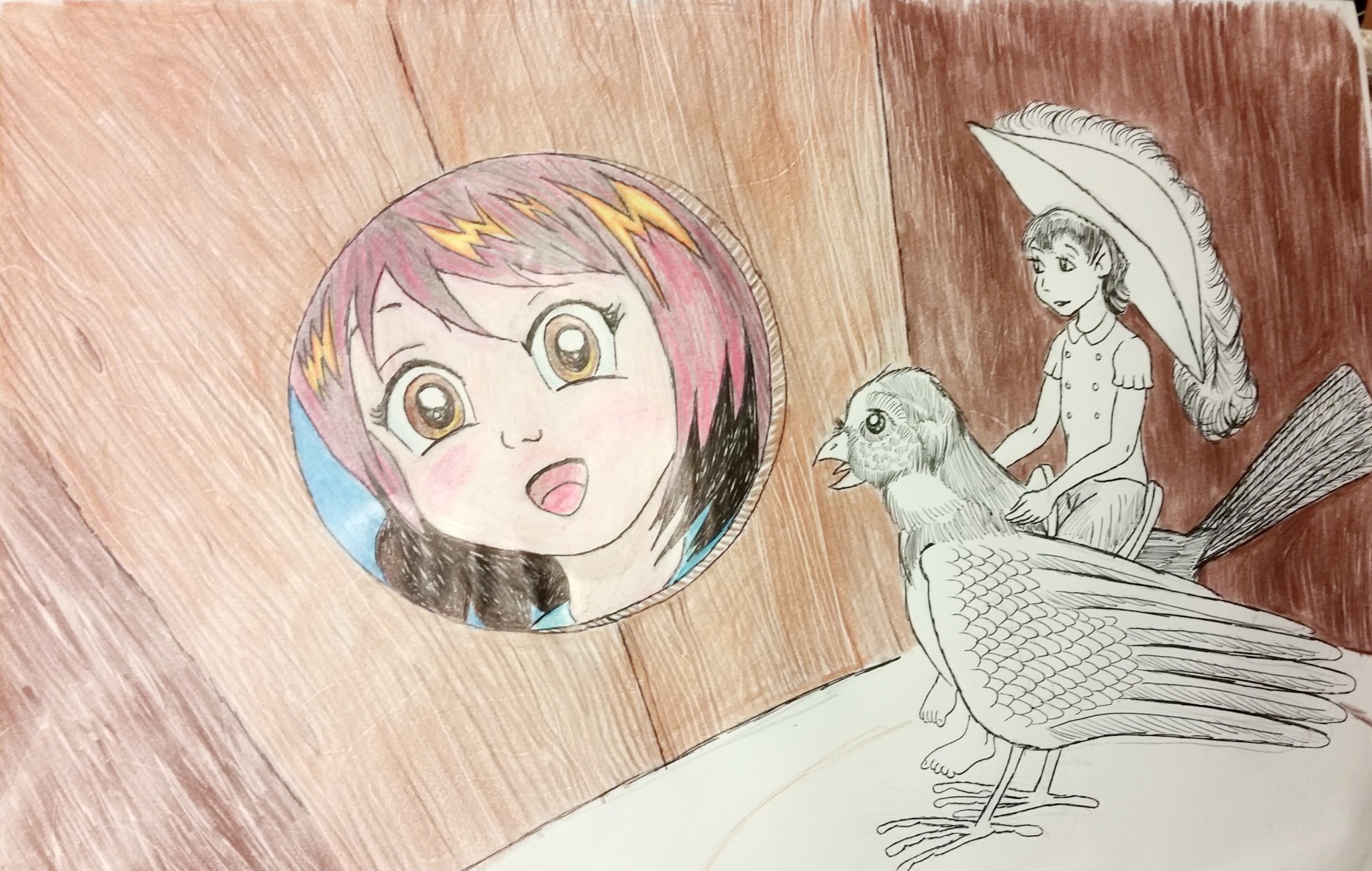
Much of the work in coloring this little articus projecticus is a matter of pattern. I like doing wood-grain patterns in colored pencil. It looks good when it’s finished. But it also takes time to do line after line.
The last step is to color the bird-riding fairy-kid. Here I am completing the color-echoes and the pattern-making. More lines. More care with giving the shapes volume by using light and shadow. And now we are at the final destination. The picture is complete.
God finally finished the last episode of the radio comedy “The Hitchhiker’s Guide to the Galaxy” on an old cassette recording from the BBC brought to him especially from Heaven’s out[-of-date AV department at his command. He hadn’t listened to it when it was new even though Saint Peter kept telling him how funny it was and he really ought to make himself aware of the works of Douglas Adams. And he needed a new comedy writer for the Sacred Stand-up Comedy Review next Saturday.
“Make it so, Peter,” God decreed.
“Um, Lord, I fear our lend-lease agreement with the Bad Place has expired.”
“You mean, the writer of that radio play is not in Heaven…?”
And then God, being all-knowing, remembered that humorists, comedy writers, and satirists had lost favor since the Middle Ages. If only Dante hadn’t made that snippy comment about Deus ex Machina moments in real life. Writers should not assume God has a sense of humor.
“Well, if I cannot get the comedy writer I need to write my monologue, I will use some cosmic humor of my own and just change all of reality to satirize how things work in science fiction.”
“Oh, my!” said Saint Peter. “What are the rules going to be?”
“First of all, if you ignore small scientific rules for too long, they build up problems and cosmic tensions to a point where they create world-ending catastrophes. Like having too many cows farting on farms leading to global warming and the atmosphere eventually catching fire. Methane burns, after all.”
“Well, that could never happen. People on Earth would never value hamburgers over being able to breathe without inhaling fire.” Saint Peter had a smug smile of satisfaction on his face for that faulty realization.
“Don’t bet your afterlife on it, Peter.”
“What’s rule two?”
“Anything mysterious or inexplicable found by archaeologists was done by alien beings in flying saucers.”
“But that could be true, couldn’t it? There are planets capable of life and civilization that are millennia older than Earth, possibly even millions of years older. If interstellar travel is possible, then some explorer-type civilizations have probably already visited Earth. Maybe even announcing themselves as gods. After all, we haven’t really figured out how the pyramids were built.”
“Peter, be careful how you blaspheme! And don’t let Zeus hear that I have created this second rule.”
“Sorry, Lord. Forgive my misspoken ignorance, and tell me the third rule.
“Well, time travel is possible. And because it is, it has already been invented somewhere in the universe, and therefore it exists in all times and all planets. There are nearly infinite time travelers watching everything happen.”
“Won’t they mess up the time lines of events that happen in their past?”
“They cannot. A time traveler is part of the history they visit. Therefore they might cause the event to happen. But they can never change it. Anything they do is part of the history that already exists.”
“So, is David Tennant from that show a real time traveler?”
“That is for me to know and not for you to question… Though I can reveal that David Tennant is not the real-life Scrooge McDuck, only his cartoon voice.”
“That is good to know.”
“And the final new rule I will create for my humorous monologue is that all alien civilizations will speak and understand English, but we will all know they are alien because of strange little alterations to their neck, nose, or forehead.”
“Will you nickname that one the Star Trek rule?”
“Is Gene Roddenberry in Heaven or Hell?”
“Good point, Lord. At least he won’t be embarrassed when you spring this new reality on the angels at the Comedy Review on Saturday.”
In my short, sweet sixty years of life, I have probably seen more than my share of movies. I have seen classic movies, black-and-white movies, cartoon movies, Humphrey Bogart movies, epic movies, science fiction movies, PeeWee Herman movies, Disney movies, Oscar-winning movies, and endless box-office stinkers. But in all of that, one of the most undeniable threads of all is that movies make me cry. In fact they make me cry so often it is a miracle that even a drop of moisture remains in my body. I should be a dried-out husk by now.
I wept horribly during this scene. Did you?
And the thing is, people make fun of you when you cry at movies. Especially cartoon movies like Scooby Doo on Zombie Island. (But I claim I was laughing so hard it brought tears to my eyes. That’s the truth, dear sister. So stop laughing at me.) But I would like to put forth another “Why do you think that?” notion. People who cry while watching a movie are stronger and more powerful than the people who laugh at them for crying. A self-serving thesis if ever there was one.
Movies can make you cry if you have the ability to feel empathy. We all know this. Old Yelleris the story of a dog who endears himself to a prairie farm family, saves Travis’s life at one point, and then gets infected with rabies and has to be put down. Dang! No dry eyes at the end of that one. Because everyone has encountered a dog and loyal dog-love somewhere along the line. And a ten-year-old dog is an old dog. The dogs you knew as a child helped you deal with mortality because invariably, no matter how much you loved them, dogs demonstrate what it means to die. Trixie and Scamper were both hit by cars. Queenie, Grampa’s collie, died of old age. Jiggs the Boston Terrier died of heat stroke one summer. You remember the pain of loss, and the story brings it all back.
Only psychopaths don’t feel empathy to some degree. Think about how you would feel if you were watching Old Yeller and somebody you were watching with started laughing when Travis pulls the trigger on the shotgun. Now, there’s a Stephen King sort of character.
But I think I can defend having lots of empathy as a reason for crying a river of tears during Disney’s The Hunchback of Notre Dame. You see, identifying with Quasimodo as the main character, hoping for what he hopes for, feeling like a monster and completely unloved, and fearing what he fears connect you to the story in ways that completely immerses you in the experience. This is basically a monster movie.
But the film puts you inside the head of the malformed man, and you realize that he is not the monster. Righteous Judge Frollo and the people who mistreat Quasimodo for his deformity of outward appearance are the real monsters. If you don’t cry a river of tears because of this story, then you have not learned the essential truth of Quasimodo. When we judge others harshly, we are really judging ourselves. In order to stop being monstrous, and be truly human, you must look inside the ugliness as Esmeralda does to see the heroic beauty inside others. Sometimes the ideas themselves are so powerful they make me weep. That’s when my sister and my wife look at me and shake their heads because tears are shooting out of me like a fountain, raining wetness two or three seats in every direction. But I believe I am a wiser man, a more resolved man, and ultimately a better man because I was not afraid to let a movie make me cry.
The music also helps to tell the story in ways that move my very soul to tears. Notice how the heroine walks the opposite way to the rest of the crowd. As they sing of what they desire, what they ask God to grant, she asks for nothing for herself. She shows empathy in every verse, asking only for help for others. And she alone walks to the light from the stained glass window. She alone is talking to God.
Yes, I am not embarrassed by the fact that movies make me cry. In fact, I should probably be proud that movies and stories and connections to other people, which they bring me, makes me feel it so deeply I cry. Maybe I am a sissy and a wimp. Maybe I deserved to be laughed at all those times for crying during the movie. But, hey, I’ll take the laughter. I am not above it. I am trying to be a humorist after all.
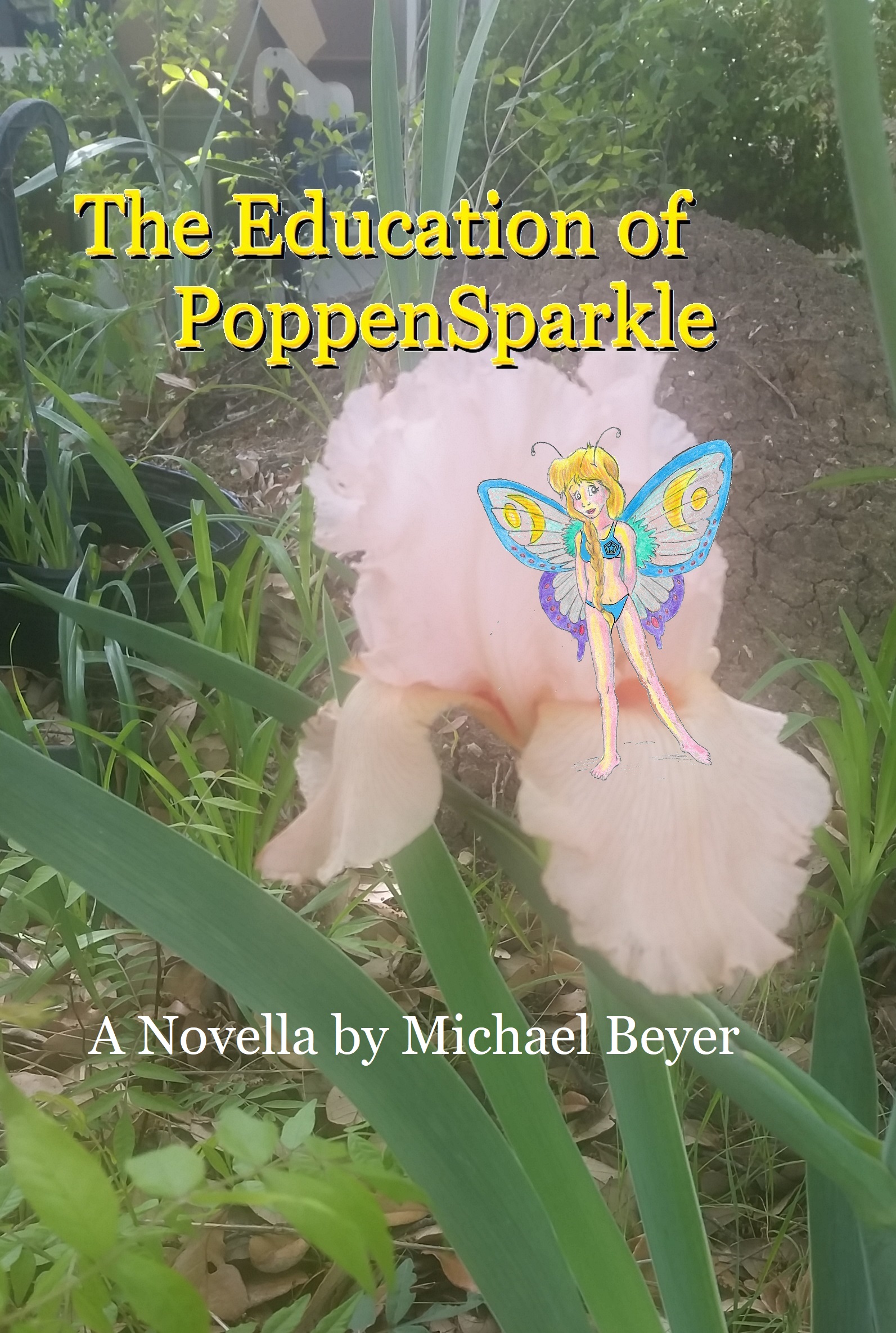
The rooster riding was easier than Poppy had anticipated. These chickens were not quite the same as the ones she had known back in the Necromancer’s city of Mortimer’s Mudwallow. And Seltzerwater and Tannehauser were both apparently smarter than any chicken she had known in the Necromancer’s little river town.
Still, the first day’s progress was slow. The cornfields that they navigated were often obstructed by foxes, pheasants, and an occasional farmer on a tractor.
They would end up making camp along the southern bank of the creek the Fairies called Pallas’s Slow Water. They were somewhere to the West of Mortimer’s Mudwallow. Poppy’s sister, Derfentwinkle, was now the ruler of the Mudwallow after helping the good Fairies to capture it and destroy the evil Necromancer. It made her wonder why Flute hadn’t led them there for the first night’s rest. They would surely be welcome. But maybe he had some reason for not wanting her sister to know she was traveling with her new masters.
As camp was set up by Flute and Tod, Glittershine and Poppy settled the roosters. Their reins were tied to long ropes of at least three English-measure feet so the roosters could scratch for weevils, aphids, ants, and worms. Glitter was talking softly to Tannehauser, so Poppy tried talking to Seltzerwater.
“You were a very good boy, Seltzer. Tod let me guide you with the reins and I had no problems controlling you. You are very unlike the chickens we had in Mortimer’s Mudwallow.”
“I understand you had a very hard life in your previous home,” Glitter broke into her conversation with Seltzer. “Can you tell me a little about it?”
“Very little. When Derfie, my sister, rescued me from there, the White Stag entered my mind and removed most of the memories of the times when the Necromancer abused me. And since that was almost all of the times I was ever with the Necromancer, I can’t even remember his name.”
“That must have been terrible.”
“Yes. Even with the memories removed, I still have nightmares.”
“You know that you and I are supposed to work on your spellbook this evening. To do that, we must remove the garments that shield our minds and bodies…”
“Oh, good! I will get to be naked once more.”
“I was afraid that your trauma might prevent you from doing that. I understand that the Necromancer controlled your mind and body…”
“Yeah. But I was always freeist whenever I could take wing with nothing on my body but sunlight. These clothes are the things that make me panicky and uncomfortable. I don’t remember it, but the Necromancer had strange fetishes that involved putting things on me.”
“Well, I am glad it won’t be a problem then. There’s a space under those purple thistles that will work fine for our session of magical translations.”
Poppy was delighted to bounce over to the indicated thistle patch and shed what little clothing she wore. Glittershine had a double-layer riding dress on, and that took her longer. She was, however, quite graceful and beautiful once she was nude. And she took care of laying out the spellbook and writing quills.
“Poppy, you must say or sing the spells in your magical imagination. The spells will come to me by magic, and I will let them flow through me, so that I might write them down on the paper. That is how we translate the magic within you into words in your spellbook.”
“What is magic… exactly? What is it made of?”
“That’s a very good question. In fact, that is part of Prinz Flute’s magical quest. We have talked endlessly with the White Stag about codifying magic in a way that makes it like the Slow Ones and how they developed the thing called Science. It allows them to have their talking wires and tellybizhions and caddylacks and things.”
“So, Science is Slow One Magic?”
“Or Fairy Magic is Fairy Science.”
As they got into it, Poppy sang out the beautiful magics she held inside, the ones the Necromancer never found out about. And none of the magic the Necromancer taught her was still there in her head, messing up her mind with muddy magic.
Page after page after page filled with Poppy’s own signature magic. By the time she could remember nothing more, half the spellbook was already full.
“You have an amazing amount of spells here for an apprentice, Poppy. But your strongest spells seem to all be about polymorphing.”
“Polymorphing?”
“Yes, changing the shape of other Fairies, animals, other Fairy creatures, and even probably yourself. You can actually change Butterfly Children into birds and back again if you need to. You can give wings to frogs and spider-legs to rabbits. Though, I doubt we will ever have a need for that.”
“I suppose I can use my imagination. But, my imagination might turn a little dark at times… thanks to my past.”
Glitter smiled at Poppy as Glitter slipped her clothing back on.
“We have set up separate lean-tos for each of us. We need to get in them and sleep. Flute and I will share the watch during the night. You two have to recover from the magic generation,” said Tod with obvious concern for how tired they both looked.
“In the morning, then,” said Glitter.
And the temporary camp settled down for the night.
I may have stupidly revealed this secret before, but since it is already probably out there, here it is again; I have been on a lifelong quest to find and learn wisdom.
Yep, that’s right. I have been doing a lot of fishing in the well of understanding to try and find the ultimate rainbow trout of truth. Of course, it is only incredibly stupid people who actually believe that trout can survive living in a well.
So I have been looking at a lot of what passes for wisdom in this world, and find that for the most part, it consists of a bunch of words written by dead guys.
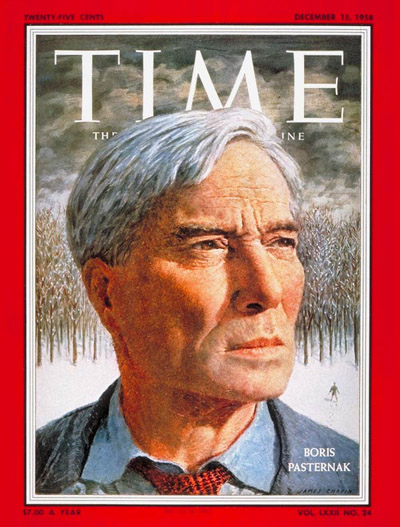
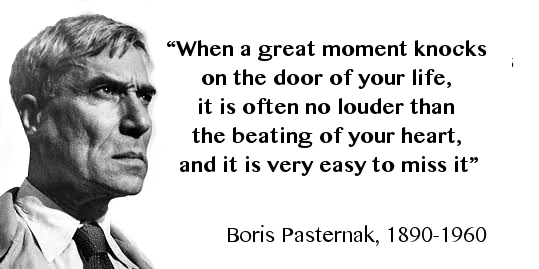
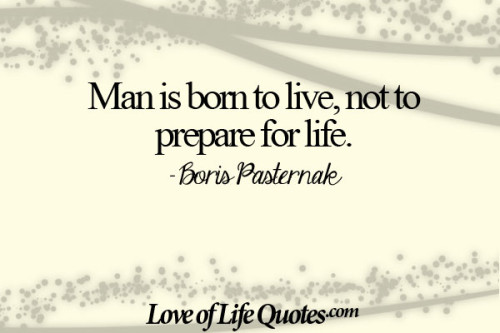
Boris Pasternak qualifies. He is a dead guy. At least, he has been since 1960. Pasternak is a Russian. His novel Doctor Zhivago is about the period in Russian history between the beginnings of the revolution in 1905 and the First World War. He won the Nobel Prize for Literature for it in 1958, but the Soviet government, embarrassed by it, forced him to turn down the prize.
Nobel novelist is probably something that qualifies a dead guy as wise.
I am led to believe that he knew where to fish for the trout of truth.
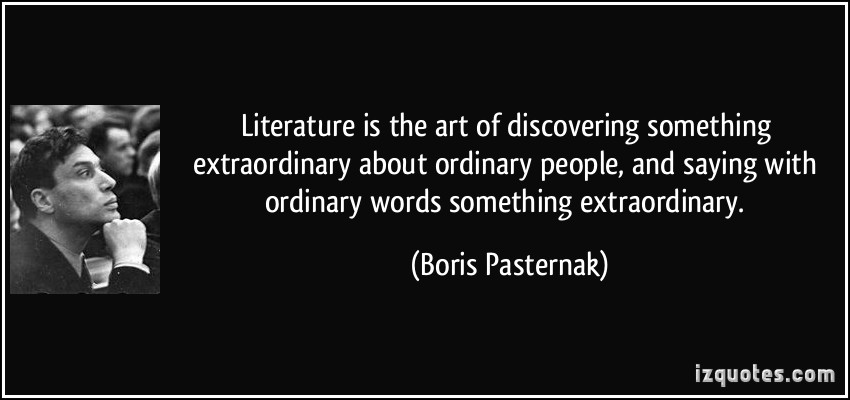
I like the idea that the real value in literature, as in the life it portrays, is found in the ordinary. And yet, Boris speaks of it oxymoronically as extraordinary. Wisdom is apparently found in contradicting yourself.
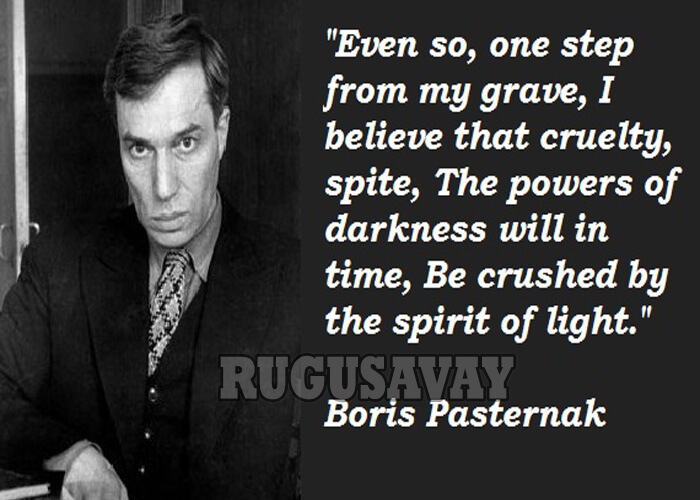
I like the idea of a world infused with compassion. But is he saying love may lead to misperceptions of how the objects of our love are mistreated?
This man saw Leo Tolstoy on his deathbed when he was himself but a boy. Like Tolstoy he questioned everything. And like Tolstoy, when the end came, he believed in hope for the future.
The worst part of getting wisdom from dead guys, guys you never met in real life but only came to know from books, is that you cannot argue with them. You can’t question them about what they meant, or ask them if they ever considered one of your own insights. You never get to tell them if you happen to fall in love with their ideas.
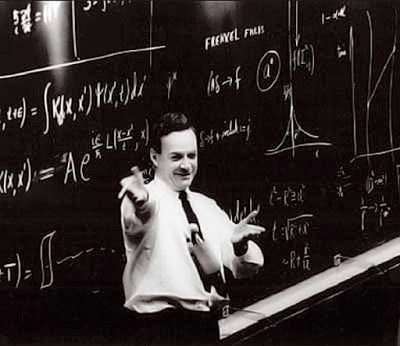
Richard Feynman is a physicist, scientist, and writer of science-based wisdom.
Richard Feynman is also dead since 1988.
He is considered a brainiac superhero by science nerds everywhere, and not only do his words still live in his writings, but so does his math.
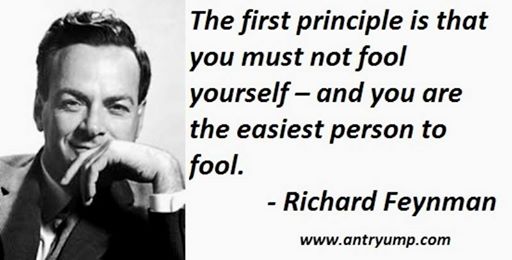
But what he is actually saying is, that in truth, we really never “know” anything. It can never be fully understood and maybe the questions that we ask are more important than the answers.
Wait a minute! Feynman, are you calling me a fool?
Of course, I can’t get an answer out of him. Richard Feynman is dead.
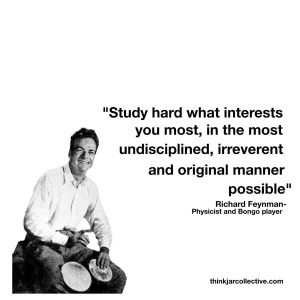
But he does suggest what I can do about it.
I had or worked with a large number of teachers in my life who would be absolutely horrified by that advice.
So, what conclusion can I reach other than that Richard Feynman thinks I’m a fool even though he never met me?
I don’t really know. Maybe I should learn the lesson that you must be careful when you listen to dead guys talking. But I do like what some of them say. Perhaps that is my trout of truth.
Twitter is a place where trolls live. It is a bull-puckie paradise where trolls can poop on things to their hearts’ content. It is toxic. Not a safe place to go naked. But many trolls do. They tell you exactly how ugly they are, not just in their skin, but all the way down to their bones.
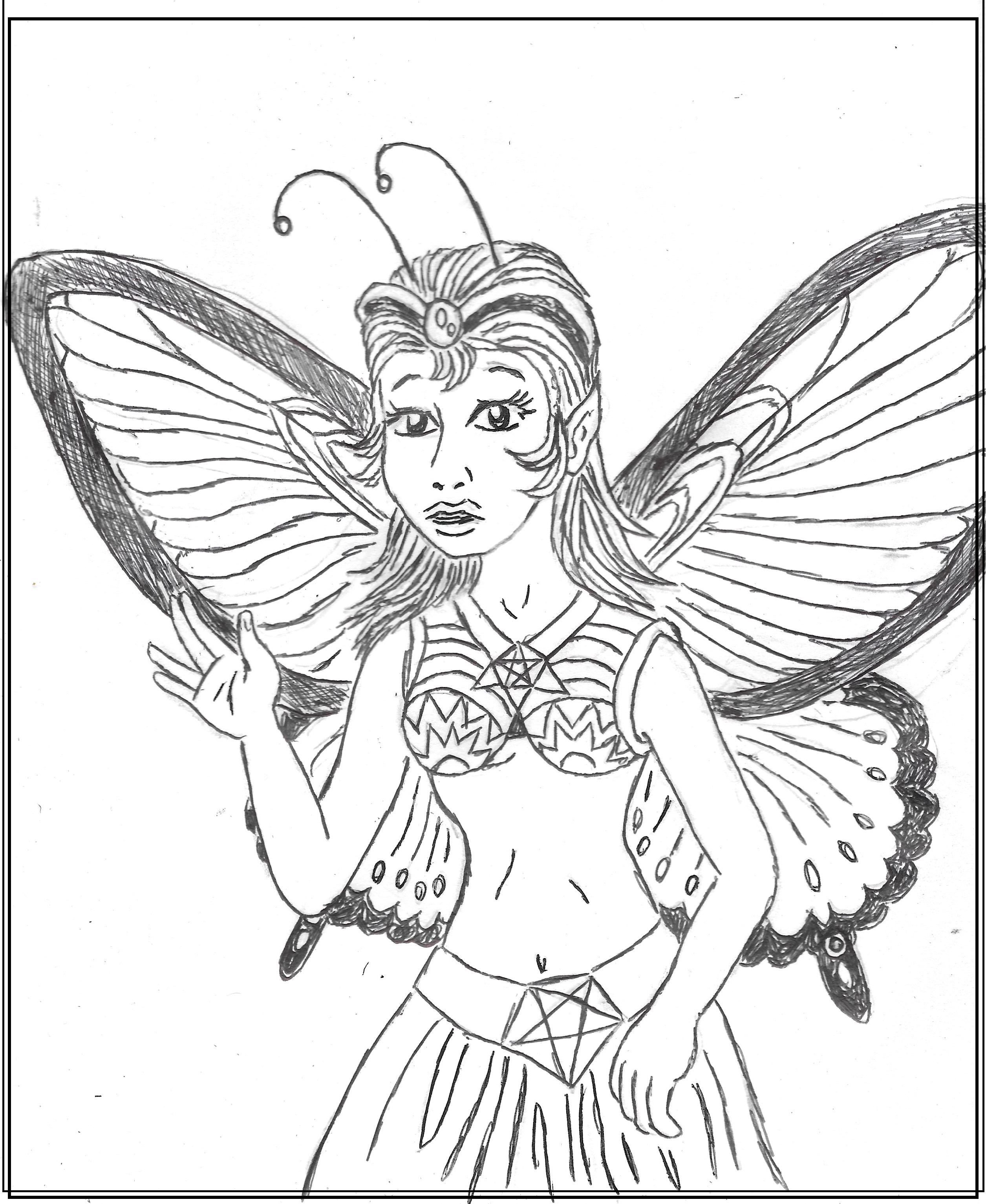
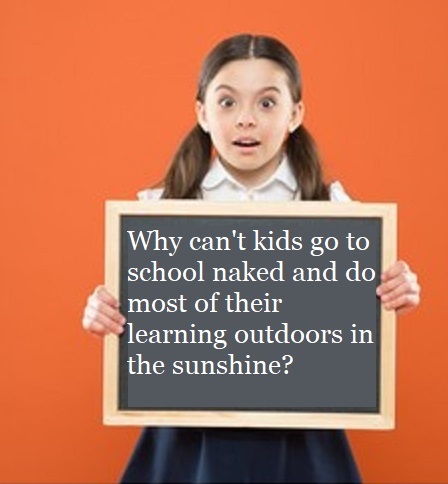
I am not a troll myself. I am a nudist at heart, like the girl in the picture. I think it would be nice to walk in nature nude. But like the girl whose parents are hippies, but law-abiding hippies who would never send their daughter to school without clothing as long as that is an illegal act, I myself don’t put naked pictures of myself on Twitter. Some nudists do that. But trolls throw poo and links to porn if you do that. And being publicly naked physically is not my goal. Only naked ideas publicly.
But I put a lot of opinions on Twitter that are totally naked. They have no clothes on to cover up how I really feel underneath, the way a lot of so-called conservatives do to get their racist points across without being accused of having racist opinions. They dress them up nice.
I have a naked opinion about the impending repeal of Roe Vs Wade beginning the roll-back of safe abortion-services and the right for women to control what happens to their own bodies. I am not pro-abortion. I am pro-choice. And that is how I will vote. But I also believe it is the wrong approach to have this issue before considering some other very important things.
You need to be providing a better life for the majority of children brought into this world than you do now. Not just the Republican answer to abortion being adoption. You need to do something about all the unloved and disadvantaged children that already exist. Too many die of starvation. Too many die of abuse. And far too many are abused by the adults in their lives to the point that they grow up into monsters, abusing their own children, the children of others, and sometimes becoming sexual predators.
Why don’t we make a law where all parents must undergo intensive training and get a license to be a parent? You need to earn a license to drive a car. Why don’t we pass a law that corporations have to make certain that all children in their assigned districts are well-fed before they can do stock buy-backs to increase their value? If they want a healthier, more-capable work-force, they should invest in one. Why are we not passing laws to ensure that the planet’s environment is protected and children’s future is guaranteed? And all of these things should come before we worry about all people who are conceived actually getting born.
And why are we putting up with places like Florida punishing teachers for teaching tolerance to people who are different, not only by color of skin and culture, but by the sexual preferences and gender identity God made them with? If you truly want to do away with the need for abortion services, then you need more and better sex education rather than gag-orders against teachers to be punished by parents suing to get them fired and pilloried.
There will be less abortions needed if you teach kids what they need to know about how babies are made, how to use contraceptives safely, and how to talk to others about the facts of life so that everyone can know more about it and proceed with procreation properly, according to whatever version of God’s plan (including science-based secular beliefs) that you choose to believe in.
These are naked opinions. Saying flat out what I believe. Open to the poo-flinging of trolls and those conservatives who are easily offended if an opinion contradicts their self-proclaimed truths wearing the clothing of rather twisted and misrepresented Christian beliefs.
I used to be a classroom storyteller. As an English teacher for middle school kids, I often would give brief biographical insights into famous people we were talking about at the time. I told them about Crazy Horse of the Sioux tribe, Roger Bacon the alchemist and inventor of chemistry as a science, Mark Twain in Gold Rush California, and many other people I have found fascinating through my life as a reader and writer of English.
One bright boy in my gifted class remarked, “Mr. B, you always tell us these stories about people who did something amazing, and then you end it with they eventually died a horrible death.”
Yep. That’s about right. In its simplest form life consists of, “You are born, stuff happens, and then you die.” And it does often seem to me that true genius and great heroism are punished terribly in the end. Achilles destroys Hector, but his heel is his undoing. Socrates taught Plato, and was forced to drink poison for being too good at teaching. Custer was a vain imbecile and got what he deserved at the Battle of the Little Bighorn, but Crazy Horse, who made it happen, was pursued for the rest of his short life for it until he was finally captured and murdered. Roger Bacon contributed immensely to science by experimenting with chemicals, but because he blew up his lab too often, and because one of his students blew himself up in a duel with another student, he ended his days in prison for practicing sorcery.
But if you have listened to any of the music I have added to this post, the music of Pyotr Ilyich Tchaikovsky, then you recognized it, unless you have lived your whole life under a rock in Nomusikvetchistan. And why is that? Because even though it is all classical music written in the 1800’s, it’s basic genius and appeal is immortal. It will outlive all of us. Some of it, having been placed on a record on the Voyager space craft may get played and appreciated a million years from now in the vicinity of Betelgeuse. It will still be a work of pure genius.
And, of course, the horrible life and terrible death thing is a part of it too. Tchaikovsky’s work took an incredibly difficult path to success. He was criticized by Russians for being too Western and not Russian enough. He was criticized in the West for being too exotic and basically “too Russian”. He railed against critics and suffered horribly at their hands. Then, too, his private life was far less private than it had any right to be. He was a bachelor most of his life, except for a two year marriage of pure misery that ended in divorce. And everybody, with the possibility of Pyotr himself, knew it was because he was a homosexual. He probably did have that orientation, but in a time and a career where it was deemed an illegal abomination. So whether he ever practiced the lifestyle at great risk to himself, or he repressed it his entire life, we will never know for sure.
But the music is immortal. And by being immortal, the music makes Tchaikovsky immortal too. Despite the fact that he died tragically at the age of 53, possibly by suicide.
So, this is the great lesson of Tchaikovsky. The higher you fly, the farther you fall, and you will fall… guaranteed, but that will never make the actual flight not worth taking. Some things in life are more important than life itself. As I near the end myself, I cling to that truth daily.
I can travel through time. I can fly without an airplane. I can visit other worlds, other societies, on distant planets elsewhere in the galaxy.
I don’t do it literally. I do it by reading, and the movie version of it plays in my mind, an additional lifetime. Experience beyond the boundaries of my normal life.
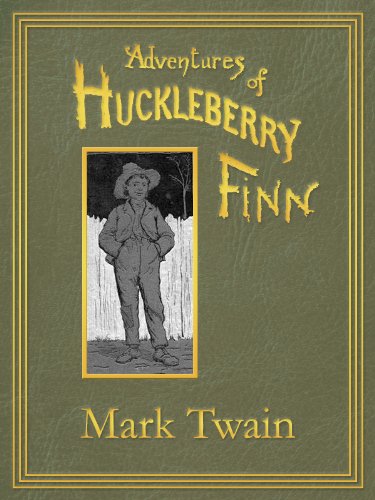
I have rafted on the Mississippi in the 1830’s with an escaped slave and a couple of con men who pretend to be a duke and the rightful king of France. And the voice of Huckleberry Finn guides me as we overcome ignorance, racism, and an inability to get away from the things that pursue a boy who doesn’t quite understand how the world really works until he finally gets it right by listening to his heart.
I have fought giant squid with a whaling harpoon alongside Ned Land and Captain Nemo on the deck of the Nautilus, trying to comprehend the wonders under the sea without the villainous robber barons of industry turning scientific discoveries into the business of making war.
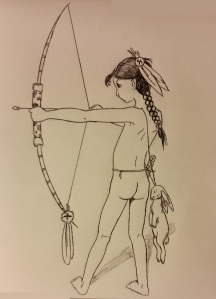
I have grown up on the Great Plains with Peta (Fire) of the Mahto band of the Dakota Sioux, learning to live with the spiritual power of the white buffalo in Ruth Beebe Hill’s book Hanta Yo! written from a story told by a Sioux painting on a ceremonial buffalo hide.
And all these many lives and wisdoms that I have added to my own I have achieved by the magic of deciphering… reading and understanding… books, many of which were written by men who died before I was born.
Anyone who would say that magic isn’t real… well, how do you explain the power of a good book?
















 Catch a Falling Star
Why Do You Think That? (Part Two)
In my short, sweet sixty years of life, I have probably seen more than my share of movies. I have seen classic movies, black-and-white movies, cartoon movies, Humphrey Bogart movies, epic movies, science fiction movies, PeeWee Herman movies, Disney movies, Oscar-winning movies, and endless box-office stinkers. But in all of that, one of the most undeniable threads of all is that movies make me cry. In fact they make me cry so often it is a miracle that even a drop of moisture remains in my body. I should be a dried-out husk by now.
I wept horribly during this scene. Did you?
And the thing is, people make fun of you when you cry at movies. Especially cartoon movies like Scooby Doo on Zombie Island. (But I claim I was laughing so hard it brought tears to my eyes. That’s the truth, dear sister. So stop laughing at me.) But I would like to put forth another “Why do you think that?” notion. People who cry while watching a movie are stronger and more powerful than the people who laugh at them for crying. A self-serving thesis if ever there was one.
Movies can make you cry if you have the ability to feel empathy. We all know this. Old Yeller is the story of a dog who endears himself to a prairie farm family, saves Travis’s life at one point, and then gets infected with rabies and has to be put down. Dang! No dry eyes at the end of that one. Because everyone has encountered a dog and loyal dog-love somewhere along the line. And a ten-year-old dog is an old dog. The dogs you knew as a child helped you deal with mortality because invariably, no matter how much you loved them, dogs demonstrate what it means to die. Trixie and Scamper were both hit by cars. Queenie, Grampa’s collie, died of old age. Jiggs the Boston Terrier died of heat stroke one summer. You remember the pain of loss, and the story brings it all back.
Only psychopaths don’t feel empathy to some degree. Think about how you would feel if you were watching Old Yeller and somebody you were watching with started laughing when Travis pulls the trigger on the shotgun. Now, there’s a Stephen King sort of character.
But I think I can defend having lots of empathy as a reason for crying a river of tears during Disney’s The Hunchback of Notre Dame. You see, identifying with Quasimodo as the main character, hoping for what he hopes for, feeling like a monster and completely unloved, and fearing what he fears connect you to the story in ways that completely immerses you in the experience. This is basically a monster movie.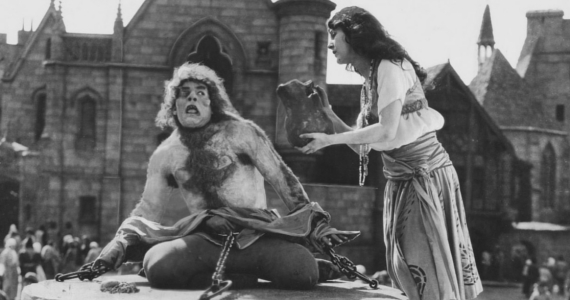
But the film puts you inside the head of the malformed man, and you realize that he is not the monster. Righteous Judge Frollo and the people who mistreat Quasimodo for his deformity of outward appearance are the real monsters. If you don’t cry a river of tears because of this story, then you have not learned the essential truth of Quasimodo. When we judge others harshly, we are really judging ourselves. In order to stop being monstrous, and be truly human, you must look inside the ugliness as Esmeralda does to see the heroic beauty inside others. Sometimes the ideas themselves are so powerful they make me weep. That’s when my sister and my wife look at me and shake their heads because tears are shooting out of me like a fountain, raining wetness two or three seats in every direction. But I believe I am a wiser man, a more resolved man, and ultimately a better man because I was not afraid to let a movie make me cry.
The music also helps to tell the story in ways that move my very soul to tears. Notice how the heroine walks the opposite way to the rest of the crowd. As they sing of what they desire, what they ask God to grant, she asks for nothing for herself. She shows empathy in every verse, asking only for help for others. And she alone walks to the light from the stained glass window. She alone is talking to God.
Yes, I am not embarrassed by the fact that movies make me cry. In fact, I should probably be proud that movies and stories and connections to other people, which they bring me, makes me feel it so deeply I cry. Maybe I am a sissy and a wimp. Maybe I deserved to be laughed at all those times for crying during the movie. But, hey, I’ll take the laughter. I am not above it. I am trying to be a humorist after all.
Leave a comment
Filed under cartoon review, commentary, compassion, Disney, humor, insight, inspiration, movie review, music, philosophy, strange and wonderful ideas about life
Tagged as empathy, movies that make me cry, Old Yeller, The Hunchback of Notre Dame, Toy Story 3