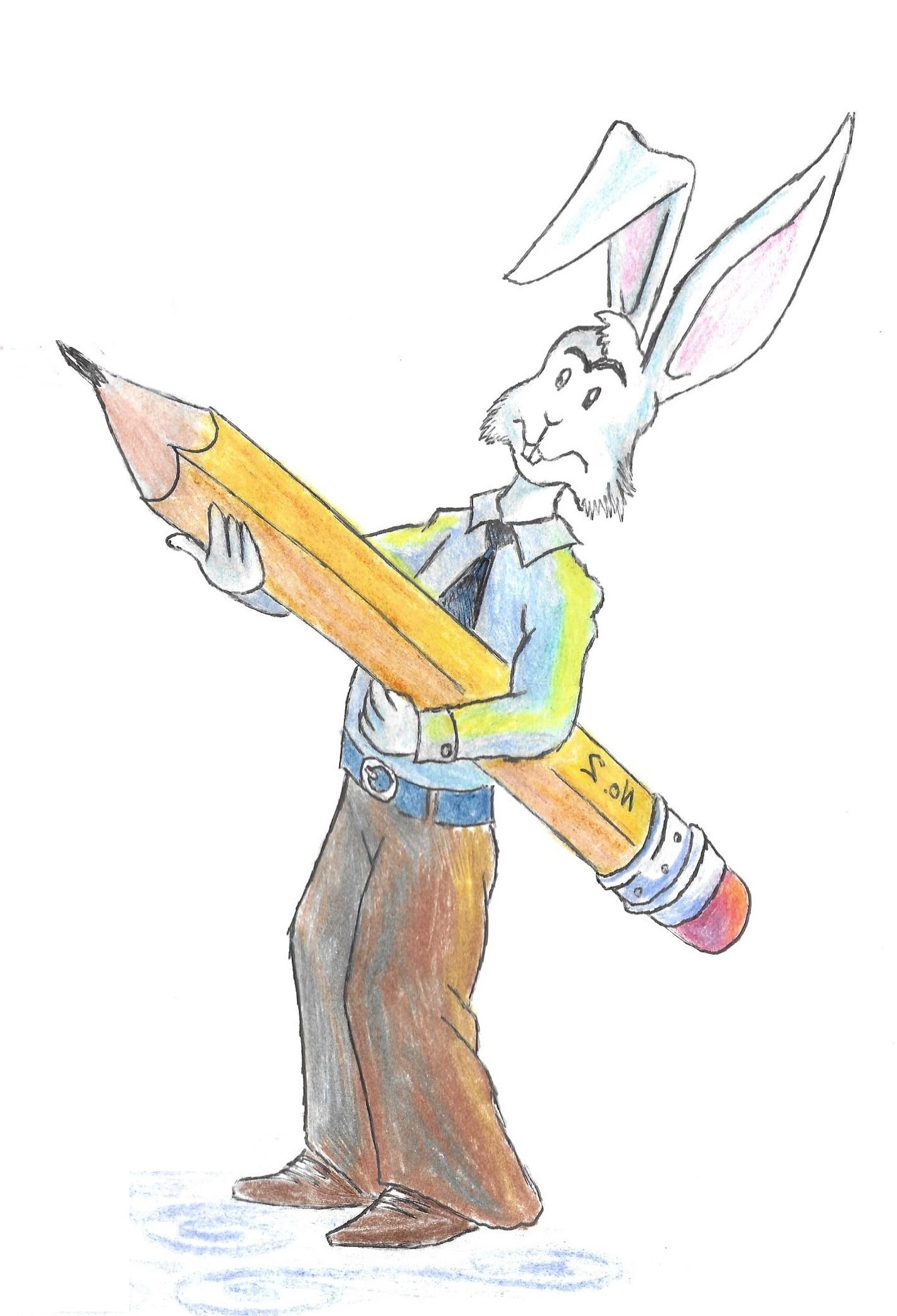
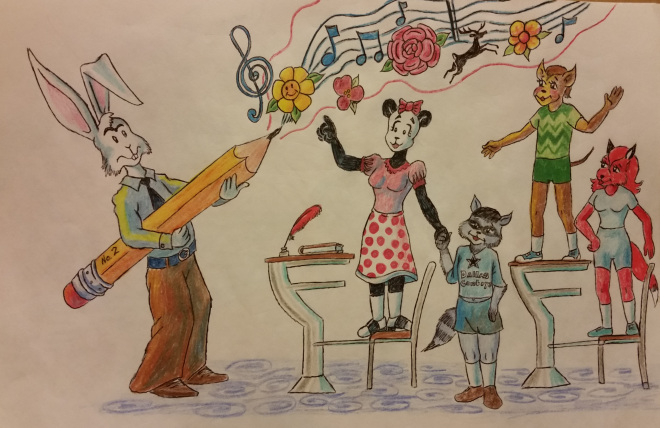
Ah, Reluctant Rabbit using the big pencil in the front of the classroom. What could that be a metaphor for? How about teaching kids by showing them how? You teach writing by writing in front of the class, talking out loud about your process, editing yourself, and polishing your writing in front of those who need to learn those skills.
So, here is the metaphor in action. Me teaching 7th graders.
Is an avatar not a metaphor for me?
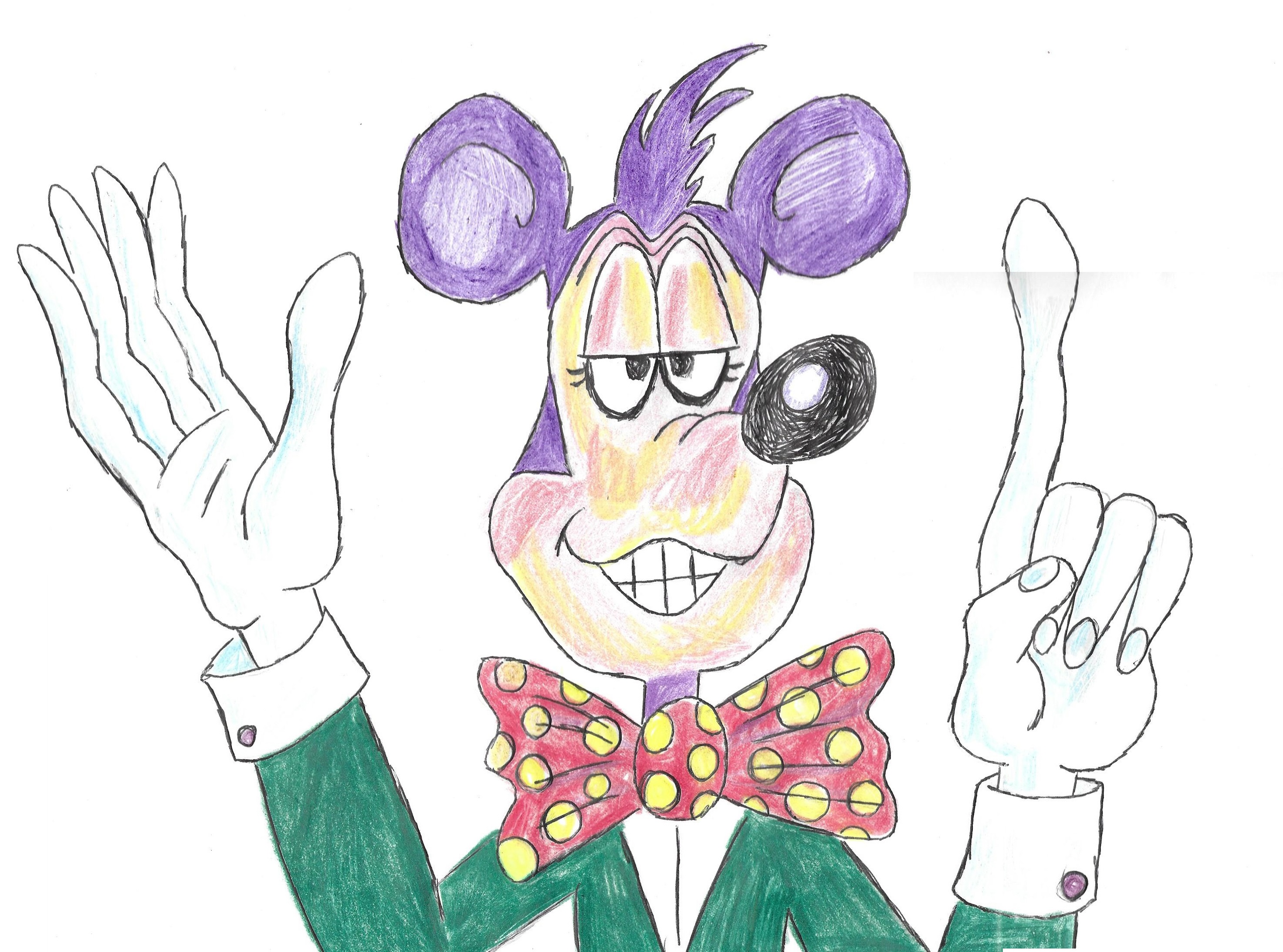
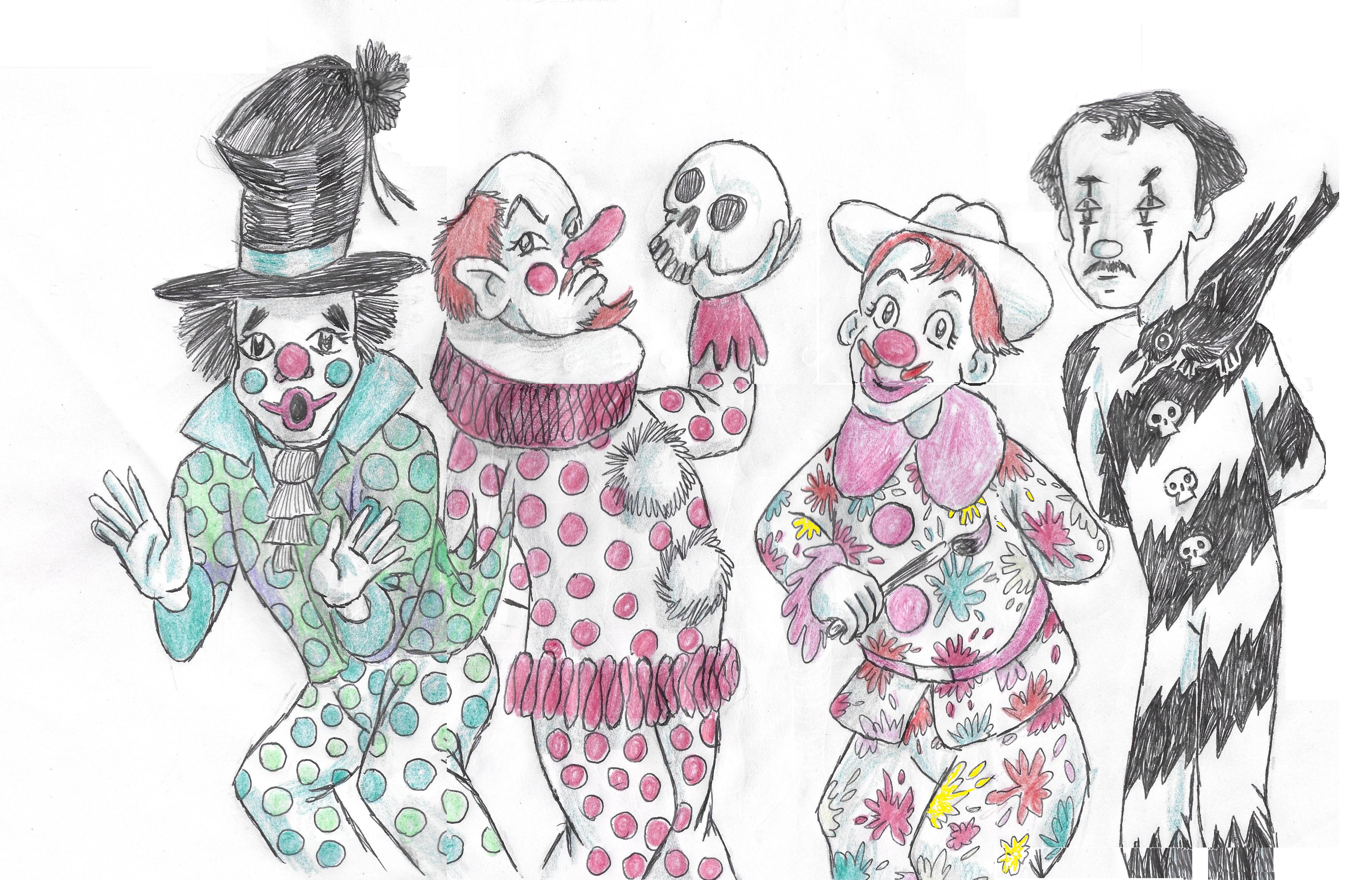
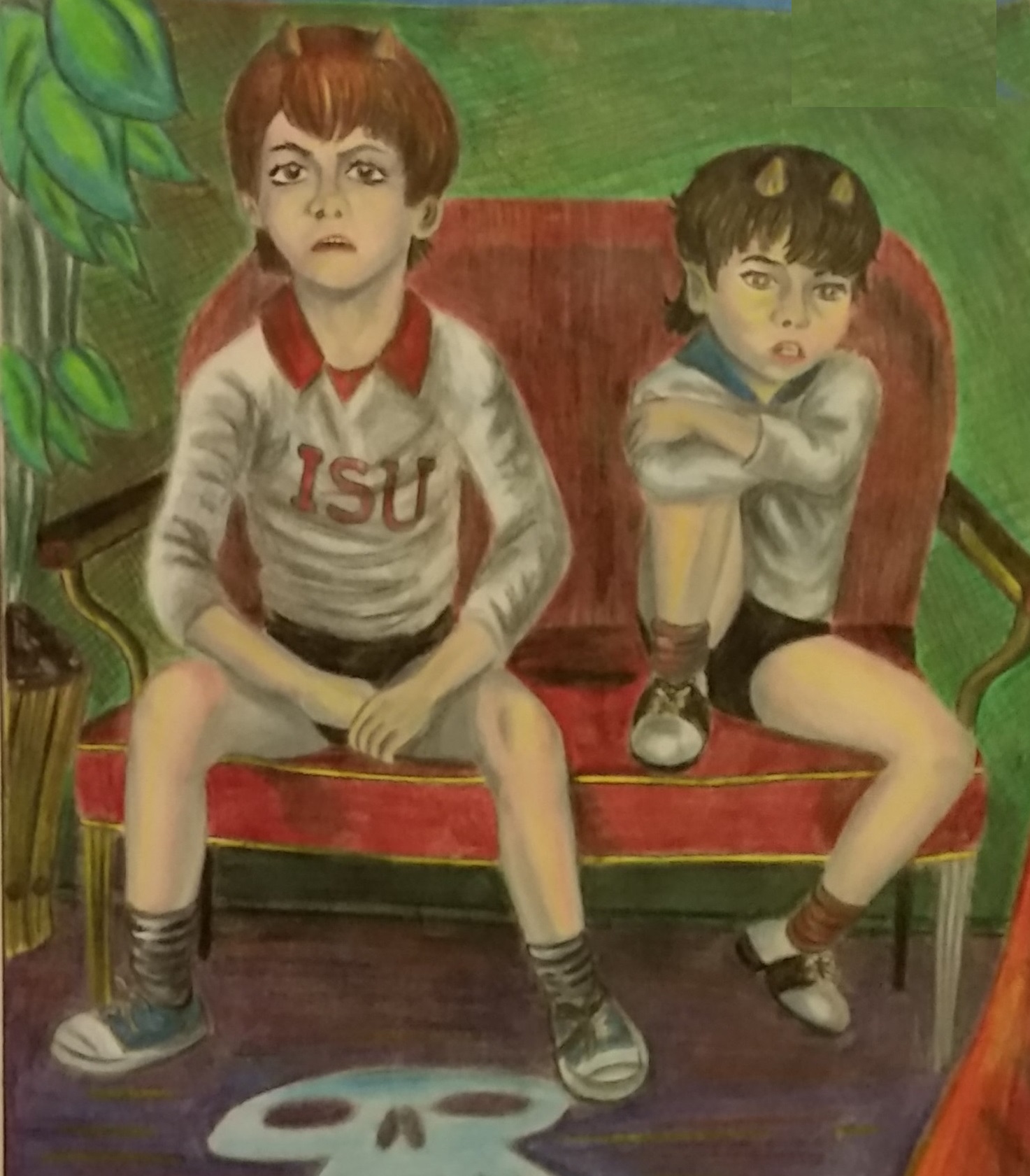
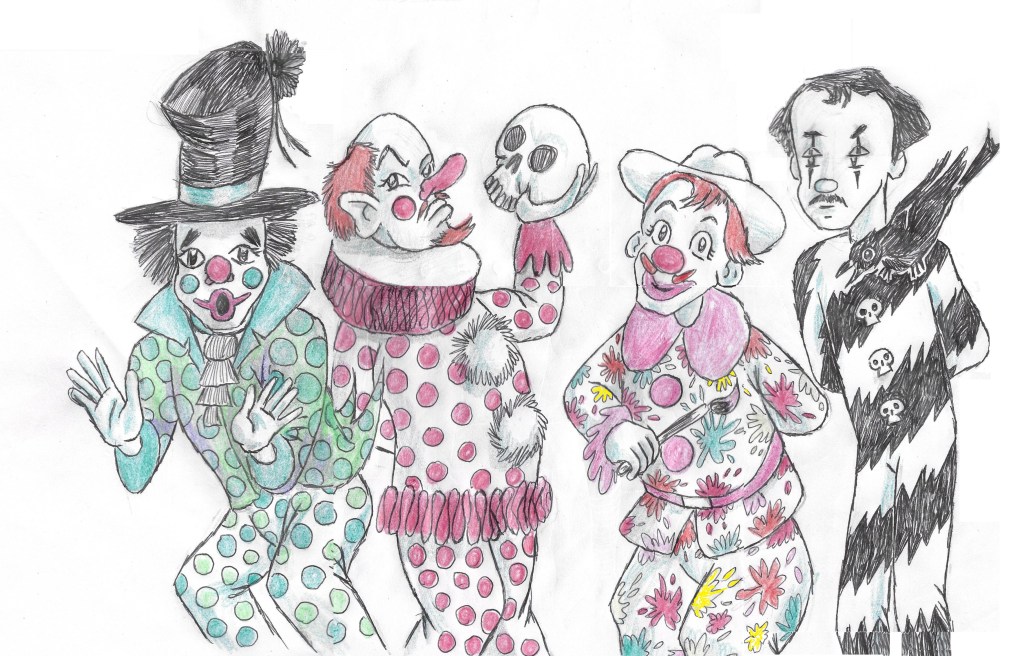
Mr. Dickens, Mr. Shakespeare, Mr. Disney, and Mr. Poe… do I really need to explain this metaphor?If the horns are the metaphors, what does that say about my boys?What’s the meaning of the metaphors here?Foolish bravery, positive thinking, and terrible circumstances (That’s not a parachute in his backpack, it’s the picnic lunch he would share with Gretchen after the mission.)
Yesterday, in Part 1, I tried to convince you that, “You should never take too long a time writing a story” because I have written some twenty-plus-year-long novels that took me forever to write, and I am an unsuccessful writer. So, you should not do things the way I did. (Some might accuse me of trying to use a little too much irony, claiming I am a bit too obscure about what I am actually telling you that you should actually do… But, remember, I advised you not to take advice from Mickey. And you need irony in your diet anyway to avoid irony-poor tired blood.) Therefore I am going to advise you further that, “You should never make your characters too complex and interesting.”
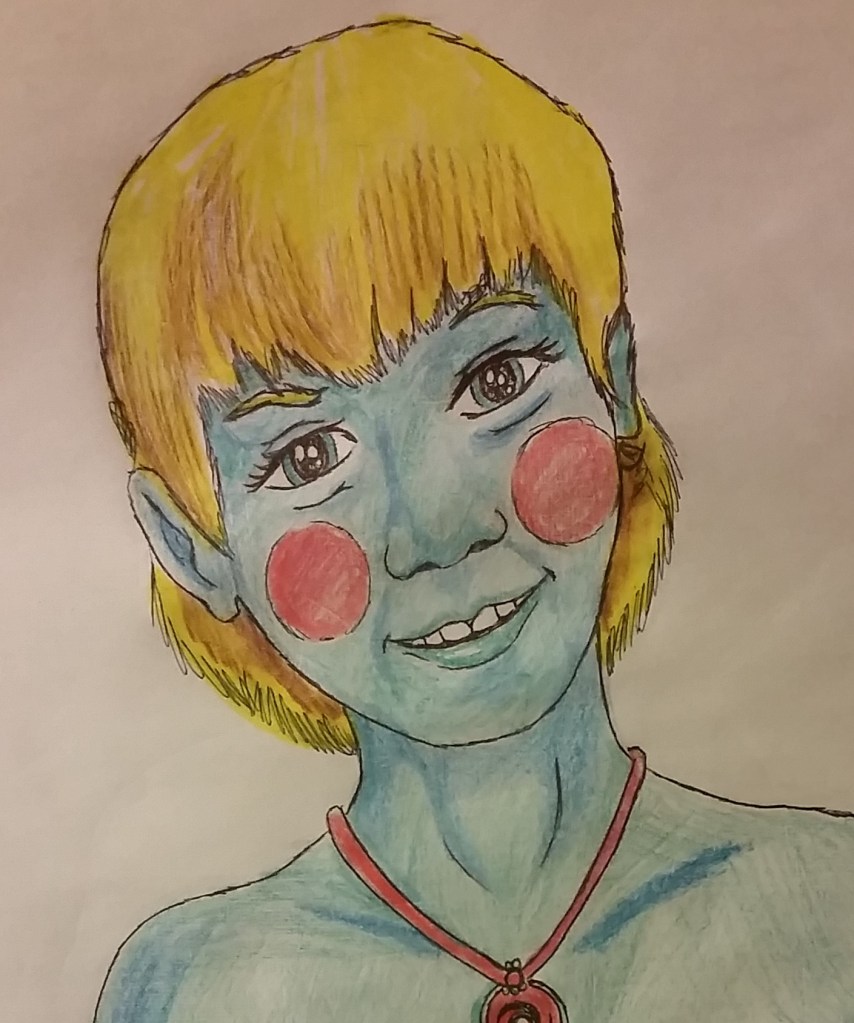
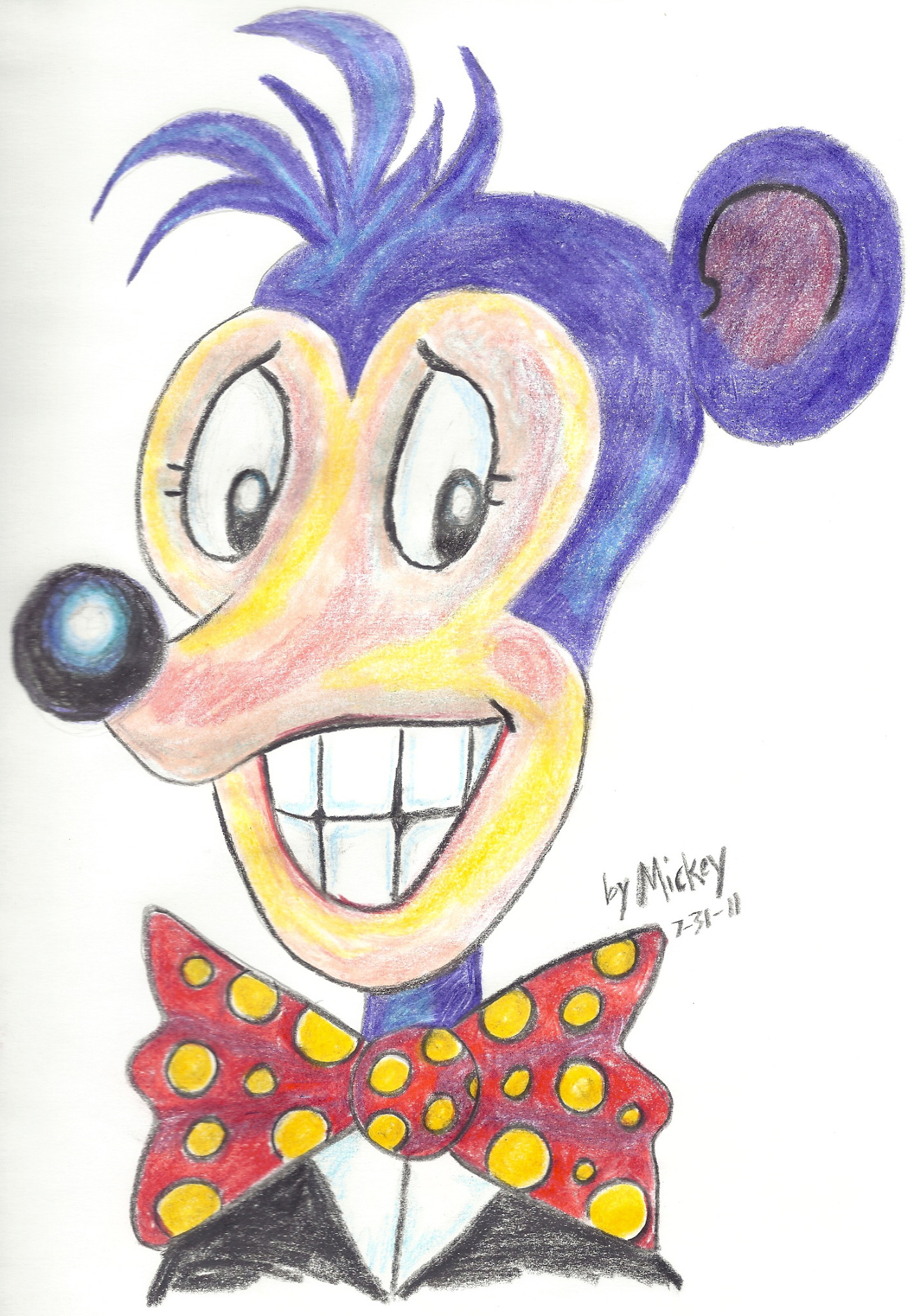
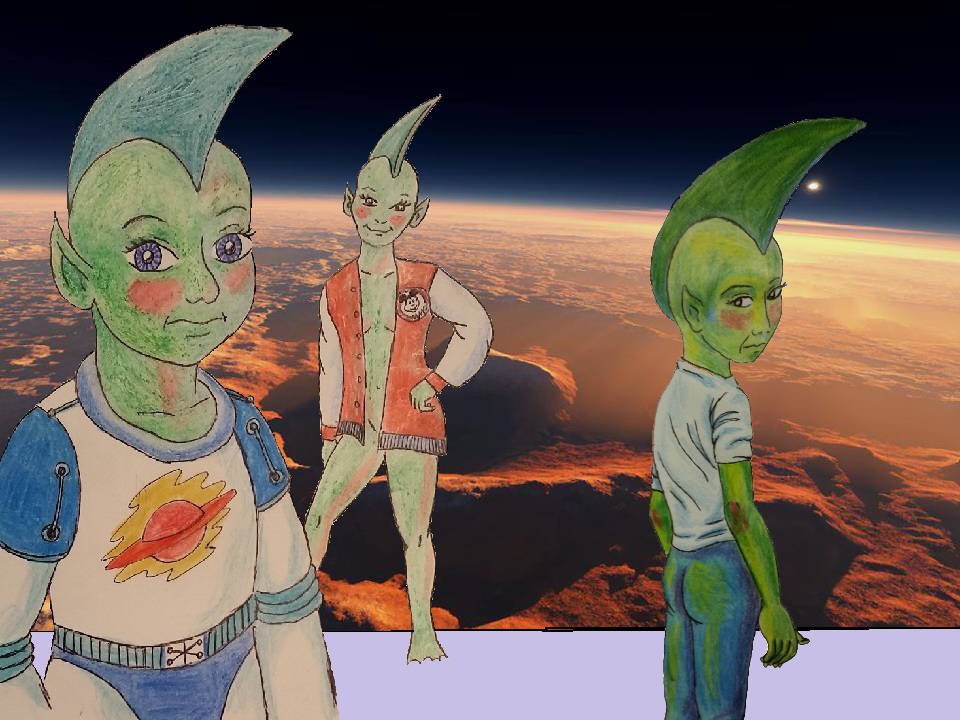
After all, there are Mickian characters that are literally blue with red patches on their cheeks that absorb harmful gamma radiation and make those characters immune to radiation sickness from exposure in deep space. You don’t want to make readers so curious about a character that they waste time reading more and more closely to discover more about that character.
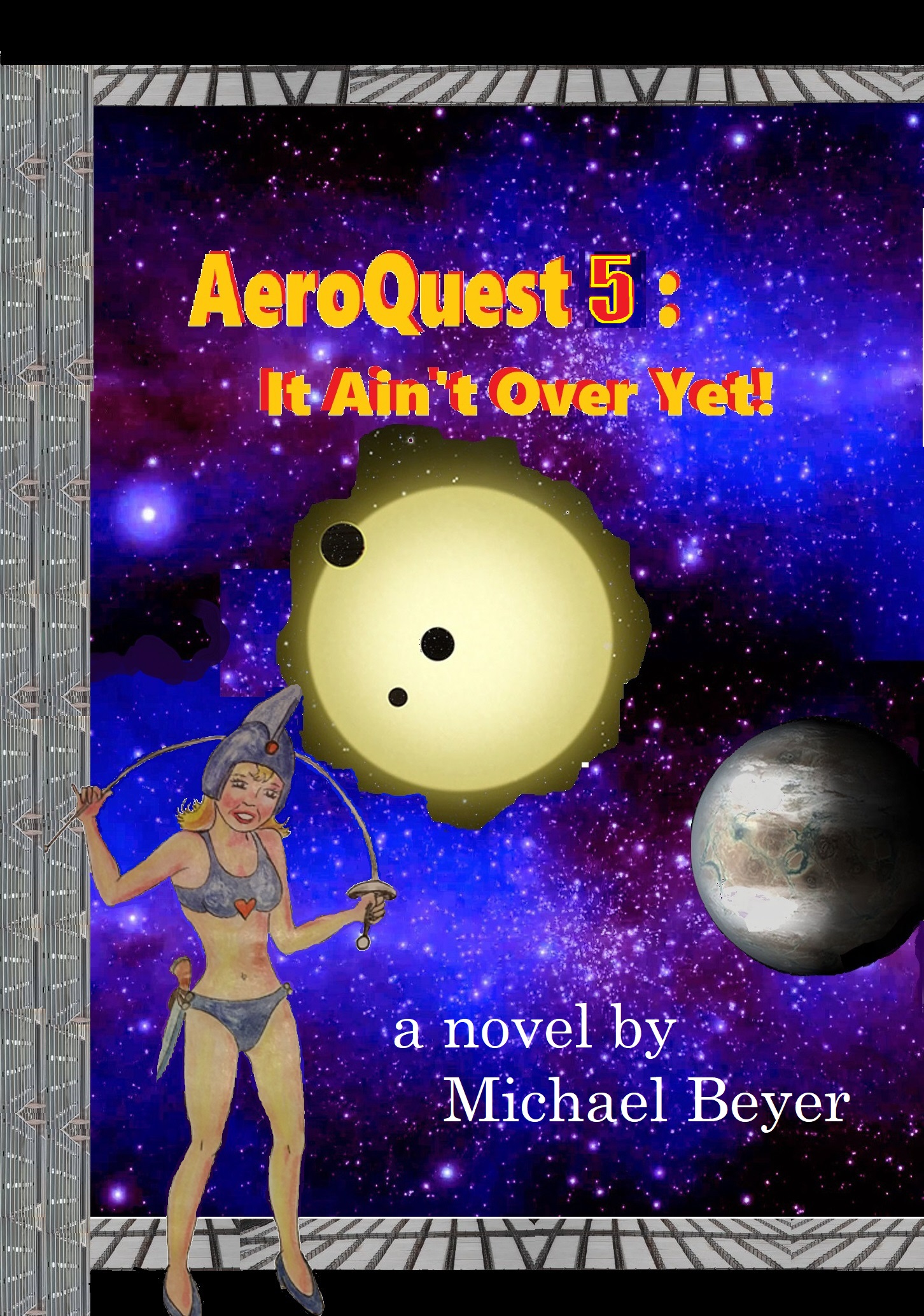
Junior Aero, the alien Nebulon boy in the AeroQuest stories is just one example. Not only is he a member of an alien race that are belittled as “Space Smurfs” and treated to racial bigotry based on skin color and not being able to speak English at first, but he is also gifted with mental “Psion powers” that allow him to telepathically read computer minds, even the sentient and intelligent ones.
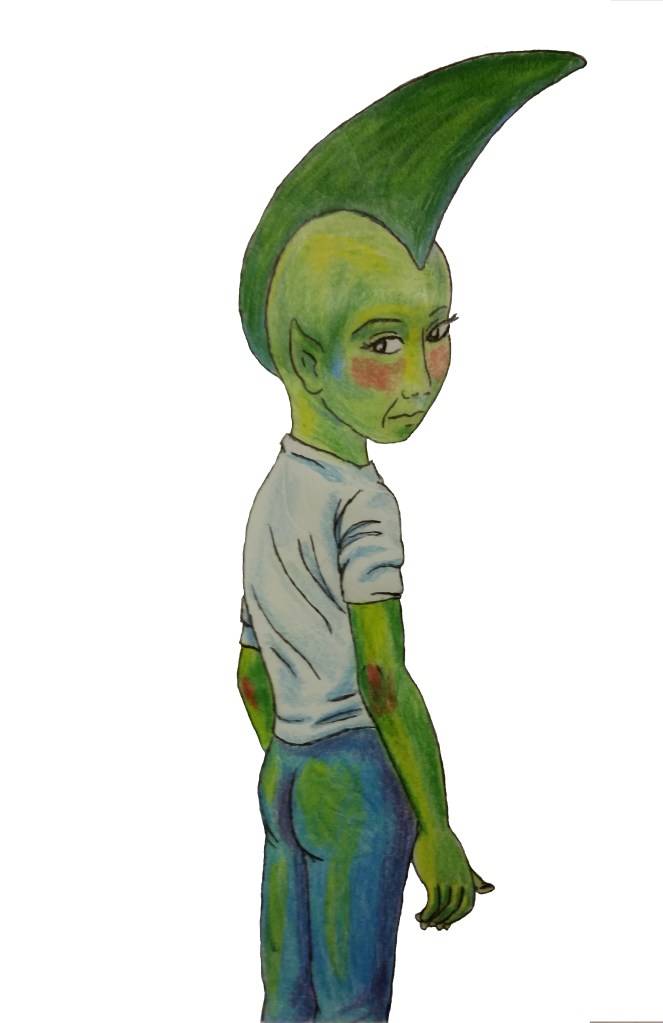
And some of my characters are green with shark-like fins on their heads. They were born on Starships and orbiting artificial satellites like the one going around Barnard’s Star. They are like George Jetson here, named after his father, Xiar’s, favorite Earther cartoon show character from the 60’s. Not only is he a green-skinned amphibious humanoid life-form from a different star system, he learns a lot about himself in the adventure he has in the novel Stardusters and Space Lizards. He goes from being a narcissistic space-pilot wannabee into becoming a humble crash survivor and expedition leader who helps save an entire planet from ecological disaster. And he even gets a girlfriend out of the deal in Menolly his nestmate and fellow survivor.
Characters like that are far too interesting and developed to be good for your reputation as a serious producer of money-making fiction stories. And you certainly don’t want to waste time on developing the same characters in multiple books.
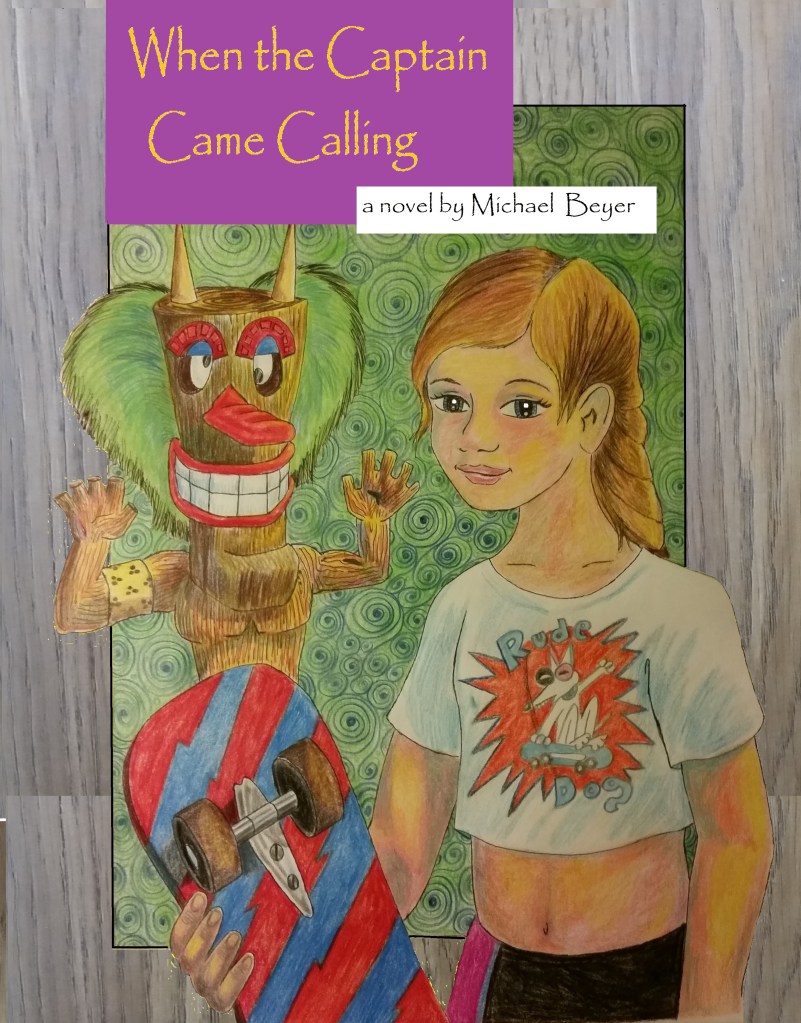
I used the character of Valerie Clarke in the book When the Captain Came Calling as an eleven-year-old protagonist who loses her father and has to rely on older kids and good friends to save herself from depression and the trash-pits of despair.
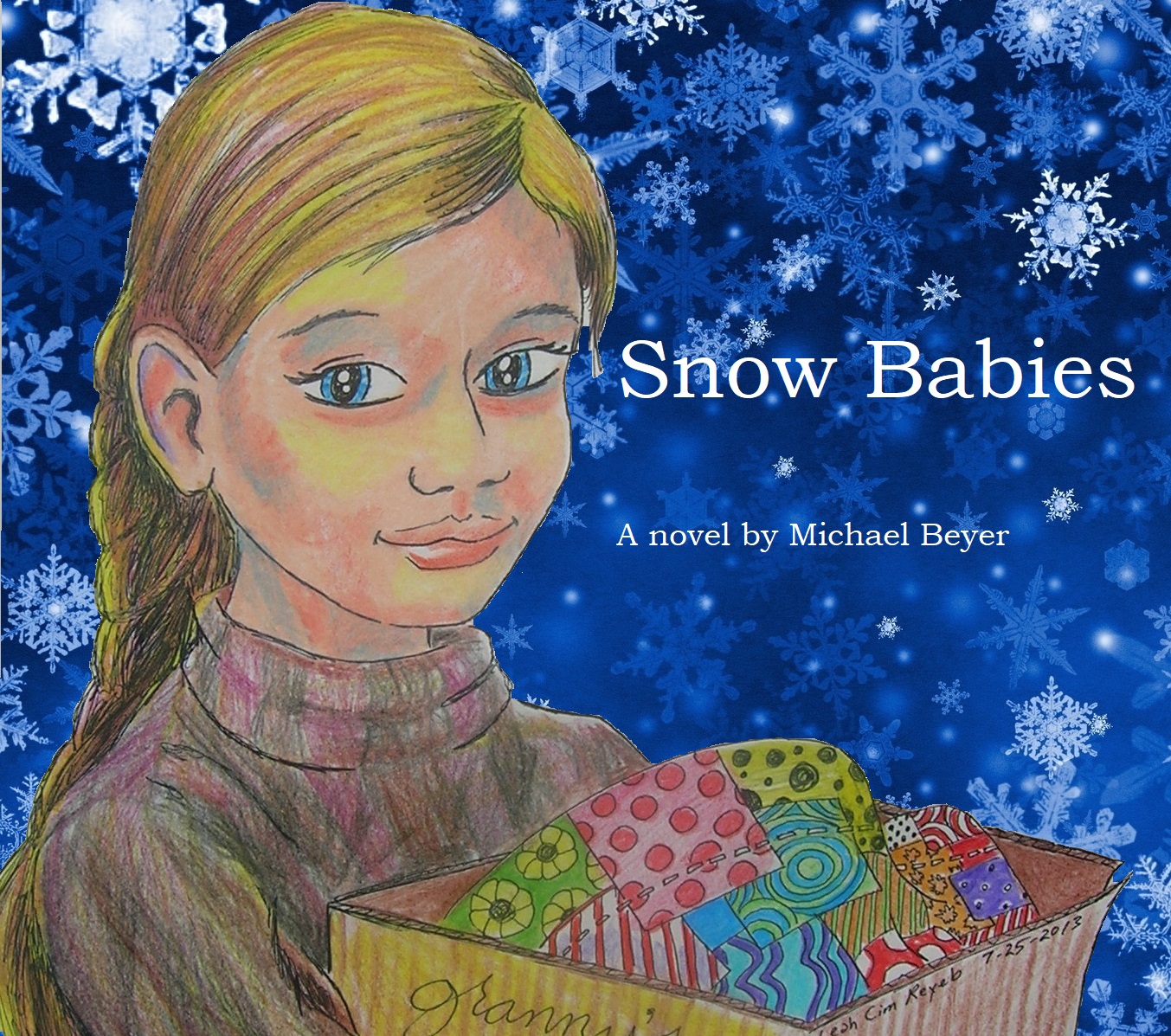
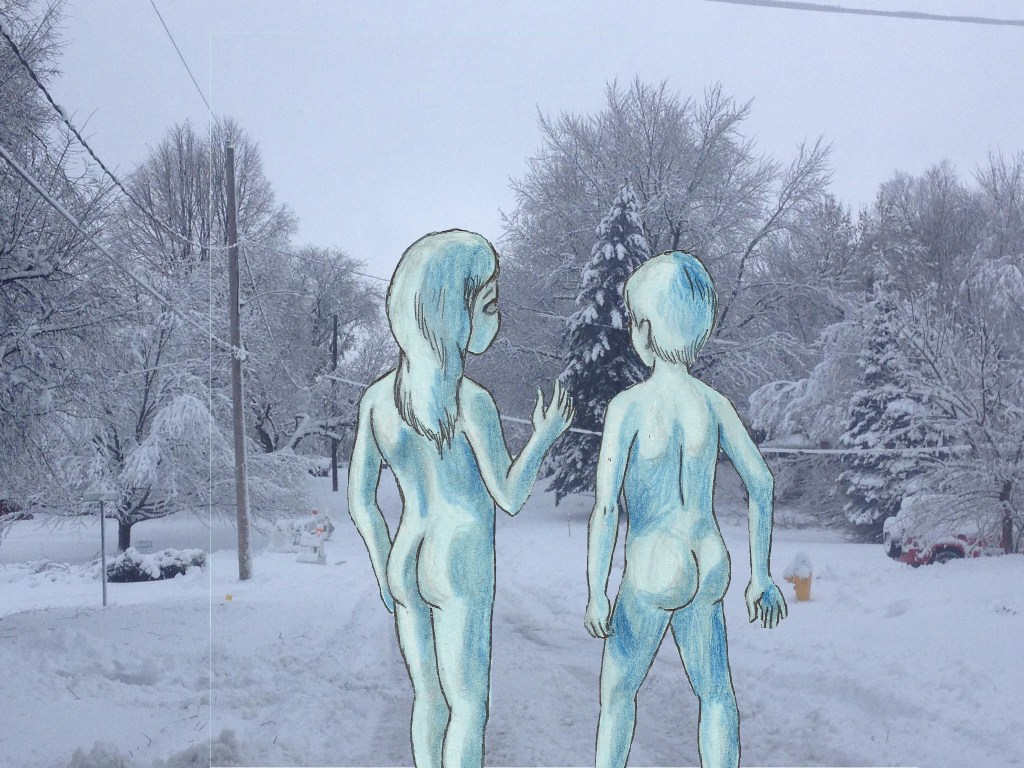
I used her again as a main character in Snow Babies where she befriends a mysterious stranger and also finds a runaway boy who makes her think seriously about life and young love, all in the middle of a deadly blizzard.
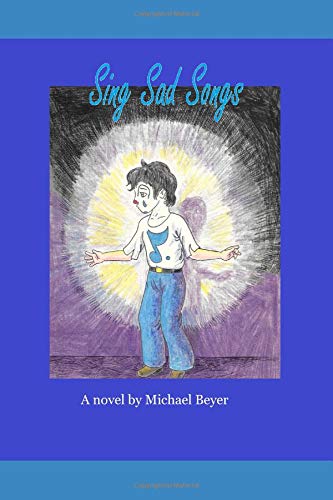
She’s also in the book Sing Sad Songs where she learns to negotiate love with a boy who also lost a parent, in fact, both parents and a twin sister, in a car crash that made him a lonely orphan. She not only has to face the loss of her own loved ones, but has to help somebody else to face the same thing, in fact, more than one other somebody.
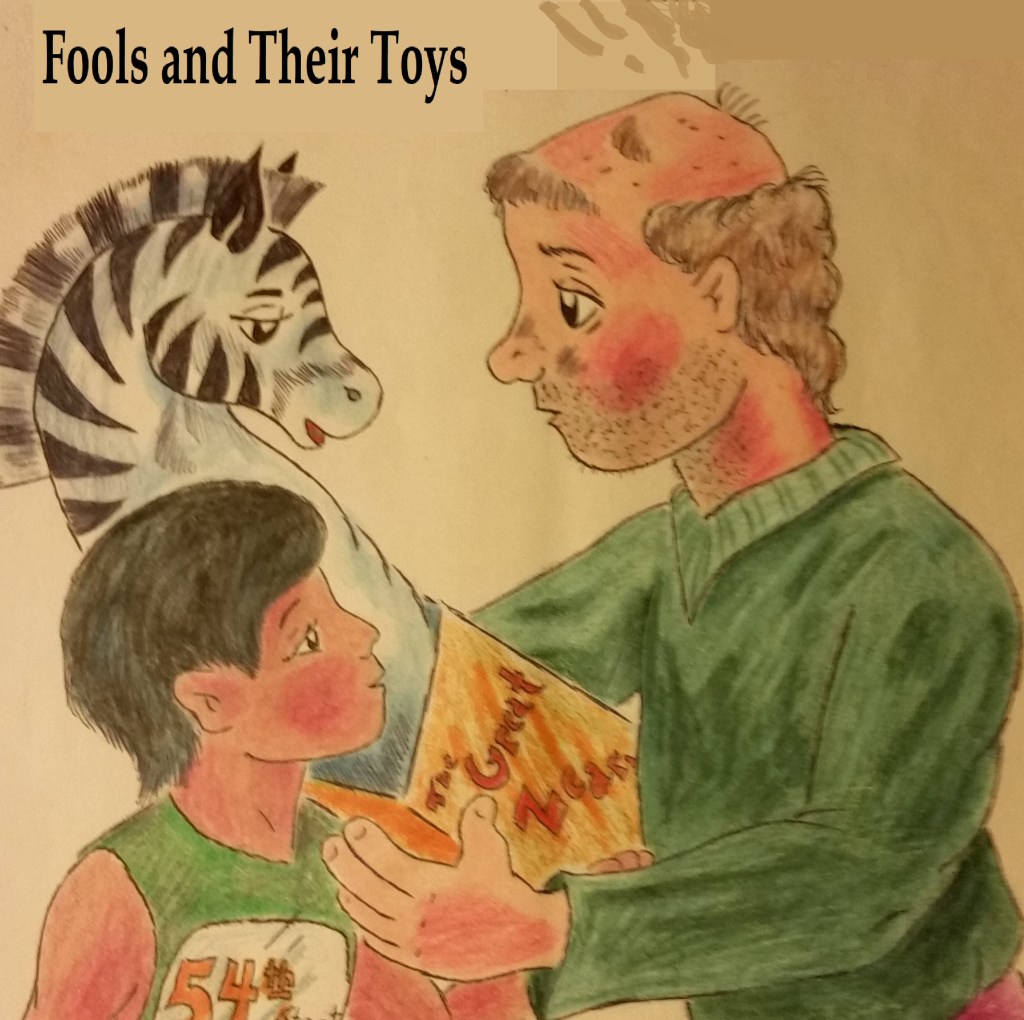
She’s also a character in The Bicycle-Wheel Genius and Fools and Their Toys.
It is unthinkable to use a character that much and make her grow and change in so many different ways. She should be used only once in a simple and clear way. Like, maybe, Mark Twain’s use of Huckleberry Finn.
Huck, as a character was only used in the books, The Adventures of Tom Sawyer, The Adventures of Huckleberry Finn, Tom Sawyer Abroad, Tom Sawyer, Detective… and… never mind. Forget I even said anything about Huck Finn. In fact, maybe this whole post is so ironic it’s making my story-teller gears all rusty. Never-the-less, let me threaten you with a possible part three.
If you have come to my blog in hopes of gleaning some key advice about how to write novels or tell a story, then the wisest advice I can give you is, “Do not take any advice Mickey gives seriously.” He used to be a writing teacher in public schools. That is true. But he is also the writer of weird surrealistic novels full of purple paisley prose. And he is not a successful novelist like Steven King or J.K. Rowling. His writing advice is probably only worth ca-ca poo-poo.
So, let me tell you how NOT to write a novel.
Each of the novels I have written and displayed here took me more than twenty years from the moment I conceived of the idea, through plotting, rough drafts, revisions, re-plotting, expanding the story, to finally publishing them in 2017, 2018, and 2019. I developed the stories from real people, real events, and real themes that were a part of my life and added to each of the stories as time passed. So, obviously, you should never take too long a time writing a story. It is true that Snow Babies is the best novel I have ever written, and I count Sing Sad Songs, The Baby Werewolf, and When the Captain Came Calling among my best work. And I only spent one year in the writing of Aeroquest, which is, ironically, the worst thing I have ever written. So, you can see that following any advice Mickey might give you about taking your time with writing is obviously worthless. I took too long writing and publishing my best books, and that is why I will die a penniless, unknown writer.
But I admit to having even more bad advice to warn you not to take. More, I think, than I can put into this one post. So, I will Part-Two this particular essay and take up the topic again in the very near future. Or forget all about it completely. It has to be one of those.
This is about being a writer, not a swimmer. But in a way, it is also about not drowning.
I have achieved some success as a writer. But my development economically is stagnant and I am treading water in the sea of money where sharks are circling intending to eat any value I may create.
I have, of course, created some value. If I had published my 21 books 25 years ago, and I had a contract with a major publishing house, I would be doing as well as some of the authors you see occasionally making best-seller lists today. I am not saying I would be a million-dollar celebrity author like Stephen King, James Patterson, or J. K. Rowling, but I would be a full-time writer making a decent living at it. I am not bragging. I have had a lot of literary education, and I know from input from professional editors and former employees of the major publishing houses that my skills as a storyteller are as good as, or even better than many of the traditionally-published authors today. I stood next to Terry Brooks (author of Sword of Shannara) in a MacDonald’s waiting for my Big Mac in Corpus Christi one time in the 1980s. As former English teachers both, we have a lot in common. But he started publishing in the 1970s, and he only taught for a couple of years. I taught for 31 years and only began seriously trying to get published in 2007.
Obviously, the publishing industry changed in the time between meeting Terry Brooks and getting published myself. Back then the major publishing houses were the gate-keepers, taking submissions and winnowing out the chaff to find the diamonds in the rough (Yes, that is a mixed metaphor, but either I don’t really care about that anymore, or somewhere along the way I have actually found a diamond or two growing alongside the grains of wheat.) If you wrote well enough to win a contract, they would offer you a standard twenty-thousand-dollar signing bonus and a book contract that would guarantee standard royalties for the duration of the book’s life in print. You would then be committed to whatever promotional book tours, lectures, and signings the publisher thought would be most effective, and your next book would have to be offered to them first. Of course, my first book would’ve been a commercial flop from the get-go, although that would probably not be the book I succeeded in publishing first.
Things no longer work like that. When I successfully got the first yes from a publisher in 2007, it was from Publish America. That was a total scam. They paid me one dollar to publish my book Aeroquest. But that wasn’t the scam part. They did publish the book, and they did pay me a dollar. But their attempt to make money did not come from that. I was supposed to do all my own editing and proofreading. They would do the formatting and the marketing. I had to compile a list of family and friends to receive a promotional letter. The only attempts they made to sell copies of my book were to those people on my list. They added typos to the final form of my book and then offered to fix all of that for a hefty fee. They made a couple of hundred dollars doing that. I got a total of six dollars in profits for myself. Publish America was sued out of existence in 2014, the same year that my contract with them was up and I got back the publishing rights to the book.
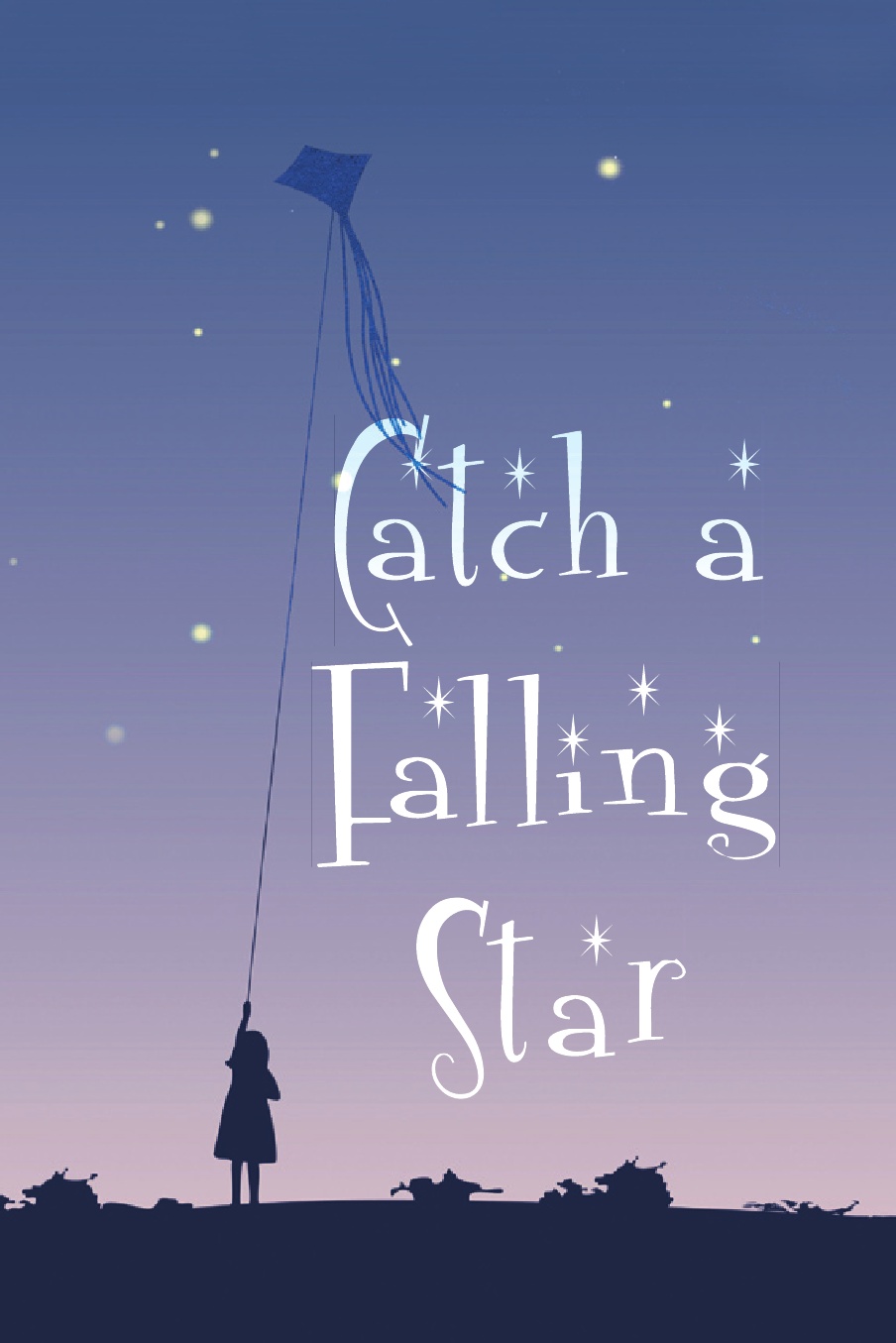
So, then, I vowed I was going to submit to a publishing house that was still open to submissions, and I found I-Universe which was an imprint for Penguin Books. I submitted a manuscript that they tepidly loved and agreed to publish, for a fee. It was explained to me that, in order to compete with things like Amazon, the traditional publishers were also putting more on their authors in order to guarantee they could still produce profits for shareholders and eliminate the risk from flops the way traditional publishing had always had to weather them. I would have to pay my own editors (company-provided professionals who were actually worth what they cost, I learned a lot from them.) I would also have to participate in and pay for marketing efforts. All told, it ended up costing me about five thousand dollars. And the pre-made cover they forced on me has no real connection to the story itself. (Nowhere in the comedy about aliens invading a small town in Iowa did any silhouette girl fly a kite at night. The girl characters were all green, fin-headed aliens.)
I didn’t feel as cheated by I-Universe even though I spent a lot more money with them. My book ended up winning two awards from them, Editor’s Choice and Rising Star Awards. And I learned everything I know about the publishing world from the good people I worked with. They were square with me, telling me that the traditional publishing business was dying, and they were all worried about their own jobs going away. They keyed me in on how to effectively open and present a good fictional story. They started me writing this blog, and they would’ve included me in many more marketing ventures to make my book profitable if I hadn’t gone bankrupt in 2017 and had sworn off paying them more money in 2014. They still try to get me to invest more money in marketing schemes. They hate seeing my award-winning book sit unprofitably unmarketed. But the total earnings in royalties that book has made is only sixteen dollars, and they will not cut my first royalties check until that reaches $25. Not gonna happen.
Then I killed a publisher with my next well-written book. PDMI Publishing LLC was enthusiastic about publishing my snowstorm opus, a comedy about orphans freezing to death in a small town (or, actually only almost freezing to death, to be less snarky about it.) But as I finished that book with a rookie editor that the firm had newly hired, they had to go out of business from losing too much money in a single year. They were not the only publisher to collapse financially in 2016.
So, my publishing solution was to turn to Amazon, slayer of traditional and small publishers alike.
With Amazon KDP I am free to publish anything and everything I want to publish. But I have to do everything myself. Writing, editing, formatting, proofreading, illustrating, designing book covers, and marketing are all entirely up to me. There are many successful authors on Amazon. Some of them even make more money than they spend. Amazon pays you monthly royalties, even if you only make two cents because somebody read four pages of one of your books that month on Kindle Unlimited.
But Amazon can freeze or delete your account for any reason at any time. And some of those decisions are made more by algorithm than any actual reader of your books. They can accuse you even of plagiarizing your own books if you are not careful. The whole scheme behind KDP is to do none of the work themselves, but pay out as little of the profits as possible to the authors and keep as much easy money as the scheme can generate.
So, I am a published author… for now. Writing whatever the hell I want and not caring much about whether I make any money or not. That’s not the point of being an author. You can’t be a starving artist if you are not actually an artist… and you can’t be one without starving either.
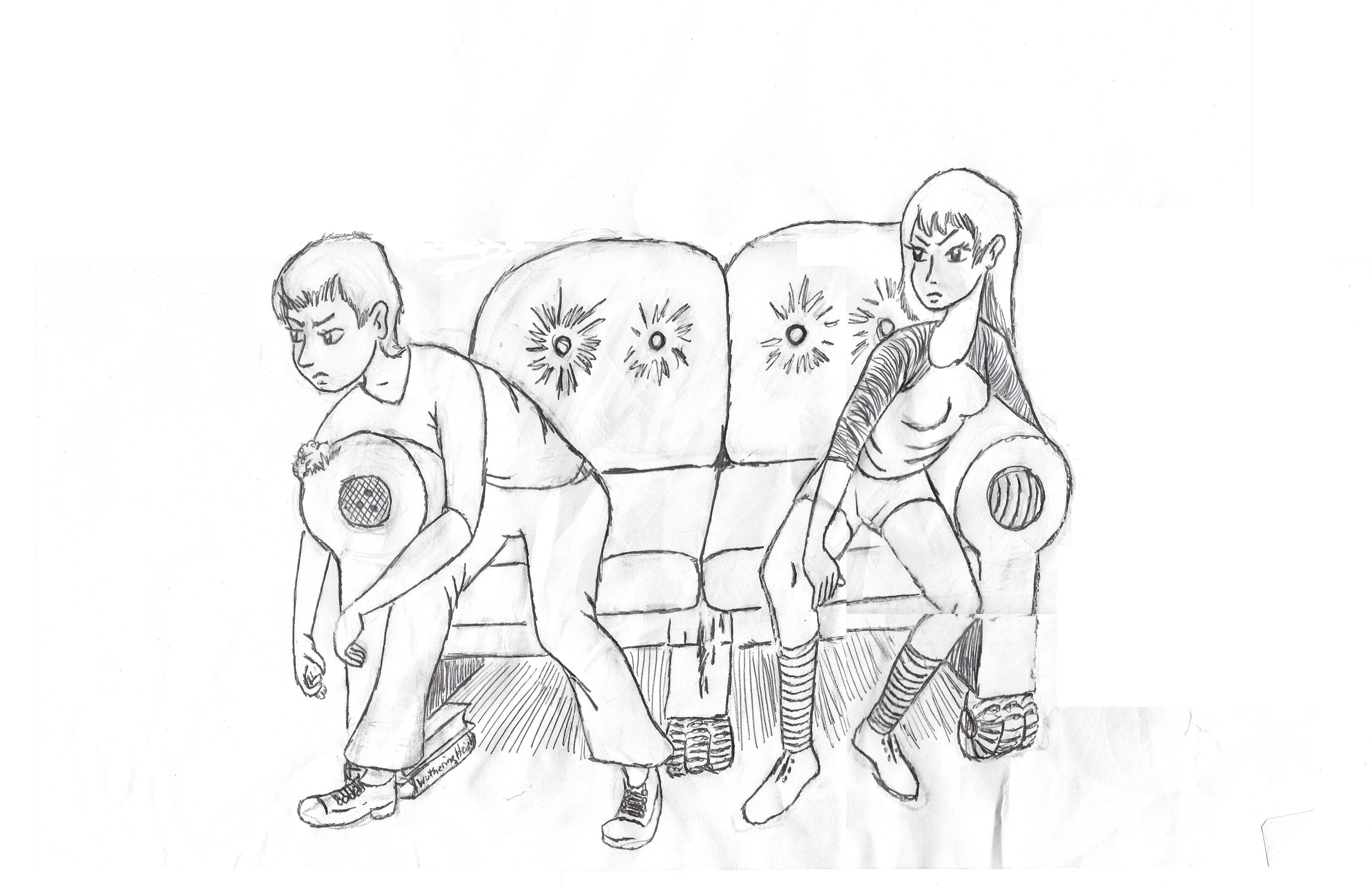
This is a story about an innocuous piece of furniture in Great Aunt Minnie Efram’s house. It was a little brown loveseat with carved wooden monster feet.
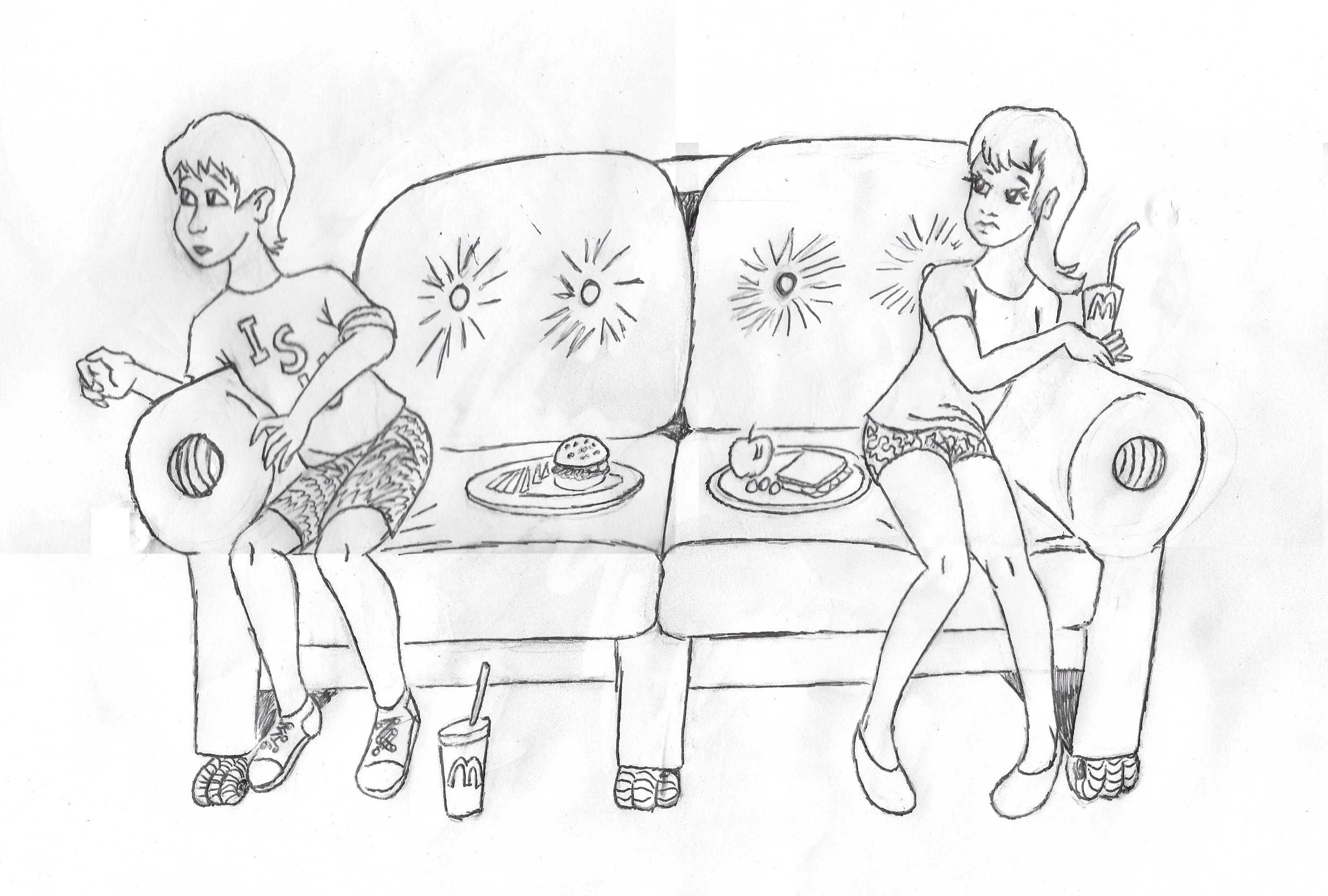
As the story begins, the little loveseat was sitting in the parlor in front of the small black and white television. During the monthly Efram family card party, the love seat was the only place for the two of them to spend the evening. But he was ten and he hated girls. He had a reputation with the guys at school as a girl hater, and he couldn’t have it known that he was sitting on a loveseat with Uncle Henry’s stepdaughter, the one the guys all said they had seen eating her own boogers.
She was also ten, and in his class at school. She liked to watch him more than any of the other boys. But she didn’t know why. She liked unicorns and the color pink, but she also kinda liked the way boys looked at her when she wore shorts. And she liked seeing him in PE class at school, wearing shorts. He was athletic and often won games in PE.
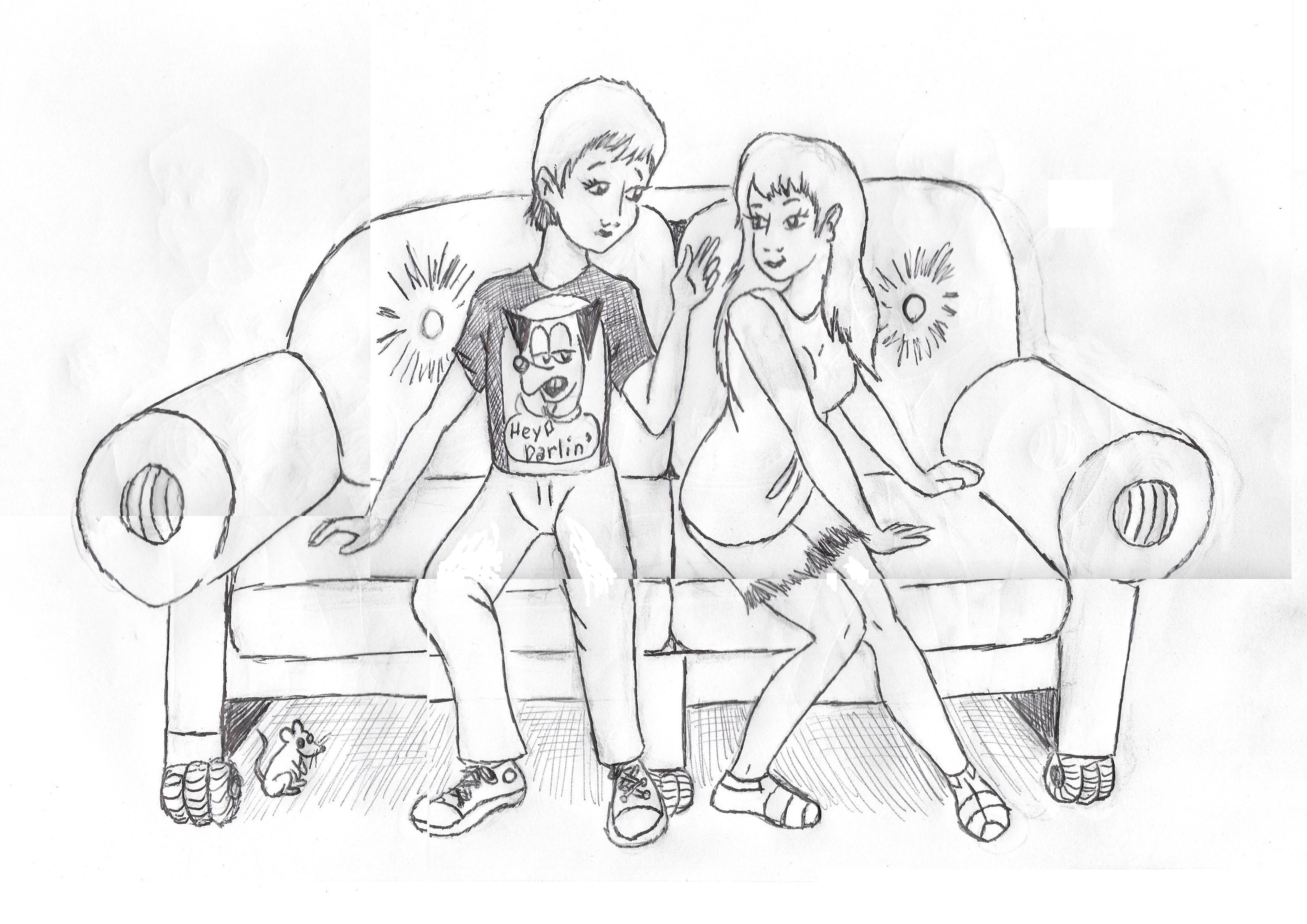
After two years of monthly card parties happening during at least three different months every year at Aunt Minnie’s place, he had discovered that girls didn’t actually smell bad, and this one actually listened when he talked about playing football, and how it made him feel when he scored the seventy-five-yard touchdown. In fact, the more he talked about football, and the closer they sat to each other, the better she seemed to smell. He liked that smell.
She liked that he didn’t only pay attention to her at the card parties anymore. He actually said, “Hi” in public. And she liked his smile, even when he got braces. He let her pick the shows they watched on the old black and white television while seated on the loveseat. She actually worked up the nerve to tell him that she had told Jane at school to ask him if he liked her, and stupid Jane had completely forgotten to ask him, or maybe Jane was just too chicken to ask him and used the excuse that she forgot.
He said that if she liked him, he liked her. But if she didn’t, he didn’t either. “Like” her, he meant. Which he did because she did.
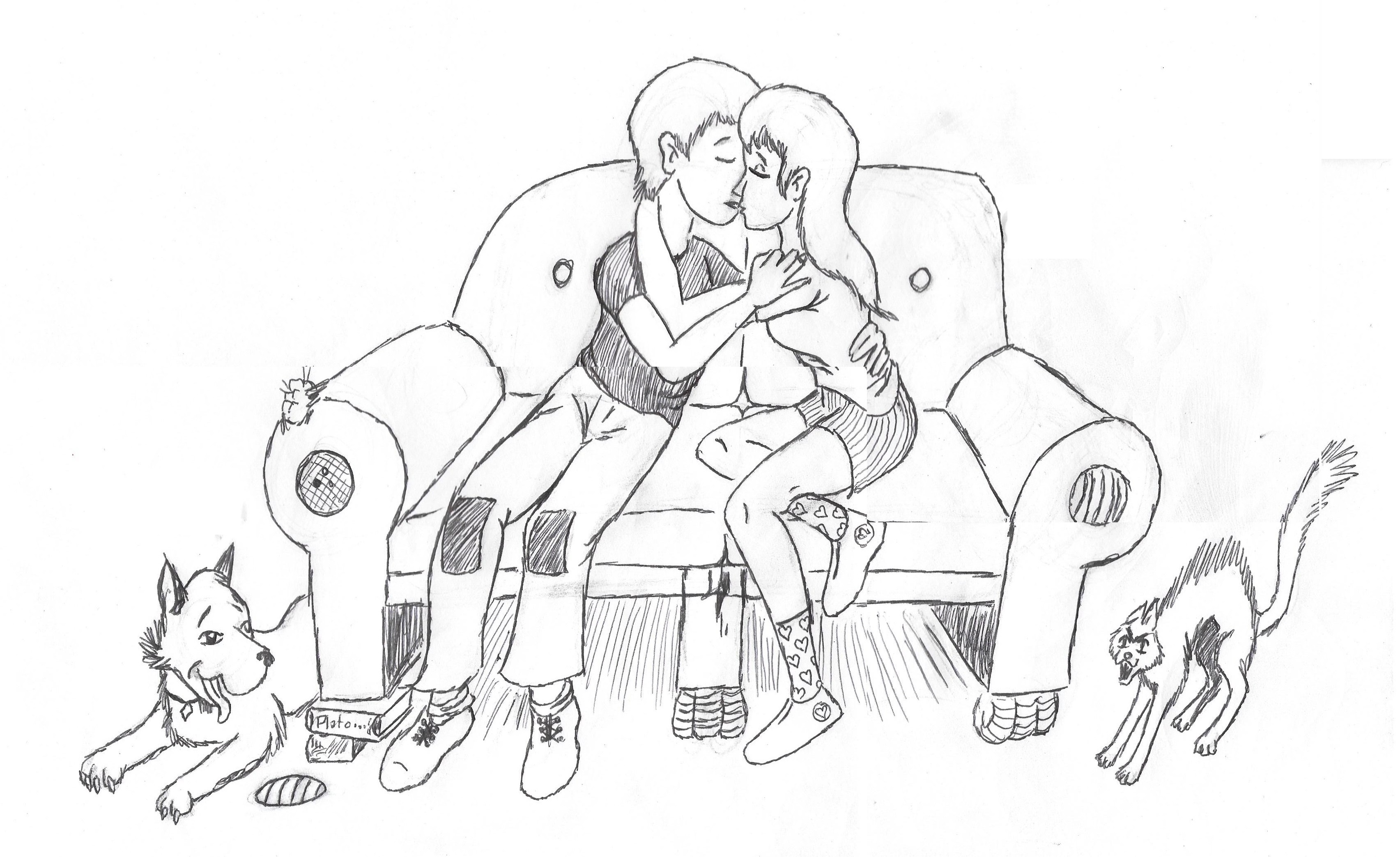
After two more years and six more card parties worth of scootching behinds closer together on the old loveseat, something different had happened. And it was about time too. Aunt Minnie had bought a puppy, and that not only was a bad thing for the seven cats that lived with old Minnie, but it was hard on the loveseat too. One of the little couch’s monster feet was lost, and the numerous instances of terrified cat claws digging in were beginning to have an effect on the upholstery. And that danged dog wizzled everywhere. The loveseat had one purpose in life, and it didn’t want to give in to wear and tear before achieving that purpose.
But the very next year brought disaster. He apparently told the members of the freshman football team that something had happened on that old love seat that really hadn’t happened. The football team was impressed because they all thought she was pretty hot stuff, and he was generally thought of as a lame-o dweeb. She heard about it from Jane who heard about it from Nanette’s boyfriend who was on the team. And she got mad. How dare he say something like that when it wasn’t true?
In January of that year, Aunt Minnie passed away in her sleep. The loveseat was sold at auction to a farmer who liked to do re-upholstery as a hobby. It got re-done in red velvet and leather with wheels replacing the wooden monster feet and sold to a car dealer in Des Moines who placed it in the lobby show-room for customers to sit on.
But the story has a happy ending. She would later make his locker room lie into the truth on Prom Night (fortunately with protection) and then went on to marry him when they both were sophomores in college. Of course, it wasn’t always, “They lived happily ever after,” because they didn’t. They got divorced once and got re-married shortly after… to each other. They had three kids. And the loveseat didn’t ever learn any of that. Because it was a loveseat. You didn’t really think loveseats could know anything, did you?
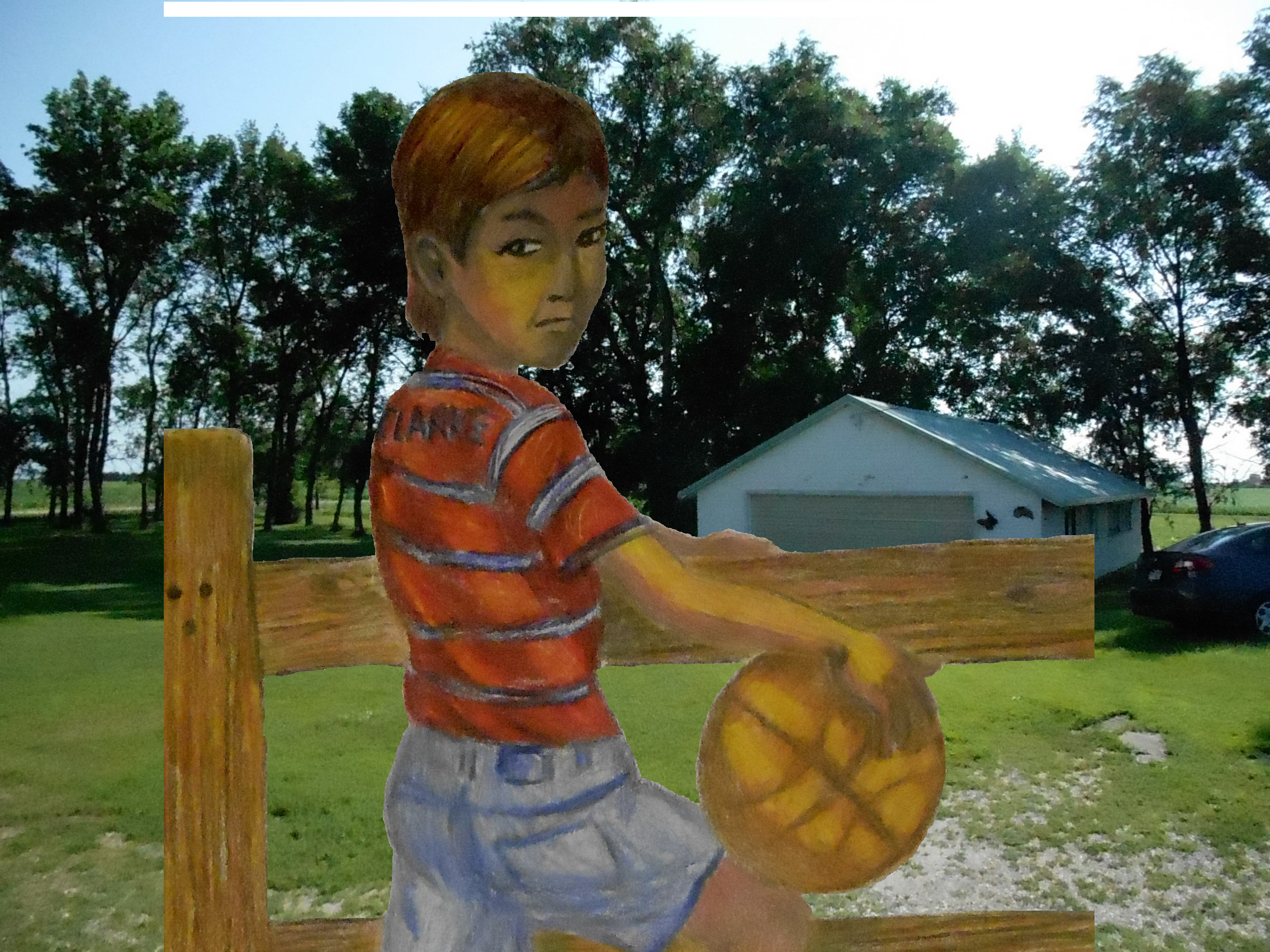
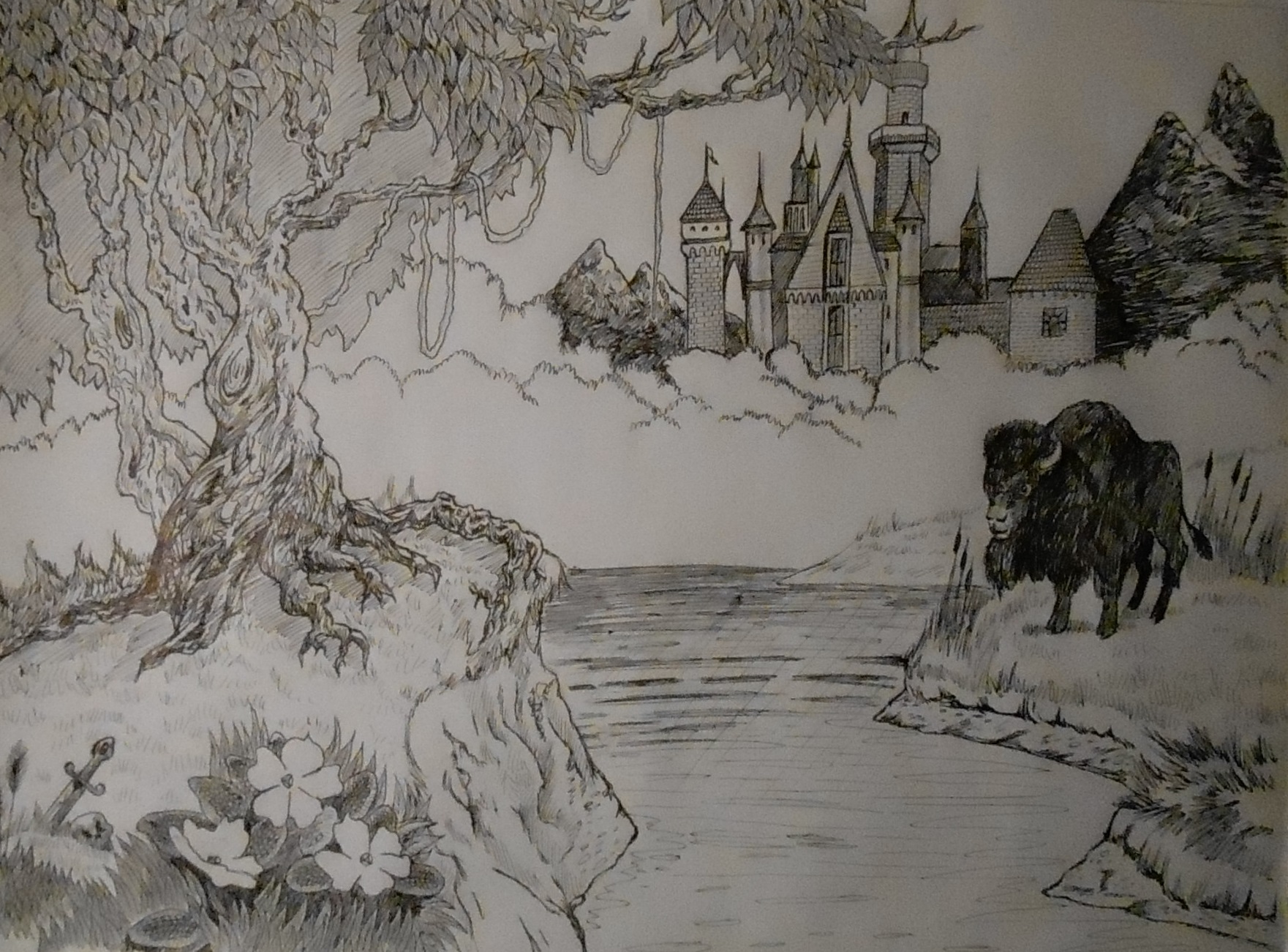
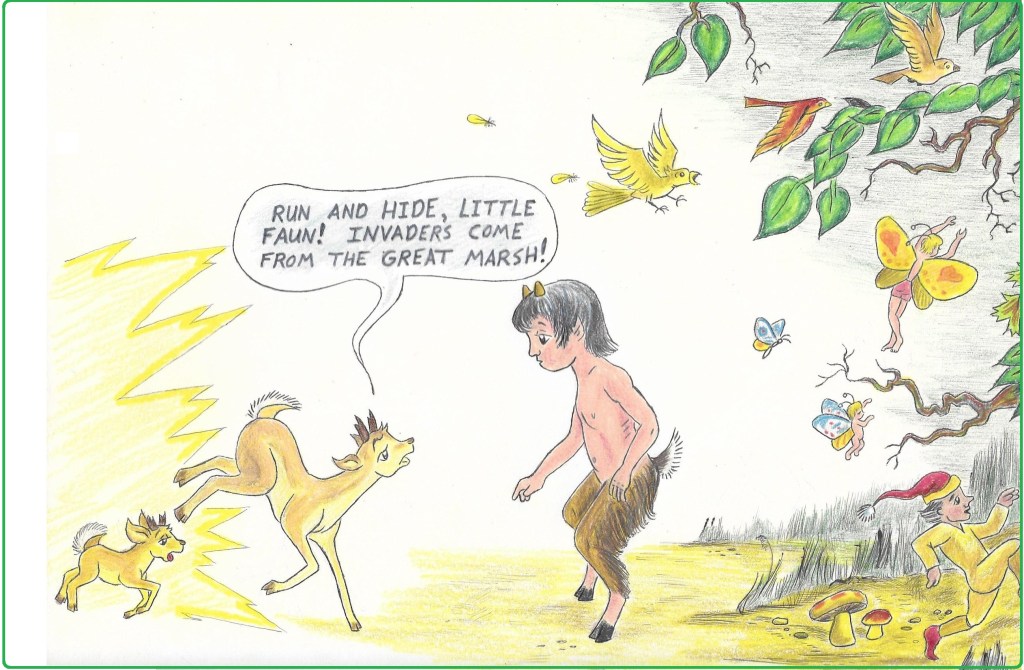
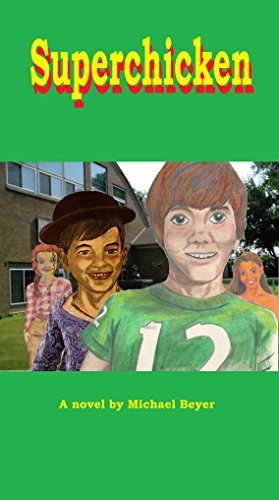
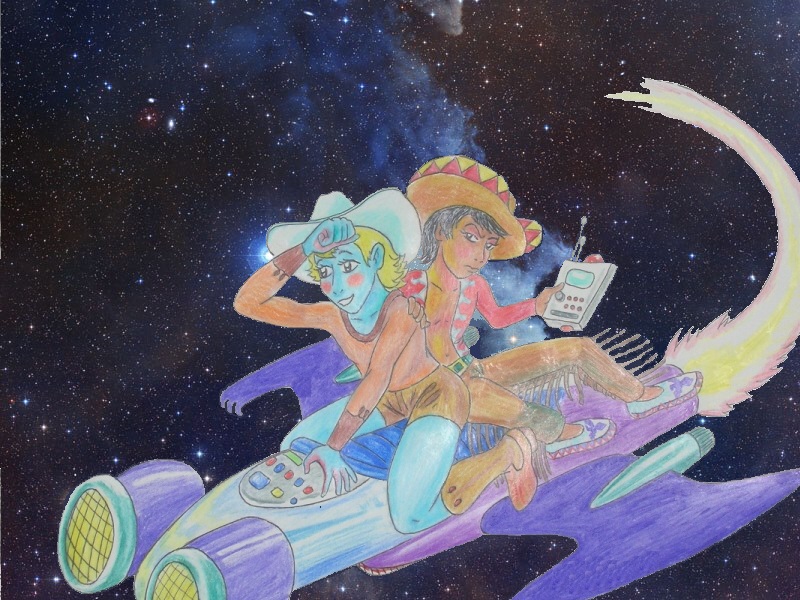
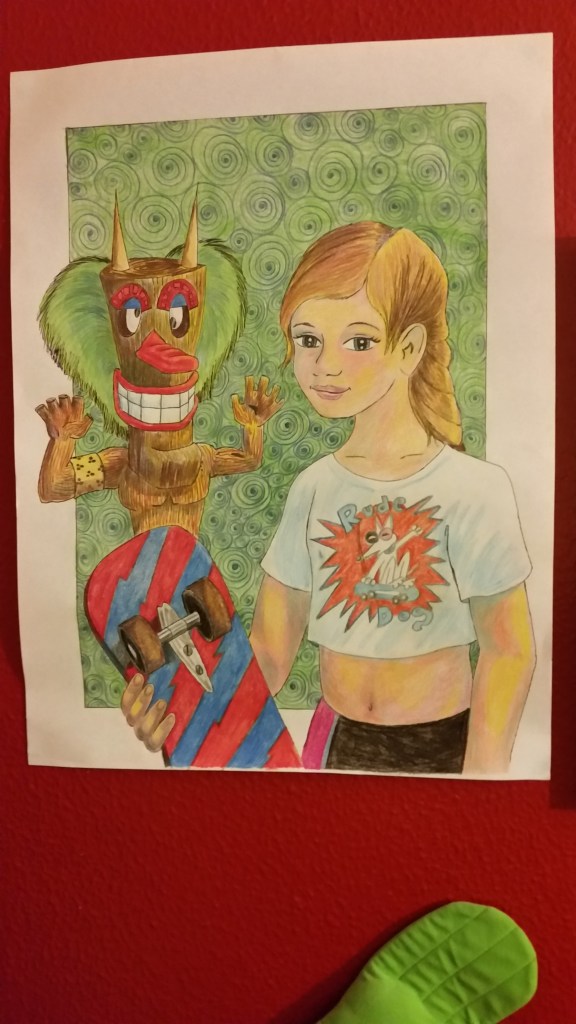
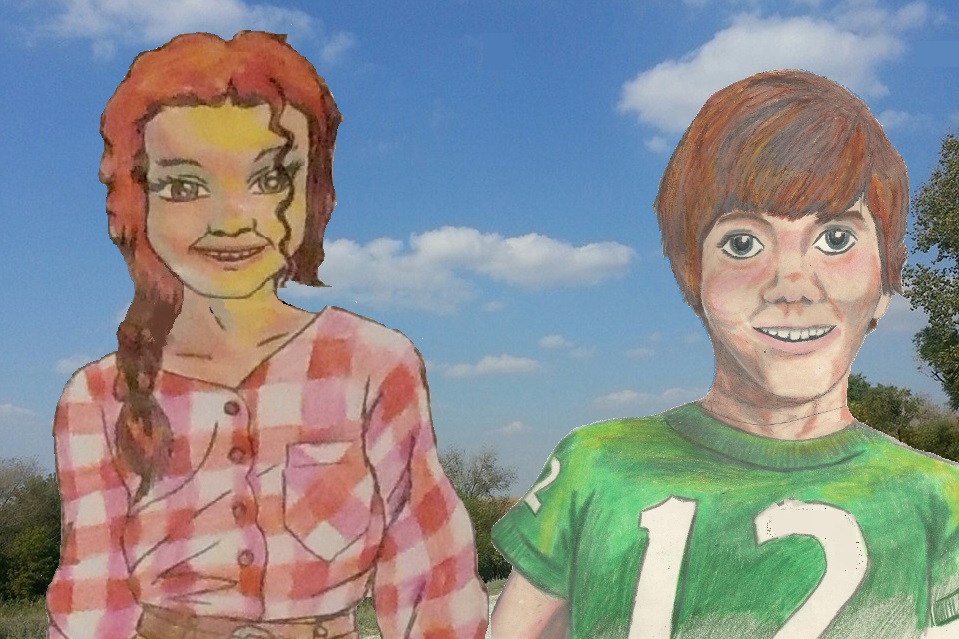
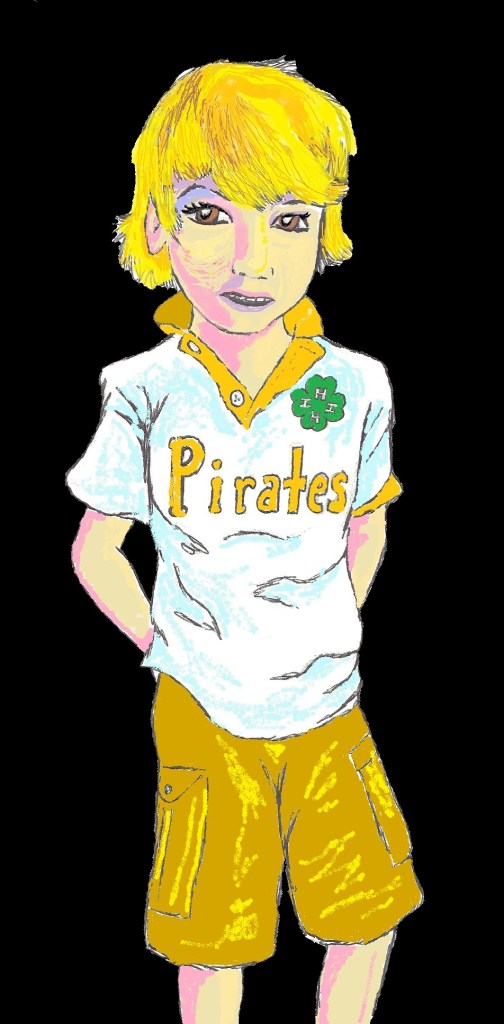
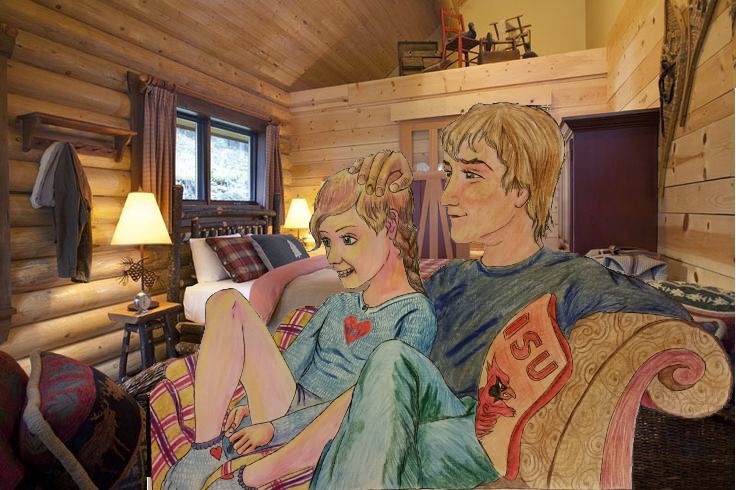
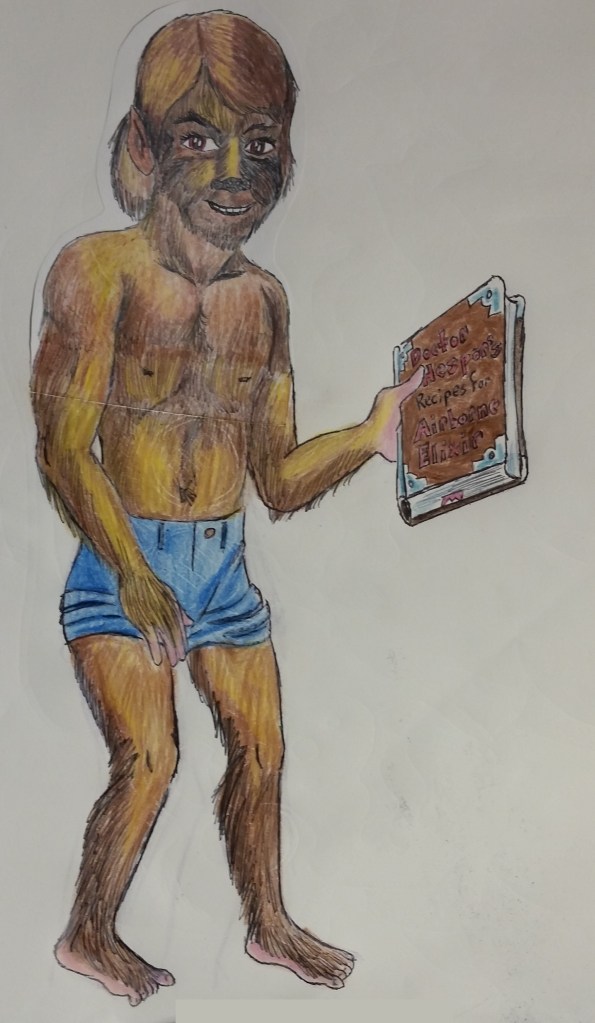
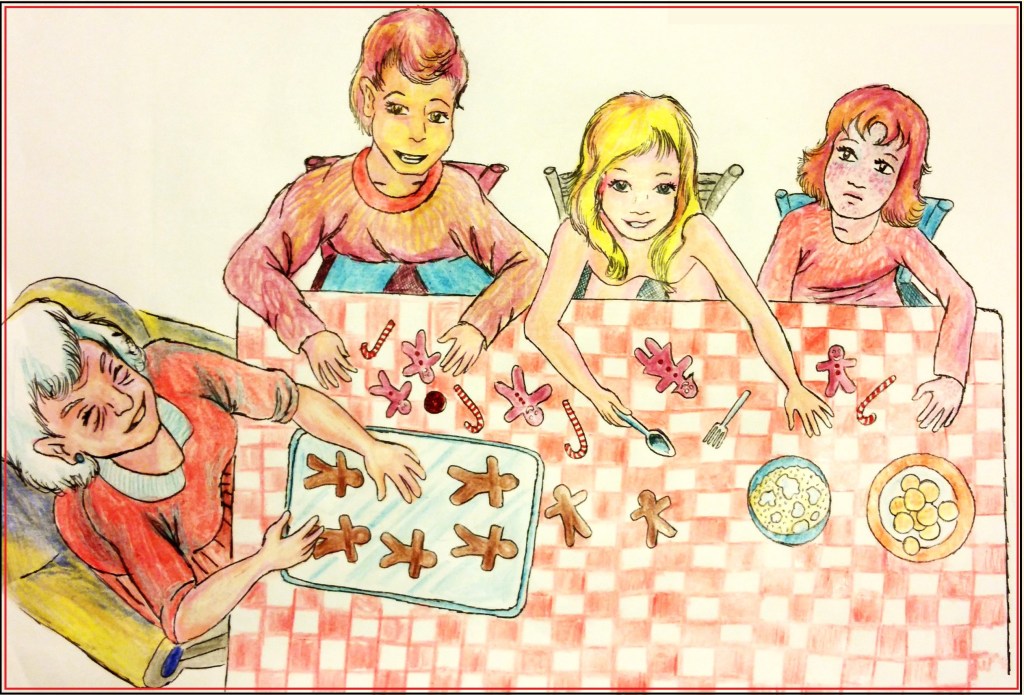
Here’s a bit of the file called Novel Pix (illustrations for my novels);
from Stardusters and Space Lizardsfrom AeroQuestfrom Sing Sad Songsfrom Snow Babiesfrom Fools and Their Toysfrom When the Captain Came Callingfrom Superchicken
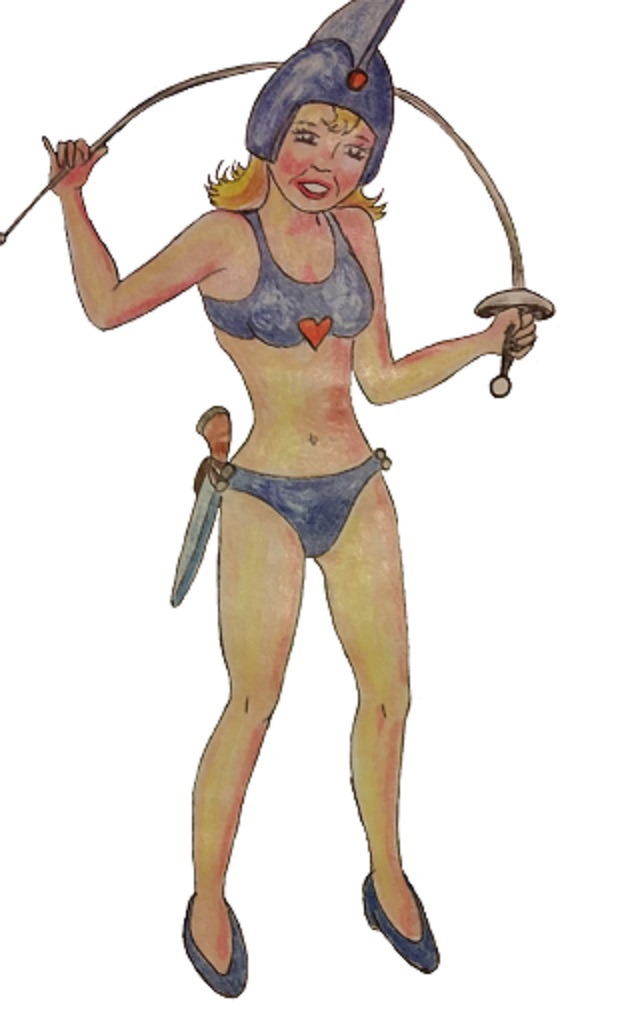
She was the size and shape of a blond-haired human girl of about fourteen years of age. She wore one of those tech-level 25 armored space bikinis, and Dr. Hooey had to admit she looked pretty appealing in it.
“So, they issued you that armored bikini instead of the usual Time Knight’s eccentric, colorful costume?”
“Oh, yes, by my special request,” said the girl. “It’s fully functional as a space suit, putting atmosphere around me inside an electromagnetic bubble that will also shield me from radiation, lasers, micro-meteors, blades, microwaves, nuclear blasts, and even slug-thrower bullets.”
“Ahem, yes…” Hooey wasn’t sure whether he should be harsh with his evaluation, or just charmed with her natural enthusiasm. Her enthusiasm alone was of a kind that could defeat space criminals, evade alien attacks, and charm world leaders. And that happy grin could certainly kill a grizzly bear at thirty paces. “Prepared for practically anything, aren’t we?”
“Well, being prepared is the key to everything you have accomplished Dr. Hooey. I studied you carefully while I was in the academy. You more than any other Time Knight we discussed. I prayed to the Seven Goddesses of the Pleiades that I would be chosen to be your companion on this next journey through time.”
“Ahem… your name is Spaceheart, I believe?”
“Yes. That is definitely my preferred moniker of the moment.”
“I suppose I can’t just call you Becky or Alice or something?”
“No, please. I like Spaceheart. It is a cool pulp-fiction sort of science-fictiony name.”
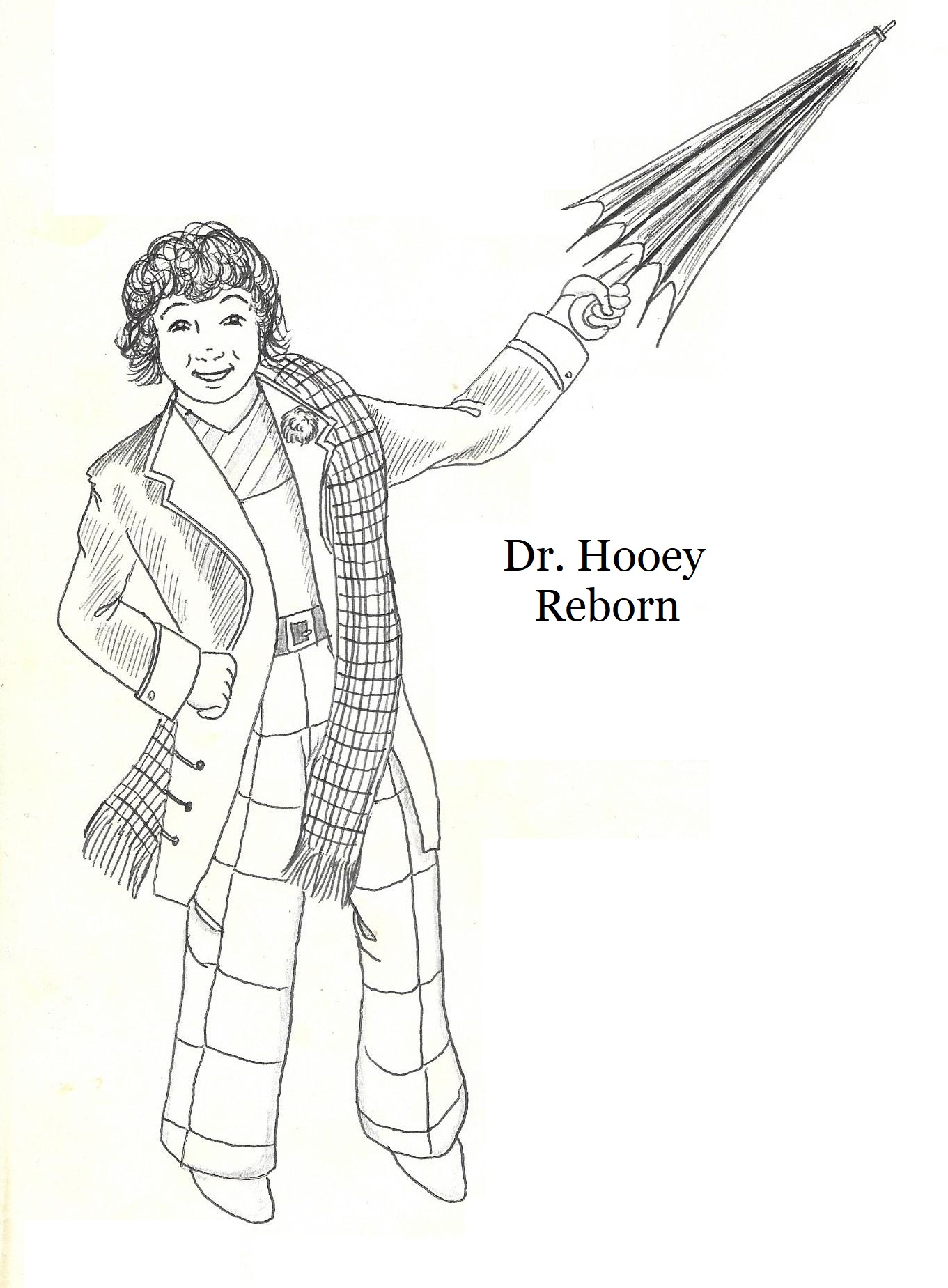
Hooey almost said, “Ahem” again, but he was running out, so he decided to save the last few for later.
“So, one of the main jobs of the time-travel companion is the keeping of order inside the time-ship.”
Spaceheart looked around at the mess inside the Star Wars. She shuddered. Wires were hanging from the dark space where the ceiling allegedly was supposed to be. Burnt panels covered the control console with melted buttons, charred thing-a-majiggs, and a grossly detached doodle-ma-whoop. You couldn’t make the chronometric time jumps without a re-attached doodle-ma-whoop. And you would need to replace every single thing-a-majigg in order to prevent the Time Knights inside the ship from prematurely aging or turning back into babies. A glitch in either direction could pop you out of existence without warning.
“It got damaged a bit with that last mission, huh?”
“Oh, yes. It actually killed me, so that I had to reboot myself with an entirely new and better-looking reincarnation.”
“But, the Lizard Lady was successful before she died?”
“Well, technically… Um, she’s not actually dead yet at this time… er, the relative dimension in time and space she currently inhabits.”
“Oh, that’s interesting…”
“Yes, um… she’s in position to help us win the battle at Outpost. So, our job is mainly to correct whatever goes wrong with the ancient device that Ged Aero is trying to send to another universe.”-
“I guess I better get started on the clean-up and repair procedures.”
“Ahem… yes, I didn’t mean to use up that one, but if you don’t mind… I would like to pull up a lawn chair and watch you work. Um, you are going to wear that armored bikini, right?”
“Um, yes…?”
“Can I take pictures too?”
Spaceheart smiled at the dirty old man who turned younger again.












 Catch a Falling Star