When learning to write, you have to learn the rules. And then you start writing, and you learn that you have to break all the rules to do it well. But what do I know? You have to be pretty desperate to get your writing advice from a Mickey. After all, it’s not like Mickey was a writing teacher for over thirty years… oh, wait a minute… yes, he was.
Okay, so I decided to write today about the K.I.S.S. rule of writing. That’s right, Keep It Simple, Stupid. Other writing teachers tell me it should be, Keep It Simple, Sweetie, because you can’t say “stupid” to a kid. Okay, that’s mostly true. But I use “stupid” when I use the rule myself. I’m talking to Mickey after all.
So, I better stop “bird-walking” in the middle of this essay, because “bird-walking”, drifting off topic for no purpose, is the opposite of keeping it simple.
I try to write posts of no more than 500 words. I write an introduction that says something stupid or inane that speaks to the theme I want to talk about. Then I pile in a few sentences that talk more about the theme and do a good job of irritating the reader to the point that they can’t wait to get to the conclusion. Finally I finish up with a really pithy and wonderful bit of wisdom to tie a knot in the bow of my essay. I save that bit for the end as a sort of revenge for all the readers who don’t read all the way to the end, even on a short post like this one. Of course, I could be wrong about how wonderful and pithy it is. What does “pithy” even mean? It can be like the soup in the bottom of the chili pot, thicker and spicier than what came before… or possibly overcooked with burned beans.
That was another bit of “bird-walking”, wasn’t it? See, you have to break the rules to make it work better.
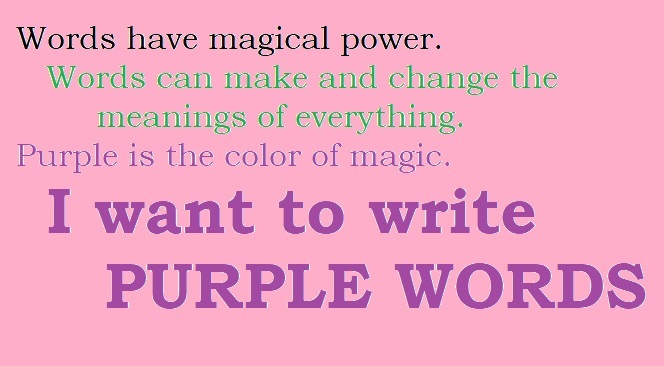
So, in order to keep it simple, I guess I need to end here for today. Simple can be the same thing as short, but more often you are trying to achieve “simple and elegant” and pack a lot of meaning and resonance into a few lines. And I, of course, am totally incapable of doing that with my purple paisley prose. And there’s the knot in that bow.
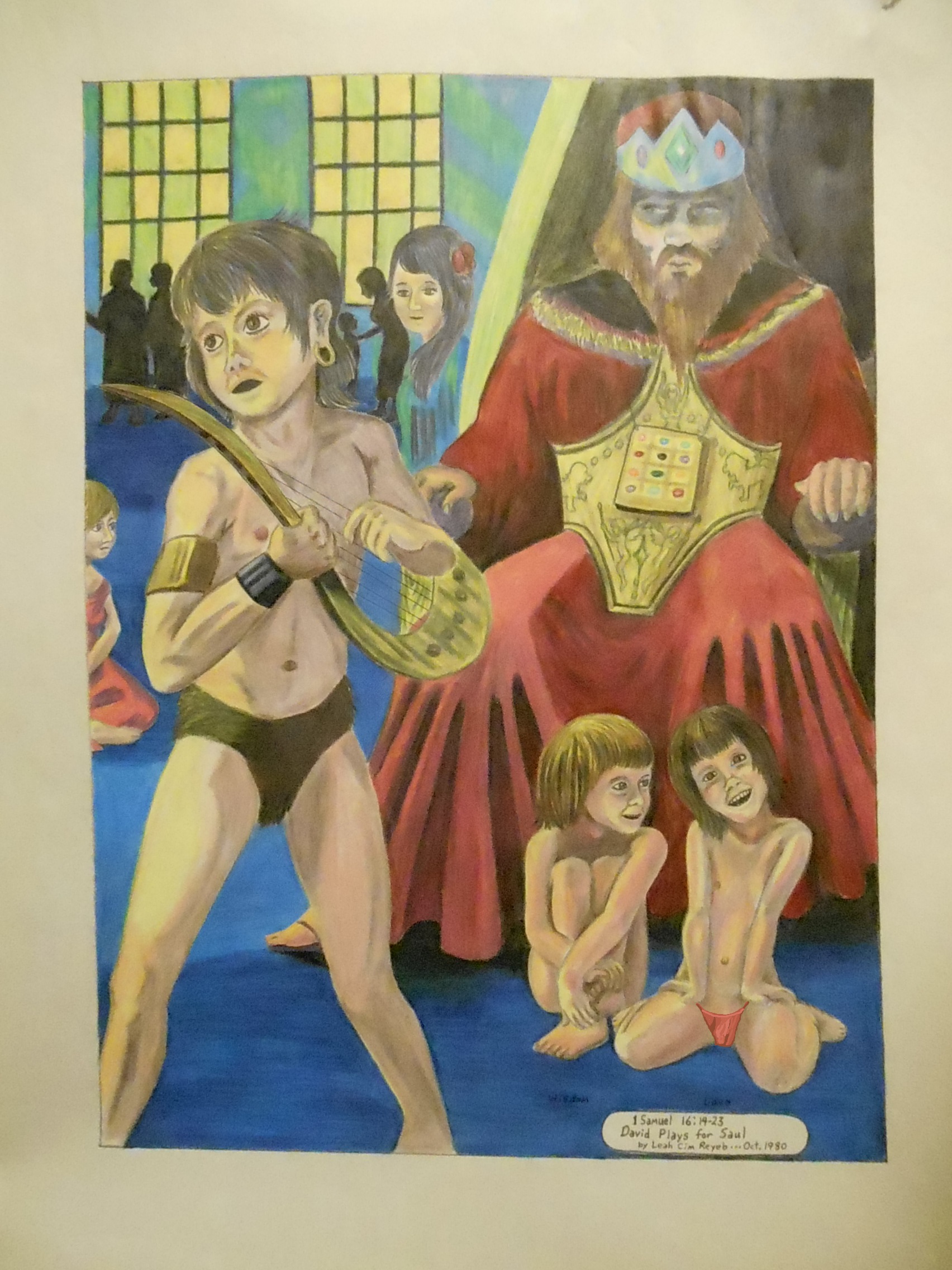
Troubled hearts can be soothed with words. In 1Samuel 16:23 David plays the harp and his singing was a relief for Saul and the bad spirit departed from upon him. In the same way, the written word can touch the soul of the reader and, like Saul, free the reader from the demons besetting him. That is power. That is responsibility.
Of course, I am the last person to claim that I can teach you to write with power… I can’t even claim that I can write with power myself. But I know how to write well enough to make myself laugh, cry, and feel through my writing. And occasionally someone else reads my writing and agrees. Through years worth of being a writing teacher, I do have some thoughts about how it may be done.
First of all, I am not wrong to choose David’s harp playing, inspired by Jehovah as it was, as a metaphor for writing power. It is in the very sounds of the words that a great deal of emotion and meaning is embedded. One can evoke a very bitter and angry feeling by describing a cruel woman not as a “mean girl” but as one whose laughter is “like the crass cackling of devious old witch”. Mean girl has too soft a labial sound, even with the hard g, to be as ugly and staccato as the repeated k sounds added to the tch and the fact that “devious” comes so close to “devil”… a related word. A happy feeling can be created by describing a smile as “a sudden sunburst of white teeth and happiness”. That almost makes me laugh…unless you add “shark’s” between “white” and “teeth”… and then I am convinced I am about to be eaten. The s sounds in the description are like a sizzling burn that leads into the firework display at the end of the word “sunburst”. To write with the music inherent in words, at some point you have to hear it out loud. I always hear the words in my head when I write, spoken in a wide variety of voices. But to truly get it right, I have to read aloud to hear with my ears… which I have already done three times to this paragraph alone.
In order to have power, writing must manipulate feelings. I don’t mean by using the word “manipulate” that it is some sort of Machiavellian bad thing. Simply put, a writer must control the feelings of the reader, not by sound alone, but by the depth of meaning of the words. You must be able to weave a paragraph together not only with the simple meanings of the words themselves, but all the connotations and denotations in those words. You must use metaphor and simile, comparison, allusion, and sensory details. Ernest Hemingway had a working style almost completely devoid of metaphor and the writer’s own personal commentary… but that only worked because all his themes were about dispirited people suffering tragedy and loss and a pervasive sense of disconnectedness. Hemingway is a powerful writer… but his books never make me laugh. Purple prosey over-describers like Charles Dickens can make me laugh with a simple list of things. “The boy’s desk had a nearly dry ink bottle, several pens that needed new nibs and were chewed about the grip, and a small stack of papers crammed full of ink drawings of skulls and skeletons.” It is that last startling detail in the list that makes the mundane suddenly funny.
I suppose to do today’s topic true justice, I should write about it in book length. There is so much more to say. But I have bored you long enough for one post with writing nuts and bolts. It is enough to say that I believe in the magic of words, and I think that if, like any good Dungeons and Dragons wizard, you study your books of magic long enough, you can soon be casting fireballs around the room made up of nothing but words.
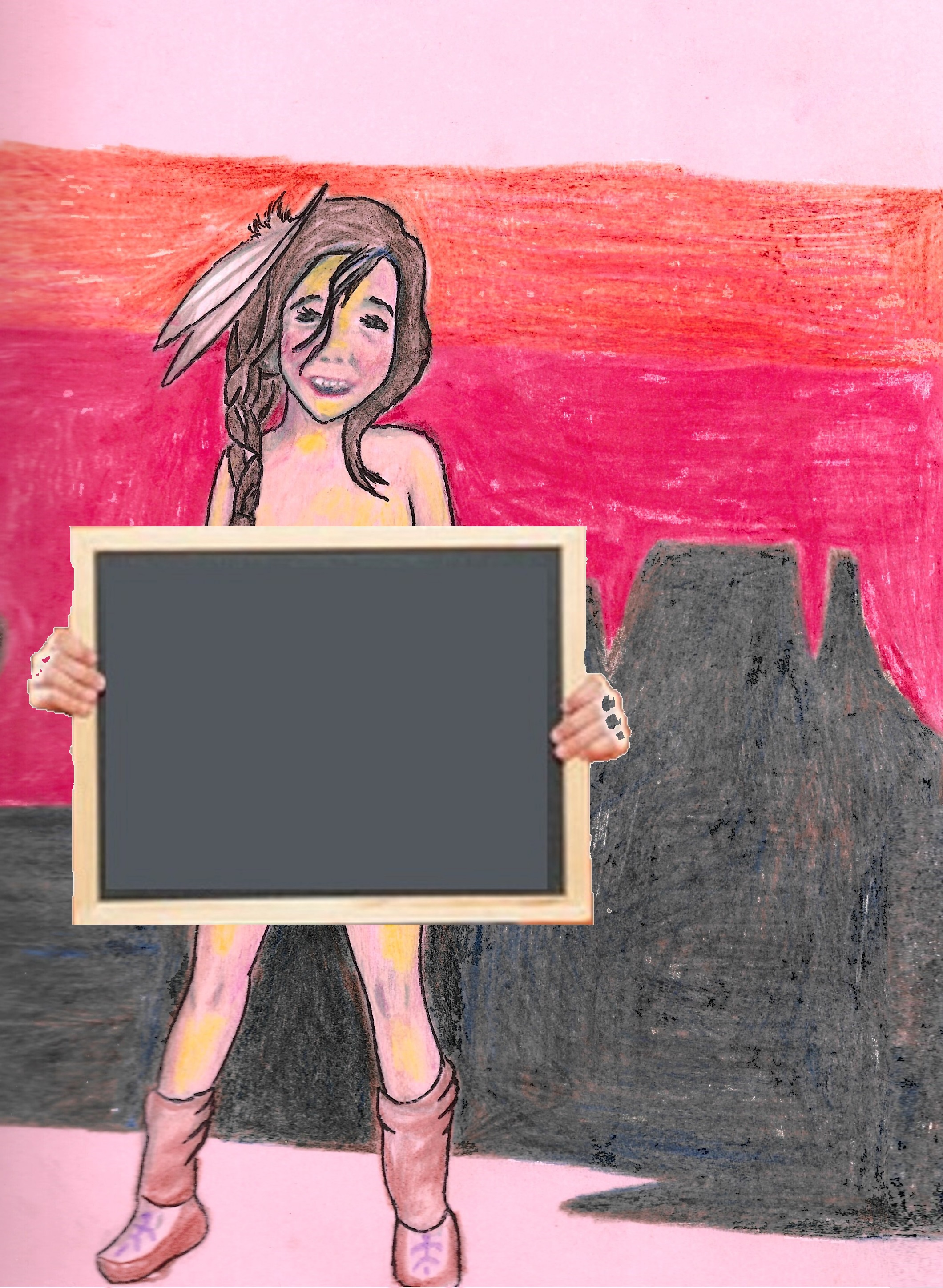
Yes, Singing Bare has no message on his chalkboard. He is clearly nonplussed by the dozens of strange small things that have been happening for which he can find no cause… rhyme or reason.
One of the reasons he is nonplussed (here meaning confused and disoriented, not the new, controversial definition of nonchalance) is that Mickey is having trouble actually getting writing done. And yet, Mickey is definitely not suffering from writer’s block. The ideas still come in a flood that, if anything, drowns out older ideas that didn’t get written down before the brainstorms increased. There are currently three complete novels in my head waiting to get written down, and I added to none of them yesterday.
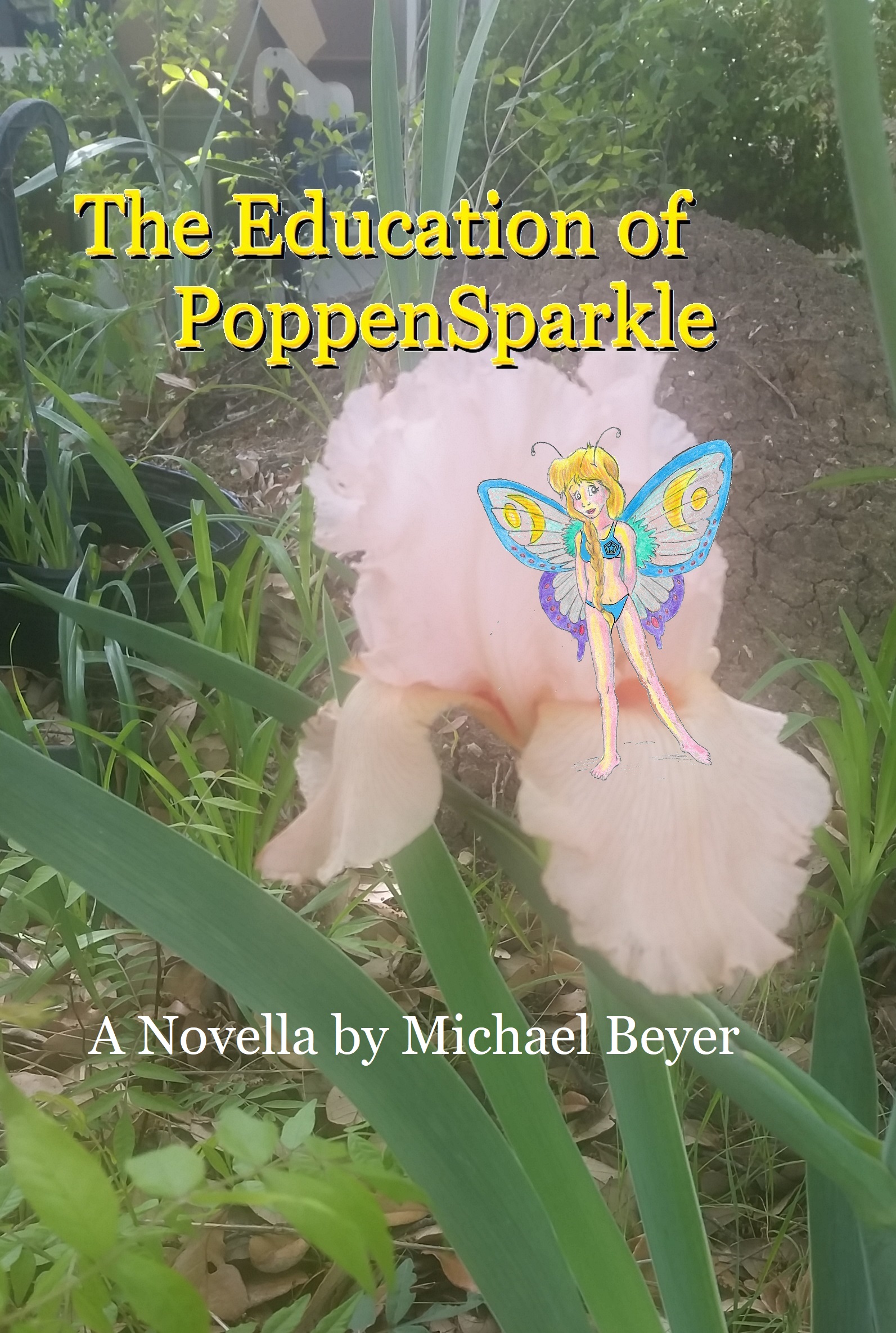
Poppensparkle is threatening to do to her novella what her sister, Derfentwinkle, did to her novella, turning it into the novel The Necromancer’s Apprentice.
The barrier is, of course, 30,000 words. More than that is a novel. Less than that is a novella. So, how do you do necessary world-building with a world of three-inch-tall fairies and keep it spare enough to fit into the shorter novella length? One can’t let such conundrums paralyze your writing. And yet, one can’t rely on the details in the previous book not needing to be repeated in this one to build a consistent fantasy world.
The problem with the primary WIP (Work in Progress for non-writers) is completely different. I left off in the middle of a Canto, as I often do to keep the flow going from one writing session to the next. And that normally is something I can just pick up and write the next time I sit down to it. Three weeks later I still haven’t finished the scene where Valerie is in the hospital and has to explain why her cousin Tim did something stupid to land him in the hospital in a coma… to Tim’s father, Uncle Rance. It is already written in my head. Just not in the perfect words. And I know it is stupid to wait for perfect words to magically appear. But I did… and they haven’t.
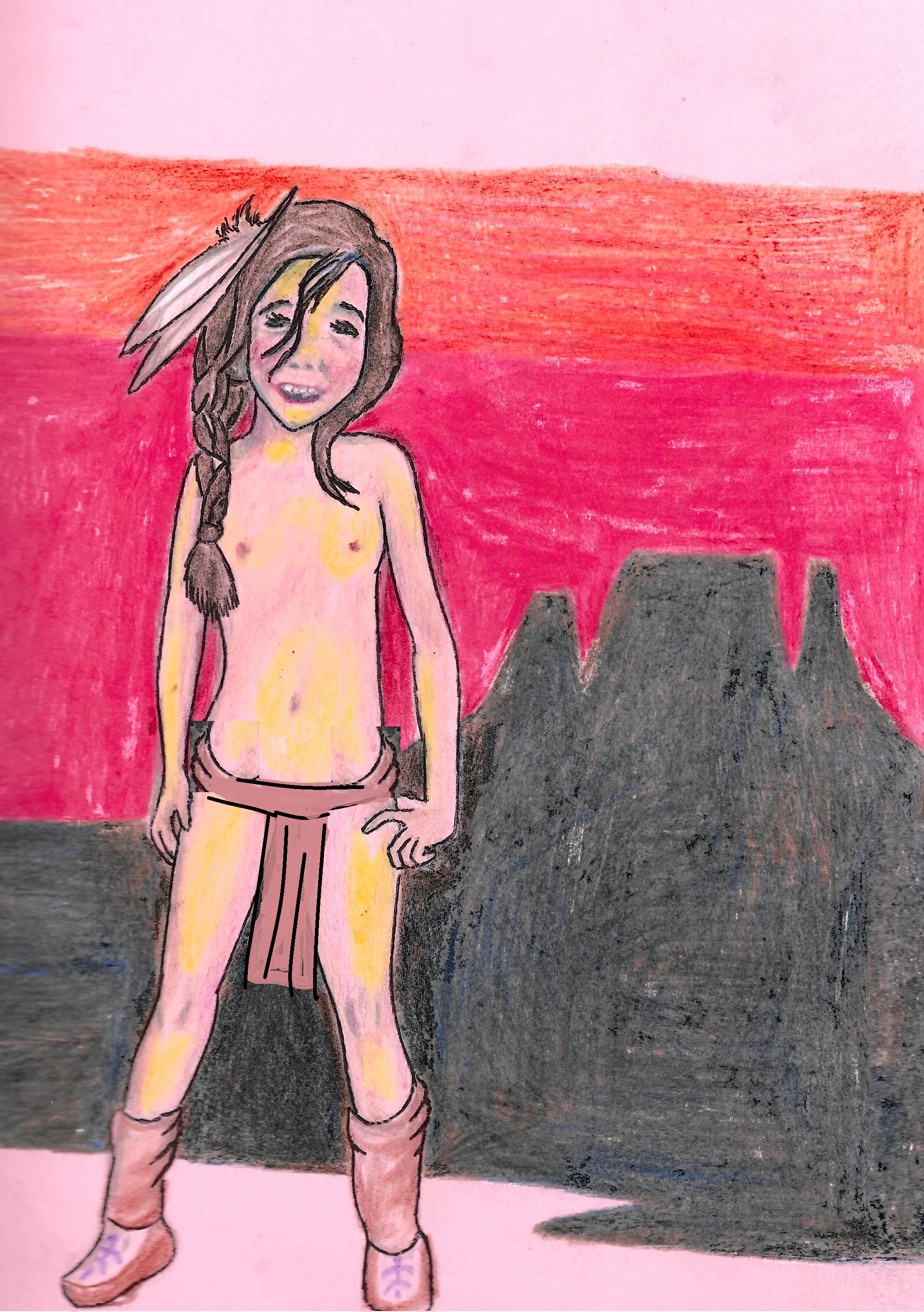
But the strange little thing that has Singing Bare nonplussed is actually a nudist thing. Both he and I share the problem of wanting to be a nudist, but not quite being able to cross that barrier. For him, as an imaginary turn-of-the-century Native American boy it is the inability to cast aside the loincloth, not because he’s shy, but because that sort of nakedness can get your ads canceled on WordPress. (Not that Mickey has ads.) For Mickey it is a matter of not being able to join a local nudist club because, although they allow single men to join, and married men with supporting wives can also join, but men with objecting wives are barred from applying. My wife is okay with me being a nudist as long as she doesn’t have to get naked herself. But she is unwilling to give any kind of written or verbal consent that will be observed by anyone besides Mickey himself. She would be embarrassed for anyone else in her religion to know that it was true that she was okay with her husband spending time naked socially.
So, I am not ashamed that I like the naturist-nudist way of life. I am sad that it took me so long to embrace it as a fact in life. And my wife has known about my belief in nudism since before we got married. She has only ever been opposed to nudism because she believes her religion tells her it is a sinful act. Yer, the Jehovah’s Witnesses believe that Adam and Eve were perfect when they were in the Garden of Eden. and the Bible says they were naked when they were perfect. So, since Witnesses believe they will all become perfect after Armageddon, they must also believe they will be naked after Armageddon. Right? Ah, well, that’s just one of those little dings life puts in the enamel of my being. One of those Stranger Dings.
I have to because somebody has to control the words.
People are made of words. Their identity, their inner self, their reason for existence… all made of words. The very thoughts in their heads are… words.
If I want to control the words I am made of, then I must be the writer who writes his own story.
I don’t want anyone else to write the words that essentially become me. Do you?
Of course, authors create characters. Even autobiographers create characters. Carl Sandburg could no more make his words into Lincoln than a bird can make its tweets into a cat. Sandburg can, however, help us to understand Lincoln as Carl Sandburg understands the words that are Lincoln.
Lincoln probably did not have the words for “bikini girls” in his head when he wrote those words in the second quote. But somebody thought that the picture would help us understand the words. By all accounts, Lincoln was not a particularly happy man leading a particularly happy life. But he showed us the meaning of his words when he stood firm against the strong winds of harsh words and bad ideas in a terrible time. And he was as happy about it as he made up his mind to be.
I, too, have not lived a particularly happy life. But I was always the “teacher with a sense of humor” in the classroom, and students loved me for it. Funny people are often not happy people. But they make themselves out of funny words because laughter heals pain, and jokes are effective medicine. And so I choose to write comedy novels. Novels that are funny even though they are about hard things like freezing to death, losing loved ones, being humiliated, being molested, and fear of death. Magical purple words can bring light to any darkness. I am the words I choose to write in my own story. The words not only reveal me, they make me who I am. And it is up to me to write those words. Other people might wish to do it for me. But they really can’t. The words are for me alone to write.
And so it is imperative that I write my words in the form of my novels, my essays, and this goofy blog post. I am writing myself to life, even if no one ever reads my writing.
Being a daily blogger who has now reached 421 consecutive days with at least one post on WordPress and at least one Tweet on Twitter (linking it to this blog,) I am attempting to impose order and structure on the content of this humor blog.
Mondays are for self-reflection, Tuesdays are for my on-going novel writing, Wednesdays are for what ever is current or topical to complain about, Thursdays are about teaching something (or stories about teaching something to somebody in the past,) Fridays are supposed to be funny business, Saturdays are about artwork, and Sundays are for major themes and big ideas.
So, you can see, I blow the structure apart regularly every single week. I almost never do it according to plan.
But that doesn’t excuse the fact that I am supposed to be Funny on Fridays. You see, not only is Funny on Friday an alliteration, a poorly-connected form of ironic humor, but Friday is named after the Norse goddess Frigga, the goddess of love, marriage, fertility, family, and civilization. There is no Norse goddess of humor. But humor is obviously always about sex, the toilets backing up, kids defying their parents in order to do something foolish, how terrible your mother-in-law really is, laws that Republicans pass that screw up your life, and sex again… all those things Frigga was the goddess of.
And I have now come to the realization that I have arrived at my Laughing Place. I am now retired from a job I loved that provided me with numerous little anecdotes about the funny things that happen to teachers. You know, things like a kid that destroyed the hallway drinking fountain by head-butting it, the kid who could make his entire head turn purple by tightening every muscle in his rubber face, the boys who held fart contests for an entire month in 1984, the winner of the contest winning a week of in-school suspension, and the loser winning the exact same prize, and many other such stories that most of the girls were smart enough not to become the main characters of.
I have also managed to reach a point in life where I don’t have to worry about money (at least not the way I used to worry, being more than thirty thousand dollars in debt.) After five years of paying off a Chapter 13 Bankruptcy and inheriting a farm as a third-part-owner of farmland where we rent the land and don’t do the work ourselves. I am no longer in debt. And the evil pirate bankers are no longer circling my home like vultures. So, I am in my Laughing Place because debt-free farmland ownership is my brier patch. The evil pirate bankers threw me in, and it turned out it was a good place for the rabbit that is me. Now I can laugh and laugh. And I might as well do it on Fridays.
So you can now rely on me to try and frequently fail to follow the schedule and be funny on Fridays.
Don’t get too excited. I searched every box, trunk, bag of tricks, safe, closet, and jelly bean jar that I have in my rusty old memory. I didn’t find much. In fact, the old saying is rather applicable, “The beginning of wisdom is recognizing just how much of a fool you really are.” The little pile of bottle caps and marshmallows that represent the sum total of my wisdom is infinitely tiny compared to the vast universe of things I will never know and never understand. I am a fool. I probably have no more wisdom than you do. But I have a different point of view. It comes from years worth of turning my ideas inside out, of wearing my mental underwear on the outside of my mental pants just to get a laugh, of stringing images and stupid-headed notions together in long pointless strings like this one.
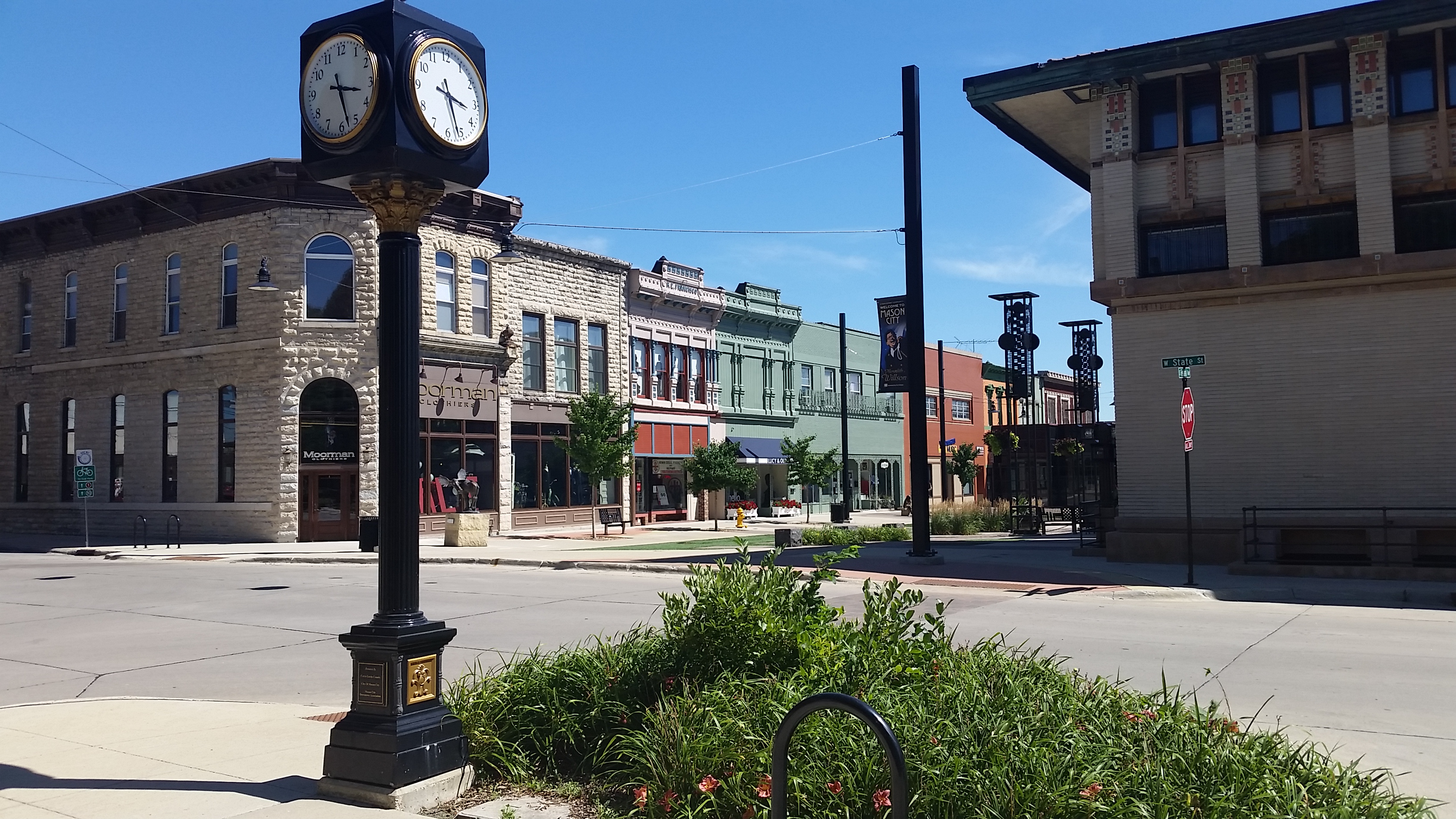
Mason City, Iowa… where I was born. River City in the musical “The Music Man“.
One thing I can say with certainty, nothing makes you understand “home”, the place you grew up in and think of as where you come from, better than leaving it and going somewhere else. Federal Avenue in Mason City looks nothing now like it did when I was a boy in the 1960’s going shopping downtown and spending hours in department stores waiting for the ten minutes at the end in the toy section you were promised for being good. You have to look at the places and people of your youth through the lenses of history and distance and context and knowing now what you didn’t know then.
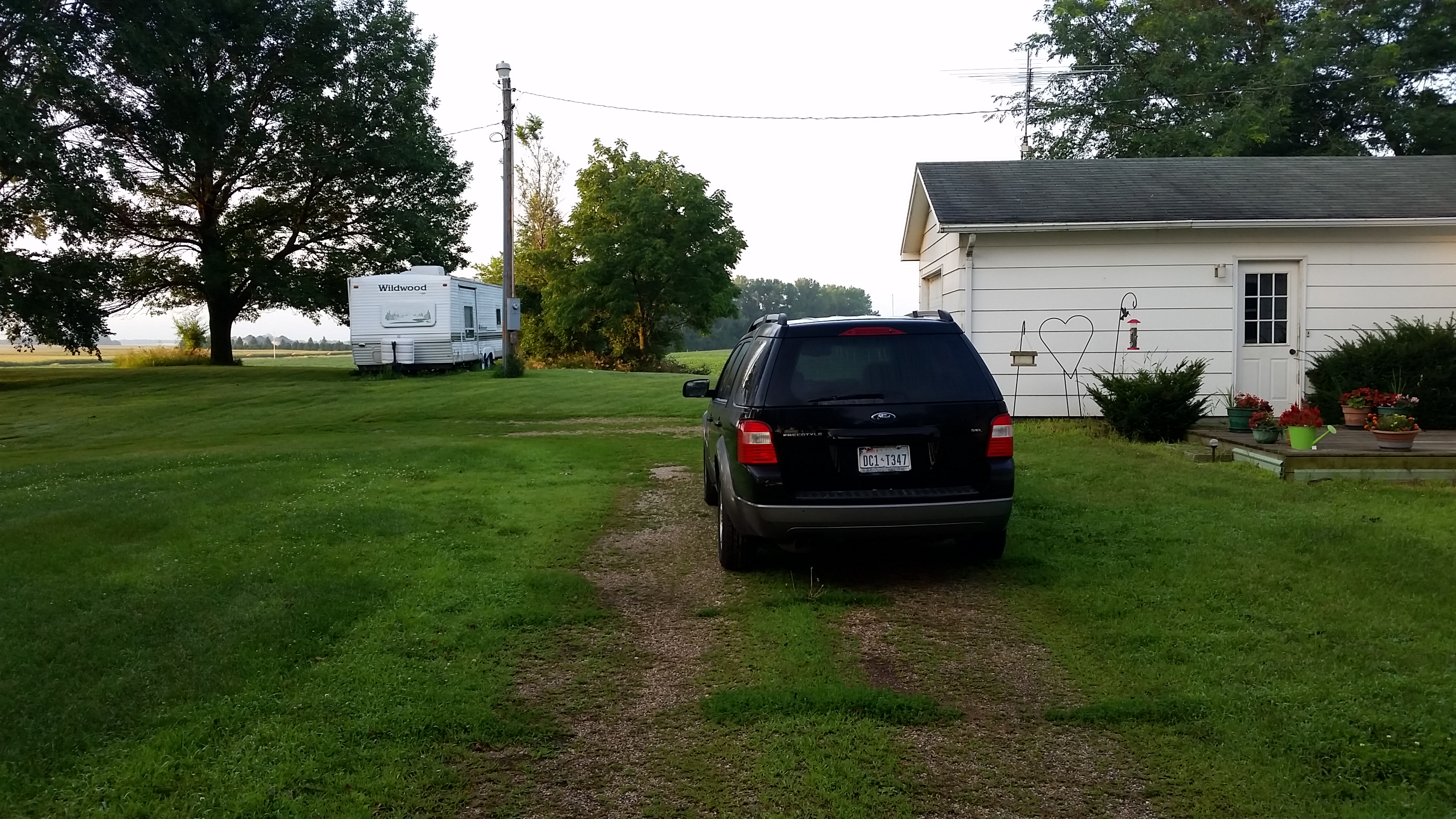
Grandpa Aldrich’s farm in Iowa is now Mom and Dad’s house. It has been in the family for over 100 years, a Century Farm.
The only thing that stays the same is that everything changes. If I look back at the arc of my life, growing up in Iowa with crazy story-telling skills inherited from Grandpa Aldrich, to going to Iowa State “Cow College” and studying English, to going to University of Iowa for a remedial teaching degree because English majors can’t get jobs reading books, to teaching in distant South Texas more than a thousand miles away, to learning all the classroom cuss words in Spanish the hard way, by being called that, to moving to Dallas/Fort Worth to get fired from one teaching job and taking another that involved teaching English to non-English speakers, to retiring and spending time writing foolish reflections like this one because I am old and mostly home-bound with ill health. I have come a long way from childhood to second childhood.
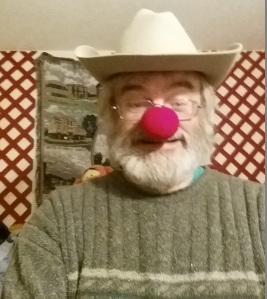
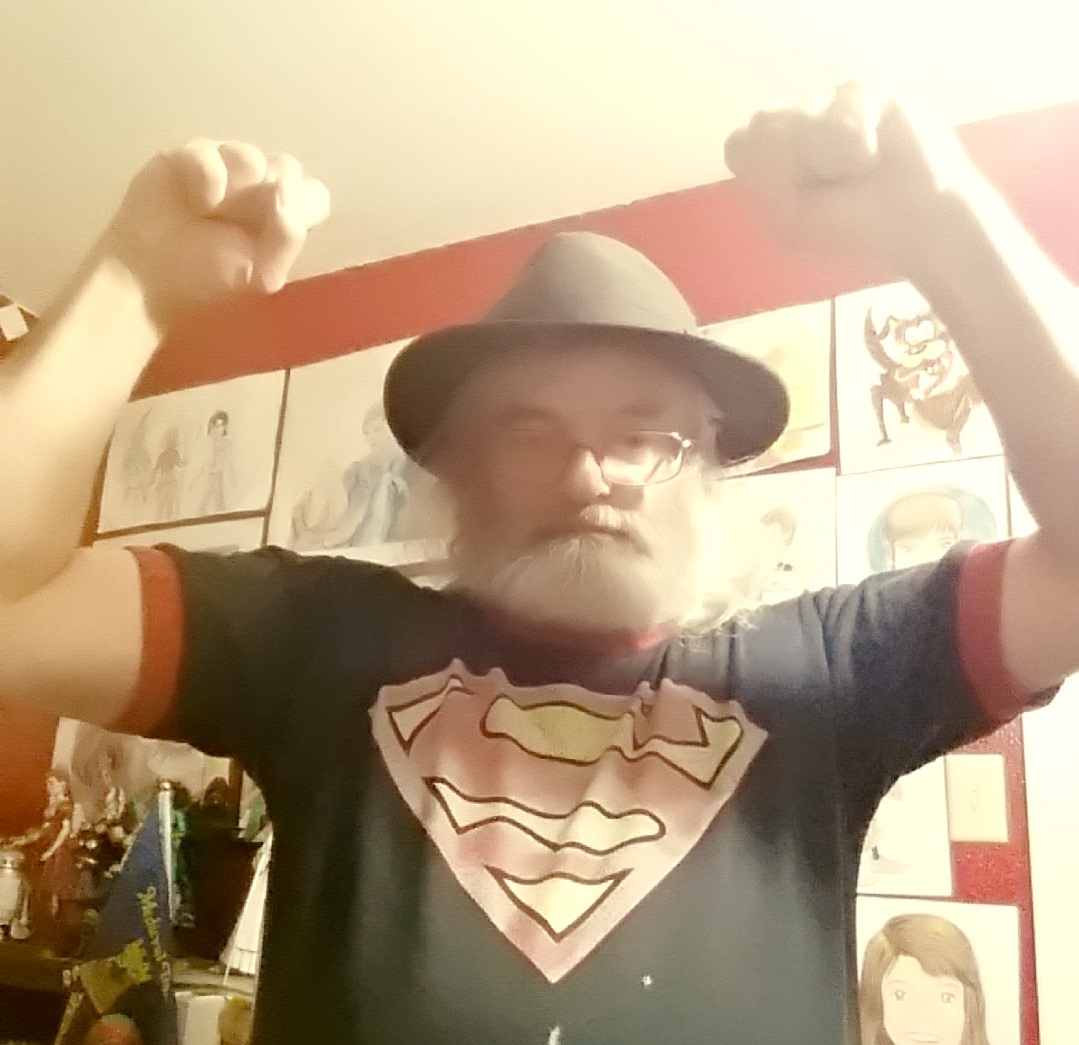
If “what doesn’t kill you makes you stronger” is really true, I should be Superman now. I look like I’ve seen a lot of Kryptonite, don’t I?
Six incurable diseases and being a cancer survivor since 1983 have left their marks upon me. Literally. Little pink bleedy spots all over me are the mark of psoriasis. The fuzzy-bad photo of me spares you some of the gory details. The point is, I guess, that life is both fleeting and fragile. If you never stop and think about what it all means then you are a fool. If you don’t try to understand it in terms of sentences and paragraphs with main ideas, you are an even bigger fool. You must write down the fruit of your examinations and ruminations. But if you reach a point that you are actually satisfied that you know what it all means, that makes you the biggest fool of all.
If I have any wisdom at all to share in this post about wisdom, it can be summed up like this;
Writing helps you with knowing, and knowing leads to wisdom. So take some time to write about what you know.
Writing every day makes you more coherent and easier to understand. Stringing pearls of wisdom into a necklace comes with practice.
Writing is worth doing. Everyone should do it. Even if you don’t think you can do it well.
You should read and understand other people’s wisdom too, as often as possible. You are not the only person in the world who knows stuff. And some of their stuff is better than your stuff.
The stuff you write can outlive you. So make the ghost of you that you leave behind as pretty as you can. Someone may love you for it. And you can never be sure who that someone will be.
So by now you are probably wondering, where is all that wisdom he promised us in the title? Look around carefully in this essay. If you don’t see it there, then you are probably right in thinking, just as I warned you about at the outset, “Gosh darn that Mickey! He is a really big fool.”
I read a lot of other people’s blogs for a lot of reasons. As an old writing teacher and retired Grammar Nazi, I love to see where writers are on the talent spectrum. I have read everything from the philosophy of Camus and Kant to the beginning writing of ESL kids who are illiterate in two languages. I view it like a vast flower garden of varied posies where even the weeds can be considered beautiful. And like rare species of flower, I notice that many of the best blossoms out there in the blogosphere are consistent with their coloring and patterns. In other words, they have a theme.
So, do I have an over-all theme for my blog? It isn’t purely poetical like some of the poetry blogs I like to read. I really only write comically bad poetry. It has photos in it, but it isn’t anything like some of the photography blogs I follow. They actually know how to photograph stuff and make it look perfect and pretty. It is not strictly an art blog. I do a lot of drawing and cartooning and inflict it upon you in this blog. But I am not a professional artist and can’t hold a candle to some of the painters and artists I follow and sometimes even post about. I enjoy calling Trump President Pumpkinhead, but I can’t say that my blog is a political humor blog, or that I am even passable as a humorous political commentator.
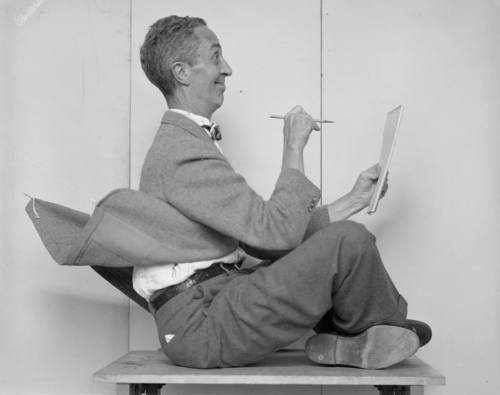
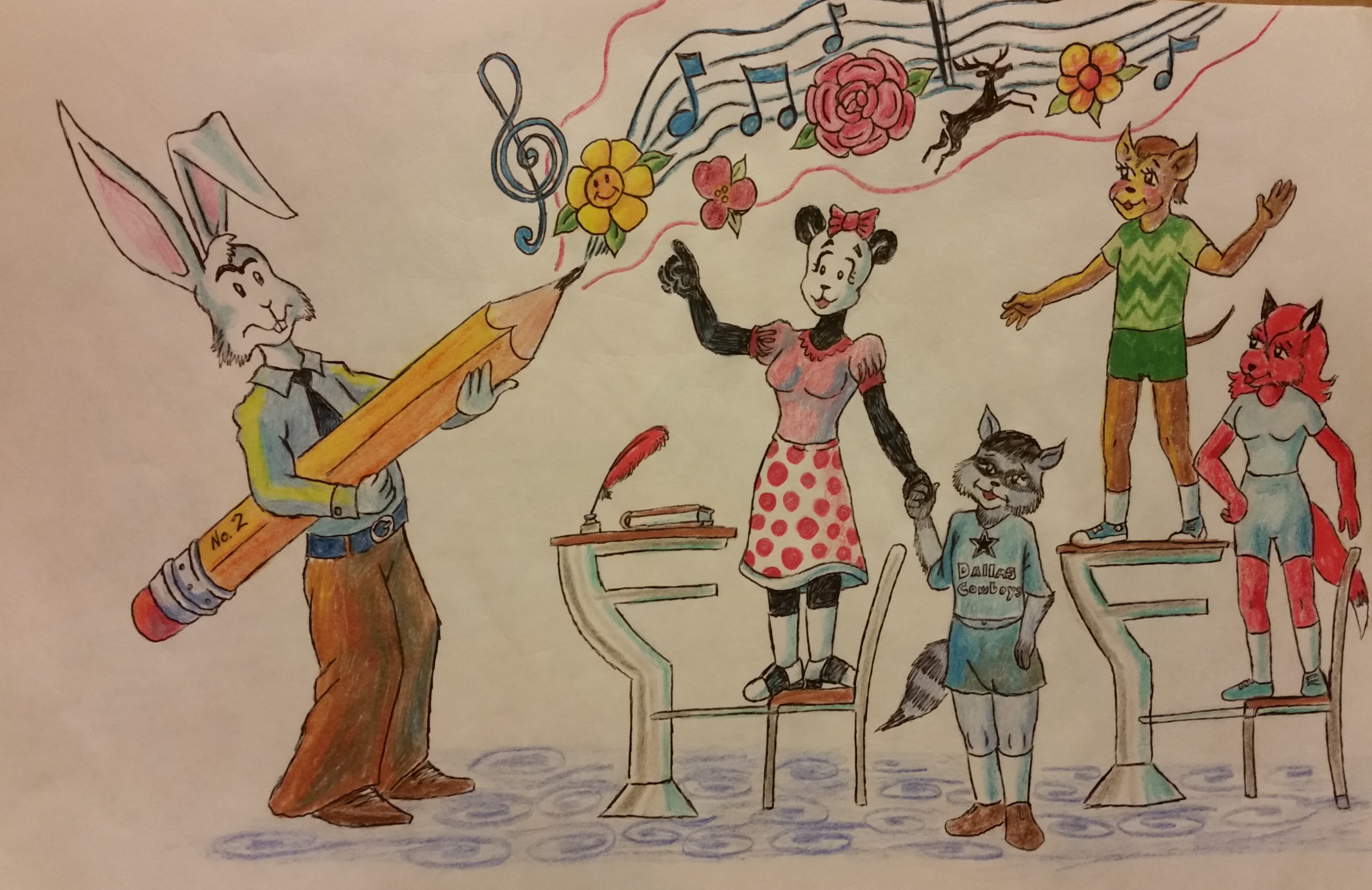
One thing that I can definitely say is that I was once a teacher. I was one of those organizers and explainers who stand in front of diverse groups of kids five days a week for six shows a day and try to make them understand a little something. Something wise. Something wonderful. Something new. Look at the video above if you haven’t already watched it. Not only does it give you a sense of the power of holding the big pencil, it teaches you something you probably didn’t realize before with so much more than mere words.
But can I say this is an education blog? No. It is far too silly and pointless to be that. If you want a real education blog, you have to look for someone like Diane Ravitch’s blog. Education is a more serious and sober topic than Mickey.
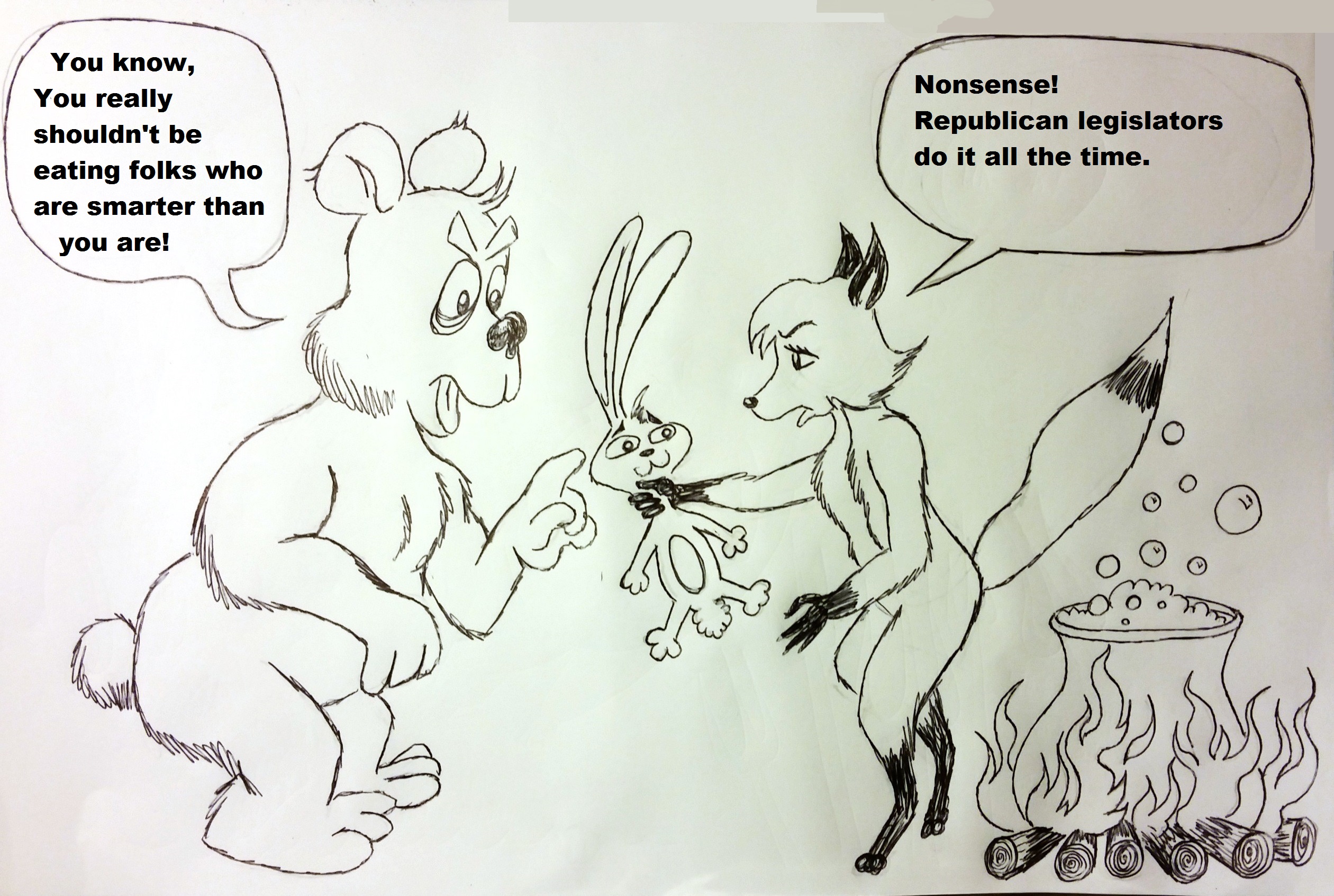
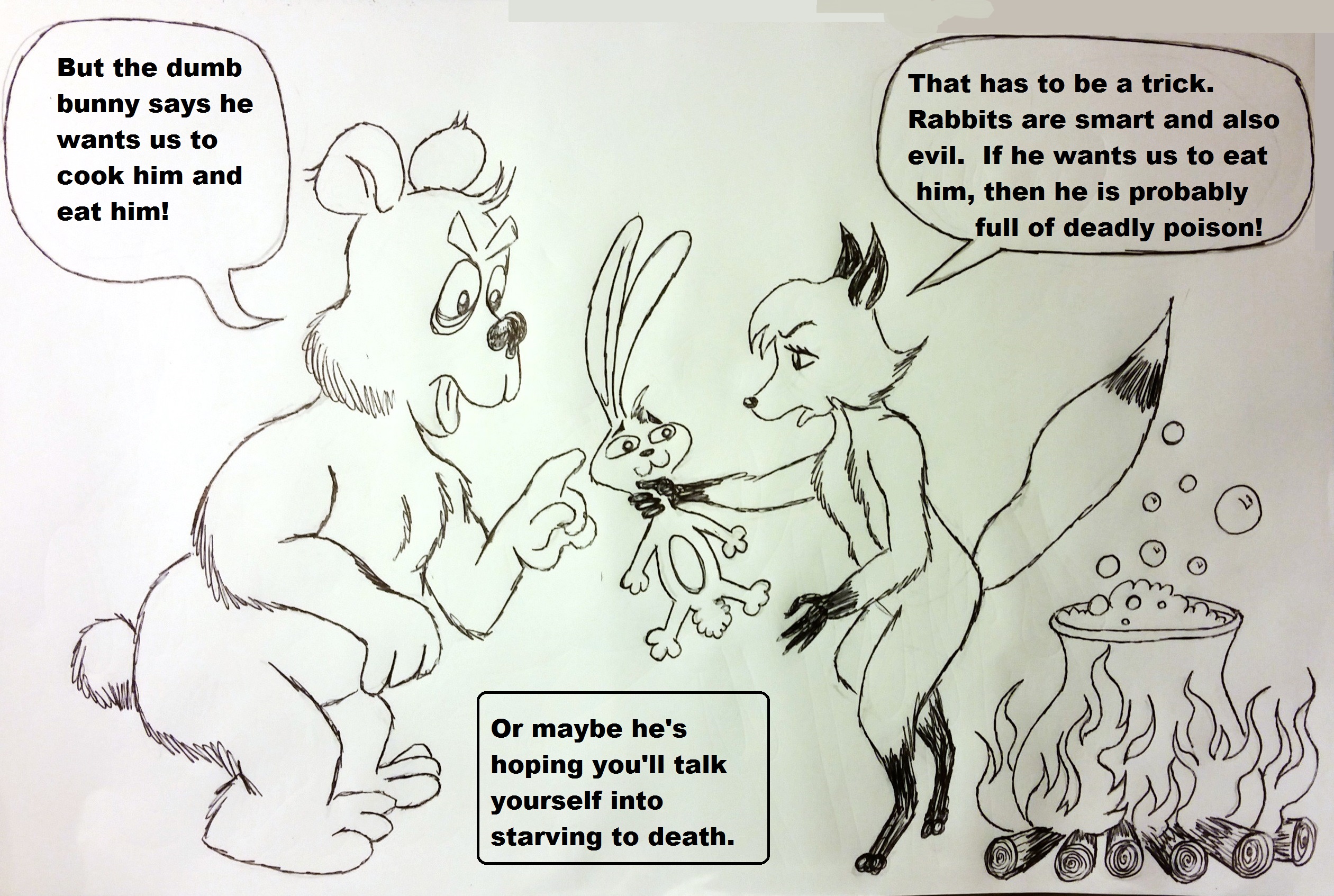
By the way, were you worried about the poor bunny in that first cartoon getting eaten by the fox and the bear? Well, maybe this point from that conversation can put your mind at ease.
Mickey is tricky and gets good mileage out of his cartoons.
You may have gotten the idea that I like Bobby McFerrin by this point in my post. It is true. Pure genius and raw creative talent fascinate me. Is that the end point of my journey to an answer about what the heck this blog is about? Perhaps. As good an answer as any. But I think the question is still open for debate. It is the journey from thought through many thoughts to theme that make it all fun. And I don’t anticipate that journey actually ending anytime soon.
I have always contended that I don’t have writer’s block. But some days, especially if I am not feeling well, I have writer’s lethargy. I can be slow to come up with the next thing. Writing can become bogged down and I am easily distracted or lose focus and have to return to what I was trying to do previously.
There is evidence that I have often had that kind of problem frequently on this blog. One thing I do to overcome writer’s lethargy is suddenly start thinking about how you can overcome writer’s block. What are the strategies that help me overcome it?
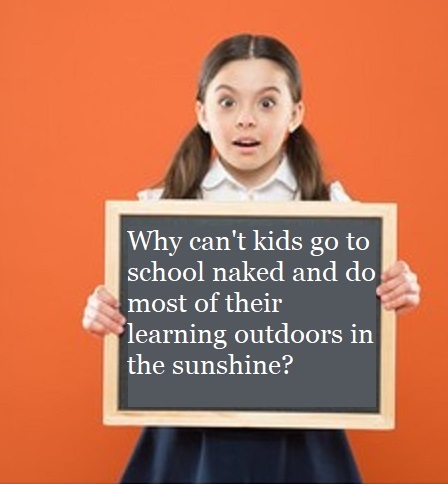
I often resort to “kickstart statements.” These are surprising or deep-left-field items that give the old brain a shot of adrenaline. The picture of the girl with the message blackboard is that kind of kickstarter. I never could have used that thing in any kind of social-media post when I was still employed as a teacher. It has the potential to generate parent complaints and administrative thoughts about evaluations and contract cancellations. But there really are kids who have thoughts like that in your classroom, and I know because not only was I a kid like that myself, I used it as an optional journal topic for writing practice, and, boy! do they ever catch fire when they can write about something like that and they know only the teacher is ever going to read it. It is the way I learned how many of my students had ever been to a nude beach in Corpus Christi or Lake Travis (Hippy Hollow.)
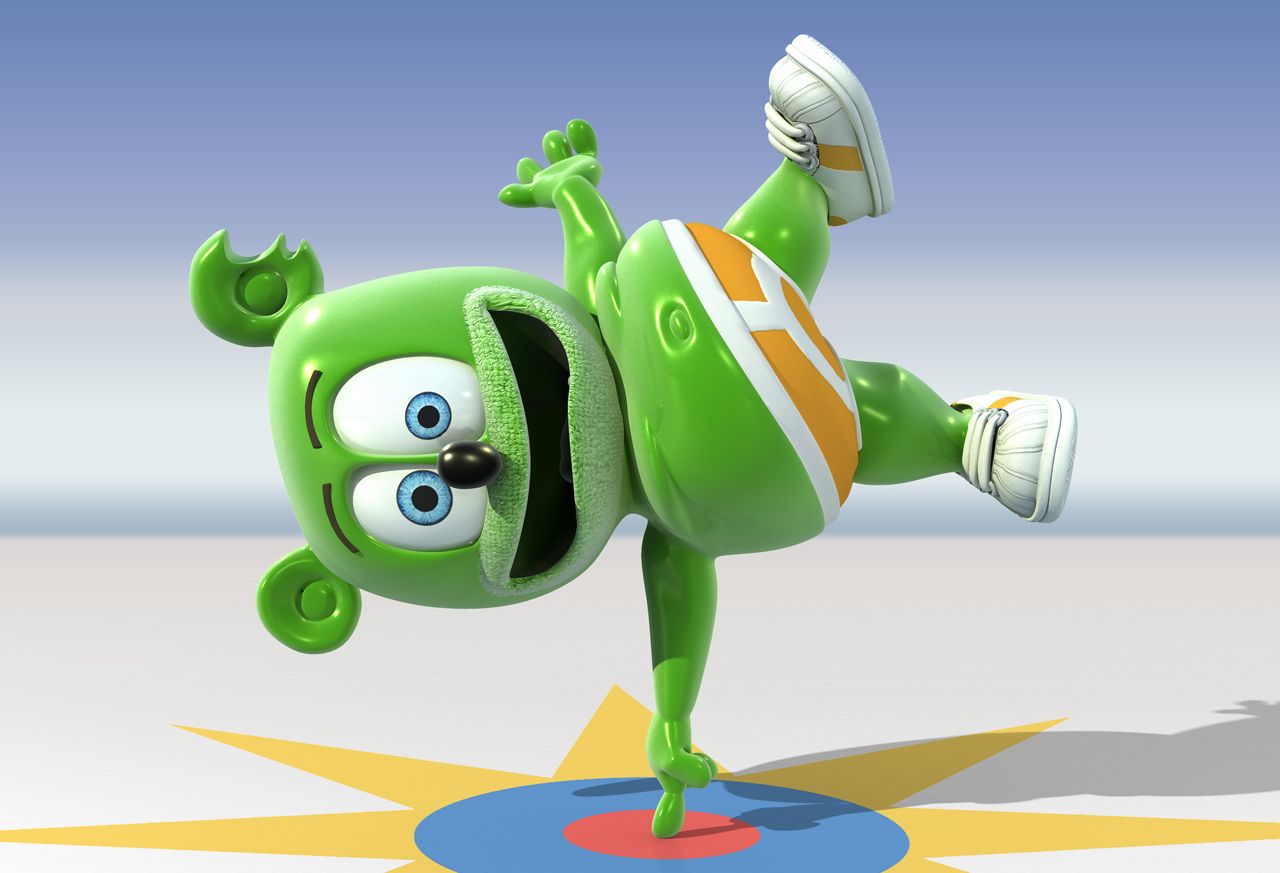
I can also look around the room, or scroll through my media library on WordPress and find an image or an item that generates ideas, responses, and even stories. I scrolled through to find this image of the Gummi Bear, who was a brief internet sensation on YouTube a few years ago coming from German CGI cartoons that illustrated earworm music with dancing green gummy bears. There’s a lot a goofy writer like me can run away with inspired by a nonsense thing like that.
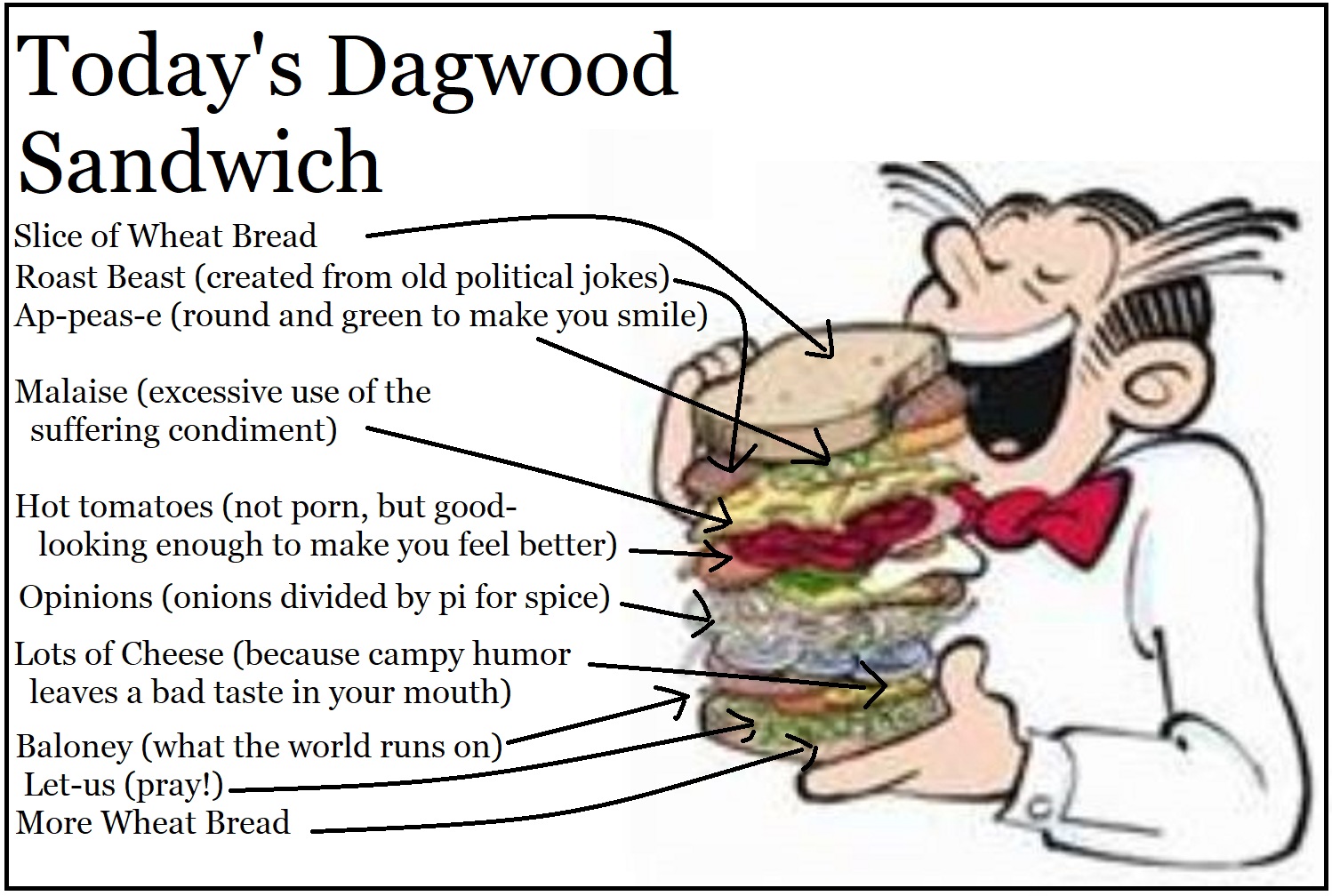
It is also possible to generate new ideas by deconstructing a metaphor in as humorous and convoluted a way as possible. This word-food thing is the result of writer’s lethargy of a while back.
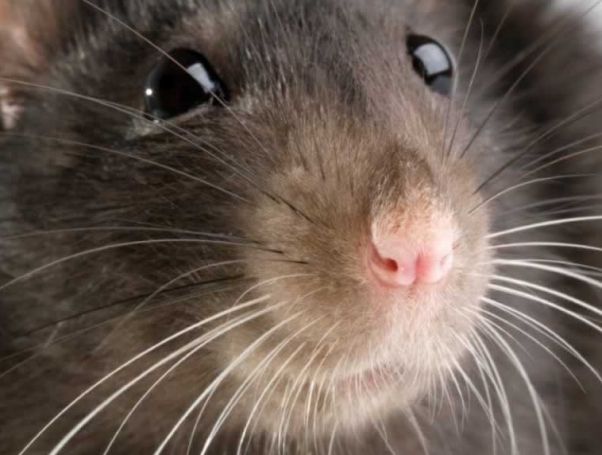
Of course, there is always the ranting factor. This, I think, is a go-to method used by stand-up comedians. They will pick something that is deeply bugging them, like the rats that inhabit my attic and walls during a winter that hasn’t yet completely gone. And they start listing all the ways they can make funny stories about the time the rat appeared on the bathroom floor tiles while my daughter was on the toilet, or the time the dog killed a rat that was in the trap already, but not dead enough not to bite back with the dog’s nose conveniently within the reach of rat teeth. And then they can rant onward about how disgusting rats are. And how can anyone look at a rat face and think they are cute? You look at that evil, beady-eyed face and you don’t think Mickey Mouse, you think plague, disease, the Black Death, and how much the Bank of America lawyer who sued you looks just like that.
So, you can see that generating ideas is easy. And you can write something interesting even on days when you can’t think of anything … quickly. When you have, not writer’s block, but writer’s lethargy.
Concluding this meandering ridiculous rant about how you distill the meaning of your books into themes is no small task. My limiting goal was to identify one main theme for each of my books. It has to be limited because every well-written book has multiple themes of varying complexity and scope.
And then when you tie everything together as I have done with my Hometown Novels, there are themes that cross the borders from one book into the next. This essay will sum up by telling about the books I have written beyond the borders of my Hometown books.
The Wizard in his Keep
This book is unique in dozens of ways. It is an orphan-journey through a virtual-reality video game that you can actually live inside because of the full-body interface suits that get you into the game. It is science fiction because of the virtual-reality technology, but the competition within the game is set in a fantasy kingdom running on magic and super powers. And the plot is a parallel of Charles Dickens’s The Old Curiosity Shop.
This book is the conclusion to several character arcs that begin with the Hometown Novels’ very first book, Superchicken. One character’s life ends in death, but on his own terms. Another character finds the answers to his missing sister and the family she kept secret from him. And the orphans find a loving family that they never knew existed. So, one big theme is that; “You make your own happy endings by hard work, risk, and perseverance, not by magic or luck” But this is an overarching theme that covers more than one story in more than two or three other books.
The book also holds true to several other things that are true about my stories. It is a comedy with at least one character dying sometime before the story ends. It is surrealism, giving a rational grounding in realism to some rather fantastic things. And the characters who find success are empathetic types who realize that loving others is more important than loving ourselves.
A Field Guide to Fauns
An important facet of my novel-writing experience has come about through the general audience reception of my works. Specifically, nudists and naturists were attracted to my books through the nudist characters in my book Recipes for Gingerbread Children.
That is the reason this book, A Field Guide to Fauns even exists. I wrote it specifically for an audience of nudists, naturists, and people like me who have always been fascinated by nudism and were simply afraid to actually try it until we grew old, mature, and goofy enough not to care what other people think about me being a naked old man..
The book is about a boy named Devon who goes from a traumatic event that took him out of his divorced mother’s home and put him in his father’s house. But his father is remarried to a woman with twin daughters who are dedicated nudists, and live in a residence that is located in a South Texas nudist park. He has to recover from his trauma by becoming a nudist living a naked life himself. The theme is, “You can overcome childhood trauma if only you are open to being nakedly honest about yourself… especially being nakedly honest with yourself.”
Stardusters and Space Lizards
This story is one of the sequel messes written to go with Catch a Falling Star. It follows the alien characters and three of the human characters from that book out into the stars. It is basically an allegory for the climate-change crisis we face here on planet Earth. Besides the fact that this book offers the idea that inventive children can solve world-wide problems, and Texas politicians can be translated into lizard-people monsters who are actually to blame for everything, the theme of this book is really, “To solve ecological problems on a world-wide scale, we must first acknowledge that those problems are not caused by lack of understanding, but by the disregard for life that people have when they are motivated by personal gain, power, and reputation.”
Laughing Blue
This book is even harder to give a main theme to since it is a book of essays. Every entry, every single essay, has it’s own unique theme, ideally expressed in a topic sentence that states the theme.
But it is not impossible to find an over-arching theme. It is filled with short vignettes and stories about my childhood, my life as a teacher, my cartoons and bizarre sense of humor, my philosophical musings, and complaints about the things that have hurt me. It is largely autobiographical. And the main theme is basically, “When life gives you lemons, make a lemony joke of some sort because laughing is much better than crying and a better thing to do when you’re blue.”
I know, I know… purple paisley prose.
I am well aware that I have not put a theme to every single book I have written. But I think I have, in the course of 6 essays, done a fair job of puzzling together and proving my point that a novel, or even other kinds of books, need a coherent main theme, and the author should, hopefully, know what those themes are. So, the essay ends here. Mostly because I am old and cranky and tired of repeating myself endlessly.
The Central Timeline of my Hometown Novels picks up again in 1988-1990
My first good published novel, Catch a Falling Star, was published in 2013 by I-Universe, an imprint belonging to Penguin Books of Random House Publishing. This is one of those special imprints where the author is expected to hire the editors, proofreaders, and marketing experts out of their own pockets and, essentially, pay to publish. I had to have my manuscript read and approved. This was serious publishing, and my book did win a Publisher’s Choice Award and a Rising Star Award. But I had to pay for everything and the publisher insisted on pricing the book out of competitiveness. The book has earned me $16.00 so far that I am aware of in spite of about $3,000.00 invested in making it salable. So, the theme of this book should be, “Traditional publishers screw beginning authors out of money as gleefully as any publication scam does.” Of course, they would never do that to Stephen King or J.K. Rowling. But I am definitely not them. All the books I wrote and talked about in Parts 1, 2, & 3 (except for Superchicken) were completed after this book.
Catch a Falling Star
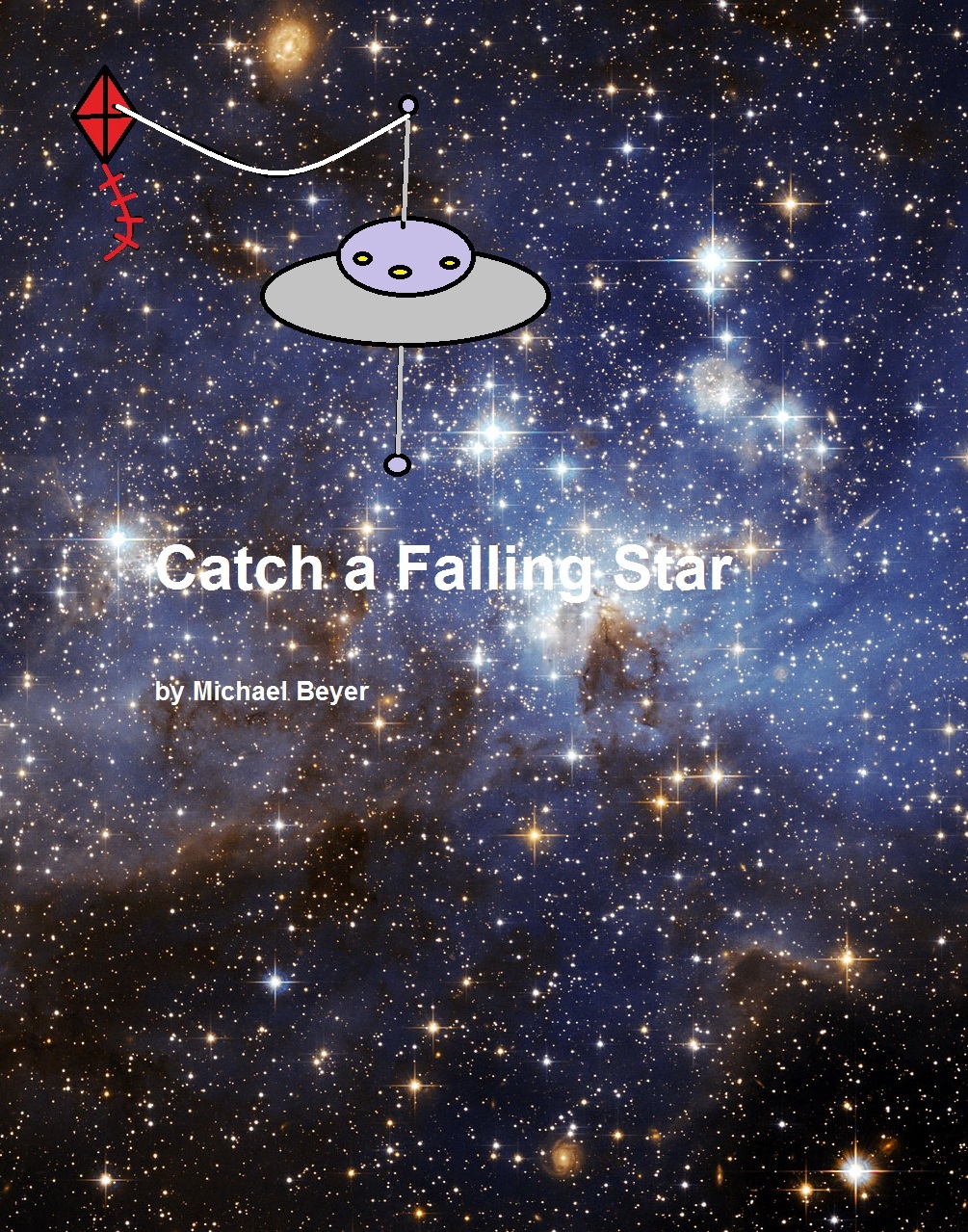
This is the cover idea I submitted for Catch a Falling Star, but it was, of course, rejected.
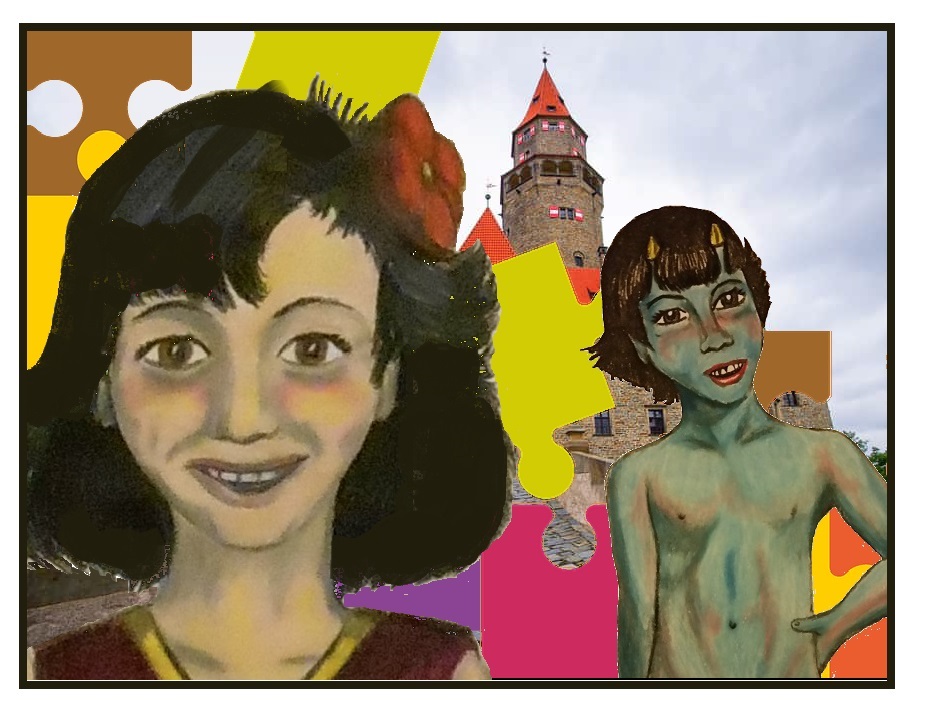
So, the main theme of this book is not about publishing and being cheated. It is about my small home town in Iowa being invaded by invisible aliens from outer space. But they are totally incompetent aliens who have in-bred almost all the intelligence out of their generational mother-ship, eat their own children to maintain their population, and have totally given up love, creativity, and empathy because of an over-reliance on their stolen technology. They are also descended from frog-like amphibians.
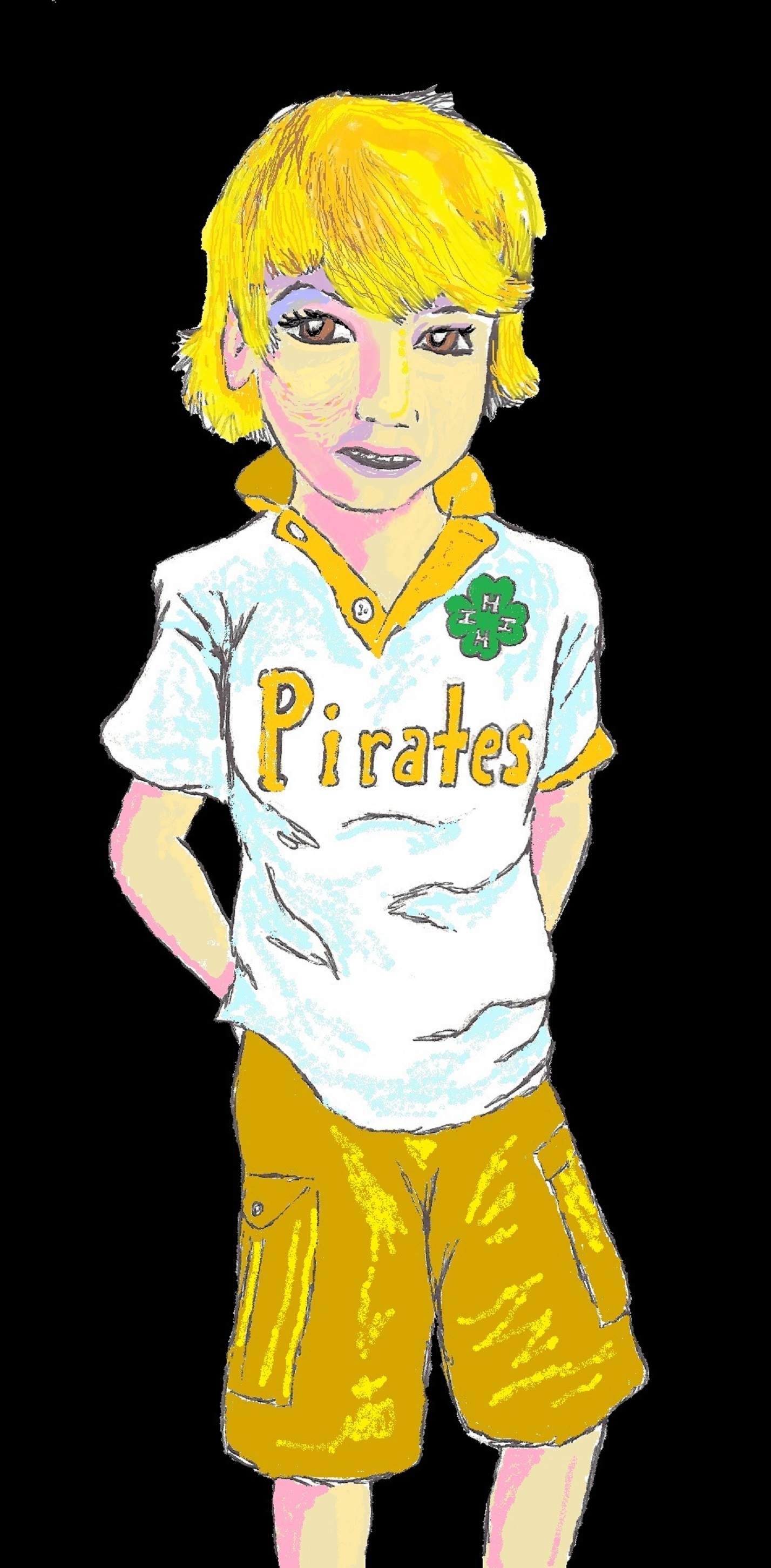
The aliens make a critical mistake in their sinister plan. They kidnap a young specimen to study for weakness, a member of the Norwall Pirates named Dorin Dobbs. And they accidentally lose one of their own tadpoles on Earth where he is adopted by a childless couple.
As each side learns about the other, the invasion is doomed and the alien children rebel against becoming dinner. The theme of this book is something like, “If only you get to know me, you cannot overcome me by force, especially not if you learn to love me.”
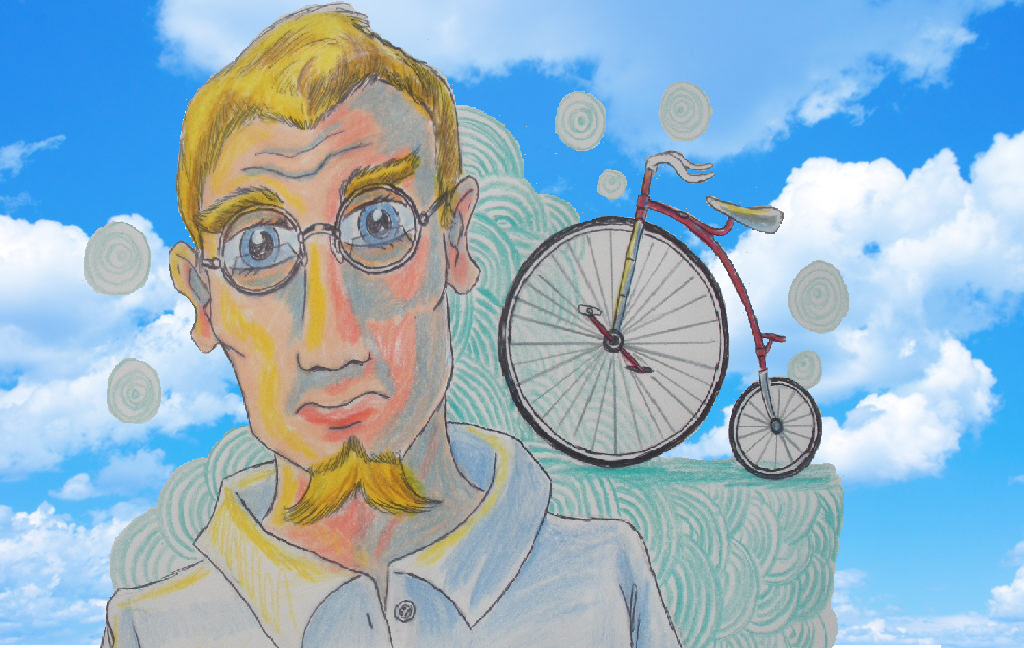
The Bicycle-Wheel Genius
The second novel of the 90’s is this one, which I call a prequel/equal/sequel because it begins prior to Catch a Falling Star, includes untold events during the previous book, as well as retold events from a different point of view, and subsequent events that occur after the alien invasion goes away leaving an invisible starship behind. It involves an inventor who lost his wife and son in a fire caused by his experiment, making him now suspicious of electronics and only willing to invent new ways to use bicycle parts. And this sad inventor/scientist has moved in next door to Tim Kellogg, leader of the Norwall Pirates. Tim has had his best friend and key partner in crime move away. And he needs a new best friend. So, you can probably guess what Tim has in mind.
You can probably see already that this book is going to have a Toy-Story-sort of theme, “Everybody needs a good friend to make their way through life.” (And if you don’t have one, you can always make one. But not out of bicycle wheels. This is another example of a long-winded parenthetic aside.)
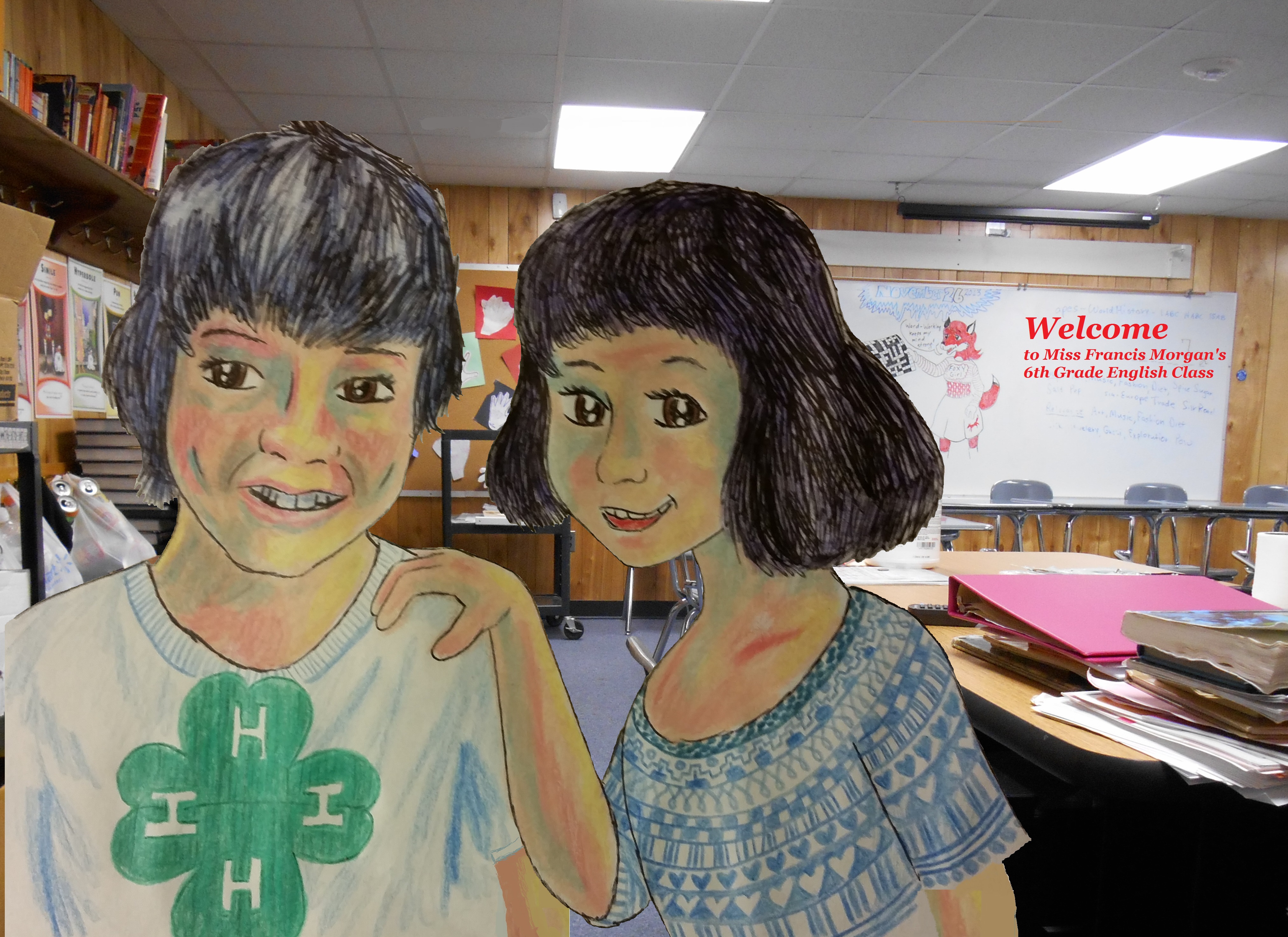
Magical Miss Morgan
This is my teacher-story. Of course, Miss Morgan is not really me. I am not a woman. She is based on a gifted teacher I knew and worked with named Enedina Mendiola who gave her whole life to teaching, was naturally gifted with the power to teach kids and make them love her, and who died shortly after she was forced to retire from teaching for health reasons. She was an incredible human being, and I miss her mightily. But Miss Morgan teaches my subject, Language Arts, rather than the Science that Mother Mendiola taught.
The story is about how a gifted teacher with her own way of doing things deals with the ups and downs of the classroom, difficult students, even more difficult parents, and nearly impossible administrators. She goes through a tough period where she proves that good teaching is a subversive act. The theme is simple, “A good teacher has her own set of golden rules, and to be successful, she must continue to apply them consistently. Even if she has to give up teaching to do it.”
Given enough time, there are two more titles in this series of 90’s stories that I hope to write. Kingdoms Under the Earth and Music in the Forest.
So, now I have some good news and some bad news. The good news is I have more things to teach you about my struggle with themes. The bad news is… that means there will be a Part 5 to this essay.

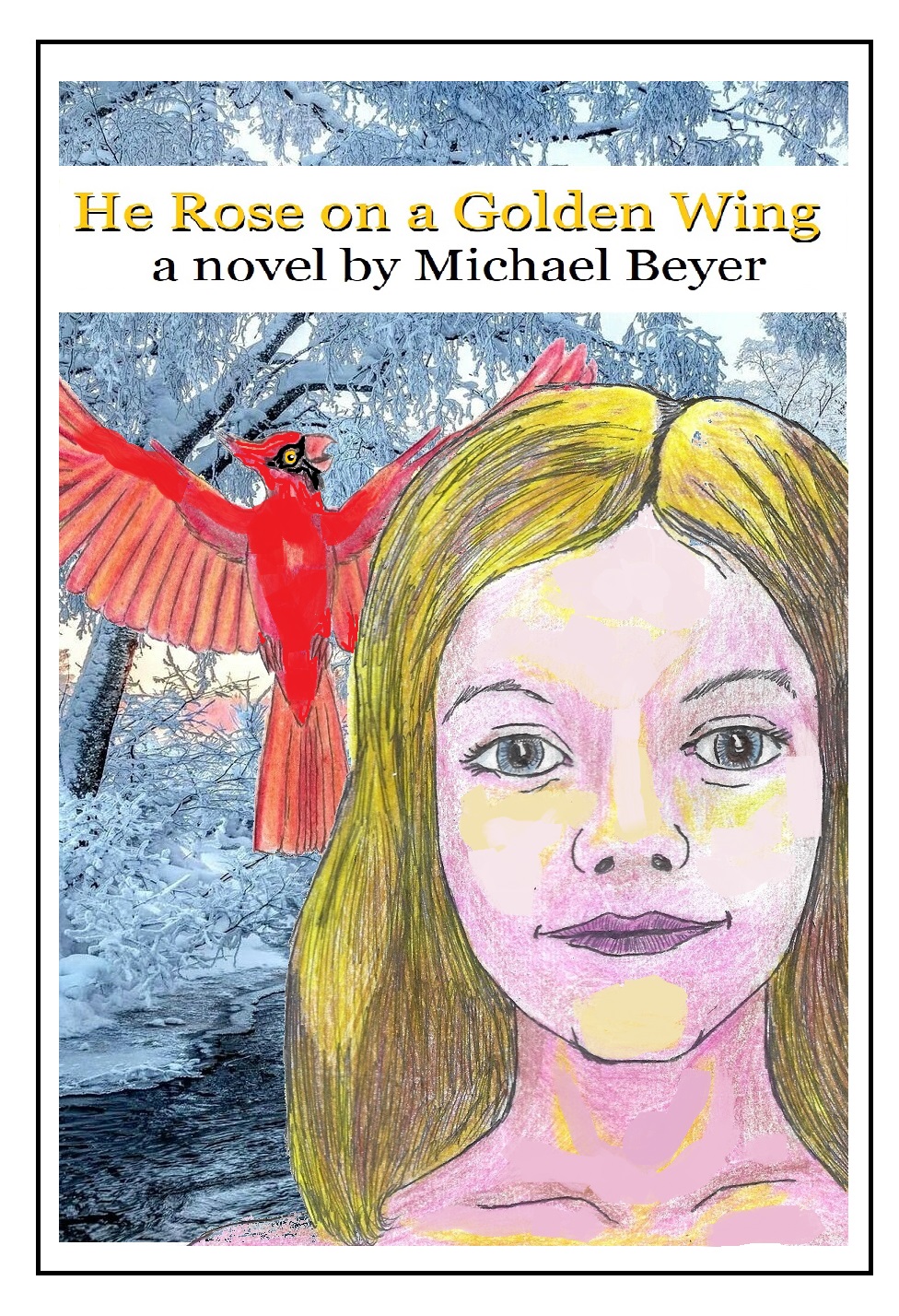




 Catch a Falling Star
Wrestling with Themes… Part 6
Concluding this meandering ridiculous rant about how you distill the meaning of your books into themes is no small task. My limiting goal was to identify one main theme for each of my books. It has to be limited because every well-written book has multiple themes of varying complexity and scope.
And then when you tie everything together as I have done with my Hometown Novels, there are themes that cross the borders from one book into the next. This essay will sum up by telling about the books I have written beyond the borders of my Hometown books.
The Wizard in his Keep
This book is unique in dozens of ways. It is an orphan-journey through a virtual-reality video game that you can actually live inside because of the full-body interface suits that get you into the game. It is science fiction because of the virtual-reality technology, but the competition within the game is set in a fantasy kingdom running on magic and super powers. And the plot is a parallel of Charles Dickens’s The Old Curiosity Shop.
This book is the conclusion to several character arcs that begin with the Hometown Novels’ very first book, Superchicken. One character’s life ends in death, but on his own terms. Another character finds the answers to his missing sister and the family she kept secret from him. And the orphans find a loving family that they never knew existed. So, one big theme is that; “You make your own happy endings by hard work, risk, and perseverance, not by magic or luck” But this is an overarching theme that covers more than one story in more than two or three other books.
The book also holds true to several other things that are true about my stories. It is a comedy with at least one character dying sometime before the story ends. It is surrealism, giving a rational grounding in realism to some rather fantastic things. And the characters who find success are empathetic types who realize that loving others is more important than loving ourselves.
A Field Guide to Fauns
An important facet of my novel-writing experience has come about through the general audience reception of my works. Specifically, nudists and naturists were attracted to my books through the nudist characters in my book Recipes for Gingerbread Children.
That is the reason this book, A Field Guide to Fauns even exists. I wrote it specifically for an audience of nudists, naturists, and people like me who have always been fascinated by nudism and were simply afraid to actually try it until we grew old, mature, and goofy enough not to care what other people think about me being a naked old man..
The book is about a boy named Devon who goes from a traumatic event that took him out of his divorced mother’s home and put him in his father’s house. But his father is remarried to a woman with twin daughters who are dedicated nudists, and live in a residence that is located in a South Texas nudist park. He has to recover from his trauma by becoming a nudist living a naked life himself. The theme is, “You can overcome childhood trauma if only you are open to being nakedly honest about yourself… especially being nakedly honest with yourself.”
Stardusters and Space Lizards
This story is one of the sequel messes written to go with Catch a Falling Star. It follows the alien characters and three of the human characters from that book out into the stars. It is basically an allegory for the climate-change crisis we face here on planet Earth. Besides the fact that this book offers the idea that inventive children can solve world-wide problems, and Texas politicians can be translated into lizard-people monsters who are actually to blame for everything, the theme of this book is really, “To solve ecological problems on a world-wide scale, we must first acknowledge that those problems are not caused by lack of understanding, but by the disregard for life that people have when they are motivated by personal gain, power, and reputation.”
Laughing Blue
This book is even harder to give a main theme to since it is a book of essays. Every entry, every single essay, has it’s own unique theme, ideally expressed in a topic sentence that states the theme.
But it is not impossible to find an over-arching theme. It is filled with short vignettes and stories about my childhood, my life as a teacher, my cartoons and bizarre sense of humor, my philosophical musings, and complaints about the things that have hurt me. It is largely autobiographical. And the main theme is basically, “When life gives you lemons, make a lemony joke of some sort because laughing is much better than crying and a better thing to do when you’re blue.”
I know, I know… purple paisley prose.
I am well aware that I have not put a theme to every single book I have written. But I think I have, in the course of 6 essays, done a fair job of puzzling together and proving my point that a novel, or even other kinds of books, need a coherent main theme, and the author should, hopefully, know what those themes are. So, the essay ends here. Mostly because I am old and cranky and tired of repeating myself endlessly.
Leave a comment
Filed under autobiography, commentary, humor, novel plans, novel writing, Paffooney, writing, writing humor