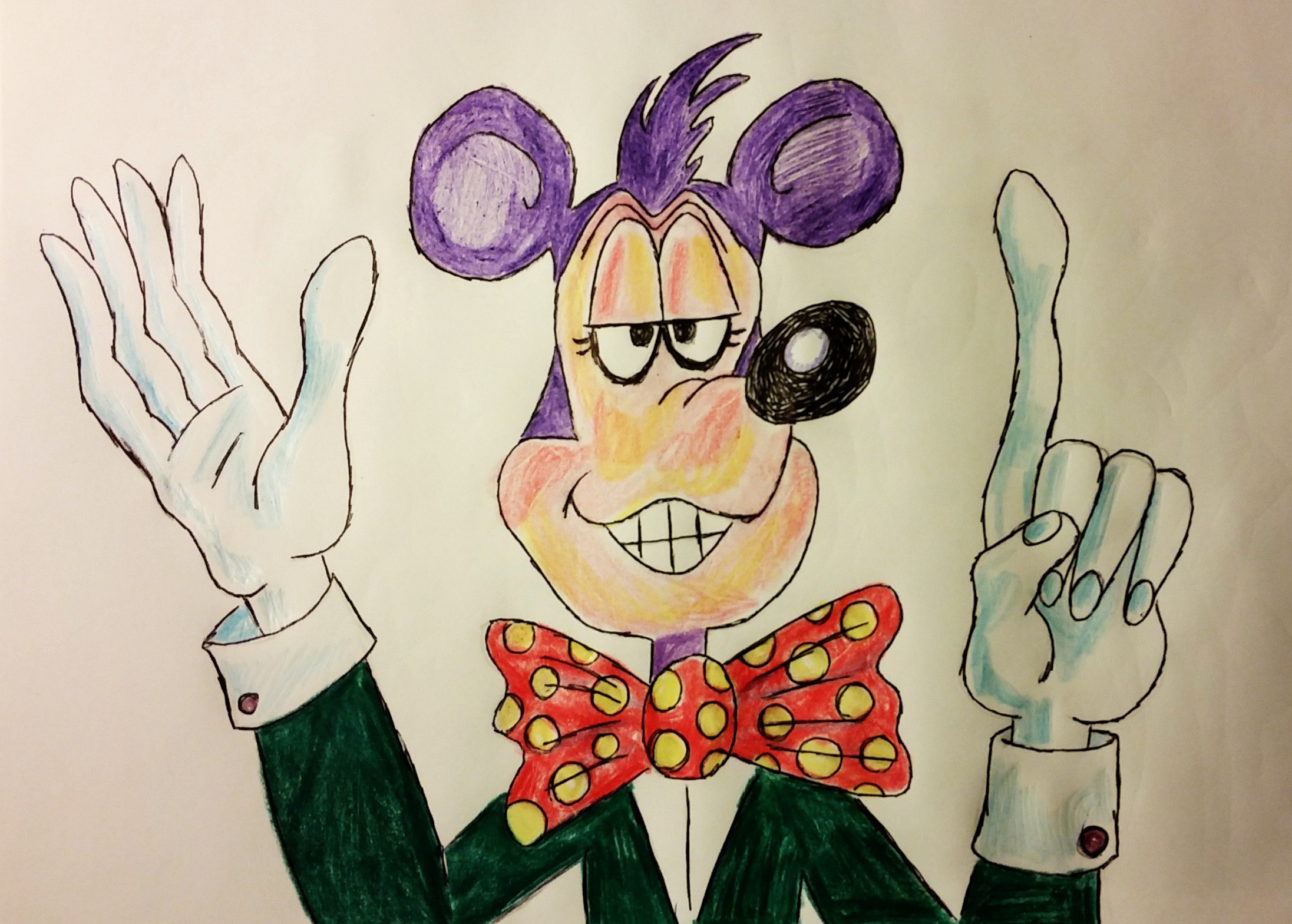
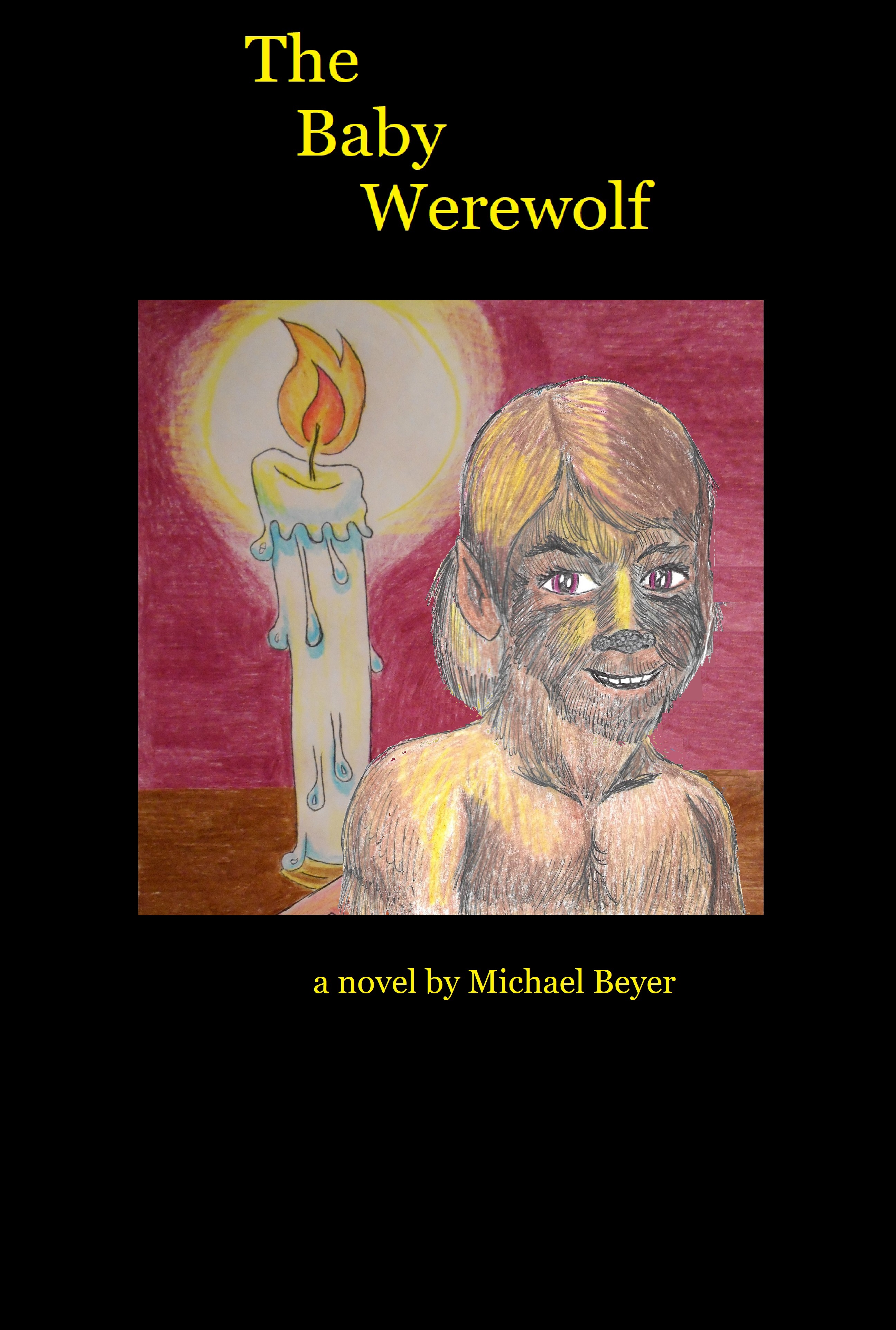
I identify as a humorist, writer, cartoonist, and certified fool (Yes, I have a certificate from the Children’s Writer Institute that proves I once foolishly believed I could learn how to make money as a writer). But my current novel project is a horror novel, The Baby Werewolf, which I twice before tried to turn into a completed rough draft novel. This time I followed through to the bitter end. I published it on Amazon.
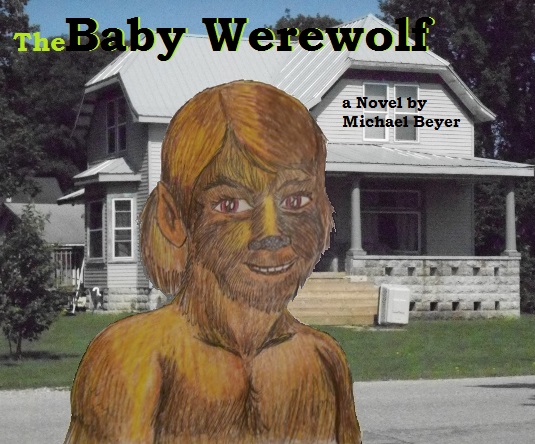
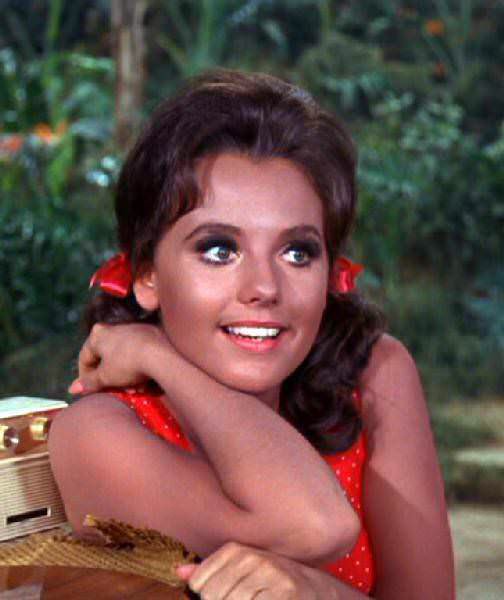
Torrie Brownfield, hypertrichosis sufferer and possible werewolf.
In order to reign in the goofiness enough to deal with the issues in this novel, I have been doing a lot of horror reading. I have also undertaken the reading of a very good author examination of the life of Edgar Allen Poe.
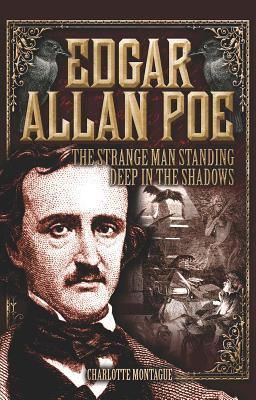
Poe’s life was highly instructive. You may not have realized this, but most of the giants of American Literature prior to and contemporary with Poe did not make most of their money as writers. Emerson was a clergyman. Nathaniel Hawthorne worked as a customs clerk. Poe, the first to try to make a living solely on work as a writer, editor, critic, and poet, was subjected to the horrors of poverty, illness, and want. His wife was chronically tubercular and ill. He never made the money he was obviously worth as a creator of popular horror fiction, poetry, critical essays about other authors, and as an editor for profitable magazines of the day. Other people made loads of money from his work. Poe, not so much.
It is instructive to a writer like me who can’t seem to land any sort of income from my own creations. There is no demand because there is no recognition of my work. I have come close, having my work praised by editors and fellow authors, and being a finalist in novel writing contests twice. The goal is good writing. I will probably never see a return on my investment in my lifetime. My children may not acquire anything by it unless one of them really devotes a lot of effort to it. Like Poe with his drinking problem, chronic depression, and ill wife, I face physical limitations and poor health, grinding financial issues, and family factors that make it near impossible to put marketing effort into my literary career.
And this novel is a hard journey for me. I was sexually assaulted by an older boy when I was ten. A lot of the fears outlined and elucidated in this particular story leap right out of that iron cage in my psyche where they have been contained for fifty years. Fear of nakedness. Fear of sex. Fear of being attacked. Fear of the secret motivations in others. Fear of the dark. And, most of all, fear of what fear can make me become. Fear of being a monster.
But I have not become any of the dark and terrible things that fear can make me into. Instead, I became a school teacher, and mentor to many. I became a family man, a father of three children. I became a nudist, hopefully not a dark and terrible thing in itself. I became Mickey.
This novel will become my Halloween free-book promotion later this month. Probably next weekend rather than Halloween.









Ugly Christmas Sweaters and the Criticizing of Them
In the Midwest
where I spent my childhood and early youth, there is a great tradition of making fun of the exceptionally eye-bonking ski sweaters and Norwegian-middle-layer clothing that dads and grandads are given as presents less often than only neckties.
Yes, they are functional in the land of 100-degree-below-zero wind-chill. And they also work as defenders of your male virginity when you are in college in Iowa. But we make fun of them not out of derision, but of love. These are gifts, after all, that are given on winter birthdays and Christmas because the giver loves you. And the creative criticism of them is given only as a sign of appreciation for what they are truly for.
And if you tried to click on the X’s on this sweater of mine, and it did not immediately close on your screen, that’s because this one has special meaning. I didn’t get this as a Christmas gift. I inherited it from my father who died in November 2020. And it will keep my heart warm now until it falls apart, or until the time comes to pass it on to my own eldest son.
What…
this essay is actually about is the nature of good criticism.
The fact that this one is a red Christmas tree decorated with lawn flamingos is not the actual point. One has to look past the flaws and try to judge the effectiveness of how it achieves… or fails to achieve… its intended purpose… apparently to keep rats and small birds out of your yard… or from within a hundred yards of the thing.
And…
if I were to be offended by the revelation of Santa’s sexy black thong, then the thing to do as a proper critic is not to use my power to condemn it, but not to take up the critique of it at all. I mean, if you are actually offended by the thing, you would not want to offer an opinion that some would take as a challenge.
“What? You are telling me that I can’t like Santa’s sexy black thong? I will not only like it, I will love it! And I will buy one for myself.”
Following…
the philosophy of the uncritical critic, I would only review this green nightmare sweater of a Christmas mutant demon-dog if I really liked it. Of course, since you are seeing a review of it here, it means I am actually quite charmed by the sweater itself, and amused by whatever seventy-plus-year-old grandmama that has the kitsch-defiant attitude that allows her to proudly wear it… even if it was given to her as a gift by a relative she probably doesn’t really like but, never tells them so.
Doing book reviews one after another (as I have been doing for Pubby in order to get reviews on my own books in return) I have done a lot of the uncritical critic bit. Some of the people I have been reviewing the books of should never have tried to write a book in the first place. But do I tell them that? Of course not. If I have taken the trouble to read the whole book, even though it may be horrible, I am not going to pour cold water on their flame. I have done reviews with innumerable editorial suggestions of what would make it a better story, or a better non-fiction book, or children’s book, or poetry book, or self-help book… I have read terrible books of all of these kinds. And I know the authors did not rewrite the books as I suggested. But in my many years as a writing teacher, I have learned well that you must always point out the fledgling writers’ strengths and ask them to build on those. And some will. Besides the points I earn to spend on reviews of Mickian books, that is reward enough.
Ugly Christmas sweaters and the criticizing of them is how American culture works. Being good at negotiating that fact is a critical skill, especially in the Midwest. But nothing compared to having talent in the wearing of them.
Leave a comment
Filed under book reports, book review, commentary, writing, writing teacher