I have just finished a novel project that I worked on for a year, from Spring of 2016 to Spring of 2017. And part of my personal project procedure involves using drawings to help me visualize the characters in the story and begin to view them as real people, even when they most certainly aren’t real. I even have this derfy Mickian idea that Paffoonies (those picture ideas that are inseparably fused to words) are essential to Mickian fiction. (Mickian fiction= another frighteningly goofy idea that needs to go unexplained.)

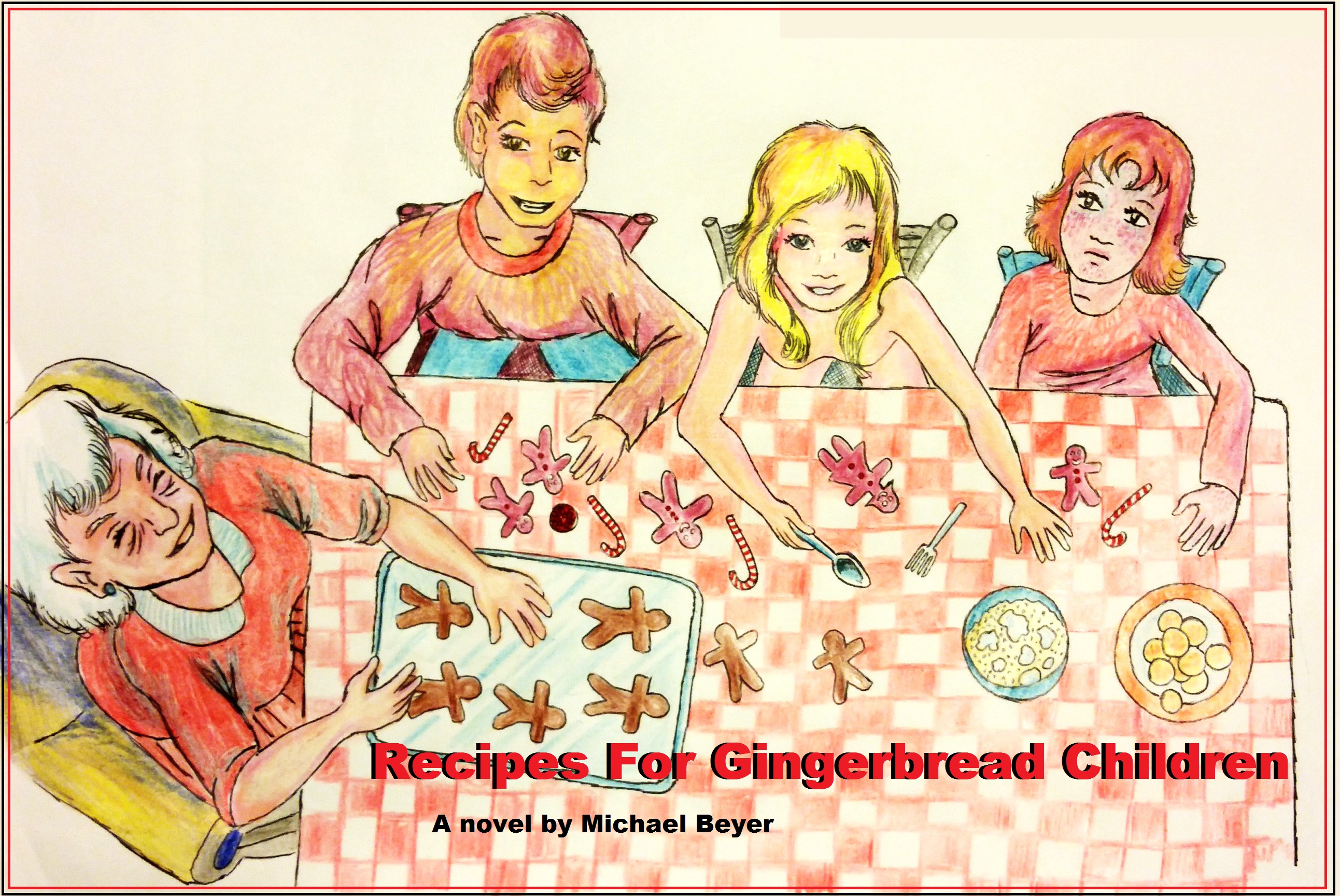
The book, Recipes for Gingerbread Children is about an old woman, a German immigrant and Holocaust survivor, who comes to a small Iowa town with a gift for story-telling and a gift for baking things, especially gingerbread cookies.

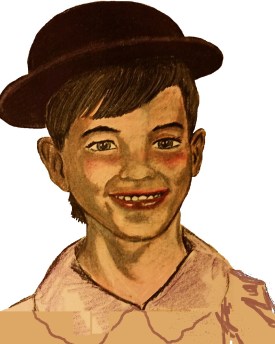
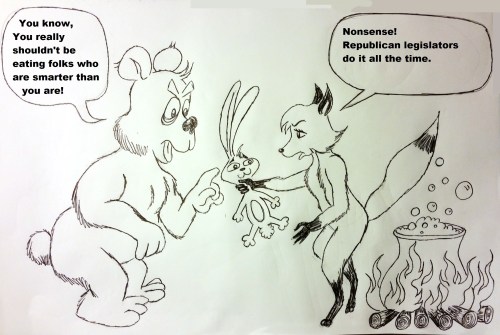
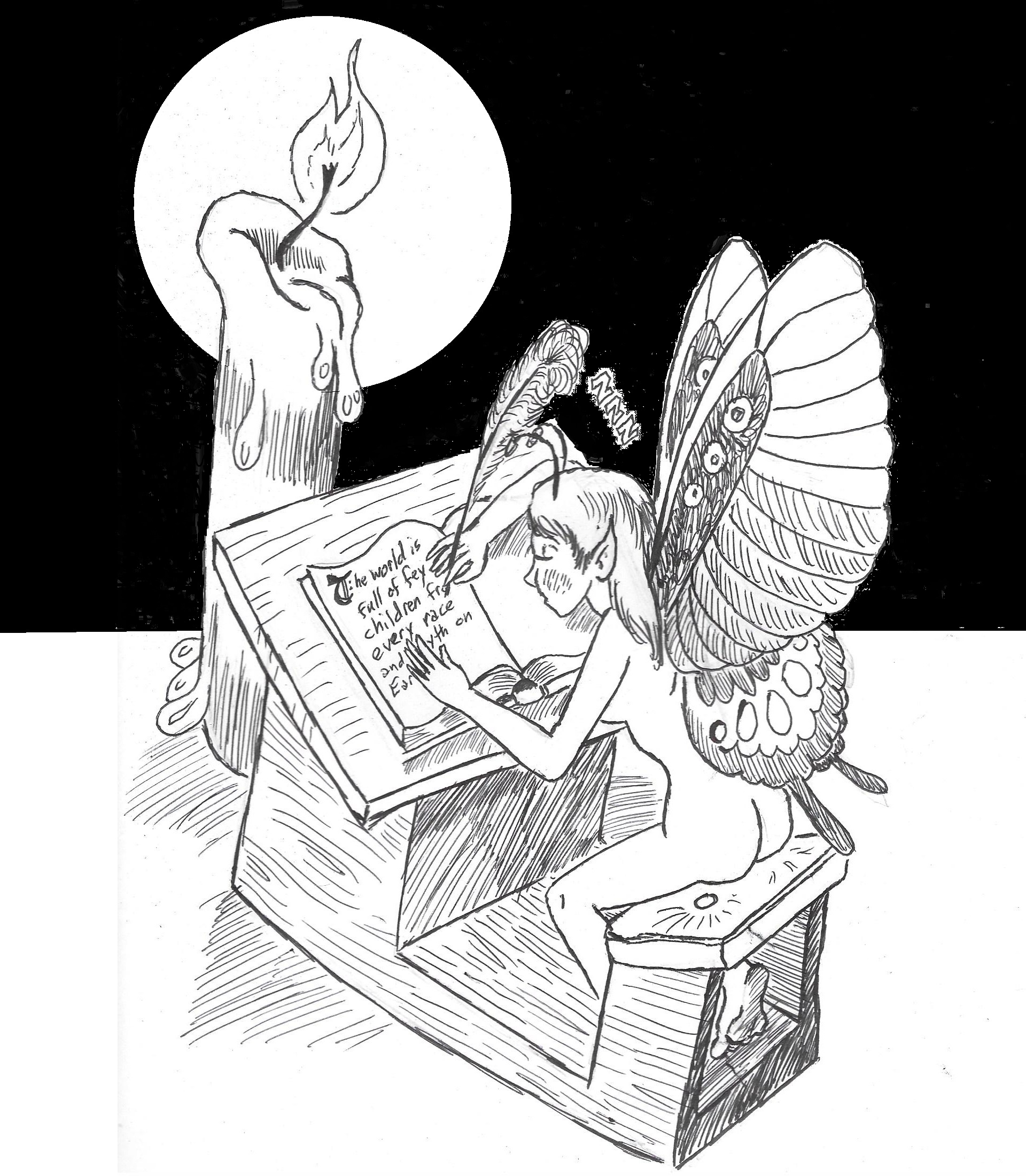
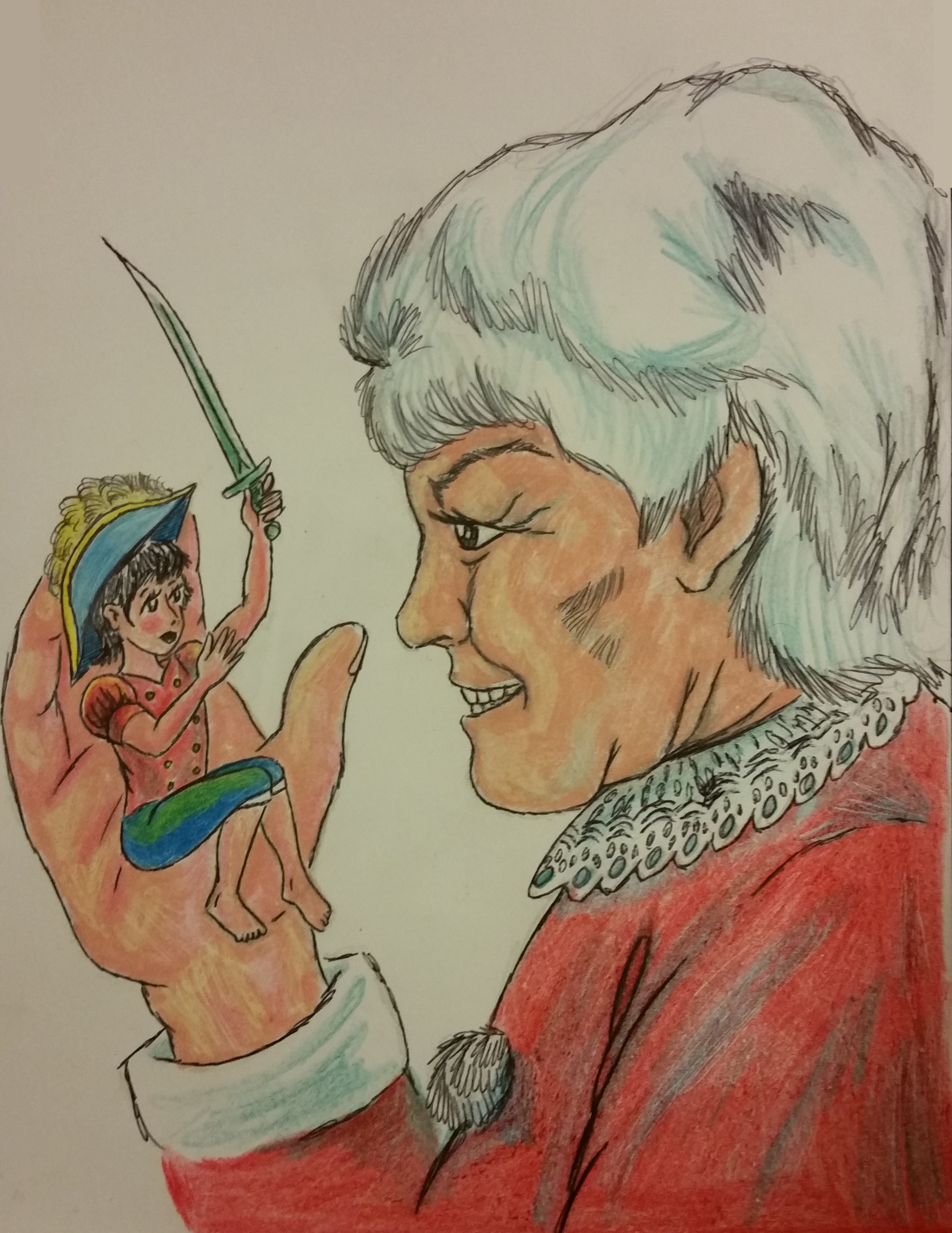
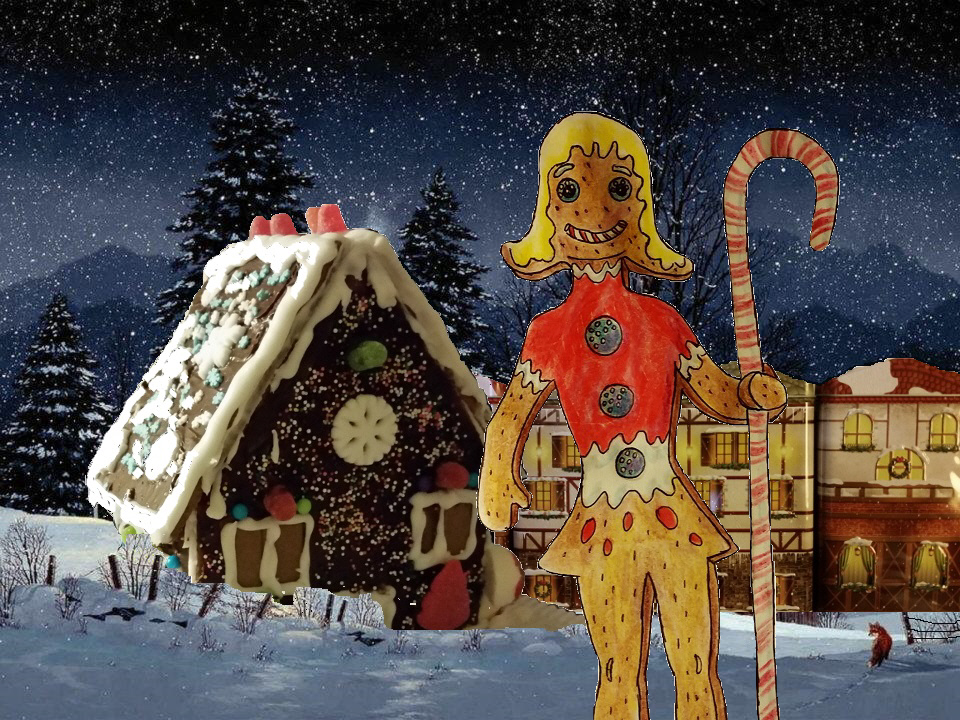
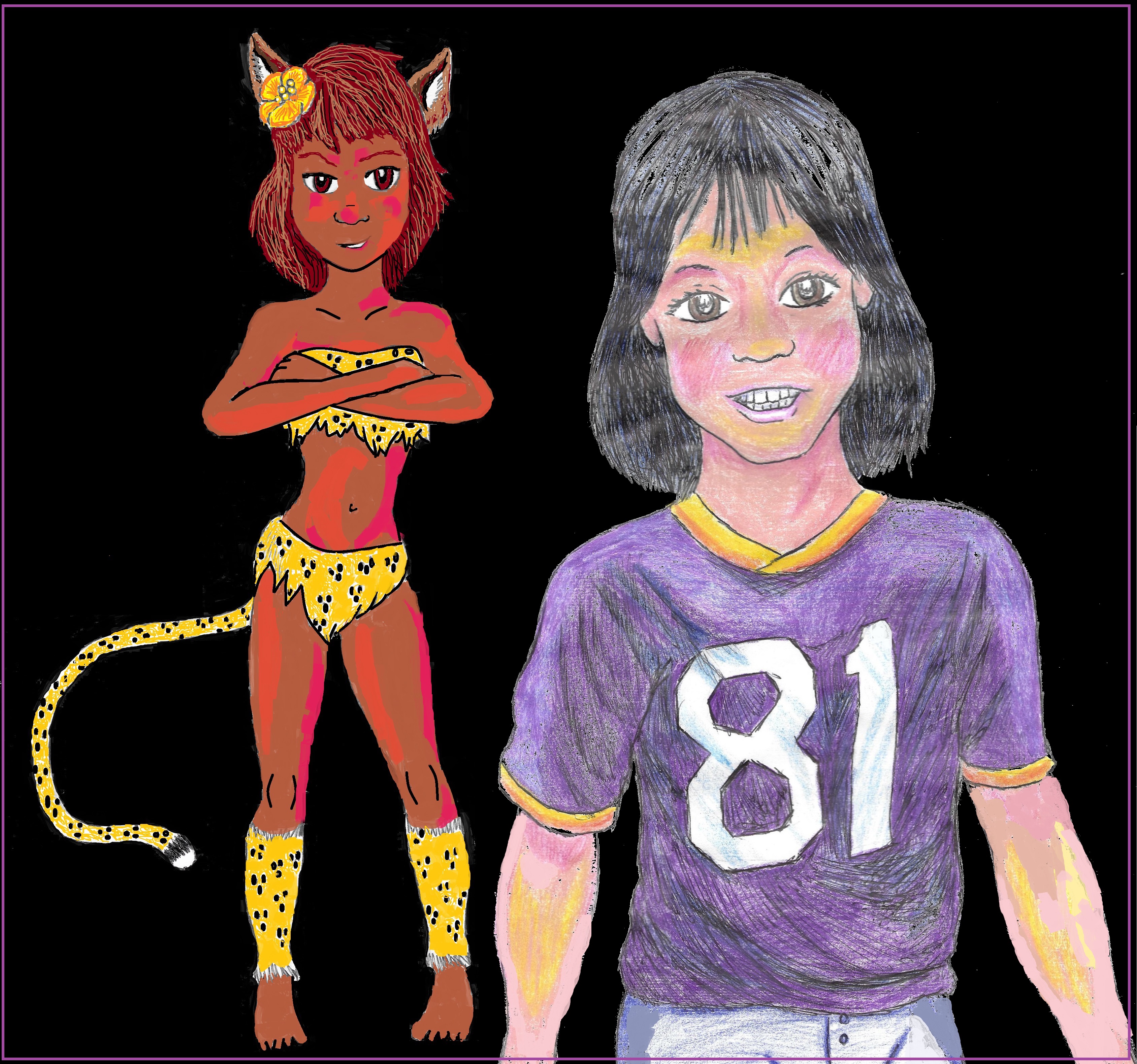
Grandma Gretel Stein, seen in the Paffooney on the left, is the main character of the story. She tells stories, mostly fairy tales, that have lessons about being true and faithful even in the face of great evil. The fairy in her hand is General Tuffaney Swift, an immortal Storybook fairy who leads the army of the local fairy kingdom called Tellosia. Gretel believes he is real Honestly, she gets so into story-telling that her fairy friends seem absolutely real to her. And who is to say that there aren’t little magical people living in a hidden kingdom among the cornfields in Iowa? Gretel convinced me that they were real. She even has a hand in making new fairies by the baking of gingerbread. She gets a magical recipe from the fairy Erlking, a wise and magical being, and uses it to create living gingerbread boys and gingerbread girls.

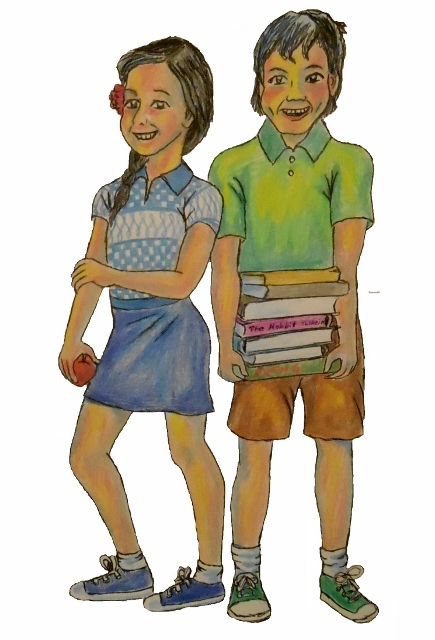
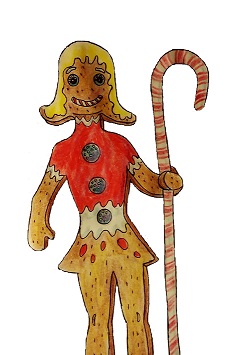
The gingerbread girl on the right is Anneliese, named after Gretel’s own daughter and decorated with frosting, food coloring, and gumdrops by the favorite story listener who constantly listens to Gretel’s stories and helps bake Gretel’s gingerbread, Sherry Cobble.
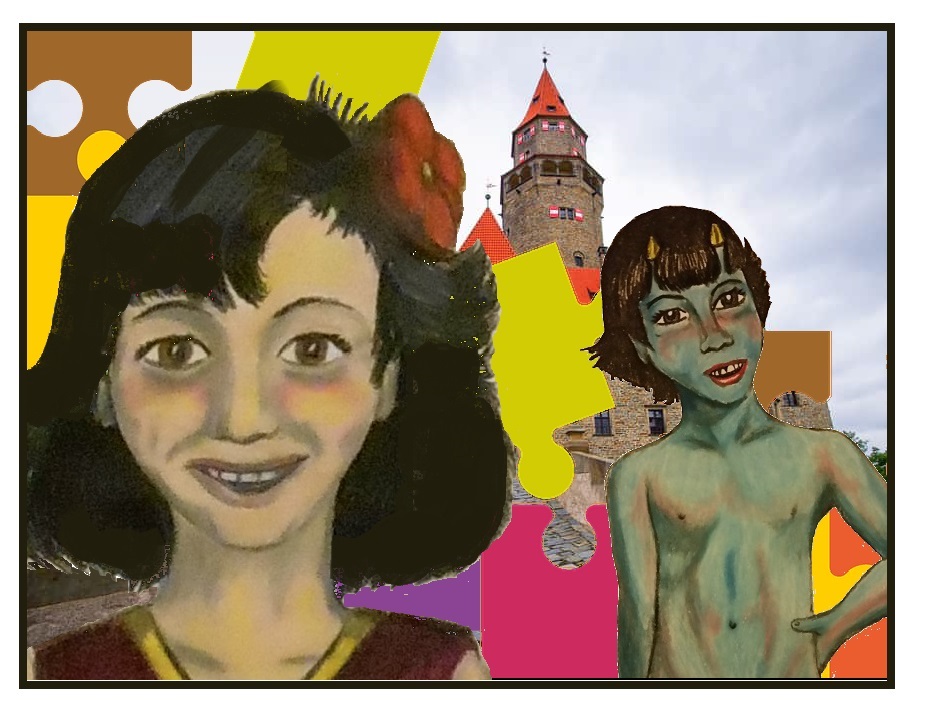
Sherry is a beautiful young eighth grade girl who reminds Gretel of her long-lost daughter. Sherry has a twin sister named Shelly and they are identical twins, but Sherry not only looks like Anneliese once did, she acts like her with the same confidence and enthusiasm for life that Anneliese once had before the war.
Sherry and Shelly are both part of the Cobble family, who have a reputation locally as wacky-pants loonies because they believe firmly in being nudists and engaging in nature completely naked while not actually wearing any wacky pants. I haven’t done any actual pictures of Sherry in the nude, but if you look carefully at the first picture of her above and see clothing, then you are seeing things that are not there. Yep, the girl bakes and decorates gingerbread men in the buff, wearing her pale pink birthday suit, even when the weather outside in Iowa makes that nonsensical.

So by now you can probably draw several conclusions about me as both a novelist and an illustrator. #1, There is definitely something a little bit off about me. #2, I haven’t said anything yet about this book having dead Nazis and a werewolf in it, even though I rarely talk about this book without throwing those things in somewhere. #3, Number 2 is actually taken care of in a backhanded way if you are reading this whole list carefully. #4, This story is probably about things that really aren’t just gingerbread recipes. #5, You should congratulate yourself if you read this far in this post. You have unusual amounts of patience and curiosity, and an extremely high tolerance for levels of goofy that put actual Goofy to shame.


Ugly Christmas Sweaters and the Criticizing of Them
In the Midwest
where I spent my childhood and early youth, there is a great tradition of making fun of the exceptionally eye-bonking ski sweaters and Norwegian-middle-layer clothing that dads and grandads are given as presents less often than only neckties.
Yes, they are functional in the land of 100-degree-below-zero wind-chill. And they also work as defenders of your male virginity when you are in college in Iowa. But we make fun of them not out of derision, but of love. These are gifts, after all, that are given on winter birthdays and Christmas because the giver loves you. And the creative criticism of them is given only as a sign of appreciation for what they are truly for.
And if you tried to click on the X’s on this sweater of mine, and it did not immediately close on your screen, that’s because this one has special meaning. I didn’t get this as a Christmas gift. I inherited it from my father who died in November 2020. And it will keep my heart warm now until it falls apart, or until the time comes to pass it on to my own eldest son.
What…
this essay is actually about is the nature of good criticism.
The fact that this one is a red Christmas tree decorated with lawn flamingos is not the actual point. One has to look past the flaws and try to judge the effectiveness of how it achieves… or fails to achieve… its intended purpose… apparently to keep rats and small birds out of your yard… or from within a hundred yards of the thing.
And…
if I were to be offended by the revelation of Santa’s sexy black thong, then the thing to do as a proper critic is not to use my power to condemn it, but not to take up the critique of it at all. I mean, if you are actually offended by the thing, you would not want to offer an opinion that some would take as a challenge.
“What? You are telling me that I can’t like Santa’s sexy black thong? I will not only like it, I will love it! And I will buy one for myself.”
Following…
the philosophy of the uncritical critic, I would only review this green nightmare sweater of a Christmas mutant demon-dog if I really liked it. Of course, since you are seeing a review of it here, it means I am actually quite charmed by the sweater itself, and amused by whatever seventy-plus-year-old grandmama that has the kitsch-defiant attitude that allows her to proudly wear it… even if it was given to her as a gift by a relative she probably doesn’t really like but, never tells them so.
Doing book reviews one after another (as I have been doing for Pubby in order to get reviews on my own books in return) I have done a lot of the uncritical critic bit. Some of the people I have been reviewing the books of should never have tried to write a book in the first place. But do I tell them that? Of course not. If I have taken the trouble to read the whole book, even though it may be horrible, I am not going to pour cold water on their flame. I have done reviews with innumerable editorial suggestions of what would make it a better story, or a better non-fiction book, or children’s book, or poetry book, or self-help book… I have read terrible books of all of these kinds. And I know the authors did not rewrite the books as I suggested. But in my many years as a writing teacher, I have learned well that you must always point out the fledgling writers’ strengths and ask them to build on those. And some will. Besides the points I earn to spend on reviews of Mickian books, that is reward enough.
Ugly Christmas sweaters and the criticizing of them is how American culture works. Being good at negotiating that fact is a critical skill, especially in the Midwest. But nothing compared to having talent in the wearing of them.
Leave a comment
Filed under book reports, book review, commentary, writing, writing teacher