
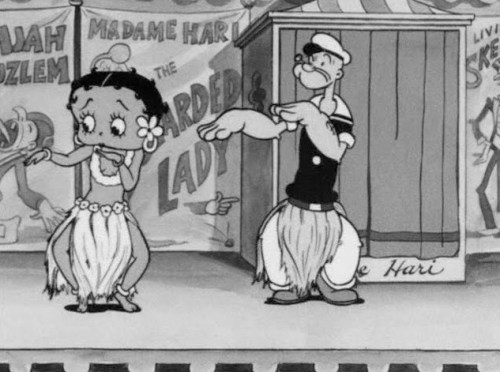
If you are as goofy and cartoon-obsessed as me, you may remember that Popeye the sailor was known for the catchphrase, “I yam what I yam”. And if you do remember that, it will not surprise you that, when told a yam is another name for sweet potato, Popeye was furious. “It cannot be!” he argued. “I would not say I sweet potato what I sweet potato! That’s ridicumess!”
Well he has a point.
But I would like to talk today about the things that I sweet potato, and why I sweet potato those things.
First of all, I yam a humorist.
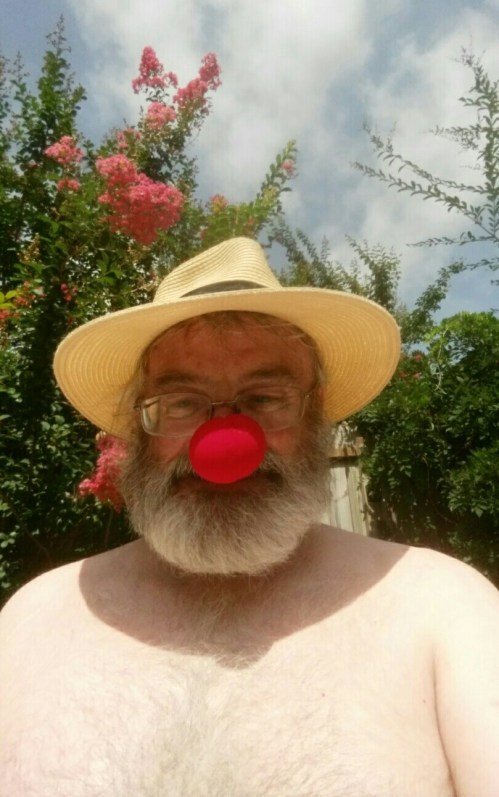
I yam this thing not because I am funny. You may think I yam funny because I say really goofy things for no apparent reason, and then keep on talking long enough to convince you that I did have a point to make, but my brain leans so far to the left that I am hardly right about anything.
And I make bad puns a lot.
You see, I have to use humor constantly to deal with all the hard things in life, because being too serious in the face of the world’s basic uncaring cruelty only leads to depression and taking a beating from life. In fact, I can think of any number of situations in my past where I avoided a beating only because I made a joke that made the bully laugh.
So, being a humorist is a survival tactic. Humor keeps you alive.
You see someone like me has to face all the pain and heartache and cruelty the world has to offer by using humor. The real reason is that, when faced with a bad situation, if the humor gland can’t empty itself of all the jokes it produces, it will begin to swell. The humor gland is located either in the brain or maybe in the behind (I am not medically qualified to tell you which it really is), and it can only swell to a certain point, and then it will explode. This is very bad thing for you, if you survive it, and certainly unpleasant for anybody nearby.
But the joke, properly launched at the target, will make somebody laugh, even if it is only the humorist himself. And laughter is the best medicine. Unless it kills you. You have to be careful not to die laughing. The angels will be offended, and the demons will all laugh too.
But I yam not only a humorist. I yam also a teacher.
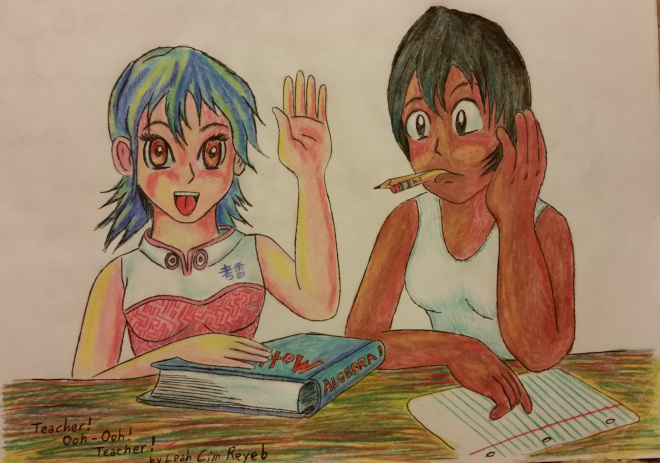
I began to realize that I might be a teacher when, in graduate school to get a remedial master’s degree to help with the fact that plain English majors all starve to death, I discovered I had a talent for explaining things in simple terms. And then, immediately afterwards, I discovered I had an even greater talent for being ignored while the people I was explaining to made the mistakes they wouldn’t have made if only they had listened to me, before they failed spectacularly, and then realized how the solution I had explained would’ve made them succeed instead. There is apparently no better way to learn an important lesson.

Teaching is, of course, a pretty cool job. You tend to have the summers off. And you get paid for summer because they split the amount of money you earn for the year (which considering what a babysitter makes on average per child and per hour is far too little for the hours you put in) into twelve monthly pittances.
Of course you are expected to have a university degree (although no teacher college in the world can teach you what you really need to know in order to face that many little monsters… err, darlings… every day) and preferably some grad school, and a certification to teach in your chosen subject, and an additional certification if you are going to teach more than one subject (and ESL and Speech and Journalism, all of which I was expected to teach, are separate certifications) and you have to take hours of additional training every single year, and you have to get re-certified every five years, and… Well, you have to be basically smarter and much better-educated than Bill Gates… But the school janitor will probably be making more money per month than you do.
Anyway, it’s a job you just gotta love. I yam a teacher.
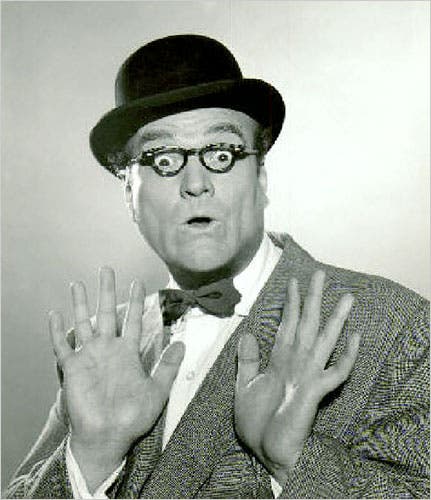
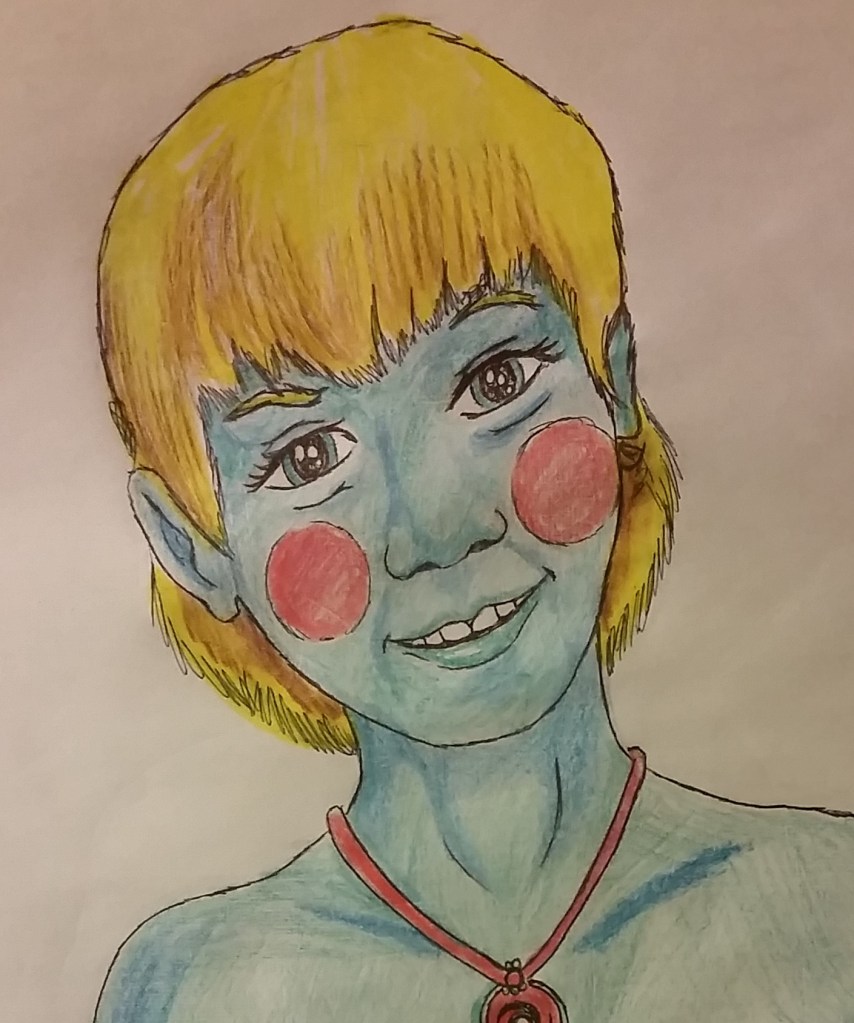
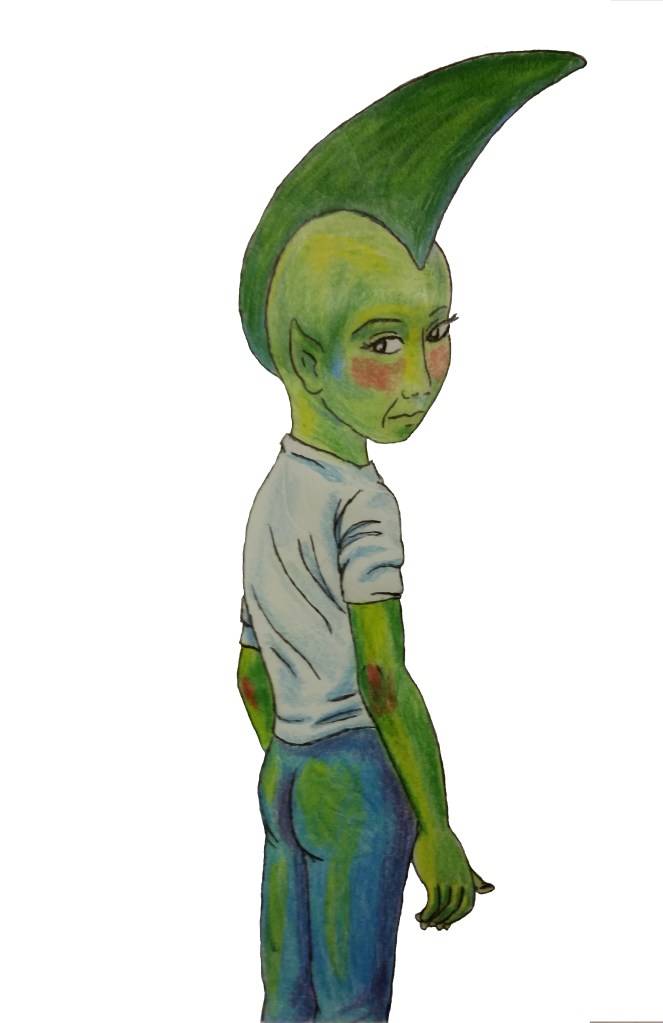
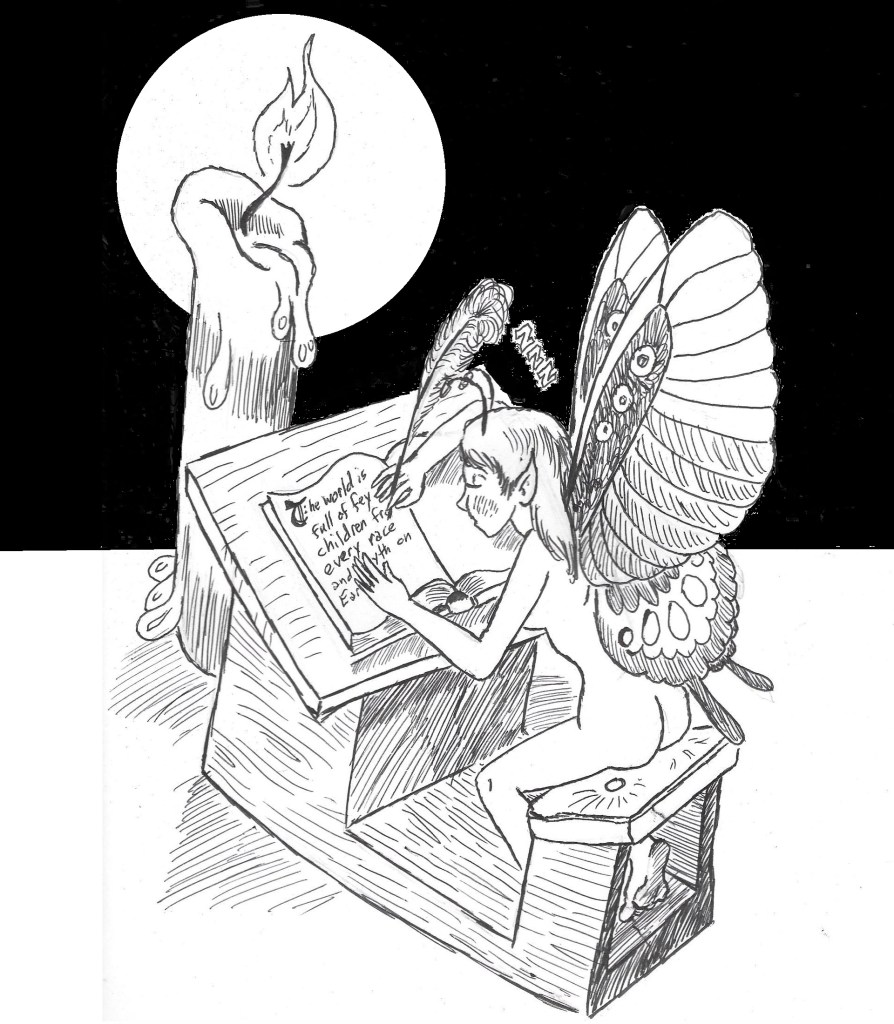
And really, there are a whole lotta yams in my basket yet that I could tell you about. I yam a Red Skelton fan. I yam sometimes a nudist (when I don’t have to put on clothes to keep myself from scratching all my psoriasis-plagued skin off). I yam also an artist (of the type known as a cartoonist). I yam pig-headed sometimes, and I yam Grumpy sometimes (so I go from being Porky to one of the Seven Dwarfs.) I yam a lotta things. And my sweet-potato basket is large.
But I can’t talk about all of my yams today. Too many yams are bad for my diabetes.
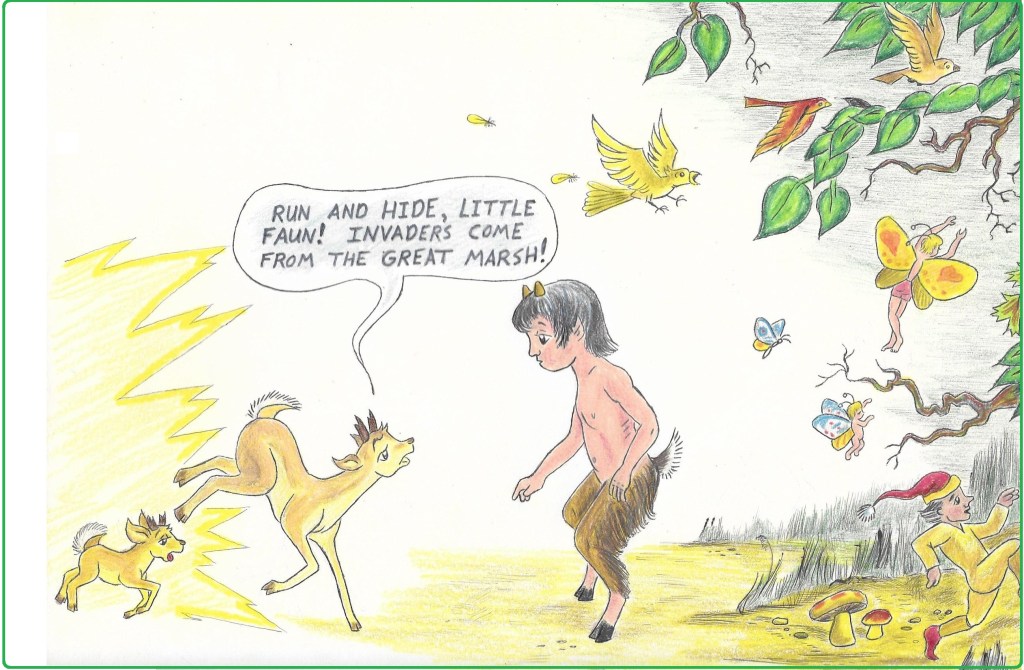
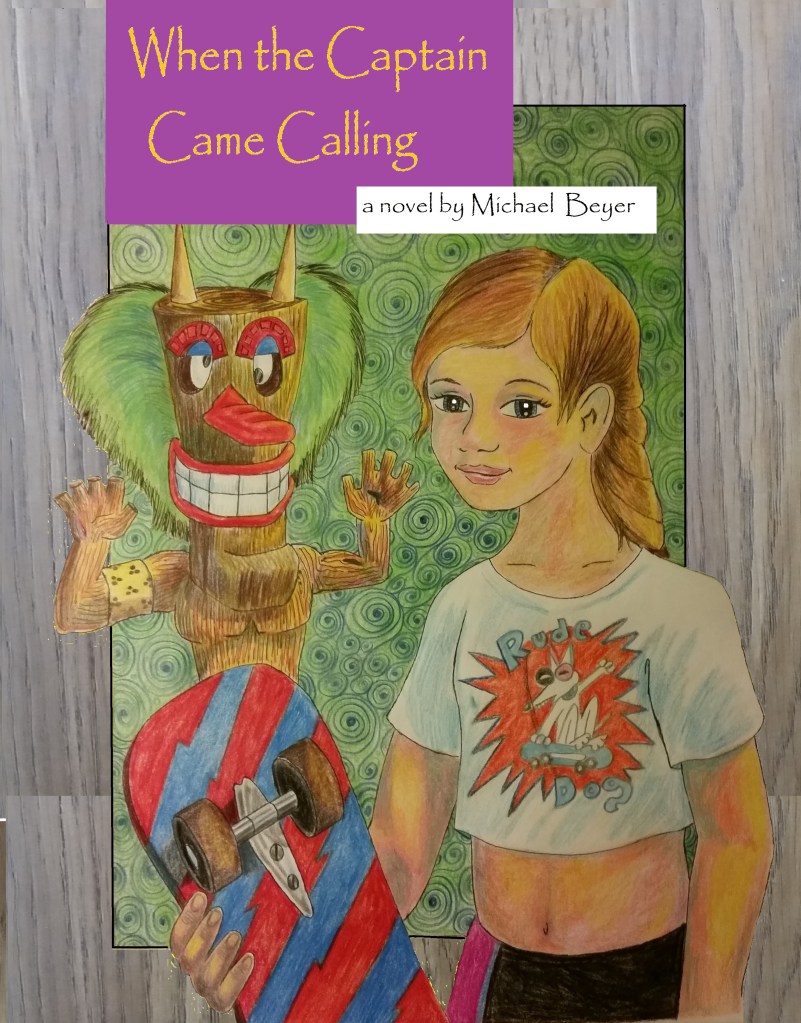
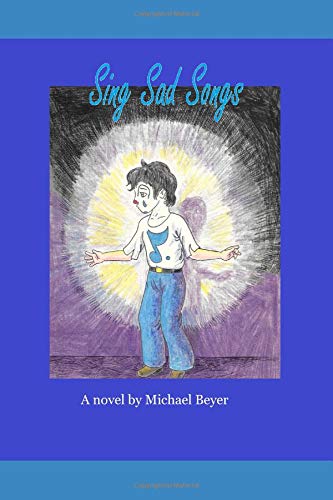
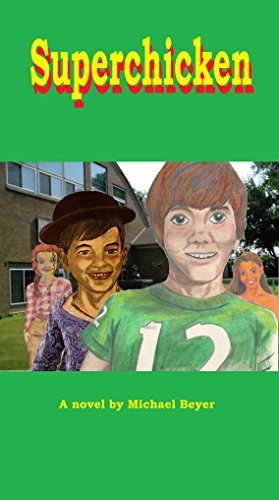
But here’s one last yam. I yam a storyteller. And I have a free Kindle e-book promotion this weekend. The book is the first in my series of AeroQuest books. It is a science fiction story with a humorous bent. And I mean, it is seriously bent in some places.
So, click on the link and get yourself a copy. It’s funny. And I will save the other sweet potatoes for another day.













The Essayist
I have been working on compiling good essays from this blog into book form. It is becoming a sort of obsession. The problem is, I am likely running out of time. My health is getting worse in the middle of a pandemic that is killing thousands of people just like me. I have been having problems with passing out during the midmornings repeatedly for several days in a row. I fear I may be headed towards heart failure or a stroke. And if it comes down to an ambulance ride, I can’t afford it, and I will not economically survive it. And all the intensive care units around here in North Texas are swamped with COVID patients. It is important for me to finish and publish this book of essays. It is part of me as a writer that I simply must leave behind.
“Why are essays important?” you may ask. And here’s where I would normally insert a joke answer. I try hard not to take myself too seriously. It is the only way I can deal with what has been a very serious life. And at the point in my essay book where I will insert this essay, I will not need to review what those things are that are so serious. (Being a teacher and shaping young minds. Being a sexual assault survivor. Helping teenagers to live through suicidal depressions. I know, I know, I should’ve resisted the urge to list them.)
But I have spent a lifetime teaching kids to write four-and-five-paragraph essays. And I am also a serious reader of essays. I have read and thoroughly studied Loren Eiseley’s The Invisible Pyramid, Henry David Thoreau’s Walden, Collected Essays by H.L. Mencken, selected essays by James Thurber, Life as I Find It: A Treasury of Mark Twain, Charles Lamb’s Essays of Elia, and parts of John Ruskin’s The Stones of Venice. I also thoroughly loved and used as a teacher All I Really Need to Know I Learned in Kindergarten by Robert Fulghum. So, I do not claim without reason that I do know something about how to write an essay. (Although you are welcome to disagree based on numerous bits of evidence in this goofy blog,)
At this point I am obligated to define for you what I believe an essay should be and what its potential uses are. An essay, simply put, is a pile of a fool’s best thinking put down on paper in prose rather than being distilled down into lines of poetry or embroidered and expanded with lies to make it into fiction. At its best it can open reader’s mental eyes and change societies, if not the entire world. At its worst it can incite violence, stir hatreds, and generally muck everything up. My essays land somewhere between, in the realm of mildly-amusing purple paisley prose that can really waste your time.
An essay, because it is based on truthful observations, can rip away the costumes and masks that authors put on to write fiction and make that educated fool of an author metaphorically naked in front of the reader. After blogging like this since 2013, I admit to having no real secrets left that I have not at least mentioned in my blog somewhere. I am less naked when being a sometime-nudist than I am in the sentences and paragraphs of these essays.
Now that I have thoroughly convinced you that you made a big mistake by reading this far through my essay compilation, I will reveal the fact that I have put this essay somewhere closer to the end of the book rather than near the beginning. Like all essayists, I am a fool (hopefully in the Shakespearean wise-fool sense), but I am not stupid. So I won’t laugh at you for falling for my tricks, but I can’t promise not to be at least a little bit amused. But time is short. So, on to the next essay!
Leave a comment
Filed under commentary, humor, insight, new projects, Paffooney, writing, writing teacher