

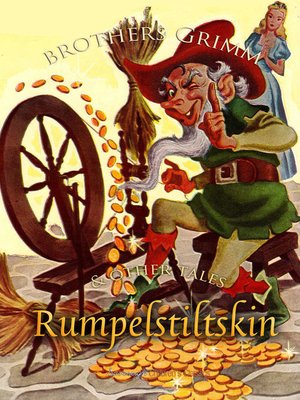
I start today with nothing in my head to write about. I guess I can say that with regularity most days of the writing week. Sundays in particular are filled with no useful ideas of any kind. But I have a certain talent for spinning. As Rumpelstiltskin had a talent for spinning straw into gold, I take the simple threads of ideas leaking out of my ears and spin them into yarns that become whole stories-full of something to say. And it is not something out of mere nothing. There is magic in spinning wheels. They take something ordinary and incomplete, and turn it into substantial threads useful for further weaving.
Of course the spinning wheel is just a metaphor here for the craft of writing. And it is a craft, requiring definable skills that go well beyond merely knowing some words and how to spell them.
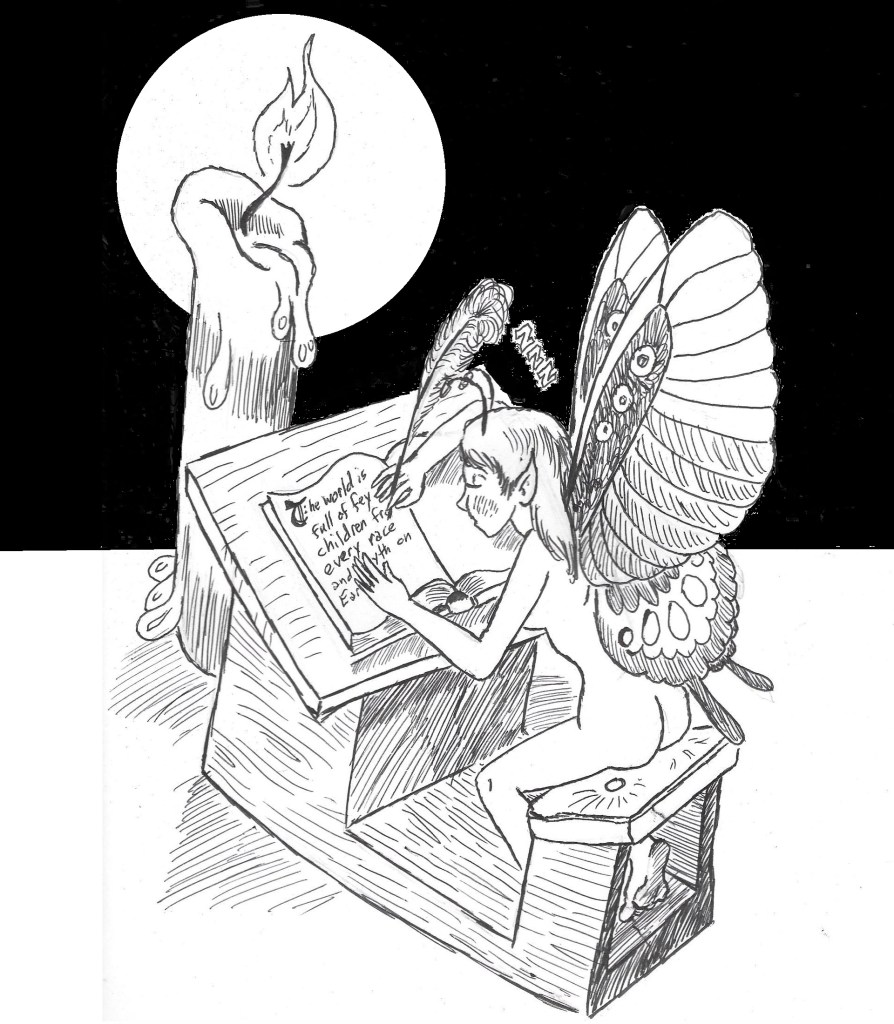
The first skill is, of course, idea generation. You have to come up with the central notion to concoct the potion. In this case today, that is, of course, the metaphor of using the writing process as a spinning wheel for turning straw into gold. But once that is wound onto the spindle, you begin to spin yarn only if you follow the correct procedure. Structuring the essay or story is the next critical skill.
Since this is a didactic essay about the writing process I opened it with a strong lead that defined the purpose of the essay and explained the central metaphor. Then I proceeded to break down the basic skills for writing an essay with orderly explanations of them, laced with distracting images to keep you from dying of boredom while reading this, a very real danger that may actually have killed a large number of the students in my writing classes over the years (although they still appeared to be alive on the outside).

As I proceed through the essay, I am stopping constantly to revise and edit, makeing sure to correct errors and grammar, as well as spending fifteen minutes searching for the picture of my mother’s spinning wheel used directly above. Notice, too, I deliberately left the spelling-error typo of “making” to emphasize the idea that revising and proof-reading are two different things that often occur at the same time, though they are very different skills.
And as I reach the conclusion, it may be obvious that my spinning wheel of thought today spun out some pure gold. Or, more likely, it may have spun out useless and boring drehk. Or boring average stuff. But I used the spinning wheel correctly regardless of your opinion of the sparkle of my gold.
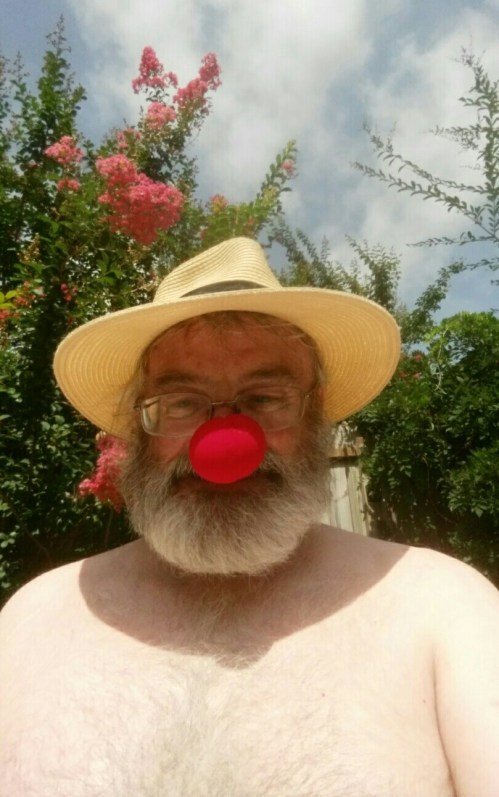



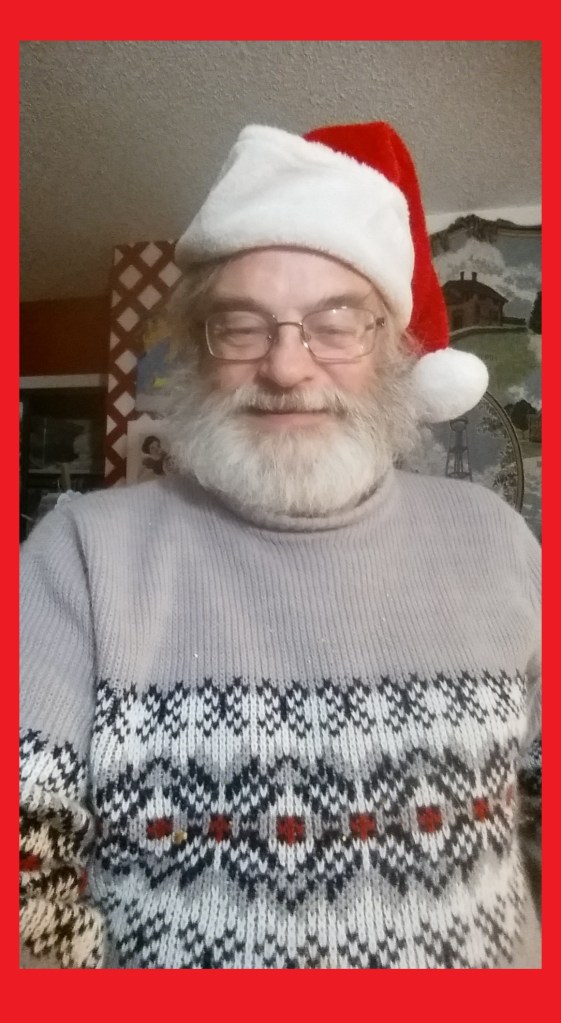









Mickey Under the Magnifying Glass
Self-reflection is a critical part of being a writer and an author. At least it is if you are a mostly-ignored and somewhat unsuccessful one. That’s really the full extent of my personal expertise on this subject.
But knowing your own personal strengths and weaknesses is the only way to continue to sharpen the blades you use to cut insightful, heartfelt stories out of your own life experiences.
For example, the thing I think is most important to know about myself is that I do have the ability to laugh at myself, even when the thing I am laughing at hurts quite a lot. A sense of humor is a life skill that people who experience depression, chronic pain, and personal trauma need in order to survive.
Robin Williams is the quintessential sad clown. He lived to the age of 61 before depression ended him. Think of how much younger he would’ve been in leaving us all behind if he hadn’t had his bright, silvery suit of comedy armor to get him through life. But that’s a downer. One of my biggest failures is that I will bluntly drop a big black bomb like that in the middle of a sensitive and heartfelt scene, or in the fourth paragraph of an essay that you found interesting enough to read.
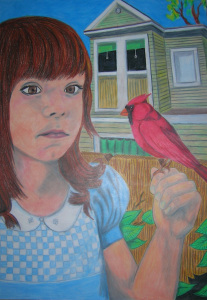
I find I am often guilty of not knowing when to give up on something and cut my losses. But at the same time as I am contemplating ending this essay before I lose more readers than ever, I remember what makes the cardinal a personal symbol for me. Cardinals are a bright red songbird that never flies away when the winter comes. It will stupidly stay put even in snow and cold and a total lack of food, choosing to starve or freeze to death over leaving its home territory. I was like that as a teacher. After the first two miserable years, I decided to stay put in that little South Texas school district where I was underpaid and constantly abused by parents and students and even some other school personnel. I refused to leave without first proving to myself that I could do the job and be good at it. I stayed for twenty]-three years, becoming the head of the English Department, a leader of the Gifted and Talented Program, and a generally well-loved teacher of a generation of students. (I left before the grandson and granddaughter of two of the kids in my very first class were about to enter middle school.)
I guess, thinking about it critically, sometimes your weaknesses and your strengths are not only related, they are the same thing.
I have been accused of not being serious enough to be a teacher. And that has carried over to the writing of young adult fiction. Reviewers have told me that putting details about sex, violence, and dark humor in a story is not appropriate for young, middle-school-aged readers. One reviewer told me that I was practically a child pornographer, even though the book had no explicit sex scene and only talked about the subjects of love, sex, and intimacy.
But I am a believer in not shying away from subjects that kids want to know about. As a victim of a sexual assault in childhood, I found that fiction and nonfiction that discussed sexuality and morality were life-saving, and gave me the guidance I needed to recover from what my own monster encounter scarred me with. And I was able to eventually laugh at the things that had been tearing me apart. I think fiction like that, frank, honest, and clearly guiding the reader towards the right path is what is most needed in YA literature.
Again, I think my weakness for absurd and chaotic humor is both a weakness and a strength. We all need to laugh more and suffer less. And we don’t get there by avoiding our problems in life, but by fighting through them to the other side.
I am not fool enough to think I know all the answers. In fact, there are lots of things I know I don’t know anything at all about.
I don’t know what causes people to vote Republican. I don’t know if we can ever achieve a real, space-faring Buck Rodgers life. And I apparently don’t know the first thing about successfully marketing self-published books. But I know the problems are there. I see them in my magnifying glass. And I am working on them. I will get better.
Leave a comment
Filed under autobiography, commentary, feeling sorry for myself, humor, Mickey, monsters, writing teacher