Category Archives: writing teacher

Directions to Be Worried About

The question came up on Twitter. “What things aren’t safe to write about in a Young Adult novel?”

I have personally never questioned myself about that before. The writer asking for input was writing something science-fiction-y about a telepath using telepathy to torture someone. He was apparently worried that a younger audience would be traumatized by that.

Really? Anyone who can ask that has never spent much time talking to young readers.

I base my answer on over thirty years of trying to get kids to read things of literary quality. My very first year of teaching a male student stood up when the literature books were passed out and announced, “I don’t do literature!”

“Really, Ernie? You are going to lay that challenge before me?”

We slogged through The Adventures of Tom Sawyer that year, using and reusing 20 paperback copies of the novel purchased with my own money. Ernie maybe didn’t like it. But he did literature.

And I went on a thirty-four year quest to find out what literature kids really would do and what literature kids really needed to do.

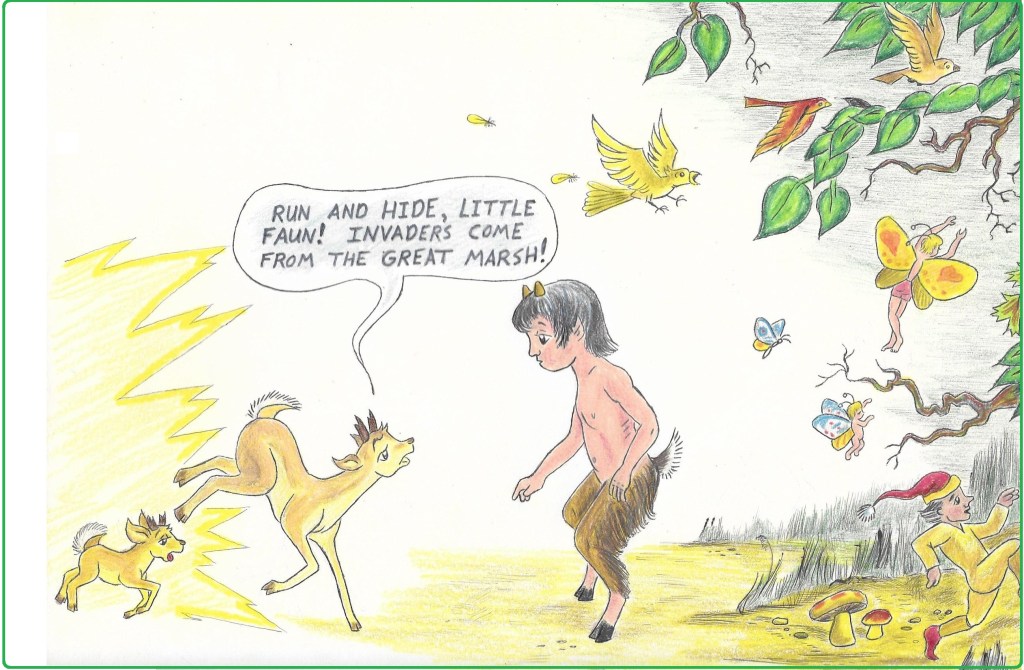
Aquaman saves Aqualad from a shark of evilness.

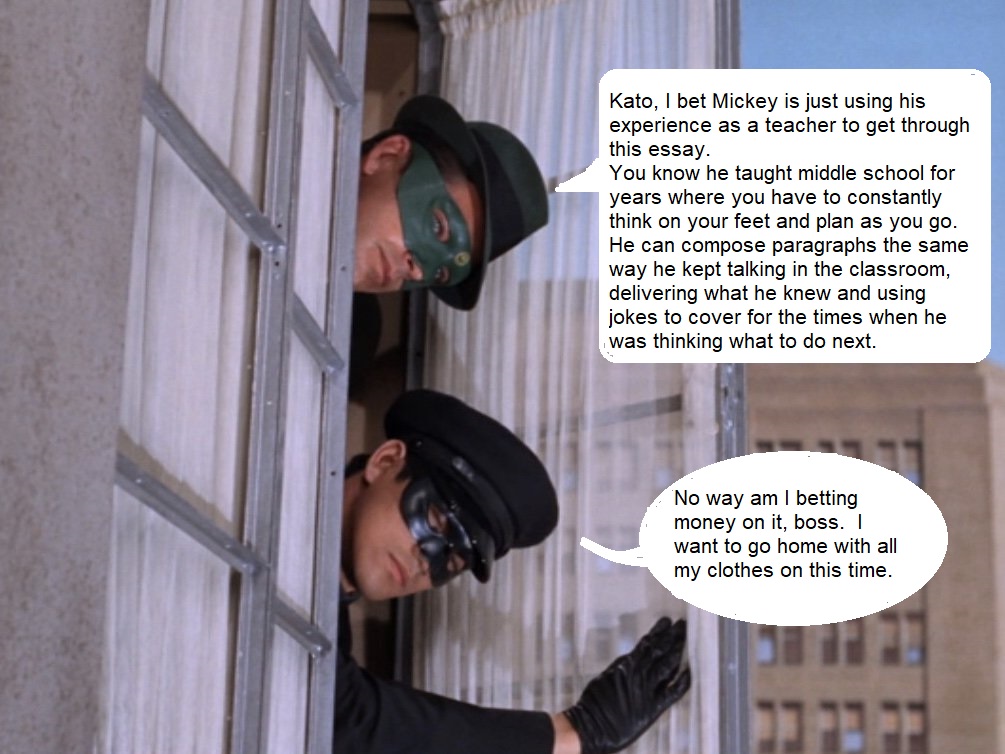
Here’s a tiny bit of wisdom from Mickey’s small brain and comparatively large experience; Kids are not traumatized by literature in any form. Kids are traumatized by life. They need literature to cope with trauma.

Kids want to read about things that they fear. A book like Ender’s Game by Orson Scott Card has some graphic violence in it and a war against faceless aliens, but it does an excellent job of teaching how to empathize as well as fight against bullies, and it helps them grapple with the notion that the enemy is never clearly the thing that you thought it was to begin with.

Kids want to read the truth about subjects like love and sex. They are not looking for pornography in YA novels. They get that elsewhere and know a lot more about it than I do. They want to think about what is right and how you deal with things like teen pregnancy, abortion, matters of consent vs. rape and molestation. Judy Blume started being objectively honest with kids about topics like puberty and sex back in the 60’s with books like Are You There, God? It’s Me, Margaret. and Iggie’s House.

If you are writing for young adults, middle grade and high school kids, even kids 5th Grade and below who are high-level readers, it is more important to worry about writing well and writing honestly than it is to worry about whether they can handle the topics and trauma that you wish to present. Write from the heart and write well.

I can honestly say I know these things I have said are true about young readers from having read to them, read with them, and even taught them to read. As an author, my opinion is worth diddly-squoot since I have hardly sold any books, and no kids I know have read them (except for two of my nieces, both of whom are pretty weird and nerdy just like me.)

2 Comments

Filed under autobiography, commentary, education, empathy, good books, horror writing, humor, Paffooney, strange and wonderful ideas about life, writing, writing humor, writing teacher

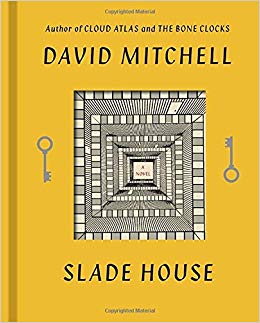
Slade House (a book by David Mitchell)

As a writer of novels, like all passable to good writers of novels, I read novels. Not just any novels. Novels that are the kind of novels I aspire to write myself.

David Mitchell is one of those novelists who can write the way I want to write. His stories are detailed and yet, compelling enough to follow wherever the story leads you. Characters are vivid and seem to have an actual life beyond the pages of the novel. And there is a chance that you will meet them again in another David Mitchell novel, even if they died in the previous David Mitchell novel you read. He writes across swaths of time and gives the story a sense of history.
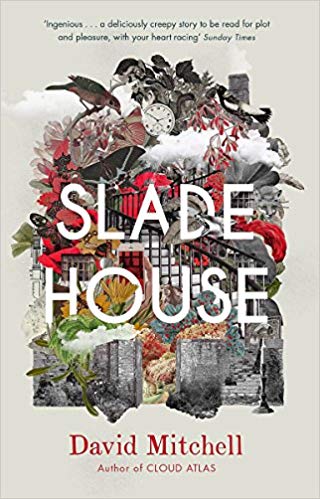
Slade House is basically a haunted house story, a horror story about a house that is itself a sort of ghost. It can only be entered by a single small iron door that only appears in an alleyway every nine years. And every time it does appear, in October of 1979, 1988, 1997, 2006… , at least one somebody will go in and never come out again.

The story is side-linked to the masterpiece Mitchell novel, The Bone Clocks. It is also a plot less convoluted and multifaceted than Bone Clocks and Cloud Atlas, so much easier to follow

David Mitchell is an author I study to learn about writing and storytelling. I don’t copy him. I do take note of his bag of tricks, his writer’s toolbox, so to speak, and I pick up and play with those same tools and magician’s secrets. I would like to suggest that if you truly wish to be a writer of fiction, you must put David Mitchell’s books on your must-read-before-I-die list. If you can’t put Mitchell on that list, then here are a few others on my list; Michael Crichton, Terry Pratchett, Neil Gaiman, Louis L’Amour, Charles Dickens, Thomas Hardy, H.P. Lovecraft, Steven King, Mark Twain, and J. K. Rowling. It should be obvious that these names are all on my list for different reasons. And if you don’t read David Mitchell, there are artisan’s techniques there you can get nowhere else. But you are the reader. And if you have chosen to read this far through this essay, then you are at least fool enough to want to know the things I am telling you in this book review.

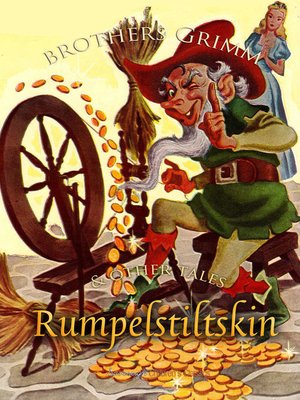
As a storyteller, David Mitchell is Rumpelstiltskin. He weaves straw into gold. And if you are canny and careful enough of a reader, you can gain some of that value from his work without giving up your firstborn.
Leave a comment

Filed under book review, ghost stories, horror writing, writing teacher

How NOT to Tell a Story – Part Two

Yesterday, in Part 1, I tried to convince you that, “You should never take too long a time writing a story” because I have written some twenty-plus-year-long novels that took me forever to write, and I am an unsuccessful writer. So, you should not do things the way I did. (Some might accuse me of trying to use a little too much irony, claiming I am a bit too obscure about what I am actually telling you that you should actually do… But, remember, I advised you not to take advice from Mickey. And you need irony in your diet anyway to avoid irony-poor tired blood.) Therefore I am going to advise you further that, “You should never make your characters too complex and interesting.”

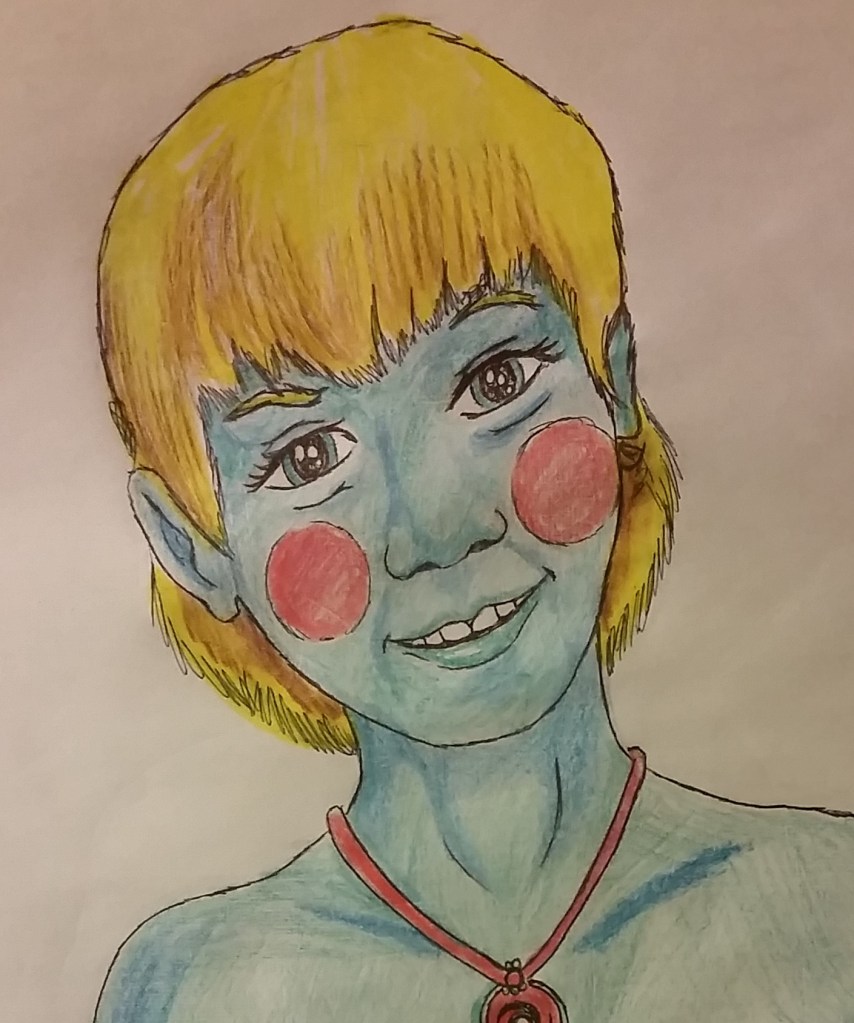
After all, there are Mickian characters that are literally blue with red patches on their cheeks that absorb harmful gamma radiation and make those characters immune to radiation sickness from exposure in deep space. You don’t want to make readers so curious about a character that they waste time reading more and more closely to discover more about that character.

Junior Aero, the alien Nebulon boy in the AeroQuest stories is just one example. Not only is he a member of an alien race that are belittled as “Space Smurfs” and treated to racial bigotry based on skin color and not being able to speak English at first, but he is also gifted with mental “Psion powers” that allow him to telepathically read computer minds, even the sentient and intelligent ones.

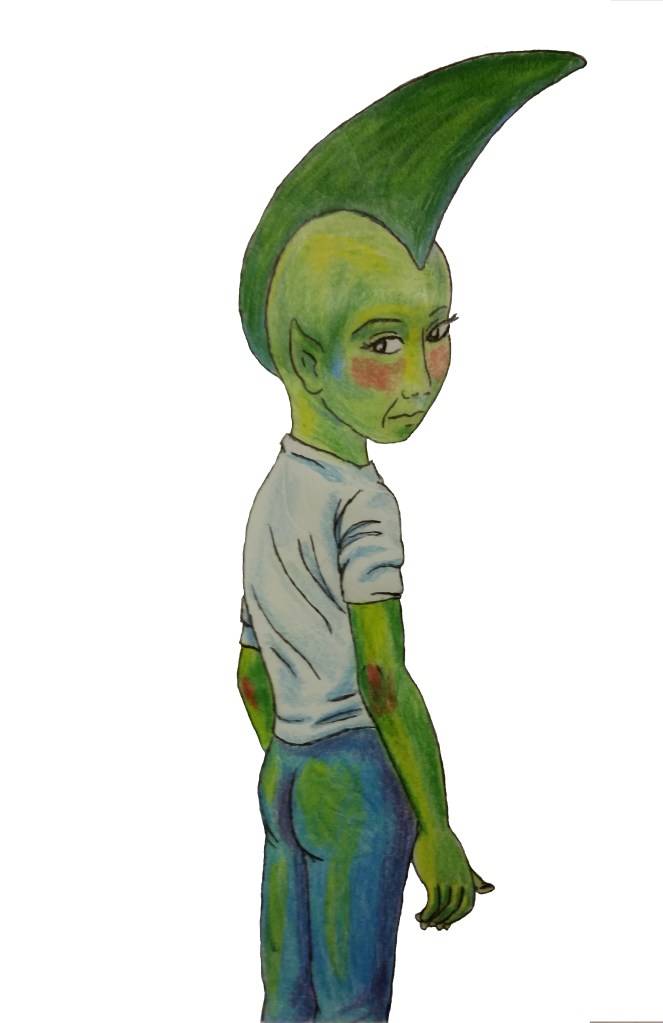
And some of my characters are green with shark-like fins on their heads. They were born on Starships and orbiting artificial satellites like the one going around Barnard’s Star. They are like George Jetson here, named after his father, Xiar’s, favorite Earther cartoon show character from the 60’s. Not only is he a green-skinned amphibious humanoid life-form from a different star system, he learns a lot about himself in the adventure he has in the novel Stardusters and Space Lizards. He goes from being a narcissistic space-pilot wannabee into becoming a humble crash survivor and expedition leader who helps save an entire planet from ecological disaster. And he even gets a girlfriend out of the deal in Menolly his nestmate and fellow survivor.

Characters like that are far too interesting and developed to be good for your reputation as a serious producer of money-making fiction stories. And you certainly don’t want to waste time on developing the same characters in multiple books.

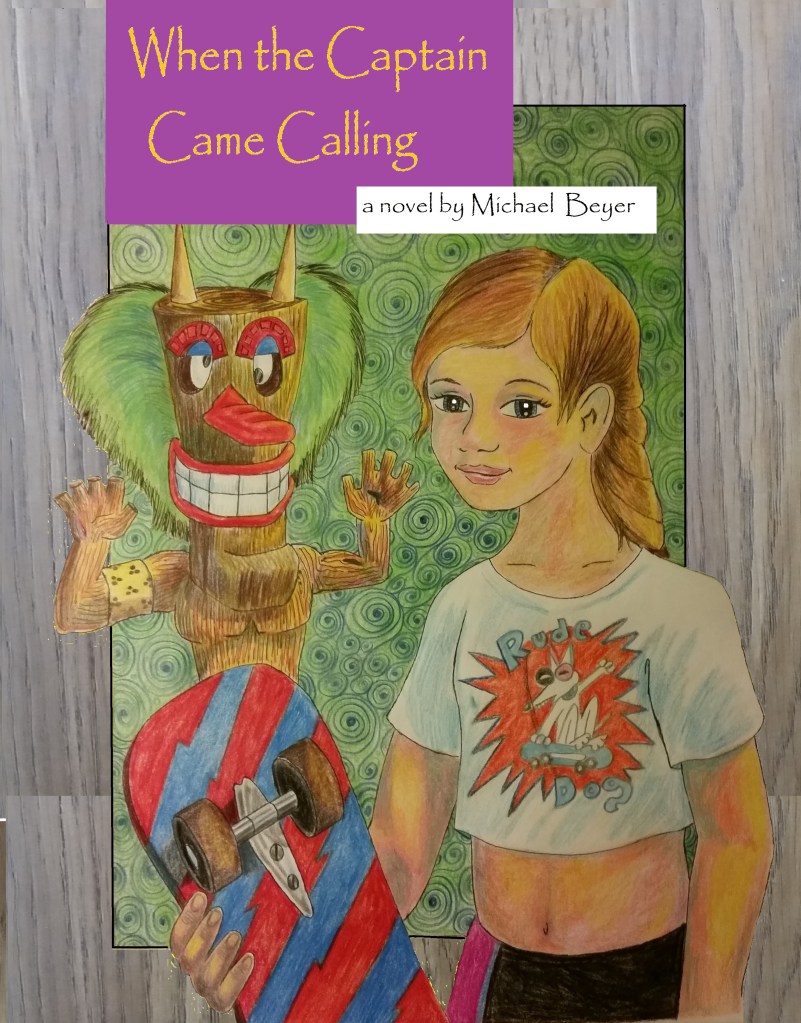
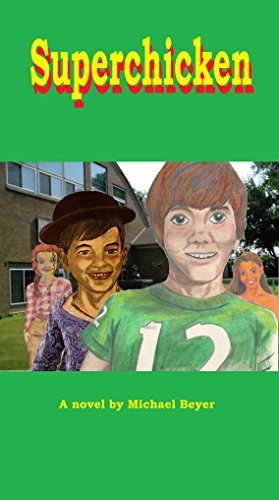
I used the character of Valerie Clarke in the book When the Captain Came Calling as an eleven-year-old protagonist who loses her father and has to rely on older kids and good friends to save herself from depression and the trash-pits of despair.

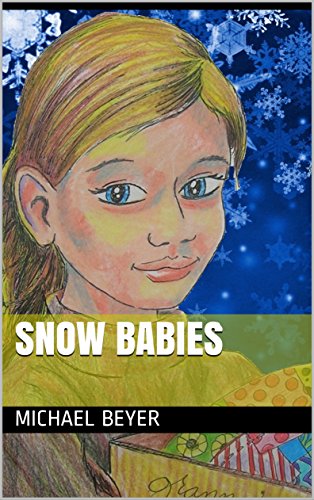
I used her again as a main character in Snow Babies where she befriends a mysterious stranger and also finds a runaway boy who makes her think seriously about life and young love, all in the middle of a deadly blizzard.

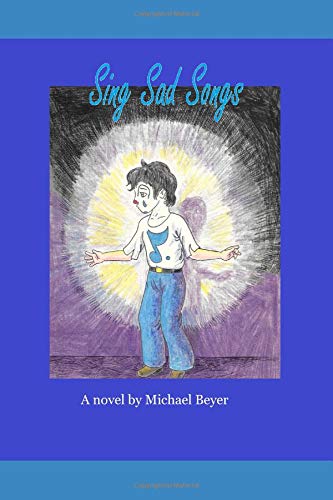
She’s also in the book Sing Sad Songs where she learns to negotiate love with a boy who also lost a parent, in fact, both parents and a twin sister, in a car crash that made him a lonely orphan. She not only has to face the loss of her own loved ones, but has to help somebody else to face the same thing, in fact, more than one other somebody.

She’s also a character in The Bicycle-Wheel Genius and Fools and Their Toys.

It is unthinkable to use a character that much and make her grow and change in so many different ways. She should be used only once in a simple and clear way. Like, maybe, Mark Twain’s use of Huckleberry Finn.

Huck, as a character was only used in the books, The Adventures of Tom Sawyer, The Adventures of Huckleberry Finn, Tom Sawyer Abroad, Tom Sawyer, Detective… and… never mind. Forget I even said anything about Huck Finn. In fact, maybe this whole post is so ironic it’s making my story-teller gears all rusty. Never-the-less, let me threaten you with a possible part three.

Leave a comment

Filed under characters, goofiness, humor, NOVEL WRITING, Paffooney, writing teacher

How NOT to Tell a Story

If you have come to my blog in hopes of gleaning some key advice about how to write novels or tell a story, then the wisest advice I can give you is, “Do not take any advice Mickey gives seriously.” He used to be a writing teacher in public schools. That is true. But he is also the writer of weird surrealistic novels full of purple paisley prose. And he is not a successful novelist like Steven King or J.K. Rowling. His writing advice is probably only worth ca-ca poo-poo.

So, let me tell you how NOT to write a novel.

Each of the novels I have written and displayed here took me more than twenty years from the moment I conceived of the idea, through plotting, rough drafts, revisions, re-plotting, expanding the story, to finally publishing them in 2017, 2018, and 2019. I developed the stories from real people, real events, and real themes that were a part of my life and added to each of the stories as time passed. So, obviously, you should never take too long a time writing a story. It is true that Snow Babies is the best novel I have ever written, and I count Sing Sad Songs, The Baby Werewolf, and When the Captain Came Calling among my best work. And I only spent one year in the writing of Aeroquest, which is, ironically, the worst thing I have ever written. So, you can see that following any advice Mickey might give you about taking your time with writing is obviously worthless. I took too long writing and publishing my best books, and that is why I will die a penniless, unknown writer.

But I admit to having even more bad advice to warn you not to take. More, I think, than I can put into this one post. So, I will Part-Two this particular essay and take up the topic again in the very near future. Or forget all about it completely. It has to be one of those.

Leave a comment

Filed under feeling sorry for myself, humor, NOVEL WRITING, Paffooney, surrealism, writing teacher

Spinning Wheels of Thought

Picture borrowed from; https://www.townsends.us/products/colonial-spinning-wheel-sp378-p-874

I start today with nothing in my head to write about. I guess I can say that with regularity most days of the writing week. Sundays in particular are filled with no useful ideas of any kind. But I have a certain talent for spinning. As Rumpelstiltskin had a talent for spinning straw into gold, I take the simple threads of ideas leaking out of my ears and spin them into yarns that become whole stories-full of something to say. And it is not something out of mere nothing. There is magic in spinning wheels. They take something ordinary and incomplete, and turn it into substantial threads useful for further weaving.

Of course the spinning wheel is just a metaphor here for the craft of writing. And it is a craft, requiring definable skills that go well beyond merely knowing some words and how to spell them.

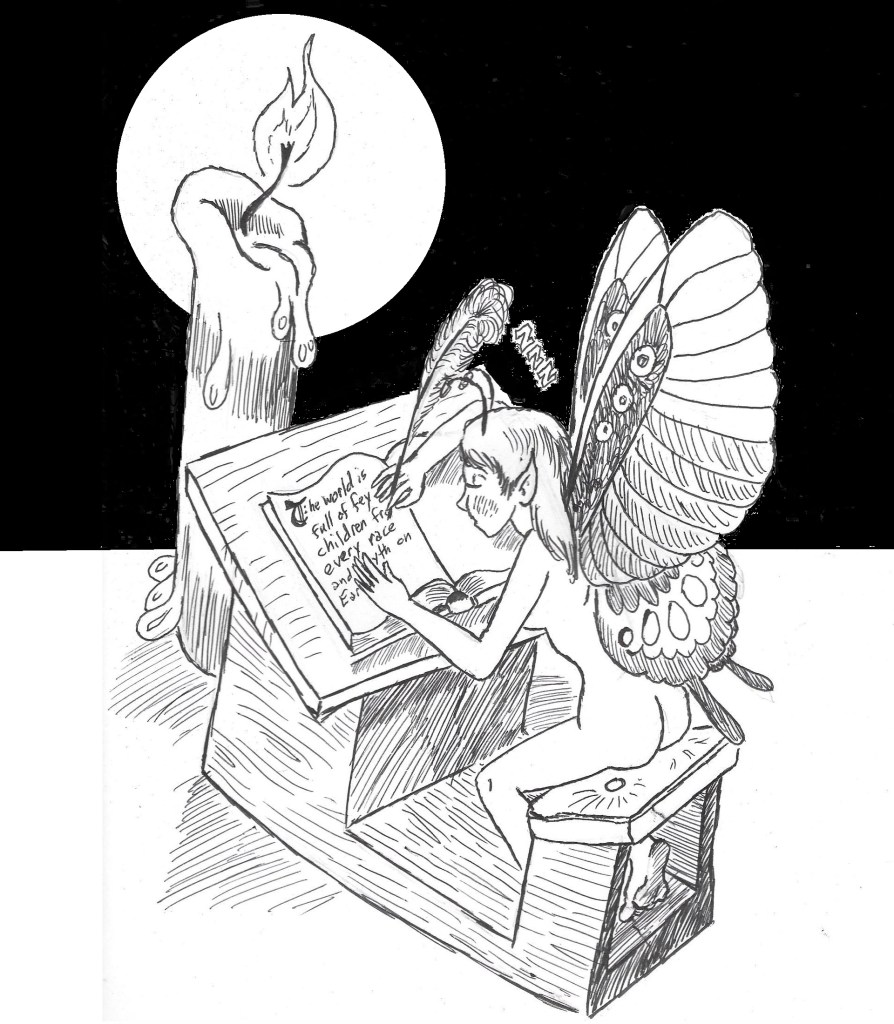
My own original illustration.

The first skill is, of course, idea generation. You have to come up with the central notion to concoct the potion. In this case today, that is, of course, the metaphor of using the writing process as a spinning wheel for turning straw into gold. But once that is wound onto the spindle, you begin to spin yarn only if you follow the correct procedure. Structuring the essay or story is the next critical skill.

Since this is a didactic essay about the writing process I opened it with a strong lead that defined the purpose of the essay and explained the central metaphor. Then I proceeded to break down the basic skills for writing an essay with orderly explanations of them, laced with distracting images to keep you from dying of boredom while reading this, a very real danger that may actually have killed a large number of the students in my writing classes over the years (although they still appeared to be alive on the outside).

My mother’s spinning wheel, used to make threads for use in porcelain doll-making, and as a prop for displaying dolls.

As I proceed through the essay, I am stopping constantly to revise and edit, makeing sure to correct errors and grammar, as well as spending fifteen minutes searching for the picture of my mother’s spinning wheel used directly above. Notice, too, I deliberately left the spelling-error typo of “making” to emphasize the idea that revising and proof-reading are two different things that often occur at the same time, though they are very different skills.

And as I reach the conclusion, it may be obvious that my spinning wheel of thought today spun out some pure gold. Or, more likely, it may have spun out useless and boring drehk. Or boring average stuff. But I used the spinning wheel correctly regardless of your opinion of the sparkle of my gold.

Leave a comment

Filed under humor, insight, Paffooney, strange and wonderful ideas about life, teaching, Uncategorized, writing, writing teacher

Learning from Bad Writing

So, I just finished reading this book from my leftover pile of classroom reading books that represent my time as a public school reading teacher.

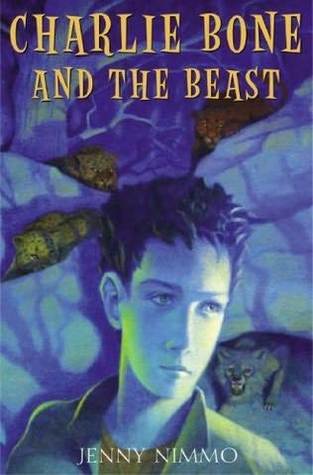
This is book six in the best-selling Charlie Bone series. I didn’t read the previous five books. I have a copy of book one somewhere, but this one is one I picked up for my reading fix last week.

Let me begin by saying, as an obvious Harry Potter imitation, it is a very inventive and enjoyable story.

I read the whole book even though I had difficulty with several things that I have come to recognize as glaring, reader-tripping problems.

Now, to be completely honest about my assessments, Jenny Nimmo, the author of the Charley Bone books, has an impressive resume. She has not only been an English teacher, but she worked for the BBC as well as an editor, director, and other creative endeavors. And her books, unlike mine, are best-seller enough to be picked up by Scholastic Books, a major publisher. She has undoubtedly made a lot more money with her books than I have with mine. And, I confess, I find the story entertaining.

But the story is guilty of writing sins that I am familiar with by having overcome them in my own writing.

Most noticeable is the lack of a sense of a focus character. It is done as a third-person omniscient narrative that goes in and out of different characters’ heads telling what they think and feel. It will go from Charlie Bone’s main-character-thoughts to his nemesis Dagbert Endless’s feelings to the thoughts of the dog that lives in the school and then veers into the bird that is actually Emma, one of Charlie’s female friends with special “gifts of magic” handed down from their common ancestor, the Red King. You end up, as a reader, trying to keep things separate in your awareness about too many characters with too many mental reveals to keep straight. And who all knows what about whom? In one scene a character seems to know already what another character said and did in a previous scene that the knowing character wasn’t present for and hasn’t been told about.

This focus problem is compounded by having too many characters with too little development in the current story. I get it that we are supposed to have met the characters in previous books in the series. But it has to have a more stand-alone quality about it to even work as a separate book. The writer has to keep in mind that readers won’t know everything about every character in previous books because they have either forgotten, or the author has only assumed they would know without being told.

And the scenes and chapters in this book are way too ranging and free-form. A scene that begins in the end of chapter two rambles across to the beginning of chapter three without really concluding and then morphs into another scene entirely when the narrative follows a single character from the conversation in one room into an encounter in the next room. There is a lack of chapter structure to rationalize why those words belong in that chapter rather than the next.

And numerous plot lines are just left hanging at the end of the book, seemingly forgotten rather than set up for the probable sequel. The book does not end with a sense that it is the final end of the saga.

So it is a book that both Hemingway and Dickens would’ve cringed to have written. Never-the-less, I did like this book. The old uncritical critic, you know. I would’ve neither finished reading it, nor written this essay about it if I didn’t find merit in the story. I learned things by reading it. Things to avoid, things to correct when I find them in my own stories, and things that make me go, “Hmmm… I’d like to try that myself.”

Leave a comment

Filed under book reports, book review, humor, writing, writing teacher

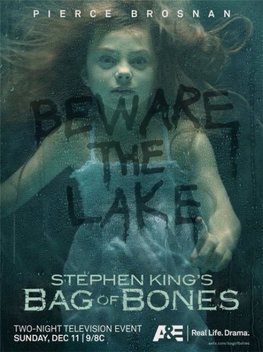
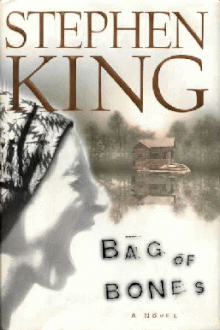
Reading Bag of Bones

This is not a book review. I did finish reading this book in a 3-hour-end-of-the-book reading orgy, spending an hour last night, and two more early in the morning before the rest of my family was awake.

This is certainly not a book review. But I did read a Stephen King book, 1998’s Bag of Bones, which I picked up from the dollar sale shelves at Half Price Books. And I did love the story.

………………………………………………………………………This is not a book review. Instead, I want to talk about what a novelist can learn and reflect on by meta-cogitating over what this book reveals about King’s work habits and style and author’s voice.

Mike Noonan, the protagonist, is a novelist who writes books that routinely land in the numbers 10 through 15 slots in the New York Times Bestseller List. Obviously, this first-person narrative is coming directly out of King’s own writing experience. But, remember, this is not a book review. I am discussing what I have learned about how King puts a story together.

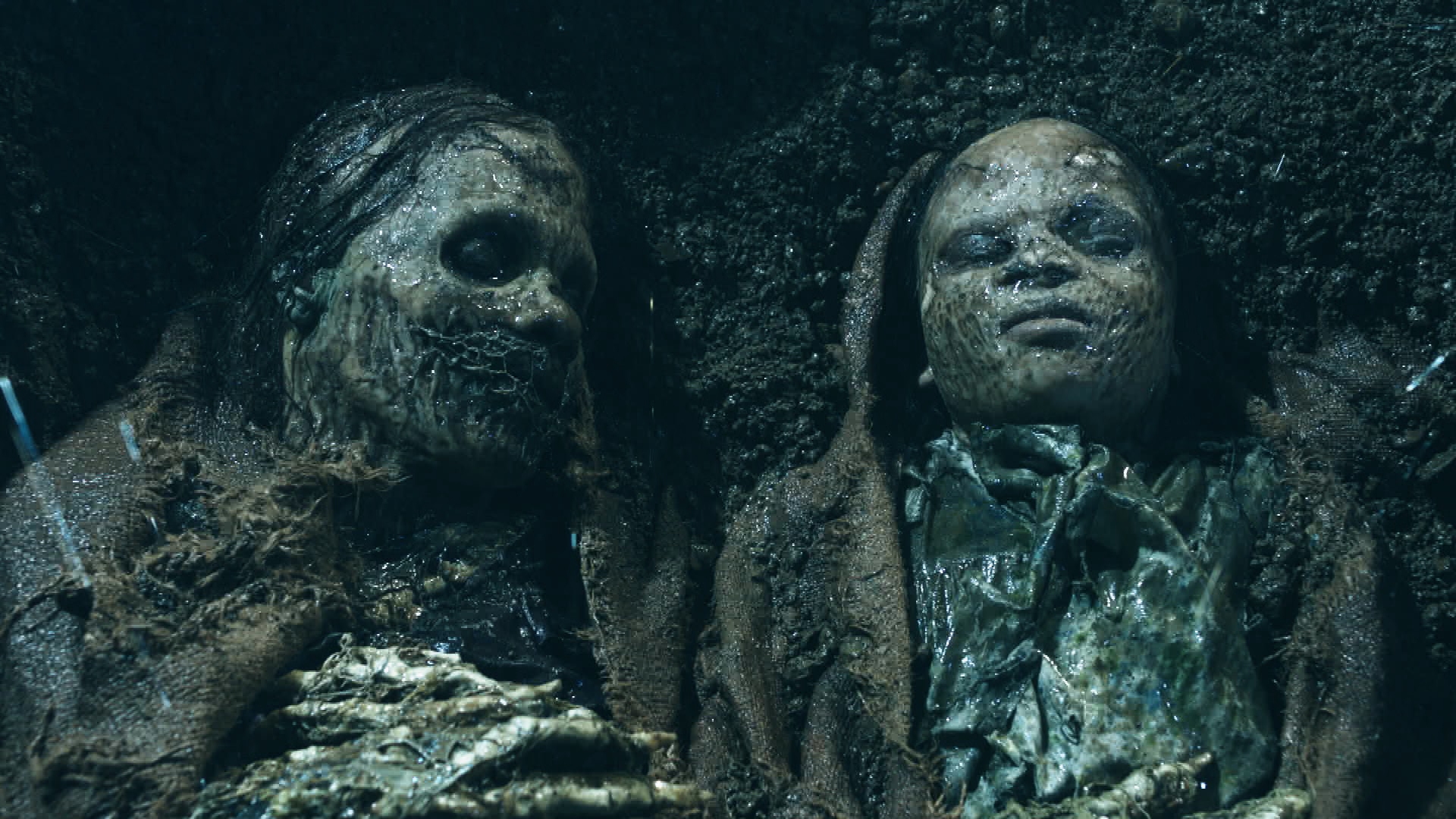
King sets a back-story for this novel that digs deep into the geographica and historica of the city in Maine where the story is set. The literal bag of bones revealed in the book’s climax is almost a hundred years old. And he takes a compellingly realistic tour back in time to the turn of the Twentieth Century more than once to reveal who the undead characters are and why they do what they do. One thing that makes a writer, a novelist, truly solid is his ability to set the scene, to grow the story out of the background in the most organic and realistic way possible. But this is not a book review. I am saying that King always does this with his books. And if you wish to write at that level, you must do that too. I know I am sincerely trying.

At the end of the story, he clearly tells the reader that he learned from Thomas Hardy that “the most brilliantly drawn character in a novel is but a bag of bones”. So, he is definitely aware that a character is a construct that has to be crafted from raw materials. It takes a master craftsman to build one with the right words to make it live and breathe on the page. He does it masterfully in this book with several characters. The protagonist, the beautiful young love interest, the love interest’s charming three-year-old daughter who is nearly slain in a horrific manner at the end of the book… The living villain is a well-crafted bag of bones, as is the ghost, the actual bag of bones in the story. But this is not a book review. Most of his books, at least the ones I have read, have the same sort of masterful characters.

There is so much more to be learned about novel writing from this book. He literally shows you how ideas are captured, how they are developed into stories, how you overcome “writer’s block”, and Noonan’s book he is writing within this book is even used as an example of how to poetically advance the plot. But this is not a book review. You should read this book. It is a very good and scary piece of work. But you should read it because it shows us how to write and do it like a master.

12 Comments

Filed under horror writing, insight, inspiration, NOVEL WRITING, writing teacher

Blogging Advice

The only advice I am actually qualified to give here is… don’t take any blogging advice from me as worth more than diddly-squoot.

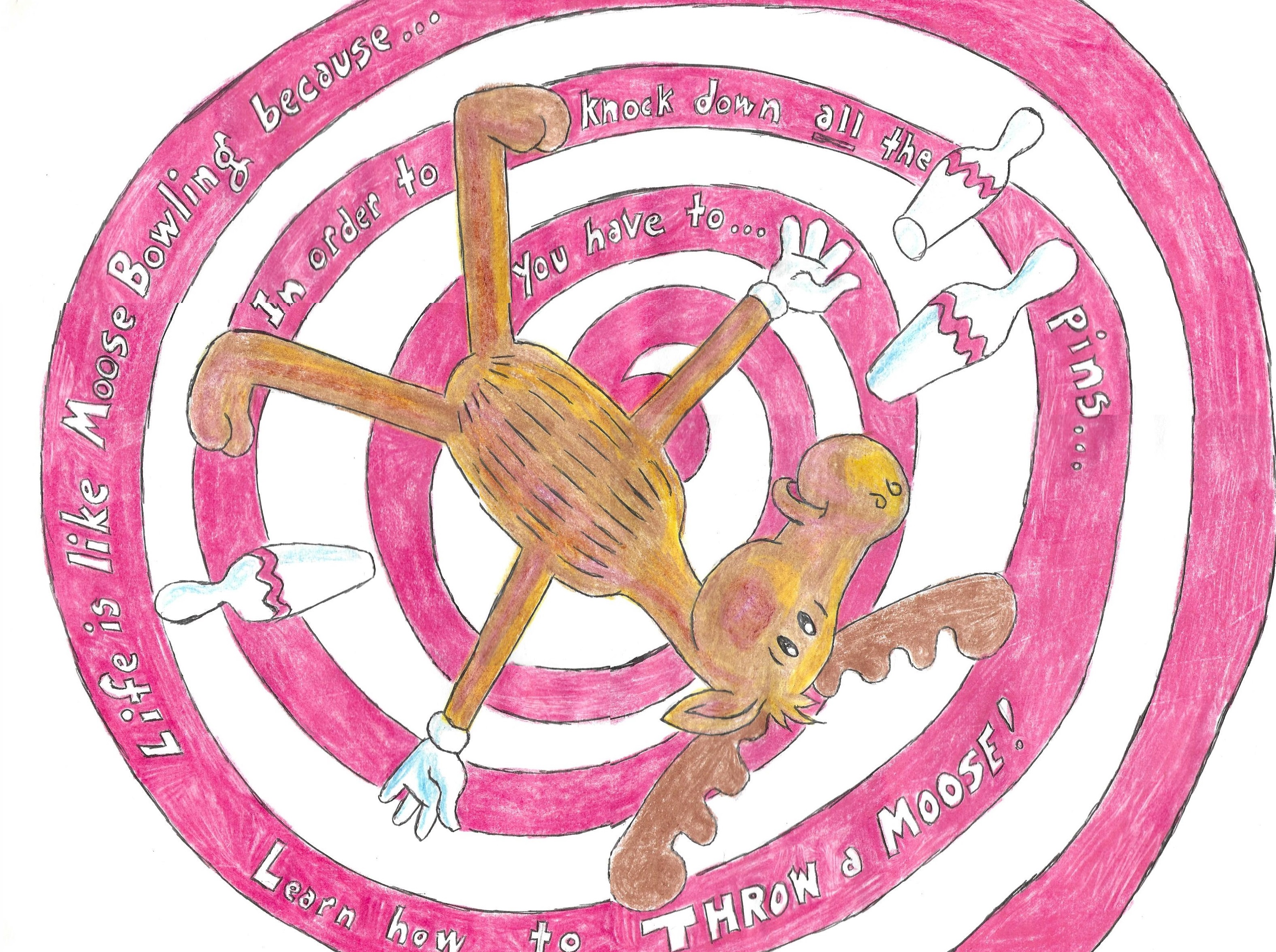
Life is like moose bowling because… In order to knock down all the pins, you have to learn how to throw a moose.

That being said, my blog views are gradually going up year after year.  I am followed by readers all over the world, and some of them actually read my blog regularly, rather than just looking at the pictures and occasionally hitting the like button.

I have not yet, however, learned to throw the moose.  I started this blog in order to promote my published writing.  I now have seven published books available on Amazon.  I made $2.60 in royalties during 2018 so far.  So, as a marketing ploy, it has been a total failure.

But as a tool in my writing life, here are some things I definitely count as benefits;

Writing a blog post every day makes the ideas flow more easily and does away with any threat of writer’s block. 

Writing every day is practice and it makes me a better writer.

I have learned how to engage with an actual audience.

I am able to try out various writing ideas without worrying about success or failure.

So, all of these things add value and keep me at this blogging thing which didn’t exist in my early life when I was planning for becoming a writer when I left teaching.

If you are tempted to make the huge mistake of following my advice and emulating me, I would warn you, I do not make a living as a writer, and I never will.  I am a writer in the same way I am a diabetic.  I can’t help it.  I wouldn’t change it even if it were possible.  I have a body of work that I intend to continue to build on until I am no more.  The creation of it is a necessity of my existence.  And I certainly don’t regret a single syllable, though what happens to it when I am gone is not important to me in any way that matters.  I hope my children will keep it as a legacy, but I only do it because it shapes the story of my life.

And so, I continue to throw meese (or mooses… or moosi… or whatever the hell the funniest plural of “moose” is) and continue not to knock down any pins.

2 Comments

Filed under blog posting, humor, Paffooney, Uncategorized, writing, writing teacher

What to Write When Your Head is Empty

meeth

Sometimes when my health is poor and too many things are already on my mind, it is hard to think of a subject for the daily essay.  I don’t let that stop me.  Yes, indeed, I can write with a completely empty head.

Don’t get me wrong.  I am not a stupid man.  But sometimes life’s demands can empty your mind of idea seeds, and the garden of your mind might be slow in providing new blossoms and palatable fruit.  But some people do a lot of writing with empty heads.  Some are toxic to read because there is no substance to what they say.  And some can spin out a tale or a logic trail that fascinates even though the idea furnaces are initially cold and not ready to cook.

DbjcJJ_UwAI_Uk22m

DbjcJJ5V0A2A1AIL

DbjcJJ-VA22AA8e1C

So maybe I have an idea to write about today already.

Maybe I can say something about how I get ideas out of my stupid little head.

But my head is completely empty today.

Oh, well… I already re-blogged something else anyway.

8 Comments

Filed under blog posting, goofiness, humor, Paffooney, teaching, writing, writing teacher

500 Words

oliverwendellholmessr1

When I started this whole blogging-every-day thing, I decided the rule had to be 500 words written in a day.  And I meant to hold myself to writing 500 words somewhere in the writing day, whether it was my blog post or the novel I was working on, or a combination of both.  I followed that rule religiously through more than 1,500 blog posts and five first draft novels.  I found it easier and easier to surpass 500 words on a daily basis.  There are all sorts of bits of time available and I collect ideas faster than a rich kid generates empty candy wrappers.  The more I call on the well of words for more words, the more words are available.  Now, it seems, writing only 500 words is the trick.

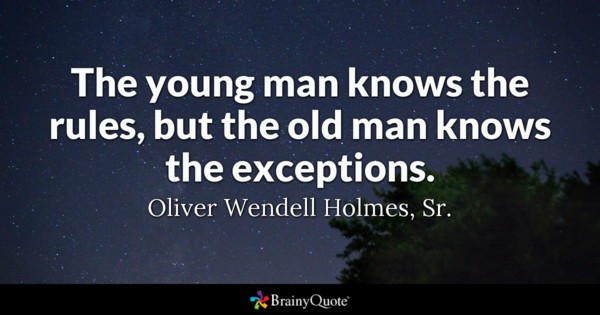
I suppose I have become an Old Man of Words.  I know both the rules and the exceptions.

3695714-pay-attention-quotes-and-sayings

Knowing that I can write more than 500 words easily, then the question becomes, why don’t I?  Well, the cardinal rule is “Say it short.  Say it simple. And say it sweet.”  That rule can generate a lot of wonderful writing, full of juicy ideas that splash with flavor when you bite into them.  Ernest Hemingway knew that rule.  Every poet knows it.  Readers generally prefer the easily accessible idea expressed with elegance.

Now, I also have to admit a guilty pleasure in perpetrating purple paisley prose.  That is the style of writing in which I generally write convoluted sentences with complex ideas that fold back in on themselves and over-use alliteration to criminal degrees.  Charles Dickens liked to do that with descriptive details.  Paragraphs about the boarding schools of London, the streets filled with child chimney sweeps and flower girls, and dingy mind-dulling workhouses could take up two or three pages per paragraph.  And two pages further on, he layers more details on the same setting.  Piles and piles of words and wordplay fill the pages of William Faulkner, James Joyce, and Marcel Proust.  And if you haven’t read at least something from each of those gentlemen, you will never know what you are missing.  But you can prune your paragraphs like a greenhouse master florist with limited space will do to his orchids, and you can actually end up fitting great beauty and powerful content into something even more limited than a 500-word essay.  In fact, if you take your ideas and distill them, and keep distilling them, over and over, you will eventually have pared the words down into poetry.

So, there you have it.  The reason my essays are about 500 words.  This one is four hundred and forty one words.

5 Comments

Filed under poetry, reading, strange and wonderful ideas about life, Uncategorized, wisdom, wordplay, writing, writing teacher