Category Archives: writing teacher

Learning from Bad Writing

So, I just finished reading this book from my leftover pile of classroom reading books that represent my time as a public school reading teacher.

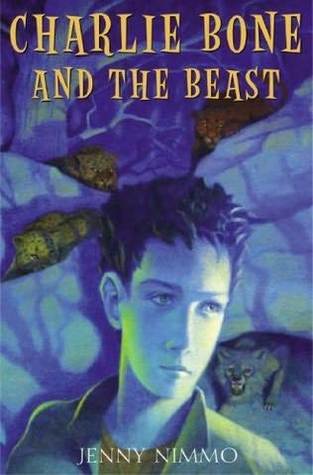
This is book six in the best-selling Charlie Bone series. I didn’t read the previous five books. I have a copy of book one somewhere, but this one is one I picked up for my reading fix last week.

Let me begin by saying, as an obvious Harry Potter imitation, it is a very inventive and enjoyable story.

I read the whole book even though I had difficulty with several things that I have come to recognize as glaring, reader-tripping problems.

Now, to be completely honest about my assessments, Jenny Nimmo, the author of the Charley Bone books, has an impressive resume. She has not only been an English teacher, but she worked for the BBC as well as an editor, director, and other creative endeavors. And her books, unlike mine, are best-seller enough to be picked up by Scholastic Books, a major publisher. She has undoubtedly made a lot more money with her books than I have with mine. And, I confess, I find the story entertaining.

But the story is guilty of writing sins that I am familiar with by having overcome them in my own writing.

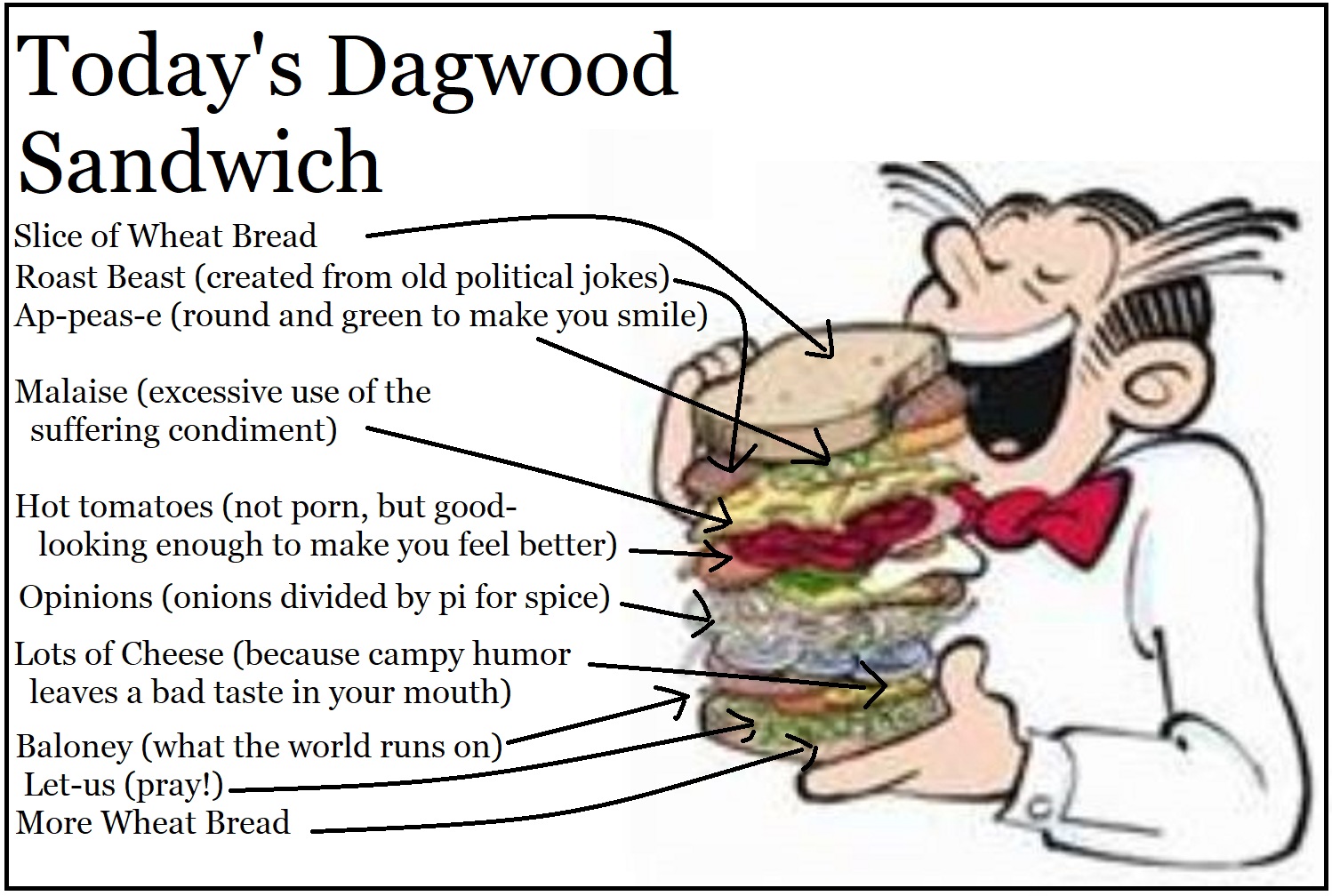
Most noticeable is the lack of a sense of a focus character. It is done as a third-person omniscient narrative that goes in and out of different characters’ heads telling what they think and feel. It will go from Charlie Bone’s main-character-thoughts to his nemesis Dagbert Endless’s feelings to the thoughts of the dog that lives in the school and then veers into the bird that is actually Emma, one of Charlie’s female friends with special “gifts of magic” handed down from their common ancestor, the Red King. You end up, as a reader, trying to keep things separate in your awareness about too many characters with too many mental reveals to keep straight. And who all knows what about whom? In one scene a character seems to know already what another character said and did in a previous scene that the knowing character wasn’t present for and hasn’t been told about.

This focus problem is compounded by having too many characters with too little development in the current story. I get it that we are supposed to have met the characters in previous books in the series. But it has to have a more stand-alone quality about it to even work as a separate book. The writer has to keep in mind that readers won’t know everything about every character in previous books because they have either forgotten, or the author has only assumed they would know without being told.

And the scenes and chapters in this book are way too ranging and free-form. A scene that begins in the end of chapter two rambles across to the beginning of chapter three without really concluding and then morphs into another scene entirely when the narrative follows a single character from the conversation in one room into an encounter in the next room. There is a lack of chapter structure to rationalize why those words belong in that chapter rather than the next.

And numerous plot lines are just left hanging at the end of the book, seemingly forgotten rather than set up for the probable sequel. The book does not end with a sense that it is the final end of the saga.

So it is a book that both Hemingway and Dickens would’ve cringed to have written. Never-the-less, I did like this book. The old uncritical critic, you know. I would’ve neither finished reading it, nor written this essay about it if I didn’t find merit in the story. I learned things by reading it. Things to avoid, things to correct when I find them in my own stories, and things that make me go, “Hmmm… I’d like to try that myself.”

Leave a comment

Filed under book reports, book review, humor, writing, writing teacher

What the Heck is this Blog About?

I read a lot of other people’s blogs for a lot of reasons.  As an old writing teacher and retired Grammar Nazi, I love to see where writers are on the talent spectrum.  I have read everything from the philosophy of Camus and Kant to the beginning writing of ESL kids who are illiterate in two languages.  I view it like a vast flower garden of varied posies where even the weeds can be considered beautiful.  And like rare species of flower, I notice that many of the best blossoms out there in the blogosphere are consistent with their coloring and patterns.  In other words, they have a theme.

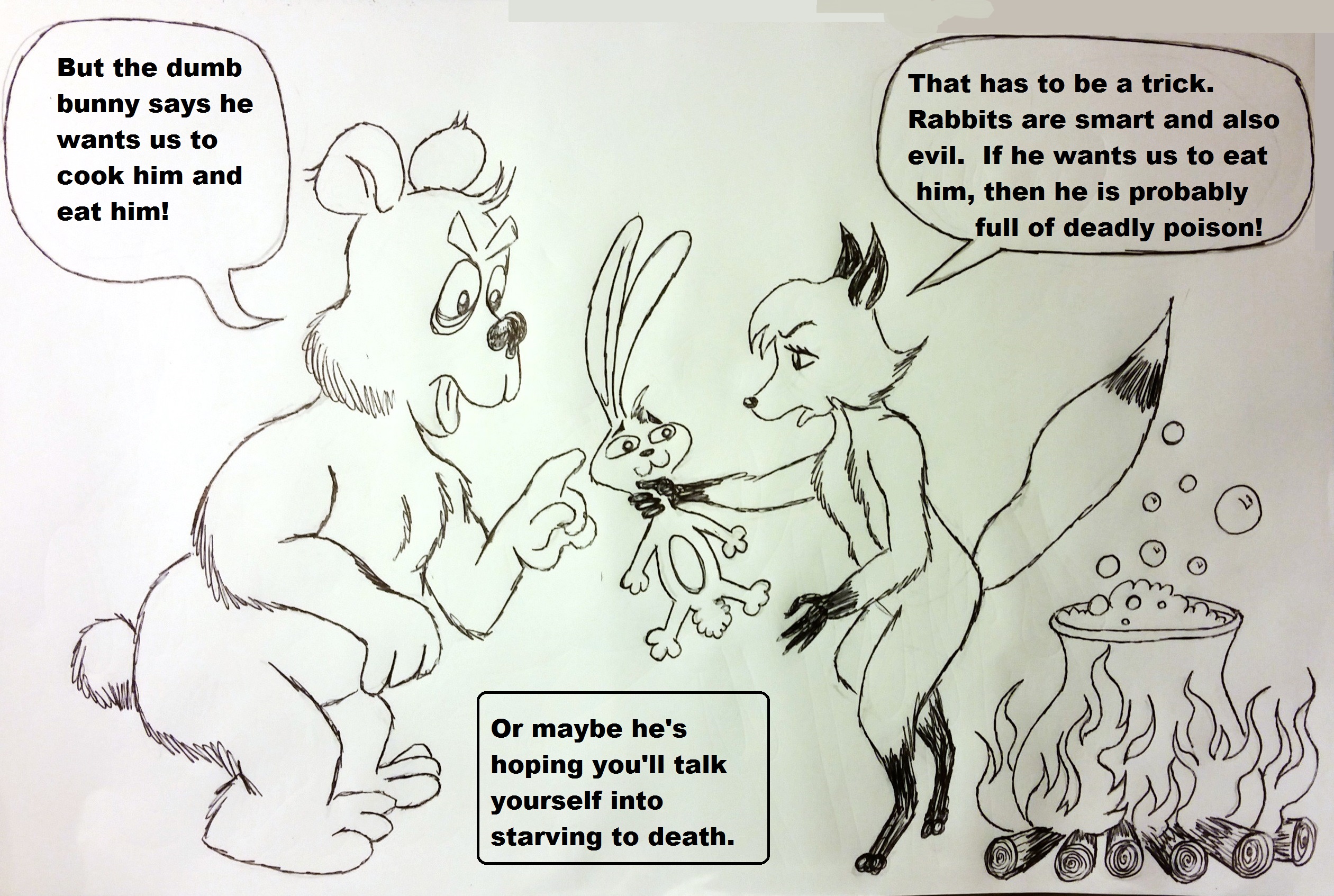
Fox logic

So, do I have an over-all theme for my blog?  It isn’t purely poetical like some of the poetry blogs I like to read.  I really only write comically bad poetry.  It has photos in it, but it isn’t anything like some of the photography blogs I follow.  They actually know how to photograph stuff and make it look perfect and pretty.  It is not strictly an art blog.  I do a lot of drawing and cartooning and inflict it upon you in this blog.  But I am not a professional artist and can’t hold a candle to some of the painters and artists I follow and sometimes even post about.  I enjoy calling Trump President Pumpkinhead, but I can’t say that my blog is a political humor blog, or that I am even passable as a humorous political commentator.

One thing that I can definitely say is that I was once a teacher.  I was one of those organizers and explainers who stand in front of diverse groups of kids five days a week for six shows a day and try to make them understand a little something.  Something wise.  Something wonderful.  Something new.  Look at the video above if you haven’t already watched it.  Not only does it give you a sense of the power of holding the big pencil, it teaches you something you probably didn’t realize before with so much more than mere words.

20150807_135323

But can I say this is an education blog?  No.  It is far too silly and pointless to be that.  If you want a real education blog, you have to look for someone like Diane Ravitch’s blog.  Education is a more serious and sober topic than Mickey.

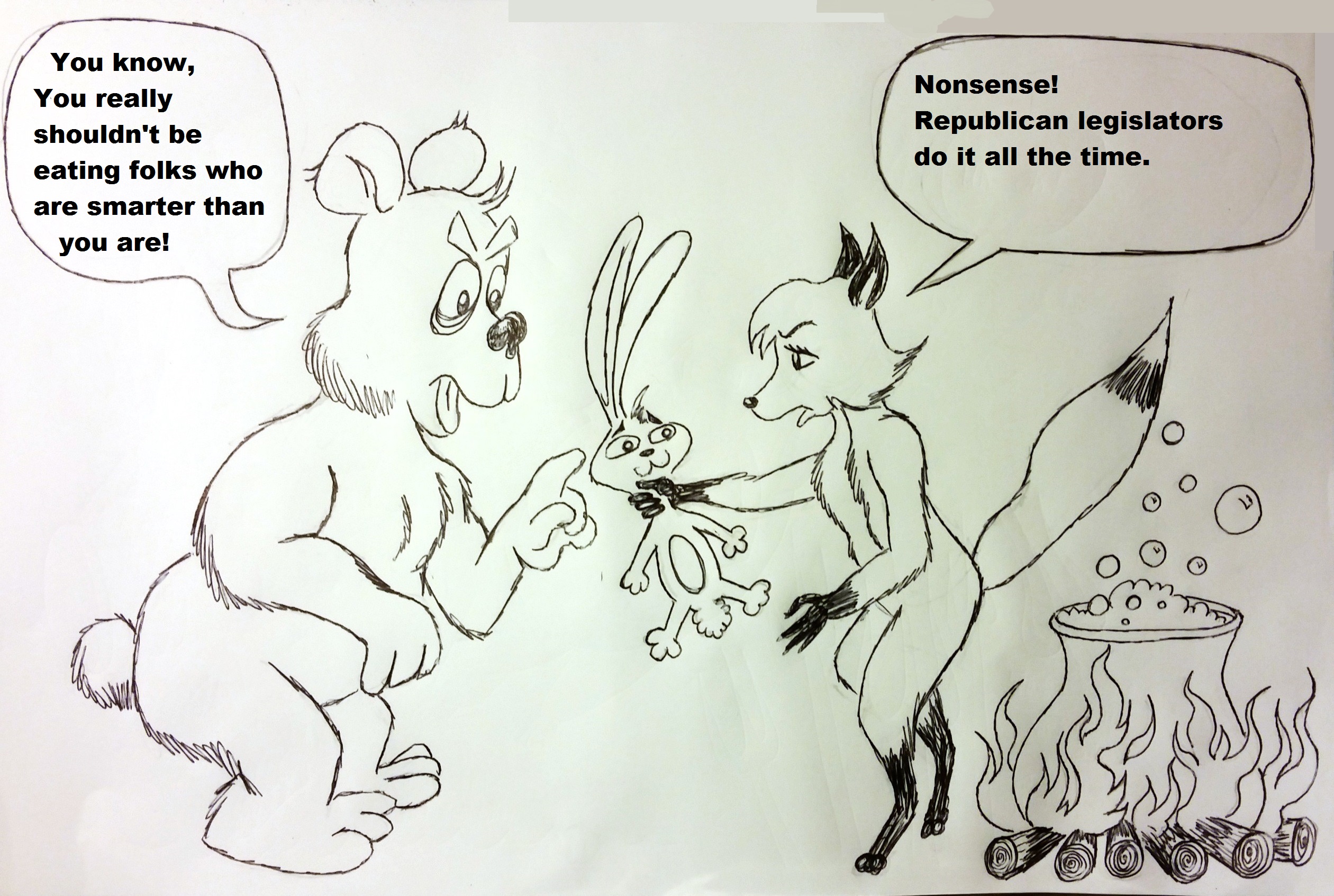
By the way, were you worried about the poor bunny in that first cartoon getting eaten by the fox and the bear?  Well, maybe this point from that conversation can put your mind at ease.

Fox logic 2

Mickey is tricky and gets good mileage out of his cartoons.

You may have gotten the idea that I like Bobby McFerrin by this point in my post.  It is true.  Pure genius and raw creative talent fascinate me.  Is that the end point of my journey to an answer about what the heck this blog is about?  Perhaps.  As good an answer as any.  But I think the question is still open for debate.  It is the journey from thought through many thoughts to theme that make it all fun.  And I don’t anticipate that journey actually ending anytime soon.


5 Comments

Filed under humor, insight, inspiration, music, Paffooney, self portrait, strange and wonderful ideas about life, word games, wordplay, writing, writing teacher

Writer’s Block

I have always contended that I don’t have writer’s block. But some days, especially if I am not feeling well, I have writer’s lethargy. I can be slow to come up with the next thing. Writing can become bogged down and I am easily distracted or lose focus and have to return to what I was trying to do previously.

There is evidence that I have often had that kind of problem frequently on this blog. One thing I do to overcome writer’s lethargy is suddenly start thinking about how you can overcome writer’s block. What are the strategies that help me overcome it?

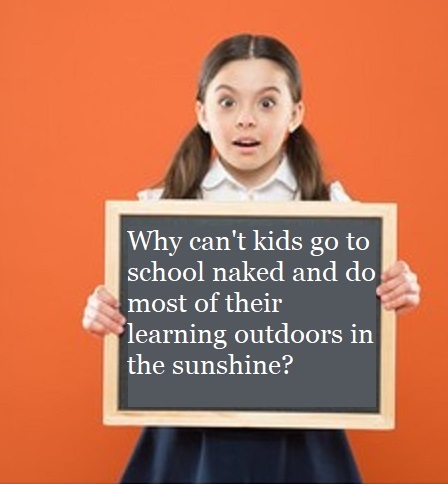
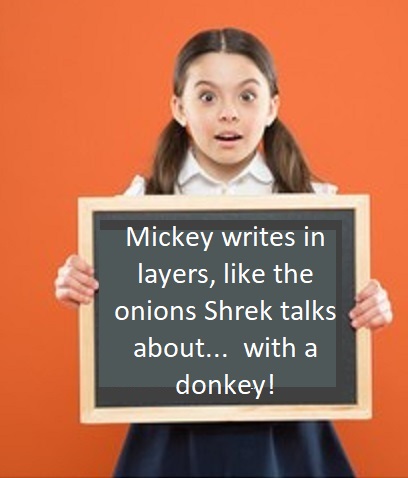
I often resort to “kickstart statements.” These are surprising or deep-left-field items that give the old brain a shot of adrenaline. The picture of the girl with the message blackboard is that kind of kickstarter. I never could have used that thing in any kind of social-media post when I was still employed as a teacher. It has the potential to generate parent complaints and administrative thoughts about evaluations and contract cancellations. But there really are kids who have thoughts like that in your classroom, and I know because not only was I a kid like that myself, I used it as an optional journal topic for writing practice, and, boy! do they ever catch fire when they can write about something like that and they know only the teacher is ever going to read it. It is the way I learned how many of my students had ever been to a nude beach in Corpus Christi or Lake Travis (Hippy Hollow.)

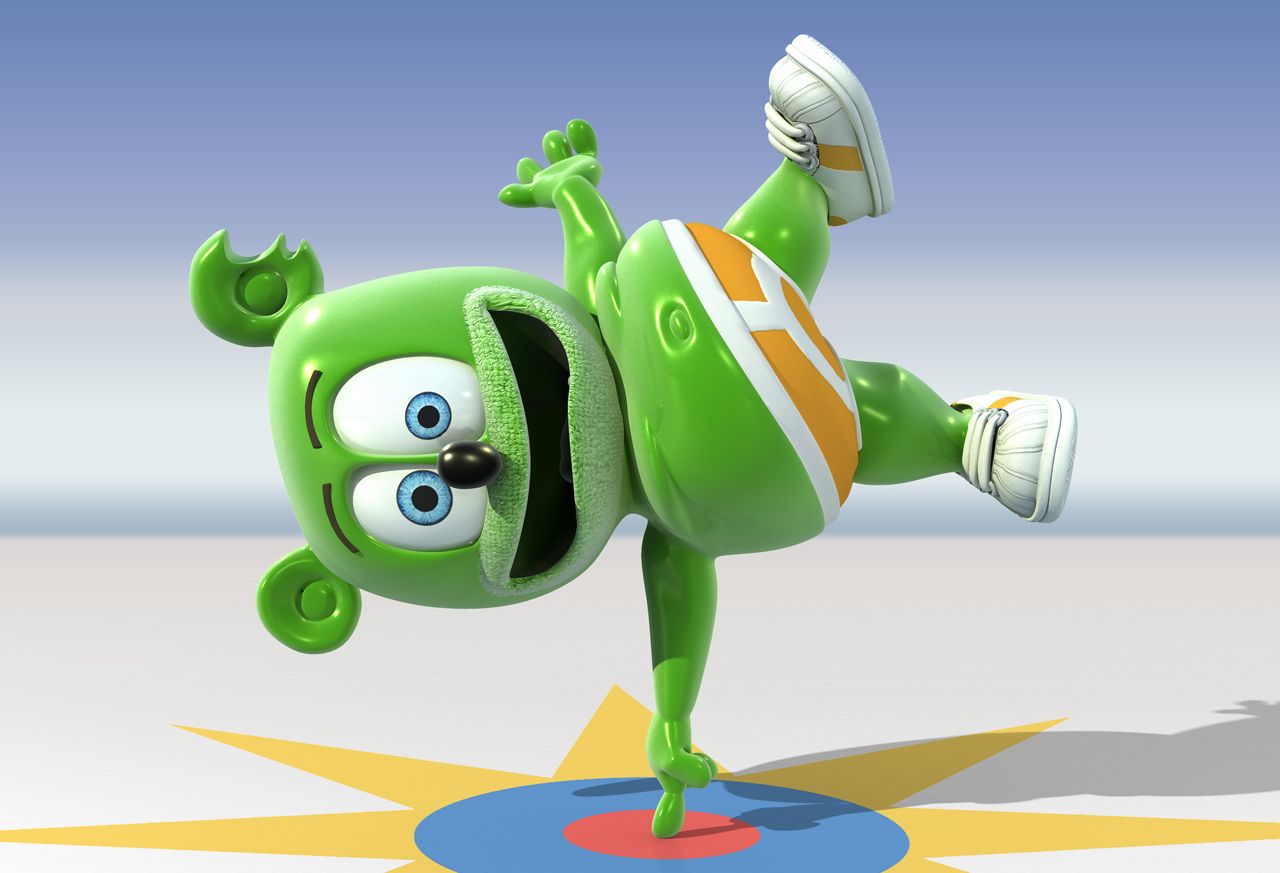
I can also look around the room, or scroll through my media library on WordPress and find an image or an item that generates ideas, responses, and even stories. I scrolled through to find this image of the Gummi Bear, who was a brief internet sensation on YouTube a few years ago coming from German CGI cartoons that illustrated earworm music with dancing green gummy bears. There’s a lot a goofy writer like me can run away with inspired by a nonsense thing like that.

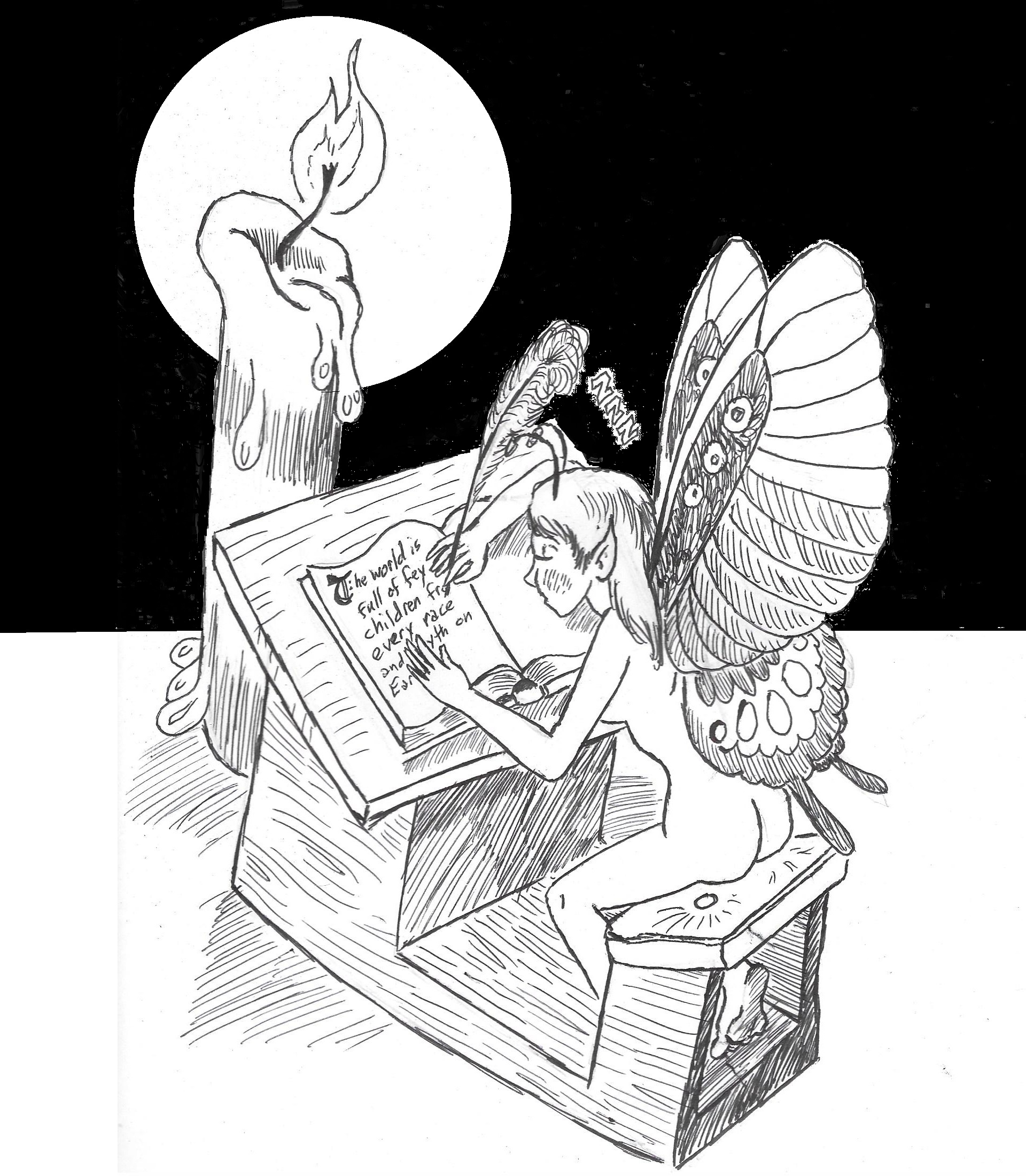
It is also possible to generate new ideas by deconstructing a metaphor in as humorous and convoluted a way as possible. This word-food thing is the result of writer’s lethargy of a while back.

Of course, there is always the ranting factor. This, I think, is a go-to method used by stand-up comedians. They will pick something that is deeply bugging them, like the rats that inhabit my attic and walls during a winter that hasn’t yet completely gone. And they start listing all the ways they can make funny stories about the time the rat appeared on the bathroom floor tiles while my daughter was on the toilet, or the time the dog killed a rat that was in the trap already, but not dead enough not to bite back with the dog’s nose conveniently within the reach of rat teeth. And then they can rant onward about how disgusting rats are. And how can anyone look at a rat face and think they are cute? You look at that evil, beady-eyed face and you don’t think Mickey Mouse, you think plague, disease, the Black Death, and how much the Bank of America lawyer who sued you looks just like that.

So, you can see that generating ideas is easy. And you can write something interesting even on days when you can’t think of anything … quickly. When you have, not writer’s block, but writer’s lethargy.

Leave a comment

Filed under angry rant, autobiography, comedians, humor, insight, inspiration, Paffooney, writing, writing humor, writing teacher

Mickey Writes

Chalkboard Girl is poking fun at me again. Dang her pigtails!

My name is Michael Beyer. That’s the name I put on the covers of all my books. So, technically, Mickey is not me. Mickey is my cartoonist’s name. It is the top layer of the onions that is my writing.

But what does it actually mean that “Mickey Writes?”

Well, since Mickey is really the cartoonist in me, it means that everything he writes is most likely not very serious, possibly exaggerated, and definitely more fictionalized (read that as telling lies) than universal truth, and maybe ten percent evil.

But Mickey writes primarily because he has to write in order to feel alive. It is something he has been doing since he was a child. It all began with the inner narrator in his stupid head. That progressed to putting stories and daily journal entries down in spiral notebooks and looseleaf notebooks, and those crazy empty books that you can get cheaply at B Dalton’s, or Half-Price Books, or Books-a-Million, or any other bookstore that still has stores open anywhere or still is in business (heck! why didn’t the fool just say Amazon Books online?) And now, woe to you, he does the same thing in this daily blog. And, believe it or not, it’s like all that private head-juice and moldiness is published online so that you can actually read weird things like this essay.

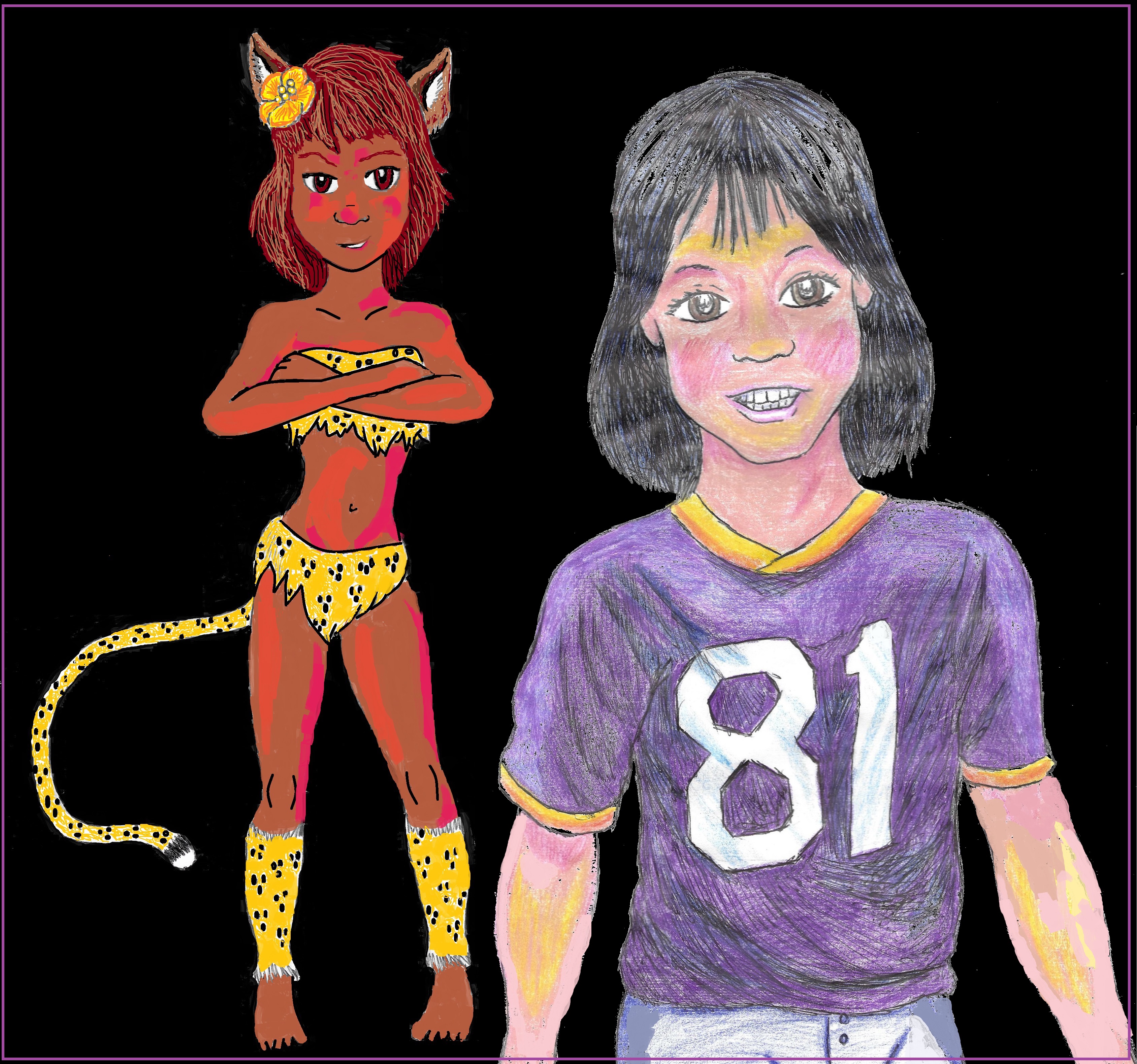
Two portrayals, one a fictional character who represents a real person from Mickey’s past, and one fictional character that represents the D & D character that the fictional character plays when the Norwall Pirates play D & D.

The problem is that one of the layers of the onion is spoiling, keeping Mickeey from taking the ideas simmering in his stupid head and adding it to the deeper layers of the savory onion of ideas to make a more exotic onion soup. (In the stupid-headed metaphor, soup apparently means NOVEL.)

The layer that controls the writing and editing is spoiling because Mickey’s eyes are deteriorating with glaucoma and old age. He can’t see the computer screen he’s writing on well enough to effectively create paragraphs, or edit the mistakes that his stupid head and arthritic fingers inevitably make. At least, Mickey can’t do it effectively fast.

Right now, Mickey is still pecking out progress on his novel The Haunted Toy Store. But at a highly reduced rate. So, the ghost stories are crawling along. But not much else is happening.

Other projects are not faring as well.

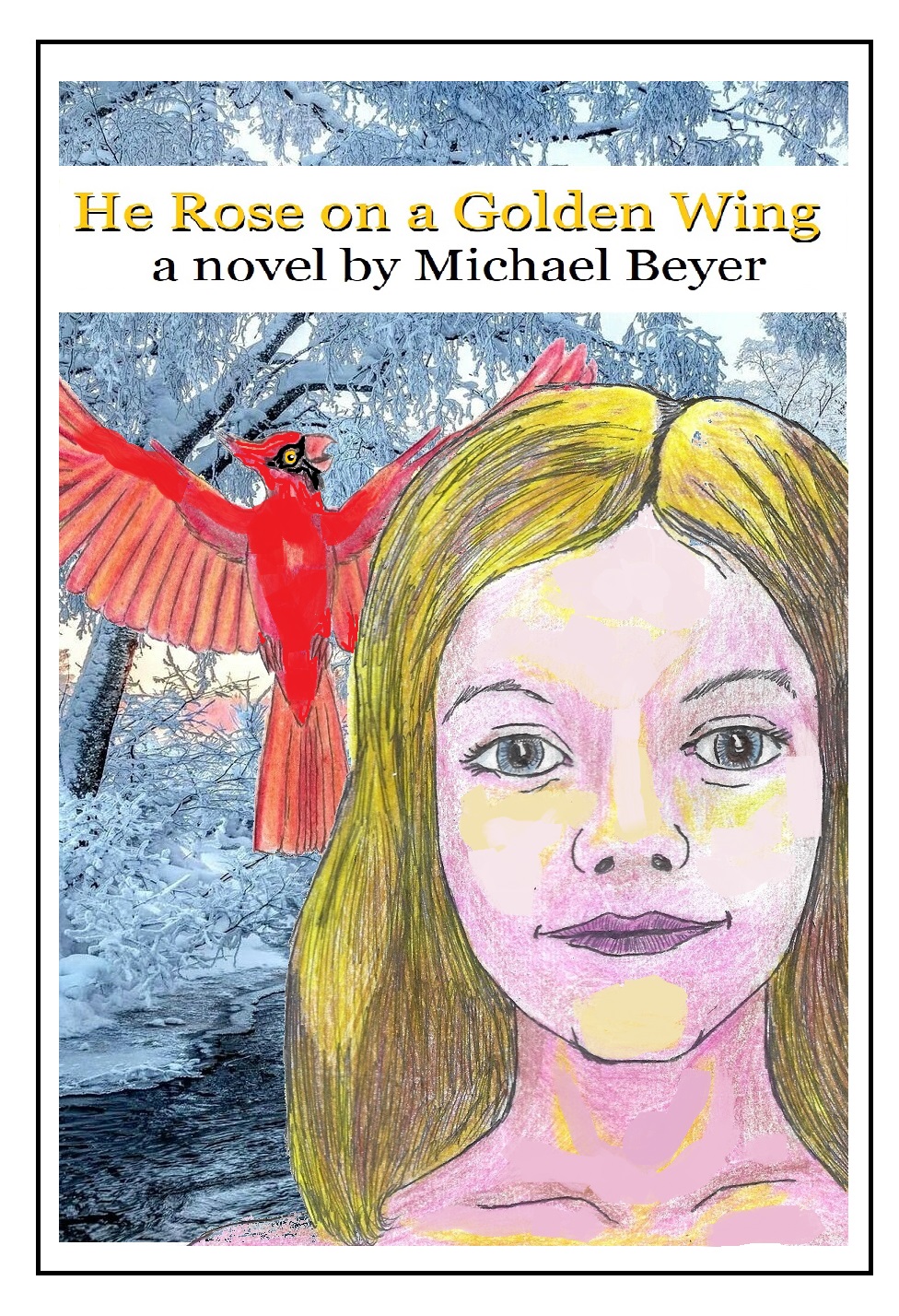
My depression novel, He Rose on a Golden Wing was the first novel that I stalled and put on hold. It is a complex story full of magic and suffering and critical depression-coping that seems to me like a great story. But Mickey had to table it for later because it has become so difficult to edit it and control the typing of it, since I had to change the format three times and so much of the edit doesn’t get done correctly by my failing vision.

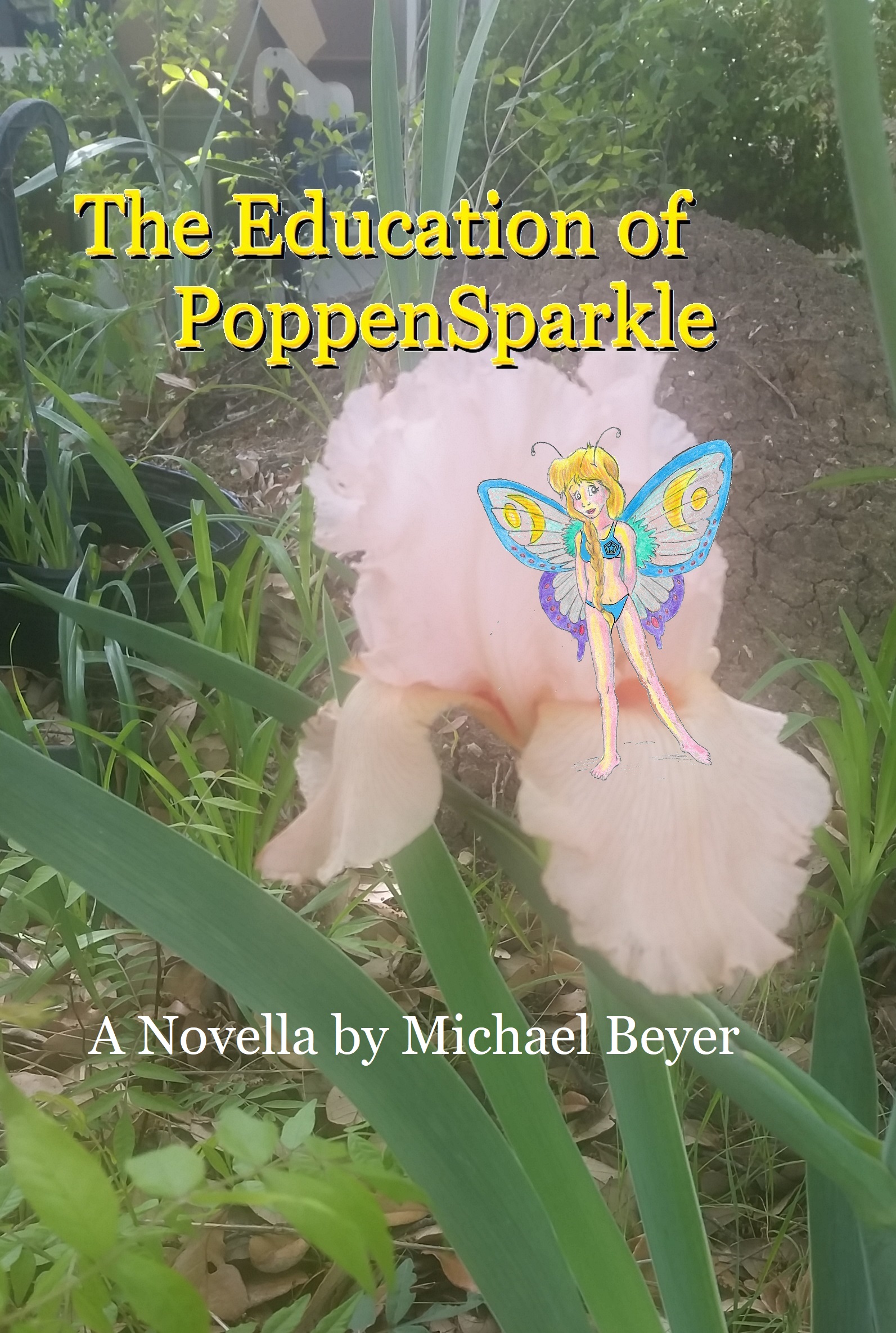
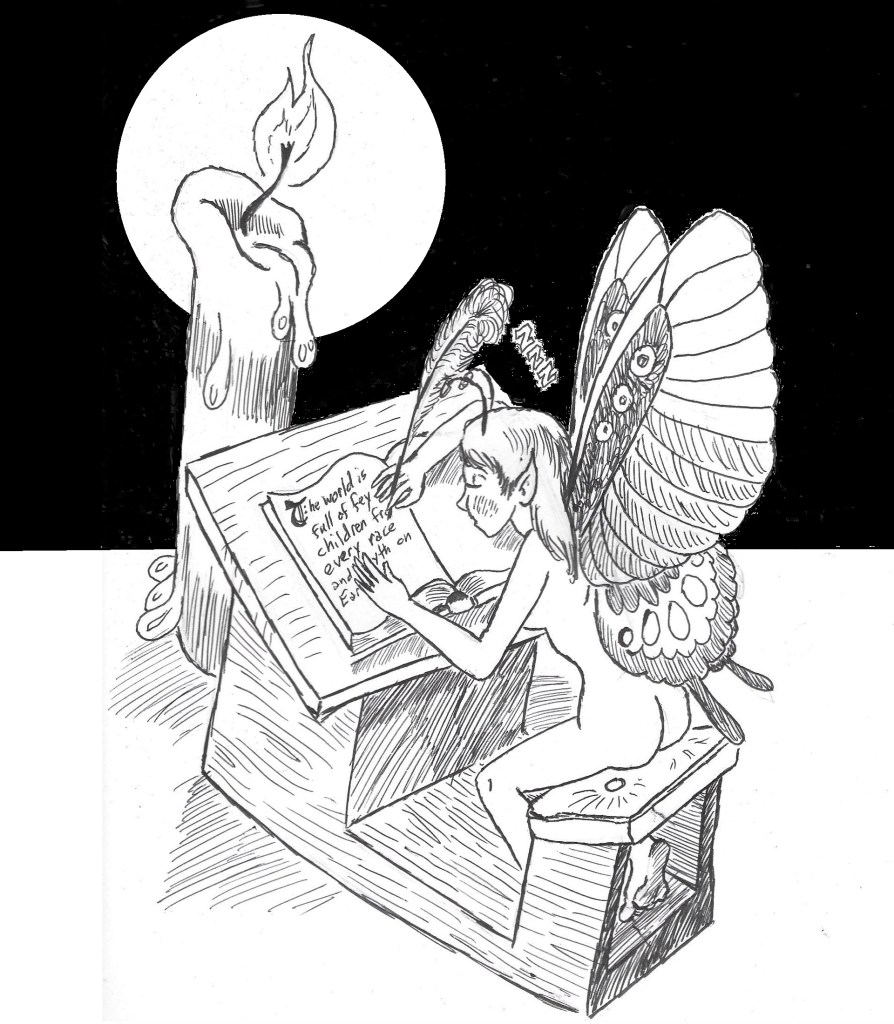
The same problems that plague He Rose… have also stalled The Education of Poppensparkle, even though I am only two chapters from the end of the story. Again, format changes for three different computers and two different word processors, and, since I am trying to illustrate every chapter, the inability to draw also affects this book.

And AeroQuest 5 is finished, but I am unable to finish a difficult revision and editing of it for publication.

So, there are too many things that Mickey is NOT writing that he should be. The time for “Slow and Steady wins the race” has come. I am putting eye drops in Mickey’s old eyes. I am slowing down my daily writing and trying not only to pace myself better, but to get old Mickey back on a more reasonable daily schedule. Time will tell if I can ever publish anything anymore except for this onion pile of a blog.

1 Comment

Filed under humor, Paffooney, work in progress, writing, writing humor, writing teacher

Word Magic

From the time I could first remember, I was always surrounded by stories. I had significantly gifted story-tellers in my life. My Grandpa Aldrich (Mom’s Dad) could spin a yarn about Dolly O’Rourke and her husband, Shorty the Dwarf, that would leave everybody in stitches. (Metaphorical, not Literal)

And my Grandma Beyer (Dad’s Mom) taught me about family history. She told me the story of how my Great Uncle, her brother, died in a Navy training accident during World War II. He was in gun turret aboard a destroyer when something went wrong, killing three in the explosion.

Words have power. They can connect you to people who died before you were ever born. They have the power to make you laugh, or make you cry.

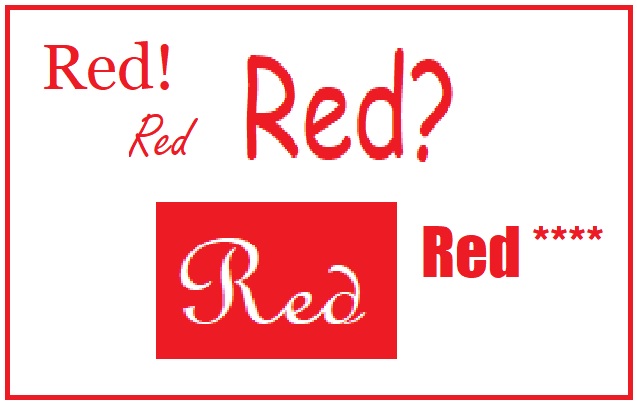
Are you reading my words now? After you have read them, they will be “read.” Take away the “a” and they will change color. They will be “red.” Did you see that trick coming? Especially since I telegraphed it with the colored picture that, if you are a normal reader, you read the “red” right before I connected it to “reading.”

Comedy, the writing of things that can be (can bee, can dee, candee, candy) funny, is a magical sort of word wrangling that is neither fattening nor a threat to diabetes if you consume it. How many word tricks are in the previous sentence? I count 8. But that wholly depends on which “previous sentence” I meant. I didn’t say, “the sentence previous to this one.” There were thirteen sentences previous to that one (including the one in the picture) and “previous” simply means “coming before.” Of course, if it doesn’t simply mean that, remember, lying is also a word trick.

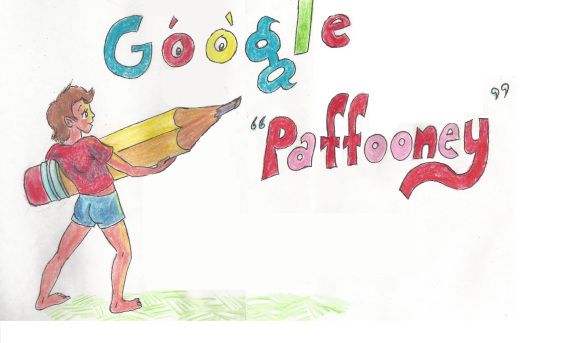
Here’s a magic word I created myself. It was a made-up word. But do a Google picture search on that word and see if you can avoid artwork by Mickey. And you should always pay attention to the small print.

So, now you see how it is. Words have magic. Real magic. If you know how to use them. And it is not always a matter of morphological prestidigitation like this post is full of. It can be the ordinary magic of a good sentence, or a well-crafted paragraph. But it is a wizardry because it takes practice, and reading, and more practice, and arcane theories spoken in the backs of old book shops, and more practice. But anyone can do it. At least… anyone literate. Because the magic doesn’t exist without a reader. So, thank you for being gullible enough for me to enchant you today.

Leave a comment

Filed under humor, Paffooney, strange and wonderful ideas about life, wizards, word games, wordplay, writing, writing humor, writing teacher

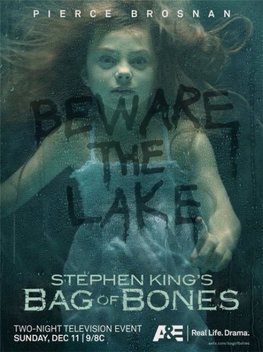
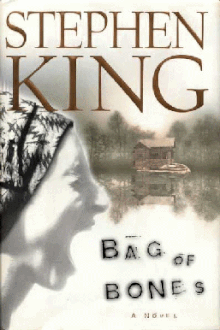
Reading Bag of Bones

This is not a book review. I did finish reading this book in a 3-hour-end-of-the-book reading orgy, spending an hour last night, and two more early in the morning before the rest of my family was awake.

This is certainly not a book review. But I did read a Stephen King book, 1998’s Bag of Bones, which I picked up from the dollar sale shelves at Half Price Books. And I did love the story.

………………………………………………………………………This is not a book review. Instead, I want to talk about what a novelist can learn and reflect on by meta-cogitating over what this book reveals about King’s work habits and style and author’s voice.

Mike Noonan, the protagonist, is a novelist who writes books that routinely land in the numbers 10 through 15 slots in the New York Times Bestseller List. Obviously, this first-person narrative is coming directly out of King’s own writing experience. But, remember, this is not a book review. I am discussing what I have learned about how King puts a story together.

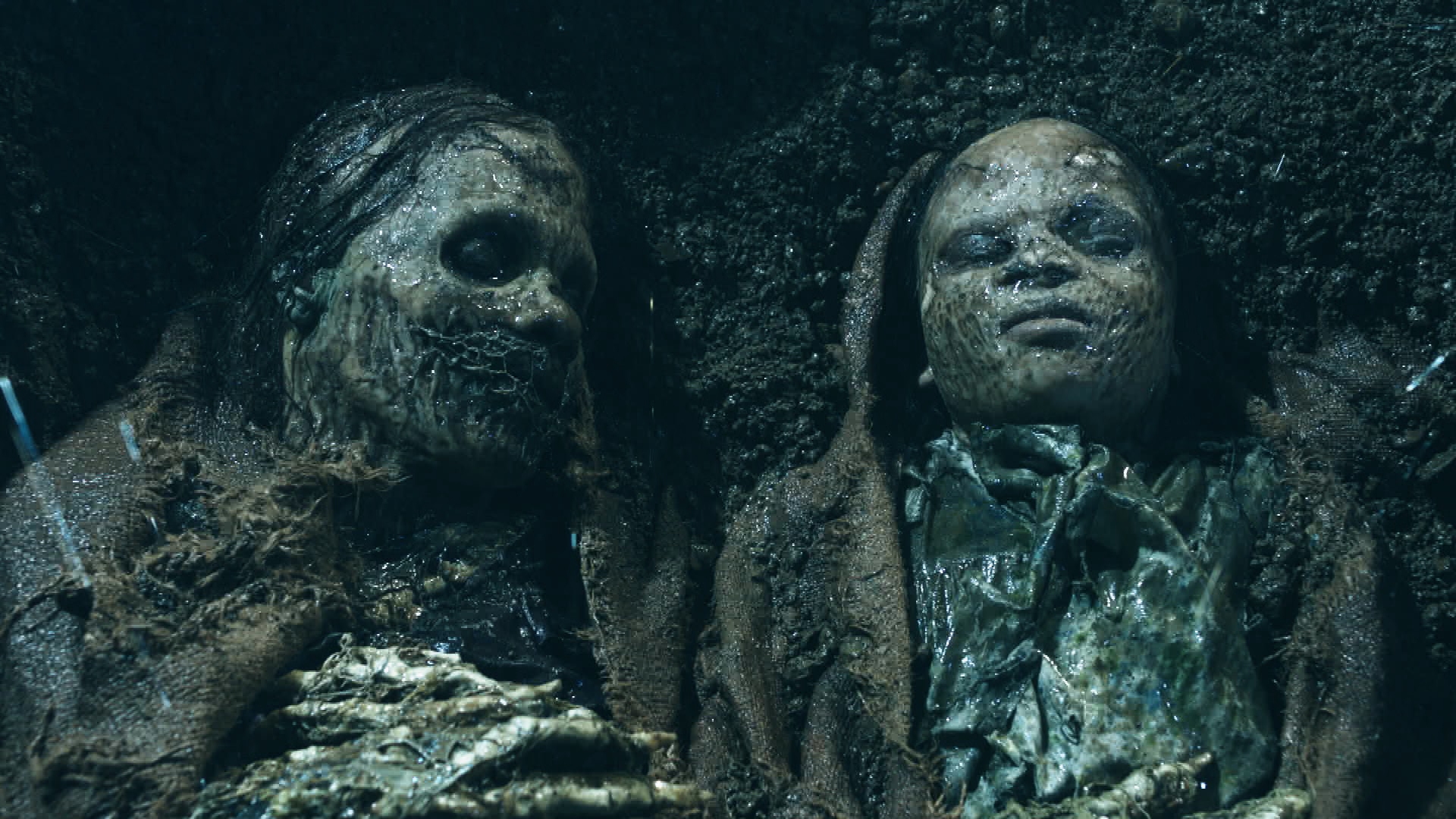
King sets a back-story for this novel that digs deep into the geographica and historica of the city in Maine where the story is set. The literal bag of bones revealed in the book’s climax is almost a hundred years old. And he takes a compellingly realistic tour back in time to the turn of the Twentieth Century more than once to reveal who the undead characters are and why they do what they do. One thing that makes a writer, a novelist, truly solid is his ability to set the scene, to grow the story out of the background in the most organic and realistic way possible. But this is not a book review. I am saying that King always does this with his books. And if you wish to write at that level, you must do that too. I know I am sincerely trying.

At the end of the story, he clearly tells the reader that he learned from Thomas Hardy that “the most brilliantly drawn character in a novel is but a bag of bones”. So, he is definitely aware that a character is a construct that has to be crafted from raw materials. It takes a master craftsman to build one with the right words to make it live and breathe on the page. He does it masterfully in this book with several characters. The protagonist, the beautiful young love interest, the love interest’s charming three-year-old daughter who is nearly slain in a horrific manner at the end of the book… The living villain is a well-crafted bag of bones, as is the ghost, the actual bag of bones in the story. But this is not a book review. Most of his books, at least the ones I have read, have the same sort of masterful characters.

There is so much more to be learned about novel writing from this book. He literally shows you how ideas are captured, how they are developed into stories, how you overcome “writer’s block”, and Noonan’s book he is writing within this book is even used as an example of how to poetically advance the plot. But this is not a book review. You should read this book. It is a very good and scary piece of work. But you should read it because it shows us how to write and do it like a master.

1 Comment

Filed under horror writing, insight, inspiration, NOVEL WRITING, writing teacher

Ugly Christmas Sweaters and the Criticizing of Them

In the Midwest

where I spent my childhood and early youth, there is a great tradition of making fun of the exceptionally eye-bonking ski sweaters and Norwegian-middle-layer clothing that dads and grandads are given as presents less often than only neckties.

Yes, they are functional in the land of 100-degree-below-zero wind-chill. And they also work as defenders of your male virginity when you are in college in Iowa. But we make fun of them not out of derision, but of love. These are gifts, after all, that are given on winter birthdays and Christmas because the giver loves you. And the creative criticism of them is given only as a sign of appreciation for what they are truly for.

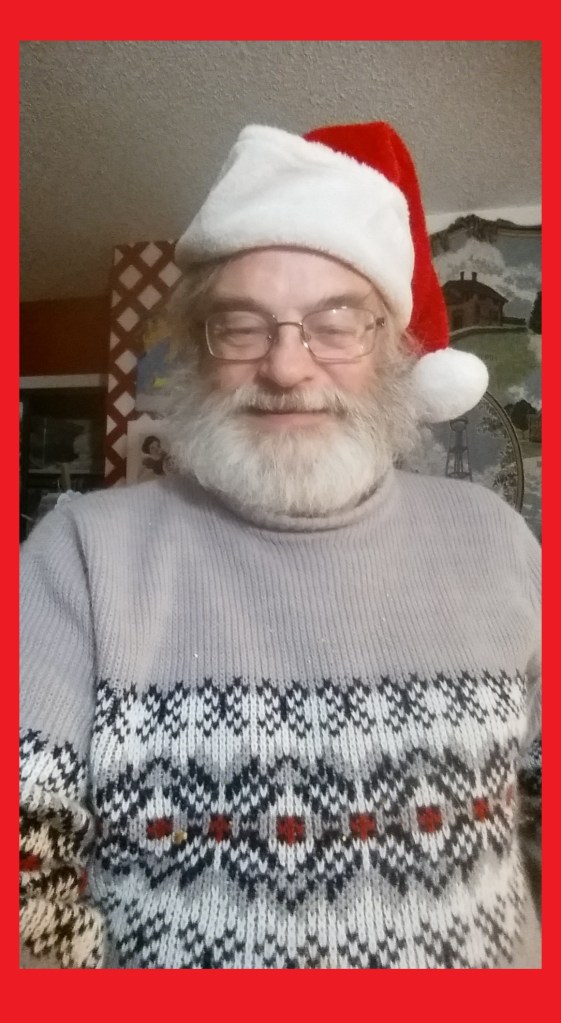
And if you tried to click on the X’s on this sweater of mine, and it did not immediately close on your screen, that’s because this one has special meaning. I didn’t get this as a Christmas gift. I inherited it from my father who died in November 2020. And it will keep my heart warm now until it falls apart, or until the time comes to pass it on to my own eldest son.

What…

this essay is actually about is the nature of good criticism.

The fact that this one is a red Christmas tree decorated with lawn flamingos is not the actual point. One has to look past the flaws and try to judge the effectiveness of how it achieves… or fails to achieve… its intended purpose… apparently to keep rats and small birds out of your yard… or from within a hundred yards of the thing.

And…

if I were to be offended by the revelation of Santa’s sexy black thong, then the thing to do as a proper critic is not to use my power to condemn it, but not to take up the critique of it at all. I mean, if you are actually offended by the thing, you would not want to offer an opinion that some would take as a challenge.

“What? You are telling me that I can’t like Santa’s sexy black thong? I will not only like it, I will love it! And I will buy one for myself.”


Following…

the philosophy of the uncritical critic, I would only review this green nightmare sweater of a Christmas mutant demon-dog if I really liked it. Of course, since you are seeing a review of it here, it means I am actually quite charmed by the sweater itself, and amused by whatever seventy-plus-year-old grandmama that has the kitsch-defiant attitude that allows her to proudly wear it… even if it was given to her as a gift by a relative she probably doesn’t really like but, never tells them so.

Doing book reviews one after another (as I have been doing for Pubby in order to get reviews on my own books in return) I have done a lot of the uncritical critic bit. Some of the people I have been reviewing the books of should never have tried to write a book in the first place. But do I tell them that? Of course not. If I have taken the trouble to read the whole book, even though it may be horrible, I am not going to pour cold water on their flame. I have done reviews with innumerable editorial suggestions of what would make it a better story, or a better non-fiction book, or children’s book, or poetry book, or self-help book… I have read terrible books of all of these kinds. And I know the authors did not rewrite the books as I suggested. But in my many years as a writing teacher, I have learned well that you must always point out the fledgling writers’ strengths and ask them to build on those. And some will. Besides the points I earn to spend on reviews of Mickian books, that is reward enough.

Ugly Christmas sweaters and the criticizing of them is how American culture works. Being good at negotiating that fact is a critical skill, especially in the Midwest. But nothing compared to having talent in the wearing of them.

Leave a comment

Filed under book reports, book review, commentary, writing, writing teacher

Blogging Advice

The only advice I am actually qualified to give here is… don’t take any blogging advice from me as worth more than diddly-squoot.

Life is like moose bowling because… In order to knock down all the pins, you have to learn how to throw a moose.

That being said, my blog views are gradually going up year after year.  I am followed by readers all over the world, and some of them actually read my blog regularly, rather than just looking at the pictures and occasionally hitting the like button.

I have not yet, however, learned to throw the moose.  I started this blog in order to promote my published writing.  I now have seven published books available on Amazon.  I made $2.60 in royalties during 2018 so far.  So, as a marketing ploy, it has been a total failure.

But as a tool in my writing life, here are some things I definitely count as benefits;

Writing a blog post every day makes the ideas flow more easily and does away with any threat of writer’s block. 

Writing every day is practice and it makes me a better writer.

I have learned how to engage with an actual audience.

I am able to try out various writing ideas without worrying about success or failure.

So, all of these things add value and keep me at this blogging thing which didn’t exist in my early life when I was planning for becoming a writer when I left teaching.

If you are tempted to make the huge mistake of following my advice and emulating me, I would warn you, I do not make a living as a writer, and I never will.  I am a writer in the same way I am a diabetic.  I can’t help it.  I wouldn’t change it even if it were possible.  I have a body of work that I intend to continue to build on until I am no more.  The creation of it is a necessity of my existence.  And I certainly don’t regret a single syllable, though what happens to it when I am gone is not important to me in any way that matters.  I hope my children will keep it as a legacy, but I only do it because it shapes the story of my life.

And so, I continue to throw meese (or mooses… or moosi… or whatever the hell the funniest plural of “moose” is) and continue not to knock down any pins.

3 Comments

Filed under blog posting, humor, Paffooney, Uncategorized, writing, writing teacher

Writing Every Day

c360_2016-11-20-09-17-22-486

These are volumes 3&4 of my daily journal that I have kept since the 1980’s.

Writing every single day is something I have been doing since 1975, my senior year in high school.  It is why I claim to be a writer, even though I have never made enough money at it to even begin to think of myself as a professional writer.  I kept a journal/diary/series of notebooks that I filled with junk I wrote and doodles in the margins up until the middle 90’s when I began to put all my noodling into computer files instead of notebooks.  I have literally millions of words piled in piles of notebooks and filling my hard drive to the point of “insufficient memory” errors on my laptop.  I am now 66 years old and have been writing every day for 48 years.

c360_2016-11-20-09-19-02-147

There are days in the past where I only wrote a word, or a sentence or two.  But there were a lot of words besides the words in my journal.  I started my first novel in college.  I completed it the summer before my first teaching job in 1981.  I put it the closet, never to be thought of again, except when I needed a good cringe and cry at how terrible a writer I once was.  I have been starting, stopping, percolating, piecing together, and eventually completing novel projects ever since… each one goofier and more wit-wacky than the last.  So I have a closet full of those too.

c360_2016-11-20-09-31-40-461

It would be wrong of me to suggest that my journals are only for words.  As a cartoon-boy-wannabee I doodle everywhere in margins and corners and parts of pages.  Sometimes the doodle is an afterthought.  Sometimes it precedes the paragraph.  Sometimes it is directly connected to the words and their meaning.

Sometimes the work of art is the main thing itself.

c360_2016-11-20-09-30-45-596

But always, the habit of writing down words and ideas every single day takes precedence over every other part of my day.  That’s the main reason I am stupid enough to think of myself as a writer even though I don’t make a living by writing.

c360_2016-11-20-09-31-59-738

But I did put my words into my profession too.  As a teacher of writing, I wrote with and to my students.  I did that for 31 years as a classroom teacher, and two years as a substitute.  I required them each to keep a daily journal (though they only got graded for the ones they wrote in class, and then only for reaching the amount of words assigned).  We shared the writing aloud in class, making only positive comments.  I wrote every assignment I gave them, including the journal entries.  They got to see and hear what I could write, and it often inspired them or gave them a structure to hang their own ideas upon.  And often they liked what I wrote and were surprised by it almost as much as I liked and was surprised by theirs.   Being a writer was never a total waste of time and effort.

So am I telling you that if you want to be writer you have to write every day too?  If I have to tell you that… you have totally missed the point.

2 Comments

Filed under autobiography, blog posting, humor, insight, strange and wonderful ideas about life, teaching, writing, writing teacher

Wielding the Big Pencil

20150807_135323

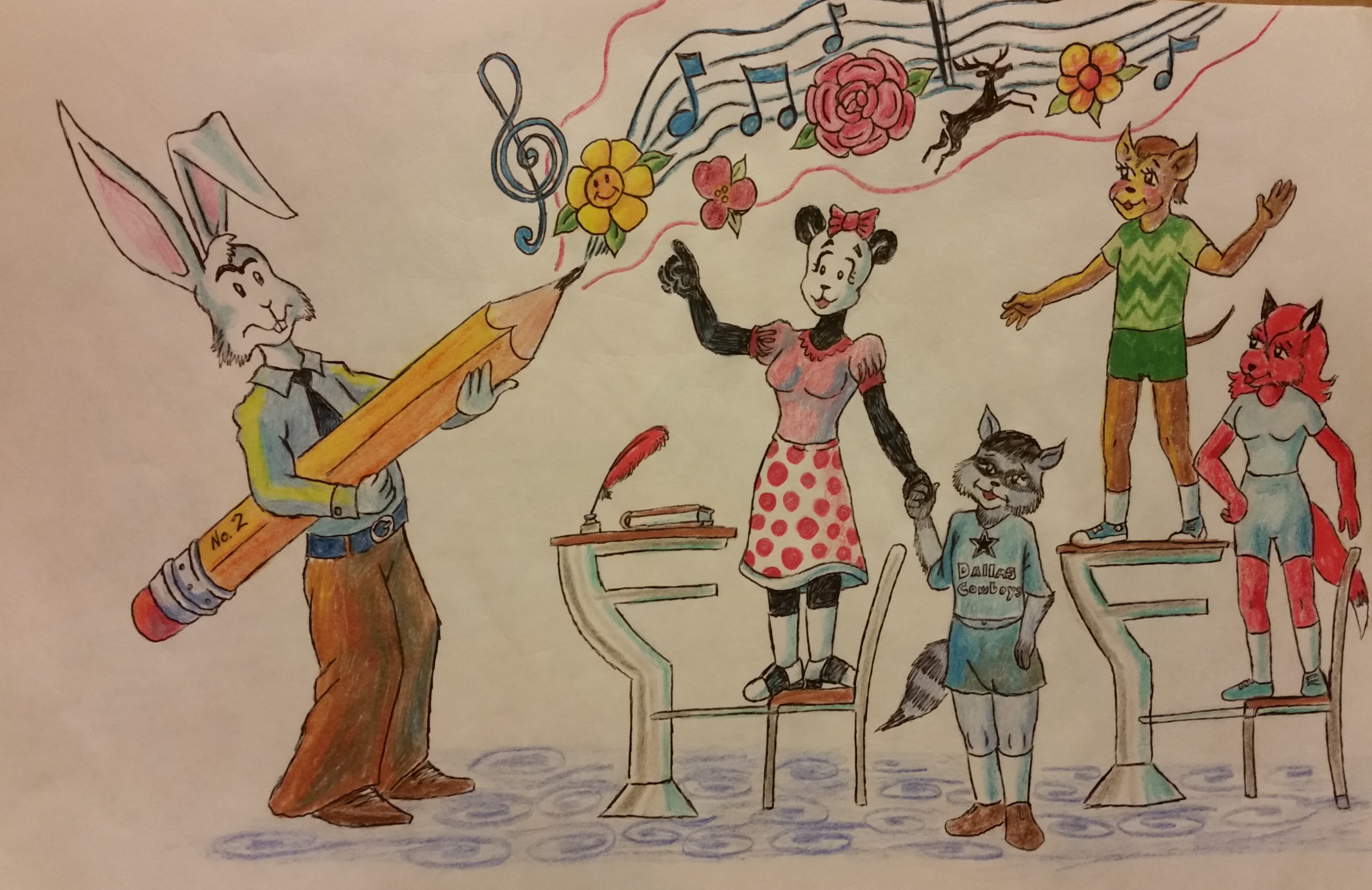
The guy holding the big pencil used to be me.   I know you are thinking, “But, Mickey, you are not a rabbit!”  Well, that’s true, but it is also true that the whole thing is a metaphor, and metaphorically I was always Reluctant Rabbit, pedagogue… teacher… the holder of the big pencil.  It is a writing teacher thing.  The best way to teach kids to write is to have them write.  And the best way to show them what you mean when you tell them to write is to write yourself.  You learn to read better by reading a lot.  You learn to write better by writing a lot, reading what you wrote, and reading what other people wrote, especially if those other people were holding the big pencil in front of the class.

blue-and-mike-in-color

I was recently reminded by people who know me that once I held the big pencil in the front of the class.  They both asked me, “Really?  You were a teacher?”

I suppose it is hard to believe when once you’ve gotten to know me, at least a little bit.  I don’t strike people as the sour-faced, anal-retentive English-teacher type.  I smile and laugh too much for that.  They can’t believe that someone like me could ever teach.

But over the years, I got rather good at holding the big pencil.  I learned, first of all, that anyone can be a good teacher.  You only have to be competent in the subject area you are trying to teach, and open to learning something new about teaching every single day for the rest of your life.

skoolgurlz

Here’s something you have to learn about teaching to be any good at it; Discipline is not about making kids behave.  You can shout, stamp your feet, and hit them with a ruler and you will never get them to do what you want to them do.  It has to be about limiting the choices they have for what they will do.  Yes, one of those choices is to be removed from the classroom to go have fun sitting in the uncomfortable chair next to the assistant principal in charge of discipline’s desk, but the good teacher knows you should emphasize that they can either sit like a lump and imitate a rock, or they can participate in the activities presented.  And in my classroom, activities led to jokes and laughing and trying new stuff… some of it hard, but most of it easy.  Kids don’t end up having a hard time making the right choice.

Cool School Blue

Here’s something else you absolutely have to learn to be any good at it;  You have to like kids.  Not just the well-behaved teacher-pleasers, but also the class clown who’s too smart to sit still for stuff he already knows, the shrinking violet who is a wonderfully complex well of deep thoughts who is only a little bit too scared to actually speak in class and share her thoughts, and the dark snarky demon who is quietly plotting the next outburst that will make your life a living hell so he or she can spend time with their old and dear friend, the chair in the assistant principal’s office.  If you don’t like them, you can’t teach them, and driving dynamite trucks in war zones is an easier job.  It pays better too.

I often try to picture Donald Trump teaching English to seventh graders.  What a slapstick comedy that would be.  The man doesn’t know anything.  He is always angry.  And he hates everybody except his daughter Ivanka.  My fourth period class wouldn’t merely eat him alive, they would skeletonize him faster than a school of piranhas could ever hope to match.  And it might be entertaining to watch (assuming it was metaphorical, not literal).

And I sincerely wish I could hold the big pencil in front of class again.  It was the act that defined who I was and what purpose I had in life.  But it isn’t gone since I was forced by ill health to retire.  I held the big pencil for over two thousand students in the course of thirty-one years.  And I will always hold the big pencil in their memories of it.  It is a sort of immortality for teachers.

goopafootootoo

2 Comments

Filed under artwork, autobiography, humor, metaphor, Paffooney, strange and wonderful ideas about life, teaching, writing teacher