
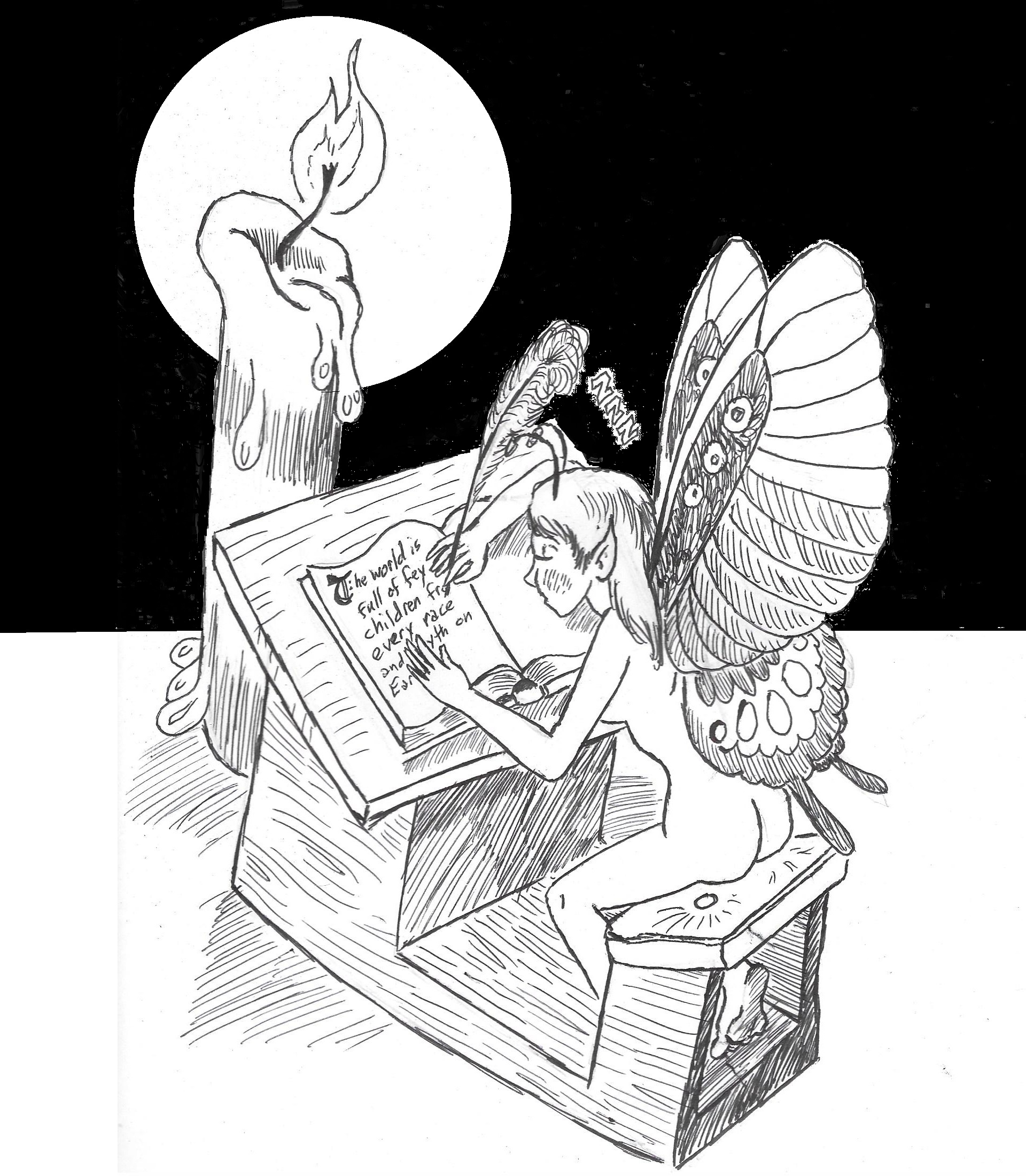
I have always contended that I don’t have writer’s block. But some days, especially if I am not feeling well, I have writer’s lethargy. I can be slow to come up with the next thing. Writing can become bogged down and I am easily distracted or lose focus and have to return to what I was trying to do previously.
There is evidence that I have often had that kind of problem frequently on this blog. One thing I do to overcome writer’s lethargy is suddenly start thinking about how you can overcome writer’s block. What are the strategies that help me overcome it?
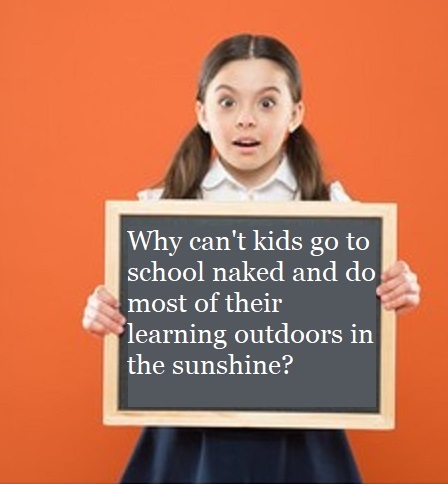
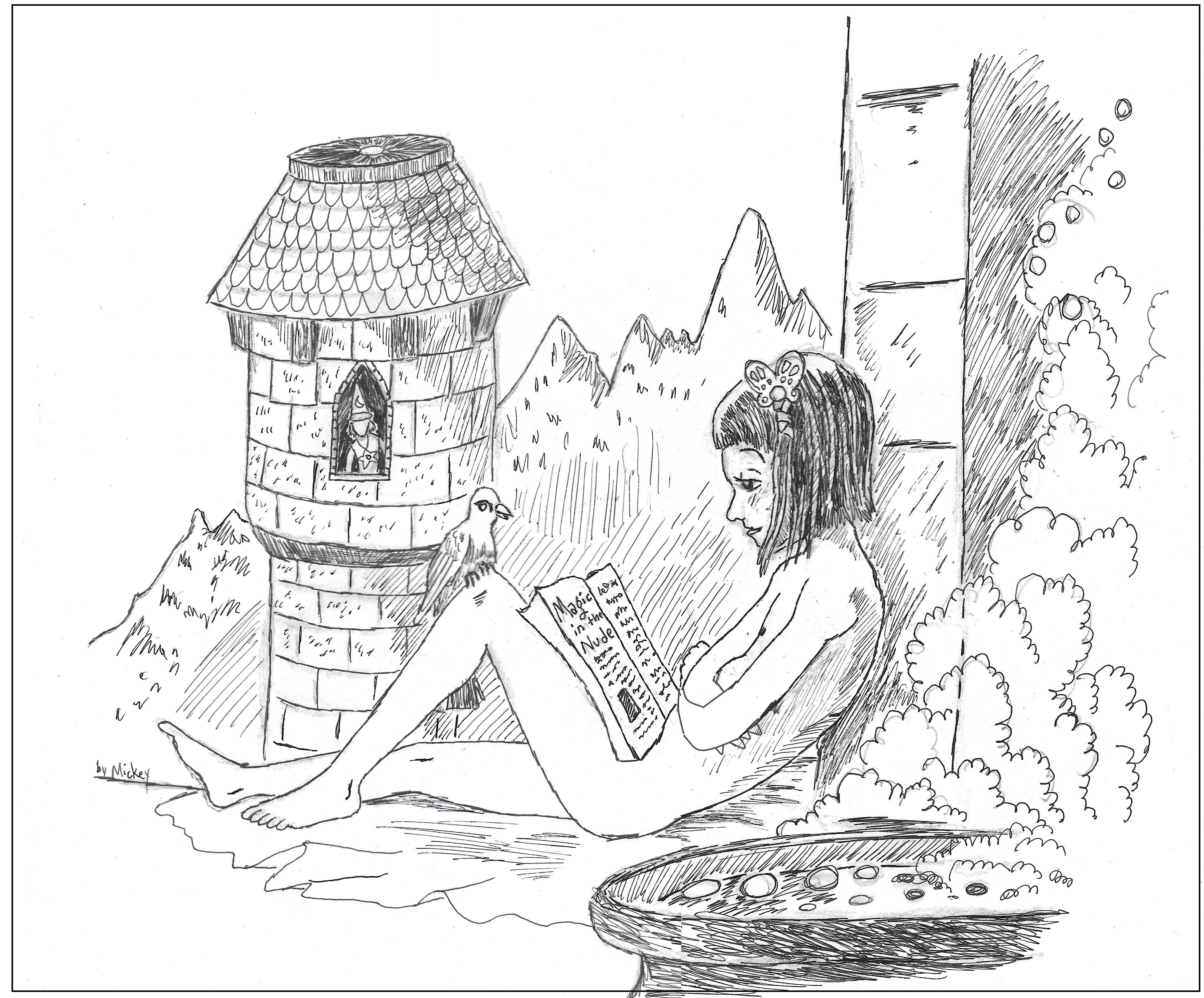
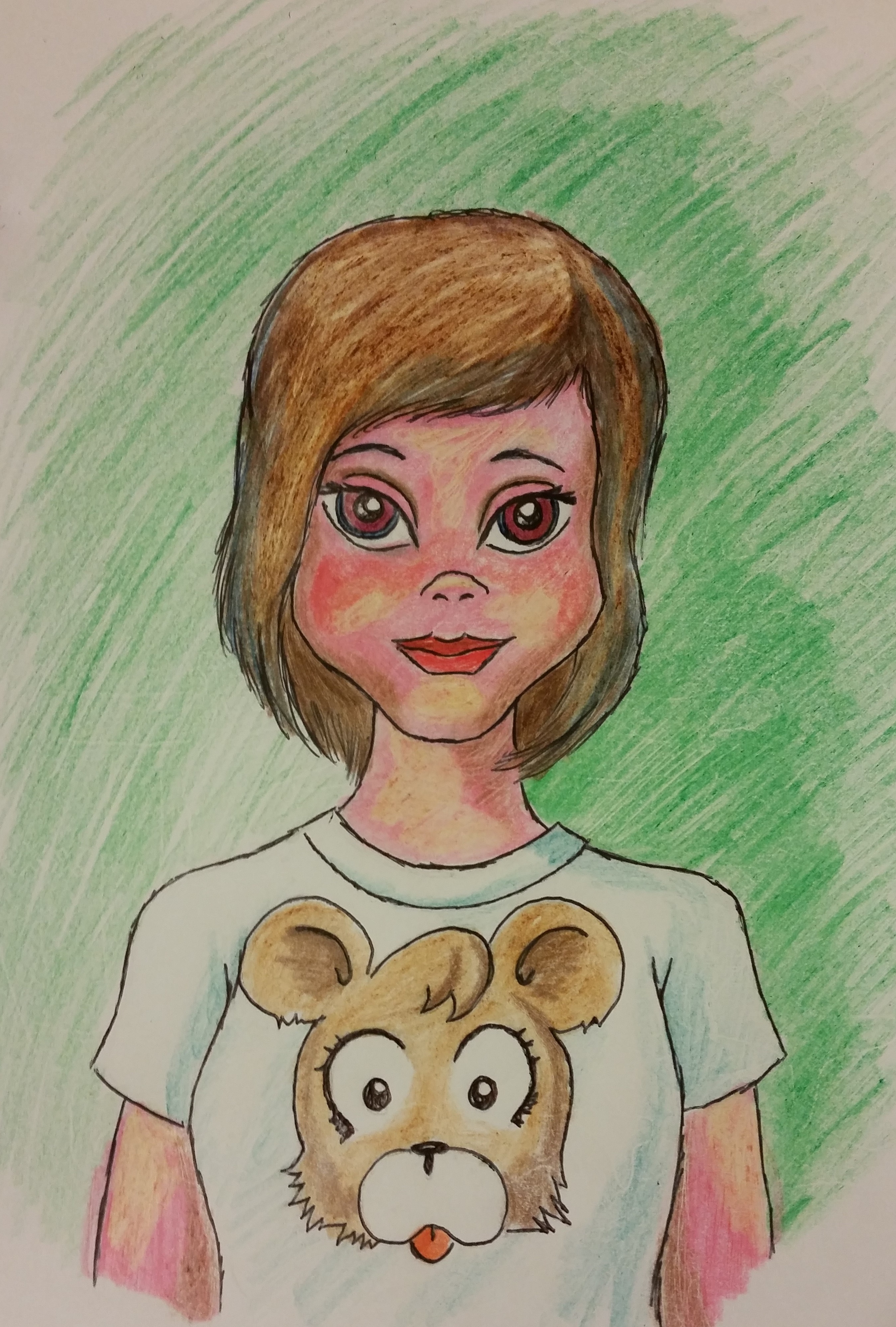
I often resort to “kickstart statements.” These are surprising or deep-left-field items that give the old brain a shot of adrenaline. The picture of the girl with the message blackboard is that kind of kickstarter. I never could have used that thing in any kind of social-media post when I was still employed as a teacher. It has the potential to generate parent complaints and administrative thoughts about evaluations and contract cancellations. But there really are kids who have thoughts like that in your classroom, and I know because not only was I a kid like that myself, I used it as an optional journal topic for writing practice, and, boy! do they ever catch fire when they can write about something like that and they know only the teacher is ever going to read it. It is the way I learned how many of my students had ever been to a nude beach in Corpus Christi or Lake Travis (Hippy Hollow.)
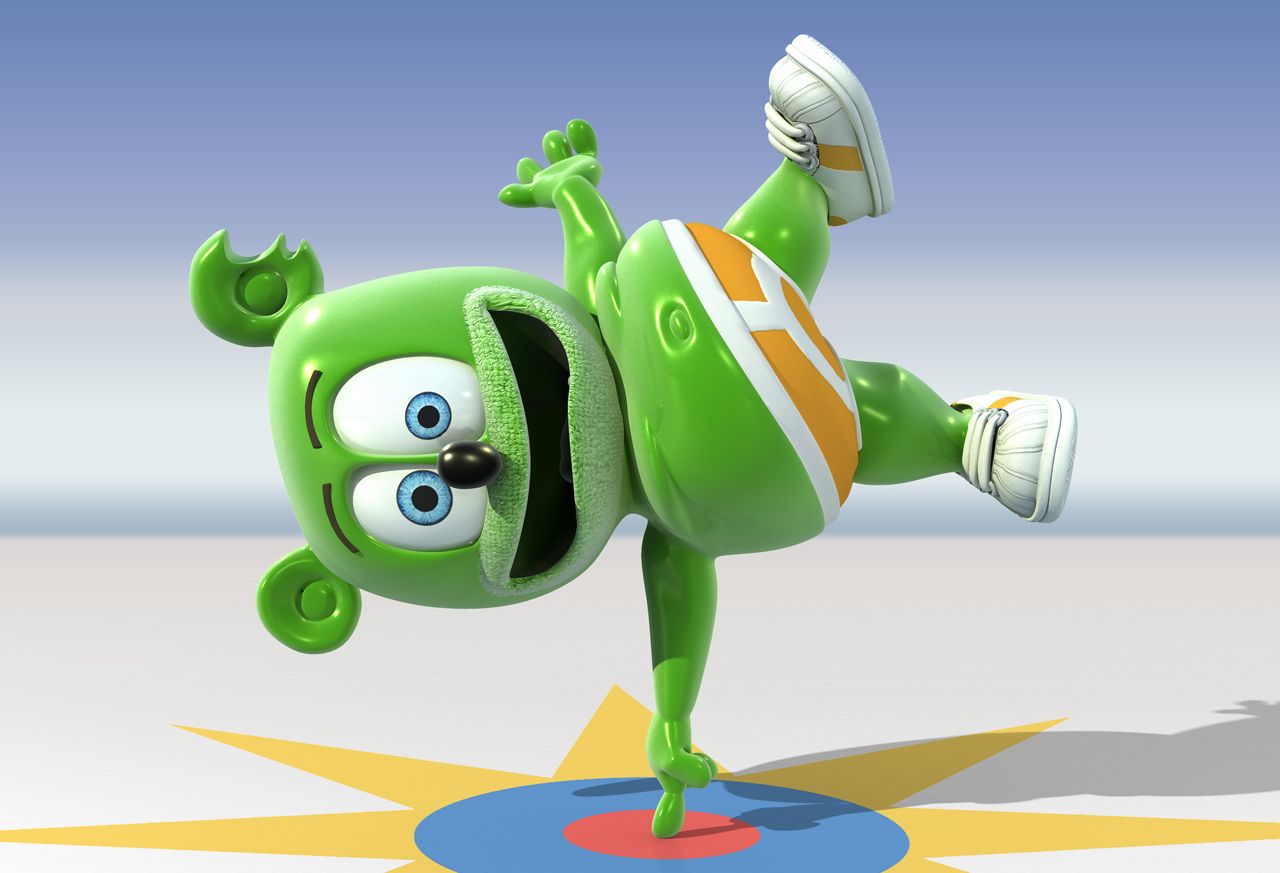
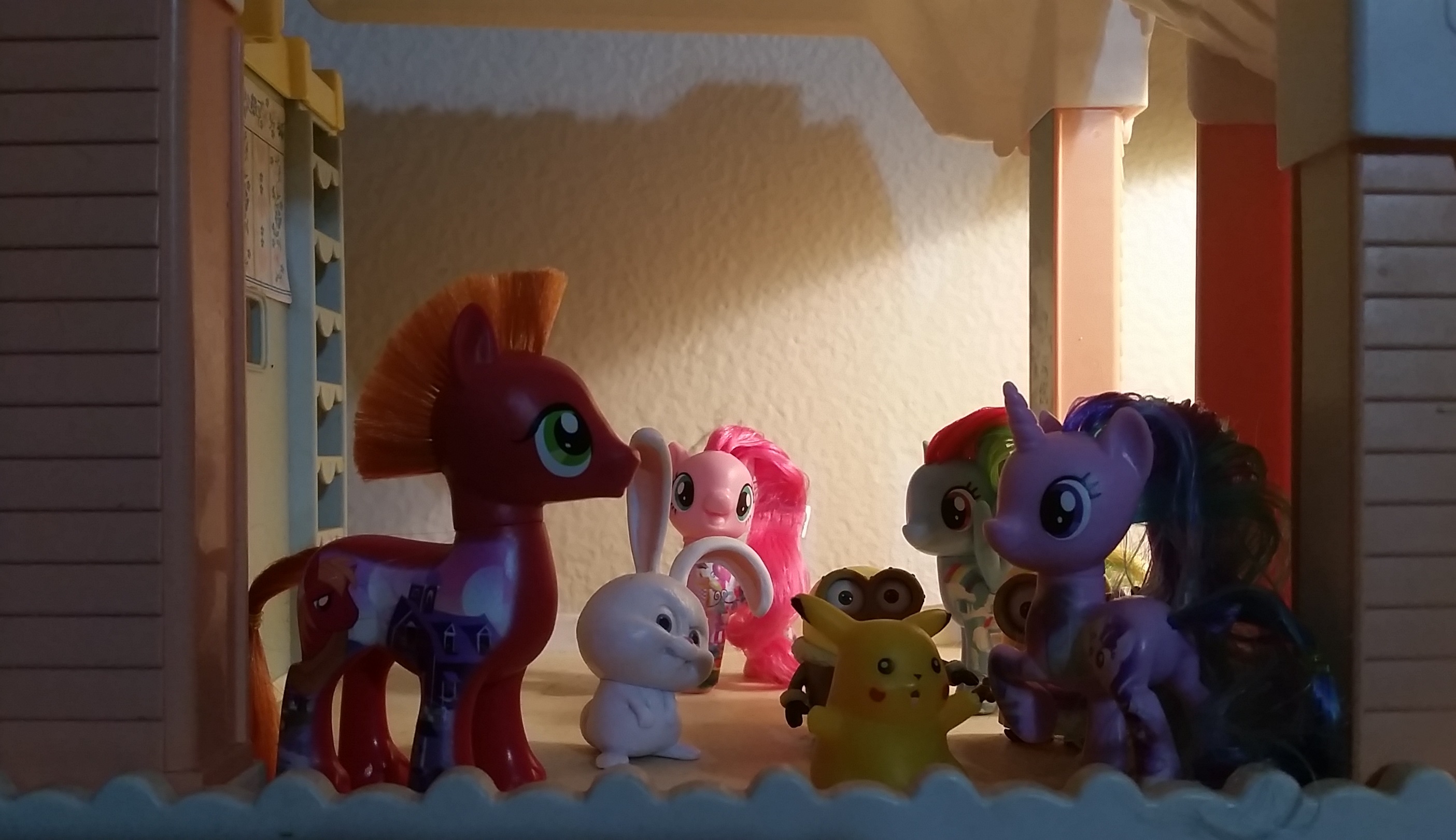
I can also look around the room, or scroll through my media library on WordPress and find an image or an item that generates ideas, responses, and even stories. I scrolled through to find this image of the Gummi Bear, who was a brief internet sensation on YouTube a few years ago coming from German CGI cartoons that illustrated earworm music with dancing green gummy bears. There’s a lot a goofy writer like me can run away with inspired by a nonsense thing like that.
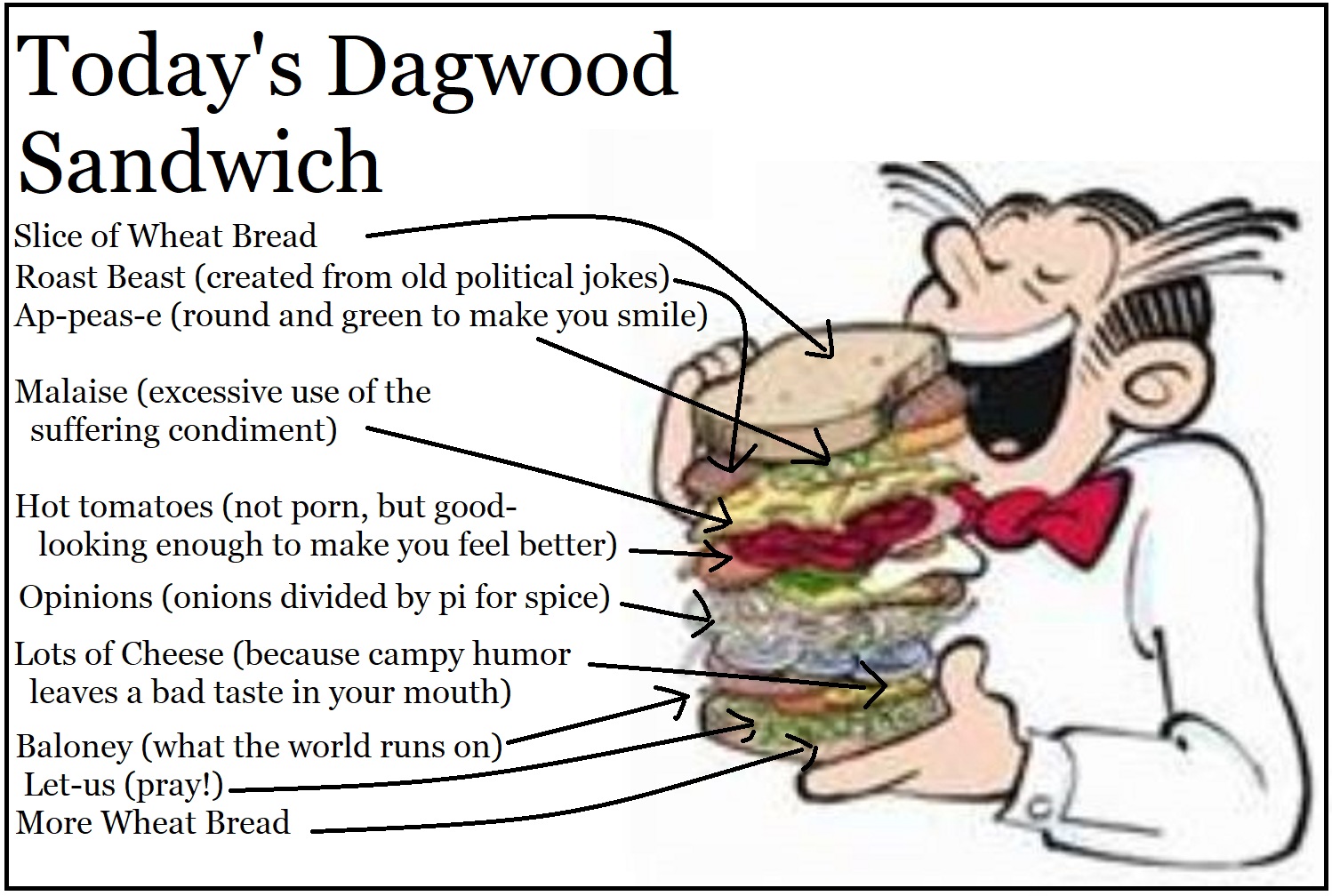
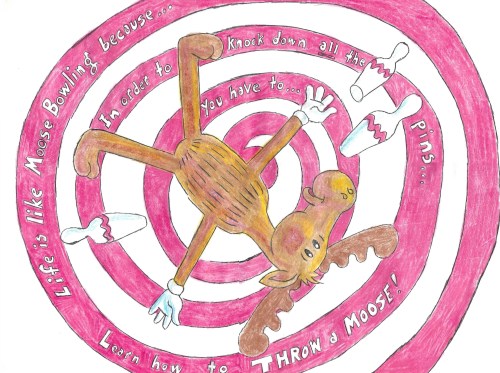
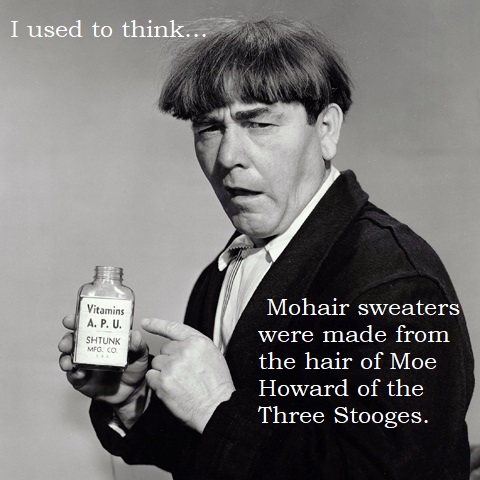
It is also possible to generate new ideas by deconstructing a metaphor in as humorous and convoluted a way as possible. This word-food thing is the result of writer’s lethargy of a while back.
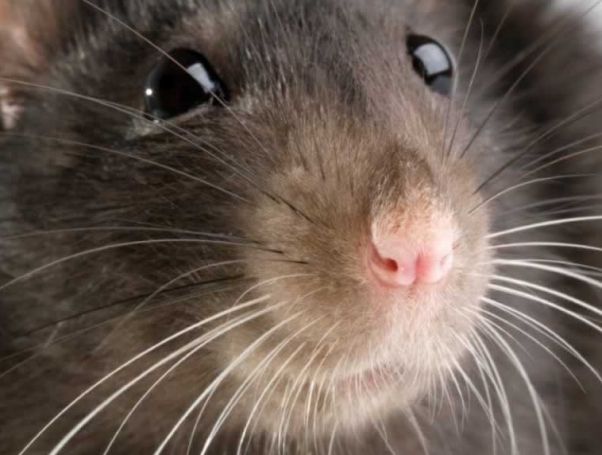
Of course, there is always the ranting factor. This, I think, is a go-to method used by stand-up comedians. They will pick something that is deeply bugging them, like the rats that inhabit my attic and walls during a winter that hasn’t yet completely gone. And they start listing all the ways they can make funny stories about the time the rat appeared on the bathroom floor tiles while my daughter was on the toilet, or the time the dog killed a rat that was in the trap already, but not dead enough not to bite back with the dog’s nose conveniently within the reach of rat teeth. And then they can rant onward about how disgusting rats are. And how can anyone look at a rat face and think they are cute? You look at that evil, beady-eyed face and you don’t think Mickey Mouse, you think plague, disease, the Black Death, and how much the Bank of America lawyer who sued you looks just like that.
So, you can see that generating ideas is easy. And you can write something interesting even on days when you can’t think of anything … quickly. When you have, not writer’s block, but writer’s lethargy.










Wrestling with Themes… Part 6
Concluding this meandering ridiculous rant about how you distill the meaning of your books into themes is no small task. My limiting goal was to identify one main theme for each of my books. It has to be limited because every well-written book has multiple themes of varying complexity and scope.
And then when you tie everything together as I have done with my Hometown Novels, there are themes that cross the borders from one book into the next. This essay will sum up by telling about the books I have written beyond the borders of my Hometown books.
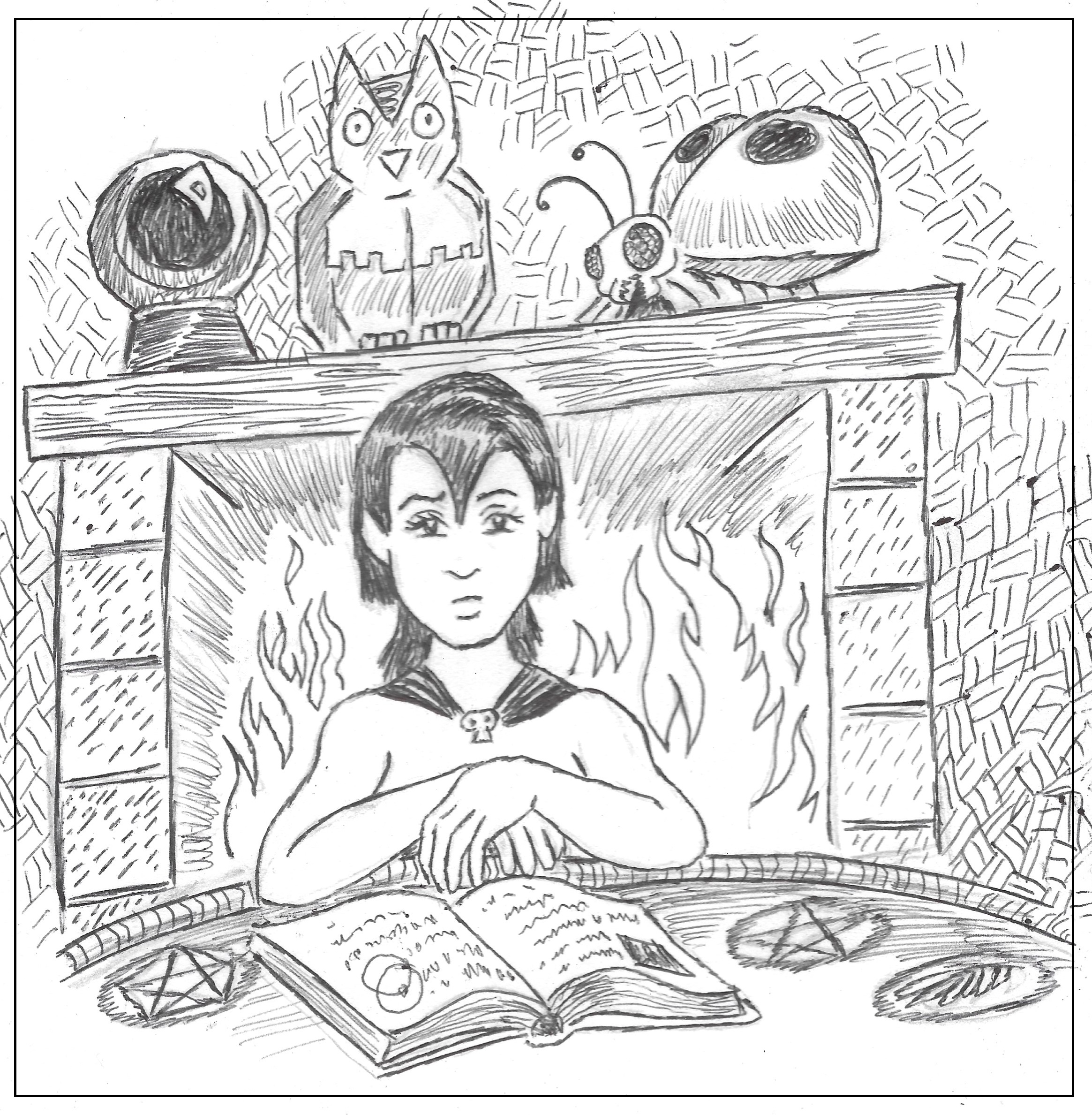
The Wizard in his Keep
This book is unique in dozens of ways. It is an orphan-journey through a virtual-reality video game that you can actually live inside because of the full-body interface suits that get you into the game. It is science fiction because of the virtual-reality technology, but the competition within the game is set in a fantasy kingdom running on magic and super powers. And the plot is a parallel of Charles Dickens’s The Old Curiosity Shop.
This book is the conclusion to several character arcs that begin with the Hometown Novels’ very first book, Superchicken. One character’s life ends in death, but on his own terms. Another character finds the answers to his missing sister and the family she kept secret from him. And the orphans find a loving family that they never knew existed. So, one big theme is that; “You make your own happy endings by hard work, risk, and perseverance, not by magic or luck” But this is an overarching theme that covers more than one story in more than two or three other books.
The book also holds true to several other things that are true about my stories. It is a comedy with at least one character dying sometime before the story ends. It is surrealism, giving a rational grounding in realism to some rather fantastic things. And the characters who find success are empathetic types who realize that loving others is more important than loving ourselves.
A Field Guide to Fauns
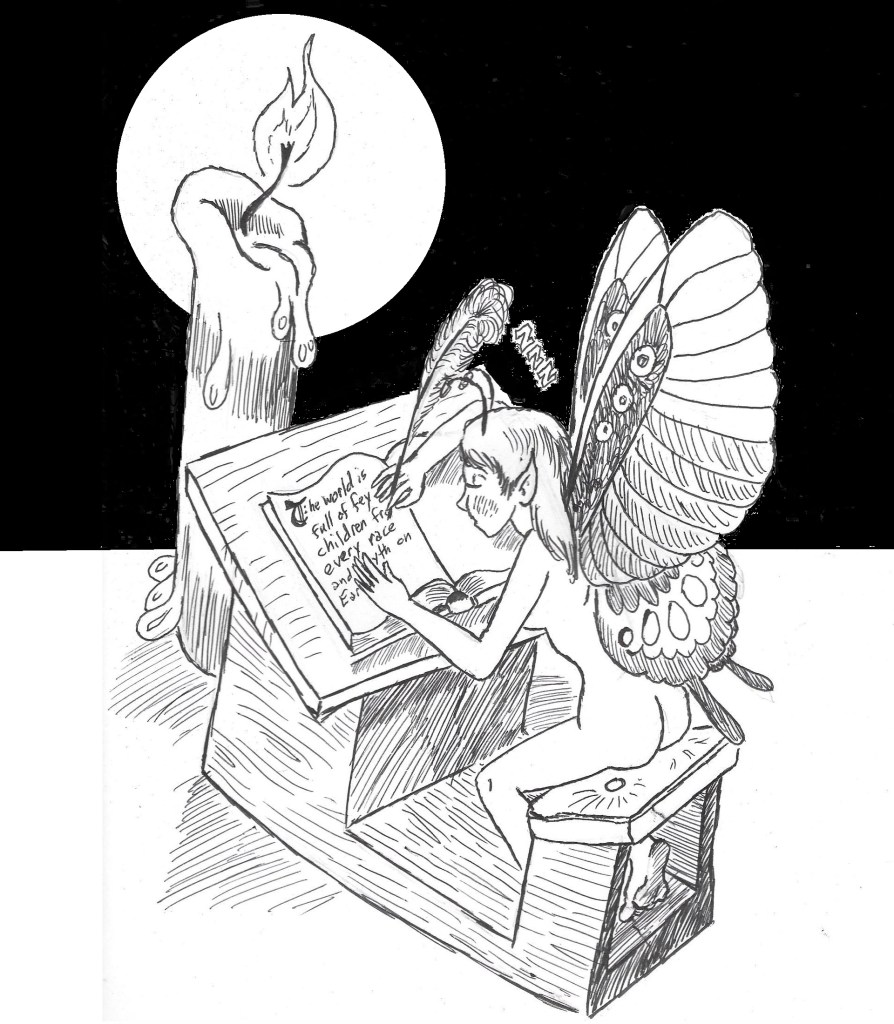
An important facet of my novel-writing experience has come about through the general audience reception of my works. Specifically, nudists and naturists were attracted to my books through the nudist characters in my book Recipes for Gingerbread Children.
That is the reason this book, A Field Guide to Fauns even exists. I wrote it specifically for an audience of nudists, naturists, and people like me who have always been fascinated by nudism and were simply afraid to actually try it until we grew old, mature, and goofy enough not to care what other people think about me being a naked old man..
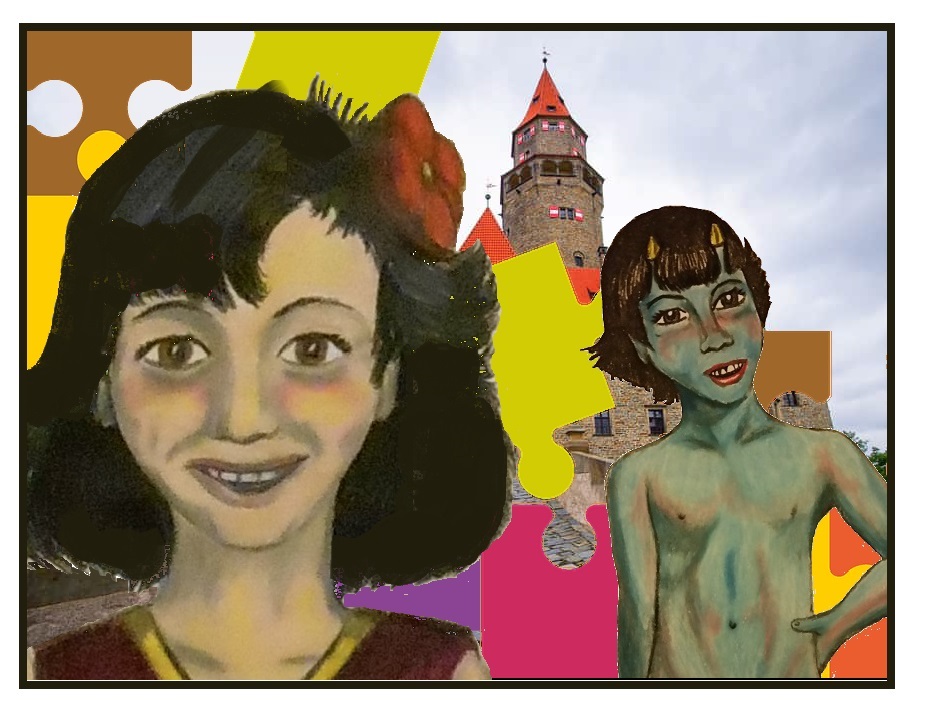
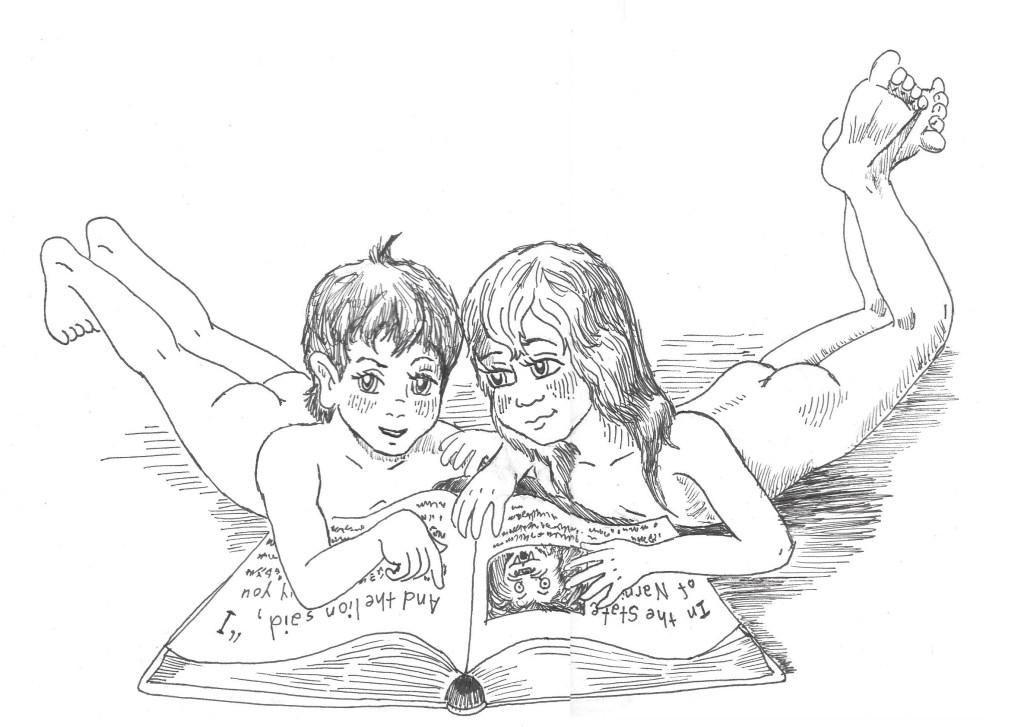
The book is about a boy named Devon who goes from a traumatic event that took him out of his divorced mother’s home and put him in his father’s house. But his father is remarried to a woman with twin daughters who are dedicated nudists, and live in a residence that is located in a South Texas nudist park. He has to recover from his trauma by becoming a nudist living a naked life himself. The theme is, “You can overcome childhood trauma if only you are open to being nakedly honest about yourself… especially being nakedly honest with yourself.”
Stardusters and Space Lizards
This story is one of the sequel messes written to go with Catch a Falling Star. It follows the alien characters and three of the human characters from that book out into the stars. It is basically an allegory for the climate-change crisis we face here on planet Earth. Besides the fact that this book offers the idea that inventive children can solve world-wide problems, and Texas politicians can be translated into lizard-people monsters who are actually to blame for everything, the theme of this book is really, “To solve ecological problems on a world-wide scale, we must first acknowledge that those problems are not caused by lack of understanding, but by the disregard for life that people have when they are motivated by personal gain, power, and reputation.”
Laughing Blue
This book is even harder to give a main theme to since it is a book of essays. Every entry, every single essay, has it’s own unique theme, ideally expressed in a topic sentence that states the theme.
But it is not impossible to find an over-arching theme. It is filled with short vignettes and stories about my childhood, my life as a teacher, my cartoons and bizarre sense of humor, my philosophical musings, and complaints about the things that have hurt me. It is largely autobiographical. And the main theme is basically, “When life gives you lemons, make a lemony joke of some sort because laughing is much better than crying and a better thing to do when you’re blue.”
I know, I know… purple paisley prose.
I am well aware that I have not put a theme to every single book I have written. But I think I have, in the course of 6 essays, done a fair job of puzzling together and proving my point that a novel, or even other kinds of books, need a coherent main theme, and the author should, hopefully, know what those themes are. So, the essay ends here. Mostly because I am old and cranky and tired of repeating myself endlessly.
Leave a comment
Filed under autobiography, commentary, humor, novel plans, novel writing, Paffooney, writing, writing humor