
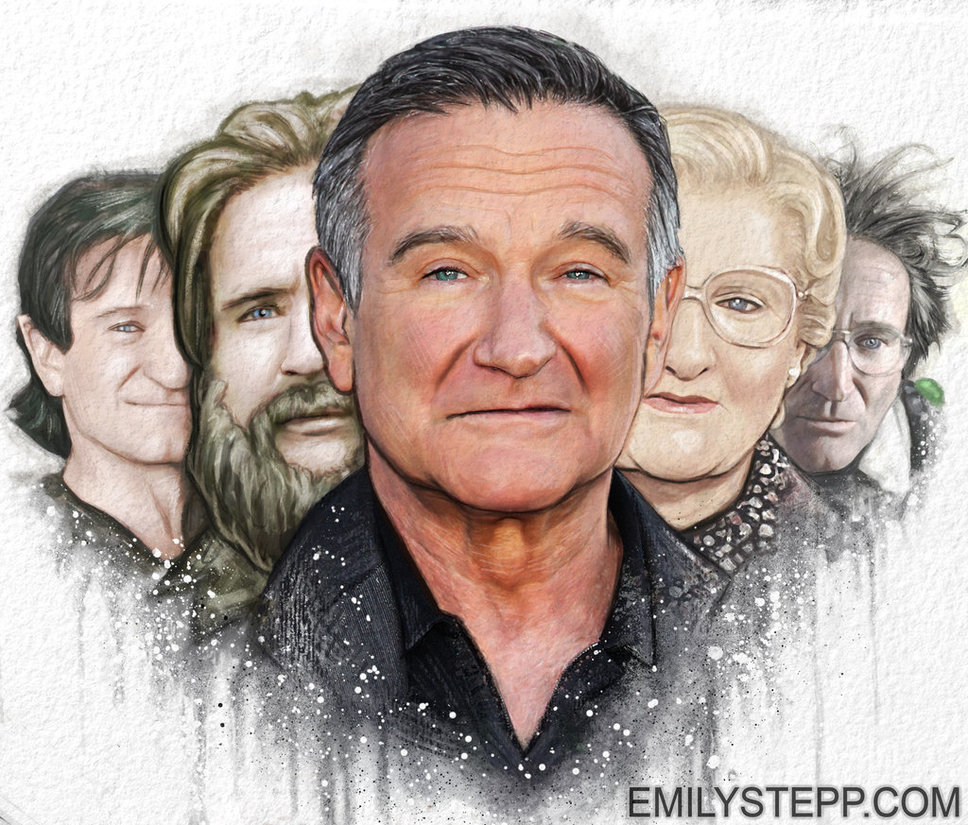
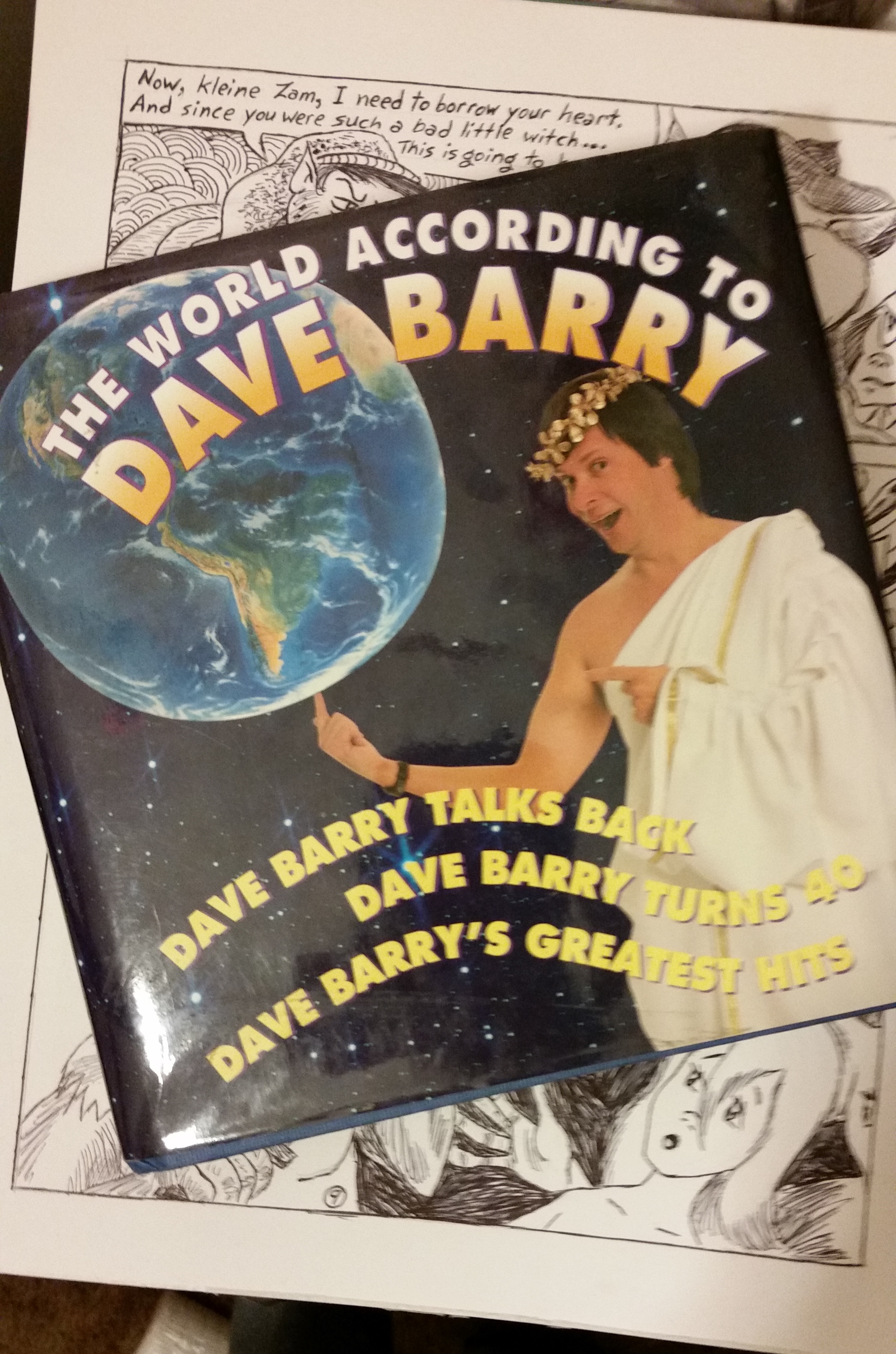
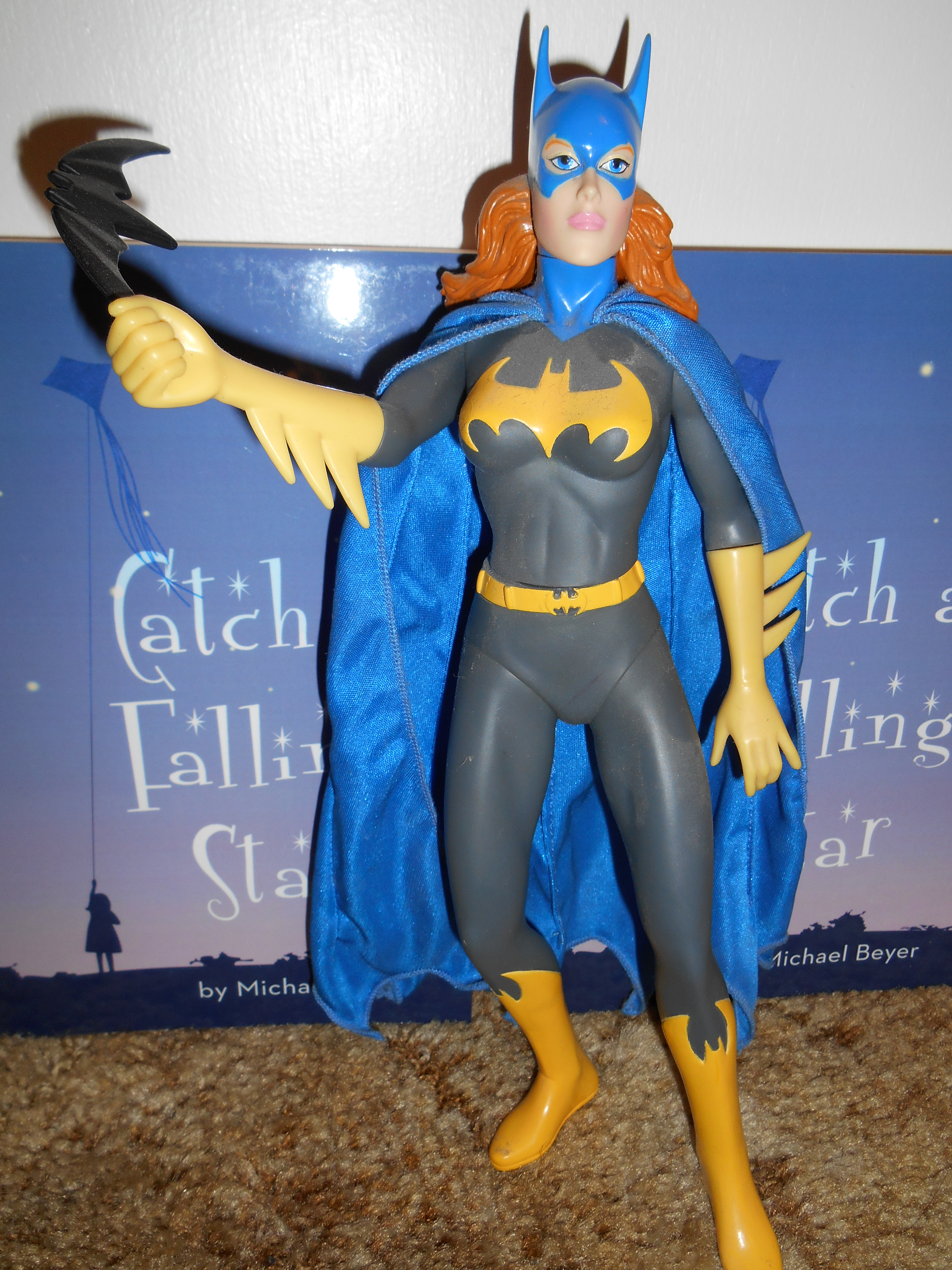
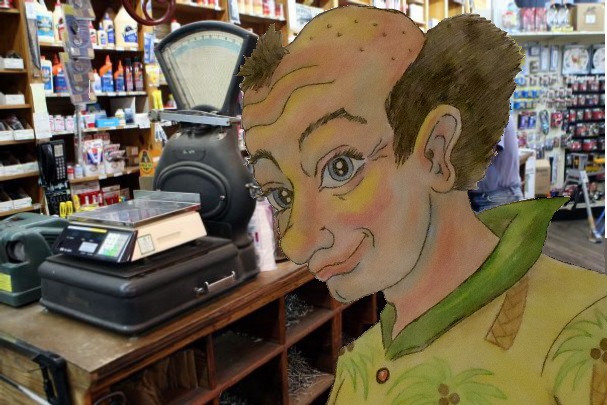
As a writer seriously immersed in a particular work in progress, I find myself talking more and more to certain people who exist only in my head. They are the characters in my novel, The Boy… Forever.
The novel is itself an epistolary novel. That means, like Bram Stoker’s Dracula, it is made up of letters, notes, diary and journal entries, and other personal writing of the central characters. It also means that I have to become the different people who write these things. At least while I create each individual artifact that goes into the mosaic of first-person narratives.
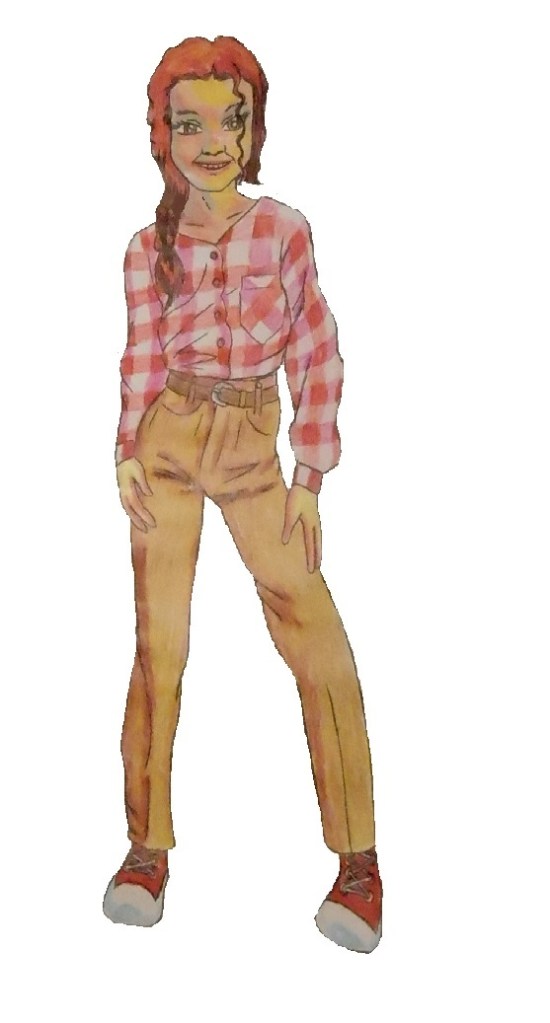
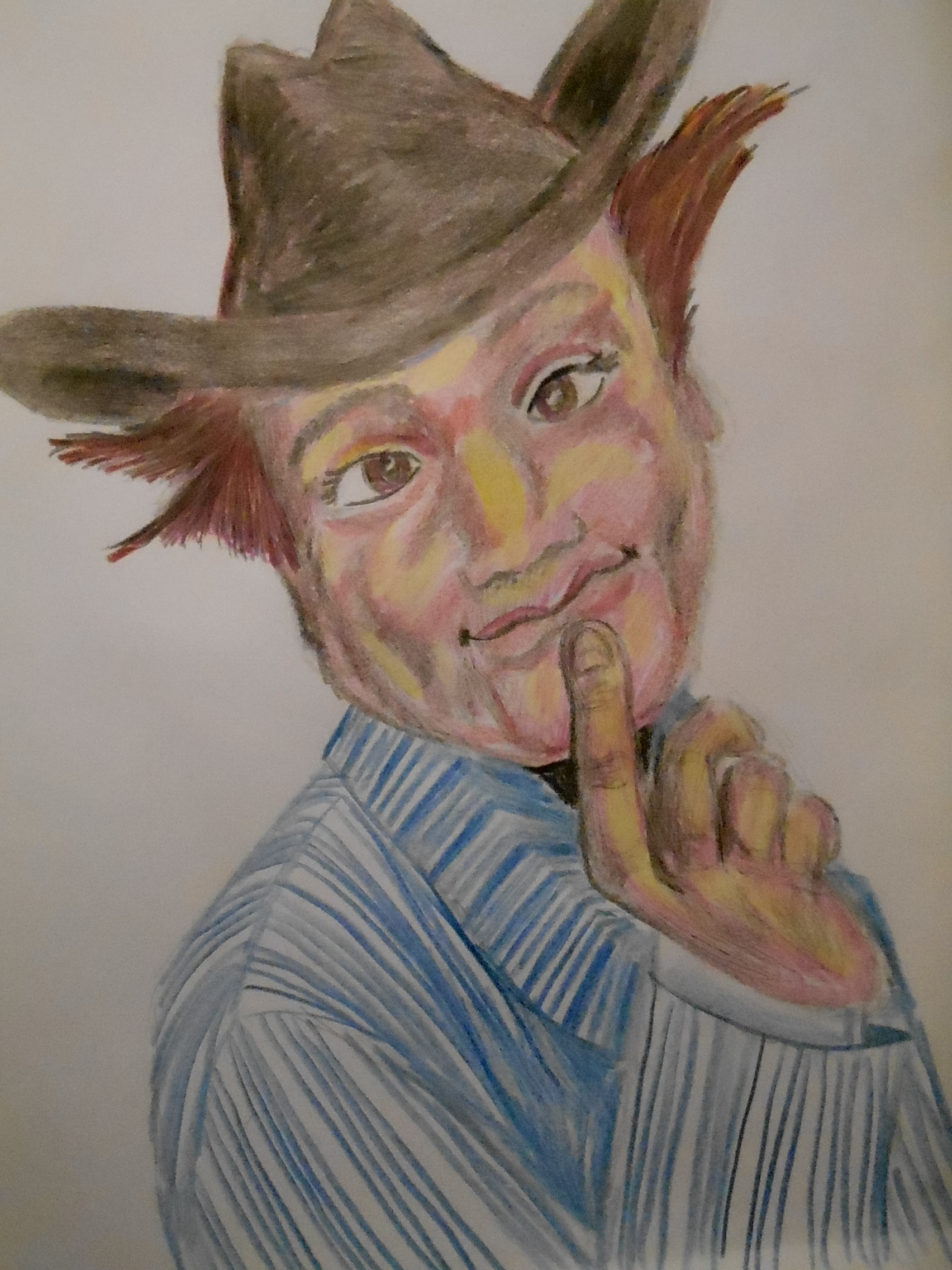
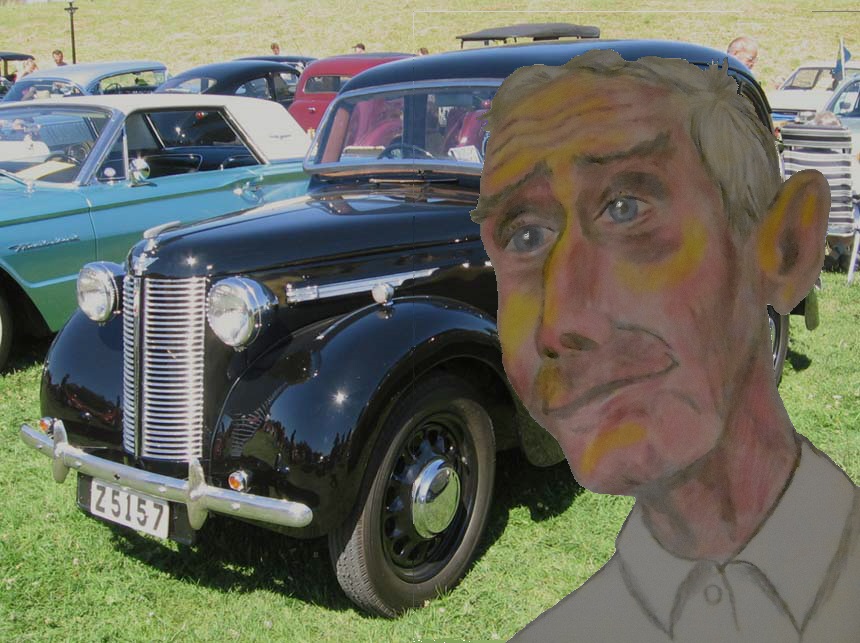
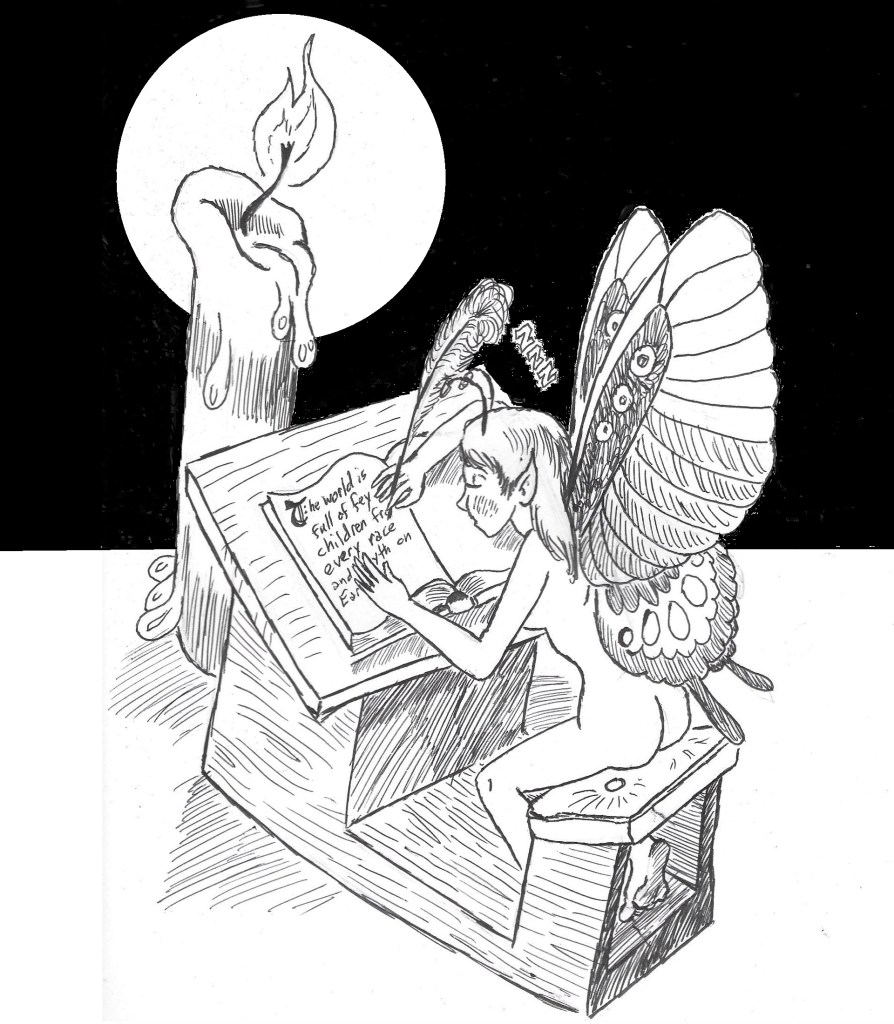
Anita Jones, pictured here, is the letter-writer who starts the plot in motion when she gets a very disturbing letter from her cousin, Icarus Jones.
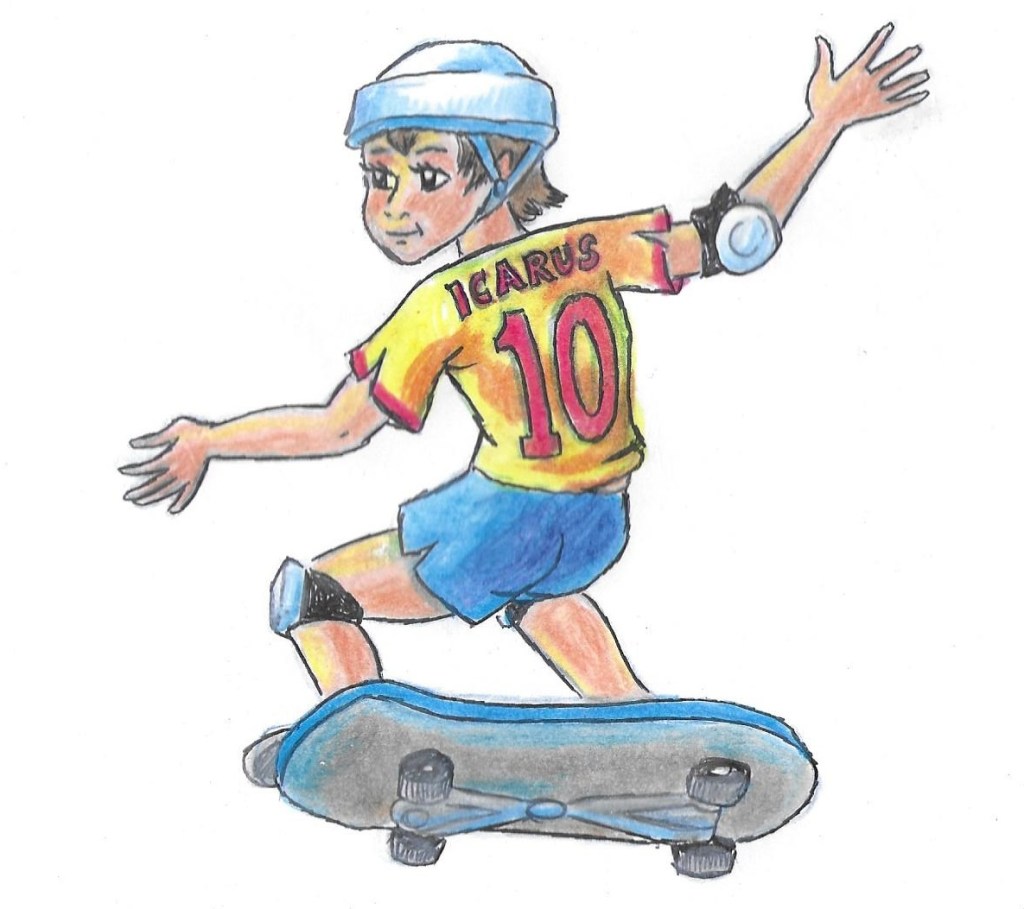
Icarus writes about his problem with becoming a midget, and his response to it being a plan to kill himself. It seems that he simply stopped growing at the age of ten. Now, being a fifteen-year-old in the body of a ten-year-old, he writes a suicide note in the form of a letter, and then goes to jump off a bridge into the Mississippi River. But when he does, he survives. Or, rather, he succeeds, but cannot remain dead. He doesn’t know it, yet, but he has become a human mutation known in the secret world of unknown things as an Immortal.
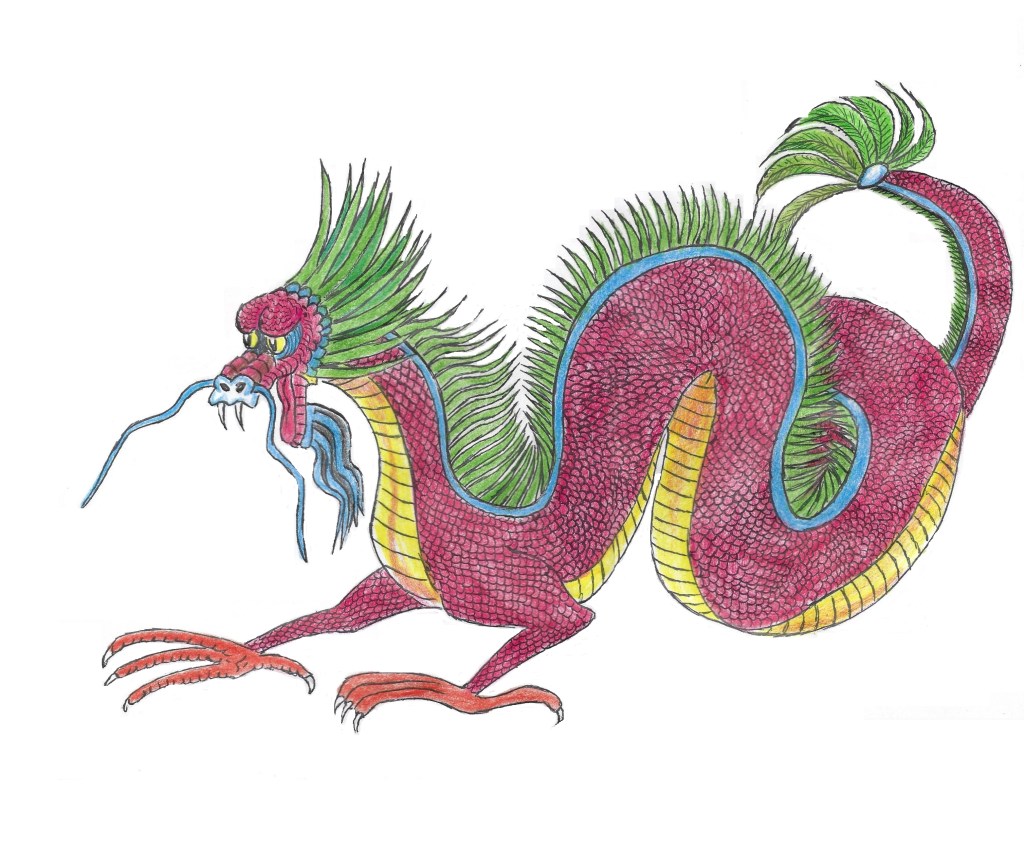
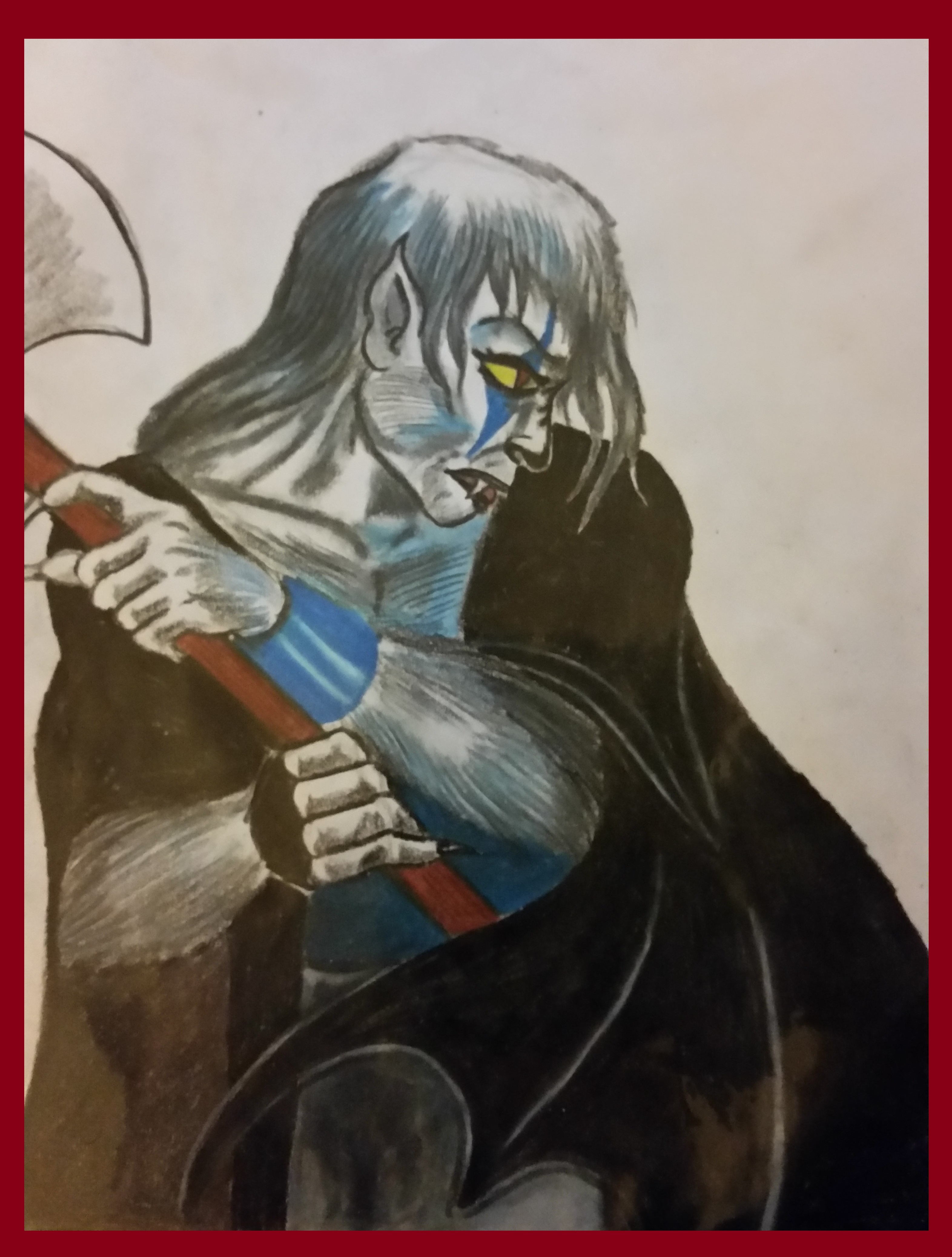
Icky’s problem becomes worse when it is discovered he is being pursued by another immortal, a sort of vampiric immortal who needs to consume the essence of other immortals to stay alive. He is a three-thousand-year-old Chinese Celestial Dragon who is able to assume a human form.
Neither Icky Jones nor Tian Long the dragon, though, really needs to be in my head. Icarus himself only writes the first and last letters of the book. Tian Long, the villain, does not have a say at all in telling the story. The only part of it he writes are the wizard spells he uses to confound everyone, and most of those are in Chinese.
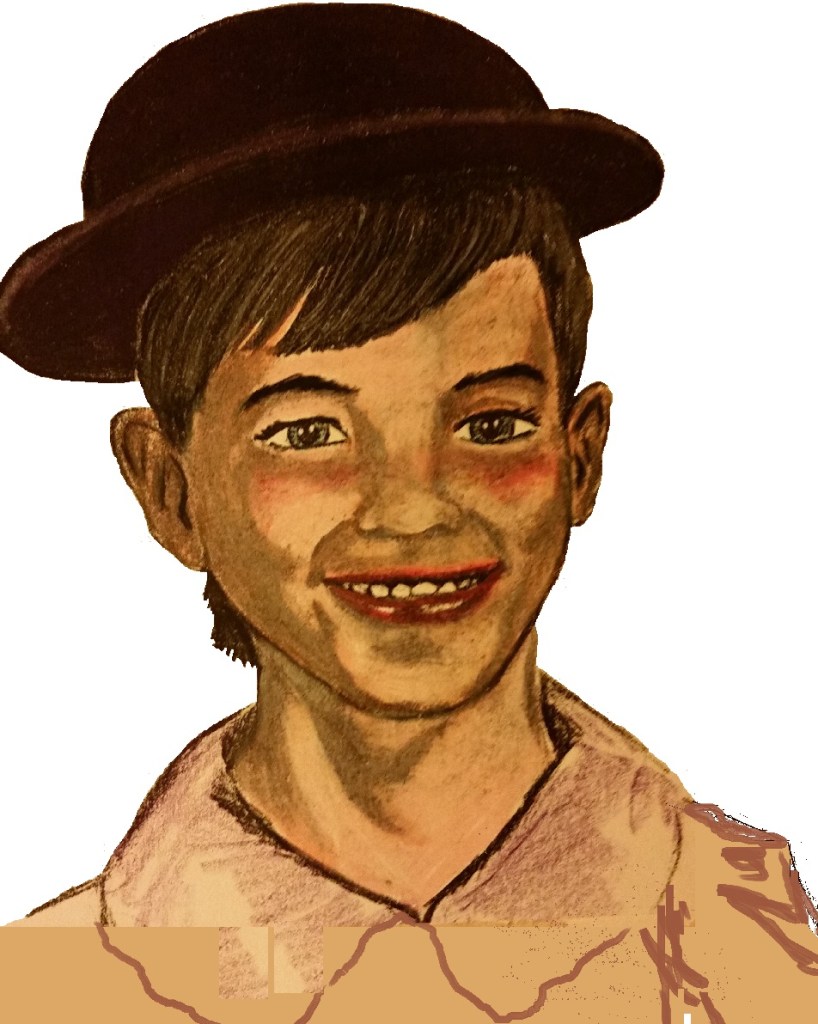
Besides the letters that Anita Jones writes to her cousin in Dallas, Dot Jones, the story is also advanced in the journal entries of Milt Morgan, one of the leaders of the boys’ gang in rural Iowa known as the Norwall Pirates. He has been asked by the Freshman English teacher to keep a daily journal and write every day in 1976. This he struggles to do, but gains writing and typing skills as he goes along, especially when he befriends Icarus and learns about the dragon pursuing Icky.
Milt is full of imagination and a sense of adventure, a thing that makes him an unreliable narrator, not above embellishing the truth as he writes his not-so-much- daily-as-infrequent journal entries.
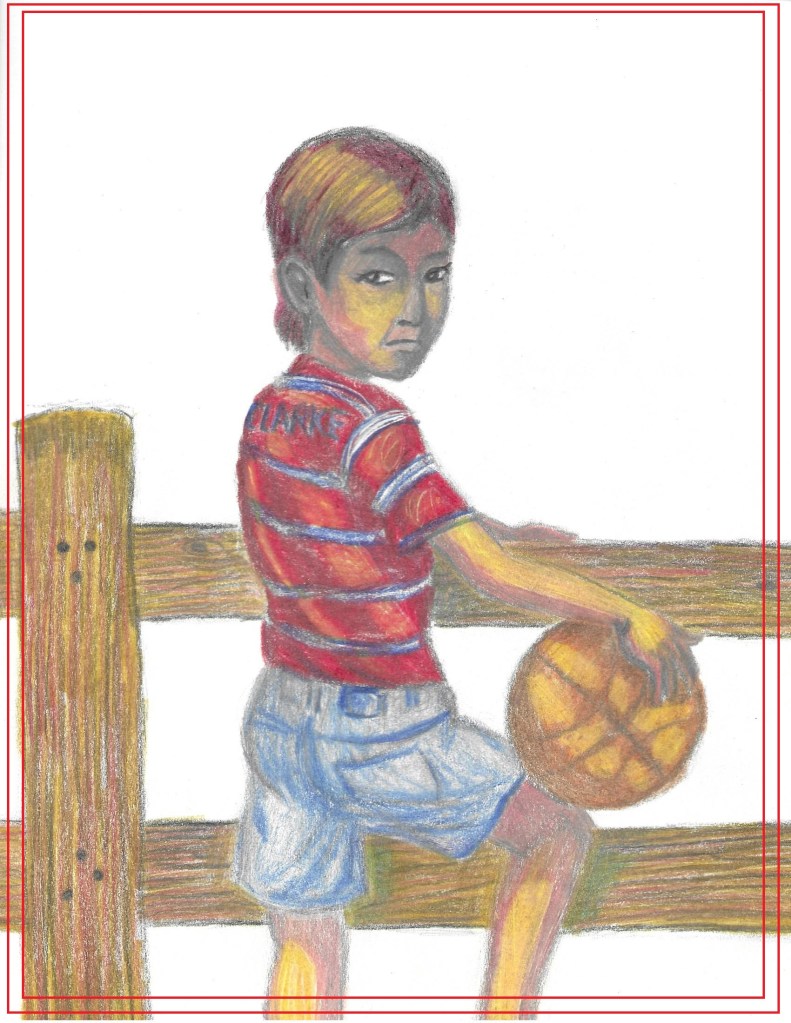
The story is also taken up by Brent Clarke, the leader of the Norwall Pirates. Brent wants to be a policeman or a detective or something like that when he grows up. He takes careful investigation notes on everything, and he is the first one to become suspicious of the Chinese man and his step-daughter who pick a house in the town of Norwall that they want to live in right before the actual owner and occupant of the house mysteriously dies in a falling accident. Brent befriends the local Sheriff’s Deputy and sets out on a serious possible murder investigation that yields some very disturbing results. His notes are very detail-oriented and generally fact-based. He carefully records his own eye-witness accounts of everything.
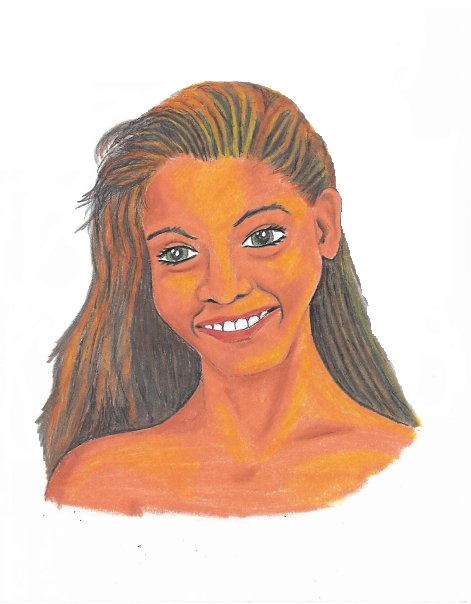
Sherry Cobble, the more outgoing of the identical twins known as the Cobble Sisters, is a happy nudist with a very positive body image for herself and her twin sister. She is a very positive person over-all. She and her sister Shelly had started out keeping a “Lovely Nudist’s Diary” between them, but Shelly is not nearly as interested in writing and storytelling as her sister. So, Sherry takes over the diarist duties with the same sort of glee and enthusiasm she has for promoting nudism to her friends, especially the Norwall Pirates. It is her goal to eventually see all of the kids in Norwall naked and happy just as she and her sister Shelly always are.
Those four different character voices are the main voices I have to work with in telling this fantasy adventure story in much the same way as Stoker tells the story of Dracula.
So, if I begin to seem like I have a disordered mind full of multiple personalities, it’s because I am a novelist, not a mental patient or a vampire or even a Chinese dragon in human form. I am simply trying to tell a story by allowing four distinctly different characters to live inside my head.









Ending the Story
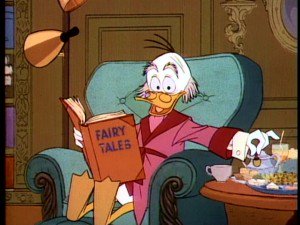
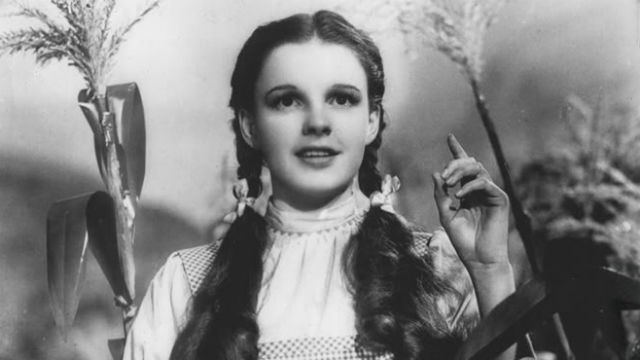
The first chapter of the story of my life does not open with my birth. It begins with my first memories around the age of three or four, when I first really became aware and my mind began seriously pulling itself together. Similarly, it will not ultimately end the final chapter when the lights go out and I pass away. I myself will not be able to write that particular sentence because, as I die, I probably won’t be in the act of writing about it.
This topic comes up because I have been thinking long and hard about how my AeroQuest series is going to end.
The original story in my terrible first-published novel has been divided into five different parts. Admittedly they are not as stand-alone in nature as I had originally intended.
Of course, since it all evolved from an on-going role-playing game, it was never really supposed to have an end point. And if I manage to finish this number-five novel, I already have a story to fill the number-six novel. It will be called Galactic Fire and the story is already tied to the other five.
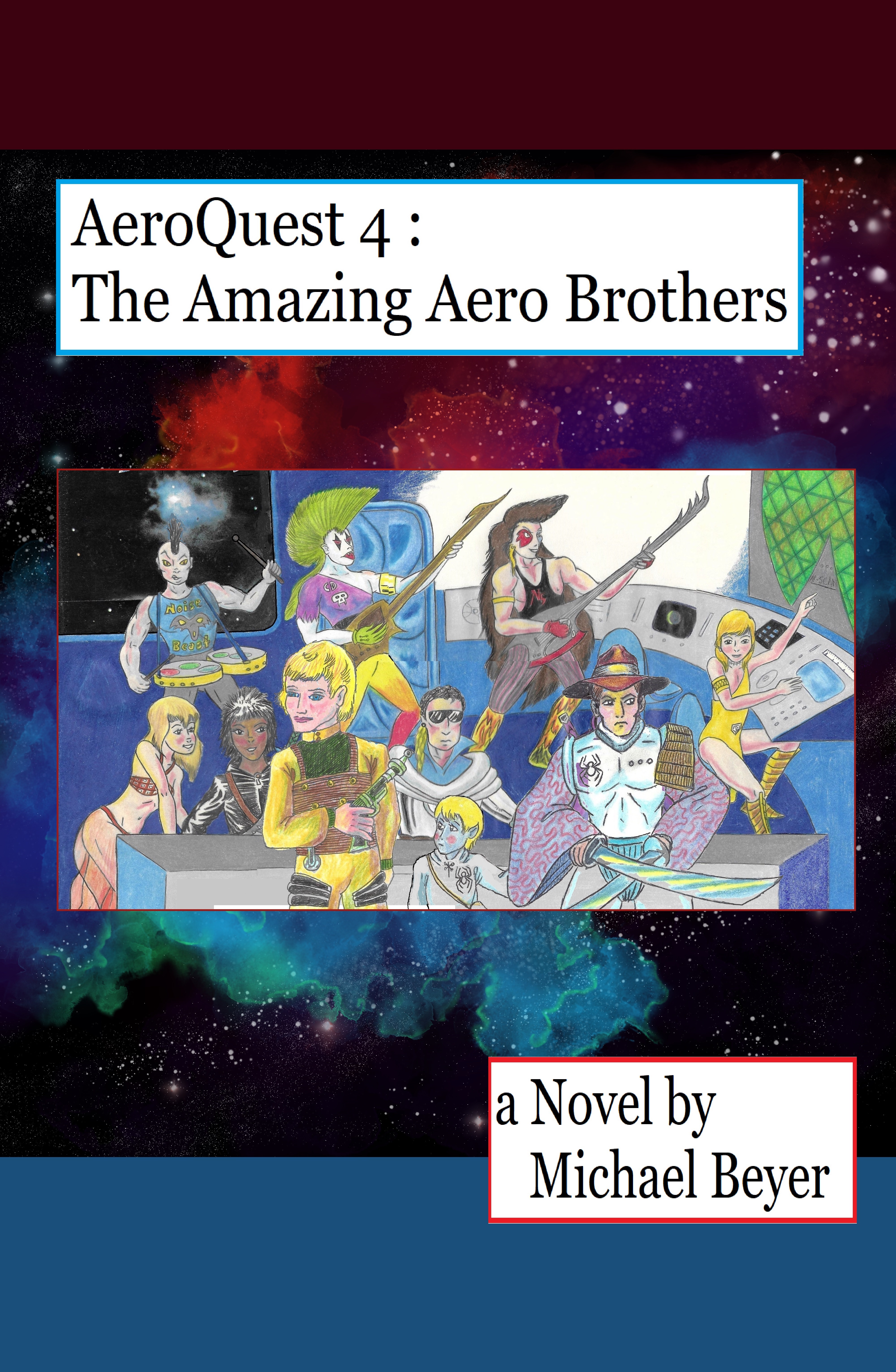
At the same time, I am rewriting and updating Stardusters and Space Lizards. This too is an ongoing story. As a sequel to Catch a Falling Star, it takes up the tale of the aliens who tried and failed to invade a small town in Iowa. It takes them to a dying planet where the population of meat-eating lizard people are determined to make themselves extinct.
So, naturally, this book has the problem of the need to kill characters who are not the villain. Characters I have come to love. One of the characters shown on this new cover was supposed to tragically die during the climactic battle of the book. It began my awareness of how I can’t seem to end a novel without killing characters.
Of my fifteen existing novels, only Superchicken and A Field Guide to Fauns make it to the end of the story without killing a character.
I am lucky society doesn’t charge authors with murder for killing off characters in their books. After all, we fiction writers are a murderous lot. And characters are real people, at least to the author.
But, life as a story, is like that. Nobody that we have photographs of makes it out alive. And all the exceptions to the general rule may be highly metaphorical in actual reality.
The character in my initial Paffooney, Orben Wallace from The Bicycle-Wheel Genius, is a good example of the ongoing nature of life’s story. I call that book a prequel-equal-sequel because it tells a story that begins before Catch a Falling Star, includes some of the same story as that book, and ends with a story that occurs well after the other story departs for outer space.
I fully expect my own life to end its story like that one did. There is a story that comes both before and after. Birth-to-death stories are always part of something larger. And it is all connected.
Leave a comment
Filed under aliens, characters, commentary, humor, novel plans, novel writing, Paffooney, strange and wonderful ideas about life, writing, writing humor