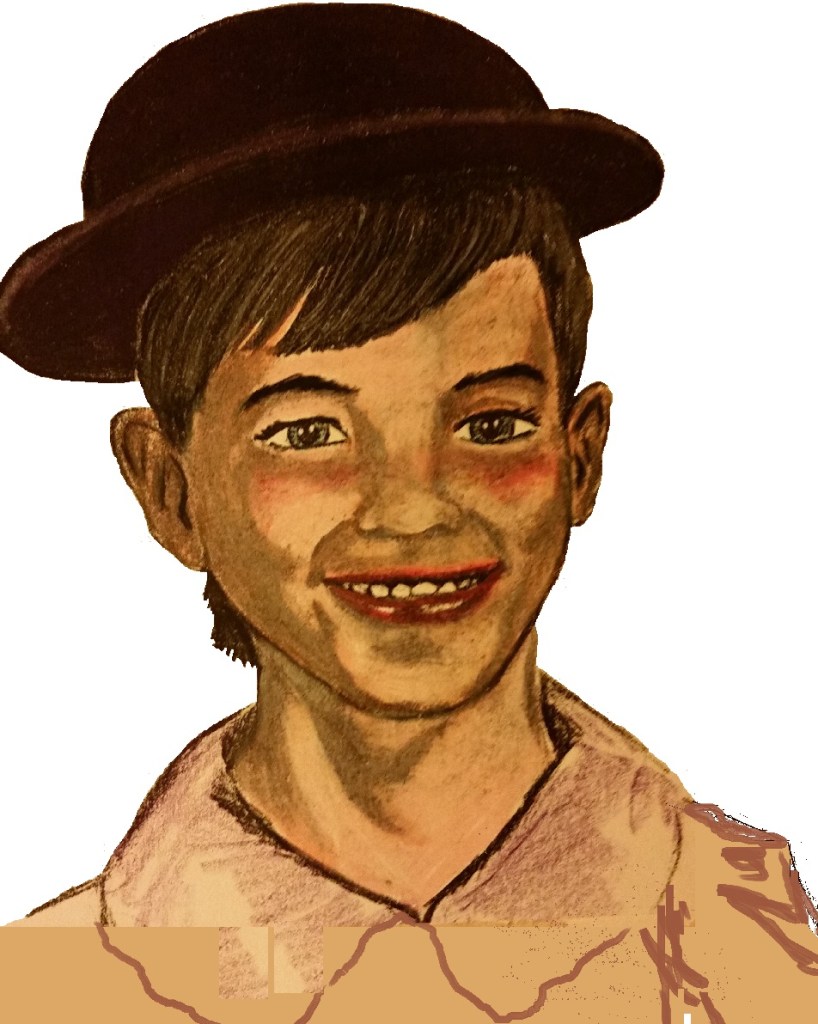
Category Archives: writing humor

My Bookish Journey (Part VI)

Once you become a published author, the next step is truly humbling. You have to become conversant in the language of Bookish. It is the language of marketing, the language of book promotion, the inexhaustible lexicon of bullish book-hawking.

This blog, Catch a Falling Star, was one of the first steps in that process. The I-Universe Marketing Specialist set it up for me and guided me through the first six months of writing an author’s blog. Still, it was mostly a matter of teaching myself how to blog. The marketing department of I-Universe Publishing also put me in touch with an author’s group on Facebook who would eventually become PDMI Publishing, the publisher that Snow Babies would eventually kill. I learned a lot about both marketing and the realities of publishing from that group, most of whom I am still in touch with on Facebook in spite of Facebook’s transition into the recruitment arm of the MAGA Fascist Armada.
I-Universe was also responsible for starting me on Twitter. Hoo-Boy! Twitter is a different universe than I live in. At the outset all I did with Twitter is re-post my blog entries. I had no followers at all… well, besides what I believe were catfish, spammers, and trolls. Between 2013 and 2017 I believe I only surfed on the rough white-caps of Twitter a total of two times.

But I reached seven books published and hadn’t sold any at all when I came to the conclusion that I had to actually tweet with the twit-wits on Twitter.
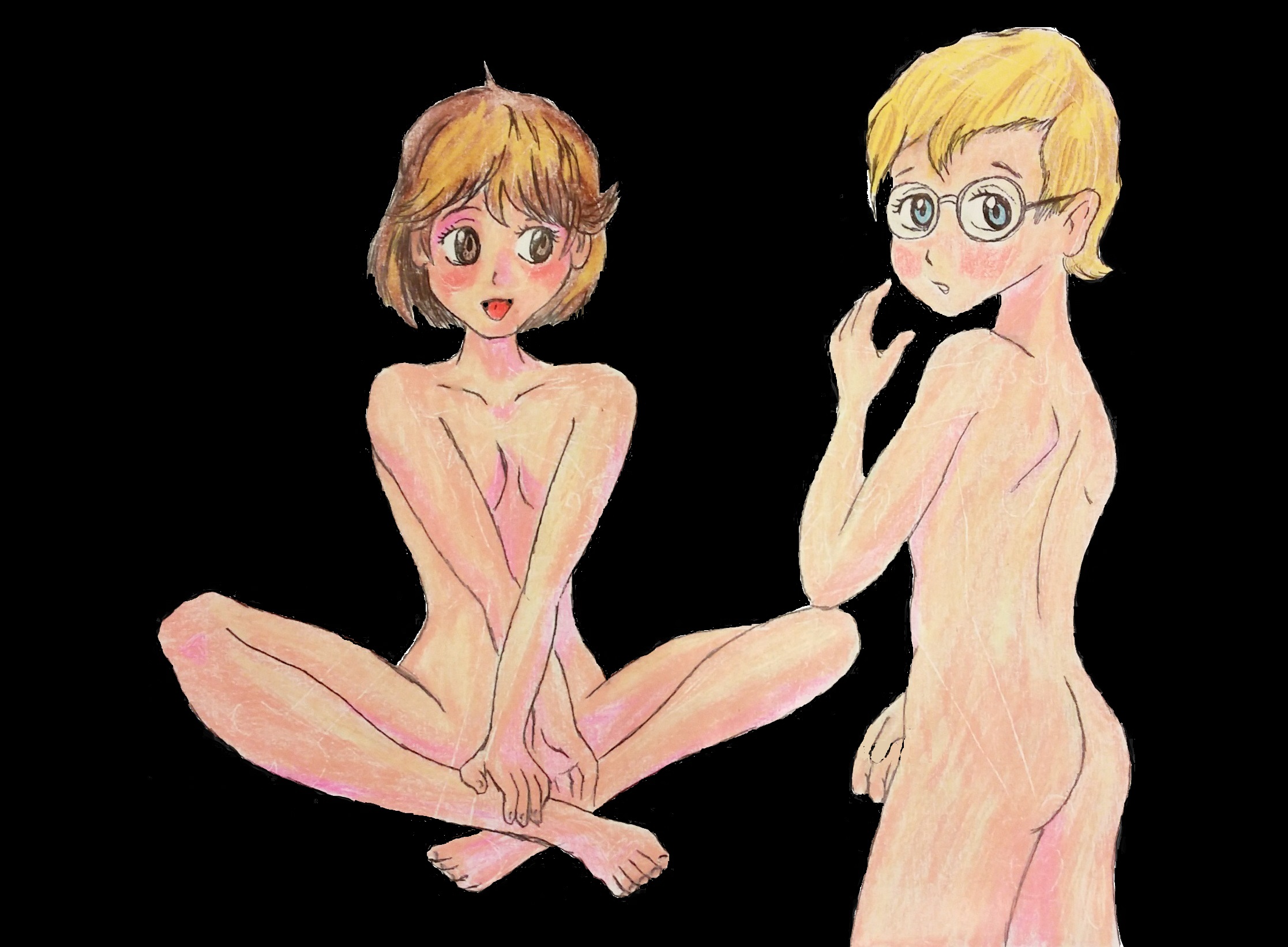
Of those first seven books, three of them had nudist characters in them. Primarily the Cobble Sisters, based on the combination of my twin cousins who were not nudists, a set of twins I knew from Iowa who were not my cousins and also not nudists, and twin blond girls I taught in Texas who spent time talking about visiting nude beaches and trying to embarrass me by inviting me to visit the one in Austin at Lake Travis known as Hippie Hollow. The books were Superchicken, Recipes for Gingerbread Children, and The Baby Werewolf. My connection to nudism came through a former girlfriend who worked with me in school and whose sister and brother-in-law lived in the clothing-optional apartment complex in Austin.

So, when I started Tweeting like a songbird with a tin ear for music, I attracted some really odd followers. Other writers, sure. But gay Russians living in England? Tom Hiddleston’s fan club? People who desperately need to talk about the Prophecies of Thoth? They all responded to free-book promotions. And they not only followed me, but engaged with me in ways that appeared in the Twitter notifications. And then came the Twitter nudists.

Now, I admit that I took the foolish step of taking a blogging assignment from a nudist website, promising to visit a nudist park in Texas and write about my impressions of being a first-time nudist. I struggled with my sense of self-worth and body image and finally went to Bluebonnet Nudist Park in Alvord, Texas. I wrote the post and advertised my novels with the nudist website.

And then, Ted Bun, a naturist novelist from England, but running a nudist bed and breakfast in France, made me a member of his nudist-writer group on Twitter. I became connected to nudists enough to write an actual nudist novel, just to see if I could do it.

Nudists not only follow me on Twitter now, but they follow me here on WordPress too.

So, my writer’s Bookish Journey has taken some weird turns, but I am beginning to sell books and getting good reviews from readers. Apparently the secret to selling books is to get completely naked amongst other naked people. I still can’t claim to know anything at all about marketing, though. I am seriously illiterate in the whole Bookish language.
9 Comments

Filed under humor, novel writing, nudes, Paffooney, writing, writing humor

Write Like You Mean It

I am guilty of writing satire and parody. Many of the things I have said in this blog are written as firmly tongue-in-cheek. But people will often take you seriously… literally… misinterpreting everything you say. They will, via comment, reach into your mouth, pull out that tongue, and wrap it three times around your neck in order to strangle you with it. (I dare you to take that one literally, all you non-humor appreciators.)

Obviously it helps, when talking about satire and parody, that you define the terms so that your reader has at least a little bit of a sense that the idiot writer actually knows what he or she is talking about and not merely flinging big words and obscure ideas around the room. (And, of course, when I refer to myself as an idiot writer, I am hoping that the reader gets the sense that I am being ironic about the fact that truly wise people are the ones who realize how little they know in comparison to what the universe has available for them to know.)

Parody is when you really love a piece of culture, literature, or art and you then imitate it in a humorous way. In my novel AeroQuest (which has now become 3 novels, and I am writing 4 & 5 too) I make fun of Star Wars, Star Trek, Dr. Who, Flash Gordon, Buck Rodgers, and numerous other science-fiction and adventure-fiction things. The humor tends to come from exaggeration, ridiculous situations, extreme irony, and wry observations about our world embedded in the story. And they are written as a homage, not as an attempt to tear those things down.

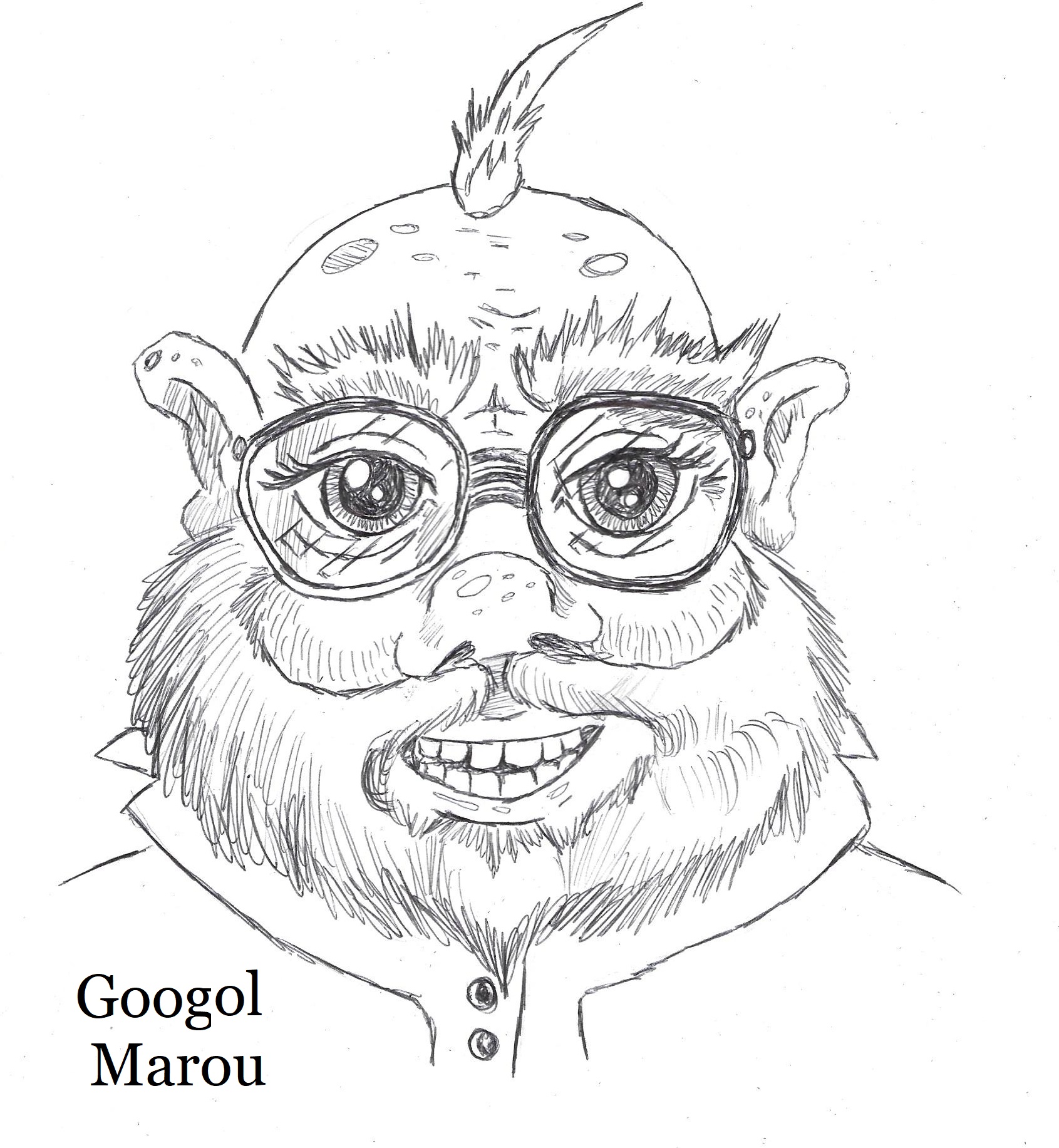
Satire, on the other hand, is comedy created where you don’t like a thing and you write highly critical commentary about it disguised as the very thing you are criticizing. My narrator in AeroQuest, Googol Marou, is mostly satire. He is a know-it-all, pompous gasser who often holds forth about what people are really like, how their institutions really work, and how the primary purpose of life in the universe is to blow things up.

So, both kinds of writing, I am obviously saying, are in direct opposition to what my title suggests this post is about. Don’t immediately try to pull my tongue out of my cheek. I told you before that was not literal. It is a joke. The tongue-thing, not my title.

I am completely serious when I say that a writer must write about the things he or she already knows. It also needs to be about things you really care about.

My parody novels, then, obviously show how much I care about the novel tropes and movie-serial action/adventure stories that I am reverently imitating, mostly for laughs.

And I mean it also when my stories refute the ideas that blowing up high-population planets is a good thing, done for fun and sometimes profit. We are, after all, busily destroying this planet to make the living Koch Brother insanely richer.

There you have it, then. The mewling excuses for my egregious attempts at committing acts of both parody and satire. I actually mean what I say, even though you may have to use your brain a little bit in order to understand what I am saying.

Leave a comment

Filed under humor, Paffooney, satire, writing, writing humor, writing teacher

To Laugh… or Cry

I have claimed that I am a humorist and all my novels are comic novels, to some degree at least. But it is often pointed out to me that I write about things that make people cry. And I freely admit that I most certainly do.

But if you think about it carefully, analytically, or even emotionally, you have to admit, even a book like Mark Twain’s The Adventures of Huckleberry Finn has some weep-worthy moments in it. I have read the book more than once myself, and I never get past the scene where Huck looks down at the body of his young friend Buck Grangerford, killed in the Shepherdson/Grangerford feud about something nobody living even remembers, without shedding gushers and gushers of heart-busting tears.

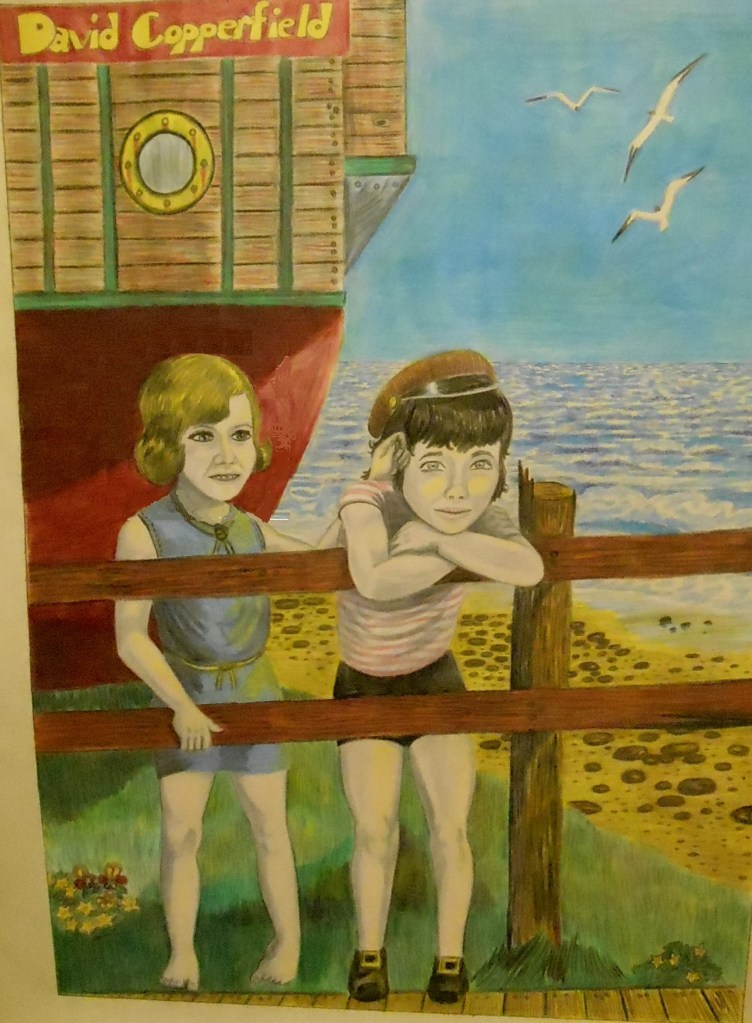
And in Charles Dickens’ David Copperfield, as much as I laugh and guffaw at the antics of quiet Mr. Dick and his kite, or the much deserved downfall of villainous Uriah Heep, it is the drowning of Little Emily on the boat with David’s school friend and idol Steerforth that leaves me surrounded by puddles… nay, lakes… that I have wept.

And I think that I may justify the sad parts in so many of my weary works with the fact that I am merely providing the necessary counterpoints to my merry-making and mirth.

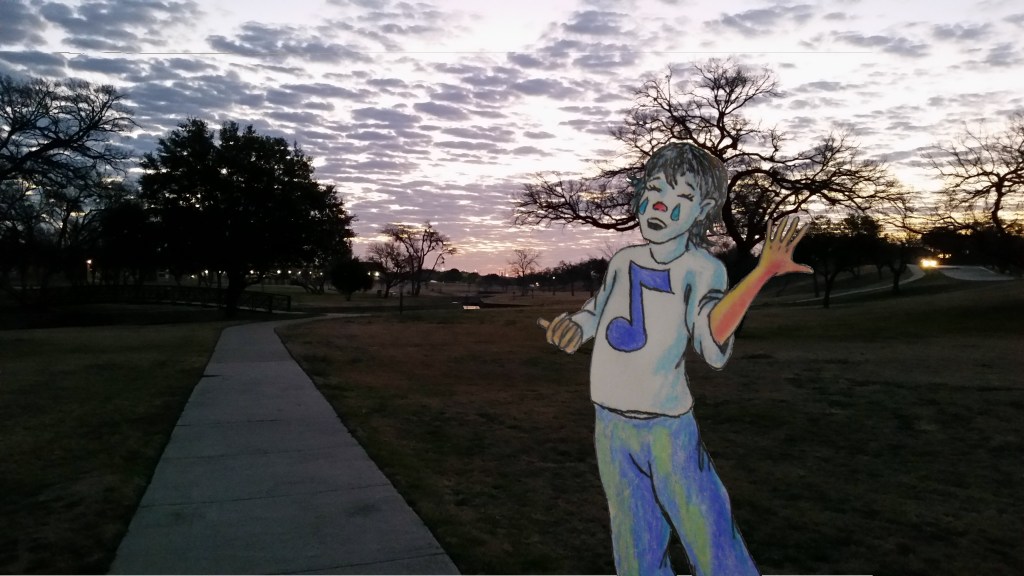
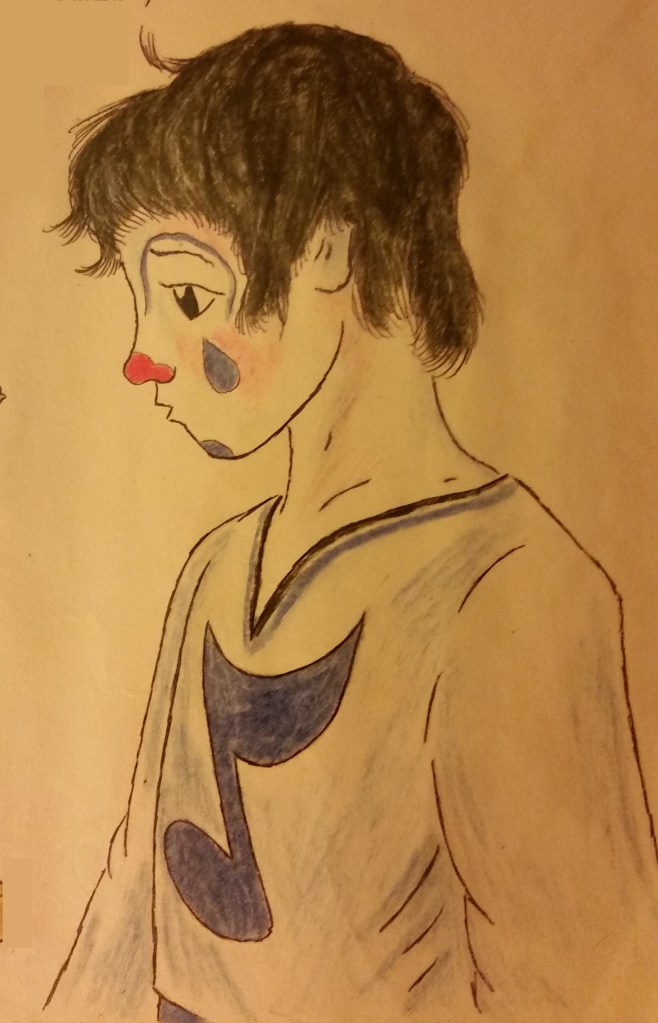
Francois is a character from Sing Sad Songs.

There has to be that necessary balance, that well-rounded-ness, to a story that makes it feel truly complete. And, of course, we know that even in a horror novel by Stephen King, you find humor used as a balance point to lighten the moments just before the monster delivers its liver-shaking, earth-tilting scare.

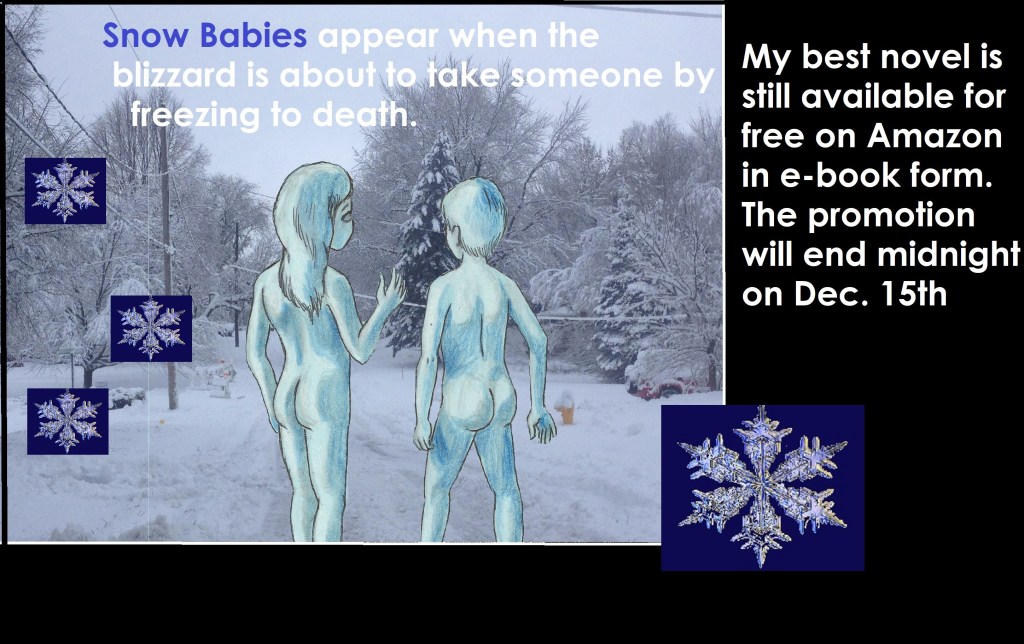
My novel, Snow Babies, is still free just for clicking on it at Amazon books https://www.amazon.com/gp/product/B077PMQ4YF/ref=dbs_a_def_rwt_bibl_vppi_i7

Snow Babies, among my published books, is a good example. It is a story that celebrates how a small Iowa town comes together to survive a deadly December blizzard. And while it tells funny stories of kooky characters battling the elements, and both surviving the blizzard and ’84 Reagan/Mondale political debates, as well as putting up Christmas trees, it is still also about death and loss of loved ones, finding and losing love, and just what sort of self-sacrifice or other accidental happening truly makes someone a hero. Or a bus driver… this book has more than one bus driver in it.

So, I think, in the end, that I have made a cogent case for the notion that in order to be a humorist, you have to manipulate many emotions, not just mirth, but sadness also. As well as fear, bitter irony, and pain. And that may well also be the underlying reason that comedy is harder to write than tragedy.

Leave a comment

Filed under artwork, Paffooney, strange and wonderful ideas about life, surrealism, writing, writing humor

Time and Destiny

He sat down to write something for the day. He rolled a fresh sheet of typing paper into the typewriter. Then he sat back to look at it. It was a totally horrifying stretch of cold, blank nothingness. There was nothing there. It left him feeling completely and hopelessly alone.

How do you connect with that person who is going to pick up and read the final copy of this thing once it is finished? His brain hurt thinking about it.

He knew that he needed to get started. And he wanted to start with something colorful.

So, he typed a word; RED.

“Well, that’s a start, at least…” he said, talking foolishly to the inanimate typewriter. “But what do I really mean by saying RED?”

Well, of course, red means emotional things, anger, love, shed blood, tomato sauce on Chicago-style pizza…

…But how do you make an actual idea out of that? It needs to be stretched some and pulled a lot. Bent out of shape, maybe even smashed by a hammer.

The typewriter became concerned and alarmed at the mention of the hammer.

But the writer was only thinking about the hammer. And the typewriter didn’t read minds. Heck, it wasn’t even electric yet. It was a typewriter that the writer’s grandmother bought in the 1940s. And writer loved it because it reminded him of her. And it reminded him of her letting him type his very first story on it when he was six years old. He wrote a story about a skeleton chasing a dog. And when the skeleton caught up to the dog, the dog ate him. Because he was bones. It was a short story. Very short. Less than a page. Because grandma only had one page of typing paper left on her desk.
And the story wasn’t red. So, why was he even thinking about it now?

Well, it was read. By his grandmother. And she laughed.

And he hadn’t thought about it until right now. But it was the moment he knew he wanted to be a writer some day.

And, so… Right now… This very moment… He realized… The real story is ready to begin,

2 Comments

Filed under humor, irony, Paffooney, surrealism, writing, writing humor

How is it Humor?

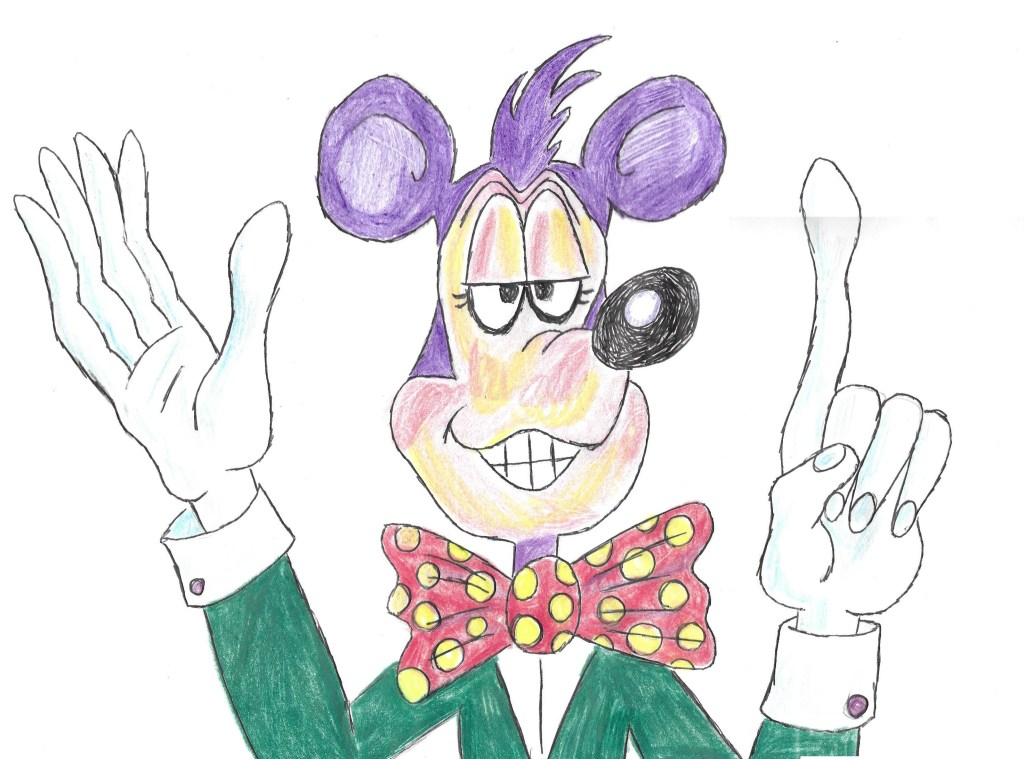
Mickey intends to pontificate again… This will not be funny.

I write novels that I think of as being basically humorous. But I have had readers ask of me after reading them, “What the hell makes you think these stories are funny?”

And besides the fact that they are invoking the name of the Norse goddess of the underworld, they do have a point.

My stories have unsavory things in them. I have stories where the plot is driven by the conflicts caused by physical and emotional child abuse, a pornographer who becomes a murderer when denied the opportunity to make kiddie porn, a father abandoning his wife and daughter through suicide, fools causing others to freeze to death in a blizzard, murderous robot hit-men, space pirates that kill a quarter of the population of a high-population planet, and lizard people from outer space that eat human flesh and each other. (Of course, one could argue the last few things are dark humor created by gross exaggeration and random bizarre details.)

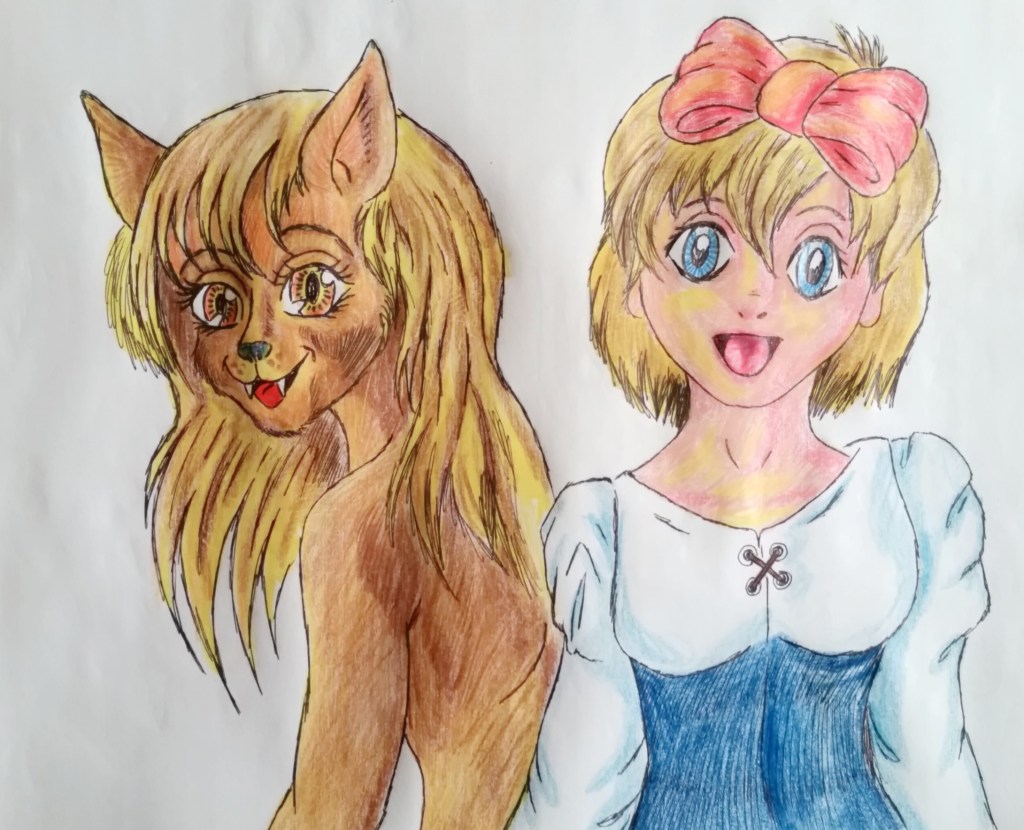
A girl who always got an “A” in English class because the teacher couldn’t be sure she wouldn’t turn into a werewolf and eat him.

But not everything in a comedy is a laugh line. I would argue that a perfect example of a comic novel with dark things in it is The Adventures of Huckleberry Finn. That novel begins with a slave running away from a kind mistress because he is to be sold away from his family., and a boy who narrowly escapes death by the rages of his drunken father and runs away to protect not only himself, but the kind widow who took him in after the events of the previous novel, The Adventures of Tom Sawyer.

In the course of the novel Huck sees his young friend, Buck Grangerford, killed during a pointless family feud between the Grangerfords and the Shepherdsons. He comes upon the body lying in a creek, and no laughter is generated by the scene.

Further, two snaky old con men, the King and the Duke, try to steal away everything from three girls, newly orphaned, by posing as two uncles come to take them back home to England. Huck is forced to aid them as his friend Jim is held hostage and threatened with a return to slavery. There is plenty to laugh at, but not until Huck manages to do the right thing and commit the King and the Duke to their well-earned tar and feathers.

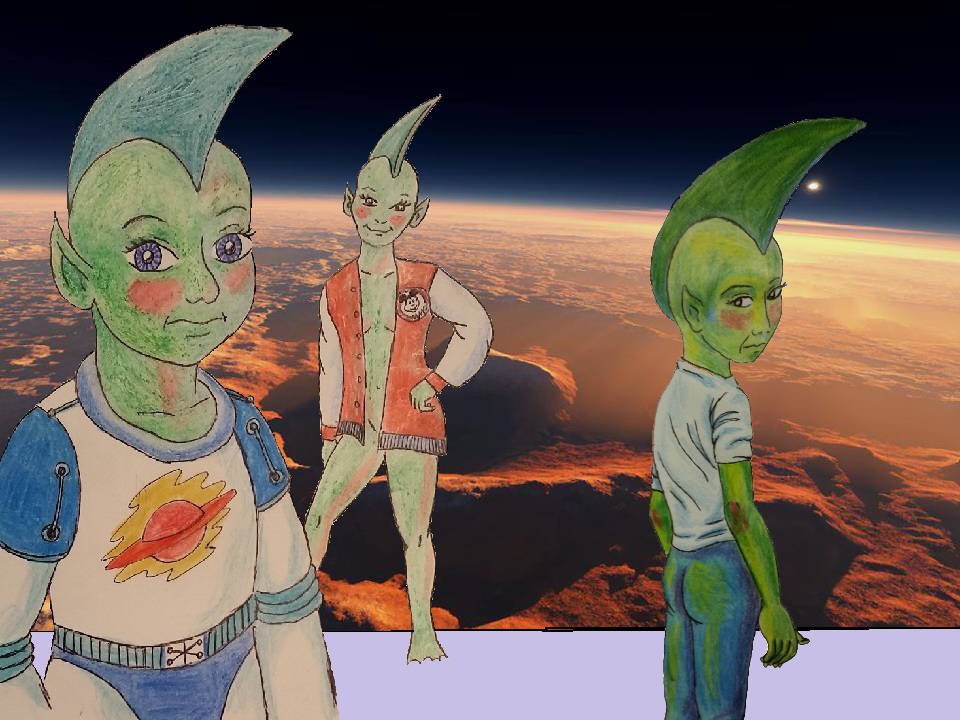
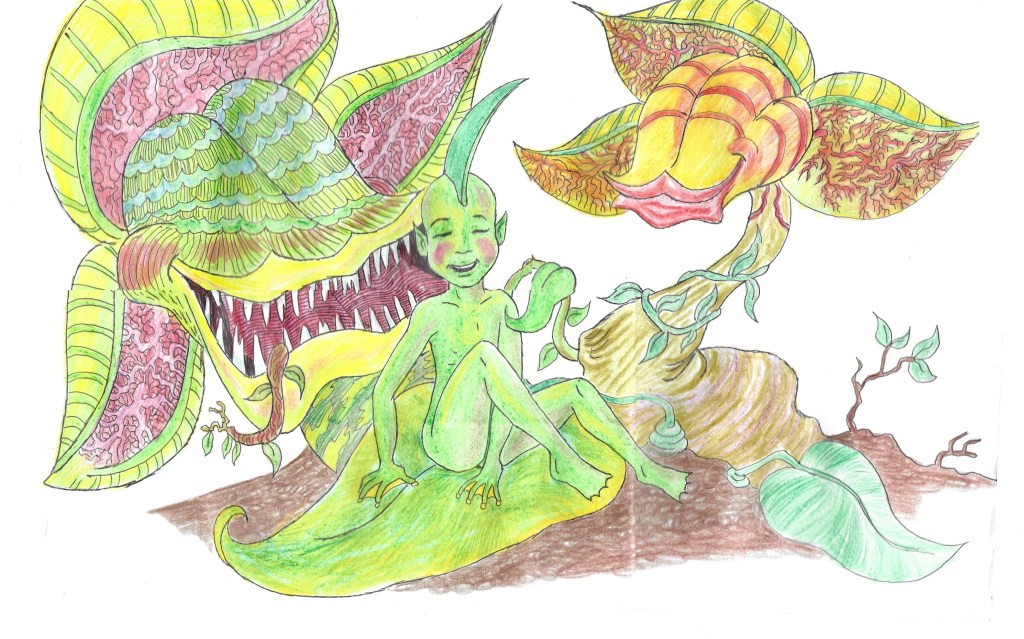
The Telleron kid-aliens who do not get cooked and eaten in Catch a Falling Star and Stardusters and Space Lizards.

Comedies, I would argue, have to have conflict, and some of the best comedies have terrible things in them that the characters you learn to love and laugh with have to overcome. It is in overcoming hard things with love and laughter that a comedy is made different than a tragedy. The comedy does not depend on the laugh lines. In fact, some of the hardest-hitting tragedies have laughter scattered throughout.

I am not trying to educate you. I am merely offering excuses for why I call my stories humor when they often horrify and upset readers. (How dare he write about naked people!!!) But if you learned something, I won’t be terribly disappointed.

Leave a comment

Filed under humor, Paffooney, philosophy, strange and wonderful ideas about life, writing, writing humor

Quirks and Minor Crazy Things

There is considerable evidence that I am not a totally normal human being, or as Danny Murphy used to say “A normal human bean”. Danny is, by the way, a character in several of my novels, including Snow Babies and When the Captain Came Calling. He did the complete Circle Streak (running around the entire high school campus buck naked in a huge and chilly circle) more than once. And he was based entirely on one of my high school classmates and friends. That bird-walk about streaking is an example of the kind of quirks I am guilty of when I am being totally not-normal. I am now entirely off topic and must pull it back to defend myself by saying, “Nobody else is a totally normal human bean either!”

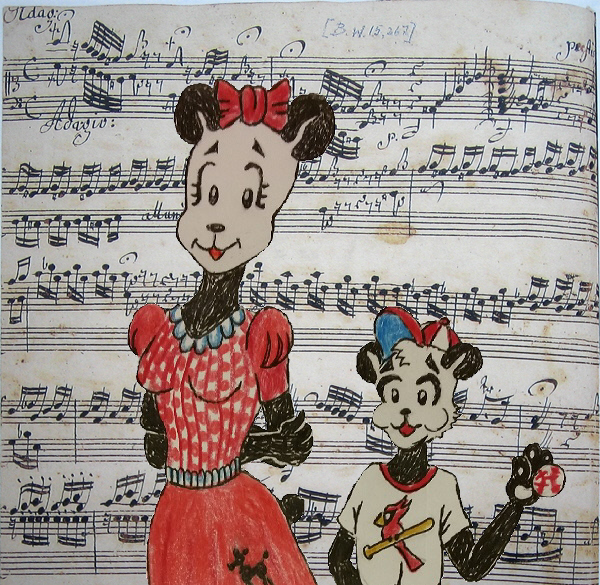
Among my many quirks and oddities is my love of baseball and slavish dedication to the St. Louis Cardinals baseball club. My favorite World Series memories are from 1934, 22 years before I was born. Dizzy Dean was a 30-game winner pitching for the Cardinals. Joe “Ducky” Medwick was their star hitter, and in the 6th inning he hit a triple and slid hard into the third baseman with his cleats up (a trick learned from former Detroit Tiger Ty Cobb) and the Tiger fans lost their cool in a big way (they were behind 9-0 at the time in the deciding 7th game). They began throwing things at Joe as he tried to play left field. He nearly missed an easy fly ball because somebody threw an orange and almost hit his glove. It is the only time in baseball history that a baseball commissioner had to eject a player from a World Series game for his own protection. (Needless to say, I love to hate the Tigers.)

I also love all the other ten times the Cardinals have won the Series, and I am proud of the eight times they nearly won besides.

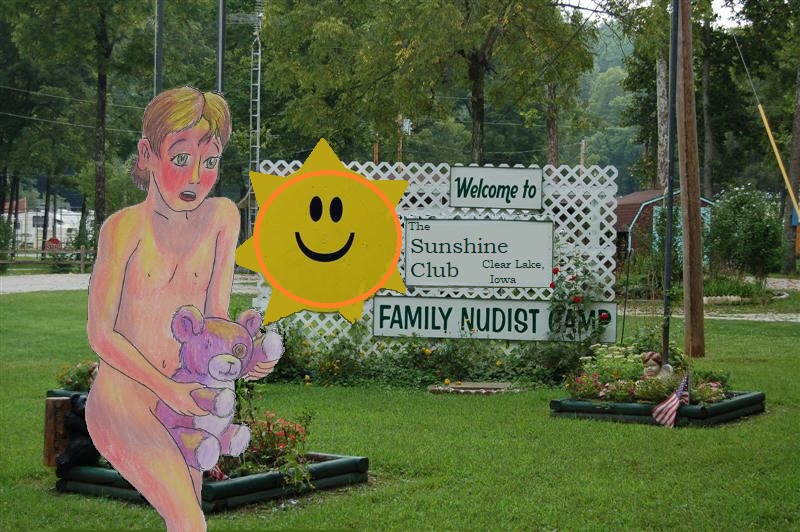
Another of my odd quirks is a love of nudity in spite of my skin condition that prevents me from comfortably being a nudist. I first encountered nudism in a clothing-optional apartment complex where my girlfriend’s sister lived in Austin. I went from being shocked almost to apoplexy, to my girlfriend’s overwhelming amusement, to rejecting a chance to try nudism in the late 80’s, to actually spending a day at a Texas nudist park in 2017, and really enjoying the experience. My children are mortified.

And this quirk affects my fiction. I have some characters in a few of my stories based specifically on nudists I have known. I also wrote an entire novel, A Field Guide to Fauns, about a boy learning to live with his father and step-mother in a residential nudist park. Additionally, I have irrationally tried to use the word “penis” in every novel I have written. I only failed to do so when some editors insisted on its removal. So, I believe I may be 12 for 16 on that score.

But this particular quirk, no matter how totally embarrassing my children find it, is not a sexual perversion. I don’t write porn. And, as a survival matter after being sexually assaulted as a child, my nudity fixation has helped me to accept that I am not evil and unworthy when I am naked. My attacker had me convinced otherwise for more than twenty years.

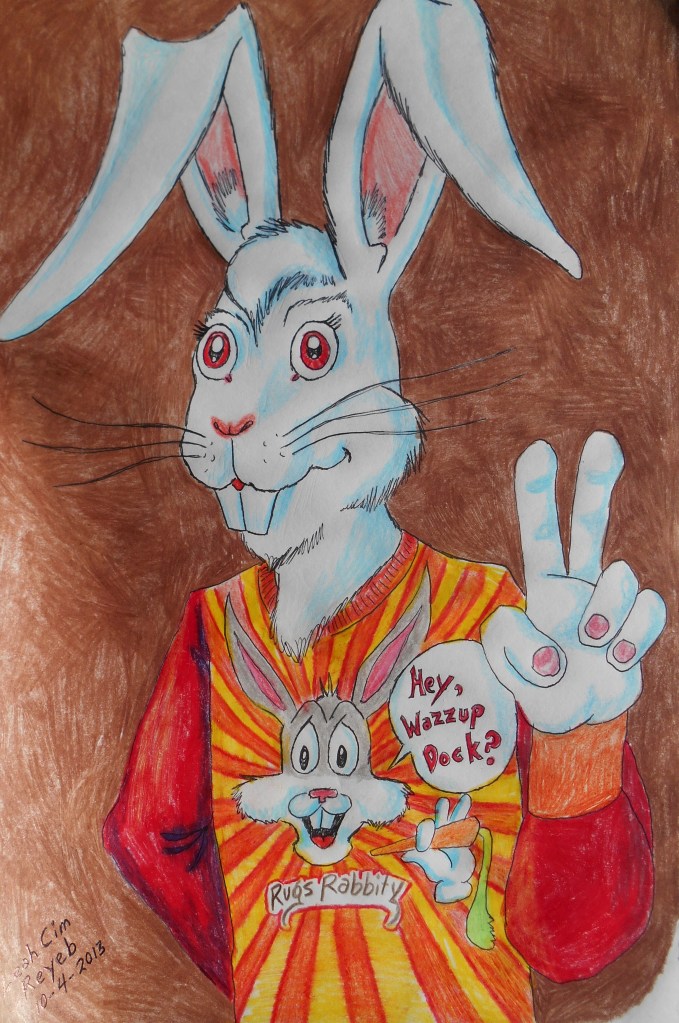
I am also an aficionado of science fiction, classical music, and a faith that tells me rabbits make better people than people do.

My books are divided, for the most part, into Cantos instead of Chapters. This is because of my love for Classical Music and my dedication to the weird notion that novels should be more like epic poetry. Not necessarily written in verse, though if I ever get to write Music in the Forest, that one is written as poetry.

But paragraphs need to be written as purely poetically as perfect white pearls are poetically pearly.

But as poetry, my tendency towards comedy rather than drama or tragedy, leads me to write purple paisley prose (like all this p-word nonsense) which makes my paragraphs more Scherzo than Nocturne, Sonata, or Symphony.

While researching alien invasions for the novel Catch a Falling Star, the story of when aliens from deep space tried to invade Iowa, I came across internet information that ignited another quirky passion of mine, studying conspiracy theories. And it isn’t all just a plot to embarrass my children in front of people we know in real life. Although that is a definite side benefit. But conspiracies are an excellent source material for making humor. Comedy gold. Knowing who people like Alex Jones, David Icke, and Jesse Ventura are, gives me not only easily ridiculed personalities to make fun of, but also windows into thinking habits that may or may not turn up some real anomalies in the world of science and so-called historical fact. For instance, I can credibly argue that there is more to the Roswell Crash story than the government is willing to tell us about, and Lee Harvey Oswald did not kill JFK by himself, if at all.

And besides, my boyhood friend Robert was part of my small-town gang when we fought off the alien invasion in the 60’s, and he told me on Facebook that he remembered when that happened. Good old Bobby. He really likes beer and alcohol.

And I could go on like this for an entire book’s worth of silly jabber. But this post has to end for today. This blog, after all, isn’t the only quirky and crazy thing I have to attend to.

Leave a comment

Filed under aliens, autobiography, baseball, baseball fan, classical music, conspiracy theory, goofy thoughts, Paffooney, St. Louis, strange and wonderful ideas about life, writing humor

Success is All in My Head

Like any Indie writer who has had enough of paying publishers to publish my work, any tiny bit of success is immediately seized upon and cherished, and immediately all goes into my head to swell the ego and make me strut like a rooster in the barnyard who doesn’t realize the next step for him is either the stew-pot or the oven.

I have read enough Indie books to realize that a vast majority of them are written by strutting roosters that, once their head is removed, still won’t realize that they are not the greatest writer since Hemingway and Faulkner. (They can’t compare themselves to Donald Barthelme, or James Thurber, or J.D. Salinger because most of them have never heard of those writers, let alone read anything like City Life, My Life and Hard Times, or Franny and Zooey.) I confess… At least I know I am no Hemingway or Faulkner. But I continue to protect my delusion that I am a good writer of young adult novels.

But this week I got more sugar pills for the ego in the form of reviews and evidence that people are actually reading my books.

My teacher story, Magical Miss Morgan got read at least twice on Amazon Prime, one of those yielding another 4-star review. And A Field Guide to Fauns got its first review, a 5-star review, that can be seen here;http://tvhost.co.uk/april-and-may-reading

That review is written by a fellow author whose novels also contain nudist characters like the Field Guide does.

So, a little bit of success like that makes the old heart keep pumping with hope. But I am still a long way from any kind of financial proof or critical acclaim sort of proof that I am a successful writer. Any notions of success are still all in my head. And that’s where they really ought to be. After all, it is only my belief that my writing is worth doing that will cause any more of it to happen. And more of it should happen. Otherwise my head might explode. And wouldn’t that be a terrible mess?

A road map to the inside of my stupid head. I’m sure there’s a bit of success in there somewhere.

Leave a comment

Filed under book review, commentary, humor, maps, novel writing, Paffooney, publishing, strange and wonderful ideas about life, writing humor

Stepping Out of My Skin

Who exactly am I?

I know who I wish to be.

And I have a pretty clear idea

Of who I have actually been.

Bur do I have a notion of who I am now?

Have I finally awakened after watching…

The bowling of little green men?

I live inside the heads of characters,

And walk around in their imaginary lives.

I pretend to be someone I don’t want to be.

And then I try to break out again.

But the problems I have

Are not quite my own,

Though once they were

In the long-ago way back when.

I look into mirrors that are shattered,

And see myself twisted and grim.

And I complain about just what I see there,

And the poetry just does not rhyme.

Who am I?

Where am I?

What am I?

How?

Mostly I think

I’m that thing from the circus.

You know the one.

That thing that rhymes with brown.

But mostly also I think,

I am something entirely else.

A writer.

Yes, that’s the one.

3 Comments

Filed under artwork, autobiography, commentary, foolishness, humor, Paffooney, poetry, writing, writing humor

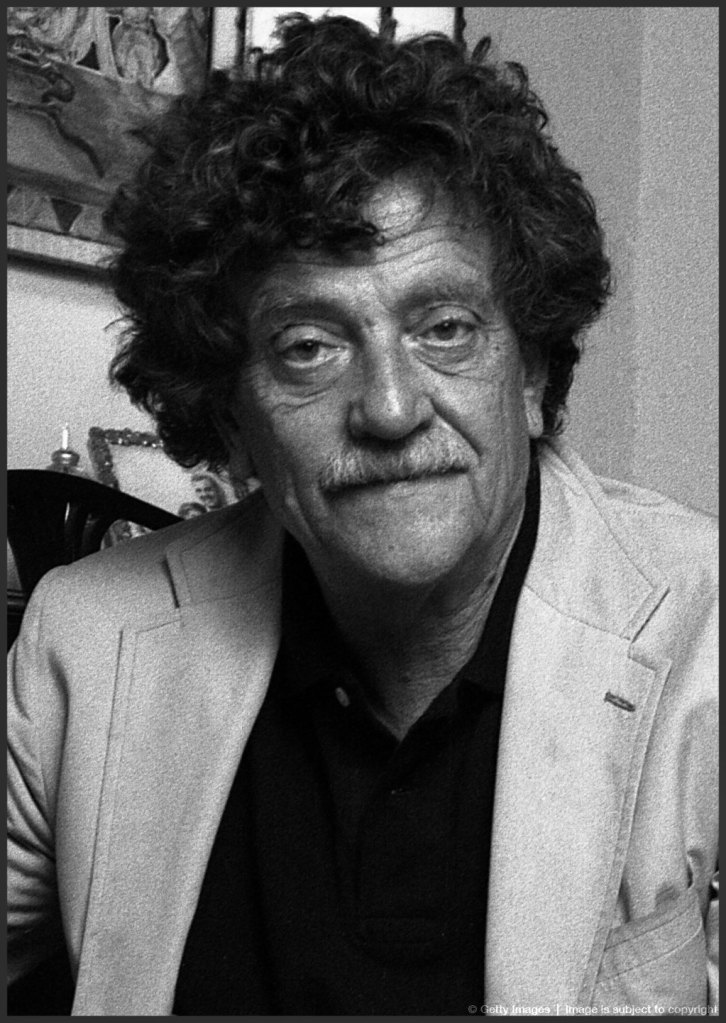
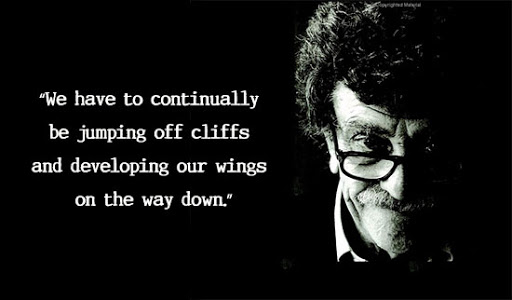
Vonnegut

My experience of the works of Kurt Vonnegut is limited to the reading of three books; Cat’s Cradle, Breakfast of Champions, and Slaughterhouse Five. But it was enough to make me love him and use him as a shaper of my soul.

I deeply apologize for the fact that even though he only wrote 14 books and a bunch of short stories, I have not read everything I could get my hands on by Kurt. Three novels and one short story (Harrison Bergeron) is not really enough to compare to the many, many things that I have read by Mark Twain, Terry Pratchett, Louis L’Amour, and Michael Crichton. I can’t begin to count how many books of each of those four I have read and reread. But it is enough that I read those three novels and have a lifelong regret of never buying and reading Slapstick when I had the chance. Vonnegut writes black humor. The ideas are painful, and burn away flesh from your personal body of being. And at the same time, you cannot help but laugh at the pure, clean, horrifying truths his ridiculous stories reveal.

If, in the course of telling a story, you can put the sublime, the ridiculous, and the horrendous side by side, and make the reader see how they actually fit together, then you can write like Vonnegut.

Let me give you three quick and dirty book reports of the Vonnegut I have read in the order I have read them;

I read Cat’s Cradle in college. I was young and idealistic at the time, foolishly convinced I could be a great writer and cartoonist who could use my work to change mankind for the better.
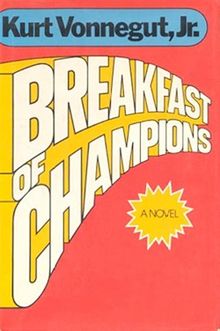
In the book, Dr. Felix Hoenikker (a fictionalized co-creator of the atomic bomb) is obsessively re-stacking cannonballs in the town square in pursuit of a new way to align water molecules that will yield ice that does not melt at room temperature. Much as he did with the A-bomb, Hoenikker invents a world-ending science-thing without any thought for the possible consequences. The narrator of the novel is trying to write a humanizing biography of the scientist, and comes to observe the inevitable destruction of the whole world when the oceans freeze into Ice-9, the un-meltable ice crystal. Before the world ends, the narrator spends time on the fictional Carribean island of San Lorenzo where he learns the fictional religion known as Bokononism, and learns to make love to a beautiful woman by pressing bare feet together sole to sole. It is a nihilistic picture of what humans are really like more savagely bleak than any portrayal Monte Python’s Flying Circus ever did on TV.
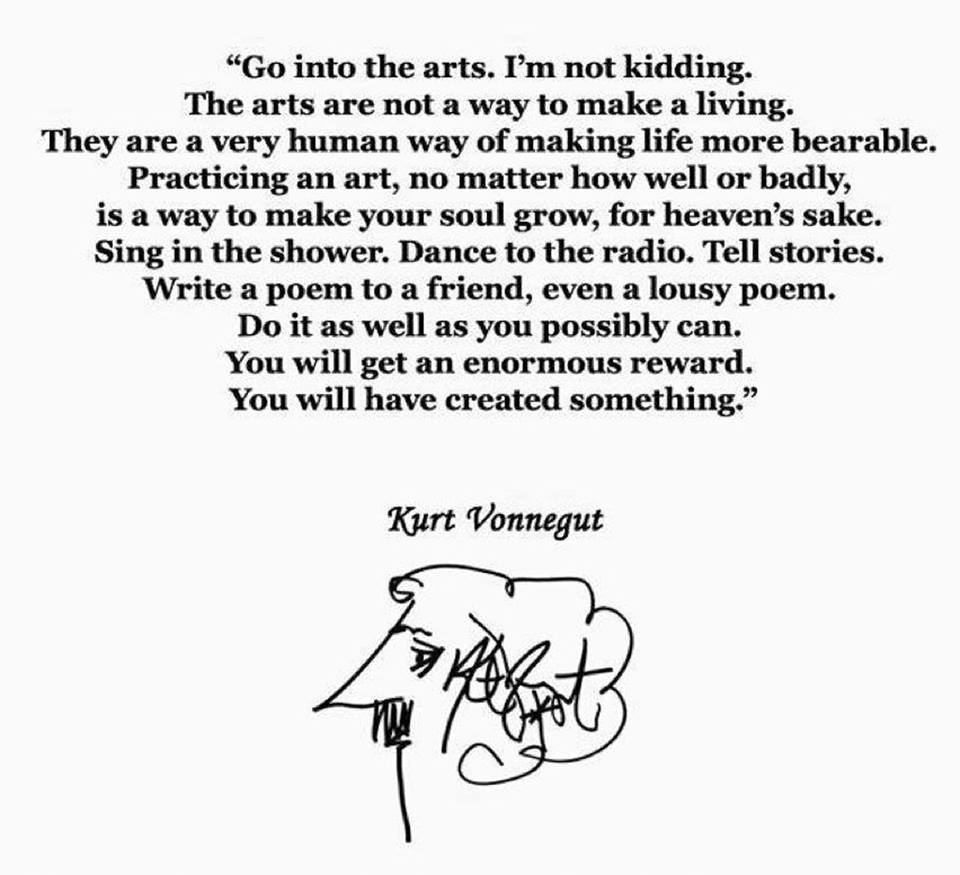
Needless to say, my ideals were eventually shattered and my faith in the world shaken.

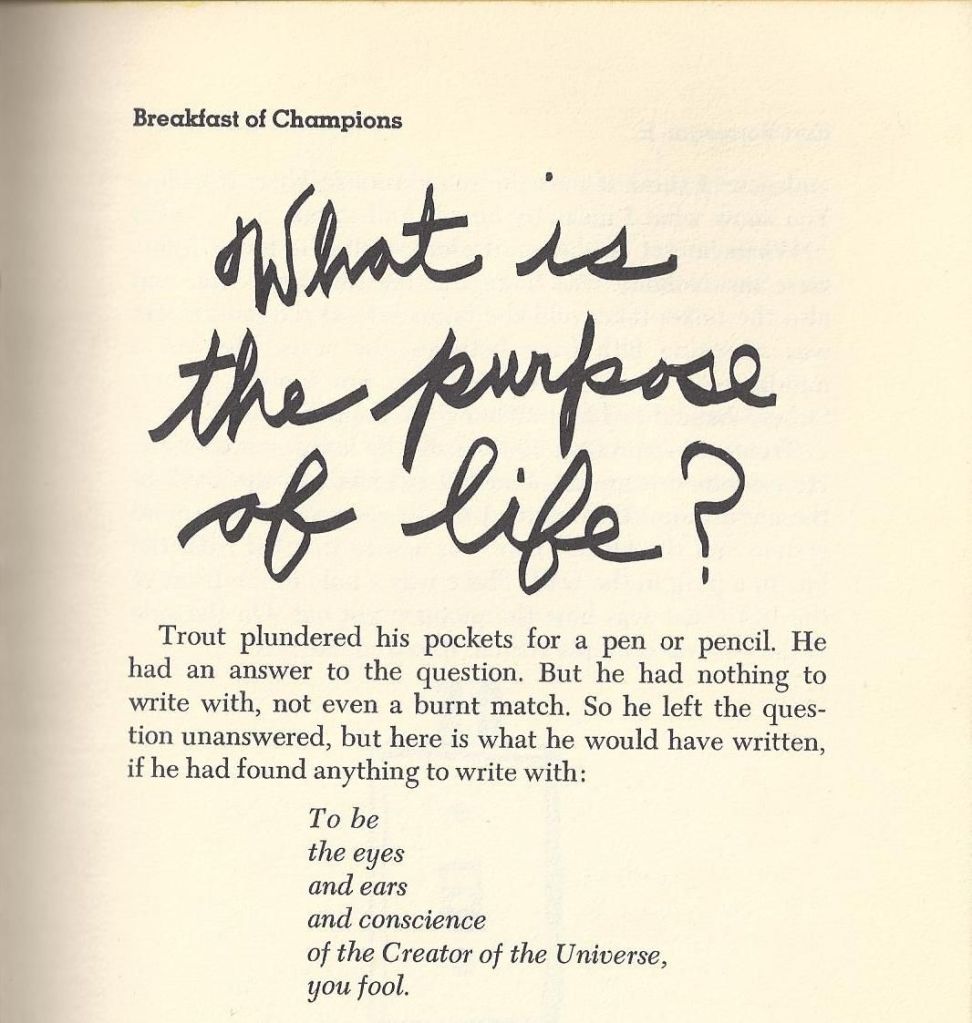
I read Breakfast of Champions after I had been teaching long enough to buy my own house, be newly married, and a father to one son. It was probably the worst time of life to be reading a book so cynical, yet true.

In this story, the author Kilgore Trout, much published but mostly unknown, is headed to Midland City to deliver a keynote address at an arts festival. Dwayne Hoover is a wealthy business man who owns a lot of Midland City real-estate. Trout gives Hoover a book (supposedly a message from the creator of the universe) to read that suggests that all people (except for the reader of the book… meaning Hoover) are machines with no free will. Hoover takes the message to heart and tries to set the machines free by breaking them, beating up his son, his lover, and nine other people before being taken into custody.

The book contains devastating themes of suicide, free will, and social and economic cruelty. It makes you sincerely reflect on your own cog-in-the-machine reality.

Slaughterhouse Five is a book I bought and read when I missed my chance to buy Slapstick and needed something to take home from HalfPrice Books to make me feel better about what I missed. (Of the five books I had intended to buy that day, none were still on the shelves in spite of the fact that they had been there the week before.) It was fortuitous. This proved to be the best novel I had ever read by Vonnegut.

Like most of his work, the story of Billy Pilgrim is a fractured mosaic of small story pieces not presented in chronological order. It details Billy’s safe, ordinary marriage to a wife who gives him two children, but it is ironically cluttered with death, accidents, being stalked by an assassin, and being kidnapped by aliens. It also details his experiences in World War II where he is captured by the Germans, held prisoner in Dresden, kept in an underground slaughterhouse, and ironically survives the fire-bombing of Dresden by the Allies. Further, it details his time as a zoo exhibit on the alien planet of Tralfamadore.

It explores the themes of depression, post-traumatic-stress disorder, and anti-war sentiment. Vonnegut himself was a prisoner of war in Dresden during the fire-bombing, so real-life experiences fill the book with gravitas that it might not otherwise possess. Whether the author was ever kidnapped by aliens or not, I cannot say.

But Kurt Vonnegut’s desire to be a writer and portray himself as a writer in the character of Kilgore Trout, and even as himself in his work, has an awful lot to do with my desire to be a writer myself. Dark, pithy wisdom is his thing. But that wisdom, having been wrung from the darkness is all the more brightly lit because of that wringing. It is hard to read, but not hard to love.

6 Comments

Filed under aliens, book reports, commentary, humor, reading, writing humor

Writing Humor… and Other Oxymorons

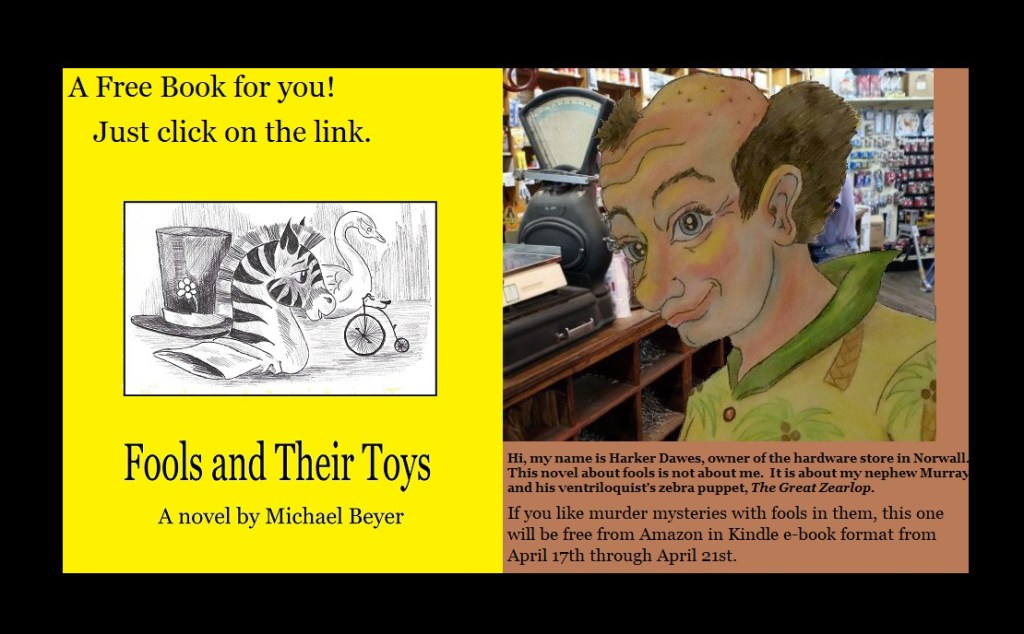
Once again I am running a free book promotion. Fools and Their Toys is a comedy YA novel about an autistic man who learns to communicate only through a Zebra sock puppet that he uses in his ventriloquist’s act. But even though there are a lot of comedy moments about this fool, his favorite toy, and his child-friends, it is also a murder mystery as the Teddy Bear Killer continues to prey upon young boys. There are some extremely un-funny things in this tale, a story narrated by the zebra sock puppet through his unique point of view. There are numerous emotional responses I am trying to get beyond mere laughter. Sadness, grief, fear, horror, revulsion, doubt, and bewilderment are all supposed to be represented here. And this story does not unfold in sequential time order, Murray the ventriloquist’s mind does not work like that.

And that is what leads to today’s basic topic; What does it mean to claim you are a humor writer?

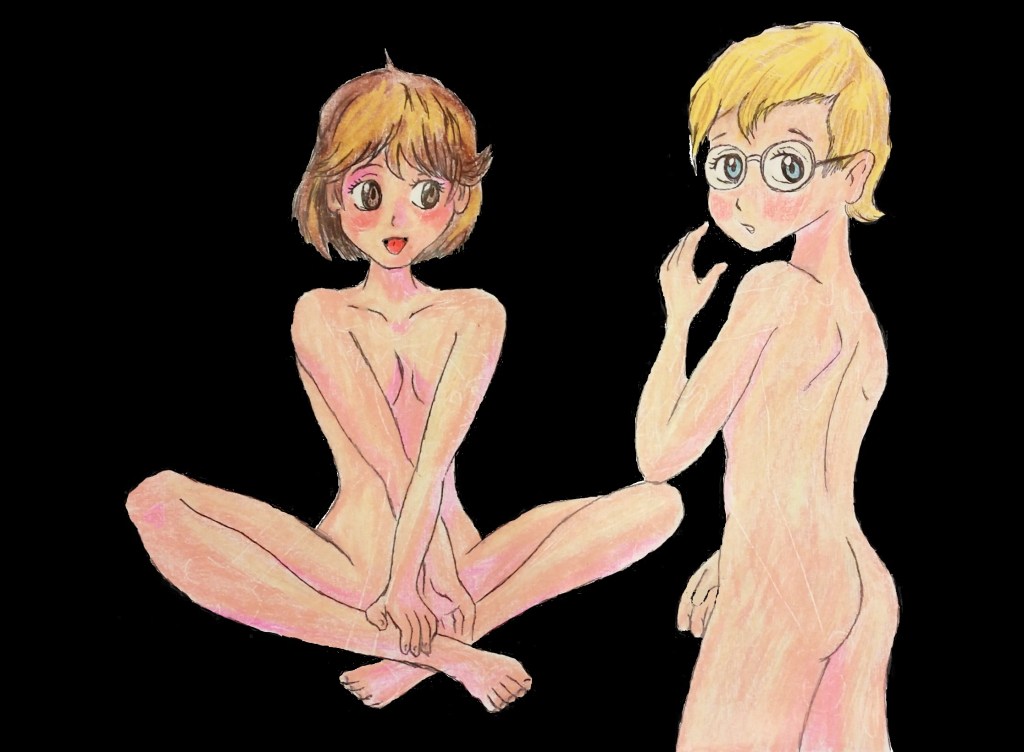
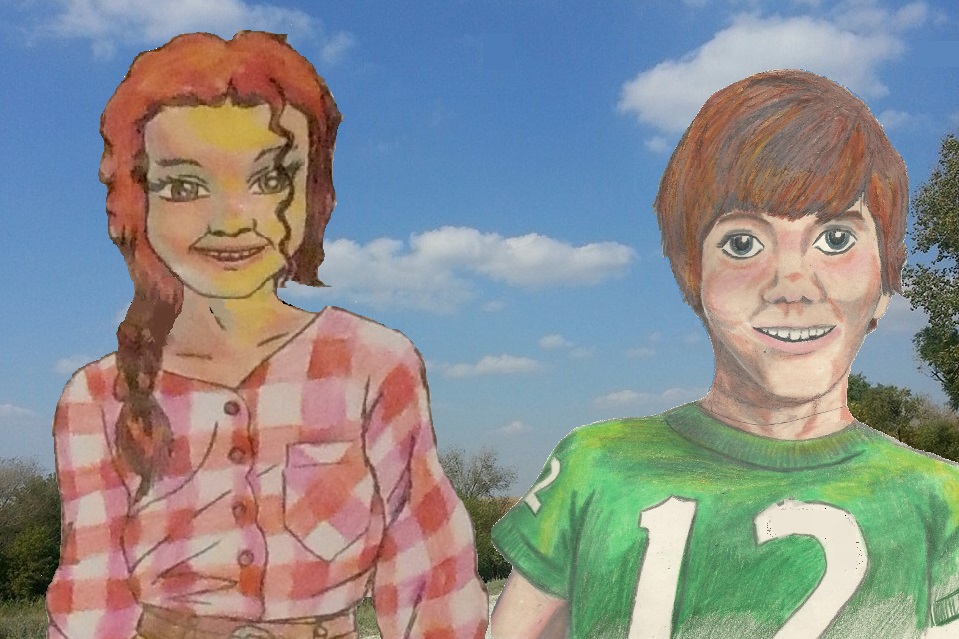
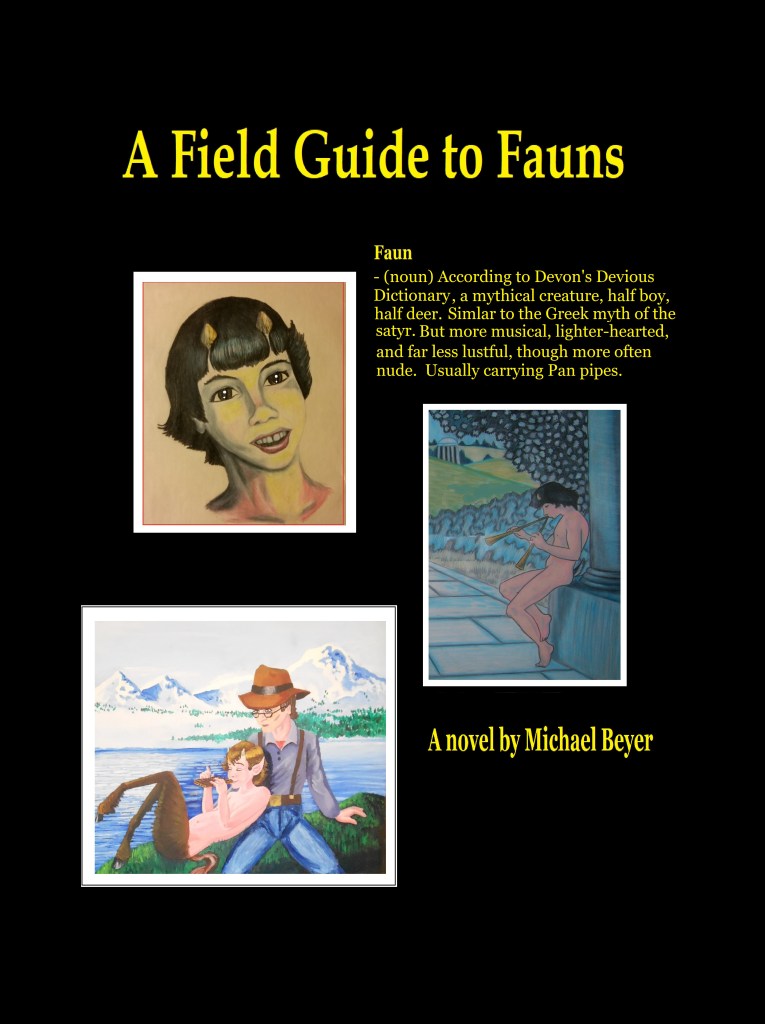
I have also just completed A Field Guide to Fauns. This is a novel about nudists, so there are a lot of naked people in it. The main character, who is the narrator, is a fifteen-year-old boy who is trying to recover from both a suicide attempt and the loss of the home he grew up in. He comes to live with his father and his stepmother, along with two twin stepsisters in their permanent home within the confines of a nudist park. It is a strange balance of humor, psychological horror, and melancholy.

So, I guess to understand the writing of humorous fiction the way I understand it, you have to accept the notion, “Humorous fiction is not always funny… at least, not on every single page.”

You can find precedent for that in the works of great humorist fiction writers. As funny, quirky, and essentially British as Charles Dickens is, you have to admit, there are pretty dark things happening in some of his greatest books. Oliver Twist has the childish adventures of the Artful Dodger side by side with the murderer Bill Sykes. David Copperfield contains the antics of Wilkins Micawber and the simple Mr. Dick contrasted to the evil of Murdstone, David’s stepfather, and the slimy machinations of Uriah Heep. Even his greatest masterpiece, A Tale of Two Cities, has its clowns like Jerry Cruncher, the grave robber, and Miss Pross. the governess/pugilist, and its villains like the Marquis de Evremondes, the heartless aristocrat, and Madame DeFarge, the even more heartless revolutionary.

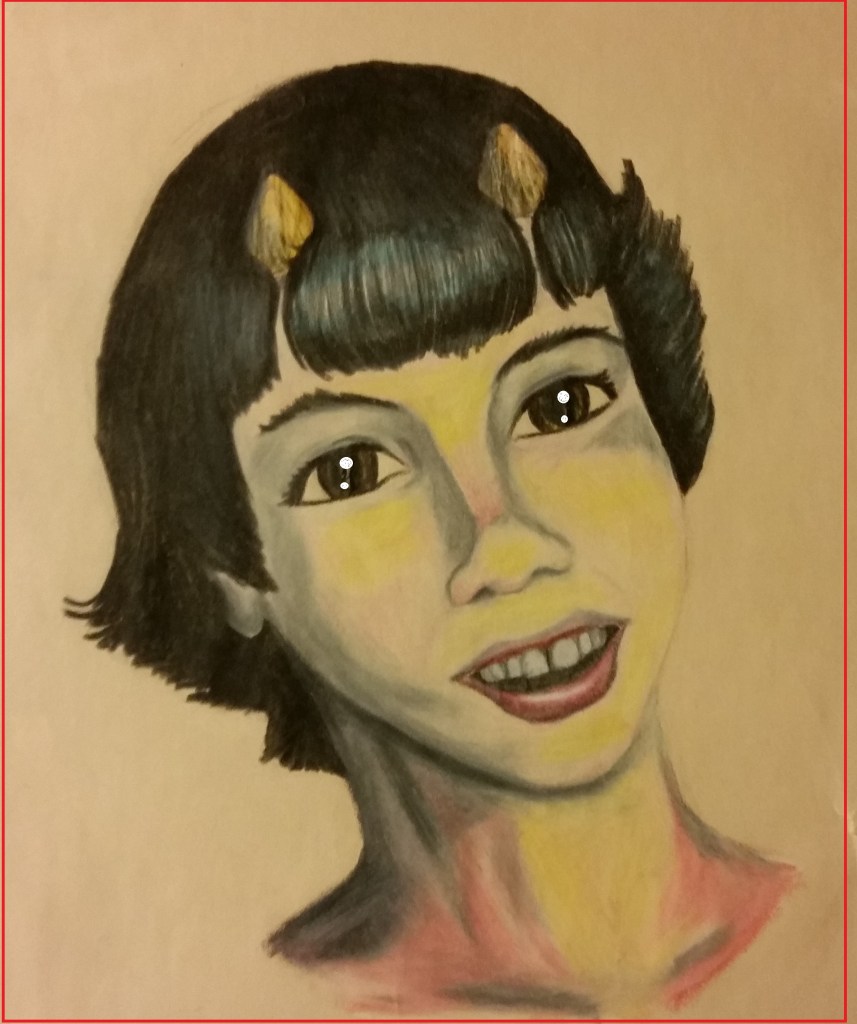
The illustration above was the last bit of revision and editing added to A Field Guide to Fauns. It is now ready to be self-published. My writing time today, after posting this, will be devoted to publishing this book. So, soon you will be able to see what I mean about humor having its dark side.

Leave a comment

Filed under humor, irony, novel, NOVEL WRITING, Paffooney, writing humor