
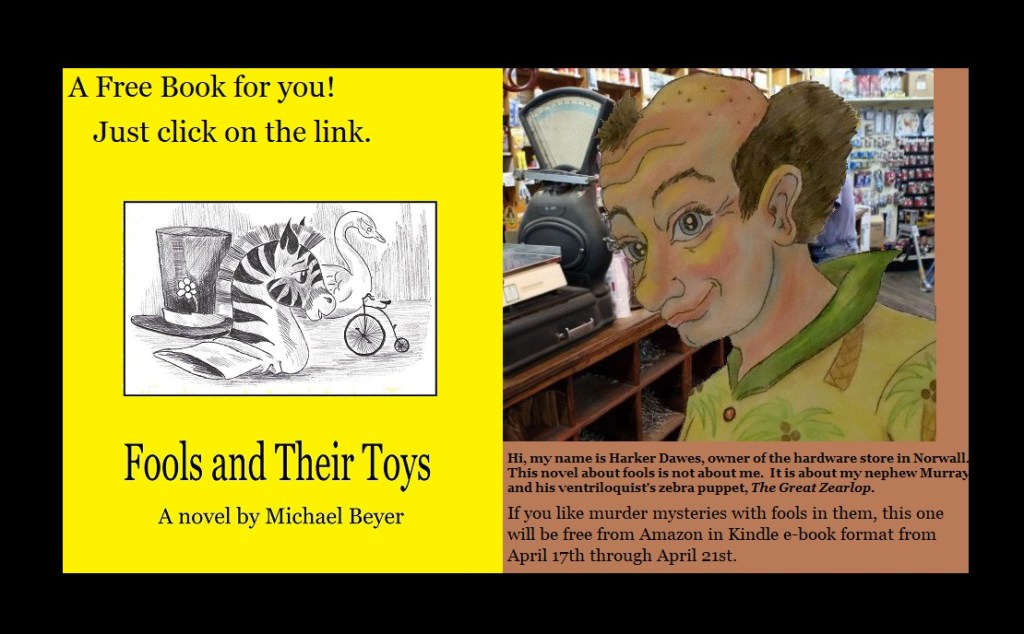
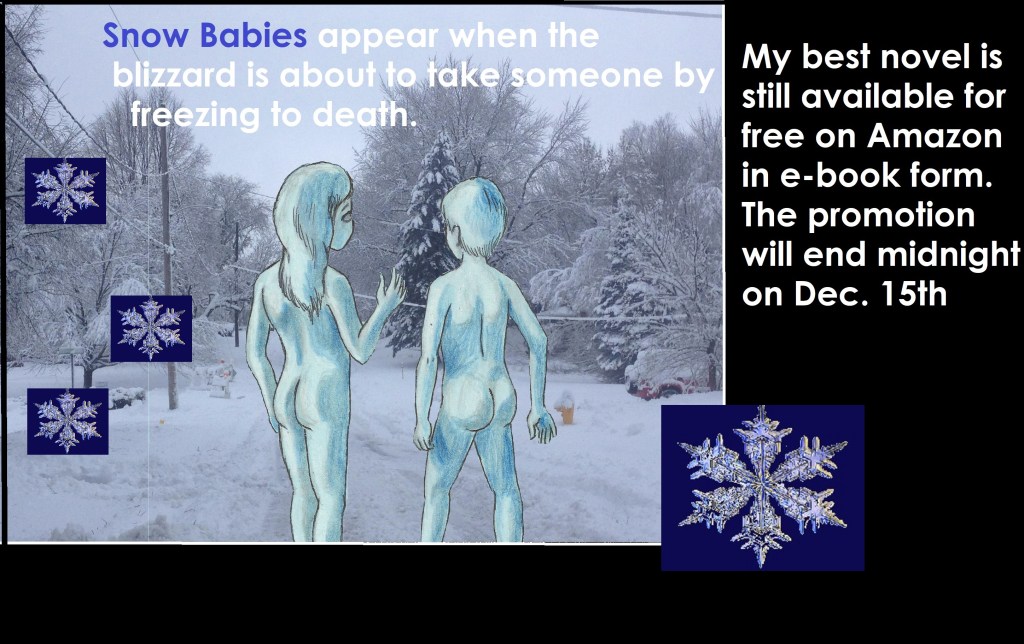
Once again I am running a free book promotion. Fools and Their Toys is a comedy YA novel about an autistic man who learns to communicate only through a Zebra sock puppet that he uses in his ventriloquist’s act. But even though there are a lot of comedy moments about this fool, his favorite toy, and his child-friends, it is also a murder mystery as the Teddy Bear Killer continues to prey upon young boys. There are some extremely un-funny things in this tale, a story narrated by the zebra sock puppet through his unique point of view. There are numerous emotional responses I am trying to get beyond mere laughter. Sadness, grief, fear, horror, revulsion, doubt, and bewilderment are all supposed to be represented here. And this story does not unfold in sequential time order, Murray the ventriloquist’s mind does not work like that.
And that is what leads to today’s basic topic; What does it mean to claim you are a humor writer?
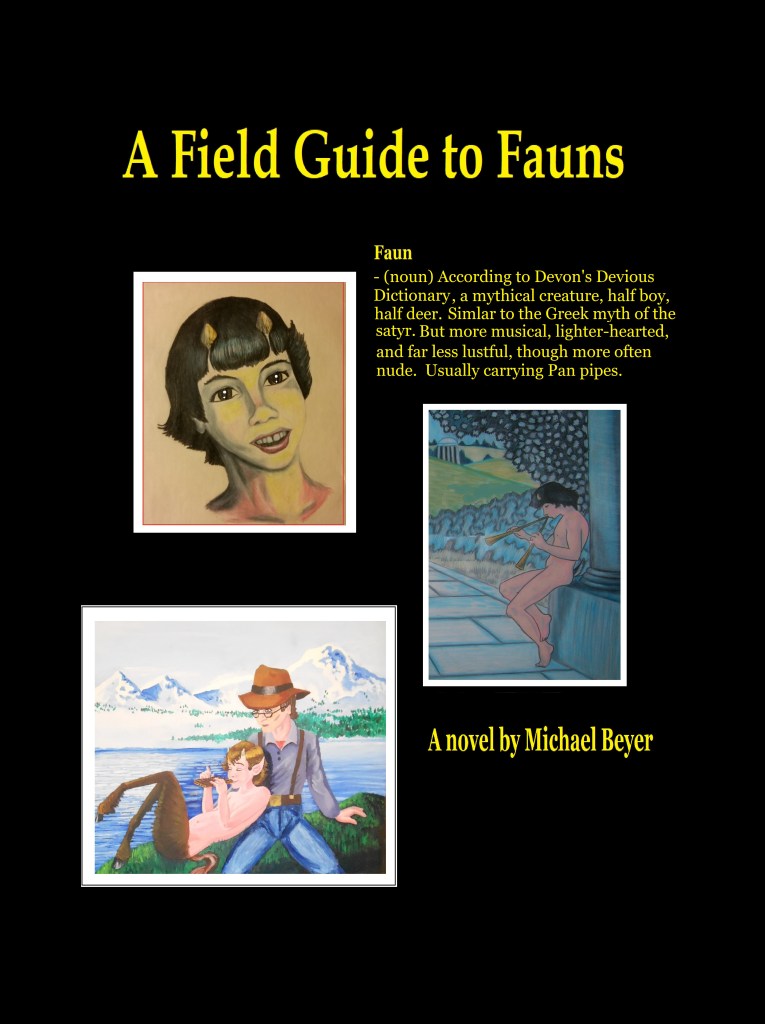
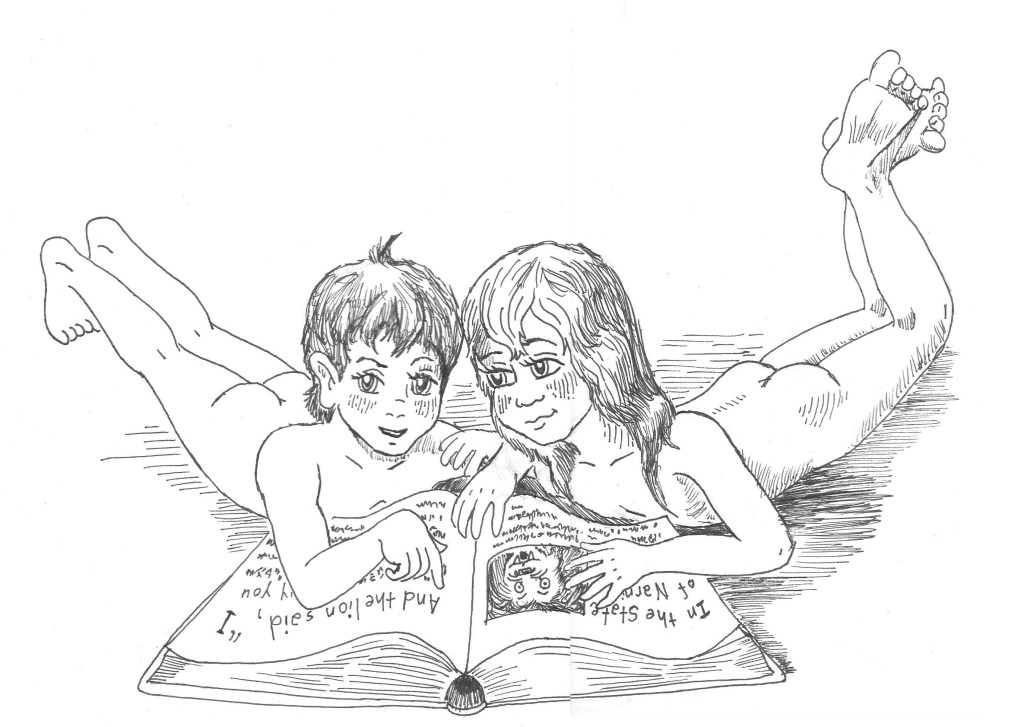
I have also just completed A Field Guide to Fauns. This is a novel about nudists, so there are a lot of naked people in it. The main character, who is the narrator, is a fifteen-year-old boy who is trying to recover from both a suicide attempt and the loss of the home he grew up in. He comes to live with his father and his stepmother, along with two twin stepsisters in their permanent home within the confines of a nudist park. It is a strange balance of humor, psychological horror, and melancholy.
So, I guess to understand the writing of humorous fiction the way I understand it, you have to accept the notion, “Humorous fiction is not always funny… at least, not on every single page.”
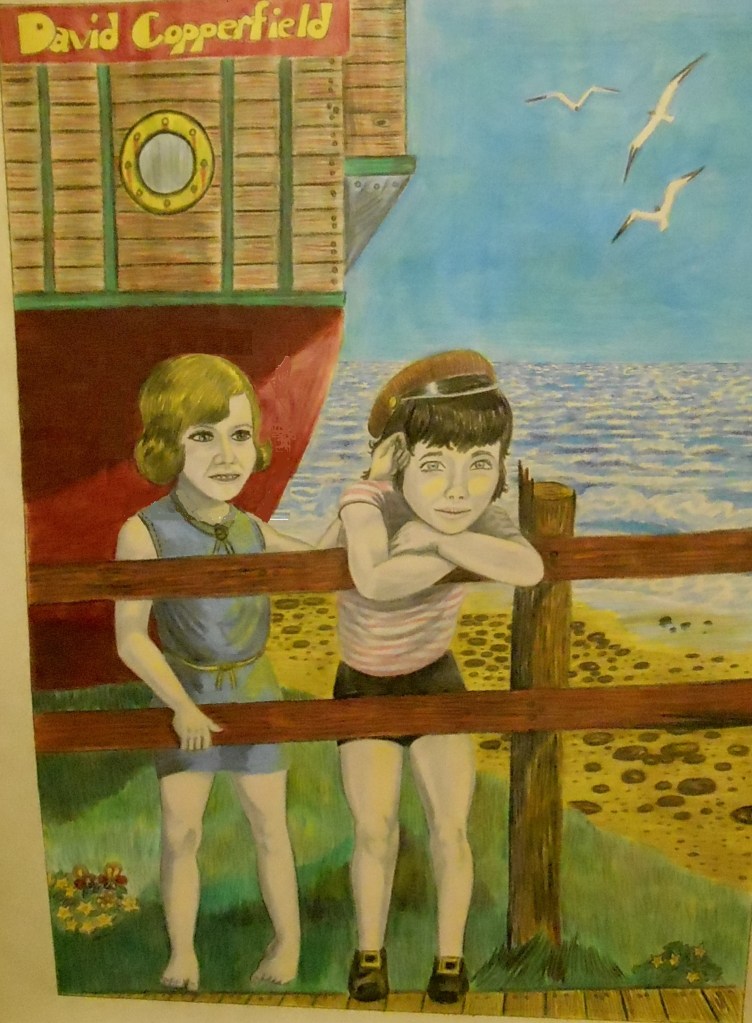
You can find precedent for that in the works of great humorist fiction writers. As funny, quirky, and essentially British as Charles Dickens is, you have to admit, there are pretty dark things happening in some of his greatest books. Oliver Twist has the childish adventures of the Artful Dodger side by side with the murderer Bill Sykes. David Copperfield contains the antics of Wilkins Micawber and the simple Mr. Dick contrasted to the evil of Murdstone, David’s stepfather, and the slimy machinations of Uriah Heep. Even his greatest masterpiece, A Tale of Two Cities, has its clowns like Jerry Cruncher, the grave robber, and Miss Pross. the governess/pugilist, and its villains like the Marquis de Evremondes, the heartless aristocrat, and Madame DeFarge, the even more heartless revolutionary.

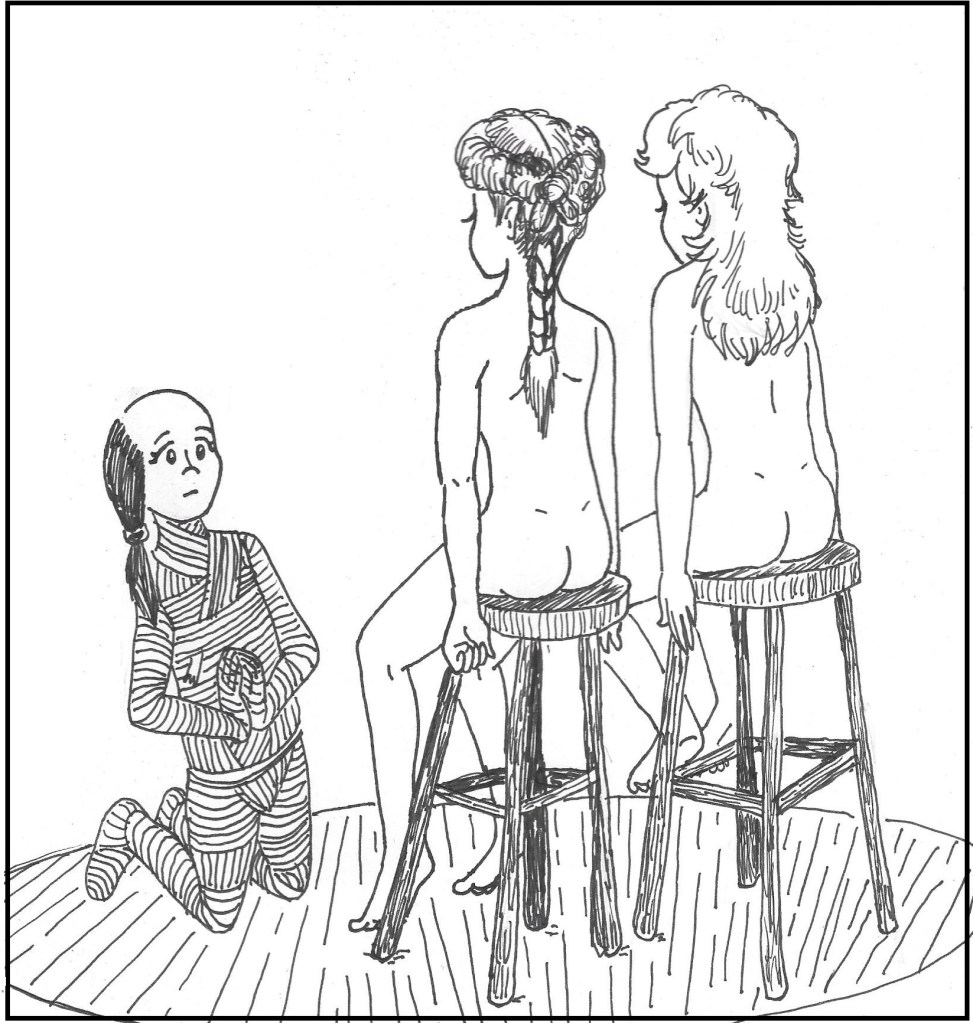
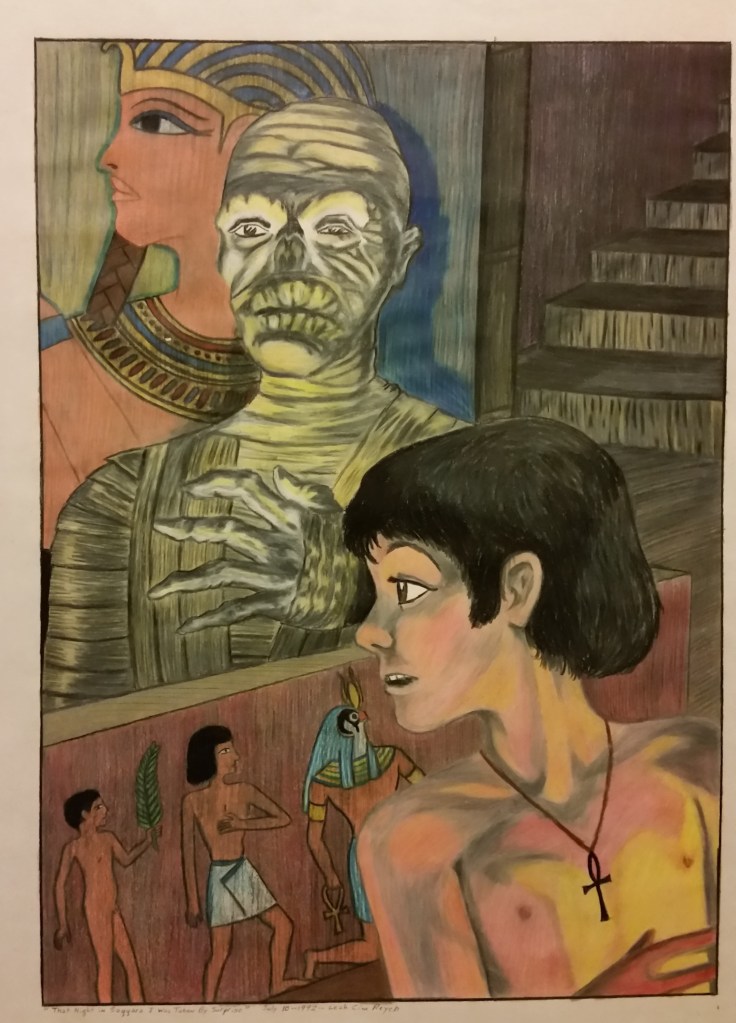
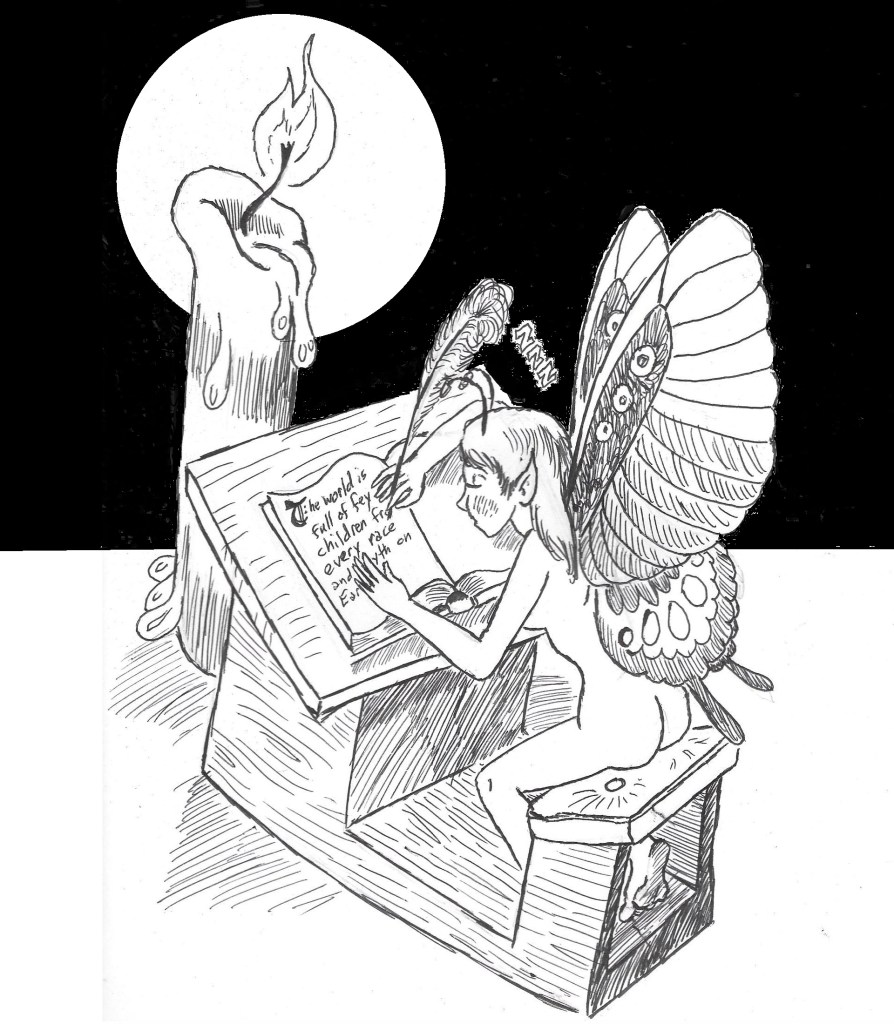
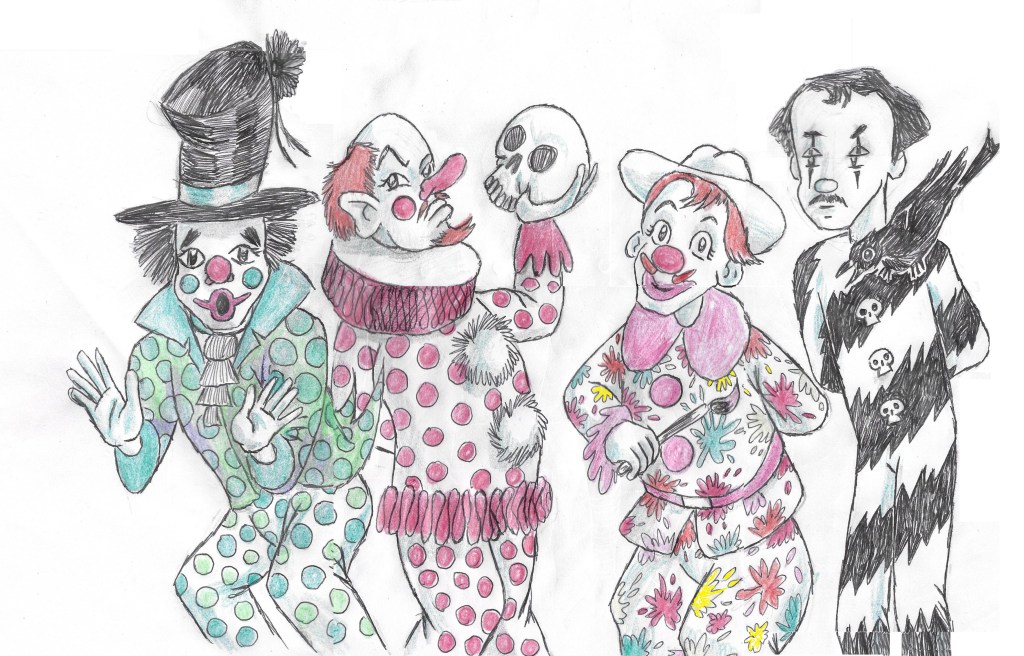
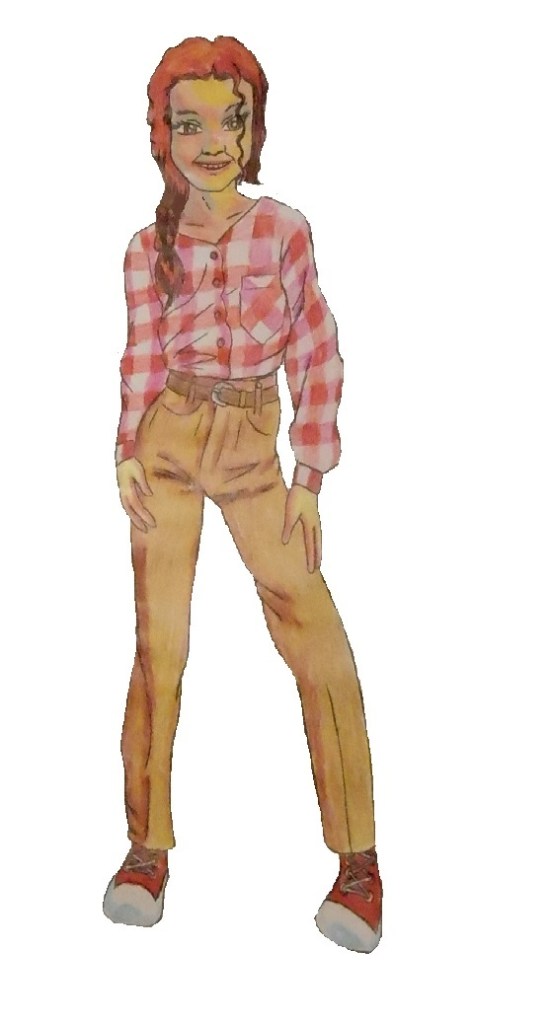
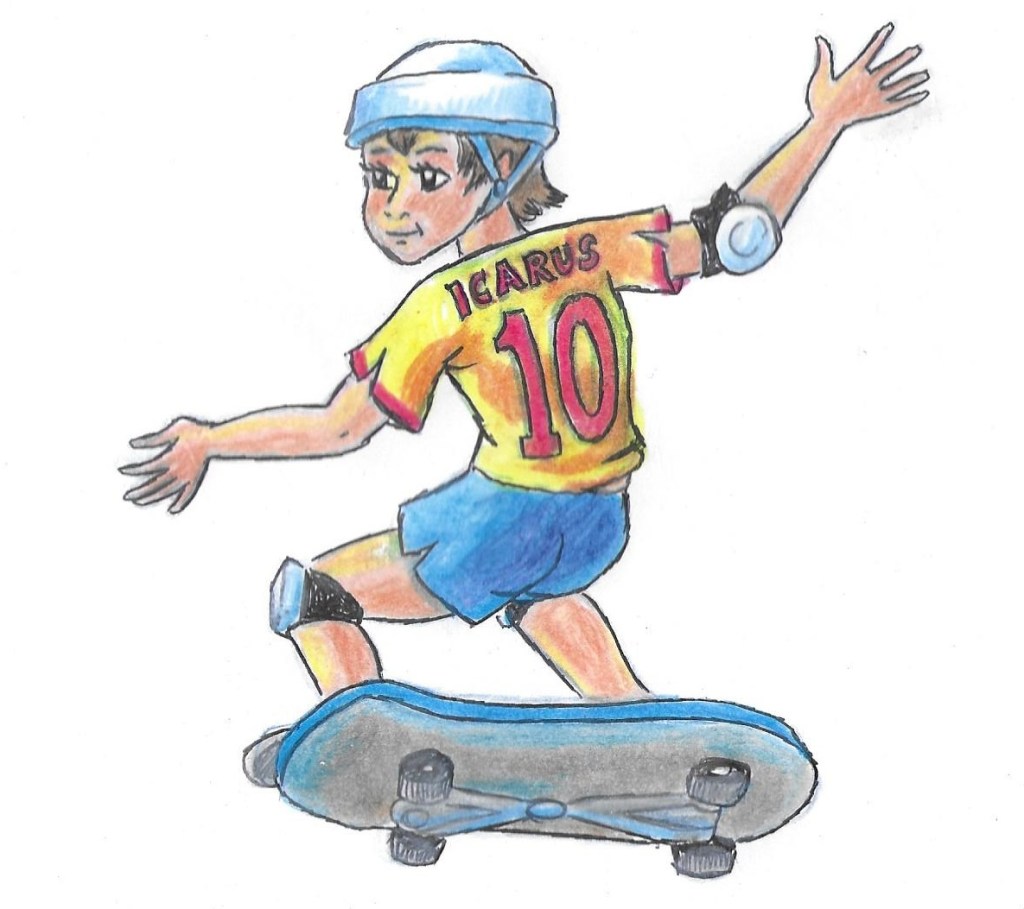
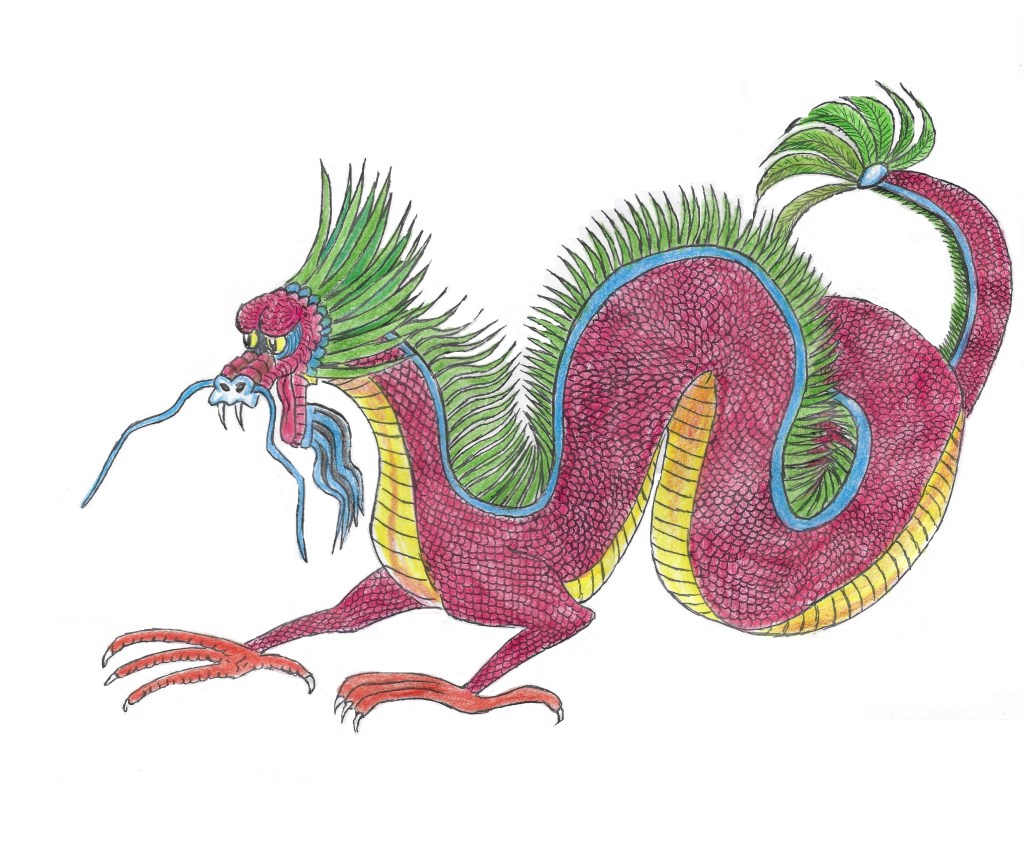
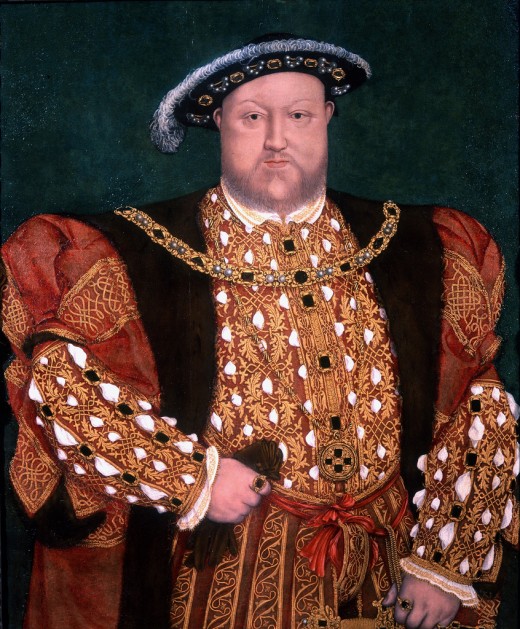
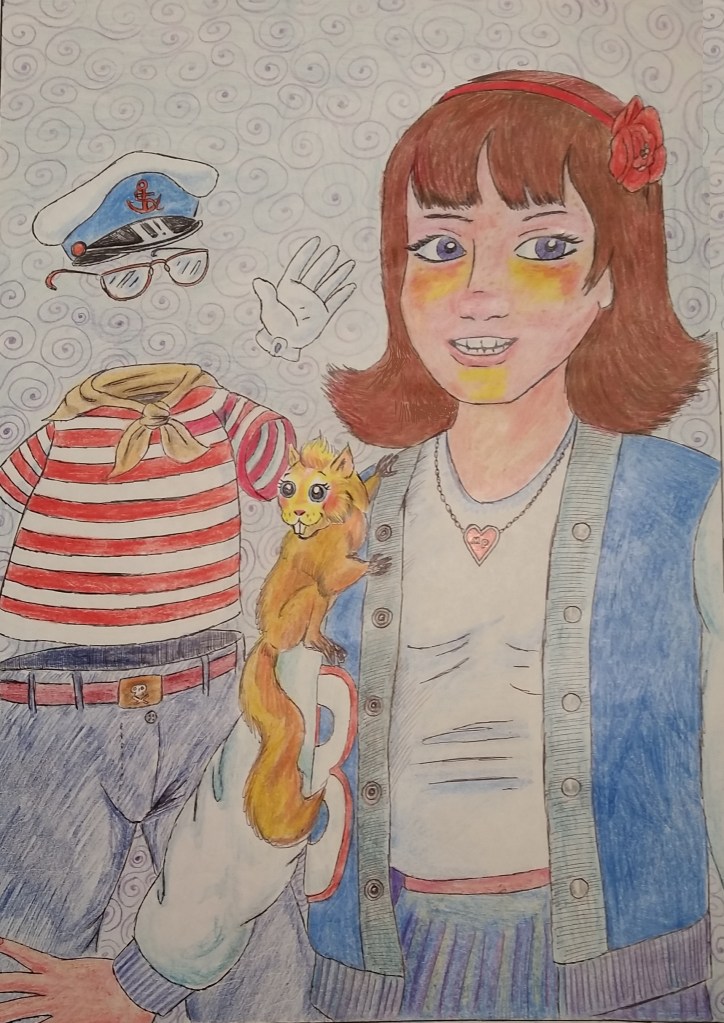
The illustration above was the last bit of revision and editing added to A Field Guide to Fauns. It is now ready to be self-published. My writing time today, after posting this, will be devoted to publishing this book. So, soon you will be able to see what I mean about humor having its dark side.







Directions to Be Worried About
The question came up on Twitter. “What things aren’t safe to write about in a Young Adult novel?”
I have personally never questioned myself about that before. The writer asking for input was writing something science-fiction-y about a telepath using telepathy to torture someone. He was apparently worried that a younger audience would be traumatized by that.
Really? Anyone who can ask that has never spent much time talking to young readers.
I base my answer on over thirty years of trying to get kids to read things of literary quality. My very first year of teaching a male student stood up when the literature books were passed out and announced, “I don’t do literature!”
“Really, Ernie? You are going to lay that challenge before me?”
We slogged through The Adventures of Tom Sawyer that year, using and reusing 20 paperback copies of the novel purchased with my own money. Ernie maybe didn’t like it. But he did literature.
And I went on a thirty-four year quest to find out what literature kids really would do and what literature kids really needed to do.
Here’s a tiny bit of wisdom from Mickey’s small brain and comparatively large experience; Kids are not traumatized by literature in any form. Kids are traumatized by life. They need literature to cope with trauma.
Kids want to read about things that they fear. A book like Ender’s Game by Orson Scott Card has some graphic violence in it and a war against faceless aliens, but it does an excellent job of teaching how to empathize as well as fight against bullies, and it helps them grapple with the notion that the enemy is never clearly the thing that you thought it was to begin with.
Kids want to read the truth about subjects like love and sex. They are not looking for pornography in YA novels. They get that elsewhere and know a lot more about it than I do. They want to think about what is right and how you deal with things like teen pregnancy, abortion, matters of consent vs. rape and molestation. Judy Blume started being objectively honest with kids about topics like puberty and sex back in the 60’s with books like Are You There, God? It’s Me, Margaret. and Iggie’s House.
If you are writing for young adults, middle grade and high school kids, even kids 5th Grade and below who are high-level readers, it is more important to worry about writing well and writing honestly than it is to worry about whether they can handle the topics and trauma that you wish to present. Write from the heart and write well.
I can honestly say I know these things I have said are true about young readers from having read to them, read with them, and even taught them to read. As an author, my opinion is worth diddly-squoot since I have hardly sold any books, and no kids I know have read them (except for two of my nieces, both of whom are pretty weird and nerdy just like me.)
2 Comments
Filed under autobiography, commentary, education, empathy, good books, horror writing, humor, Paffooney, strange and wonderful ideas about life, writing, writing humor, writing teacher