
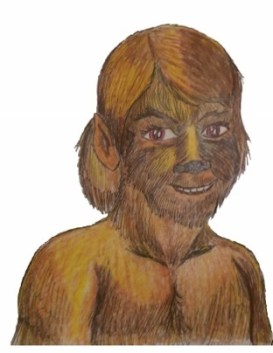
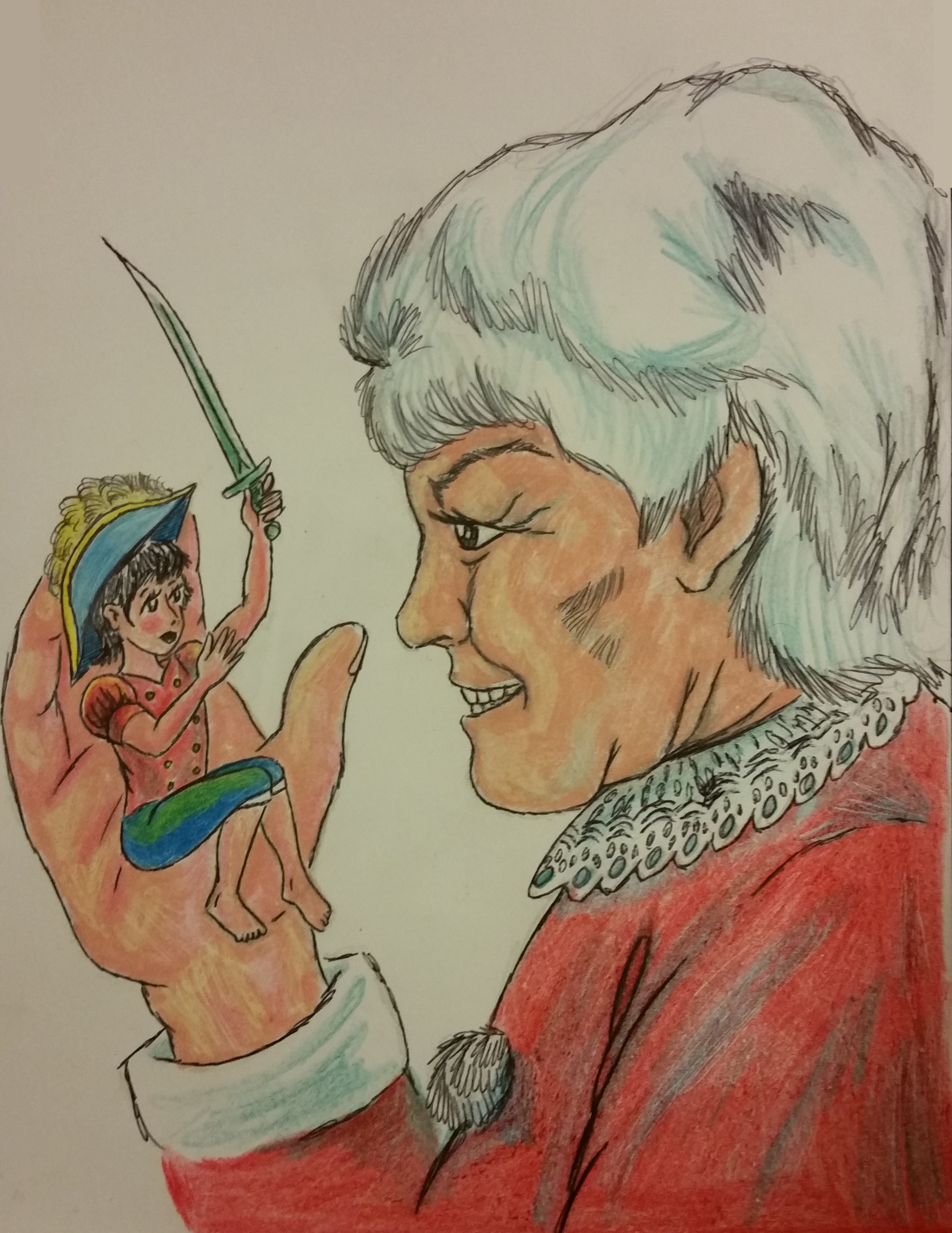
I have been working on my novel The Baby Werewolf, and I am now in the final phase, working on the climax and crisis point. And I surprised myself. The killer monologues to the main characters who have now become his intended next victims. I have played this out over and over in the twenty-two years I have been writing this book. Last night, for the first time ever, the hero character laughs in this scene instead of the cringing fear that had always been there before.
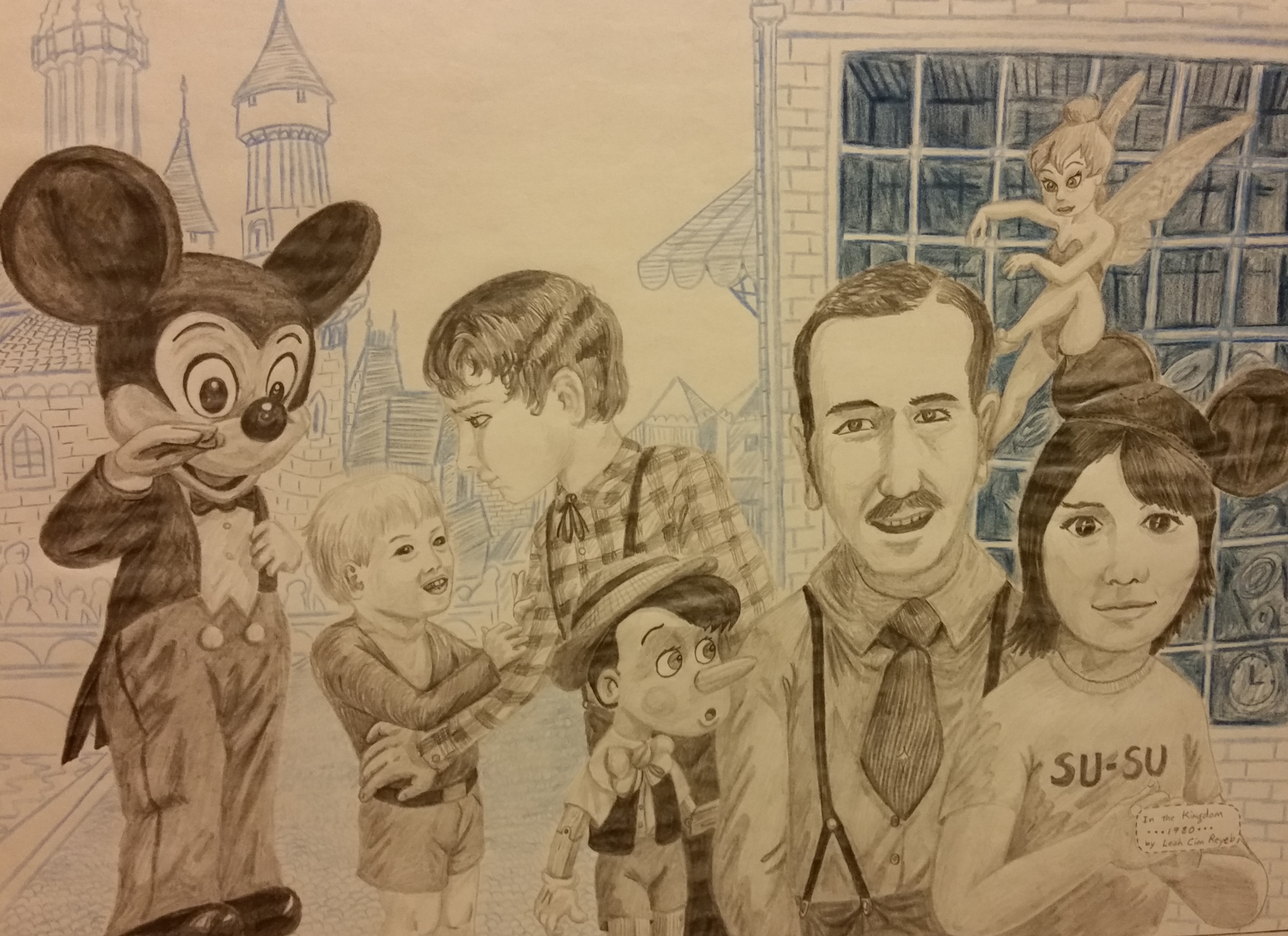
How is such a thing possible? What changed? I have been writing and rewriting this story since 1996. But it goes much deeper and darker than that. This story went on my have-to-write list in 1966 when an older, stronger boy who lived near my home trapped me in a place out-of-sight of others and stripped me, gaining some horrible kind of pleasure by inflicting pain on my private parts. Recovery from that has taken half a century. The recovery itself probably explains why I struggled so long to pull this story together in a finished form.
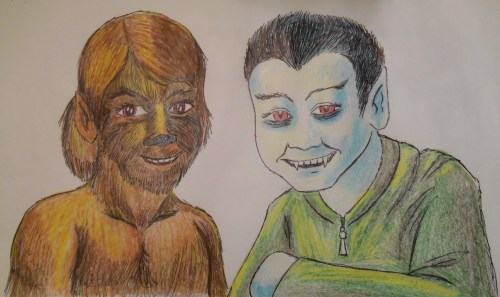
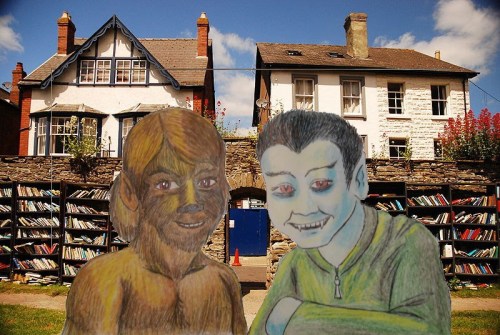
There are things about my writing life that are undeniable. First of all, I have to write. There is really no other choice for me. My mind will never know rest or peace without being able to spin out the paragraphs and essays and stories that make it possible to know those things. Nothing is real if I can’t write it out. Secondly, I am a humorist. If I can never be funny at all, can never write a joke, then I will descend into madness. My sense of humor not only shields me and serves as my suit of armor, it heals me when I suffer psychic wounds. This book is a horror story, but like many of the best horror stories, it relies on humor to drive every scene and knit the plot together. And it was a breakthrough for me to have the hero character laugh instead of cringe in the critical scene. It allows me to live again. And love again. And the real monster that caused this book to be, is now forgiven. The world continues to turn. The picture is now complete. And soon, the novel will be too.








Being Prosaic
I admit it. I am prosaic. I think in sentences. I speak in paragraphs. I write in 5-paragraph essays. I should stop with the repetition of forms and the parallel structures, because that could easily be seen as poetic and defeat my argument in this post. I write prose. Simple. Direct. Declarative. But those last three are sentence fragments. Does that fit the model of prose? How about asking a question in the middle of a paragraph full of statements? Is that all simple enough to be truly prosaic?
Prose is focused on the everyday tasks of writing. It seems like the world thinks that the mechanical delivery of information in words and sentences should be boring, should be functional, should be simple and easy to understand.
I don’t mean to be pulling your reader’s mind in two directions at once, however. I need to stop confusing you with my onslaught of sentences full of contradictory and complex ideas. I should be more clear, more direct, and more to the point.
So here is my thesis, finally clearly stated; The magic of writing prose, it turns out, makes you the opposite of prosaic.
Simply stated; I am a writer of prose. I am too dumb about what makes something poetry to really write anything but prose. But I do know how to make a word-pile like this one that might just accidentally make you think a little more deeply about your writing… that is, if you didn’t give up on reading this three paragraphs ago. I find it useful to examine in writing how I go about writing and what I can do with it. I try to push the boundaries in directions they haven’t been pushed before. And hopefully, I learn something from every new essay I write. What I learned here is that I am prosaic. And that is not always a bad thing.
Leave a comment
Filed under commentary, goofy thoughts, humor, irony, Paffooney, strange and wonderful ideas about life, writing, writing humor
Tagged as prose writing