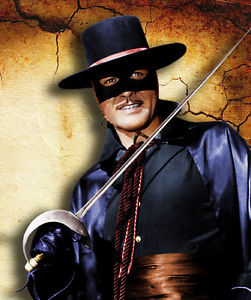
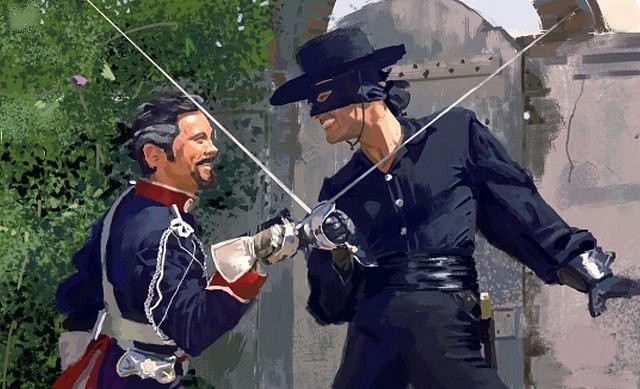
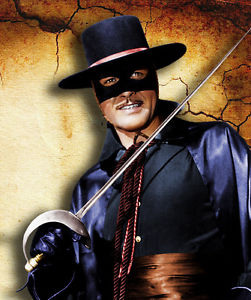
He was the “Fox” that no authorities could ever catch or unmask. In Spanish, Zorro, the fox.
He was the intrepid pirate/adventurer Captain Sinbad, in the 1963 movie of that title.
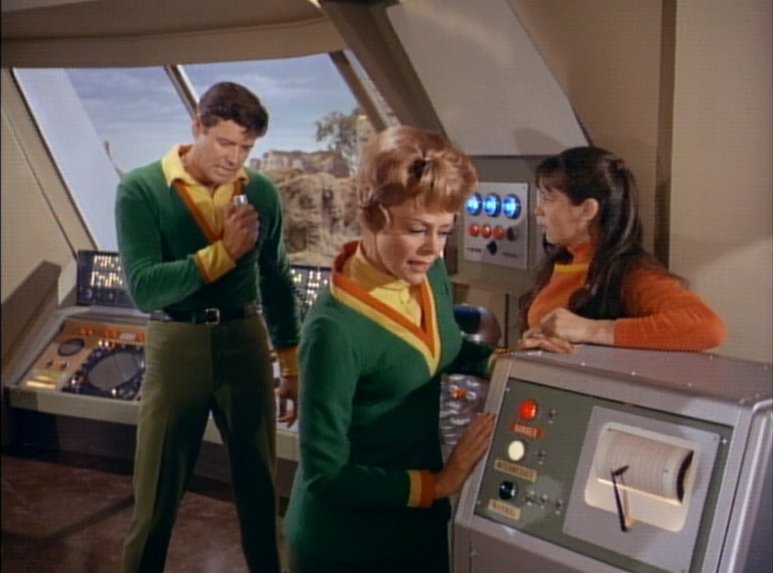
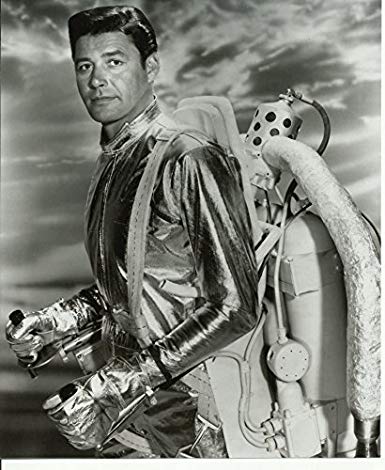
He was Professor John Robinson in the 60’s TV series, Lost in Space.
And he was briefly Cartwright nephew Will on Bonanza.
All of those were shows I adored as a boy in the 60’s (Though I really only saw Zorro as an after-school syndicated show in the early 70’s.)
Guy Williams was, in many ways, the character I myself truly wanted to be.
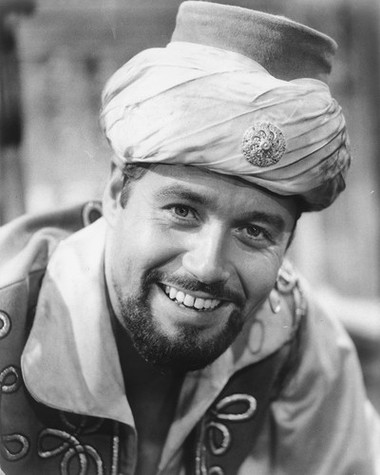
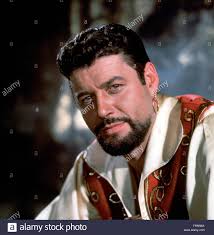
He was the swashbuckling hero, never afraid to take the leap into danger, to face any monster, or take any risk to save his town, his family, his people, or his crew.
His character led from the front and took a bullet or a sword wound now and then to protect the weak. And he got the chance, as Disney’s Zorro, to romance Annette Funicello in a few episodes.
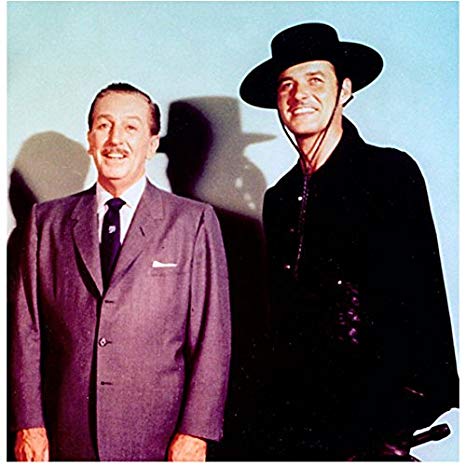
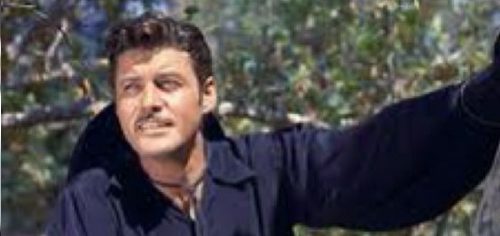
And I particularly wanted to be the kind of explorer he was as the head of the Space Family Robinson in the Lost in Space TV series. Those were still the days of my astronaut-and-rocket-ship daydreams.
But my hero worship was never about the actor, Armand Catalano, whose screen name was Guy Williams. He was a TV and film actor who started out as a fashion model. He made himself famous with good looks and acting ability. He was, I suppose, a decent hardworking fellow with dreams of being a movie star, a goal he came close to, but never quite reached. It was not him I wanted to be. I wanted to be the real-life embodiment of the characters themselves that he played.
I could probably end this essay by saying something sappy, that by becoming a public school teacher, I became the swashbuckling hero I always wanted to be. Sure, teachers do have to be swashbucklers to do the job right. But that claim is an argument for another day… another post. My point for this essay is that this is what constitutes a hero in my book; a brave person who can smile in the middle of a sword fight, even if he is losing, a man or woman willing to sacrifice themselves for the good of others, and a hero for whom the chance to be a hero is the real reward. And I learned that romantic, idyllic crap from TV in the 60’s and 70’s, when I was but a boy.
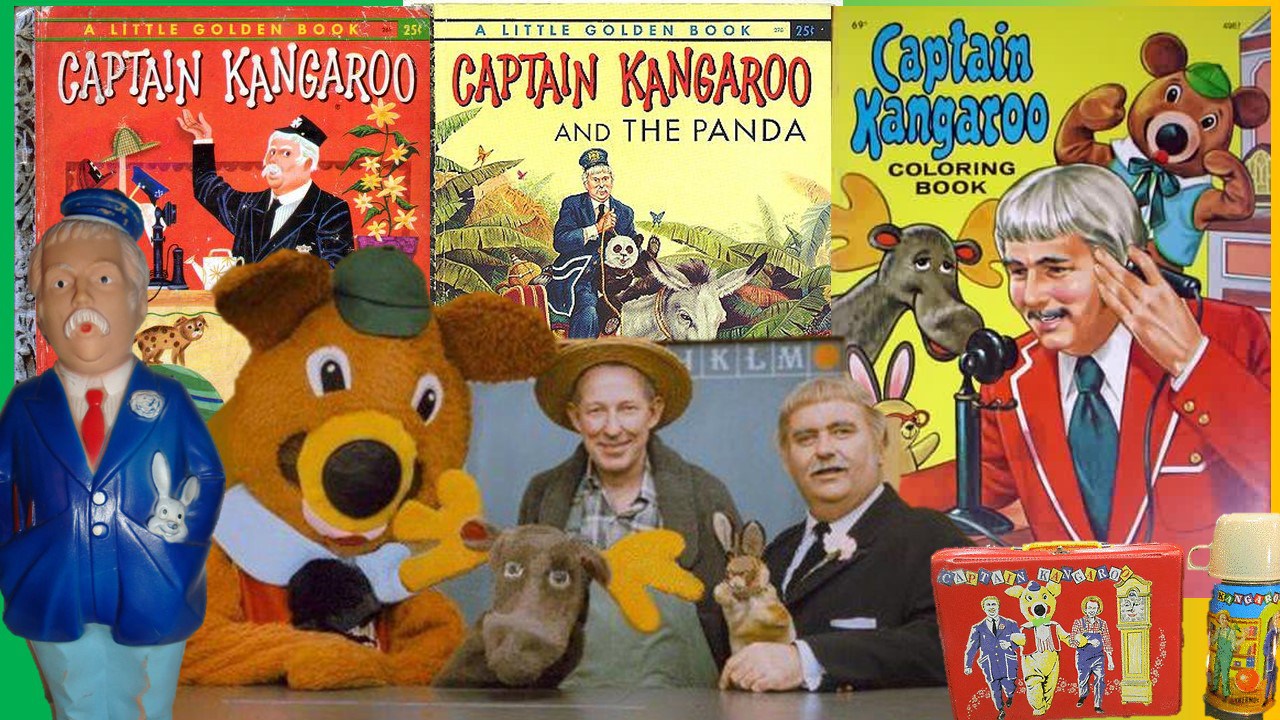
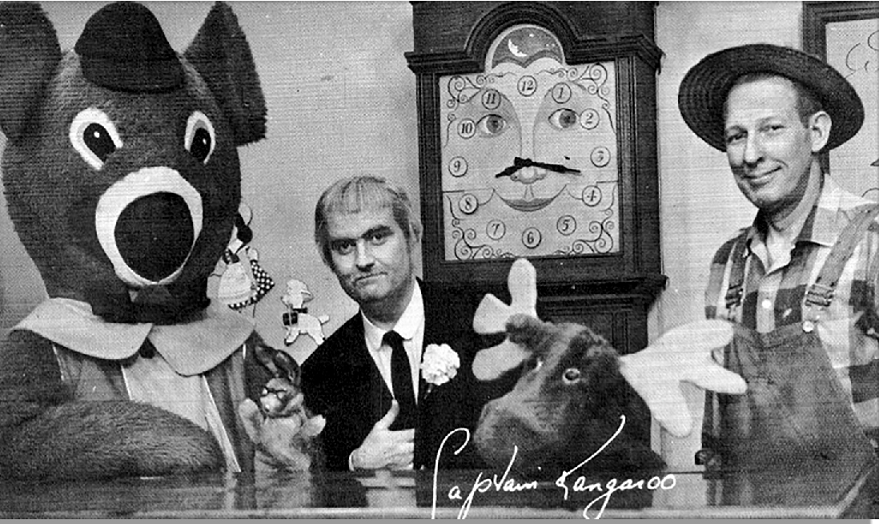
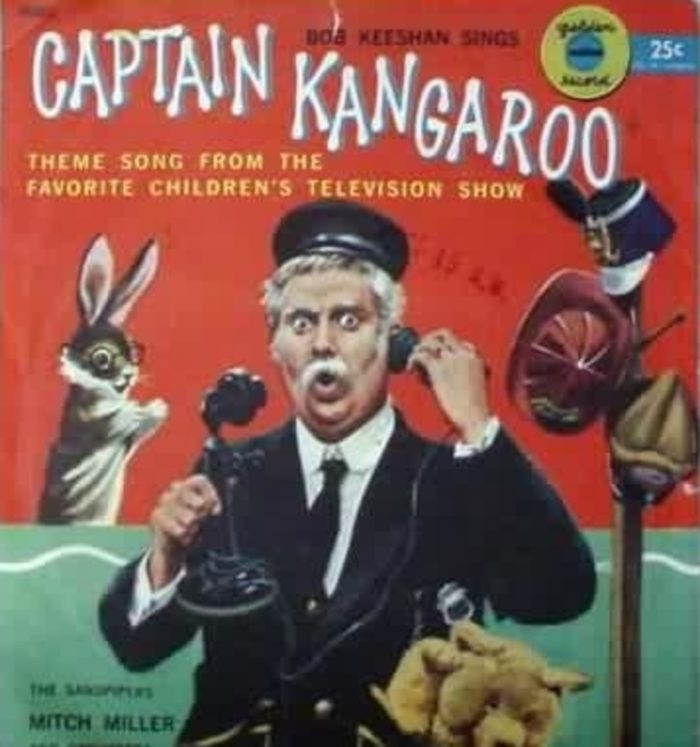
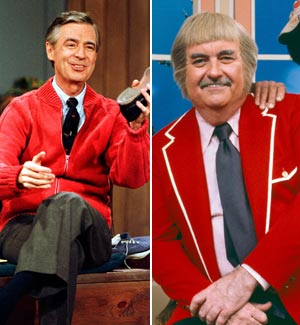 But Bob Keeshan, though a TV personality, was much more of a teacher than anything else. His show went on air before I was born, and I don’t remember a moment in my childhood that he wasn’t a part of it. He was like Mr. Rogers, but came into our lives even before Fred Rogers appeared on the scene. I watched the show in the mornings before school started, at a time when I walked all the way across our little Iowa farm town to get to school. He taught me important early lessons in life that were just as impactful as the math and language and social skills I was getting later in the day. Of course, I had to leave home for school before the show ended at 8:00 a,m. But just like school, watching and participating in any part of it was capable of teaching you something good.
 I saw a woman and her two kids getting breakfast at QT this morning. The kids, a boy and a girl, were both wearing jackets and pajama pants. They were both cute, and happy, and speaking Korean to each other. And I realized after smiling at them with my goofy old coot grin, that I am not prejudiced in any way when it comes to other people. They were Asian. I notice details. But that was an afterthought. It really wouldn’t have mattered if they were black, white, purple, brown, or yellow. (Though I have to admit I might’ve been slightly more fascinated by purple.) Not being prejudiced is a precious thing. It comes from a lifetime of working with kids of all kinds, and learning to love them while you’re trying to teach them to also have no prejudices.