Category Archives: teaching

I Hope You Dance…

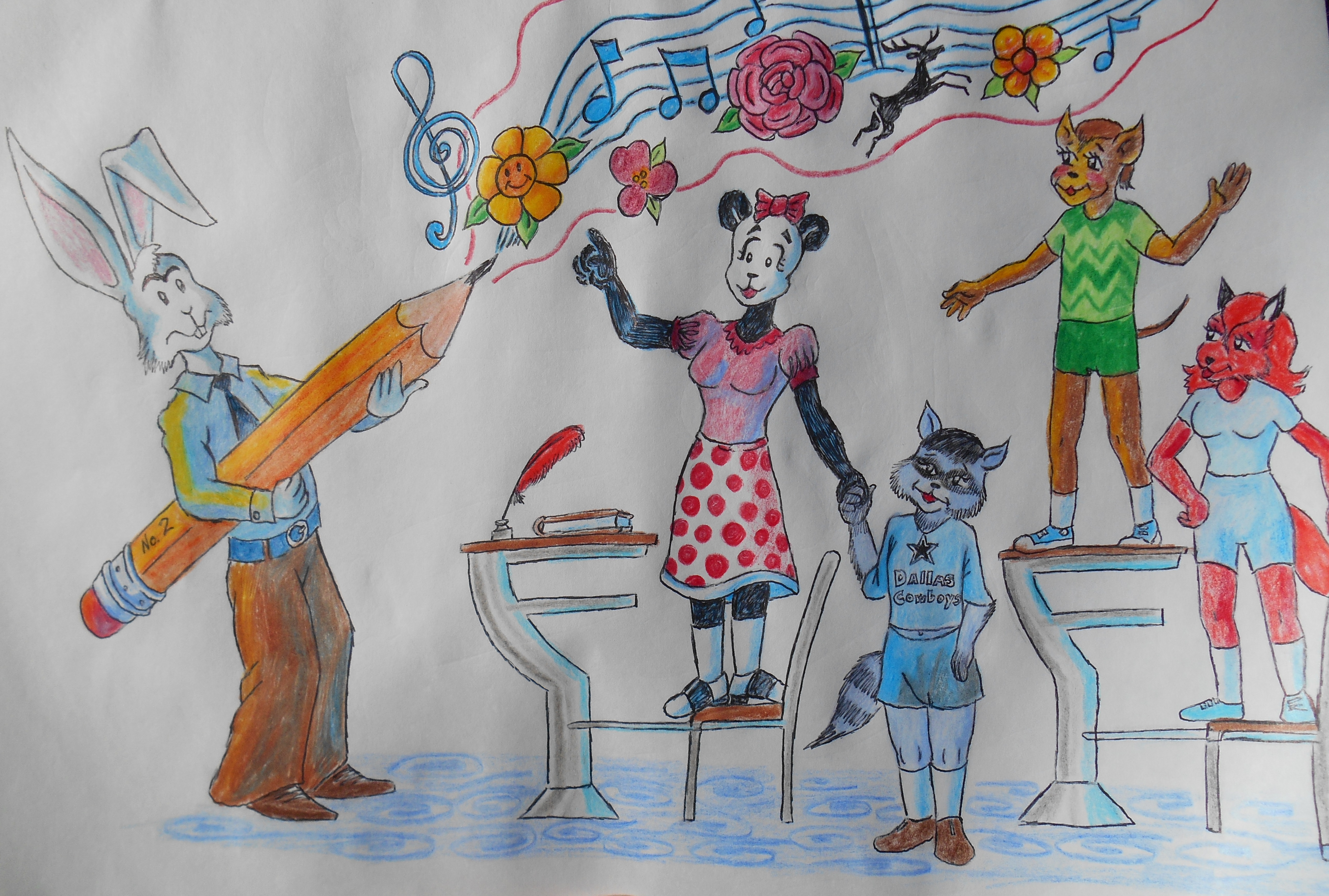
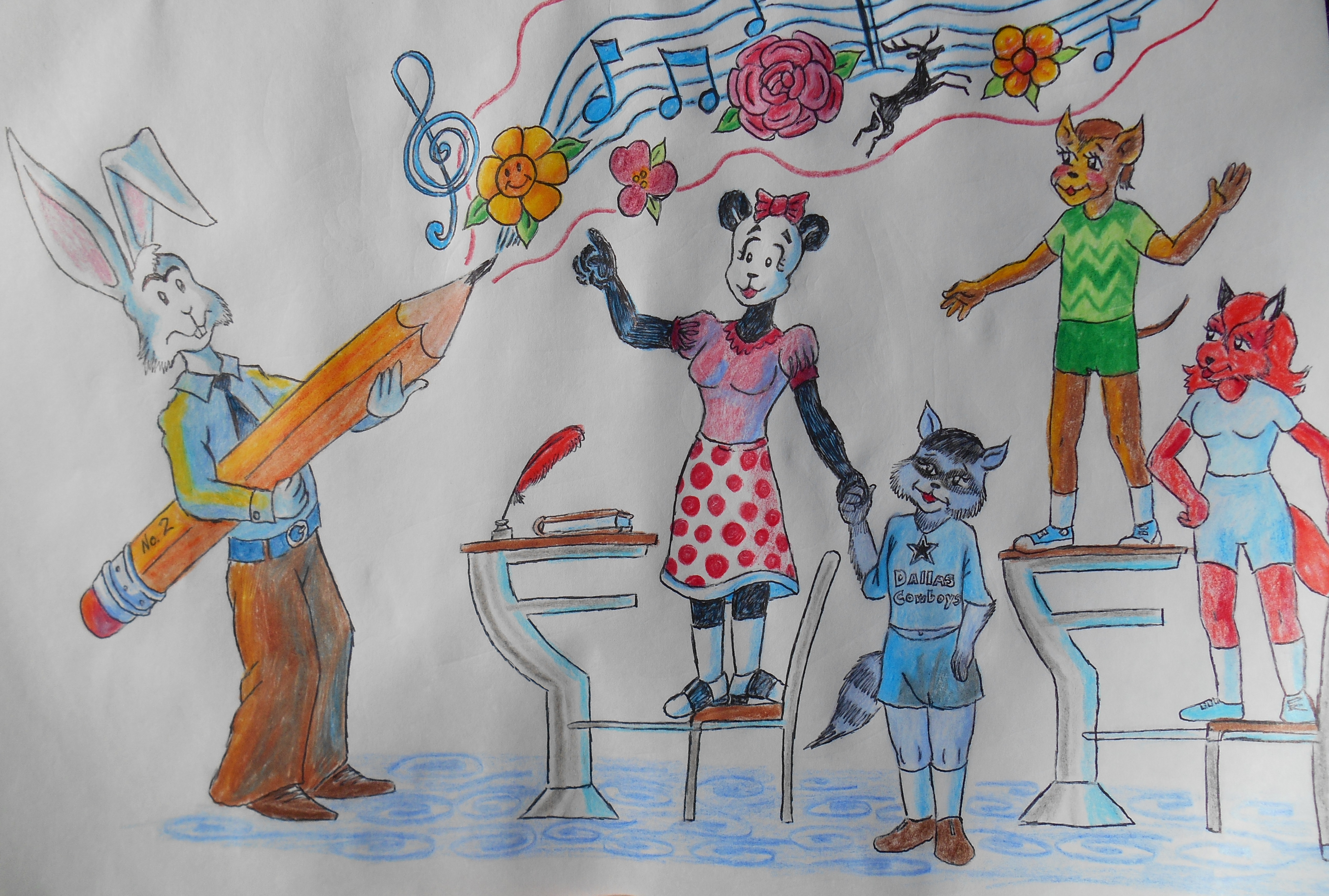
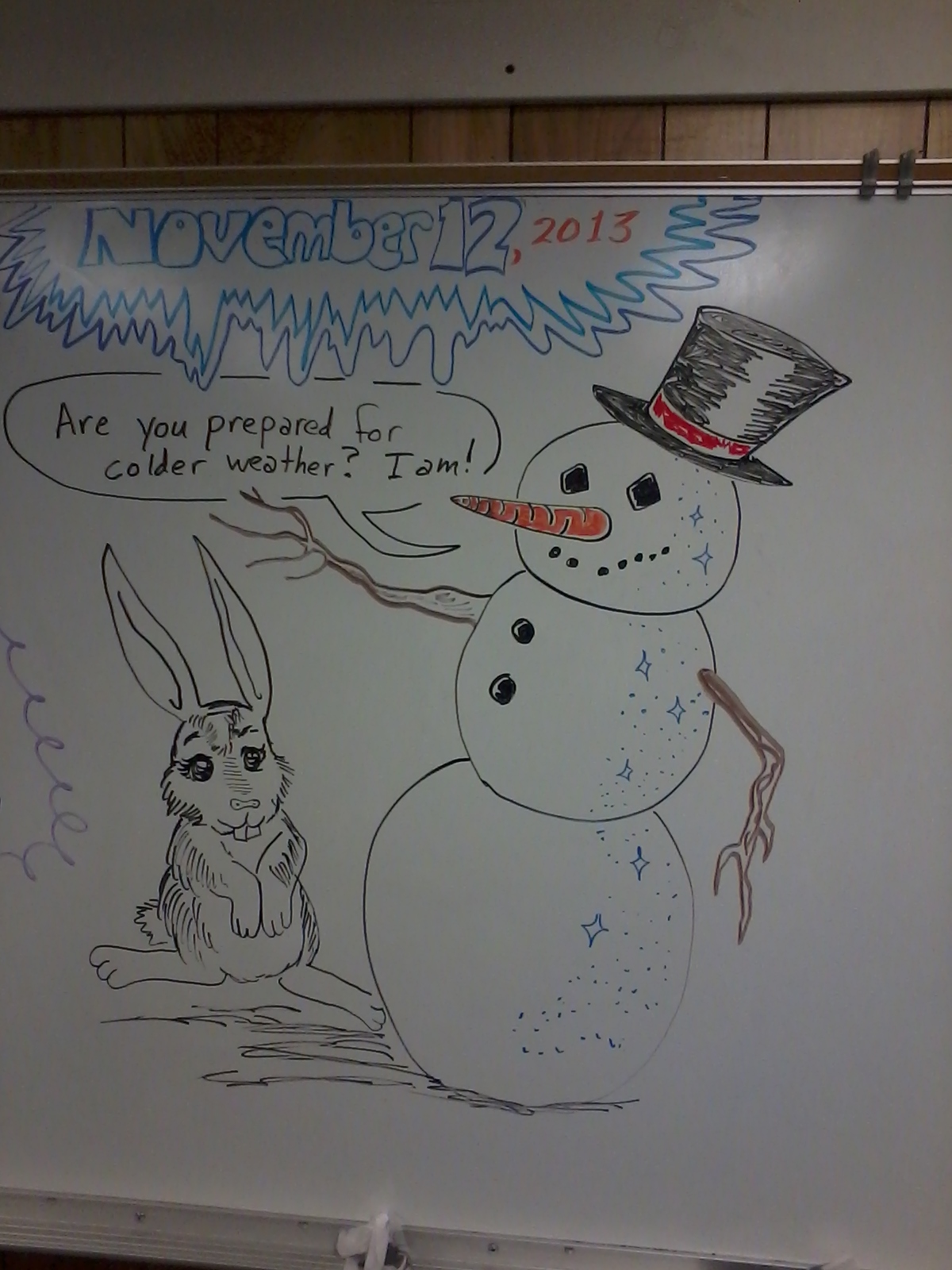
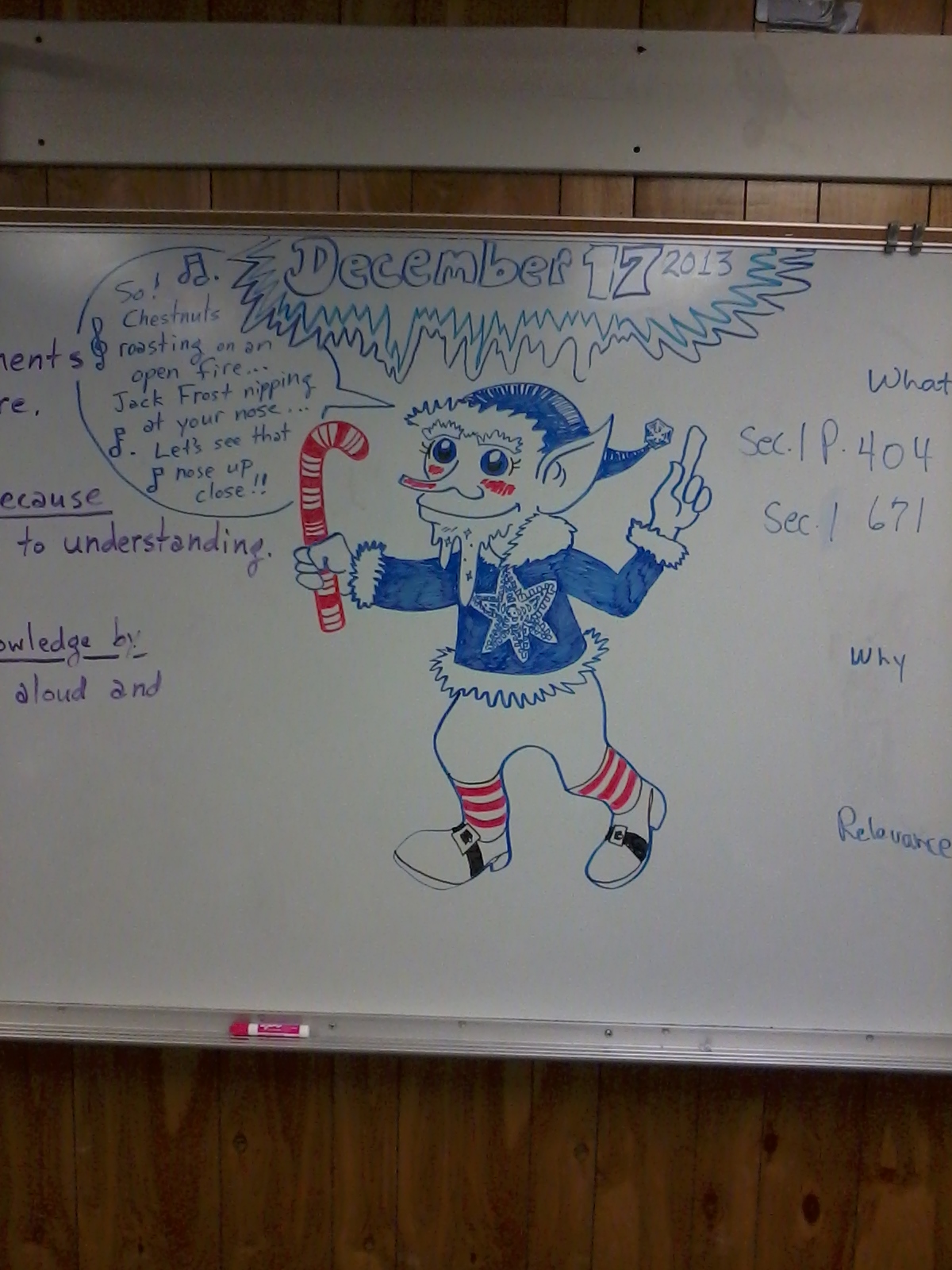
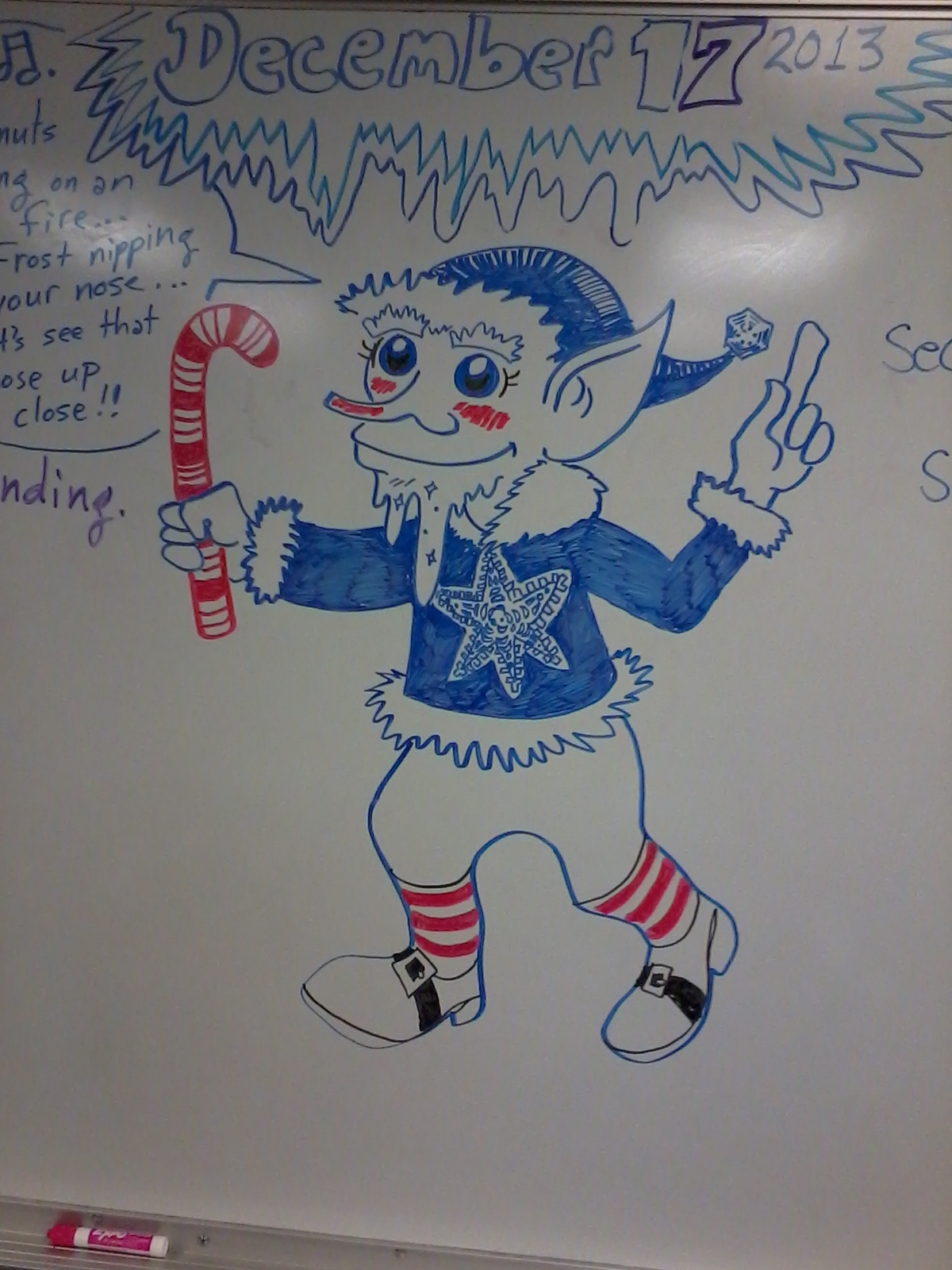
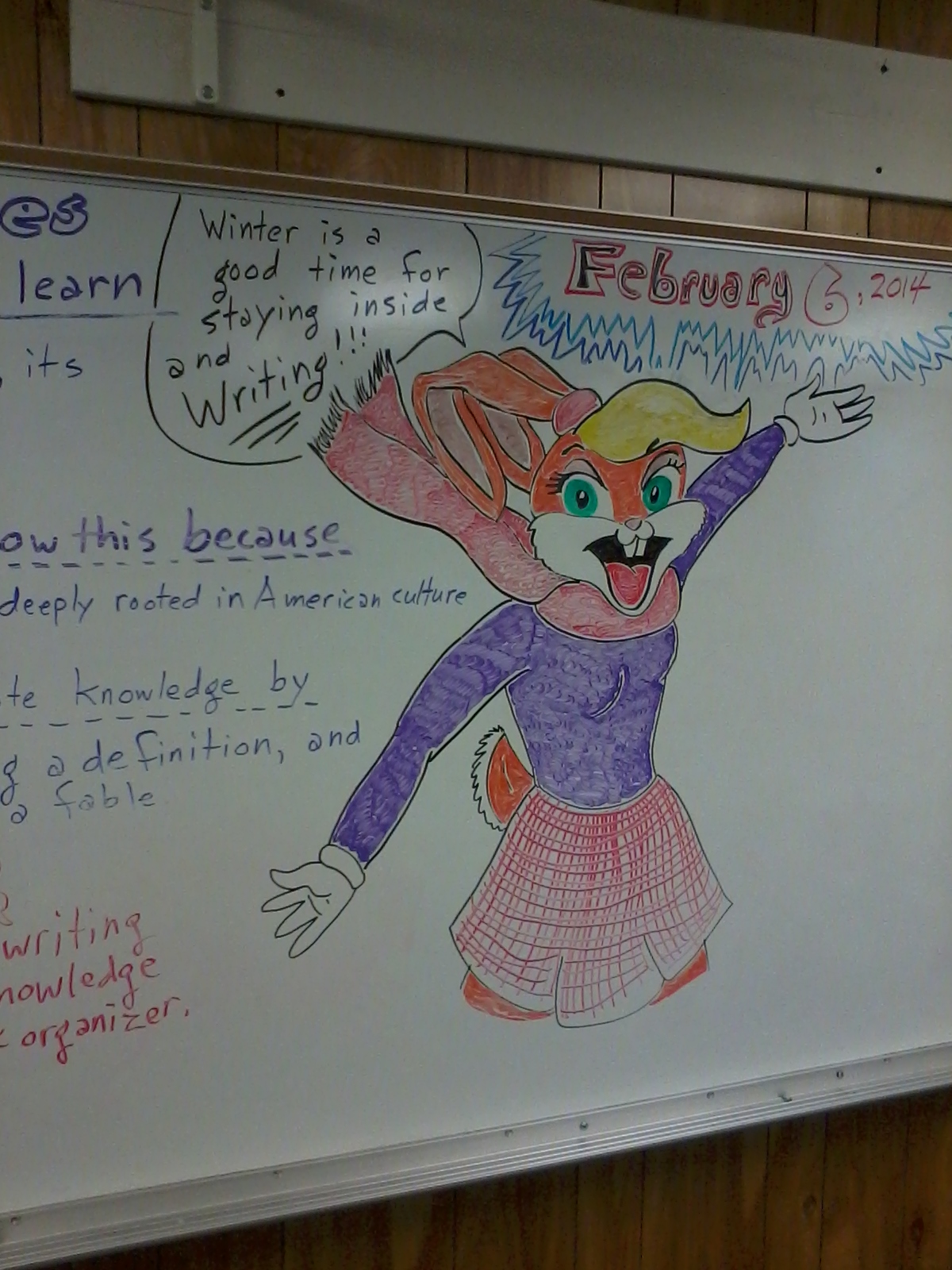
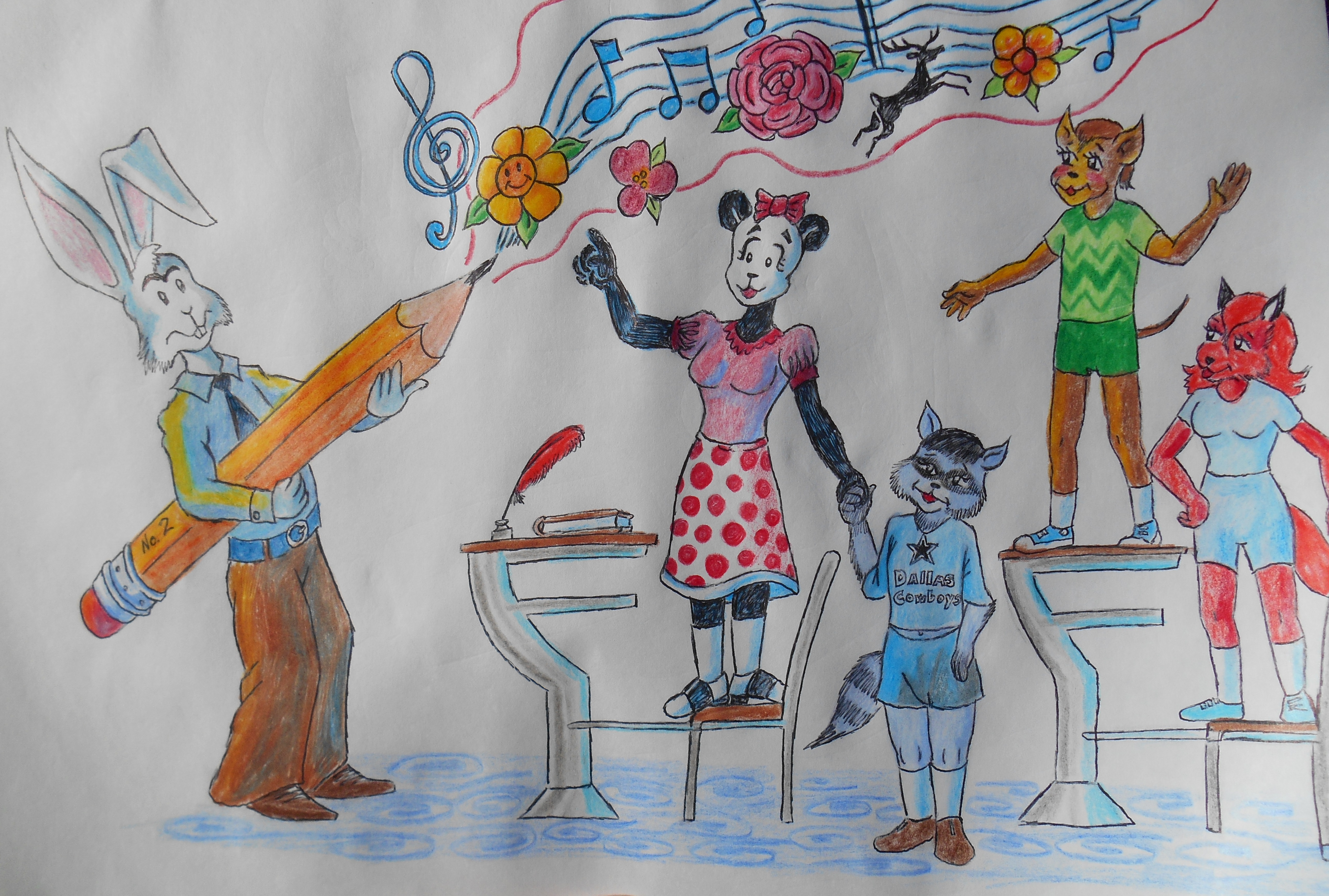
When you walk to the front of the classroom and take up the big pencil in front of a group of young teens and twelve-year-olds, there is a strong pressure to learn how to sing and dance. That, of course, is a metaphor. I was always too arthritic and clunky in my movements to literally dance. But I looked out over a sea of bored and malevolence-filled eyes, slack and sometimes drooling mouths attached to hormone-fueled and creatively evil minds. And I was being paid to put ideas in their heads. Specifically boring and difficult ideas that none of them really wanted in their own personal heads. So I felt the need to learn to dance, to teach in ways that were engaging like good dance tunes, and entertaining in ways that made them want to take action, to metaphorically get up and dance along with me.

I wanted them to enjoy learning the way I did.

But the music of the teacher is not always compatible with the dance style of the individual learner. The secret behind that is, there is absolutely no way to prompt them to dance along with you until you learn about the music already playing in their stupid little heads. (And you can’t, of course ever use the word “stupid” out loud, no matter how funny or true the word is,) You have to get to know a kid before you can teach them anything.

The discordant melodies and bizarre tunes you encounter when you talk to them is like dancing in a minefield blindfolded. Some don’t have enough to eat at home and have to survive off of the nutrition-less food they get in the school cafeteria’s free-and-reduced lunch program. Some of them have never heard a single positive thing from the adults at home, enduring only endless criticism, insults, and sometimes fists. Some of them fall in love you. Some due to hormones. Some due to the fact that you treat them like a real human being. Some because they just stupidly assume that everyone dances to the same tunes they hear in their own personal head.

Some of them automatically hate you because they know that if you hear their own secret music in their own self-loathing heads, you will never accept it. They hate you because you are a teacher and teachers always hate them. Some of them, deep down, are as loathsome as they think they are.

But, if you find the right music, you can get any of them, even all of them, to dance. It might be hard to find. It might be a nearly impossible task to learn to play that music once you find it. But it can be done.

And if you get them to dance to your music, to dance along with you, I can’t think of anything more rewarding, anything more life-fulfilling. Have you ever tried it for yourself? If you are not a teacher, how about with your own children or the children related to you? Everybody should learn to dance this dance I am talking about in metaphors. At least once in your life. It is addictive. You will want to dance more. So the next time the music starts and you get the chance… I hope you’ll dance!

2 Comments

Filed under commentary, education, kids, metaphor, Paffooney, teaching

The Rest of my Classroom Gallery

Here’s what’s left in my camera from school white boards and lessons.

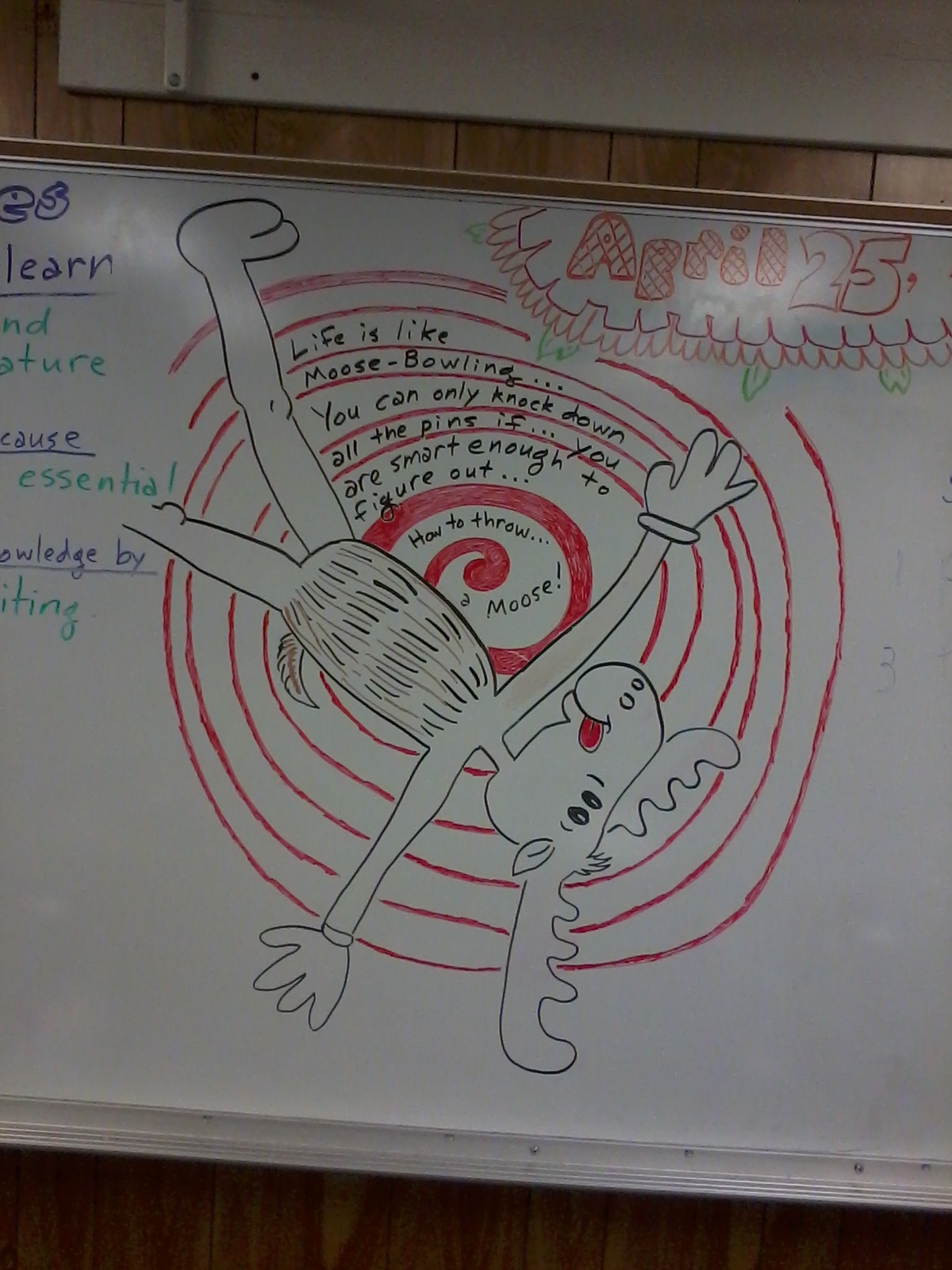
Photo0107 Photo0110 Photo0112 Photo0118 Photo0123 Photo0126 Photo0127 Photo0133 Photo0137 Photo0139 Photo0144 Photo0146 Photo0149 Photo0142There you have it, the results of 31 years of doodling on the chalkboard (which became the dry erase board).  And yes, I did tell them the cartoon fairy drew all the pictures.  Especially when they were in my class for the second or third year when they asked, “Who does all the pictures on the board?”  And yes, I started doing this back in dinosaur days in white chalk on a green blackboard, followed by colored chalk, which later became a gray marker-board for washable marker, and finally became dry erase white board.  And I really bought my own chalk and markers too.  Teachers do that, you know.

Leave a comment

Filed under artwork, cartoons, goofiness, humor, Paffooney, photos, teaching

Yes, I Throw a Moose or Two

I thought that this silly poem needed to be re-posted because school is ending.  The need for silliness is absolutely imperative.  I also need to throw a few mooses… er… moosei… er… meese?  How do you pluralize the word moose?

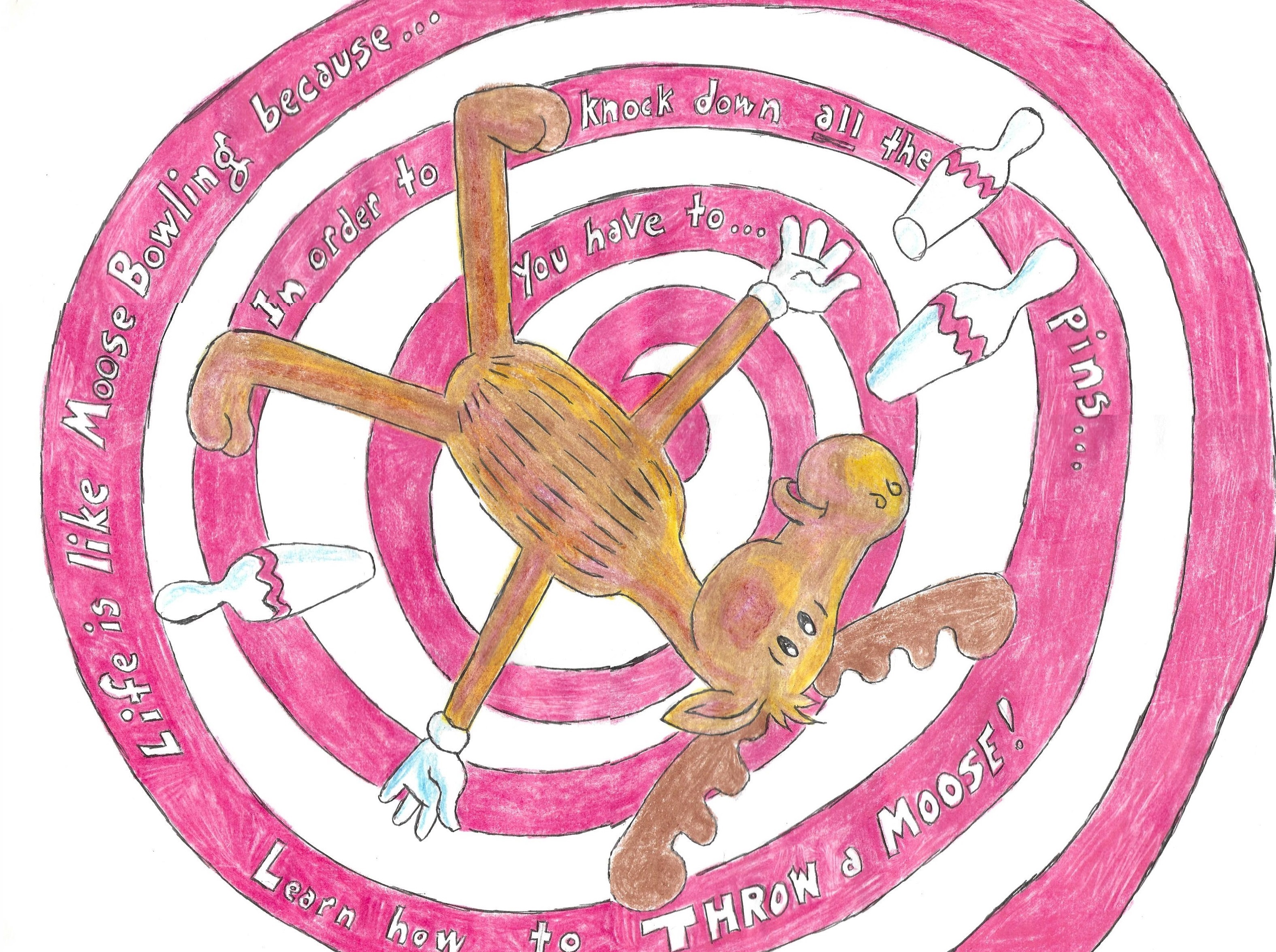
Life is as Hard as Bowling with a Moose (A Poem)

Life is like Moose Bowling,
Because…
In order to knock over all the pins,
And win…
You have to learn HOW TO THROW A MOOSE!

As the days count down, I have had to exercise my moose-throwing muscles more and more.  Today I have five days left in my teaching career.  So many precious kids I have to give up and never see again…  So many teachers will tell you that every year the kids are getting worse and worse, and their attitudes are turning more sour, disrespectful, and violent.  But those teachers don’t know the secret.  You have to throw a moose or two at the problem.  Real discipline is hard work.  Harder than demanding that kids sit in rows and be silent… heads down and pens scratching away.  You have to actually talk to kids and learn who they are… what they feel is important… what their problems are, and what they want you to do about them.   You have to be honest, give them a hook or two to draw them into the whole learning thing.  You have to actually care. 

So, I do.  I care.  And I let them talk.  It’s a moose that has to be tossed.

The comment was made this morning that you have to keep them working right up until the end of the year.  Doing no formal lessons in class is actually a lot harder and more risky than continuing to plod through the textbook.  But in five more days there are no more classes, no more books, no more teachers’ dirty looks… school’s out forever.   I haven’t done any lessons since two weeks ago.  Grades are in the gradebook.  I have been showing kids my favorite movies.  Especially movies from the eighties.  (Truthfully, I have not been well enough to actually teach.  My body aches and I can’t breathe very well)  I have been talking to kids about those movies… what they think about them, and what they think about life in general.  Kids are telling me they are worried about my poor health.  They say they are interested in my books and my writing, even though they don’t actually read just for pleasure and will never buy what I write… or even look at this blog.  They tell me about their troubles, their hopes and dreams, their most significant relationships, and they tell me that they will miss me next year.  Five days… will I make it through without breaking into tears?  No, I won’t.  I may not even try.  That’s one moose too heavy to throw.

But I have no regrets.  I have touched more than two thousand five hundred lives (a pretty close estimate… I don’t have a good enough memory to actually count.)  They have touched my life in return.  No other thing I could have done with my life would ever mean as much.  Doctors save lives, but teachers shape real people.  So what does it all mean?  I mean, really?  It means I have thrown a lot of mooses… er… moosei… er… well, you know what I mean.  And if my arms are growing weary, then it is for a very good reason.

1 Comment

Filed under humor, Paffooney, strange and wonderful ideas about life, teaching

Nerd Class

Skoolgurlz

Back in the 1980’s I was given the gift of teaching the Chapter I program students in English.  This was done because Mrs. Soulwhipple was not only a veteran English teacher, but also the superintendent’s wife.  She was the one gifted with all the star kids, the A & B students, the ones that would be identified as the proper kids to put into our nascent Gifted and Talented Program.  That meant that I would get all the kids that were C, D, & F in most of their classes, the losers, the Special Edwards, the learning disabled, the hyper rocketeers of classroom comedy, and the trouble makers.  And I was given this gift because, not only was I not a principal’s or superintendent’s wife, but I actually learned how to do it and became good at it.  How did I do that, you might ask?  I cheated.  I snooped into the Gifted and Talented teacher training, learned how to differentiate instruction for the super-nerd brain, and then used the stolen information to write curriculum and design activities for all my little deadheads (and they didn’t even know who the Grateful Dead were, so that’s obviously not what I meant).    I treated the little buggers like they were all GT students.  Voila!  If you tell a kid they are talented, smart, and worthy of accelerated instruction… the little fools believe it, and that is what they become.Aeroquest ninjas
Even the goofy teacher is capable of believing the opposite of what is obvious and starts treating them like super-nerds because he actually believes it.  I soon had kids that couldn’t read, but were proud of their abstract problem-solving skills.  I had kids that could enhance the learning of others with their drawing skills, their singing ability, and their sense of what is right and what is wrong.  I had them doing things that made them not only better students for me, but in all their classes.  And I did not keep the methods to my madness a secret, either.  I got so good at coercing other teachers to try new ideas and methods that I got roped into presenting some of the in-service training that all Texas teachers are required by law to do.  And unlike so many other boring sessions we all sat through, I presented things I was doing in the actual classroom that other teachers could also use with success.  The other teachers tried my activities and sometimes made them work better than I did.
Teacher

Yes, I know this all sounds like bragging.  And I guess it probably is.  But it worked.  My kids kept getting better on the standardized tests and the State tests that Texas education loves so much.  And Mrs. Soulwhipple was still the superintendent’s wife, but she did not stay a teacher forever.  She eventually went to a new school district with her husband.  And guess who they started thinking of when the question of who would be the next teacher for the nerd classes was considered.  That’s right, little ol’ Reluctant Rabbit… that goofy man who drew pictures on the board and made kids read like a reading-fiend… me.

So, a new era began in Cotulla.  In addition to still getting to teach all the deadheads (because they weren’t going to trust those precious children to anyone else, naturally), I began teaching at least one edition of Mr. B’s famous Nerd Class every school year.  We actually assigned long novels and great pieces of literature for the kids to read and discuss and study in depth.  Novels like To Kill a Mockingbird by Harper Lee and Across Five Aprils by Irene Hunt were read.  We began talking about “big ideas”, “connections to the wider world”, and how “things always change”.  We began taking on ideas like making our world better and how to help our community.  Kids began to think they were learning things that were important.  We did special units on Exploring Our Solar System, The World of Mark Twain, Finding the Titanic, and The Tragedy of Native American History.  And we spent as much as a third of the year on each.  I am myself cursed with a high IQ and a very disturbing amount of intelligence.  I am the deepest living stockpile of useless facts and trivia that most of my students would ever meet in their lifetimes.  And even I was challenged by some of the learning we took on.  That’s the kind of thing that makes a teaching career fun.  It kept me teaching and meeting new students and new challenges long after my health issues made it a little less than sensible to keep going.  And if I manage to tell you a few Nerd Class stories in the near future, then at least you stand a chance of knowing a little bit about what-the-heck I am talking about.  So be prepared for the worst.  I am retired now, and have plenty of time for long-winded stories about being a teacher.

 

2 Comments

Filed under humor, Paffooney, teaching, Uncategorized

Cartoon Board-Work

I admit it.  I was a goofy teacher.  Kids never knew for sure whether I was serious, joking, or halfway in-between.  I worked for hours sometimes preparing the chalkboard, or later, white board, for the days lesson, putting key points and reminders up in cartoon form.  I used characters, symbols, jokes, pokes, and silliness to get the idea across.  Principals and others who evaluated my teaching always wondered why my classroom sounded so raucous and wild from outside the door with kids laughing, music playing, and sometimes desks being shuffled and shoved around the room.  The perfect-classroom-is-a-quiet-classroom crowd always hated my teaching style.  But the ones who came in and participated, got involved in paying attention and watching the kids interact with the content loved it.  I am not bragging.  My lesson plans were a mess filled with booby traps, explosions waiting to happen, un-intended consequences (also called teachable moments), and brainstorms that threatened at any moment to electrocute somebody with lightning.  Teaching is a dangerous business.  But the point is, there is an art to teaching that brings out the artist in you.  I offer the following evidence;
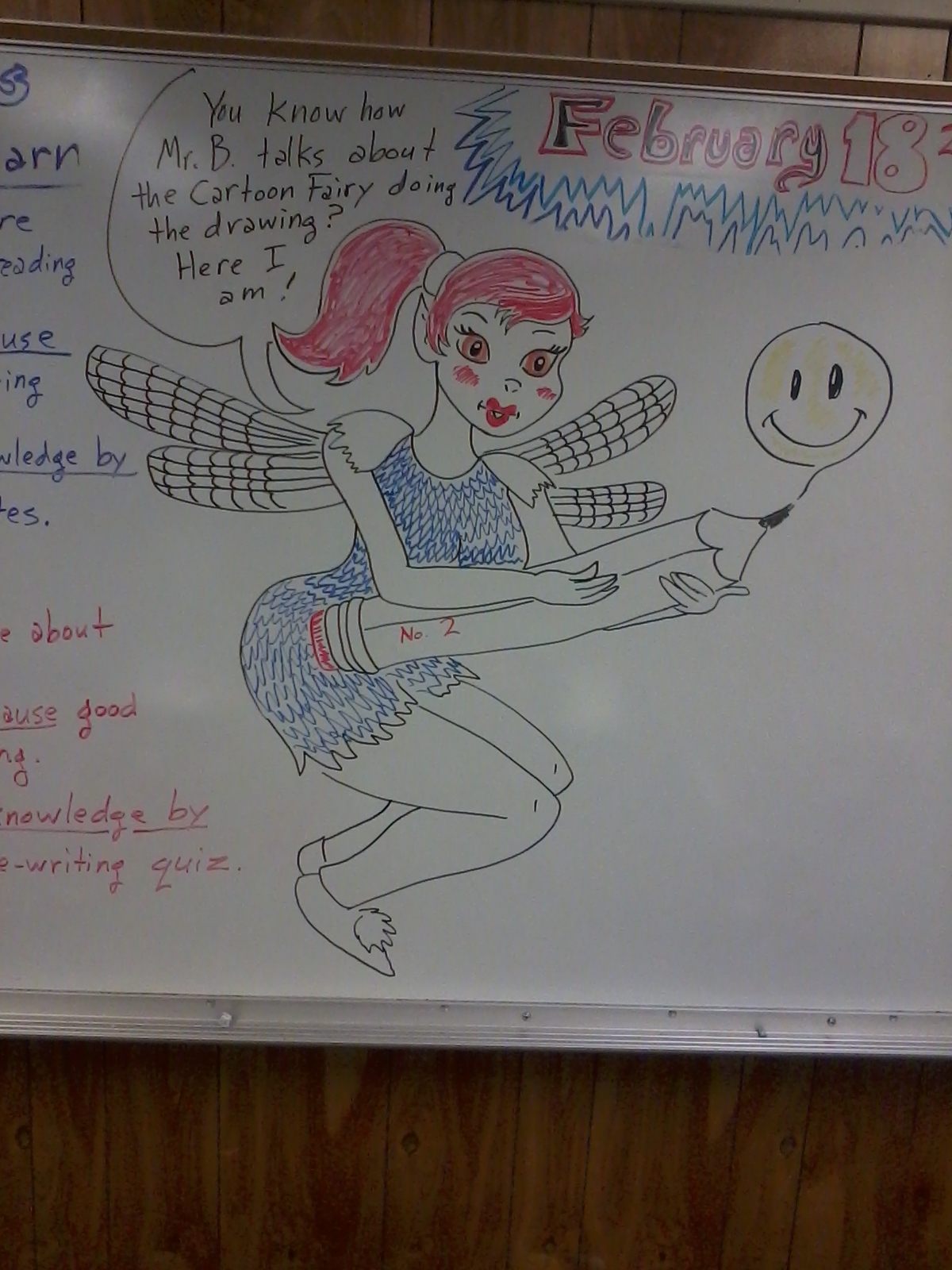
Photo0004 Photo0010 Photo0013 Photo0014 Photo0016 Photo0018 Photo0025 Photo0033

Leave a comment

Filed under artwork, cartoons, goofiness, humor, marker, teaching

Found Poetry

by Sergio Aragonés

Found poetry begins with three found things

Picked up at random

Like three pictures from my internet gallery

Plagiarized from somebody’s fandom

oil painting by Maxfield Parrish

And then you have to sit and have a thought

About how it fits together

To make a stupid poem you’ve wrought

That’s not about the weather

Movie image by Woody Allen featuring Woody Allen

You must pretend the very best you can

There’s sense in what you’ve found

And it fits together as if you had a plan

That was always quite profound.

———————————————————————————————–wow!-a-weird-divider————————-

Writing a found poem

Okay, this is the essay part. That first part is a terrible poem written by me to illustrate how to make your own found poem. Of course, you should know that I was not a natural-born poet. I am among the lower percentages of America’s worst-possible poets. Right there somewhere between the poetry books of Farley Bumbletongue and the Collected Musings of Hans Poopferbrains of Snarkytown, Wisconsin.

But I take great pride in my abilities as a terrible poet. You see, what I mainly was, truly was, was an English teacher of middle school and high school kids. And found poems were an activity in the classroom intended to teach writing skills, creativity, and an appreciation of what a poem actually is.

I needed a large usable picture file cut out of Christmas catalogs, Walmart advertisements, newspapers, magazines (“What are those?” is the most common comment you would get out of today’s classrooms,) grocery-store bargain flyers, outdated calendars, and any other non-pornographic picture sources available.

I would hand out three random images pulled out of the picture file without looking at them to each student (or small groups of students) and then require them to create a poem of at least twelve lines with an optional rhyme scheme and rhythm.

I would have to remind them not to eat the pictures, even if they were pictures of food. And with middle school students I would have to have extra pictures for the next class to replace the ones they ate anyway.

I would tell them there was a time-limit, specified to be much shorter than the actual time I planned to give them, and then let them create horrible poetry. Near Vogon quality in its horribleness.

When all of this was done, we would have a good long laugh by sharing the pictures and poems, and find out who the truly wacky and perverted poets were.

Now, don’t go telling parents that we teachers are wasting their children’s precious learning time this way, but it is not a lesson I created. Simply a lesson I used at least once every year.

But the real question on my mind is, “Given three random pictures, what kind of poem would you write?” Feel free to share.

Leave a comment

Filed under education, humor, kids, poem, poetry, teaching

Beloved

Teachers are not supposed to fall in love with students. Of course, when the school district tells you that, at the beginning of the year, they are talking mostly about high school students, and they are talking exclusively about romantic love. I have never had a real problem with that rule. Romantically, little half-brained and totally immature middle school students are downright icky. Especially the walking, talking, and sometimes farting middle school boys.

But schools, even though they can’t really say it, and some administrators don’t believe they want it to be so, they want teachers to have “teacher love” for students. That means, in a vaguely defined way in administrative brains compatible with the real meaning of “fully funded,”that they want teachers to become surrogate mothers and fathers to students, the kind of love you have for an orphan you have adopted because you can plainly see they need someone… anyone… to love them and care for them… no matter how ugly they might be on the outside.

“To be a good teacher, you gotta learn to love ugly,” Head Principal Watkins said to us all for the two years he managed to love our faculty. And he meant it. I was not the only teacher I heard him tell, “You are a wonderful teacher because you care about kids.” And he meant it. Not like most principals.

But when you see a picture of David, the way he was back then, you can see he was not ugly. Just his situation was ugly.

He was one of six kids that lived with his single mother in the housing project for low-income families. His mother had, at the time the principal called me into his office, been cited by authorities twice for neglect of her children.

“Mike, I know you have mentored and helped several kids outside of school. And we have a boy coming into your seventh grade class that we would like for you to help out however you can. We know you went through the whole social-services and foster-parent training from San Antonio. And David Gutierrez could really use a bit of a boost from you,” the Head Principal told me behind closed doors.

Boy, was that ever an understatement. I was spending considerable time hanging out with the pretty blond reading teacher. The first time I cooked for her, fried hamburgers and instant mashed potatoes, David had a plate already at the tiny table in my little apartment. And, skinny little thing that he was, he ate three quarters of all the food I had badly cooked. Annabel didn’t mind. And not because the burgers were burnt and the potatoes were runny… I am still not a great cook. She would become David’s second mom for those next three years. She gave him as much if not more “teacher love” than I did.

He was not a good student in any of his classes. But he was an adequate reader, and he actually improved noticeably in the time he was hanging out with us.

But he gave us a turn during that first fall when he got sick. He had the seventh grade History teacher first period every morning. And one day in October he reported to class all listless and red-eyed, And Mrs. Finch was a sharp and capable teacher, knowing what drug problems looked like, and what they didn’t look like. She sent him to the nurse. It was a fever of one-hundred-and-three degrees. The parent was called, but the parent didn’t answer. So, immediately after school Annabel and I took him directly from the nurse’s office to the doctor. And after it was determined he had a bad sinus infection, we took him to my place and put him in the spare bedroom (all apartments on North Stewart Street were two-bedroom, but there was only one of me.) Annabel stayed with him while I filled the prescription for antibiotics. We got him dosed and rested at least before his mother returned from her cleaning job in Laredo, sixty miles south. We told her everything that happened. And she took him home. His two older sisters took over nursing duty.
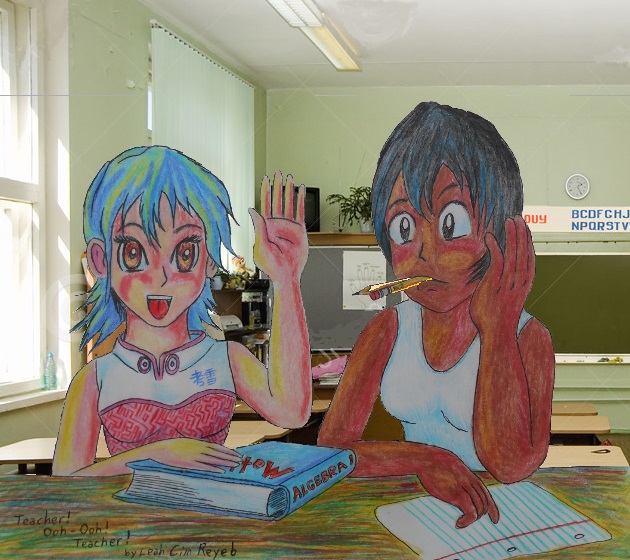
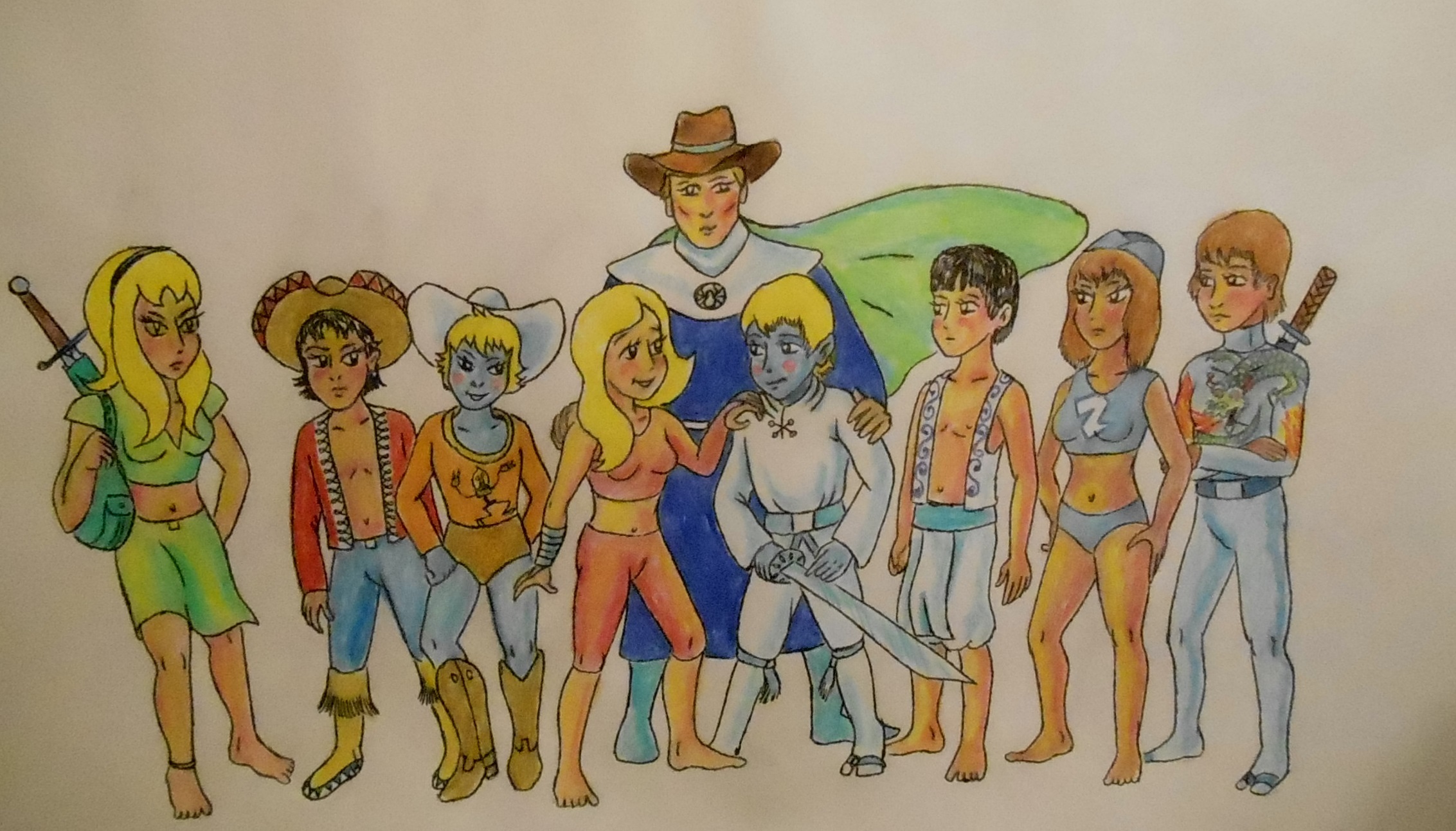
But when the school contacted the doctor, it was explained that the infection was severe mainly because David was malnourished and dangerously anemic. Of course, that was evidence of neglect and had to be reported.

In order to avoid having to give up custody to the State his mother moved him to Laredo, closer to her work. Both of the older sisters, Bunny and Bea had advised their Mom to give him to Annabel and me. But, of course, we were not married and in no position to become his actual parents.

So, David spent two months in Laredo, calling me every night from a pay phone. His grades in school tanked. He was miserable and lonely.

The problem was worked out in David’s family. His older brother sent money every month to his two older sisters. And Bunny had a job and kept the apartment in Cotulla for herself. So, as a compromise, since Bea was already living there with Bunny to attend high school, David came back to live with them, along with his younger sister. They returned to the school where all their friends were.

Through the rest of David’s seventh grade until the end of high school he was like a son to me. He was constantly at my place, playing computer games, watching VHS movies, and charming my girlfriend. (Annabel had the apartment next door for three of the next four years.) I played games with him. I fought with him about getting his homework done. I basically did the Dad-thing for him, something no other man had ever been bothered to do. In later years he would work as a substitute teacher for me. He would introduce me to new girlfriends. And the last time I saw him, in Uncle Moe’s Mexican Restaurant, he introduced his pregnant wife to me and my wife.

In Hebrew, the name David means, “Beloved.” Hence, that’s the only part of his name in this essay that is real.

Leave a comment

Filed under autobiography, humor, illness, kids, Liberal ideas, Paffooney, strange and wonderful ideas about life, teaching

Why School Should Be Cool

Cool School Blue

I was a school teacher for thirty-one years, and in spite of the immense amount of brain damage that builds up over time, especially as a middle-school teacher, I think I know what we’ve been doing wrong.

We need to take a look at an education system where things are working better than they are here.

Now, I know you probably didn’t click on the boring video about school.  Heck, you probably aren’t even reading this sentence.  But I can summarize it and put it in easy-to-understand words.  Finland does not have to educate as many poor and disadvantaged kids as this country does.  The video gives five ways that Finland does it better, but all of them boil down to the basic notion that the country is more homogeneous and uniformly middle-class than ours is.  Still, we can learn things from them.

The first of the five ways that Finland does it better is a difference in government.  While U.S. governmental safety-net programs blame people who need food stamps for being lazy (even though some of them work 40-hour work weeks in minimum-wage jobs), Finland gives a huge package to parents of everything they might need as soon as their child is born.  As long as the child is in school, the government does many things to support the family’s efforts to educate them.  Imagine what we could accomplish here if we invested some of the vast fortune we give to corporations in subsidies into educating poor black and Hispanic children instead.  Children have a hard time learning in school when they come to school hungry.  If we could only feed them better, the way the Fins do, we would revolutionize our classrooms.

The second point the video makes is the biggest suds-maker every time I get on my teacher’s soap box.  They don’t give kids homework and they only give them one standardized test when they leave high school.  I have recently covered this topic more thoroughly in a post in which I was able to ridicule Florida governor Rick “Skeletor” Scott.  (Boy, did I enjoy doing that.)  But I won’t go into all of that again here.

The third thing is respecting teachers.  In Finland they treat teachers with the kind of respect that they give to doctors and lawyers.  How cool is that?  In Texas, calling someone a teacher is an epithet.  If a teacher is liked or even loved by their students, administrators are encouraged to keep a closer eye on them to figure out what’s wrong.  Students are supposed to hate their teachers and sit all day filling out mind-numbing test-preparation worksheets.  Imagine what it could be like if teachers weren’t the scum of the earth.  They might actually have students convinced that learning goes on in their classrooms.

The fourth point is that Finland does not try to cram more and more memorized details into young brains so they can spit it all back out on a test.  They take students thoroughly into the subject of study, and at a slower, easier pace.  They dive deep into the river of learning instead of wade through the wide and shallow parts.  All questions get answered.  And by that, I mean, student questions, not teacher questions.  The learning is student-centered.

Finally, the video states that Finland simply has fewer social ills in their country to get in the way of good quality education.  But even though the work is harder in this country, the potential is really there to go far beyond what Finland is capable of.  We have a natural resource that is totally untapped in this nation.  We don’t develop the minds of a majority of our children in any meaningful way.  And I can tell you from having done it, you can teach a poor or disadvantaged child to think.  You can give them the tools for academic, economic, and personal success.  You can make them into valuable human beings.  But you should never forget, they are already precious beyond measure.  We just ignore and trash that inherent value.  So, the information is out there about how to do a better job of educating our children.  We need to follow through.

Here endeth the lesson.


Leave a comment

Filed under angry rant, commentary, education, humor, insight, teaching

Being Ignored

I have never been an attention-seeker. In the Elysian Fields of modern society, I have never really been the honeybee. I have always been the flower. I had a reputation in high school for being the quiet nerd who ends up surprising you immensely in speech class, at the science fair, or at the art show. I was the one they all turned to when everybody in the conversation had already had their chance to strut and pontificate and say dumb things, and they were finally ready to get the solution to the problem being discussed, or the best suggestion on where to begin to find it.

When I became the teacher of the class instead of the student, I had to make major changes. I had to go from being patient, quiet, and shy to being the fearless presenter, forceful, sharp as an imparter of knowledge, and able to be easily understood, even by the kids whom you couldn’t legally call stupid, but were less than smart, and not in a pleasant Forrest Gump sort of way.

Shyness is only ever overcome by determination and practice. The standard advice given is to picture your audience naked so that you are not intimidated by them. But if your audience is seventh graders, you have to be extra careful about that. They are metaphorically naked all the time, ready at a moment’s notice to explode out of any metaphorical clothing they have learned to wear to cover the things that they wish to keep to themselves about themselves. And while you want them to open up and talk to you, you don’t want the emotional nakedness of having them sobbing in front of the entire class, or throwing things at you in the throes of a mega-tantrum over their love-life and the resulting soap operas of betrayal and revenge. And you definitely don’t want any literal nakedness in your classroom. (Please put your sweat pants back on, Keesha. Those shorts are not within the limits of the dress code.) Calling attention to yourself and what you have to say, because you are being paid to do so, is a critical, yet tricky thing to do. You want them looking at you, and actually thinking about what you are saying (preferably without imagining you naked, which they will do at any sort of unintentional slip or accidental prompting.) The ones who ignore you are a problem that has to be remedied individually and can eat up the majority of your teaching time.

I trained myself to be fairly good at commanding the attention of the room.

But now that I am retired, things have changed. I can still command attention in the room, which I proved to myself by being a successful substitute teacher last year. But I no longer have a captive audience that I can speak to five days a week in a classroom. Now my audience is whoever happens to see this blog and is intrigued enough by the title and pictures to read my words.

Now that I am retired and only speaking to the world at large through writing, I am ignored more than ever before. Being ignored is, perhaps, the only thing I do anymore. It is the new definition of Mickey. Mickey means, “He who must be ignored. Not partially, but wholly… and with malice.”

I put my blog posts on Facebook and Twitter where I know for a fact that there are people who know me and would read them and like them if they knew that they were there. But the malevolent algorithms on those social media sites guarantee that none of my dozens of cousins, old school friends, and former students will see them. Only the single ladies from Kazakhstan and members of the Butchers Union of Cleveland see my posts. Why is this? I do not know. Facebook and Twitter ignore me when I ask.

My books, though liked by everybody who has actually read and responded to them, are lost in a vast ocean of self-published books, most of which are not very good and give a black eye to self-published authors in general. I recently got another call from I-Universe/Penguin Books publishers about Catch a Falling Star, the one book I still have with them. They are concerned that my book, which is on their Editor’s Choice list, is not performing as well as their marketing people think it should. But to promote it, I would have to pay four hundred dollars towards the marketing campaign, even though they are already subsidizing it by fifty percent. They tell me they believe in my book. But apparently not enough to pay for 100% of the promotion.

I have decided to invest in a review service that will cost me about twenty dollars a month. But my confidence is not high. The last time I paid somebody to review a book, they reviewed a book with the same title as mine from a different author. That service still owes me money.

But the only reason it is a problem that I am being thoroughly ignored these days is that an author needs to be read to fulfill his purpose in life. Maybe pictures of pretty girls in this post will help. But, even if they don’t, well, I had their attention once upon a time. And since my purpose as a teacher is already fulfilled, perhaps that will be enough for one lifetime.

Leave a comment

Filed under artwork, autobiography, education, humor, Paffooney, publishing, teaching

Practical Magic

Wizards do magical spells. It kinda goes without saying. But to do magical spells, you have to know how the magic works… and why.

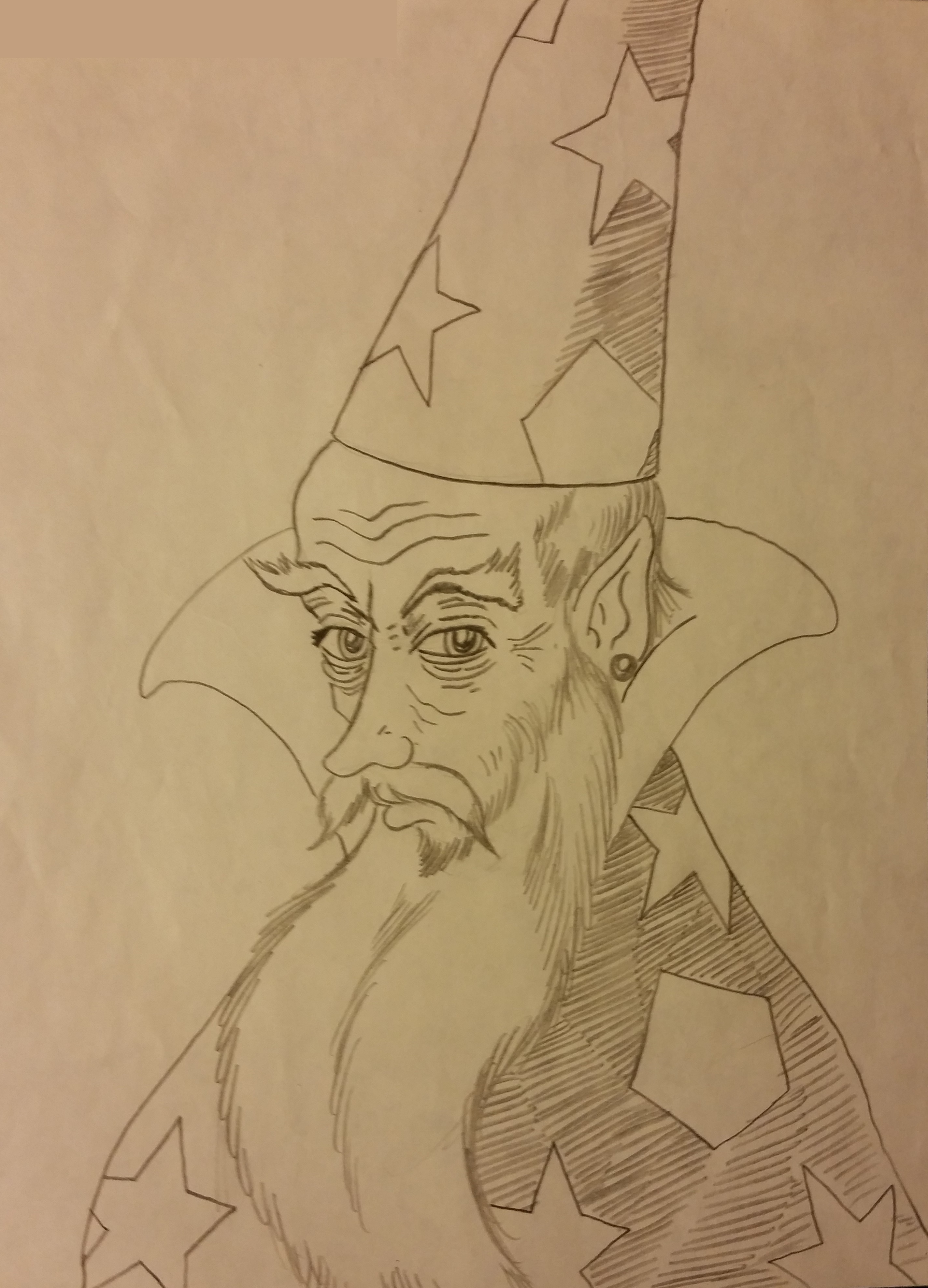
Me, imprisoned in my own crystal ball by my naughty familiar.

The secret is in knowing what the word “magic” actually means. It is not supernatural power, nor the creation of something out of nothing. It is entirely the act of uncovering and understanding the underlying truth, the actual science that most people don’t yet comprehend that underpins the thing you are trying to accomplish. Jonas Salk was a wizard. His polio vaccine was a successful magical potion. But magic can be evil too. Albert Einstein and Robert Oppenheimer were wizards. And the atom bomb was an act of necromantic evil.

Me, in my early green wizard phase.

So, being a wizard, I have learned lessons over a lifetime that uncovered for me the secrets of practical interpersonal magic. Being a teacher has taught me far more than I taught to others.

So let me share with you some of my hard-won practical magic.

In a room full of rowdy children, most of whom are not minding any of the teacher’s directions, you can get their attention easily by shouting, “What the poop is going on here?” with the biggest evil grin on your face that you can manage. They will immediately quiet down like magic and look at you. Some will be wondering if their teacher is having a fatal stroke. Some will be wondering what punishments their behavior has earned as indicated by your evil grin (and here it should be noted, their little imaginations will cook up something much worse and much scarier than anything you could’ve thought of to unwisely threaten them with. A few will begin recording you with their cell phone cameras in hopes of future behavior they can post online and get you fired with. And the rest will laugh at the word “poop” and forget why they were acting out. At that point, with their full attention, you can ask them to sit down and look at page 32, and, not knowing what else to do, they will probably do it.

Here are some other rules of practical magic that apply to the wizarding arts of being a public school teacher;

  1. Violence is never the answer. Change their actions and reactions by making them laugh, making them cry, or making them think about something else entirely. The last thing you would ever want to do is hit them, even if they hit you first.
  2. Anything they can be forced to repeat eight times in eight different ways is something that will be fixed in their memory for more than just the duration of a class period. It moves things into their long-term memory, and that is itself a very magical thing.
  3. Students laugh when you surprise them or present them with the absurd. Tell them they should imagine themselves as pigeons who have to act out Shakespeare’s play Romeo and Juliet. What costumes will they wear, and why? What stage directions are necessary to add to the play that are unique to pigeons, and how will they word them? How does pigeon Mercutio go about his death soliloquy when stabbed by pigeon Tibault? Will he have to say, “Look for me tomorrow and you will find me a very grave pigeon?” By the end of the lesson they will have learned more about this play they are supposed to learn about as ninth graders than they ever would have otherwise.

Being able to do any of those things is actually a manifestation of magical power, and only producible by a wizard. The simple fact is, every good teacher is a wizard.

Me, as a wizard in my blue period. The period at the end of this essay.

Leave a comment

Filed under autobiography, magic, Paffooney, strange and wonderful ideas about life, teaching, William Shakespeare, wizards