As a writer, my goal is to create wisdom and new ideas and stuff that makes a reader feel happy, or sad, or angry, or even slightly insane. But thinking is hard when your head hurts and your body aches and your 68th birthday is just around the corner. (Yes, this Mickey is nearly 68, but can you believe that that Mickey is going to be 96 on the day after I turn 68?) Sometimes you just want to say, “Never mind that I wanted to post every single day for the past two years. Just curl up in a ball and go to sleep.” But there are ways to get something done even if your mind is full of the Sandman’s leavings and old, rotted dreams.
You can always get by with posting somebody else’s wisdom… somebody else’s thinking. You don’t have to work too hard to paste things together. After all, why else did you have to look at so many cut-and-paste essays over the years in middle school and high school as an English teacher?
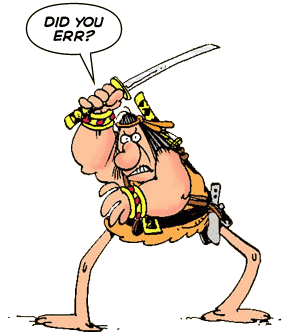
And you can rely on the work you have already done collecting computer files full of colorful crap and stuff you like enough to steal to complete your cut-and-paste scrapbook post. You don’t have to feel like you erred and are about to have your head cut off by an angry Groo.
And you know you can get a lot of cheap likes on Facebook with some of the stuff you have available to put in this post. You have been working at the “Be funny!” thing for a long time, and have gotten almost good enough at it to be funny on the fly. And when you’ve gotten more than halfway to the goal, you can rest a bit. Take a nap. Regenerate the crazy things in your head so you can do this all again another day.
And if you can have a laugh before you are finished, even if no one else in the world gets the joke… well, at least you will feel a little bit better yourself.
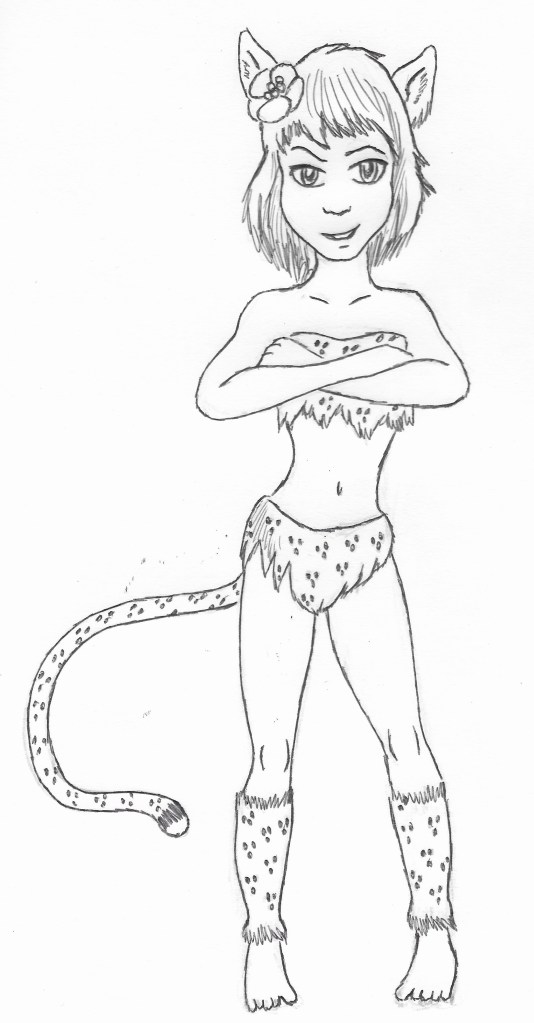
Once I was finally able to scan pictures again, I did some scanning of old pictures that only got the camera treatment before on my blog.
But why stop a drawing at just the pen and ink, when there is potential for so much more?
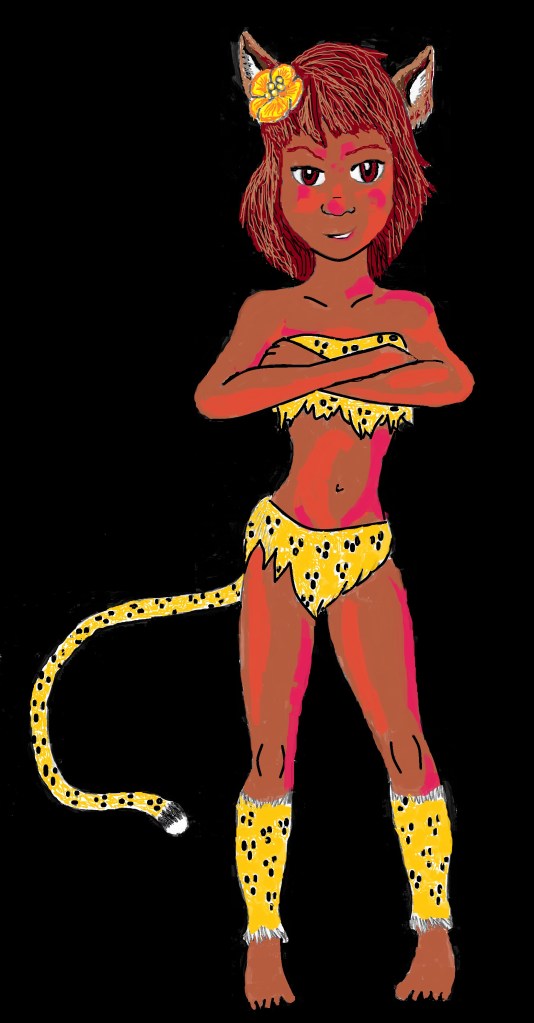
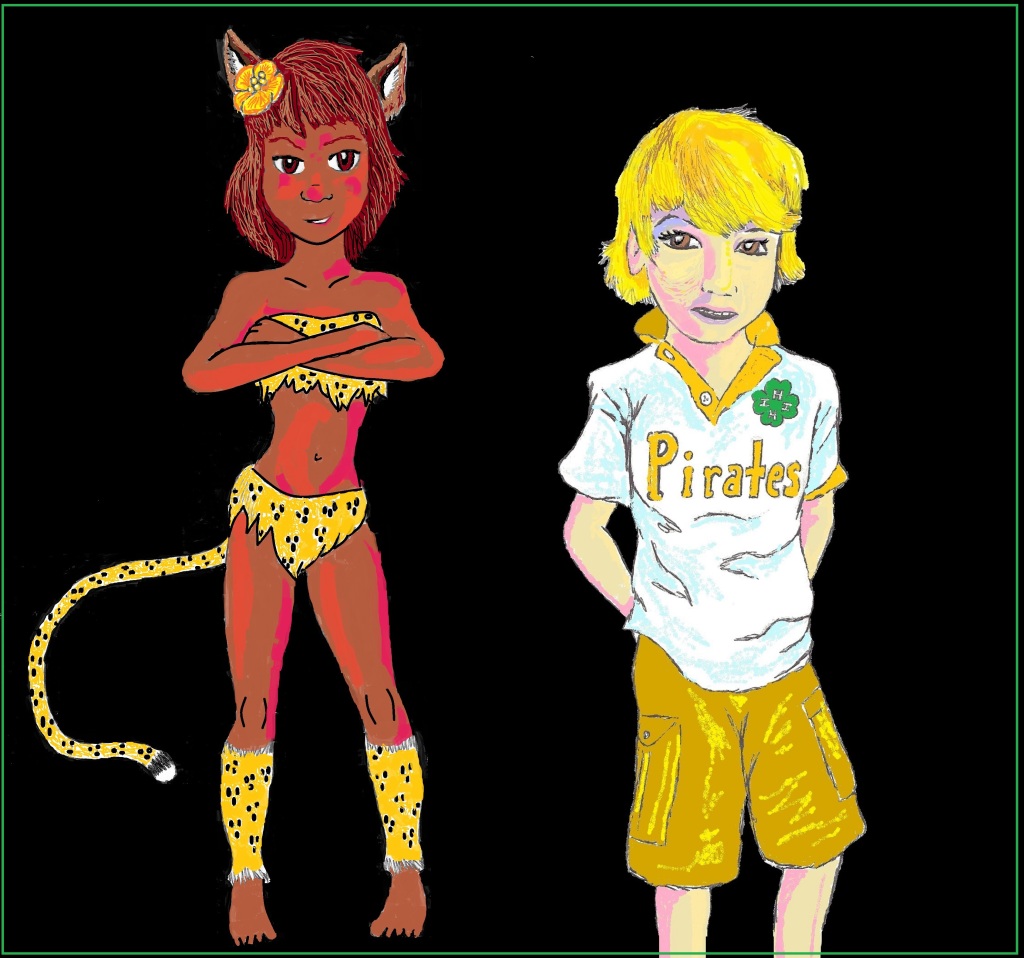
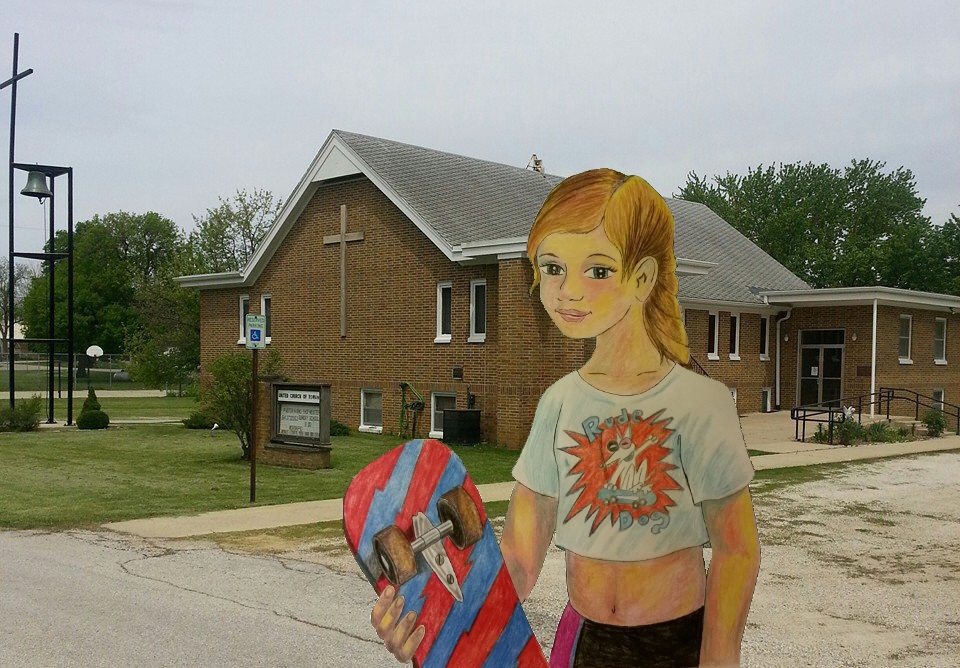
So, I took the Microsoft generic paint program and my generic photo editor to not only this pen and ink of the Jungle Princess, but a few other pictures as well.
,,,
,,,
…
…
…
This is what she looks like after being attacked with color by my arthritic old hands. (There was a day when I could have handled intricate details more cleverly, but that was many, many days ago.
Anyway, I have added new dimensions to Leopard Girrrl with color.
Now I need to add more complications to the basic story of the picture.
…
…
”’
…
…
…
…
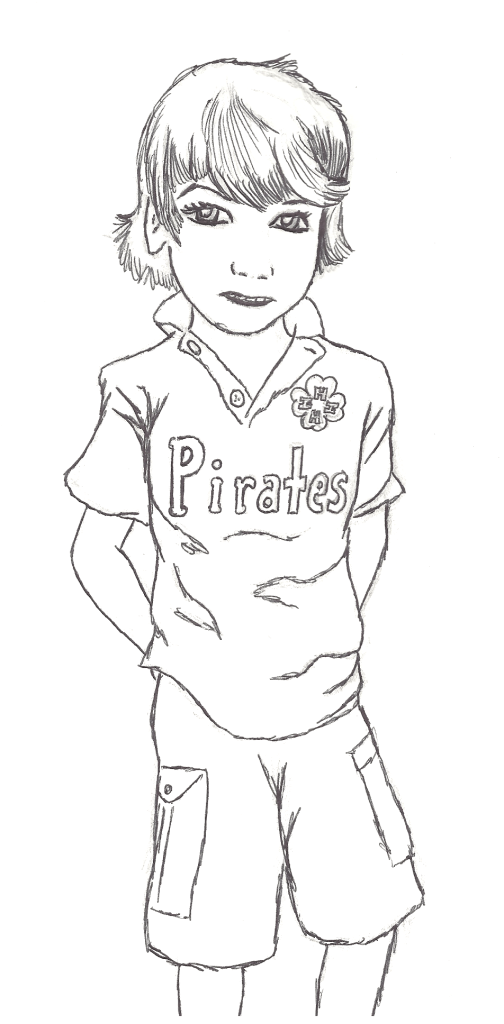
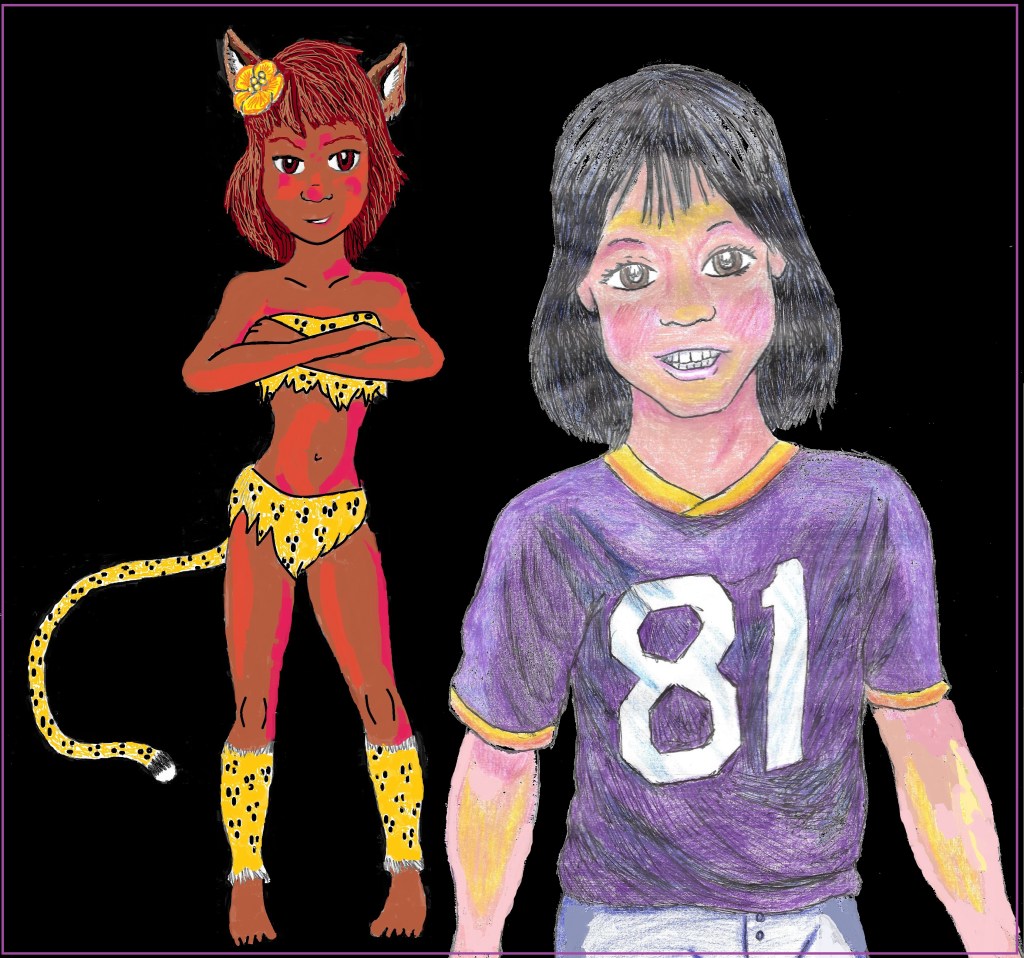
Here is an older pen and ink.
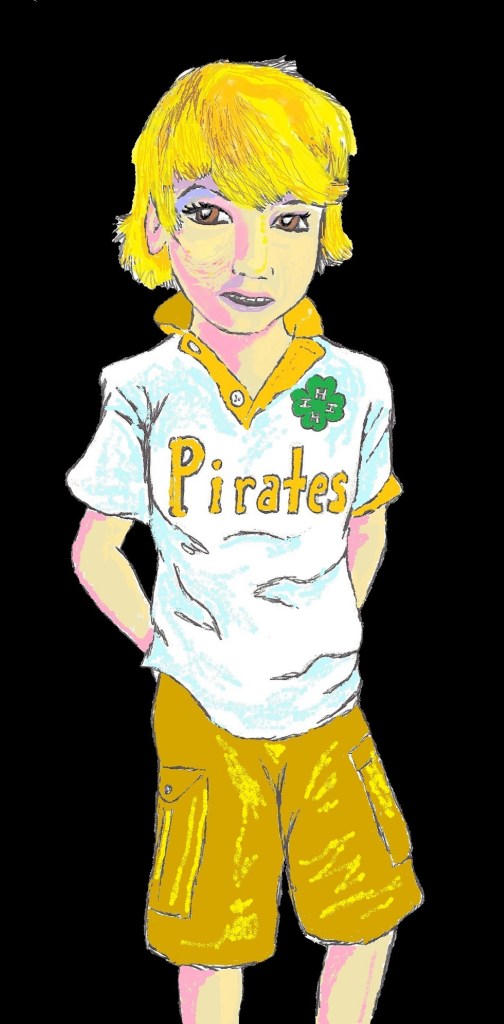
This is Dorin Dobbs, one of the dueling plotlines’ protagonists from the novel Catch a Falling Star.
But, of course, Dorin is a more complex character than this old black and white.
So, color needs to be added.
…
…
…
…
…
…
…
…
…
,,,
…
I had this one actually already painted in…
But in order to use it in this project, I needed to enlarge it to make it fit into the other picture.
Making this unlikely pair work together in a story is one of the challenges of doing surrealist stories. They have to be grounded in realism, but also bring jarringly different things together. Like the Jungle Princess going on an adventure with Norwall’s Lying King.
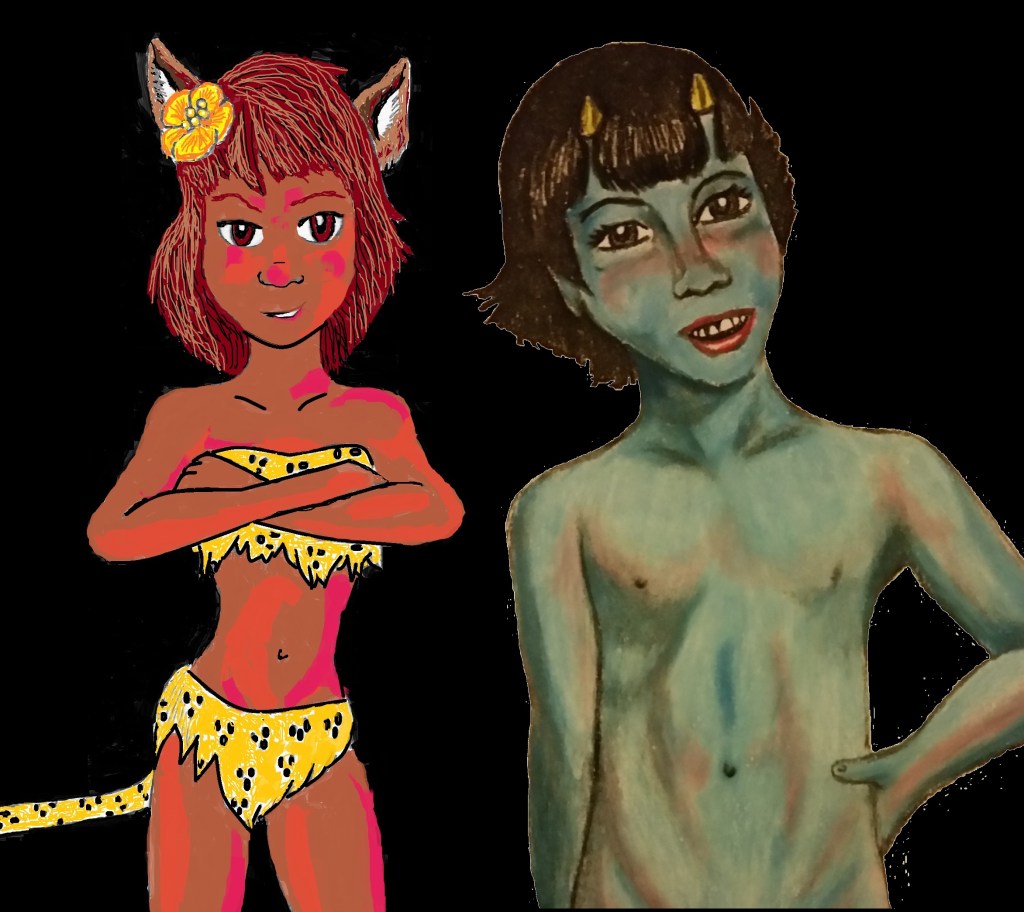
But, putting these two together is still not enough. Let’s try some other things.
The Jungle Princess together with Tomboy Dilsey Murphy is an unusual pairing.
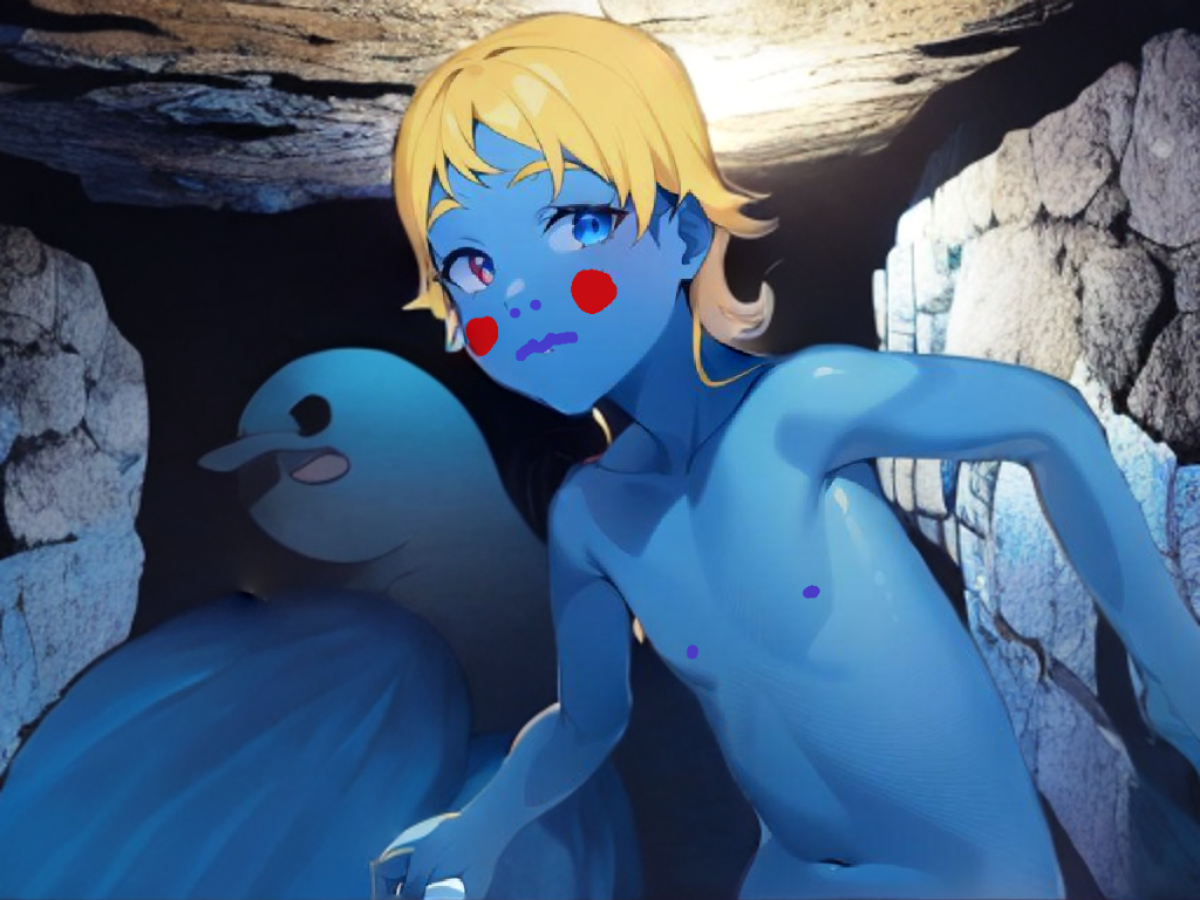
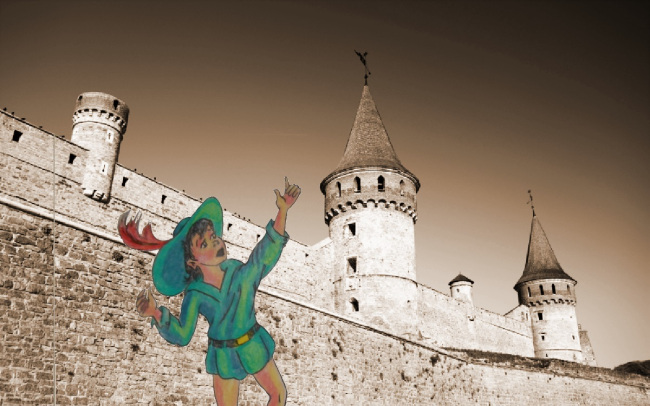
Or what about the blue faun from Laughing Blue?
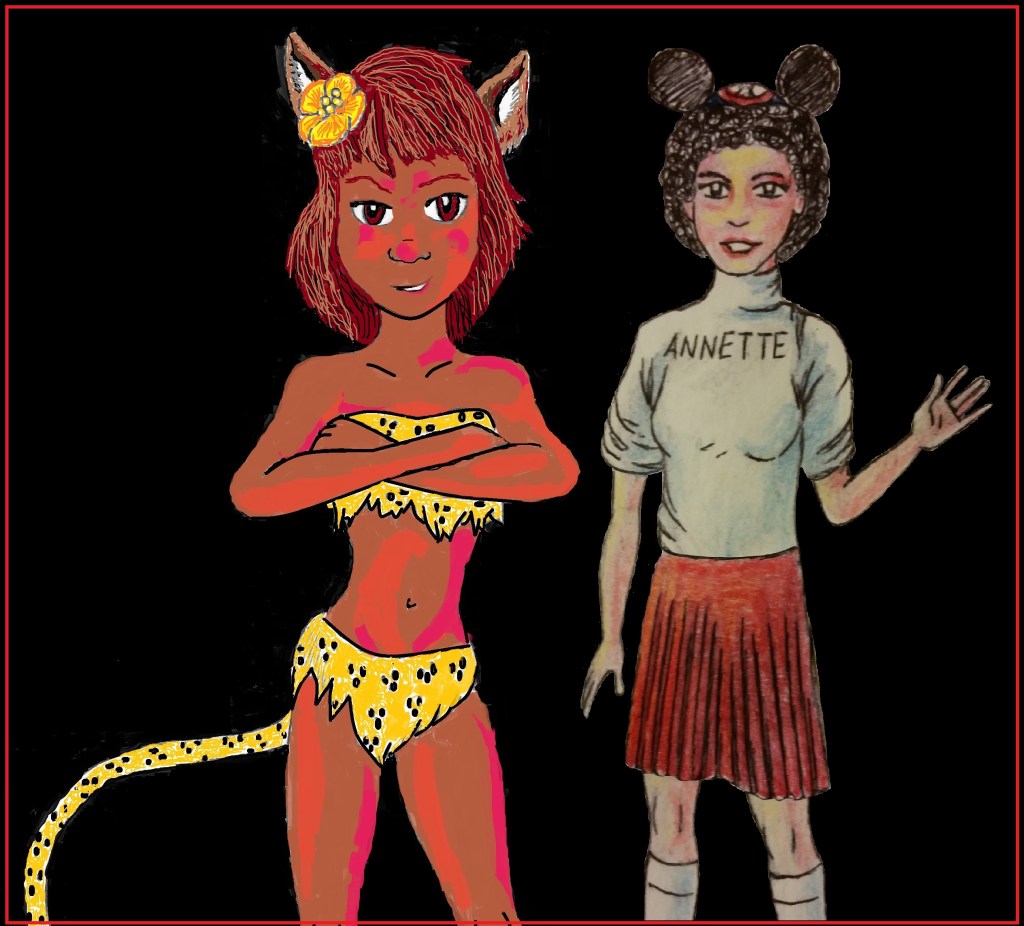
Or even Annette Funicello?
Ridiculous, I know. But don’t they look like satin sofa paintings?
As they were being led down further into the massive space whale, the lead warrior turned back to Prince Porodor and bowed.
“You need to consider that sacrificing Suki Vorranac along with these Humaniti scum will not sit well with the counsel or the Warlord Vorranac himself. She has the prime bloodline (said in Galactic English for Cissy’s benefit.)”
“That is my worry, my argument,” said the prince flatly.
The lead warrior nodded and turned away, signaling the group of the condemned to follow him. The naked boy who looked human hugged his twin and then joined them.
“I can almost understand why they are going to kill us, but why are you going to be executed?” Cissy said to the boy.
“I am not enough like them to remain among them. I would die here eventually anyway. This just makes it happen sooner.”
“Won’t they at least give you a Danjer suit?” Cissy asked.
“I will be given one when we get to the happy place.”
“The happy place?”
“Prisoners to be executed as whale food are given time to make their peace with the universe. It is something I understand the Imperium does not do.”
“Yes, I’m afraid that’s true. Of course, the Galtorr Fusions are half lizard people, which probably explains that.”
“My name is Wylo Voron, though I have to stop using the Voron part now that I am being cast out.”
“My name is Cissy Moonskipper. I ain’t giving up any of that.”
Wylo shook Cissy’s hand and smiled. He was a cute kid. Probably at least three years younger than Cissy. Or three Spltzblixes, or whatever the heck Nebulons called a year.
The interior of the space whale was like a vast hollow tube with gravity-downside carpeted in villages, lakes, rivers, forests, and meadows. Hand-built structures covered the sides, and the ceiling was a combination of pulsating whale organs and Sun Sources. Clouds and mists obscured some of the ceiling.
“This is a really beautiful place,” said Cissy, nearly breathless with awe.
“I have never been in this space whale before,” said Suki. “But my home whale was almost as beautiful as this.”
The lead warrior delivered the small group to a pretty white cottage on the edge of the nearest lake. They were met there by five people. A Nebulon man who was the same size as Suki, his wife who was slightly smaller, and three blue children.
“You will be cared for by Taro Vorranac and his family. They will do anything you ask but help you escape. They don’t speak Galactic English, but Suki can translate.” The lead warrior saluted Taro and then led his troop back toward the whale head.
Suki introduced everyone to everyone in another endless stream of Nebulonin ak-ak-ak-oohwak in which Cissy recognized names and nothing else. Taro’s wife was Sonno and the children were two boys named Taroon and Jaffouhc. The girl was Diznee. All three of them were naked and happy that way, but Sonno recognized the need to give Wylo a purple Danjer suit.
Their Nebulon hosts were all generous and kind people that Cissy easily warmed up to.
Later as they sat around the family table drinking a delicious blue juice that Sonno called Perhoucahac, Cissy asked Suki, “So, what do we do now? Can we try to eIscape?”
“If we do, Taro and Sonno’s family will be sacrificed in our place. And I don’t want that on my conscience.”
“Budd… I doan wanna die…” whined Friday. Diznee petted her because, although she didn’t understand a word of what was said, she could feel Friday’s fear and pain.
“I’m not giving up yet, Friday,” Cissy said, patting the dog girl’s paw. “There has to be a way out of this.”
“The Nebulon way is to eat and drink and be happy until the end is here.” Suki let a tear escape her right eye. It ran down across the red dot on her cheek.
“Your Prince Porodor is not a very nice landlord.”
Taro’s family looked at each other in confusion.
“My family doesn’t like him either,” Suki admitted.
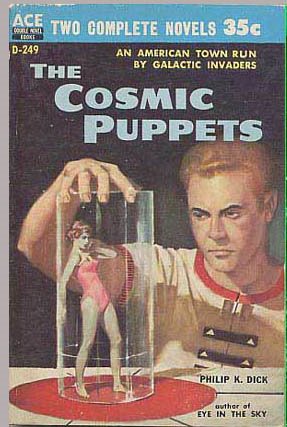
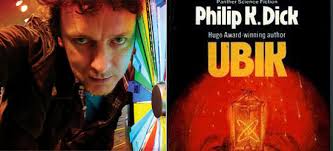
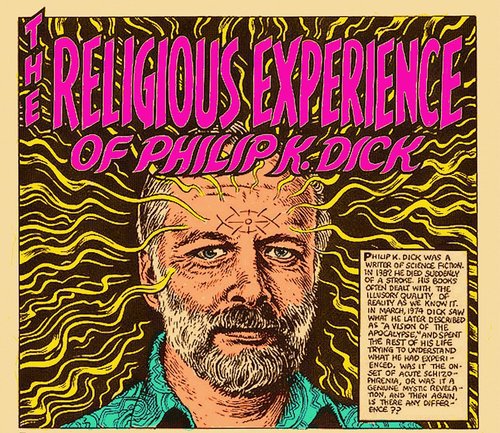
There is a major drawback to being so smart that you can perceive the edges of infinity. It makes you bedbug crazy. I love the science fiction that populated the paperback shelves in the 50’s and 60’s when I was a boy. I love the work of Philip K. Dick. But it leads you to contemplate what is real… what is imaginary… and what is the nature of what will be.
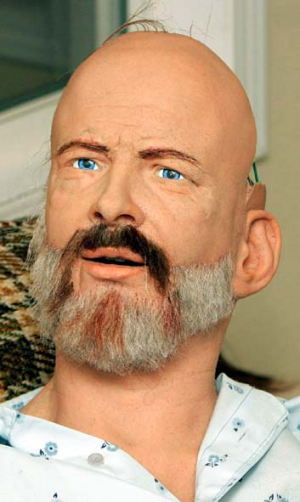
the robot Philip K. Dick who appeared at Comic Con and answered questions
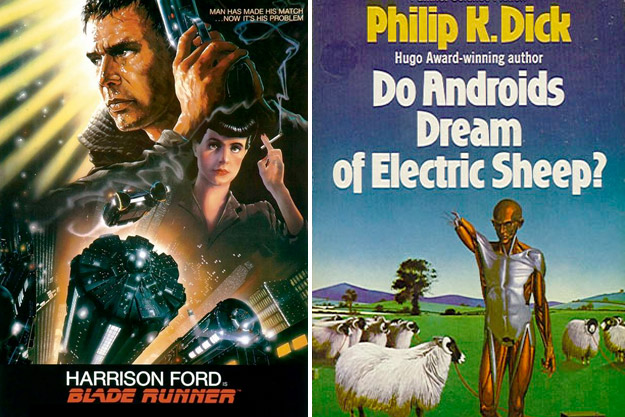
There are numerous ways to investigate life. But it is in the nature of imaginary people to try to find ways to make themselves real. When the replicants in Bladerunner try to make themselves into real people, they must try to create memories that didn’t exist. They try to mirror human life to the extent that they can actually fool the bladerunner into letting them live. Of course, it doesn’t work. They are not real. (Bladerunner is the movie name of Do Androids Dream of Electric Sheep).
It is like that for me as well. Being an imaginary person is difficult. You have to constantly invent yourself and re-invent yourself. By the time you finally get to know yourself, you have to change again so that the anti-android factions don’t destroy you. Although, I think I may not actually be an android.
Does that sound a bit crazy? Well Philip K. Dick’s life story may in fact have led him down the path to really crazy. In 1971 he broke up with his wife, Nancy Hackett. She moved out of his life, and an amphetamine-abuse bender moved in. In 1972, ironically the year I began reading Dick’s work, he fell in love at the Vancouver Science Fiction Convention. That was immediately followed by erratic behavior, a break-up, and an attempted suicide overdosing on the sedative potassium bromide. This, of course, led directly to his 1977 novel A Scanner Darkly.
The story is about a police detective who is corrupted by a dangerous addictive drug that takes him down the rabbit hole of paranoia, and being assaulted by the perception of multiple realities simultaneously. His novel Ubik from 1969 is a story of psychics trying to battle groups of other psychics even after they are killed by a bomb. The crazy seems to have been building for a while.
In 1974 he had a transcendental experience when a lady delivering medicine to his door wore a fish-shaped pendant which he said shot a pink beam into his head. He came to believe the beam imparted wisdom and clairvoyance, and also believed it to be intelligent. He would later admit to believing he had been reincarnated as the prophet Elijah.
Imagination has its dangers. It is a powerful thing able to transform reality. Science fiction writers often use their imagination to shape what the future will actually make come into being. But it can also turn your mind inside out. A great science fiction writer like Philip K. Dick can contemplate the nature of reality and turn his own reality inside out. It is a lesson for me, a lesson for all of us. Wait, is that a pink beam of light I see? No, I just imagined it.
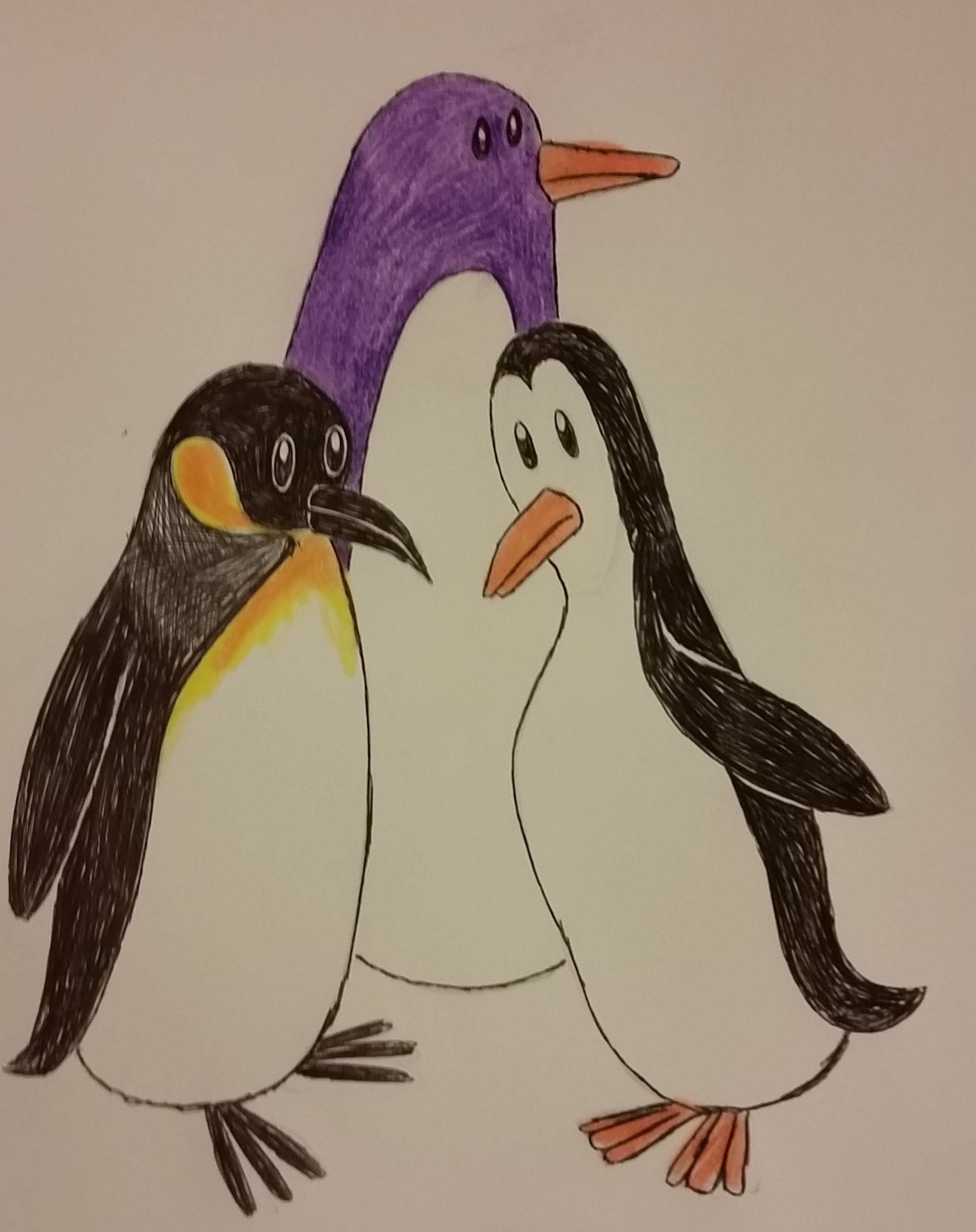
You know how creepy penguins in cartoons can be, right? The Penguins of Madagascar are like a Mission-Impossible Team gone horribly wrong and transformed into penguins. The penguin in Wallace and Gromit’s The Wrong Trousers disguised himself as a chicken to perform acts of pure evil. Cartoonists all know that penguins are inherently creepy and evil.
I recently learned a hard lesson about penguins. You know the joke, “What’s black and white and red all over? A penguin with a sunburn.” I told that joke one too many times. Who knew the Dallas metroplex had so many loose penguins lurking around? They are literally everywhere. One of them overheard me. And apparently they have vowed a sacred penguin vow that no penguin joke goes unpunished.
As I walked the dog this morning, I spotted creepy penguin eyes, about three pairs, looking at me from behind the bank of the creek bed in the park. When I went to retrieve the empty recycle bins from the driveway, there they were again, looking at me over the top of the neighbor’s privacy fence.
“Penguins see the world in black and white,” said one of the Penguins.
“Except for purple ones,” added the purple one.
“Penguins can talk?” I tried unsuccessfully to ask.
“Penguins only talk in proverbs,” said one of the penguins.
“But the purple one gives the counterpoint,” said the purple one.
“The wisdom of penguins is always cold and harsh,” said one of the penguins.
“Except on days like this when it’s hot,” said the purple one.
“You should always listen to penguins,” said one of the penguins.
“Of course, people will think you are crazy if you do,” said the purple one.
“People who talk to penguins are headed for a nervous breakdown,” said one of the penguins.
“Unless you are a cartoonist. Then it is probably normal behavior,” said the purple one.
“Is this all real?” I tried unsuccessfully to ask.
“Everyone knows that penguins are real,” said one of the penguins.
“But there are no purple penguins in nature,” said the purple one.
So, I sat down to write this post about penguins and their proverbs with a very disturbing thought in my little cartoonist’s head… Why am I really writing about penguins today? I really have nothing profound to say about penguin proverbs. Especially profound penguin proverbs with a counterpoint by a purple penguin. Maybe it is all merely a load of goofy silliness and a waste of my time.
“Writing about penguins is never a waste of time,” said one of the penguins.
“And if you believe that, I have some choice real estate in the Okefenokee Swamp I need to talk to you about,” added the purple one.
Yesterday I posted another maudlin doomsday post. I probably gave you the opinion that all I do with my time is mope around and think about death. And maybe write a little creepy black Gothic poetry. But that’s not me. I am a lover of the humor in stories by Mark Twain, Charles Dickens, and Kurt Vonnegut. I am a former teacher that managed to teach the entire zoological range of possible middle school and high school students in Texas and did it without being convinced to hate them rather than love them. Yes, my heart is full of mirth and love and memories of weird kids and troubled kids and kids that could melt the meanest of hearts.
My passion is writing fictional stories about the kids I have taught, including my own three, and setting it in a fictionalized version of my little town, the place in Iowa where I grew up. And I put them in plots of impossible fantasy and science fiction in a way that can only be explained as surrealism.
Nobody reads my books. So far, at any rate.
But that isn’t the important thing. The important thing is that, despite my illness and deteriorating quality of life, my books now actually exist. I put off being a full-time writer for 33 years as I finished my teaching career. A writer has to have something to write about. So, teaching came first.
Writing novels was always the ultimate goal, however. I am a story-teller. The story itself is in the very center of my heart.
Nobody who wants to be a writer gets by with just writing and never reading anything by anybody else. It is too easy to devolve into some kind of human mushroom that way, thinking only thoughts a mushroom could think, all fungus-like and having no chlorophyll of their own. You never learn to decode other people and other people’s thinking if you don’t read other people’s thoughts crystallized in writing.
And not every other writer is Robert Frost. Or even Jack Frost who thinks he’s Gene Kelly. There has to be some interpretation, some digging for understanding. What did that writer mean when she said political correctness was like a tongue disease? And what does it mean when a commenting troll calls me a nekkid poofter? Is that how he spells “exceptional genius”? I think it is. Trolls are not smart.
I know people have to make an effort to understand me. When I write, I am writing under the delusion that I can produce literary quality off the top of my head. In fact, I can barely produce hair off the top of my head, and it is gray when I do it. See what I did there? It is the kind of joke a surrealist makes, pretending the idiomatic expression you use is to be taken literally when it doesn’t literally make sense. That kind of nonsense is what my readers have to put up with, and probably also the reason why most of them just look at the pictures. If you have to think too hard when you read, your brain could over-heat and your hair could catch fire. I like that kind of purple paisley prose that folds back in on itself and makes you think in curlicues. But most people don’t. Most people don’t have fire-proof hair like I do.
Of course, there is the opposite problem too. Some writers are not hard to understand at all. They only use simple sentences. They only use ideas that lots of other people have used before. You don’t have to think about what they write. You only need to react. They are the reasons that words like “trite”, “hackneyed”, “boring”, and “cliche” exist in English. But simple, boring writing isn’t written by stupid people. Hemingway is like that. Pared down to the basics. No frills. Yet able to yield complex thoughts, insights, and relationships.
Sometimes, it doesn’t even take a word to make the point. For instance, why, in the picture, is Fluttershy trying to drink out of the toilet in the dollhouse bathroom? For that matter, why does a doll house even need a bathroom? Applejack doesn’t even fit in that yellow bathtub. I know. I tried to stuff her in there for this picture. And, as you read this, doesn’t this paragraph tell you a lot about me that you probably didn’t even want to know?
When I am reading the writing of others, I am looking for a cornucopia of things. I want to not only understand their ideas, I want to detect the limping footprints across the murder scene of their paragraphs and come to know the deeper things about them as well. I spent years decoding and trying to understand the writing of preliterate kids in my middle school English classes in order to be able to teach them to write better. And I learned that no writer is a bad writer as long as they are using readable words. I also learned that very few writers are James Joyce or Marcel Proust. Thank God for that! And given enough time I can read anything by anybody and learn something from it. I read a lot. And it may not always make me a better writer to read it, but it always has value. It is always worth doing.
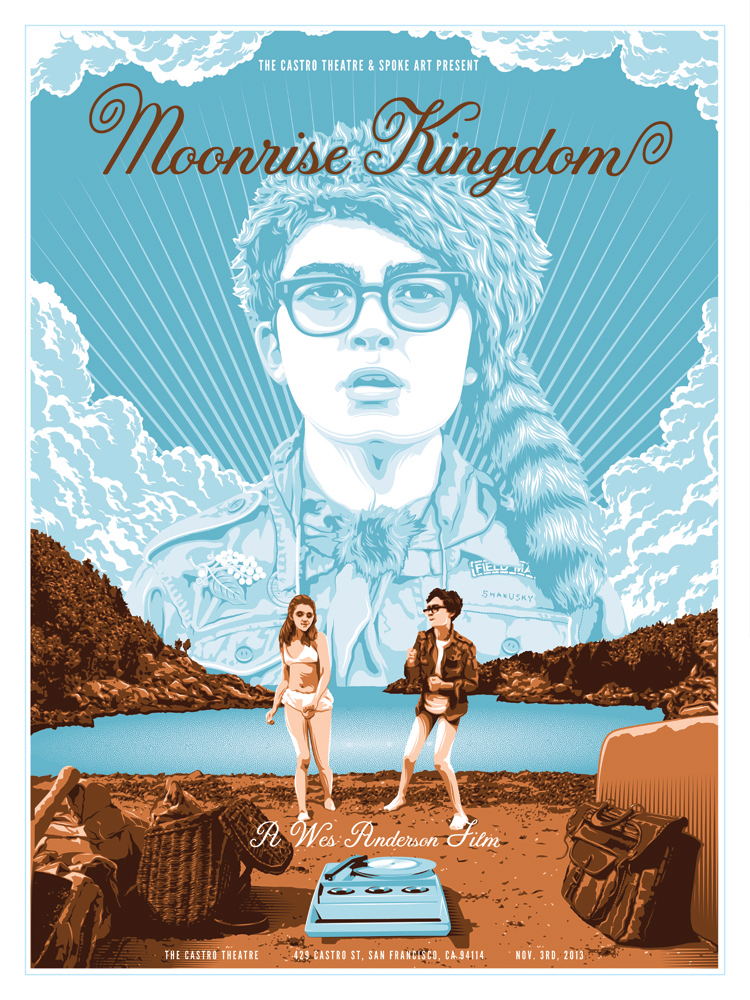
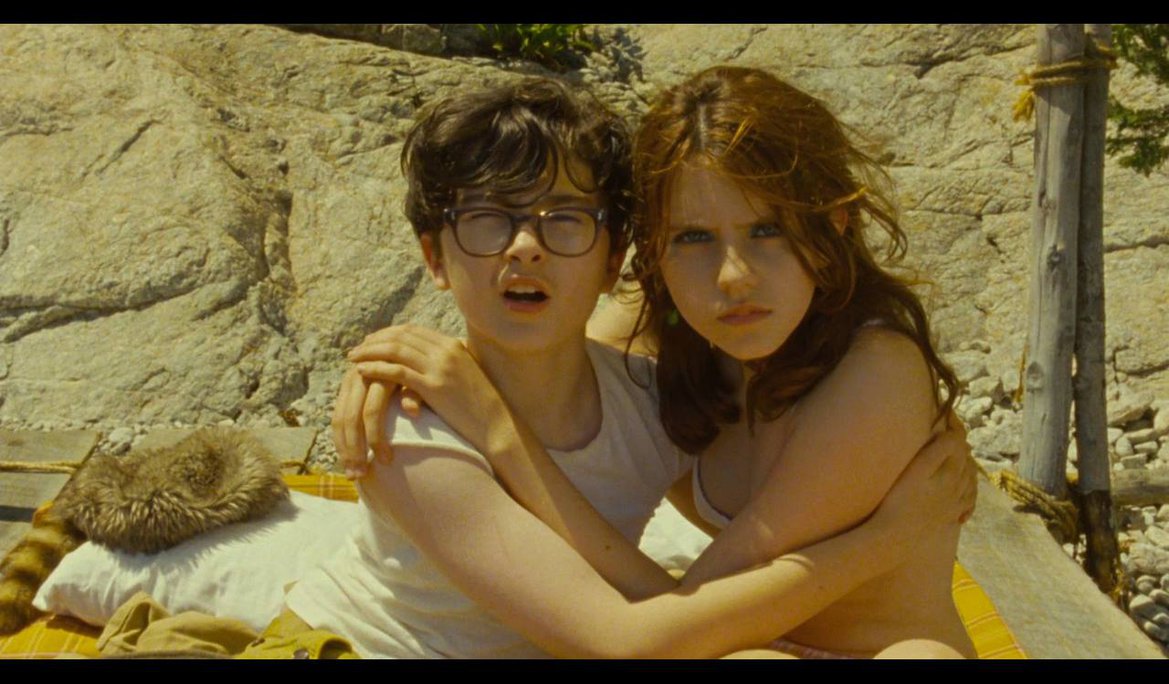
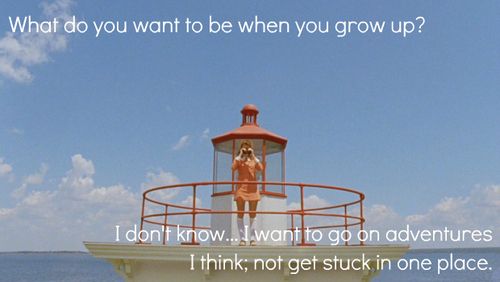
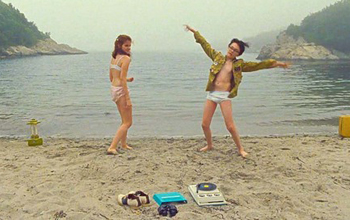
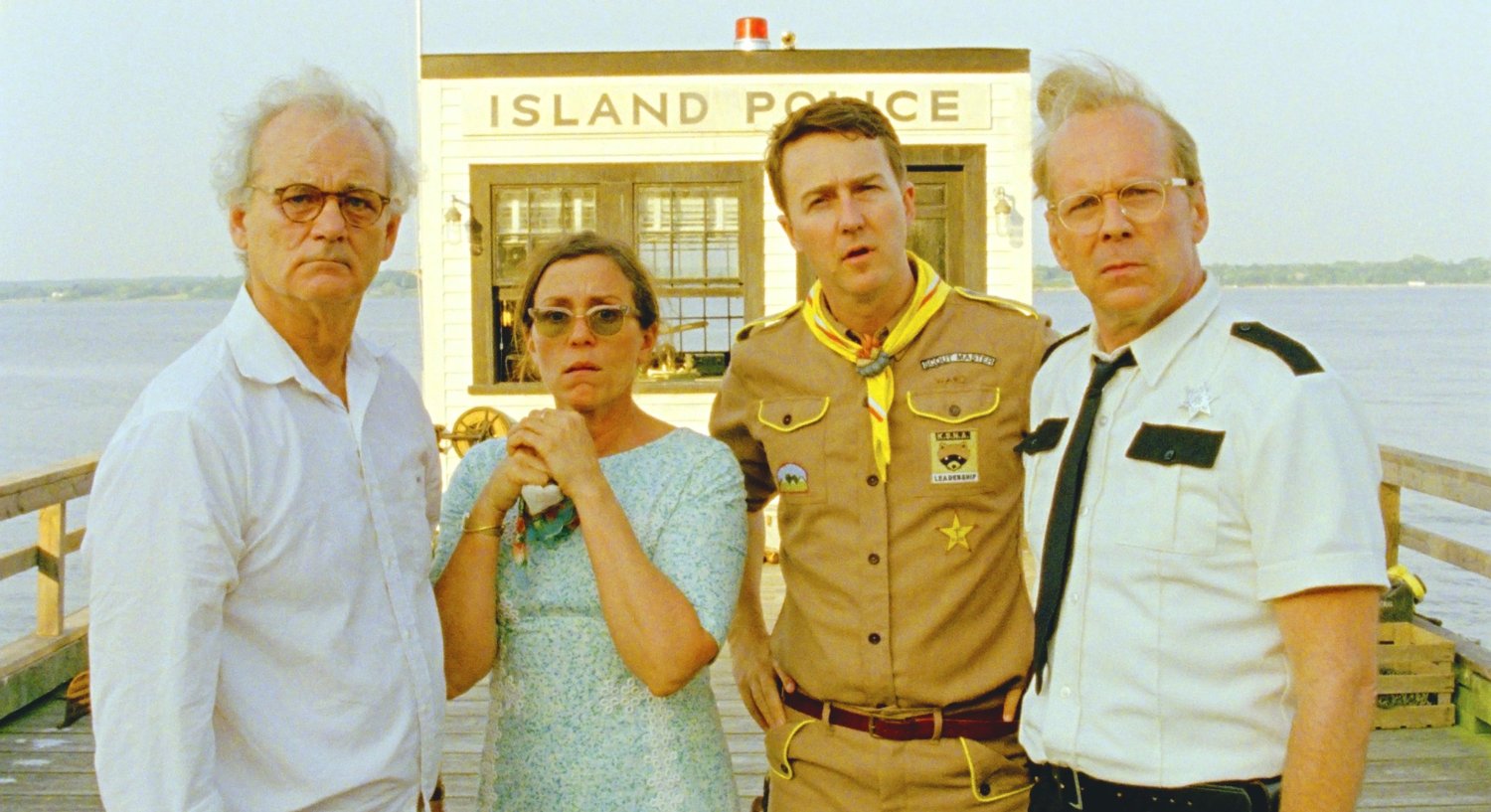
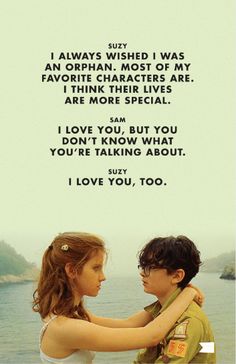
Yesterday was a weird day. If you looked carefully at the mental map I made of Mickey’s head the other day, you realize that Uncle Slappy’s Big Box of Weirdness occupies a key position in the top center. I had a traffic accident in the parking lot of Long Middle School yesterday morning, banging bumpers with a lady named Vilma. The sun was in my eyes, and she started to go, then suddenly stopped for no reason I could see. No damage was done to anything but my pride. My wife put her parents, Tatang and Inang, on an airplane yesterday bound for the Philippine Islands, going home for a visit. Afterwards, my wife was feeling mortal, betting me that she was going to die before me even though I have the head start of six incurable diseases and surviving cancer once already. There are no symptoms for her impending heart attack, so I will probably win that bet. But the point is, it was a weird time yesterday to stumble weirdly over a weird and wacky movie on Netflix called Moonrise Kingdom. It is a Romeo and Juliet sort of story about two twelve-year-olds who fall in love at first sight, and though their families try to keep them apart, they end up together. Thankfully it is not a Shakespearian Tragedy where everybody dies at the end, though Sam is struck by lightning and the big storm nearly drowns all the boy scouts. It is more like a Shakespearian Comedy where everybody gets married at the end, though the twelve-year-olds don’t get married at the end… rather, they are married by the middle.
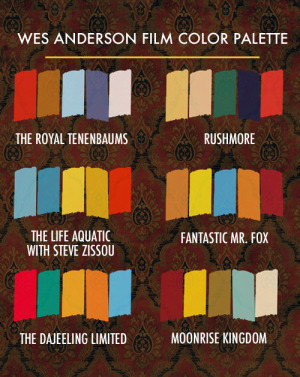
Wes Anderson is the genius director behind movies like;
None of which I have seen, but now have to watch ALL of them sooner or later. Kinda like the mad quest to see every Tim Burton movie ever made. I am one of the few idiots out there who think Dark Shadows was a truly wonderful movie, and along with Edward Scissor-hands, one of the finest things Johnny Depp has ever done.
In Moonrise Kingdom Anderson uses tracking shots at the beginning that shift quickly from one room to the next in a way that invokes an old-time slide show. The story is set in 1965 in Maine, and is filled with all kinds of iconic references to things we 60’s kids all vividly recall.
The movie also tells the love story of Sam and Suzy with a painter’s sense of iconic pictures that focus you on important plot points and themes.
And there are numerous quotable bits that make the movie what we teachers refer to as a text-rich environment, complete with phony kids’ books and maps and notes.
The all-star cast is pretty good, too.
This is now one of my new favorite movies. It is a happy-ending-type fairy tale with no fairies in it. It is full of ineffectual and incompetent adults who have rules of behavior like grown-ups and motivations like goofy kids… just like real life. The plot is driven by the notion that anything you do in life is a mistake, and mistakes have consequences, but you have to do them anyway because, well… that’s life.
Am I telling you that you should watch this movie too? Well, you should… but, no. I am simply gushing about this quirky movie because I like it, and yesterday was a very weird day.
I have claimed that I am a humorist and all my novels are comic novels, to some degree at least. But it is often pointed out to me that I write about things that make people cry. And I freely admit that I most certainly do.
But if you think about it carefully, analytically, or even emotionally, you have to admit, even a book like Mark Twain’s The Adventures of Huckleberry Finn has some weep-worthy moments in it. I have read the book more than once myself, and I never get past the scene where Huck looks down at the body of his young friend Buck Grangerford, killed in the Shepherdson/Grangerford feud about something nobody living even remembers, without shedding gushers and gushers of heart-busting tears.
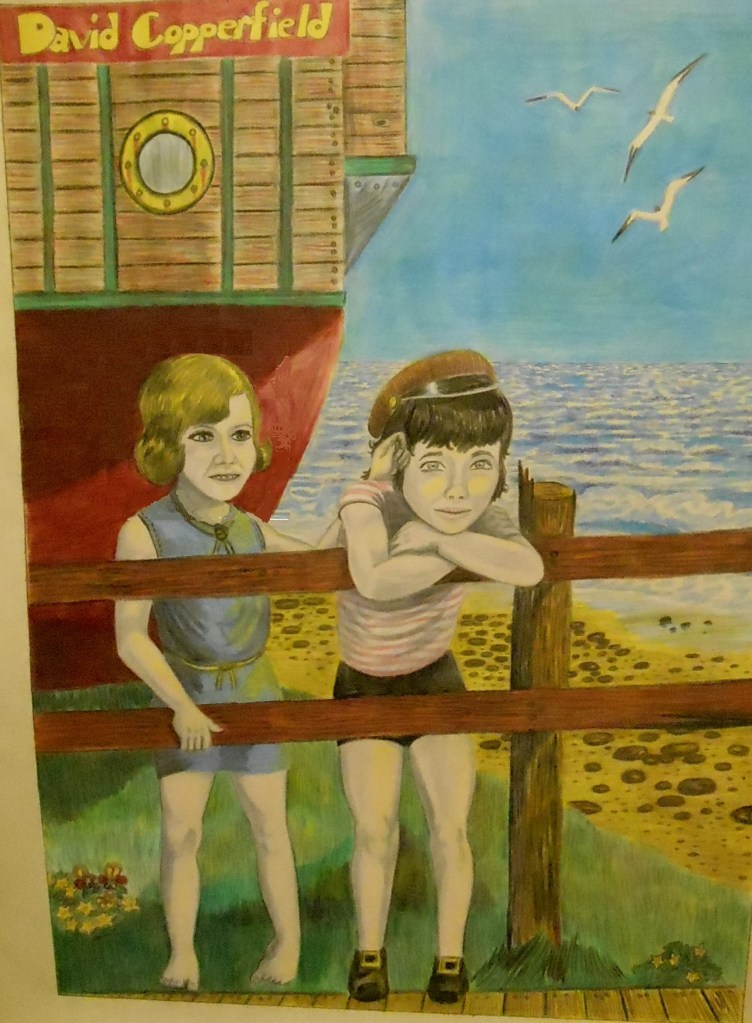
And in Charles Dickens’ David Copperfield, as much as I laugh and guffaw at the antics of quiet Mr. Dick and his kite, or the much deserved downfall of villainous Uriah Heep, it is the drowning of Little Emily on the boat with David’s school friend and idol Steerforth that leaves me surrounded by puddles… nay, lakes… that I have wept.
And I think that I may justify the sad parts in so many of my weary works with the fact that I am merely providing the necessary counterpoints to my merry-making and mirth.
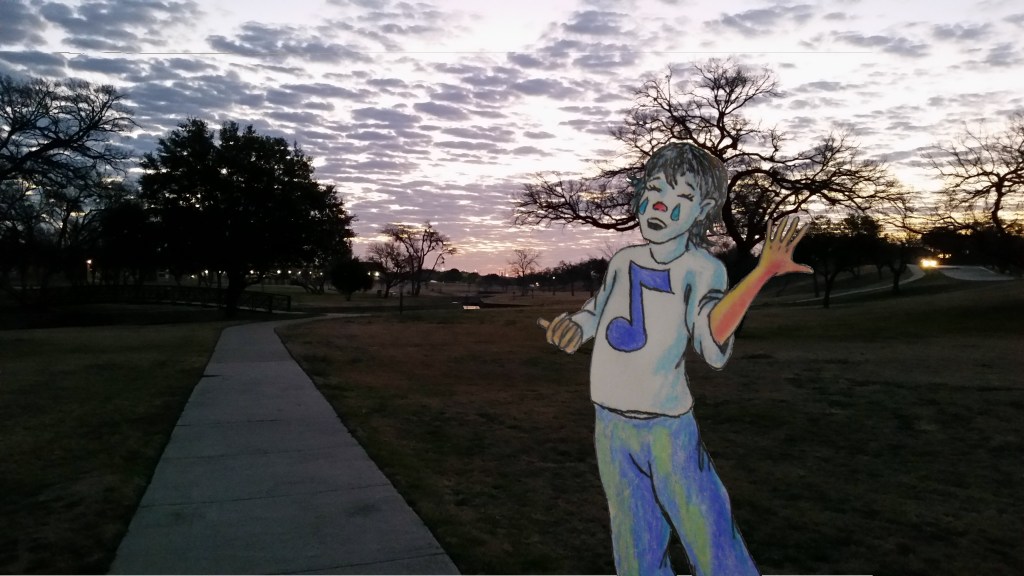
Francois is a character from Sing Sad Songs.
There has to be that necessary balance, that well-roundedness, to a story that makes it feel truly complete. And, of course, we know that even in a horror novel by Stephen King, you find humor used as a balance point to lighten the moments just before the monster delivers its liver-shaking, earth-tilting scare.
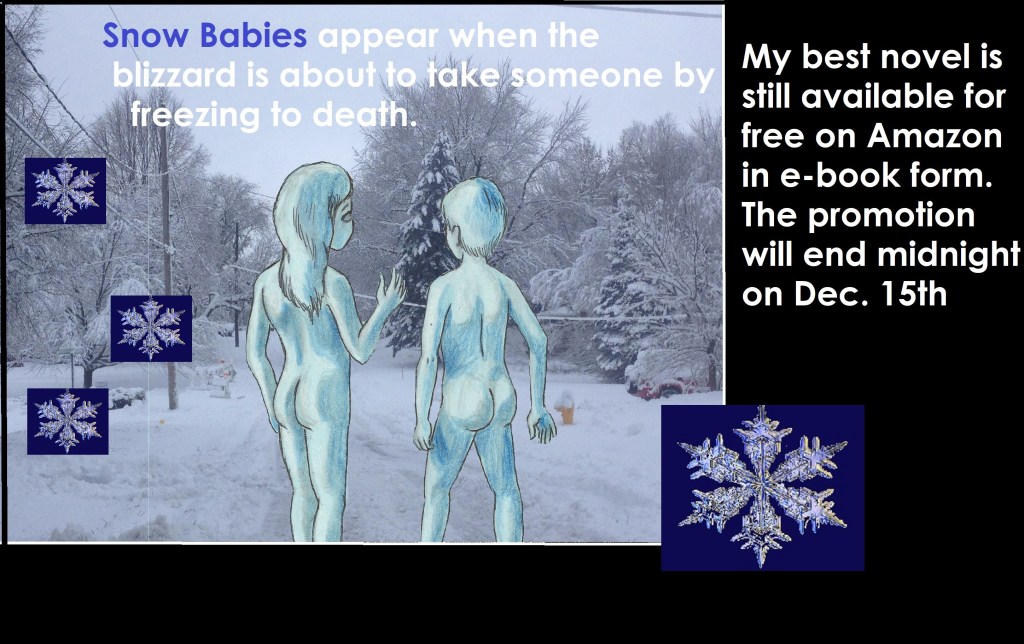
Snow Babies, among my published books, is a good example. It is a story that celebrates how a small Iowa town comes together to survive a deadly December blizzard. And while it tells funny stories of kooky characters battling the elements, and both surviving the blizzard and ’84 Reagan/Mondale political debates, as well as putting up Christmas trees, it is still also about death and loss of loved ones, finding and losing love, and just what sort of self-sacrifice or other accidental happening truly makes someone a hero. Or a bus driver… this book has more than one bus driver in it.
So, I think, in the end, that I have made a cogent case for the notion that in order to be a humorist, you have to manipulate many emotions, not just mirth, but sadness also. As well as fear, bitter irony, and pain. And that may well also be the underlying reason that comedy is harder to write than tragedy.
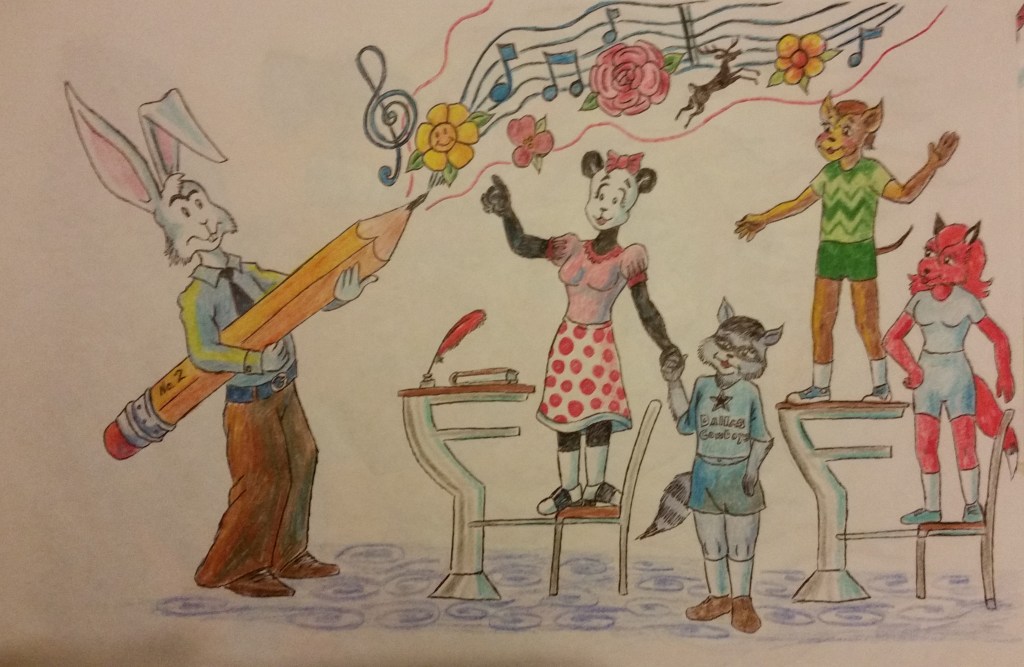
There is a reason why anything in my artwork starting with a rabbit is assumed to be autobiographical. I raised rabbits as a 4-H project from about the age of 10 and we kept rabbits in pens until I was finishing my undergraduate degree. (Rabbit chores fell to my little brother when I was away from home.) In many ways, I was a rabbit-man. My personal avatar as a school teacher was Reluctant Rabbit.
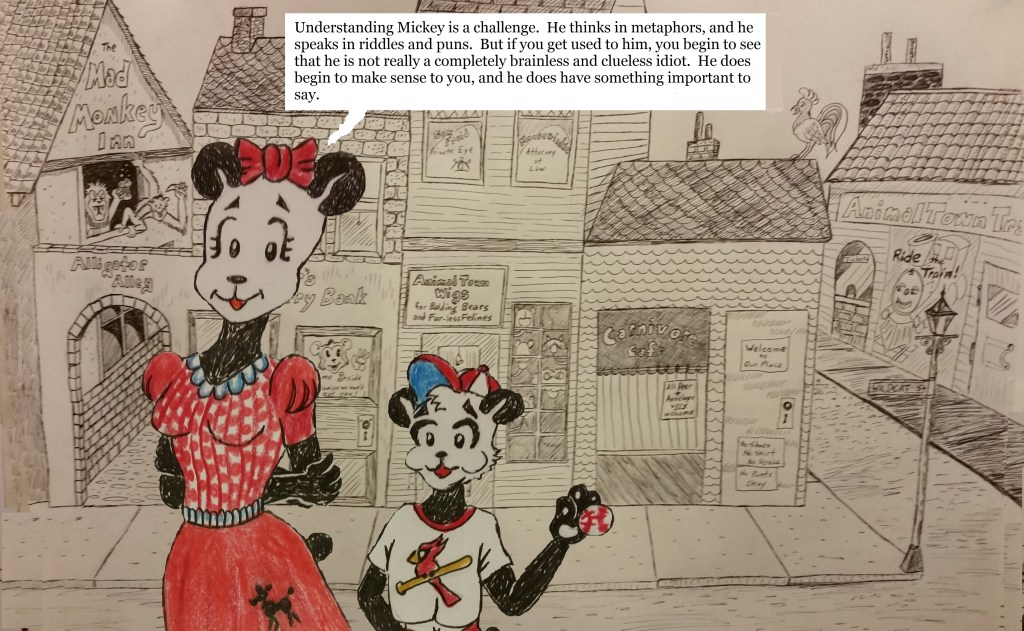
The panda known as Mandy in my cartoon world is an avatar of my wife, an immigrant from the Pandalore Islands.
There is often an exaggerated sense of adventure in my cartoonally weird Paffoonies, the very name of which is a fantasy word.
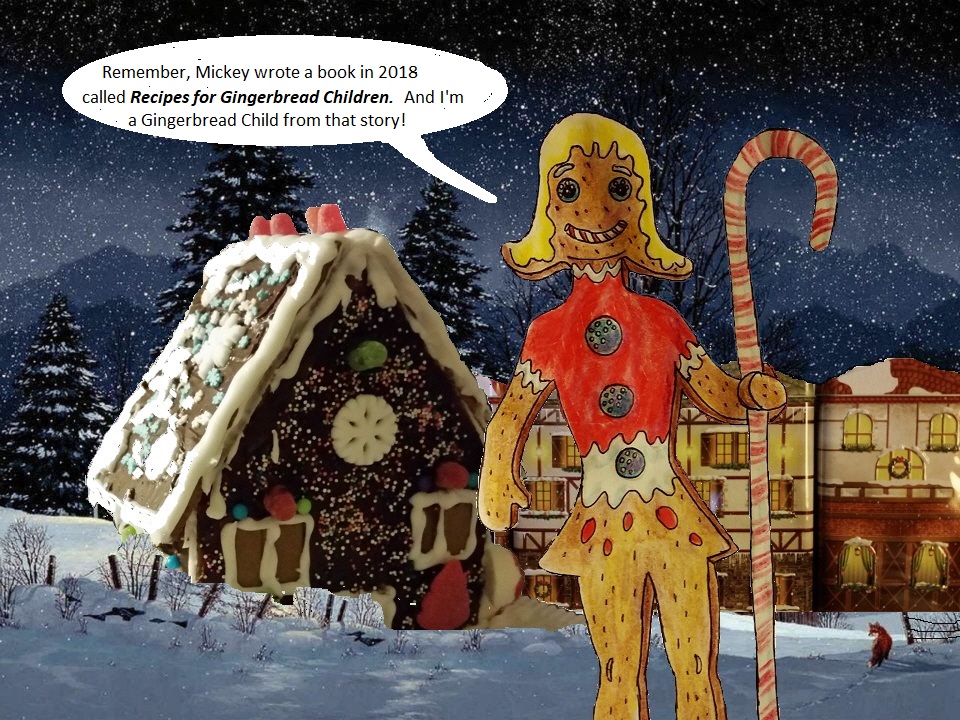
I have been known to actually believe gingerbread can be magical enough for gingerbread men to come to life once baked. It is the reason I bite the legs off first, so they can’t run away.
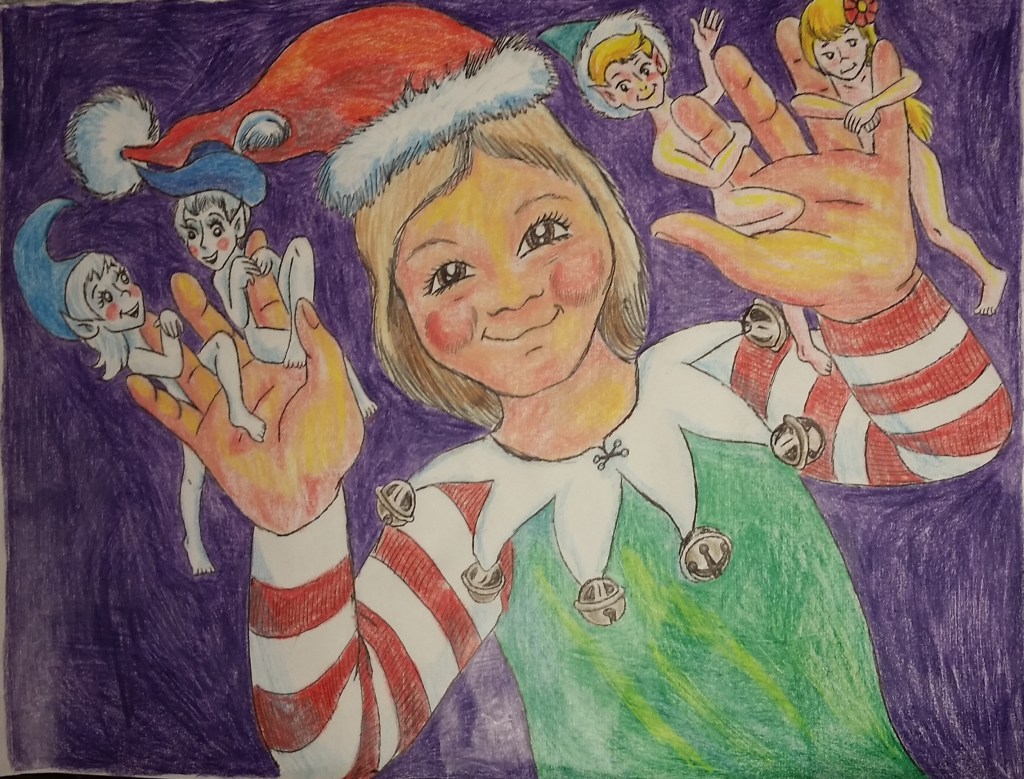
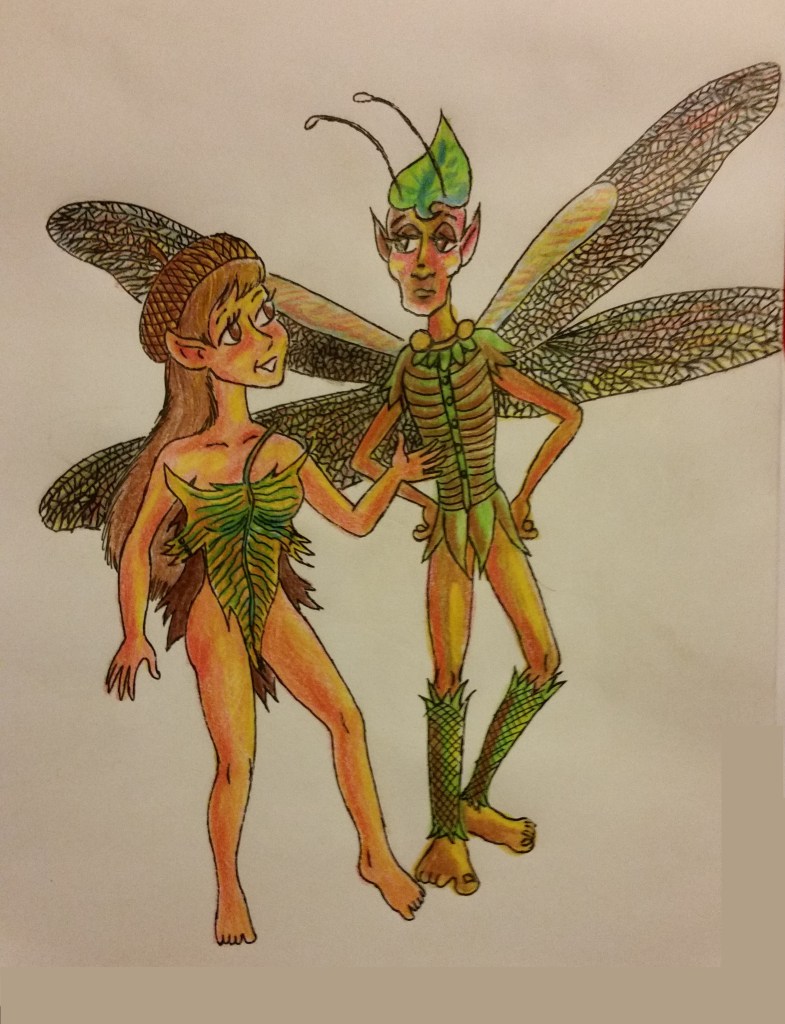
I have been known to see elves, fairies, and numerous other things that aren’t really there. In fact, a whole secret hidden kingdom of them inhabited the schoolyard in Iowa where I attended grades K through 6. They were all mostly three inches tall. The biggest ones, like dragons reaching only about six inches tall at their largest.
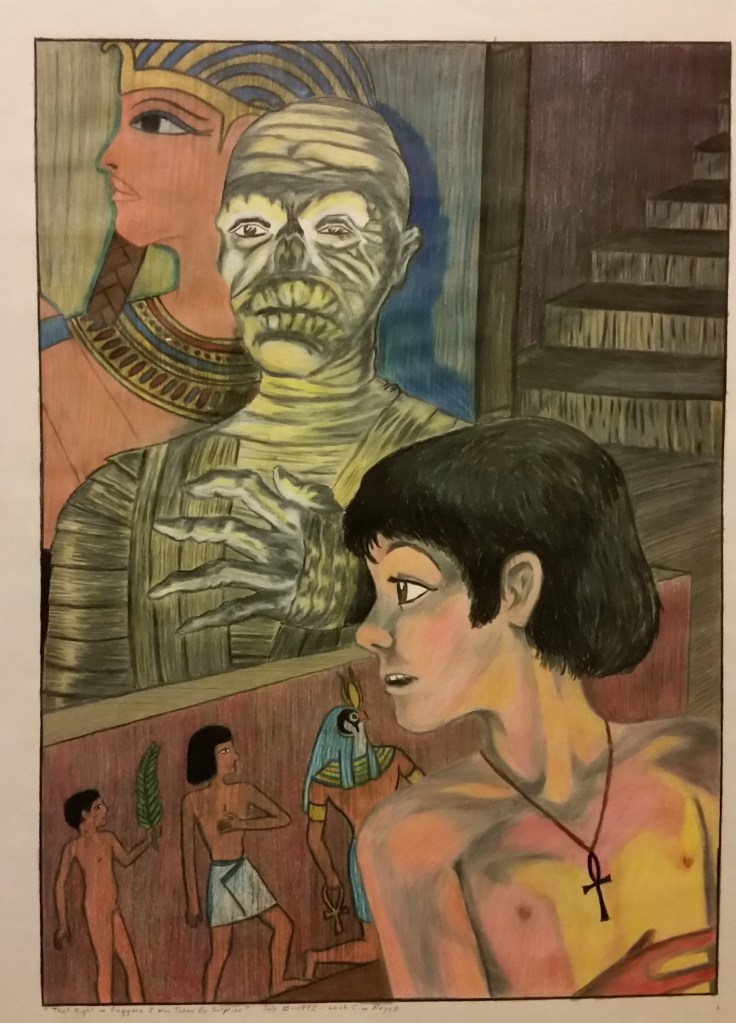
Of course I am afraid of death, evil, and… (shudder) mummies.I think of art and story-telling as a form of music. I am a troubadour whose songs (like this one) are often completely silent.My fantasy art tends to be more “comic book” than “art gallery”.
















 Catch a Falling Star
Reading Other Writers
Nobody who wants to be a writer gets by with just writing and never reading anything by anybody else. It is too easy to devolve into some kind of human mushroom that way, thinking only thoughts a mushroom could think, all fungus-like and having no chlorophyll of their own. You never learn to decode other people and other people’s thinking if you don’t read other people’s thoughts crystallized in writing.
And not every other writer is Robert Frost. Or even Jack Frost who thinks he’s Gene Kelly. There has to be some interpretation, some digging for understanding. What did that writer mean when she said political correctness was like a tongue disease? And what does it mean when a commenting troll calls me a nekkid poofter? Is that how he spells “exceptional genius”? I think it is. Trolls are not smart.
I know people have to make an effort to understand me. When I write, I am writing under the delusion that I can produce literary quality off the top of my head. In fact, I can barely produce hair off the top of my head, and it is gray when I do it. See what I did there? It is the kind of joke a surrealist makes, pretending the idiomatic expression you use is to be taken literally when it doesn’t literally make sense. That kind of nonsense is what my readers have to put up with, and probably also the reason why most of them just look at the pictures. If you have to think too hard when you read, your brain could over-heat and your hair could catch fire. I like that kind of purple paisley prose that folds back in on itself and makes you think in curlicues. But most people don’t. Most people don’t have fire-proof hair like I do.
Sometimes, it doesn’t even take a word to make the point. For instance, why, in the picture, is Fluttershy trying to drink out of the toilet in the dollhouse bathroom? For that matter, why does a doll house even need a bathroom? Applejack doesn’t even fit in that yellow bathtub. I know. I tried to stuff her in there for this picture. And, as you read this, doesn’t this paragraph tell you a lot about me that you probably didn’t even want to know?
When I am reading the writing of others, I am looking for a cornucopia of things. I want to not only understand their ideas, I want to detect the limping footprints across the murder scene of their paragraphs and come to know the deeper things about them as well. I spent years decoding and trying to understand the writing of preliterate kids in my middle school English classes in order to be able to teach them to write better. And I learned that no writer is a bad writer as long as they are using readable words. I also learned that very few writers are James Joyce or Marcel Proust. Thank God for that! And given enough time I can read anything by anybody and learn something from it. I read a lot. And it may not always make me a better writer to read it, but it always has value. It is always worth doing.
1 Comment
Filed under commentary, education, goofy thoughts, humor, irony, photo paffoonies, photos, reading, strange and wonderful ideas about life, surrealism, teaching, wordplay, writing, writing teacher
Tagged as creative-writing, reading for writing, writing, writing advice, writing-community, writing-tips