
Rowan Atkinson is a genius comedian, and the character of Mr. Bean is the greatest work he has done, the best proof of his genius. As someone who works at humor and tries to get it right, I have to analyze and carefully study the work of the master. How does he do it? What does it all mean? And what can I learn from it?
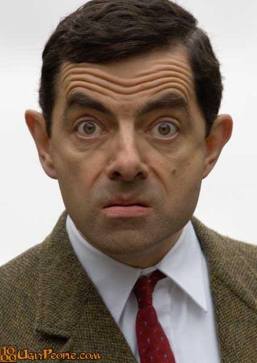
Atkinson not only created the character, he co-wrote the entire television series and controls every aspect of the performance as the central character. Mr. Bean is the bumbling every-man, going through horrific troubles because of the cascade effect of simple little errors. We laugh at him because we have all been there. Tasting the hot sauce leads to a meltdown that causes chaos and disaster for the entire store. Overcoming fear of heights makes him the center of attention for the entire pool-house when can’t overcome the urge to use the diving board, and yet, can’t make himself jump off. We have all lived the nightmare of being trapped naked in the hotel hallway, locked out of our room, just when the hallway becomes crowded.
There is a certain charm to Mr. Bean. He is a childlike character, blissfully unaware of how much he doesn’t know about the complex society around him. He has a teddy bear that sleeps with him and comforts him. He lays out his supplies for the big exam, and he’s thought of practically everything he will possibly need, but basic physics fails him and makes the pencils keep rolling out of place.
Rowan Atkinson is a master of the art form because he has such tremendous control of his rubberized goofy face and manic body. He can drive his goofy little yellow car from a sofa mounted on top. He can change clothes while driving. Just watching him shave with an electric razor is a total hoot.


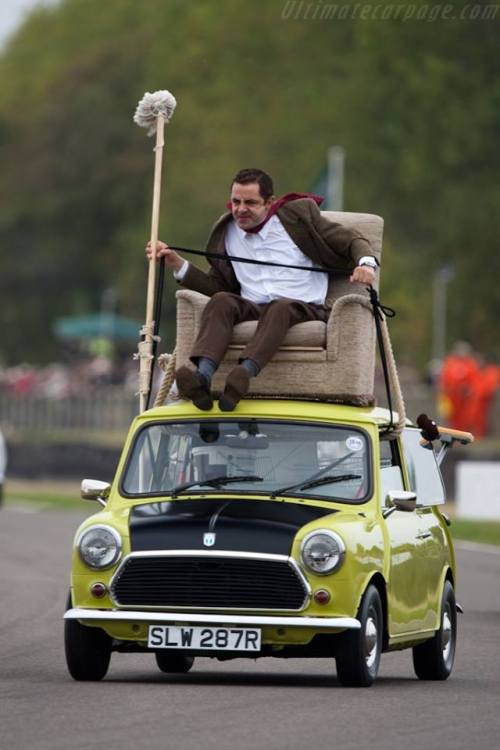


It is mostly physical comedy, almost slapstick, and yet it is not the broad unfeeling poke-in-the-eye you get with the Three Stooges. Most of the real damage is done to himself, though pompous and deserving people are often near enough to get a helping of it smack in the face. A lot of it is practically pantomime, with hardly any real dialogue. Much of it, like the sword fight with the bumblebee using a butter knife, is simply silly.
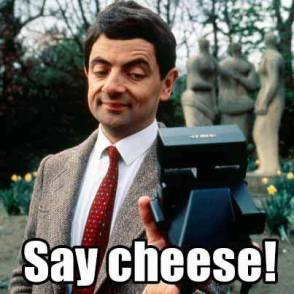
The movie, Mr. Bean’s Holiday, extends the character by making him actually interact with other characters, though in his own inimitable Mr. Bean way. The limited dialogue thing is amplified by the fact that he is traveling in France and does not speak French. Still, he interacts with the boy he accidentally kidnaps, the girl who wants to be a movie star whom he helps in her quest by an accident at the Cannes Film Festival, and the movie director whom he almost kills but ends up saving his career with a hit home movie.
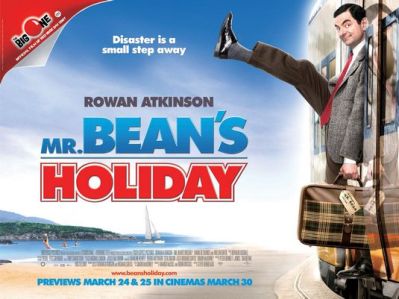
By Source, Fair use, https://en.wikipedia.org/w/index.php?curid=24105997
Mr. Bean makes the ridiculous an art form by helping us to laugh at ourselves as we are beset by all the little troubles of life that Bean magically floats through.
So, now I have told you why I love Rowan Atkinson as a comedian. He is a comedic genius. Of course, you knew that already, right?





 Catch a Falling Star
Heroes of Yesteryear (Cowboy Movies)
When I was a boy, the Western reigned supreme on both television and in the movie theaters. Part of the benefit of that was being indoctrinated with “the Cowboy Way” which was a system of high ideals and morality that no longer exists, and in fact, never did exist outside of the imaginations of little boys in the 1950’s and 1960’s. We learned that good guys wore white hats and bad guys wore black. You only won the shootout if you shot the bad guy and you didn’t draw your gun first.
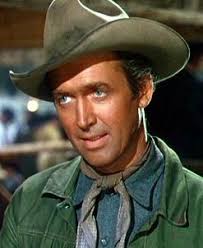
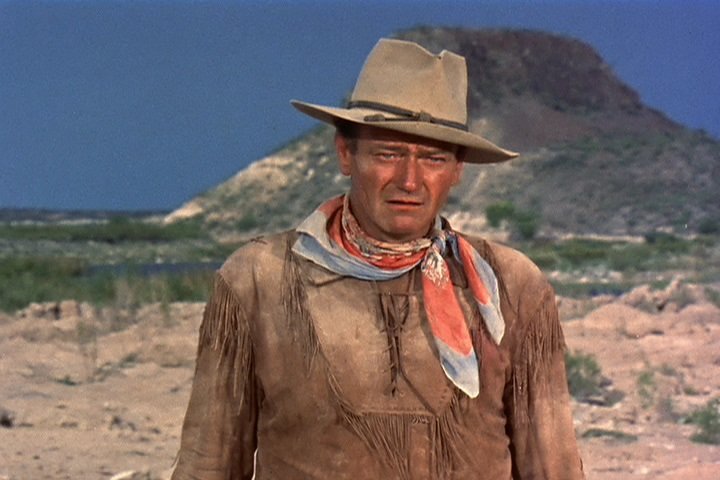
Of course, the cowboys who were the “White Knights of the Great Plains” we worshiped as six-year-olds and the singing cowboys on TV were not the same ones we watched when we were more mature young men of ten to twelve. John Wayne starring in Hondo (after the book by Louis L’Amour) was more complicated than that, and we learned new things about the compromises you make in the name of survival and trying to do things the best way you can. From Jimmy Stewart and John Wayne in The Man Who Shot Liberty Valence we began to see that sometimes you shot the villain in the back from down the street to save your simple friend from the gunfight in the street when he was too naive and green to win.
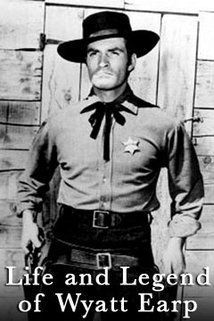
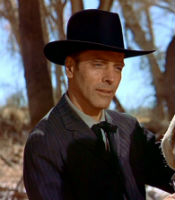
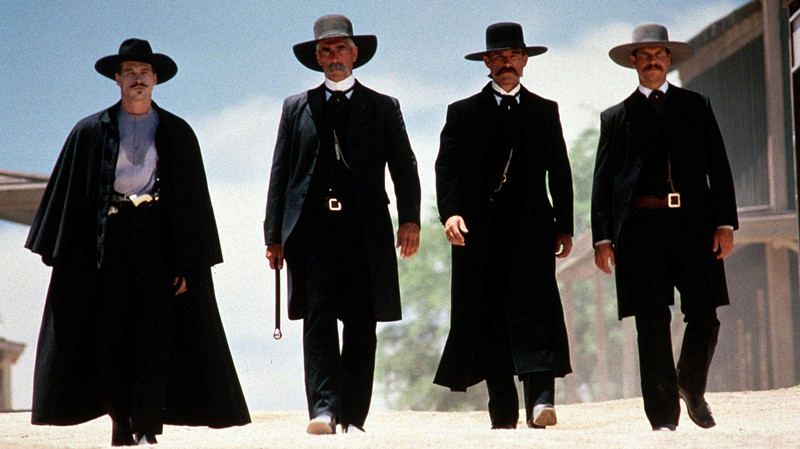
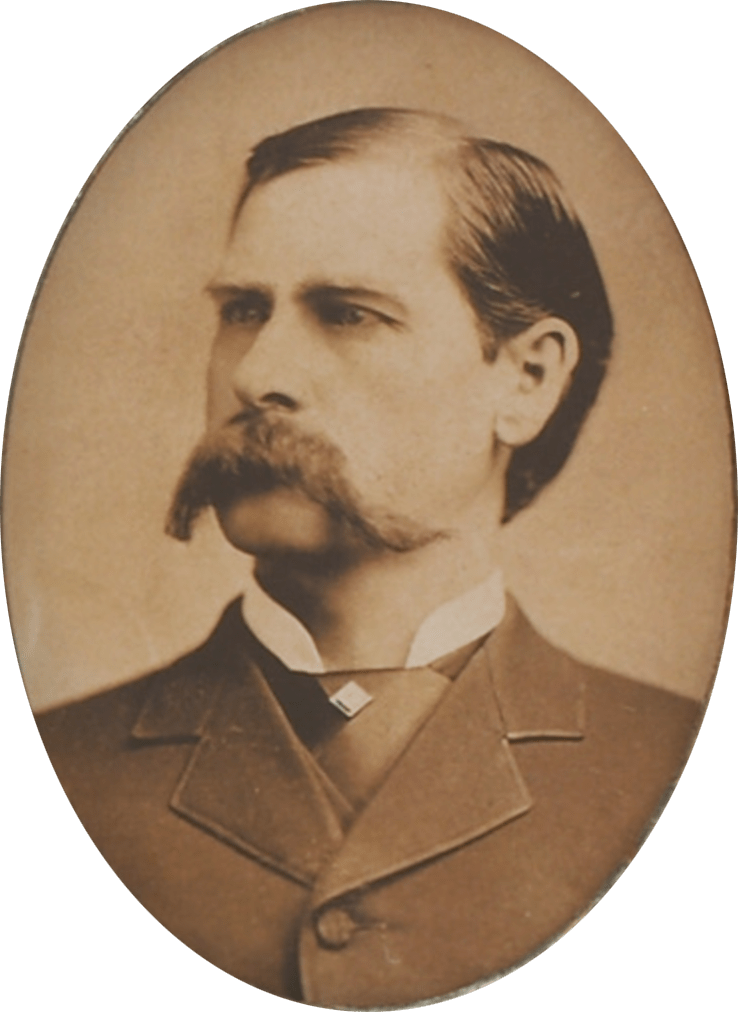
Wyatt Earp at the OK Corral was the white hat we wanted desperately to be when we grew up. And then I saw on PBS in the late 60’s a documentary about the real shootout and the real compromises and consequences of the thing we once thought was so clearly good versus evil.
Wyatt went from the TV hero,
To the mostly moral man fighting what seemed like lawlessness,
To a morally ambiguous angel of death, winning on luck and guts rather than righteousness, and paying evil with vengeance while suffering the same himself from those dirty amoral cowboys, sometimes good, but mostly not.
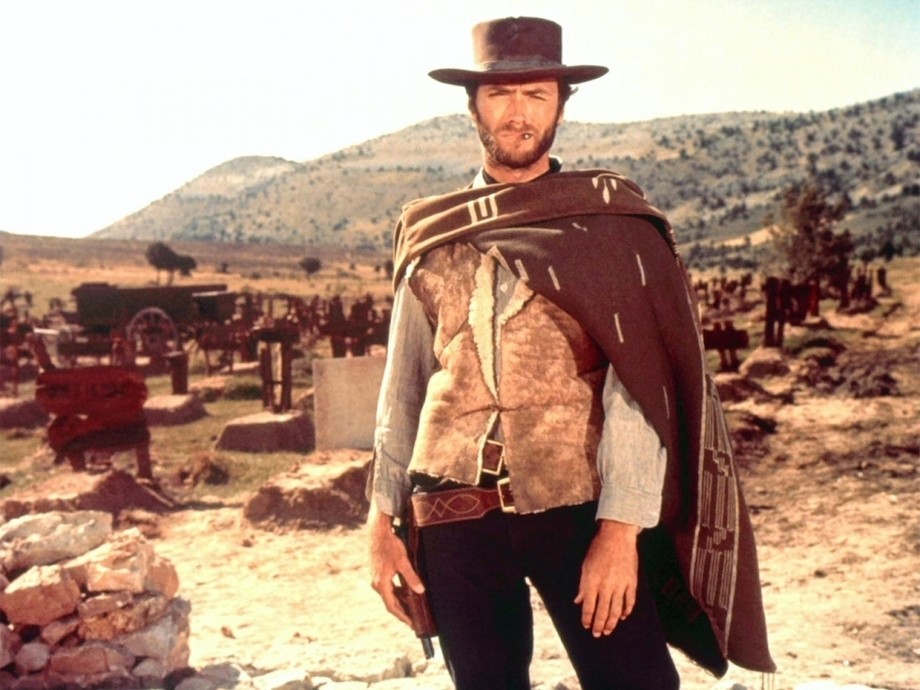
And then along came Clint and “the Man with No Name”. More ambiguous and hard to fathom still…
Who really was The Good, the Bad, and the Ugly? What made any one of them worse than the other two? You need to listen to the music before you decide. We are all of us good, bad, and ugly at times. And all of it can be made beautiful at the end with the right theme music behind it. Did we ever learn anything of real value from cowboy movies? Of course we did. They made us who we are today. They gave us the underpinnings of our person-hood. So, why do they not make them anymore? The video essay at the end of my wordiness has answers. But basically, we grew up and didn’t need them anymore. And children and youths of today have different heroes. Heroes who are heroic without shootouts and letting the bad guy draw his gun first. Ideally, heroes who are us.
Leave a comment
Filed under autobiography, commentary, cowboys, heroes, movie review, review of television, sharing from YouTube, strange and wonderful ideas about life
Tagged as cowboys, westerns