
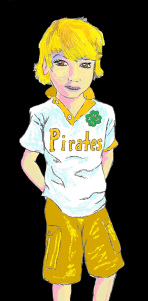
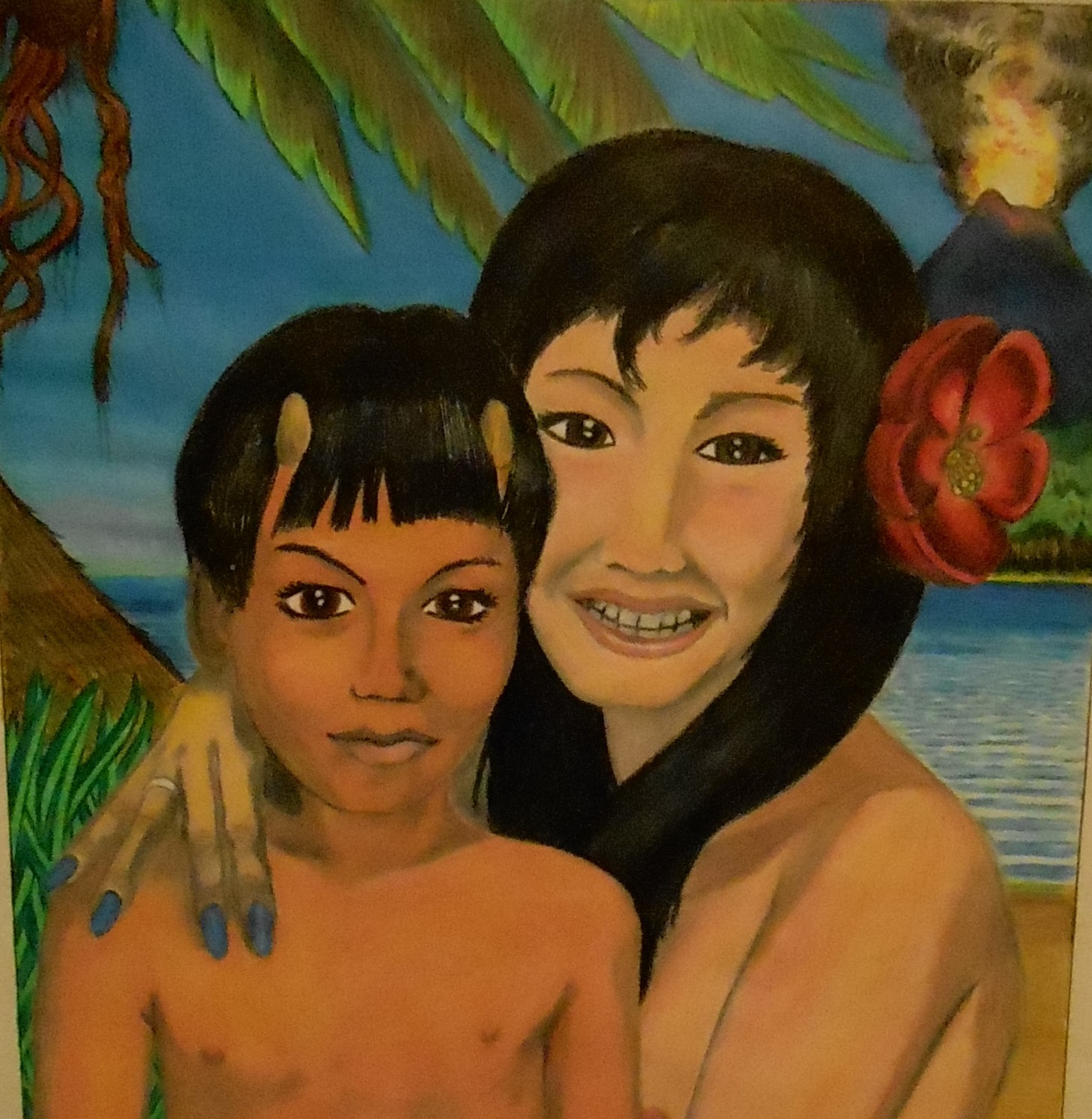
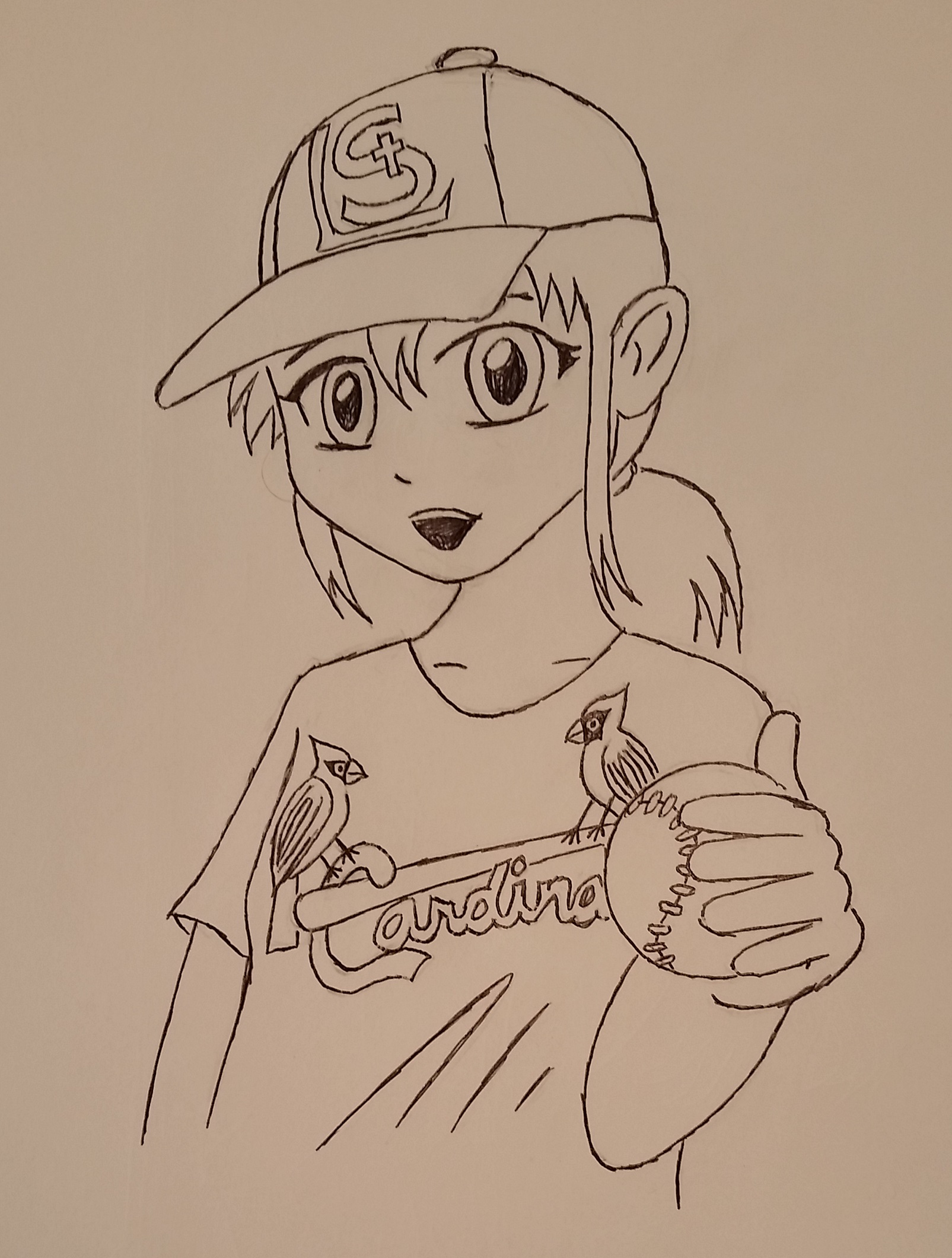
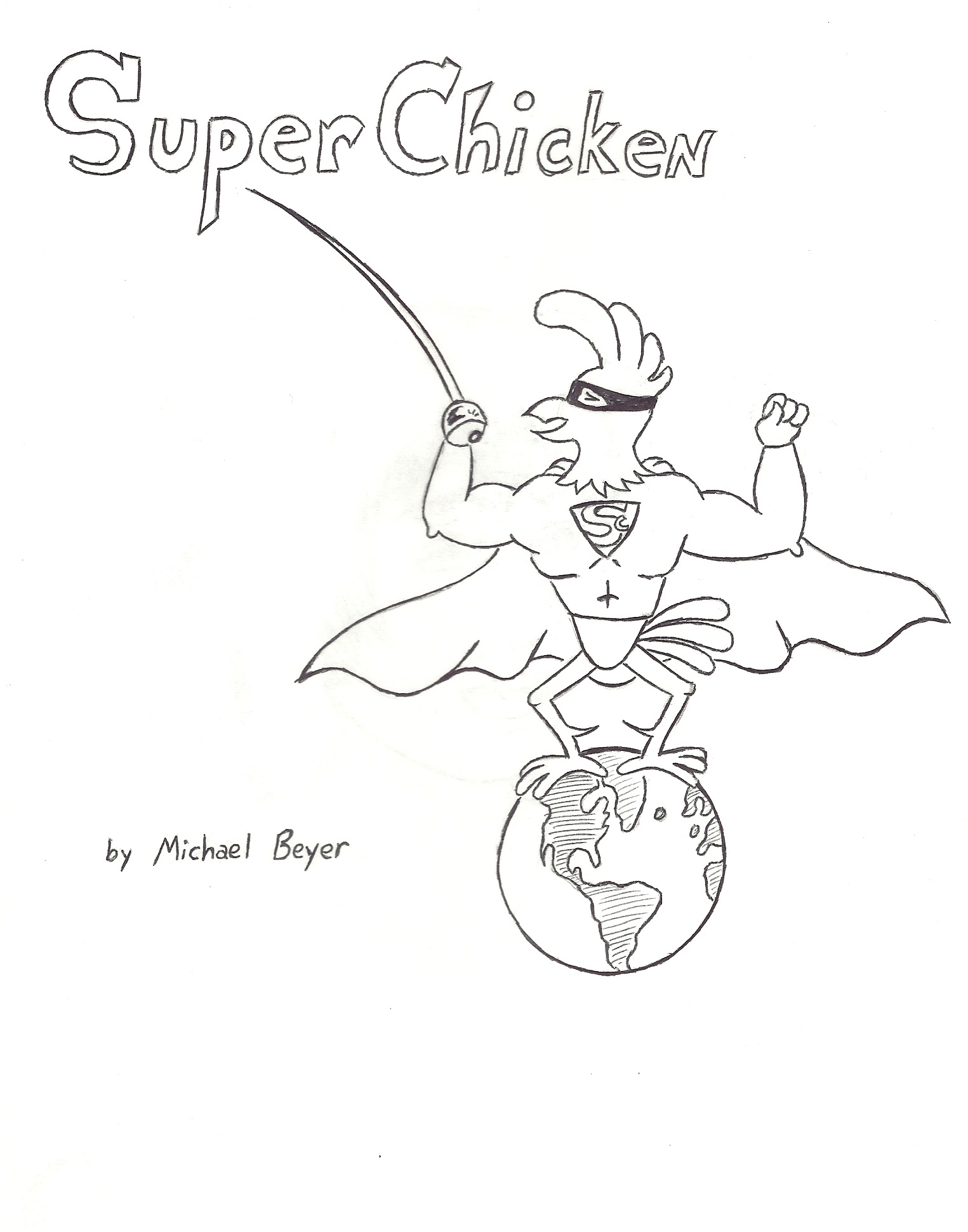
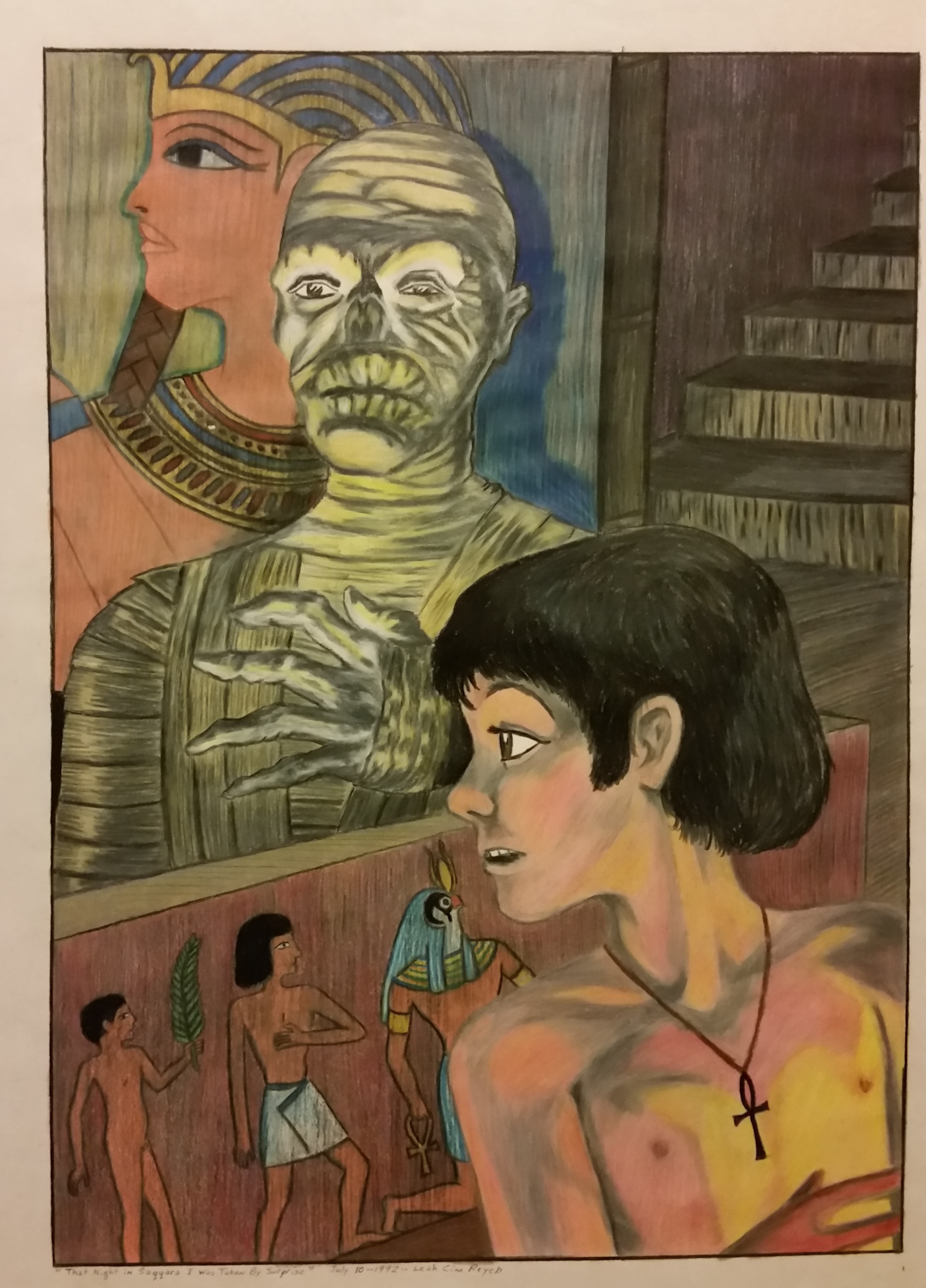
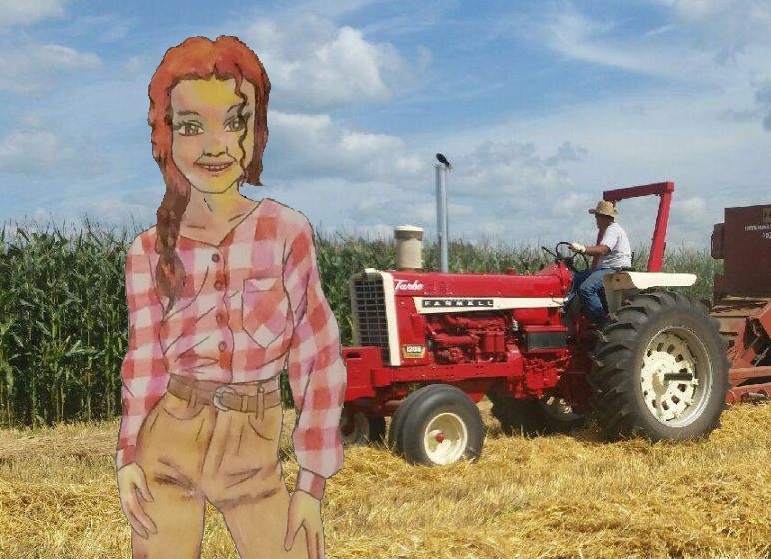
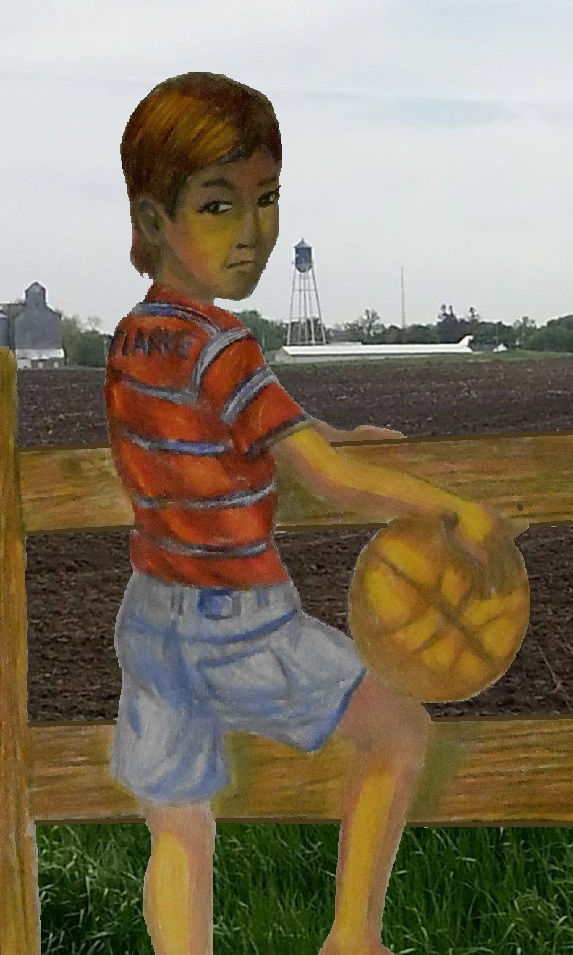
I draw things as illustrations to stories. Take, for example, the protagonist and hero of Catch a Falling Star.
Dorin Dobbs is boy from Iowa. That tells you some terrible things about him right there.
He was ten in 1990.
He hated girls.
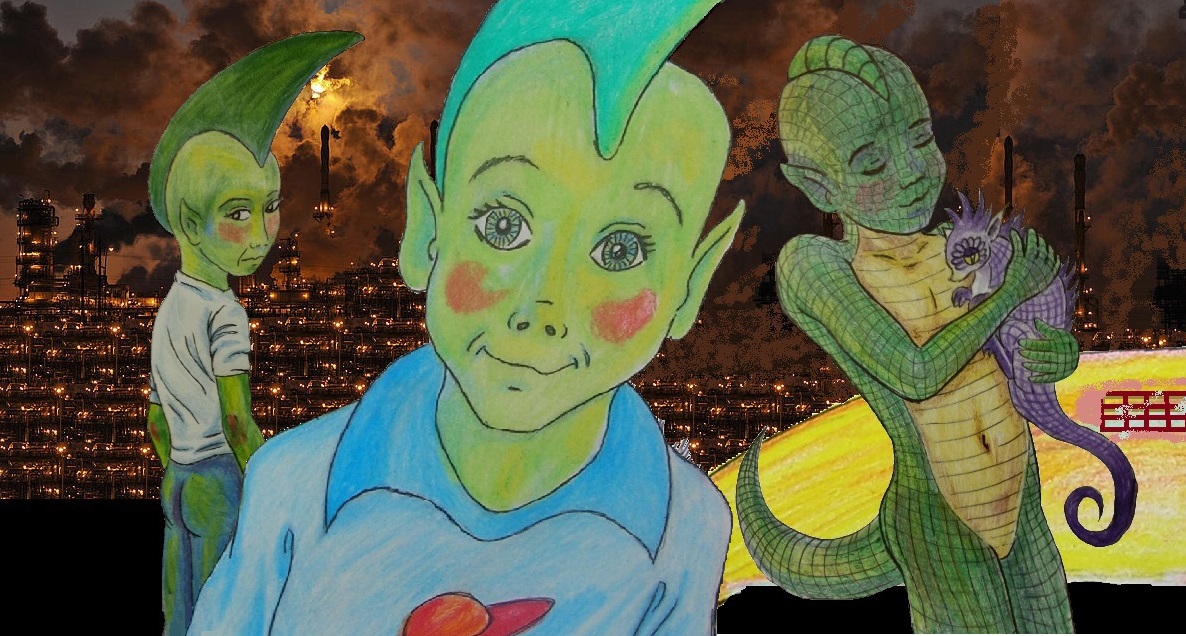
He met some pretty green-skinned girls from outer space, amphibianoid frog-girls with fins on their heads. He danced with them to Mickey Mouse Club music while he was their prisoner on a sectet base on the planet Mars. They were dancing naked in the nutrient bath that all Telleron tadpoles use daily.
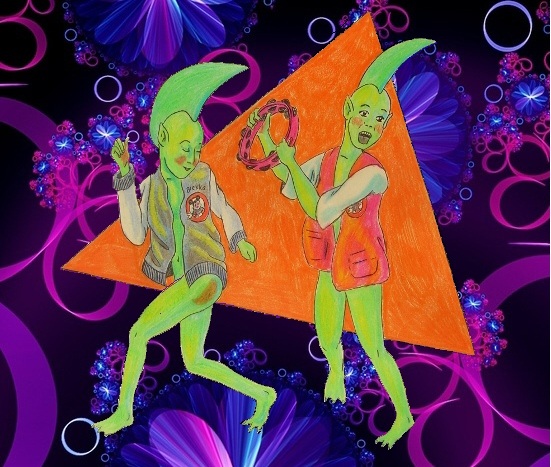
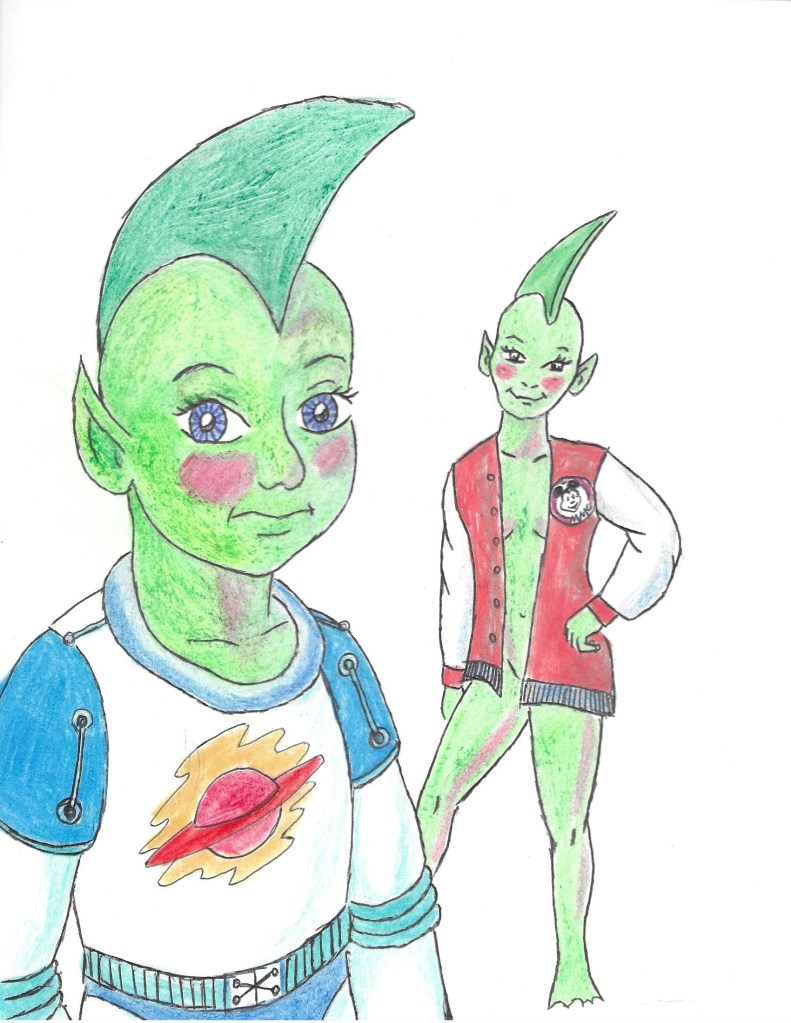
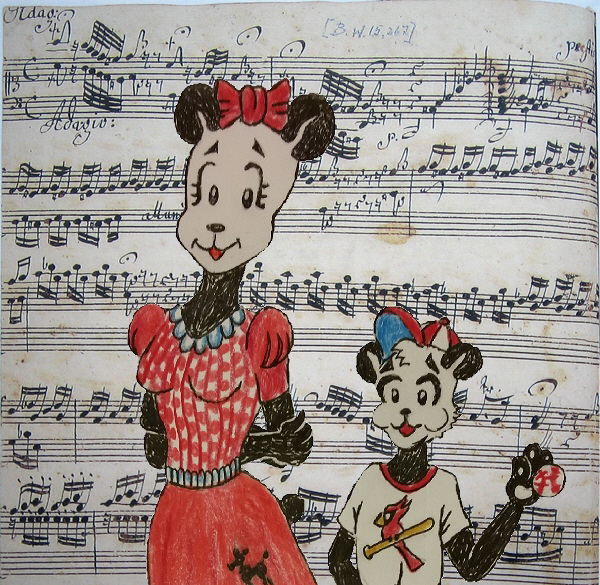
Brekka and Menolly are two of the Telleron frog girls with fins on their heads. They love Earth music in the 1990’s. They are background characters in Catch a Falling Star. They are main characters in the book Stardusters and Space Lizards, where they help Davalon and Tanith to conquer the dying planet of Galtorr Prime after the Telleron invasion of Earth failed in the previous book.
…..
…..
…..
…..
…..
…..
…..
…..
”””””””””””””””””””””””””””””””””””””””””””””””””””””””””””””””””
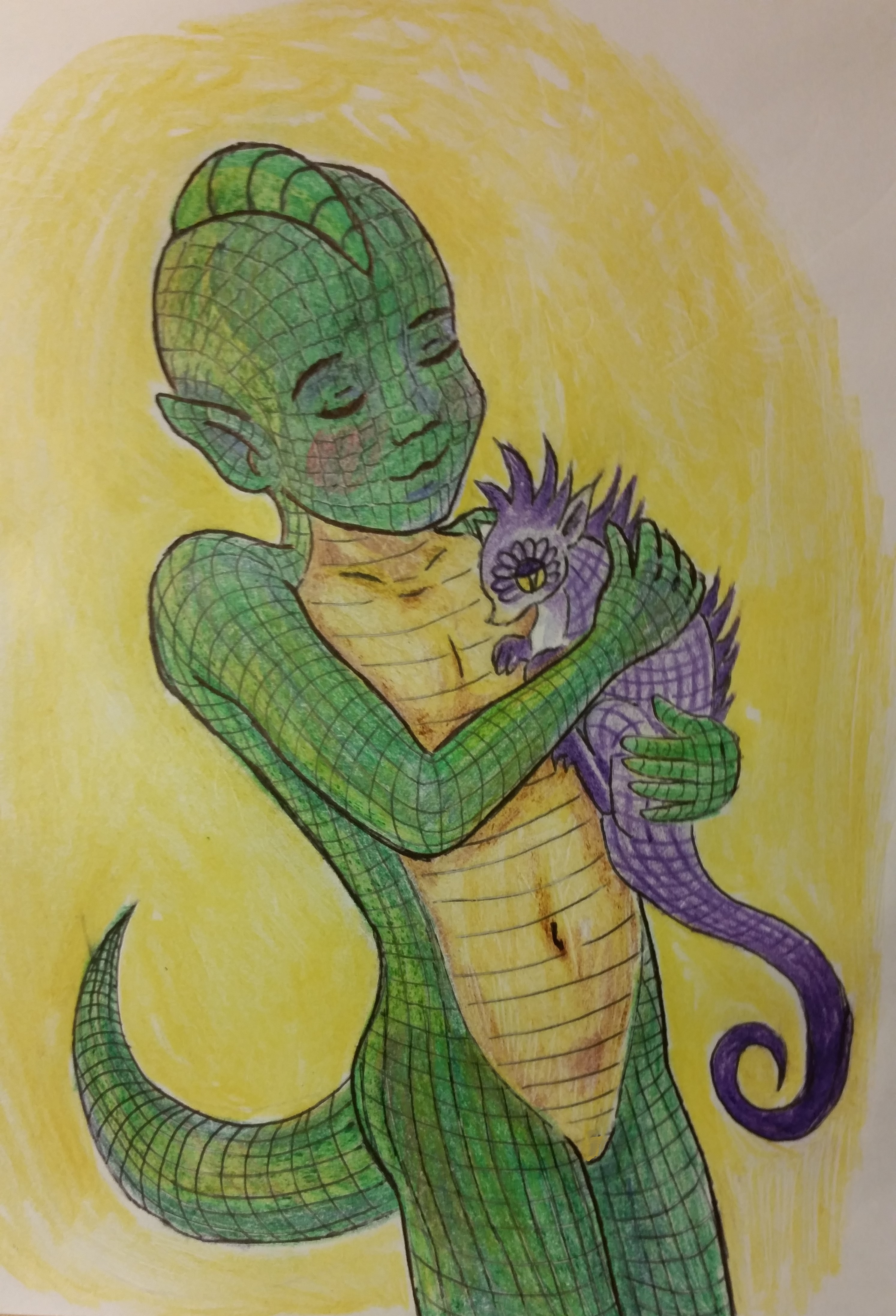
Galtorr Prime is undergoing drastic climate change and environmental collapse and ends up being saved by superior Telleron technology and the lizard-girl heroine, Sizzahl, who has a plan for fixing the atmosphere and saving fundamental eco-systems. Of course, this is all science fiction-y stuff based entirely on fantasy and imagination and has nothing to do with the real world we now live in.
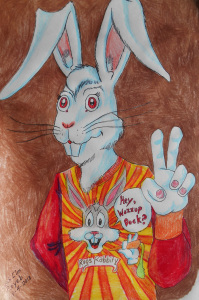
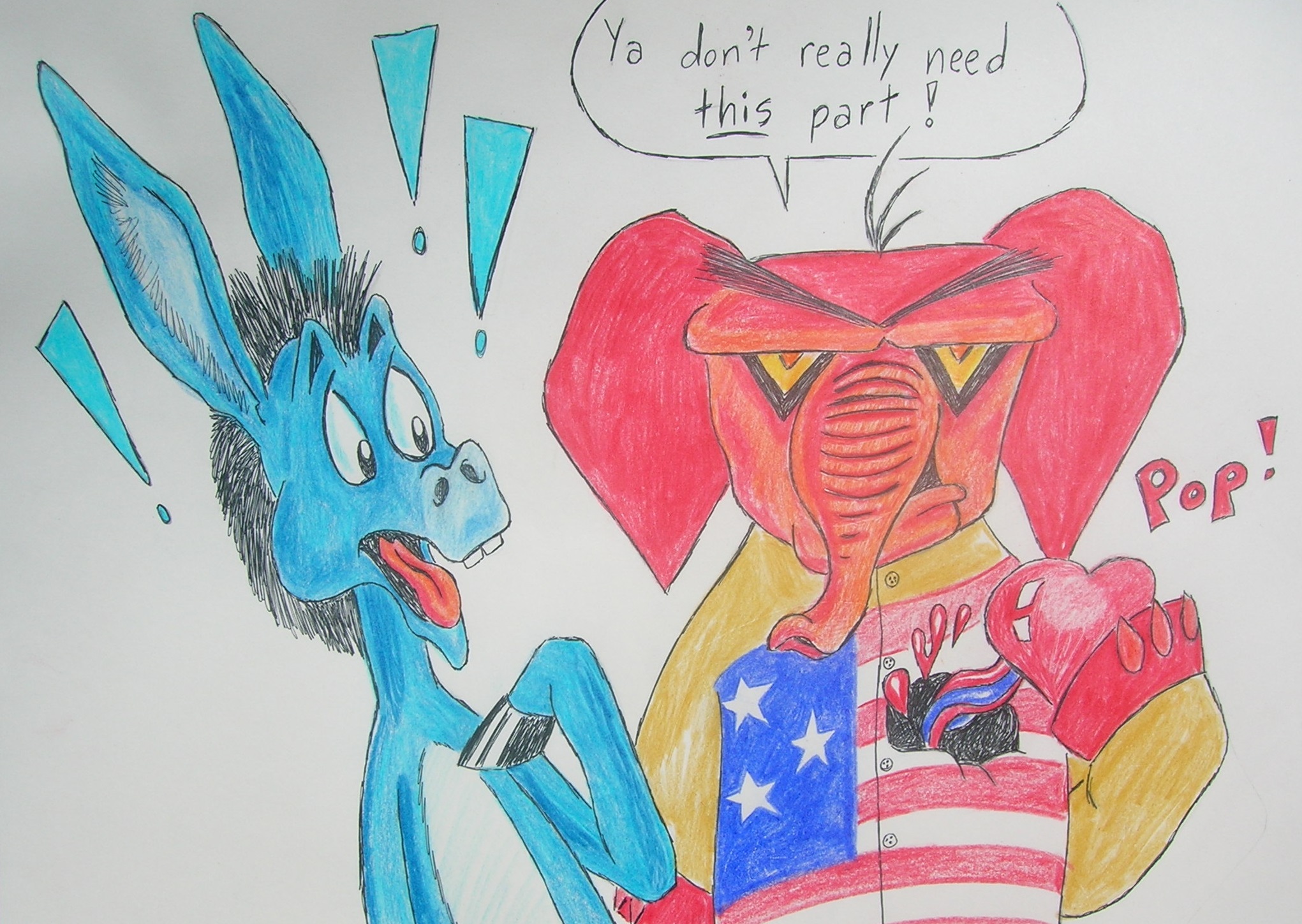
Of course, not all characters I illustrate are people or aliens.
Millis, Tommy Bircher’s pet rabbit, is an ordinary albino bunny who eats a piece of alien technology that evolves him into a talking, walking-on-two-legs, near-human form.
He becomes the chef (who cooks only vegetable dishes) for Norwall, Iowa’s own mad scientist, Orben Wallace, in the book The Bicycle-Wheel Genius.
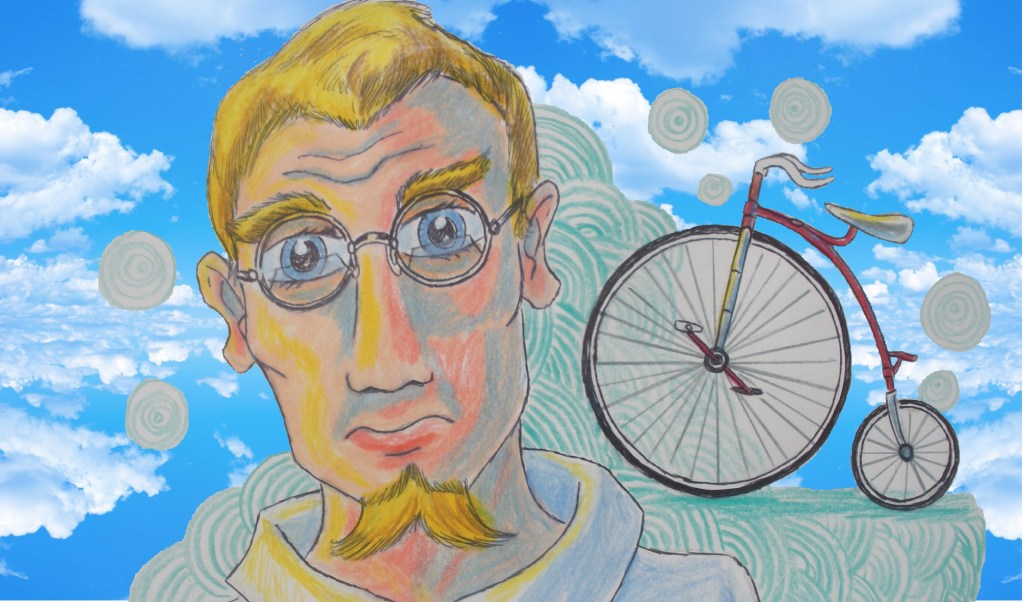
I think I have now given out far more spoilers for stories than I have any right to do. But the thing about character illustrations is that your get to know the characters at a glance. And to know them is to love them.









Being Prosaic
I admit it. I am prosaic. I think in sentences. I speak in paragraphs. I write in 5-paragraph essays. I should stop with the repetition of forms and the parallel structures, because that could easily be seen as poetic and defeat my argument in this post. I write prose. Simple. Direct. Declarative. But those last three are sentence fragments. Does that fit the model of prose? How about asking a question in the middle of a paragraph full of statements? Is that all simple enough to be truly prosaic?
Prose is focused on the everyday tasks of writing. It seems like the world thinks that the mechanical delivery of information in words and sentences should be boring, should be functional, should be simple and easy to understand.
I don’t mean to be pulling your reader’s mind in two directions at once, however. I need to stop confusing you with my onslaught of sentences full of contradictory and complex ideas. I should be more clear, more direct, and more to the point.
So here is my thesis, finally clearly stated; The magic of writing prose, it turns out, makes you the opposite of prosaic.
Simply stated; I am a writer of prose. I am too dumb about what makes something poetry to really write anything but prose. But I do know how to make a word-pile like this one that might just accidentally make you think a little more deeply about your writing… that is, if you didn’t give up on reading this three paragraphs ago. I find it useful to examine in writing how I go about writing and what I can do with it. I try to push the boundaries in directions they haven’t been pushed before. And hopefully, I learn something from every new essay I write. What I learned here is that I am prosaic. And that is not always a bad thing.
Leave a comment
Filed under commentary, goofy thoughts, humor, irony, Paffooney, strange and wonderful ideas about life, writing, writing humor
Tagged as prose writing