Yes, I know this is supposed to be a Saturday Art Day Post, but you can make art in many different ways. That can include pictures made with a camera while I play with dolls… er… action figures and try horrifically to be funny. There is an art to that, right? Maybe?
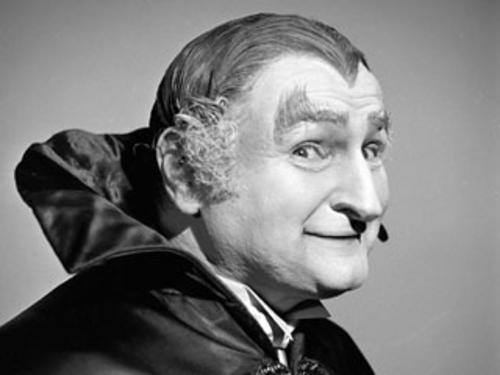
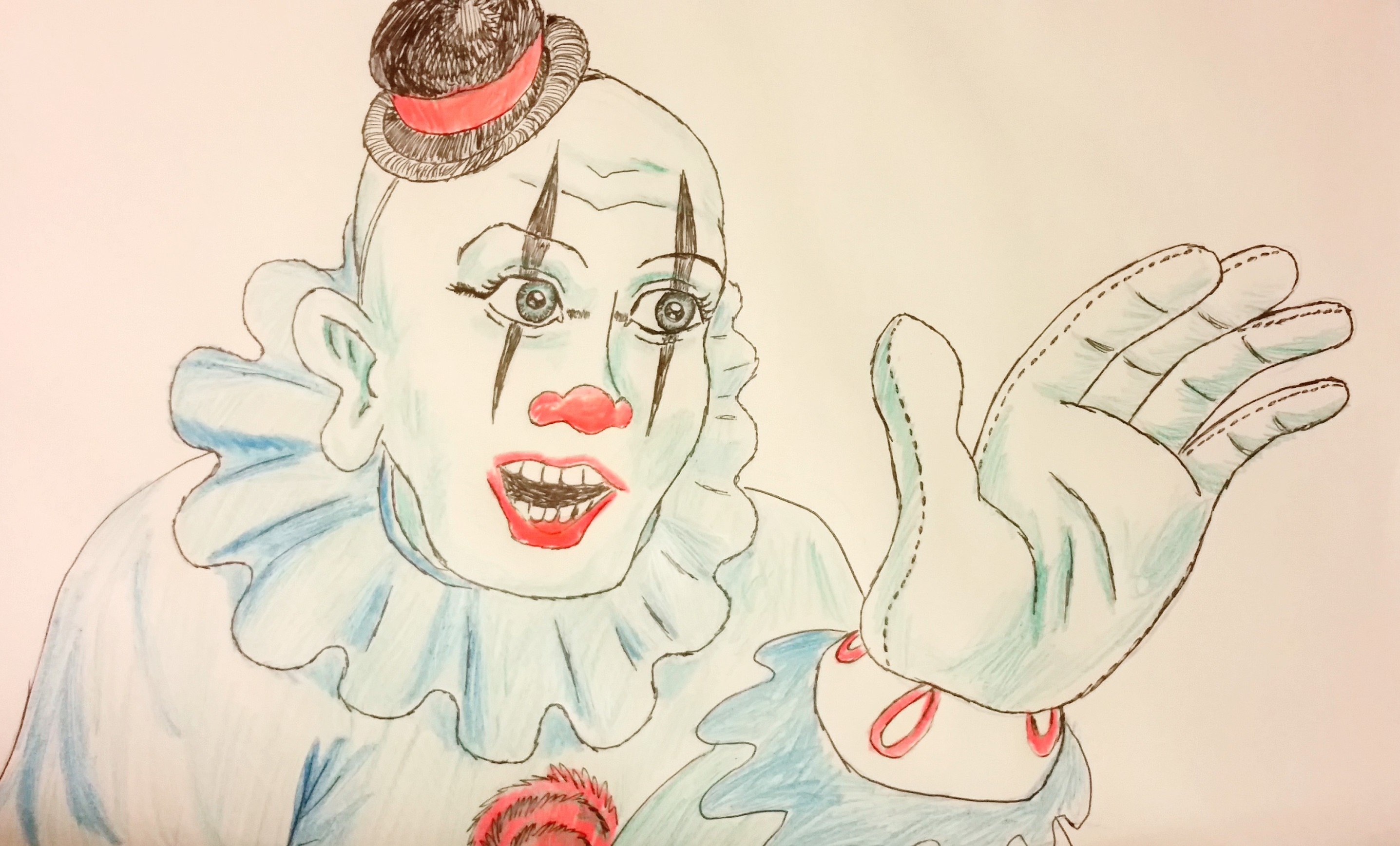
Since I have so far miraculously survived the 2020 pandemic, I have nothing better to do then to relate the whiff-a-typical story of the world’s smelliest superhero as he makes his semi-triumphant return to the public eye… like a horrific mud-ball to the face.
If you recall the newspaper accounts of mild-mannered reporter Dark Bent, or even if you don’t, we recall that Muck Man was put into a community-imposed exile until such time as he would actually take a bath with soap and water. Being unable to find soap and water that was even willing to get within a quarter mile of him, MM started with sand baths in Death Valley until he was finally able to sand-blast away the outer hard crust of his personal odor.
You need to remember too at this point that MM’s super power is olfactory based. He alone among heroes had a personal stench so powerful that criminals would swoon into a coma at the mere mention of his name.
But after significant sand-baths, and once that horrific outer layer was gone, the water spirits were unable to determine who MM really was, and so allowed him to bathe in Lake Michigan where the water’s own funkiness managed to partly hide MM’s rancid smell. His super-scent finally hidden in the folds of Lake Michigan’s highly-polluted, almost water-like contents, MM’s country-encompassing foulness no longer was detectable to MM’s arch-nemesis.
The Monkey King, Dumbold J. Trumpaloo.
Meanwhile the nefarious villain known as the absolute pinnacle of oleaginous corruption, the Monkey King, had hidden his swamp-monstery monsterness in the swamps of Washington D. C. where they were barely discernible in the midst of swamp gas and elephant ideas. His plan to take over the USA was going swimmingly. The Pachyderm Party was uniformly aligned behind him ready to blanket the countryside with toxic elephant poo. And, believing that if they could hold onto power long enough for elephant poo to fossilize into stone, they planned to dominate everything forever.
So, in secret, in his newly smell-reduced Muck Lair, Muck Man began planning the greatest stink-assault ever launched.
“But wait just a second, Dad!” cried Muck Lad. “You will be defeated again if you don’t come to the realization that your super-power and his super-villain’s power are really the same power. You can’t fight stink with stink.”
“Well, then, how do you defeat a super-evil super-villain with super-stink power coming out of his mouth directly from his very good brain?”
“Well…” said Muck Woman (who insists she is Muck Woman, NOT Muck Girl, even though she’s MM’s daughter) “You don’t fight fire with fire… you have to use water. So, get almost-squeaky-clean Uncle Joe B. to hold a convention before his about how the next president should help the country come out of the pandemic with fewer additional deaths and help the economy to recover by taxing the people who can afford to fix the problems, and let the American public compare it to the Monkey King’s elephant-poo festival. That way the villain can practically defeat himself.”
And so, according to mild-mannered reporter Dark Bent, that’s what Muck Man did to defeat the super-villain again. This time without generating a super-stench. And hopefully that will lead to a less-smelly world.
“But…” complained Muck Man, I was left holding on to the the world’s largest weaponized super-fart. And it exploded in my pants. Now, I have to live with consequences.”
” At least we can take comfort in the fact that Mickey is somehow still alive. And a cleaner world is better for all of us.” proclaimed Muck Woman.
Once I was finally able to scan pictures again, I did some scanning of old pictures that only got the camera treatment before on my blog.
But why stop a drawing at just the pen and ink, when there is potential for so much more?
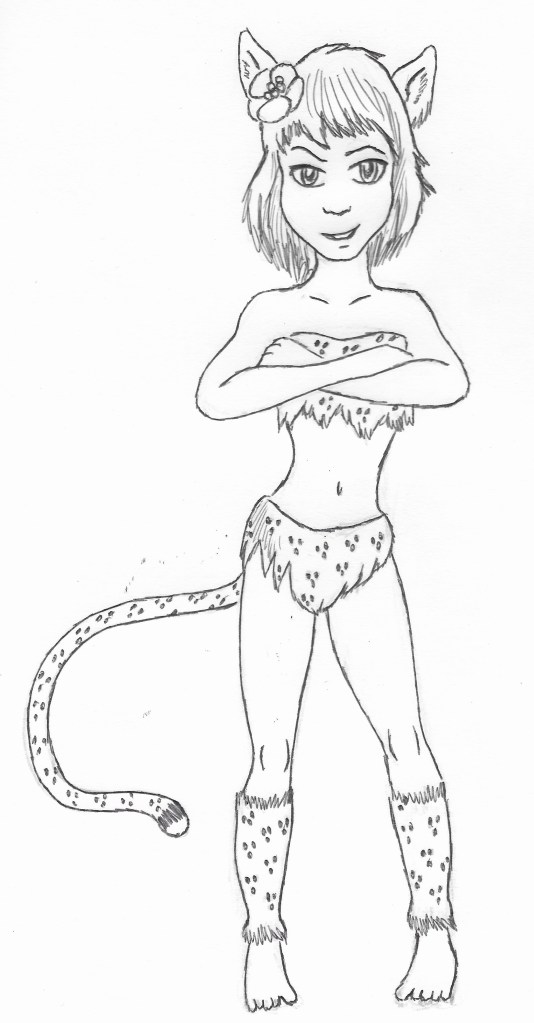
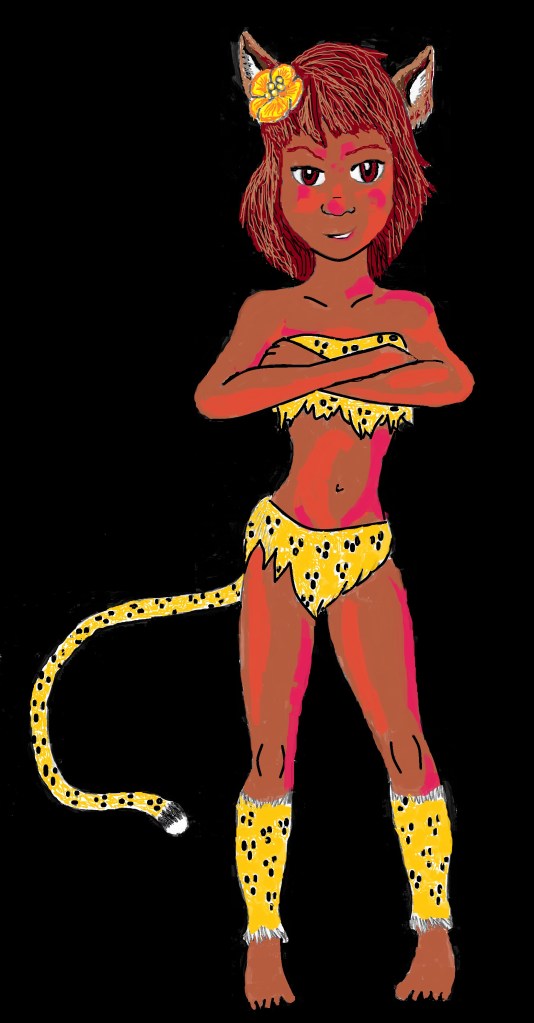
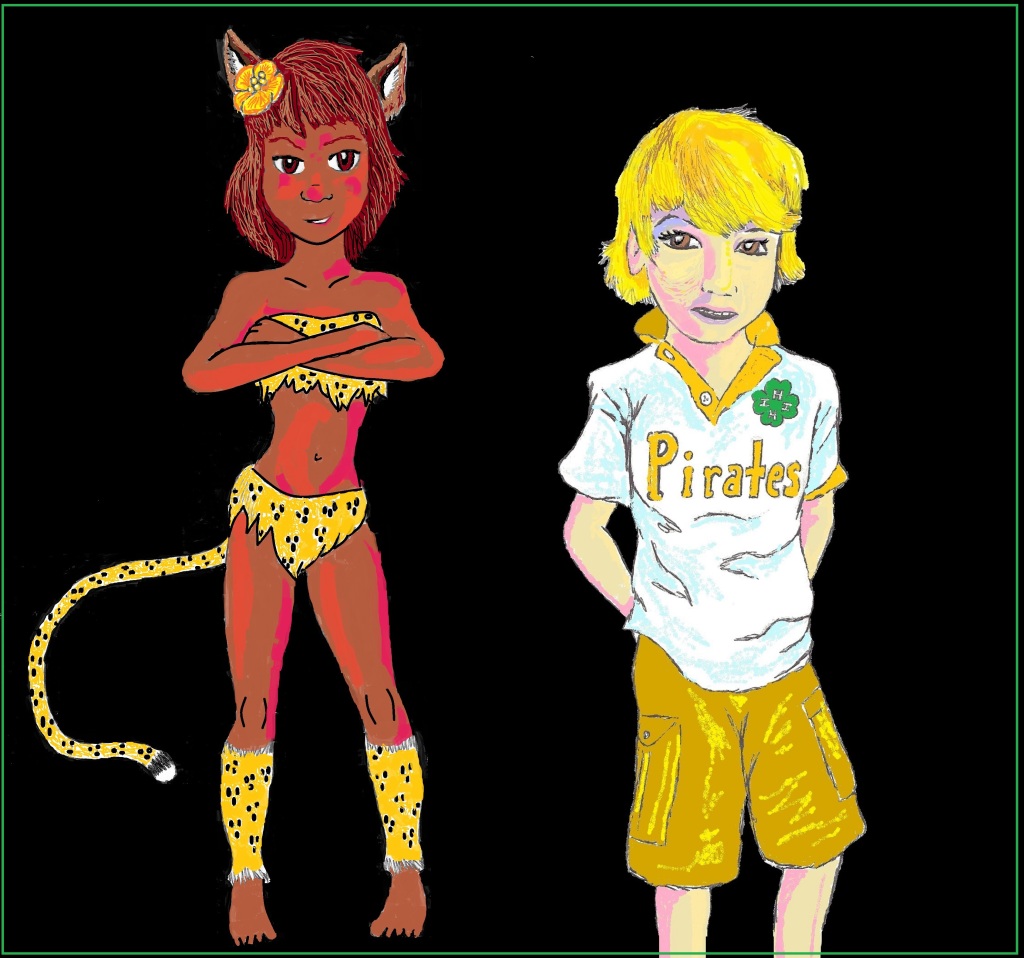
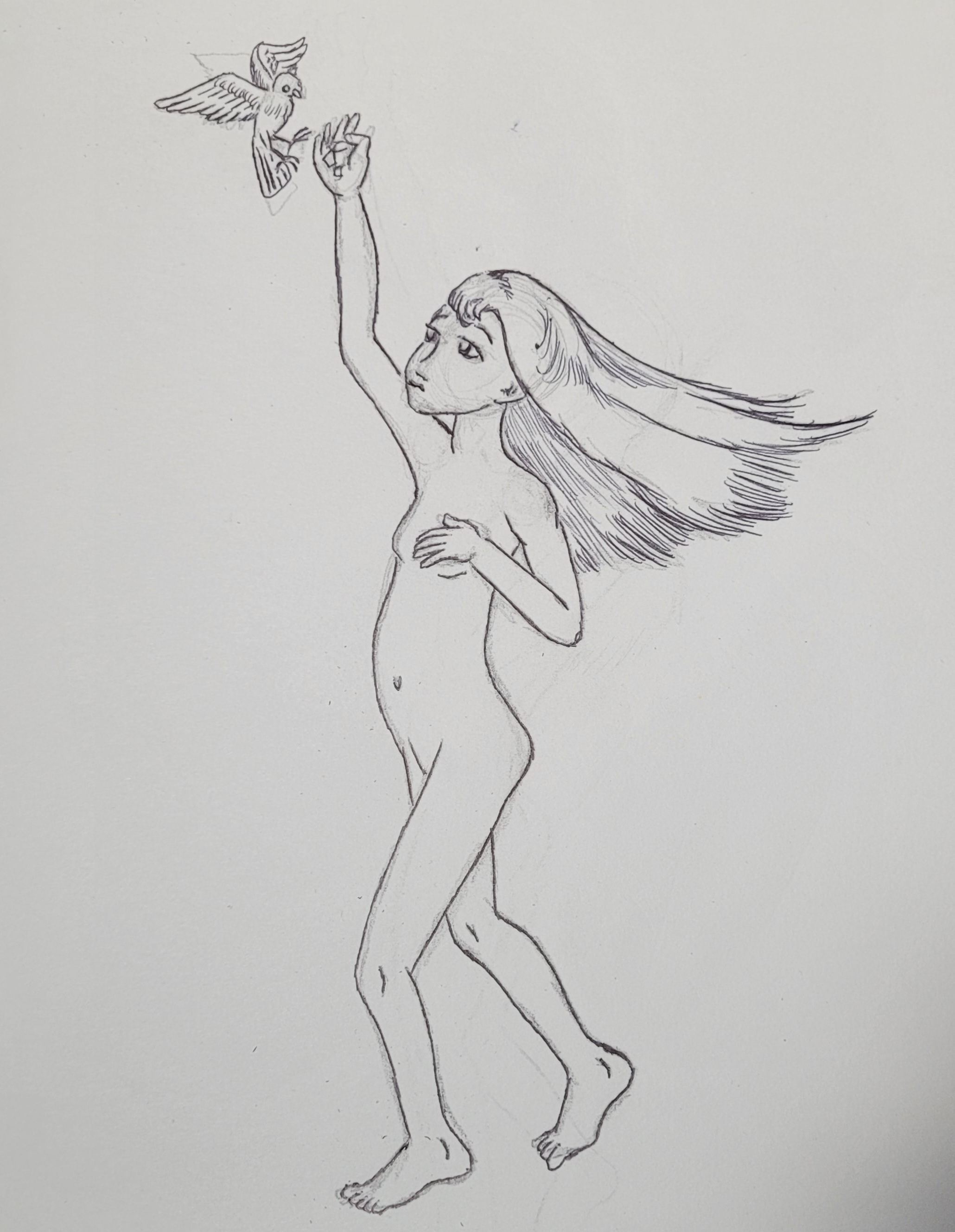
So, I took the Microsoft generic paint program and my generic photo editor to not only this pen and ink of the Jungle Princess, but a few other pictures as well.
,,,
,,,
…
…
…
This is what she looks like after being attacked with color by my arthritic old hands. (There was a day when I could have handled intricate details more cleverly, but that was many, many days ago.
Anyway, I have added new dimensions to Leopard Girrrl with color.
Now I need to add more complications to the basic story of the picture.
…
…
”’
…
…
…
…
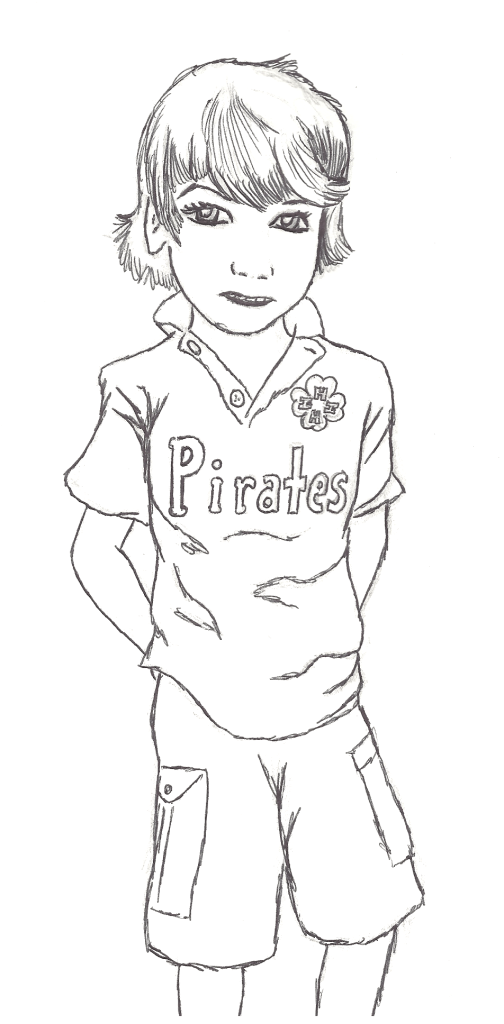
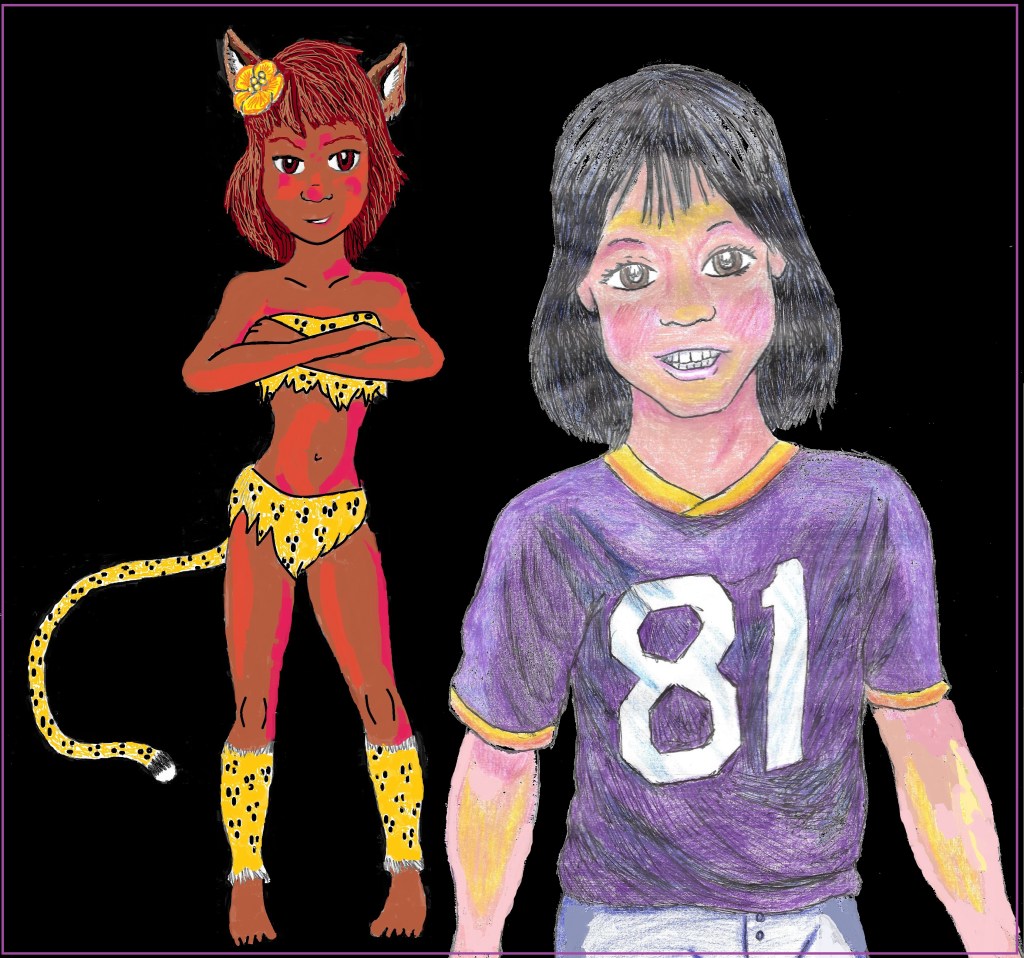
Here is an older pen and ink.
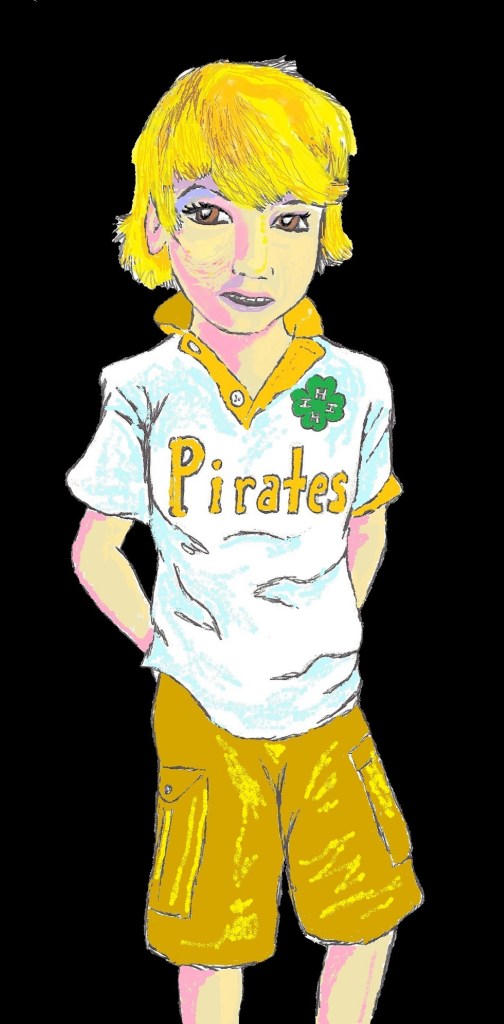
This is Dorin Dobbs, one of the dueling plotlines’ protagonists from the novel Catch a Falling Star.
But, of course, Dorin is a more complex character than this old black and white.
So, color needs to be added.
…
…
…
…
…
…
…
…
…
,,,
…
I had this one actually already painted in…
But in order to use it in this project, I needed to enlarge it to make it fit into the other picture.
Making this unlikely pair work together in a story is one of the challenges of doing surrealist stories. They have to be grounded in realism, but also bring jarringly different things together. Like the Jungle Princess going on an adventure with Norwall’s Lying King.
But, putting these two together is still not enough. Let’s try some other things.
The Jungle Princess together with Tomboy Dilsey Murphy is an unusual pairing.
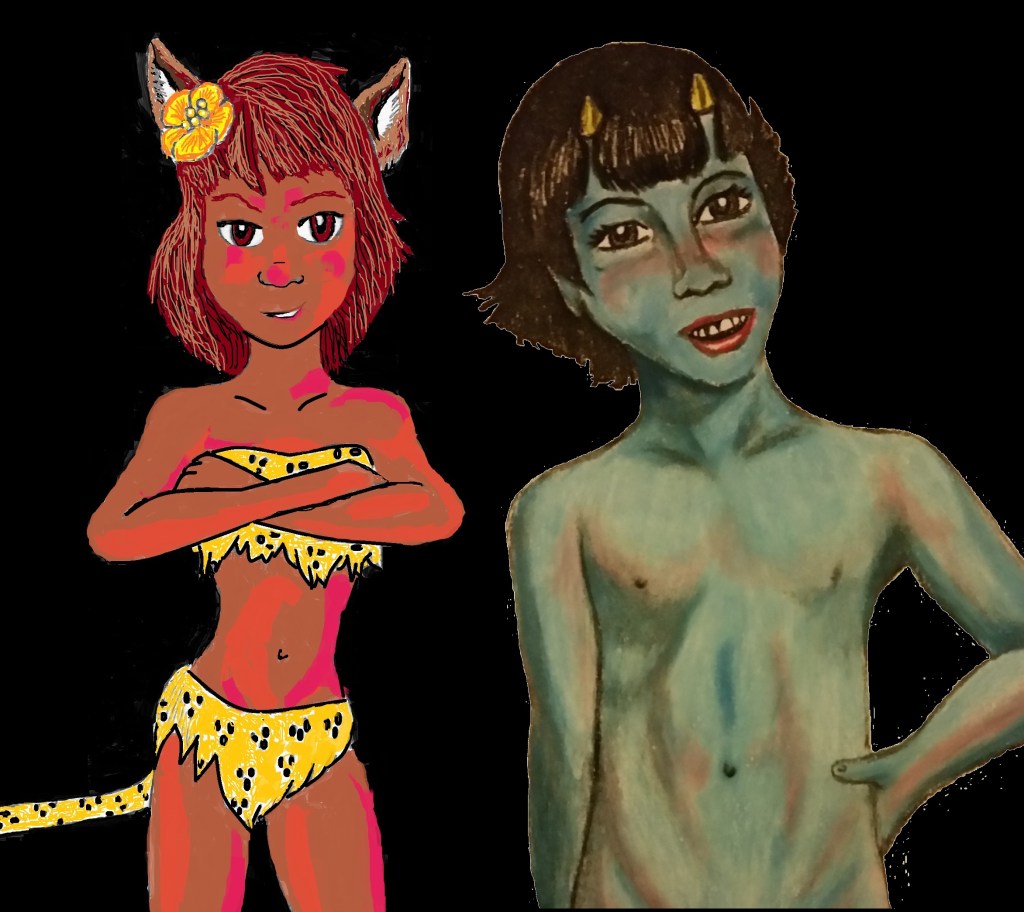
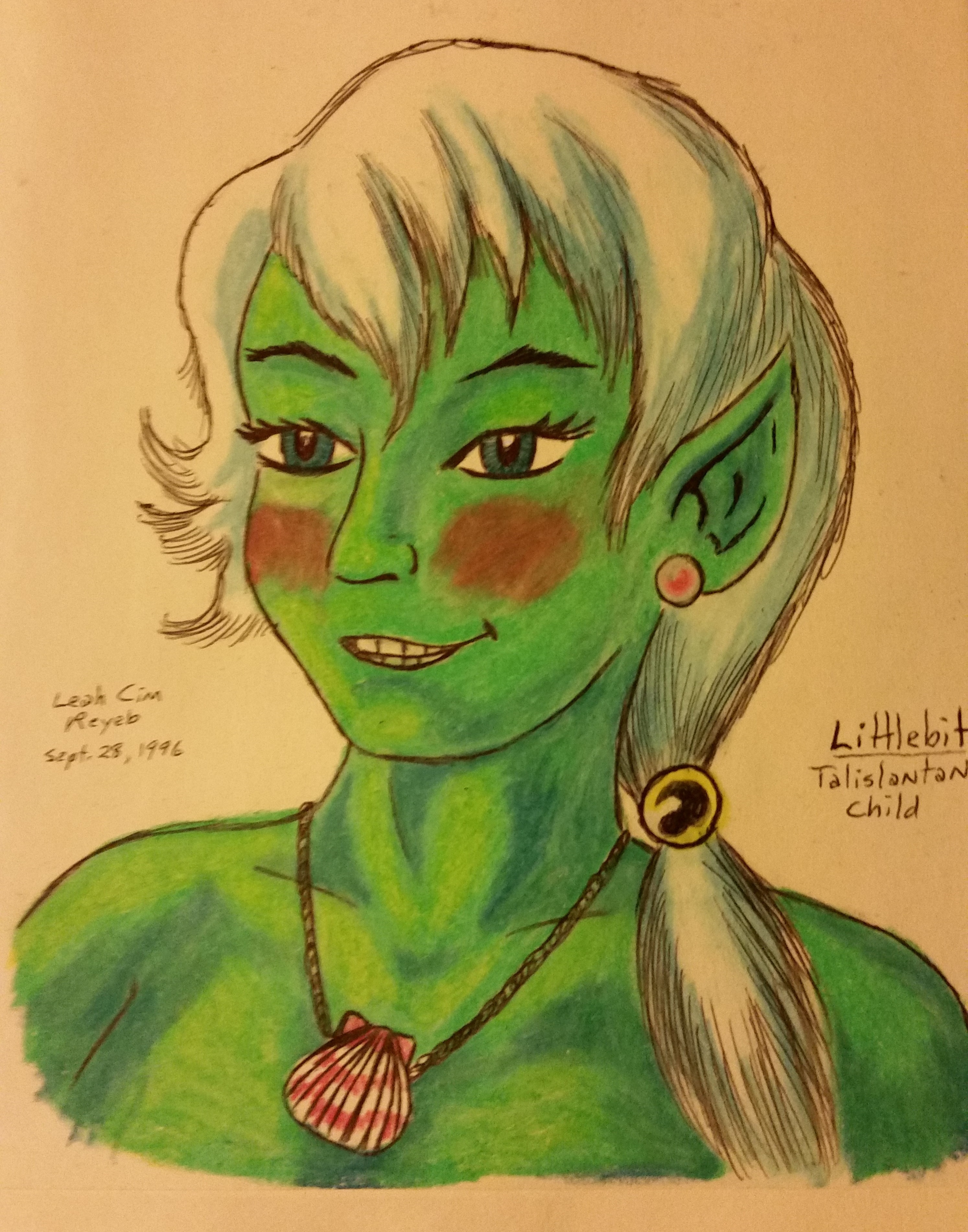
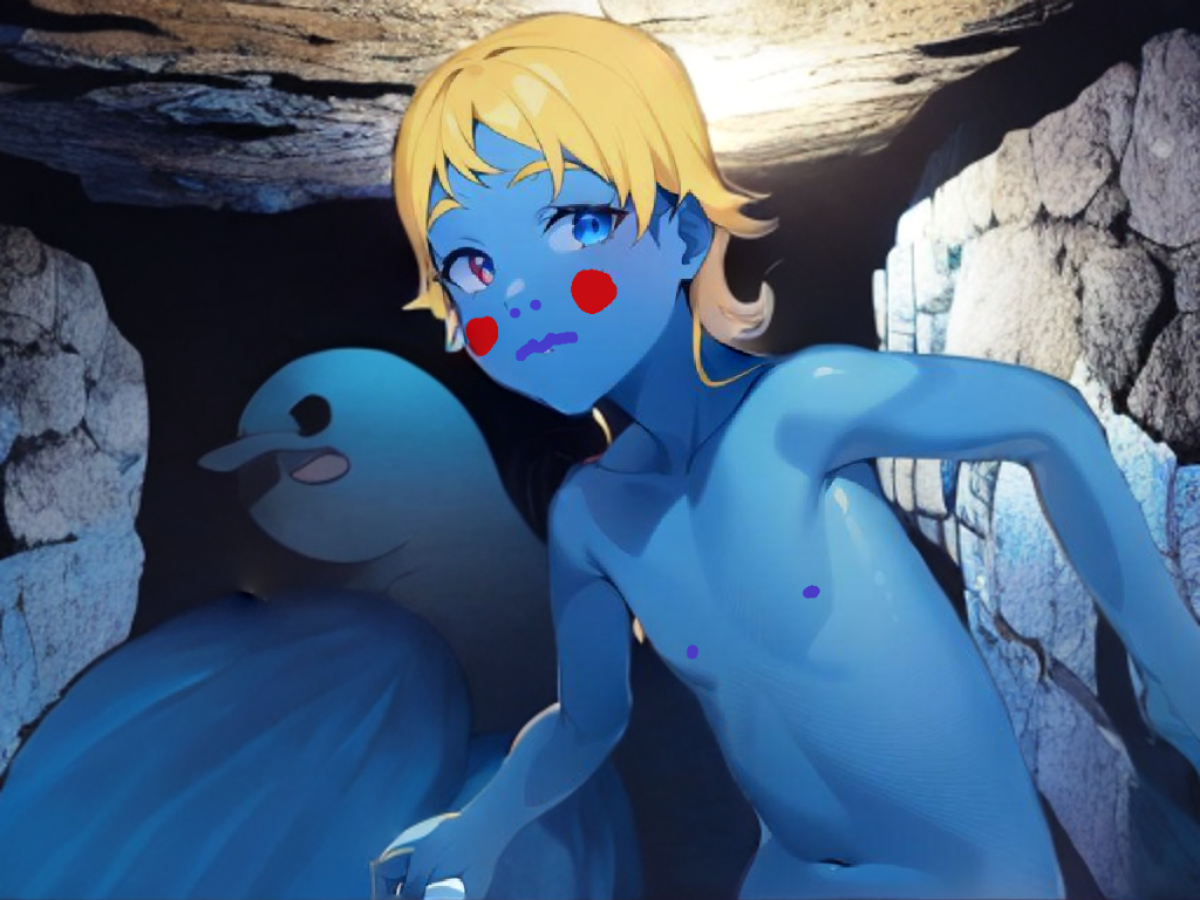
Or what about the blue faun from Laughing Blue?
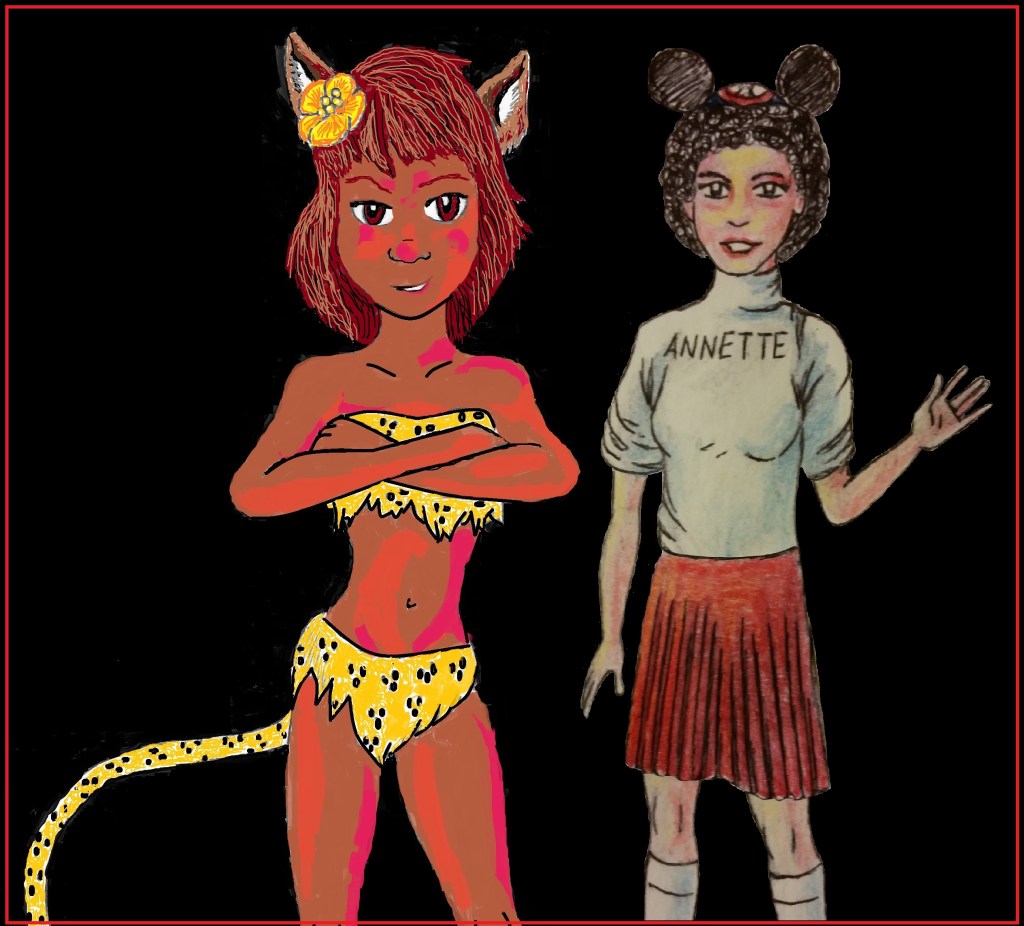
Or even Annette Funicello?
Ridiculous, I know. But don’t they look like satin sofa paintings?
I often get criticized for talking to people who are basically invisible, probably imaginary, and definitely not real people, no matter what else they may be.
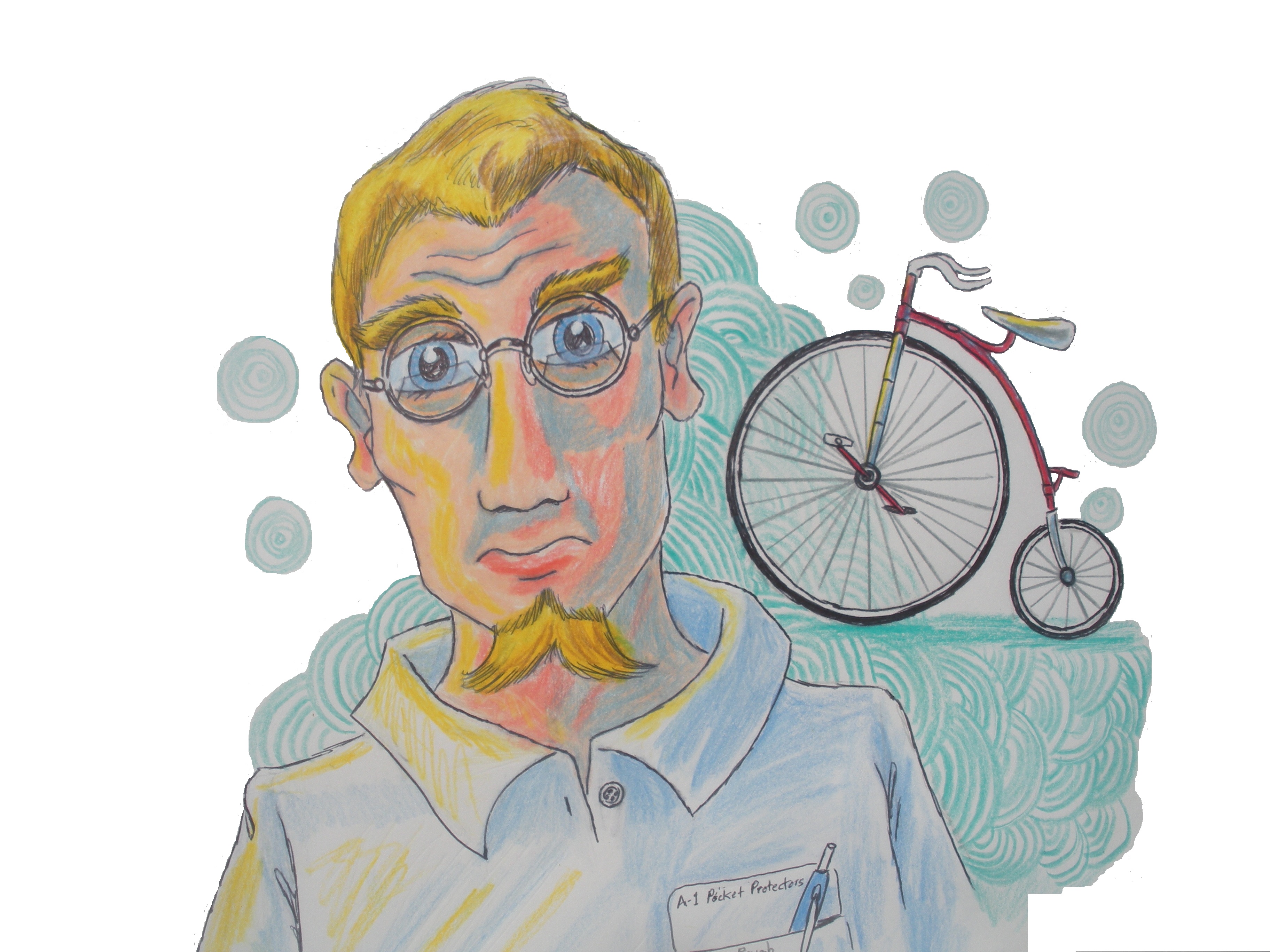
The unfinished cover picture is from the novel The Bicycle-Wheel Genius which I just finished the final rewrite and edit for. All of the characters in that book are fictional. Even though some of them strongly resemble the real people who inspired me to create them, they are fictional people doing fictional and sometimes impossible things. And yet, they are all people who I have lived with as walking, talking, fictional people for many years. Most of those people have been talking to me since the 1970’s. I know some of them far better than any of the real people who are a part of my life.
This slideshow requires JavaScript.
These, of course, are only a few of my imaginary friends. Some I spend time with a lot. Some I haven’t seen or heard from in quite a while. And I do know they are not real people. Mandy is a cartoon panda bear, and Anneliese is a living gingerbread cookie. I do understand I made these people up in my stupid little head.
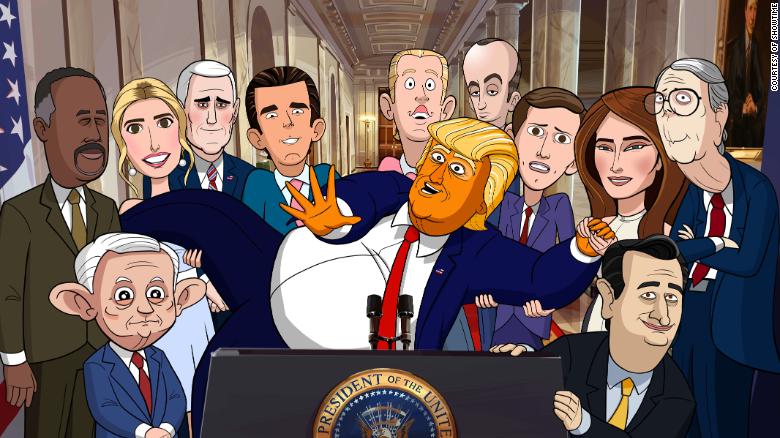
But it seems to me that the people in the world around us are really no less imaginary, ephemeral, and unreal. Look at the current Presidentumb of the Disunited States. He is an evil cartoon James Bond villain if there ever was one.
Animated cast of OUR CARTOON PRESIDENT. Photo: Courtesy of SHOWTIME
People in the real world create an imaginary person in their own stupid little heads, and pretend real hard that that imaginary person is really them in real life. And of course, nobody sees anybody else in the same way that they see themselves. Everybody thinks they are a somebody who is different from anybody else who thinks they are a somebody too, and really they are telling themselves, and each other, lies about who somebody really is, and it is all very confusing, and if you can follow this sentence, you must be a far better reader than I am a writer, because none of it really makes sense to me. I think everybody is imaginary in some sense of the word.
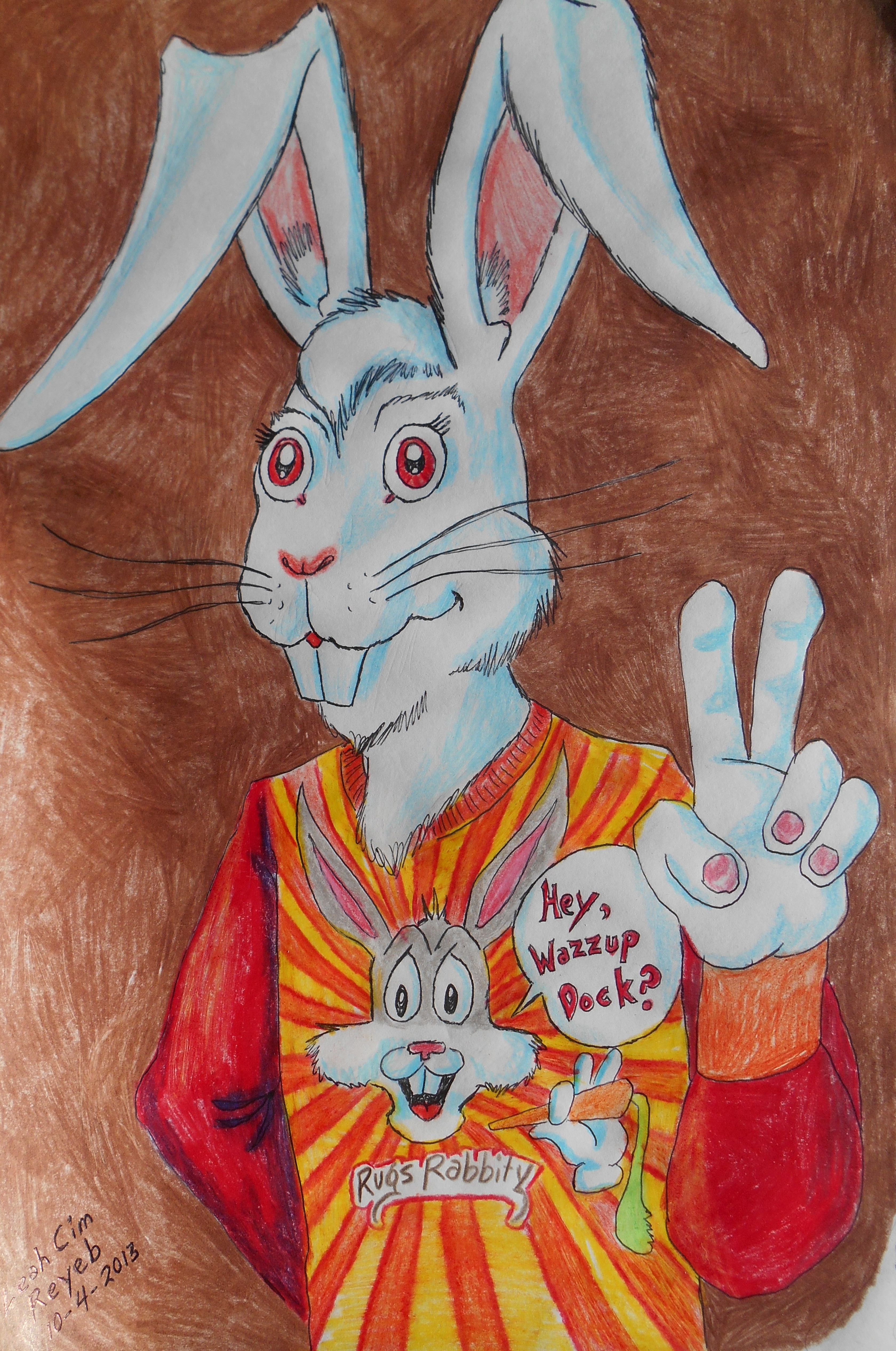
So, if you happen to see me talking to a big white rabbit-man who used to be a pet white rabbit, but got changed into a rabbit-man through futuristic genetic science and metal carrots, don’t panic and call the police. I am just talking to another fictional character from a book I just finished writing. And why are you looking inside my head, anyway? There’s an awful lot of personal stuff going on in there. Of course, you only see that because I wrote about it in this essay. So it is not an invasion of privacy. It is just me writing down stuff I probably should keep in my own stupid little head. My bad.
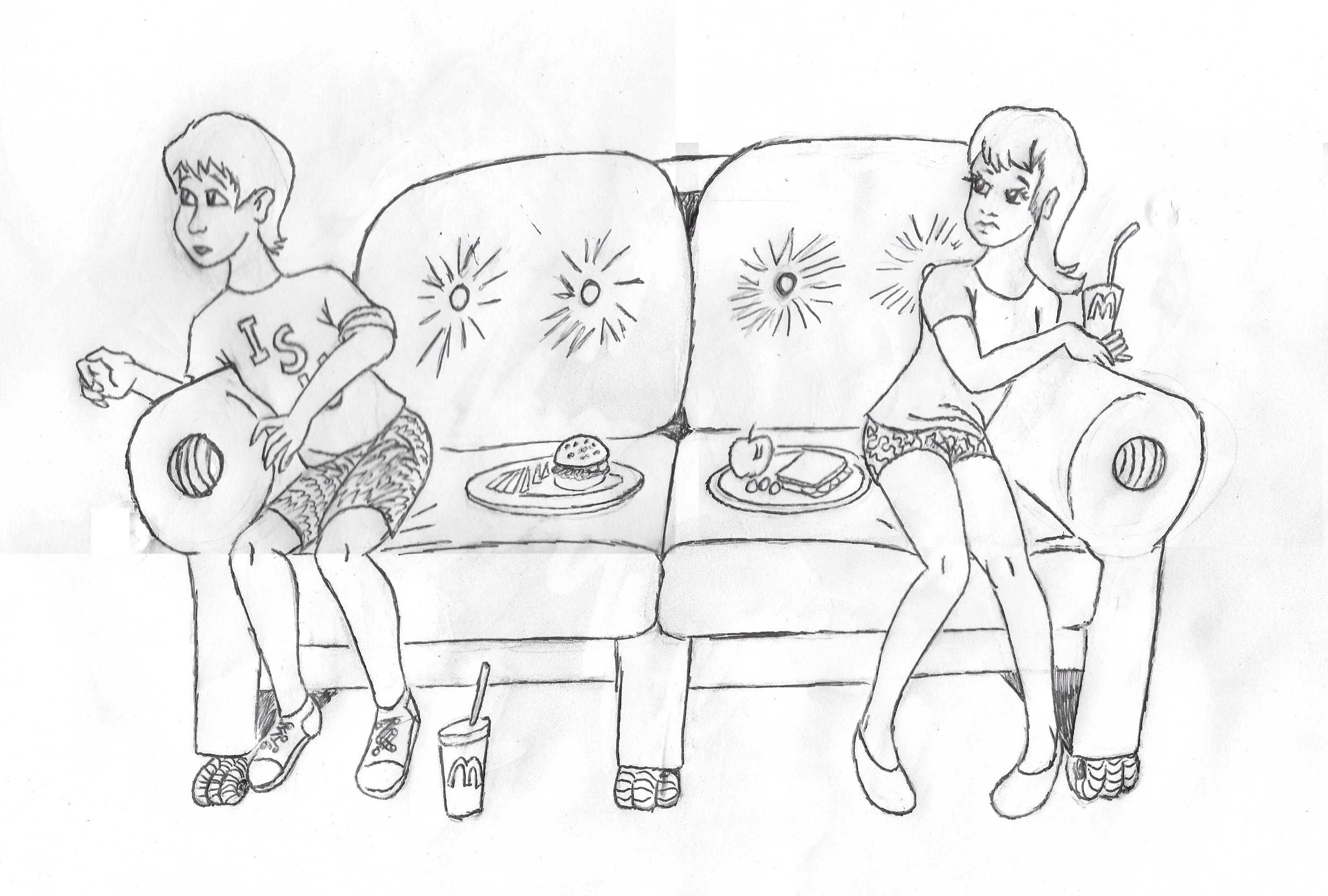
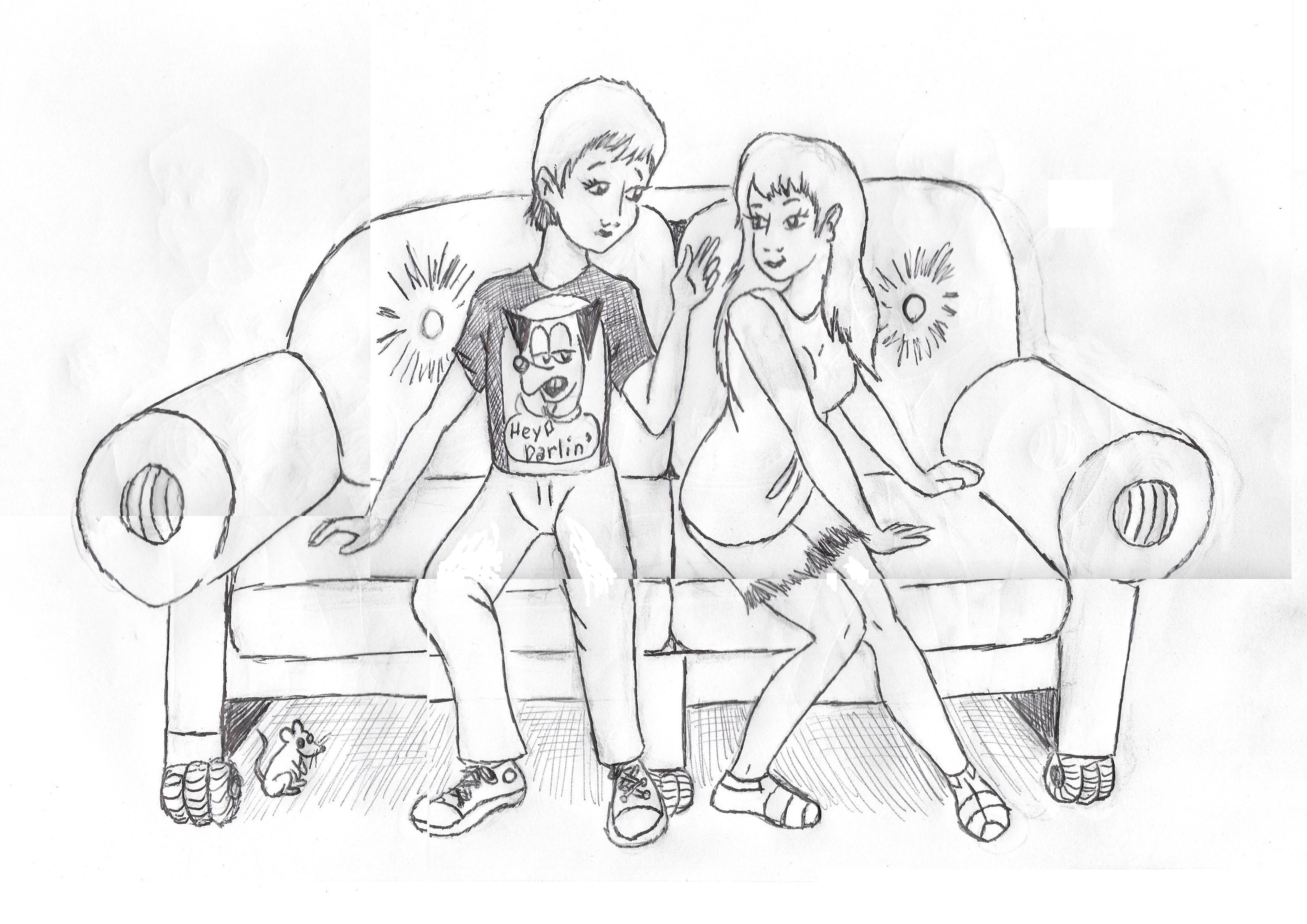
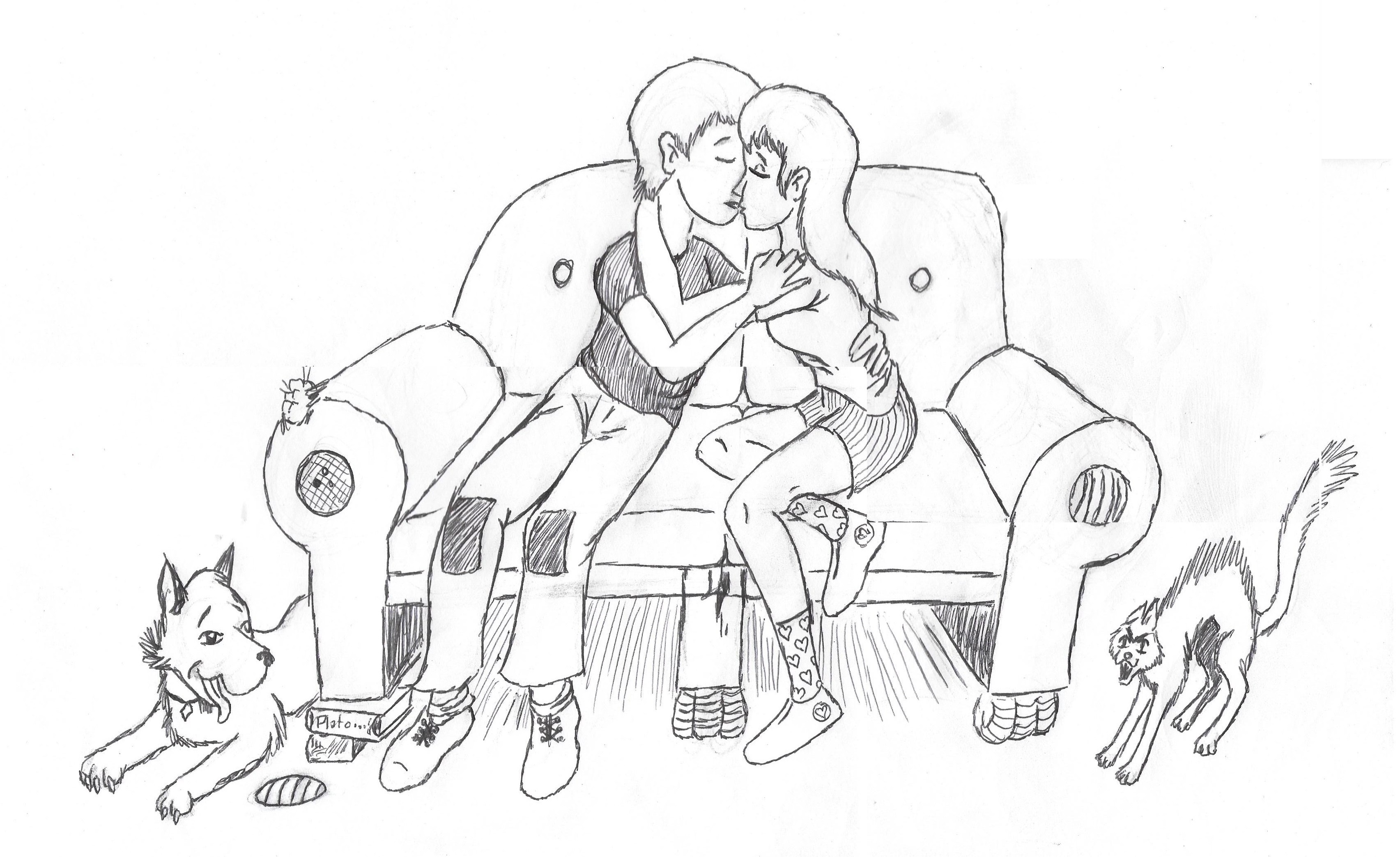
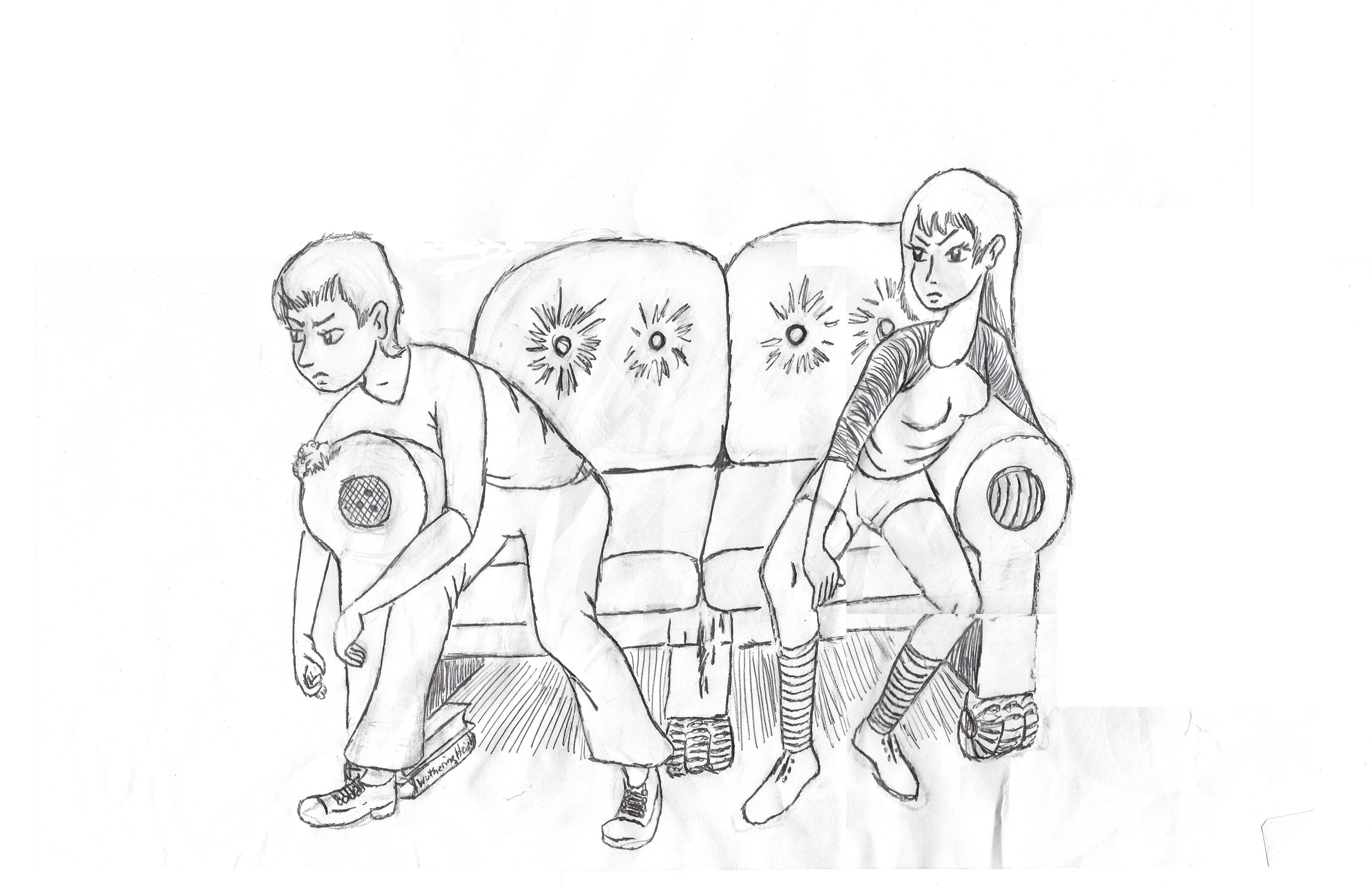
This is a story about an innocuous piece of furniture in Great Aunt Minnie Efram’s house. It was a little brown loveseat with carved wooden monster feet.
As the story begins, the little loveseat was sitting in the parlor in front of the small black and white television. During the monthly Efram family card party, the love seat was the only place for the two of them to spend the evening. But he was ten and he hated girls. He had a reputation with the guys at school as a girl hater, and he couldn’t have it known that he was sitting on a loveseat with Uncle Henry’s stepdaughter, the one the guys all said they had seen eating her own boogers.
She was also ten, and in his class at school. She liked to watch him more than any of the other boys. But she didn’t know why. She liked unicorns and the color pink, but she also kinda liked the way boys looked at her when she wore shorts. And she liked seeing him in PE class at school, wearing shorts. He was athletic and often won games in PE.
After two years of monthly card parties happening during at least three different months every year at Aunt Minnie’s place, he had discovered that girls didn’t actually smell bad, and this one actually listened when he talked about playing football, and how it made him feel when he scored the seventy-five-yard touchdown. In fact, the more he talked about football, and the closer they sat to each other, the better she seemed to smell. He liked that smell.
She liked that he didn’t only pay attention to her at the card parties anymore. He actually said, “Hi” in public. And she liked his smile, even when he got braces. He let her pick the shows they watched on the old black and white television while seated on the loveseat. She actually worked up the nerve to tell him that she had told Jane at school to ask him if he liked her, and stupid Jane had completely forgotten to ask him, or maybe Jane was just too chicken to ask him and used the excuse that she forgot.
He said that if she liked him, he liked her. But if she didn’t, he didn’t either. “Like” her, he meant. Which he did because she did.
After two more years and six more card parties worth of scootching behinds closer together on the old loveseat, something different had happened. And it was about time too. Aunt Minnie had bought a puppy, and that not only was a bad thing for the seven cats that lived with old Minnie, but it was hard on the loveseat too. One of the little couch’s monster feet was lost, and the numerous instances of terrified cat claws digging in were beginning to have an effect on the upholstery. And that danged dog wizzled everywhere. The loveseat had one purpose in life, and it didn’t want to give in to wear and tear before achieving that purpose.
But the very next year brought disaster. He apparently told the members of the freshman football team that something had happened on that old love seat that really hadn’t happened. The football team was impressed because they all thought she was pretty hot stuff, and he was generally thought of as a lame-o dweeb. She heard about it from Jane who heard about it from Nanette’s boyfriend who was on the team. And she got mad. How dare he say something like that when it wasn’t true?
In January of that year, Aunt Minnie passed away in her sleep. The loveseat was sold at auction to a farmer who liked to do re-upholstery as a hobby. It got re-done in red velvet and leather with wheels replacing the wooden monster feet and sold to a car dealer in Des Moines who placed it in the lobby show-room for customers to sit on.
But the story has a happy ending. She would later make his locker room lie into the truth on Prom Night (fortunately with protection) and then went on to marry him when they both were sophomores in college. Of course, it wasn’t always, “They lived happily ever after,” because they didn’t. They got divorced once and got re-married shortly after… to each other. They had three kids. And the loveseat didn’t ever learn any of that. Because it was a loveseat. You didn’t really think loveseats could know anything, did you?
Another opportunity to visit the nudist park has passed without me being able to seize the day and do what I really wanted to do this weekend. It was, however, a different set of reasons than last time. Last time I was determined to go on a Saturday when more nudists would actually be present. I got sick and it rained that Saturday. So I set my sights on Labor Day weekend.
This weekend the hurricane that ravaged Houston changed my plans. You see, the storm also ravaged Port Arthur and the distribution points that local gas stations rely on for new shipments on a weekly basis. I did not see the gas shortage coming in time. The lines at gas stations and two hour waits for gas mostly all happened before I was ready to cope with it. So I was not prepared to make the trip when the time came. Gas stations are limited to selling chewing gum and promising that more gas would be available by the middle of next week.
If you haven’t realized it yet from these details that could only have happened in the past (2017,) this is a repost of one of my more popular posts from the past. But it is still relevant in that I cannot go to the nudist park again this summer for health reasons and the fact that my car is taking longer than normal to be repaired.
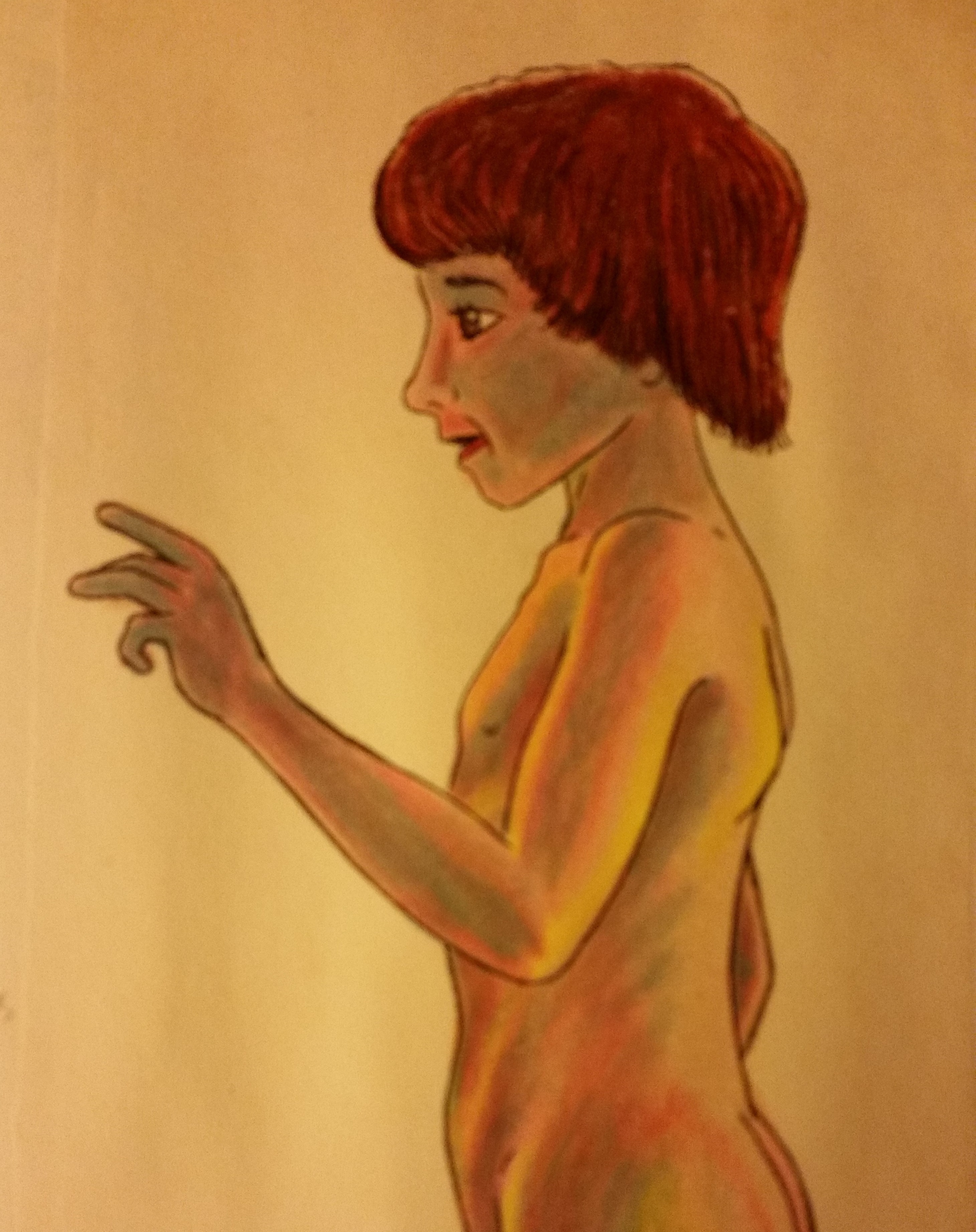
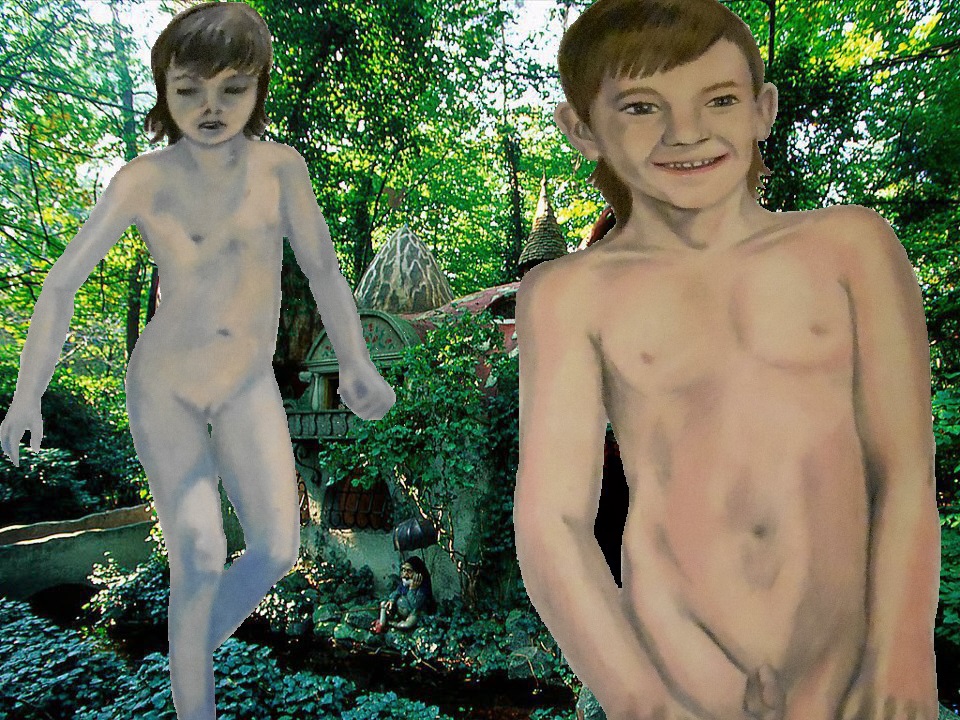
Yes, the boy in the picture is me naked as I might’ve been in a more sylvan youth than the one I actually had.
So I am left to sit here in my bedroom studio in the nude writing this and listening to Dvorák’s Scherzo Capriccioso on YouTube.
A scherzo is, perhaps, the perfect metaphor for an essay like this one. Most of what I write are really scherziplay (or scherzi if I hadn’t goofed on that typo in the definition) if you analyze them closely. Sprightly and humorous idea flows (at least, they make me laugh) that wax thoughtful and slightly serious at certain points. This one, the capriccioso, the capricious and mercurial idea that I have somehow turned into a nudist, is my attempt to make sense of the nonsensical, the whims and flimsy that led me to be a naked old man.
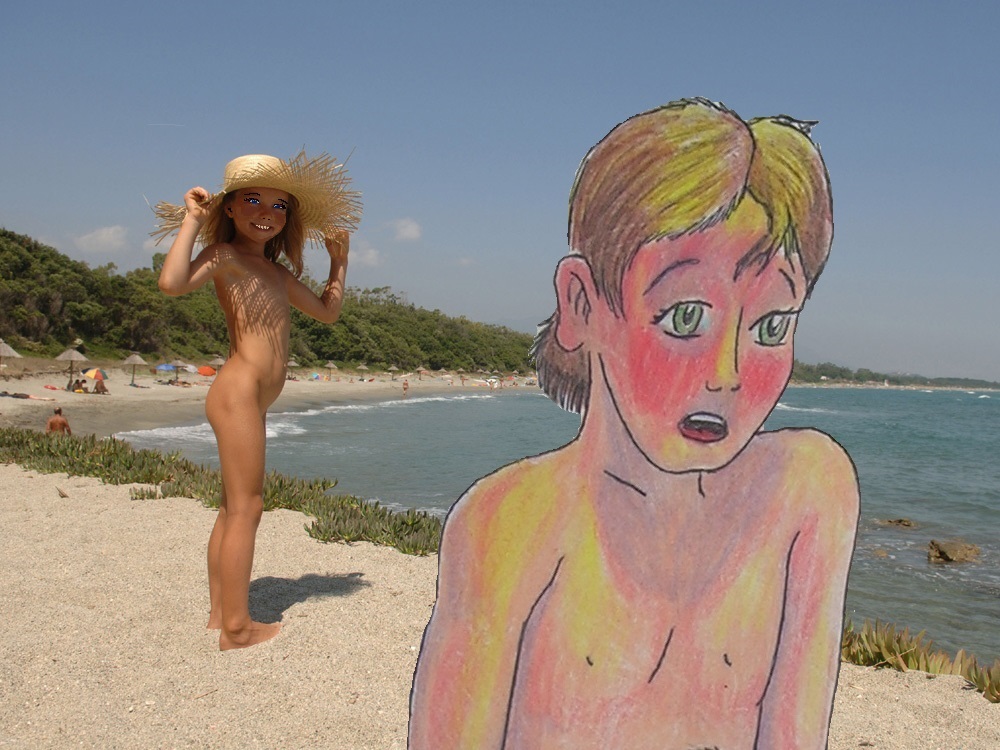
You may have noticed in my artwork a tendency to associate nudity with childlike innocence. (At least, you should have noticed if I have any ability at all as a writer and artist to guide your perceptions.) There is no sense at the nudist park that it is about sexuality and impending orgies. Those things are completely against the rules and have no place among actual nudists. You go to a nudist park and it is just you and your towel for sitting on talking to a bunch of naked people who are just as fat and old and saggy and baggy as you are, each with their own towels for sitting on. Nobody uses more than their first names and more than that is not necessary. Nudists are more open and honest than most people you meet in social situations. They literally are not hiding anything. And I have discovered that I fit right in there. It seems like the most natural thing in the world. I really enjoyed my brief time nude amongst the nudists.
Once I got past the initial embarrassment that anyone would feel in that new-nudist situation, I came to the conclusion that I have always been a nudist. Having been born a nudist, my parents and grandparents trained me not to be one, and being sexually assaulted at ten gave added horror to being naked around others that it took a lifetime to overcome. But naked is how we were created. There is a reason that Adam and Eve didn’t wear clothes in Eden.
I didn’t get to go back to the nudist park this holiday weekend. I will never convince my wife and kids to go with me either. In fact, I myself may never have another opportunity to go back there. But listening to Dvorak’s Scherzo has confirmed in me that I am a nudist and always have been. Sorry if I have frightened you with my naked ideas, but maybe you should listen to a scherzo naked and test whether you are one too.
Why did Batman have Robin the Boy Wonder? Not only that, but why Bucky and Captain America? Green Arrow and Speedy? Aquaman and Aqualad? Superman and Krypto the Super Dog? Fredric Wertham, the Seduction of the Innocents and the Comics Code guy, would have you believe that they were there to make young boys turn gay and violent. But that was nonsense, wasn’t it? Better change Krypto for photographer Jimmy Olsen just in case.
But if that was merely nonsense, why was it such a part of the formula?
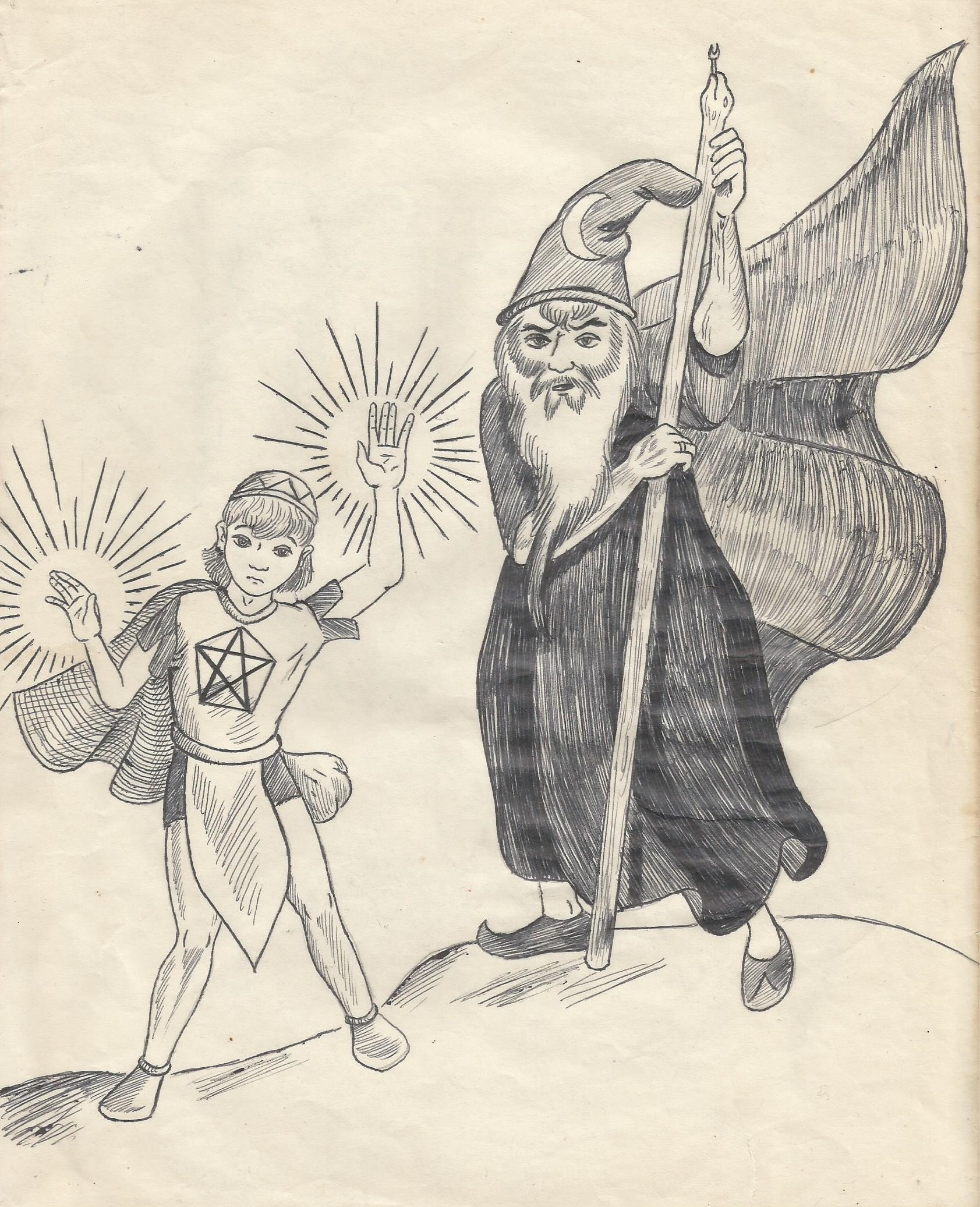
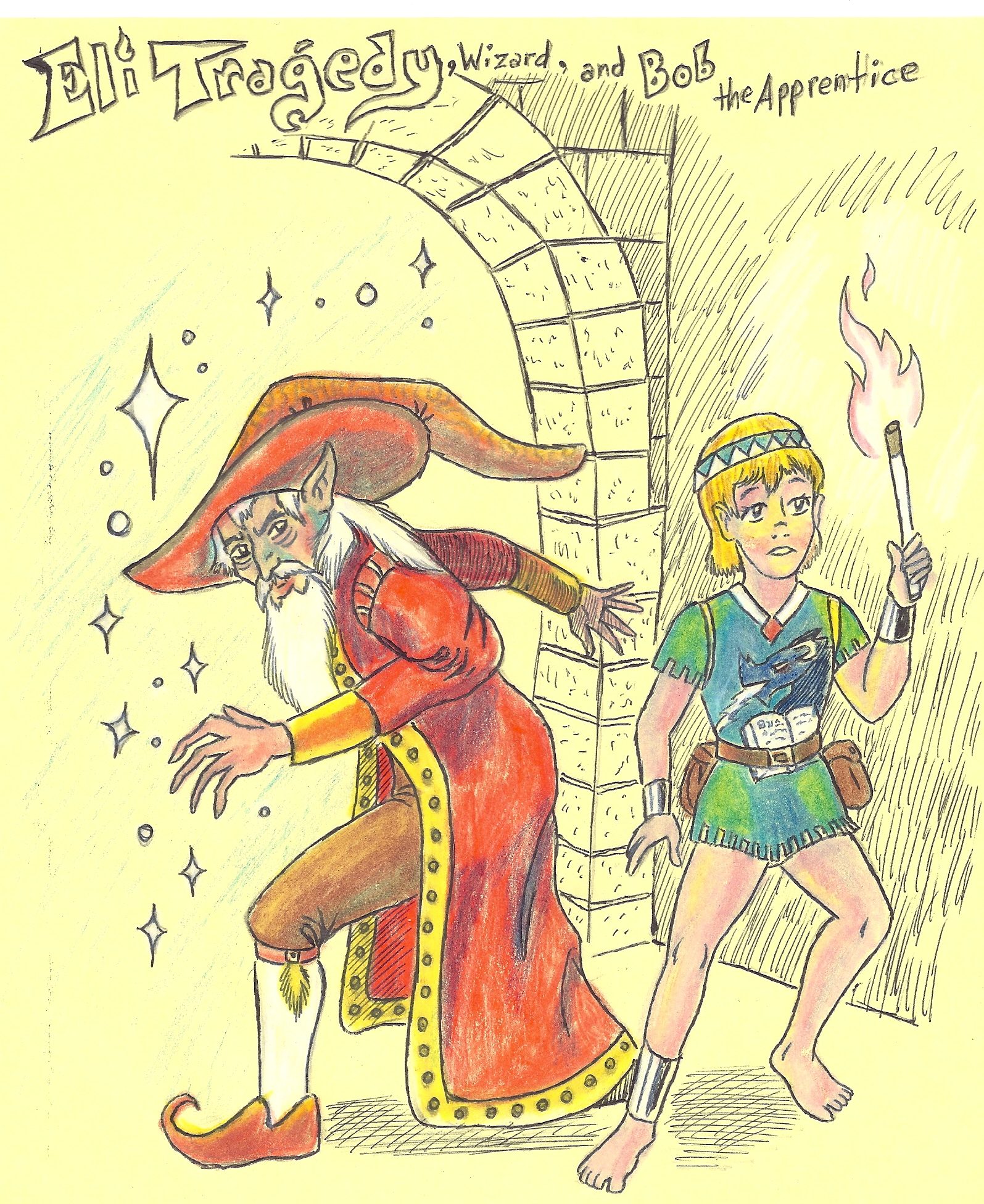
As a D & D dungeon master, I have my own theory about sidekicks and their function in story-telling.
Young sidekicks were an important part of the stories I told as a game master because the players in my games were mostly adolescent boys themselves. It was the same as the primary readers of Batman comics in the 1950’s of Wertham’s Comics Code. The young hero or adventurer character, most often in the form of a non-player character, was someone they could relate to because of age. They had more in common with the sidekick than the lead hero. It helped to draw them into the story and make it relevant.
As a story-telling device, you often find the young apprentice character in novels written for younger audiences. Think of David Eddings’ Belgariad, or Lloyd Alexander’s Chronicles of Prydain, or Treasure Island by Robert Louis Stevenson. The characters of Garion the youngster in the Belgariad, Taran the young protagonist of Prydain, and certainly Jim Hawkins of Treasure Island.
So, with that realization, I incorporated youthful characters, both boys and girls, as apprentices and student-adventurers.
Initially it proved to be a hard thing. Wizards and sorcerers, according to D & D rules, can take an apprentice once they reach level three. But first level characters as apprentices are vulnerable because damage done by third level monsters wipes out the meager hit point reserves of a beginner character. After several traumatic deaths of beloved sidekicks, the player characters begin to take steps to protect them better in combat, or quickly learn where to find priests with resurrection spells who work really cheap.
Of course, these characters are useful for more than just creating combat complications. They are really useful for comic relief. The missteps, mistakes, and total botch-jobs that these inexperienced younger characters create can make us laugh, make us sweat a little to correct it, and move the plot forward in interesting ways that I, as the game master, wouldn’t have otherwise planned.
So, hopefully, Mr. Wertham’s ghost isn’t hovering over my D & D game thinking it is all a plot to create a generation of violent, gay youths. Hopefully he can see that it is all a part of a well-established story-telling literary device that actually helps to educate and deepen the understanding of youths. But it is swiftly becoming irrelevant what Wertham’s ghost thinks anyway. I haven’t played D & D for a while now. My sons and daughter now have their own groups of friends, playing under different dungeon masters with different dice. But hopefully, the need for youthful sidekicks will remain.
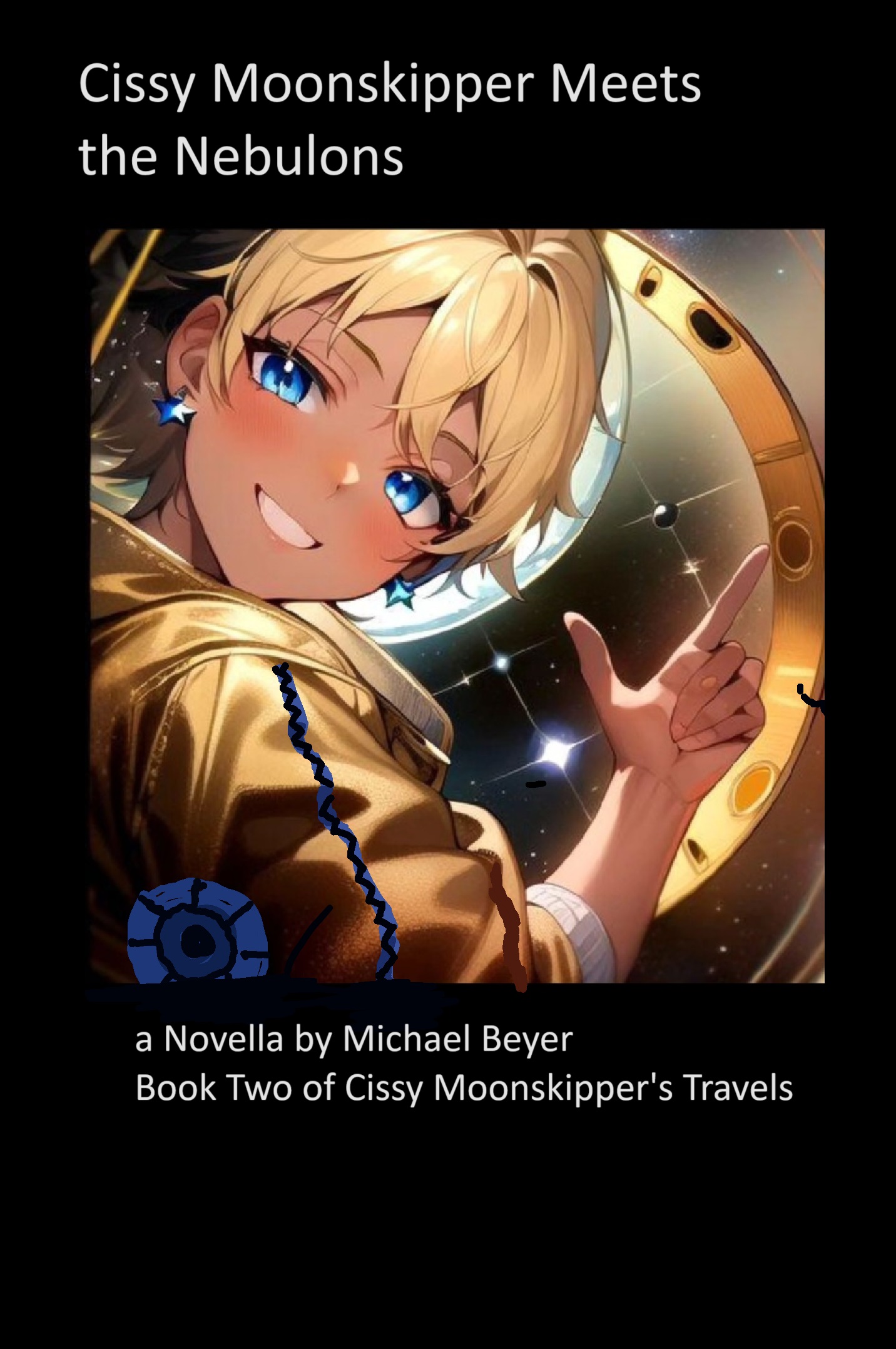
As they were being led down further into the massive space whale, the lead warrior turned back to Prince Porodor and bowed.
“You need to consider that sacrificing Suki Vorranac along with these Humaniti scum will not sit well with the counsel or the Warlord Vorranac himself. She has the prime bloodline (said in Galactic English for Cissy’s benefit.)”
“That is my worry, my argument,” said the prince flatly.
The lead warrior nodded and turned away, signaling the group of the condemned to follow him. The naked boy who looked human hugged his twin and then joined them.
“I can almost understand why they are going to kill us, but why are you going to be executed?” Cissy said to the boy.
“I am not enough like them to remain among them. I would die here eventually anyway. This just makes it happen sooner.”
“Won’t they at least give you a Danjer suit?” Cissy asked.
“I will be given one when we get to the happy place.”
“The happy place?”
“Prisoners to be executed as whale food are given time to make their peace with the universe. It is something I understand the Imperium does not do.”
“Yes, I’m afraid that’s true. Of course, the Galtorr Fusions are half lizard people, which probably explains that.”
“My name is Wylo Voron, though I have to stop using the Voron part now that I am being cast out.”
“My name is Cissy Moonskipper. I ain’t giving up any of that.”
Wylo shook Cissy’s hand and smiled. He was a cute kid. Probably at least three years younger than Cissy. Or three Spltzblixes, or whatever the heck Nebulons called a year.
The interior of the space whale was like a vast hollow tube with gravity-downside carpeted in villages, lakes, rivers, forests, and meadows. Hand-built structures covered the sides, and the ceiling was a combination of pulsating whale organs and Sun Sources. Clouds and mists obscured some of the ceiling.
“This is a really beautiful place,” said Cissy, nearly breathless with awe.
“I have never been in this space whale before,” said Suki. “But my home whale was almost as beautiful as this.”
The lead warrior delivered the small group to a pretty white cottage on the edge of the nearest lake. They were met there by five people. A Nebulon man who was the same size as Suki, his wife who was slightly smaller, and three blue children.
“You will be cared for by Taro Vorranac and his family. They will do anything you ask but help you escape. They don’t speak Galactic English, but Suki can translate.” The lead warrior saluted Taro and then led his troop back toward the whale head.
Suki introduced everyone to everyone in another endless stream of Nebulonin ak-ak-ak-oohwak in which Cissy recognized names and nothing else. Taro’s wife was Sonno and the children were two boys named Taroon and Jaffouhc. The girl was Diznee. All three of them were naked and happy that way, but Sonno recognized the need to give Wylo a purple Danjer suit.
Their Nebulon hosts were all generous and kind people that Cissy easily warmed up to.
Later as they sat around the family table drinking a delicious blue juice that Sonno called Perhoucahac, Cissy asked Suki, “So, what do we do now? Can we try to eIscape?”
“If we do, Taro and Sonno’s family will be sacrificed in our place. And I don’t want that on my conscience.”
“Budd… I doan wanna die…” whined Friday. Diznee petted her because, although she didn’t understand a word of what was said, she could feel Friday’s fear and pain.
“I’m not giving up yet, Friday,” Cissy said, patting the dog girl’s paw. “There has to be a way out of this.”
“The Nebulon way is to eat and drink and be happy until the end is here.” Suki let a tear escape her right eye. It ran down across the red dot on her cheek.
“Your Prince Porodor is not a very nice landlord.”
Taro’s family looked at each other in confusion.
“My family doesn’t like him either,” Suki admitted.

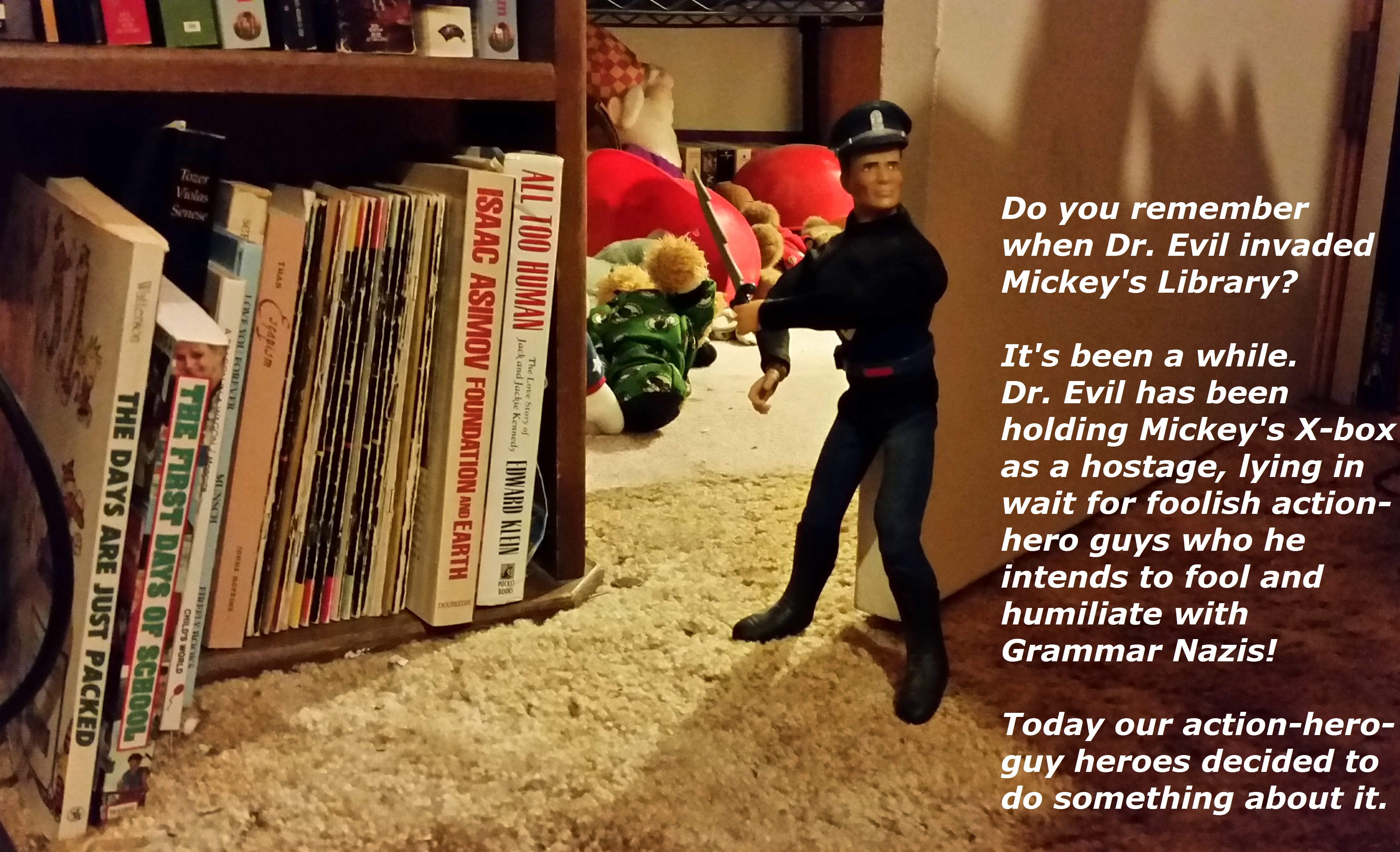
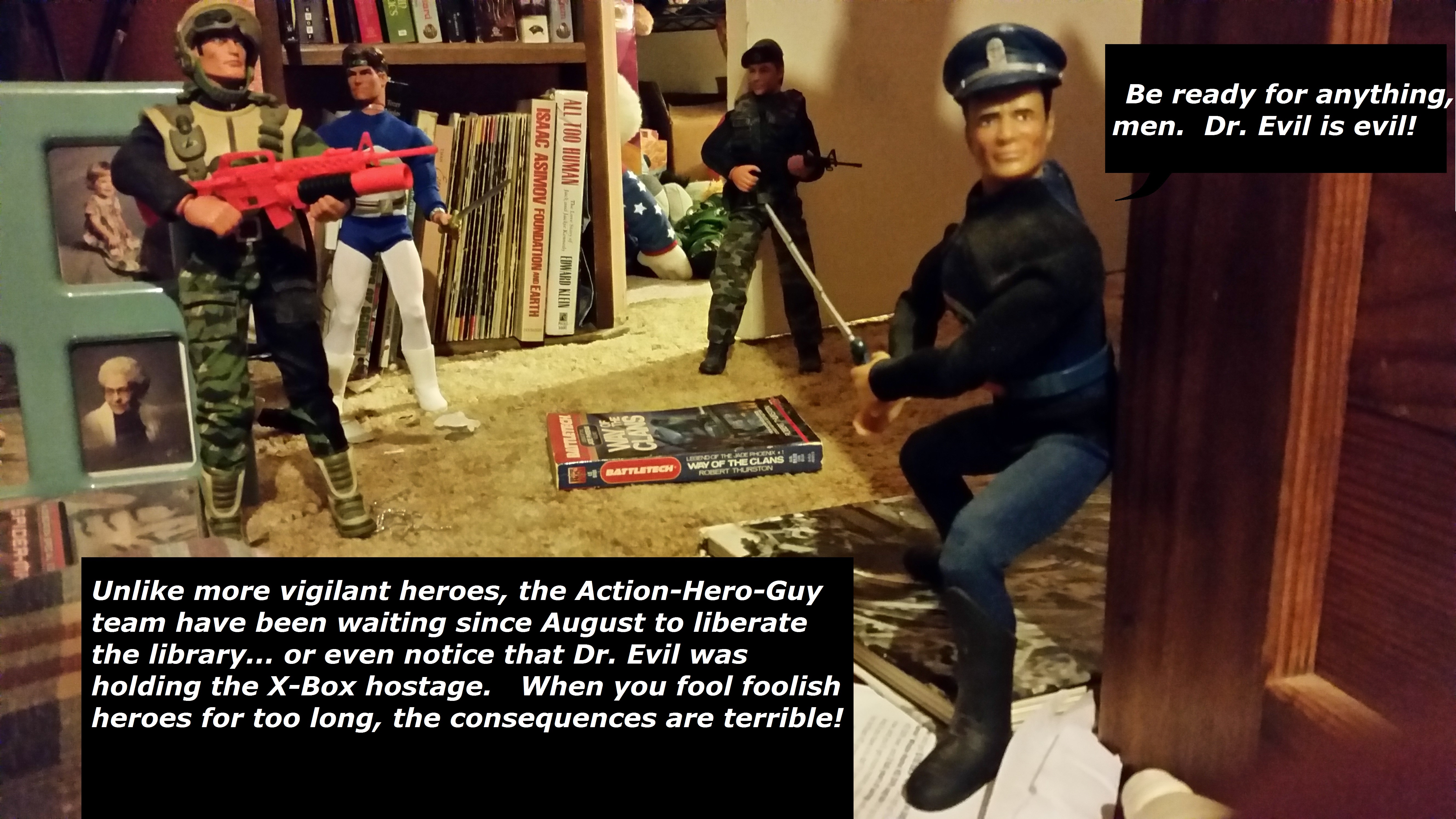
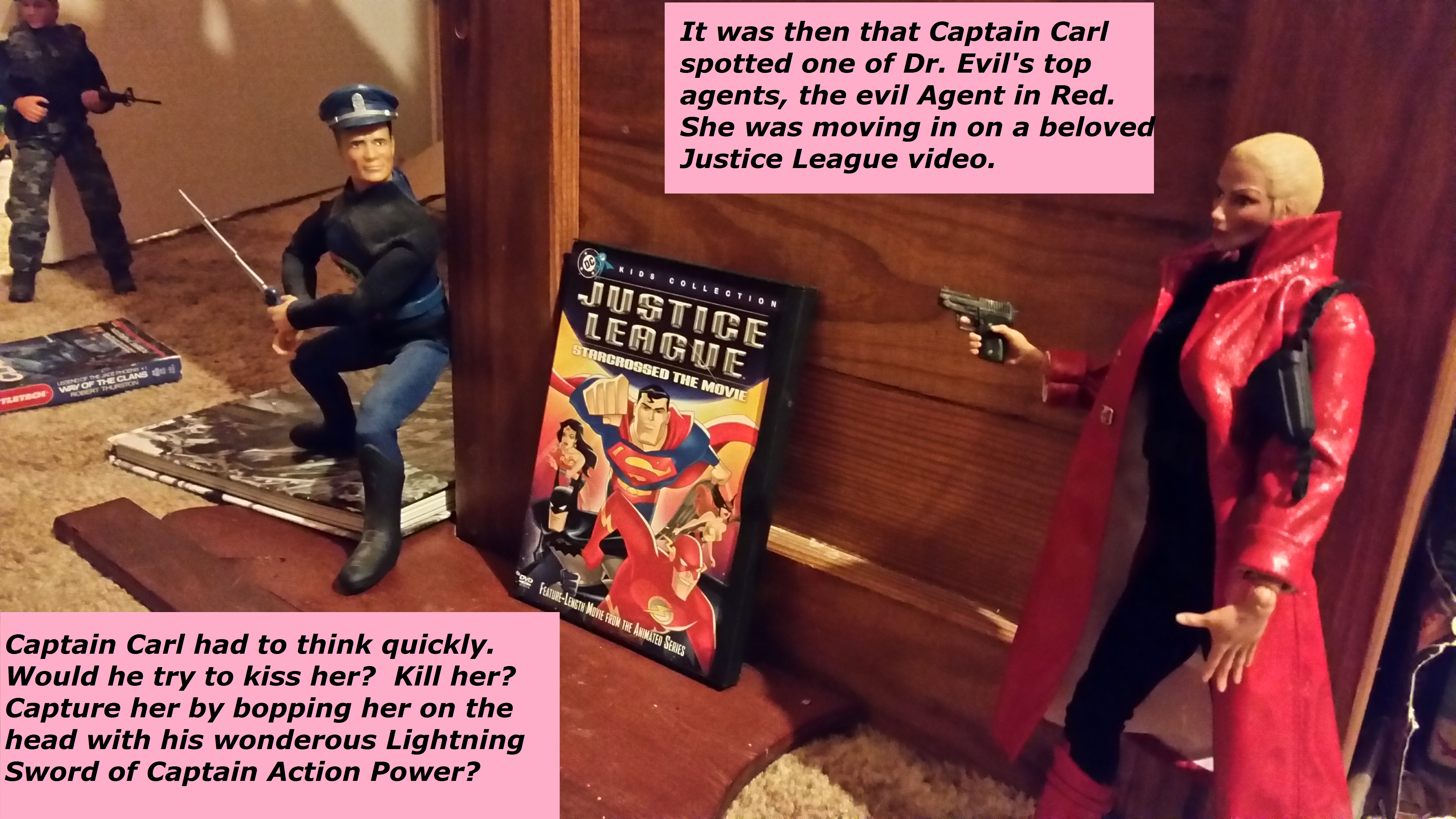
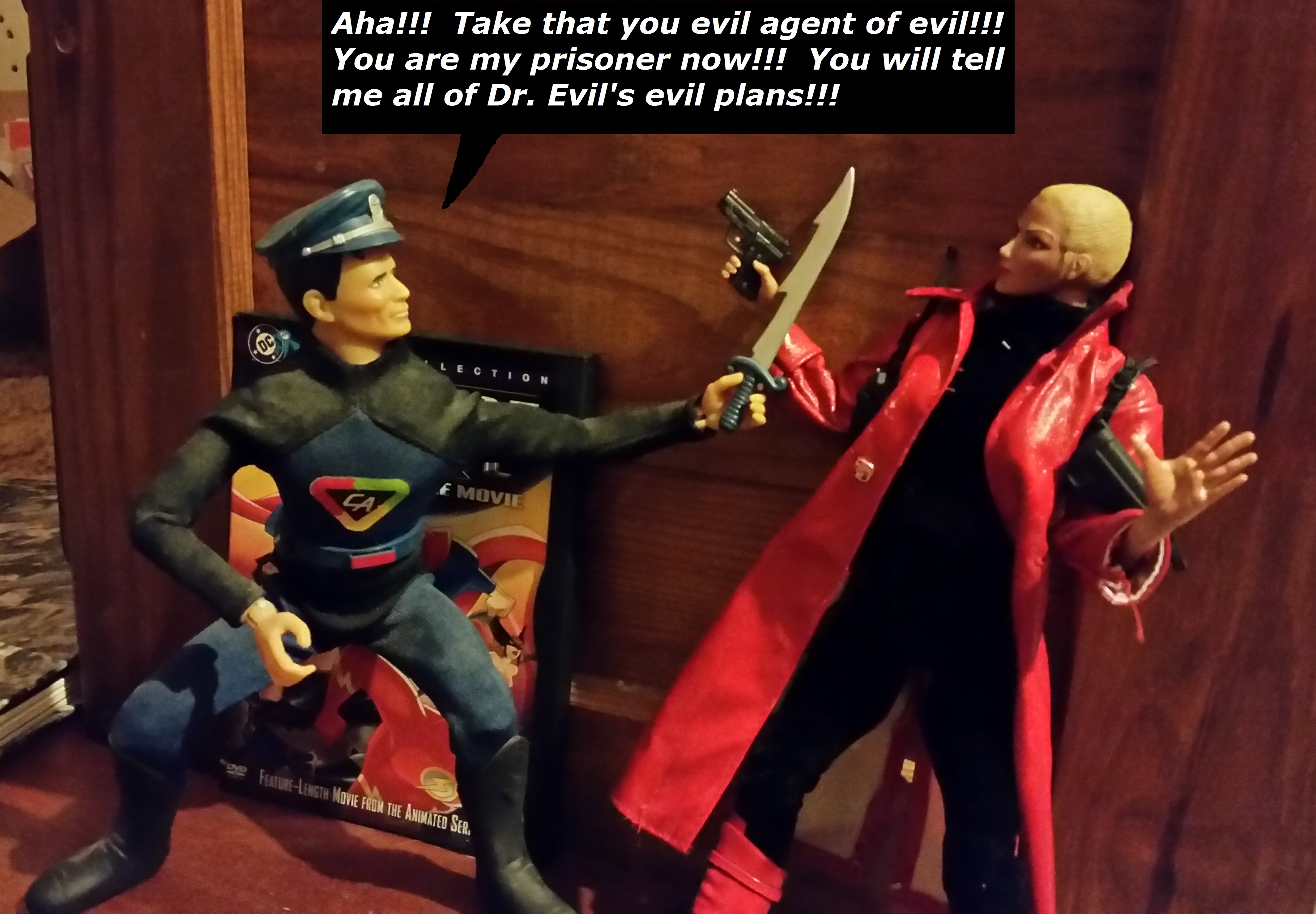
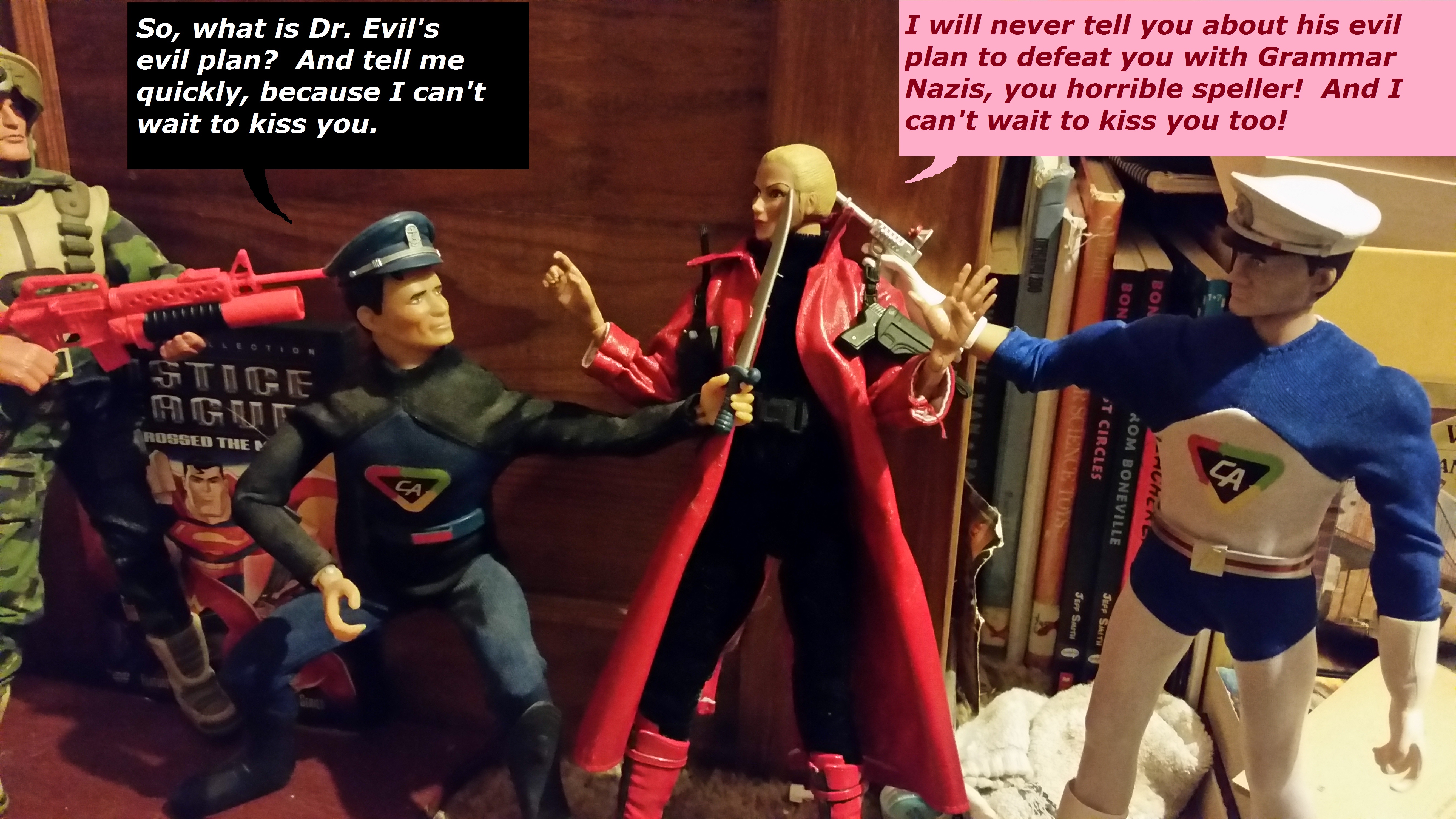
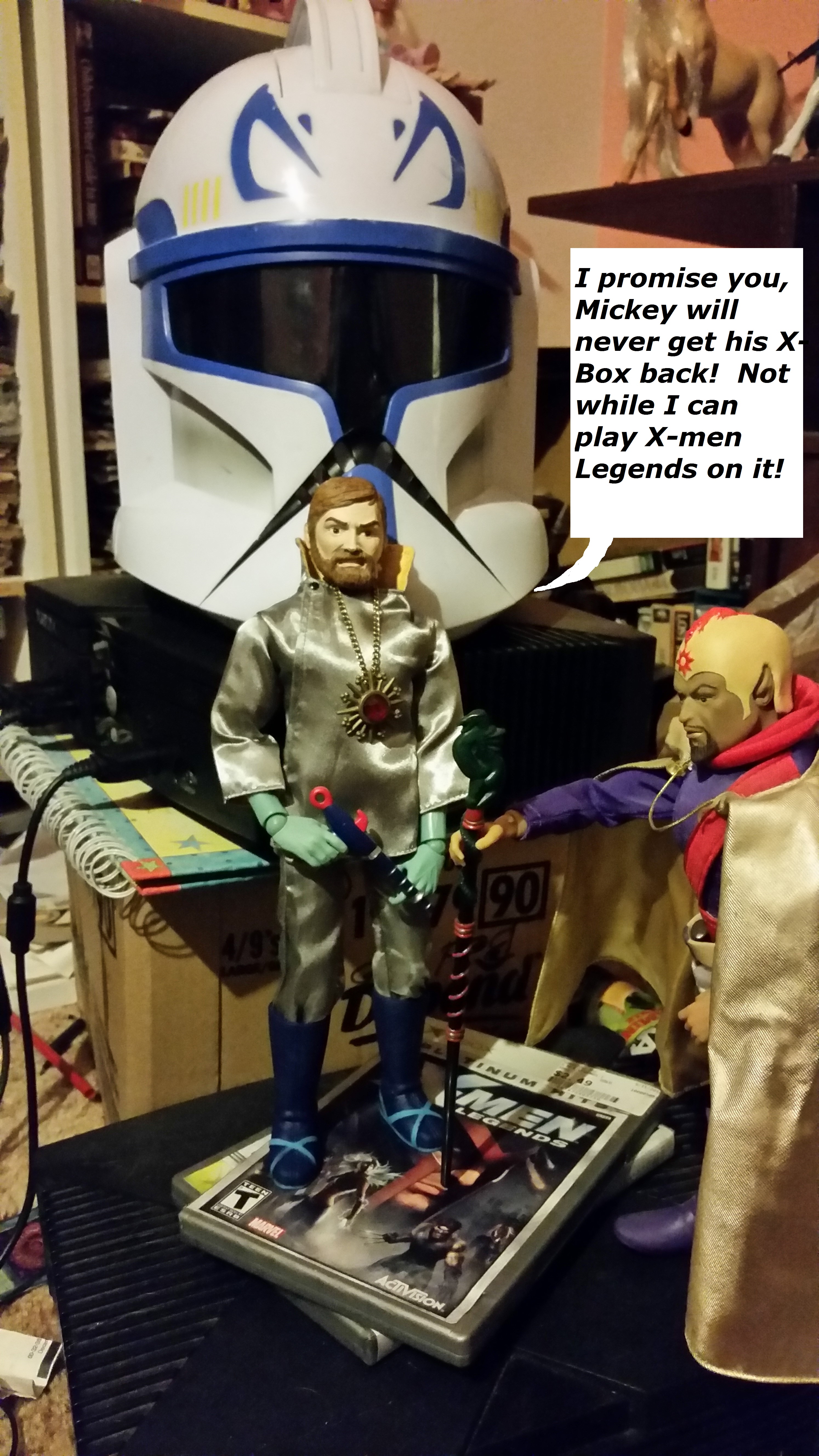
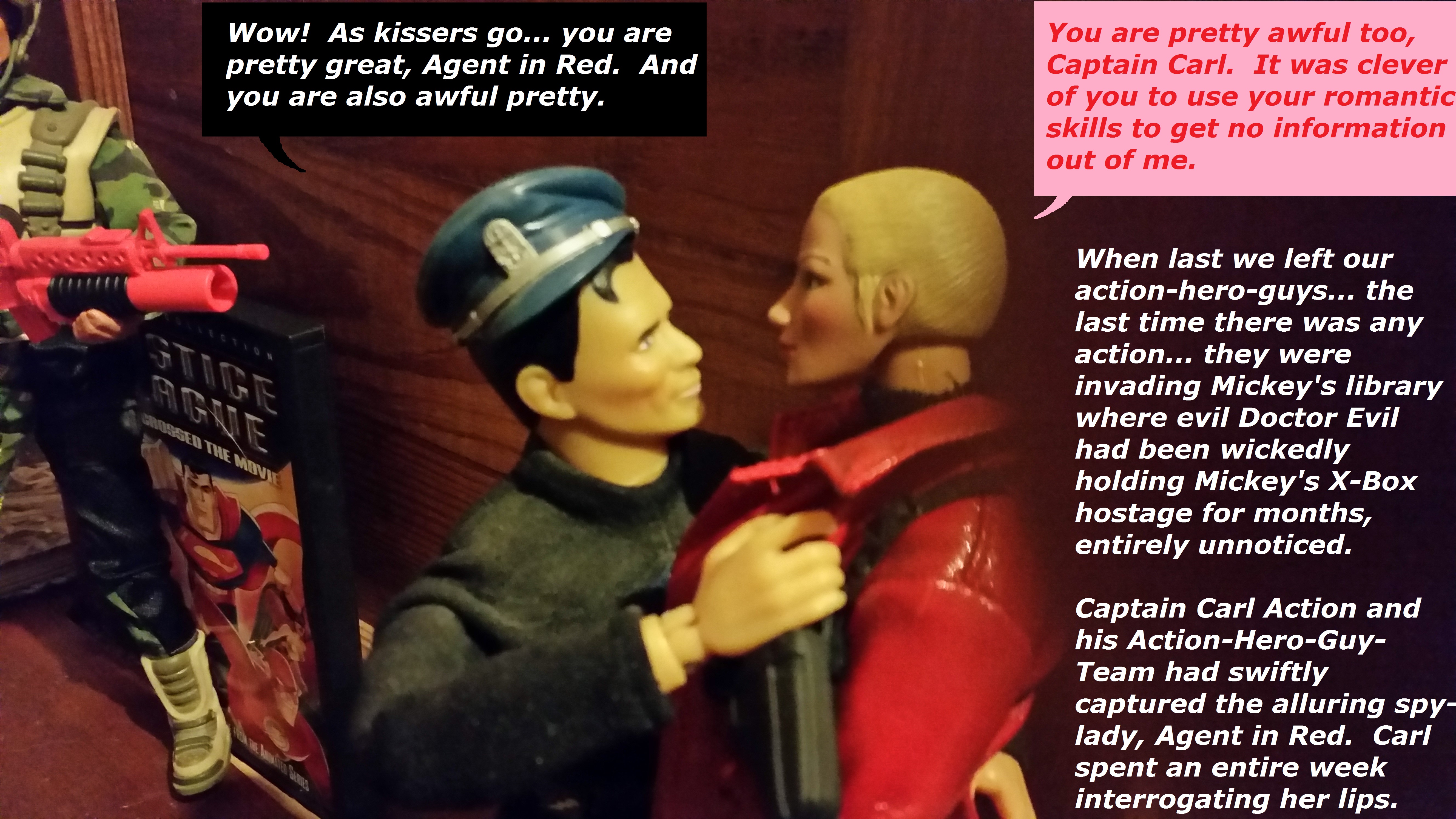
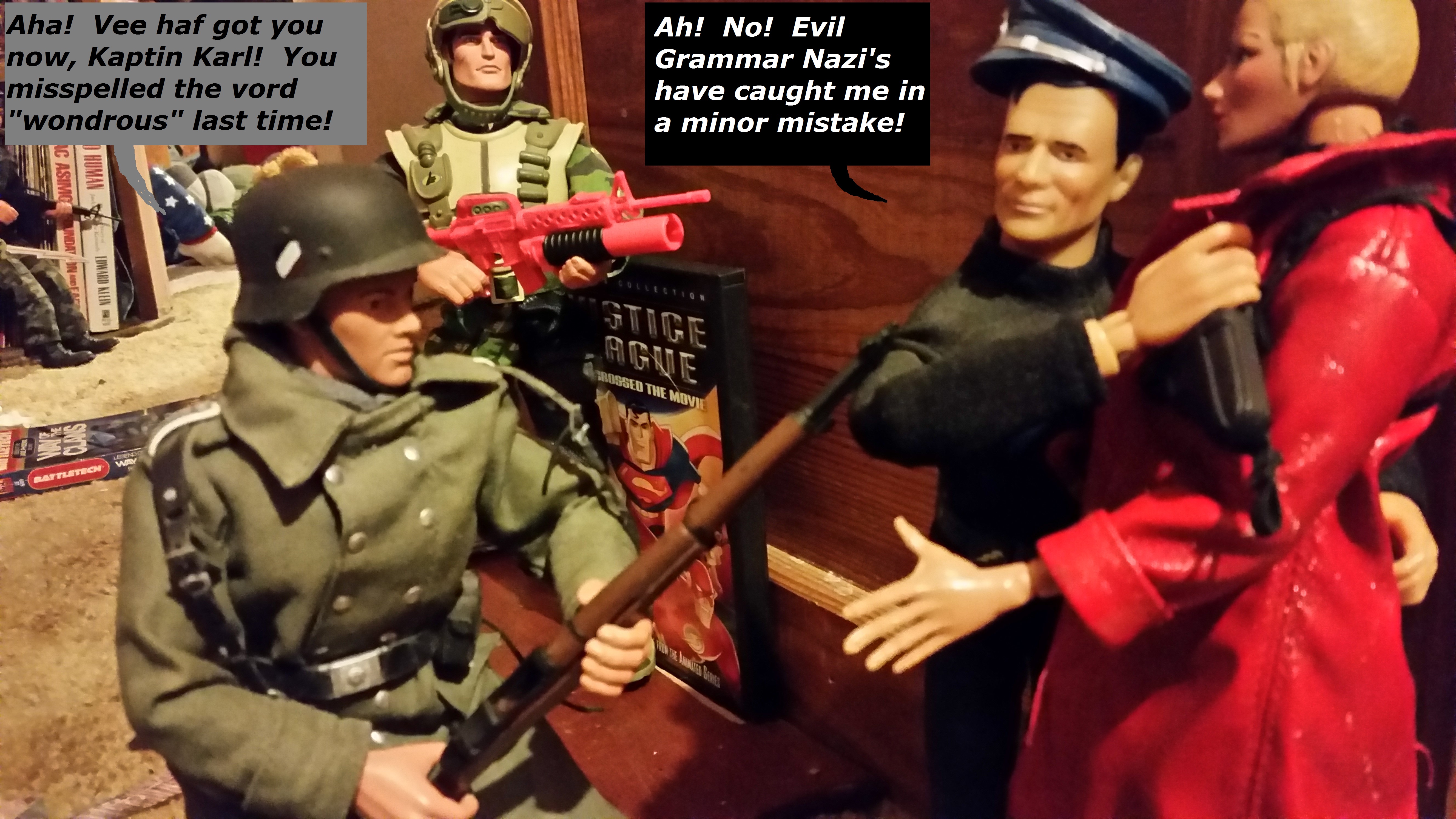
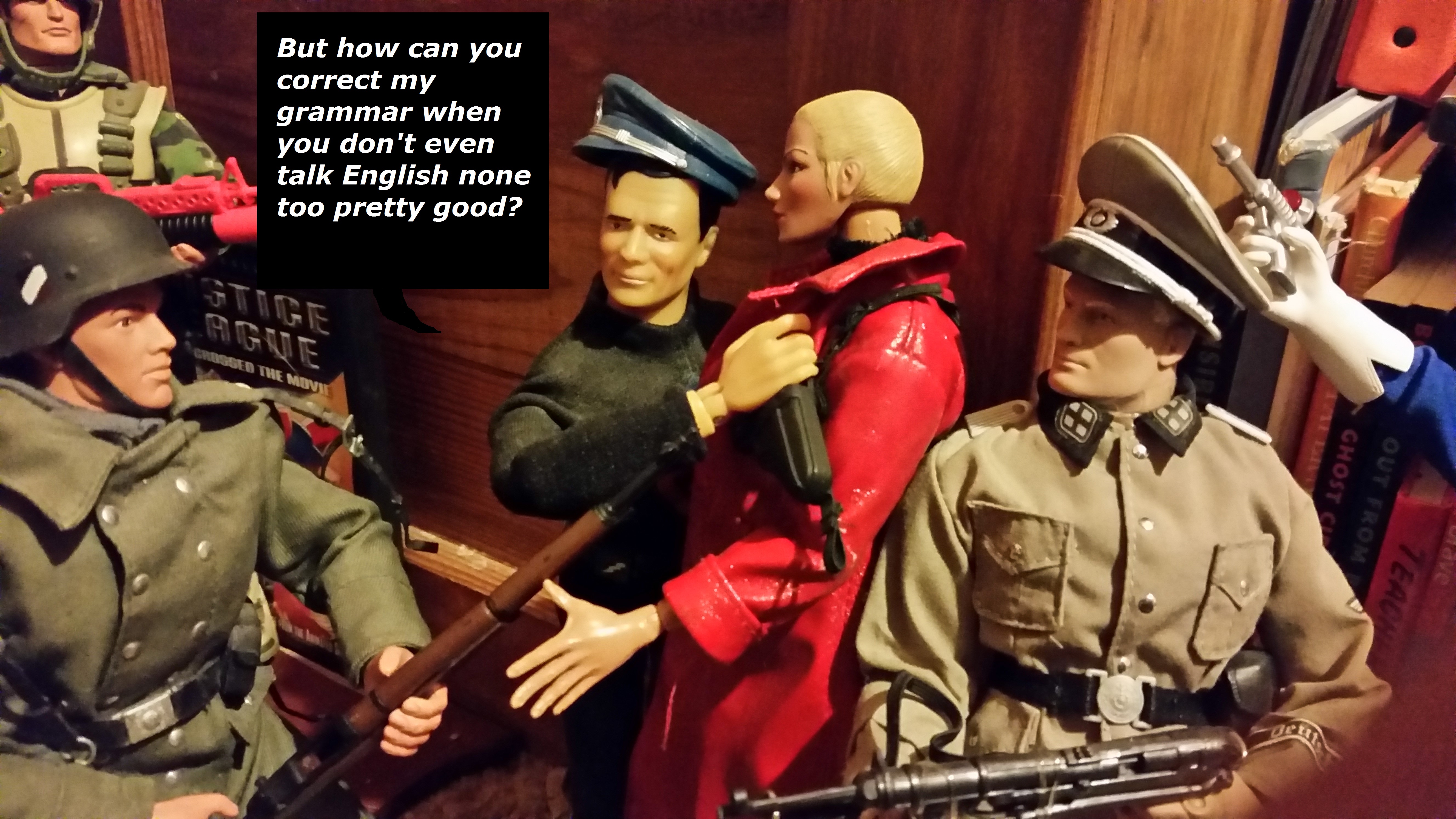
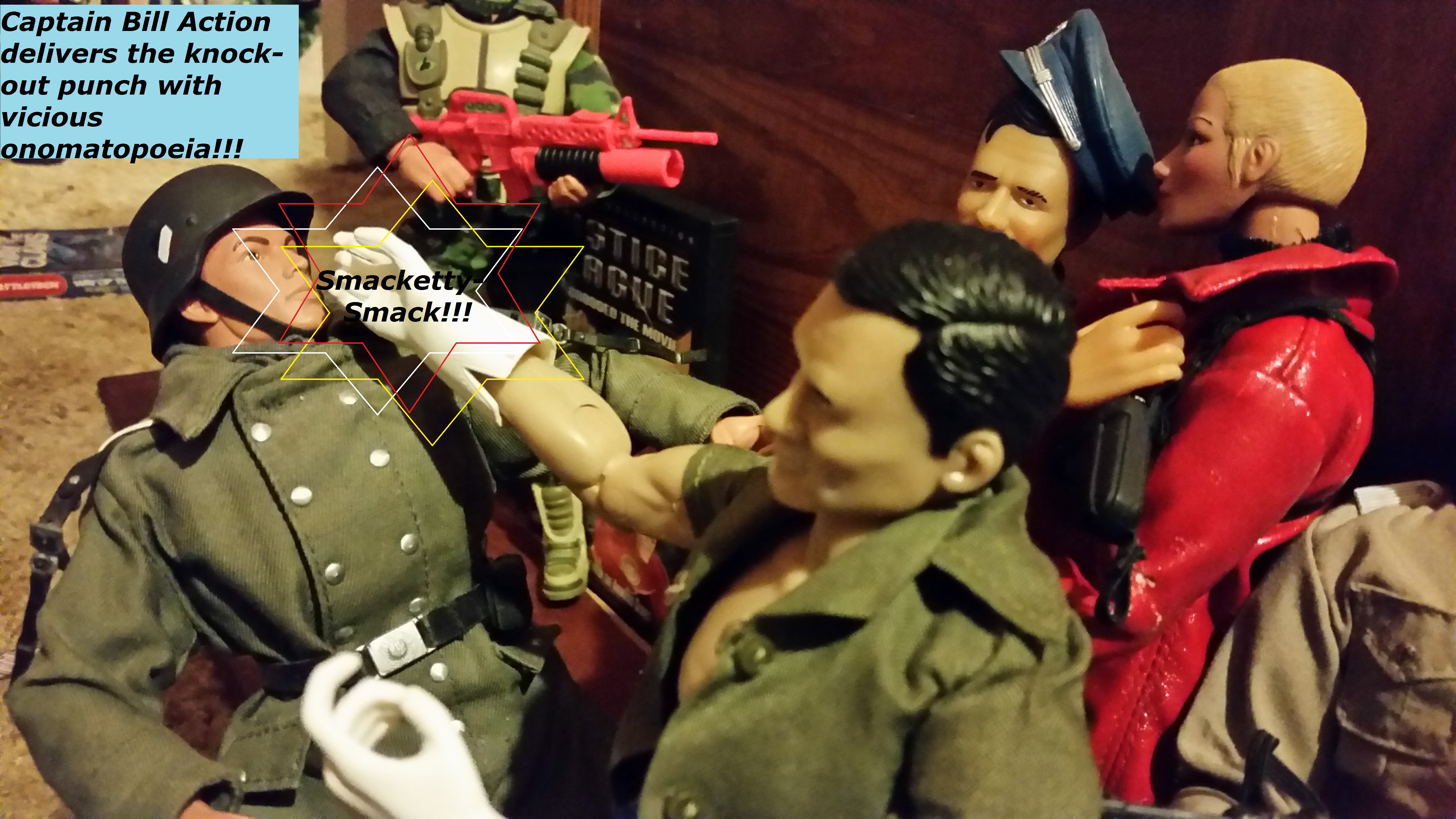
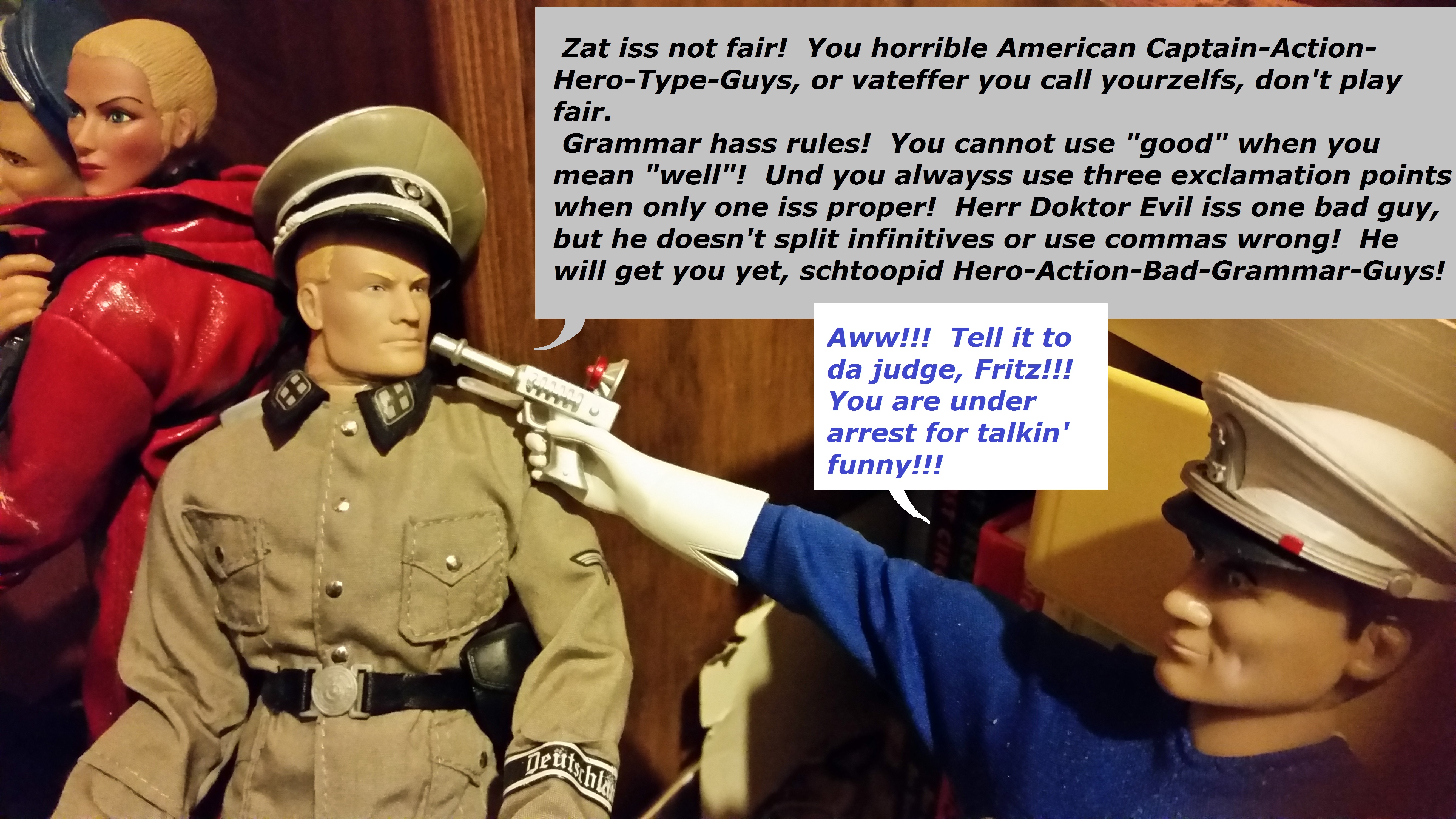
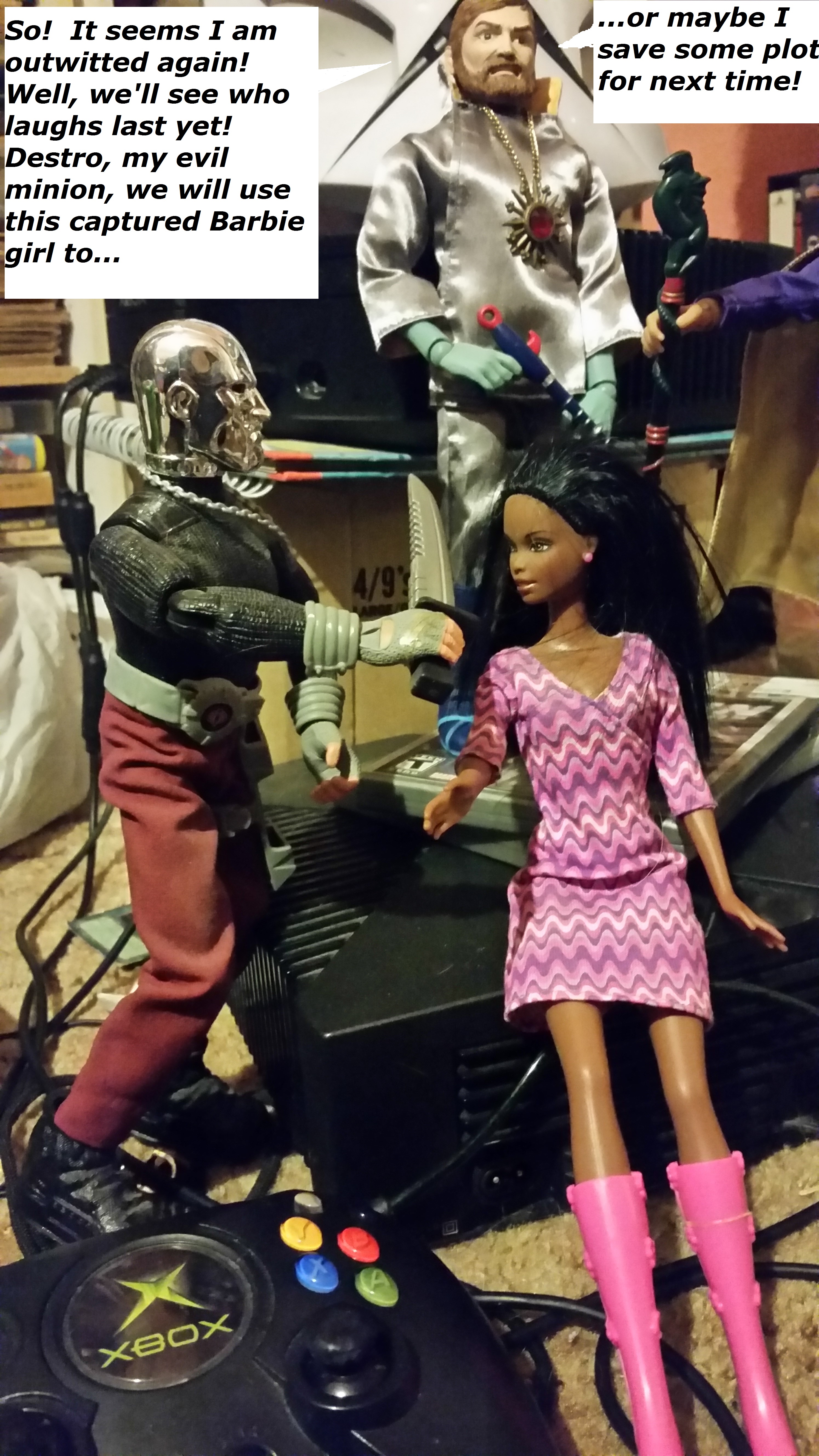





The Return of Muck Man
Since I have so far miraculously survived the 2020 pandemic, I have nothing better to do then to relate the whiff-a-typical story of the world’s smelliest superhero as he makes his semi-triumphant return to the public eye… like a horrific mud-ball to the face.
If you recall the newspaper accounts of mild-mannered reporter Dark Bent, or even if you don’t, we recall that Muck Man was put into a community-imposed exile until such time as he would actually take a bath with soap and water. Being unable to find soap and water that was even willing to get within a quarter mile of him, MM started with sand baths in Death Valley until he was finally able to sand-blast away the outer hard crust of his personal odor.
You need to remember too at this point that MM’s super power is olfactory based. He alone among heroes had a personal stench so powerful that criminals would swoon into a coma at the mere mention of his name.
But after significant sand-baths, and once that horrific outer layer was gone, the water spirits were unable to determine who MM really was, and so allowed him to bathe in Lake Michigan where the water’s own funkiness managed to partly hide MM’s rancid smell. His super-scent finally hidden in the folds of Lake Michigan’s highly-polluted, almost water-like contents, MM’s country-encompassing foulness no longer was detectable to MM’s arch-nemesis.
Meanwhile the nefarious villain known as the absolute pinnacle of oleaginous corruption, the Monkey King, had hidden his swamp-monstery monsterness in the swamps of Washington D. C. where they were barely discernible in the midst of swamp gas and elephant ideas. His plan to take over the USA was going swimmingly. The Pachyderm Party was uniformly aligned behind him ready to blanket the countryside with toxic elephant poo. And, believing that if they could hold onto power long enough for elephant poo to fossilize into stone, they planned to dominate everything forever.
So, in secret, in his newly smell-reduced Muck Lair, Muck Man began planning the greatest stink-assault ever launched.
“But wait just a second, Dad!” cried Muck Lad. “You will be defeated again if you don’t come to the realization that your super-power and his super-villain’s power are really the same power. You can’t fight stink with stink.”
“Well, then, how do you defeat a super-evil super-villain with super-stink power coming out of his mouth directly from his very good brain?”
“Well…” said Muck Woman (who insists she is Muck Woman, NOT Muck Girl, even though she’s MM’s daughter) “You don’t fight fire with fire… you have to use water. So, get almost-squeaky-clean Uncle Joe B. to hold a convention before his about how the next president should help the country come out of the pandemic with fewer additional deaths and help the economy to recover by taxing the people who can afford to fix the problems, and let the American public compare it to the Monkey King’s elephant-poo festival. That way the villain can practically defeat himself.”
And so, according to mild-mannered reporter Dark Bent, that’s what Muck Man did to defeat the super-villain again. This time without generating a super-stench. And hopefully that will lead to a less-smelly world.
“But…” complained Muck Man, I was left holding on to the the world’s largest weaponized super-fart. And it exploded in my pants. Now, I have to live with consequences.”
” At least we can take comfort in the fact that Mickey is somehow still alive. And a cleaner world is better for all of us.” proclaimed Muck Woman.
Leave a comment
Filed under comic book heroes, commentary, humor, Paffooney