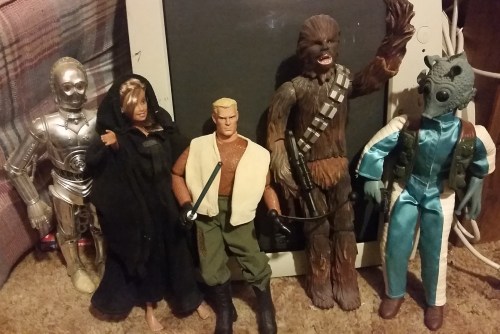
Traditionally, D&D-type role playing games are played with miniature figures to represent characters and npc’s on the battlefield. But when the kids were small and we started playing Star Wars RPG I didn’t have the proper figures. So. to visualize characters, we used what I did have plenty of, dolls… err, action figures.
I told you who the player characters were a couple of Saturdays ago, but let me remind you.
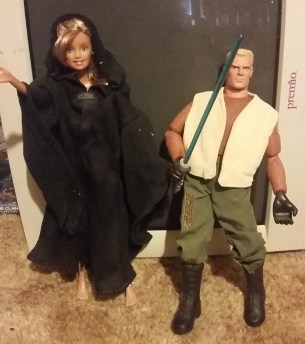
Princess Moreno, represented by the Barbie dressed in Emperor Palpatine’s robe was the leader of the adventuring group, and the player character of my niece, who was available back then because they lived in the Dallas area too.
Juba Jubajai, Jedi Guardian, was the muscle-brained power of the group. He was my oldest son’s player character.
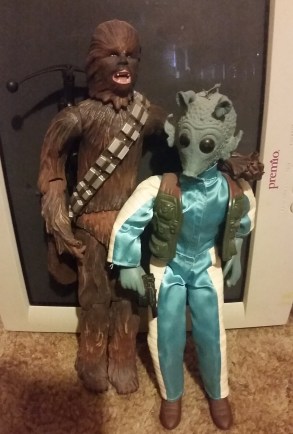
The sidekicks and NPC’s that rounded out the group were Hrowwuhrr, the Princess’s loyal Wookie companion, and Keebo Kloohorn, the Rodian minstrel, quick of wit and poor at shooting.
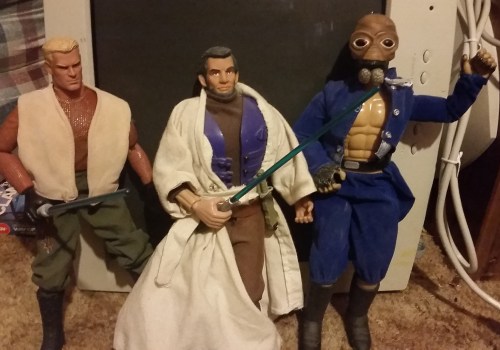
Of course, there were numerous other people you run into in an adventure, like Jedi-trainer Master Link Conn (played by an Abraham Lincoln Presidential action figure) and Barrabas the space pirate. I customized some. Luke Skywalker and Han Solo played a lot of them. And others were only present in our imaginations. For a brief little while, it was a quaint and happy gaming experience to play Star Wars with dolls and dice.
I am stupidly planning to do it again. A book of essays like I did before, but now with fewer of my best essays to choose from. So, essays with fewer calories, but also less nutrition. Laughing Blue was a success from the point of view of what I wrote it for. I know people generally don’t read essays for fun.
But I write them for fun. And for better health. Healthy thinking is as necessary as a proper diet.
You see, I am definitely not in good health. I retired from my job as a school teacher six years ago because of poor health. It was a job I truly loved and defined me as a human bean (by which I mean a human being, but with a careful balance of protein and carbohydrates.) Being retired is more restful. But you reach a point where doing nothing leads to sitting and rotting. I find I need the extra vitamin C you get from cooking essays with a lot of berries in them. Specifically rememberries.
Okay, I know that is a rather dumb food pun. But the vitamin C is still there to boost my immune system and make me feel better. Vitamin C for Comedy… Clarity… Creativity… and Cartoons.
So, let’s start with a berry from the 1960s. Let’s start with Moonberries.
I was twelve years old when the Apollo Program landed Neil Armstrong, Buzz Aldrin, and the LEM Eagle on the Moon at Tranquility Base. I was very much a child of the Space Age. I had a model kit of the Apollo 11 from Revell, all the pieces in white plastic. The tiny struts on the Lunar Expeditionary Module were maddeningly breakable, and even would warp under the dissolving power of Testor’s airplane glue. I spent hours with sticky fingers putting that together in December of 1968 and January of 1969. I was twelve, in the middle of my wonder years, and totally obsessed with the flavor of the whole Moonberry experience.
For several years through Gemini and then Apollo we watched the story unfold on our old black-and-white Motorola television set. All of it narrated by Walter Cronkite and Wally Schirra. All of it… space walks, docking maneuvers, orbit reports, a special Christmas message from Apollo 8, splashdowns bringing home heroes like Jim Lovell, Frank Borman, and Bill Anders… the man who had spoken the words;
“For all the people on Earth, the crew of Apollo 8 has a message we would like to send you.”
“In the beginning God created the heaven and the earth.
“And the earth was without form, and void; and darkness was upon the face of the deep.
“And the spirit of God moved upon the face of the waters. And God said, ‘Let there be light’: and there was light.
“And God saw the light, that it was good: and God divided the light from the darkness.”
And then that late, late night when we all stayed up on July 20, 1969… And we knew they could fail and never come home again… We learned that with Grissom, White, and Chaffee on Apollo 1… That horrible fire… The somber funeral parade on TV that called to mind JFK and what befell him after he started the dream…
But no, we heard those words, “The Eagle has landed.”
And then later, “One small step for man… One giant leap for mankind.”
And then I knew it. For me, real life had finally begun.
I promise, there are more rememberries to come, and some might even be nutritious.
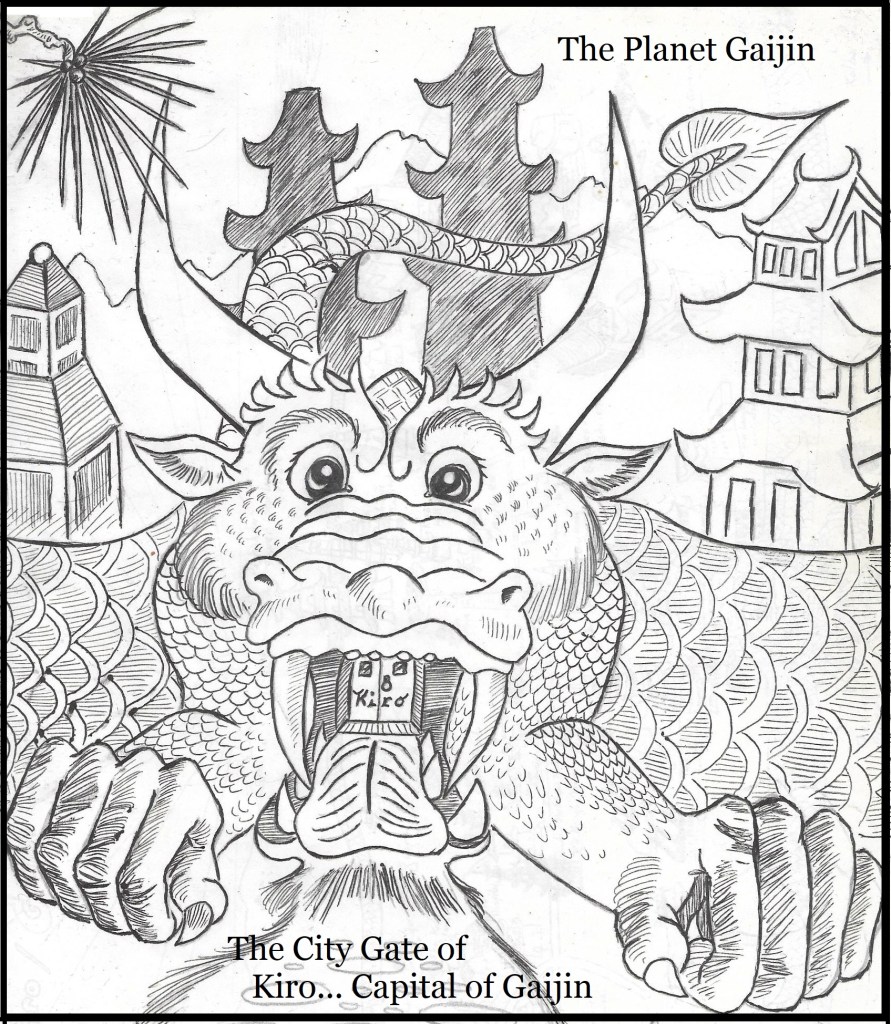
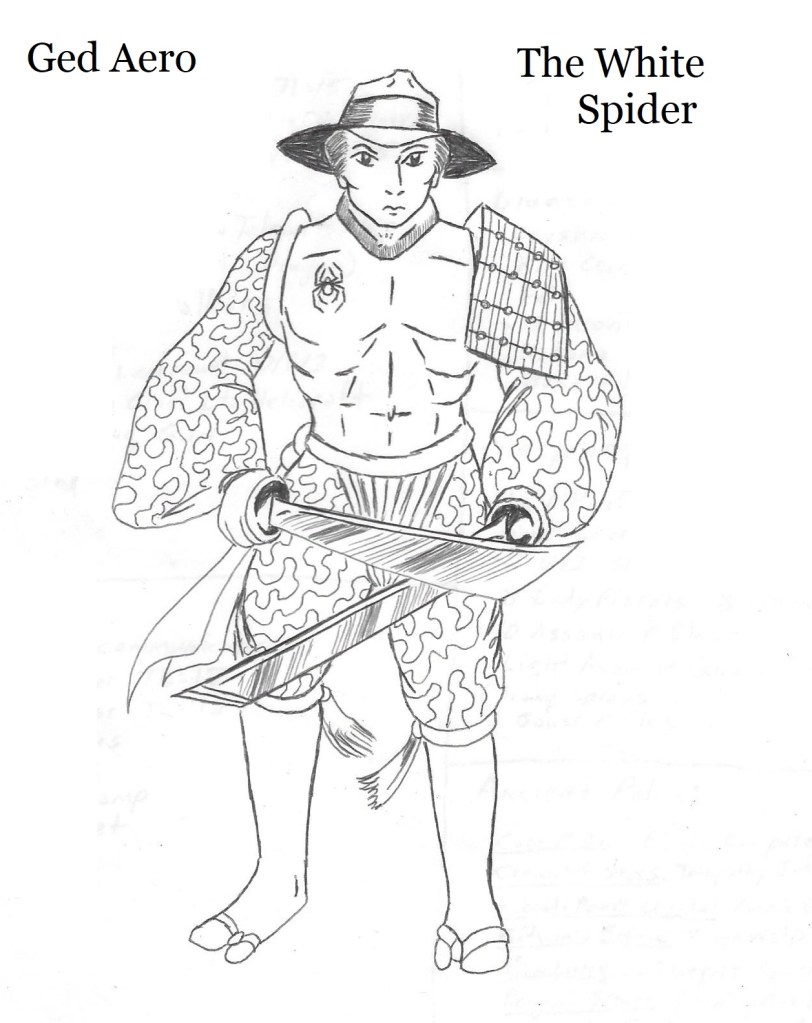
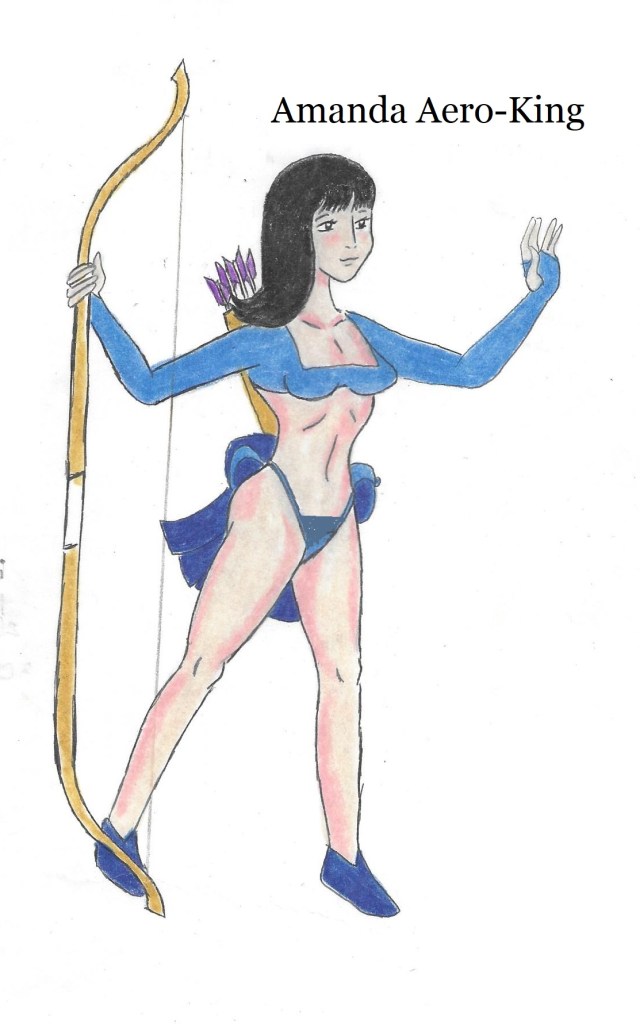
As I am editing and rewriting my first published novel to turn it into a novel series of at least four books, I have been enjoying rounding up and editing old artwork to illustrate it. I have been taking advantage of the fact that you can, after a fashion, plug illustrations into the manuscript and have it come through as acceptably good in the final Amazon publication.
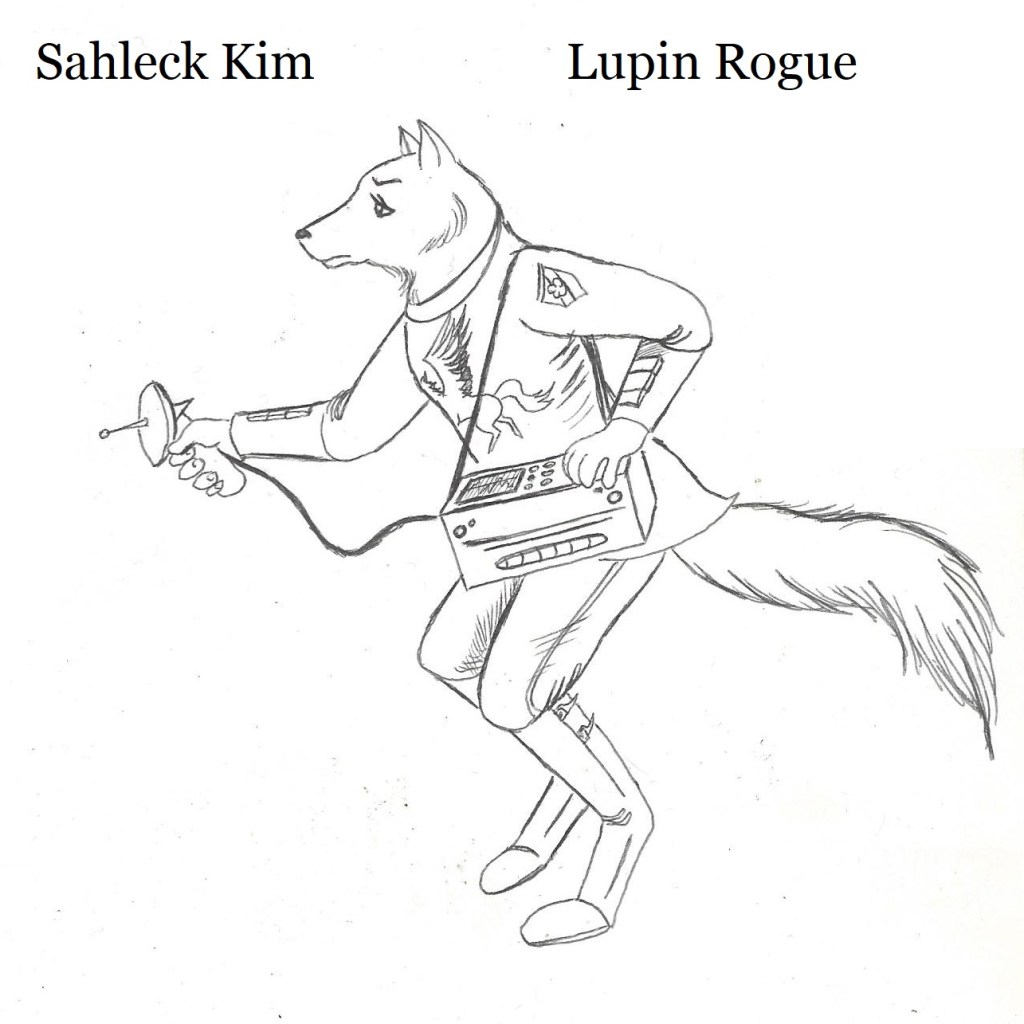
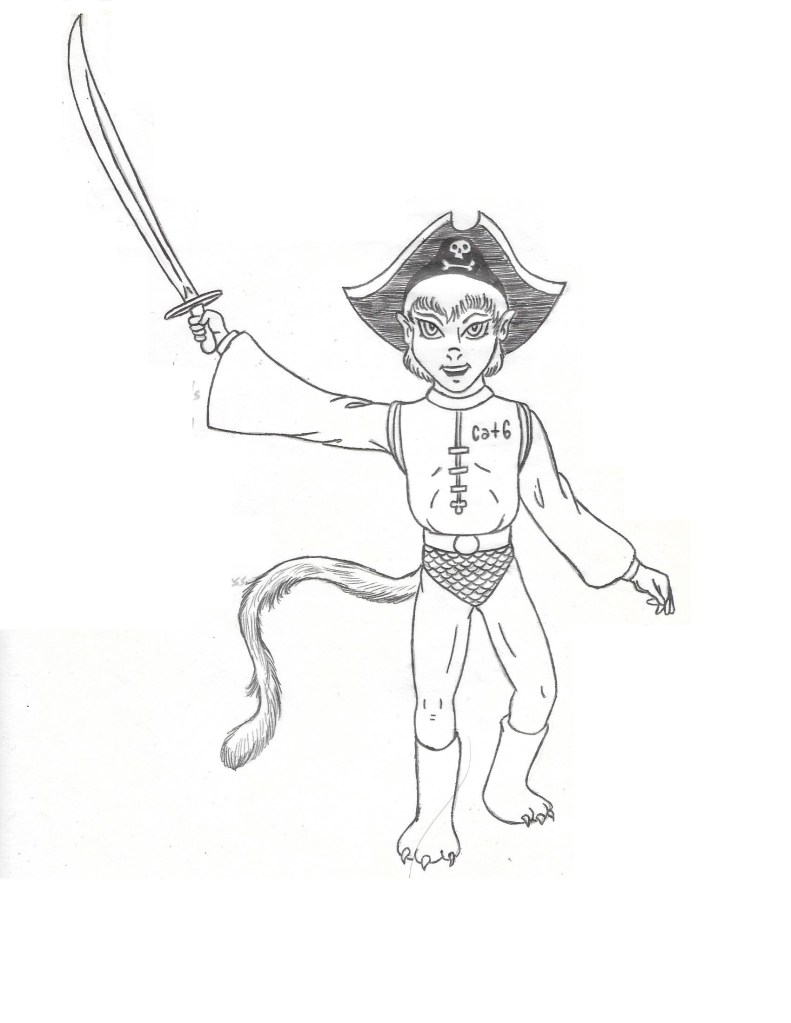
The story comes from adventure logs of a space-fantasy role-playing game called Traveller. I played the game with small handfuls of high school kids whose player characters are now the main characters of the story (after modifications and considerable censorship.
The illustrations, a lot of them, are drawings of the characters that I did in pen and ink back in the 1980’s.
We went through multiple generations of player characters, some of whom were practically immortal, and others that died horrible deaths after a few episodes.
Most of the acting in the RPG was done for humor’s sake, and so my Sci-Fi tale turns out to be more of comedy than anything else.
Amanda is Ged’s daughter, though the player was not related to Ged’s player.
Rescuing the novel from the sorry state it was in from being an awkward first attempt at publishing done with a publisher that later had to be sued and put on trial for fraud has been an interesting and rewarding experience. These stories will never be among my best works, but they were definitely a learning experience. And rewriting them is a learning experience itself, living the story all over again with significant changes.
The places are the same, but as a satire, they had to be re-named in many instances as the planet’s names and their make-up were copied from other books and movies. But they were rewritten by the players themselves as everything was turned into comedy and farce. Hence, the planet Mongo ruled by Emperor Ming, became the planet Mingo ruled by Emperor Mong. These are obvious references that are re-named in ways that give us a laugh or a wince.
..
”
”
”
”
”
I doubt it is obvious by just looking at these drawings, but by reducing their size, the line drawings are improved to a high degree.
Illustrating AeroQuest has been fun. Maybe, at some point, it will even prove profitable. But ultimately, it is definitely a thing worth doing.
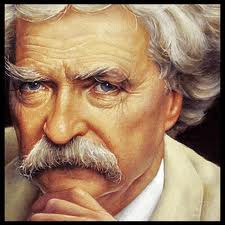
I wish to leave no doubt unturned like a stone that might have treasure hidden under it. I love the works of Samuel L. Clemens, better known as Mark Twain.
I have read and studied his writing for a lifetime, starting with The Adventures of Tom Sawyerwhich I read for myself in the seventh grade, after seeing the musical movie Tom Sawyer starring Johnny Whittaker as Tom. I caught a severe passion, more serious than a head-cold, for the wit and wisdom with which Twain crafted a story. It took me a while to acquire and read more… but I most definitely did. I took an American Literature course in college that featured Twain, and I read and analyzed The Adventures of Huckleberry Finn. I also bought a copy of Pudd’nhead Wilson which I would later devour in the same thoroughly literate and pretentious manner as I had Huck Finn. Copies of A Connecticut Yankee in King Arthur’s Court and The Mysterious Stranger were purchased at the same time, though I didn’t read them cover to cover until later during my years as a middle school English teacher. I should point out, however, that I read and re-read both of those, Connecticut Yankeewinning out by being read three times. As a teacher, I taught Tom Sawyer as an in-class novel assignment in the time when other teachers thought I was more-or-less crazy for trying to teach a 100-year-old book to mostly Hispanic non-readers. While the lunatic-inspired experiment was not a total success, it was not a total failure either. Some kids actually liked having me read parts of it aloud to them, and some borrowed copies of the book to reread it for themselves after we finished as a class.
During my middle-school teaching years I also bought and read copies of The Prince and the Pauper, Roughing It, and Life on the Mississippi. I would later use a selection from Roughing It as part of a thematic unit on Mark Twain where I used Will Vinton’s glorious clay-mation movie, The Adventures of Mark Twain as a way to painlessly introduce my kids to the notion that Mark Twain was funny and complex and wise.
I have also read and used some of Twain’s most famous short fictions. “The Celebrated Jumping Frog of Calaveras County” and “The Man Who Corrupted Hadleyburg” are both masterpieces of Twain’s keen insight into the human psyche and the goofy and comic corruptions he finds there.
And now, retired old me has most recently read Tom Sawyer Abroad. And, though it is not one of his finest works, I still love it and am enthralled. I reviewed it and shared it with you a few days ago. But I will never be through with Mark Twain. Not only is there more of him to read, but he has truly been a lifelong friend.
Yes, I am saying the world I live in is a low-budget commercial movie made without literary or artistic pretensions. You know, the kind where movie makers learn their craft, taking big risks with smaller consequences, and making the world of their picture reflect their heart rather than the producer’s lust for money.
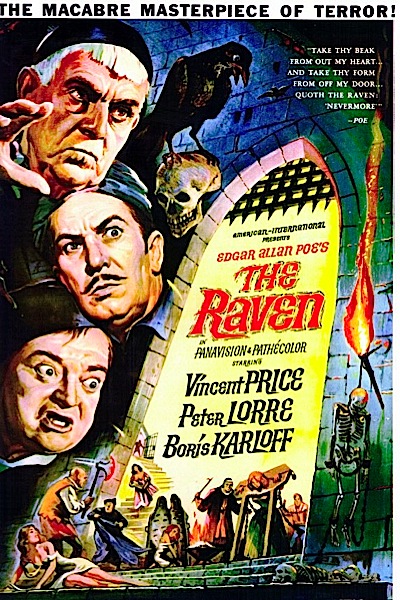
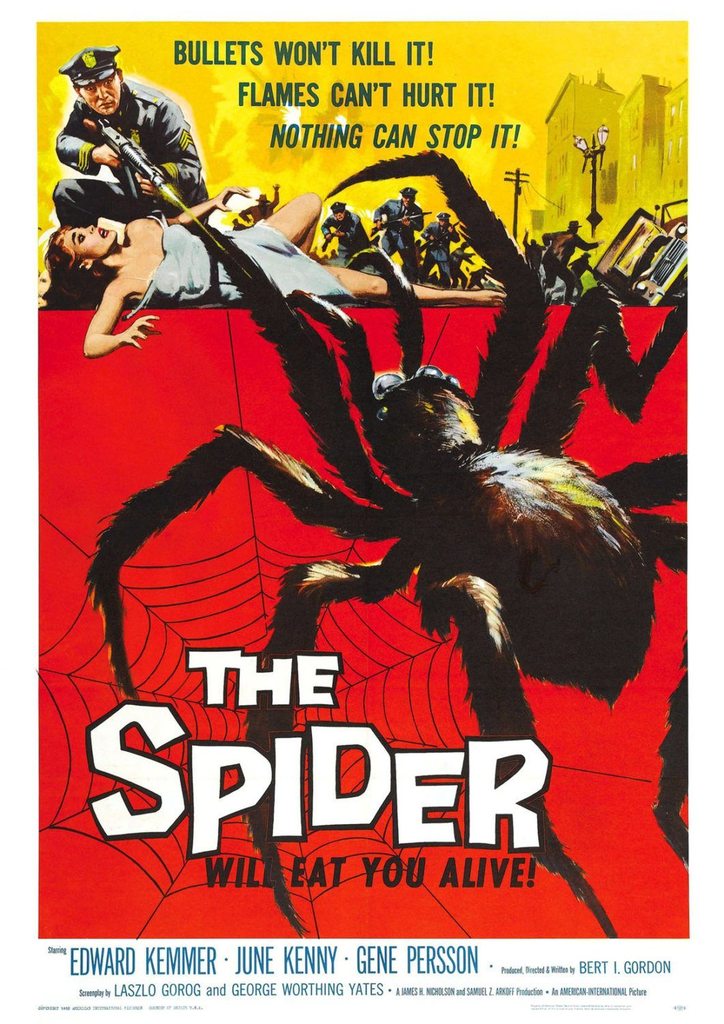
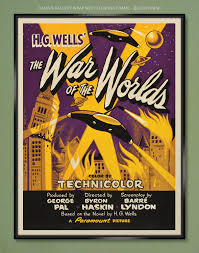
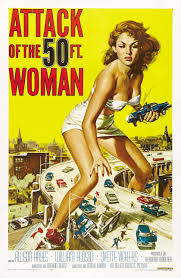
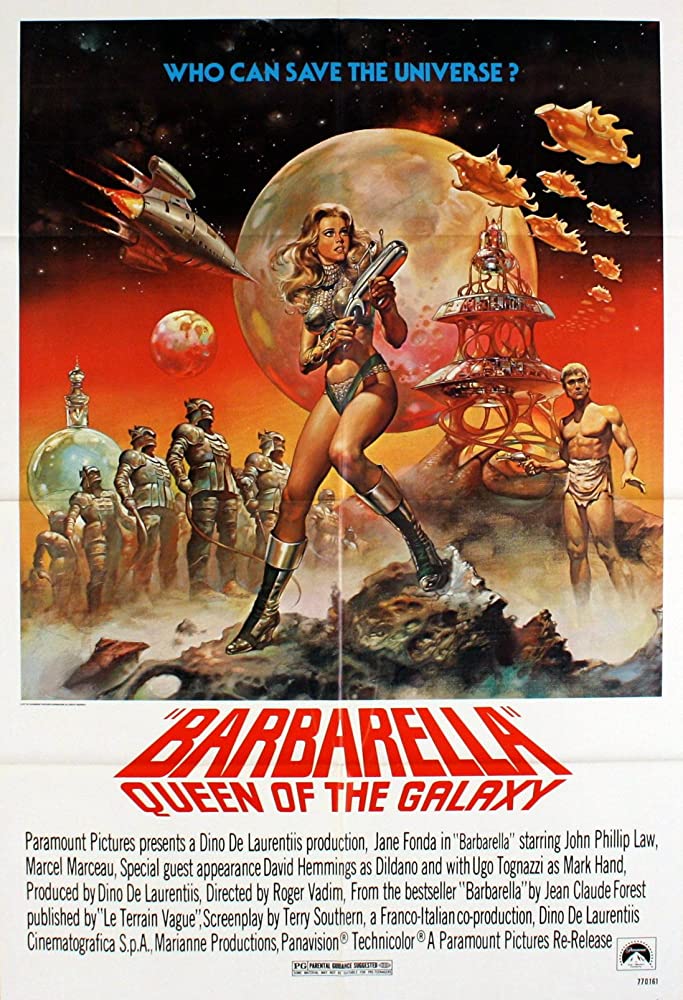
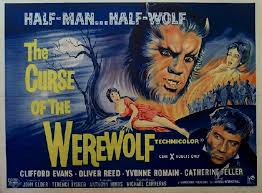
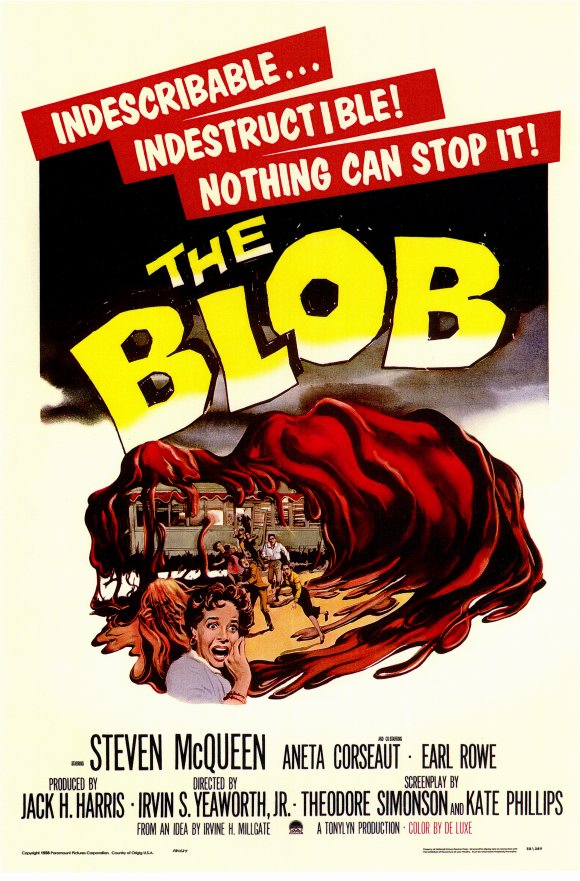
Mostly what I am talking about are the movies I remember from late-night Saturday TV in black and white (regardless of whether or not the movie was made in Technicolor) and the less-risky as well as more-likely-good Saturday matinees on Channel 3. Movies made in the 1950s, 1960s, and early 1970s. They were perfect, of course, for the forbidden Midnight Movie on the show called Gravesend Manor. I had to sneak downstairs to watch it on Saturday nights with the volume turned way down low. (Not that Mom and Dad didn’t know. Well, maybe they didn’t know how many of those I watched completely naked… maybe.)
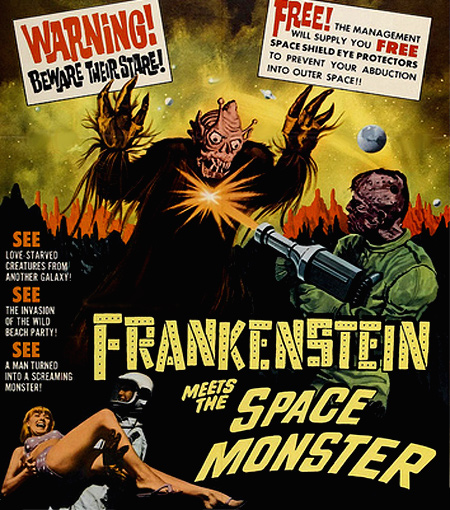
I watched this one when I was twelve, late night on an October Saturday. I had a bed-sheet with me to pull over my head at the scariest parts. Frankenstein was a crashed astronaut brought back to life by the magic of space radiation. He was uglier than sin, but still the hero of the movie, saving the Earth from invading guys in gorilla suits and scary masks (none of which looked like the movie poster.)
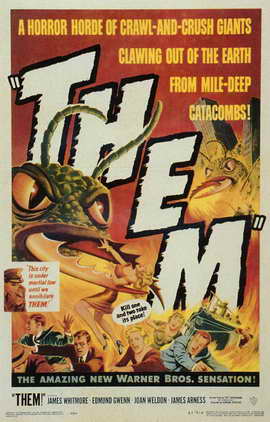
This one, starring James Whitmore, a really good B-Movie actor, was about giant ants coming up from the sewers and the underground to eat the city.
I would end up watching it again twenty years later when I was wearing clothes and not alone in the dark house lit only by a black-and-white TV screen.
I realized on the second viewing that it was actually a pretty good movie in spite of cheesy special effects. And I realized too that I had learned from James Whitmore’s hero character that, in times of crisis, you have to run towards the trouble rather than away from it, a thing that I used several times in my teaching career with fights and tornadoes and even rattlesnakes visiting the school campus looking to eat a seventh-grader or something (though it was a bad idea for the snake even if it had been successful.)
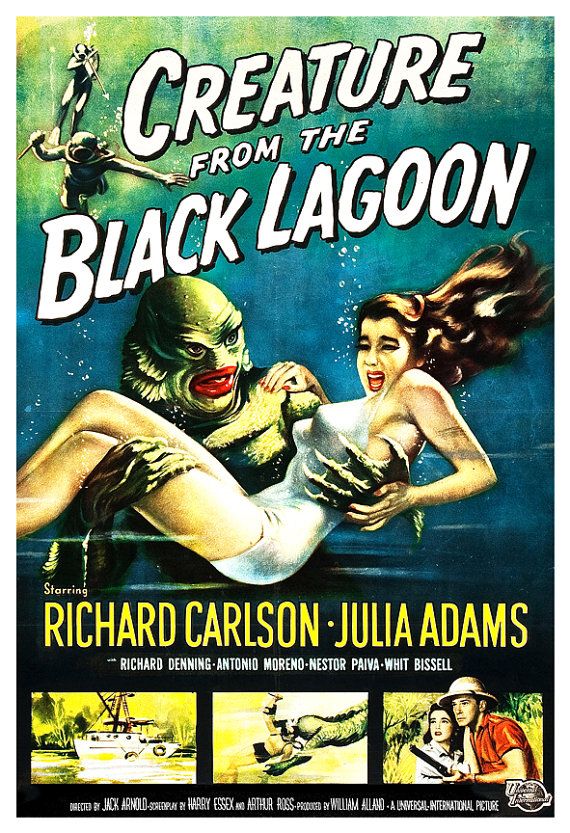
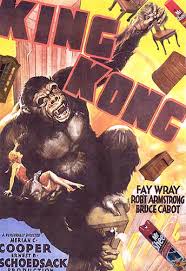
This one, of course, taught me that monsters liked to carry off pretty girls in bikinis. And not just on the poster, either. But it was the hero that got the girl, not the monster. This movie taught me that it sucks to be the monster. Though it also taught me that it was a good movie to take your pajamas off for and watch naked when you are thirteen.
But not all B-movies had to be watched late night on Saturdays. This movie was one of the first ones that I got to go to the movie theater to see by myself. (My sisters and little brother were still too young and got nightmares too easily to see such a movie.) It came out when I was in my teens and Mom and Dad began thinking of me as an adult once… or even possibly twice in a month.
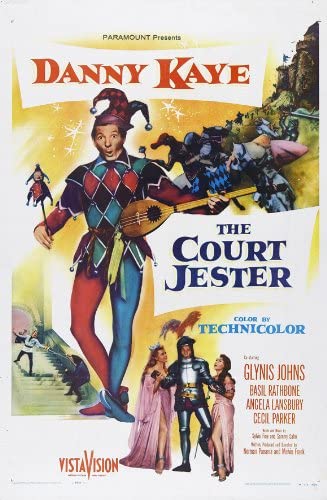
And not all B-movies were monster movies, gangster movies, and westerns. Some, like a lot of Danny Kaye’s movies, were movies my Dad and my grandparents were more than happy to watch with me. I saw this one in both black-and-white and color. And I learned from this that it was okay to take advantage of happy accidents, like a case of mistaken identity, and using your wits, your creative singing ability, and your inexplicable good luck to win the day for everybody but the bad guys armed only with your good sense of humor.
And some of the best movies I have ever seen, judging by what I learned about movies as literature from Professor Loring Silet in his Modern Film Class at Iowa State University, are by their nature B-movies.
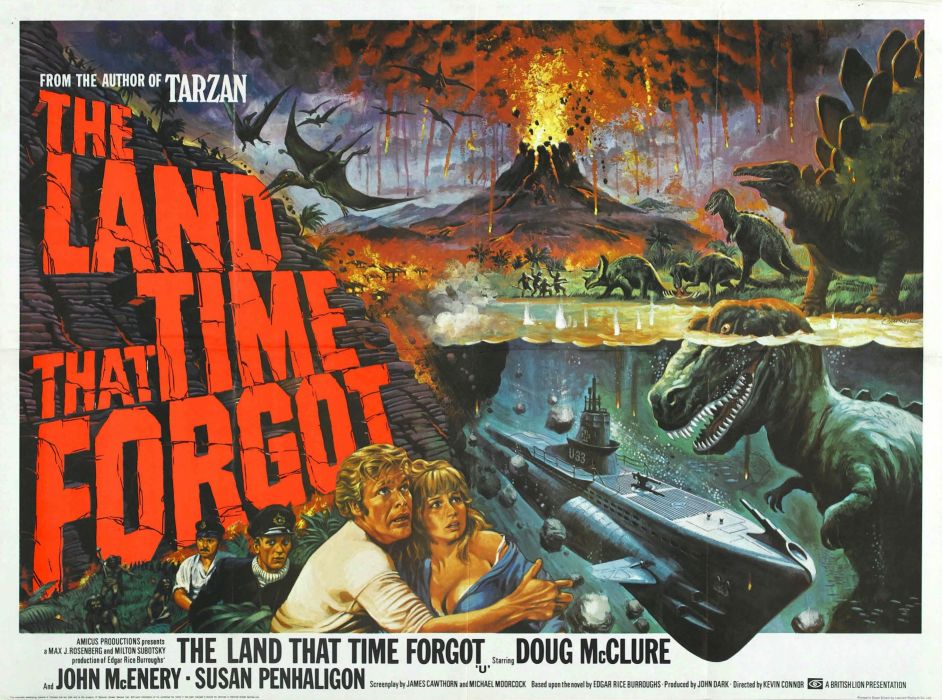
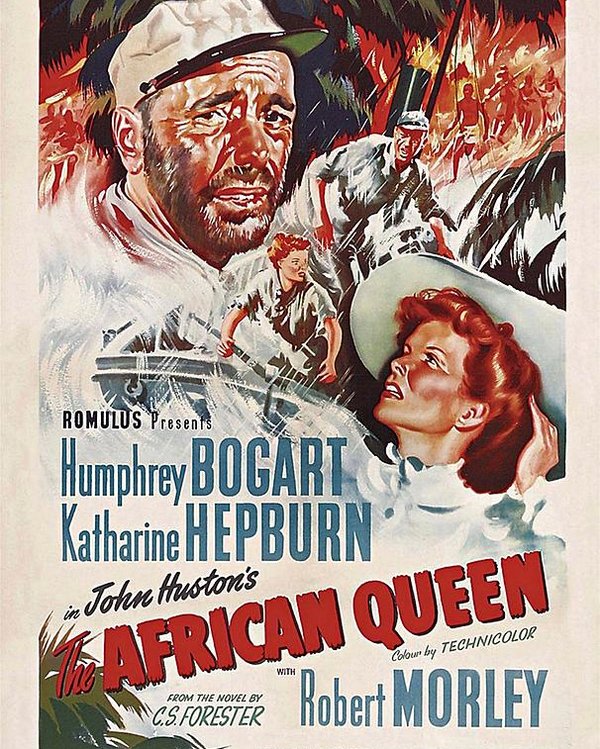
I am using movie posters in this blog post only from movies I have personally seen. (And I admit that not all of them are strictly “good” movies according to Professor Silet, but I like them all.)
Feel free to tell me in the comments if you have seen any of these movies yourself. I am open to all opinions, comments, and confessions.
This one is based on Shakespeare’s The Tempest.
I saw this one in college. You had to be 18 at the time to even buy a ticket.
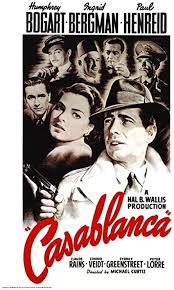
I actually think that this is one of the best movies ever made. It will always make my own personal top-ten list.
I live in a B-movie world. The production values around me are not the top-dollar ones. But the stories are entertaining. The real-life heroes still run towards the problem. And it still sucks to be the monster. But it has always been worth the price of the ticket. And during my time on Earth here, even in 2020, I plan on staying till the end of the picture. I go nowhere until I see the Best Boy’s name in the end credits. And maybe not even then.
You cannot cleave a ghost in twain with a cast-iron fireplace poker. Throwing snowballs at vampires will not keep your blood from being drained. And bugbears don’t really have an aversion to little girls in pink dresses (except for little Tessie Trueheart of the Green Dale; that little booger has a temper as large as her love for the color pink).
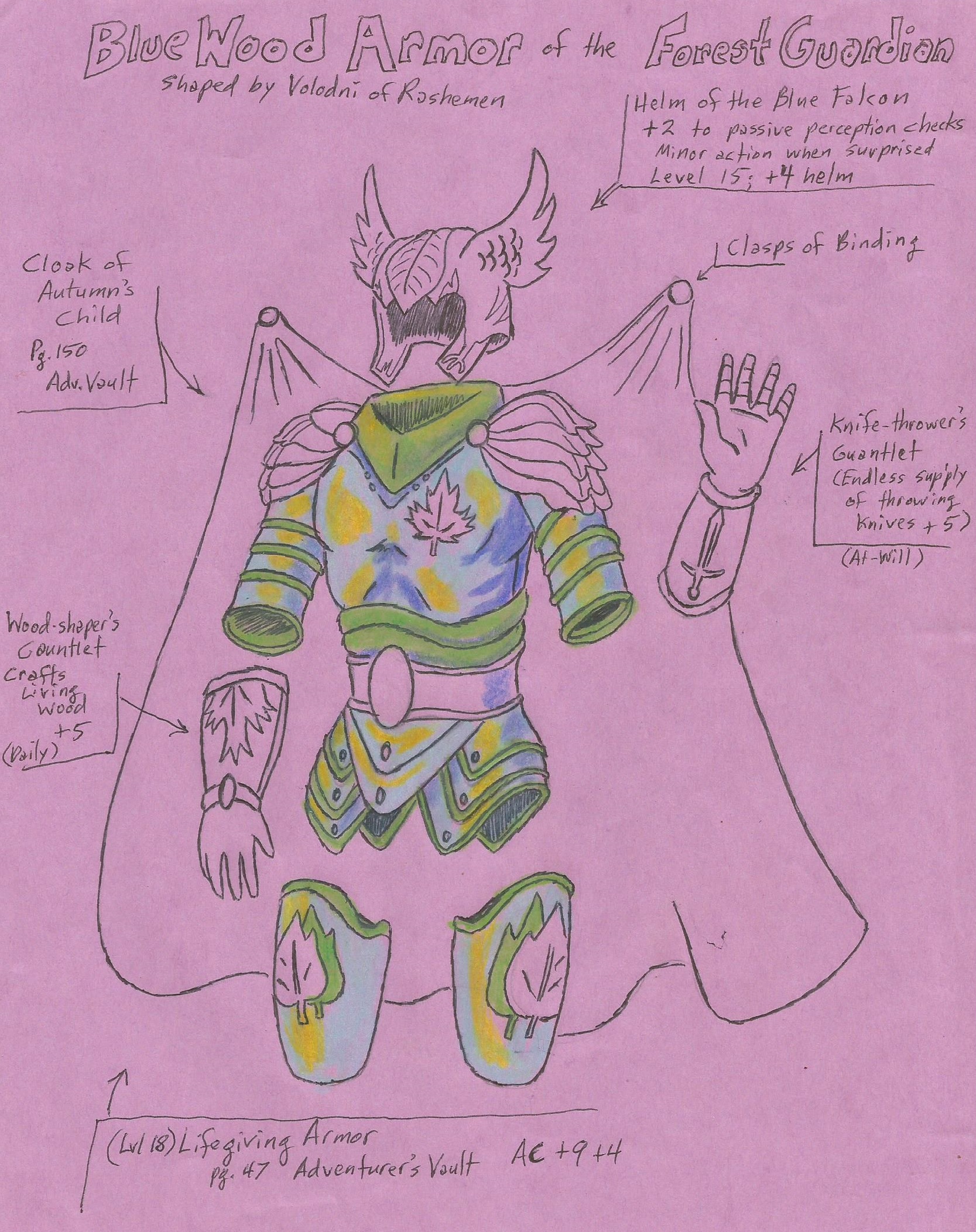
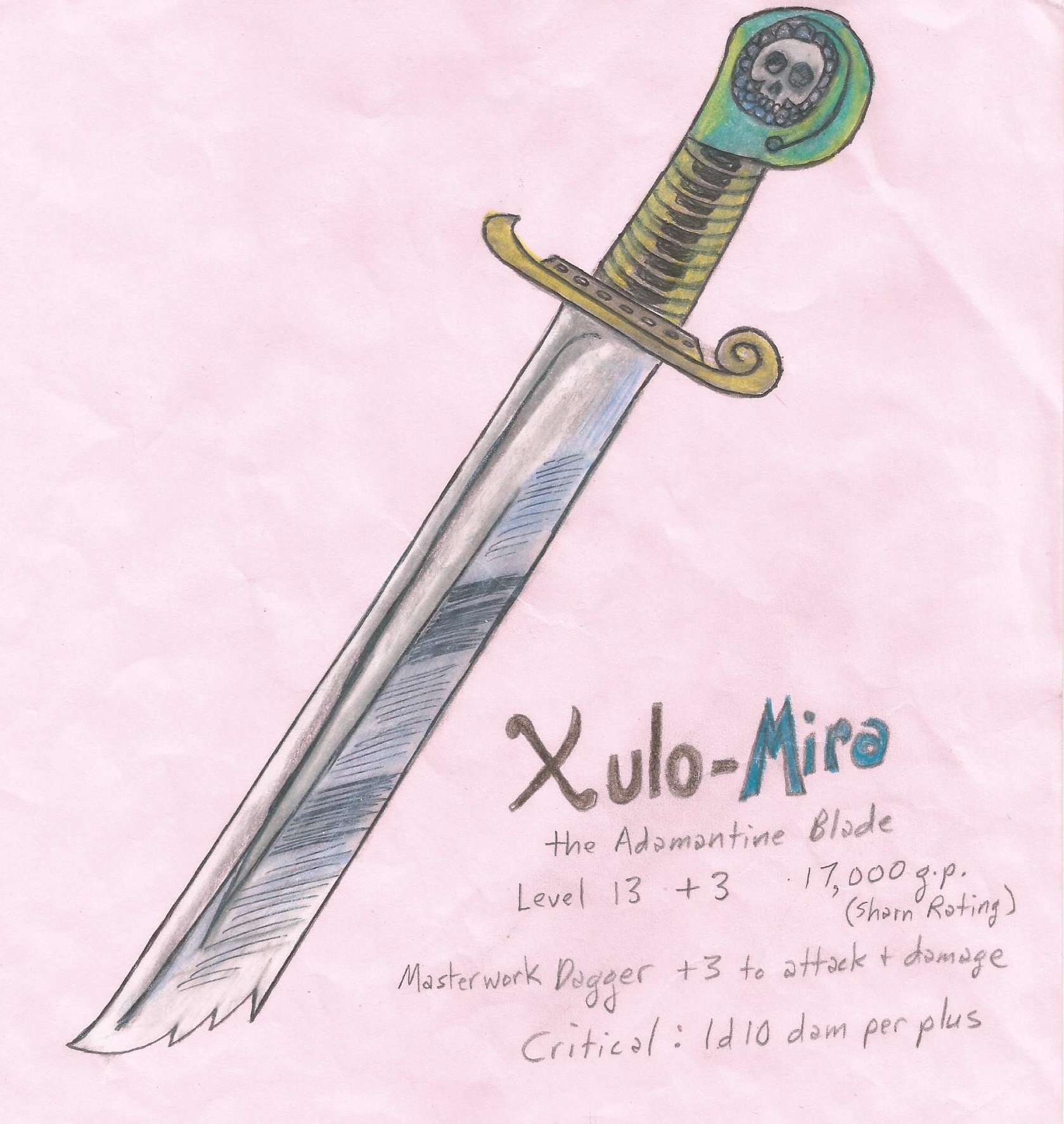
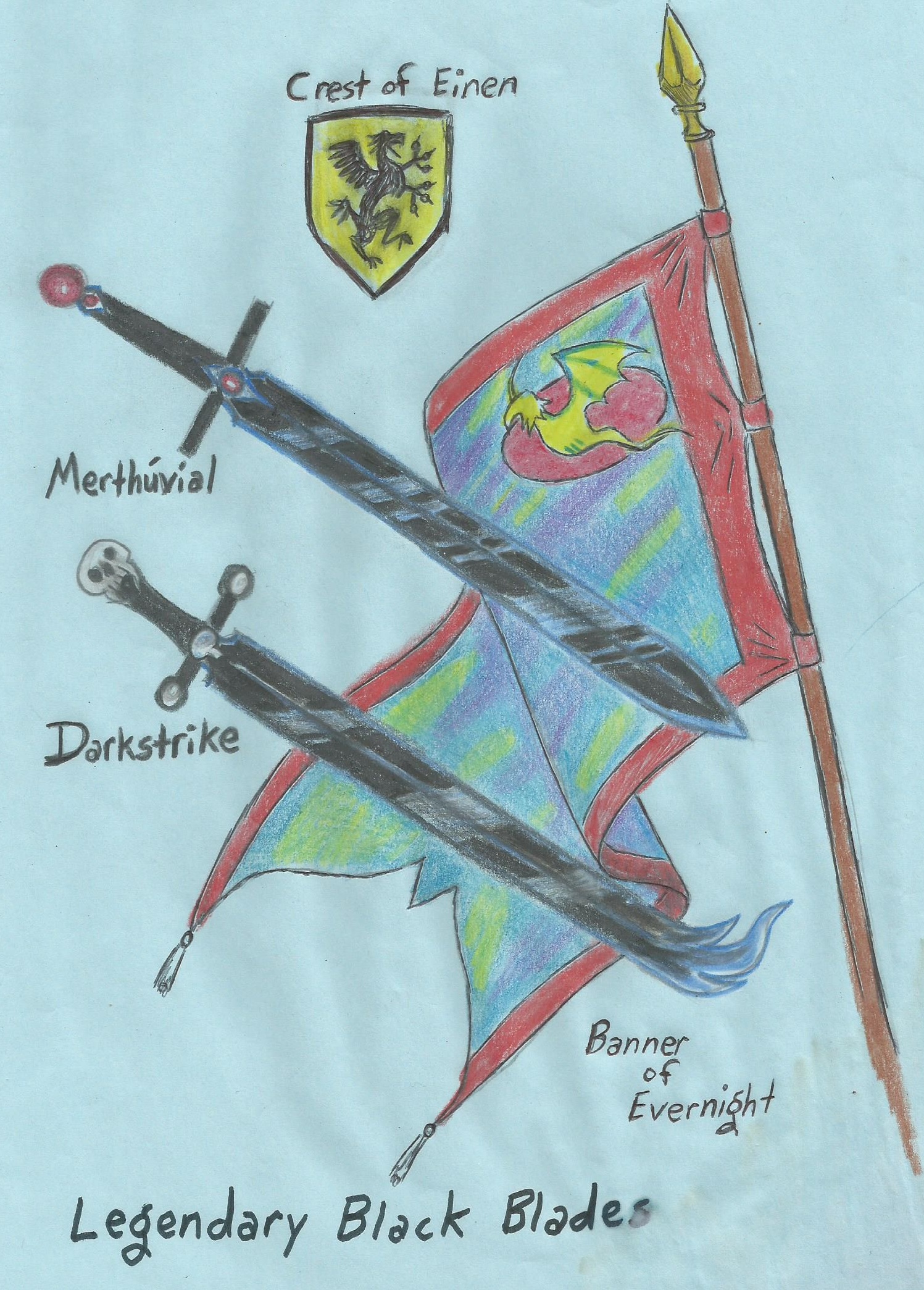
To go adventuring in Mickey the Dungeonmaster’s dungeons, you need the right equipment. Of course, whole books full of weapons and armor and adventuring doodads have been published. Some of the stuff we use in the family games comes from the game books, as exemplified by the items pictured above. The Blue Wood Armor of the Forest Guardian is a collection of items put together from the books published for D&D by Wizards of the Coast Publishing.
My daughter’s favorite weapon is a sentient throwing knife that always flies back to its current master after being thrown. It also never misses, adjusting its own flight to always strike the target for the greatest possible damage. It has a mind and intelligence of its own. It became sentient and alive in the middle of an epic combat with a magical giant golem who hit it with a spell that went disastrously wrong for the caster. This item was created on the spur of the moment in the midst of a published adventure, based on a disasterously low roll of the dice for the monster side of the combat.
Some items in the game are actually treasures from the published adventure scenarios I like to use. Instead of simply selling off items when they are discovered in the cold, dead hands of defeated evil druids whose dreams of conquest and tyrannical rule you have thwarted, you can take them for your own personal use. I have a tendency to embellish what is described in the pages of the adventure with both really good powers and effects, and really insidious concealed curses. The Legendary Black Blades are both demon-laced and deadly. And both, though fatal to your enemies, will eventually darken your own heart and possibly shorten your adventuring life the hard way.
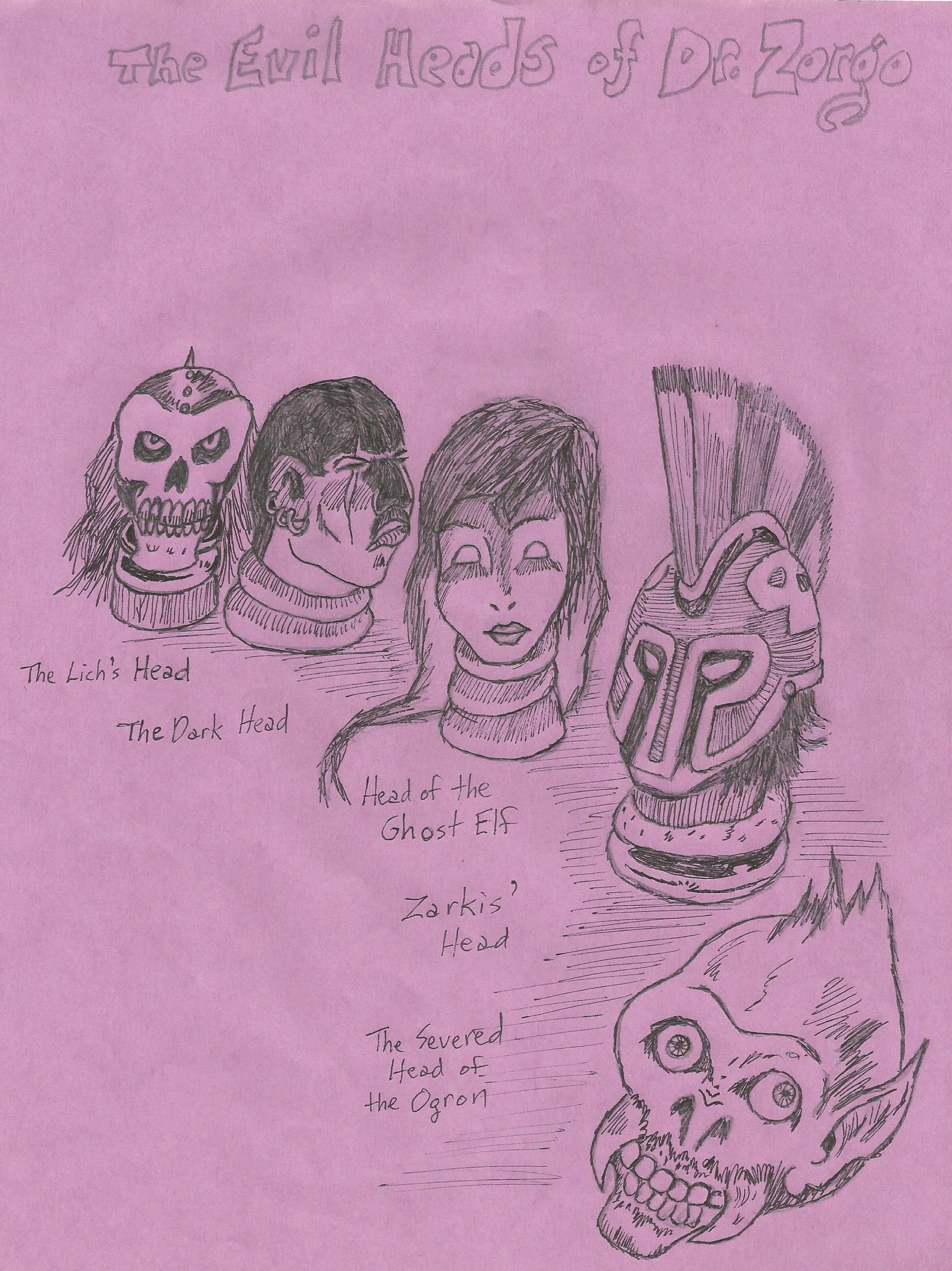
Not all equipment is made of swords and armor. The Evil Heads of Dr. Zorgo are a collection of living zombie heads that can impart wisdom and information (allowing characters to add skills) and can also direct you to places of adventure and great treasure. Of course, they are evil. There is always that little factor to consider. But come on, how can you not be tempted by treasures talked about by the Ghost Elf’s head when you tried to ask her for the time of day in her native land?
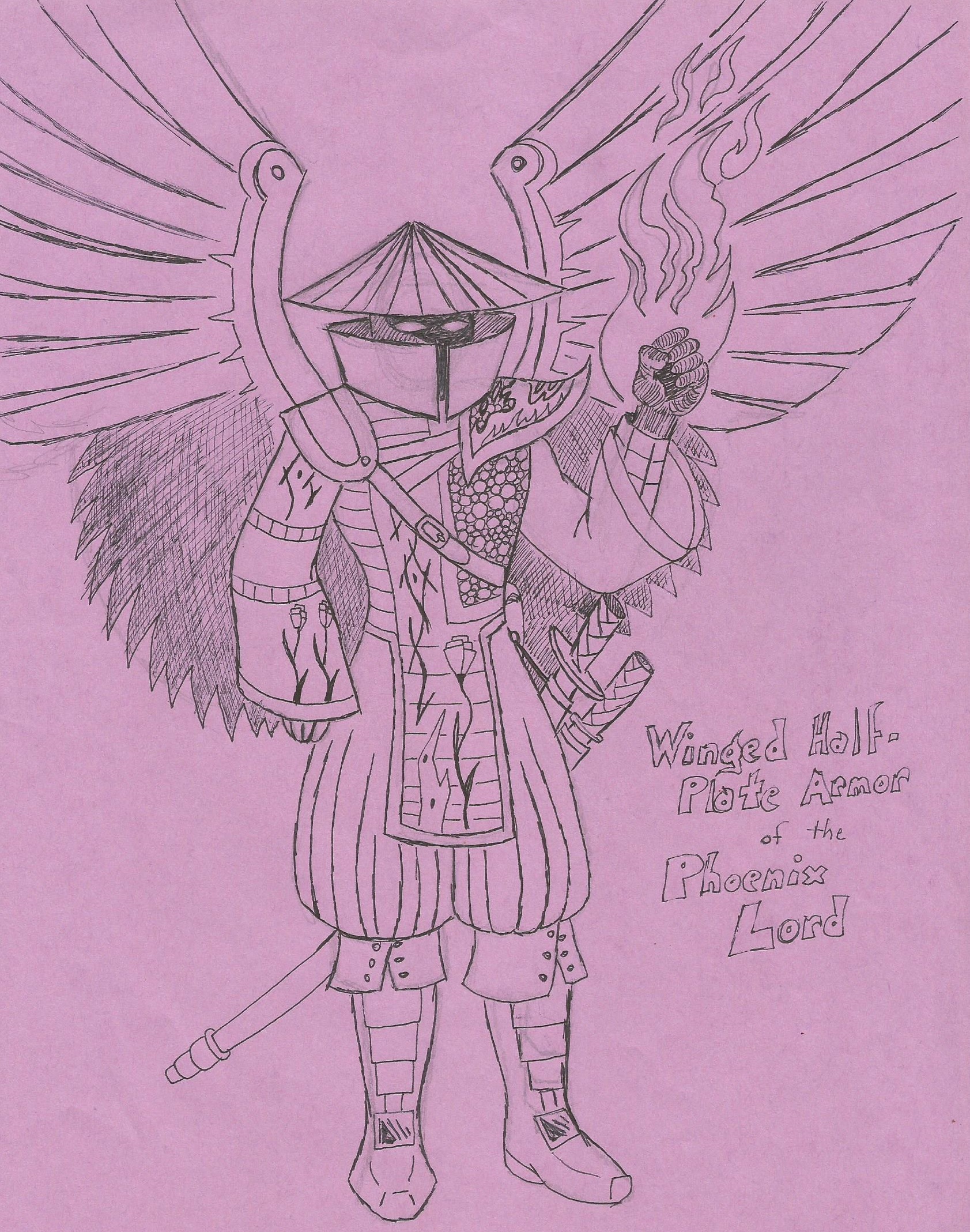
So the point of this post is that I am really proud of my drawings of D&D equipment and wanted to show them off. This post is merely an excuse for doing that. I have one more to show you, though I must confess, while I drew this one, it was designed by number one son to be used for his character, though as soon as he got it made, he sold it for lots of gold to use on the next project.
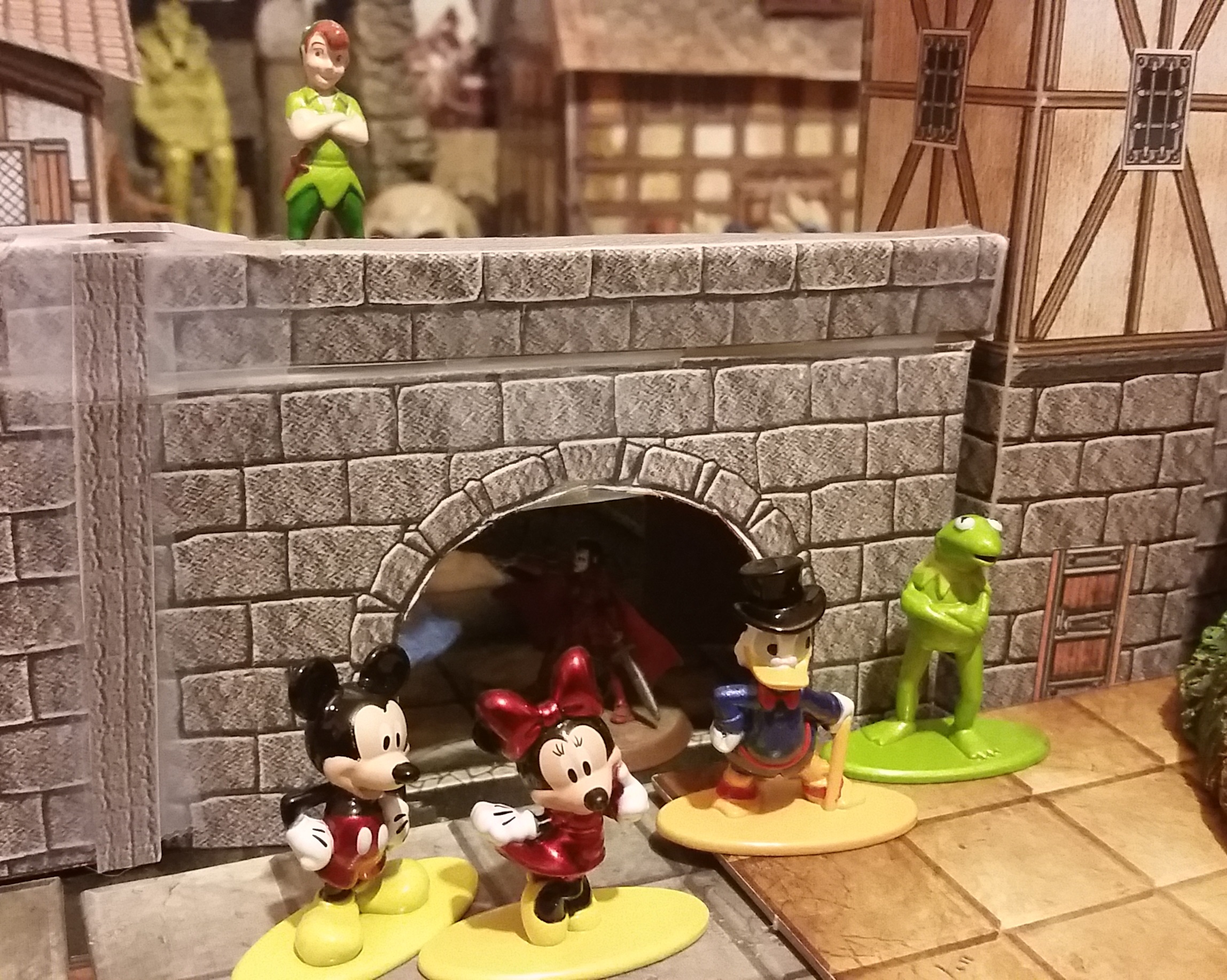
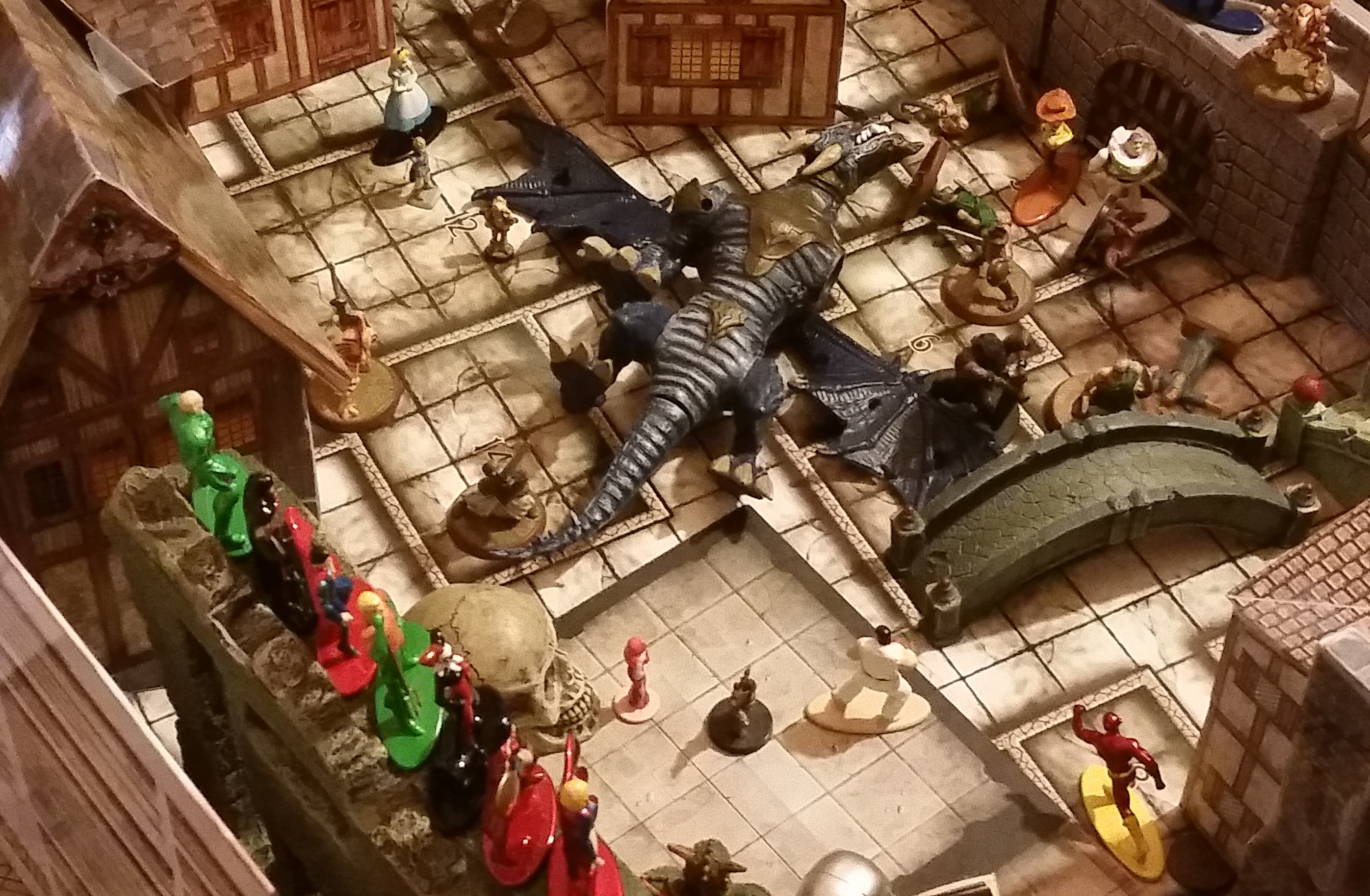
As a rabid Dungeons and Dragons player, I have labored for years to build up my collection of miniature figures. Now, like the action figures and the dolls, the collection is growing so fast it may eat the house. So, in order to play with them and get some use out of them, I built a cardboard castle, complete with grid for playing D & D. It is a scene that can be used to play the game, but it is also a place to display my collection.
Toy companies have recently started putting out collectible miniatures in an almost D & D scale. They only cost about a dollar apiece. That makes them cheaper than candy bars. And I am diabetic, so I can’t buy candy bars.
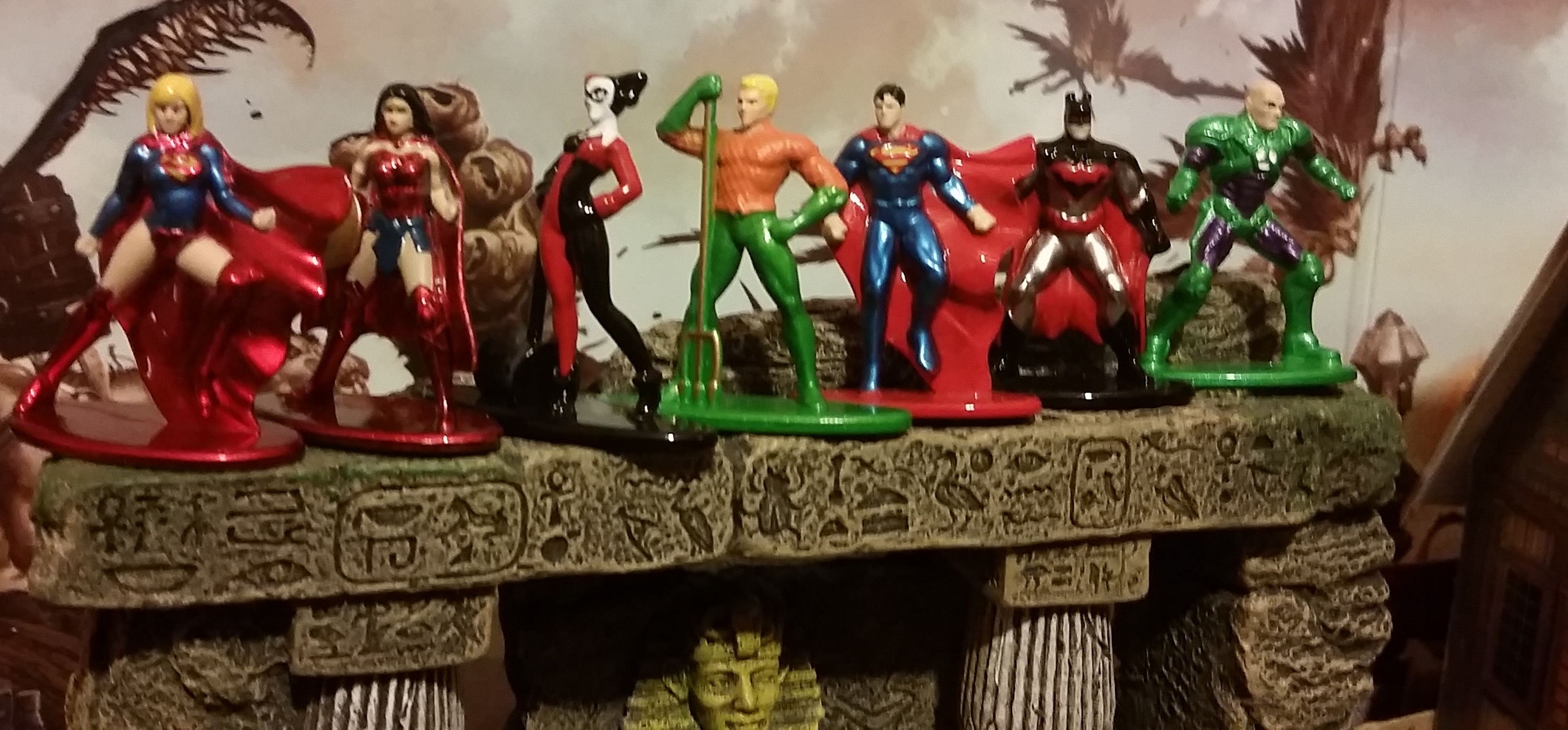
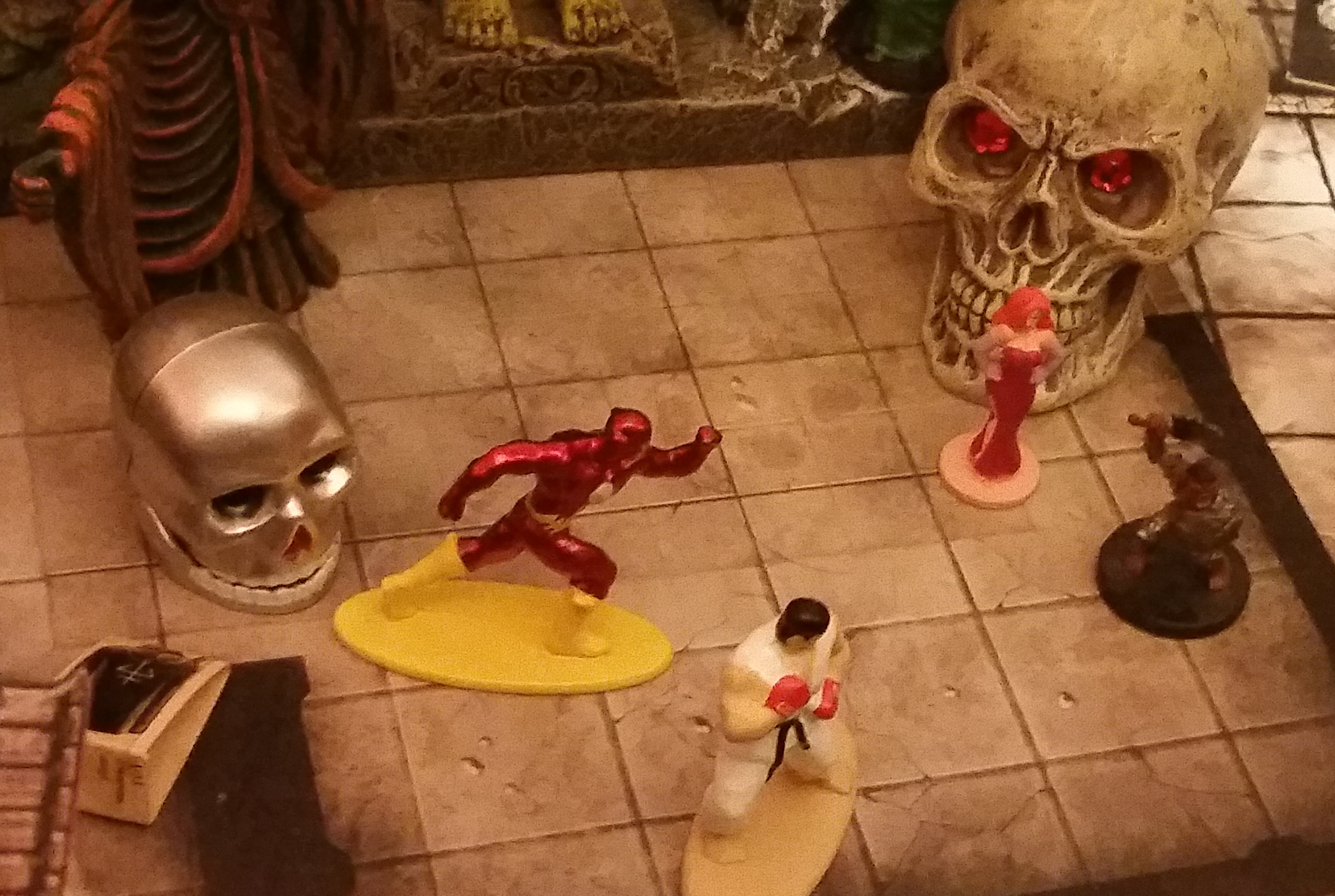
I like to position them in my D & D background and take pictures of them, even though DC Superheroes are not D & D figures. I can work them into the story of the next RPG sessions. Batman is a paladin. Aquaman is a sea-based druid. Wonder Woman is an Amazon.
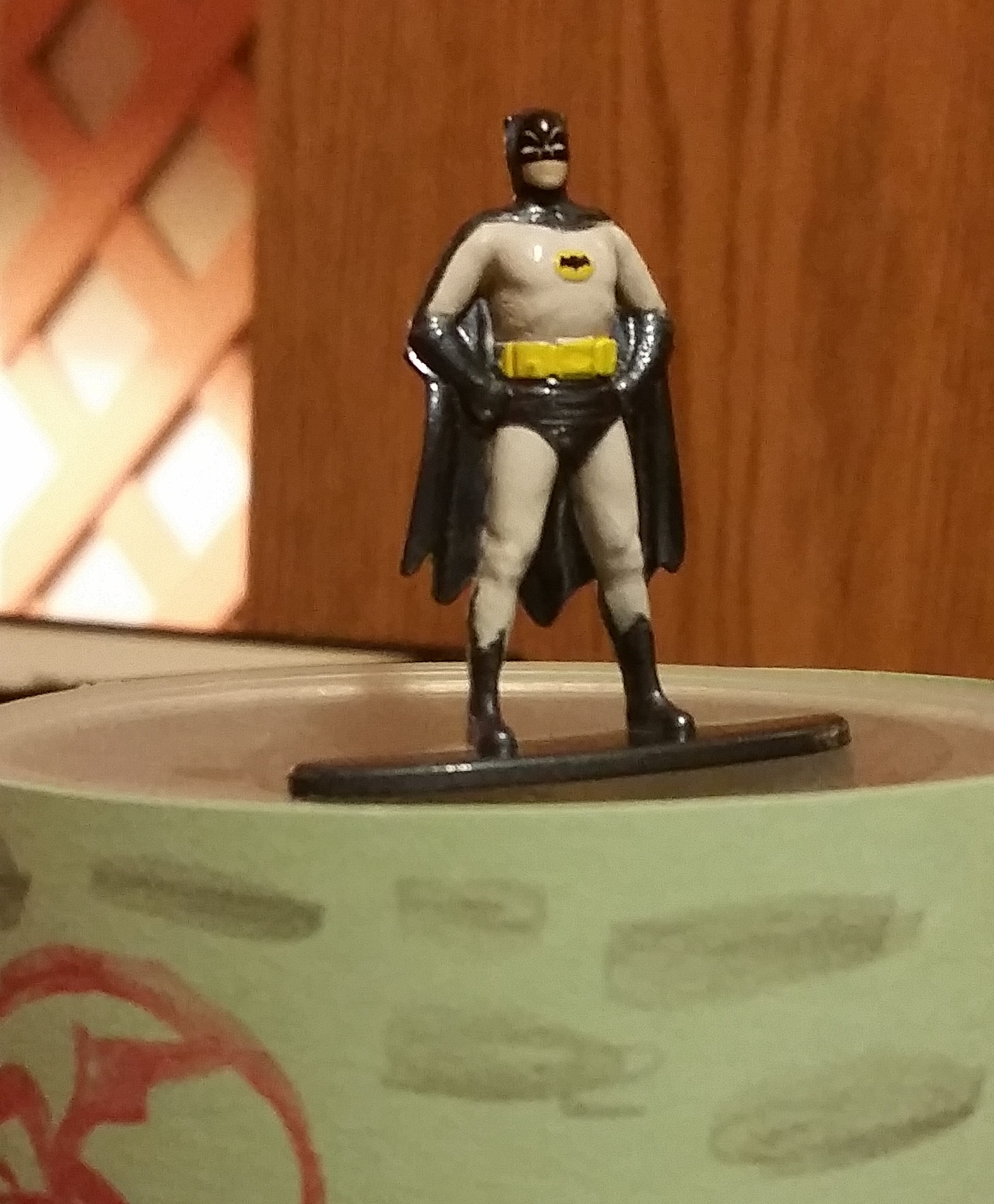
Adam West Batman is really, really cool. Wham! Pow! Sock!
Killing a dragon is a big event in a D & D campaign. And I can do that now with miniatures.
The Flash can rescue Jessica Rabbit from a mad goblin in the Skull Plaza.
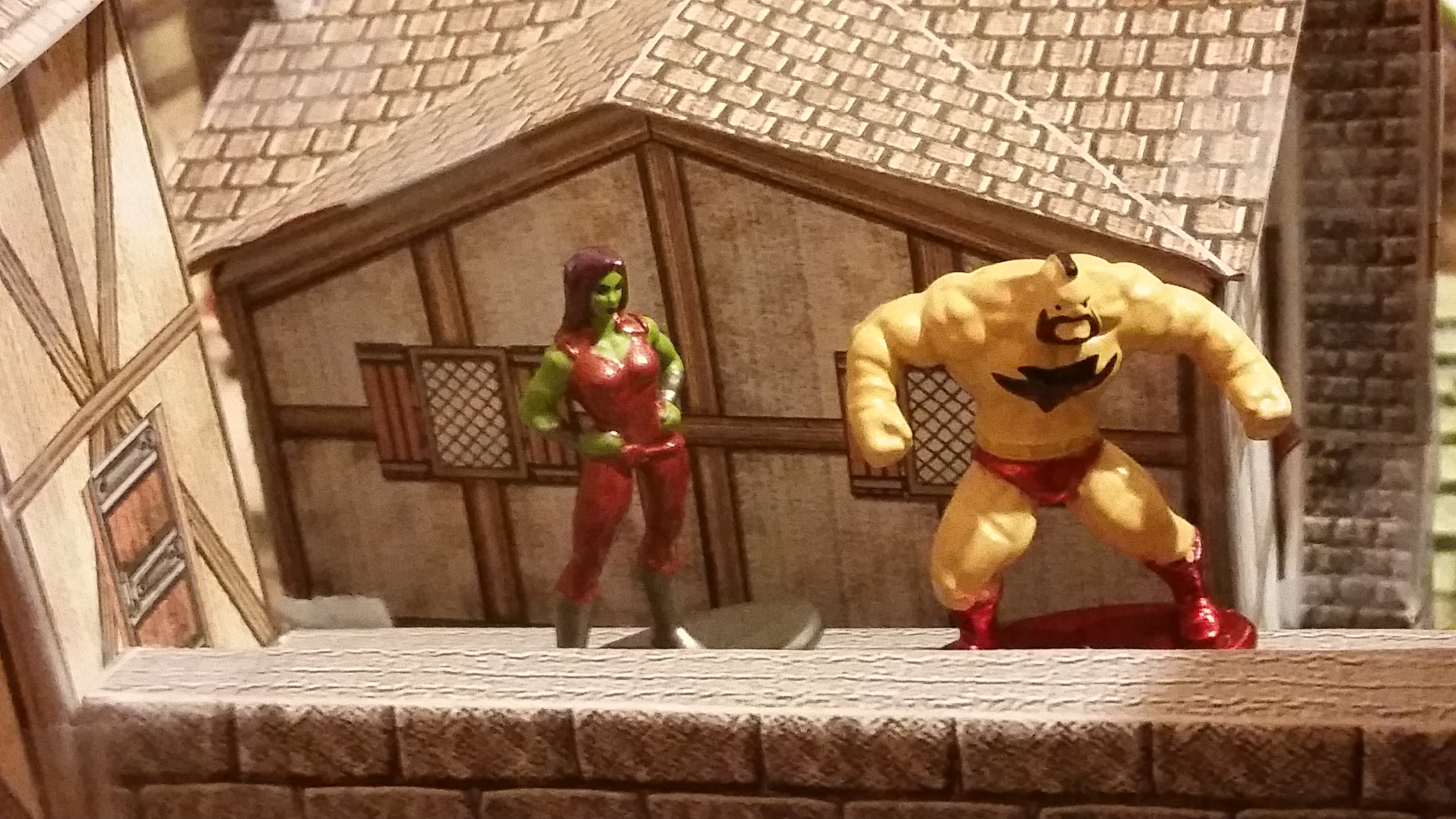
So, I reached a point in setting the scene for the game that it has become almost cinematic. And I like taking pictures of it as I continue to play with all of it. Forgive me. I will forever be twelve years old in my head.
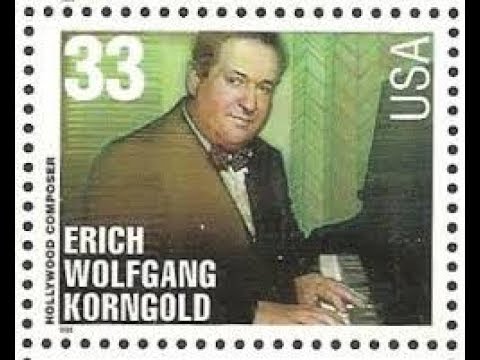
When I was in Cow College at Iowa State University I spent most of my study time listening to KLYF Radio in Des Moines. They would eventually transform into an easy-listening music station, but the time I truly lived a K-LYFe was when they played classical music. And it was there that I first fell deeply in love with the Saturday Matinee stylings of Erich Wolfgang Korngold, the first incarnation of John Williams of Star Wars fame. Yes, movie music. Classical movie music. And it seemed, mostly movie music for Errol Flynn movies.
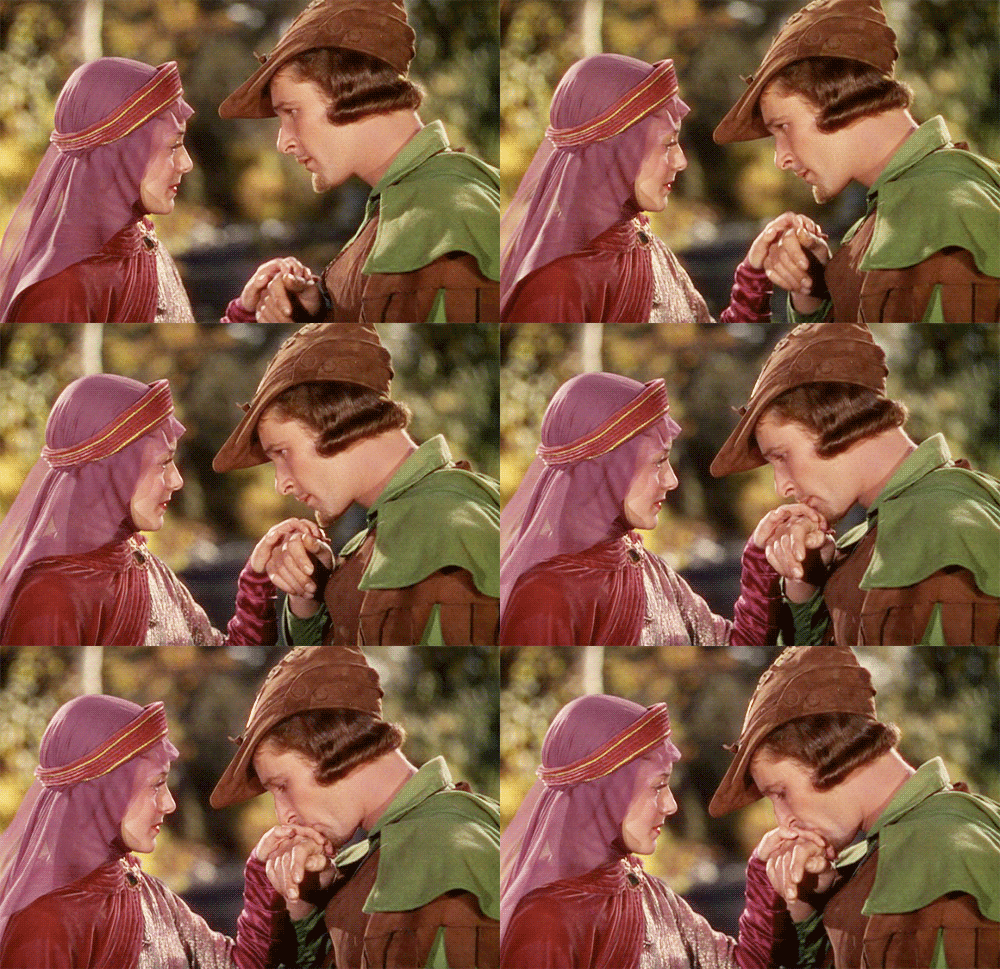
My sister was always a lover of Errol Flynn movies, and when KGLO TV Channel 3 would play one on the Saturday Movie Matinee in the early afternoon, we would have to watch it, the whole thing, no matter how many times we were repeating the same four movies. Nancy would memorize the lines from the Olivia deHavilland love scenes. I would memorize the sword fight scenes with Errol and Evil Basil Rathbone (Good Basil was Sherlock Holmes, and we had to watch those too.) Early evenings on those Saturdays were all about playing pirate and Captain Blood adventures. Or better yet, Robin Hood.
But the music of adventure was by the composer Erich Wolfgang Korngold. He did the sound tracks for Captain Blood, Robin Hood, and the Sea Hawk.
I sincerely love the corny old movie matinee music because it was not only genius-level mood music and story-telling in a classical music instrumental masterpiece, but because even now it takes me back to the boy I was at twelve years old, playing pirate on Grandpa Aldrich’s farm. Making Robin Hood bows out of thin tree branches and arrows out of dried ragweed stalks. Sword fighting to the death with sticks with my cousin Bob, who was always Basil Rathbone in my mind. while I’m sure I was Basil Rathbone in his mind.
To be honest, there is much more to Korngold than I have relentlessly gushed about here like a hopeless nerdling fan-boy in the throws of a geeky movie passion. He was a musical child prodigy like Mozart. He wrote a ballet called Der Schneemann (the Snow Man) when he was only eleven, and became the talk of the town in Vienna, Austria in 1908. He became the conductor of the Hamburg Opera by 1921. He wrote some very fine classical music in the 20’s that still rings through orchestra halls to this day before coming to America in the early 30’s with film director Max Reinhardt. He scored his first film in 1935, adding music to Reinhardt’s Midsummer Night’s Dream. He was fortunate to escape Europe just as the Nazis were coming to power in Germany, and also at the right time to team up with new movie star sensation, Errol Flynn. He won his first Oscar for the musical score of the movie Anthony Adverse in 1936 and he won his second for The Adventures of Robin Hoodin 1938. He died in 1957, a year after I was born. But I promise, I didn’t kill him. I was in college in the 1970’s when his music underwent a revival, complete with renewed popularity.
His music was pure gold to listen to in the fields of corn in Iowa in the 1970’s. It was just as good as that last pun was terrible. So, in other words, really, really, spectacularly good. It was the music that scored my childhood fantasy adventures.
When I was a boy, the Western reigned supreme on both television and in the movie theaters. Part of the benefit of that was being indoctrinated with “the Cowboy Way” which was a system of high ideals and morality that no longer exists, and in fact, never did exist outside of the imaginations of little boys in the 1950’s and 1960’s. We learned that good guys wore white hats and bad guys wore black. You only won the shootout if you shot the bad guy and you didn’t draw your gun first.
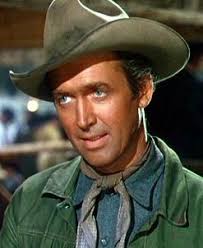
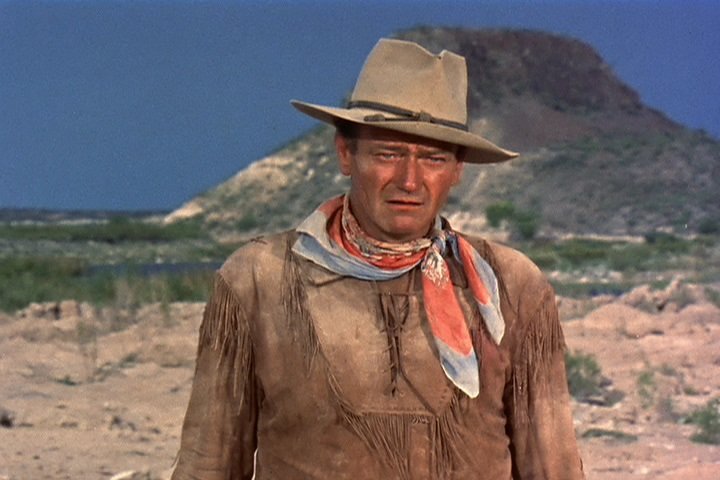
Of course, the cowboys who were the “White Knights of the Great Plains” we worshiped as six-year-olds and the singing cowboys on TV were not the same ones we watched when we were more mature young men of ten to twelve. John Wayne starring in Hondo (after the book by Louis L’Amour) was more complicated than that, and we learned new things about the compromises you make in the name of survival and trying to do things the best way you can. From Jimmy Stewart and John Wayne in The Man Who Shot Liberty Valence we began to see that sometimes you shot the villain in the back from down the street to save your simple friend from the gunfight in the street when he was too naive and green to win.
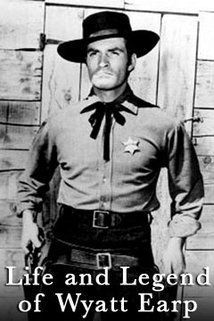
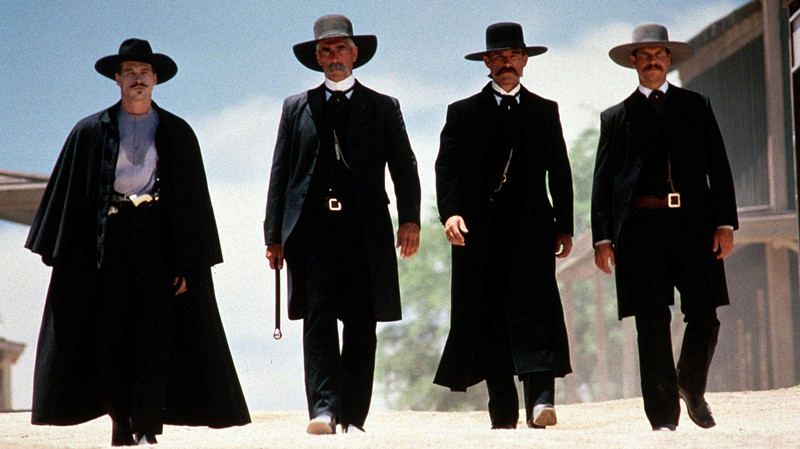
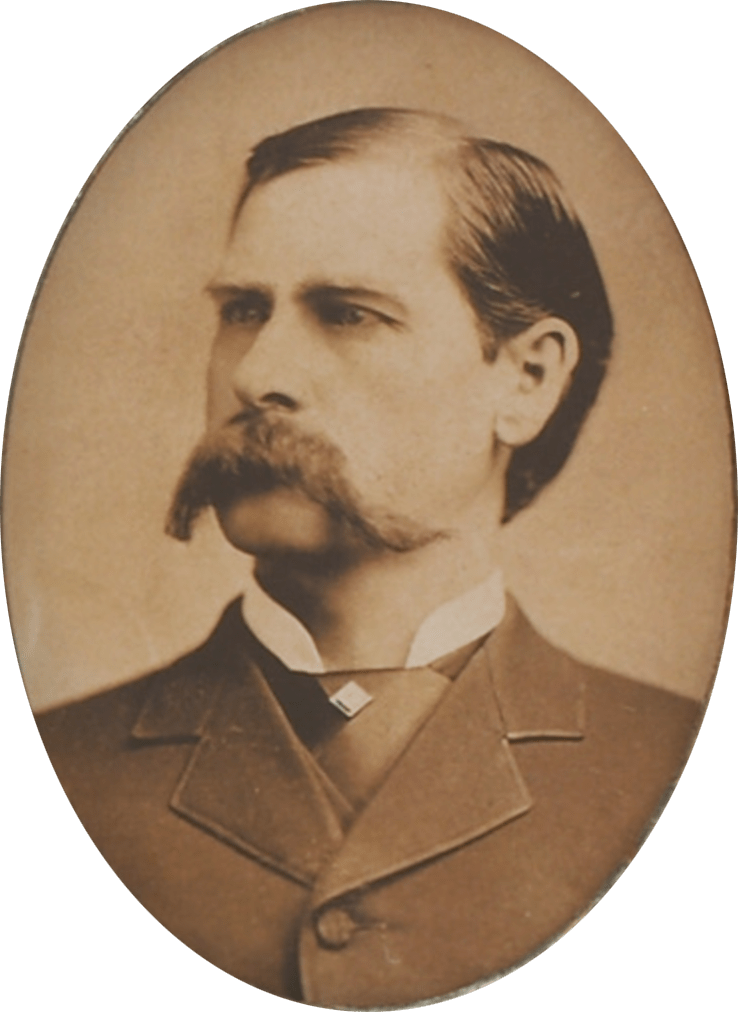
Wyatt Earp at the OK Corral was the white hat we wanted desperately to be when we grew up. And then I saw on PBS in the late 60’s a documentary about the real shootout and the real compromises and consequences of the thing we once thought was so clearly good versus evil.
Wyatt went from the TV hero,
To the mostly moral man fighting what seemed like lawlessness,
To a morally ambiguous angel of death, winning on luck and guts rather than righteousness, and paying evil with vengeance while suffering the same himself from those dirty amoral cowboys, sometimes good, but mostly not.
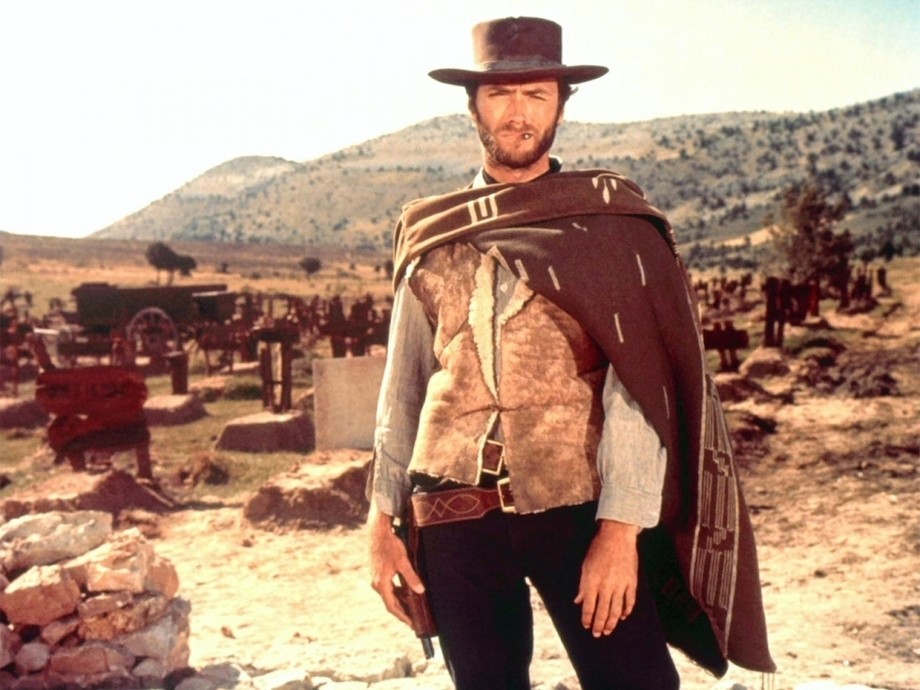
And then along came Clint and “the Man with No Name”. More ambiguous and hard to fathom still…
Who really was The Good, the Bad, and the Ugly? What made any one of them worse than the other two? You need to listen to the music before you decide. We are all of us good, bad, and ugly at times. And all of it can be made beautiful at the end with the right theme music behind it. Did we ever learn anything of real value from cowboy movies? Of course we did. They made us who we are today. They gave us the underpinnings of our person-hood. So, why do they not make them anymore? The video essay at the end of my wordiness has answers. But basically, we grew up and didn’t need them anymore. And children and youths of today have different heroes. Heroes who are heroic without shootouts and letting the bad guy draw his gun first. Ideally, heroes who are us.
Before now I have never talked about my childhood friend Jimmy Crafton. It took a long long time to build up enough courage. Writing this on Christmas Eve 2017 makes it easier. Yes this is a very important re-post.
It is not a terrible story. I can’t think of anybody that fits the idea of a “hero” any more than Jim. I remember him as a pale-faced little boy with a thousand Watt smile full of tiny white teeth. He was two years younger than me. He was in my sister’s class at Rowan Elementary. He was outgoing and funny. And he was a hemophiliac. He had the rare condition of having too little of the essential blood-clotting proteins in the blood that the vast majority of us get to take for granted. Every day for him was a risk of having an ordinary injury like a bruise or scrape cause him to bleed to death. He missed great gobs of school days with injuries and crippling pain and the need to go to the emergency room in Mason City for life-saving blood transfusions. We were told when I was eight that he probably wouldn’t last past his tenth birthday. The teachers all gave us strict rules for playing with him on the playground… what not to do, what to immediately report, and what not to allow him to do. I remember one time he decided to wrestle both Bobby and me at the same time. He had a deep and passionate love for the sport of wrestling, big in the high schools of Iowa. He aggressively took us both down and pinned us both with minimum effort. And you should stop laughing at how wimpy that makes me sound. Remember, I had to play the game by different rules than he did. Bob and I both had to live with the consequences if bad things were to happen.
The miracle of Jim Crafton was that he did not die in childhood due to his genetic medical difficulty. In fact, he grew up, went to college, and became a doctor all because of the gratitude he had towards the doctors and medical professionals who helped him conquer hemophilia in childhood. He got married. And he even had a son. Those were things he accomplished in life that no one believed were possible back in the 1960’s.
But now we get to the part that I can’t write without typing through tears. A hemophiliac relies on regular transfusions of blood to supply the clotting factors that he cannot live without. And there was no effective screening technique for HIV in blood supplies before 1992. Further problems arose from the blood bank practice of mixing blood donations together by blood type. That meant that even clean blood donations were likely to become tainted through mixing. Far too many of the hemophiliacs in America were given infected blood and became AIDS sufferers at a time when a diagnosis of HIV was basically a death sentence. And worse, AIDS sufferers were often isolated and treated like lepers for fear of contracting the disease from ordinary contact with them. You might remember the sad case of Ricky Ray in Florida. He and his two brothers were all hemophiliacs. They all were infected. They were expelled from school. They even had to live in hiding after loving members of their community burned their house down. We were horrible to people who were dying of AIDS.
But I can’t leave this essay on such a sad note. My friend Jimmy was a hero, a doctor, and a dad. He lived a life worth living and worth knowing about. His life was a gift to all of us lesser beings. And this is the time of year for remembering those we have loved and lost. Jim died of AIDS decades ago. But he still lives in my heart and my memory. And if you have read this little story, he lives in you now too. That is a sort of magic, isn’t it? I only wish I had more powerful magic to give.



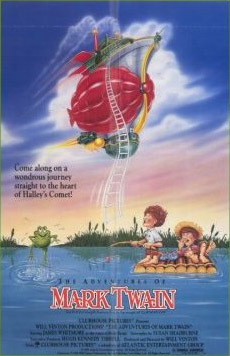 During my middle-school teaching years I also bought and read copies of The Prince and the Pauper, Roughing It, and Life on the Mississippi. I would later use a selection from Roughing It as part of a thematic unit on Mark Twain where I used Will Vinton’s glorious clay-mation movie, The Adventures of Mark Twain as a way to painlessly introduce my kids to the notion that Mark Twain was funny and complex and wise.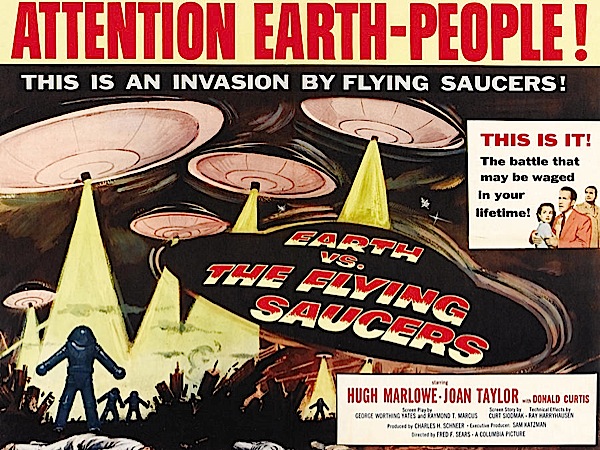


 Catch a Falling Star
Rememberries
Yes,
I am stupidly planning to do it again. A book of essays like I did before, but now with fewer of my best essays to choose from. So, essays with fewer calories, but also less nutrition. Laughing Blue was a success from the point of view of what I wrote it for. I know people generally don’t read essays for fun.
But I write them for fun. And for better health. Healthy thinking is as necessary as a proper diet.
You see, I am definitely not in good health. I retired from my job as a school teacher six years ago because of poor health. It was a job I truly loved and defined me as a human bean (by which I mean a human being, but with a careful balance of protein and carbohydrates.) Being retired is more restful. But you reach a point where doing nothing leads to sitting and rotting. I find I need the extra vitamin C you get from cooking essays with a lot of berries in them. Specifically rememberries.
Okay, I know that is a rather dumb food pun. But the vitamin C is still there to boost my immune system and make me feel better. Vitamin C for Comedy… Clarity… Creativity… and Cartoons.
So, let’s start with a berry from the 1960s. Let’s start with Moonberries.
I was twelve years old when the Apollo Program landed Neil Armstrong, Buzz Aldrin, and the LEM Eagle on the Moon at Tranquility Base. I was very much a child of the Space Age. I had a model kit of the Apollo 11 from Revell, all the pieces in white plastic. The tiny struts on the Lunar Expeditionary Module were maddeningly breakable, and even would warp under the dissolving power of Testor’s airplane glue. I spent hours with sticky fingers putting that together in December of 1968 and January of 1969. I was twelve, in the middle of my wonder years, and totally obsessed with the flavor of the whole Moonberry experience.
For several years through Gemini and then Apollo we watched the story unfold on our old black-and-white Motorola television set. All of it narrated by Walter Cronkite and Wally Schirra. All of it… space walks, docking maneuvers, orbit reports, a special Christmas message from Apollo 8, splashdowns bringing home heroes like Jim Lovell, Frank Borman, and Bill Anders… the man who had spoken the words;
“For all the people on Earth, the crew of Apollo 8 has a message we would like to send you.”
“In the beginning God created the heaven and the earth.
“And the earth was without form, and void; and darkness was upon the face of the deep.
“And the spirit of God moved upon the face of the waters. And God said, ‘Let there be light’: and there was light.
“And God saw the light, that it was good: and God divided the light from the darkness.”
And then that late, late night when we all stayed up on July 20, 1969… And we knew they could fail and never come home again… We learned that with Grissom, White, and Chaffee on Apollo 1… That horrible fire… The somber funeral parade on TV that called to mind JFK and what befell him after he started the dream…
But no, we heard those words, “The Eagle has landed.”
And then later, “One small step for man… One giant leap for mankind.”
And then I knew it. For me, real life had finally begun.
I promise, there are more rememberries to come, and some might even be nutritious.
Leave a comment
Filed under autobiography, commentary, healing, health, heroes, humor, metaphor, Paffooney