
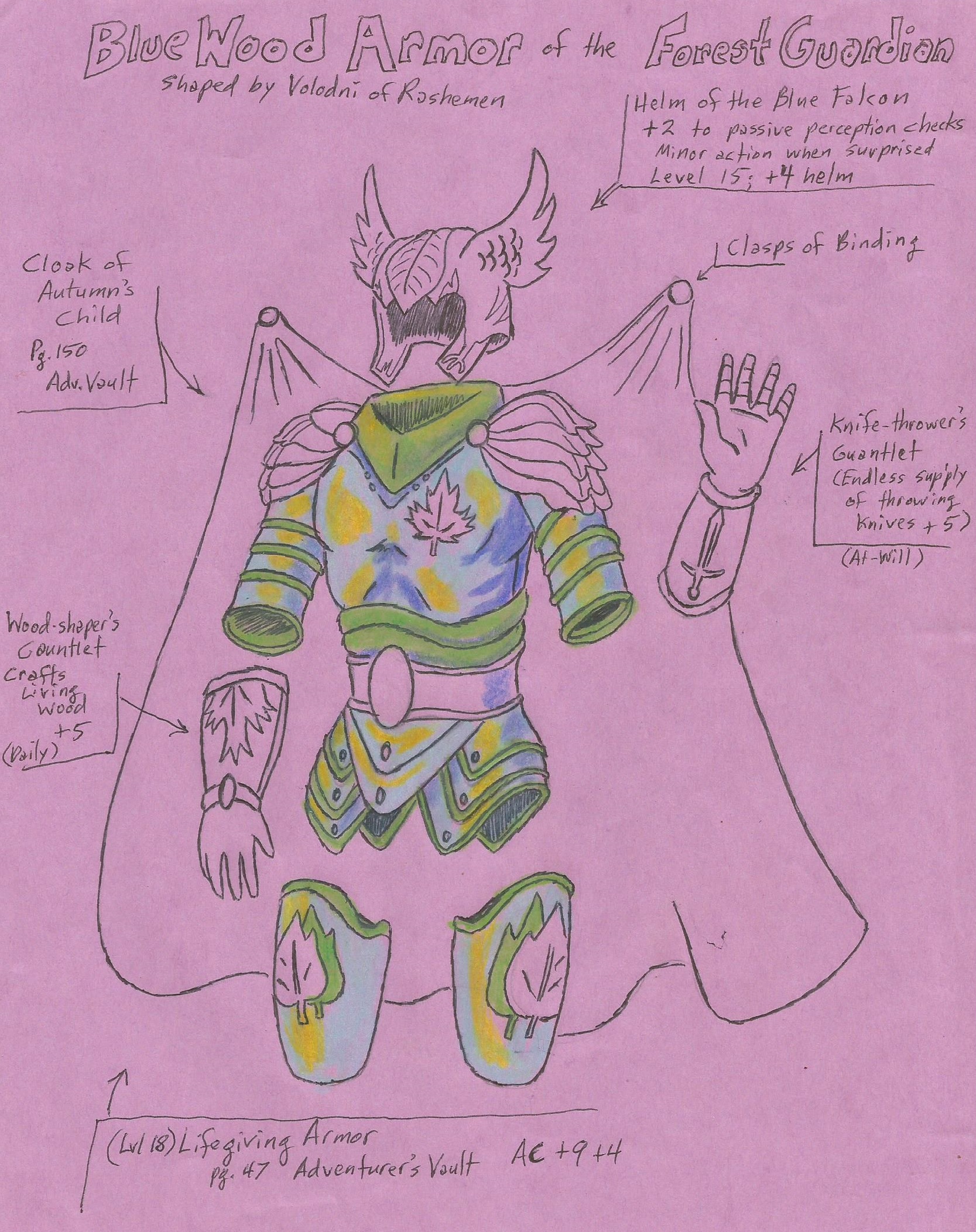
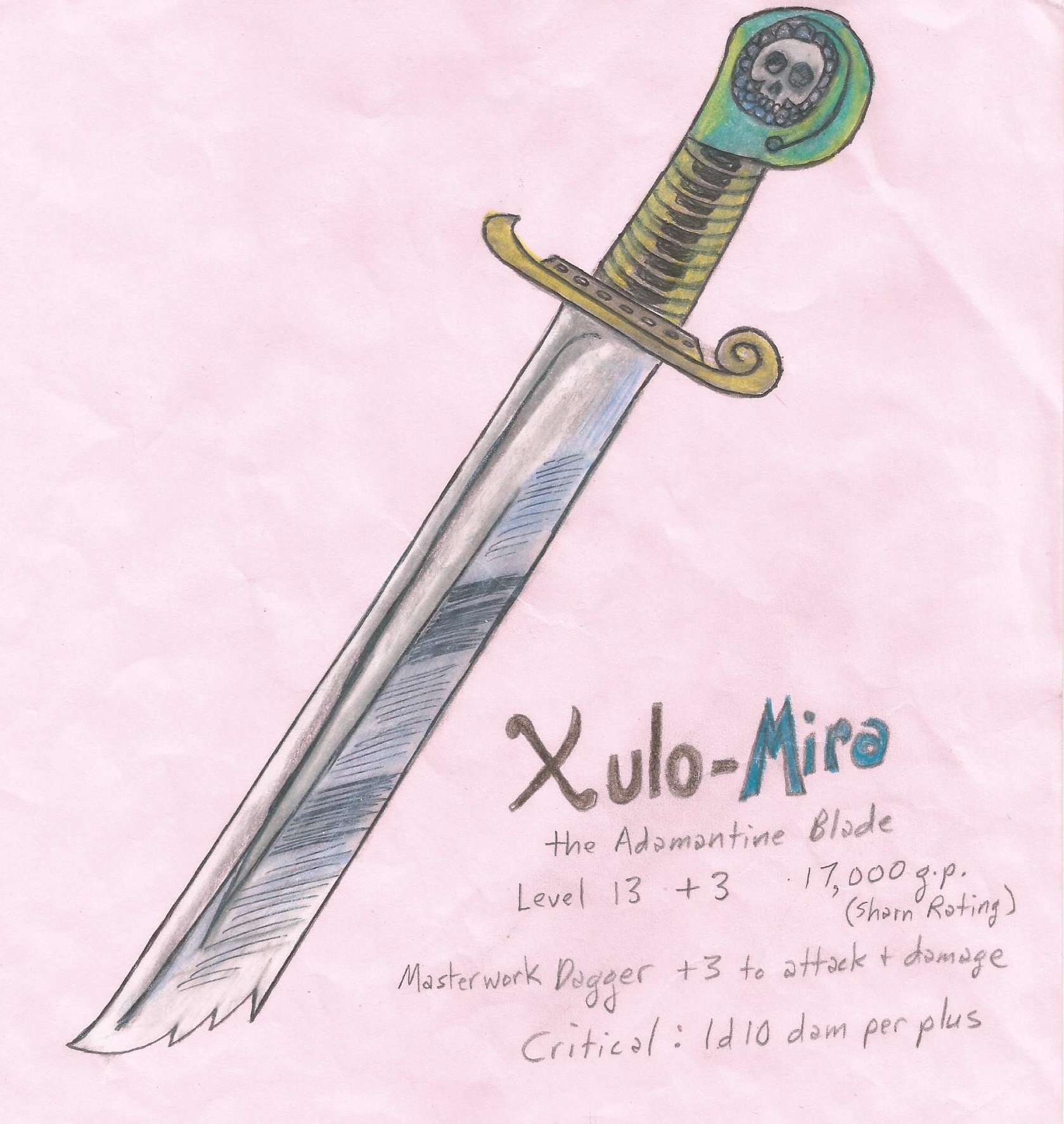
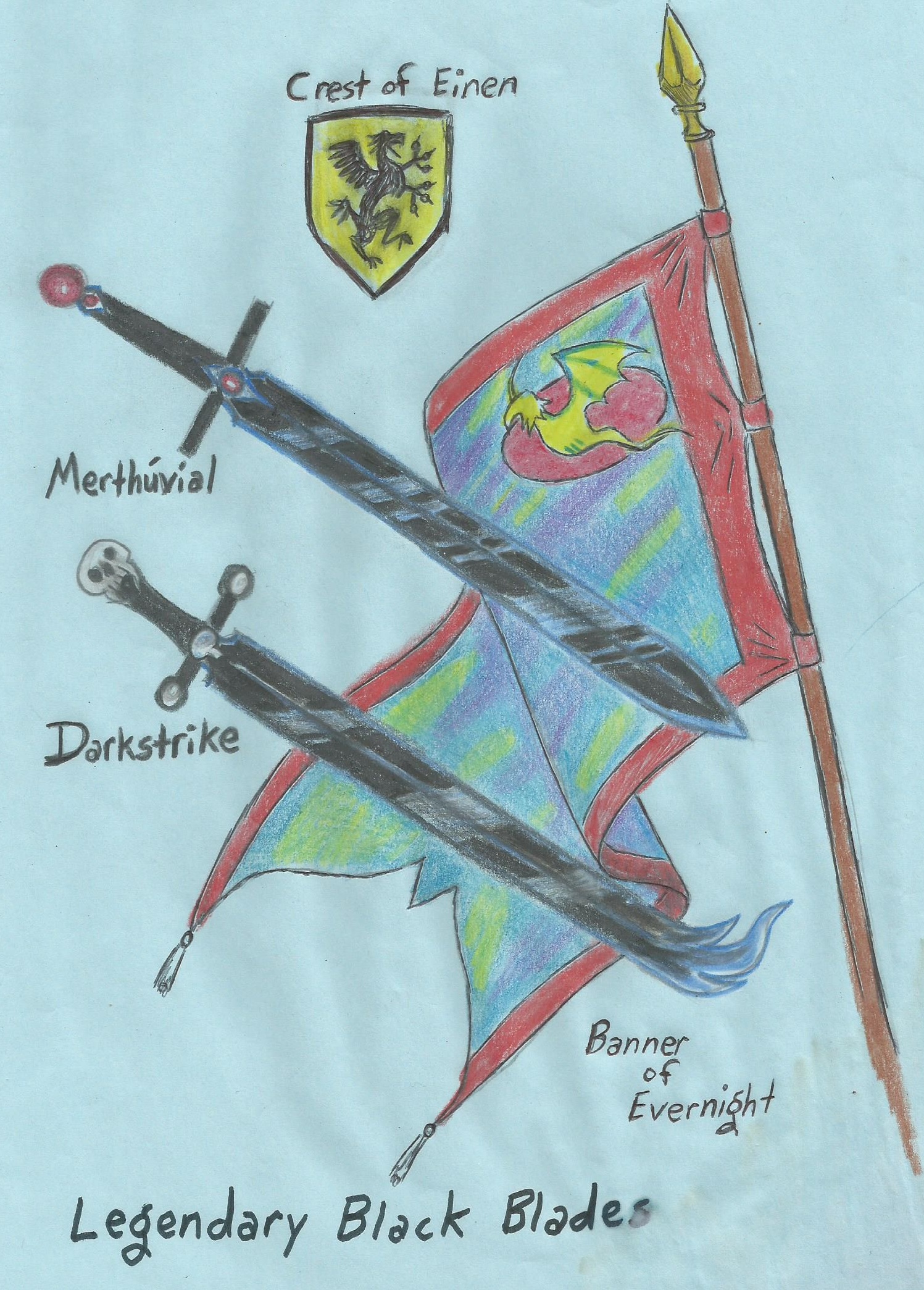
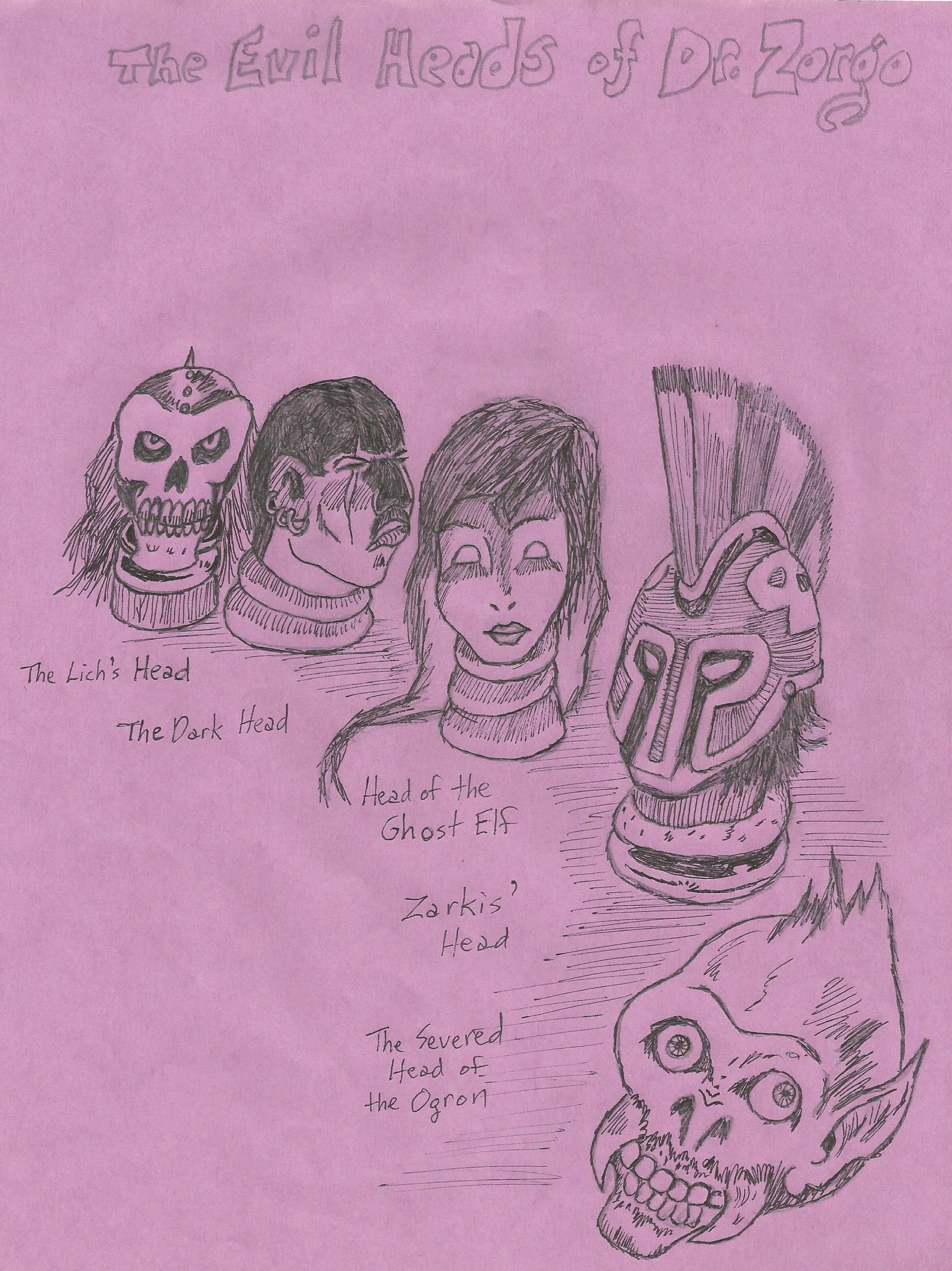
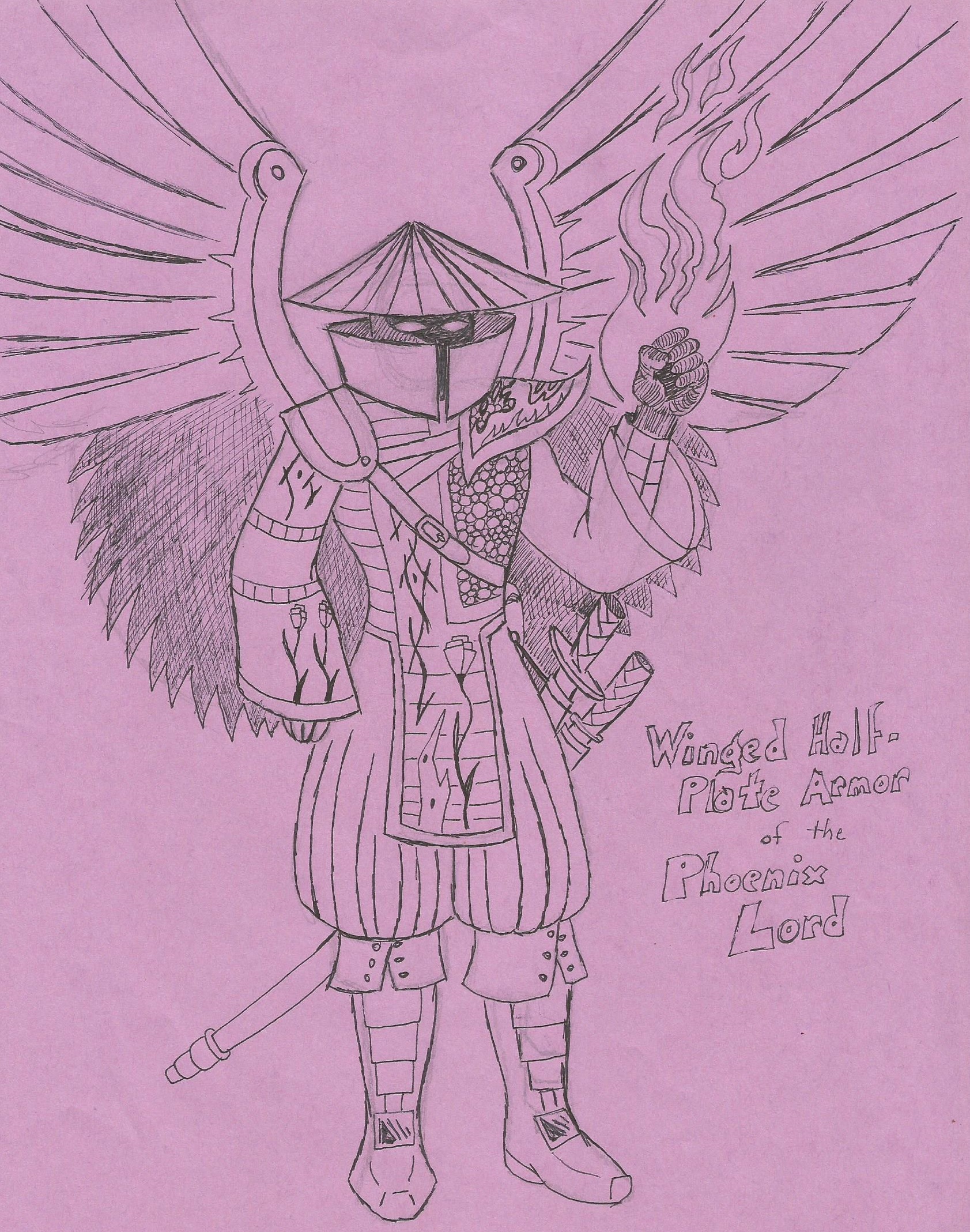
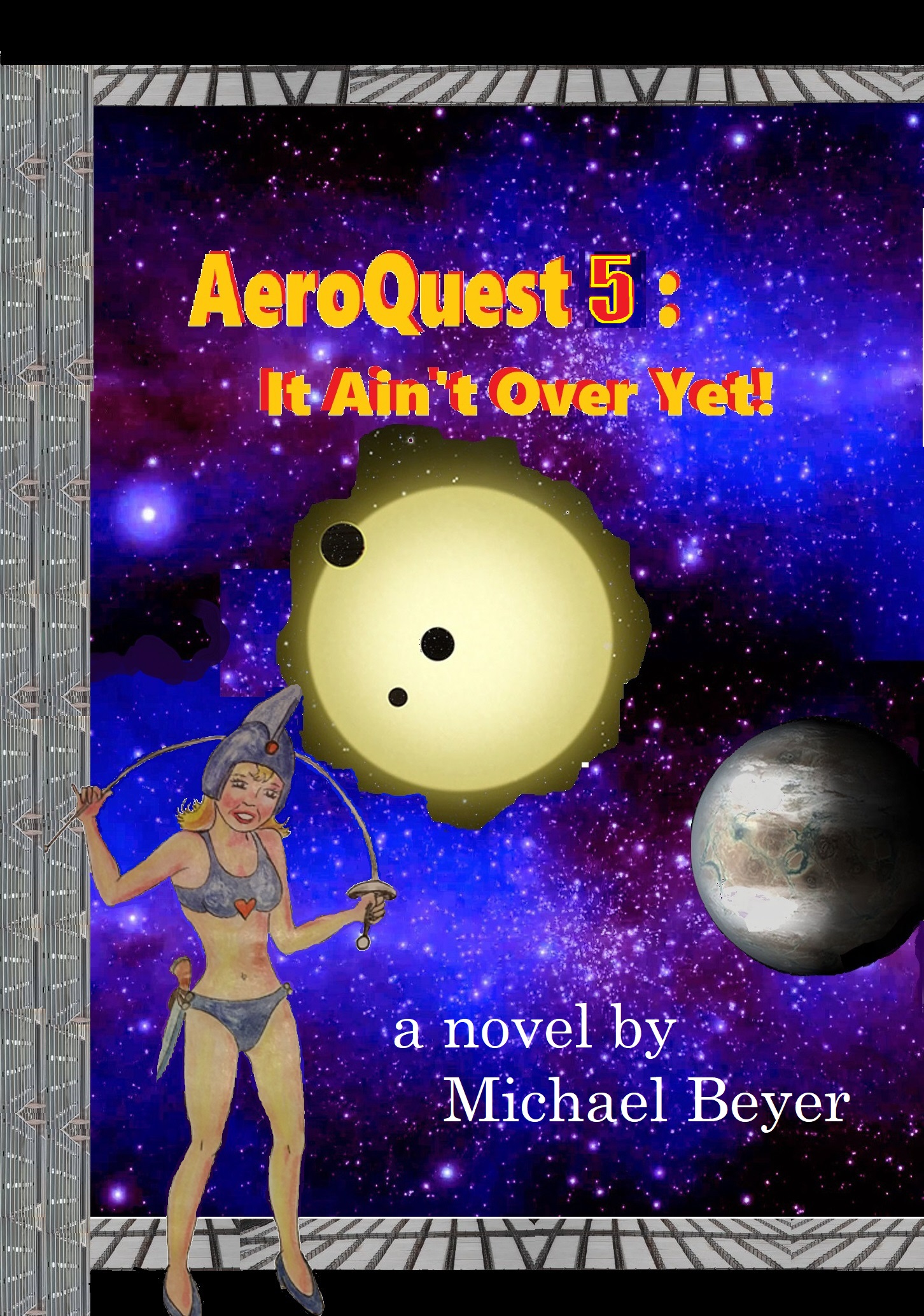
As I am editing and rewriting my first published novel to turn it into a novel series of at least four books, I have been enjoying rounding up and editing old artwork to illustrate it. I have been taking advantage of the fact that you can, after a fashion, plug illustrations into the manuscript and have it come through as acceptably good in the final Amazon publication.
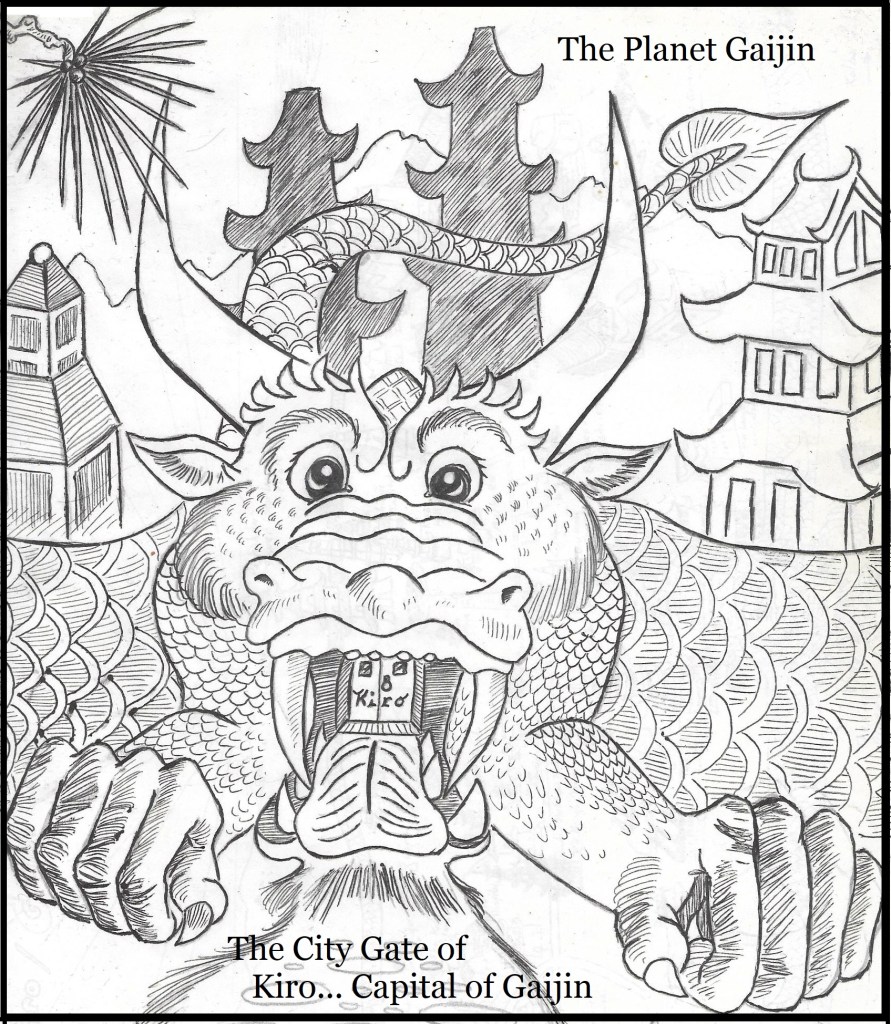
The story comes from adventure logs of a space-fantasy role-playing game called Traveller. I played the game with small handfuls of high school kids whose player characters are now the main characters of the story (after modifications and considerable censorship.
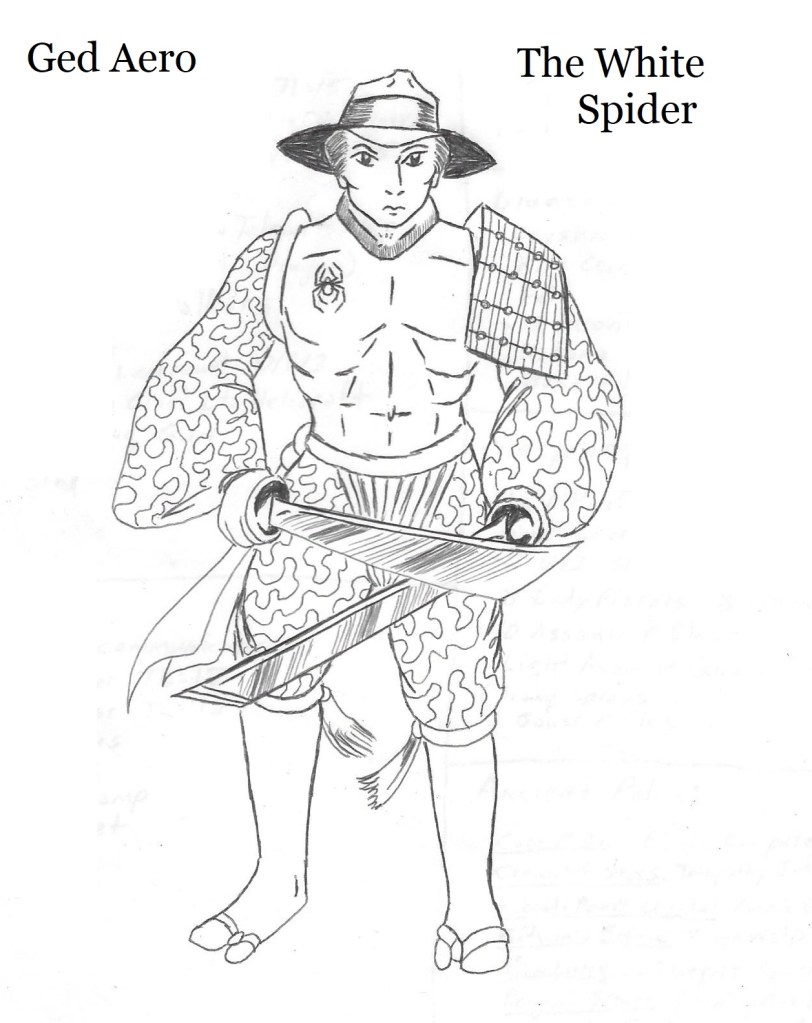
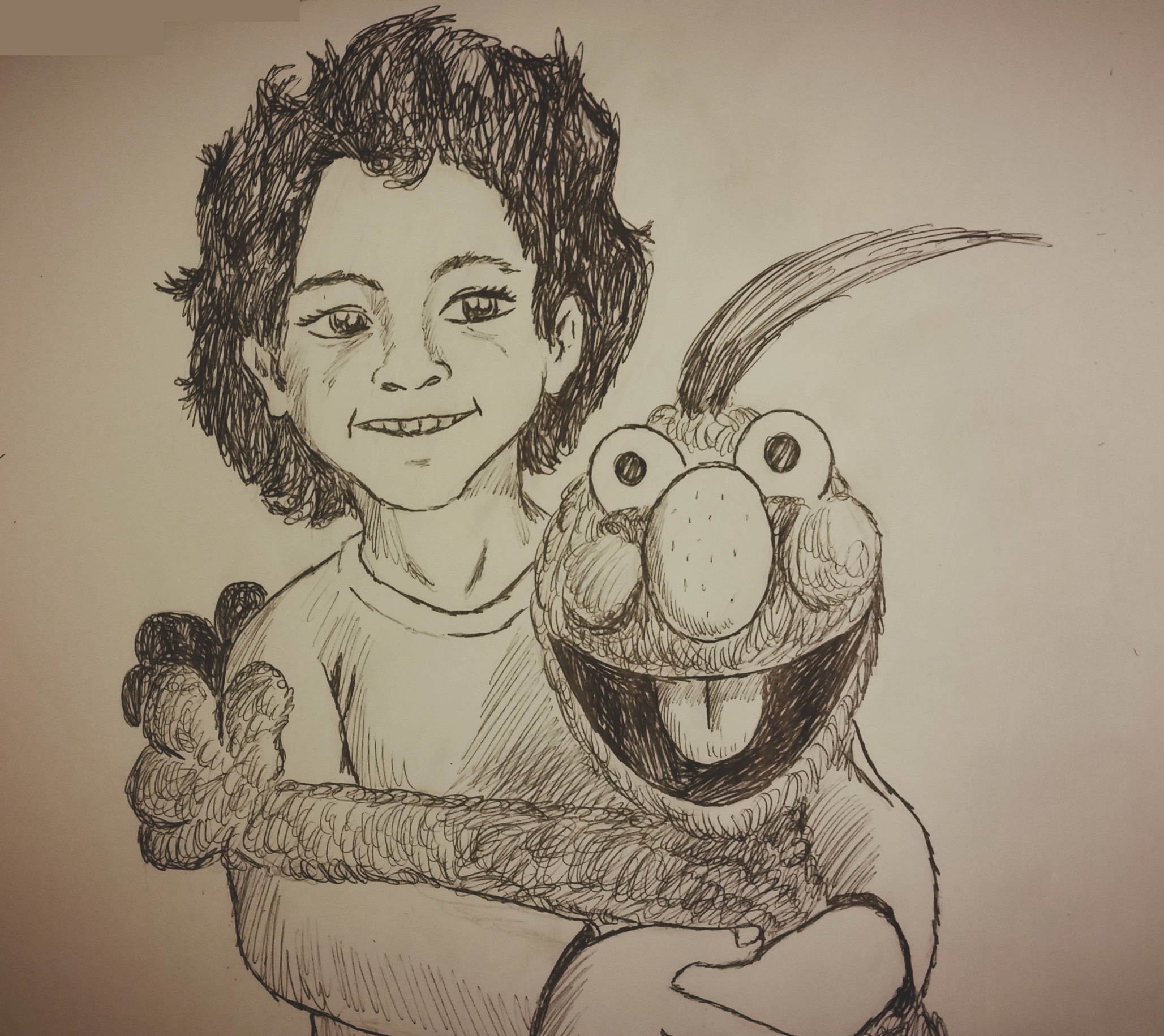
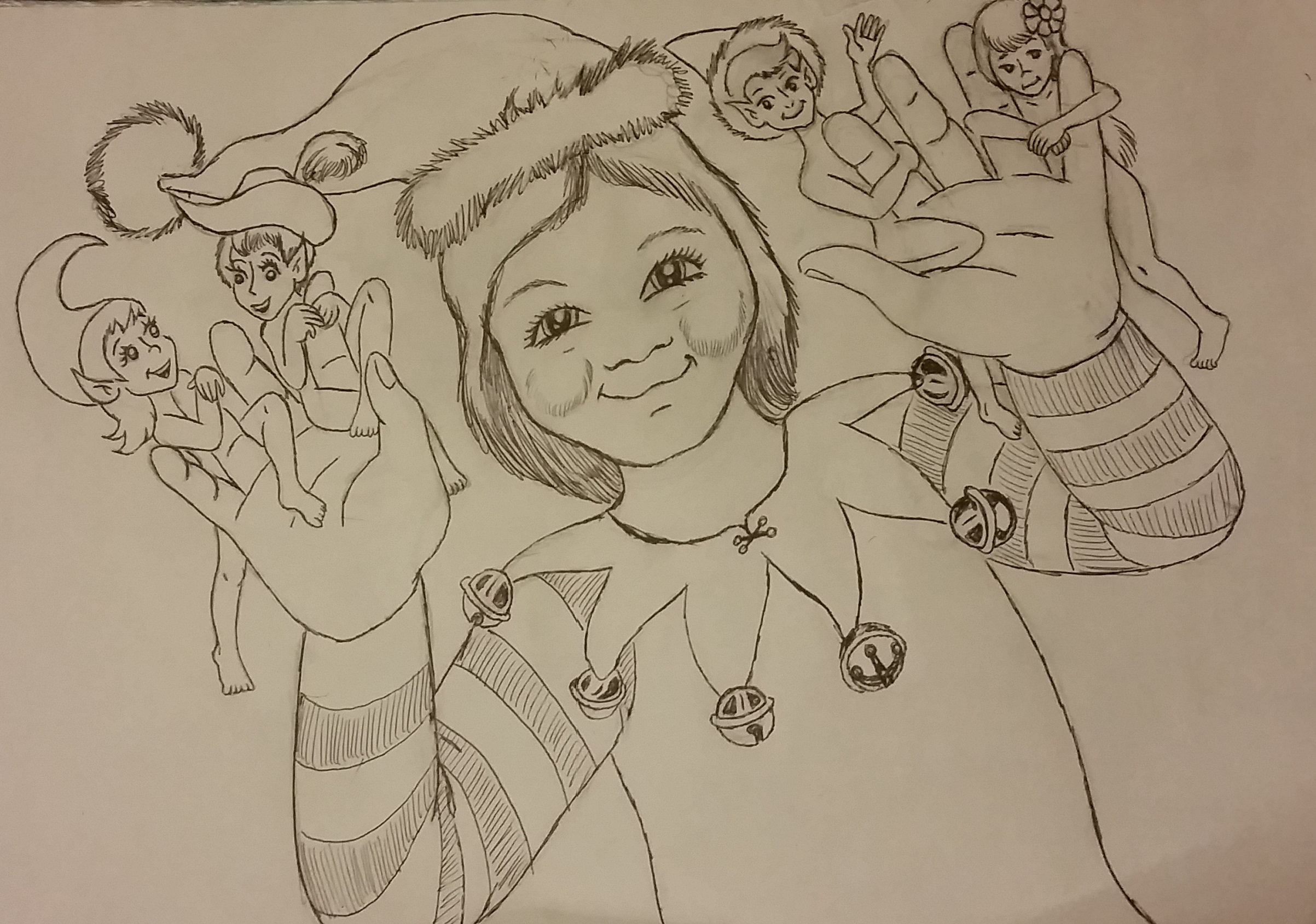
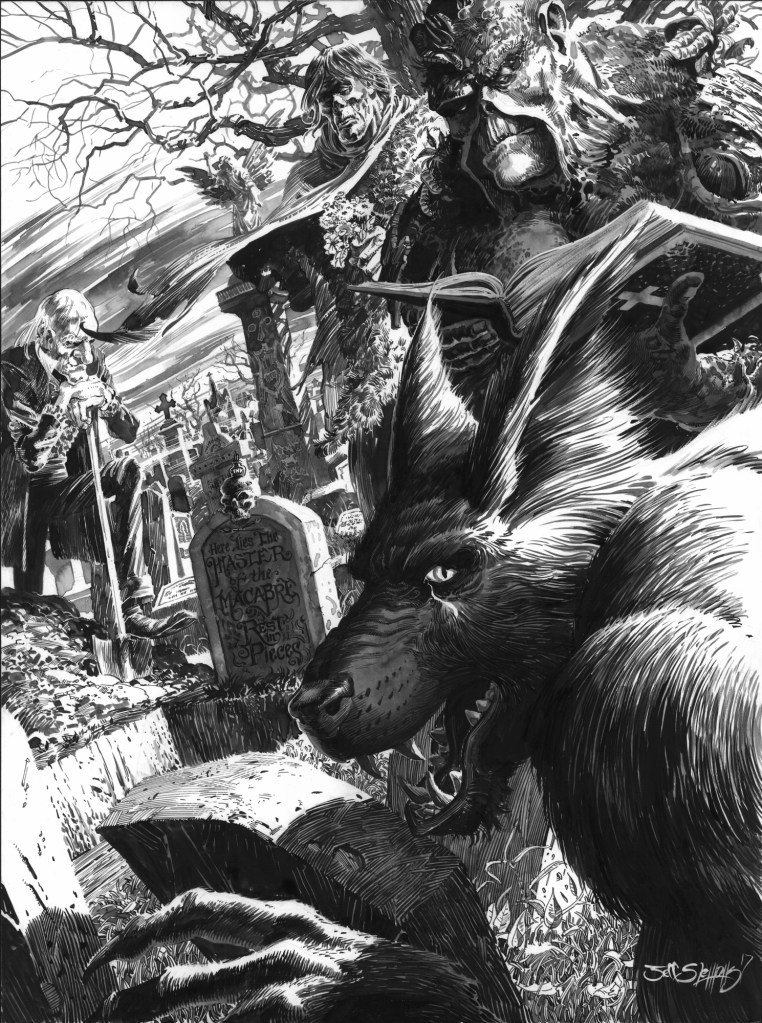
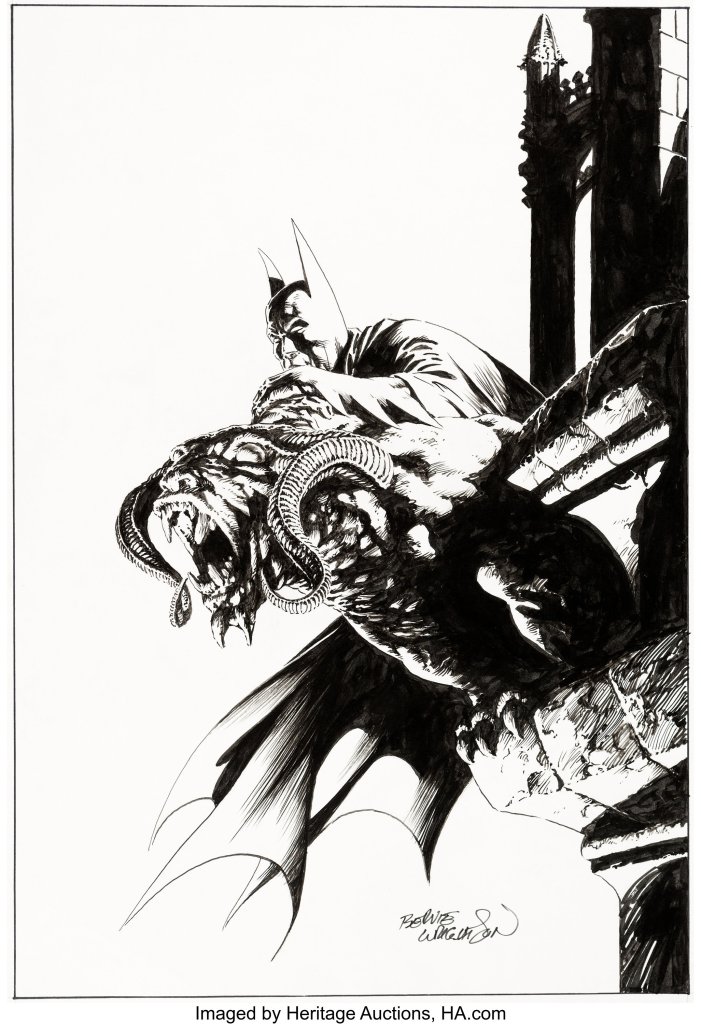
The illustrations, a lot of them, are drawings of the characters that I did in pen and ink back in the 1980’s.
We went through multiple generations of player characters, some of whom were practically immortal, and others that died horrible deaths after a few episodes.
Most of the acting in the RPG was done for humor’s sake, and so my Sci-Fi tale turns out to be more of comedy than anything else.
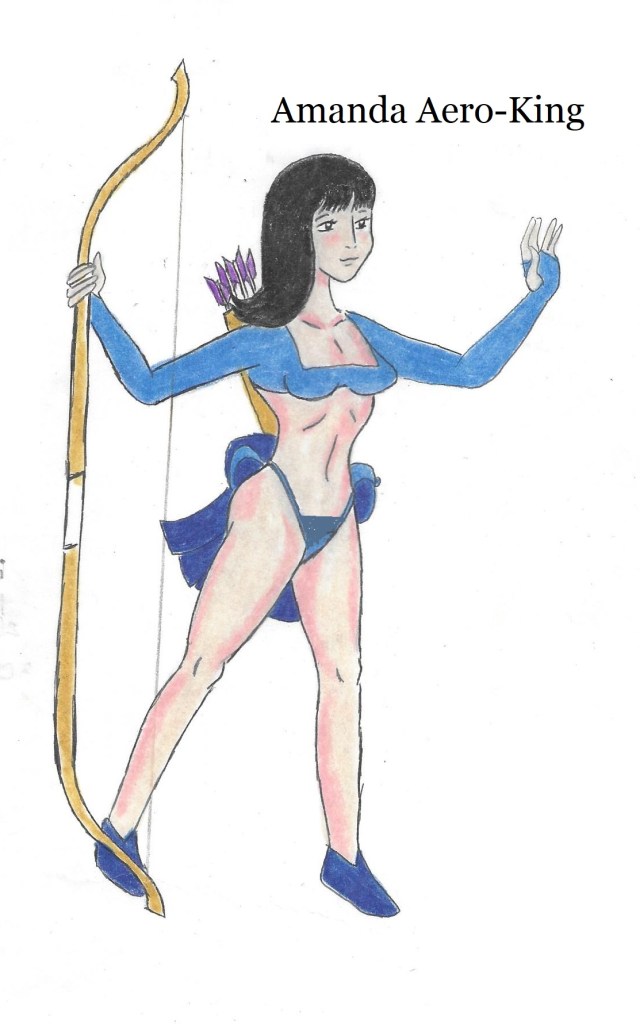
Rescuing the novel from the sorry state it was in from being an awkward first attempt at publishing done with a publisher that later had to be sued and put on trial for fraud has been an interesting and rewarding experience. These stories will never be among my best works, but they were definitely a learning experience. And rewriting them is a learning experience itself, living the story all over again with significant changes.
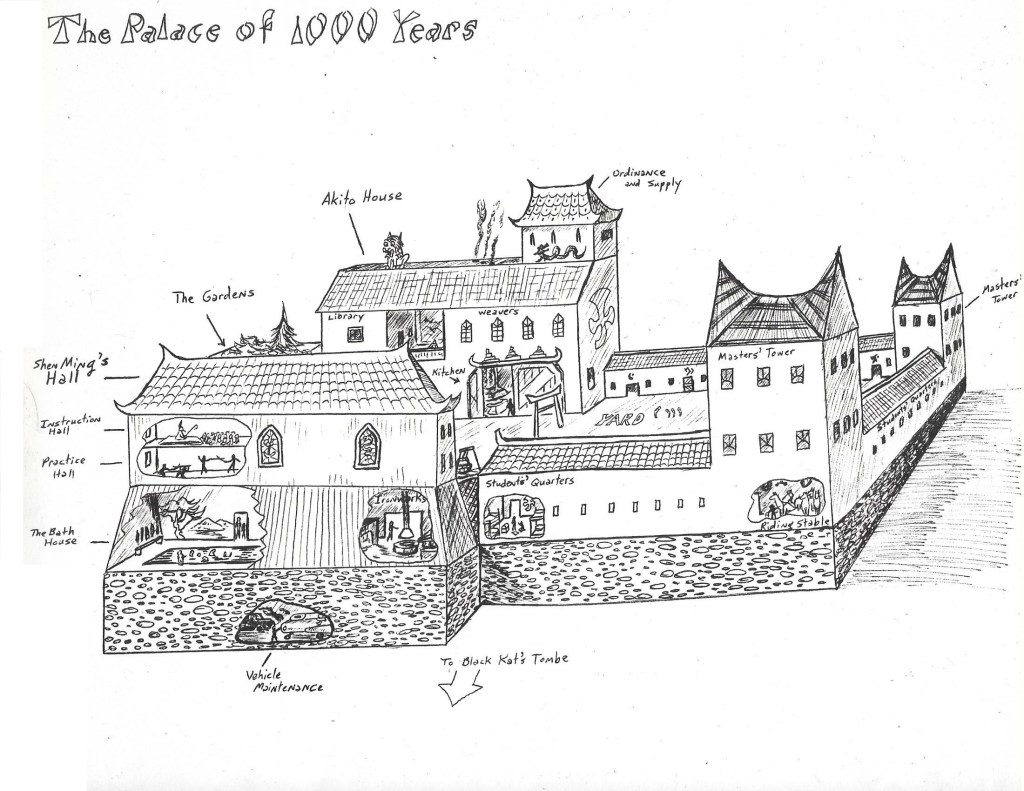
The places are the same, but as a satire, they had to be re-named in many instances as the planet’s names and their make-up were copied from other books and movies. But they were rewritten by the players themselves as everything was turned into comedy and farce. Hence, the planet Mongo ruled by Emperor Ming, became the planet Mingo ruled by Emperor Mong. These are obvious references that are re-named in ways that give us a laugh or a wince.
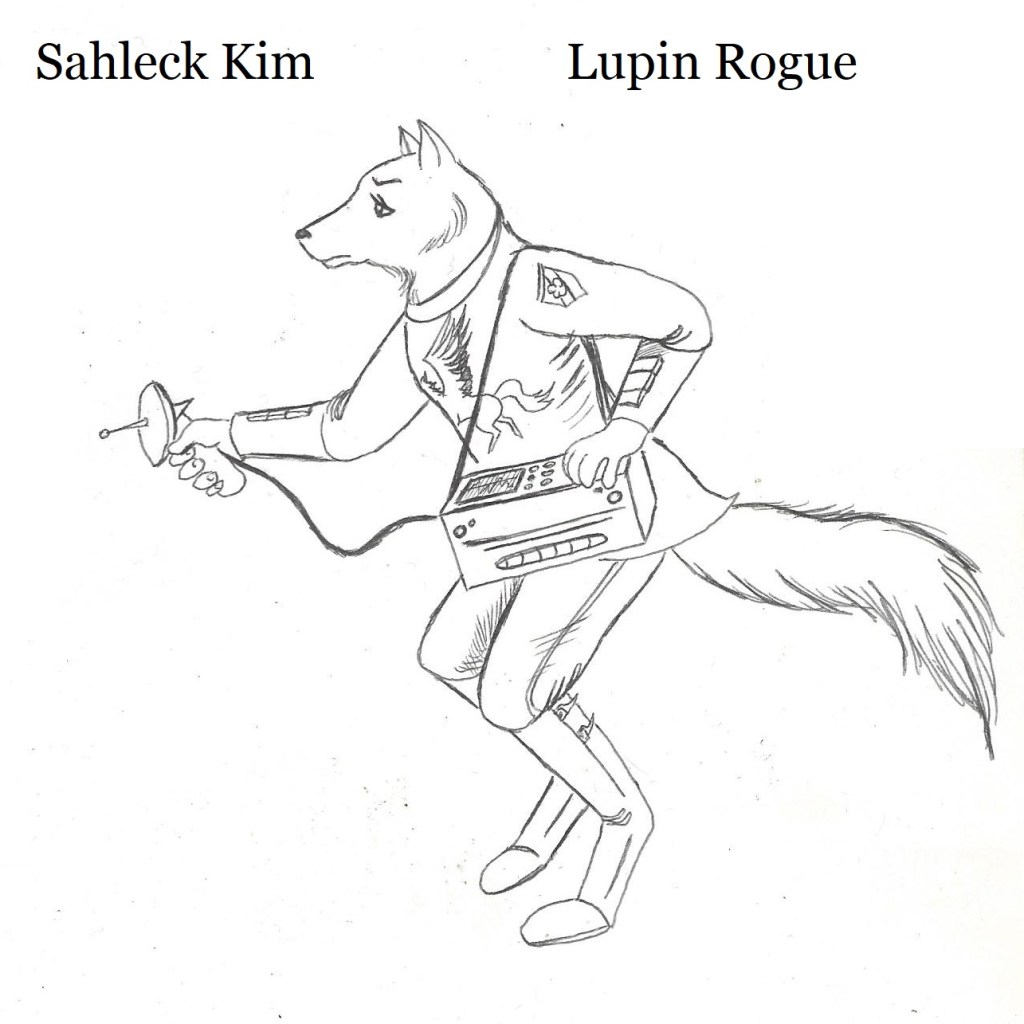
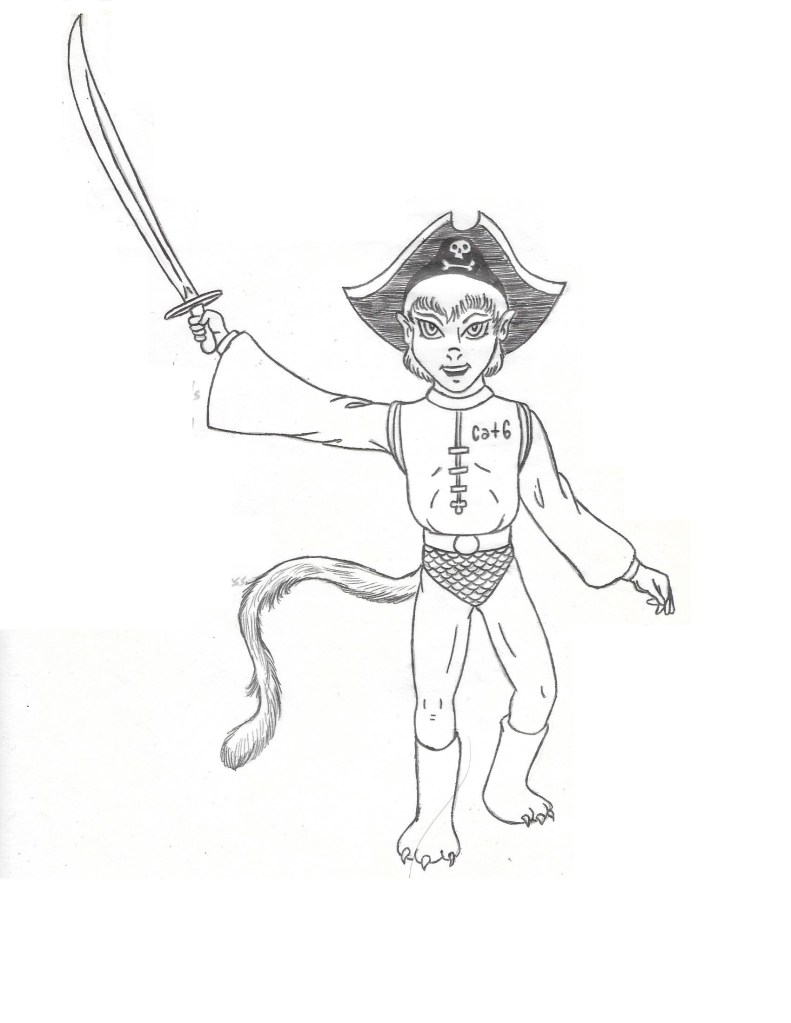
..
”
”
”
”
”
I doubt it is obvious by just looking at these drawings, but by reducing their size, the line drawings are improved to a high degree.
Illustrating AeroQuest has been fun. Maybe, at some point, it will even prove profitable. But ultimately, it is definitely a thing worth doing.
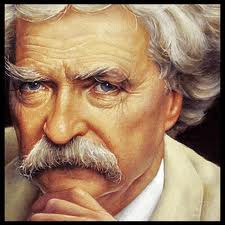
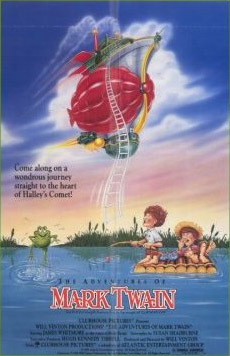 During my middle-school teaching years I also bought and read copies of The Prince and the Pauper, Roughing It, and Life on the Mississippi. I would later use a selection from Roughing It as part of a thematic unit on Mark Twain where I used Will Vinton’s glorious clay-mation movie, The Adventures of Mark Twain as a way to painlessly introduce my kids to the notion that Mark Twain was funny and complex and wise.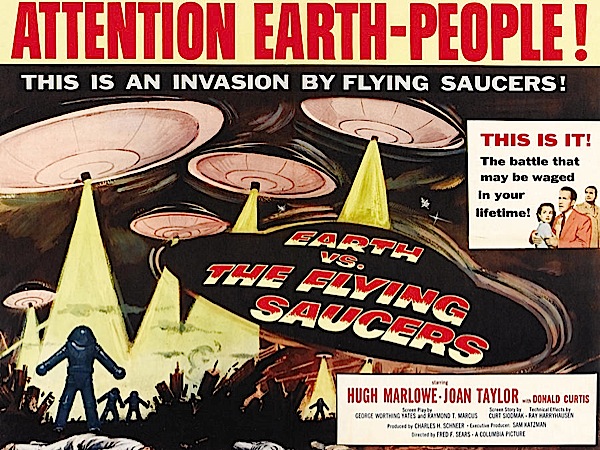
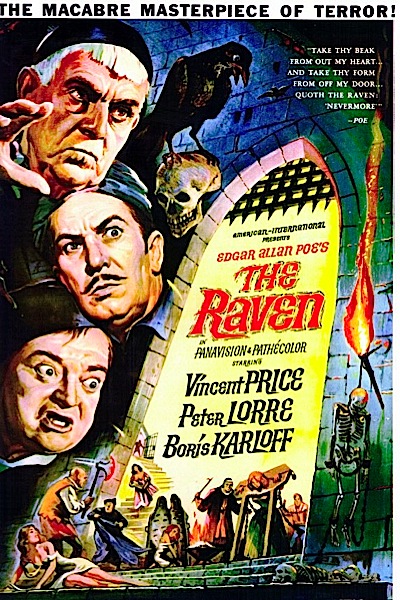
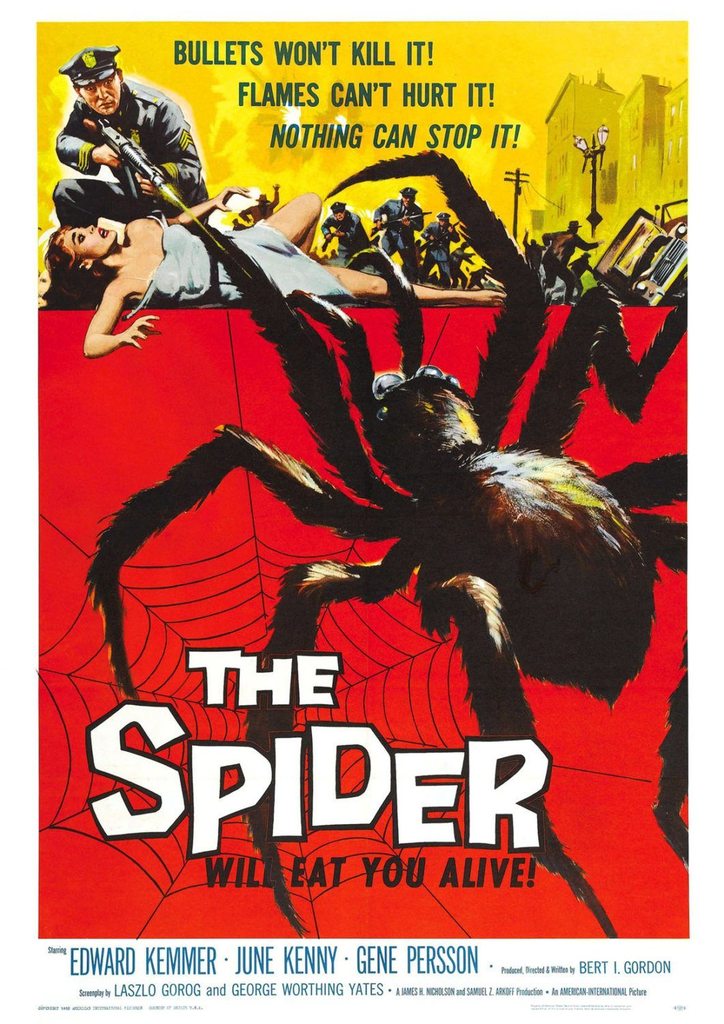








Heroes of Yesteryear (Cowboy Movies)
When I was a boy, the Western reigned supreme on both television and in the movie theaters. Part of the benefit of that was being indoctrinated with “the Cowboy Way” which was a system of high ideals and morality that no longer exists, and in fact, never did exist outside of the imaginations of little boys in the 1950’s and 1960’s. We learned that good guys wore white hats and bad guys wore black. You only won the shootout if you shot the bad guy and you didn’t draw your gun first.
Of course, the cowboys who were the “White Knights of the Great Plains” we worshiped as six-year-olds and the singing cowboys on TV were not the same ones we watched when we were more mature young men of ten to twelve. John Wayne starring in Hondo (after the book by Louis L’Amour) was more complicated than that, and we learned new things about the compromises you make in the name of survival and trying to do things the best way you can. From Jimmy Stewart and John Wayne in The Man Who Shot Liberty Valence we began to see that sometimes you shot the villain in the back from down the street to save your simple friend from the gunfight in the street when he was too naive and green to win.
Wyatt Earp at the OK Corral was the white hat we wanted desperately to be when we grew up. And then I saw on PBS in the late 60’s a documentary about the real shootout and the real compromises and consequences of the thing we once thought was so clearly good versus evil.
Wyatt went from the TV hero,
To the mostly moral man fighting what seemed like lawlessness,
To a morally ambiguous angel of death, winning on luck and guts rather than righteousness, and paying evil with vengeance while suffering the same himself from those dirty amoral cowboys, sometimes good, but mostly not.
And then along came Clint and “the Man with No Name”. More ambiguous and hard to fathom still…
Who really was The Good, the Bad, and the Ugly? What made any one of them worse than the other two? You need to listen to the music before you decide. We are all of us good, bad, and ugly at times. And all of it can be made beautiful at the end with the right theme music behind it. Did we ever learn anything of real value from cowboy movies? Of course we did. They made us who we are today. They gave us the underpinnings of our person-hood. So, why do they not make them anymore? The video essay at the end of my wordiness has answers. But basically, we grew up and didn’t need them anymore. And children and youths of today have different heroes. Heroes who are heroic without shootouts and letting the bad guy draw his gun first. Ideally, heroes who are us.
Leave a comment
Filed under autobiography, commentary, cowboys, heroes, movie review, review of television, sharing from YouTube, strange and wonderful ideas about life
Tagged as cowboys, westerns