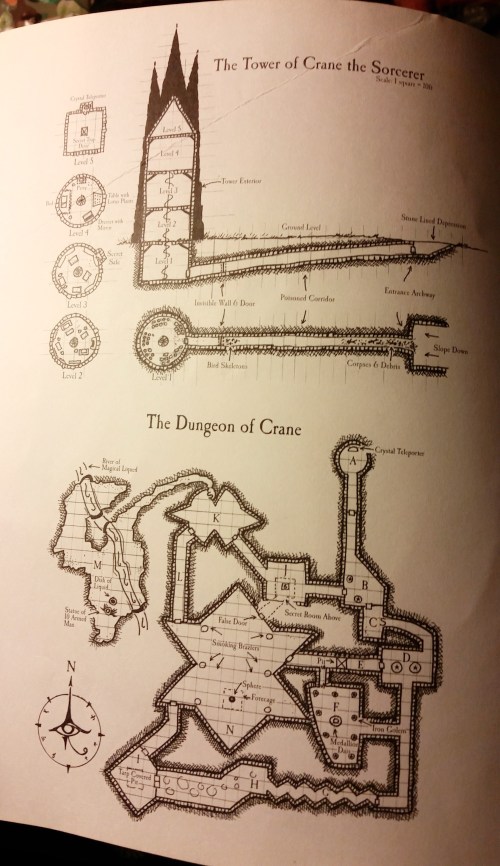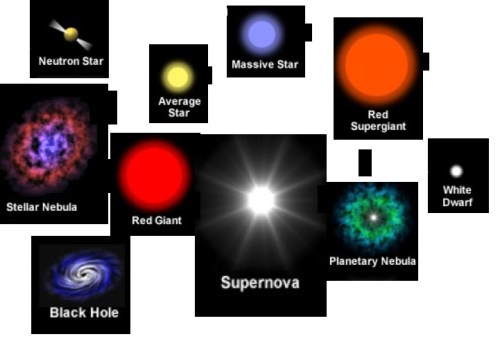
When you play role-playing games in outer space, like Traveller, it really helps to have a home base. For my players in the 80’s and early 90’s, that was the planet Gaijin. Gaijin was an Earth-like planet with numerous archipelagos and far more ocean than found on Earth. It was also given to much more tropical weather, never really growing colder than temperate zones in Fall.
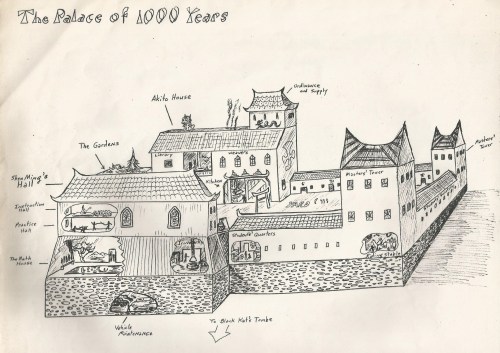
The population of Gaijin was made up of a blended race descended from both Japanese explorers from Earth and the very human-like lemon-yellow-skinned people known as the Sylvani. The Oriental/Alien culture made it very easy for player characters to find training in martial arts and ninja skills, as well as well as the mind and body skills of Psionics that were illegal within the Third Imperium. The original group of player characters found shelter and training in the Palace of a Thousand Years, the place destined to produce the White Spider of Prophecy.
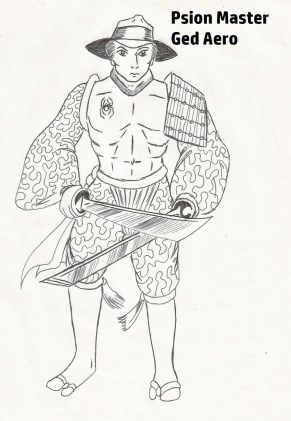
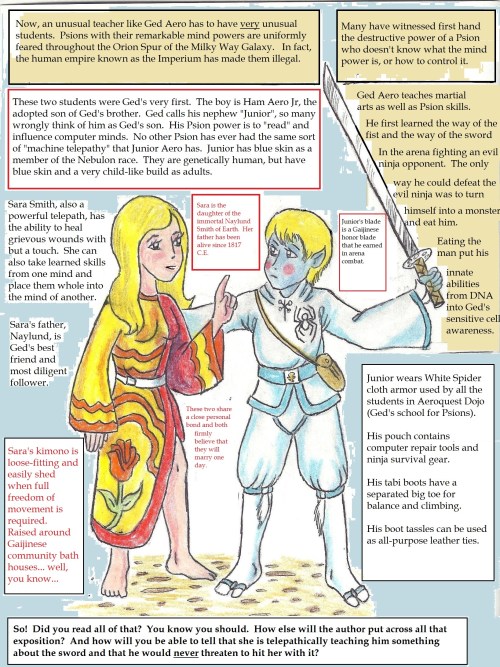
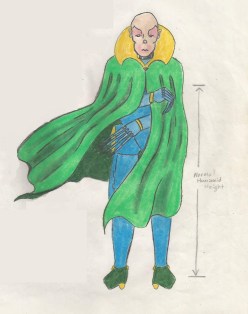
It was, of course, the leader of the adventuring party, Ged Aero, who became the White Spider. He was born in the Imperium, but together with his brother, Ham Aero, and the rogue Trav “Goofy” Dalgoda, they settled in Gaijin’s capitol, Kiro, and established a school for psionic ninjas.
Ged was himself a gifted psionic shape-changer, able to become any creature or person whose DNA he had tasted or absorbed through his skin.
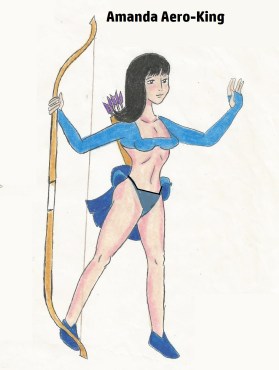
Ged’s biological daughter, Amanda would later succeed him in his role as Master of the White Spider Dojo for Psionics. She was herself a quite gifted telepath and ninja warrior.
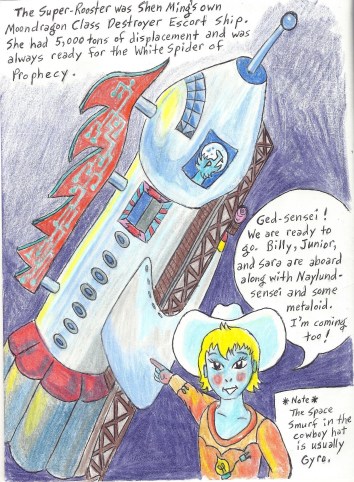
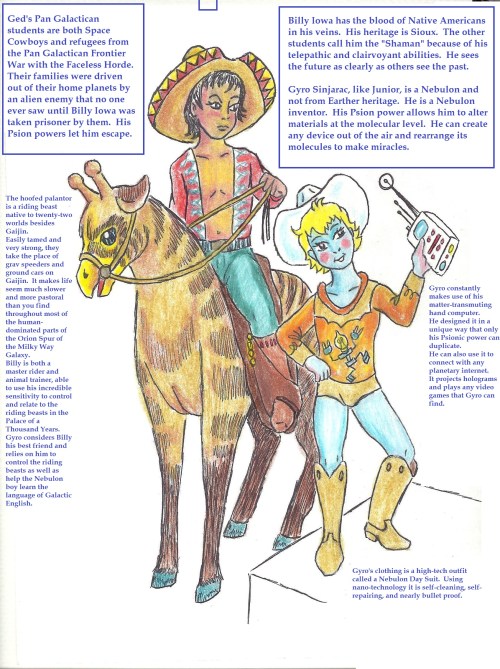
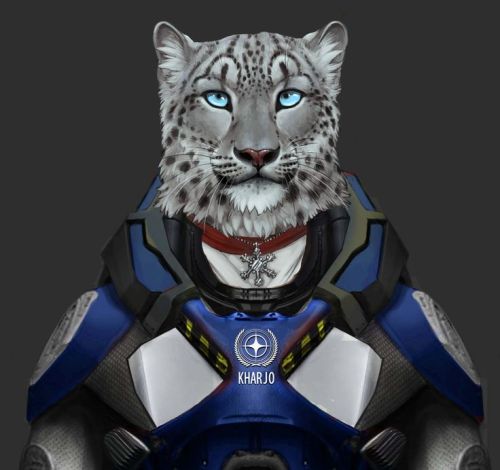
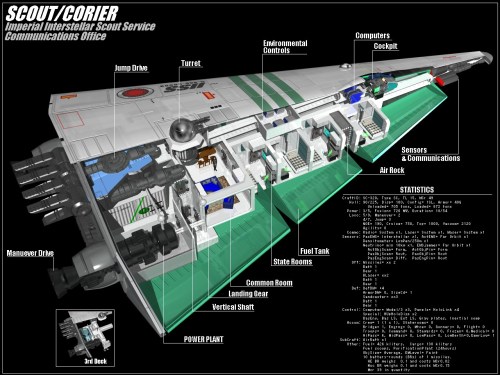
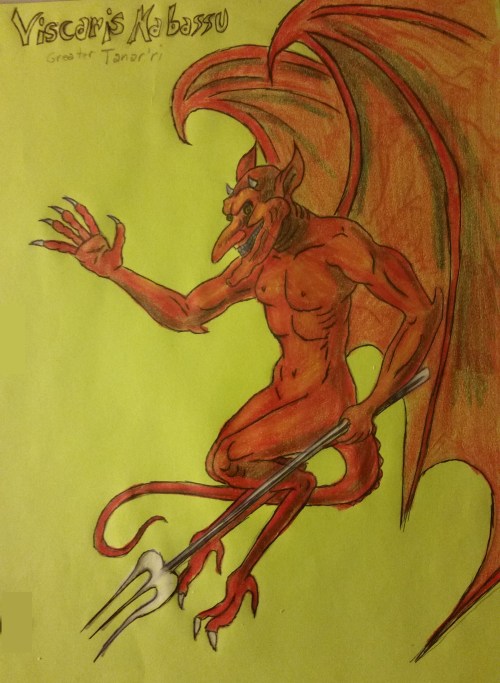
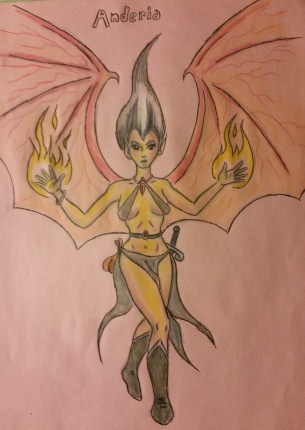
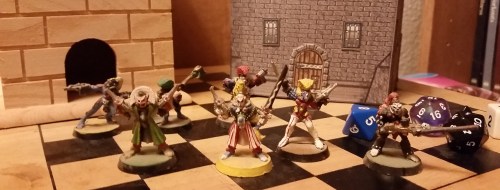
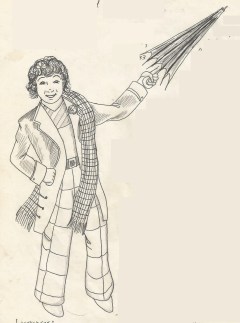
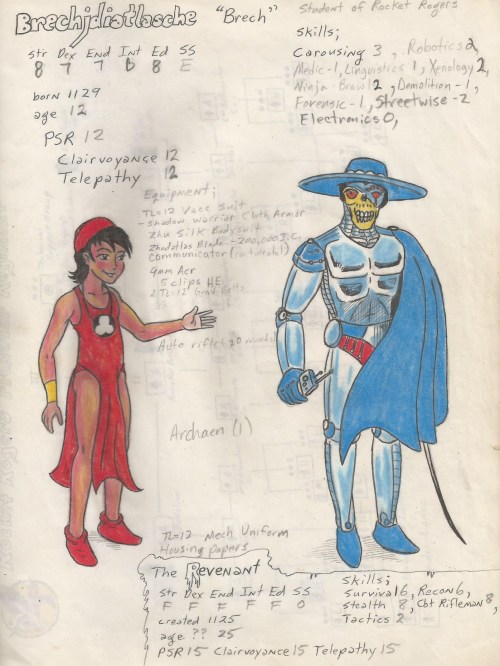
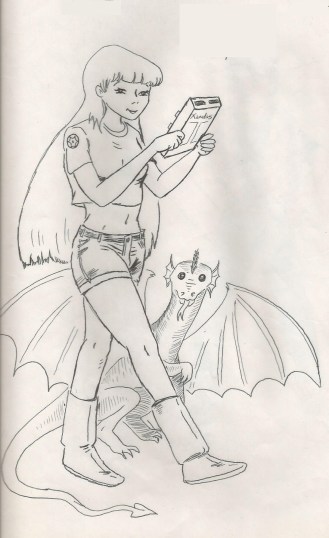
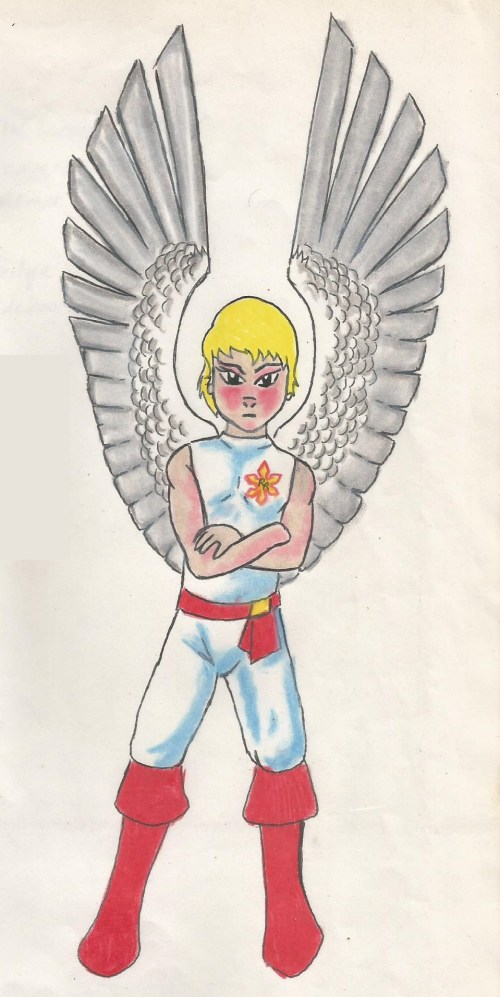
Many different player characters arrived on Gaijin to let their players experience the life of a space ninja. These are just a few of them.


As I am sure you can tell by this, a lot of different kids played the game with me over the course of a little more than a decade. Some of them weren’t terribly creative (Luke Bloodstone was going to be Skywalker until I talked him out of using that name). Some of them liked other things immensely too (Vince Niel was the captain of the Rock and Roll Starship and had to have a crewman named Nikki Sixx). Some characters like the idea of massive wealth on a planetary scale (hence the fact that the Marchioness was a noble and owned an entire planet that was not Gaijin).
But this particular home=base planet would become a center for adventure and eventually the inspiration for my novel Aeroquest.



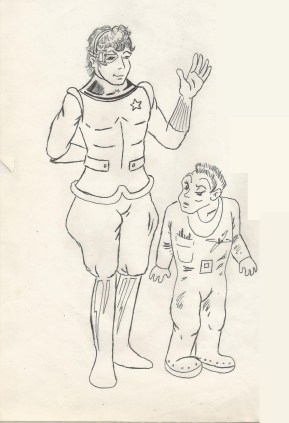
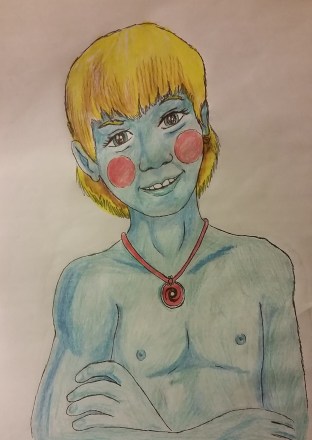
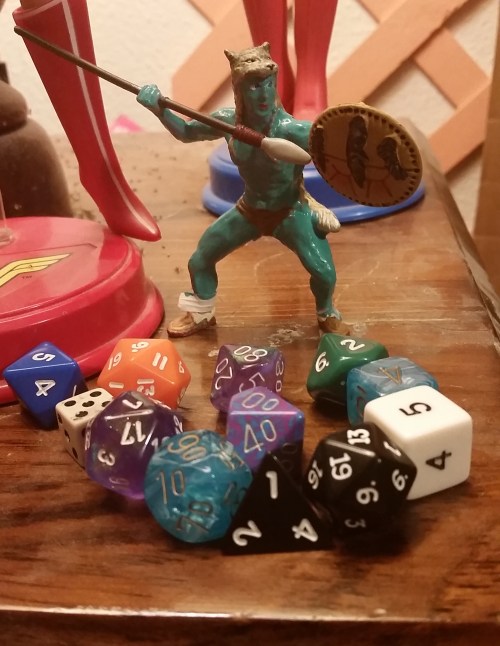
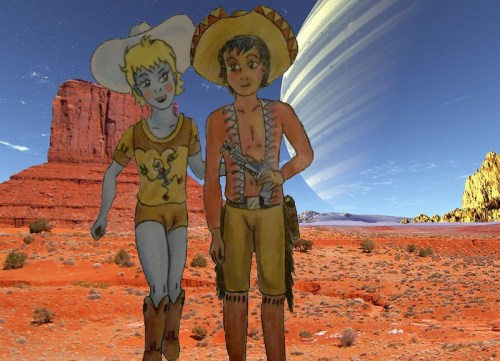 So, what are Nebulons? Gyro Sinjarac on the left in the picture is an example from Aeroquest of a Nebulon. They are aliens who are human in every respect except for their blue skin. Interestingly they can even successfully interbreed with Earther humans. This is apparently due to either the evolution of Nebulons from Earther explorers, or, more likely, the galaxy being seeded with Earth humans and Earther DNA by the mysterious alien race known only as “the Ancients”. What is not debatable is that Nebulons have unique skin. The blue skin with high levels of natural copper sulfate in it has evolved as a protection from interstellar nebula radiation. No one who has learned their language and studied their culture has ever identified a planet of origin. Instead, the Nebulons have been a space-born race since humans first encountered them, travelling in their symbiotic space-whale space cruisers. They are a mysterious deep-space race of alien beings who use organic symbiotes, in other words, living creatures, as their pervasive technology.