Category Archives: comic book heroes

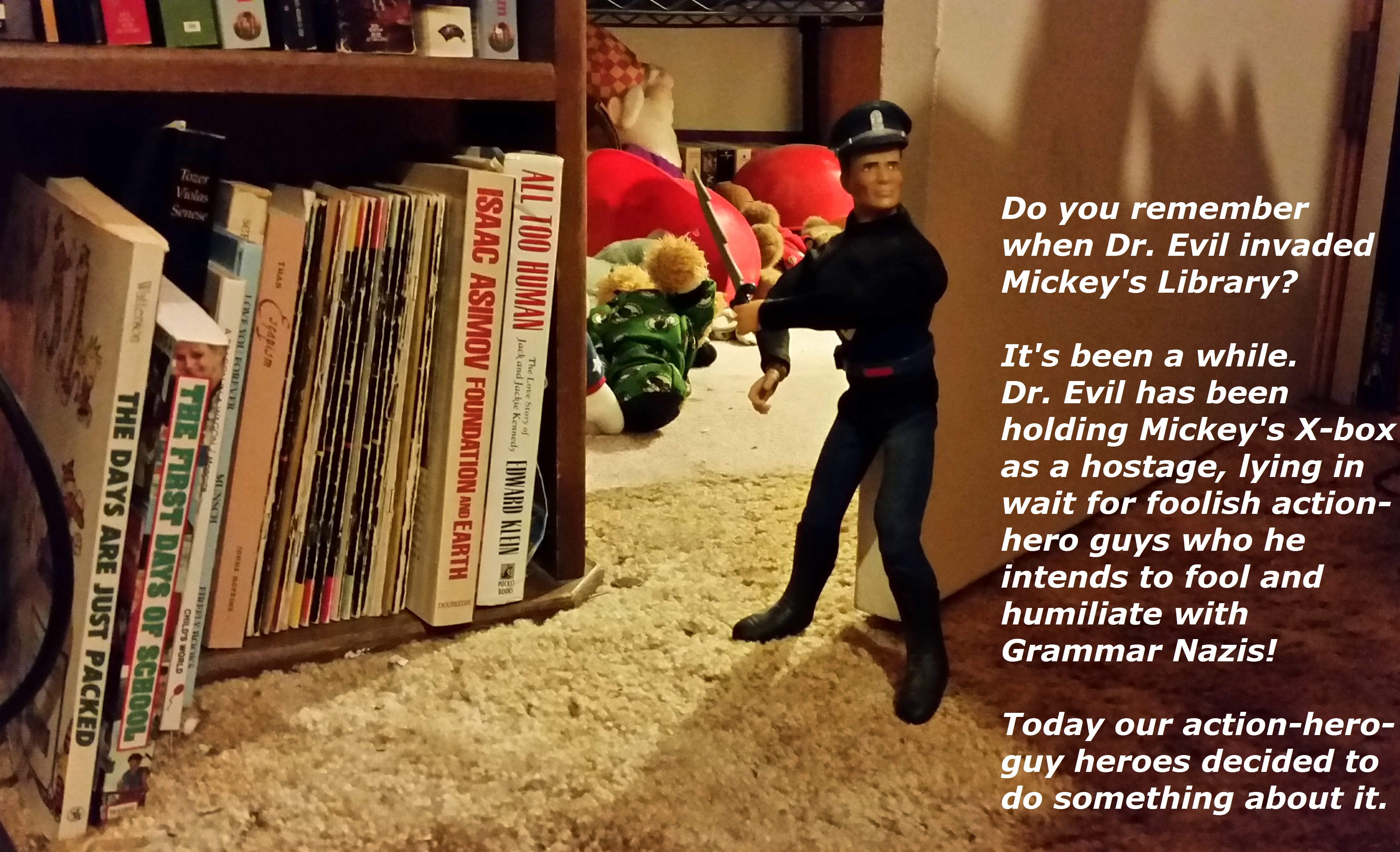
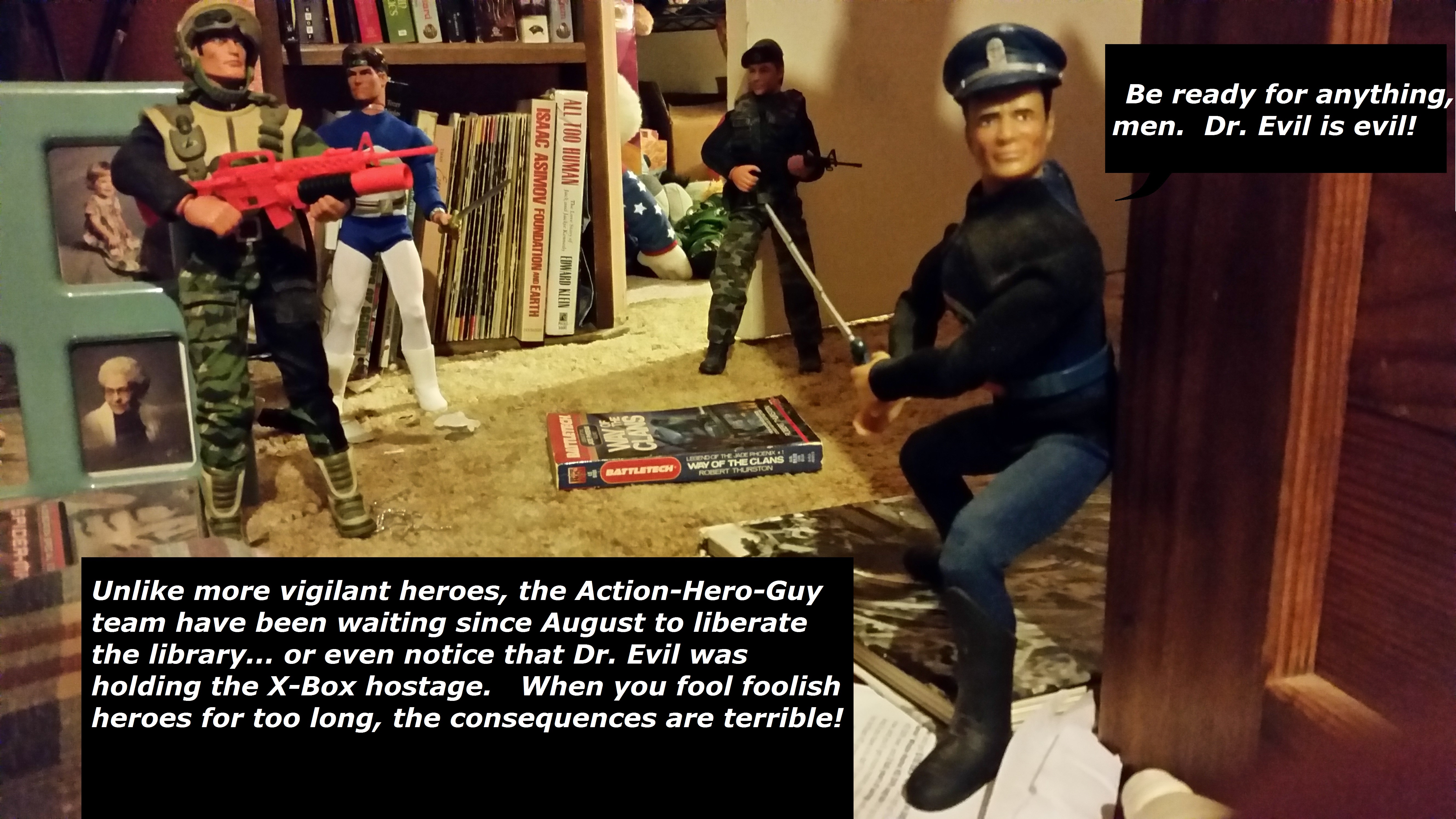
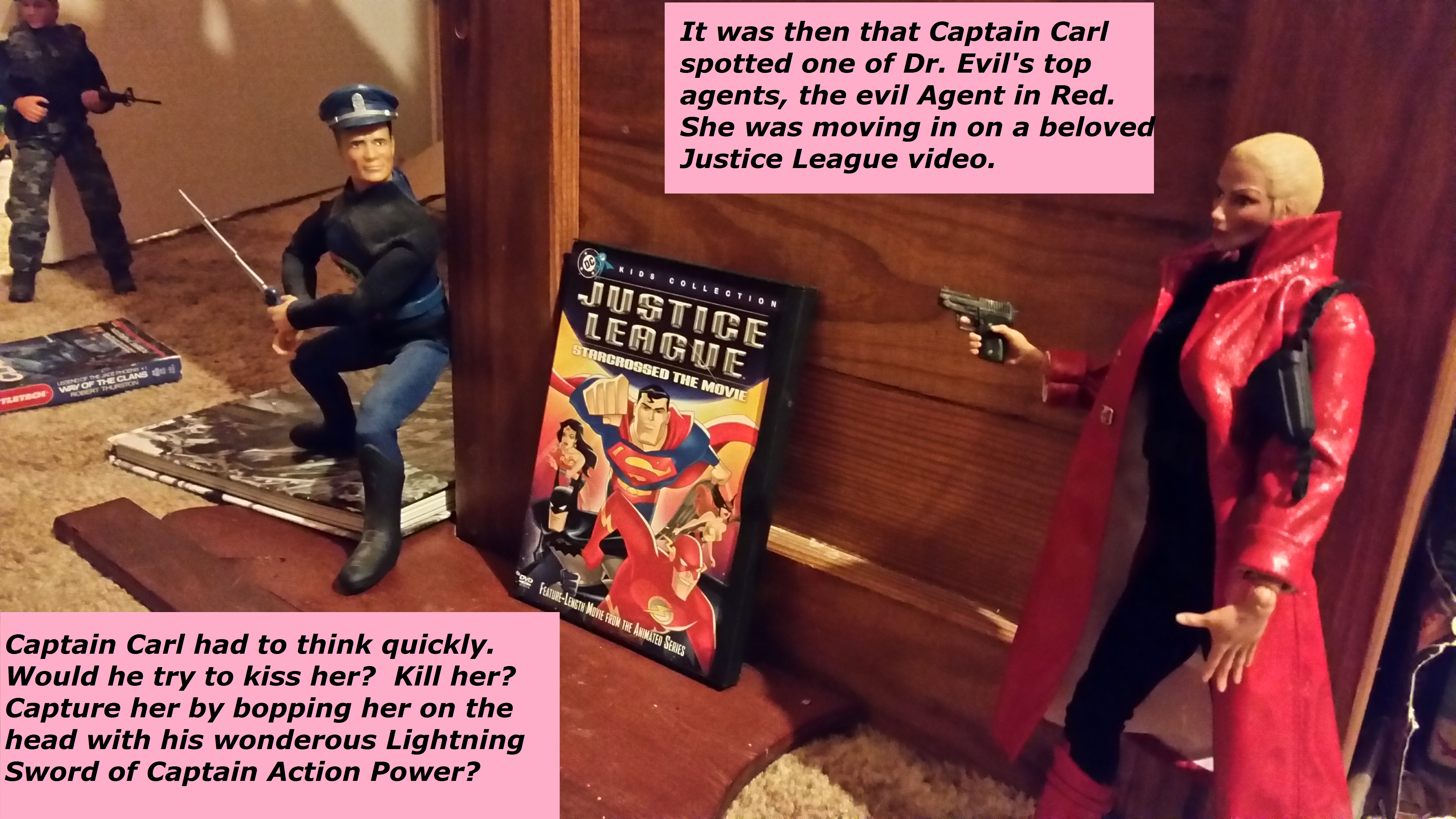
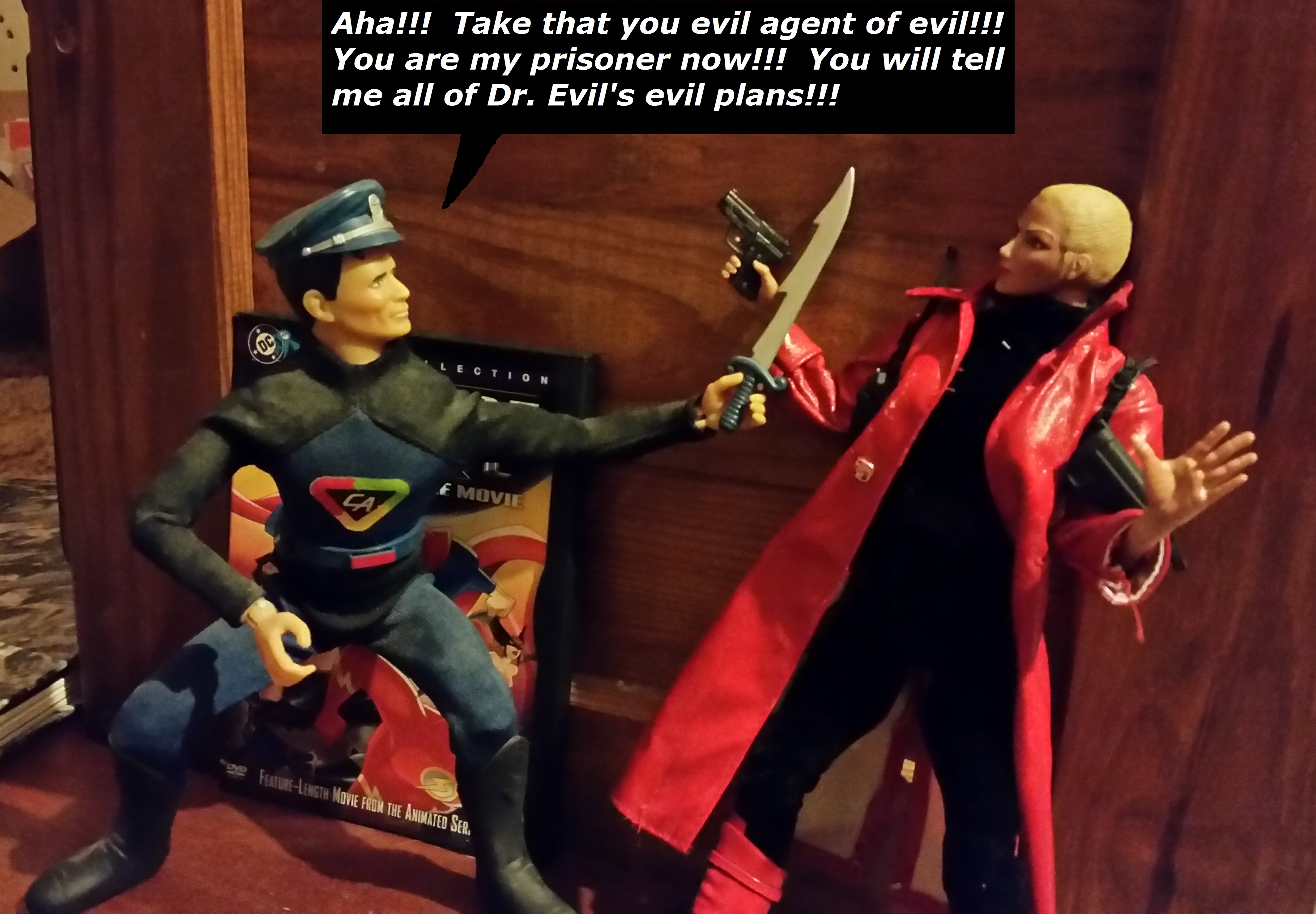
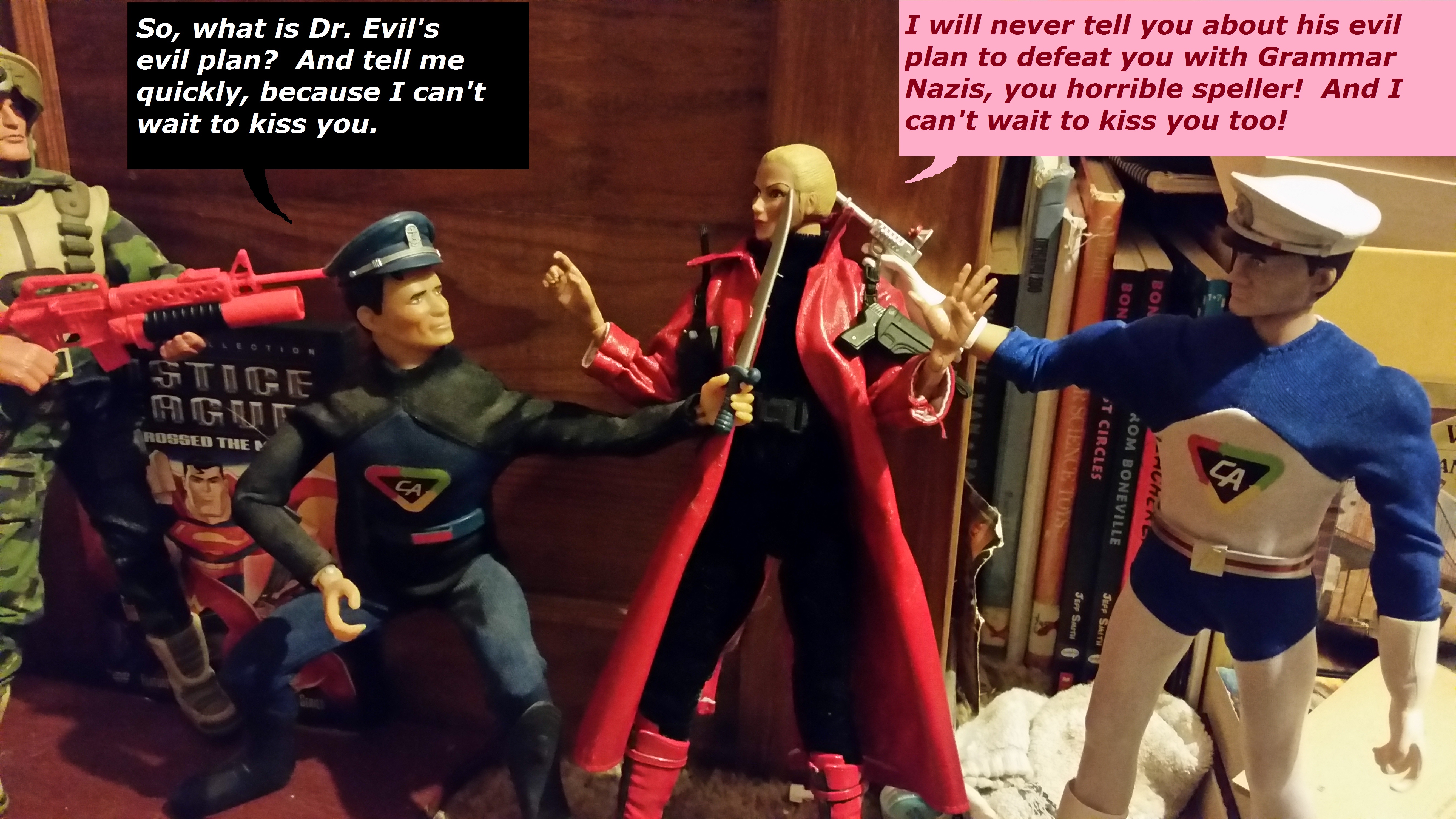
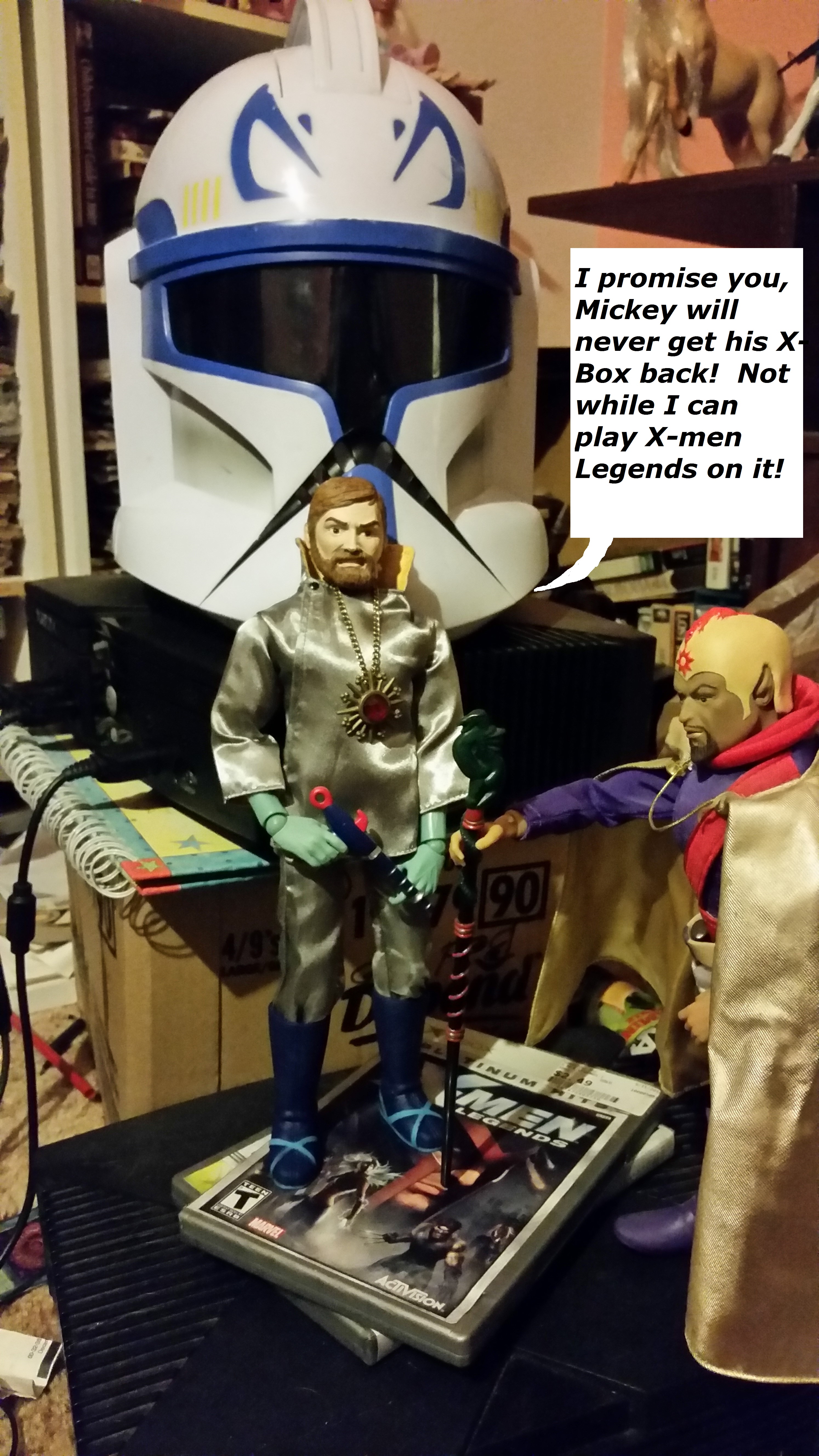
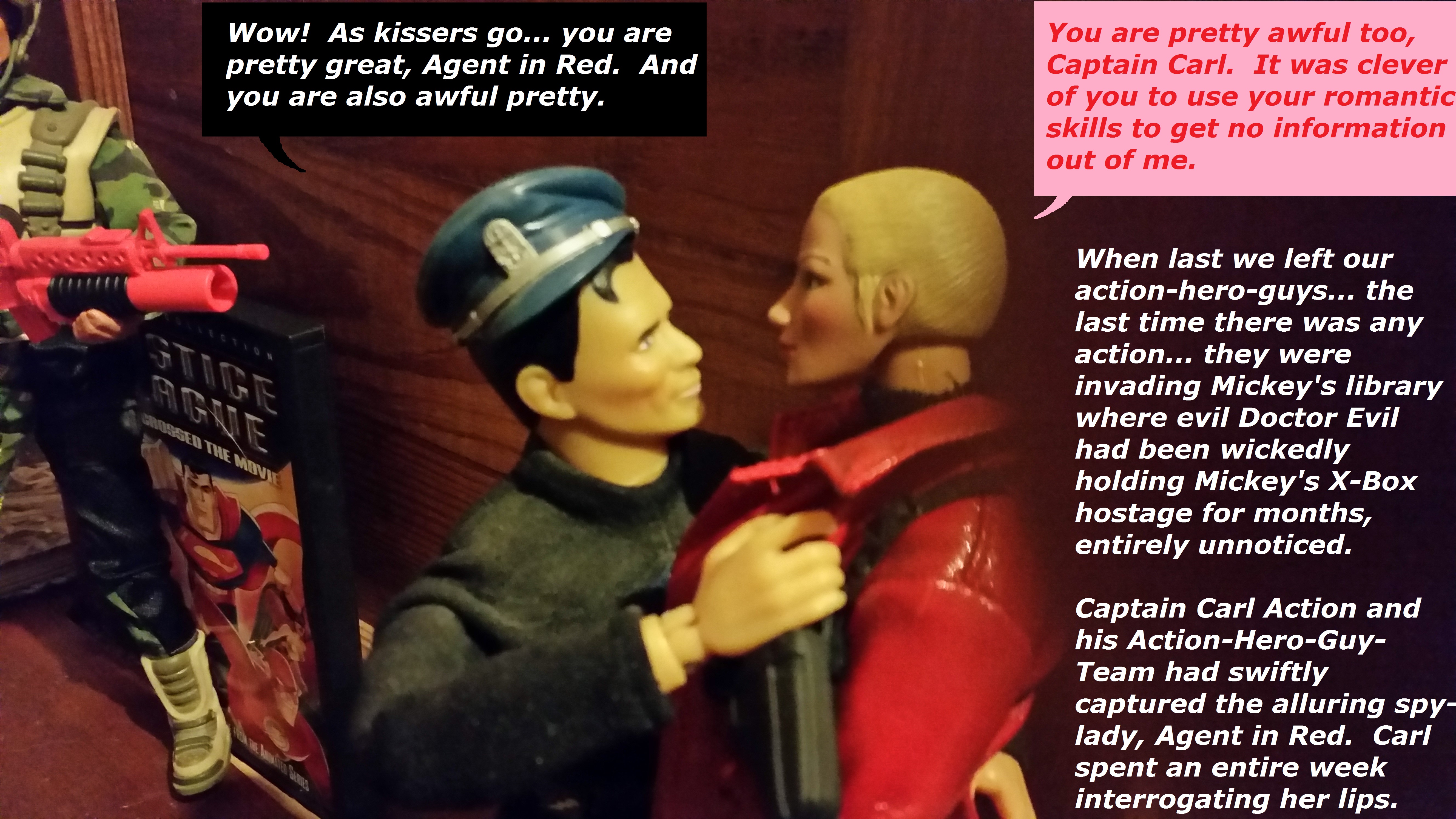
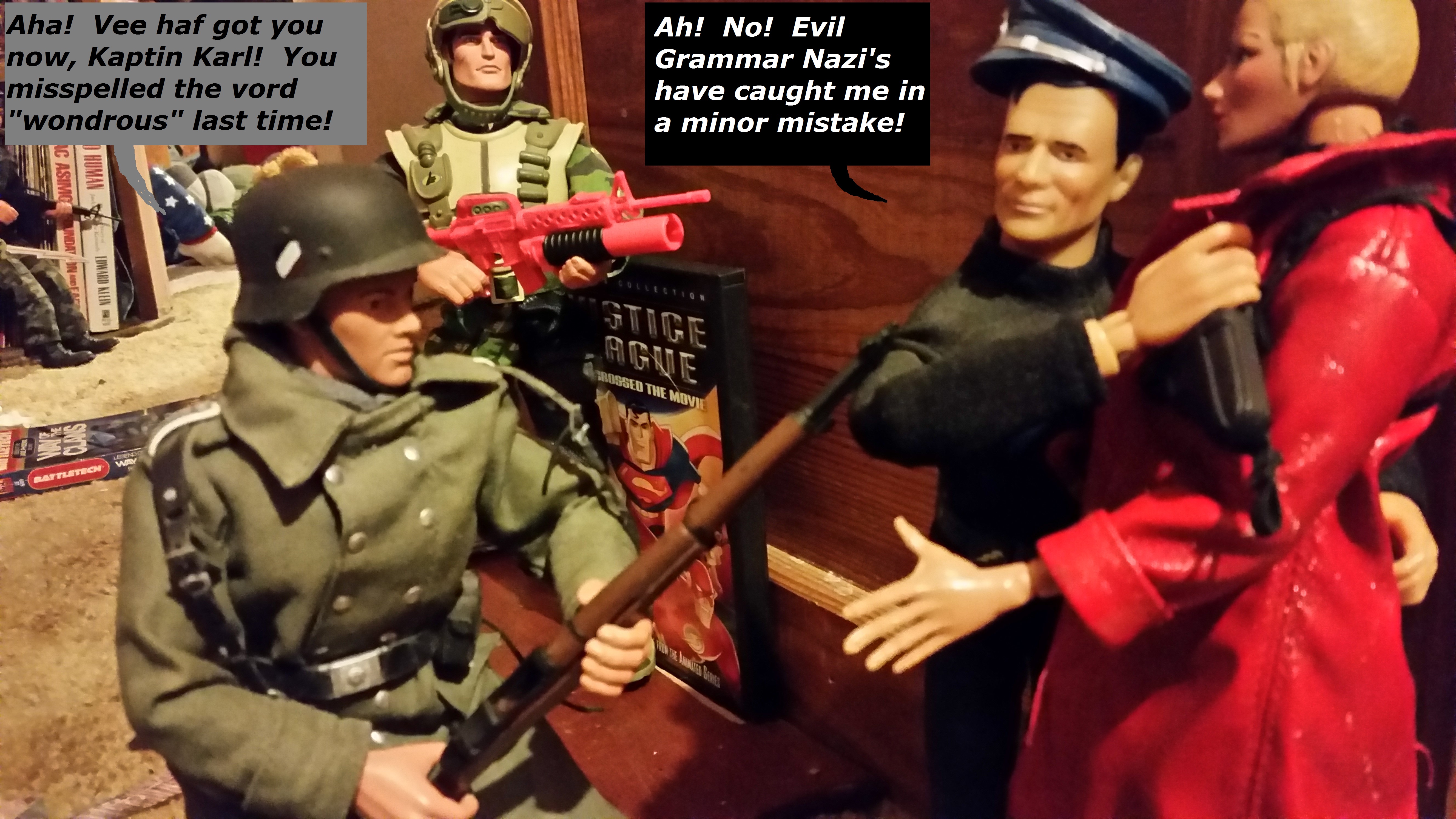
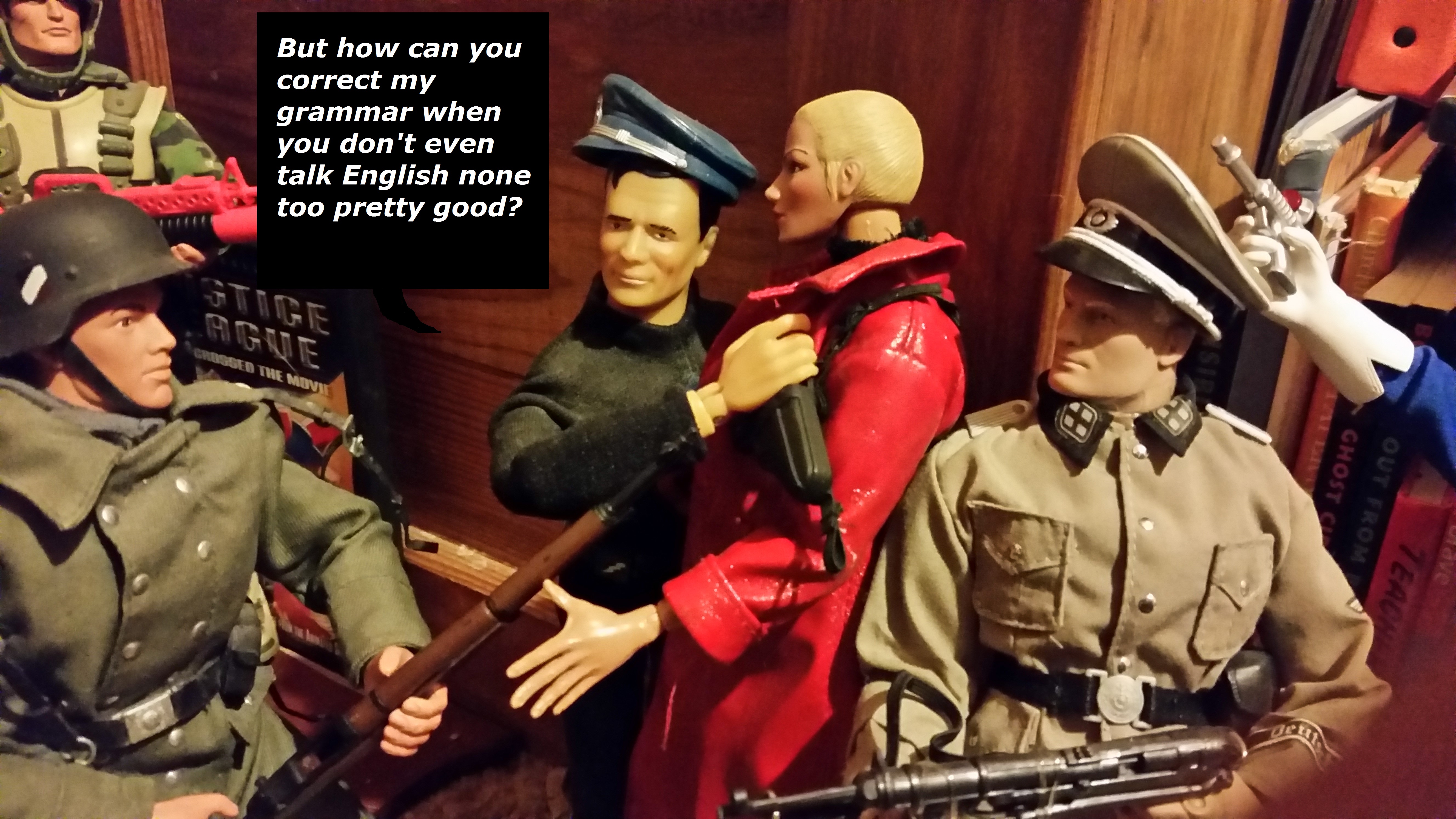
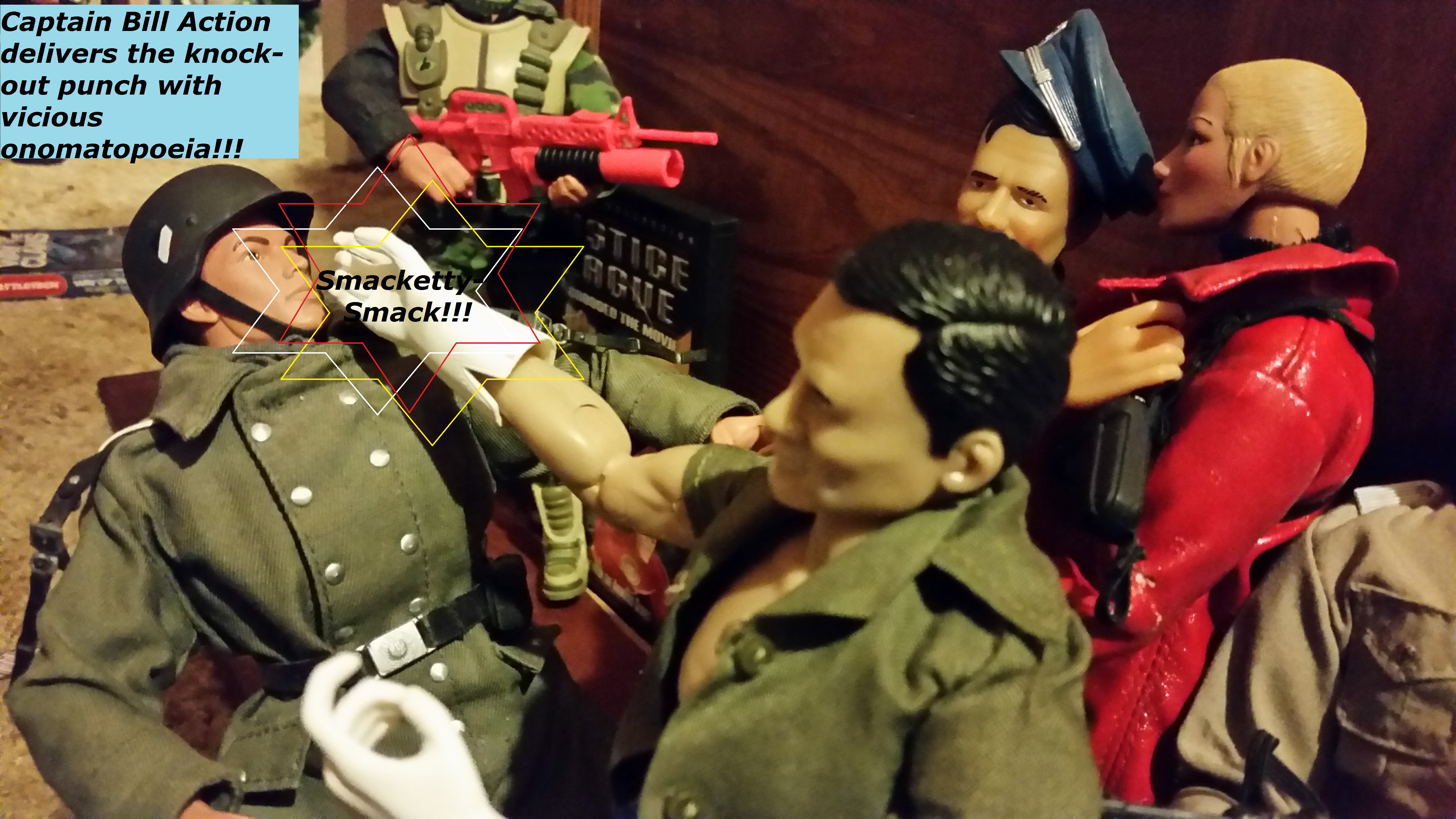
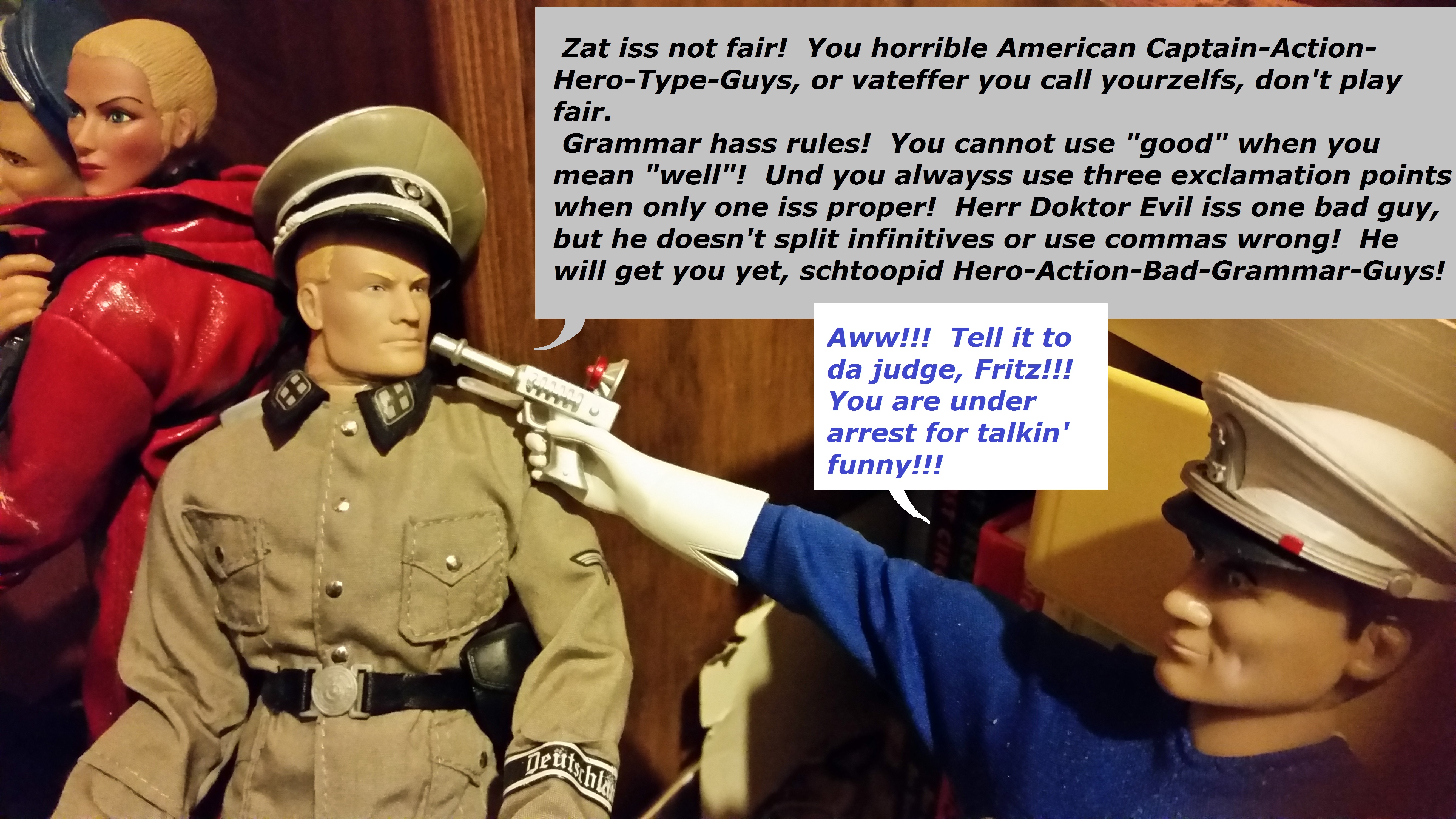
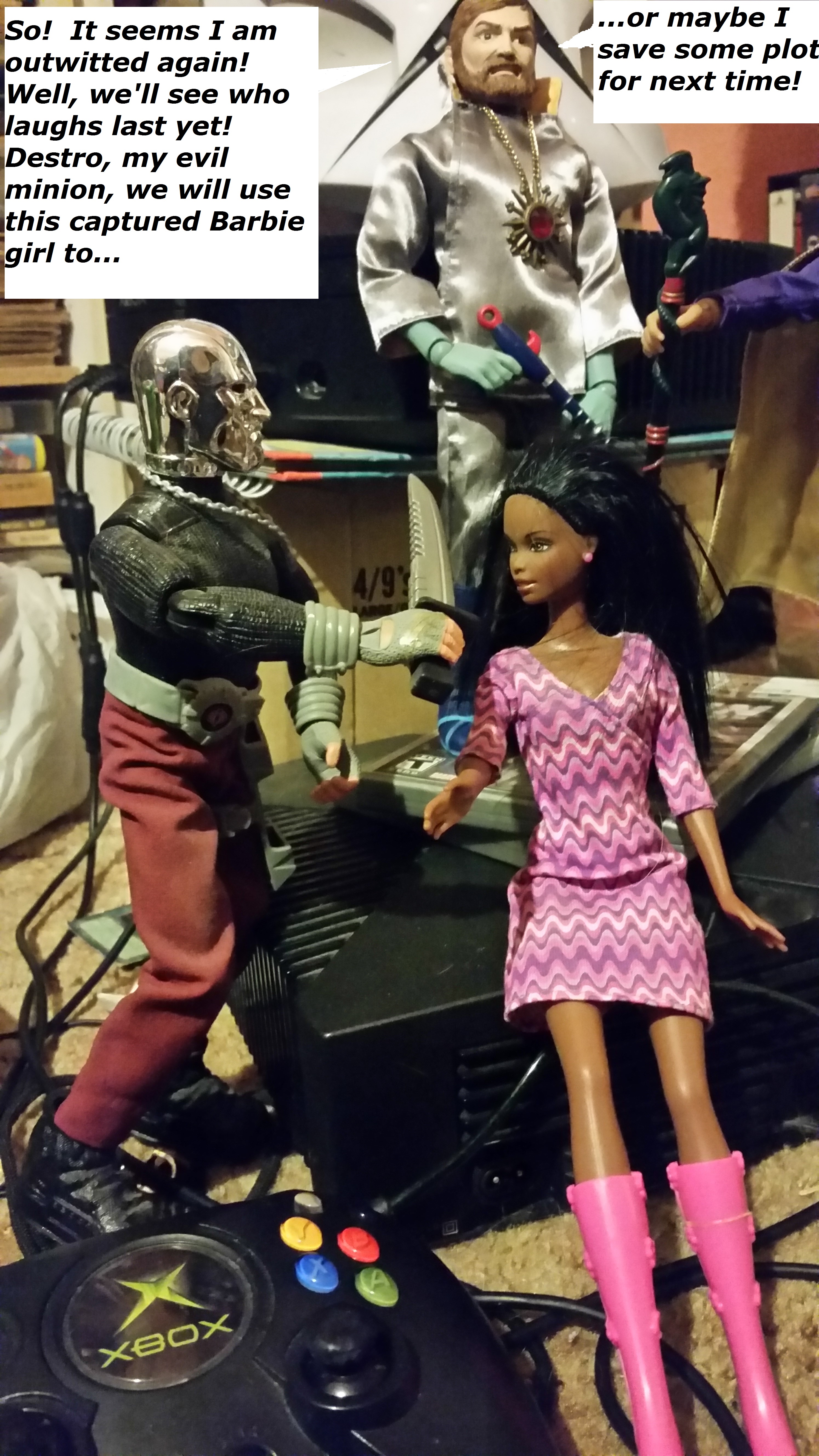
This is What Happens When You Leave a Crazy Old Retired Guy Alone With a Doll Collection and a Camera

Yes, I know this is supposed to be a Saturday Art Day Post, but you can make art in many different ways. That can include pictures made with a camera while I play with dolls… er… action figures and try horrifically to be funny. There is an art to that, right? Maybe?

Leave a comment

Filed under action figures, artwork, cartoony Paffooney, comic book heroes, comic strips, doll collecting, humor, Paffooney, photo paffoonies, playing with toys

The Ultra-Mad Madness of Don Martin

1629093

Born in 1931 and lasting in this crazy, mixed-up world until the year 2000, Don Martin was a mixy, crazed-up cartoonist for Mad Magazine who would come to be billed as “Mad Magazine’s Maddest Artist.”    His greatest work was done during his Mad years, from 1956 (the year I was born… not a coincidence, I firmly believe) until his retirement in 1988.  And I learned a lot from him by reading his trippy toons in Mad from my childhood until my early teacher-hood.

51205-8482-67413-1-don-martin


His style is uniquely recognizable and easily identifiable.  Nobody cartoons a Foon-man like Don Martin.

The googly eyes are always popped in surprise.  The tongue is often out and twirling.  Knees and elbows always have amazingly knobbly knobs.  Feet have an extra hinge in them that God never thought of when he had Adam on the drawing board.

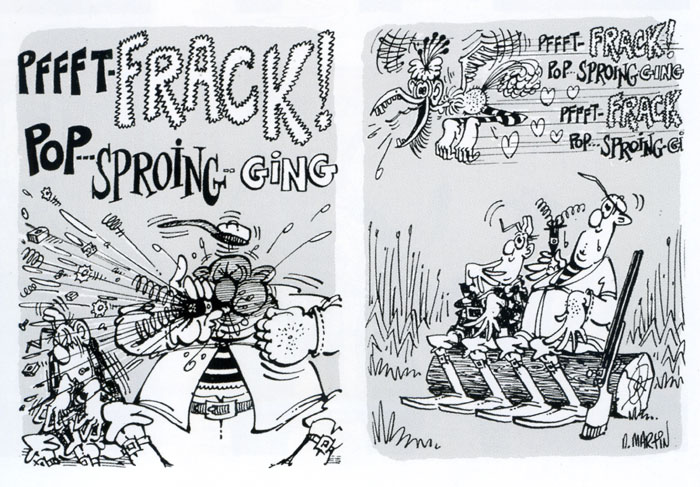
And then there is the way that Martin uses sound effects.  Yes, cartoons in print don’t make literal sounds, but the incredible series of squeedonks and doinks that Martin uses create a cacophony of craziness in the mind’s ear.

don-martin-mad-magazine-june-1969

And there is a certain musicality in the rhyming of the character names he uses.  Fester Bestertester was a common foil for slapstick mayhem, and Fonebone would later stand revealed by his full name, Freenbeen I. Fonebone.

116

And, of course, one of his most amazingly adventurous ne’er-do-well slapstick characters was the immeasurable Captain Klutz!

Here, there, and everywhere… on the outside he wears his underwear… it’s the incredible, insteadable, and completely not edible… Captain Klutz!

cap_klutz1_bc

If you cannot tell it from this tribute, I deeply love the comic genius who was Don Martin, Mad Magazine’s Maddest Artist.  Like me he was obsessed with nudists and drawing anatomy.  Like me he was not above making up words with ridiculous-sounding syllables.  And like me he was also a purple-furred gorilla in a human suit… wait!  No, he wasn’t, but he did invent Gorilla-Suit Day, where people in gorilla suits might randomly attack you as you go about your daily life, or gorillas in people suits, or… keep your eye on the banana in the following cartoon.

Kg2GZRM

So, even though I told you about Bruce Timm and Wally Wood and other toon artists long before I got around to telling you about Don Martin, that doesn’t mean I love them more.  Don Martin is wacky after my own heart, and the reason I spent so much time immersed in Mad Magazine back in the 60’s, 70’s, and 80’s.

9ce65a0ded2754c6d00079b1eb772179


2 Comments

Filed under artists I admire, artwork, cartoon review, cartoons, comic book heroes, goofiness, humor, illustrations

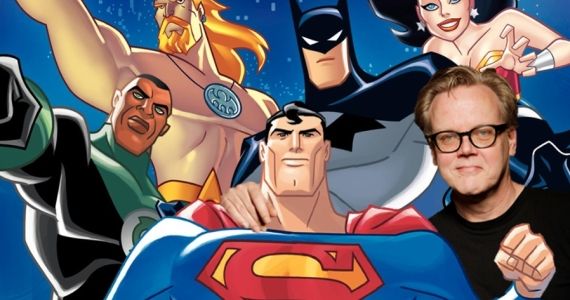
About Bruce Timm

“Today I thought I would tell you about Bruce Timm.”

“Bruce Timm?  Who the heck is he?”

“You know. That artist with that style… you know, the Batman guy.”

“You mean he played Batman?”

“No.  He designed Batman; The Animated Series.”

“Oh, that guy… the guy who draws girls really good.”

“Yes, that’s the one.”

new-justice-league-series-bruce-timm

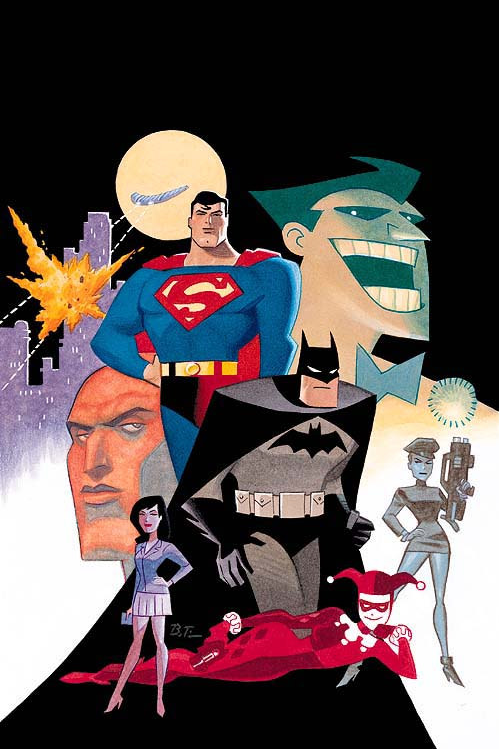
“He gave all the DC heroes their modern, animated look… their style and flair.  He made them angular, immediately identifiable, and powerful.”

4

“Yeah, I think he not only did the Batman cartoon, all film noir and retro-cool, but the Superman series that followed it, the Justice League, and all the cartoon series and movies that went along with those.”

“But that’s not all he did, either, is it?”

“No, there’s more.  He wanted to be a comic book artist, but before he got into animation, Marvel and DC turned him down.”

25e4094273e0d5a978ef3c3055e68176

“I heard he worked at Filmation for a while.”

“Yes, he got a chance to draw and design characters for Blackstar, Flash Gordon, He-Man and the Masters of the Universe, She-Ra; Princess of Power, and the Lone Ranger.

“Dang!  He was busy.  But only superhero stuff?”

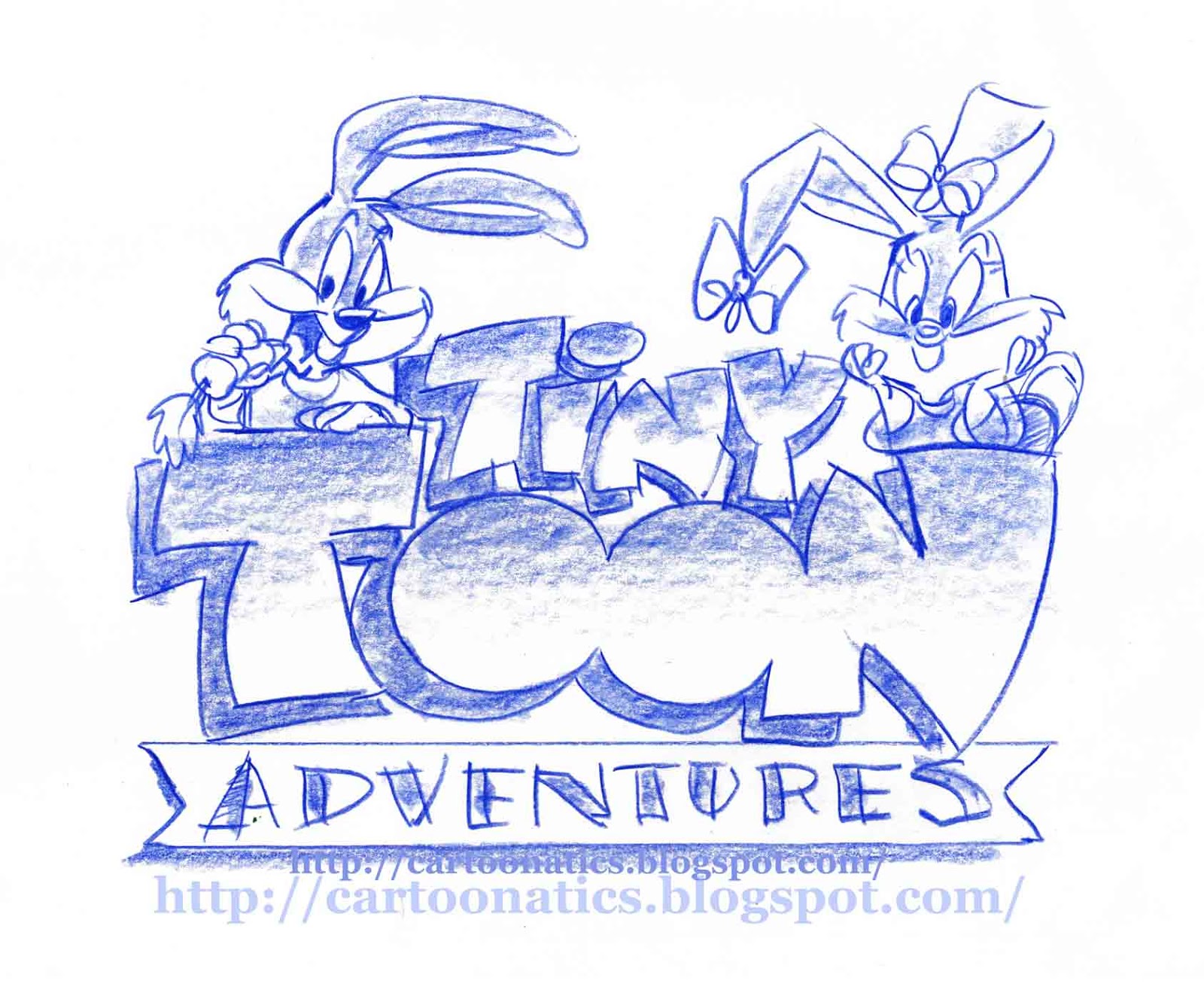
“In 1989 he went to work for Warner Brothers.  He worked on Tiny Toon Adventures.”

“That Spielberg/Bugs Bunny thing?  The one with Buster and Babs Bunny?”

“Yeah, that one, believe it or not.”

gimeno-logo-5-tiny-toons-copy

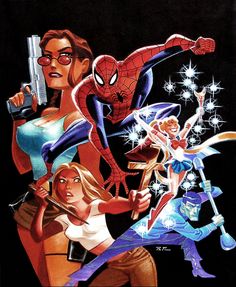
“Tell me more about the girls.  I want to hear about him drawing girls.  Wonder Woman in Justice League was hot.”

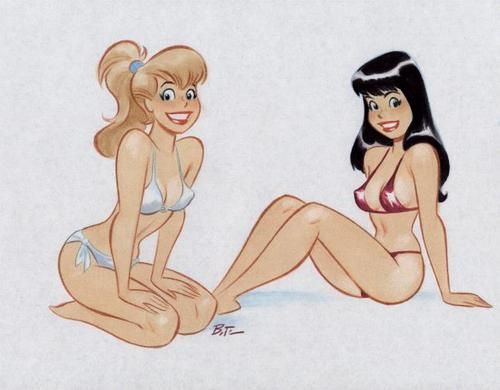
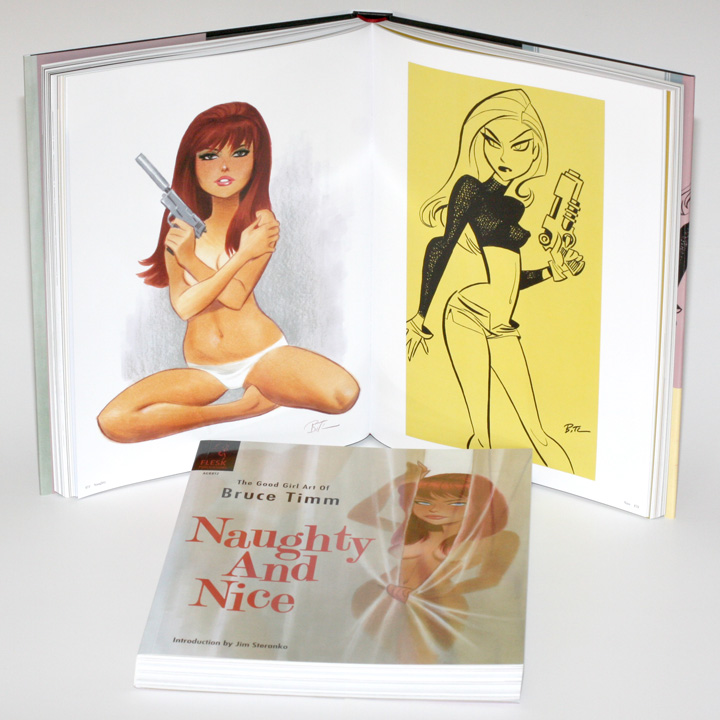
“Showing you is probably better than telling you.  Be prepared to cover your eyes, though.  He liked to draw the female figure nude and semi-naked.”

91a861e9c261d53b1d77a8e929c92401

Betty and Veronica from the Archie comics.

brucee-timm-teaser-2012-b-800

bt-nan-book-pictures-01

“I like how he draws pretty girls.”

“You would.”

“He’s the artist you wish you could be, isn’t he?”

“Pretty much.  He’s about four years younger than me.  If I had gone the comic-book artist route instead of becoming a public school teacher, our careers might’ve been parallel.”

“Except he has talent.”

“Yeah, there’s that.”

Leave a comment

Filed under art criticism, artists I admire, comic book heroes, humor

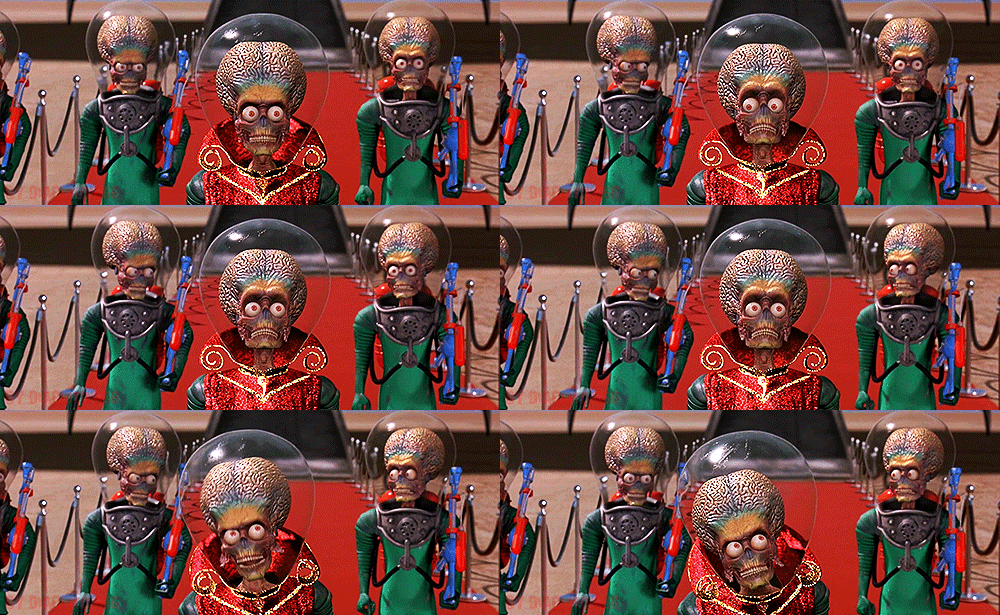
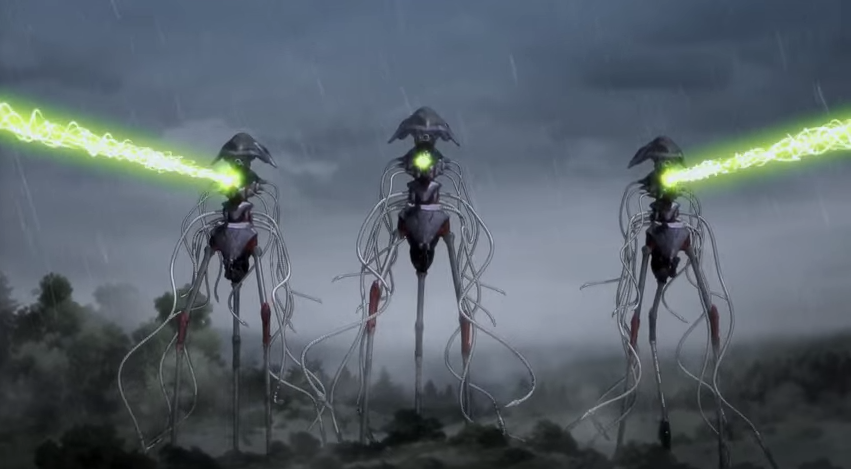
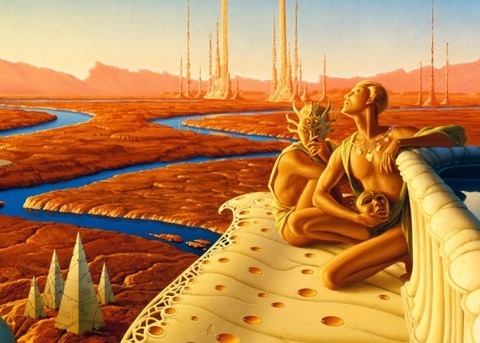
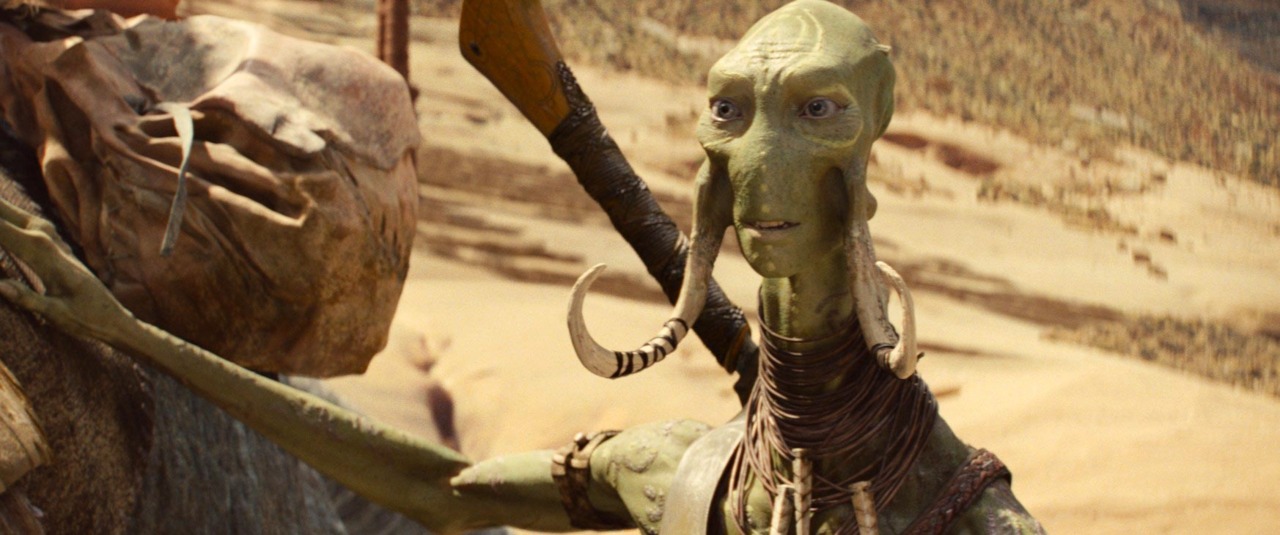
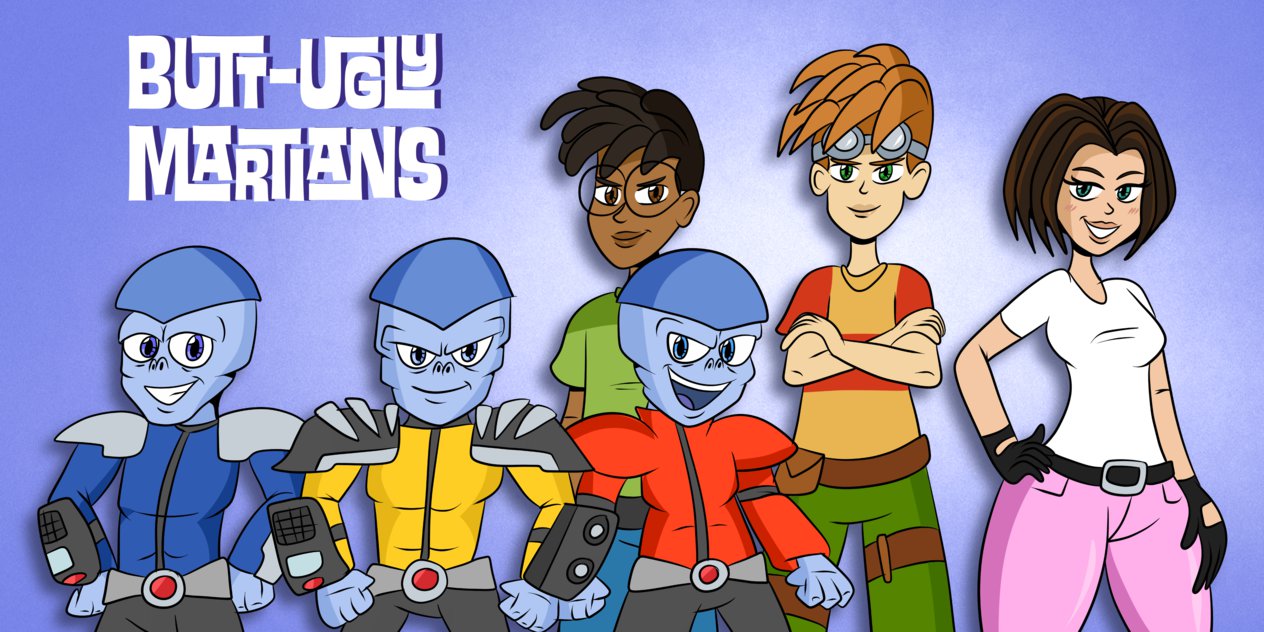
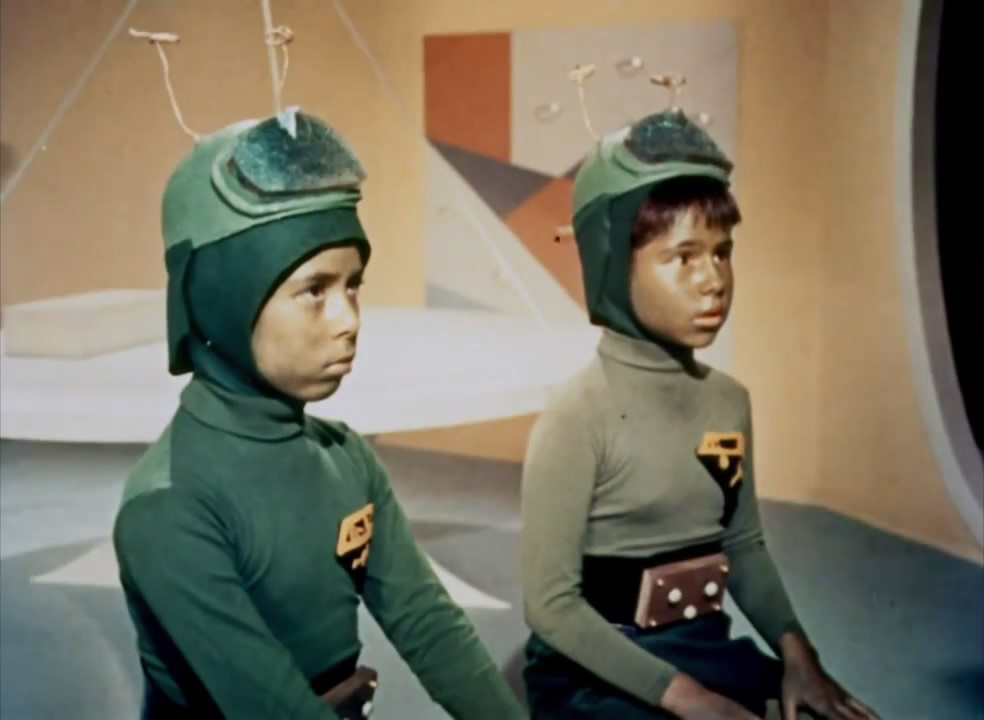
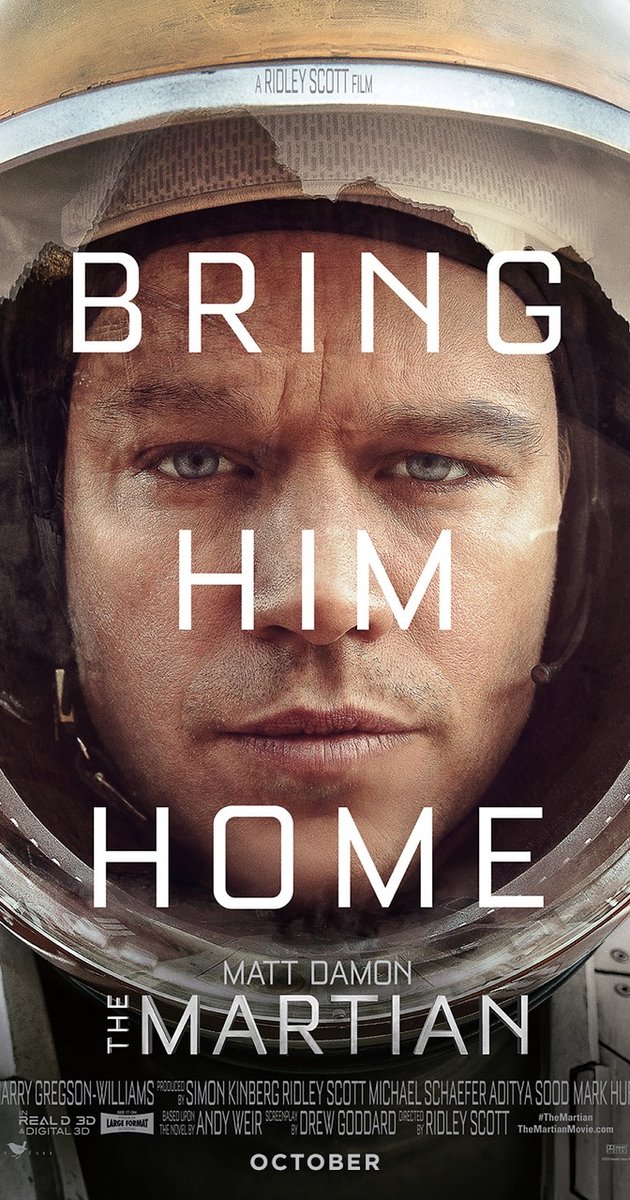
What Do Martians Look Like?

k9

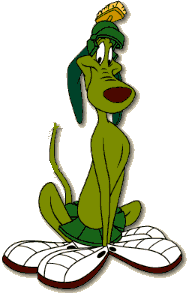
As Catch a Falling Star was a science-fictiony sort of comedy, one of the questions that I have pursued in internet research is the one I have presented here in the title of this picture-and-Paffooney-filled post.  Seriously, the image search of Google’s answer to that question is enough to make you snort milk through the old nostrils as you sort through them while stupidly drinking a glass of milk.  The milky nose-snorts are the reason I have not sited picture sources on this post.  Cleaning the computer screen took too long.  I have merely randomly snatched and pirated pictures.  The only picture of a Martian presented here created by me are these two;

I admit to being surprised by my actual research into the whole question of whether or not we have ever been visited by intelligent life from the stars beyond the sky.  While I have not found proof that aliens exist, I have discovered there is actual proof that the government, and NASA in particular, have covered something up.  And it goes beyond Area 51 defense research.  But now that I have got the attention of the NSA and the Men in Black, this post is only filled with a collage of the unreal, made-up, and mostly silly.

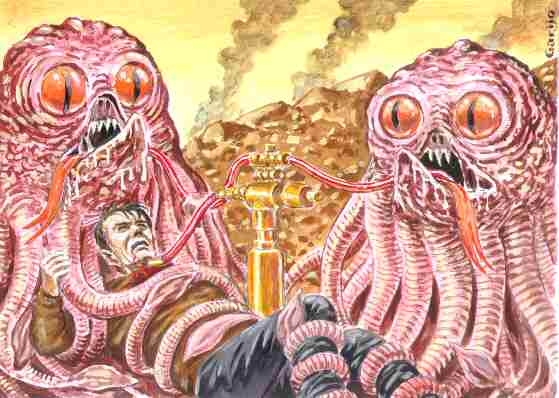
Malevolent Martians;

monsters-martians3

tumblr_o85su8JRDA1sk0xezo1_500

war of the world goliath martians

Martians Who Make the Mistake of Liking Us;

737021

tumblr_m4qdrnjYqB1rx8pp5o2_1280

Inexplicably Goofy Martians;

butt_ugly_martians_by_sb99stuff-d9jl8v3

Santa-Claus-Conquers-the-Martians-1964-HD.mp4_snapshot_00.07.53_2014.12.19_12.41.51

Probably the only REAL Martians… from the future;

MV5BMTc2MTQ3MDA1Nl5BMl5BanBnXkFtZTgwODA3OTI4NjE@._V1_UY1200_CR90,0,630,1200_AL_

Leave a comment

Filed under aliens, cartoons, collage, comic book heroes, foolishness, humor, illustrations, science fiction

Happy Birthday, Carl Bark

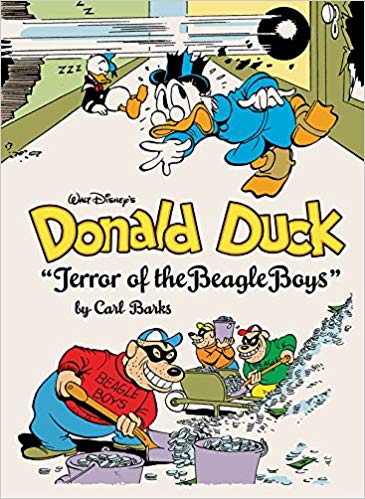
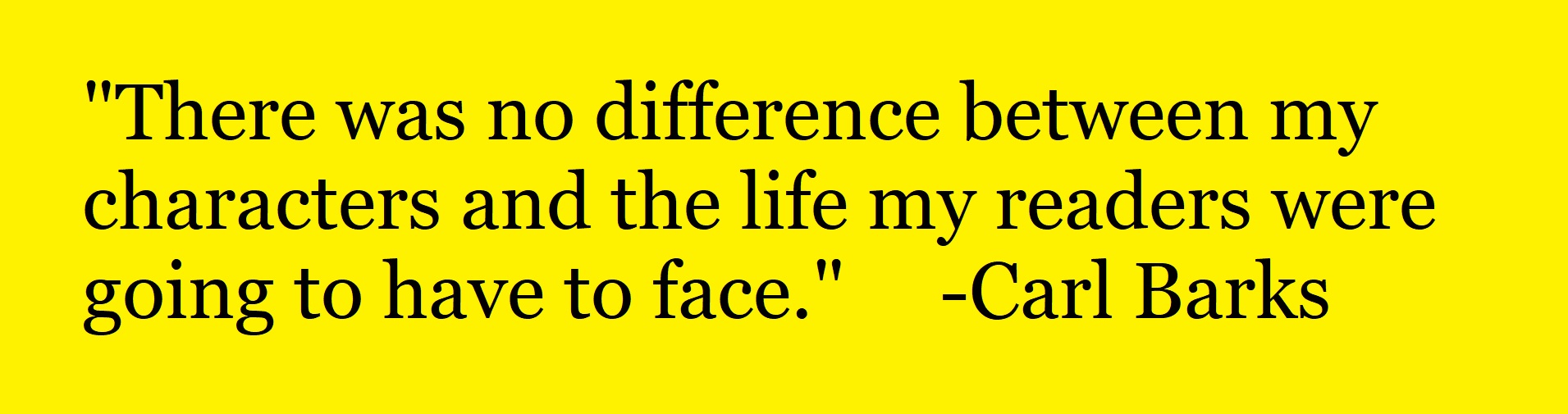
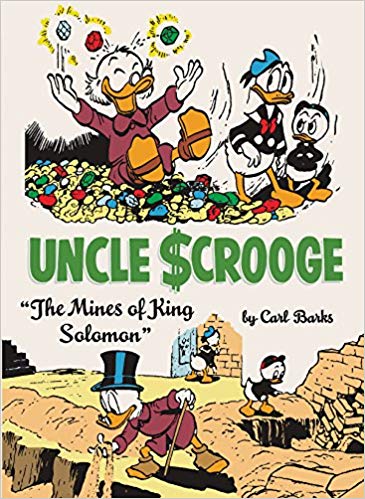
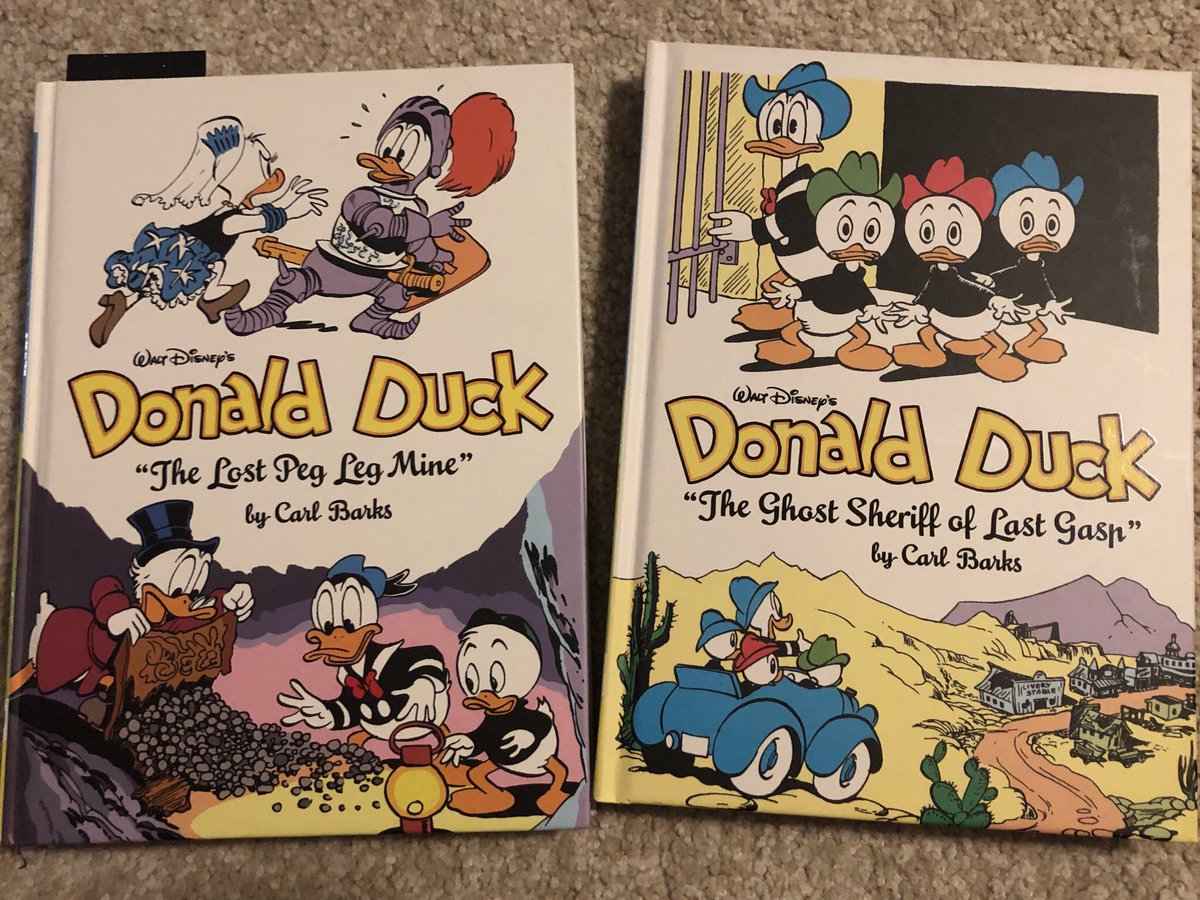
Carl Barks was born on March 27th, 1901. So, today is his 122nd birthday. If you have no idea who I’m even talking about, then you were never a kid and a comic book fan in the 1960s. Carl Barks is both Uncle Scrooge’s father and Donald Duck’s stepfather.

Carl is a personal art hero of mine. I grew to adulthood on the adventures of his plucky ducks doing duck adventures in Duckburg. I have written about my devotion to Carl in this blog before. In fact, here is the link; https://catchafallingstarbook.net/2014/09/27/carl-barks-master-of-the-duck-comic/

That’s essentially true. A large part of my character as a junior high school English teacher was based on what I learned about mentoring from Scrooge McDuck and about teaching important facts from Gyro Gearloose.

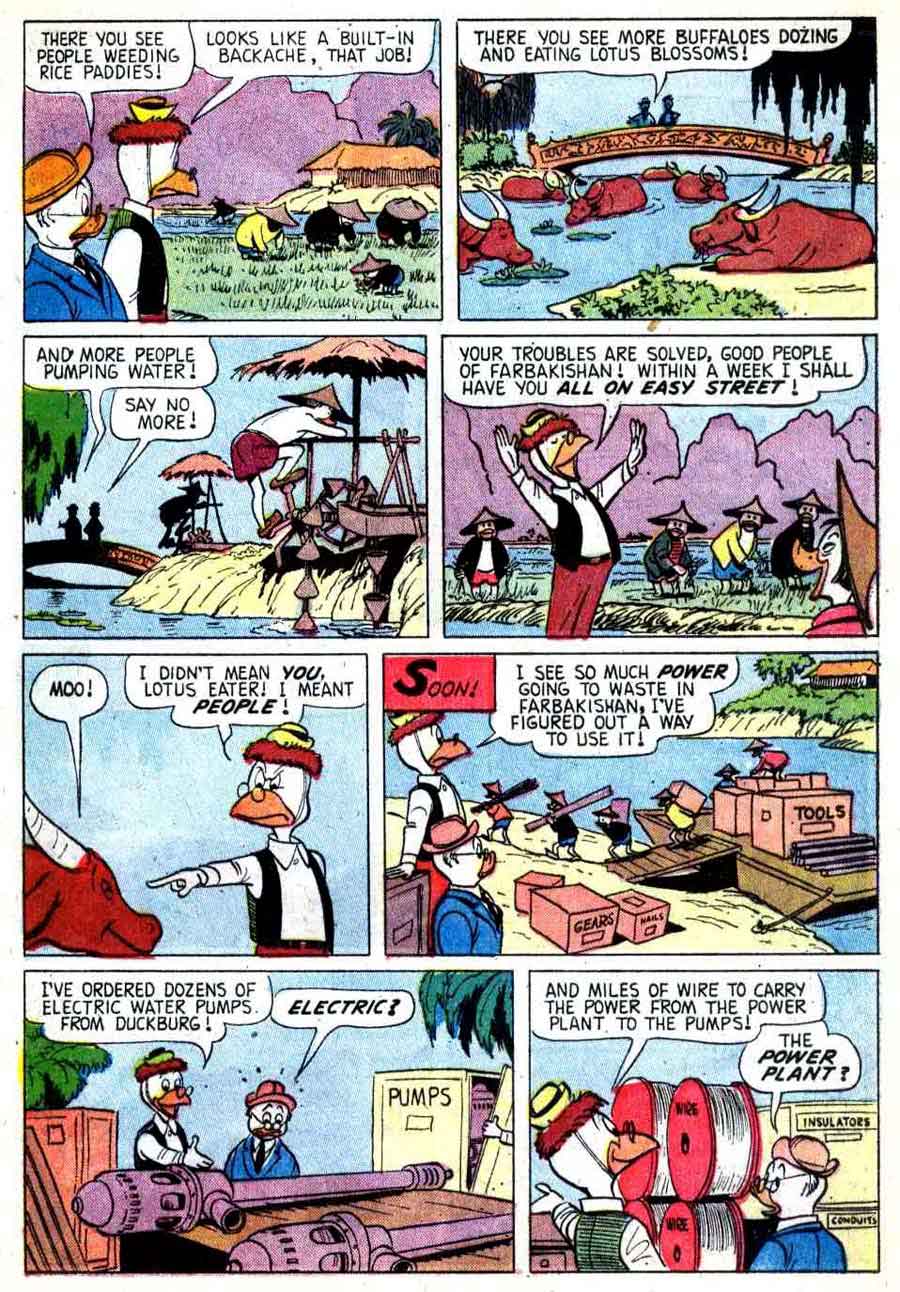
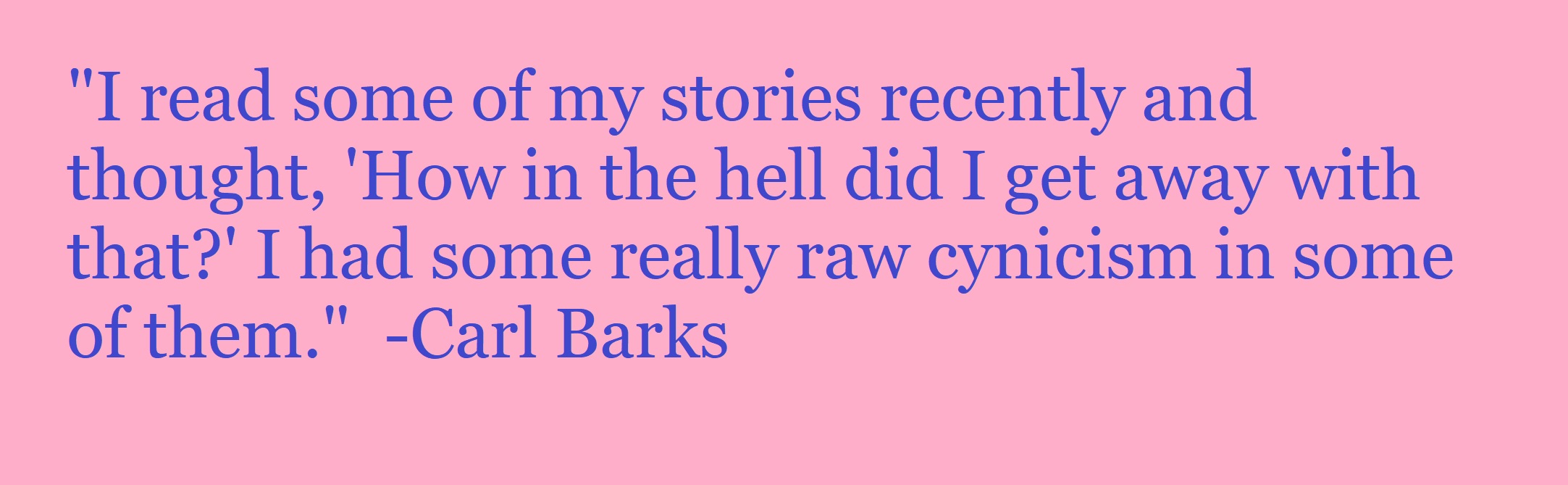
Carl was not immune to criticism. Cartoonists get blow-back, a fact of life. But he overcame it with a wry sense of humor and interesting views of how you pursue goals in life. He had a firm sense of fair-play and justice. You could get actual morals to the stories in a Carl Barks’ duck cartoon.

The characters were not perfect. They all had glaring flaws, the heroes right along with the villains. Of course, the villains never learned to change their ways, while the heroes often learned to improve themselves by working on the weaknesses, and it wasn’t all about becoming a gazillionaire (a term I think Barks may have invented).

I even learned a good deal about adventure story-telling from Carl Barks’ comic books about Duck people doing ducky stuff that was really about people doing people-y stuff in the real world. Yes, people in the world around me are very Carl Barks’ ducky.

So, happy birthday, Carl. 121 years young. And he’s only been gone from our world since August of 2000. He still talks to me and teaches me through his Duck comics.

1 Comment

Filed under artists I admire, autobiography, comic book heroes, goofy thoughts, humor

The Golden Age

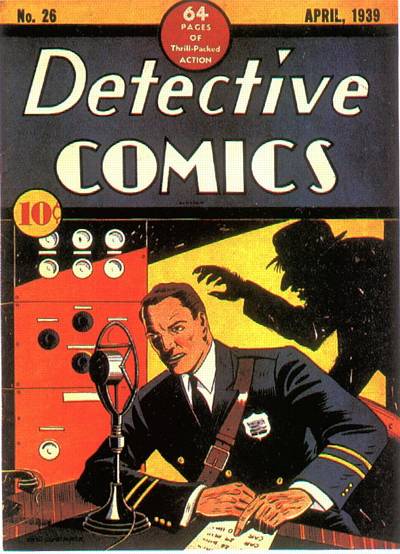
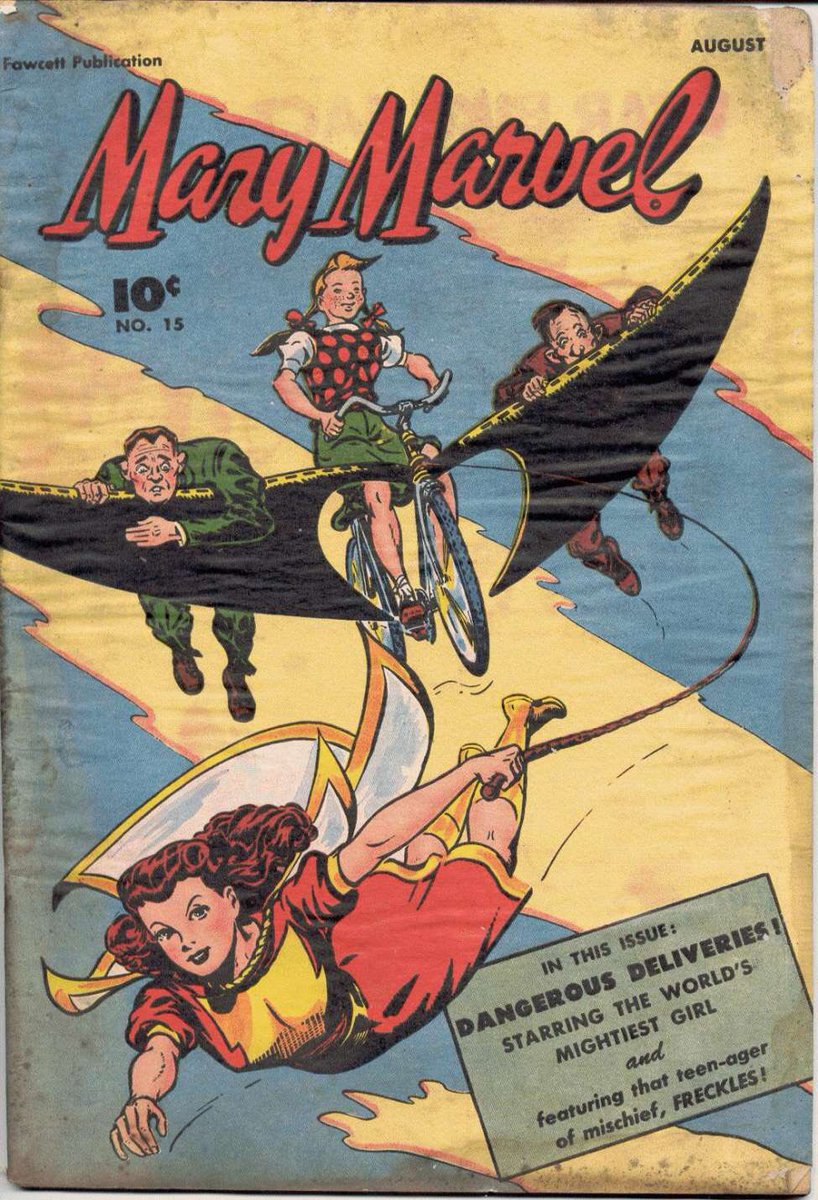
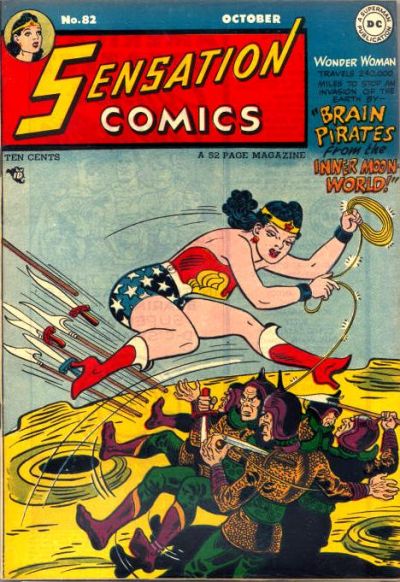
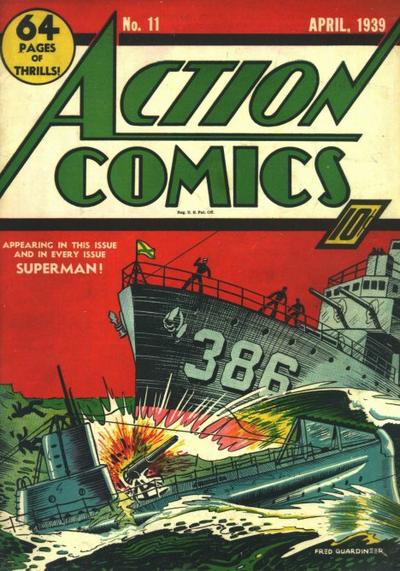
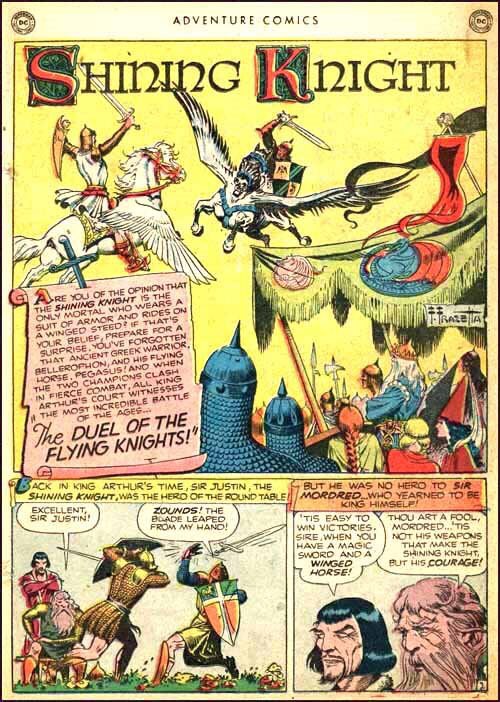
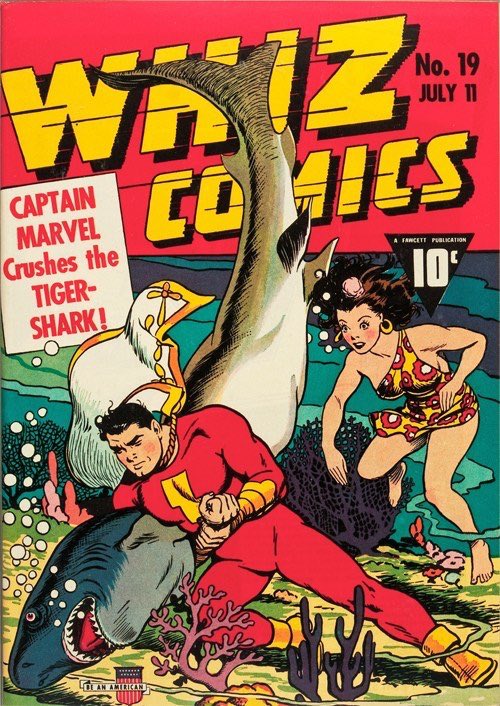
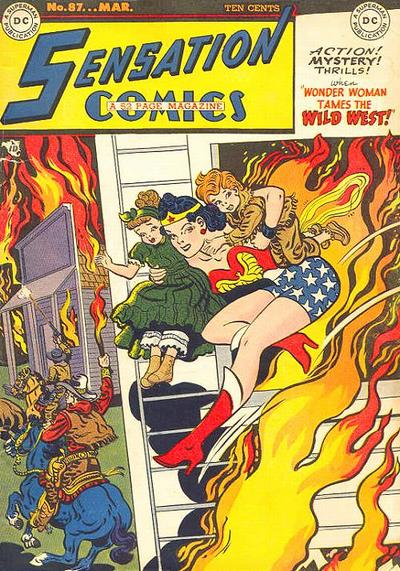
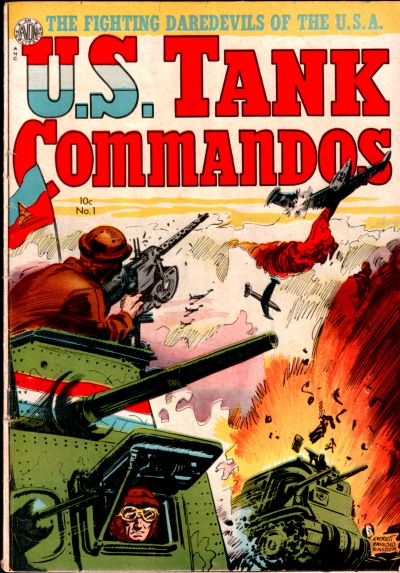
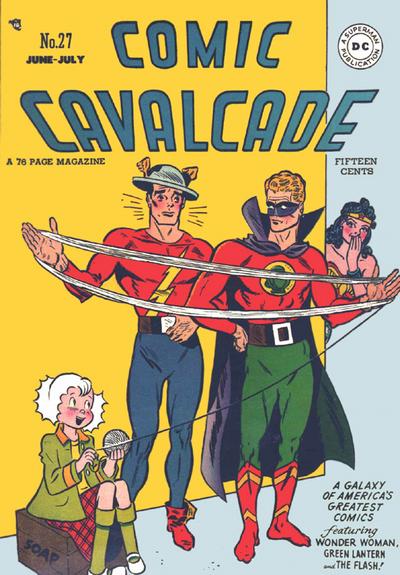
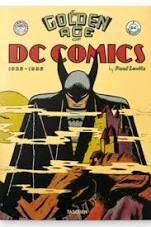
I am certainly no expert on the Golden Age of Comics. I was, in fact, born the year that the Golden Age ended. I am a child of the Silver Age (1956 to the early 1970s) and those were the comics I grew up with. But I admit to a fascination with the initial creation of the characters I love, including Batman, Superman, the Flash, Captain America, the Phantom, Steve Canyon, Wonder Woman and numerous others who were first put on the comic book pages in the Golden Age. And being subject to comic book prices that zoomed upward from a dollar an issue, I was bedazzled by the ten cent price on old comics.
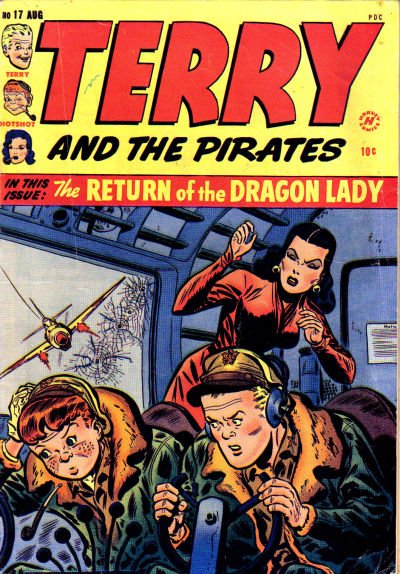
Comic books owe their creation to the popular newspaper comic strips from the Depression era and WWII wartime. Originally, comic strips were gathered and printed on cheap paper. Dick Tracy, Prince Valiant, Terry and the Pirates, Flash Gordon, and other adventure strips would lead to the war comics and hero-centered comics that would morph into superhero comics.

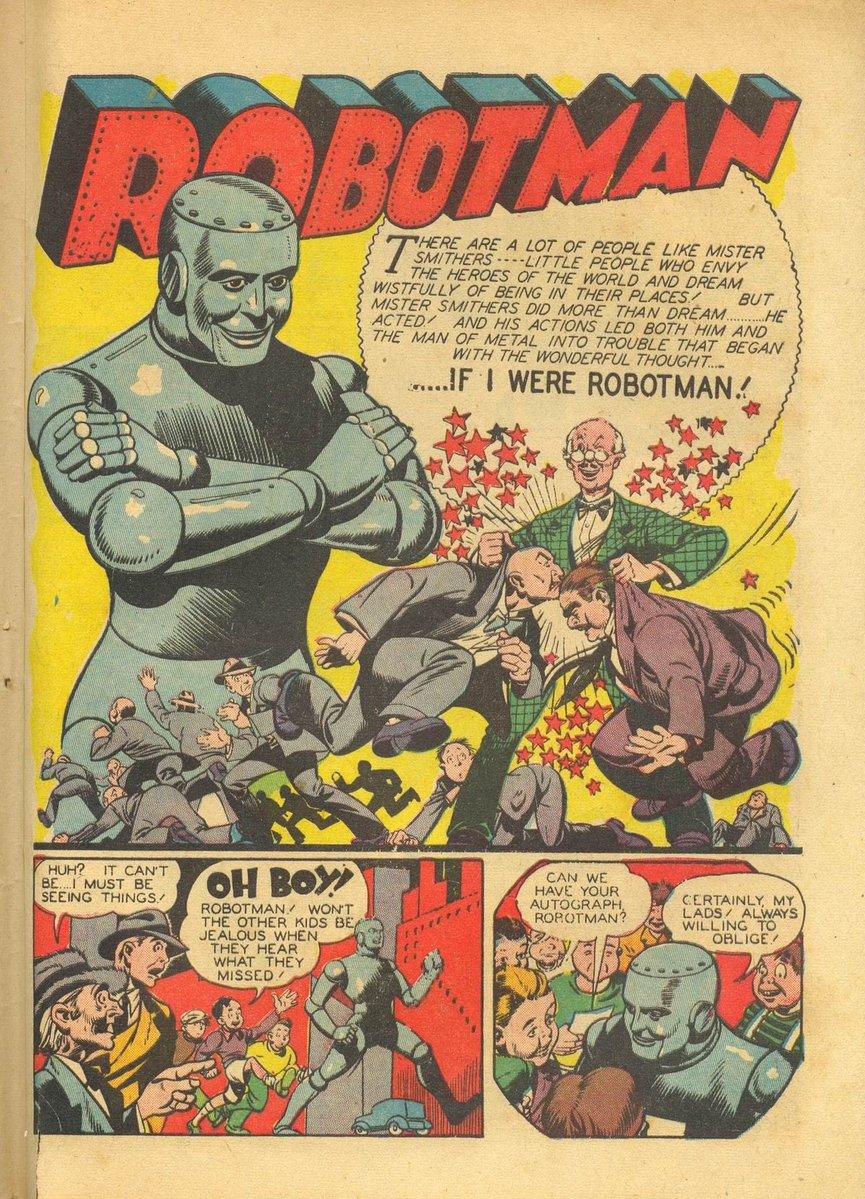
Some of the artwork in Golden Age comics leaves a lot to be desired. Especially original, straight to comic book publications that were produced fast and furiously by publishers who would open one week, produce three issues. and go out of business three weeks later. But in the mad scramble, some truly great artists formed the start of their illustrious careers, Will Eisner, Hal Foster, Milt Caniff, and Bill Elder learned to master their craft in the newspaper strips, and all later created comic books and graphic novels. True geniuses like Jack “King” Kirby and Bob Kane and Jack Davis grew directly from comic book studio madhouses into comic-book-artist immortality.

As with most things that have a Golden Age, the truth was that later comic book eras were superior in most ways. But this Golden Age was the foundational age for an American art-form that I truly love. So, flaws and warts are overlooked. And some of these old ten cent books on super-cheap paper are worth huge amounts of money if you still have a rare one in mint condition. Ah, there’s the rub for a manic old collector guy like me.

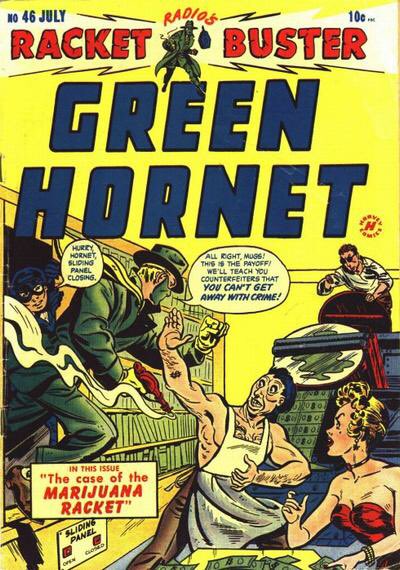
Most of the Golden Age comic book images used for this post were borrowed from the ComicsintheGoldenAge Twitter page @ComicsintheGA. If you love old comics like I do, you should definitely check it out.

1 Comment

Filed under artists I admire, artwork, comic book heroes, comic strips

The Ultra-Mad Madness of Don Martin

1629093

Born in 1931 and lasting in this crazy, mixed-up world until the year 2000, Don Martin was a mixy, crazed-up cartoonist for Mad Magazine who would come to be billed as “Mad Magazine’s Maddest Artist.”    His greatest work was done during his Mad years, from 1956 (the year I was born… not a coincidence, I firmly believe) until his retirement in 1988.  And I learned a lot from him by reading his trippy toons in Mad from my childhood until my early teacher-hood.

51205-8482-67413-1-don-martin


His style is uniquely recognizable and easily identifiable.  Nobody cartoons a Foon-man like Don Martin.

The googly eyes are always popped in surprise.  The tongue is often out and twirling.  Knees and elbows always have amazingly knobbly knobs.  Feet have an extra hinge in them that God never thought of when he had Adam on the drawing board.

And then there is the way that Martin uses sound effects.  Yes, cartoons in print don’t make literal sounds, but the incredible series of squeedonks and doinks that Martin uses create a cacophony of craziness in the mind’s ear.

don-martin-mad-magazine-june-1969

And there is a certain musicality in the rhyming of the character names he uses.  Fester Bestertester was a common foil for slapstick mayhem, and Fonebone would later stand revealed by his full name, Freenbeen I. Fonebone.

116

And, of course, one of his most amazingly adventurous ne’er-do-well slapstick characters was the immeasurable Captain Klutz!

Here, there, and everywhere… on the outside he wears his underwear… it’s the incredible, insteadable, and completely not edible… Captain Klutz!

cap_klutz1_bc

If you cannot tell it from this tribute, I deeply love the comic genius who was Don Martin, Mad Magazine’s Maddest Artist.  Like me he was obsessed with nudists and drawing anatomy.  Like me he was not above making up words with ridiculous-sounding syllables.  And like me he was also a purple-furred gorilla in a human suit… wait!  No, he wasn’t, but he did invent Gorilla-Suit Day, where people in gorilla suits might randomly attack you as you go about your daily life, or gorillas in people suits, or… keep your eye on the banana in the following cartoon.

Kg2GZRM

So, even though I told you about Bruce Timm and Wally Wood and other toon artists long before I got around to telling you about Don Martin, that doesn’t mean I love them more.  Don Martin is wacky after my own heart, and the reason I spent so much time immersed in Mad Magazine back in the 60’s, 70’s, and 80’s.

9ce65a0ded2754c6d00079b1eb772179


Leave a comment

Filed under artists I admire, artwork, cartoon review, cartoons, comic book heroes, goofiness, humor, illustrations

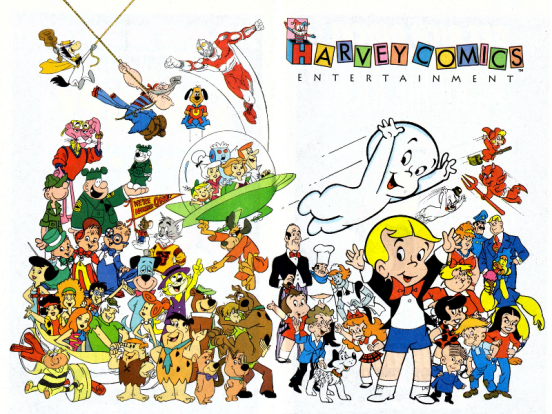
Harvey Comic Books


“Joker”, a harlequin jack-in-the-box logo for Harvey

When I was a kid old enough to begin to see and interact with the real world in the tragic and magical 1960s, the first comic books available to me, long before my parents would allow me to pick up and buy Spiderman and Batman and (shudder) comics with monsters in them, were the kid-friendly comics of the Harvey Brothers.

Now, you have to understand that Harvey Comics had been around since the 1940s and made their money on characters licensed first from the Brookwood Publications company that Alfred Harvey bought out in 1941 to provide the building, equipment, and publishing personnel to start producing comic books.

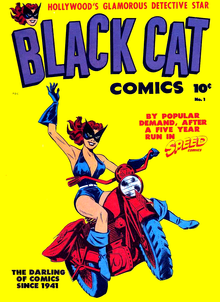
Robert B. Harvey and Leon Harvey joined the company to help produce titles they now owned the rights too like Black Cat, the Shield, Shock Gibson, and Captain Freedom.

…………………………………………Of course, most of those characters didn’t last very long. Black Cat was the only title still being published by Harvey in the 1950s.

They would go on to license characters from Famous Studios, the animated cartoon works of Max Fleischer and his brother Dave. That’s when the kid- friendly, parent-approved comic books of Fleischer creations like Casper the Friendly Ghost opened up the world of comic books to seven-year-old Mickey circa 1963.

In spite of this cover art, Casper rarely wore clothing.

Now, it is probably obvious that there are many ways that Harvey Comics influenced me as a storyteller later in life. It goes without saying that my dedication to childish humor in stories derives from this comic-book source. The cuteness of characters is another necessity of comic storytelling gleaned from these ripe fields of baby faces. And stories advanced by magical means and absurd sidetracks also come from here. But did you ever notice that Casper and the other ghosts all perform in the nude? Yes, I think my childhood longing to be a nudist began with Casper’s naked adventures. But unlike Casper, my urges along those lines were suppressed and repressed by parents and society as a whole. So watching Casper and Spooky and Pearl (Spooky’s goilfriend) romp naked through comic book hijinks were a sublimated substitution for that childhood desire. (Sure, none of them had genitals, but it wasn’t about that.)

…………………………………………….Of course, there were many other Harvey characters to enjoy that actually did wear clothes. I was particularly fond of Hot Stuff because he made such an art out of burning things and being a bad kid and roasting the backsides of fools and hypocrites with his trident. And he only ever wore a fireproof diaper, so he was almost a nudist too.

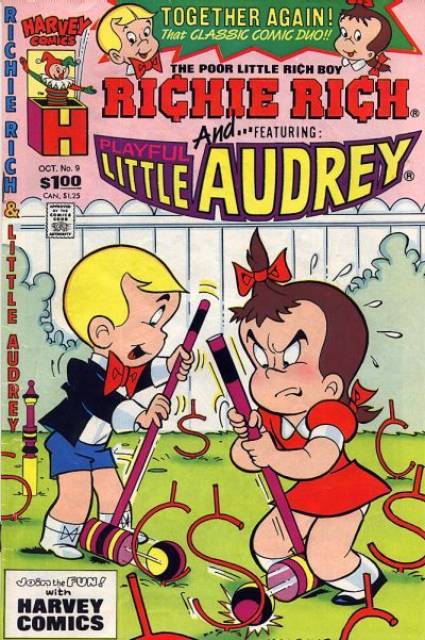
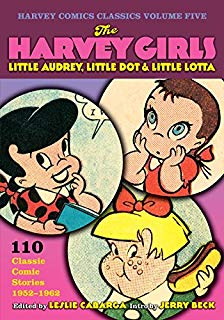
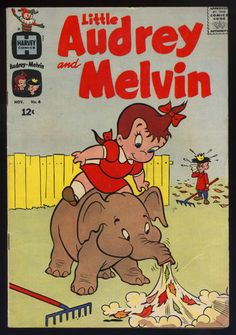
There were many other characters licensed by Harvey as well, including Felix the Cat, Little Audrey, Baby Huey, and the characters from Walter Lance Studios like Woody Woodpecker, Andy Panda, and Chilly Willy.

Dell would later take over the comic book rights to Walter Lantz Studios creations.

So, now you know the true story of how my innocent childhood was warped and woven and corrupted by the characters of Harvey Comics.

Leave a comment

Filed under artists I admire, autobiography, collage, comic book heroes, goofy thoughts, humor, Uncategorized

How It Should Be… According to Mickey

A 1951 Schwinn Spitfire like mine in 1963 when the world was golden.

My bicycle was red. It was red and looked just like the ones that Captain Kangaroo had in his commercials that we watched on a black-and-white TV every day before we walked or rode our bicycle to school, across town a whole long seven blocks away. After school I could ride it out a whole mile and a half to Jack’s farm with Bobby and Richard and Mark the preacher’s kid to go skinny dipping in the cold creek in Jack’s South pasture. Jack was younger than any of us except Bobby. And it was a golden age.

Spiderman comic books and Avengers comic books cost twelve cents to own, but they were forbidden. And as much as we sneaked them and passed them around until they fell apart, usually in Bobby’s hands, we never knew that Dr. Wertham had gone to Congress to make our parents believe that comic books would make us gay and violent. He was a psychiatrist who wrote a book, so even if you didn’t believe him, you had to worry about such things.

I believed in Santa Claus until 1967. And after I found out, I only despaired a tiny little bit, because I began to understand you have to grow up. And adults can lie to you, even if they don’t do it to be mean. And the world is a hard place. And the golden age ended in November of 1963 when JFK was assassinated.

In June of 1968 I rode my bicycle out to the Bingham Park woods, Once there, I took off all my clothes and put them in the bicycle basket, and then I rode up and down the walking paths through the trees with nothing between me and God but my skin. I had a serious think about how life should be. All the while I was terrified that someone might see me. I was naked and vulnerable. A mere two years before that I had been sexually assaulted and was terrified of older boys, especially when I was naked and vulnerable. But I was a fan of the St. Louis Cardinals and Bob Gibson. They were repeated World Series winners. And they beat the Yankees in the series in 1964. And more important than that, cardinals were the little red songbirds who never flew away when the winter came. You don’t give up in the face of hardship. You face the trouble. No matter how deep the snow may pile up.

And in 1969, the first man to walk on the moon showed that a Star Trek world was in reach of mankind. Star Trek was on every afternoon after school. I watched a lot of those episodes at Verner’s house on his family’s black-and-white TV. The Klingons were always bested or beaten because the crew of the Enterprise outsmarted them. You can solve the problems of the universe with science. I know this because of all the times Mr. Spock proved it to me not just by telling me so, but by showing me how you do it. And what you can achieve is greatly enhanced if you work together like Spock and Kirk and Bones… and sometimes Scotty always did.

So, what is the way it should be? What did Mickey decide while naked in the forest like a Dakota Sioux shaman on a spirit-quest?

JFK’s 104th birthday was on May 29th. Dr. Wertham has been dead for 40 years. Bob Gibson was 85 when he passed away in October of last year. Captain Kirk turned 90 in March of this year.

The Golden age is long gone. There is no single set of rules that can clearly establish how it should be now. But I like those ideas of how it should be that I established for myself while naked on a Schwinn Spitfire in a forest long ago.

Leave a comment

Filed under autobiography, cardinals, comic book heroes, commentary, humor, inspiration, oldies, Paffooney, philosophy

The Golden Age

I am certainly no expert on the Golden Age of Comics. I was, in fact, born the year that the Golden Age ended. I am a child of the Silver Age (1956 to the early 1970s) and those were the comics I grew up with. But I admit to a fascination with the initial creation of the characters I love, including Batman, Superman, the Flash, Captain America, the Phantom, Steve Canyon, Wonder Woman and numerous others who were first put on the comic book pages in the Golden Age. And being subject to comic book prices that zoomed upward from a dollar an issue, I was bedazzled by the ten cent price on old comics.

Comic books owe their creation to the popular newspaper comic strips from the Depression era and WWII wartime. Originally, comic strips were gathered and printed on cheap paper. Dick Tracy, Prince Valiant, Terry and the Pirates, Flash Gordon, and other adventure strips would lead to the war comics and hero-centered comics that would morph into superhero comics.

Some of the artwork in Golden Age comics leaves a lot to be desired. Especially original, straight to comic book publications that were produced fast and furiously by publishers who would open one week, produce three issues. and go out of business three weeks later. But in the mad scramble, some truly great artists formed the start of their illustrious careers, Will Eisner, Hal Foster, Milt Caniff, and Bill Elder learned to master their craft in the newspaper strips, and all later created comic books and graphic novels. True geniuses like Jack “King” Kirby and Bob Kane and Jack Davis grew directly from comic book studio madhouses into comic-book-artist immortality.

As with most things that have a Golden Age, the truth was that later comic book eras were superior in most ways. But this Golden Age was the foundational age for an American art-form that I truly love. So, flaws and warts are overlooked. And some of these old ten cent books on super-cheap paper are worth huge amounts of money if you still have a rare one in mint condition. Ah, there’s the rub for a manic old collector guy like me.

Most of the Golden Age comic book images used for this post were borrowed from the ComicsintheGoldenAge Twitter page @ComicsintheGA. If you love old comics like I do, you should definitely check it out.

Leave a comment

Filed under artists I admire, artwork, comic book heroes, comic strips