Yesterday an inconvenient internet outage interrupted my fountain of character gushing. So let me splash a couple more on here.
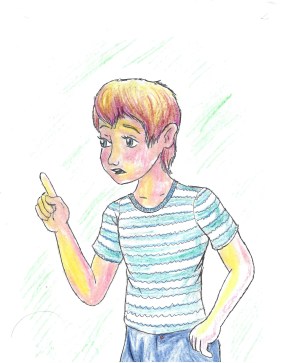
Tim Kellogg
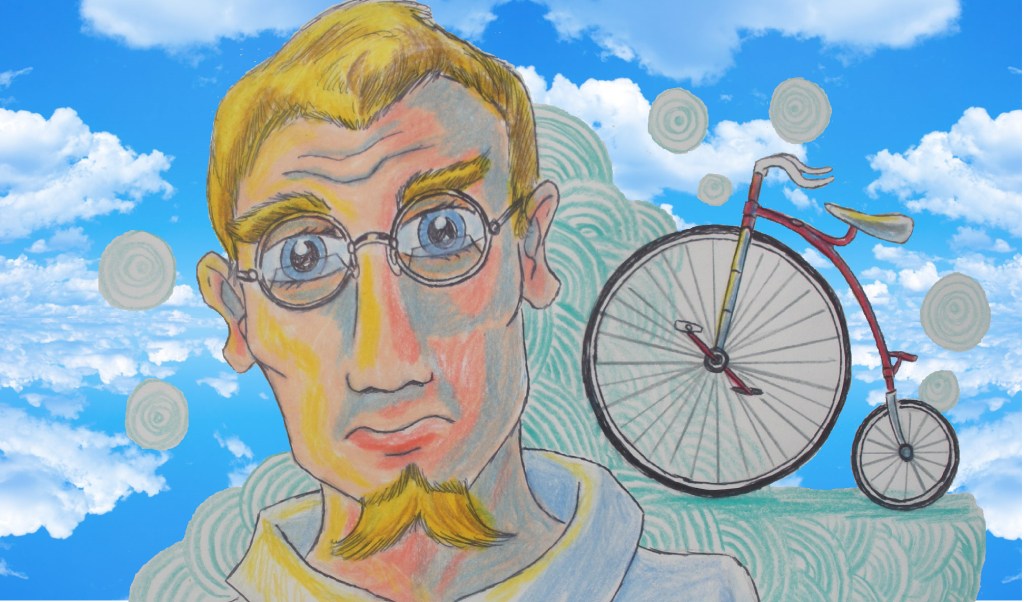
Tim is a school teacher’s son who is sorta, kinda, based on my own oldest son… and maybe a little bit on me. He’s clever, creative, a natural leader, and only slightly evil part of the time.
Tim is a main character in;
Catch a Falling Star
The Bicycle-Wheel Genius
Magical Miss Morgan
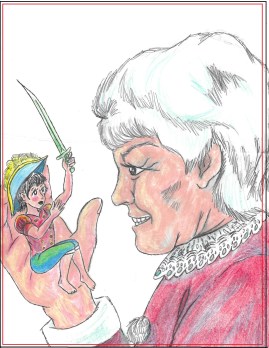
Grandma Gretel Stein
Gretel is a German survivor of the concentration camps who sees and talks to fairies on a regular basis. She also bakes magically delicious gingerbread cookies. And loves to tell stories to those who eat her cookies.
She is a main character in;
Recipes for Gingerbread Children
She is an important character in;
Superchicken
The Baby Werewolf
The Necromancer’s Apprentice
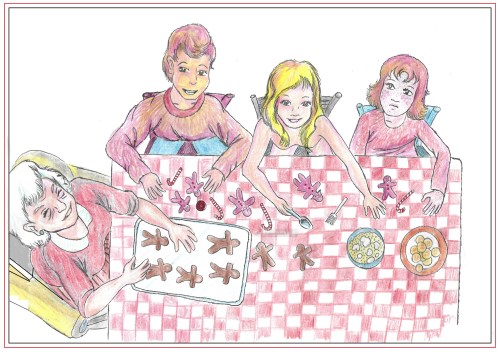
The Primary Cast of Recipes for Gingerbread Children (left to right) Grandma Gretel, the cookie baker, Todd Niland, handsome young farm boy and cookie-eater, Sherry Cobble, nudist and junior high cheerleader, and Sandy Wickham, cookie-eater and Todd Niland’s crush.
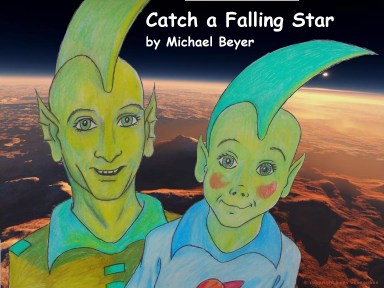
Farbick
He’s the alien Telleron pilot and good guy aboard Xiar’s spaceship who gets shot during the failed invasion of Iowa and helps save the planet in the near future. He’s a main character in;
Catch a Falling Star
Stardusters and Space Lizards
Davalon (re-named David by the couple who adopts him)
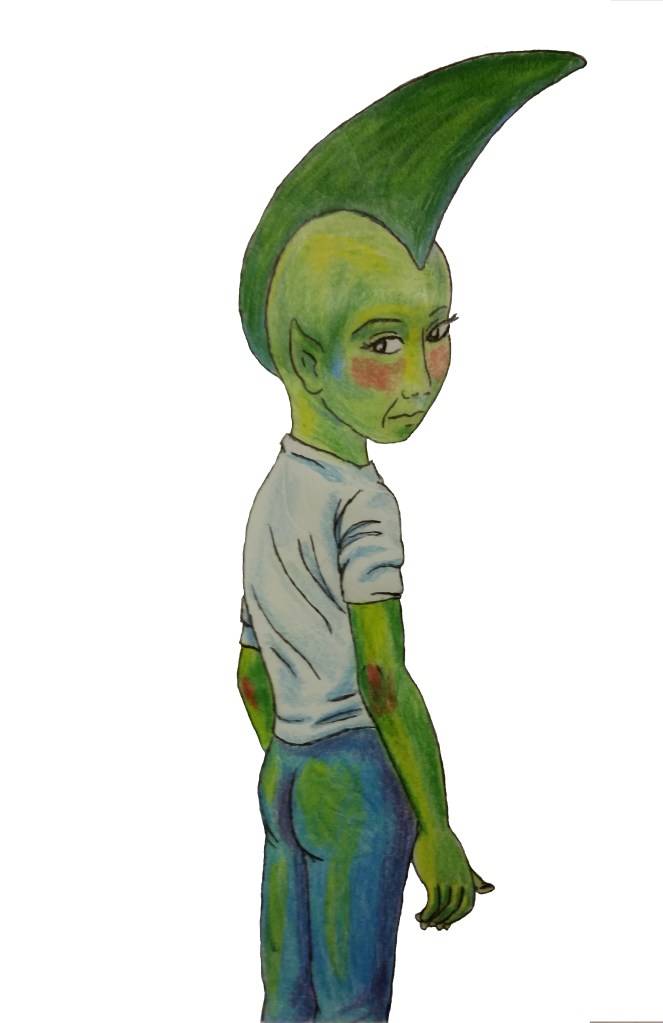
Dav is the alien boy accidentally lost on Earth in Catch a Falling Star, and leader of the young explorers in Stardusters and Space Lizards.
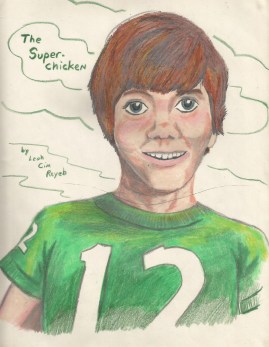
Edward-Andrew Campbell, the Superchicken
It is possible E-A is really me. He bears my high school nickname. He is a boy trying to cope with being the new kid in a tightly-knit little Iowa farm town.
He is the main character in;
Superchicken
I fear I am still a long way from done with referring to characters in my books. But more waits for another day.
Yesterday, in Part 1, I tried to convince you that, “You should never take too long a time writing a story” because I have written some twenty-plus-year-long novels that took me forever to write, and I am an unsuccessful writer. So, you should not do things the way I did. (Some might accuse me of trying to use a little too much irony, claiming I am a bit too obscure about what I am actually telling you that you should actually do… But, remember, I advised you not to take advice from Mickey. And you need irony in your diet anyway to avoid irony-poor tired blood.) Therefore I am going to advise you further that, “You should never make your characters too complex and interesting.”
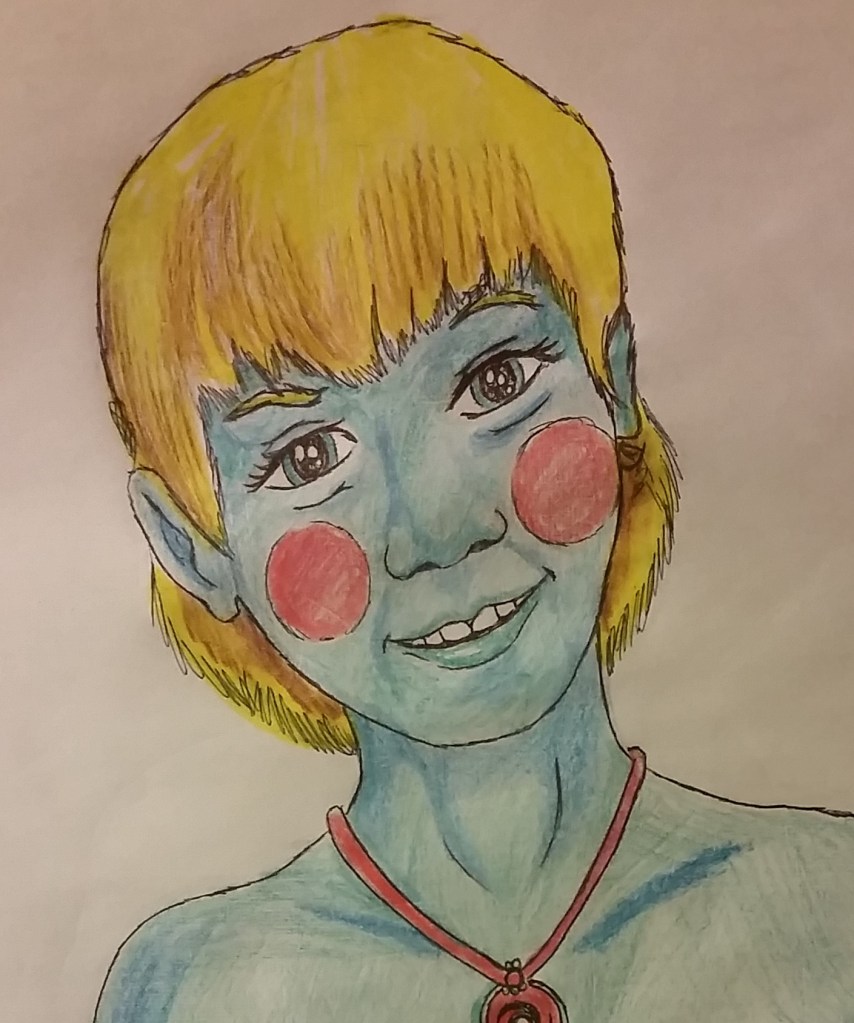
After all, there are Mickian characters that are literally blue with red patches on their cheeks that absorb harmful gamma radiation and make those characters immune to radiation sickness from exposure in deep space. You don’t want to make readers so curious about a character that they waste time reading more and more closely to discover more about that character.
Junior Aero, the alien Nebulon boy in the AeroQuest stories is just one example. Not only is he a member of an alien race that are belittled as “Space Smurfs” and treated to racial bigotry based on skin color and not being able to speak English at first, but he is also gifted with mental “Psion powers” that allow him to telepathically read computer minds, even the sentient and intelligent ones.
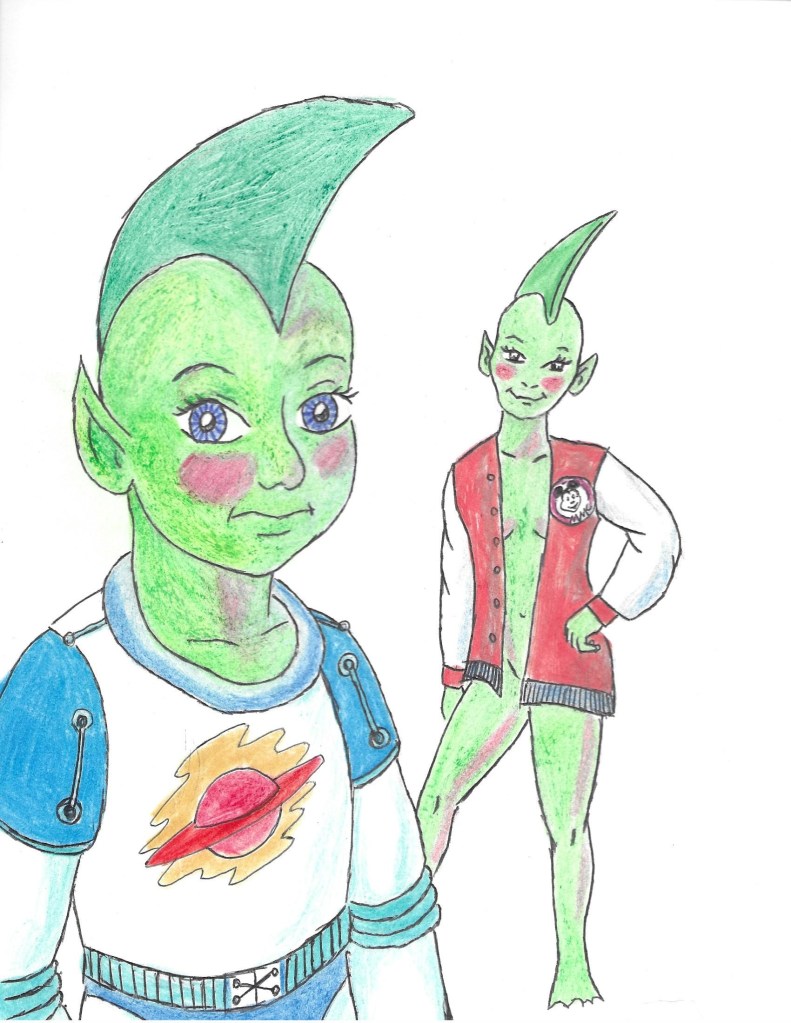
And some of my characters are green with shark-like fins on their heads. They were born on Starships and orbiting artificial satellites like the one going around Barnard’s Star. They are like George Jetson here, named after his father, Xiar’s, favorite Earther cartoon show character from the 60’s. Not only is he a green-skinned amphibious humanoid life-form from a different star system, he learns a lot about himself in the adventure he has in the novel Stardusters and Space Lizards. He goes from being a narcissistic space-pilot wannabee into becoming a humble crash survivor and expedition leader who helps save an entire planet from ecological disaster. And he even gets a girlfriend out of the deal in Menolly his nestmate and fellow survivor.
Characters like that are far too interesting and developed to be good for your reputation as a serious producer of money-making fiction stories. And you certainly don’t want to waste time on developing the same characters in multiple books.
I used the character of Valerie Clarke in the book When the Captain Came Calling as an eleven-year-old protagonist who loses her father and has to rely on older kids and good friends to save herself from depression and the trash-pits of despair.
I used her again as a main character in Snow Babies where she befriends a mysterious stranger and also finds a runaway boy who makes her think seriously about life and young love, all in the middle of a deadly blizzard.
She’s also in the book Sing Sad Songs where she learns to negotiate love with a boy who also lost a parent, in fact, both parents and a twin sister, in a car crash that made him a lonely orphan. She not only has to face the loss of her own loved ones, but has to help somebody else to face the same thing, in fact, more than one other somebody.
She’s also a character in The Bicycle-Wheel Genius and Fools and Their Toys.
It is unthinkable to use a character that much and make her grow and change in so many different ways. She should be used only once in a simple and clear way. Like, maybe, Mark Twain’s use of Huckleberry Finn.
Huck, as a character was only used in the books, The Adventures of Tom Sawyer, The Adventures of Huckleberry Finn, Tom Sawyer Abroad, Tom Sawyer, Detective… and… never mind. Forget I even said anything about Huck Finn. In fact, maybe this whole post is so ironic it’s making my story-teller gears all rusty. Never-the-less, let me threaten you with a possible part three.
I draw things as illustrations to stories. Take, for example, the protagonist and hero of Catch a Falling Star.
Dorin Dobbs is boy from Iowa. That tells you some terrible things about him right there.
He was ten in 1990.
He hated girls.
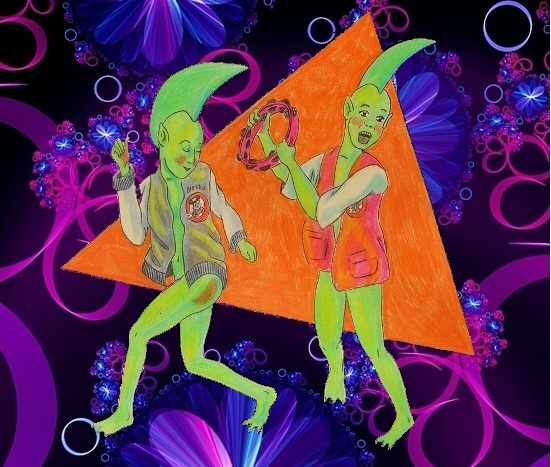
He met some pretty green-skinned girls from outer space, amphibianoid frog-girls with fins on their heads. He danced with them to Mickey Mouse Club music while he was their prisoner on a sectet base on the planet Mars. They were dancing naked in the nutrient bath that all Telleron tadpoles use daily.
Brekka and Menolly are two of the Telleron frog girls with fins on their heads. They love Earth music in the 1990’s. They are background characters in Catch a Falling Star. They are main characters in the book Stardusters and Space Lizards, where they help Davalon and Tanith to conquer the dying planet of Galtorr Prime after the Telleron invasion of Earth failed in the previous book.
Tanith and Davalon (the Telleron boy in front)
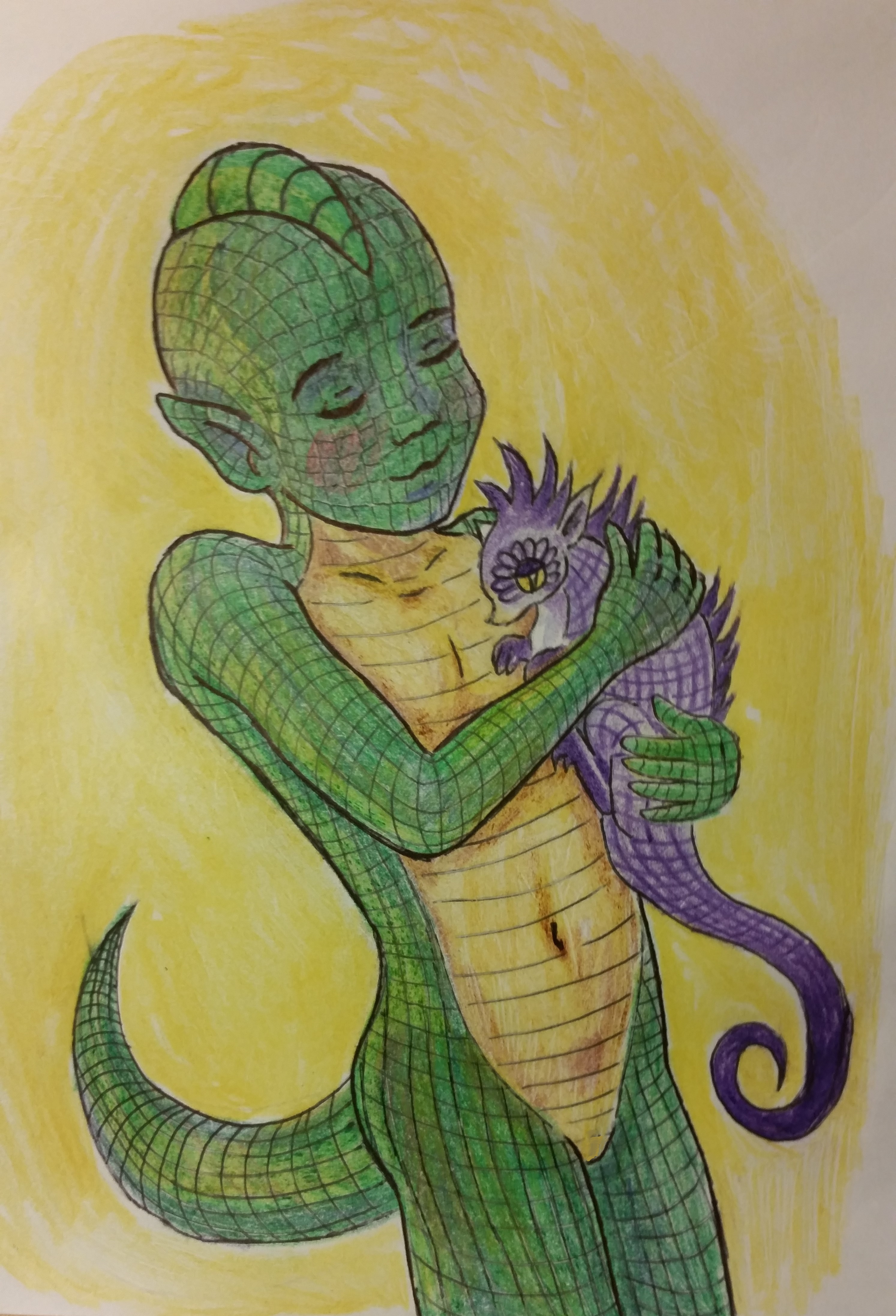
Sizzahl of Galtorr Prime, Ecologist and Lizard Girl
Galtorr Prime is undergoing drastic climate change and environmental collapse and ends up being saved by superior Telleron technology and the lizard-girl heroine, Sizzahl, who has a plan for fixing the atmosphere and saving fundamental eco-systems. Of course, this is all science fiction-y stuff based entirely on fantasy and imagination and has nothing to do with the real world we now live in.
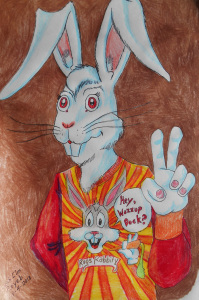
Millis, transformed from pet rabbit to near-human
Of course, not all characters I illustrate are people or aliens.
Millis, Tommy Bircher’s pet rabbit, is an ordinary albino bunny who eats a piece of alien technology that evolves him into a talking, walking-on-two-legs, near-human form.
He becomes the chef (who cooks only vegetable dishes) for Norwall, Iowa’s own mad scientist, Orben Wallace, in the book The Bicycle-Wheel Genius.
Orben Wallace, and his favorite bicycle, The Happiness Machine
I think I have now given out far more spoilers for stories than I have any right to do. But the thing about character illustrations is that your get to know the characters at a glance. And to know them is to love them.
While visiting in Iowa, I ran into an old high school friend at a local eatery. I remember how in high school and junior high, I played basketball on the same team with him, I listened to his exaggerations about a probably non-existent sex life, and helped him on one or two occasions to get answers on Math homework (even then the teacher in me wouldn’t let me just give him the answers, I always made him work out the answers step by step).
Now he is a judgmental and basically crabby old coot. He is a Trump supporter, hater of immigrants who take American jobs, and an unpleasant arguer of politics. And the sorest point about his intractable coot-i-ness is the fact that, as a classmate, he is the same age as me and I am, therefore, just as intractably coot-y as he is.
So, how exactly do you talk to a mean old coot?
Well, you have to begin by realizing that it is not like the dialogue in a novel or TV show. This is a real person I was talking to. So, I had to proceed by accepting that he thinks I am an idiot and anything I say and think is wrong. Not merely wrong, but “That’s un-American and will lead to a communist takeover of our beloved country!” sort of wrong. I can then laugh off numerous Neo-Nazi assertions by him, make snarky comments about his praises for the criminal president, and generally get along with him like old friends almost always do. I play my part just as furiously as he plays his, and we both enjoy the heck out of it.
We are both of us crazy old coots, likely to say just about anything to get the other one’s goat. Getting goats is apparently vital to the conversations of real people. But we have more in common than we have as differences. We don’t keep score in our world-shaking debates, nor do we count how many goats we get. And that is how you talk to real people.
When you know someone has an imaginary friend, something like Elwood’s six-foot invisible rabbit called Harvey, don’t you immediately think that person is crazy? I do. But I have imaginary people as friends. I think most writers do. So am I crazy? Probably. But hopefully it is a good kind of crazy.
It began with imaginary friends from books. The Cat in the Hat was my friend. Jim Hawkins was my friend, as was Mowgli and all the members of the Swiss Family Robinson. They entered my dreams and my daydreams. I told them my troubles the same way I listened to theirs through their stories.
I began to have imaginary friends that came from my own imagination too.
I used to tell my mere human friends about my friend Davalon from outer space. I told them that he was real and secretly visited me at night to talk about being able to learn about humans on earth by walking around invisibly and watching them. I got so involved with these stories that my sixth grade class began saying, “Michael is from Mars.”
When I was a teenager, I began having conversations with a faun. His name was Radasha. He was a creature from Greek Myth, a sensual Dionysian creature who, in his child body, was both younger than me and way older than me. I didn’t realize until much later in life that he was the result of my repressed memories of a childhood sexual assault that I was the victim of. I could talk to him about my fear of nakedness. I could tell him about my blossoming interests in naked girls and their bodies. I could talk to him about all the things I was somehow too terrified to talk to my male friends about, even though none of them had the same reluctance to discuss sex. Ra was imaginary. But he helped me heal.
Then the story-telling seriously began. I used Davalon as one of the main characters in my novel Catch a Falling Star. I created Torrie Brownfield, the baby werewolf to express the feelings I had as a boy about being a monster and secretly terrible and deformed. Torrie is a normal boy with a condition called hypertrichosis. I am working on The Baby Werewolfnow. And then there’s lovely Valerie Clarke. She is the main character of Snow Babies which is a finished novel, edited and proofread and ready to publish. It is I book I will have to find another way to publish since the recent death of PDMI Publishing. She is not a me-character, based on my own thoughts and feelings. She is based on former classmates and students who told me things that express the sadness and isolation of growing up female. So she is even more imaginary than my other characters.
They become real people to me. They have their own point of view. They talk to me and I learn things from them. But they are imaginary. So am I crazy? Yes… as a loon. And happy as Elwood P. Dowd to be that way.
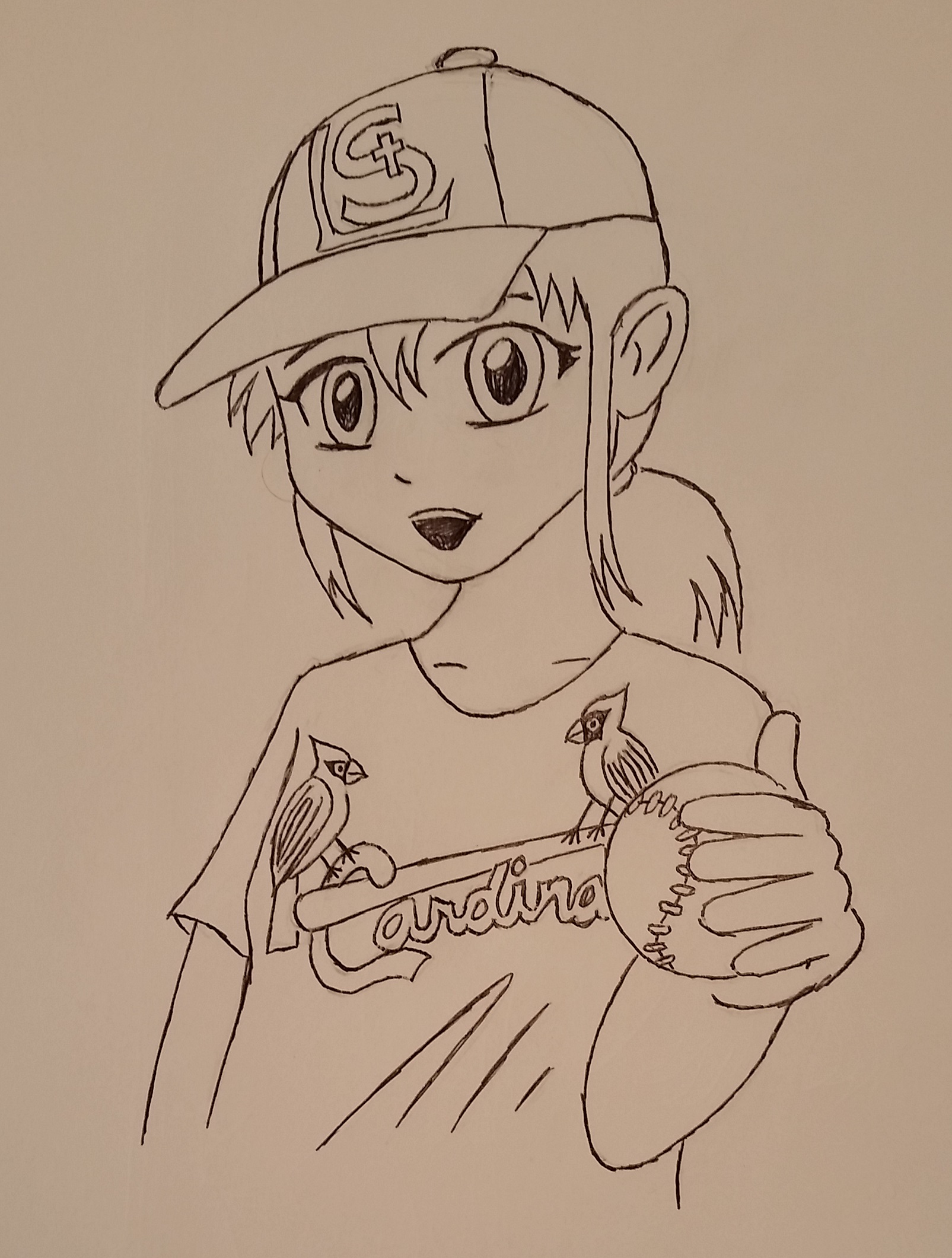
Okay, I am taking over this danged silly old blog today to talk about something important! Baseball!!! Yeah, and even more important, I wanna talk about how girls can be good at baseball.
My name is Maisey Moira Morgan. I am a left-handed pitcher for the Carrollton Cardinals. That’s a boys’ Little League team, in case ya didn’t know. I ain’t the only girl in boys’ Little League, but I am the only girl on the Cardinals’ team. The only girl pitcher. The only WINNING girl pitcher. I woulda been an undefeated winning girl pitcher if Tyree Suggs hadn’t dropped that fly ball in the bottom of the ninth inning out in right field two weeks ago. I ended my season at 3 wins and 1 loss.
You see, the thing is, I know the secret to striking out boys at the plate. First of all, I am a left-handed pitcher. Those danged boys are all used to seeing the ball flung at ’em from the right side. Ninety-nine and two-tenths per cent of all pitchers in our league are right-handed. So are most of the batters. So that futzes them up right there. And on top of that, Uncle Milt taught me to throw a knuckle-ball two years ago. That is one amazingly hard pitch to hit square if you do it right. You curl your fingers on the ball and give a little sorta push-out with your fingertips as you let it go. And you try really hard to make the ball not spin as you push it towards the batter. It can do amazing things after it leaves my hand. Uncle Milt swears that he saw one of my pitches double-dip and then corkscrew as it went across the plate low in the strike zone. A mere boy can’t really get a good swing at a pitch if it flutters around like a crazy bug with butterfly wings.
But that ain’t even the real secret to my baseball success. You see, them danged boys all think they can step up to the plate and put their bat on any ball thrown at ’em by a mere girl. They are not afraid of me, even the third time they get up to bat after striking out twice before. My uniform is not exactly sexy, but all I really have to do is wiggle my behind a little and smile at them, and they don’t even seem to be thinking about hitting the ball any more. I get an even bigger smile on my sweet little face when strike three flutters past ’em. I always take ’em by surprise.
I expect to be the first woman pitcher in the major leagues one day. Remember my name. Maisey Moira Morgan. Future Hall of Famer.
(Disclaimer; Maisey might actually have a hard time claiming her place in the Baseball Hall of Fame, not because the major leagues don’t have any women in them, but because she is an entirely fictional human being, only existing in Mickey’s stupid little head.)
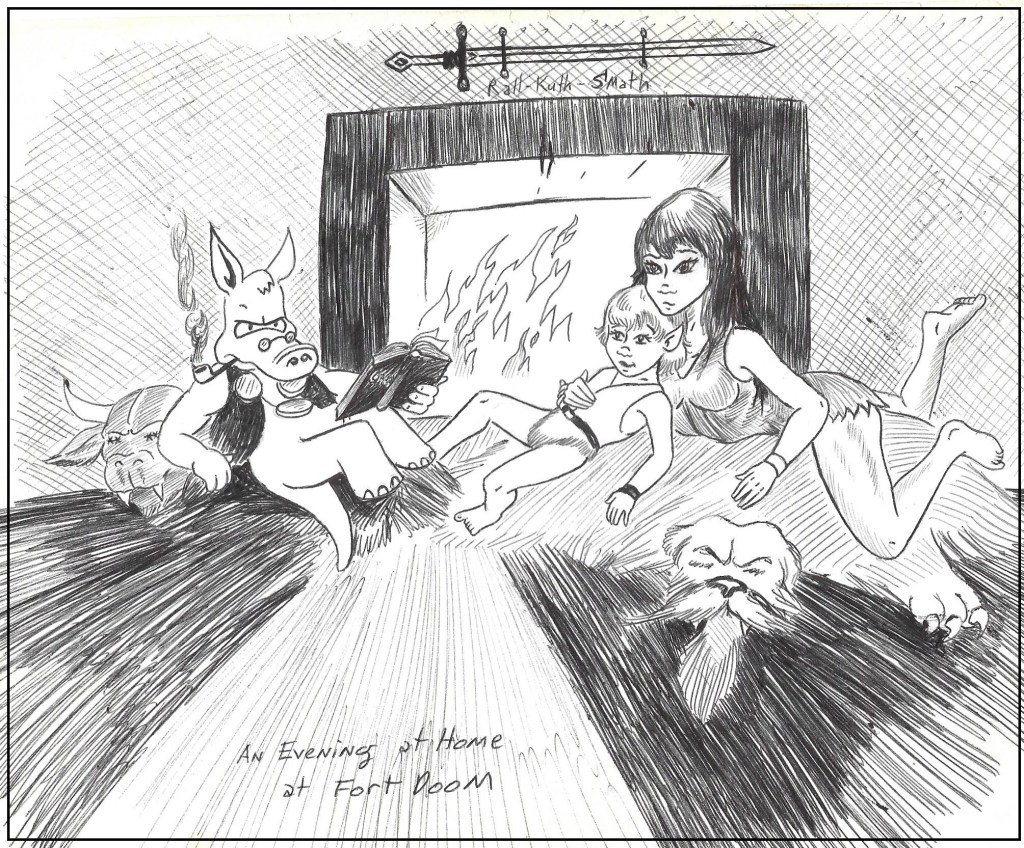
Again I go back to artwork done for Saturday role-playing games, a thing which I started doing in 1981. It filled my life for a time. And it also taught me to be a teacher. After all, the DM (Dungeon Master, or Game Master) has to be a story-teller and a master explainer… just like a school teacher.
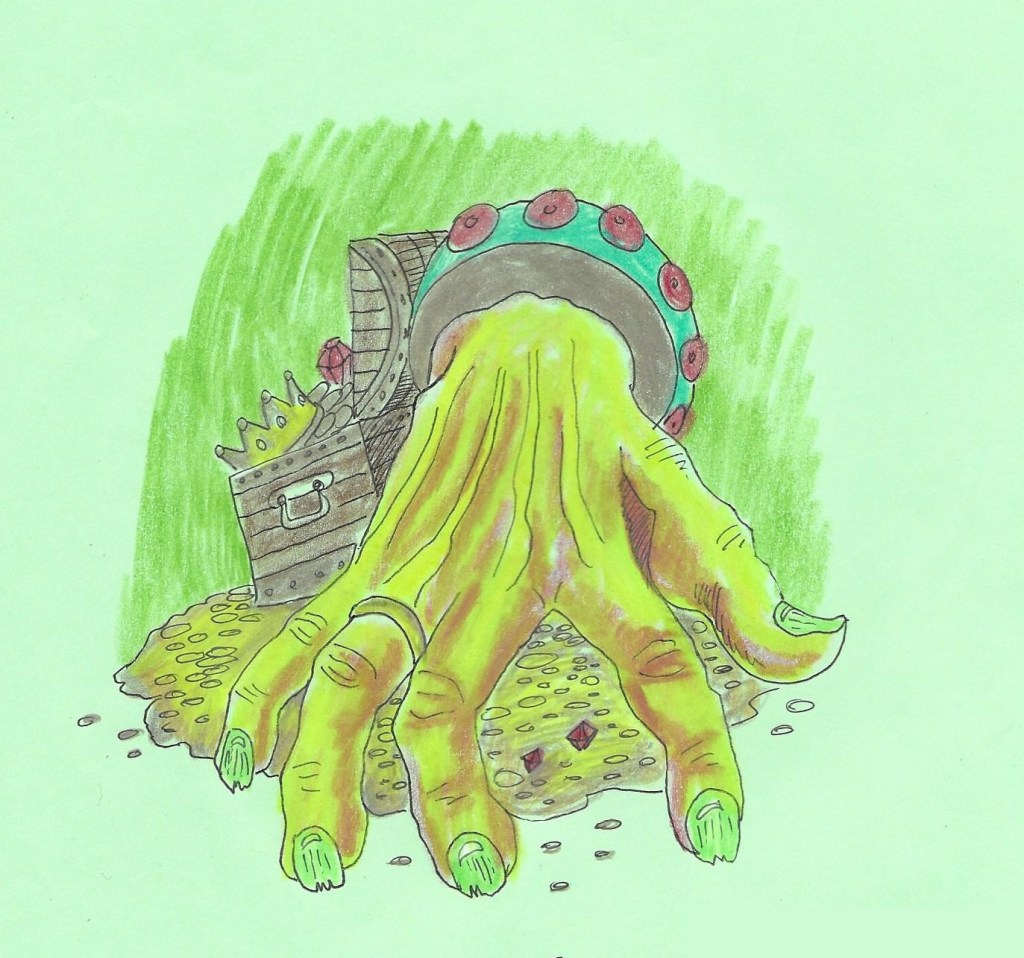
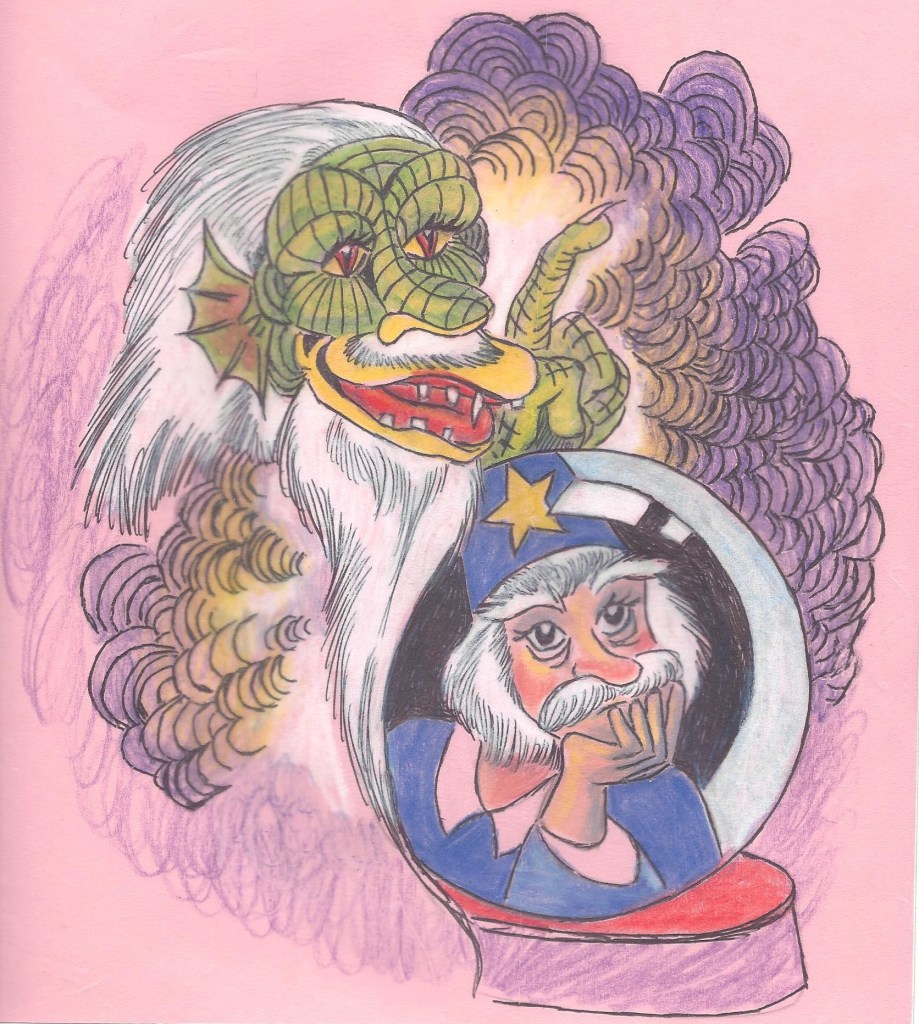
A Dungeons and Dragons picture from 1981. A Shaitan Rider, a villain from 1982.The Giant Sorcerer’s Hand, a monster from the 2011 family game.A heroine-ally and her pet werewolf.The father of mys son’s player character was found at the end of an adventure. He is apparently me with fewer legs.An enemy necromancerTwo versions of the same weretigerThis unused non-player character would become a novel character in 2019.Some characters are borrowed directly from TVSome characters are kept around as potential instant player characters.
Here I am back to doing D&D and Traveller on Saturdays. All of the art in this post was once used in conjunction with RPGs played with former students, and my own kids. I was always the game master in the past, and I used drawings and illustrations to help the imaginary adventures come to life.
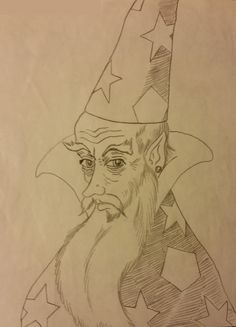
Zoran-Viktor was a Mirin Ice Wizard from the Talislanta D&D campaign. The player of this character was Victor, a gifted dancer and actor from the school’s theater department. The Lawgiver was a powerful Non-Player Character in both D&D and Talislanta. The character design came from a metal figure I painted myself. Zoric was a Talislantan Thaumaturge, the player character of a weird kid who told x-rated jokes better than any other high-school boy I ever met.
Harun the Charmer was only ever used as a player-character once. The boy whose character it was provided the face I modeled it after. He was an absolutely arresting boy that had such a winning personality that people fell in love with him almost instantly.
He spent way more time helping another teacher grade papers than he did playing Talislanta games with goofy old Mr. B.
And I promise, only one of the facts presented here about Harun is a lie, in attempt to protect this young gentleman’s identity. We unfortunately lost him back in the 1990’s.
Crane the Sorcerer was an NPC trapped inside his own crystal ball by his own evil familiar well before my kids met him in the D&D adventure.
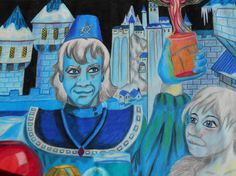
Viktor, the Snow Wizard of Ice Keep, was the father of Zoran Viktor. Victor loved playing Talislanta.
I finished up a final proofread and formatting project on the novel I am re-publishing on Amazon, Magical Miss Morgan.
And, you know what? The story made me cry again. An unbroken record. It is about the fifteenth time I read through it. And every single time, the little three-inch-tall fairy is killed again, and I can’t keep my eyes dry.
He’s not even based on a real person as so many of my characters are. It’s not like it is someone I know and love. It’s a fairy. Not even remotely real. And I’m the one who decided he had to die in the story because because good comedy stories always end with at least one main character dying… Don’t they? It’s a rule derived from Robert Altman movies.
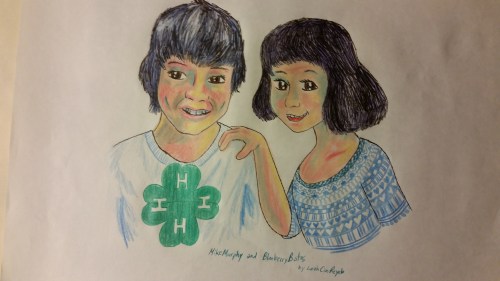
Mike Murphy and Blueberry Bates
But I can’t help feeling things about the characters in my stories. I don’t love them all. I hate some of them. But, they’re the ones you are supposed to hate. They are villians, bad guys, characters based on real people who hurt me in real life.
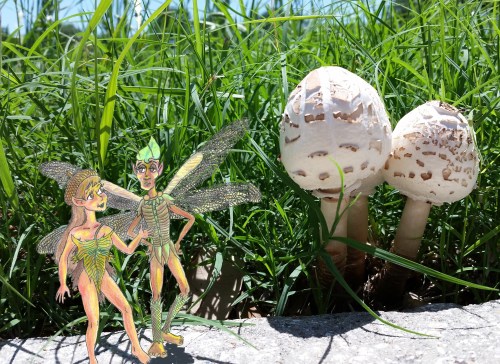
Silkie and Donner are fairies.
It’s not just my stories that make me feel. I have read Dickens’ A Tale of Two Cities twice, and both times Sydney Carton made me cry. I read Dickens’ Old Curiosity Shop only once. And Little Nell made me cry so hard I could never reread that book. And there’s Simon in The Lord of the Flies, and, of course, the old Yeller dog in Old Yeller by Fred Gipson… I’m a sucker for heroic deaths and tragic losses. They touch and twist my little blue heart.
Miss Francis Morgan, school teacher
But I cried for the fifteenth time, and I survived it. I will probably cry again if I read it again. That is what life is like. That is what fiction is for. To make me think and feel and… love.
As a writer seriously immersed in a particular work in progress, I find myself talking more and more to certain people who exist only in my head. They are the characters in my novel, The Boy… Forever.
The novel is itself an epistolary novel. That means, like Bram Stoker’s Dracula, it is made up of letters, notes, diary and journal entries, and other personal writing of the central characters. It also means that I have to become the different people who write these things. At least while I create each individual artifact that goes into the mosaic of first-person narratives.
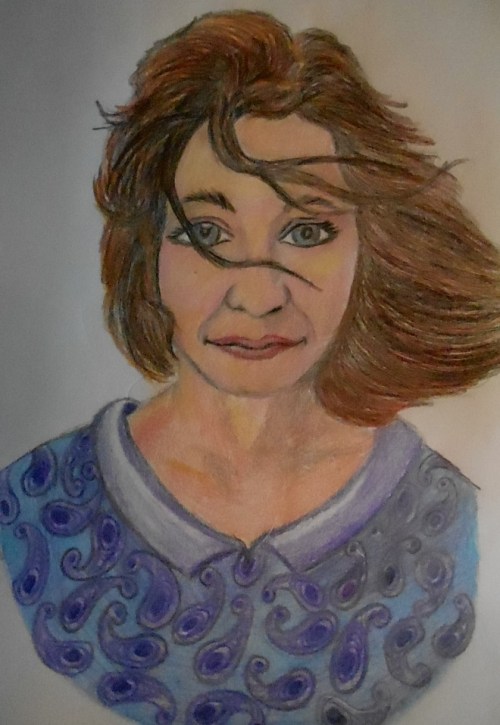
Anita Jones, pictured here, is the letter-writer who starts the plot in motion when she gets a very disturbing letter from her cousin, Icarus Jones.
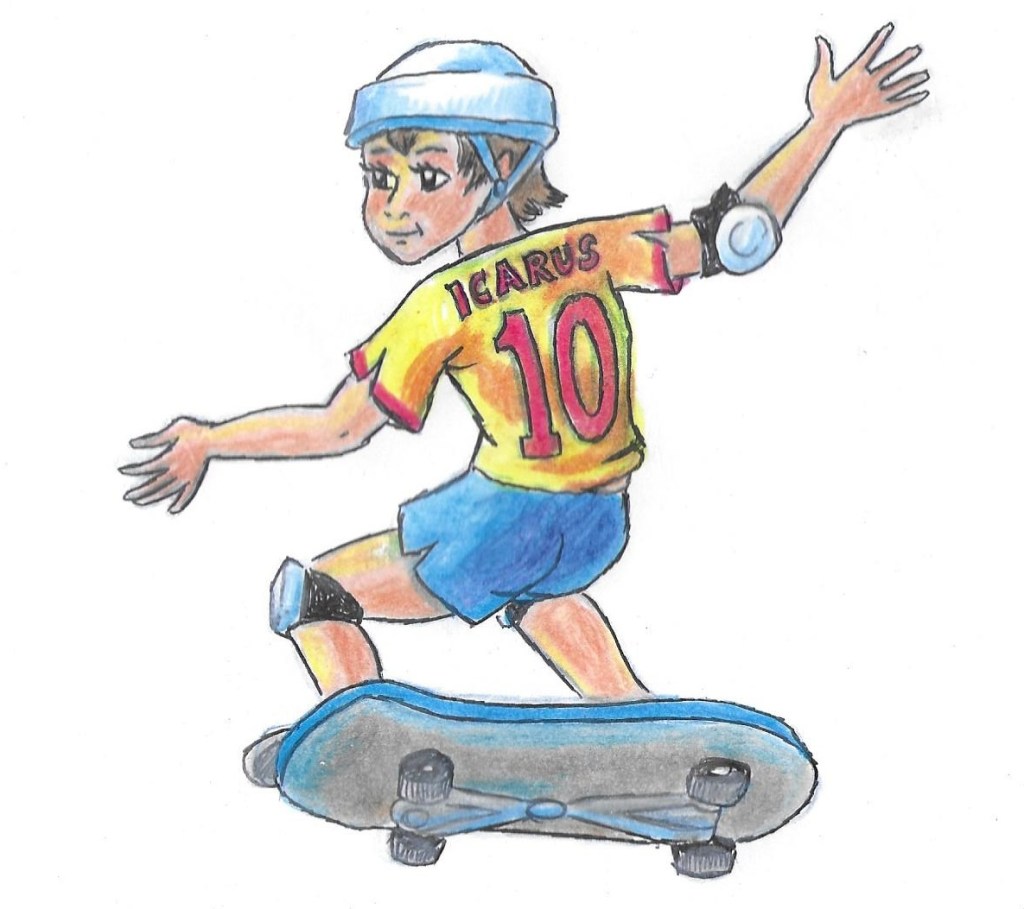
Icarus writes about his problem with becoming a midget, and his response to it being a plan to kill himself. It seems that he simply stopped growing at the age of ten. Now, being a fifteen-year-old in the body of a ten-year-old, he writes a suicide note in the form of a letter, and then goes to jump off a bridge into the Mississippi River. But when he does, he survives. Or, rather, he succeeds, but cannot remain dead. He doesn’t know it, yet, but he has become a human mutation known in the secret world of unknown things as an Immortal.
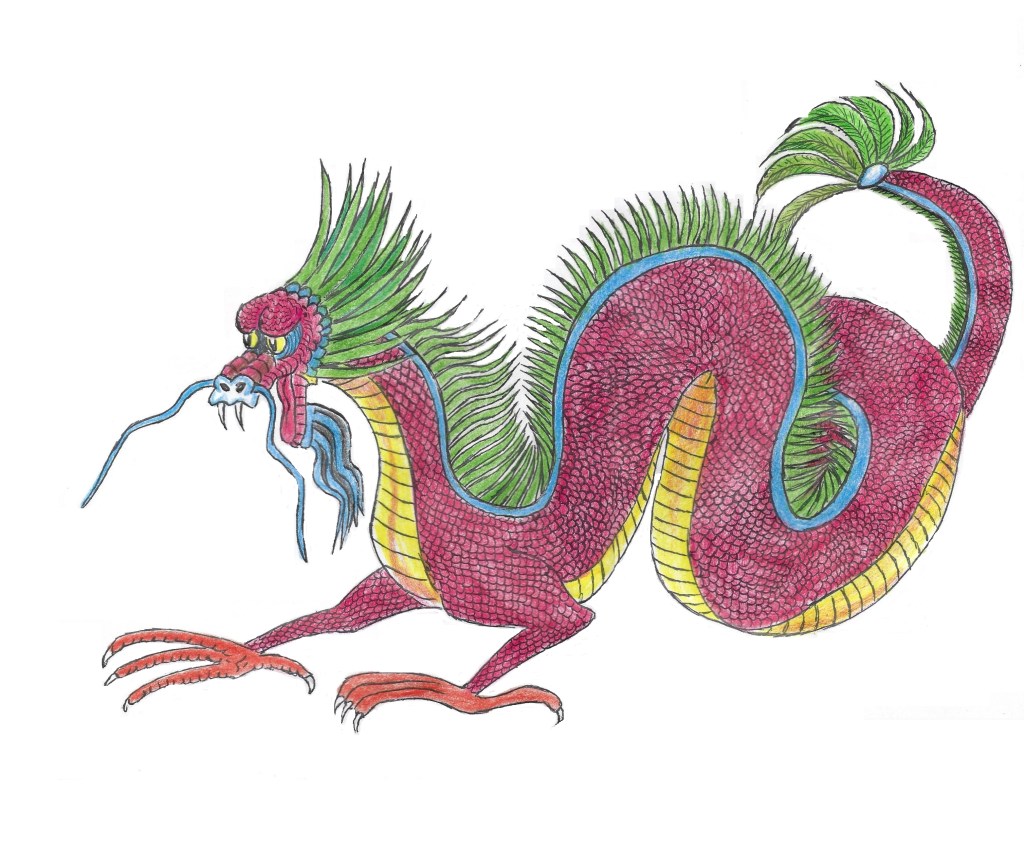
Tian Long, the Celestial Dragon
Icky’s problem becomes worse when it is discovered he is being pursued by another immortal, a sort of vampiric immortal who needs to consume the essence of other immortals to stay alive. He is a three-thousand-year-old Chinese Celestial Dragon who is able to assume a human form.
Neither Icky Jones nor Tian Long the dragon, though, really needs to be in my head. Icarus himself only writes the first and last letters of the book. Tian Long, the villain, does not have a say at all in telling the story. The only part of it he writes are the wizard spells he uses to confound everyone, and most of those are in Chinese.
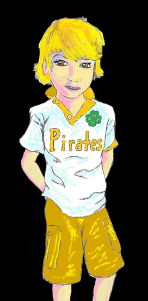
Milton John Morgan, the Wizard of the Norwall Pirates
Besides the letters that Anita Jones writes to her cousin in Dallas, Dot Jones, the story is also advanced in the journal entries of Milt Morgan, one of the leaders of the boys’ gang in rural Iowa known as the Norwall Pirates. He has been asked by the Freshman English teacher to keep a daily journal and write every day in 1976. This he struggles to do, but gains writing and typing skills as he goes along, especially when he befriends Icarus and learns about the dragon pursuing Icky.
Milt is full of imagination and a sense of adventure, a thing that makes him an unreliable narrator, not above embellishing the truth as he writes his not-so-much- daily-as-infrequent journal entries.
Brent “the Cat” Clarke
The story is also taken up by Brent Clarke, the leader of the Norwall Pirates. Brent wants to be a policeman or a detective or something like that when he grows up. He takes careful investigation notes on everything, and he is the first one to become suspicious of the Chinese man and his step-daughter who pick a house in the town of Norwall that they want to live in right before the actual owner and occupant of the house mysteriously dies in a falling accident. Brent befriends the local Sheriff’s Deputy and sets out on a serious possible murder investigation that yields some very disturbing results. His notes are very detail-oriented and generally fact-based. He carefully records his own eye-witness accounts of everything.
Sherry Cobble, the nudist, calls herself the smarter and more beautiful twin.
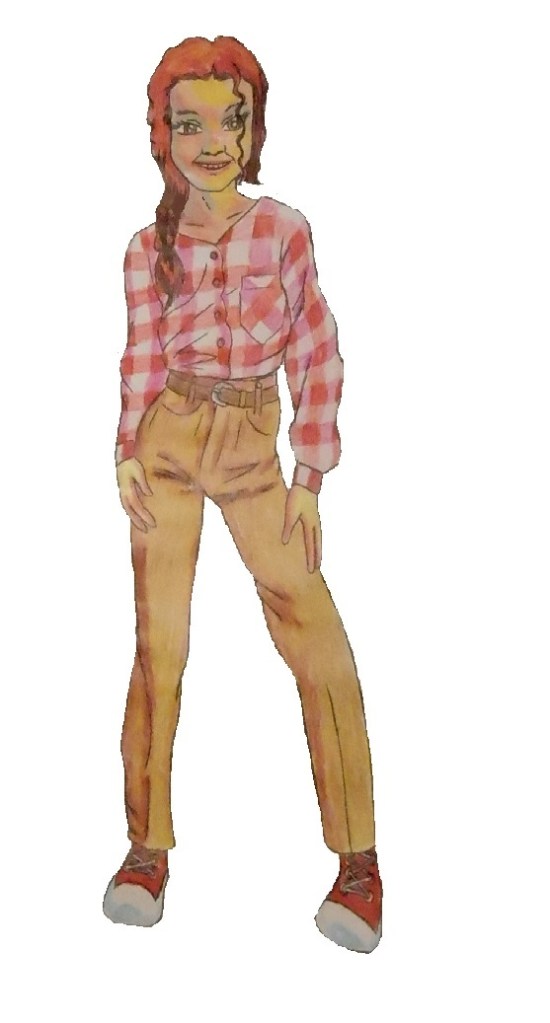
Sherry Cobble, the more outgoing of the identical twins known as the Cobble Sisters, is a happy nudist with a very positive body image for herself and her twin sister. She is a very positive person over-all. She and her sister Shelly had started out keeping a “Lovely Nudist’s Diary” between them, but Shelly is not nearly as interested in writing and storytelling as her sister. So, Sherry takes over the diarist duties with the same sort of glee and enthusiasm she has for promoting nudism to her friends, especially the Norwall Pirates. It is her goal to eventually see all of the kids in Norwall naked and happy just as she and her sister Shelly always are.
Those four different character voices are the main voices I have to work with in telling this fantasy adventure story in much the same way as Stoker tells the story of Dracula.
So, if I begin to seem like I have a disordered mind full of multiple personalities, it’s because I am a novelist, not a mental patient or a vampire or even a Chinese dragon in human form. I am simply trying to tell a story by allowing four distinctly different characters to live inside my head.





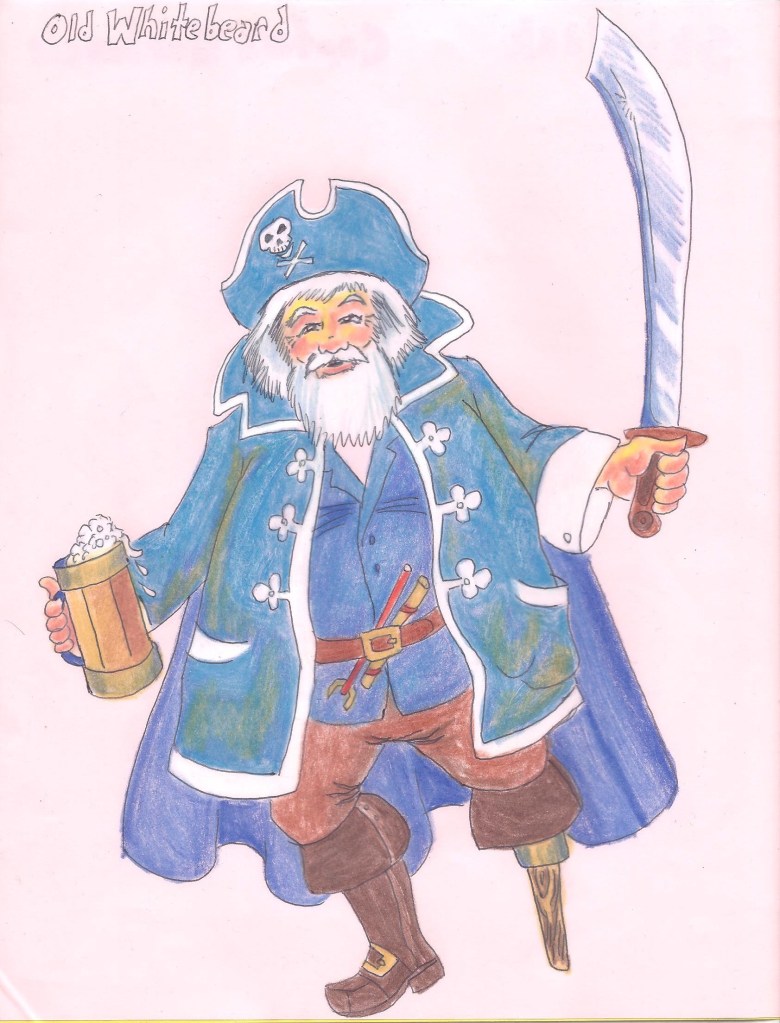
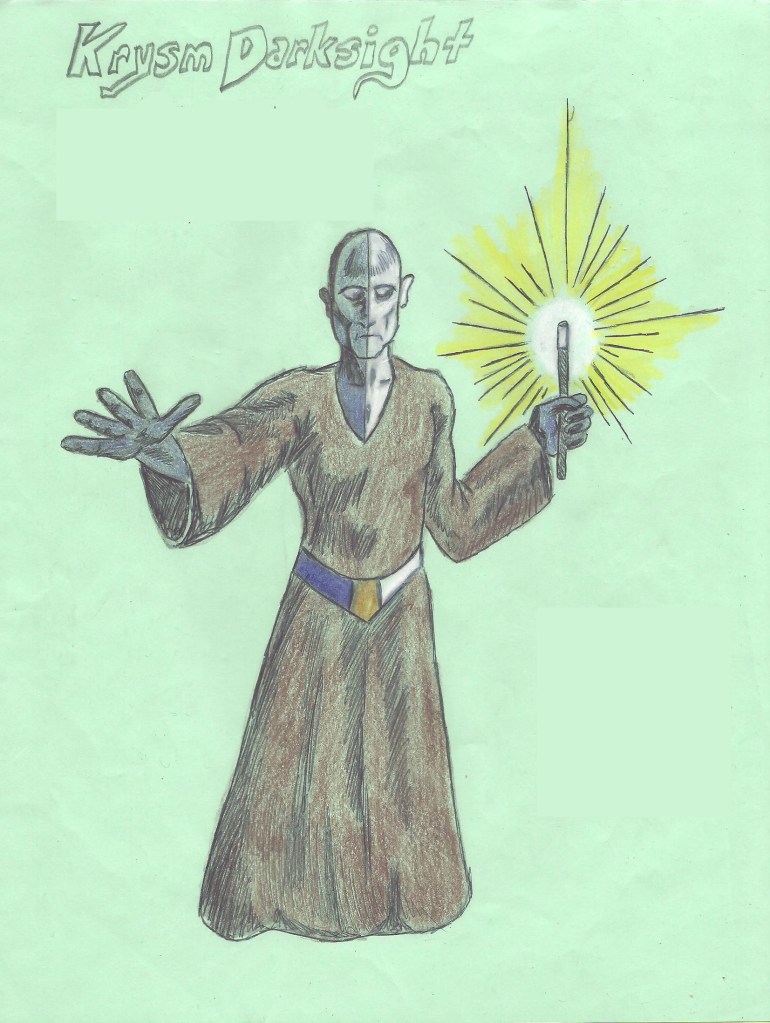


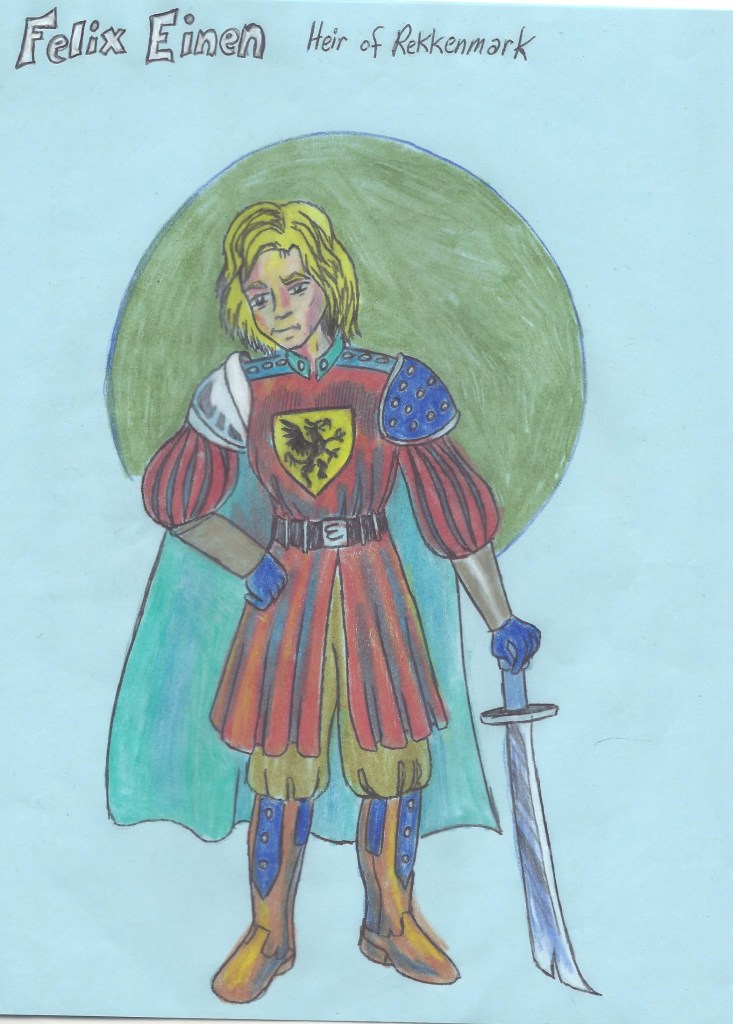




Imaginary Friends
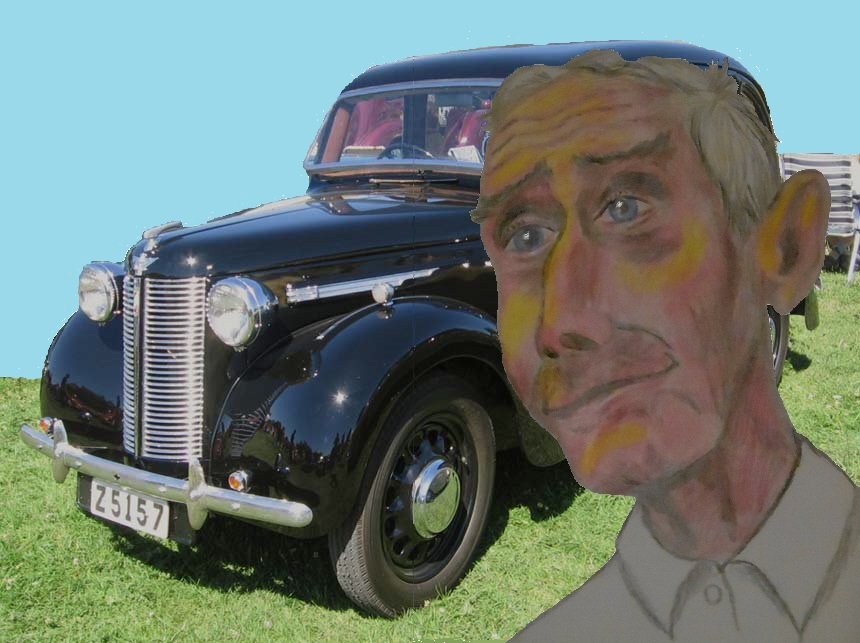
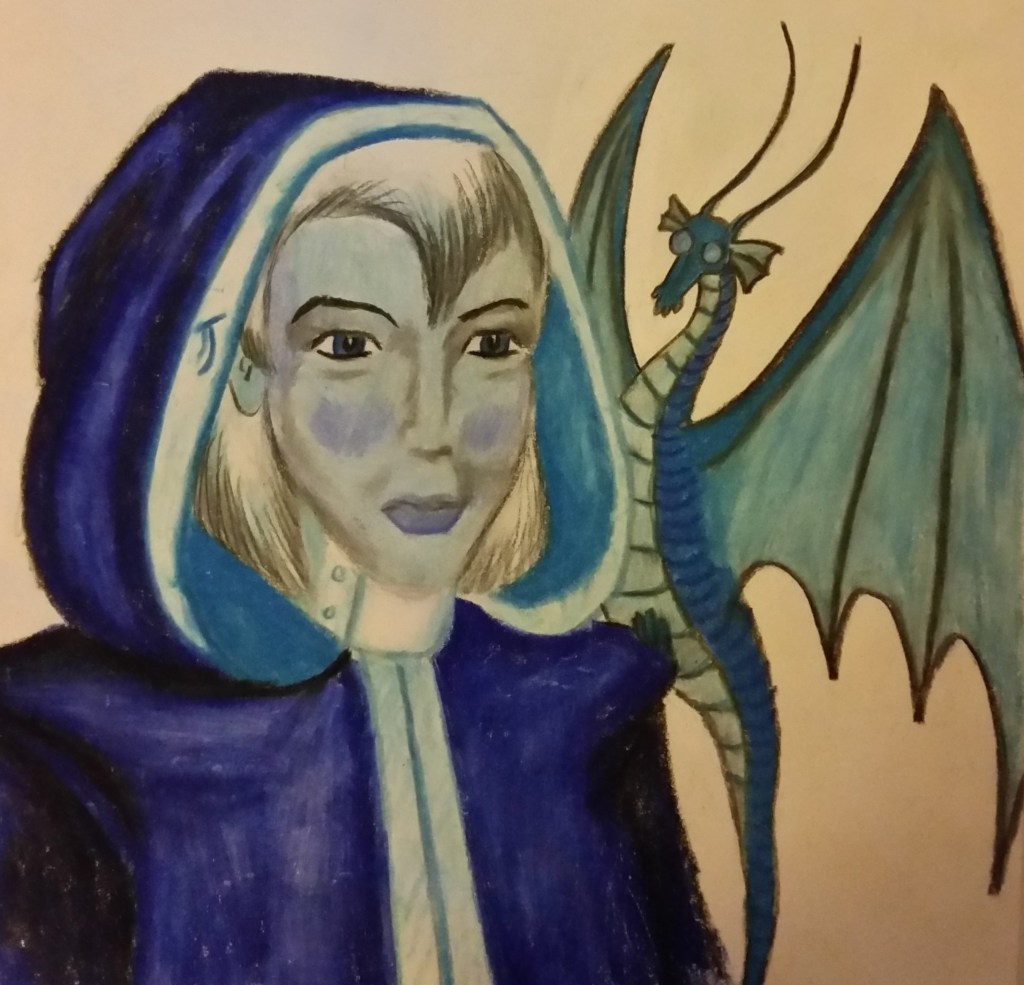
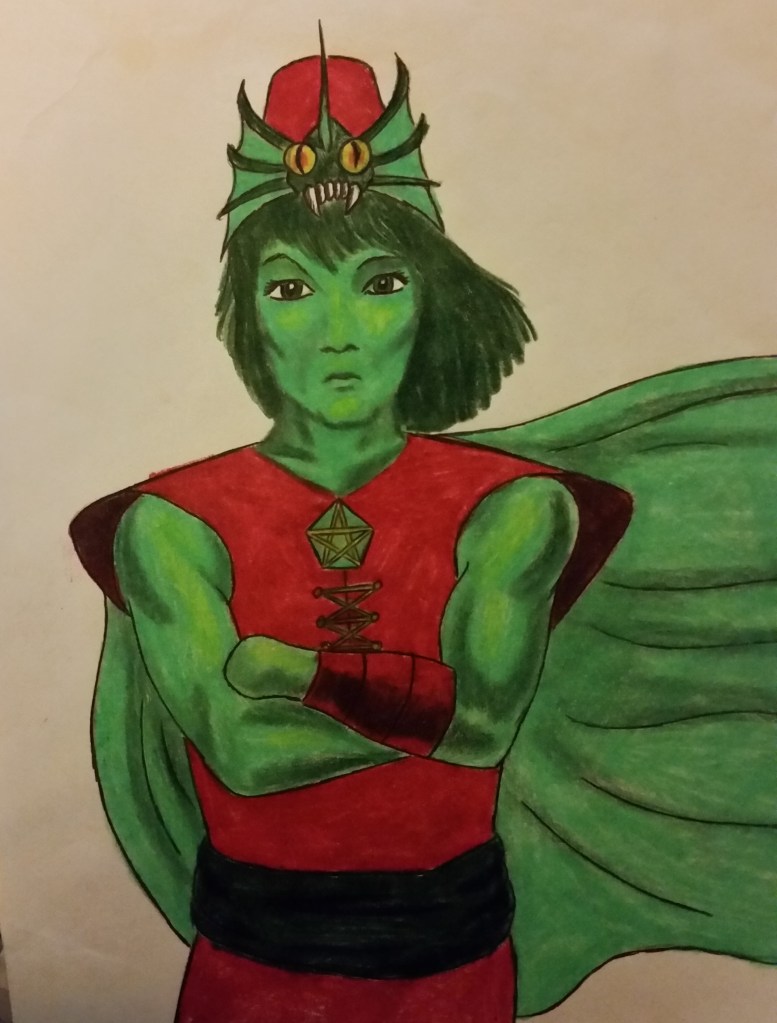
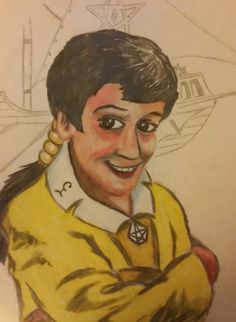
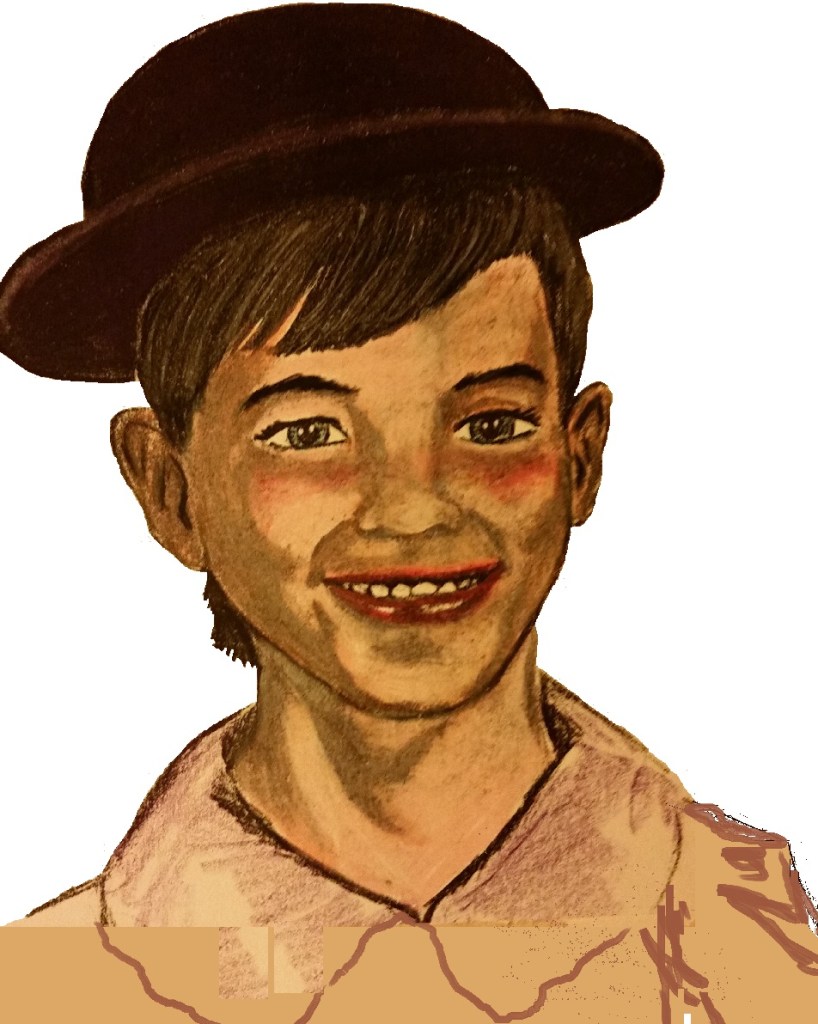
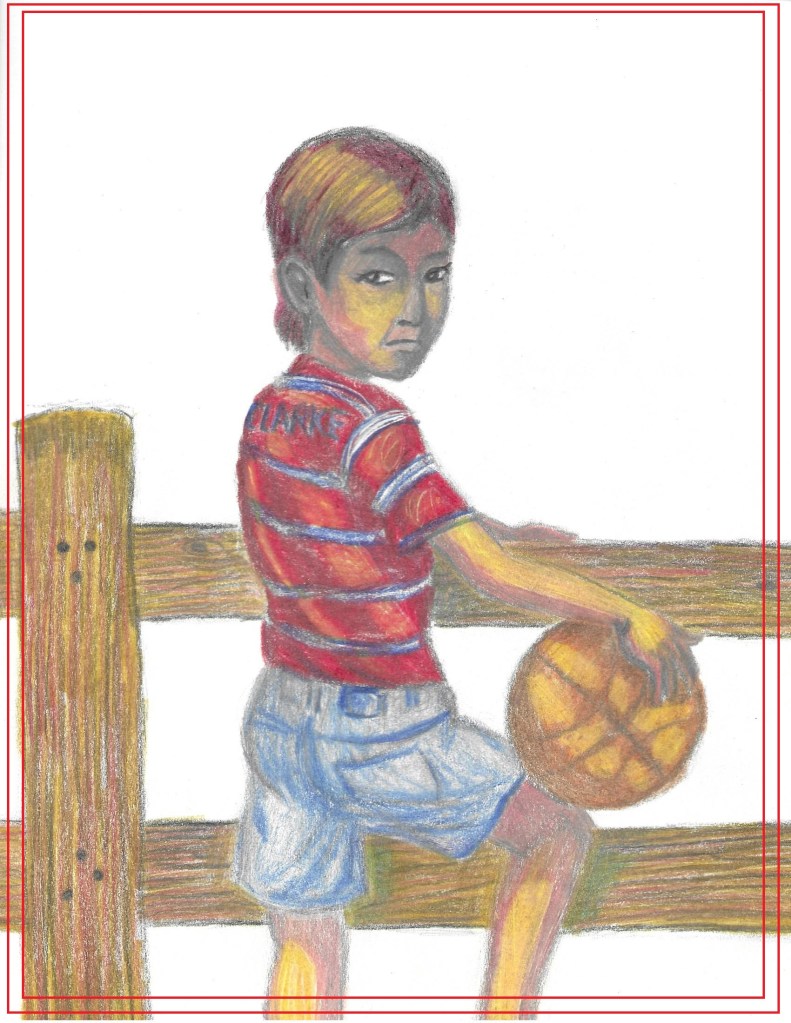
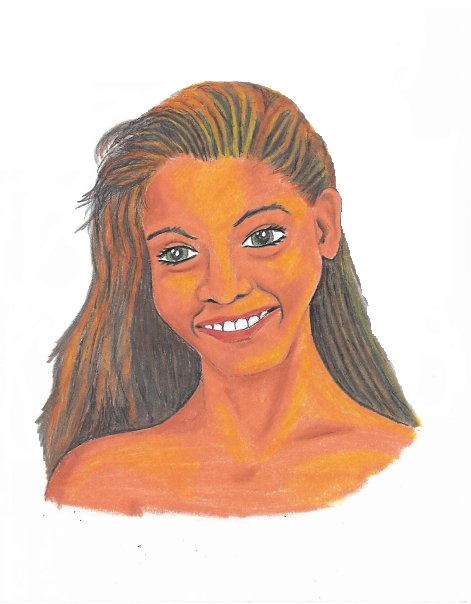
When you know someone has an imaginary friend, something like Elwood’s six-foot invisible rabbit called Harvey, don’t you immediately think that person is crazy? I do. But I have imaginary people as friends. I think most writers do. So am I crazy? Probably. But hopefully it is a good kind of crazy.
It began with imaginary friends from books. The Cat in the Hat was my friend. Jim Hawkins was my friend, as was Mowgli and all the members of the Swiss Family Robinson. They entered my dreams and my daydreams. I told them my troubles the same way I listened to theirs through their stories.
I began to have imaginary friends that came from my own imagination too.
I used to tell my mere human friends about my friend Davalon from outer space. I told them that he was real and secretly visited me at night to talk about being able to learn about humans on earth by walking around invisibly and watching them. I got so involved with these stories that my sixth grade class began saying, “Michael is from Mars.”
When I was a teenager, I began having conversations with a faun. His name was Radasha. He was a creature from Greek Myth, a sensual Dionysian creature who, in his child body, was both younger than me and way older than me. I didn’t realize until much later in life that he was the result of my repressed memories of a childhood sexual assault that I was the victim of. I could talk to him about my fear of nakedness. I could tell him about my blossoming interests in naked girls and their bodies. I could talk to him about all the things I was somehow too terrified to talk to my male friends about, even though none of them had the same reluctance to discuss sex. Ra was imaginary. But he helped me heal.
Then the story-telling seriously began. I used Davalon as one of the main characters in my novel Catch a Falling Star. I created Torrie Brownfield, the baby werewolf to express the feelings I had as a boy about being a monster and secretly terrible and deformed. Torrie is a normal boy with a condition called hypertrichosis. I am working on The Baby Werewolf now. And then there’s lovely Valerie Clarke. She is the main character of Snow Babies which is a finished novel, edited and proofread and ready to publish. It is I book I will have to find another way to publish since the recent death of PDMI Publishing. She is not a me-character, based on my own thoughts and feelings. She is based on former classmates and students who told me things that express the sadness and isolation of growing up female. So she is even more imaginary than my other characters.
They become real people to me. They have their own point of view. They talk to me and I learn things from them. But they are imaginary. So am I crazy? Yes… as a loon. And happy as Elwood P. Dowd to be that way.
Leave a comment
Filed under artwork, autobiography, being alone, characters, commentary, humor, imagination, insight, Paffooney, strange and wonderful ideas about life