
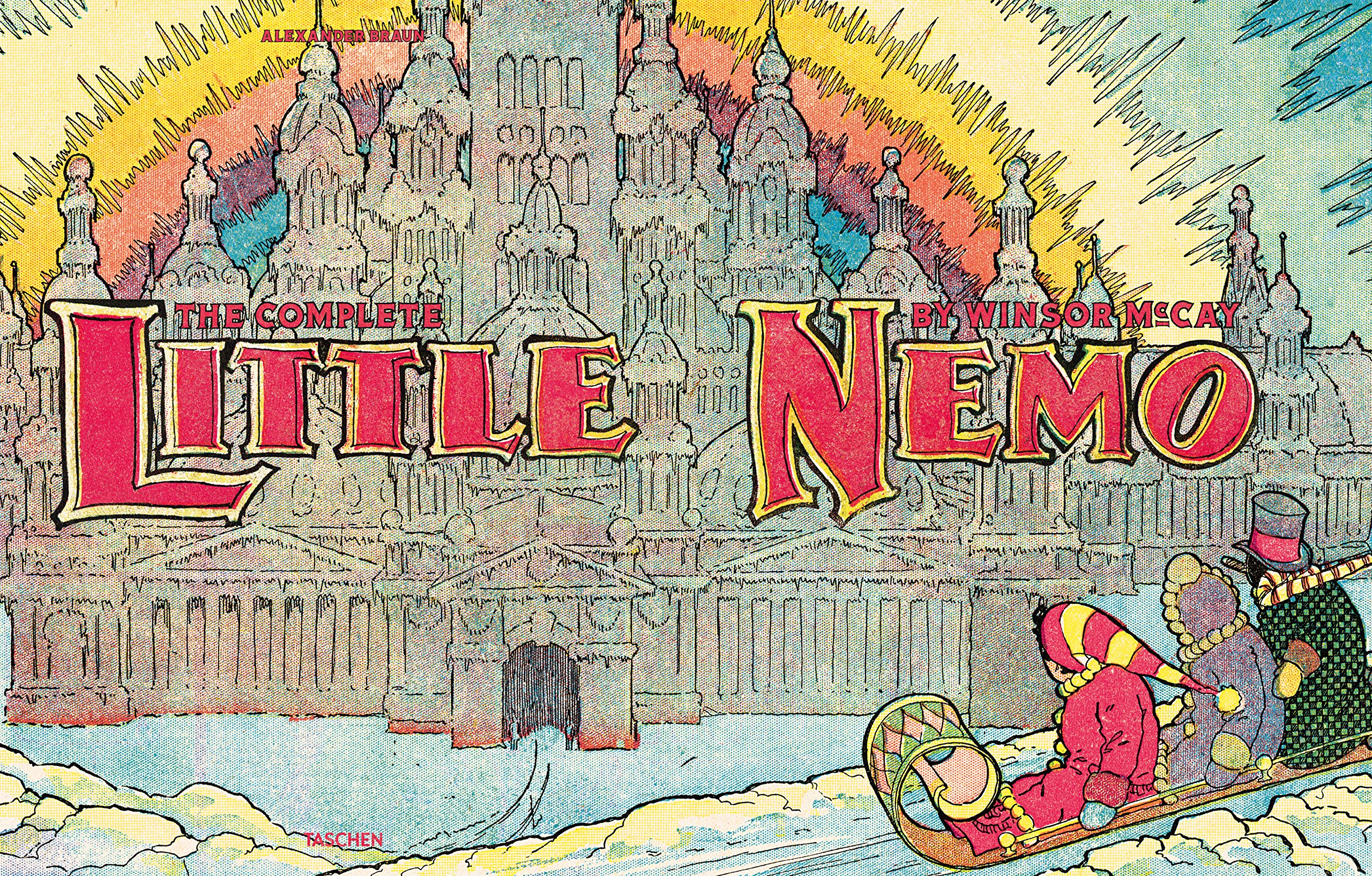
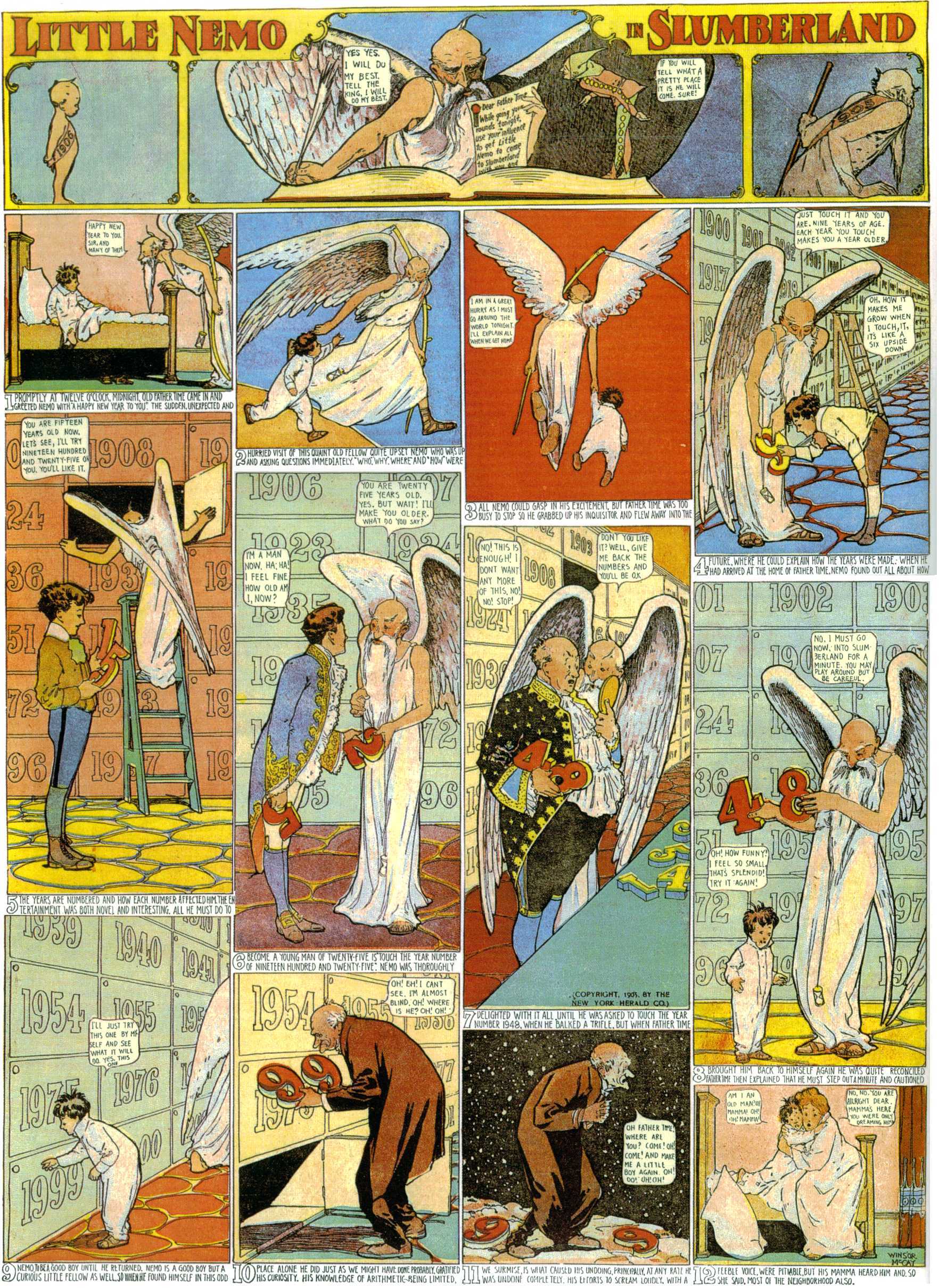
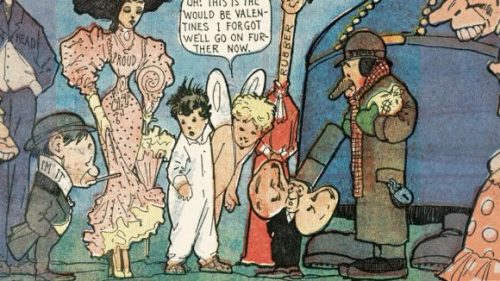
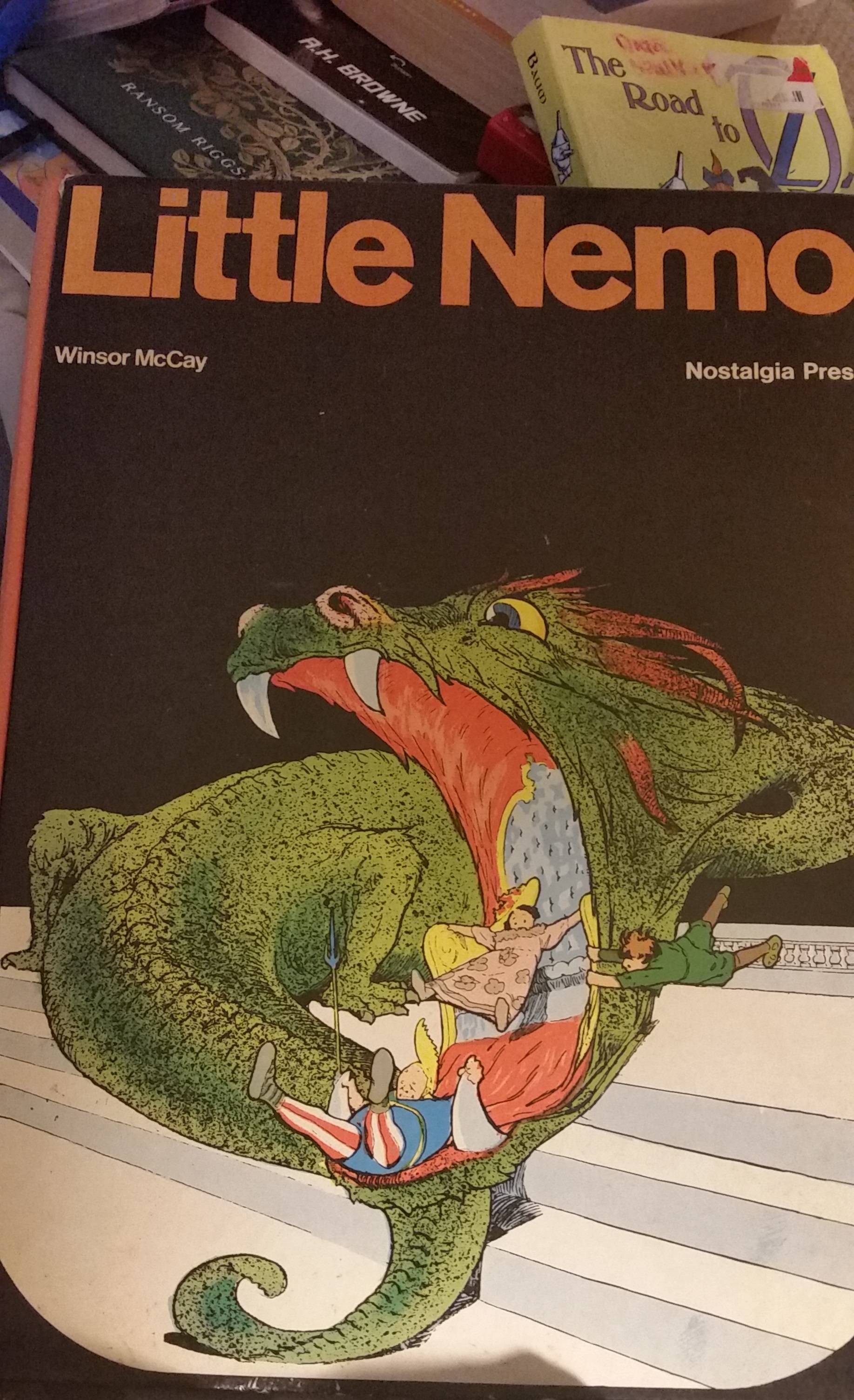
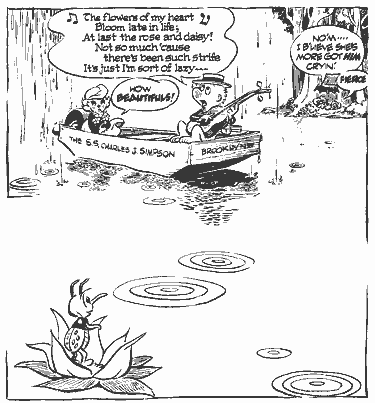
One work of comic strip art stands alone as having earned the artist, Winsor McCay, a full-fledged exhibition at the Metropolitan Museum of Art in New York City. Little Nemo in Slumberland is a one-of-a-kind achievement in fantasy art.
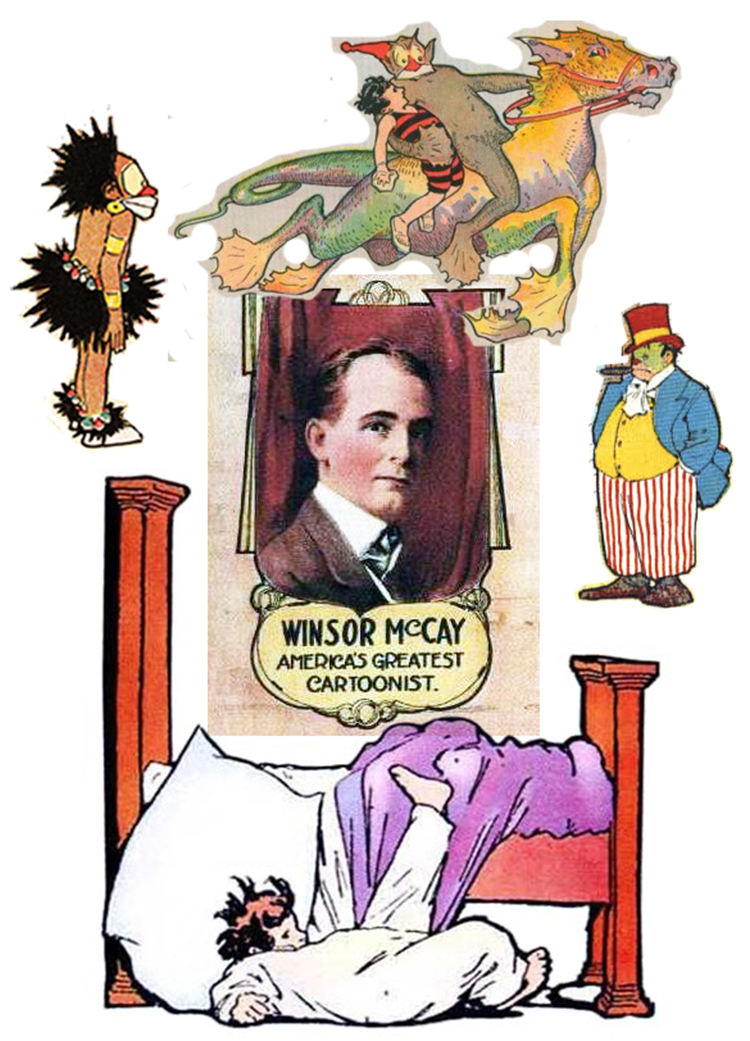
Winsor McCay lived from his birth in Michigan in 1869 to his finale in Brooklyn in 1934. In that time he created volumes full of his fine-art pages of full-page color newspaper cartoons, most in the four-color process.
As a boy, he pursued art from very early on, before he was twenty creating paintings turned into advertising and circus posters. He spent his early manhood doing amazingly detailed half-page political cartoons built around the editorials of Arthur Brisbane, He then became a staff artist for the Cincinnati Times Star Newspaper, illustrating fires, accidents, meetings, and notable events. He worked in the newspaper business with American artists like Winslow Homer and Frederick Remington who also developed their art skills through newspaper illustration. He moved into newspaper comics with numerous series strips that included Dreams of the Rarebit Fiend and Little Nemo in Slumberland. And he followed that massive amount of work up by becoming the “Father of the Animated Cartoon” with Gertie the Dinosaur, with whom he toured the US giving public performances as illustrated in the silent film below;
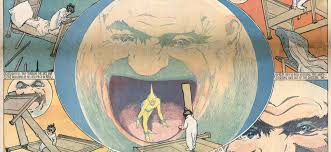
The truly amazing thing about his great volume of work was the intricate detail of every single panel and page. It represents a fantastic amount of work hours poured into the creation of art with an intense love of drawing. You can see in the many pages of Little Nemo how great he was as a draftsman, doing architectural renderings that rivaled any gifted architect. His fantasy artwork rendered the totally unbelievable and the creatively absurd in ways that made them completely believable.
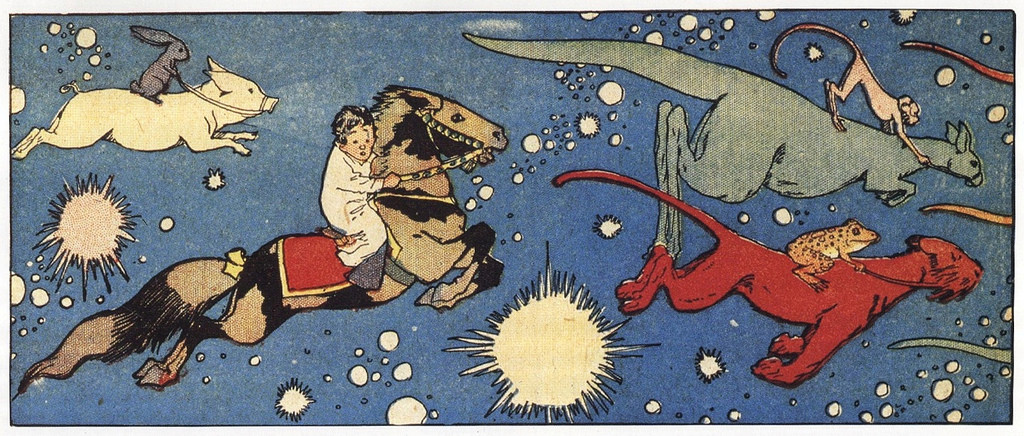
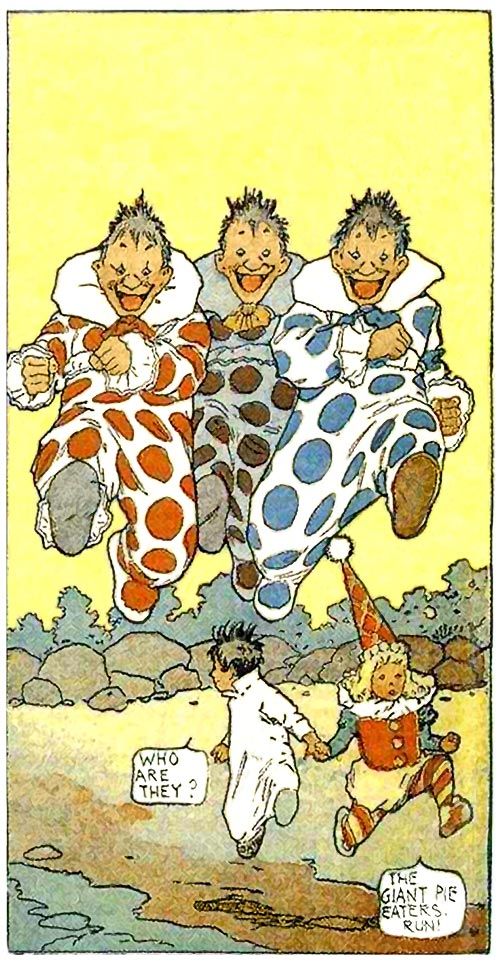
I bought my copy of Nostalgia Press’s Little Nemo collection in the middle 70’s and have studied it more than the Bible in the intervening years. Winsor McCay taught me many art tricks and design flourishes that I still copy and steal to this very day.
No amount of negative criticism could ever change my faith in the talents of McCay. But since I have never seen a harsh word written against him, I have to think that problem will never come up.
My only regret is that the wonders of Winsor McCay, being over a hundred years old, will not be appreciated by a more modern generation to whom these glorious cartoon artworks are not generally available.







Why Do You Think That? (Part Two)
In my short, sweet sixty years of life, I have probably seen more than my share of movies. I have seen classic movies, black-and-white movies, cartoon movies, Humphrey Bogart movies, epic movies, science fiction movies, PeeWee Herman movies, Disney movies, Oscar-winning movies, and endless box-office stinkers. But in all of that, one of the most undeniable threads of all is that movies make me cry. In fact they make me cry so often it is a miracle that even a drop of moisture remains in my body. I should be a dried-out husk by now.
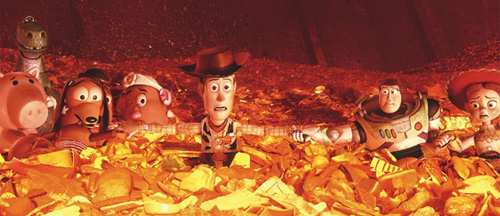
I wept horribly during this scene. Did you?
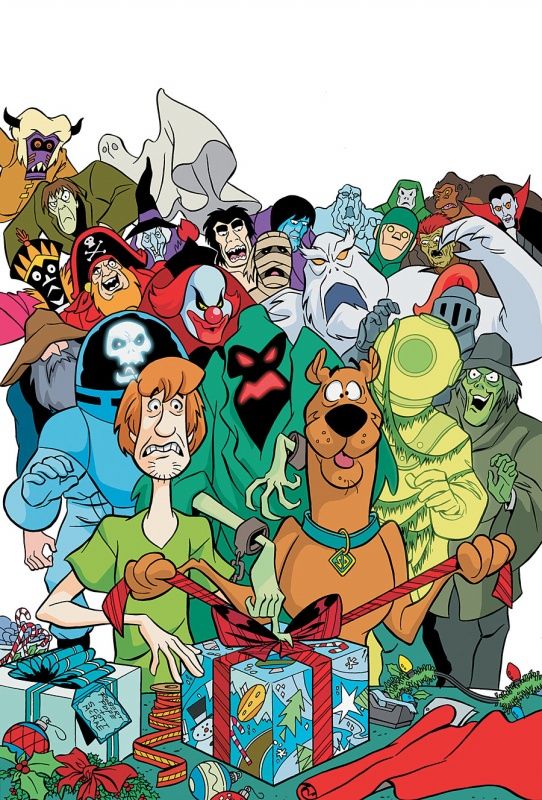
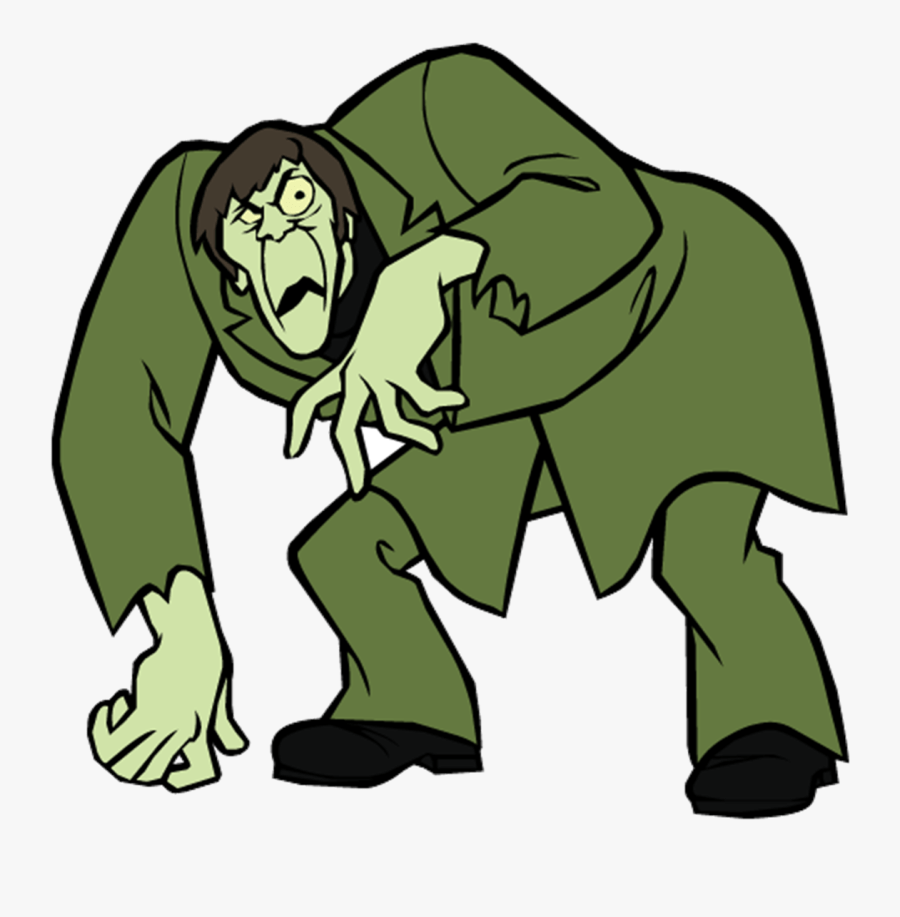
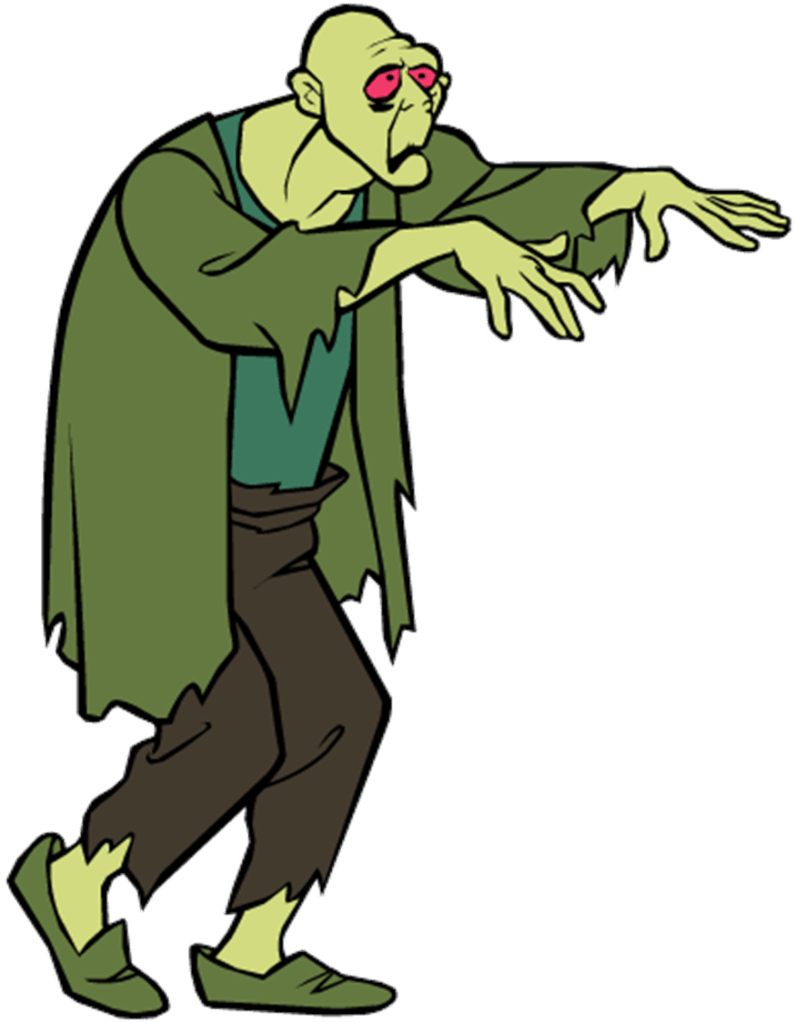
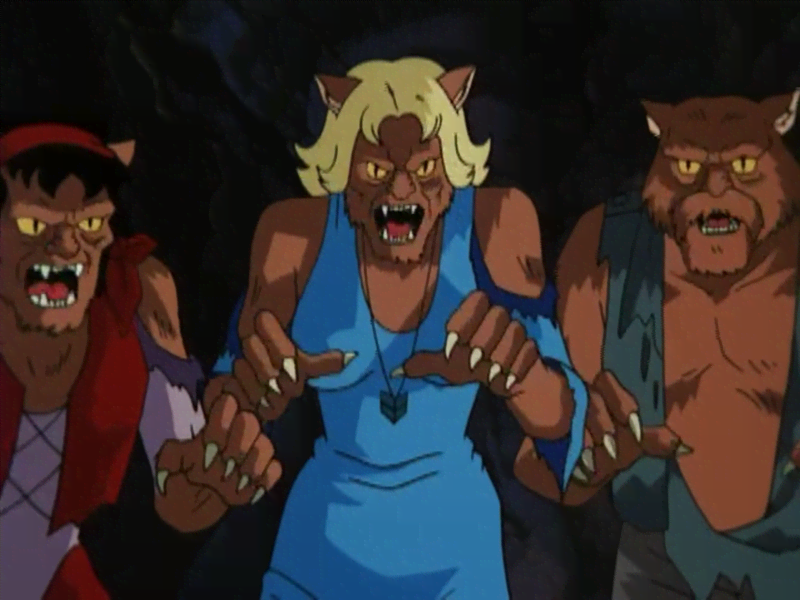
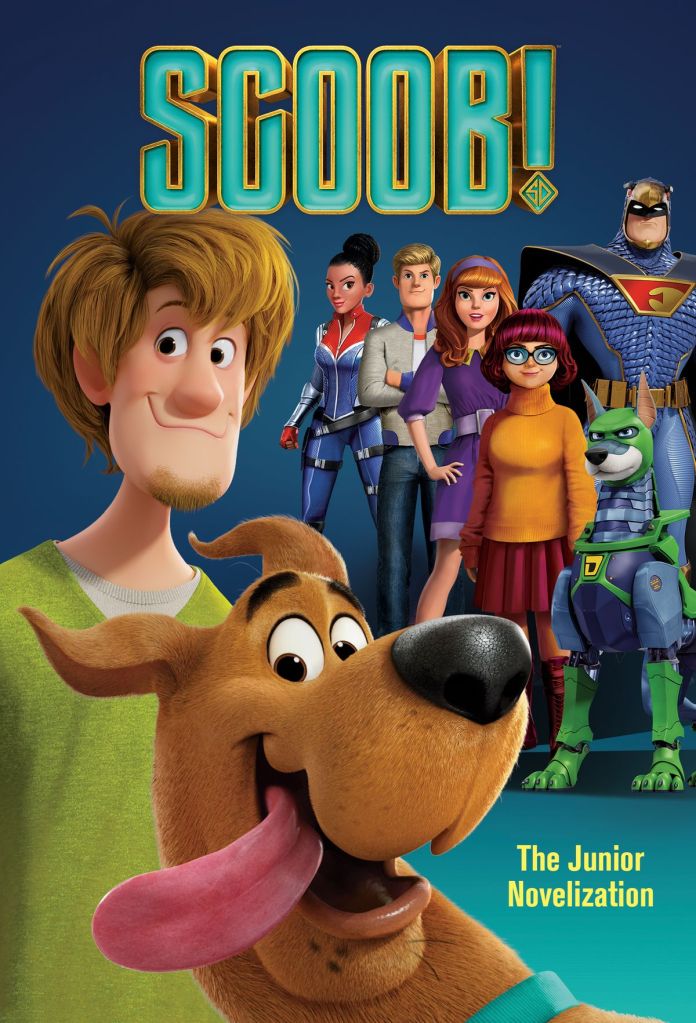
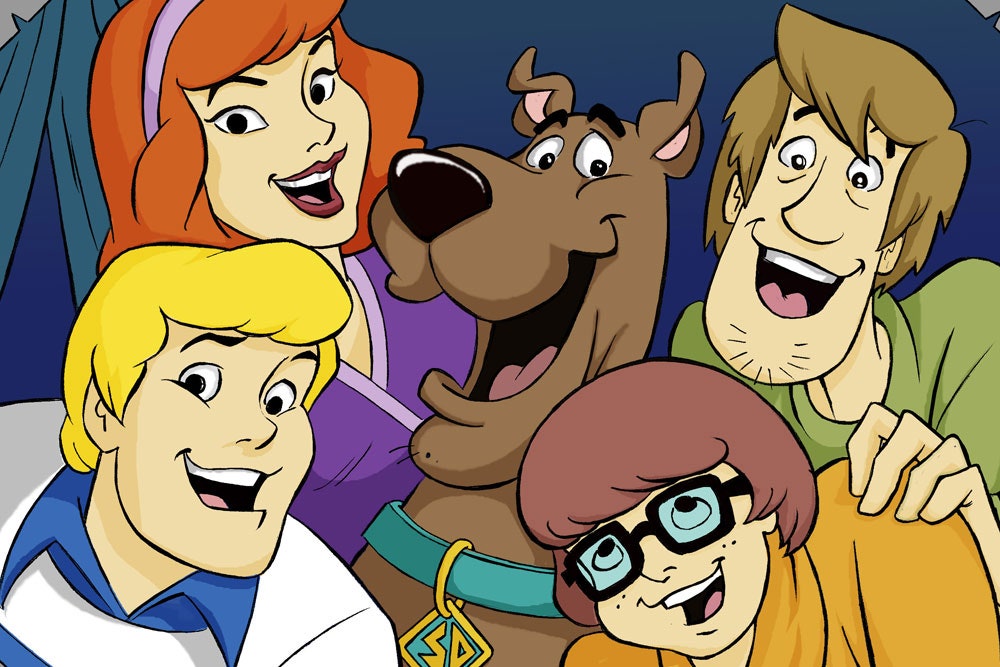
And the thing is, people make fun of you when you cry at movies. Especially cartoon movies like Scooby Doo on Zombie Island. (But I claim I was laughing so hard it brought tears to my eyes. That’s the truth, dear sister. So stop laughing at me.) But I would like to put forth another “Why do you think that?” notion. People who cry while watching a movie are stronger and more powerful than the people who laugh at them for crying. A self-serving thesis if ever there was one.
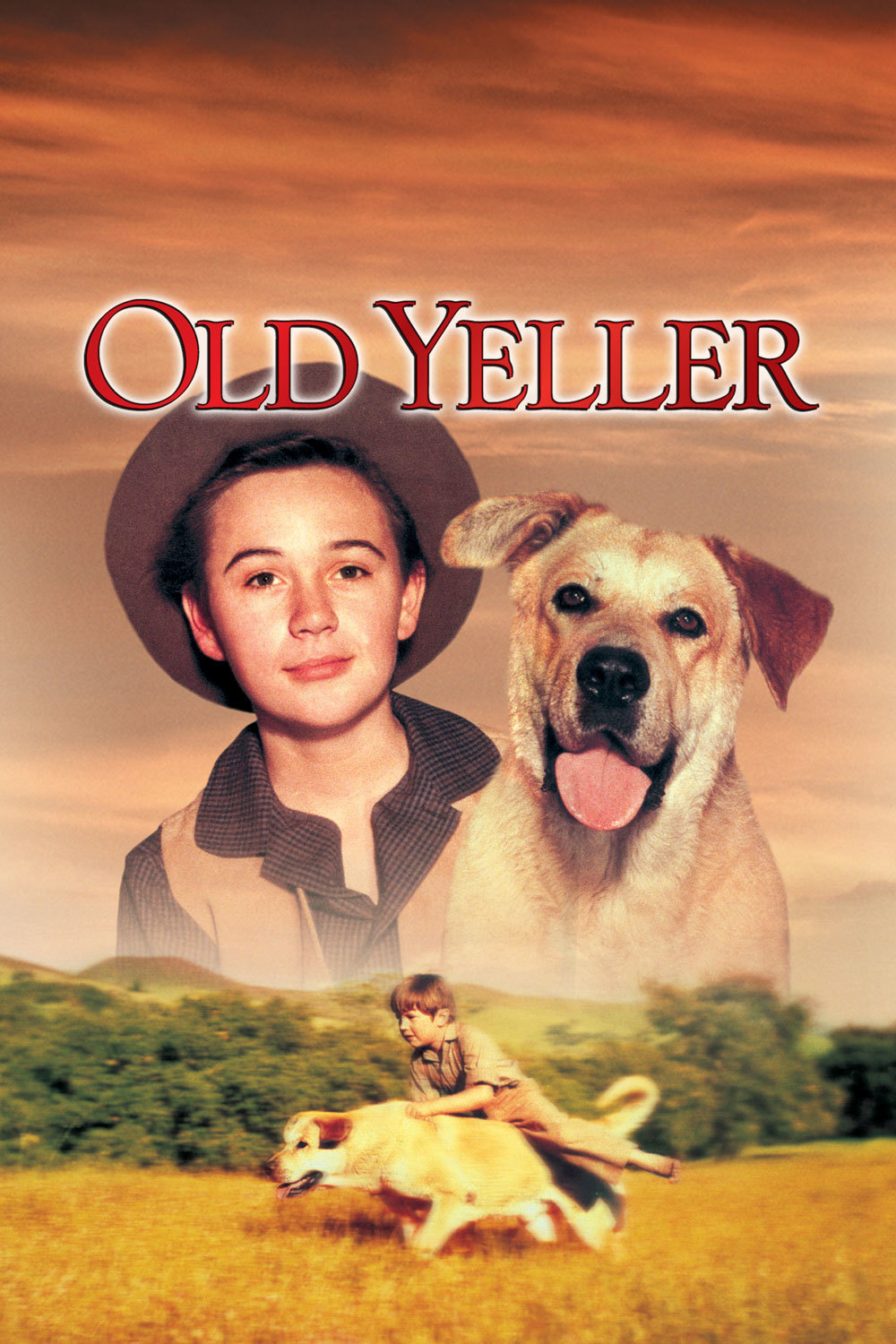
Movies can make you cry if you have the ability to feel empathy. We all know this. Old Yeller is the story of a dog who endears himself to a prairie farm family, saves Travis’s life at one point, and then gets infected with rabies and has to be put down. Dang! No dry eyes at the end of that one. Because everyone has encountered a dog and loyal dog-love somewhere along the line. And a ten-year-old dog is an old dog. The dogs you knew as a child helped you deal with mortality because invariably, no matter how much you loved them, dogs demonstrate what it means to die. Trixie and Scamper were both hit by cars. Queenie, Grampa’s collie, died of old age. Jiggs the Boston Terrier died of heat stroke one summer. You remember the pain of loss, and the story brings it all back.
Only psychopaths don’t feel empathy to some degree. Think about how you would feel if you were watching Old Yeller and somebody you were watching with started laughing when Travis pulls the trigger on the shotgun. Now, there’s a Stephen King sort of character.
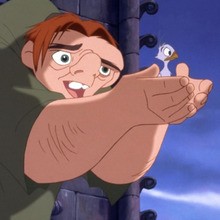
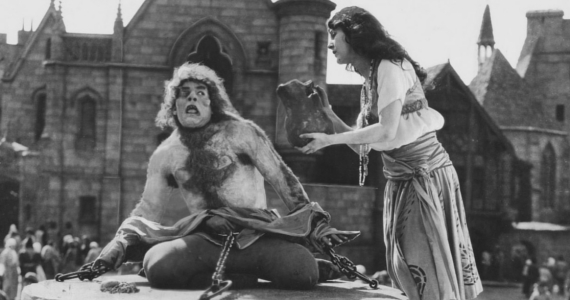
But I think I can defend having lots of empathy as a reason for crying a river of tears during Disney’s The Hunchback of Notre Dame. You see, identifying with Quasimodo as the main character, hoping for what he hopes for, feeling like a monster and completely unloved, and fearing what he fears connect you to the story in ways that completely immerses you in the experience. This is basically a monster movie.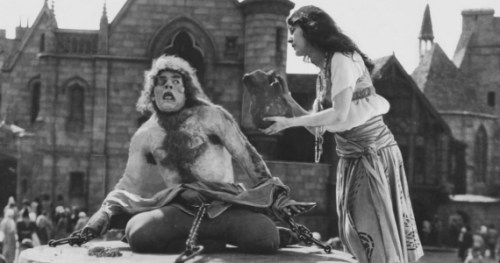
But the film puts you inside the head of the malformed man, and you realize that he is not the monster. Righteous Judge Frollo and the people who mistreat Quasimodo for his deformity of outward appearance are the real monsters. If you don’t cry a river of tears because of this story, then you have not learned the essential truth of Quasimodo. When we judge others harshly, we are really judging ourselves. In order to stop being monstrous, and be truly human, you must look inside the ugliness as Esmeralda does to see the heroic beauty inside others. Sometimes the ideas themselves are so powerful they make me weep. That’s when my sister and my wife look at me and shake their heads because tears are shooting out of me like a fountain, raining wetness two or three seats in every direction. But I believe I am a wiser man, a more resolved man, and ultimately a better man because I was not afraid to let a movie make me cry.
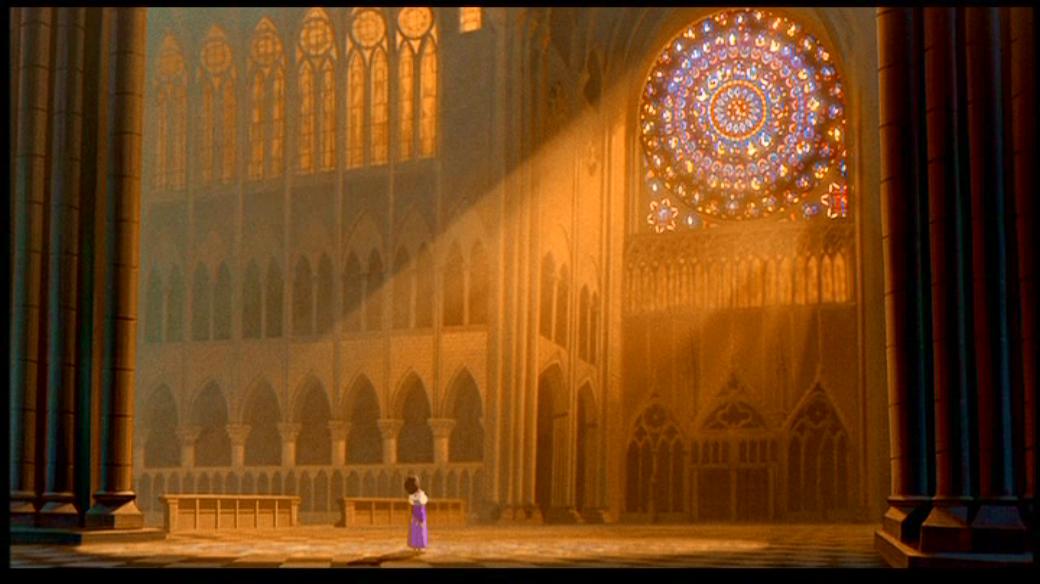
The music also helps to tell the story in ways that move my very soul to tears. Notice how the heroine walks the opposite way to the rest of the crowd. As they sing of what they desire, what they ask God to grant, she asks for nothing for herself. She shows empathy in every verse, asking only for help for others. And she alone walks to the light from the stained glass window. She alone is talking to God.
Yes, I am not embarrassed by the fact that movies make me cry. In fact, I should probably be proud that movies and stories and connections to other people, which they bring me, makes me feel it so deeply I cry. Maybe I am a sissy and a wimp. Maybe I deserved to be laughed at all those times for crying during the movie. But, hey, I’ll take the laughter. I am not above it. I am trying to be a humorist after all.
4 Comments
Filed under cartoon review, commentary, compassion, Disney, humor, insight, inspiration, movie review, music, philosophy, strange and wonderful ideas about life
Tagged as empathy, movies that make me cry, Old Yeller, The Hunchback of Notre Dame, Toy Story 3