I think the expression, Iowegian as it is, comes from the expression “doing squat” which means “doing nothing at all” combined with “diddling around”, the non-sexual meaning of which is “dithering or only working in an ineffective way.”
I humbly confess that I am not that great of a researcher when it comes to linguistic facts and word origins.
I am much better at making things up and creating my own portmanteau words.
But I do have a very good ear for how people actually talk. Especially when it comes to Iowegian, Texican, Spanglish, and Educational Jargon-Gibberish. Counting English and Tourist-German, I speak six languages.
I also humbly confess that I make big mistakes. I have been working hard for a week on editing published books because of how an overreaction to one small inappropriate detail nearly destroyed one of my best books and now I have to deal with the impression some readers have that I write inappropriate stuff all the time.
Yes, I definitely erred…
I also realized I assume everybody accepts nudity as easily as I do.
They definitely don’t.
But naked is funny. And that is not a point about my writing that I am willing to concede.
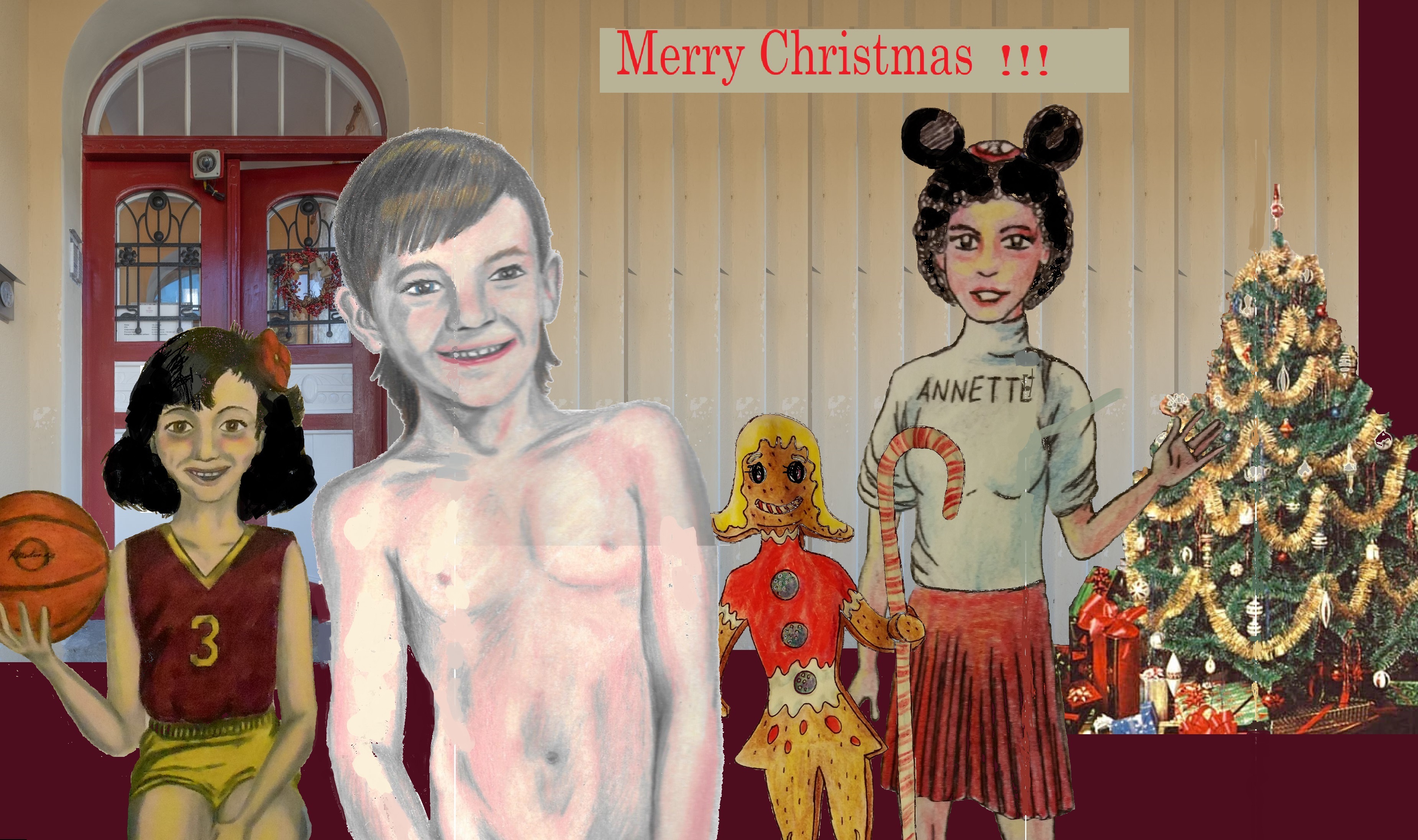
Doing diddly-squoot can also result in really weird stuff like this Christmas-card composite of my artwork and Vincent Price’s 1967 Christmas tree.
If you could choose the time and manner of your death, exactly how would you meet the closing sentences in the story of your life? I don’t mean by suicide. That notion would disqualify you from this thought experiment. But if you could suggest to the angel of death how you would like to pass from this life, how would you ask her to manage it?
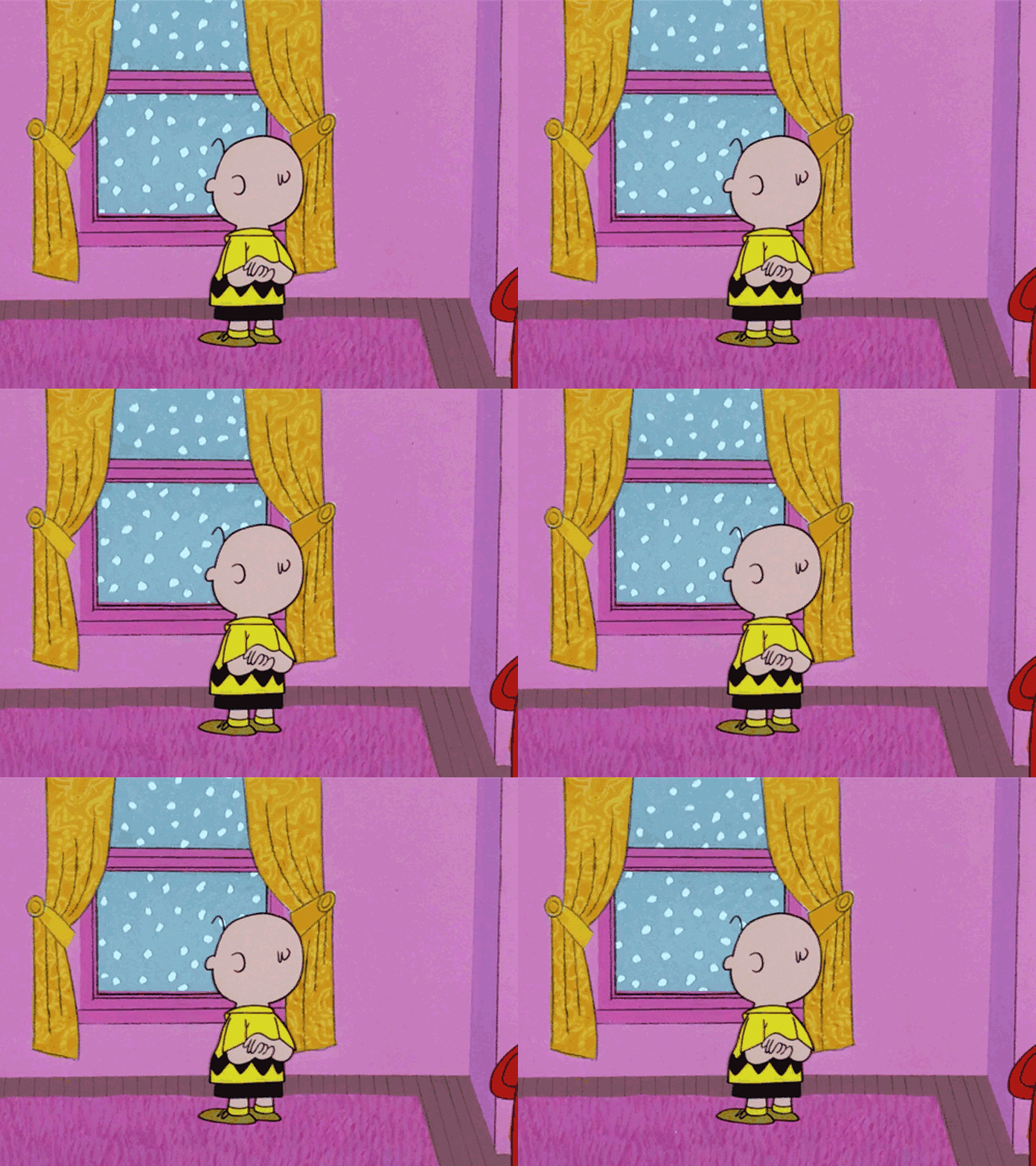
I myself was born in a blizzard in middle November. As Mark Twain came in and went out with Halley’s Comet, I would prefer to leave during the falling of snow. I believe it will be caused by a health crisis, probably heart related. It might happen in a hospital, but in the dream I believe to be prophetic, the angel enters by the front door of the house and simply announces, “Michael, it is over. You must come with me.” In the dream it was in the front room of Grandma Beyer’s house. But I have noticed over time how much the dream also resembles the front room of the house we live in now. No struggle, no violence, no more pain than I experience daily now.
I know it is weird to think about my own death like this. But I find it comforting to imagine I could write the final sentences in the book of my life. I am feeling ill today, and there are some reasons why I have been thinking about dying by heart problems. Yet, the last time I had my heart checked, it wasn’t that, and the expense of that emergency hospitalization helped tip me into bankruptcy. So, if the angel comes calling now, I will not try to avoid her. And is there snow in the forecast? Who knows for sure? And now I have told her what is in my heart about this matter, so the fact that I am a Christian agnostic should have no bearing on her decision.
These days my head works overtime, filling itself up with memories, fears, complicated notions, and problems that need to be solved.
Today I need to uncomplicate the clutter in the entryway to the thinking room (what you might call a study) in the quaint little labyrinth of my stupidly dense and moronic, overworked little mind.
Today I am simply going to re-compose my 1965 letter to Santa to ask for things I should’ve wanted, rather than the junk I asked for.
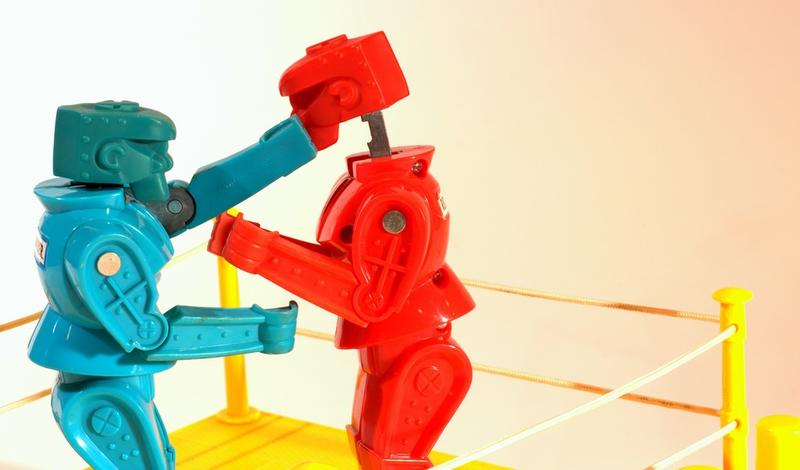
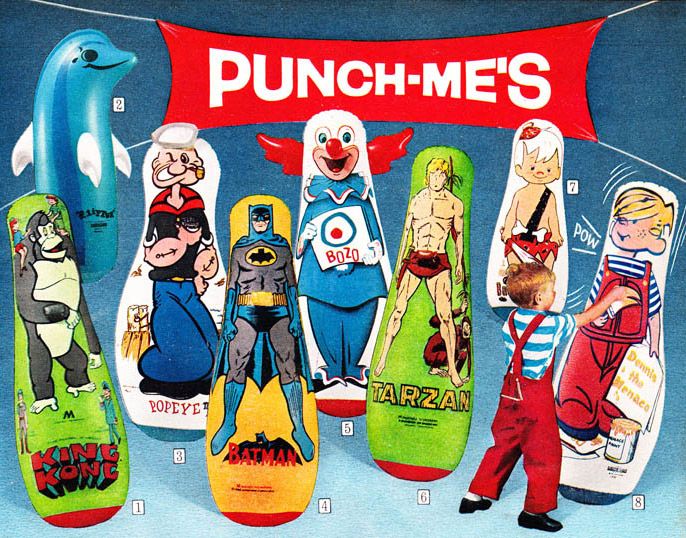
Rock ’em Sock ’em Robots! Yes! Those would help me relieve that 9-year-old’s stress I earned by a foolish insistance on spelling words the way they sounded instead of the way that would get it right on Miss Mennenga’s spelling tests.
Punching things more might’ve made it easier to cope with a 9-year-old life.
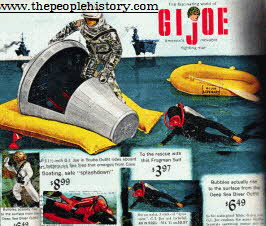
But there are things in the 1965 Monkey Ward’s Christmas Catalog I saw, and maybe would’ve played with more than the G.I. Joe junk I was obsessed with, and would’ve been better for me in the long run. The rubber G.I. Joe scuba suit I got that Christmas melted a couple of years later in the box I was keeping it in when I left it on the back window ledge of the 1961 Ford Fairlane. I could’ve tried…
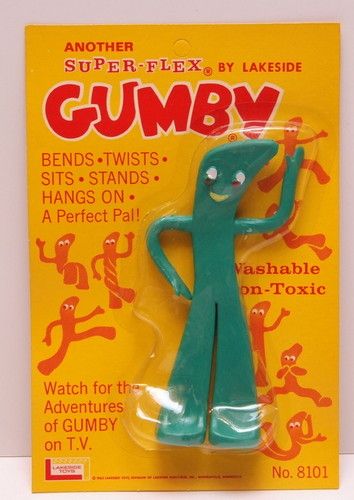
Gumby, dammit!
He wouldn’t have melted. He would’ve simply galvanized into a brick-hard substance that would never bend again, the way my little sister’s red Gumby did a couple of years later. Maybe a brick hard green Gumby couldn’t have been played with either. But it would’ve been useful for throwing at sisters when I was mad.
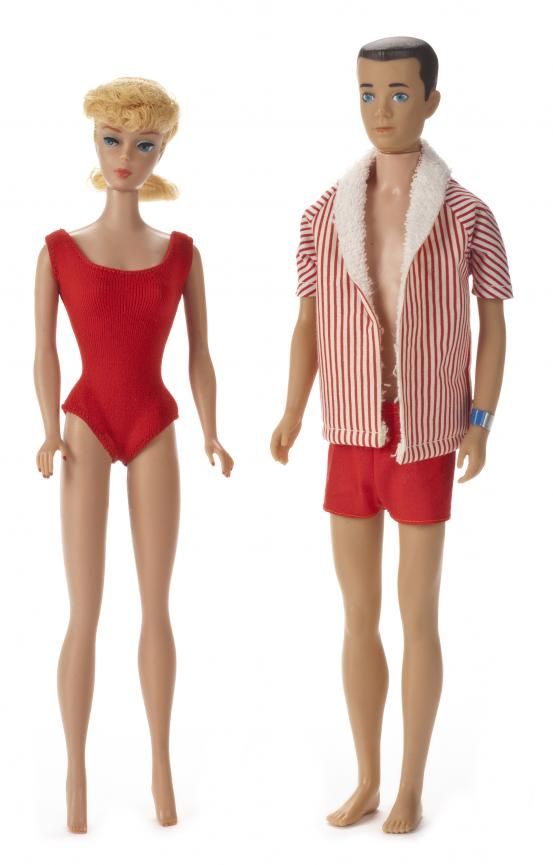
And I could’ve gotten my own Barbie and Ken.
Then I wouldn’t have had to borrow my sister’s dolls to look at them naked and marvel at how much they didn’t look like real people naked. Or practice making hangmen’s nooses from bright-colored yarn, sentence them to hang by the neck from the bottom rails of the upper bunk, and blame it all on my little brother. (Really he should get all the credit anyway, since he and my littlest sister actually got caught doing it the first time by my other sister, and I just stole the whole idea from him.)
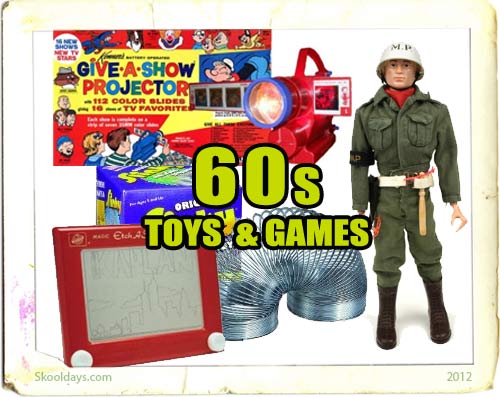
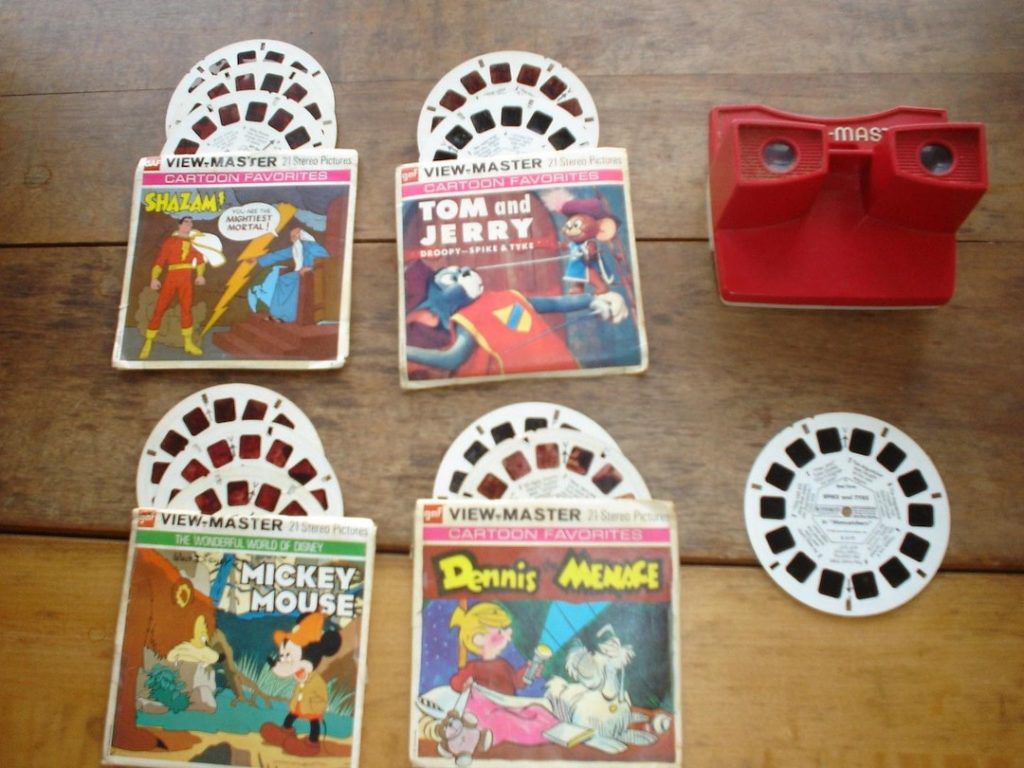
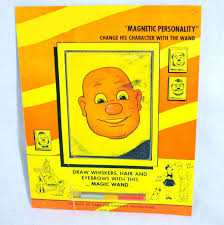
I definitely could’ve learned more about the world of 3-D cartoon characters if I’d gotten one of these. In fact, we, the four of us kids, did get one two Christmases later. I know a heckuva lot about 3-D Woody Woodpecker, looking at those six discs a thousand times each.
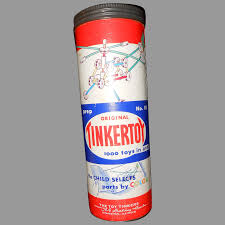
And building toys like these kept us fascinated for hours.
And we argued for hours more whenever Mickey built a helicopter or a submarine or a windmill that he didn’t want the other three to take apart again to build something else.
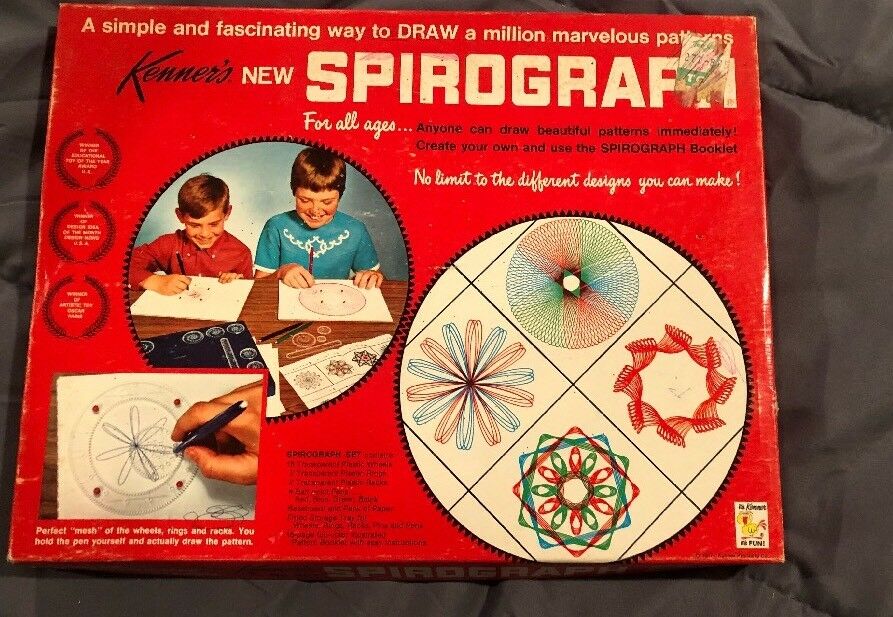
This thing was great at teaching patience and focus. You wouldn’t believe how easily the pen would slip, or the little gear teeth wouldn’t mesh properly. The few bad words I actually knew in 1967 got practiced too often for these very reasons. It would be two more years in the future that we got one of these to share too.
In 1965, Dear Santa, you should’ve thought more about how to train an evil little mind than how to make a little G.I. Joe-obsessed boy happy.
Although, you sure did get it right in 1966 with that Mercury Capsule for G.I. Joe.
Oh, yes. It is almost complete… but for the final edit. It will hopefully be published very soon. It is filled with essays written for my blog, Catch a Falling Star. And, hopefully, I have chosen only the good ones.
But the book is not a stand-alone. It is a sequel to Laughing Blue, published earlier this year. I actually hope to reach 20 books published by early in 2021. Of course, it still requires that I don’t die too soon from the pandemic, or from any of my other problems that the Covid problem could interfere with getting medical treatment for.
Laughing Blue has five Five-Star Reviews.
Both of these books are essay collections, but the majority of the stories and explanations and comedy in each are based on my thirty-one years of experience as a Texas public school teacher, my nearly forty year association with nudists (though I can’t honestly claim to be one). my silly attempts at writing seriously bad poetry, my belief in flying saucers, and nearly ten years of being a wacky wizard. How’s that for a sentence that violates every run-on-sentence rule I ever taught any young writer?
Book number 18 is still pretty new too.
Anyway, now that you know, I better get started on that final edit. A writer has to keep his promises to himself. And maybe to the rest of you too.
I was a child who grew to maturity holding a secret horror… a truly terrible secret, in my creative little brain. I was sexually tortured when I was ten. I know now that it sounds like I should blame my torturer for everything, that I should have reported him to the authorities to keep him from ever doing that to anybody else. But my mental defense system took over in ways that prevented me from ever seeking justice. Or what justice too long delayed becomes, simple revenge.
But I could never be that seeker of revenge. I had a Sunday-school faith that had to be strictly followed. First of all, although the thing that happened was never truly gone from me, my creatively evil little mind forced me to forget. Or at least bury the knowledge so deeply within that I could not answer the school guidance counselor in high school when he asked, “Michael, what is it that is causing this behavior, this debilitating fear?” I could only answer that I thought I might be going crazy. He told me that he could help if it was about something like having sexual feelings toward another boy. He was more progressive than most Iowans. But, at the time, I didn’t understand what he was suggesting. I wouldn’t really understand homosexuality as a thing until I was almost out of high school, so when we had that talk, and I was clueless at sixteen, and then he talked about it with my best friend Byron, he knew that it was not about that.
The coach had seen the burn scars on my lower back and legs during P. E. But he only saw scars. I suggested to him that it was probably from playing with the large dog next door. He had big paws and untrimmed claws. And he believed me because he knew my parents, and he knew that they would never do anything like that. And he could tell that I was being truthful when I said I really didn’t know for sure how those scars had gotten there. I didn’t realize for sure how the scars happened until my more-mature twenty-two-year-old evil little brain decided I was burning myself against the heating grate to make sexual feelings and urges go away.
Radasha
I was seriously beginning to hate myself, be depressed without knowing why, and nearly killing myself at seventeen. All because of an event in my life that I really wasn’t able to admit to myself really happened.
Then, one snowy night in February of 1974, Radasha came tapping at my window.
I realize now that it had to have been a dream, but I knew even then that it couldn’t have been reality.
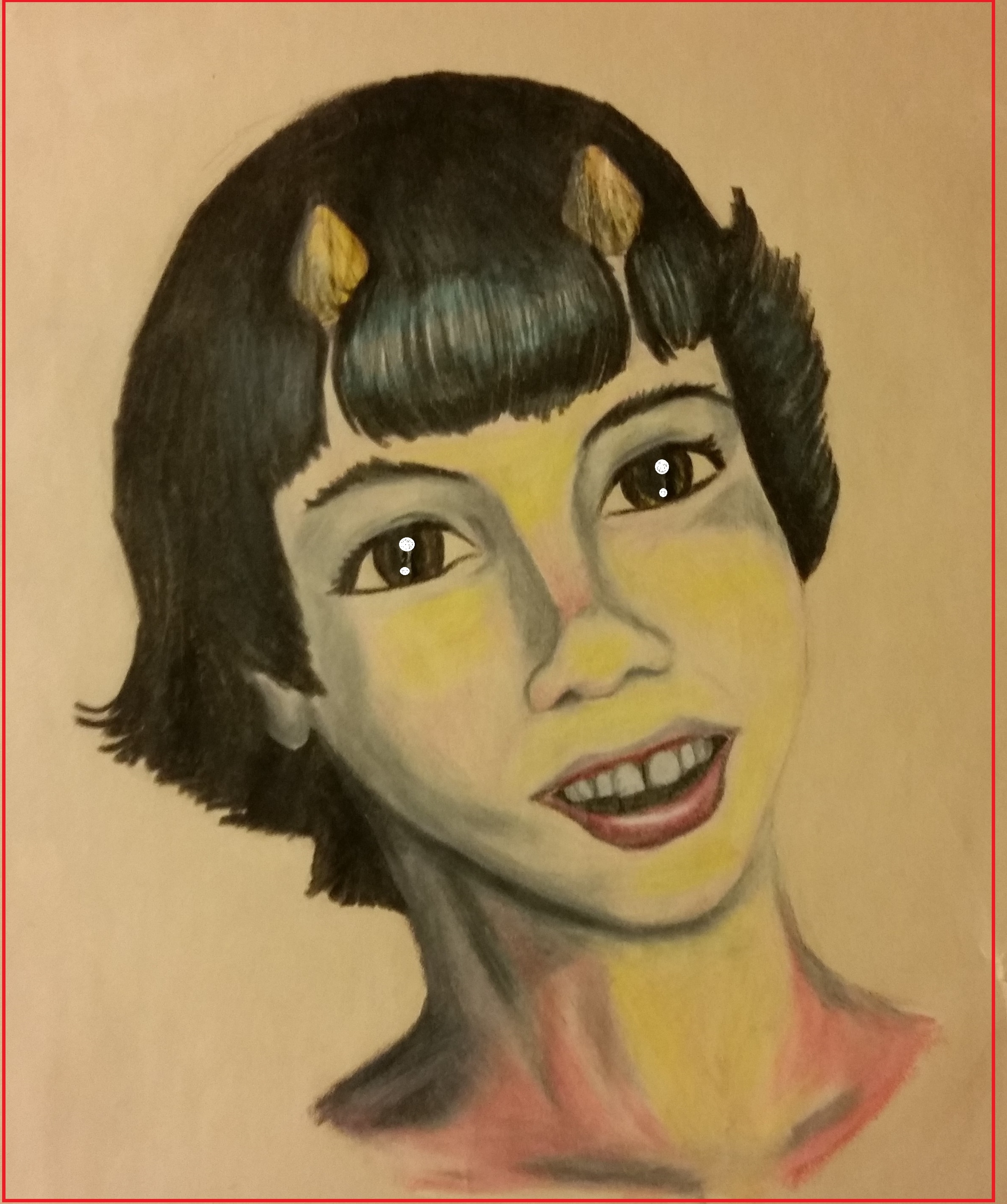
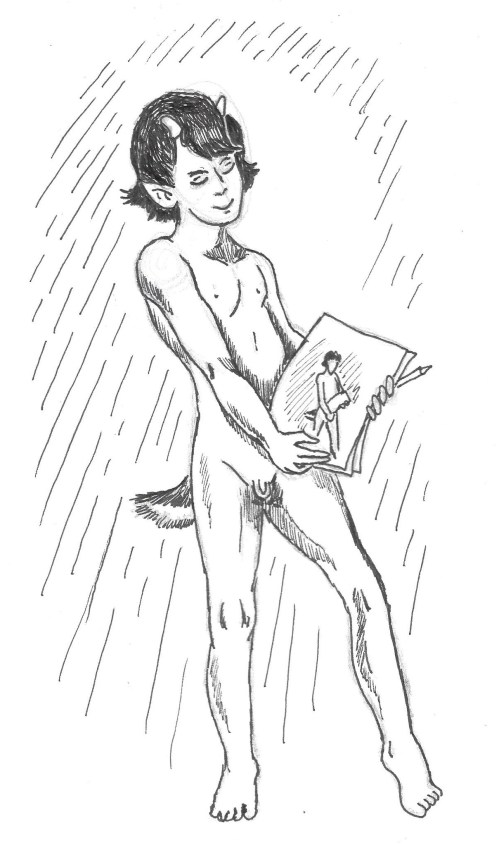
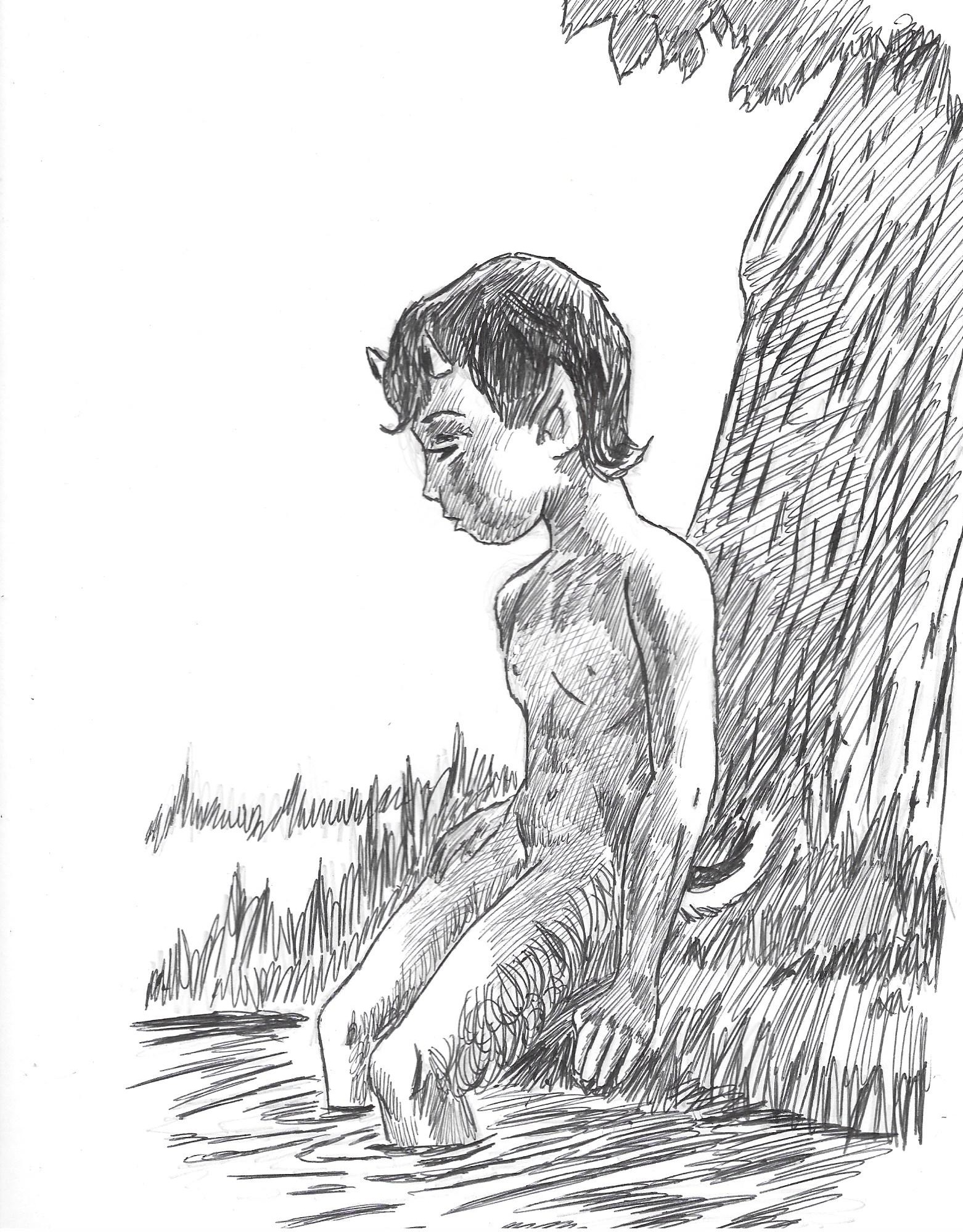
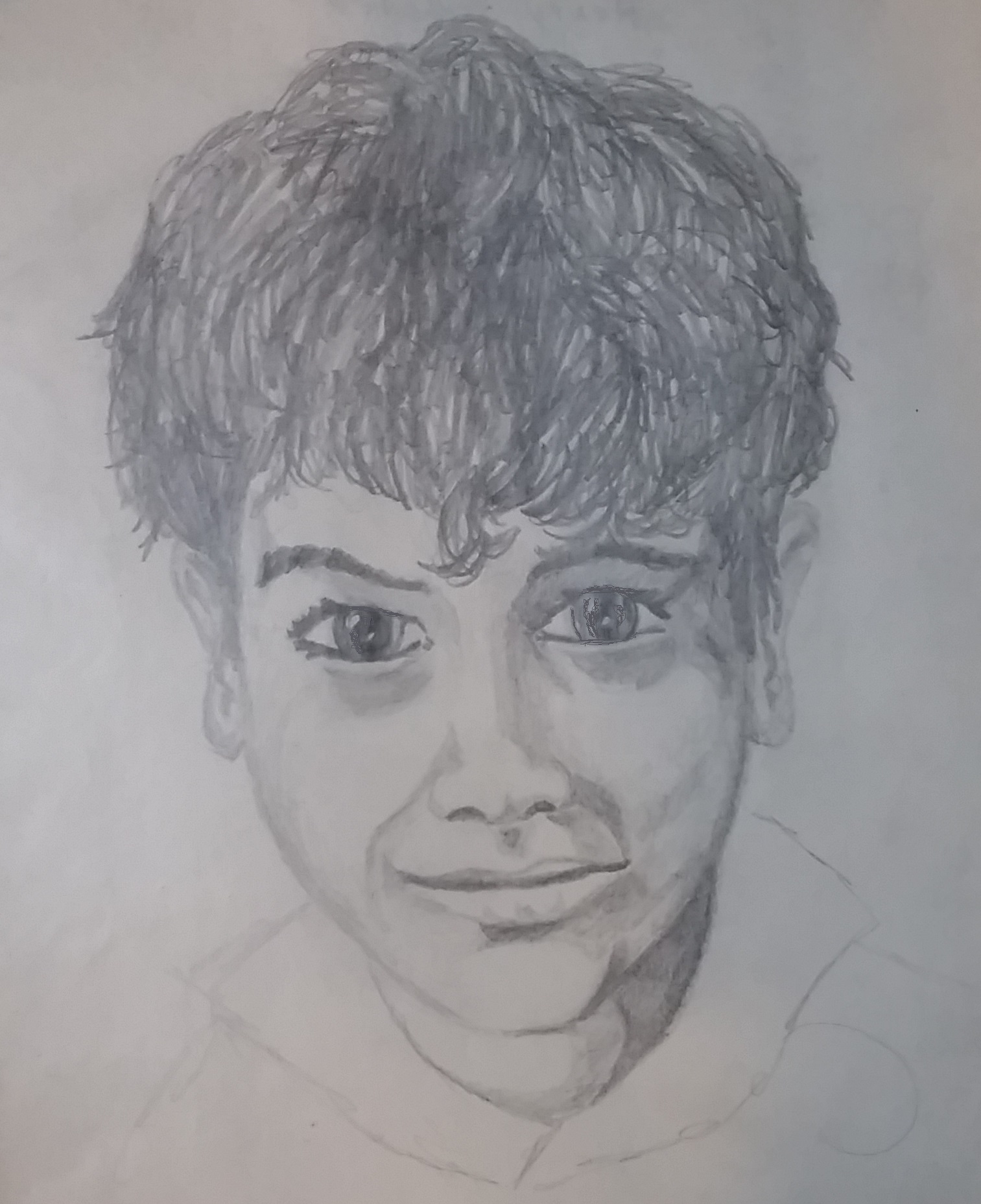
He was a black-haired, brown-eyed boy with goat horns on his forehead and a deer’s tail on his behind. He was completely naked, sitting on his haunches in the piling snow on the porch roof outside my bedroom window. He was grinning at me. No larger than my younger brother who was sound asleep in his bottom bunk in the room we shared. He indicated that I needed to open the window and let him in.
I should’ve realized that it was a dream then, because in real life I could not have opened the window like I did because of the winter storm-windows dad had put up before the first snowfall in October. But the scene played out according to dream logic.
“Aren’t you cold like that? You must be freezing your peeper off if you are outside naked like that.”
“Naw, I’m not real, Sharpie. I don’t feel cold because I’m a faun. I’m mythological.”
“Oh. then why did I have to let you in?”
“I’m Radasha. I am a part of you. You can’t keep me out. I should really be inside you instead of out here talking to you.”
“What? Are you my heart or something? Maybe one of my kidneys?”
“More like your love-life. I’m a part of you that shouldn’t’ve ever been detached. You need me to live a normal, healthy life.”
“Should I even be talking to you? What if my little brother wakes up and sees you?”
“Nobody can ever see me but you. I was born in your brain. I’m here because you need me back in your life.”
So, from that moment on I was a teenager with an invisible playmate. He reminded me of all the things I had learned about the birds and the bees from Reverend Aiken, the Methodist minister. We talked about what sex was, and the role it had to play in a normal human life. We talked about what to do about girls and how I felt about them. Without consciously realizing it, I stopped burning myself.
His advice got me slapped by a girl I thought I liked. He also helped me avoid three different girls that were sorta chasing me, at least in my evil little brain. In college he would get me into and out of trouble with girls I both wanted to chase and were chasing me when I didn’t want to be caught.
When I had the assignment to create a life-sized nude portrait for anatomy drawing class, he picked out the girl he wanted me to ask to pose for it, and almost goaded me into asking her. I, of course, ended up drawing my sister with all her clothes on. And I didn’t fail the assignment. He also got me to sign up to pose for the art class in the nude. But fortunately I got the flu the week I was suppose to sit in front of all those female art students in my birthday suit… the best ten-dollar modeling fee I never collected.
My invisible faun was a kind of self-therapy, I guess. He brought the sensual side of me back to life. He healed me and made me more whole.
I seriously thought I had a lifelong invisible friend. But once I started telling other people, real people, about the sexual assault, he kinda faded away.
I have now probably confessed something that makes me clinically schizophrenic, or technically crazy. But Ra is still real to me in so many ways. I used his story as part of my book, A Field Guide to Fauns. And for me he was an imaginative and necessary cure for a very real problem.
I do now admit to being a nudist… or naturist if you prefer. To me that means, if given a choice, I would prefer to be naked all the time. Especially in a natural setting outdoors. I have probably spent more time in the company of naked people than you have, even though I was never myself nude in a social setting until my one and only visit to the Bluebonnet Naturist Park in Alvord, Texas. I was a visitor at the clothing-optional apartment complex at Manor Road in Austin a number of times in the 1980s when my girlfriend’s sister was a resident there. They asked me to disrobe a couple of times, but, as a visitor, I exercised my option. And I corresponded with Floridian nudists by letter, email, and subscriptions to nudist publications through the 1990s.
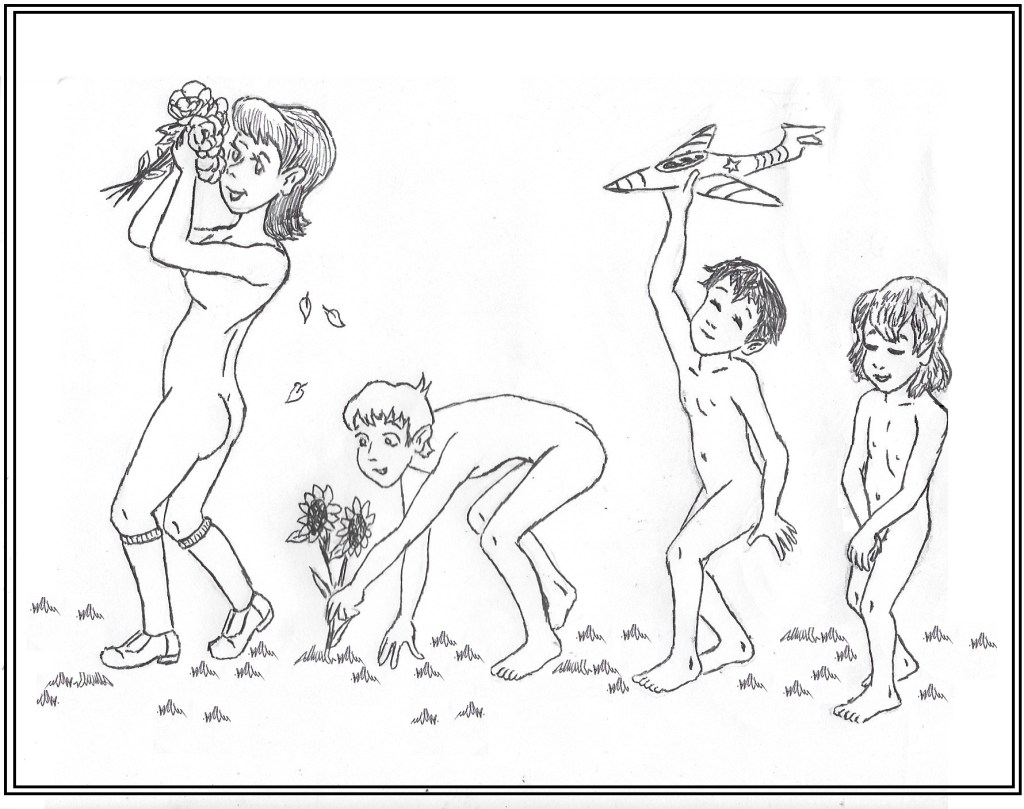
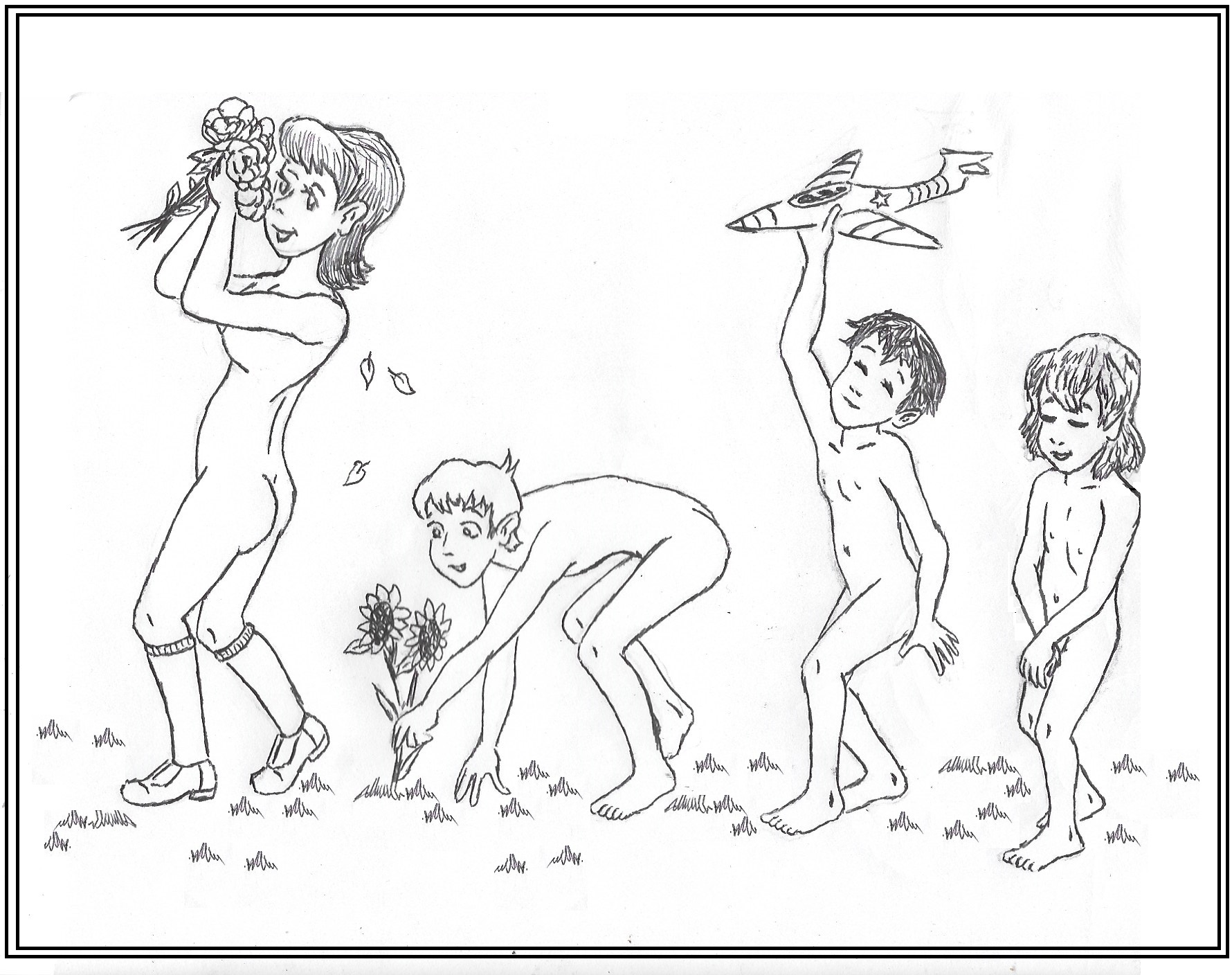
“Nature Walk”
But it is very nearly an ironic notion that I am literally a nudist. My wife is opposed to nakedness for religious reasons. Although members of my family were fine with skinny-dipping in our pool until it developed fatal foundation cracks, we no longer tolerate nudity at home, except in the shower and the bedroom behind closed doors. And being naked outdoors, though it always used to be good for my health, now is a problem with my increased susceptibility to the return of skin cancer, and the fact that my psoriasis sores, in addition to being ghastly to look at, get dry, cracked, and bloody with a chance of infection far easier than they ever used to. And I have more of them.
If I am being honest, I am not really a literal nudist anymore. I don’t get naked much at all anymore. I do correspond via Twitter with other nudists, especially other nudist authors and cartoonists. But that has its down sides too. Twitter followers who are evangelical Christians un-follow me instantly when they actually see a nudist-friendly post or comment from me. Nudists are apparently among the vast multitudes of sinners destined for Hell. And being part of the Twitter-nudist community also seems to attract unwanted attention from those who love pornography, as well as those who wish to exploit the “prurient interests” of others (which, in my humble experience, is not the interests of real nudists.)
So…
I have always found it challenging to be an actual nudist. I do the best I can, but, as I have repeatedly written in other posts about the subject, I was sexually assaulted by an older boy when I was ten. I spent years overcoming an aversion to ever being seen naked by others.
That aversion prevented me from embracing a positive body image of myself for the rest of my childhood and well into my young adulthood. I was deprived of the joys of skinny-dipping in the Iowa River and being comfortable in my own skin. That was a definite drawback when it came to showers in school after P.E. Class, or showers after football, basketball, or track practice. I was robbed of my sense of naked childhood innocence. I felt like I had a terrible secret to keep, and I was secretly a monster for having naked feelings.
So, in order to be more like a valid, real person, Mickey, as a nudist, has committed himself to being a Spiritual Nudist. A Spiritual Nudist doesn’t hide anything by wearing clothing. A Spiritual Nudist is honest, and tells the naked truth. And a Spiritual Nudist doesn’t have to be actually naked to be Spiritually nude.
I may not now fit the definition of an actual, literal nudist anymore. But I can think like a nudist, tell nudist stories, and draw naked people (in a non-pornographic way). And like a real nudist, I no longer worry about what other people think. The naked truth is still the truth. And maybe even more-so than when people wear their clothes as if it were a disguise.
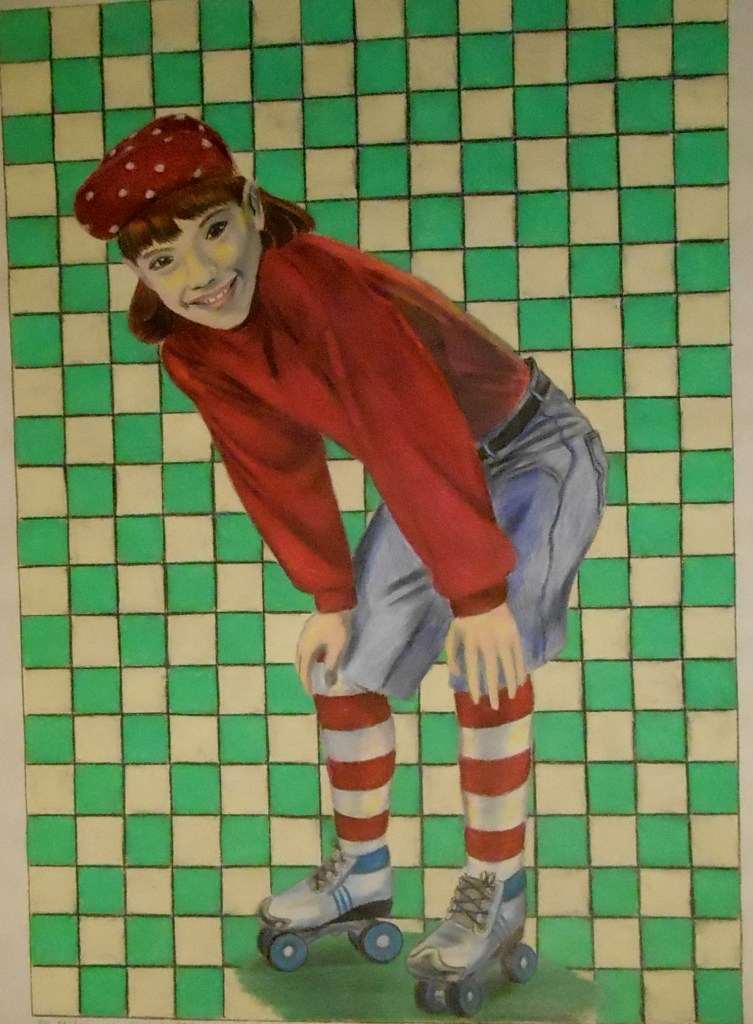
There was a rollerskating rink in the little town of Lake Cornelia in Iowa from the 1940’s until the 1980’s. The first time I went there as a ten-year-old learning to roller-skate for the very first time, I spent the entire time cleaning the dusty floor with the knees and seat of my pants. My parents could both skate with fantastic ease. Dad could even skate backwards. During the couples’ skate, when they turned the lights down and turned on the blinking colored lights, they didn’t merely skate, they danced in circles around the rink.
But I wanted desperately to skate like that. We went numerous times to that same rink that Summer of 1967. The second time I went there I had spent a couple of nights dreaming of myself successfully skating. And practicing in my dreams apparently worked. I could skate the complete oval of the rink, and I only fell down three times the entire couple of hours we were there. We went to the A&W drive-in for root beers to celebrate afterwards.
We kept skating and I kept improving. In 1969 the song “Sugar, Sugar” was a number one hit. It played at least five times a trip to the skating rink, often during the couples’ skate. That Cornelia skating rink was the place where I skated hand in hand with a girl during the couples’ skate for the very first time. To that song, of course.
That rink was also the site of my worst embarrassment in junior high school. I fell because of a dreaded gum-wad on the floor and split the inseam of my pants from the crotch all the way down the right leg. When I got up, the girl I had a crush on and three of her female friends got a good look at my fruit-of-the-looms. Strangely, nobody made fun of me for it afterwards. The rink manager came up with enough safety pins to hold my pants together for the remaining hour of skate time. Embarrassed within an inch of my life being over, I was still not going to miss out on skating-time,
I hadn’t thought about skating in long time. I am not able to do it anymore with arthritis in my knees and feet. But this old colored-pencil drawing of a girl I once adored on roller skates brought the memory of it back again. It is a permanent part of who I am. A core memory. A foundation-stone in the edifice of Mickey-ness.
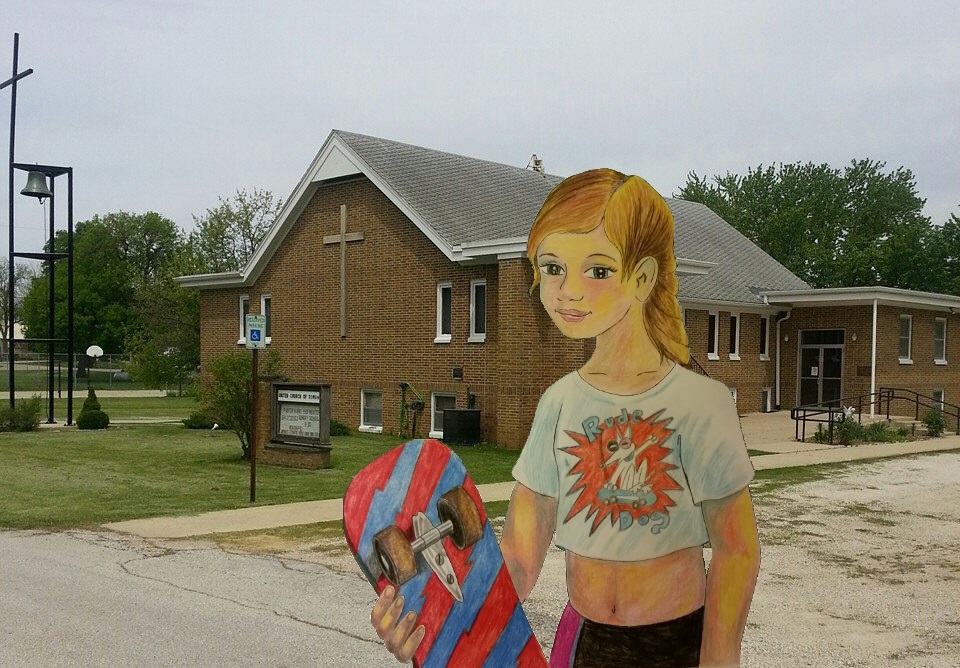
And a picture I have made with the story that goes along with it is what a Paffooney is. If you want to see more examples of Paffoonies I have created, you can do a Google picture-search of “Beyer Paffooney” and you will see a lot of them, mostly linked directly back to this blog. It is word I invented that nobody else is using (as far as I know), and so, it functions as a sort of magic word for my silly little blog.
He was one of my all-time favorite students. I know I say that about an awful lot of kids. I can’t help it. Once you get to know them well enough to teach them anything, you tend to be hooked for life. They are your kid. You are their teacher. And that means almost as much as if they were born to you.
I first got to know Johnny on one frightful morning in September of 1984. He was a tiny, frail little seventh-grade boy sitting in the second seat of the second row. And as I was trying to get them to read a short story in the literature book, he kept nodding off, falling asleep. Sleeping is not an effective reading strategy. Three times I tried to wake him up and get him on task. He could have told me then, but he was painfully shy, and the only word I had heard from him was, “Here,” spoken during roll call. So, the fourth time I took him outside the classroom door to ask him what was wrong. He was deathly pale.
“What’s wrong? What do we need to do to make it better?”
He looked towards the boys’ restroom. “I gotta go…”
I told him to go, then followed him down to the restroom because I knew it was something serious. Serious enough to leave my class unattended. But they were deathly quiet, because unlike me, they knew what was wrong. I found him throwing up in the trash can. He told me he was sick in a barely audible voice.
Immediately I went to the office and told the secretary that he was ill.
“They have juice for him in the refrigerator in the ESL room,” Ms. Lawler said. “I’m sorry we haven’t gotten the nurse’s list out to teachers yet. He’s got juvenile diabetes.”
Whoa! I didn’t know much about diabetes then, but I did know it was too deadly of a thing to allow myself not to know everything I needed to know. At the time the school nurse had to take care of all four campuses in the school district, and she was only at the Junior High on Thursdays.
Thankfully, over time, not only did I learn more about handling that disease, but medical science did too. When I would later develop adult-onset diabetes in 2000, treatment for diabetics would become much more effective, rendering the disease far less destructive.
As for Johnny himself, he became a part of the small group of housing-project kids who would come to my apartment on Saturdays, and sometimes after school to hang out, use my computer, and play table-top role-playing games. I made a special effort to engage Johnny in conversations about a little of everything. He was a very bright boy when he felt well. I got to know his seriously diabetic mother too. And his older sister would later become a nurse at the local doctor’s office, so I got to know her as well. Johnny didn’t have a father at the time, which also applied to each of the other boys from the project, except for the Camacho brothers whose father was a seriously depressed Vietnam veteran. I suppose that’s why Johnny became like a son to me, one of five boys who at the time treated me like a second father. I taught him. I entertained him. And occasionally I cooked for him.
One of my two girlfriends at the time that I was mentoring Johnny liked to give him sugar-free candy. She got so accustomed to always having some available at her place that she actually got hooked on it herself.
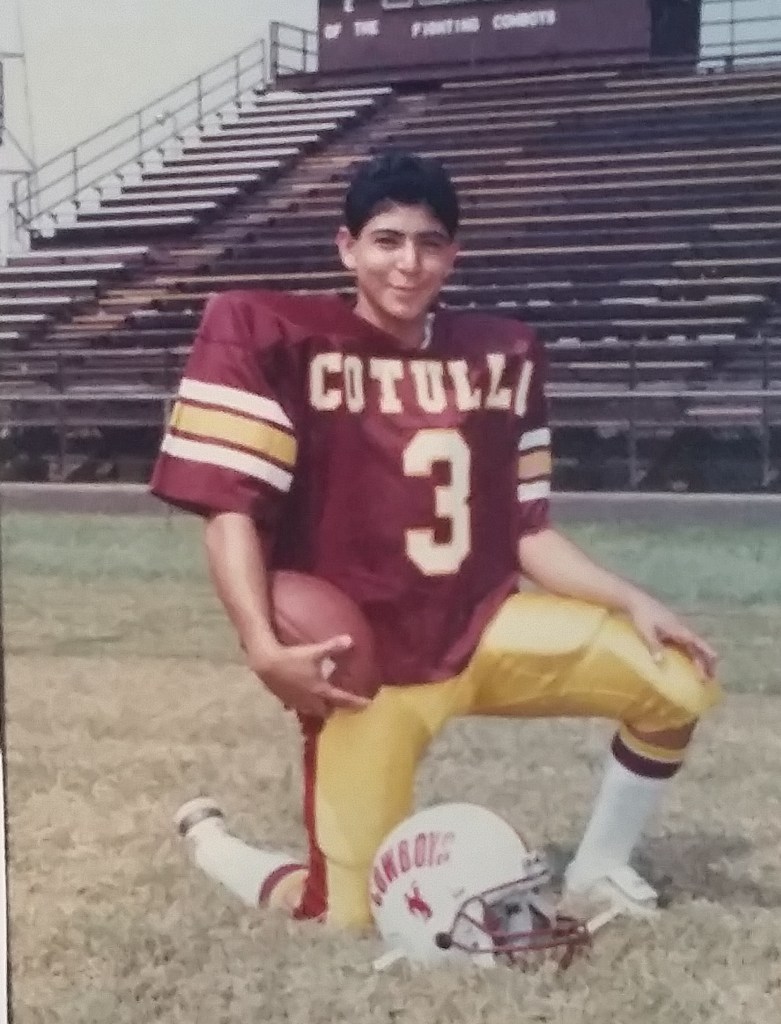
In school Johnny opened up the way a cactus flower blooms when it gets a little rain. He began to talk to other kids a lot. He made himself into a group leader, and he even went out for high school football. Truthfully, I was amazed by him on the football field. He played defensive back. And he played like a star. I watched him intercept the ball about three times and run it back the other way. The coaches soon felt about him the same way I did. He was part of their family too.
And it turns out that being physically fit practically cures juvenile diabetes.
He got stronger and healthier with each season. He gave me the football portrait not because I had anything to do with his success, but because he loved me. I have hugged that boy three times in my lifetime, and each time is a cherished memory that I hope to carry with me to Xibalba, the Mayan Land of the Dead.
When I developed diabetes myself, Johnny’s older sister kept track of my wellness charts herself. Johnny’s family was experienced with handling diabetes, and they looked after me like a member of their family.
The last time I saw Johnny it was in the hallway at school. It was only a year before I left Cotulla for good. He had come especially to see me. I didn’t even recognize him at first because I hadn’t seen him for a decade. I wanted to talk to him and catch up. But I had to pick up my eldest son that day from second grade as he had been ill. I was not feeling well myself. So, I asked for a rain check. He still had that beautiful smile. And he didn’t tell me that that was the only chance he had to see me before leaving town again. It broke my heart when they told me that later.
But I see him again now as I tell you the story of Sugar-Free Johnny. He was probably the sweetest kid I ever taught. He will always be a part of my story. And apparently I am part of his story too.
This is Garrison Keillor, an author, a humorist, and a Midwesterner. I have some things in common with him, but he is not me. So, why is his picture here instead of mine? Because I am growing dumber and I picked the wrong picture.
Seriously, if I do have Parkinson’s Disease like my father before me, that erodes your short-term memory. I had to go back to the grocery store today to buy the things I forgot while I was in the store yesterday. This, of course, included bread. I mean, bread!!! If you live on a peanut-butter-sandwich-based diet, bread means life. Short term memory is a pretty important thing to be losing. I know you are probably thinking, “Mickey, write it down. Make a grocery list.” I did. I forgot it at home fifteen minutes after I finished it. The three items I forgot were all on the list.
And I have found being a writer gets harder with age because years of reading student essays has left me unable to spelll and make verbs agrees with subjects and other writing stuff that you really has to know if you wanna do it good. (Why didn’t the spell-checker flag “wanna”?) I have to look up immediately,embarrassment, and noticeableevery time I try to write them. (Including this time… And I find myself using incomplete sentences too now way more than I….) You know what I mean?
And I have three kids that have now all reached adulthood. I survived three very different puberties with three very different results. I have grown more liberal with age. So, naturally, my kids are all conservatives. And they all basically have me convinced that I don’t know anything about anything anymore. And they are probably right. But I reserve the right to be skeptical about their diagnoses of early-onset dementia until I see the evidence in front of my eyes… my really old eyes that have glaucoma and will probably go blind. But I remembered to vote for Joe Biden. And that is a good thing. A smart thing. Even though high school friends on Facebook are all thinking about un-friending me over not admitting the superiority of Trumpocratic thinking in the United Trump-States of Trump-America. What is it about farmers loving Trump after their farms all went bankrupt over the Chinese tariffs kerfuffle that was actually only a penis-length contest between Stormy Daniels’ magic mushroom and Chinese President Poohbear (Don’t have me killed, please, Xi. I just don’t know how to spell things in Chinese. And , hey, you could be his twin brother.) I should be smarter than to insult Chinese and Russian presidents. But I’m not.
I have only gotten dumber as I have gotten older. (Did I remember the “b” at the end of dumber? I did? Well, one for Mickey, then.) Hopefully there is still hope.
My name is Michael Beyer. That’s not a pen name. It’s my real name. And I was a victim of sexual assault on a child in 1966. I know that makes this essay hard to read in an awful lot of ways, but it is something I have to talk about. You see, I wasn’t merely seduced into having a sexual experience. I was tackled, dragged out of sight, warned not to yell for help, and then tortured. He got pleasure from hurting me in my private parts. He made me believe it was how I was going to die.
But I did not die.
In fact, now, almost 54 years later, I can honestly say I am healed. But it took a long time. My terrible secret almost killed me more than once, as trauma like that can cause suicidal depression. It messes up your ability to have intimate relationships. And the hardest thing about it is, you can never really be healed until you can tell someone. I mean, not merely say the words, but have someone hear the words… and empathize.
If you regularly read my blog or my books, and there honestly are a few who actually do that, you know I have written about this topic before. And you know that I have told people before. I told a girlfriend in 1985. I told a former student who needed to hear somebody else confess something painful that needed to be talked about in a moment of crisis. My two sisters both learned about it when I was able to write about it after the death of the perpetrator. And, of course, I found the courage to tell my wife about it before my marriage and we have told all three of our children. You need to be able to speak about these things after the fact to reassure and protect others in an increasingly dangerous world.
But, recently, my blog told somebody else whom I never really expected to hear it. Because I mentioned the incident in Saturday’s blog post called Every Picture Has a Story, and then I posted that post on Facebook, a classmate that I went to school with from kindergarten all the way through high school graduation found out about it and expressed empathy in a way that touched my heart.
The young lady in question was the one I gave a free copy of my novel Snow Babies to because I named the main character, Valerie Clarke, after her. She is a very kind and gentle soul. She has children and grandchildren of her own, and is well connected on Facebook.
Soon I was getting sympathetic comments from other people I went to high school with. One of them was a guy I played football and basketball with in high school. He was an excellent athlete. And he has admitted to me over Facebook that he too suffered from abuse as a child, though not the same kind of abuse I am talking about. Ironically, he too is at least partially the inspiration for one of my novel characters used in a number of different novels.
He was the model for the character of Brent Clarke, Valerie’s cousin and leader of the Norwall Pirates in novels like Superchicken, The Baby Werewolf, The Boy… Forever, and my most recently published novel, The Wizard in His Keep.
When someone like that, a good friend and comrade, says he knows what the pain is like, and he wishes I had told him back then… well, it means a lot.
But, for so many valid reasons, I couldn’t possibly have told any of my classmates back then. My high school guidance counsellor had a long talk with me about it, but I was unable to tell even him who it was or what they did to me. He only knew that I was suffering from something traumatic.
I was suffering from a kind of traumatic amnesia that often sets in with young victims. I could not tell anybody what was wrong because I didn’t clearly know myself. It is a defense mechanism children sometimes resort to in order to preserve their sanity. And though I couldn’t tell you why, it was the reason I wet my pants in 7th grade Science Class because I simply could not go into the boys’ restroom alone during class. It was the reason I called a friend in Goodell, Iowa from the pay phone on Rowan’s Main Street one Saturday Afternoon and tricked him into talking me out of cutting my wrists with a kitchen knife. He saved my life that night without ever learning that that’s what he was doing. God bless people who not only listen, but hear it in their heart.
And another high school friend on Facebook reminded me that I went on to pay it forward, making a difference for students… sometimes even helping them get over trauma as bad as, or worse, than mine.
Facebook is a very mixed blessing. It helps you make reconnections with people whom you haven’t seen or talked to in a long, long time. Yet it makes it hard for you to keep anything secret. Even terrible secrets. God knows, you can’t hide your political opinions on Facebook, or even the fact that you might be a nudist at heart. But if you have been brave enough to read all the way to the end of this very difficult essay to write, some terrible secrets need to be told. And the trauma doesn’t heal fully until somebody has heard it. So, thank you, and God bless you, for hearing me.




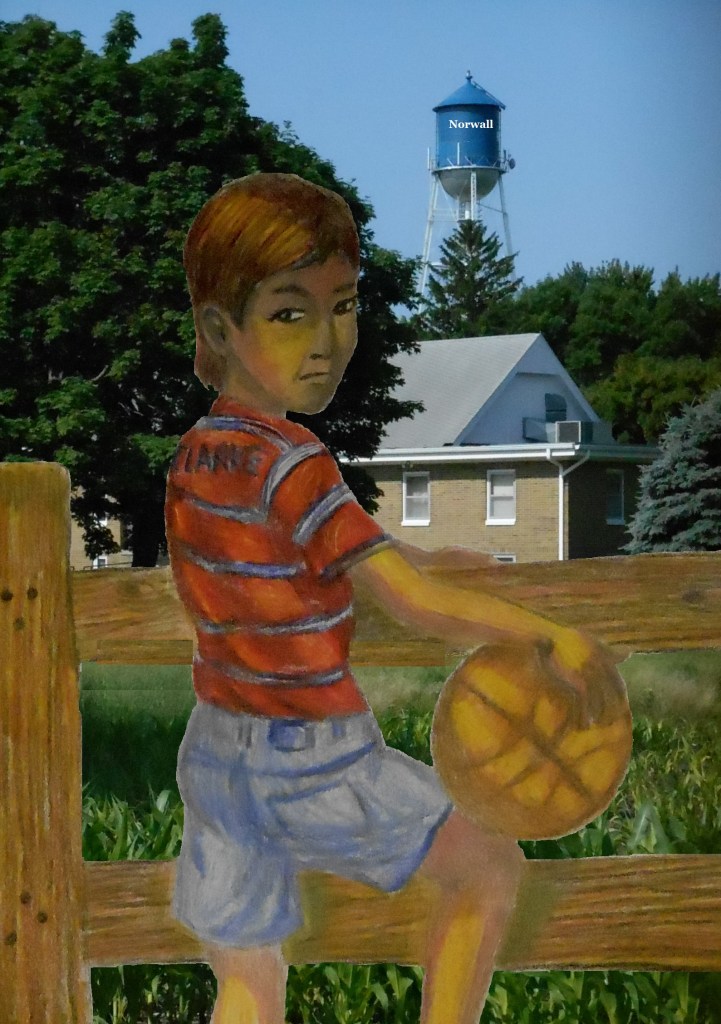


The Autobiography of Mickey (and NOT Mickey Mouse)
Oh, yes. It is almost complete… but for the final edit. It will hopefully be published very soon. It is filled with essays written for my blog, Catch a Falling Star. And, hopefully, I have chosen only the good ones.
But the book is not a stand-alone. It is a sequel to Laughing Blue, published earlier this year. I actually hope to reach 20 books published by early in 2021. Of course, it still requires that I don’t die too soon from the pandemic, or from any of my other problems that the Covid problem could interfere with getting medical treatment for.
Both of these books are essay collections, but the majority of the stories and explanations and comedy in each are based on my thirty-one years of experience as a Texas public school teacher, my nearly forty year association with nudists (though I can’t honestly claim to be one). my silly attempts at writing seriously bad poetry, my belief in flying saucers, and nearly ten years of being a wacky wizard. How’s that for a sentence that violates every run-on-sentence rule I ever taught any young writer?
Book number 18 is still pretty new too.
Anyway, now that you know, I better get started on that final edit. A writer has to keep his promises to himself. And maybe to the rest of you too.
Leave a comment
Filed under autobiography, cartoons, commentary, conspiracy theory, goofy thoughts, humor, Paffooney, self portrait
Tagged as Mickey's Rememberries