
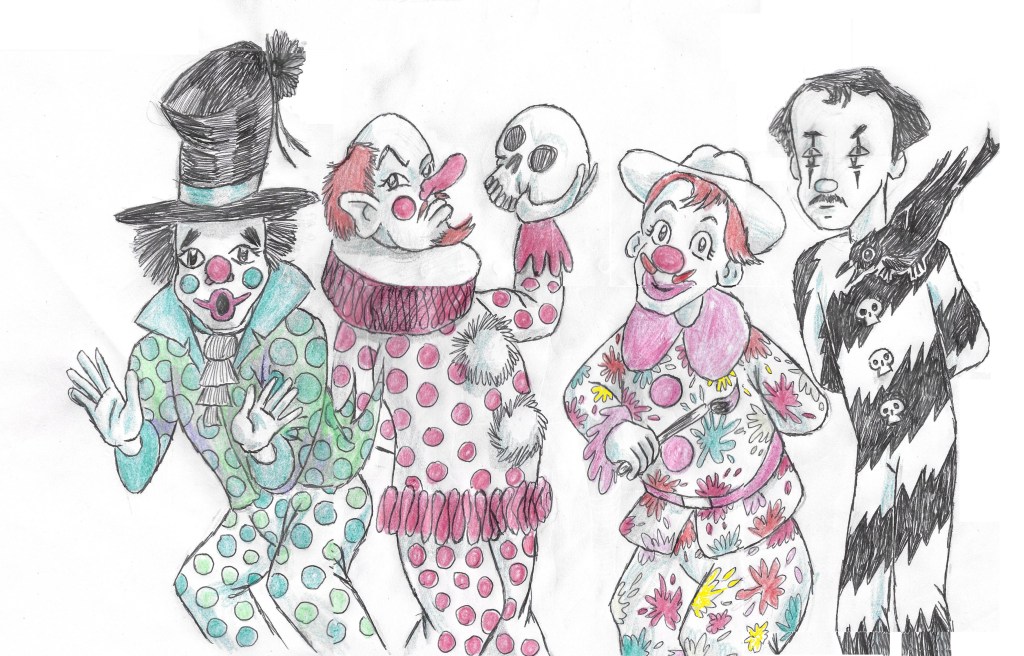
You may have looked at the name of my website here on WordPress and wondered, “Why in the heck has that fool Mickey called this thing he writes Catch a Falling Star?”
The answer is, he named it after the first good published novel he wrote at the insistence of the I-Universe Publishing’s marketing adviser. Very poor reason for doing anything, that.
But, the secondary reason is because of where that title came from. Look at the first stanza of this poem by John Donne.
So, now, you are justified in asking, “What nonsense is this? That doesn’t have any coherent meaning, does it?”
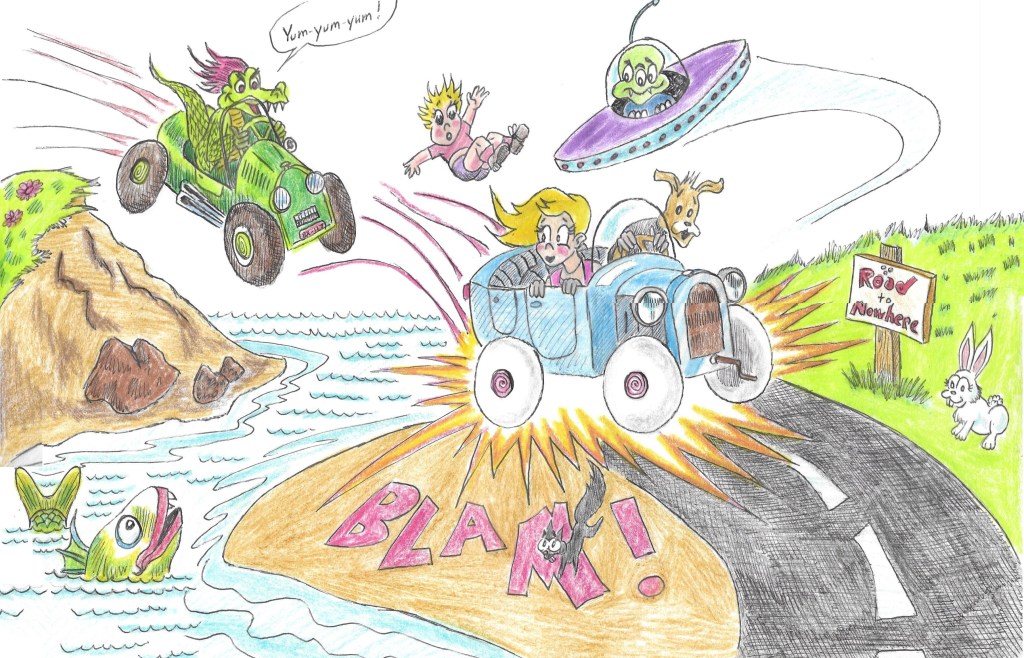
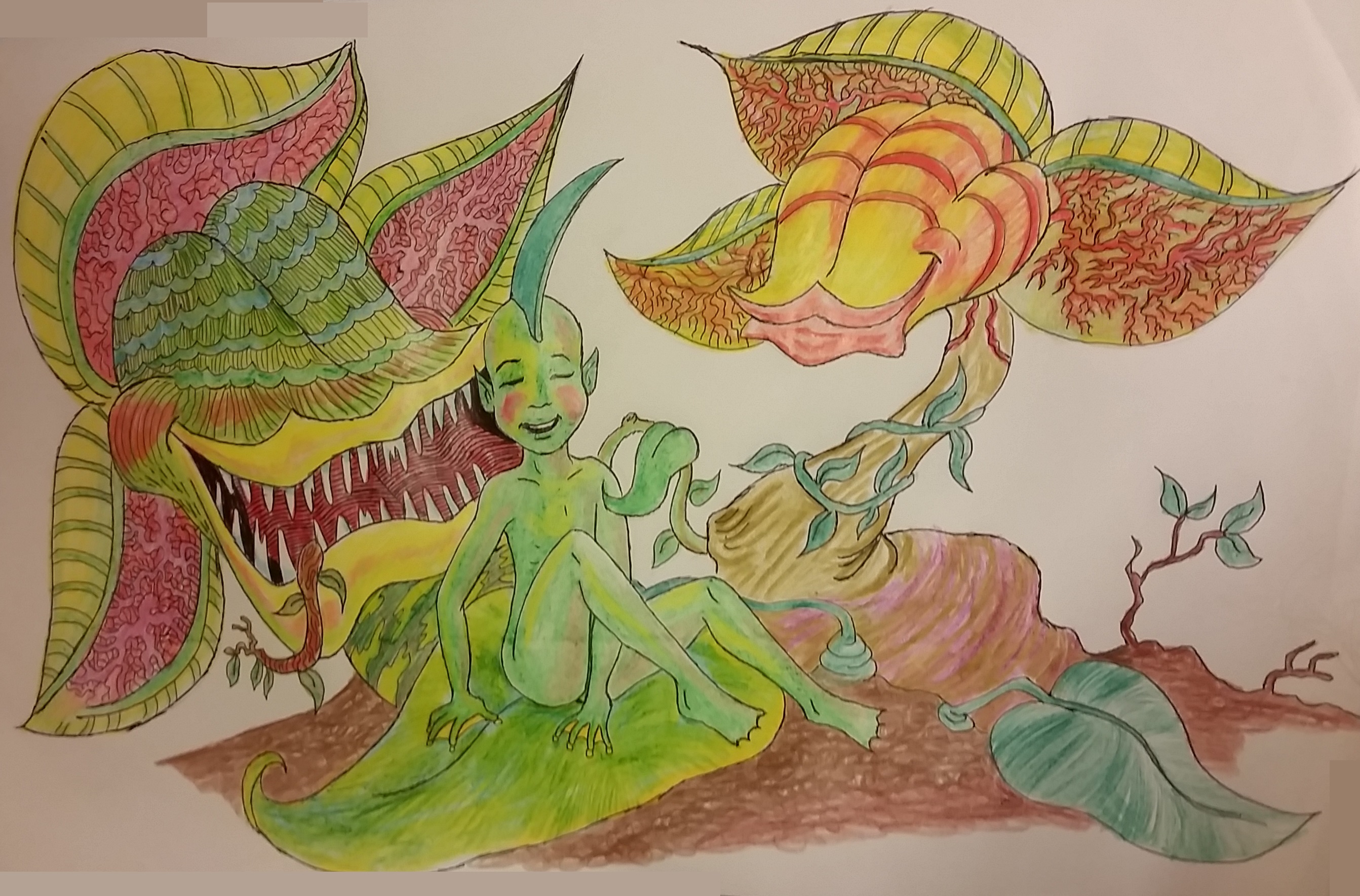
And you would be right. These are impossible things that I am being ordered to do by a very religious cleric in the Anglican Church who was originally a Catholic, but, in the time of Henry VIII Catholicism was made illegal, and he wrote this poem about not being able to find an honest woman in his drunken, wasted youth anyway. He is ordering me here to not only “catch a falling star” (and catching a meteorite with your bare hands has rather hot consequences), but also to have sex with a semi-poisonous plant, explain why we can’t go backwards in time, determine whether and why God might’ve given Satan goat feet, listen to probably-nonexistent humanoid creatures singing, find a way to avoid anybody ever looking at me with envy and then doing something to me because of it, and, most importantly, find a place where the wind blows in a way that fills your head with facts that actually makes you smarter.
Challenge accepted!
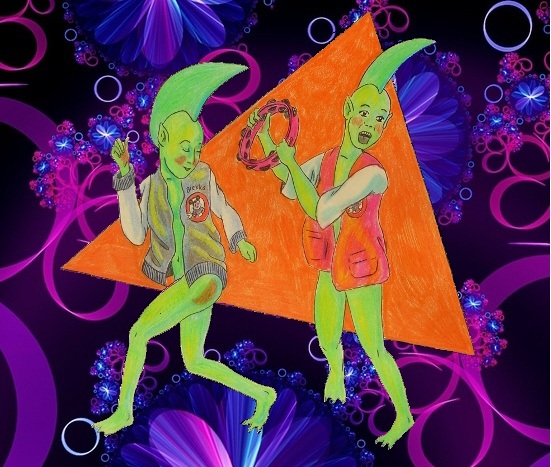
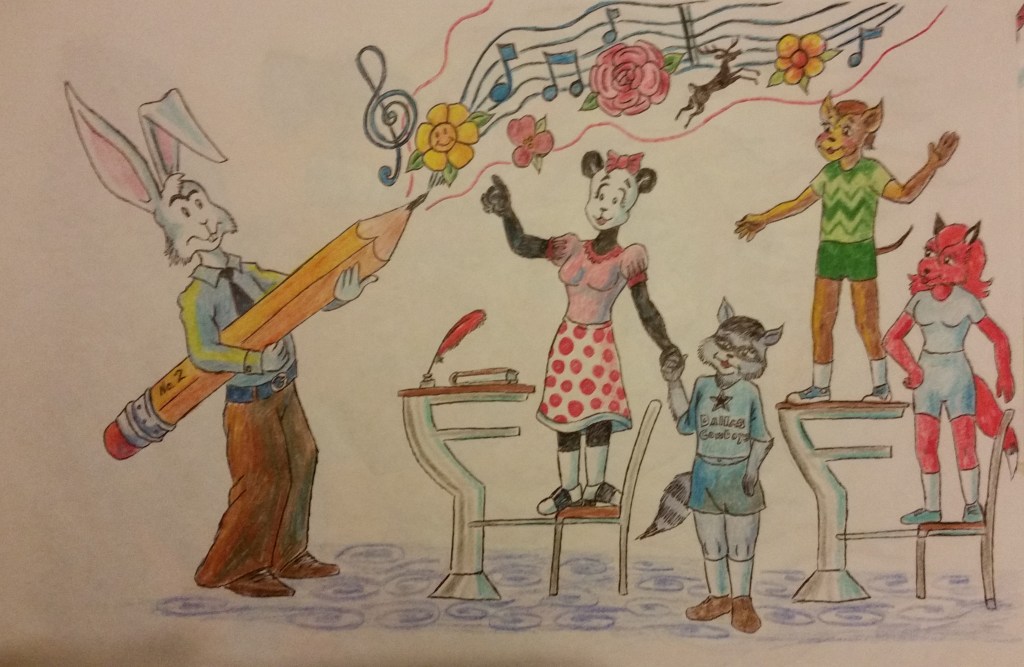
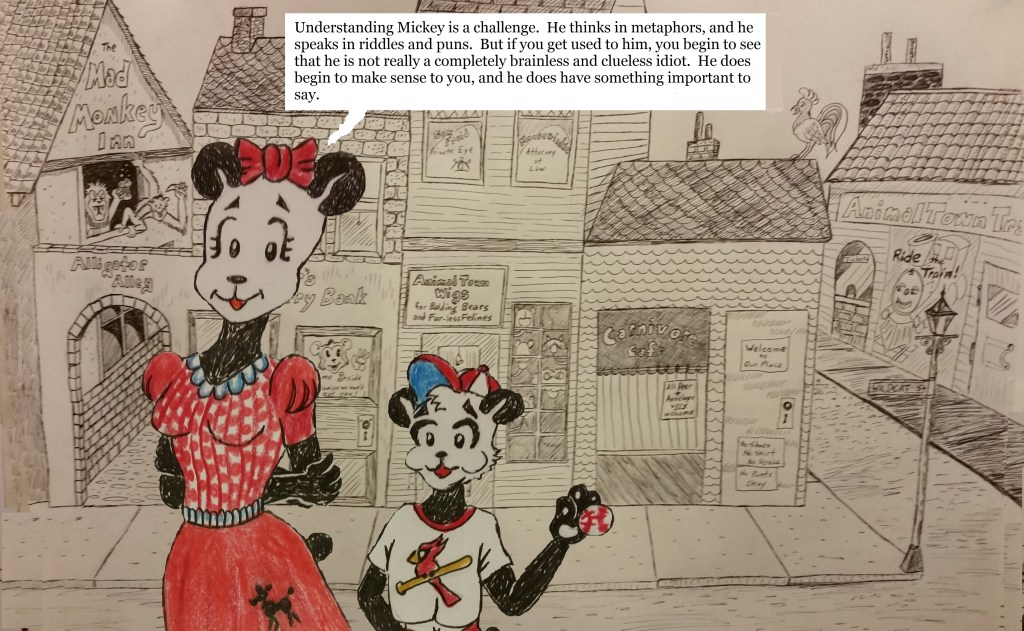
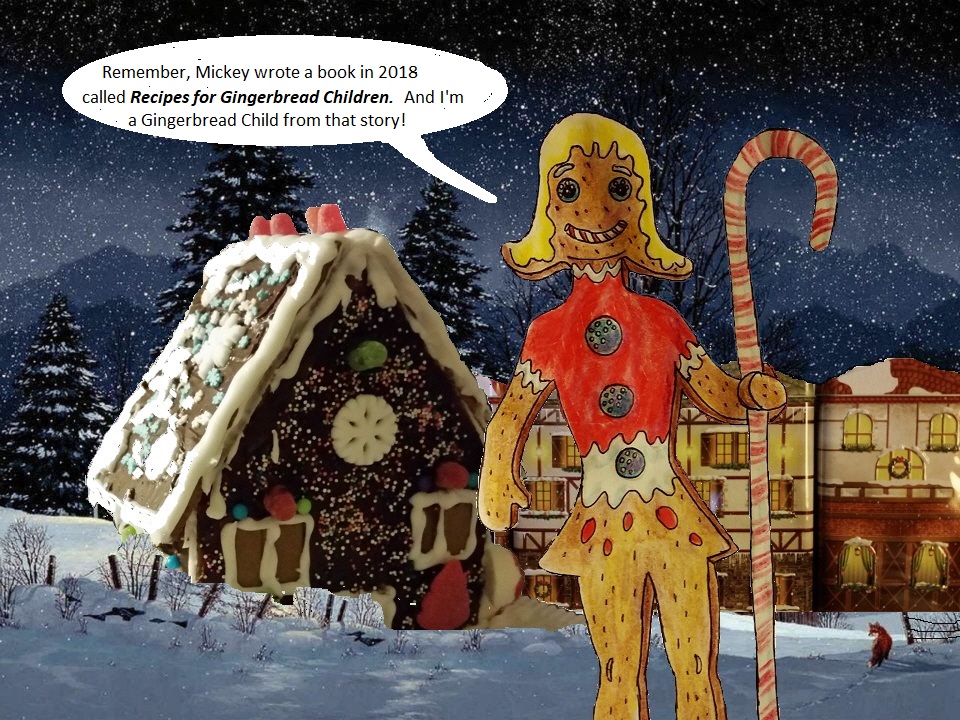
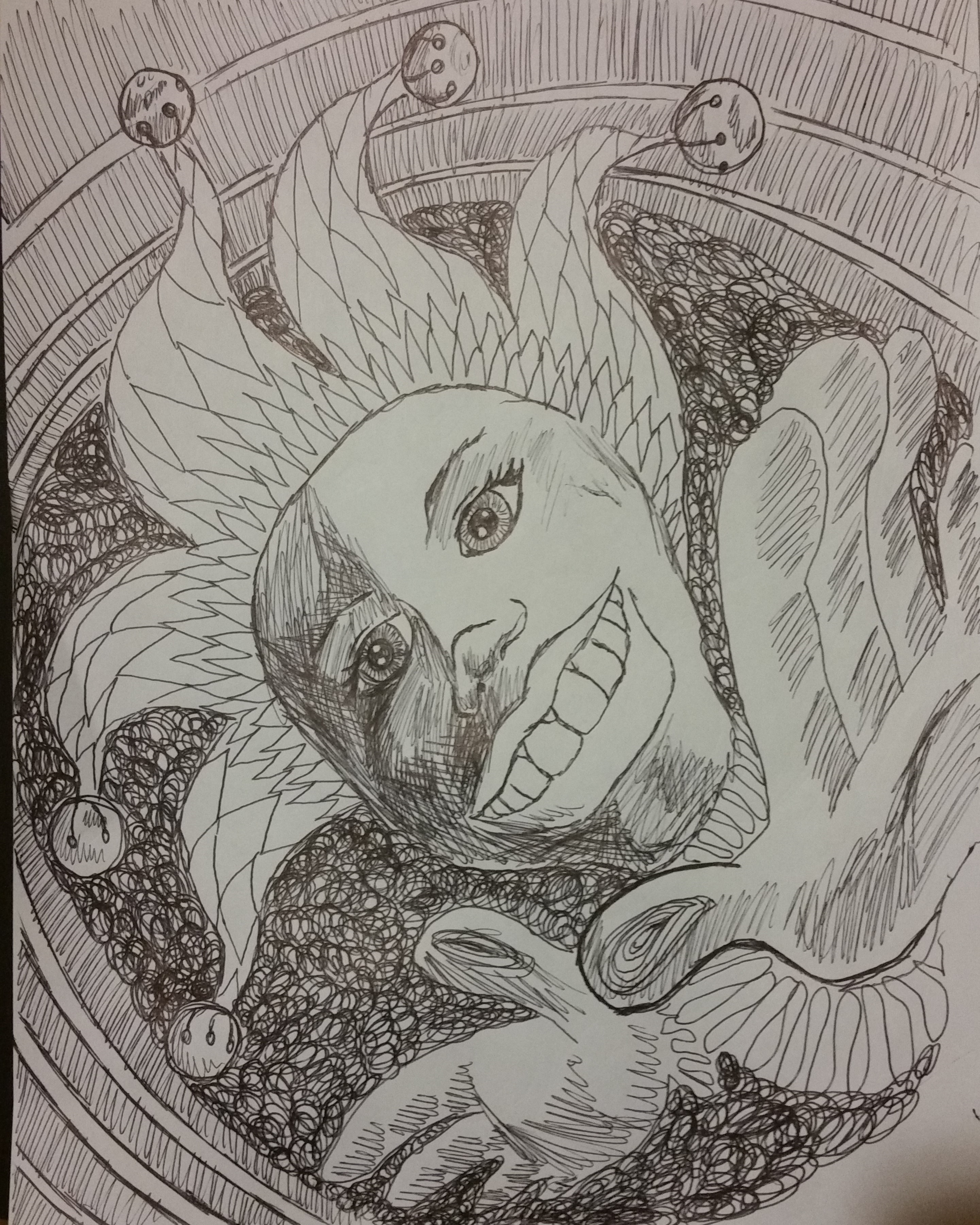
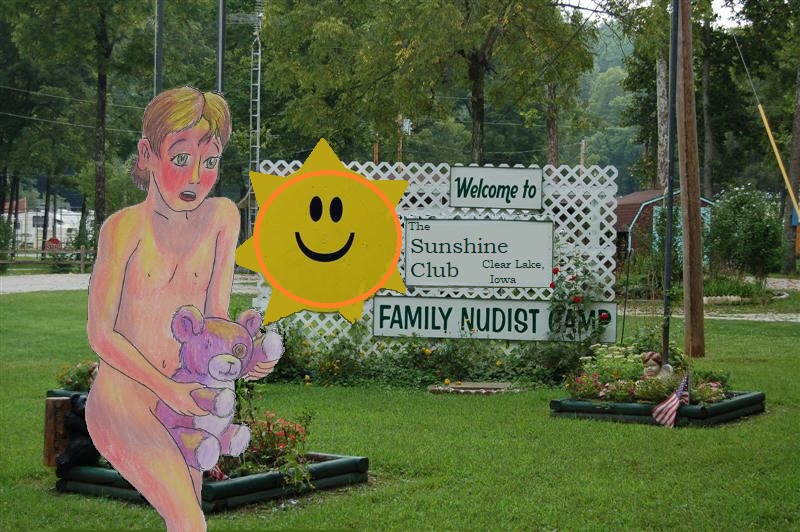
It is exactly what I wanted to write about. Impossible things actually being accomplished. Finding the meaning behind alien beings from outer space developing an intense love of I Love Lucy television broadcasts and Mickey Mouse Club music. Discovering why intensely shy people need to embrace social nudity. Defining who is actually a werewolf and who is not, uncovering who and what real monsters are. Singing songs so sad that it magically makes people fall in love with you. Talking to clowns in your dreams and getting real answers to the meaning of life, love, and laughter.
Catching falling stars is the stupid idea that this wacky, idiotic little blog is about. It is what I write about constantly. You have to kill me to get me to stop. So, there is your fair warning. Read on at your own peril.
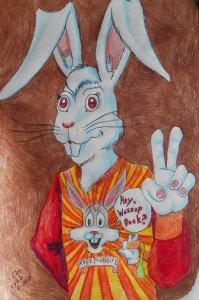
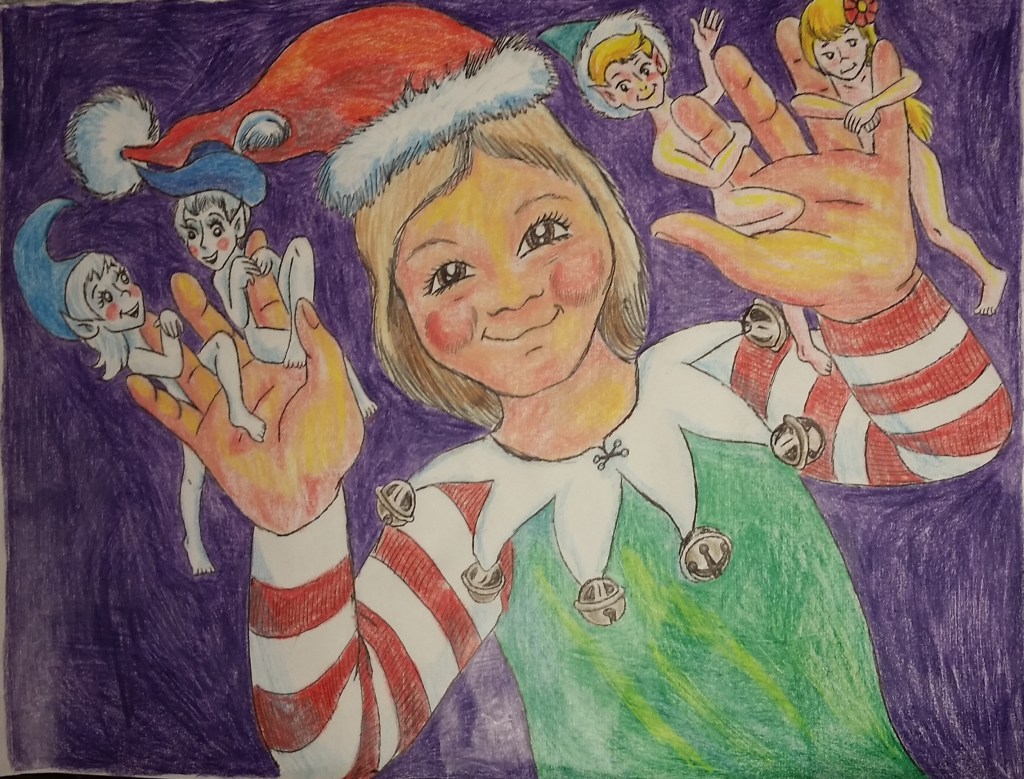
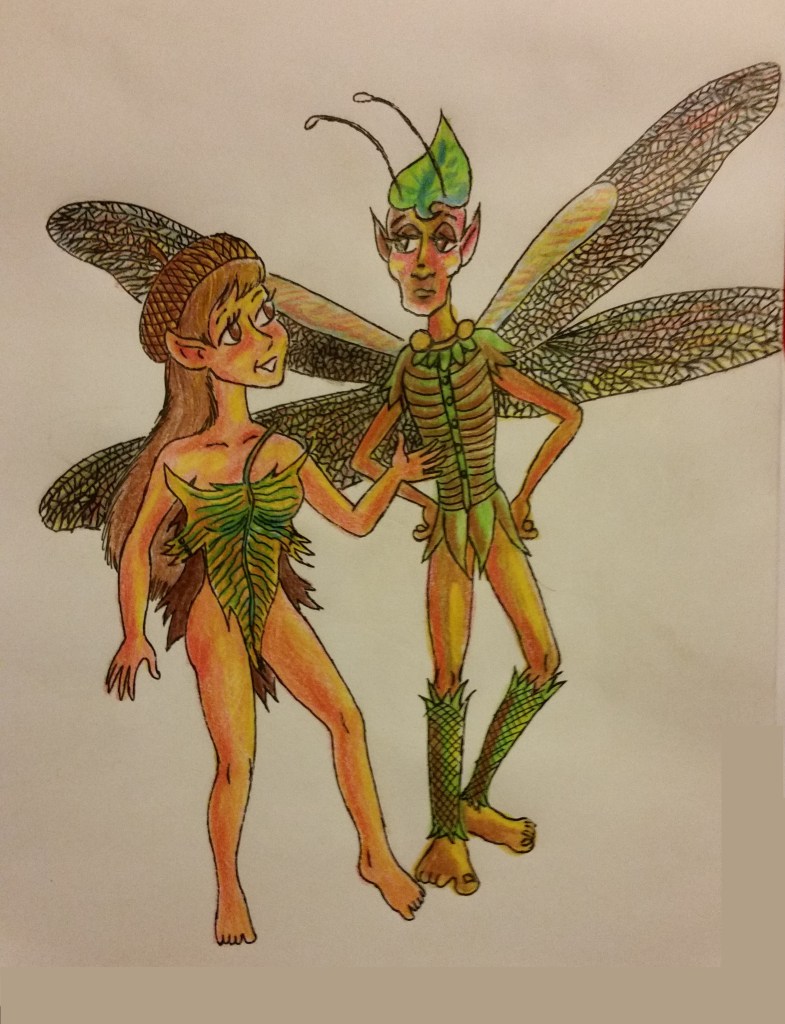
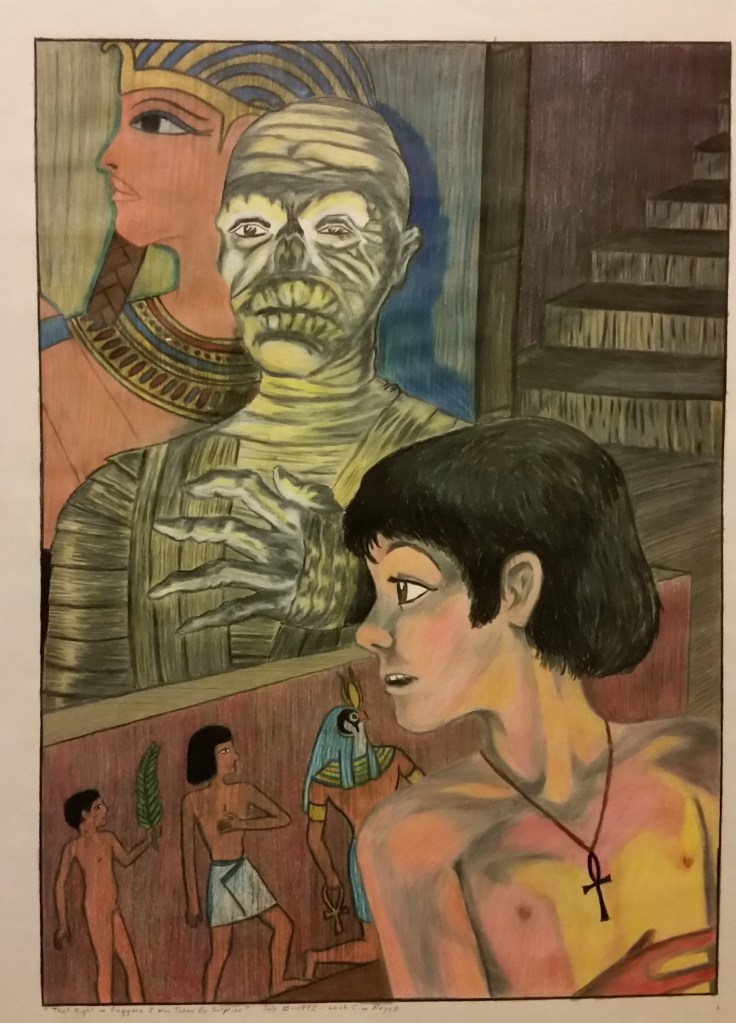
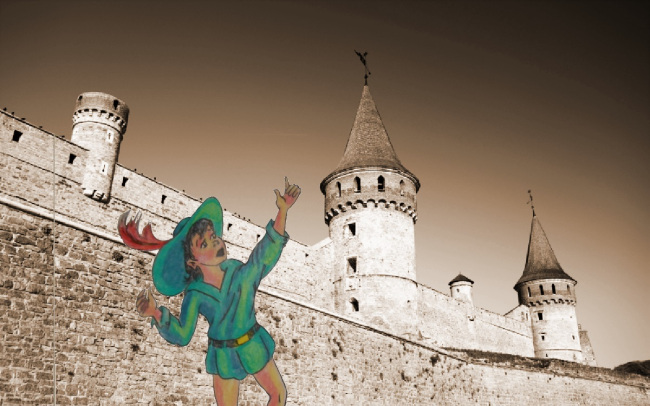
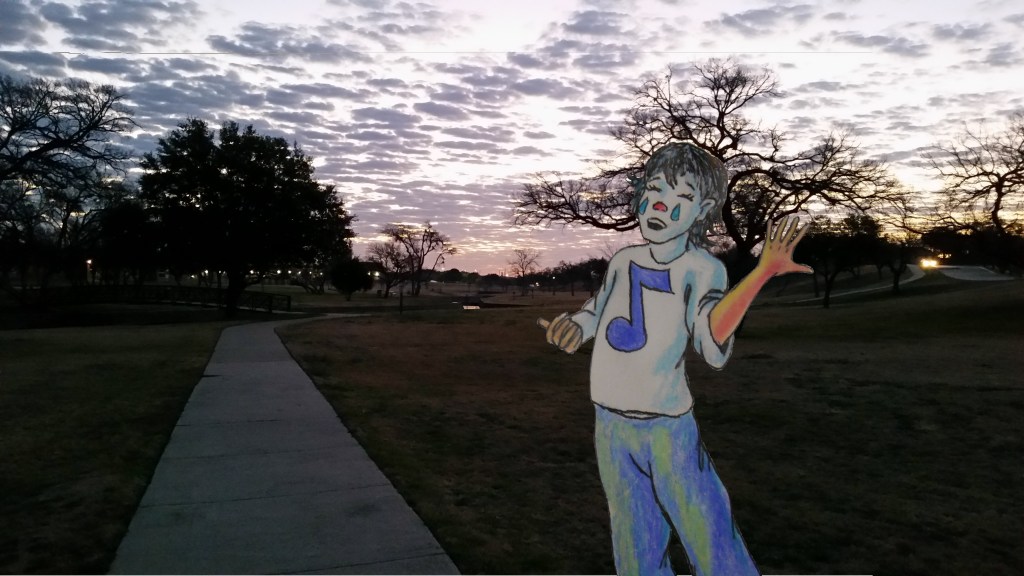
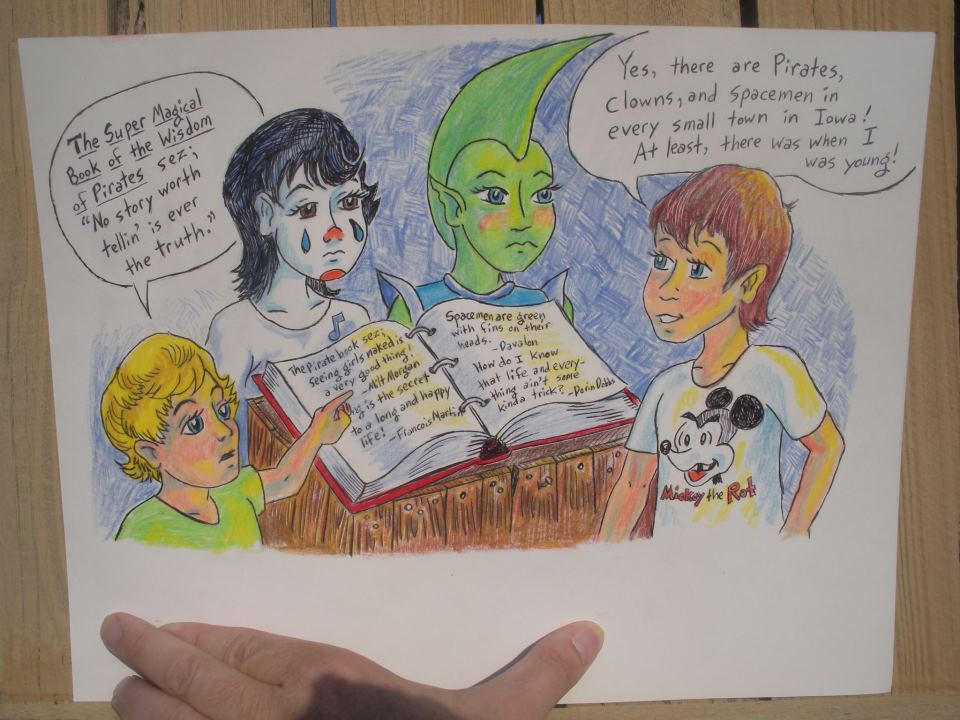
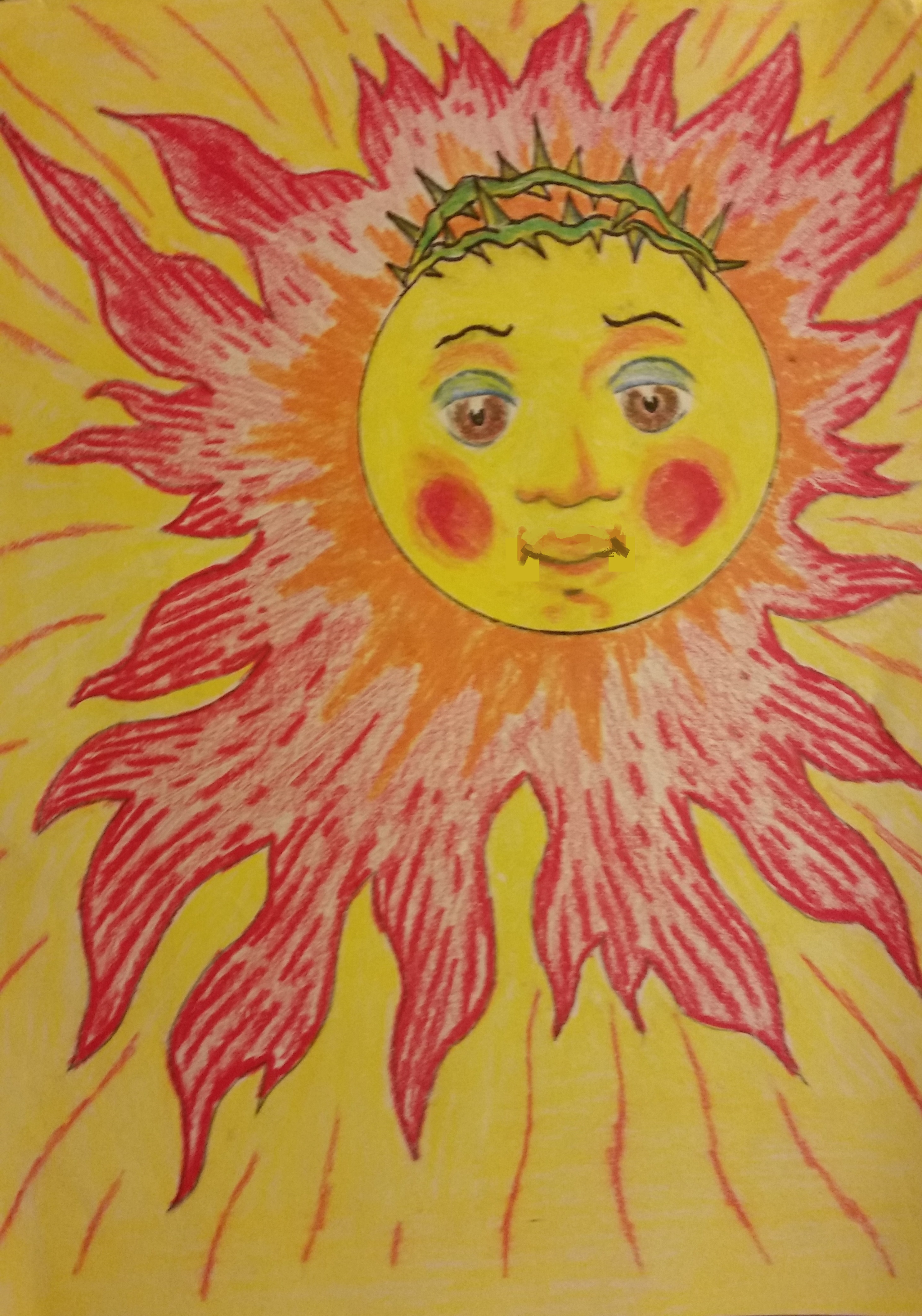
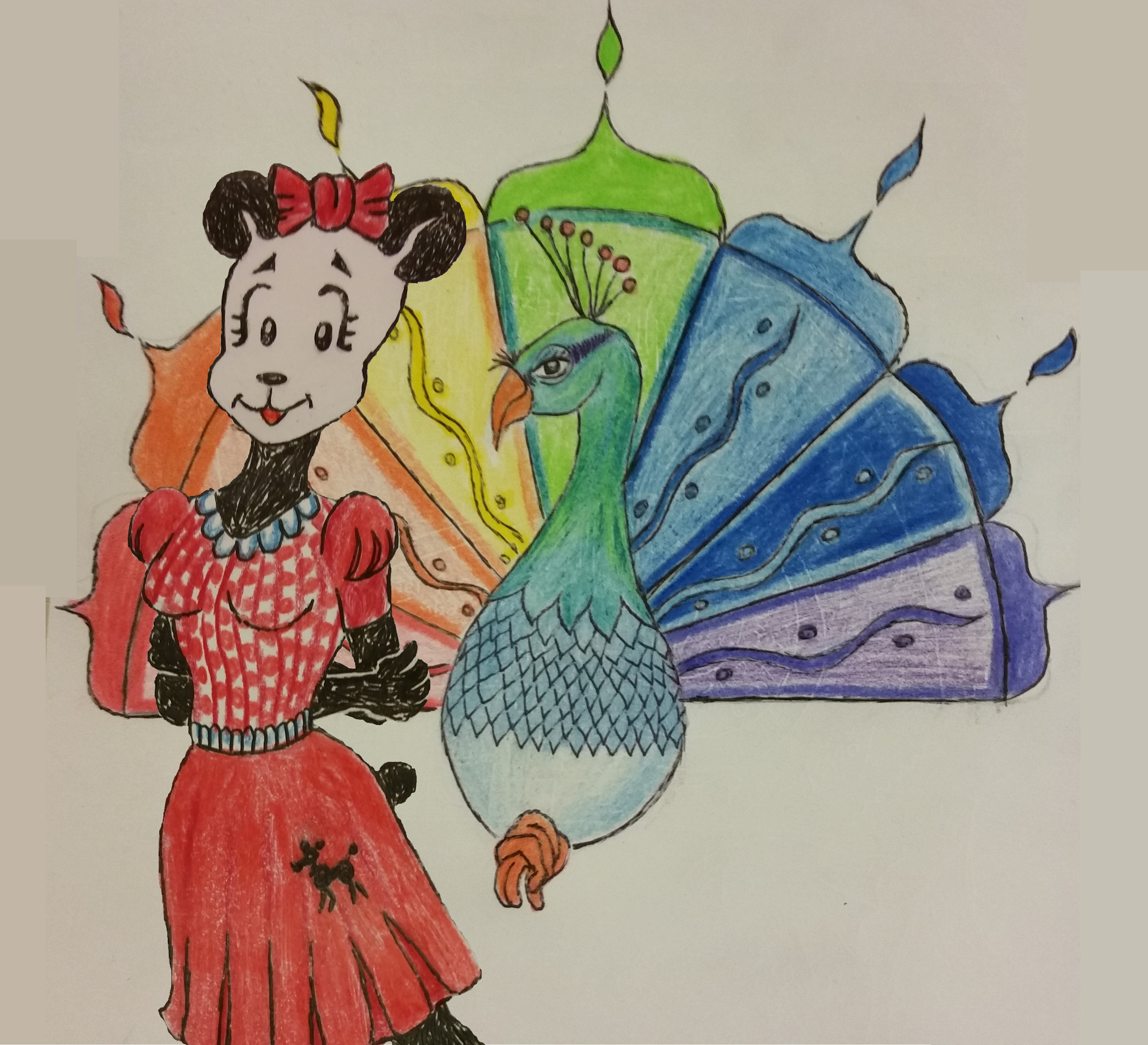








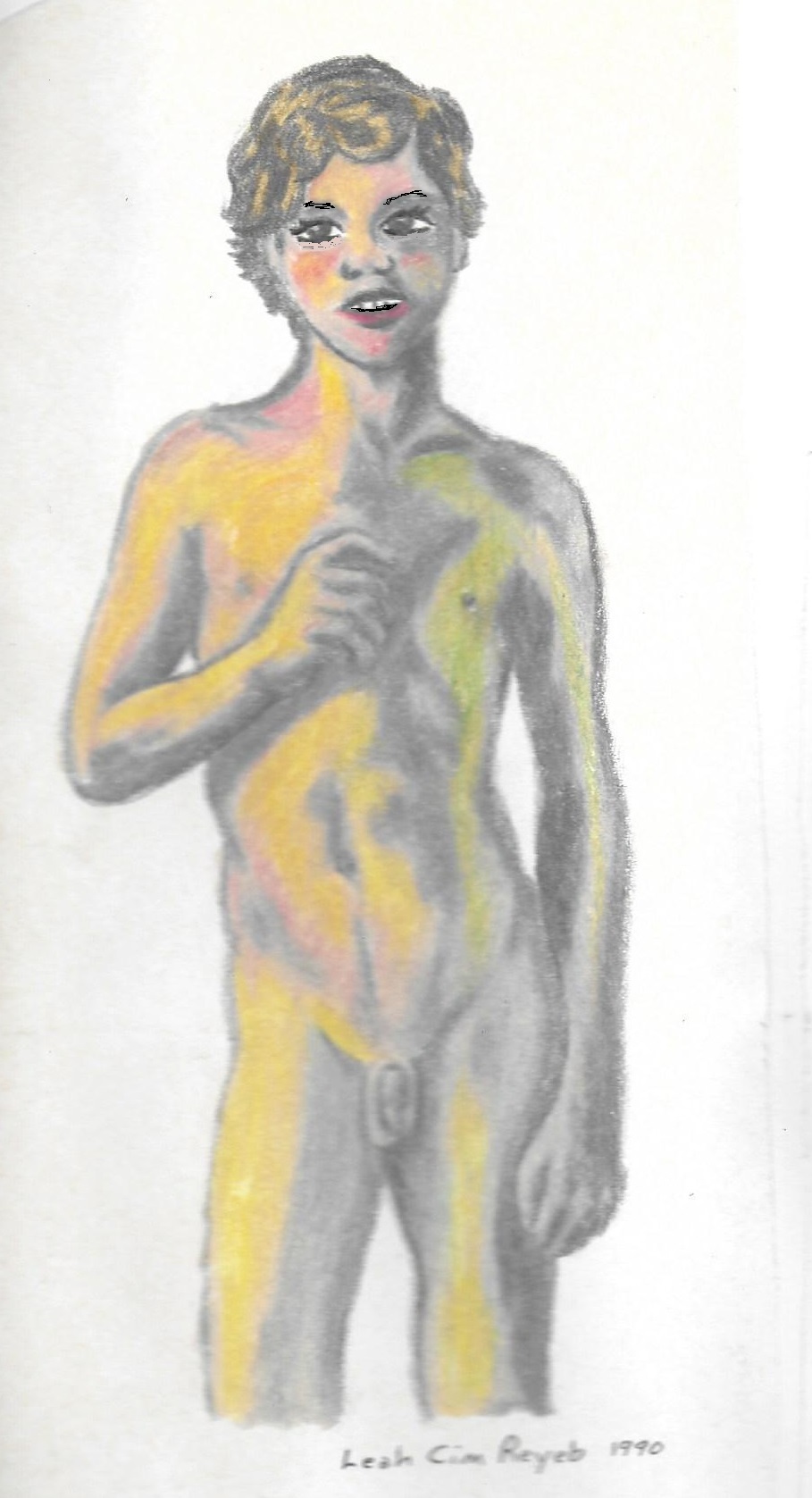






Humble Pie
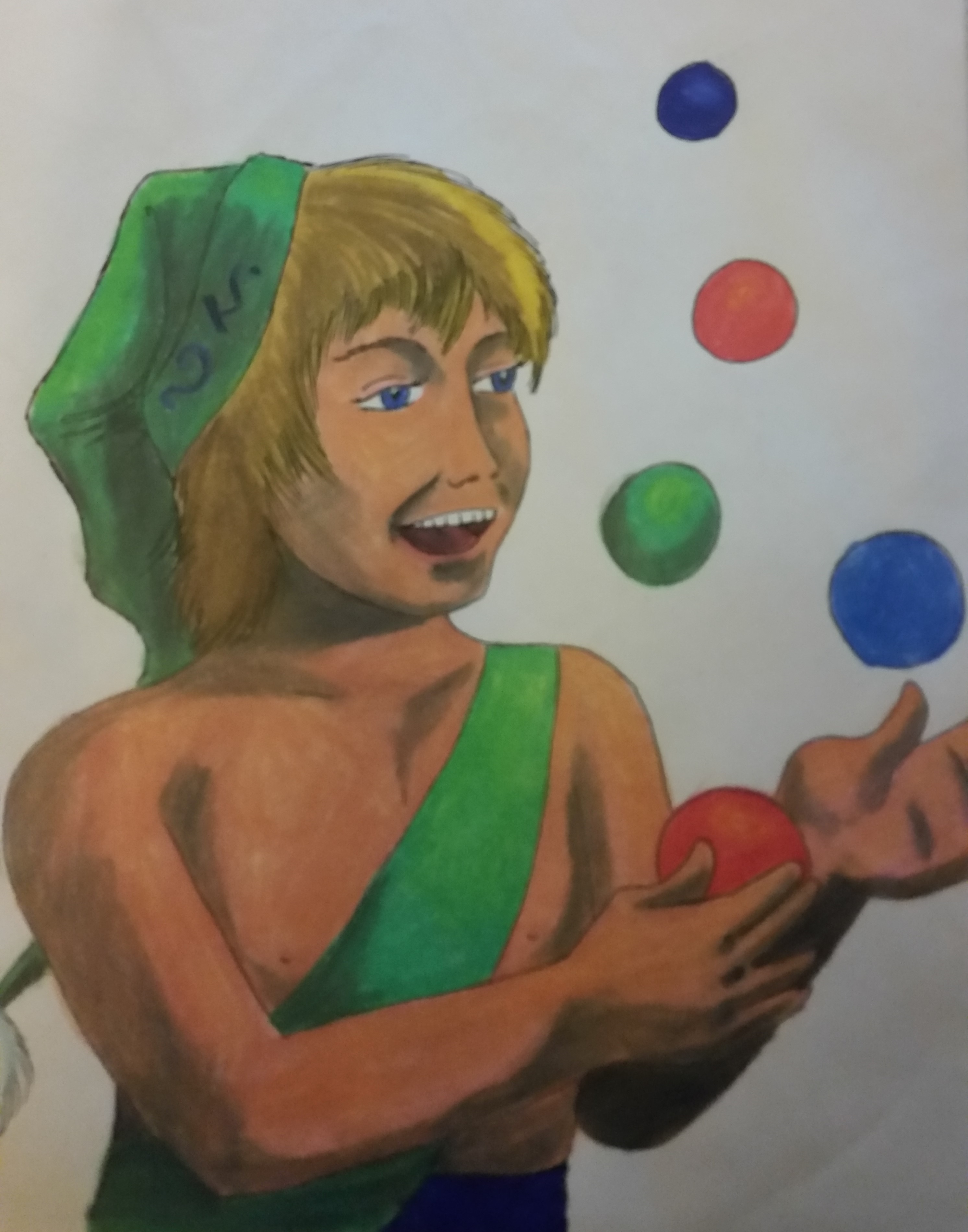
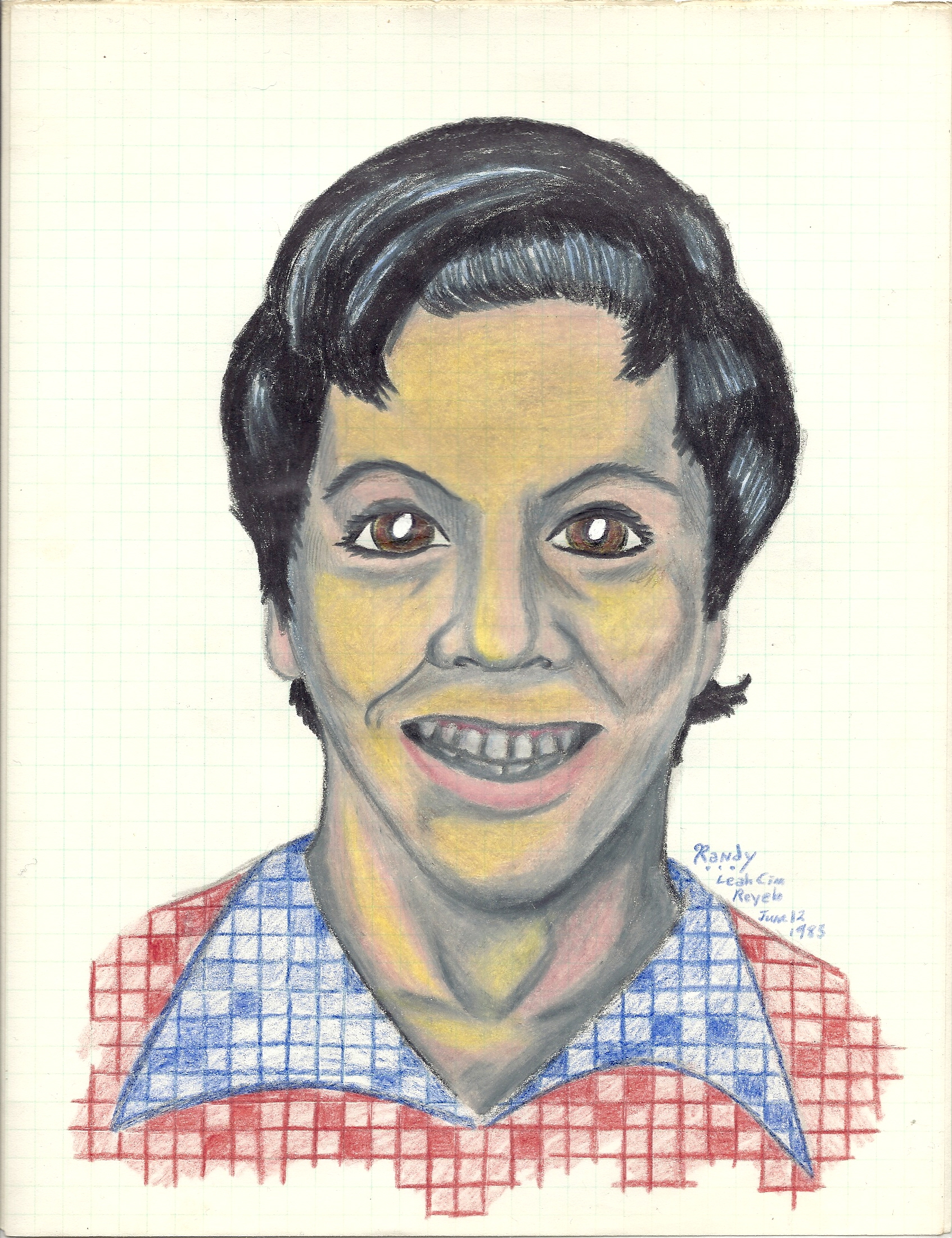
The difference between who you want to be and who you are is humbling.
The recipe for humble pie requires good, clear eyesight.
And you need a reliable mirror that only shows the flaws in the reflected image, not in the mirror itself.
And you need to look at every detail in the whole of you. Even the secret things that you tend to conceal from everybody, especially yourself.
And writing a novel, if you do it right, is a form of baking humble pie.
The good and the not-so-good is reflected in reviews, which are often written with mirrors that have flaws.
But what you see, if you are honest with yourself, can show you that, even though you are far from perfect, you are exactly what you are supposed to be.
2 Comments
Filed under artwork, autobiography, commentary, empathy, feeling sorry for myself, irony, Paffooney, self portrait, strange and wonderful ideas about life