


Do you know who Bernie Wrightson is?
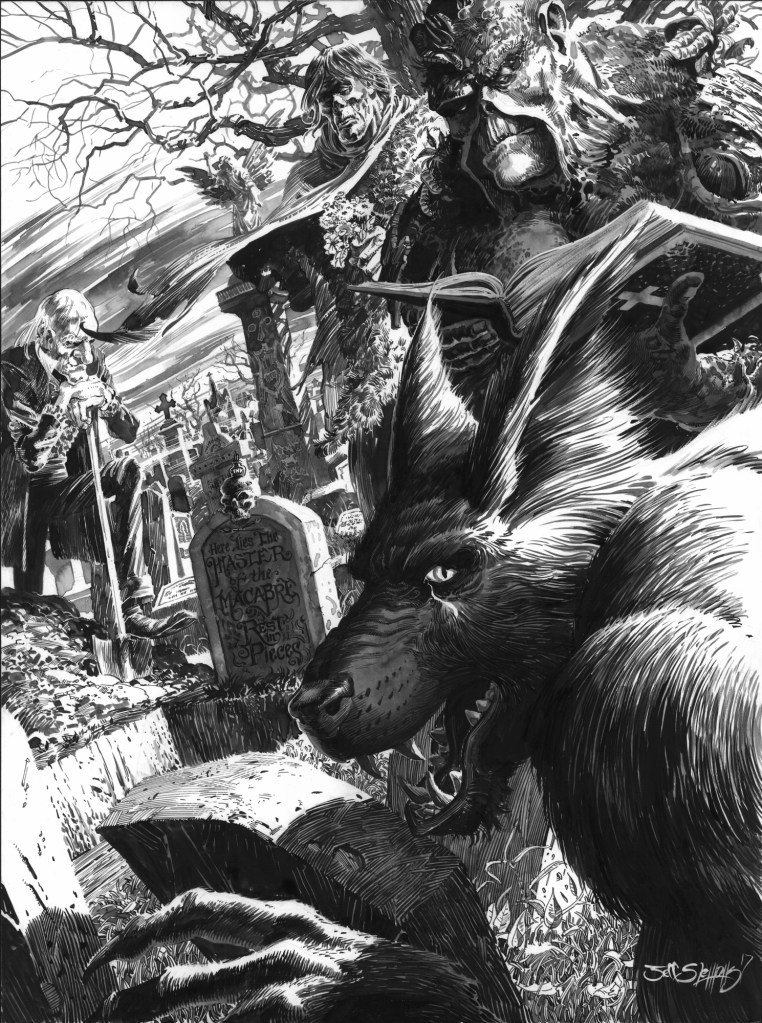
Bernie Wrightson in 1972, when I was a freshman and sophomore in high school, created for D.C. comics the character known as The Swamp Thing.
Of course,
being a stupid kid at the time, I totally ignored his genius with pen and ink, ink and brush, and fascinatingly dense forests of intricate detail.
I didn’t really get it until he joined The Studio with Jeffery C. Jones, Michael Kaluta, and Barry Windsor-Smith (whom I idolized for his work on Conan.)
And while in college, consuming everything available by The Studio that I could find and afford, I fell in love with his deeply dark and brooding illustration work for a new edition of Mary Shelley’s Frankenstein.

Frankenstein had 50 illustrations by Wrightson that firmly established the fact that by drawing with black ink you could show in startlingly real ways the qualities of white light. That appealed to me both literally as a way to make beautiful art and metaphorically, as that last thing was what I was doing with my own life, drawing the darkness to get to the beautiful light.

Most of his work
was drawing monsters; werewolves, zombies, the creatures of H.P. Lovecraft, and numerous things from nightmares.
But it has a definite beauty of its own. Darkness, evil, and corruption brings out the quality of what is light, righteous, and pure. There is truth in approaching reality from the dark side of the equation.

Of course, he would also do work on heroes like Batman, because the darkness breeds its own defenders of justice.
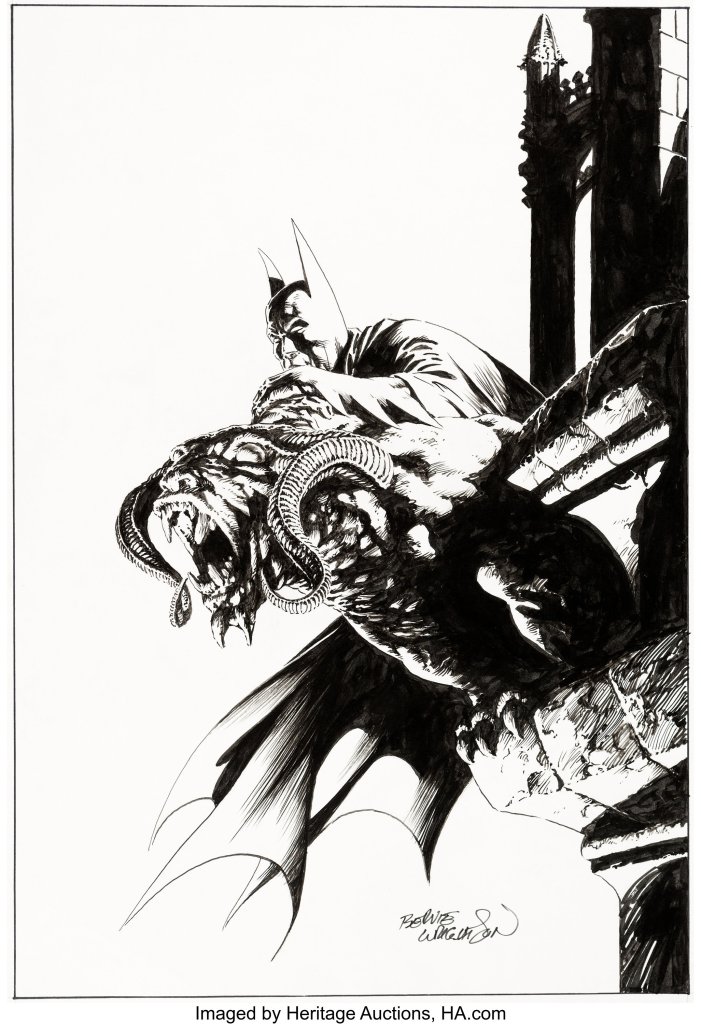
I am not so much a fan of monsters as I am a believer of taming the monsters who beset us as we try to make a worthy life for ourselves. But I can definitely see where Bernie Wrightson has been doing exactly that with his brilliant pen-and-ink artwork. Sadly, he will be doing no more of it since we lost him in 2017. But it is a legacy he left behind that will make his light continue to shine forth from dark places for a long time to come.

Filed under artists I admire, artwork, heroes
And now…
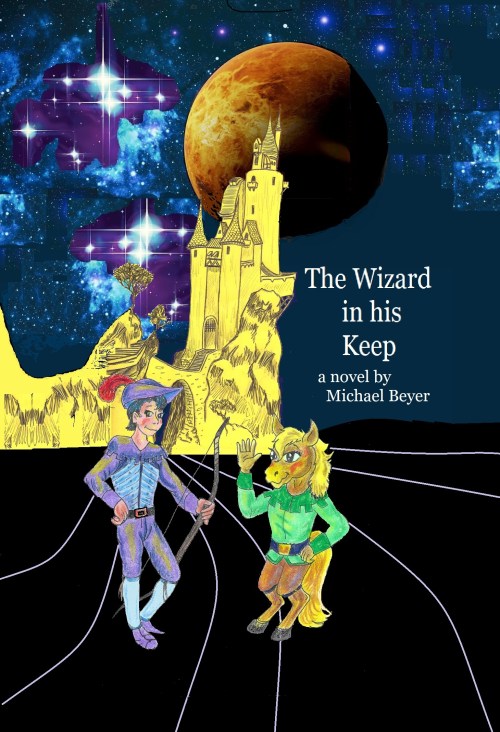
The story is coming to an end. I am halfway through the last chapter. The climax of the plot is now finished and the final resolutions of the plot are being concluded. And so, soon you will be able to find this book on Amazon and see for yourself if the amazing levels of nonsense and fantastical lunacy were worth the wait.
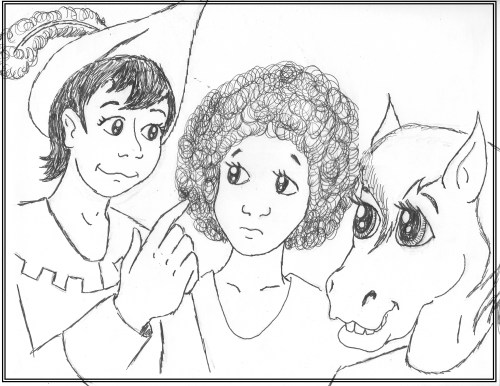

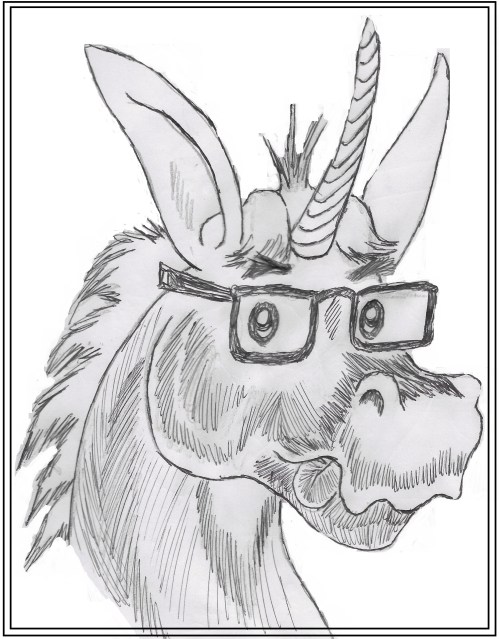
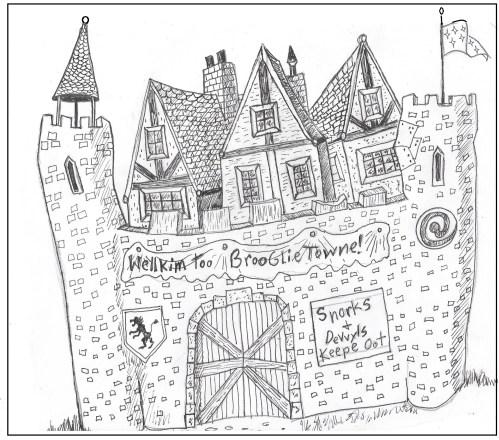
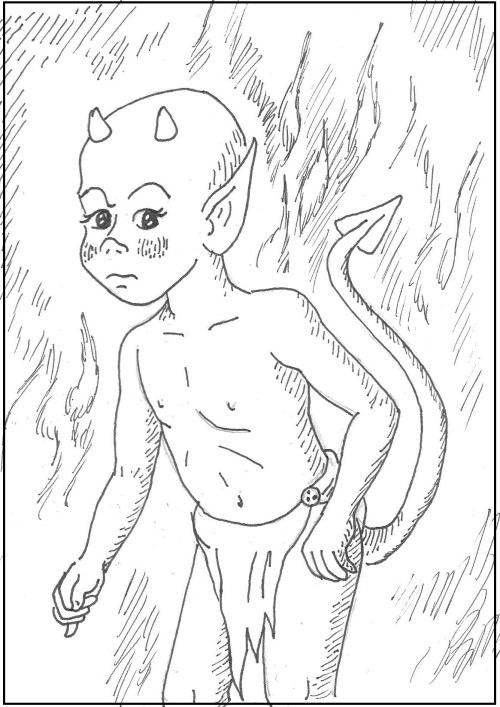
A fatal car accident seriously alters the lives of the three Brown children, Daisy, Johnny, and Mortie. But they are rescued by their mysterious “Uncle Miltie”, a video-game designer who is somehow involved with the military, the CIA, and other strange things that may have caused their parents’ deaths. And Uncle Miltie takes them to live, not in his house, but inside the weird virtual reality game he has had a hand in creating. And something there is going terribly wrong.
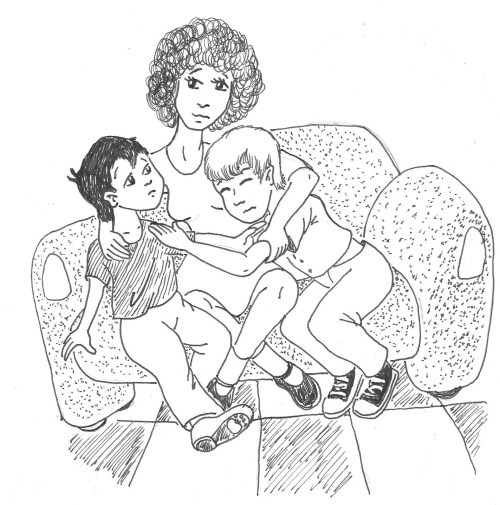
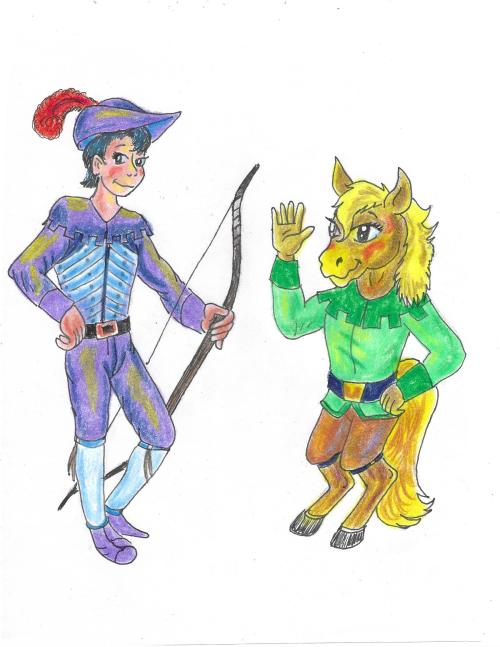
The video game they now live in is called The Legend of Hoodwink. And it is entirely possible that they will become trapped there forever. At least the main characters of the game are nice. Hoodwink is the boy hero who looks pretty good to Daisy, and his sidekick is Babbles, the Kelpie who can’t help but talk so fast you can’t really understand him.
I am ill as I write this, but lately that has been the story of my life too. A life or death game with rules you have to learn as you go, and a bizarre place where what is real and what is an illusion may prove to be exactly the same thing.
Filed under artwork, humor, novel, novel writing, Paffooney, science fiction
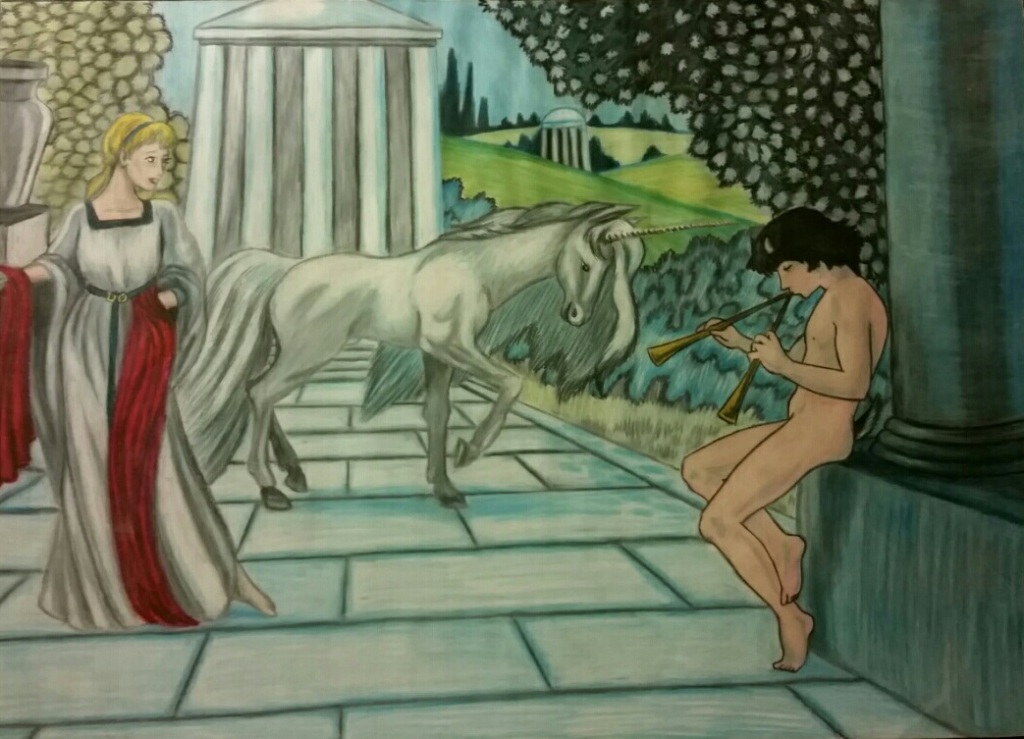
Some Sunday thoughts require the right music.
Some Sunday thoughts actually are music.
noun
Powered by Oxford Dictionaries
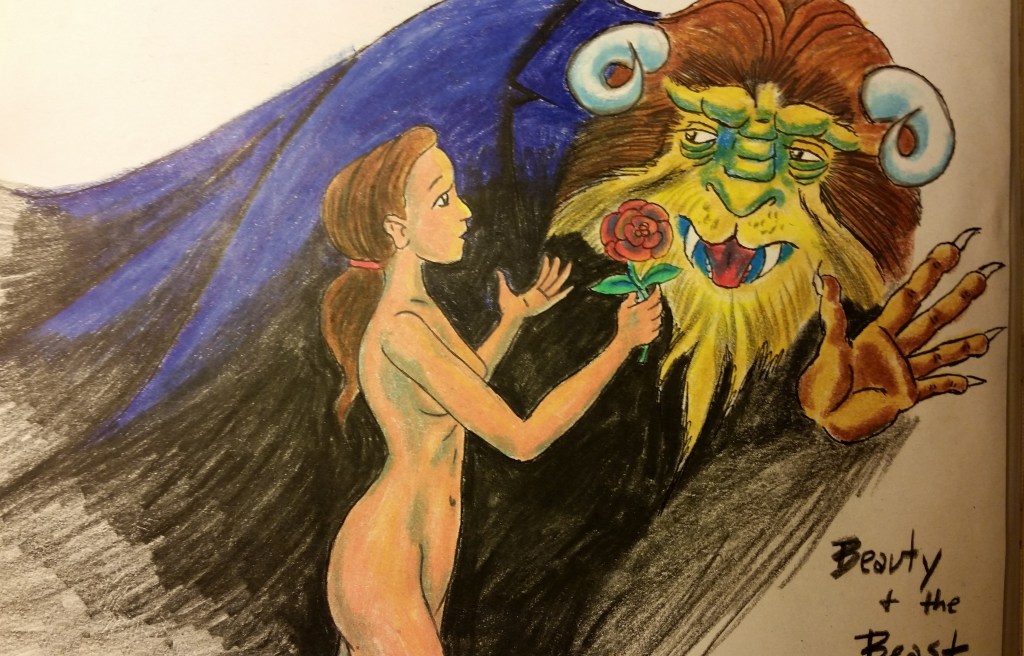
I had originally thought to call this post “A Walk with God.” But that would probably offend my Christian friends and alienate my Jehovah’s Witness wife. It would bother my intellectual atheist friends too. Because they know I claim to be a Christian Existentialist, in other words, “an atheist who believes in God.” Agnostics are agnostics because they literally know they don’t know what is true and what is merely made up by men. And not knowing offends most people in the Western world.
But Debussy’s Reverie is a quiet walk in the sacred woods, the forest of as-yet-uncovered truths.
And that is what I need today. A quiet walk in the woods… when no literal woods are available.
This pandemic has been hard on me. I am a prisoner in my room at home most days. My soul is in darkness, knowing that the end could be right around the corner. I am susceptible to the disease. It didn’t slay me on its first visit to the house, but that doesn’t mean it can’t get me on the second or third visit. Health experts are expecting a resurgence of up to 3,000 deaths per day before the end of the year. If I am relying on luck to avoid it, luck will run out.
I am not afraid to die. I have no regrets. But I have been in a reverie about what has been in the past, what might have been, and what yet may be… if only I am granted the time.
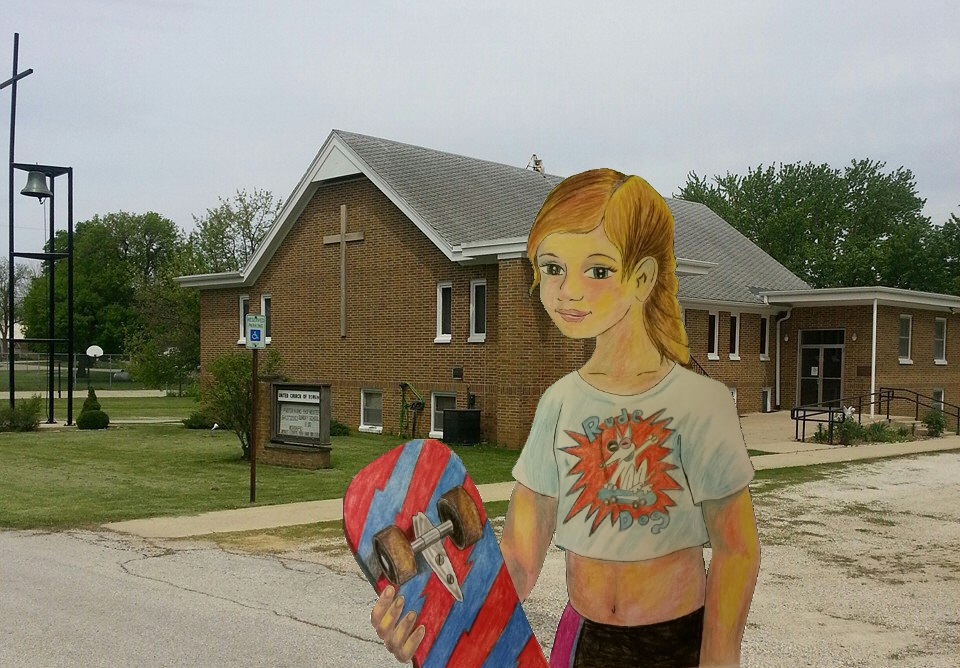
And, as always, I feel like I have writing yet to do. I am about to finish The Wizard in his Keep. And I have stories beyond that to complete if I may.
But the most important thing right now is having time to think. Time for Reverie. And reflections upon the great symphony of life as it continues to play on… with or without me.
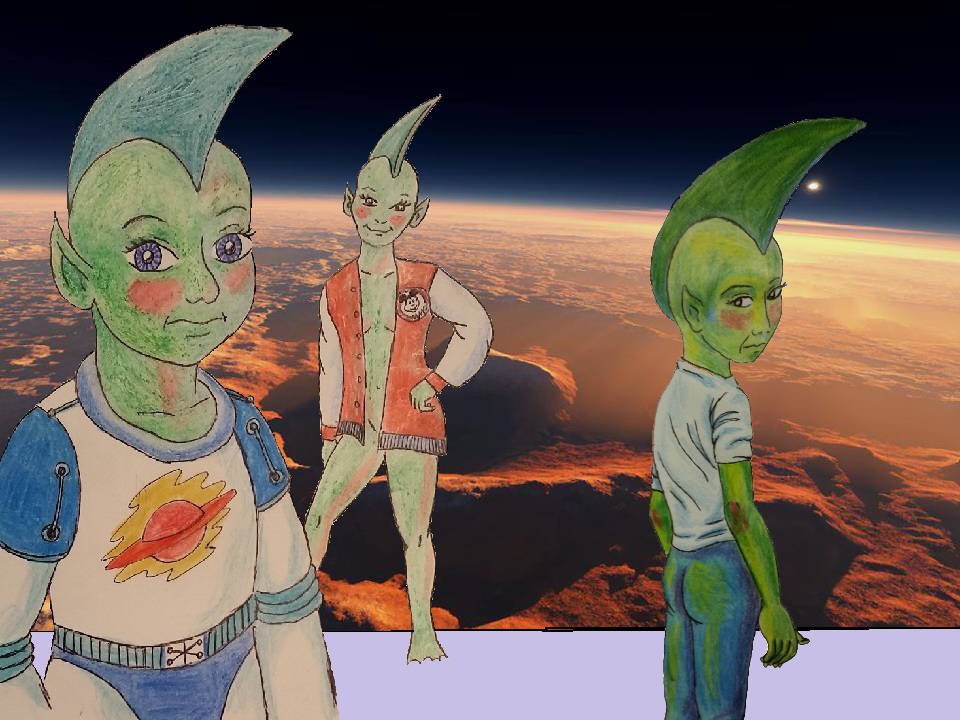
The world does not see me. I am invisible. I could invade your planet and the world would never know it… or care.
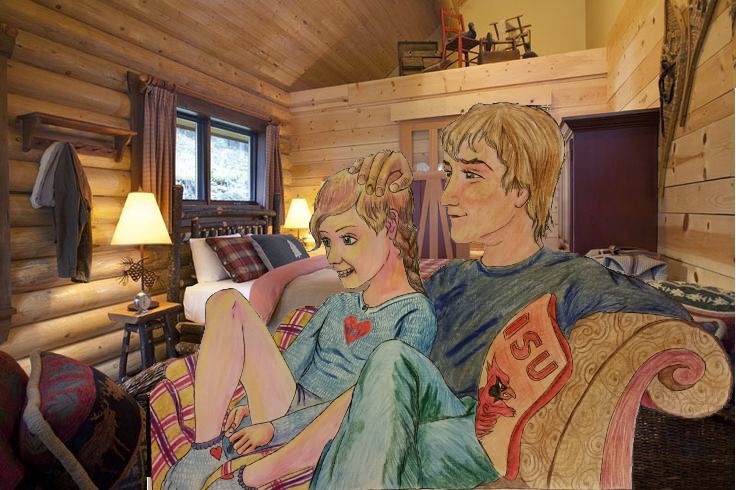
I have told my stories, sung my songs, and raised my family in the shadows while the world was unaware.
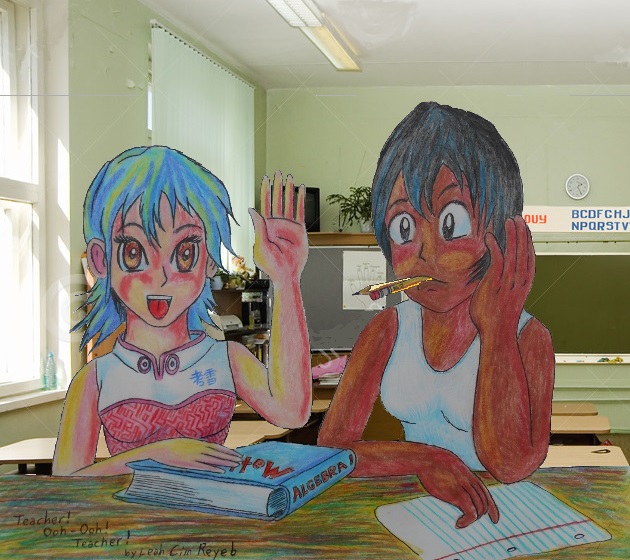
I’ve shaped lives from other cultures, and made myself a home in the quiet places there.
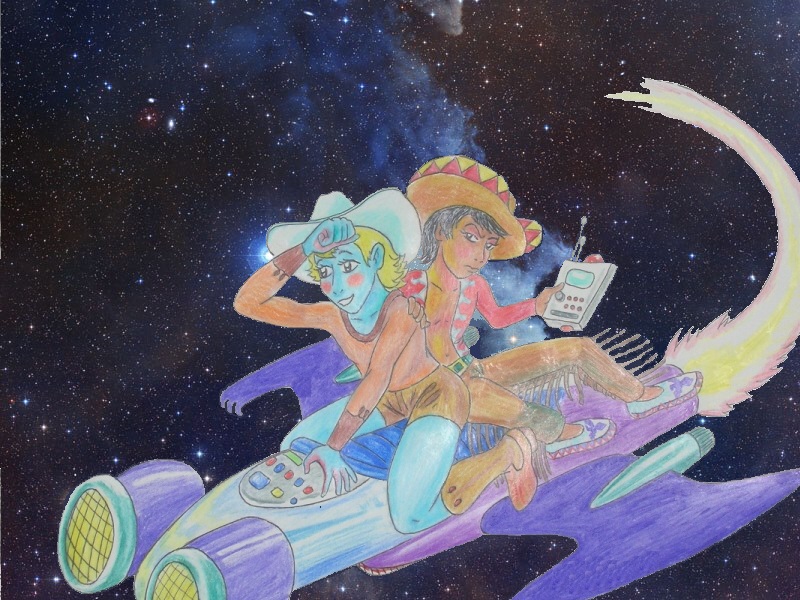
My imagination has been soaring, and I create things in mid-air.
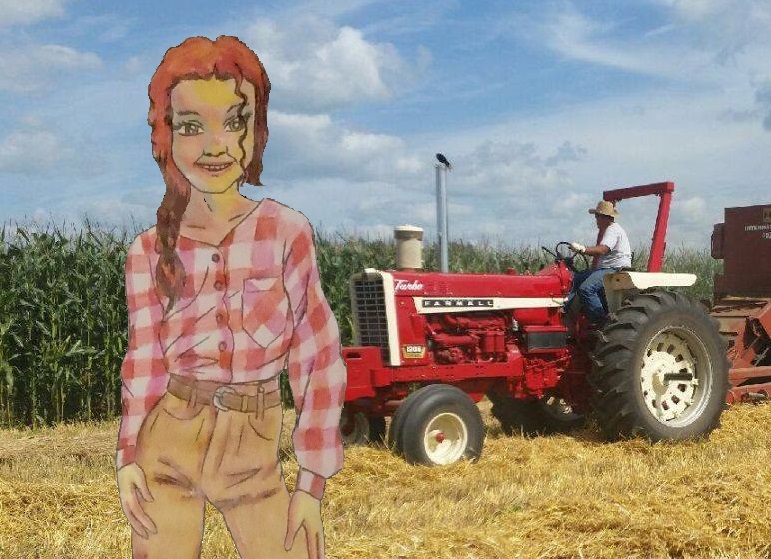
And I’ve not forgotten heartland dreams, and the good lands all so fair.

And the world just does not see me, though my eyes, they are upon it as it’s around me everywhere.
Filed under artwork, autobiography, Paffooney, poem
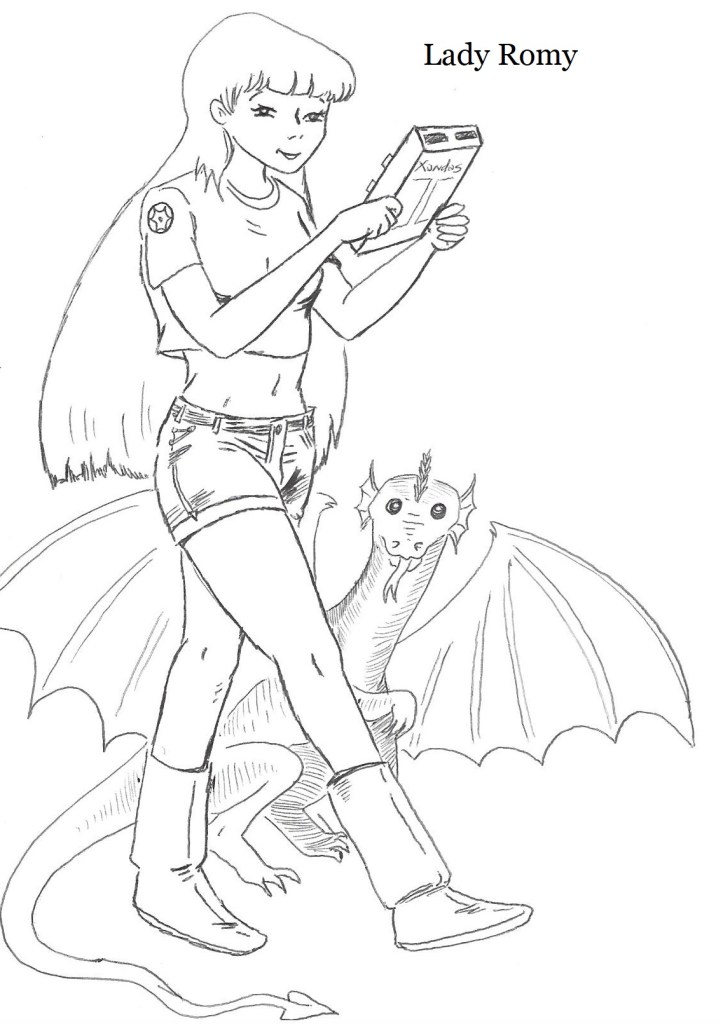
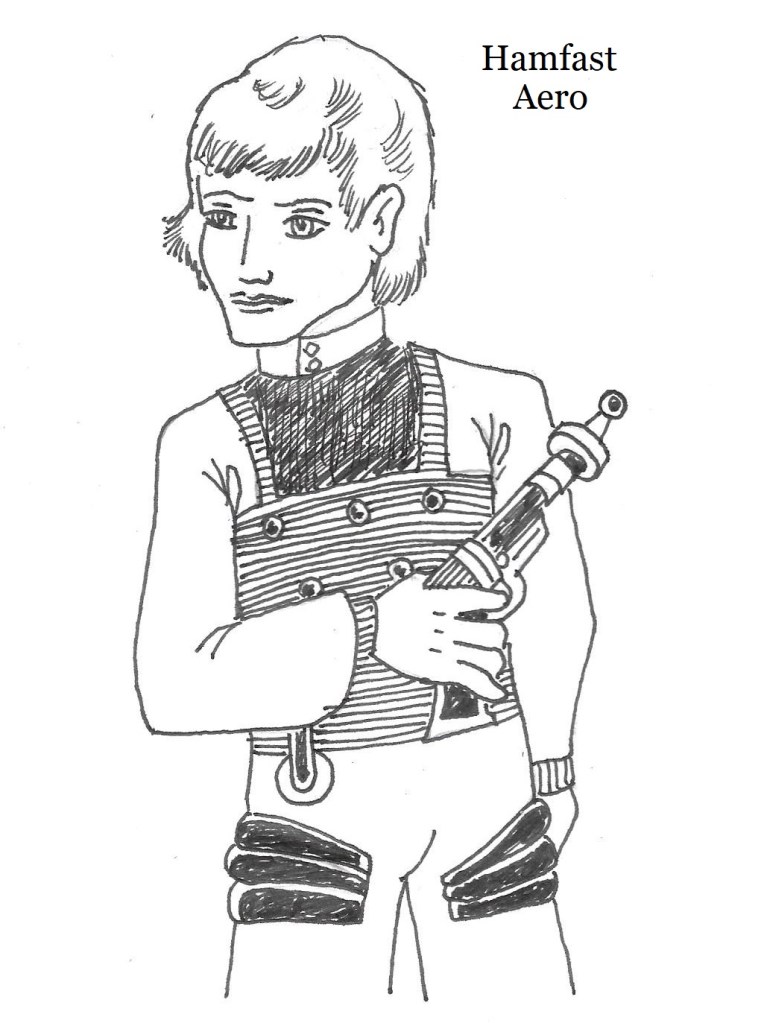
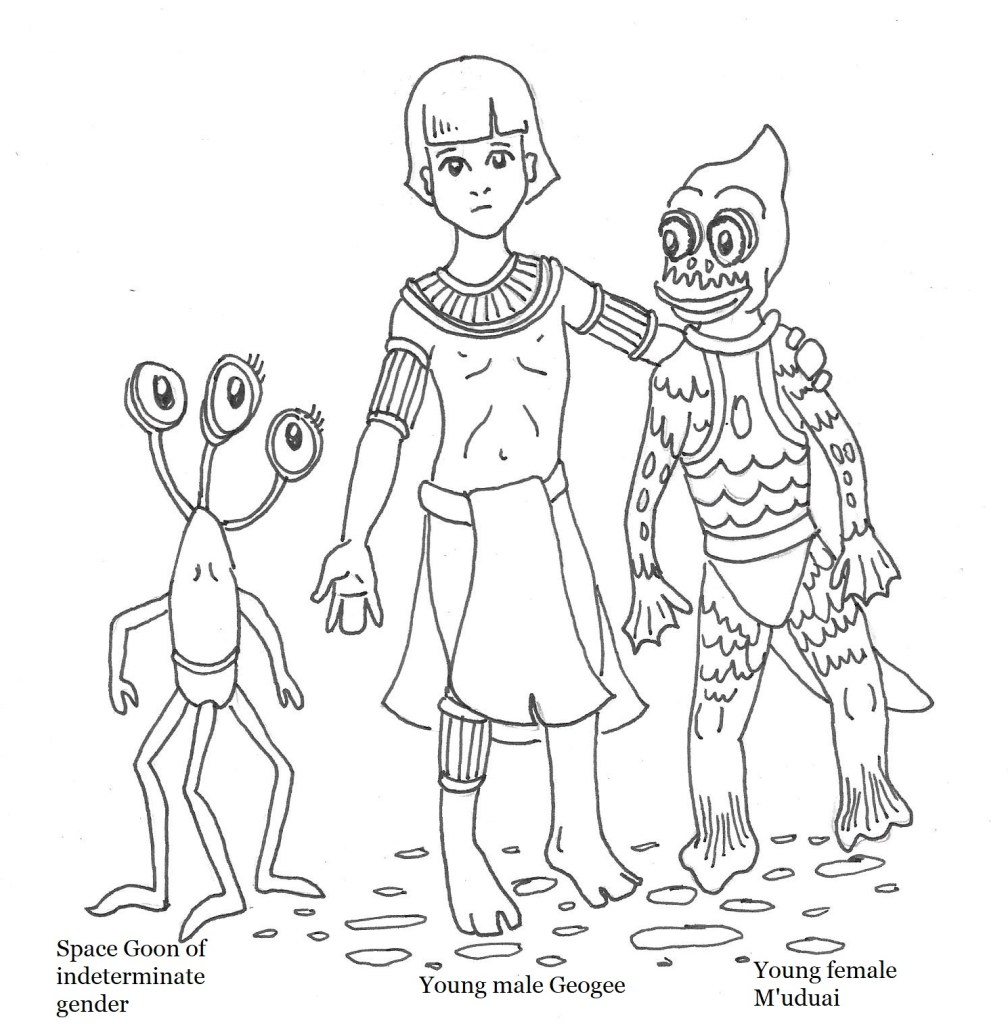
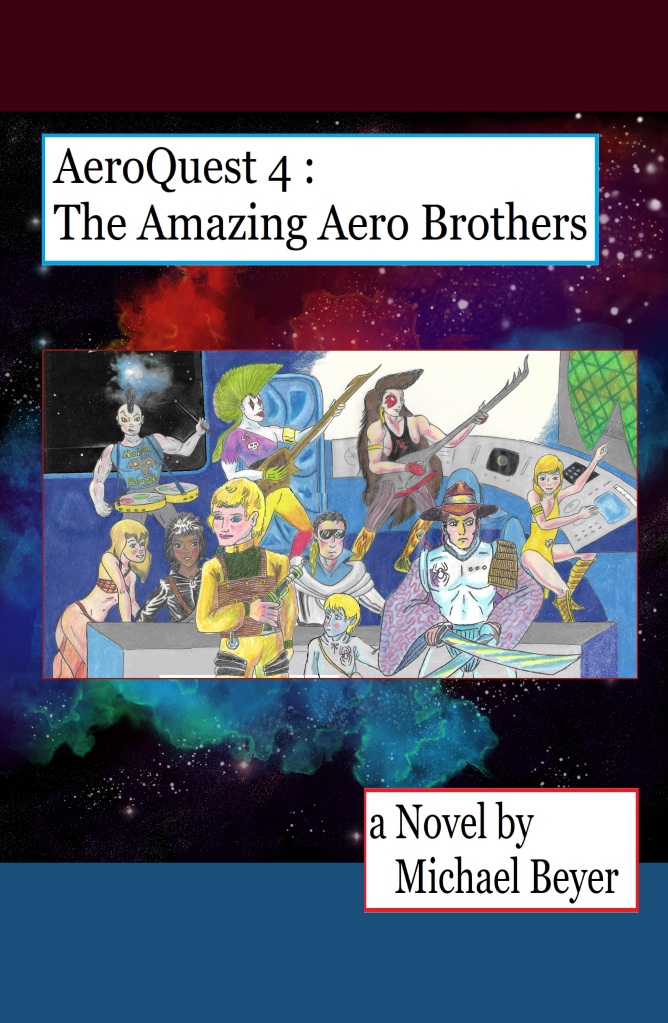
My title doesn’t mean that I am free from writing space books. These bizarre little sci-fi satires keep reeling out of the space between my ears. My head is full of science fiction froo-froo. And it has to go somewhere. So, in honor of Book 3 of the AeroQuest series being free this weekend (through September 22), I am posting today more AeroQuest art.
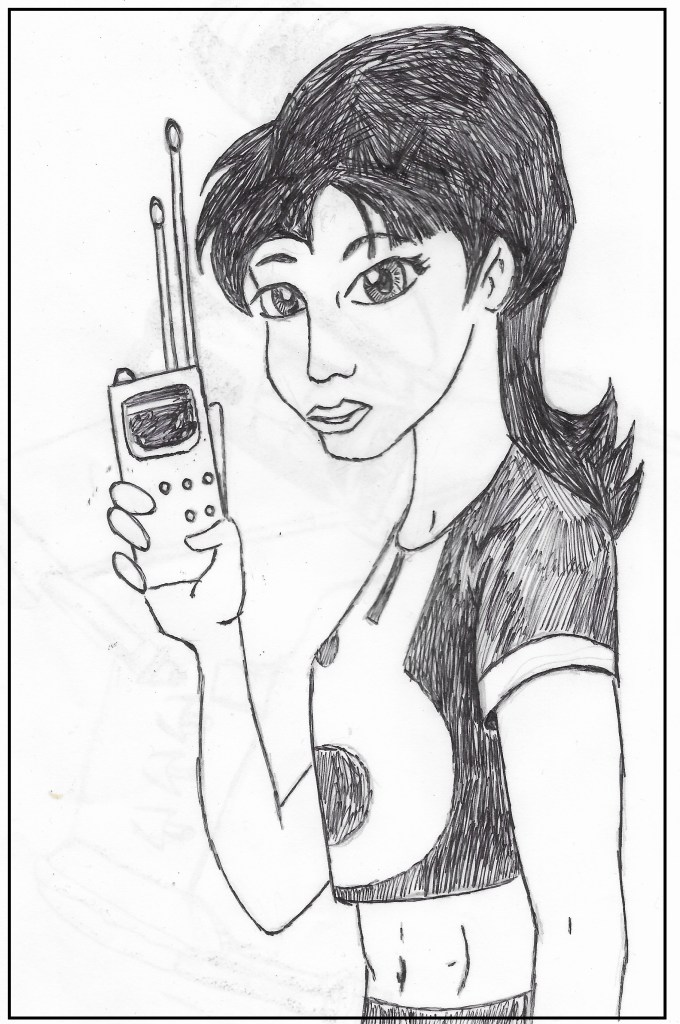


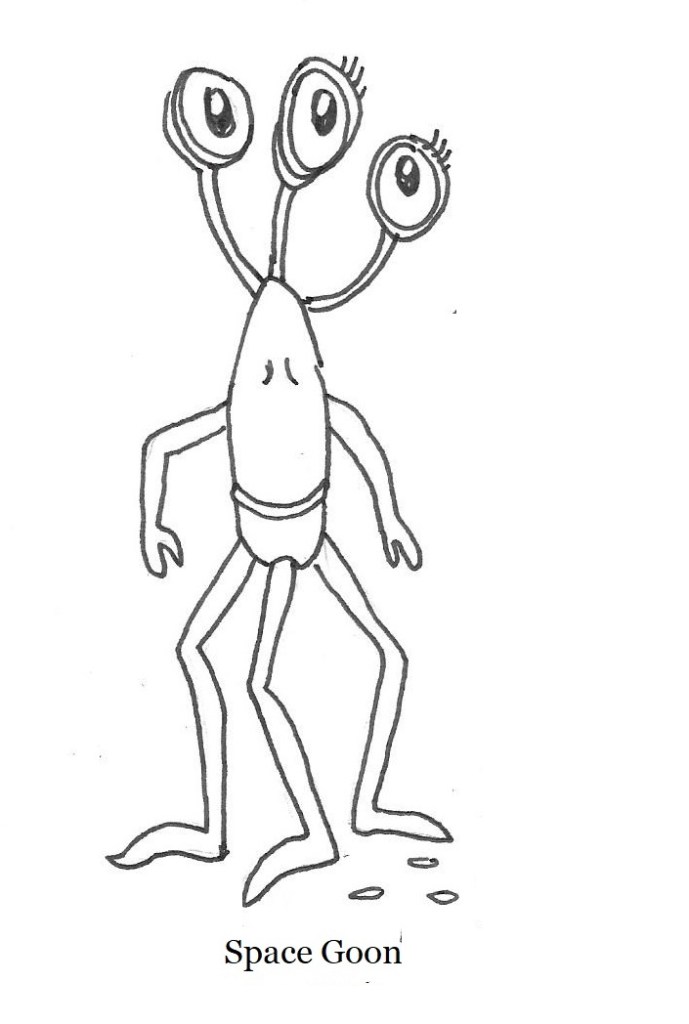
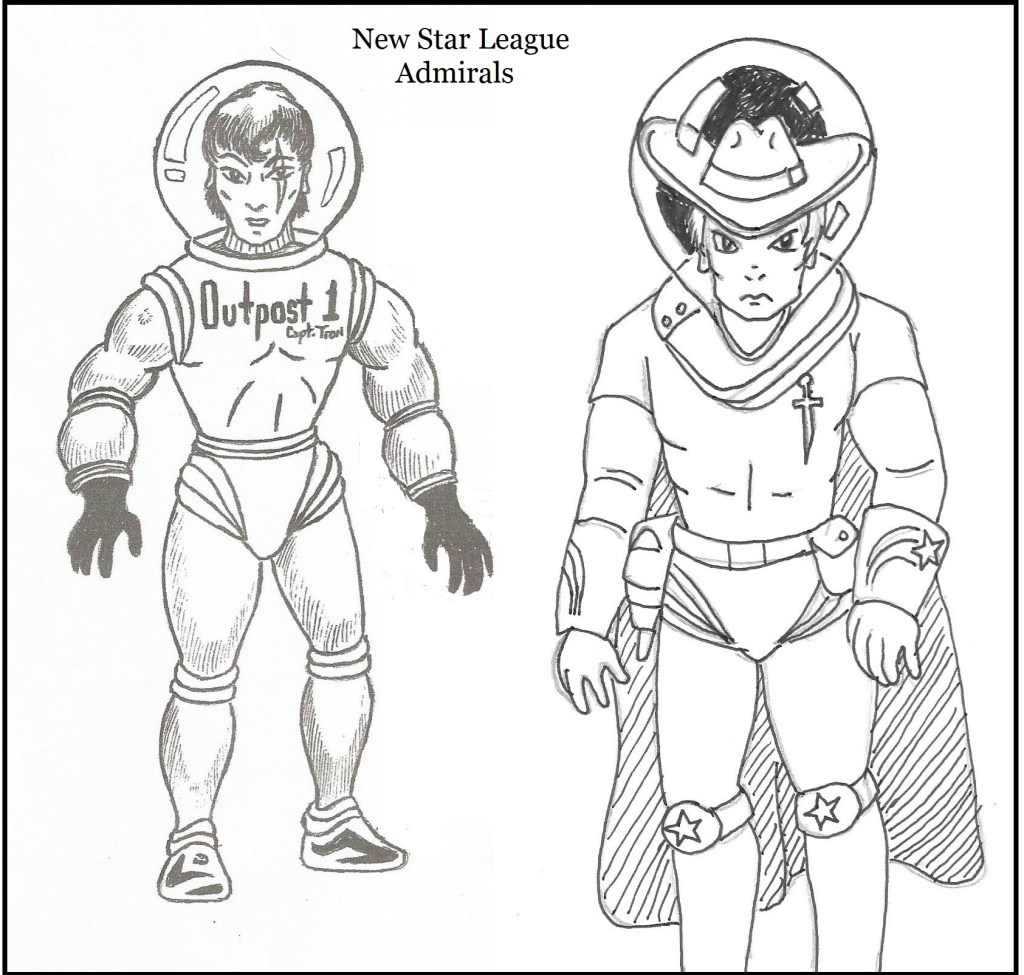



Filed under aliens, artwork, illustrations, novel, Paffooney, pen and ink, satire, science fiction
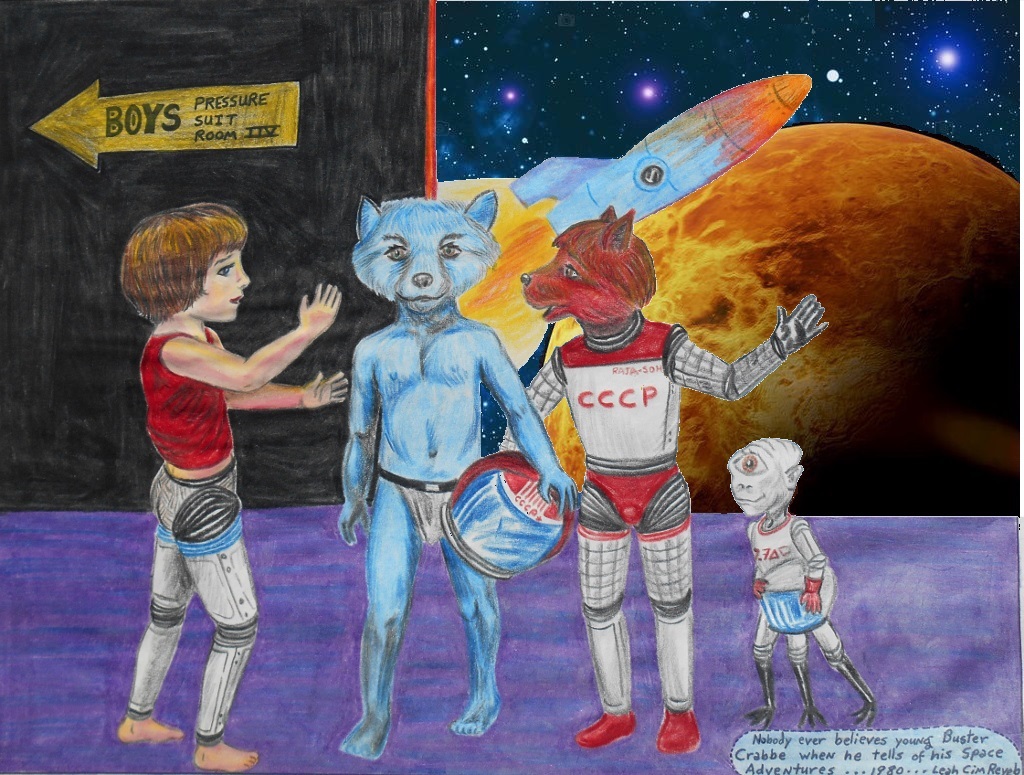
A lot of my artwork has to do with students and teachers, and of course, the schools they attend. I wonder where this obsession came from?
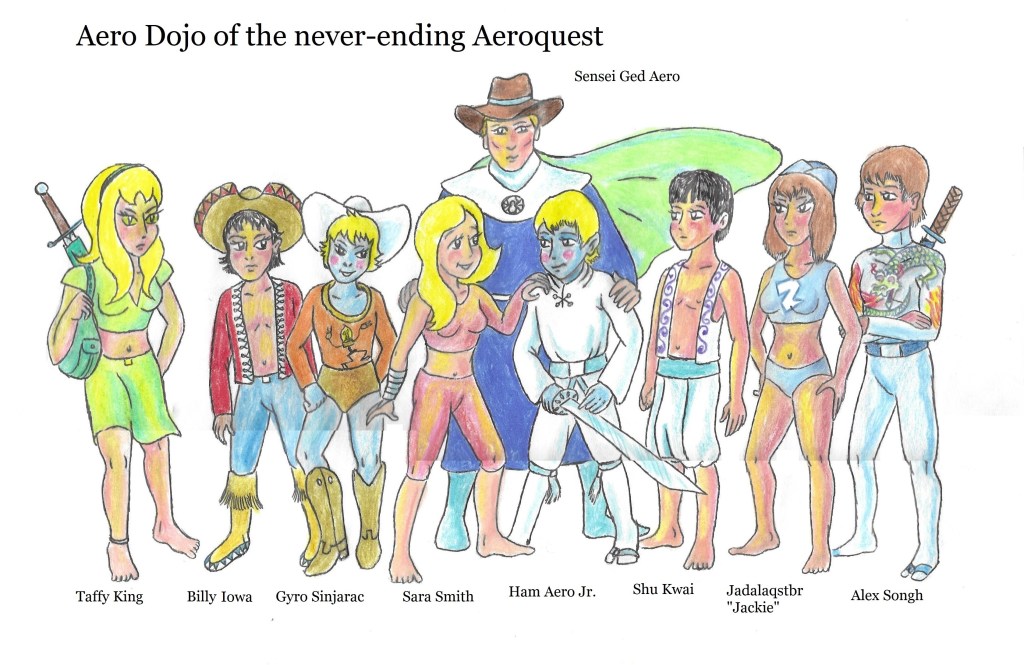
There’s a lot of science fiction elements in school. After all, we are preparing students for the future.
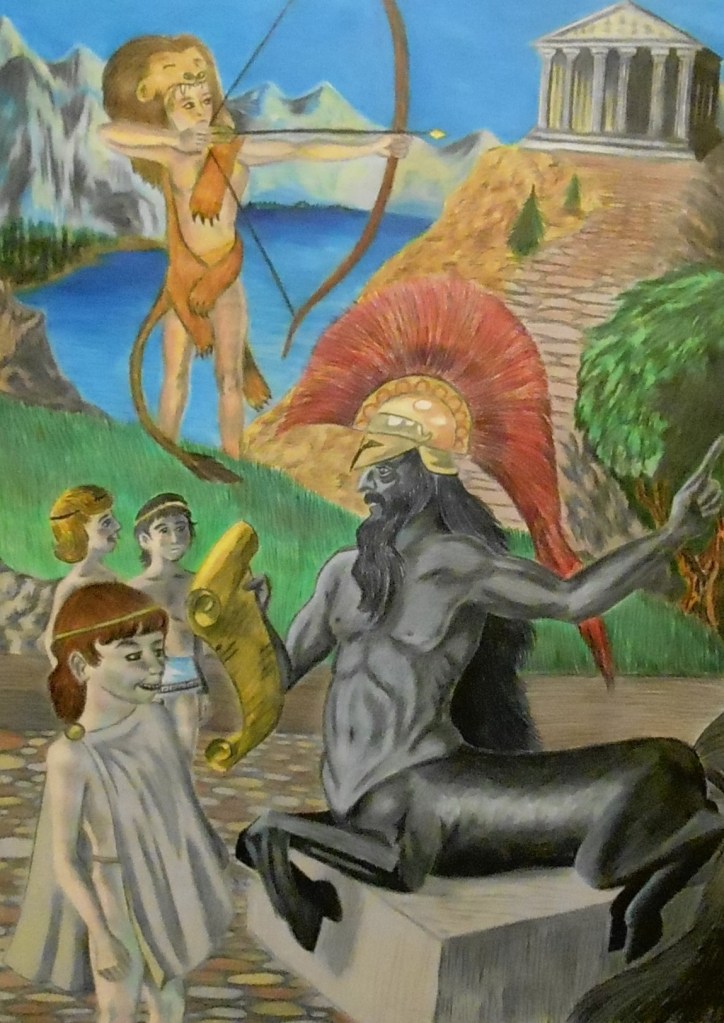
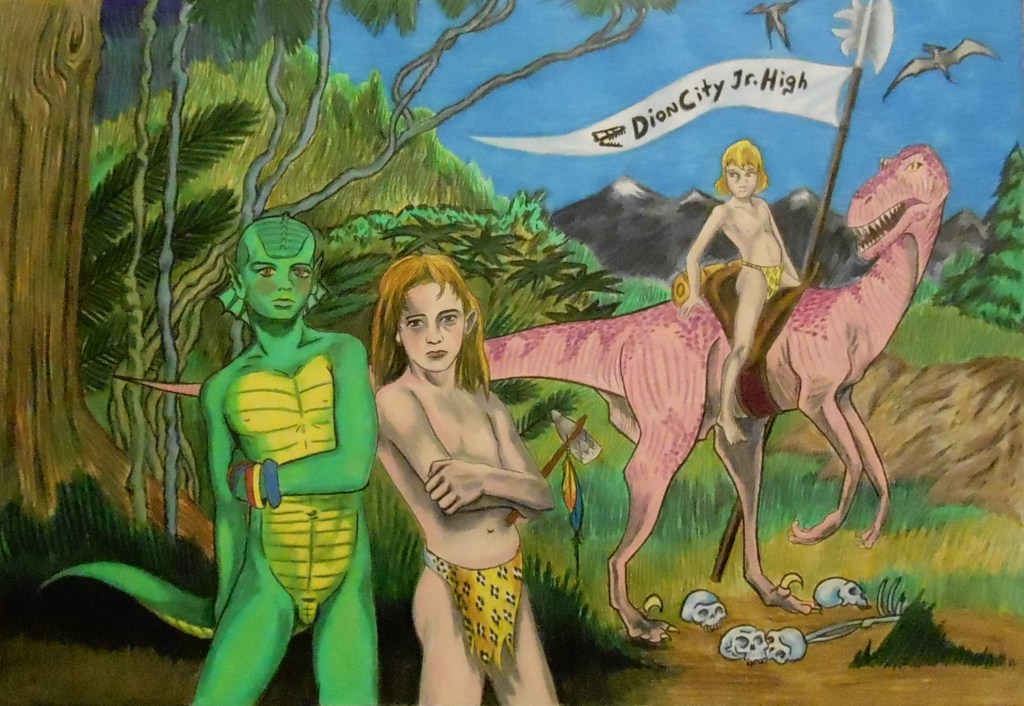
It is hard to tell just by looking whether this school is in the past or in the future. The secret is, this illustrates a science fiction novel I haven’t written yet. It is on another planet three thousand years in the future.
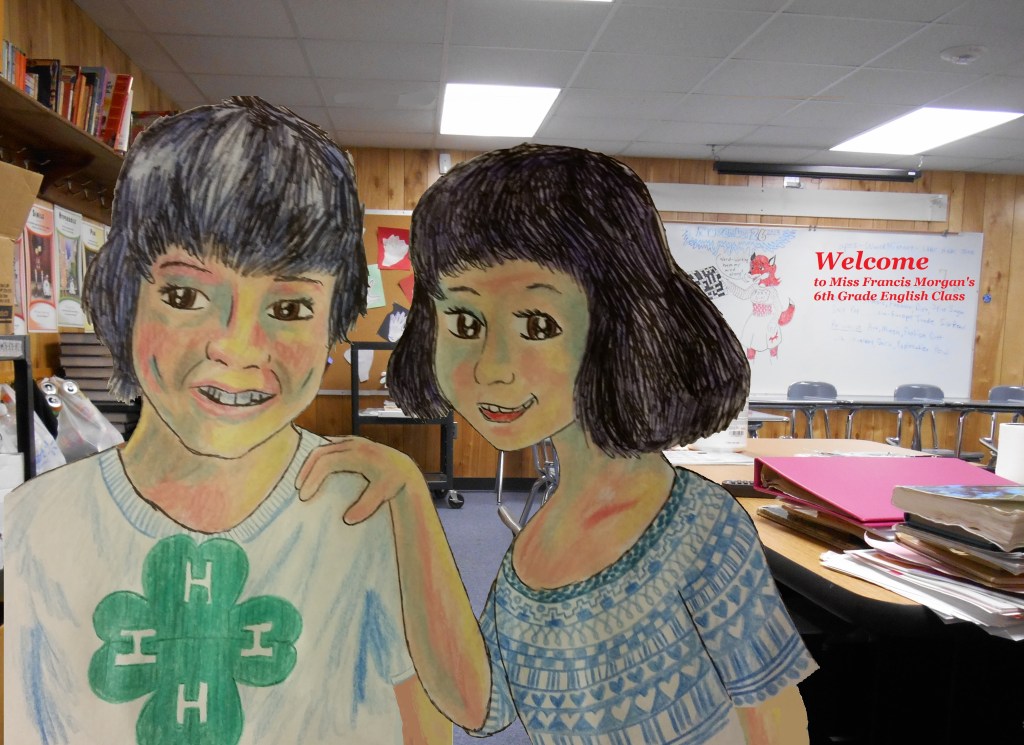
This picture of one of my last high school ESL classes is not realistic. Students are far more cartoonish than they are pictured here.

Of course, school is not about the teachers. It is about the students.
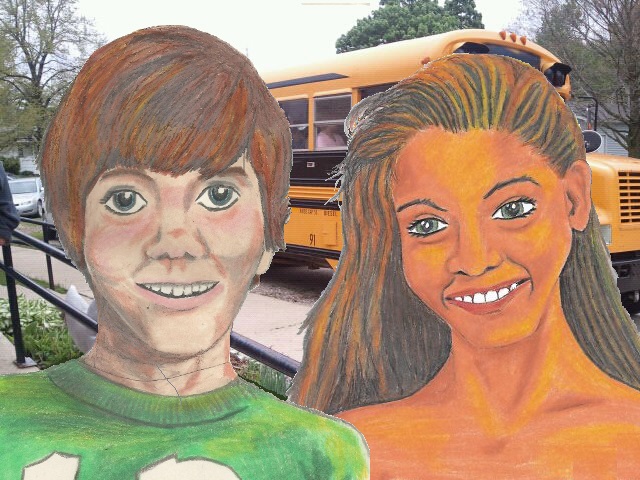
These two are Blueberry Bates and Mike Murphy.
They are fictional people.
But they are based on three different seventh grade couples I taught in Texas.
One set actually grew up and married each other.
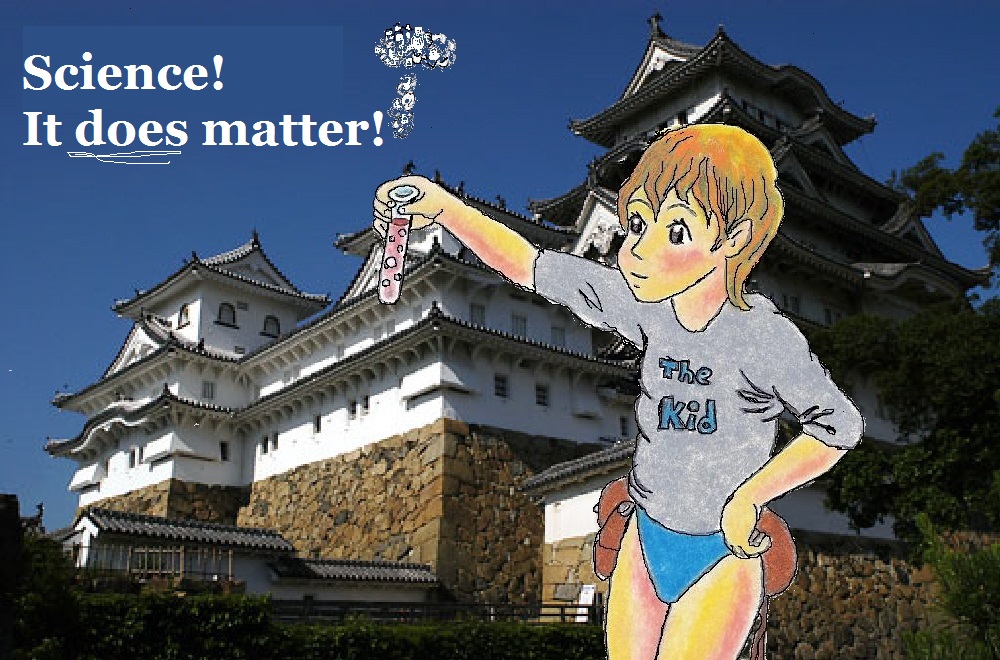
You know how you can tell that this school is from science fiction? The student in the picture is actually a robot who looks human.
Ah, school! How I miss it.
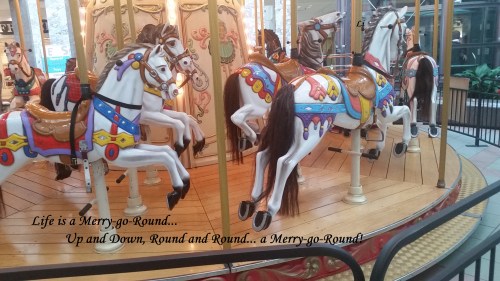
Life is a Merry-Go-Round…
Up and Down,
Round and Round,
A Merry-Go-Round.
And if you can’t handle
The horse you are riding
Tame and gentle as he is,
Then take a quick shift
To the horse right behind you
As the circle continues to whiz.
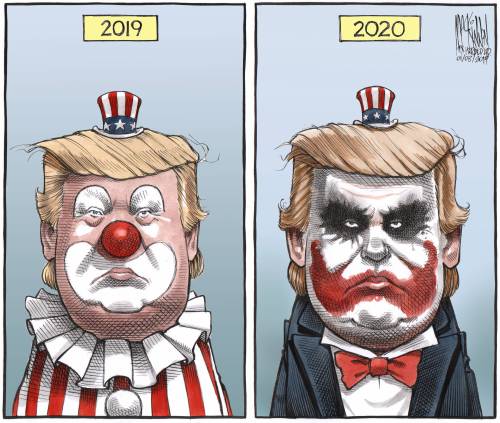
I promised I wasn’t going to talk about him anymore. He befouls my dreams and makes my life harder, but noticing him, even with a heart full of scorn, is what he wants me to do. Even negative attention gives his little black Grinch-heart joy.
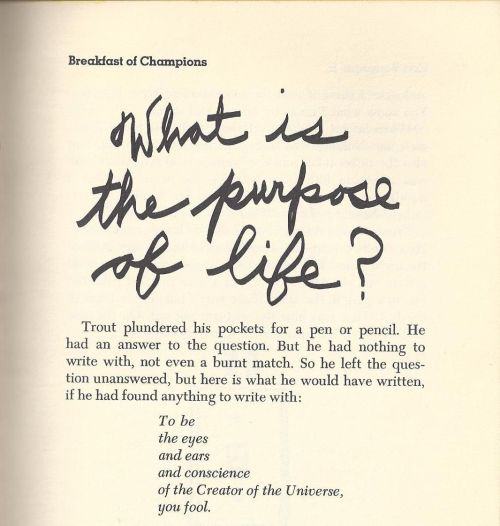
Kurt Vonnegut is dead. His life and his works are complete. But he is still with me, the creator’s eyes and ears are still here.
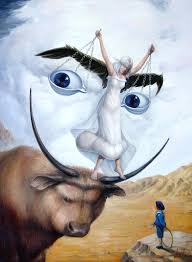
Salvador Dali is dead. His life and his works are complete. But he is still with me. Clocks still melt to his timetable.
…
…
…
;;;

Judy Garland is dead. Her life and her works are complete. But she is definitely still with me as I sing her signature song to myself, wishing to be beyond the rainbow.
Michael Beyer is not dead. His life and his works not yet complete. But he is still working, and writing, and more, And the sugar in his heart is still sweet.
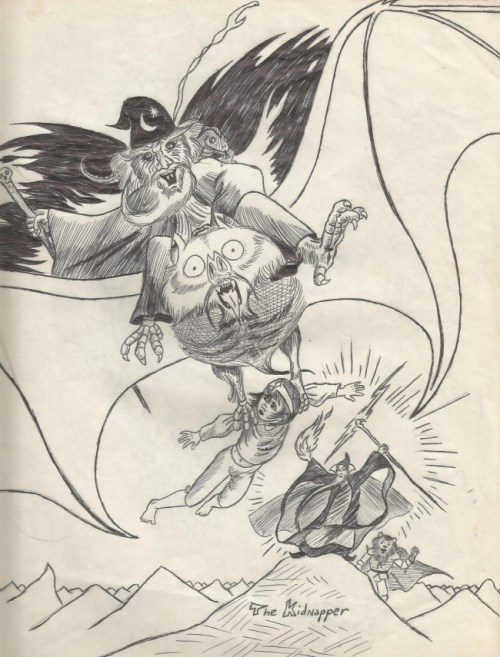
Yes, I am quite unhappy with the world the way it is. He has done terrible things, and yet they let him stay where he is. There is no excuse for it. The evidence is there for anyone not looking with their eyes closed.
But even though his promises are lies, I shall keep mine. Notice, I have not mentioned his name. But you still know who I mean and what he has done.
And I have never spoken of him as the “P-word” of the United States. So, my promises are unbroken, even though I can’t ignore him. I will vote against him, if God allows me to live that much longer.
He no longer makes me upset.
Now he just makes me poetic.
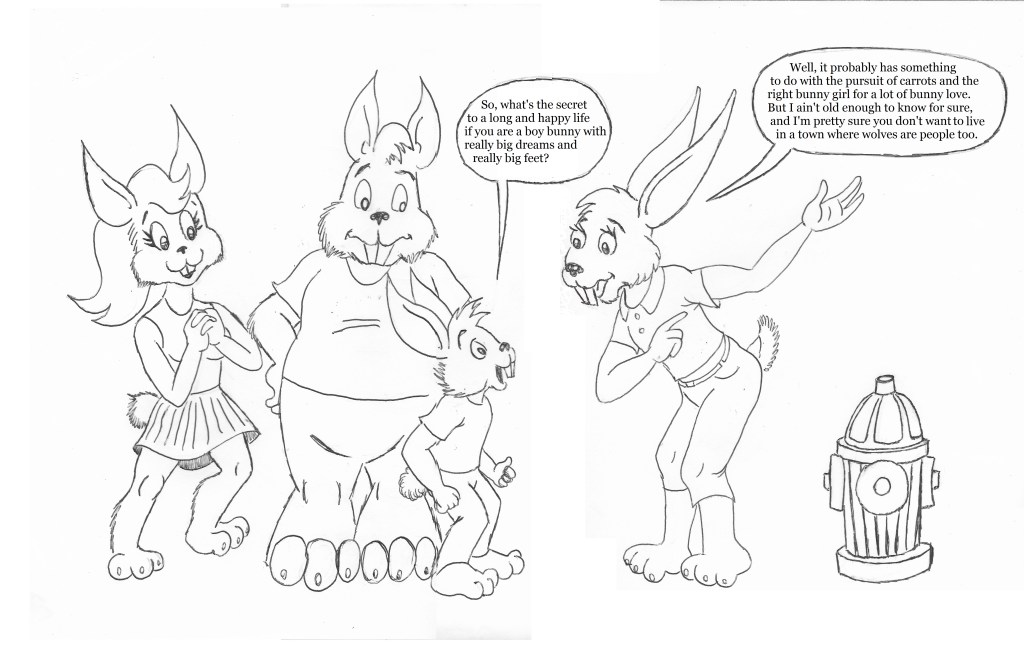
Okay, big miscalculation here. My old eyes can’t read the rabbit-talk in this cartoon. So, let me do something about it.
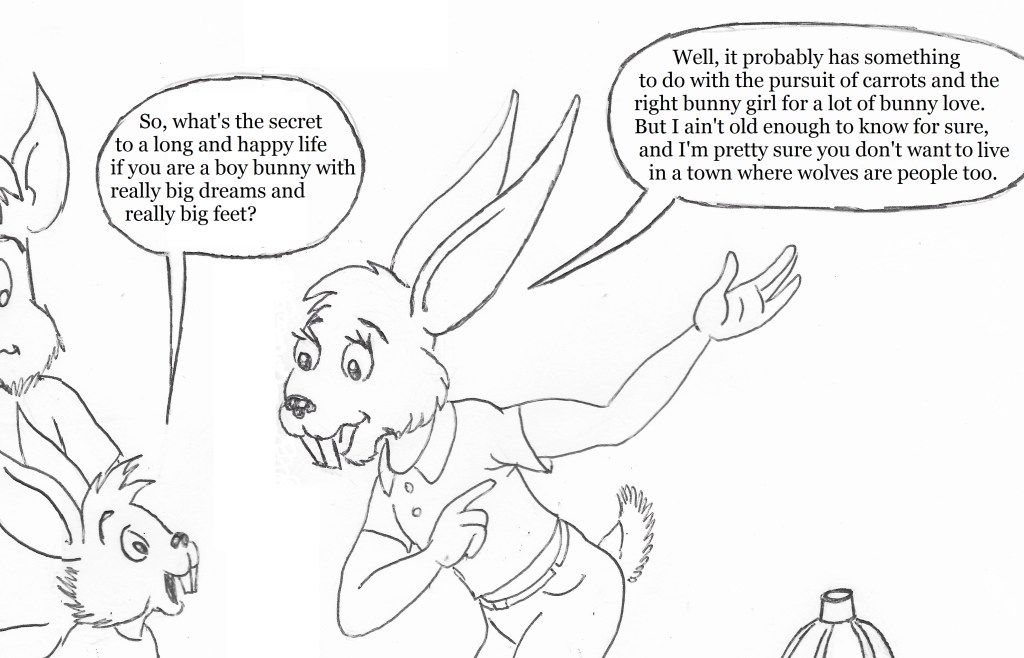
Nope. I can read it now. But that’s the problem. Not only is it not funny, but it’s also sorta racist. But wolves do eat rabbits. Still…
News in the RabbitTown Gazette includes the fact that my son is nearing recovery from COVID 19, and nobody in the house has caught it from him. He gets tested on Saturday so he can return to work if the test is negative.
Of course, the nation-wide news is not so great. This is 2020 after all, even in RabbitTown. The price of carrots is still within reach. But rabbit people are continuing to get sick from the pandemic which will be with us well into 2021.
And the weasel in the really bad weasel-wig that somehow got elected Prexydon’t is still favoring wolf-people, even when they kill an unarmed rabbit. And he blames the rabbits for being mad about how the wolves seemed to get away with murder. He twists the facts to suggest that exercising your right to peaceful protest is the cause of the chaos.
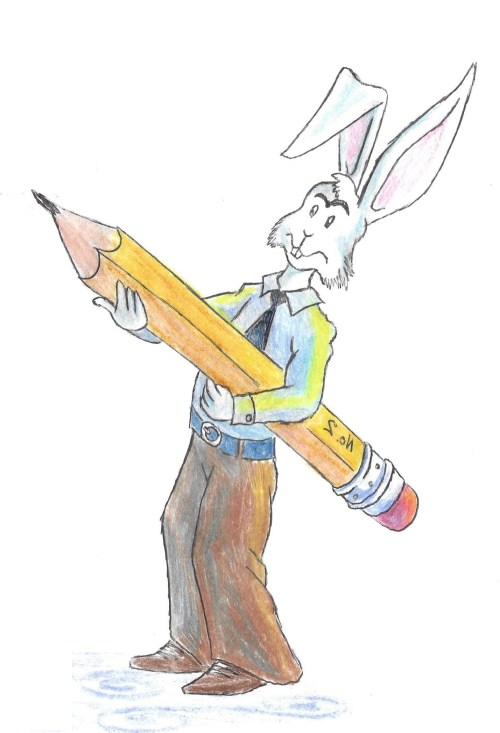
According to the featured editorial in the RabbitTown Gazette, you should be able to say, “Rabbit lives matter!” without having wolves answer back, “You mean ALL lives matter!”
After all, if you can’t admit out loud that “Rabbit lives matter,” then you really mean the opposite when you are saying, “ALL lives matter.”
Rabbits, whether they are black, white, brown, or red, have unique rabbit qualities, and they all have a basic worth. And I don’t mean as food for wolves.
The paper seems to have only bad news about the economy when you look at it from a rabbit perspective. Sure, the wolves are doing great right now on Wall Street, but that doesn’t help those of us who are not invested in the stalk market. We regular rabbits, and especially poor rabbits, are struggling to keep carrots on the table.
So, it is time for all good rabbits to do whatever a rabbit can. And that’s the way it was today in Rabbit News.
Filed under angry rant, artwork, cartoons, commentary, humor, Paffooney, rabbit people, racial profiling, satire, surrealism


Another Saturday Gallery Peek
The thing about being an artist that I can’t seem to really explain, if I even am one, is “Why?” I mean why am I an artist? I am not a camera. You look at my imperfect drawings, and you can see it is a drawing. Even if I did photo-realistic drawings, I would still have to wonder “Why?” Why go to all that work if we have cameras for that?
And if we draw something that never was, but might have been… if only we were made like gods and could control everything around us completely… why is that worth doing? Just to see things through my eyes? I have weird eyes. They see skateboards with flaming Bart Simpsons on them saying, “Eat my shorts!” What is the value of that?
Perhaps this sort of “Seeing through someone else’s eyes” gives us a perspective that we could get no other way. I know I love art museums, art books, and art collections even more than I like looking at my own art. I love looking at the world as other people see it.
Maybe artwork, in one form or another is the closest we can come to truly sharing what’s inside us with other human beings, mind to mind, heart to heart, liver of blood-curdling revelation to liver of blood-curdling revelation… wait, you mean not everyone has a liver like that?
So, not everyone lives life the way I do, or knows what I know, or remembers the sweet, sad things I remember, or sees things the way I see them. Is that, then, the reason why for being an artist? Or cartoonist if you believe that I am not a real artist?
If I truly am an artist… and I am not convinced that I truly am, then I don’t answer the why questions. It is the job of the scientist to do that. I only ask the questions. And I do it by drawing the next inexplicable thing.
Leave a comment
Filed under artwork, commentary, humor, insight, inspiration, Paffooney, strange and wonderful ideas about life
Tagged as Saturday Art Day