

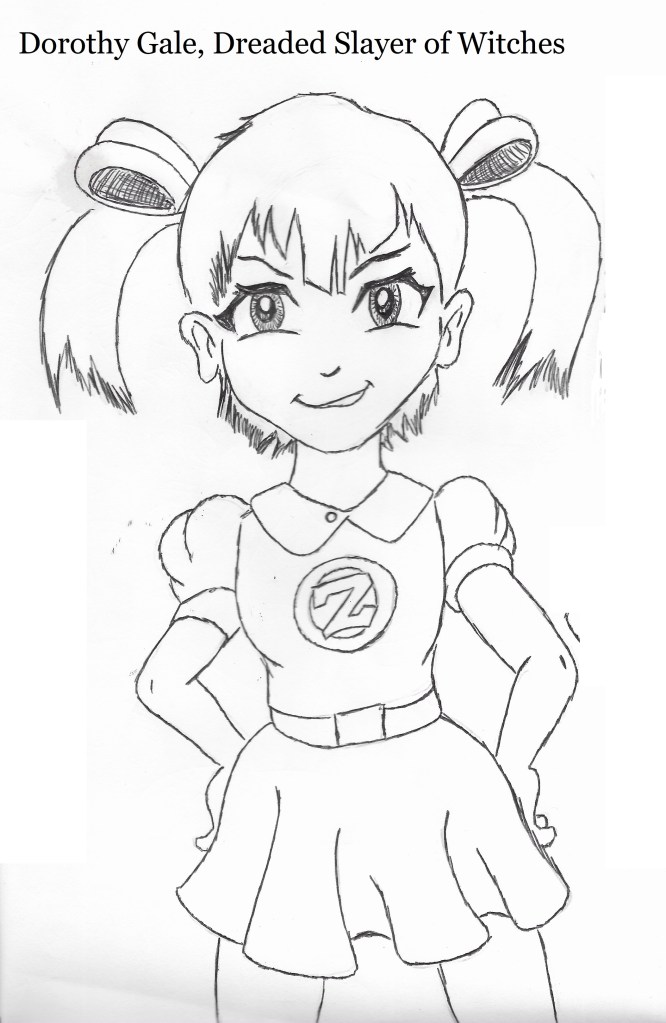
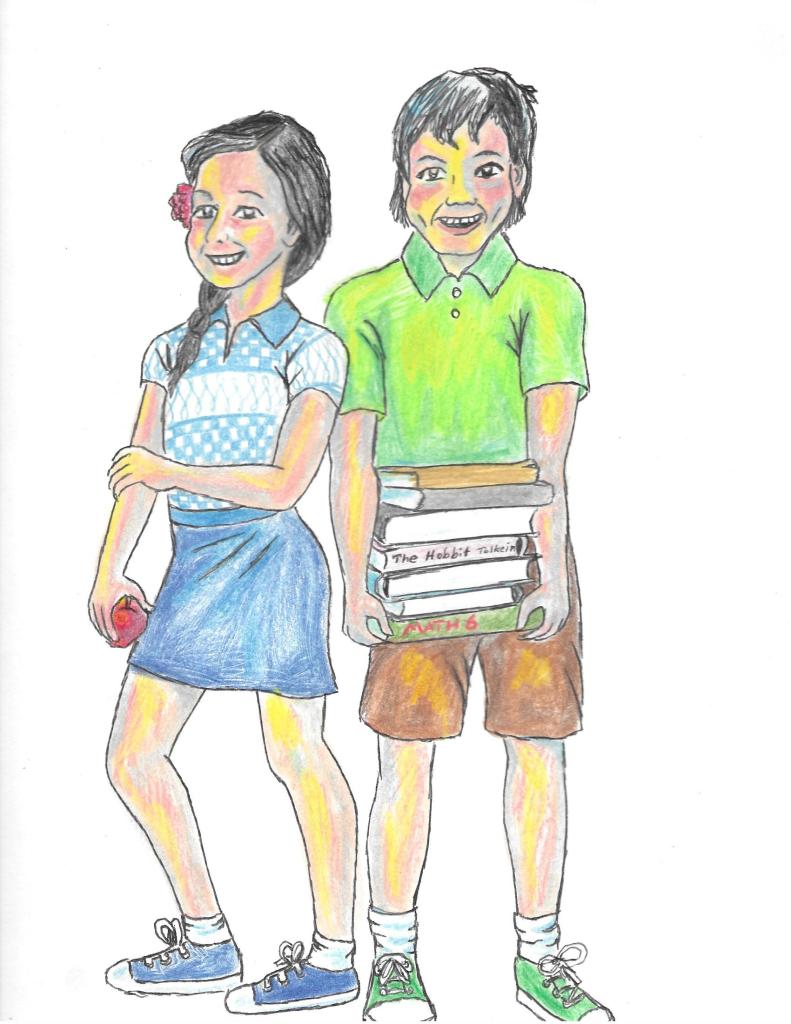
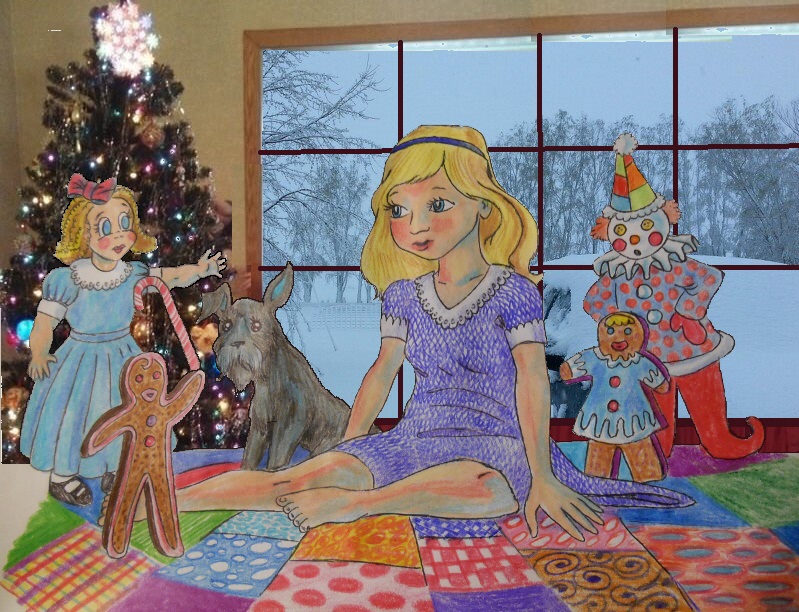
The picture called “Dorothy Gale” is an example of today’s theme. “What Mickey thinks girls look like.”
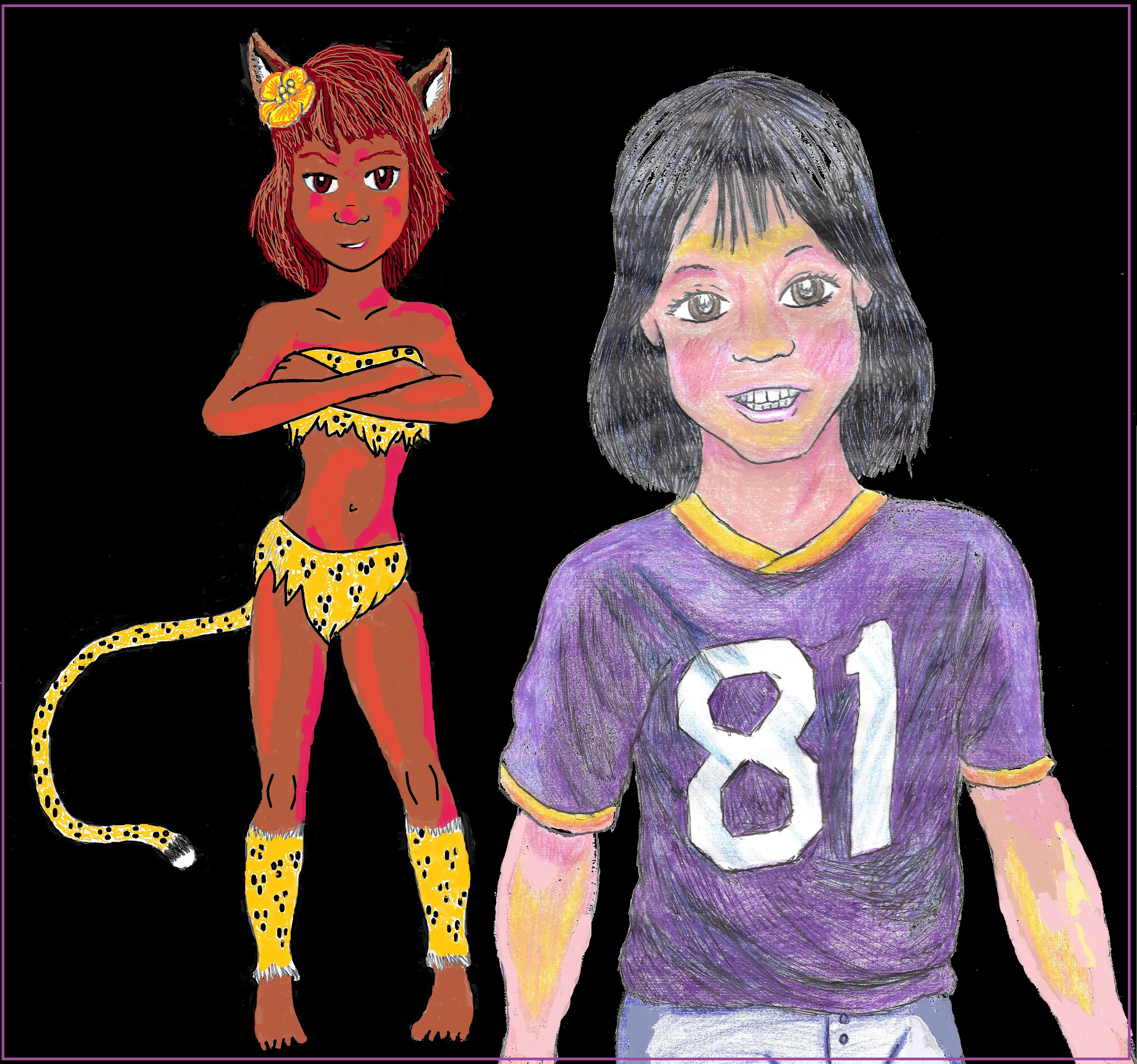

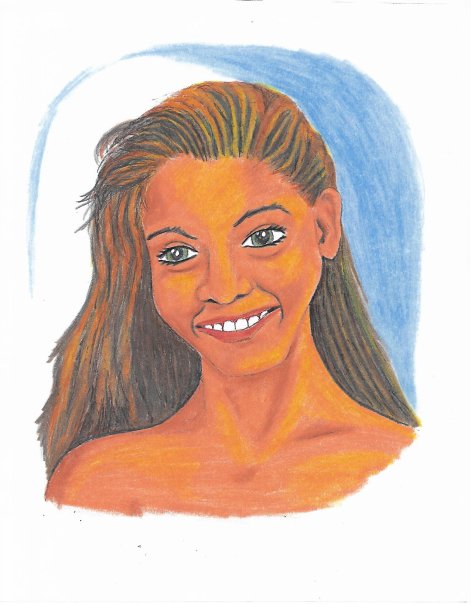
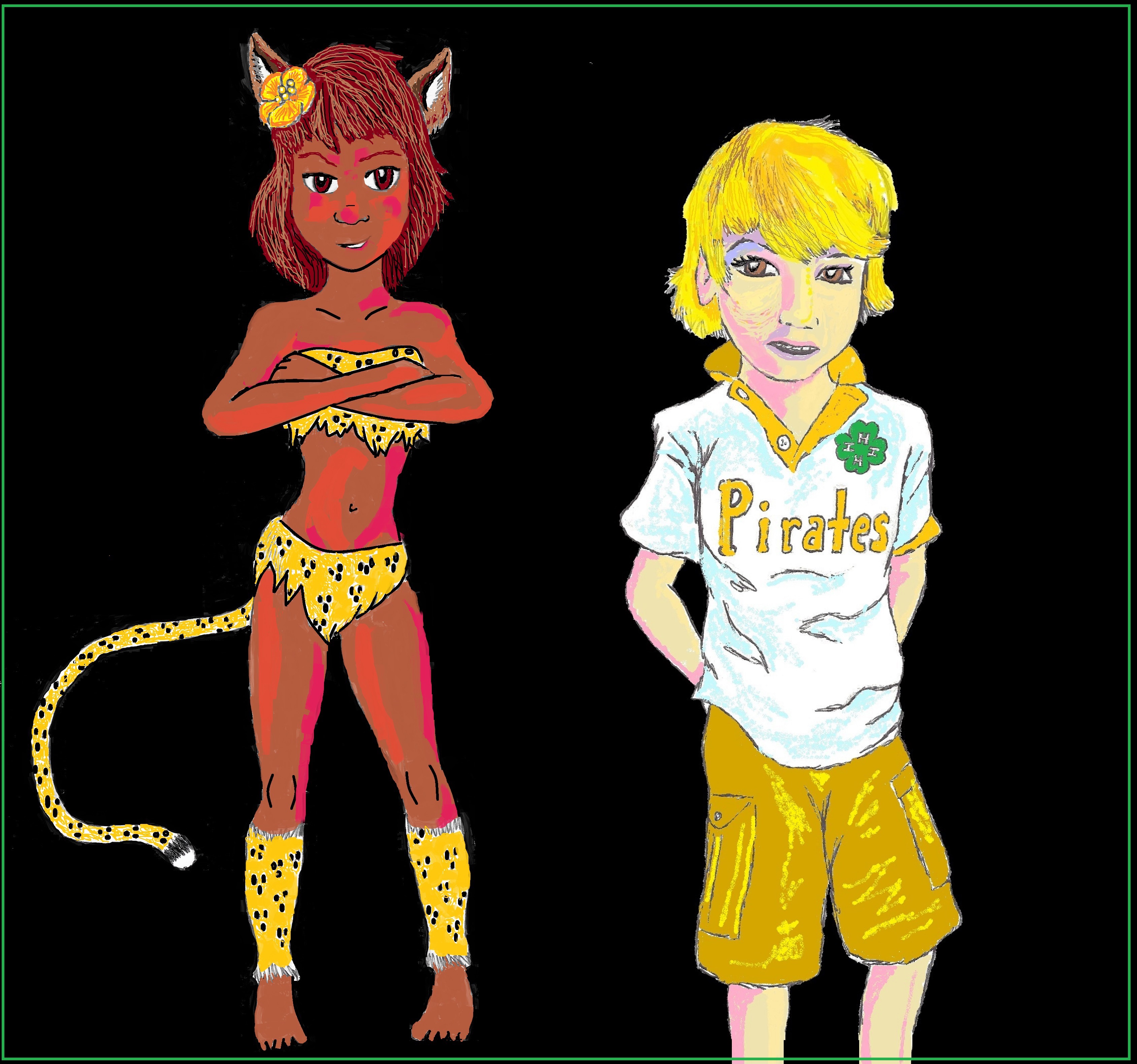
“Rihanna”

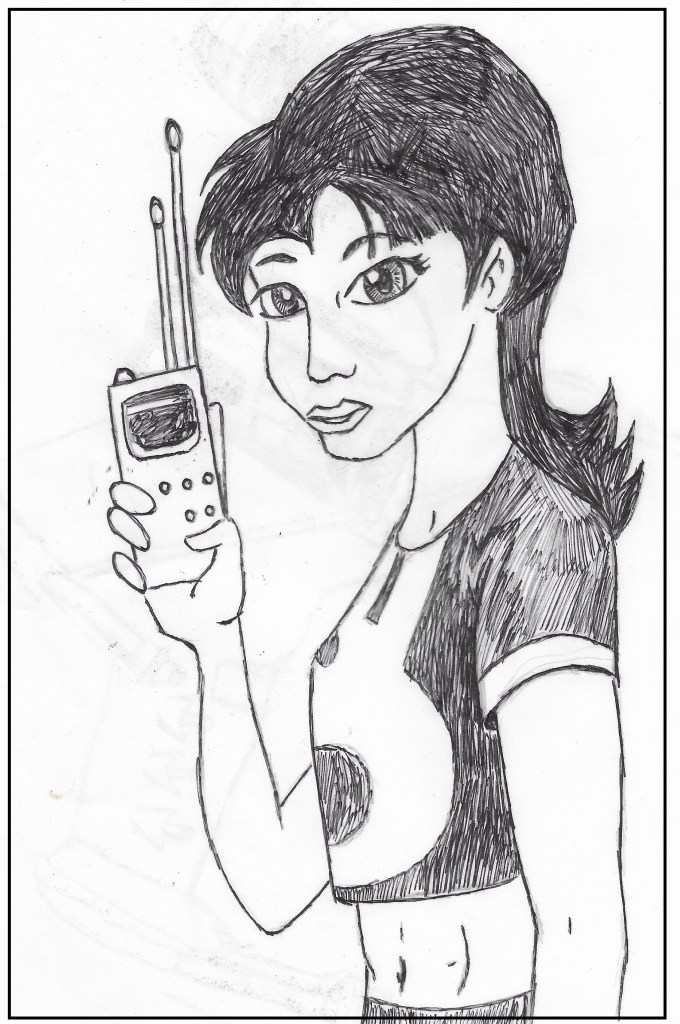
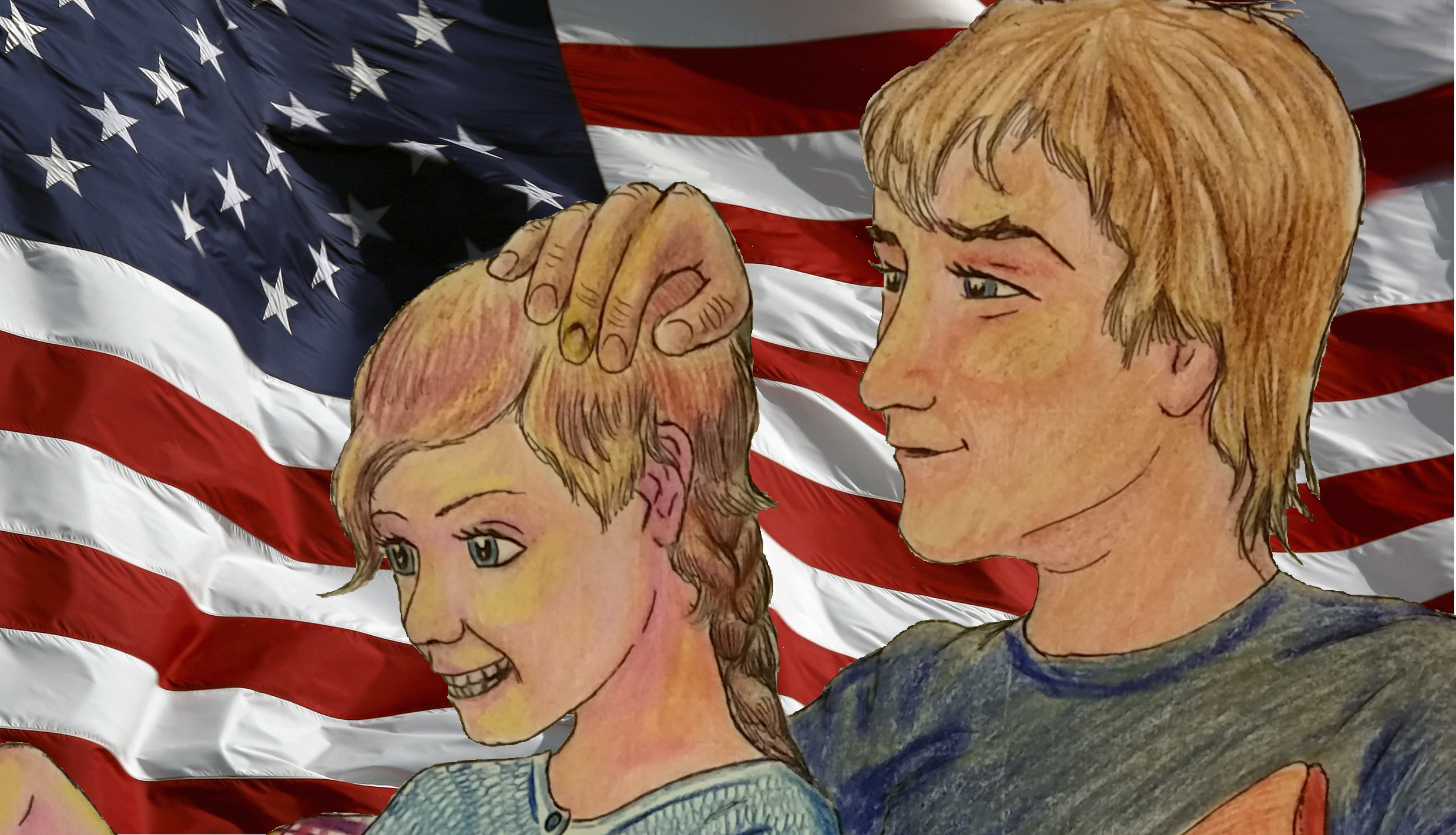
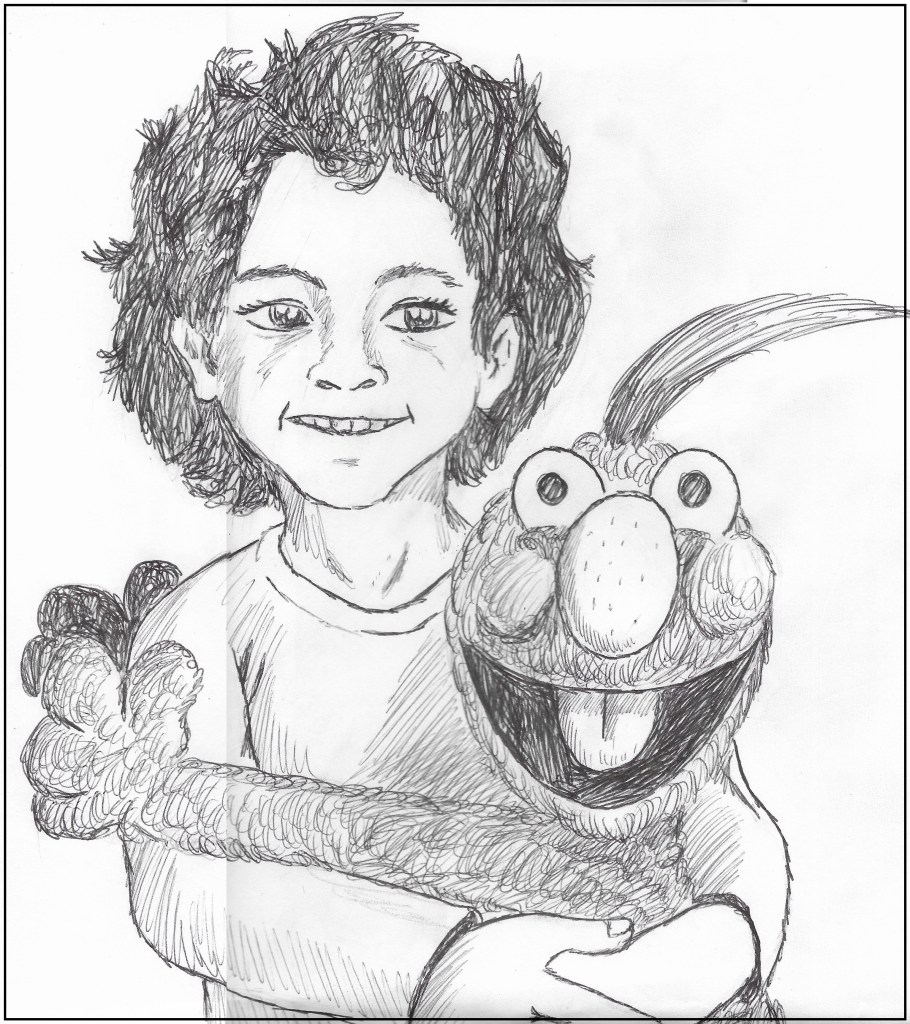
“Journalist of the Future”
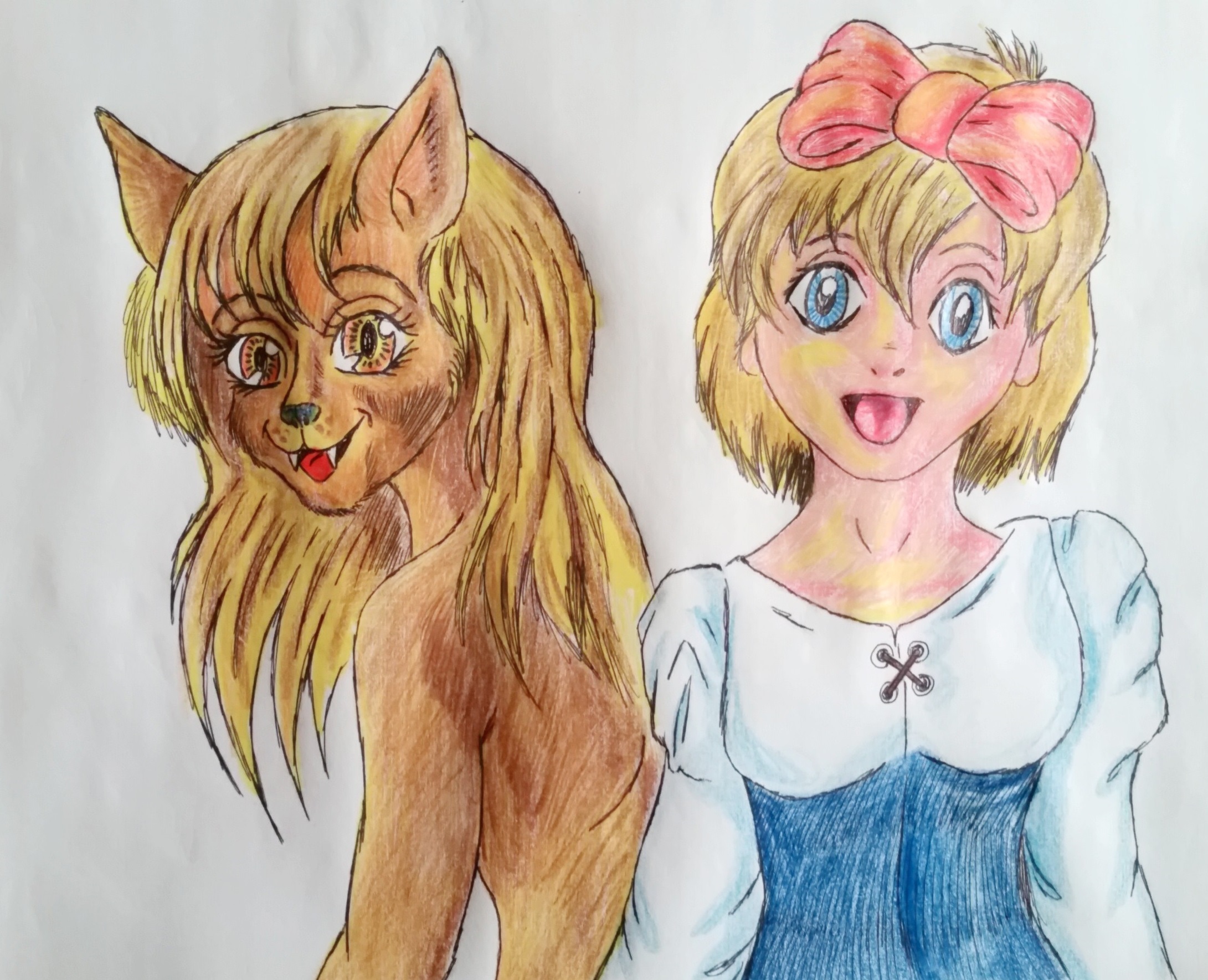
The picture called “Dorothy Gale” is an example of today’s theme. “What Mickey thinks girls look like.”
“Rihanna”
“Journalist of the Future”
Filed under artwork, cartoons, characters, humor, Paffooney
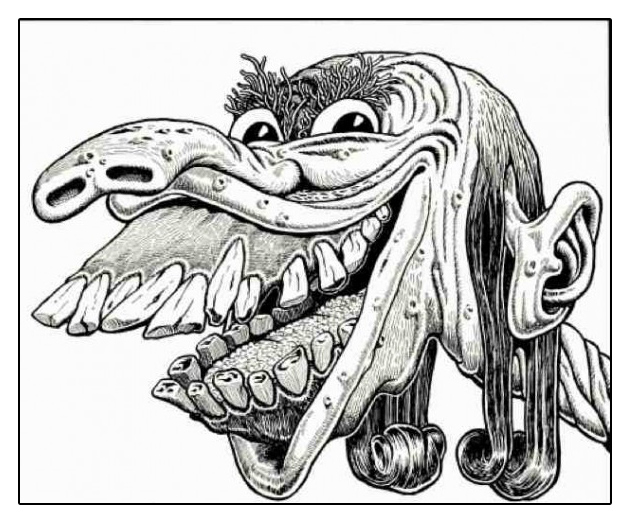
Basil Wolverton (1909 to 1978) became famous as a cartoonist by winning a contest. He submitted the picture of Lena to Al Capp’s newspaper strip to answer the question of what Lena, who had been appearing for weeks in Li’l Abner underneath a black square with an editor’s warning printed on it that she was just too ugly to be revealed, actually looked like. Capp ran the contest to depict Lena and selected Wolverton’s drawing from among 500,000 entries. I think Capp got it right when he chose this to be the world’s ugliest woman.
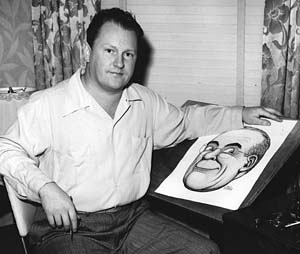
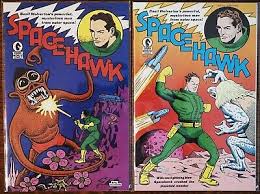
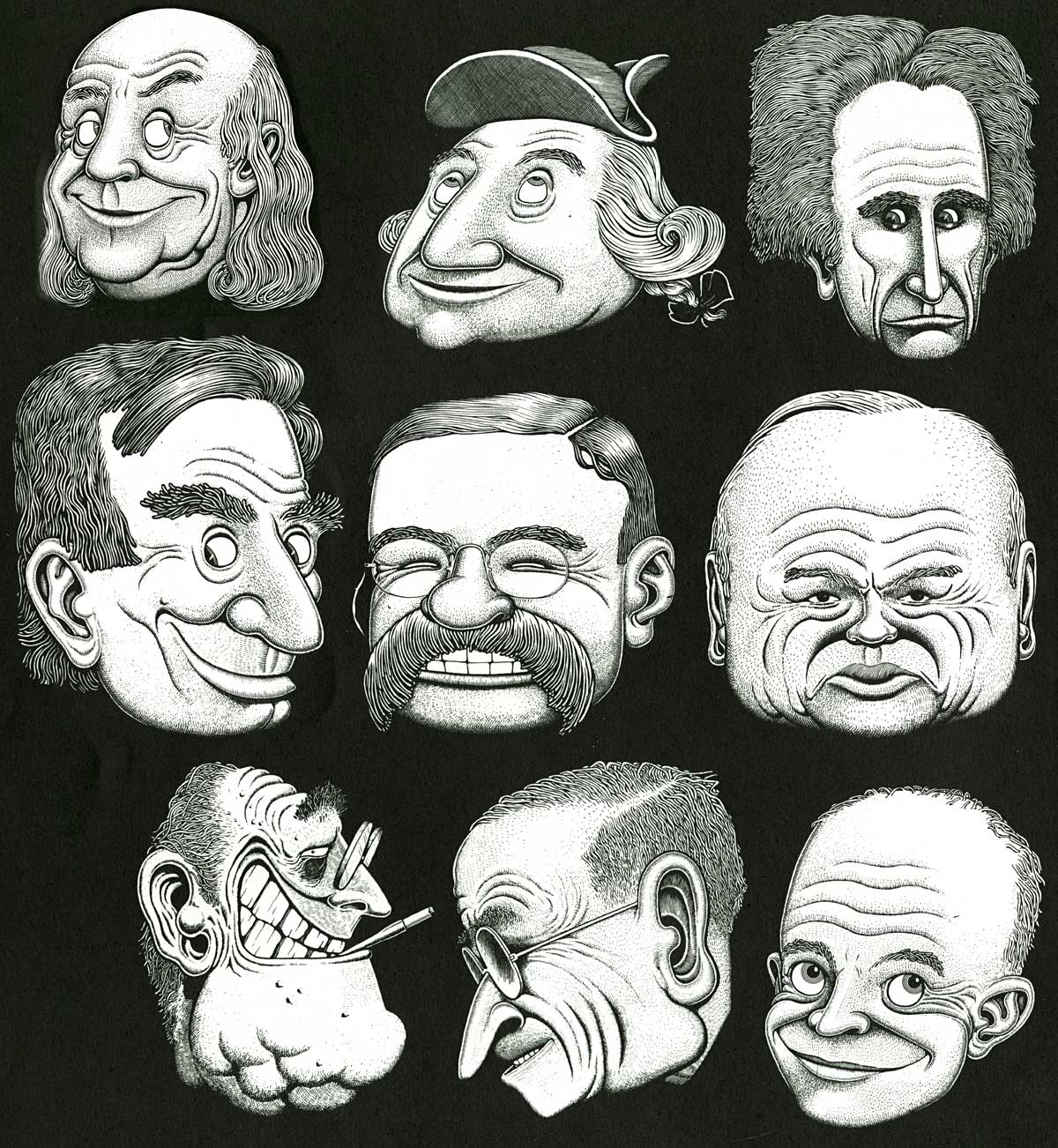
Wolverton had done comics before this one amazingly ugly picture. He did Spacehawk for Target Comics up to 1942, and he did a comic series called Powerhouse Pepper for Timely Comics (which is the company that became Marvel after the 1940’s.) But Lena not only brought him fame, it really started him down the path of his intensely detailed “spaghetti and meatballs” style of rather ugly comic art.
He used millions of little dots and lines to create art that would really soak up the printer’s ink supply and gave his artwork a uniquely “pointillistic” look.
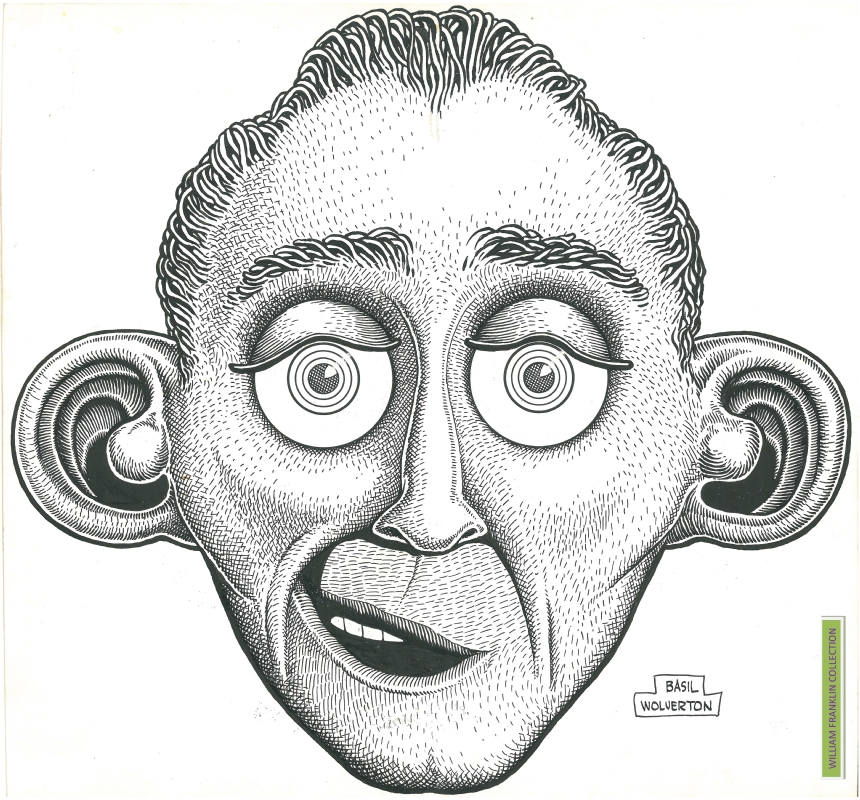
Here’s Wolverton’s portrait of Bing Crosby.
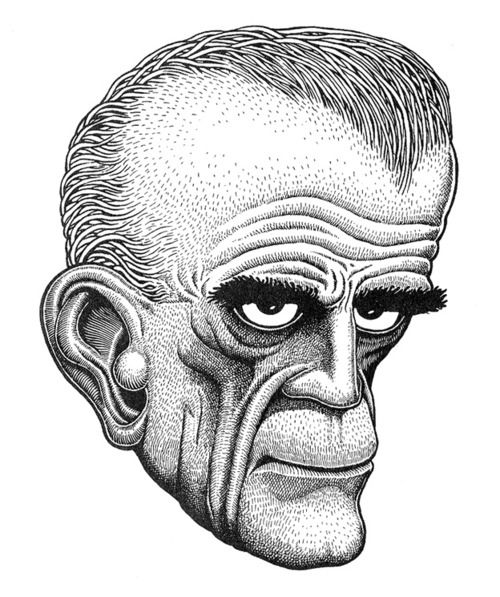
And here’s monster movie monarch, Boris Karloff.
But what really made Wolverton’s unique artwork popular and lucrative was his uniquely twisted and downright ugly portraits.
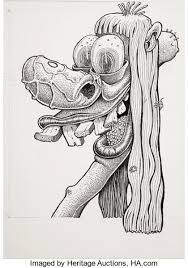
ugh! wotta beauty!
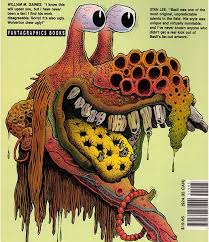
Ain’t this one… um… unique?
He would go on to be featured in Mad Magazine, Cracked, Panic Magazine, and Topp’s trading card series of Ugly Posters. He managed to do work that reached amazing levels of monstrously ugly humorous mastery of pen and ink drawings.
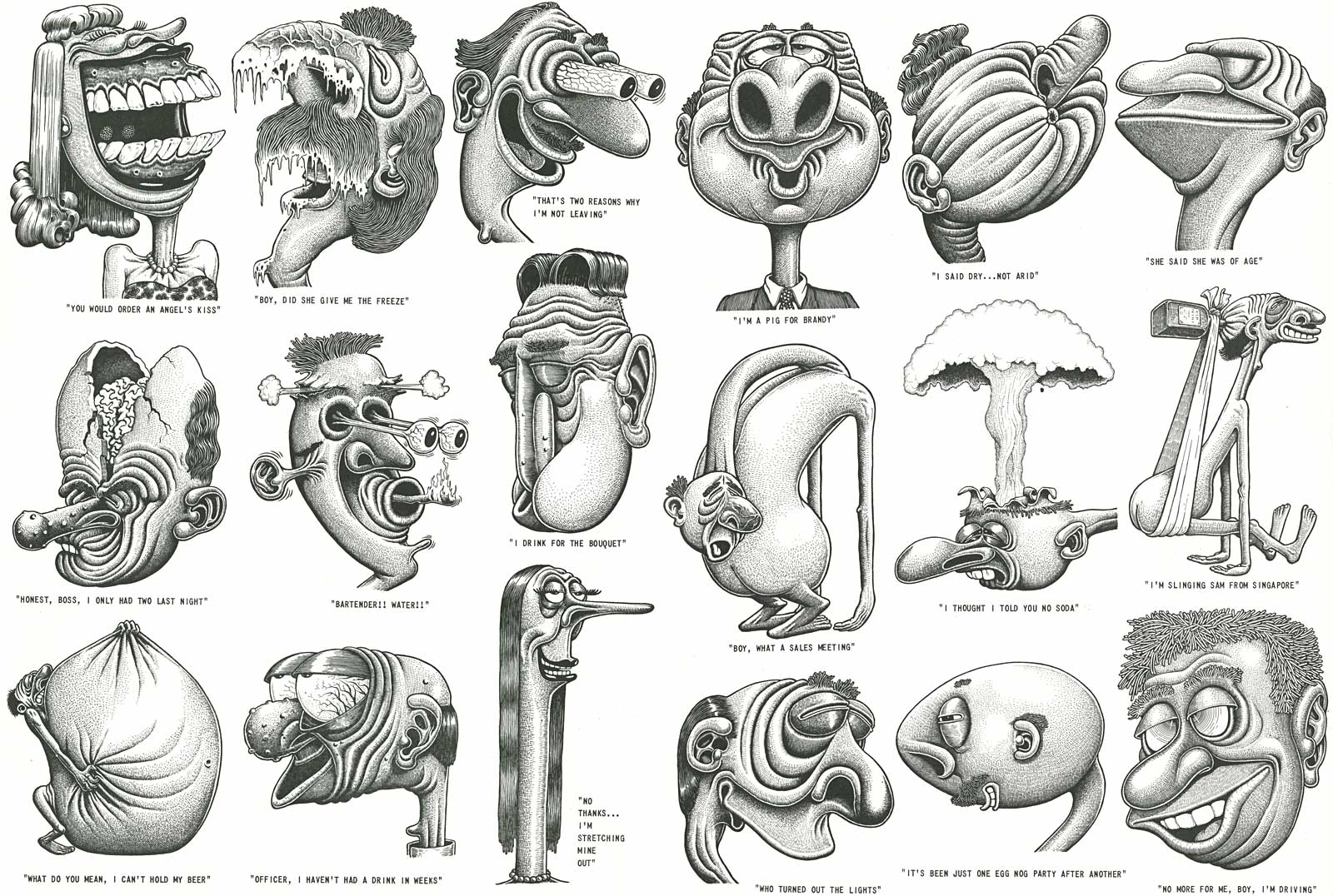
For years Basil made me laugh. But there’s no denying it… Basil masterfully drew really, really ugly artwork.
Filed under artists I admire, artwork, cartoon review
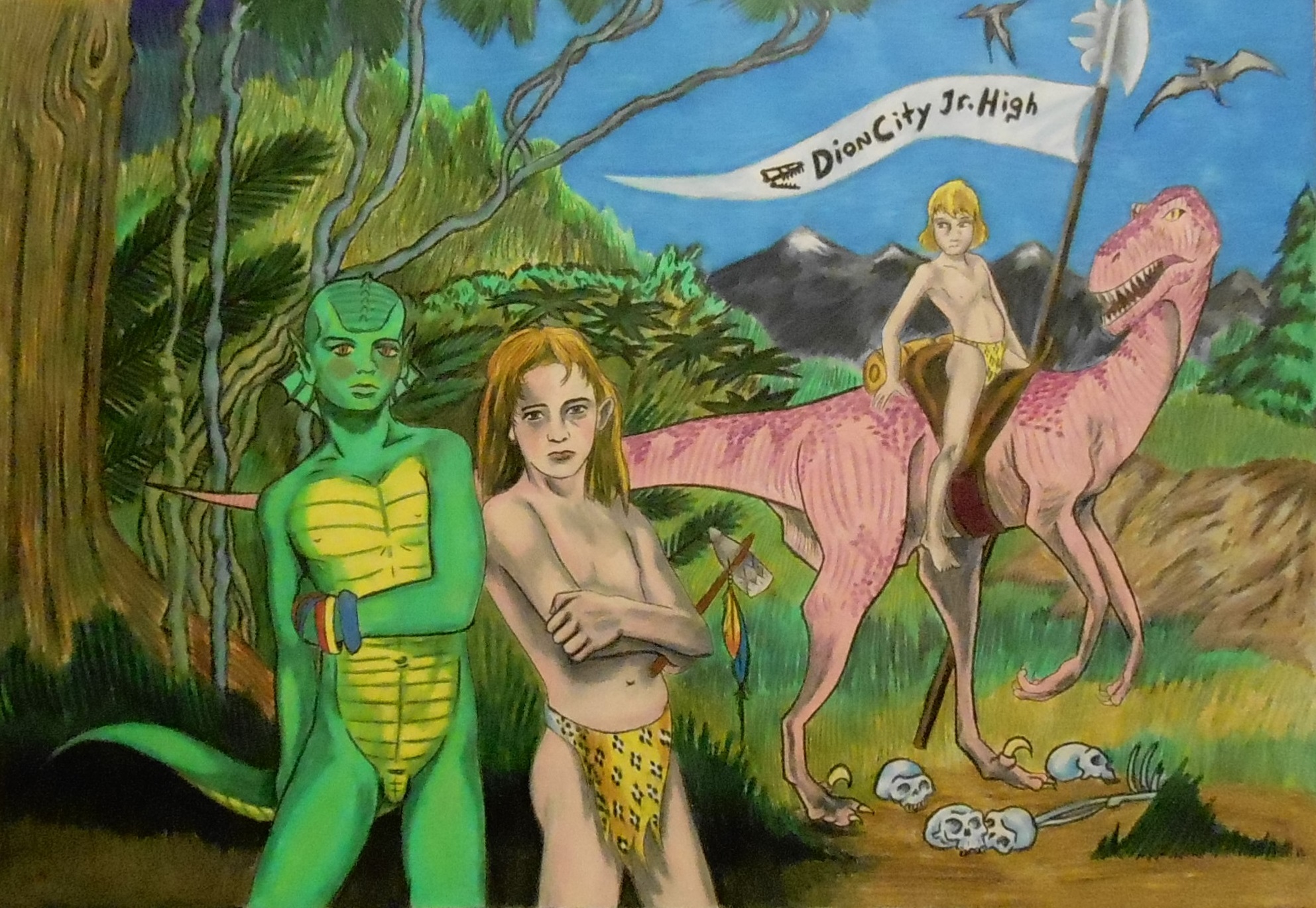
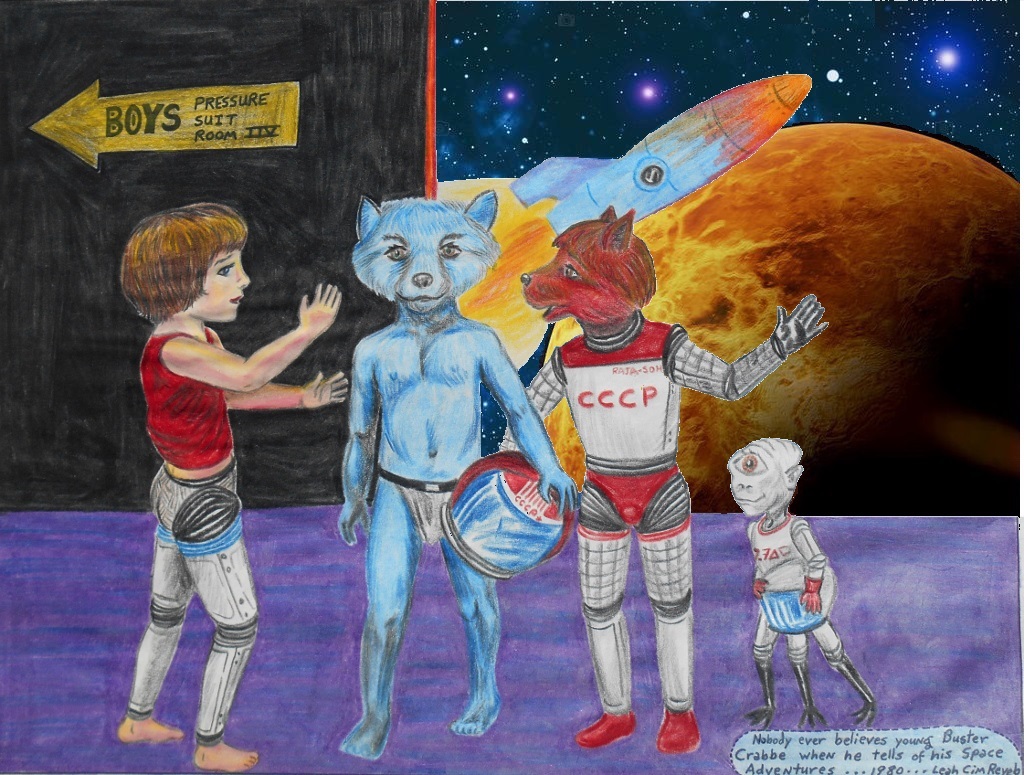
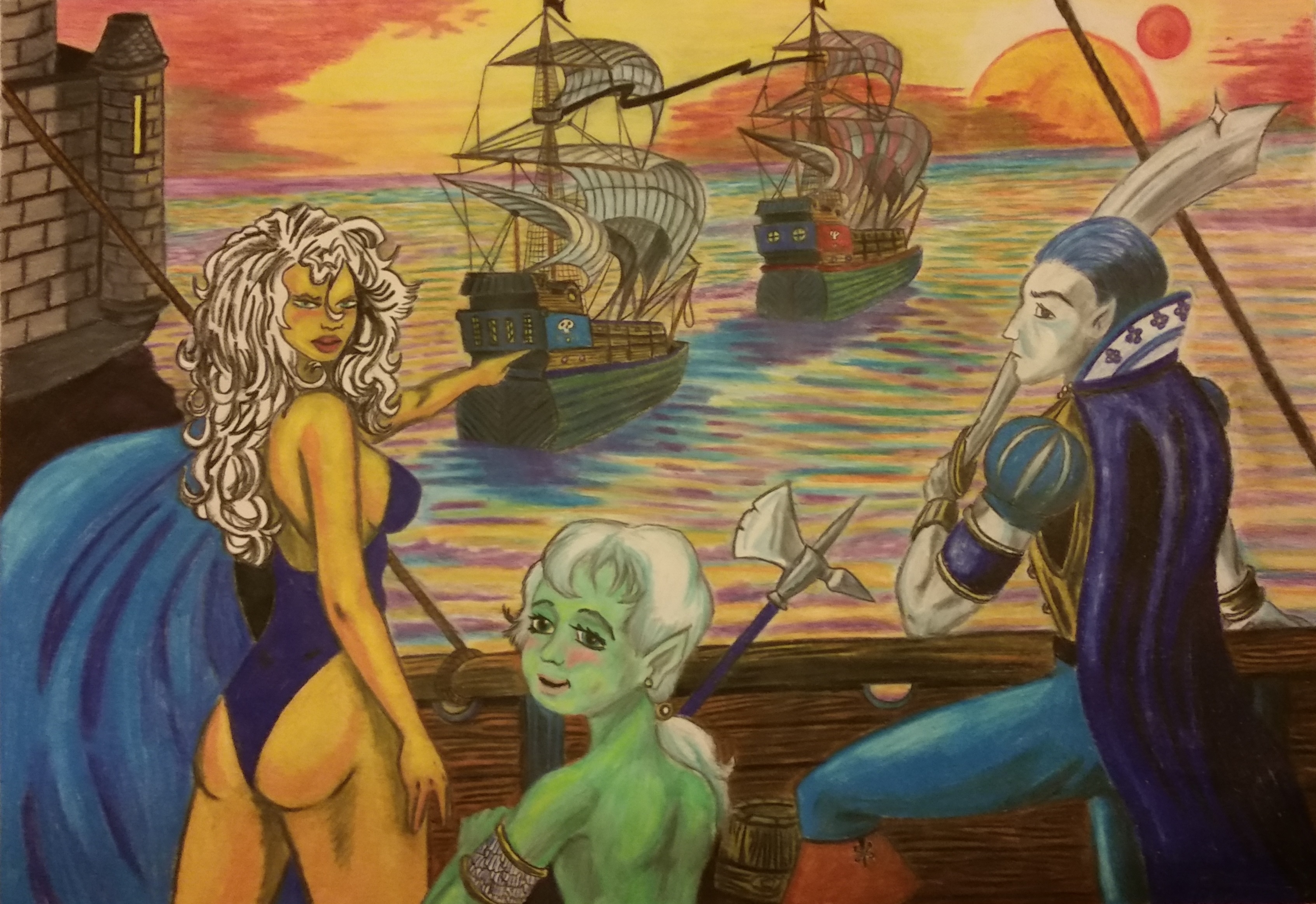
Filed under artwork, humor, illustrations, Paffooney
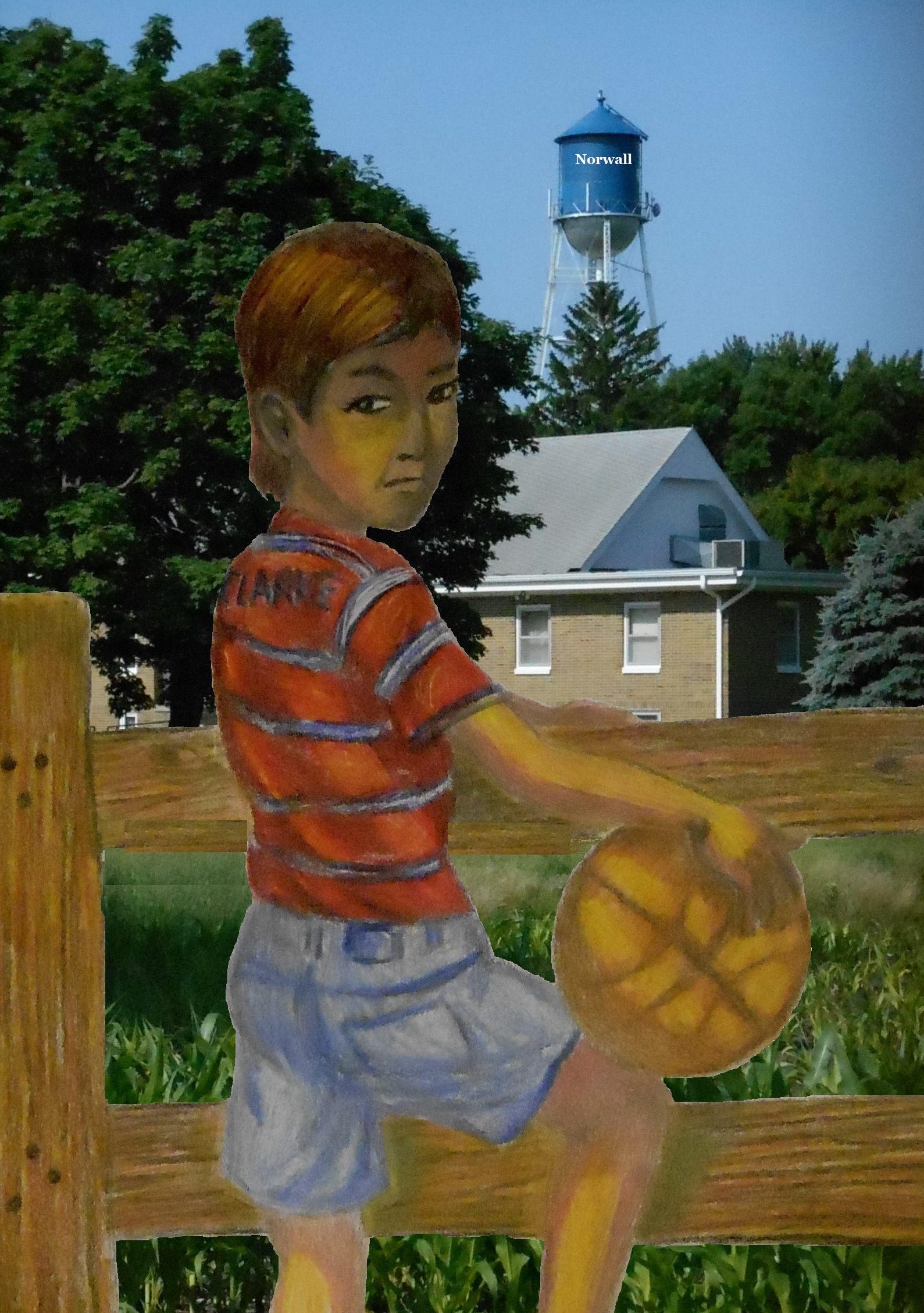
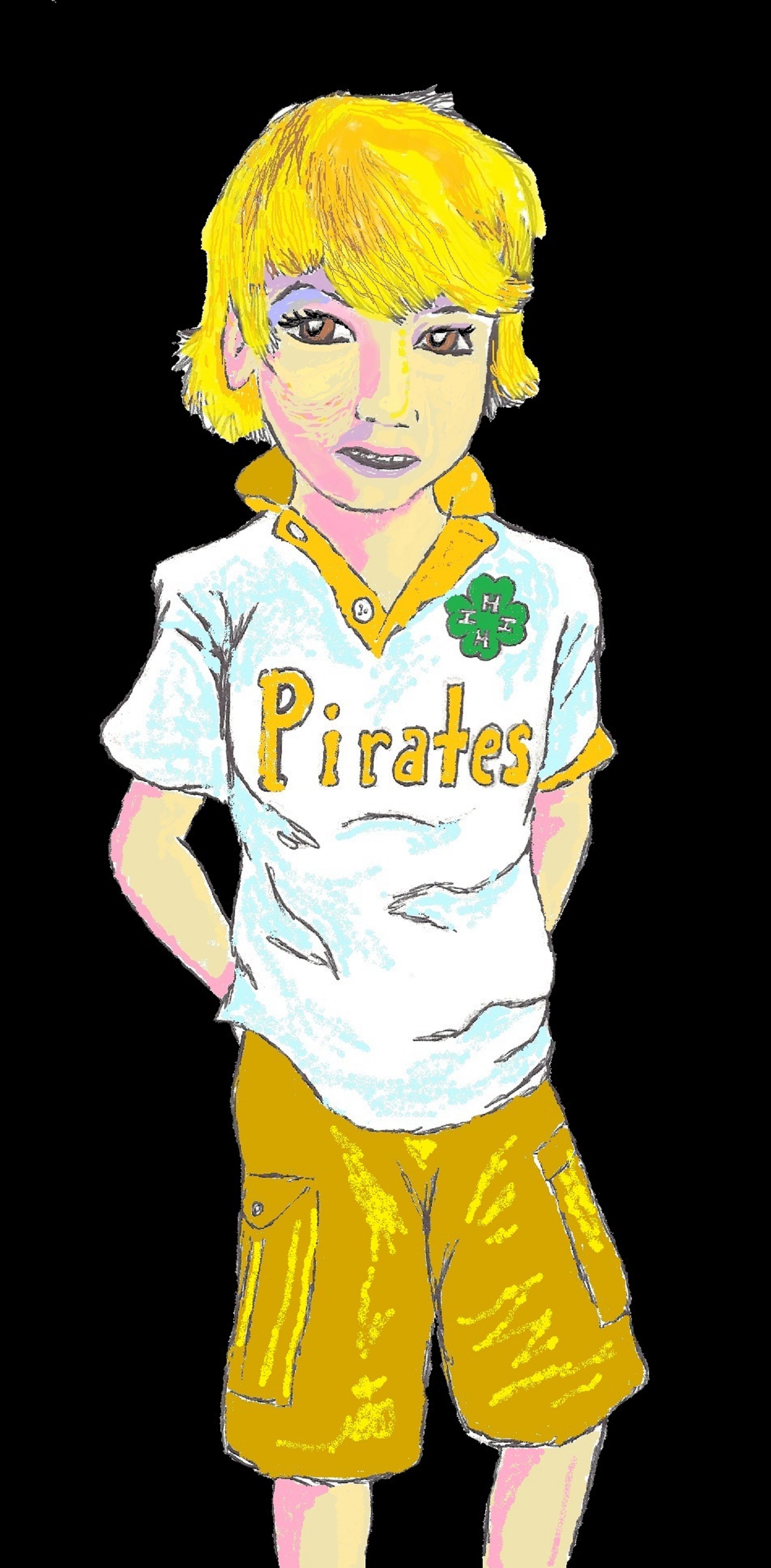

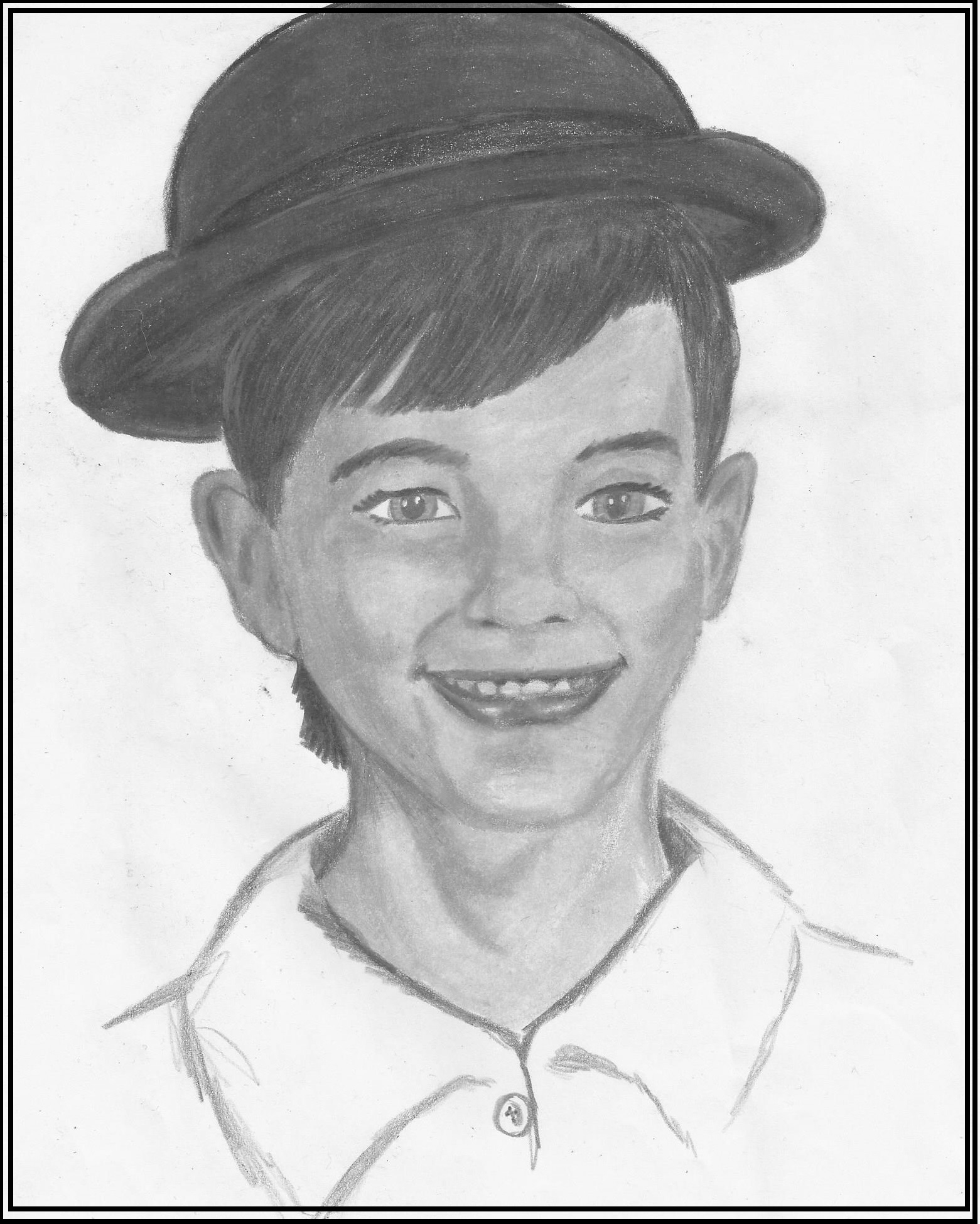
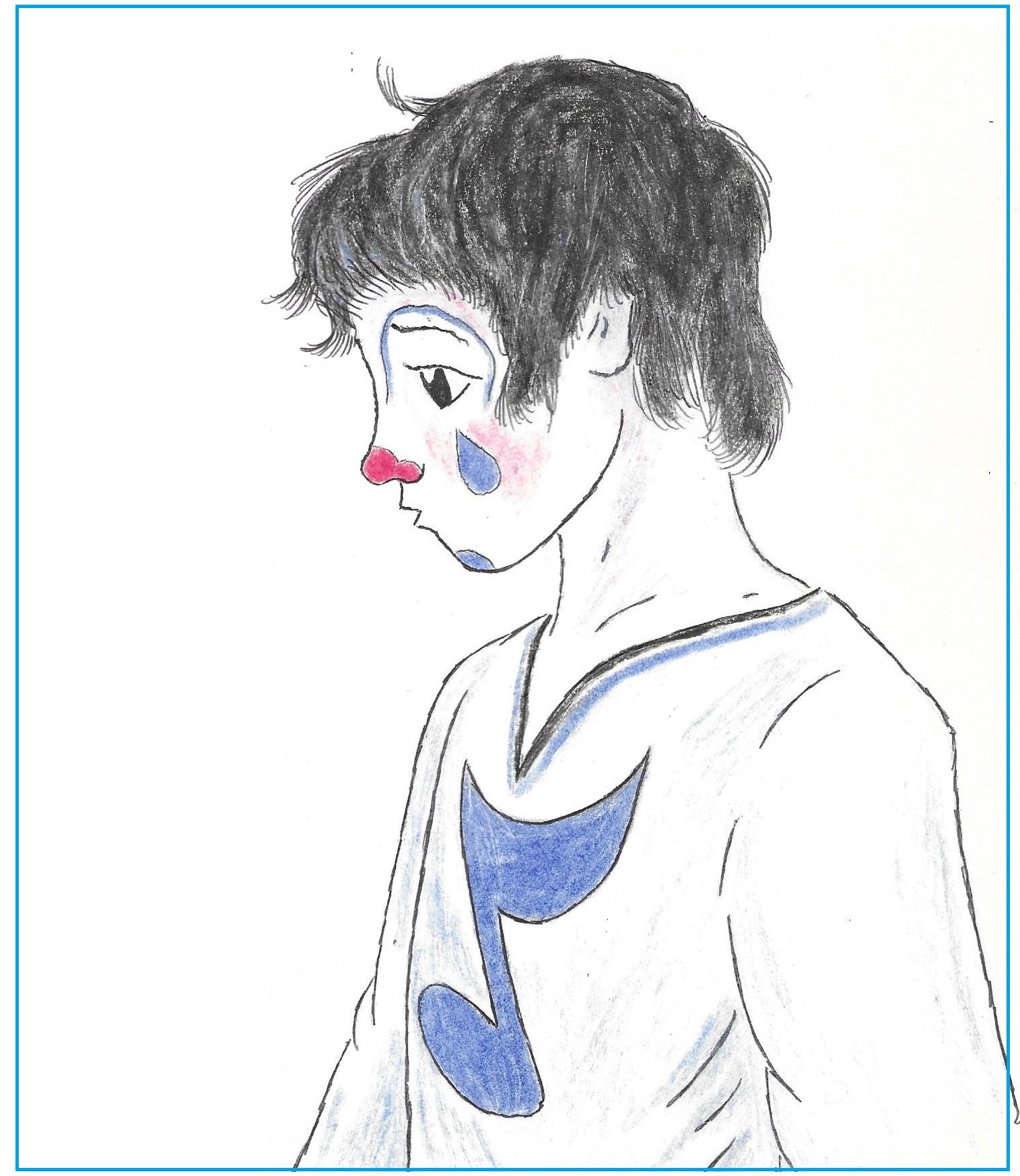
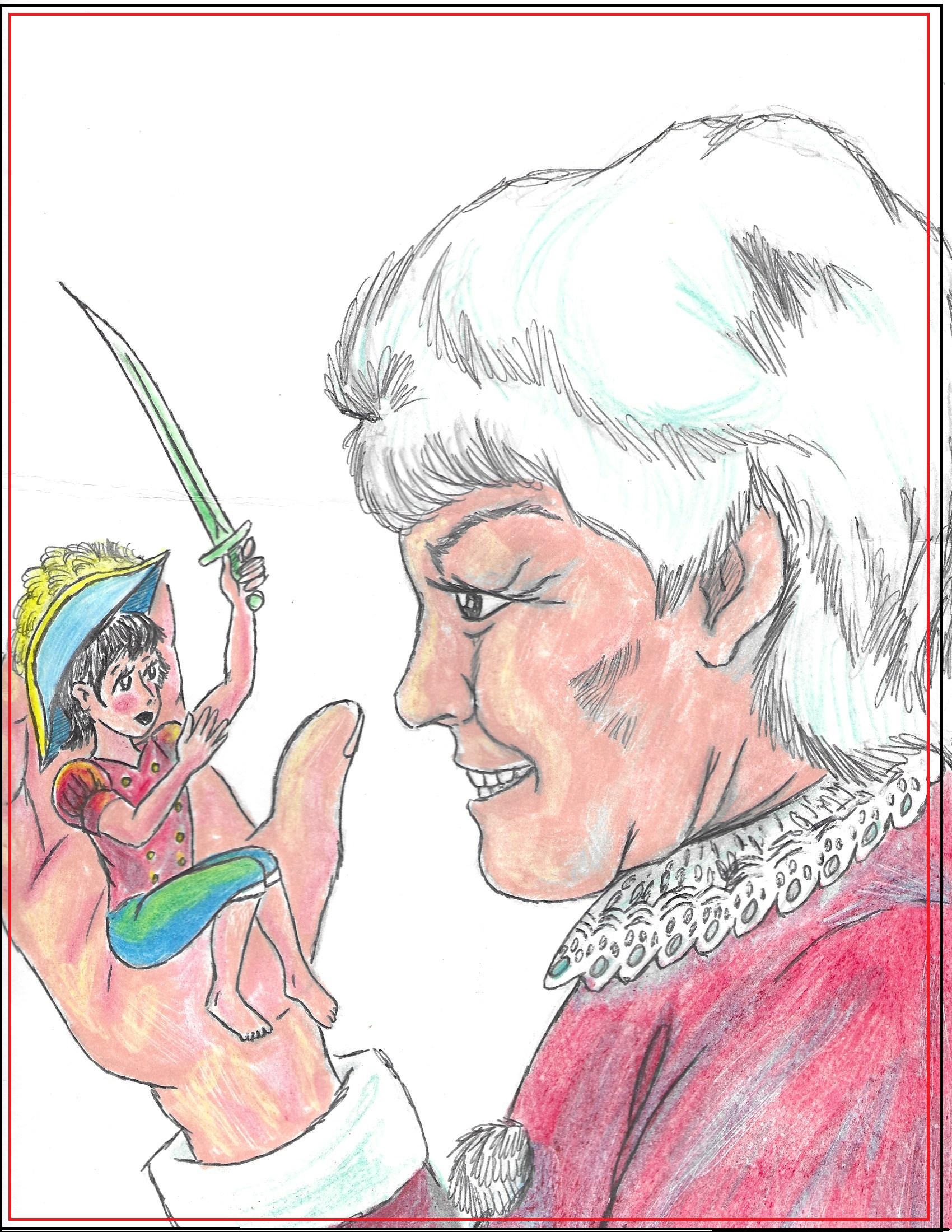
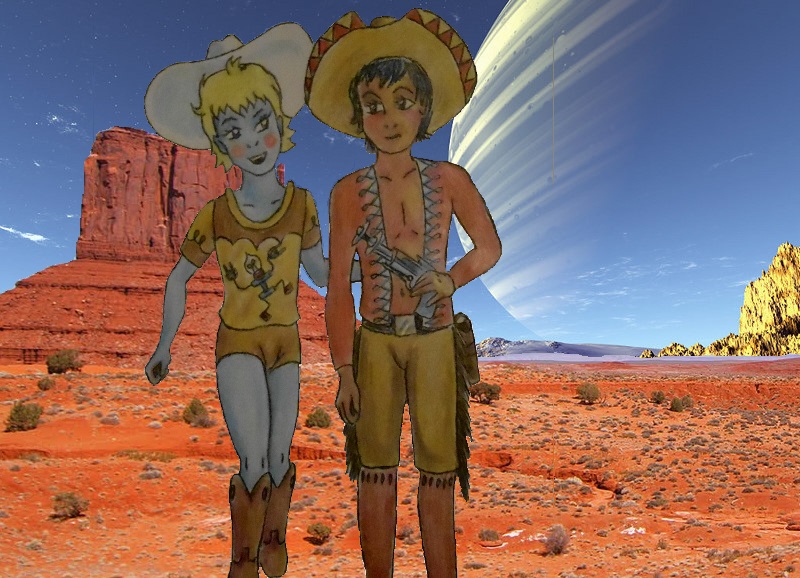
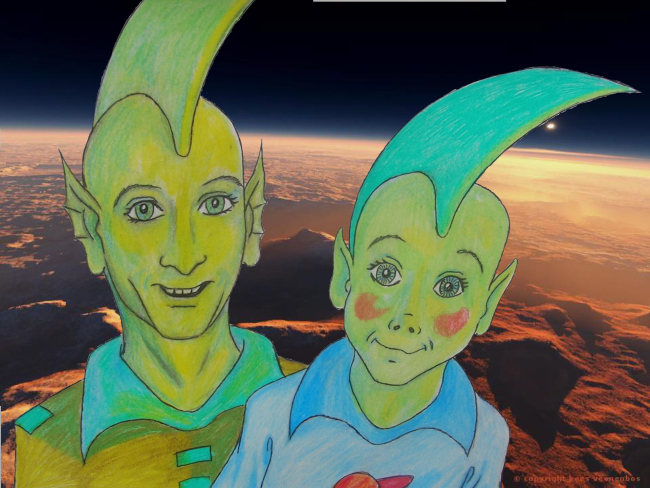
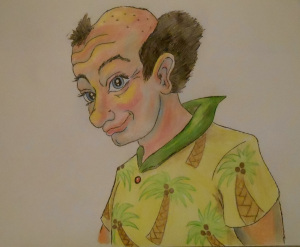
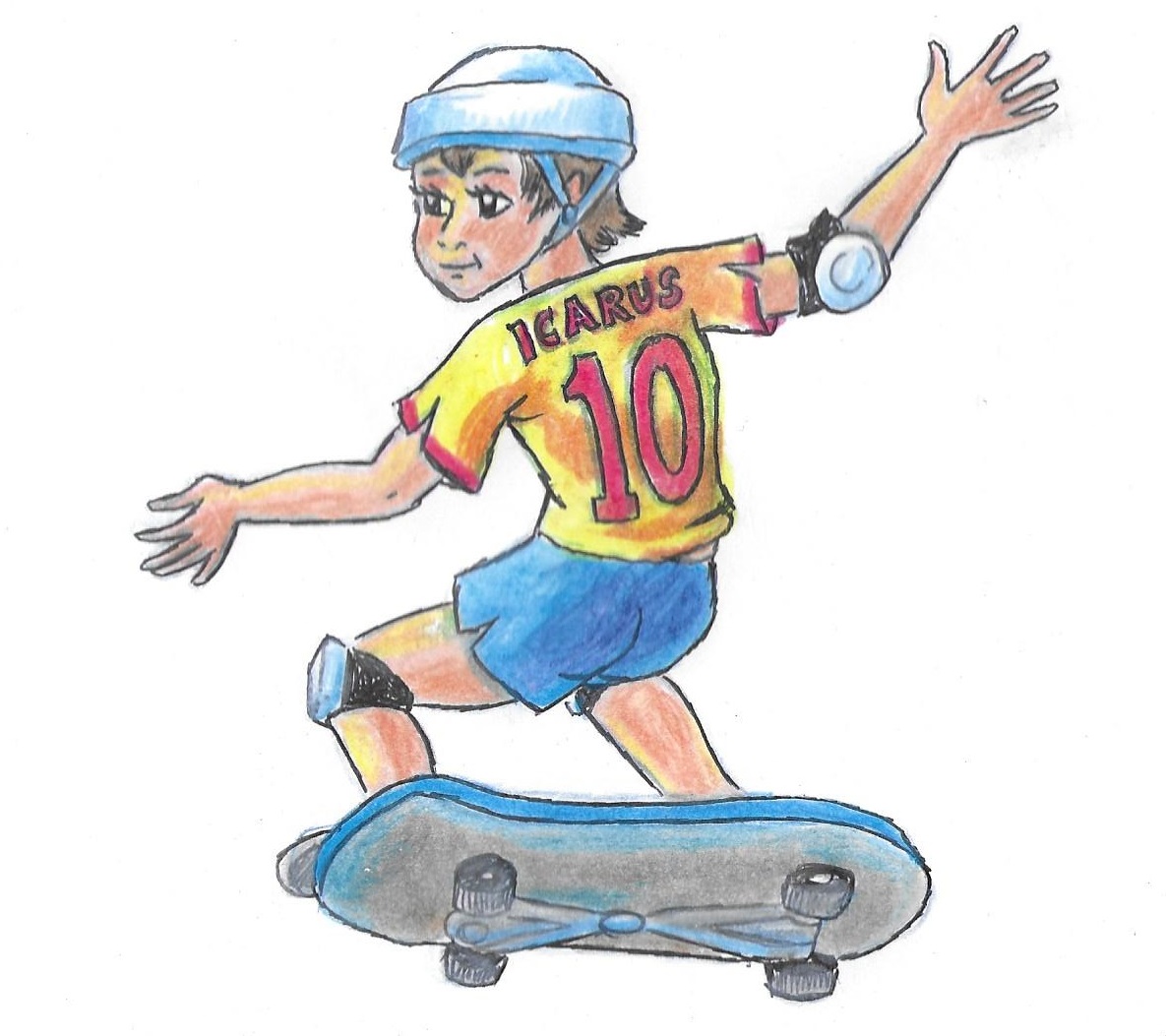
Today’s post is full of portraits of imaginary people. Some of these are based on real people who posed for them or I had a photo of. Others, even if they are based on characters who were once real people I knew, are entirely made up out of my head.
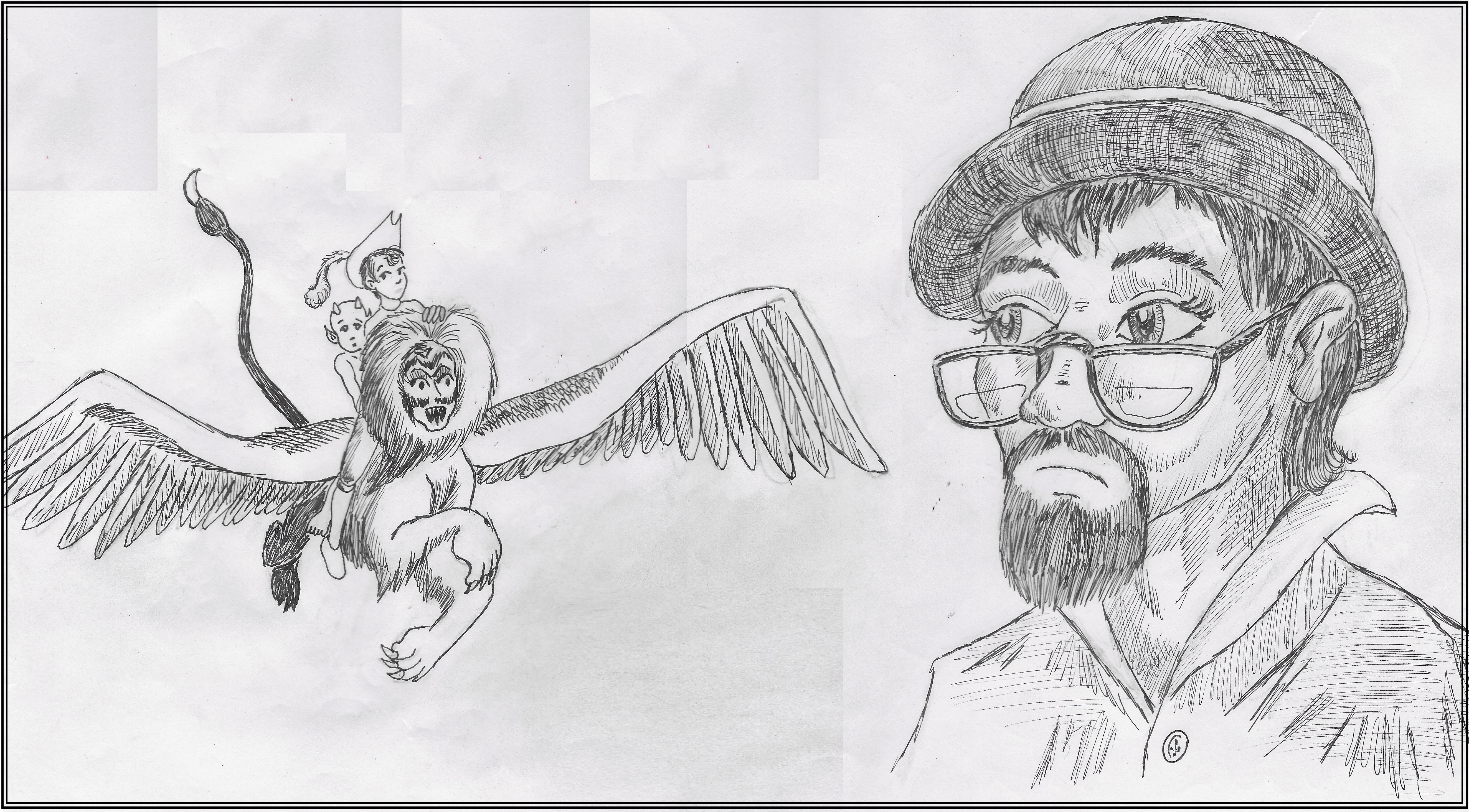



Filed under artwork, characters, humor, illustrations, Paffooney
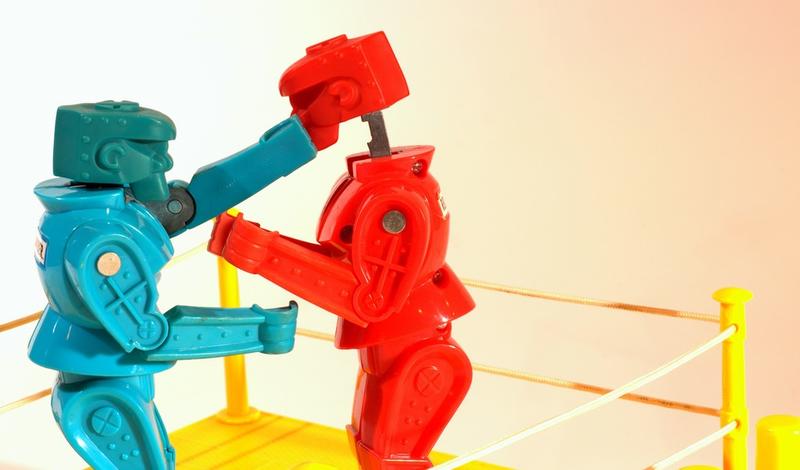
Yes…
It means I am doing nothing.
And I am working really hard at it.
I do have a work in progress.
I have added to it once in the last week.
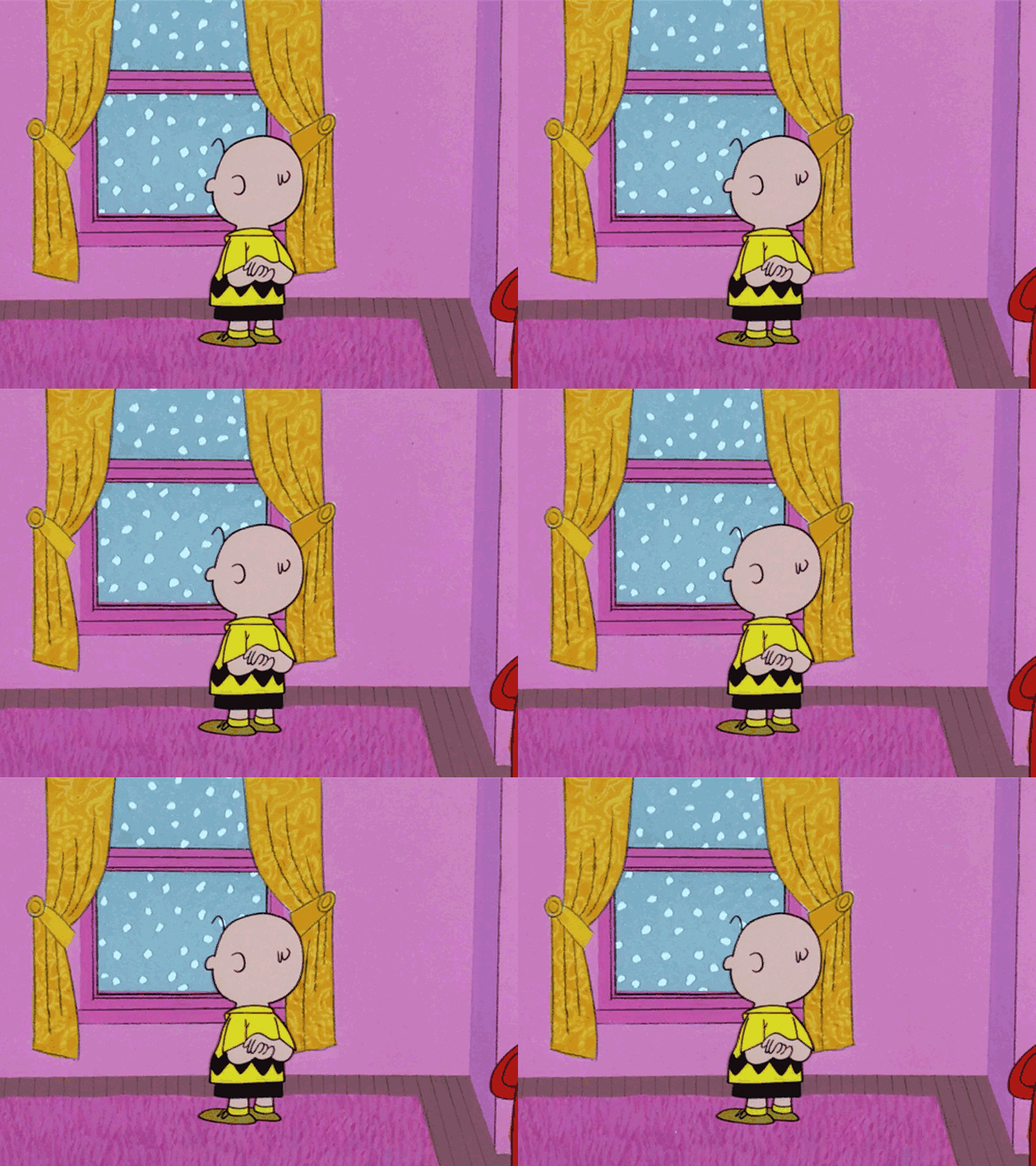
I think the expression, Iowegian as it is, comes from the expression “doing squat” which means “doing nothing at all” combined with “diddling around”, the non-sexual meaning of which is “dithering or only working in an ineffective way.”
I humbly confess that I am not that great of a researcher when it comes to linguistic facts and word origins.
I am much better at making things up and creating my own portmanteau words.
But I do have a very good ear for how people actually talk. Especially when it comes to Iowegian, Texican, Spanglish, and Educational Jargon-Gibberish. Counting English and Tourist-German, I speak six languages.
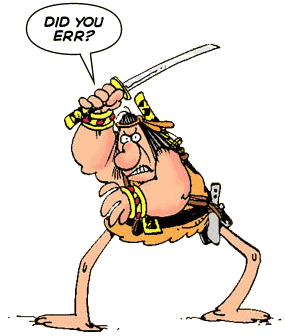
I also humbly confess that I make big mistakes. I have been working hard for a week on editing published books because of how an overreaction to one small inappropriate detail nearly destroyed one of my best books and now I have to deal with the impression some readers have that I write inappropriate stuff all the time.
Yes, I definitely erred…
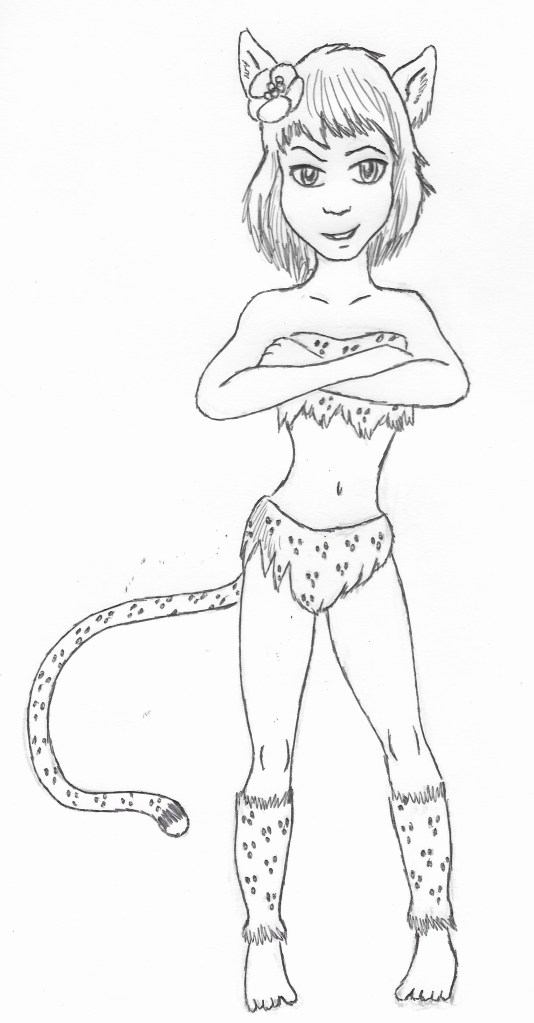
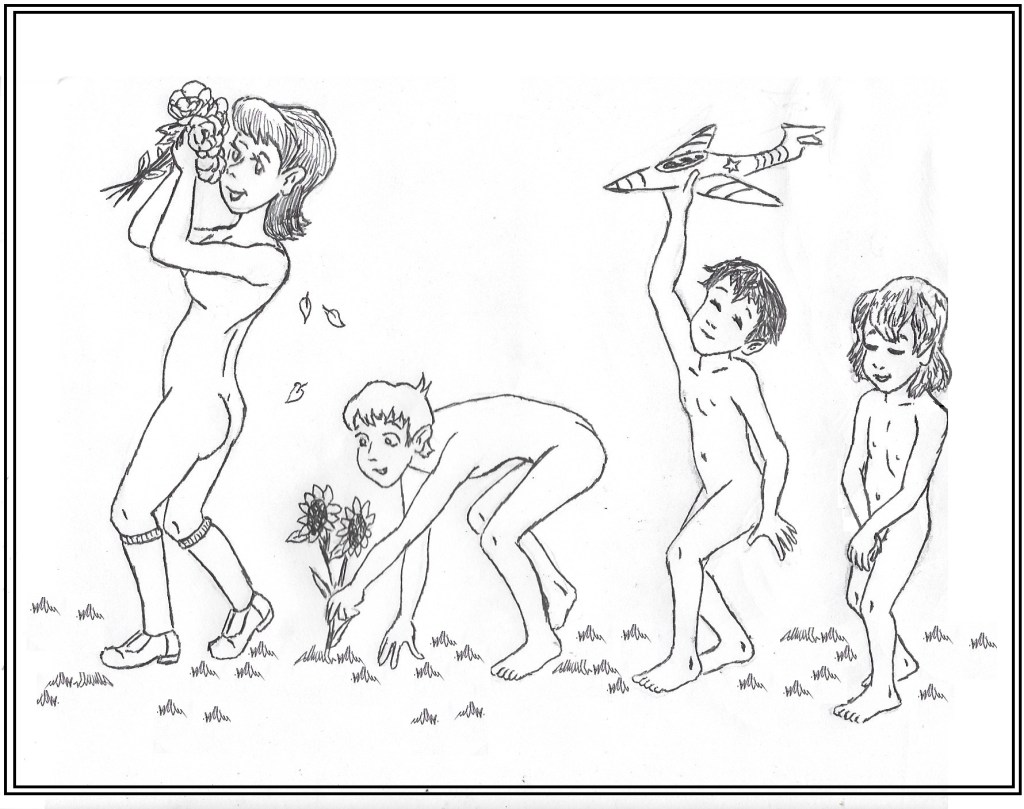
I also realized I assume everybody accepts nudity as easily as I do.
They definitely don’t.
But naked is funny. And that is not a point about my writing that I am willing to concede.
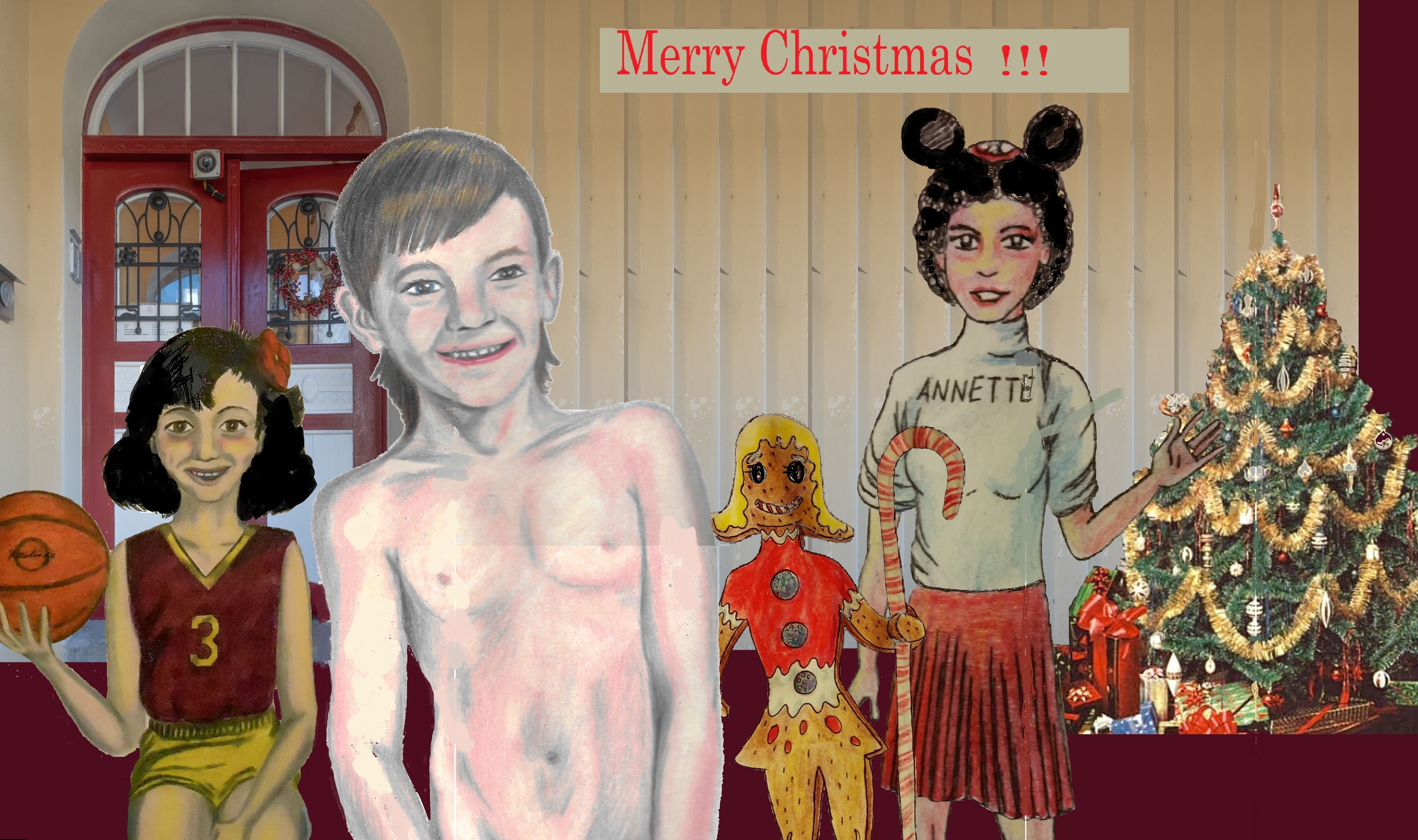
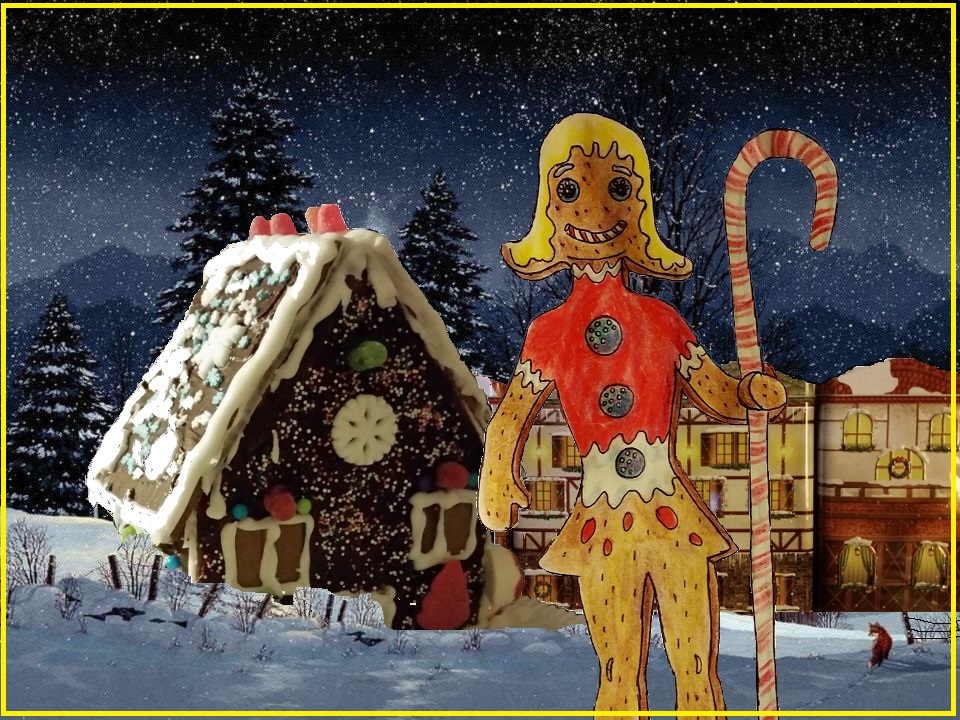
Doing diddly-squoot can also result in really weird stuff like this Christmas-card composite of my artwork and Vincent Price’s 1967 Christmas tree.
Filed under artwork, autobiography, foolishness, forgiveness, humor, nudes, Paffooney, pen and ink, self portrait
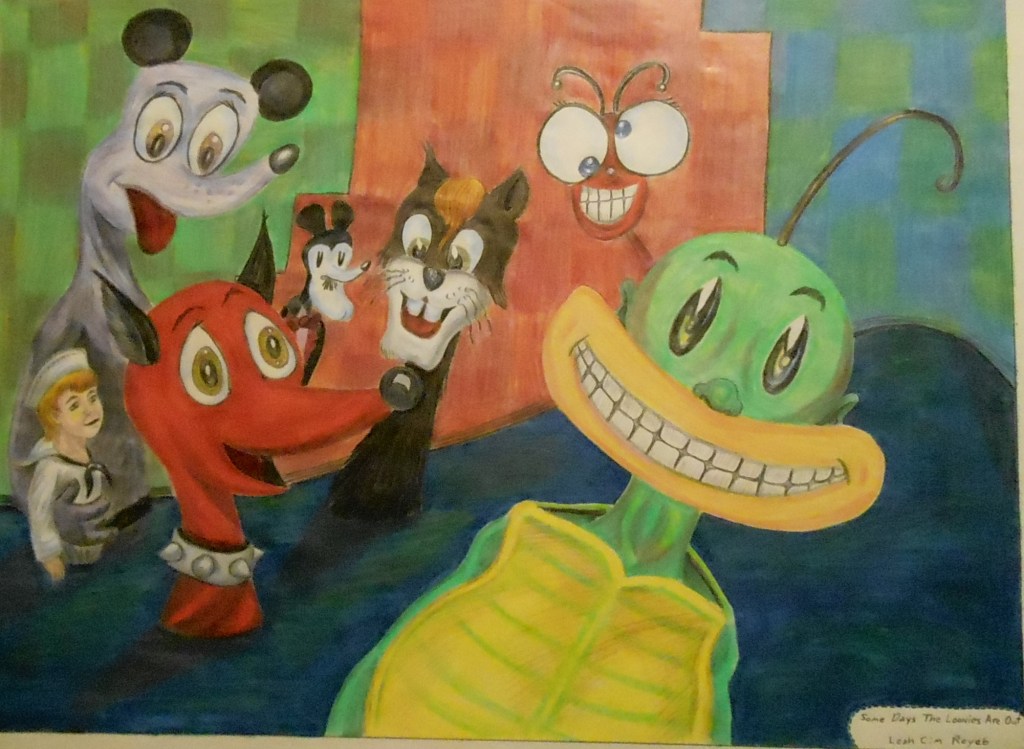
I have claimed that I am a humorist and all my novels are comic novels, to some degree at least. But it is often pointed out to me that I write about things that make people cry. And I freely admit that I most certainly do.
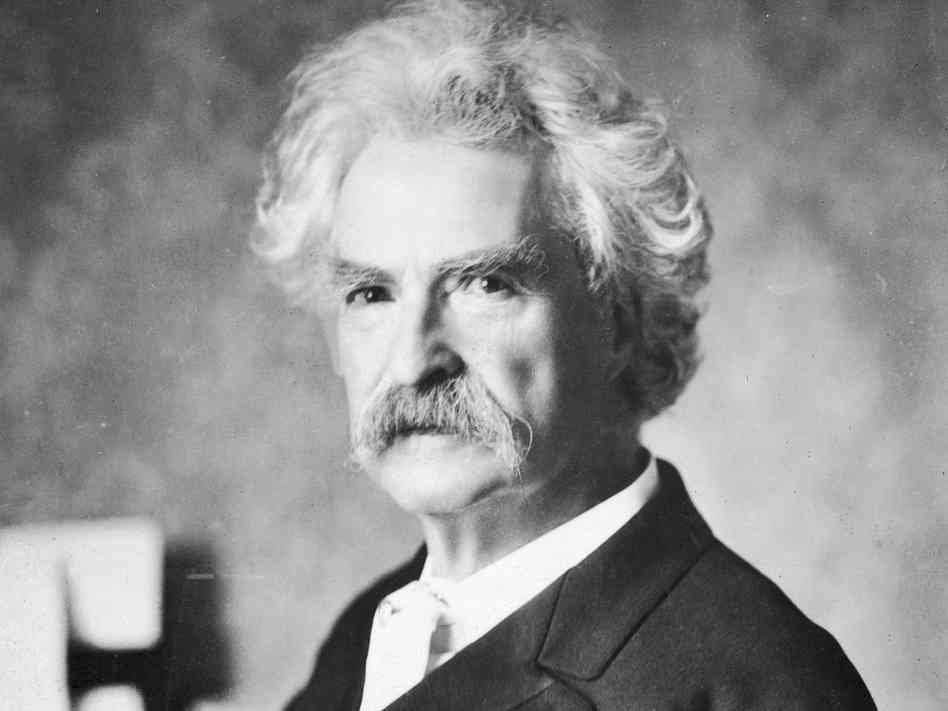
But if you think about it carefully, analytically, or even emotionally, you have to admit, even a book like Mark Twain’s The Adventures of Huckleberry Finn has some weep-worthy moments in it. I have read the book more than once myself, and I never get past the scene where Huck looks down at the body of his young friend Buck Grangerford, killed in the Shepherdson/Grangerford feud about something nobody living even remembers, without shedding gushers and gushers of heart-busting tears.
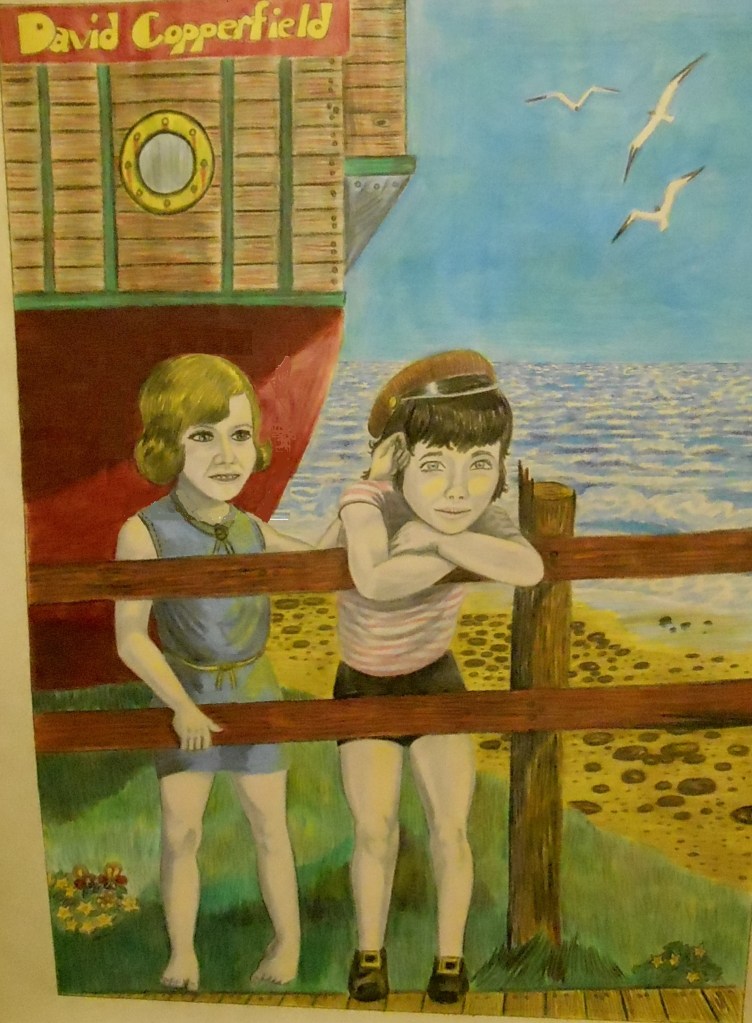
And in Charles Dickens’ David Copperfield, as much as I laugh and guffaw at the antics of quiet Mr. Dick and his kite, or the much deserved downfall of villainous Uriah Heep, it is the drowning of Little Emily on the boat with David’s school friend and idol Steerforth that leaves me surrounded by puddles… nay, lakes… that I have wept.
And I think that I may justify the sad parts in so many of my weary works with the fact that I am merely providing the necessary counterpoints to my merry-making and mirth.
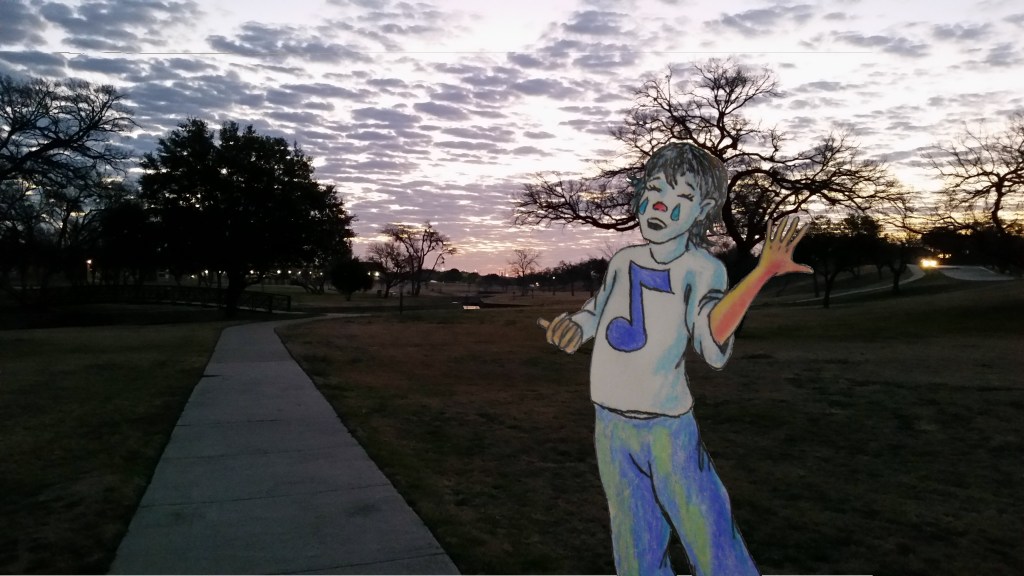
There has to be that necessary balance, that well-rounded-ness, to a story that makes it feel truly complete. And, of course, we know that even in a horror novel by Stephen King, you find humor used as a balance point to lighten the moments just before the monster delivers its liver-shaking, earth-tilting scare.
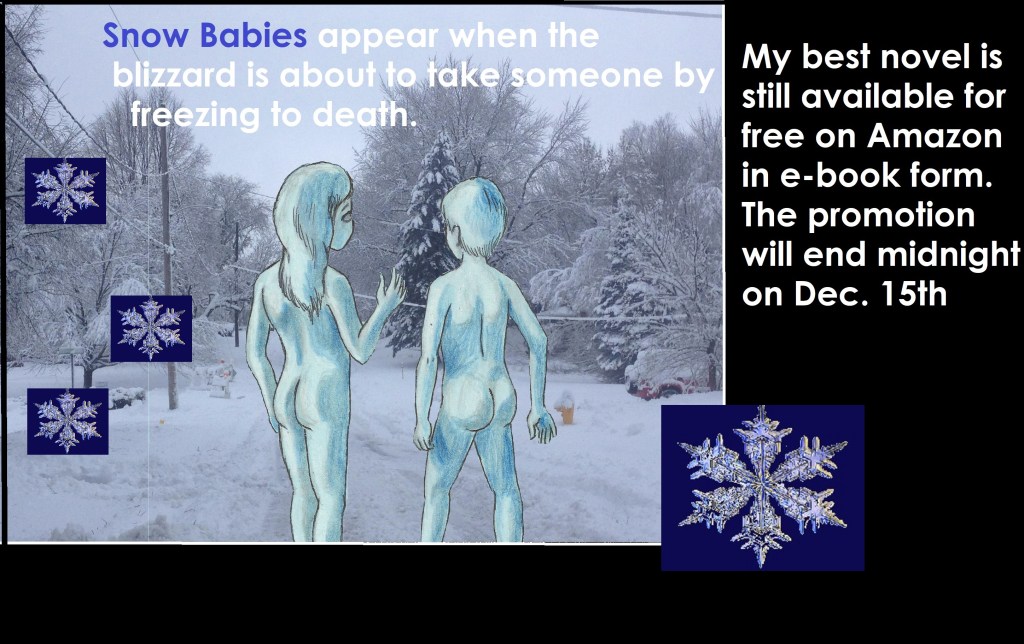
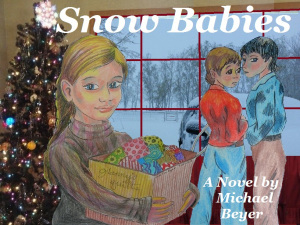
Snow Babies, among my published books, is a good example. It is a story that celebrates how a small Iowa town comes together to survive a deadly December blizzard. And while it tells funny stories of kooky characters battling the elements, and both surviving the blizzard and ’84 Reagan/Mondale political debates, as well as putting up Christmas trees, it is still also about death and loss of loved ones, finding and losing love, and just what sort of self-sacrifice or other accidental happening truly makes someone a hero. Or a bus driver… this book has more than one bus driver in it.
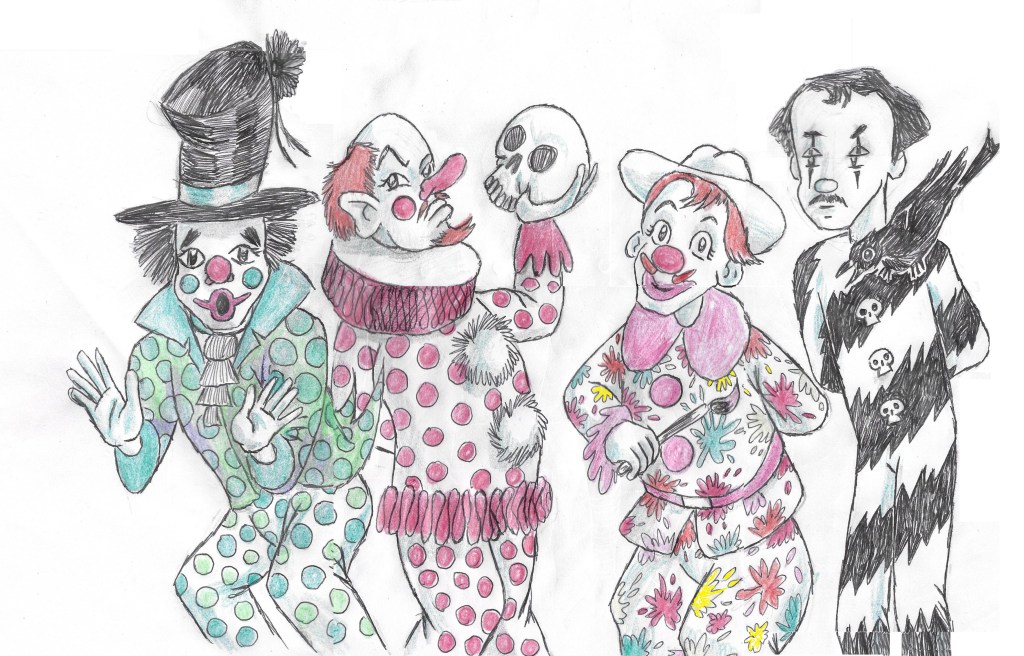
So, I think, in the end, that I have made a cogent case for the notion that in order to be a humorist, you have to manipulate many emotions, not just mirth, but sadness also. As well as fear, bitter irony, and pain. And that may well also be the underlying reason that comedy is harder to write than tragedy.
Yes, today is another in a long, tepid series of Art-Day posts, but it is also about metacognitive thinking. Specifically thinking about thinking using pictures to think with. (Maybe that title should say, “Free-Thought Thinker” rather than, “Thought-Free.”)
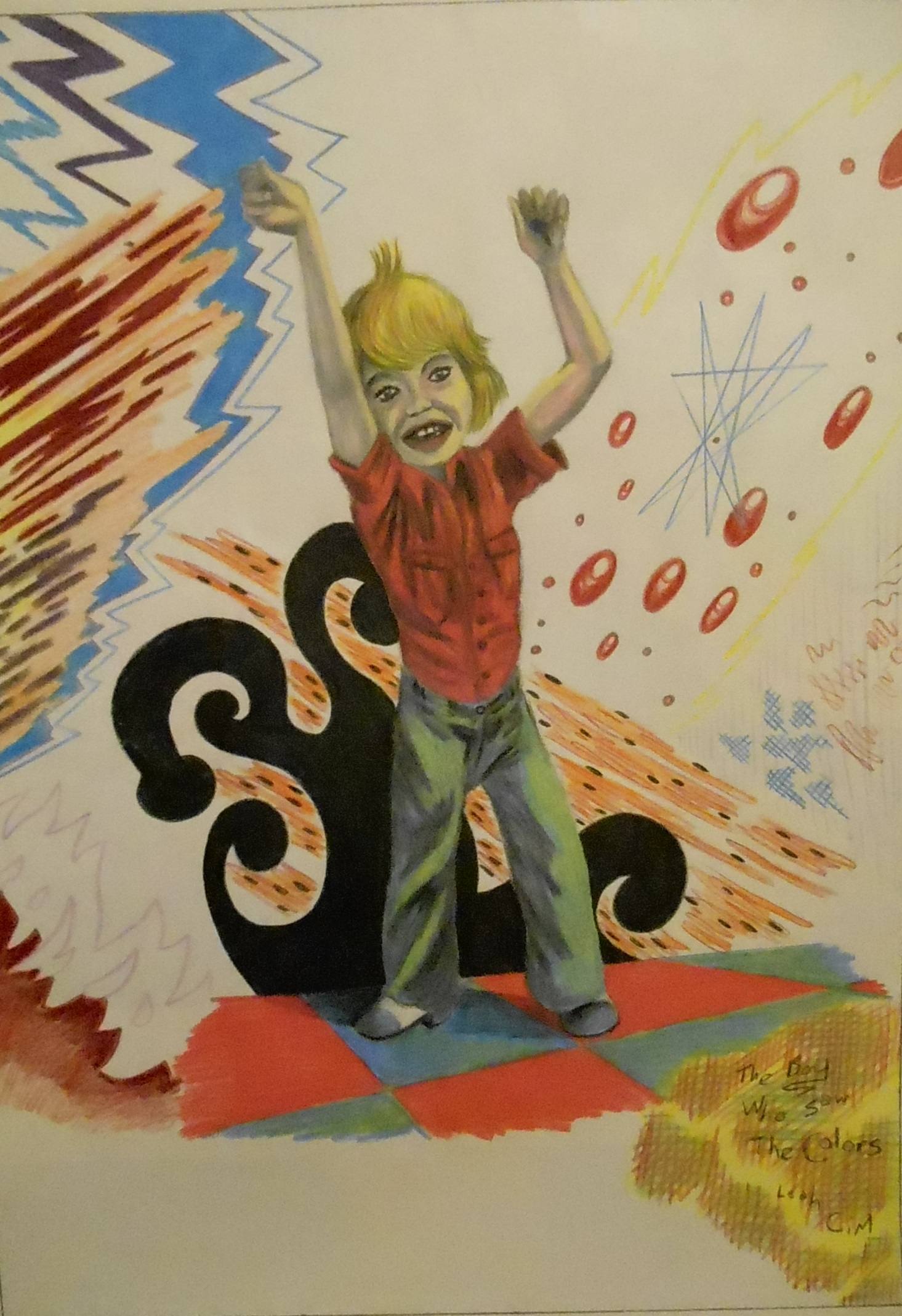
To start with, what does a person actually see when they close their eyes? My brain does not color everything on the inside of my eyelids black. Even in the dark of night with no nightlight so that nothing shines through my eyelids, my brain interprets the dark as shapes, patterns, and colors. Hence the inspiration for this picture.
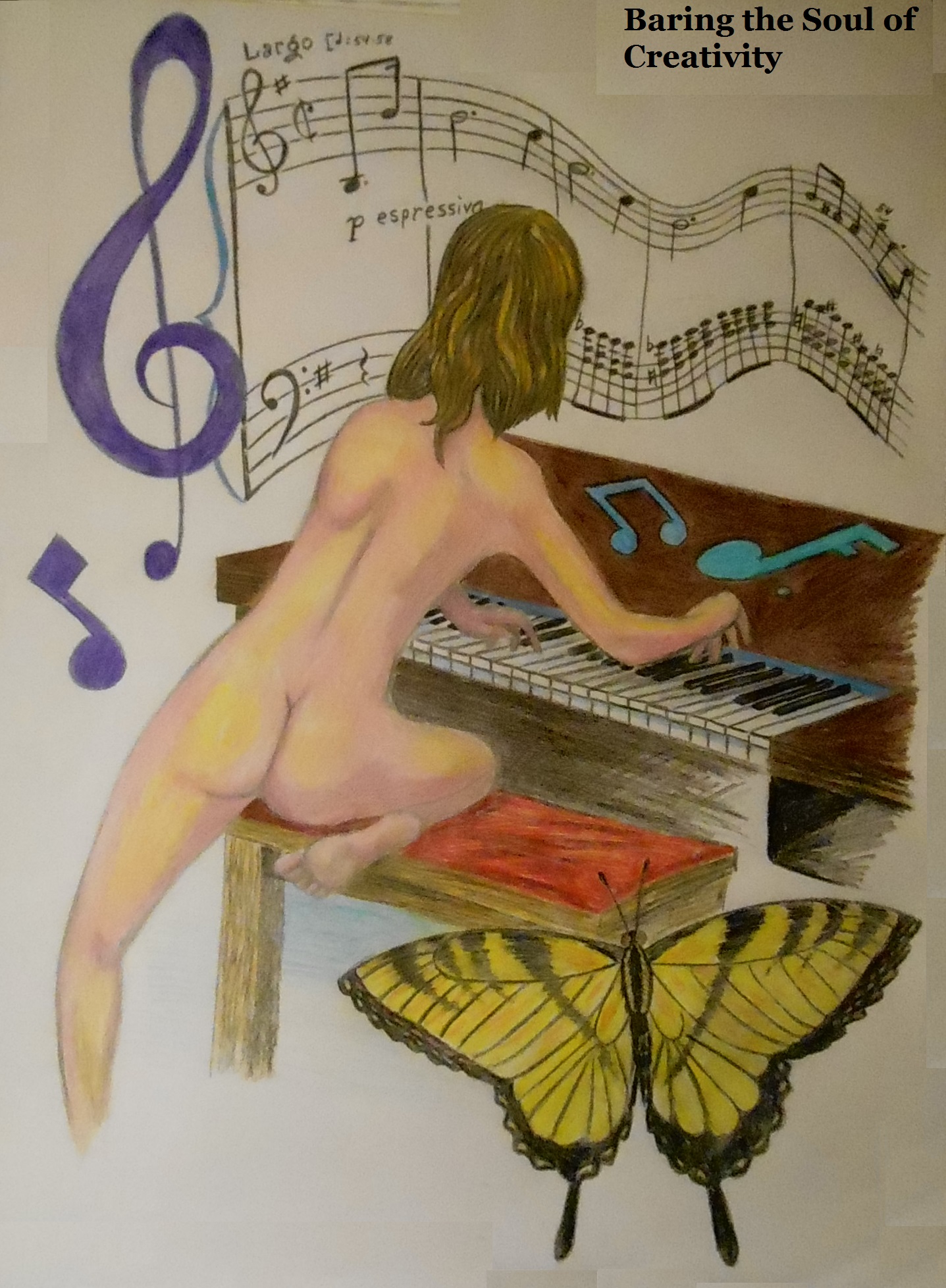
But my brain is never satisfied with raw shapes, colors, and patterns. It has to interpret ideas into them. The mass of yellow and black resolves into a butterfly, or a sunflower, or an etude by J.S. Bach. The pink mass becomes a blond girl playing the music in my head…. a girl from piano-lesson days in the early 70’s. But naked. The way I always thought about her while sitting and waiting for my piano lesson and listening to hers. How else does a boy think about a pretty girl when he is fourteen?

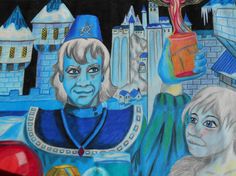
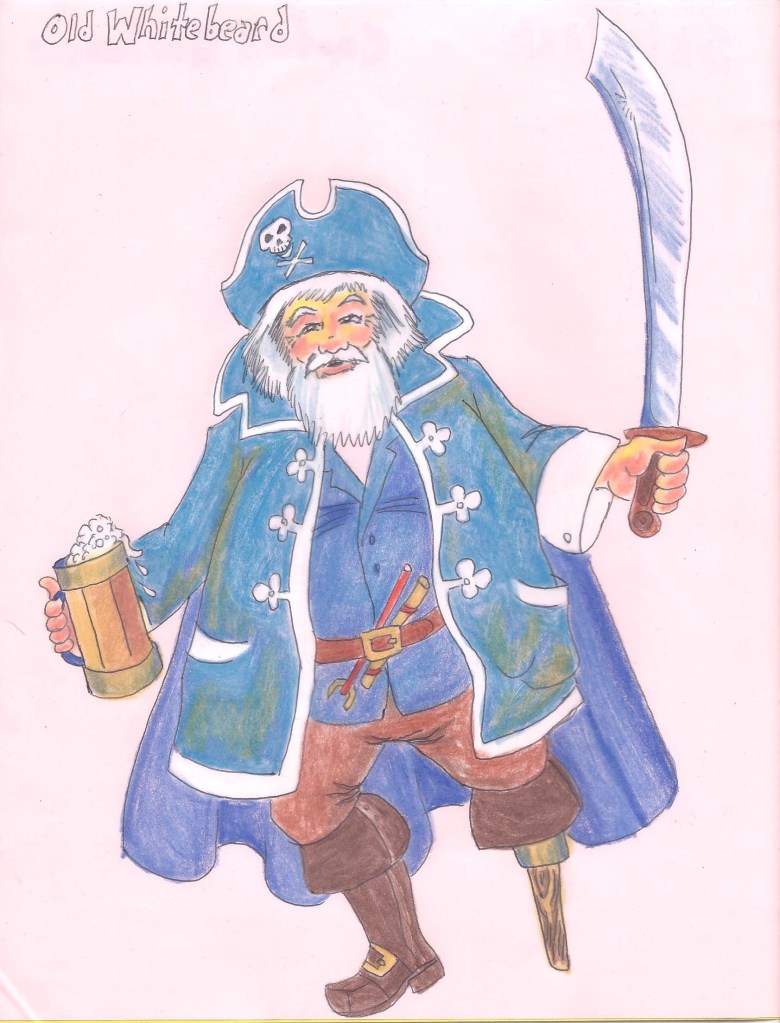
And as the items in the picture take shape, they do also begin to tell a story. Who is this Dr. Seabreez? Is he a shaman of the Republic of Lakotah People? Is he a white man? Seabreez is not a Native American name. The naked boy by the tent flap has a crutch, and there is a mouse silhouetted nearby. Does that make him a medical doctor? A veterinarian? A professor of Native-American Studies? The mind begins to piece together a script.

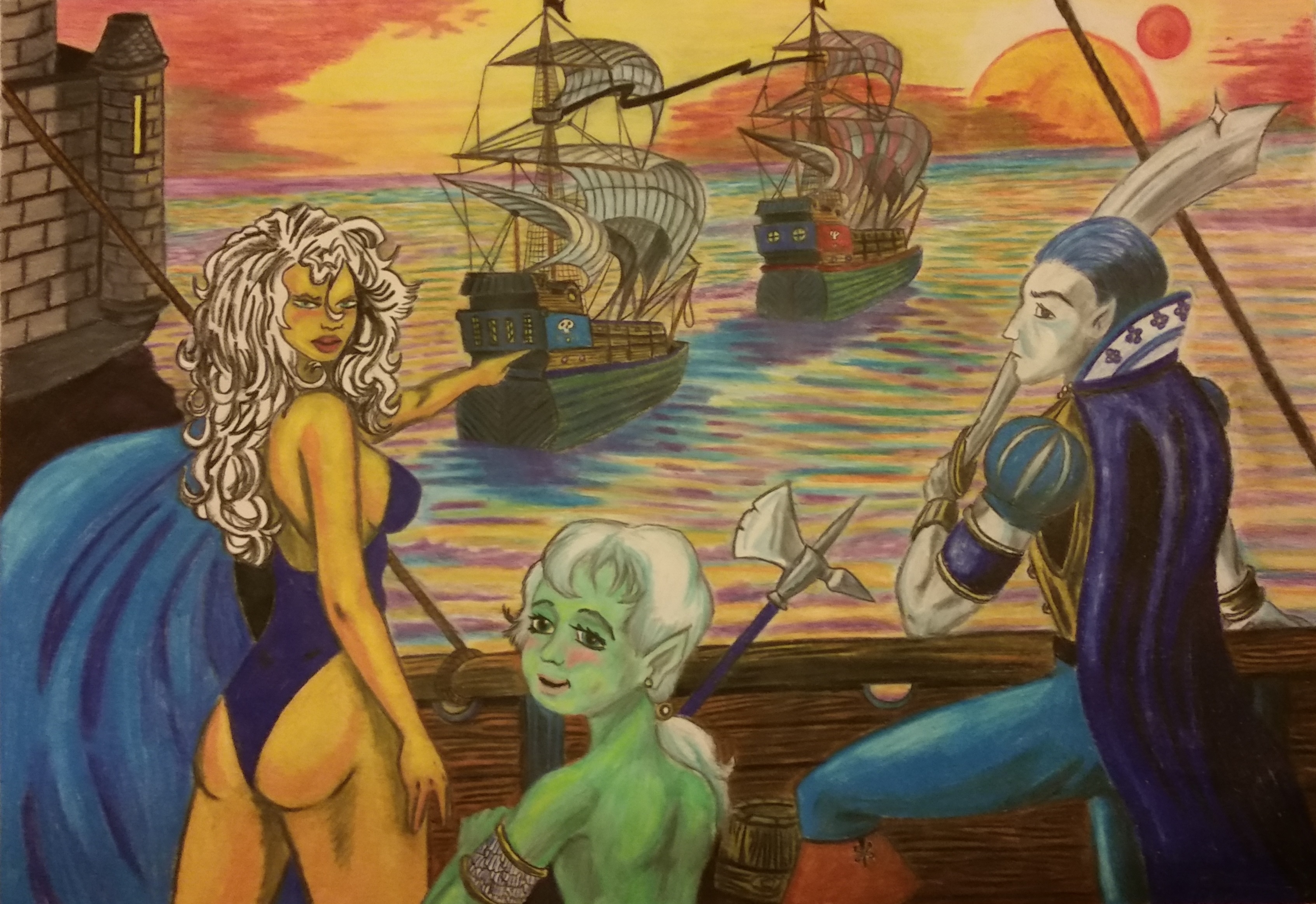
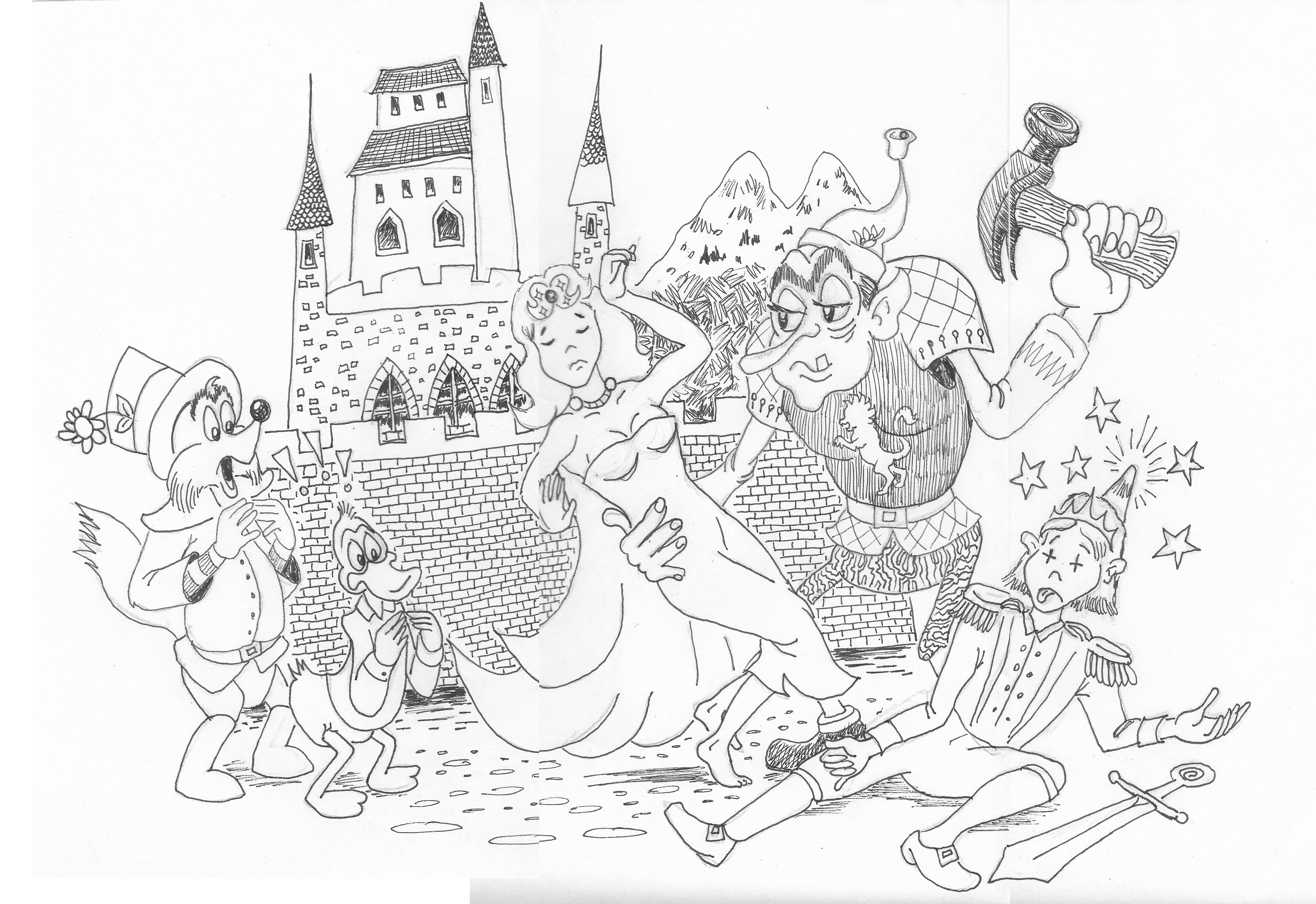
But here we see that Dr. Seabreez has set up a new practice in Japan. Again the boy near the door has a crutch and there is a silhouetted mouse near him. But now the other boy has horns on his forehead. Why horns? And pointed ears? Is he a Doctor of Magic and Wizardry? Demonology perhaps? And what is an anthropomorphized panda doing in Japan? That’s clearly a Japanese castle in the distance. The collar Kanji is definitely Japanese in character.

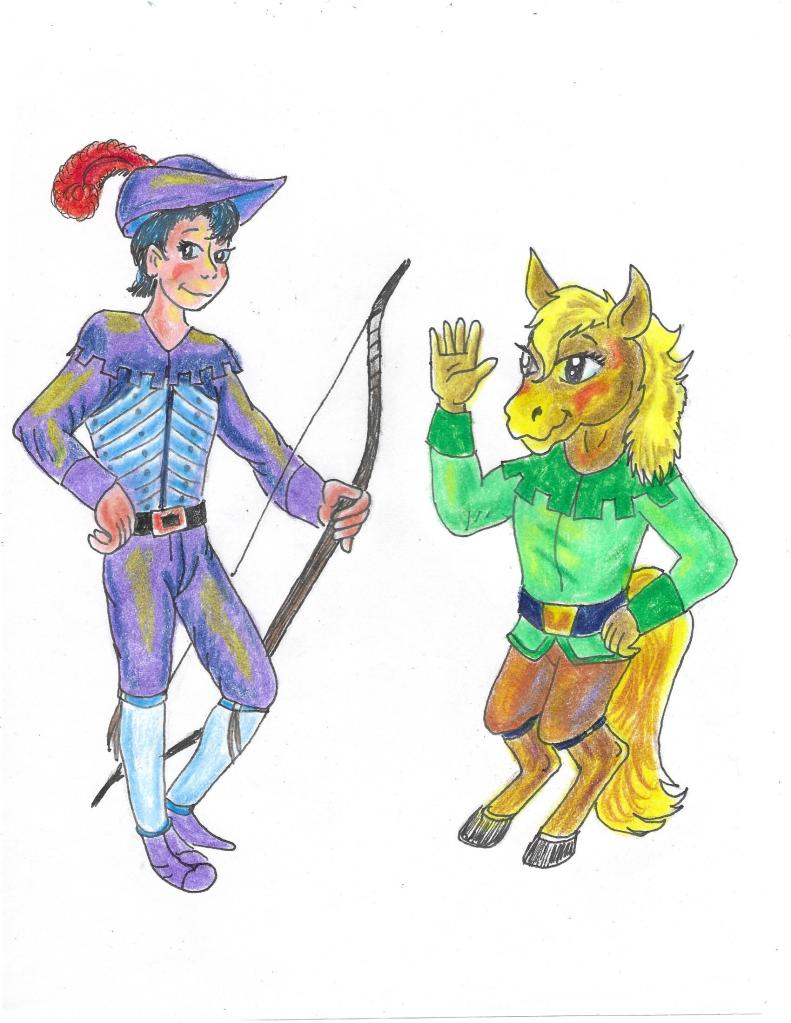
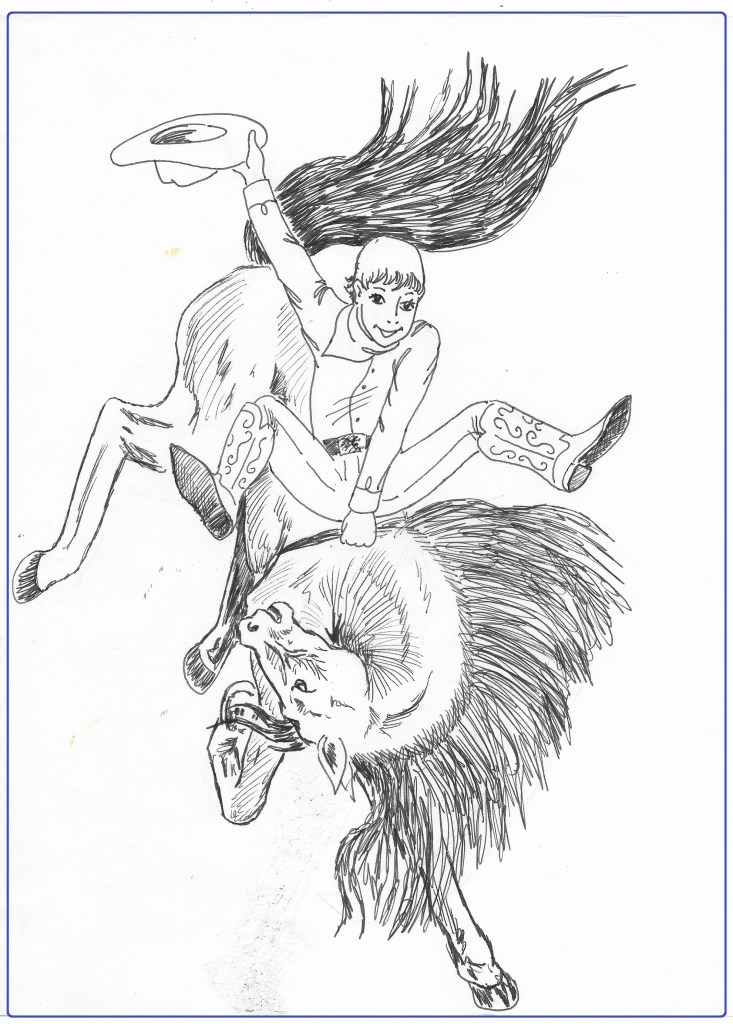
And now there are horns again. Three of them by my count. And another naked character. But a Grecian background. The mind is here making connections between the pictures, noticing patterns. Appreciating colors. And turning every detail over in the mind’s eye, evaluating and analyzing.
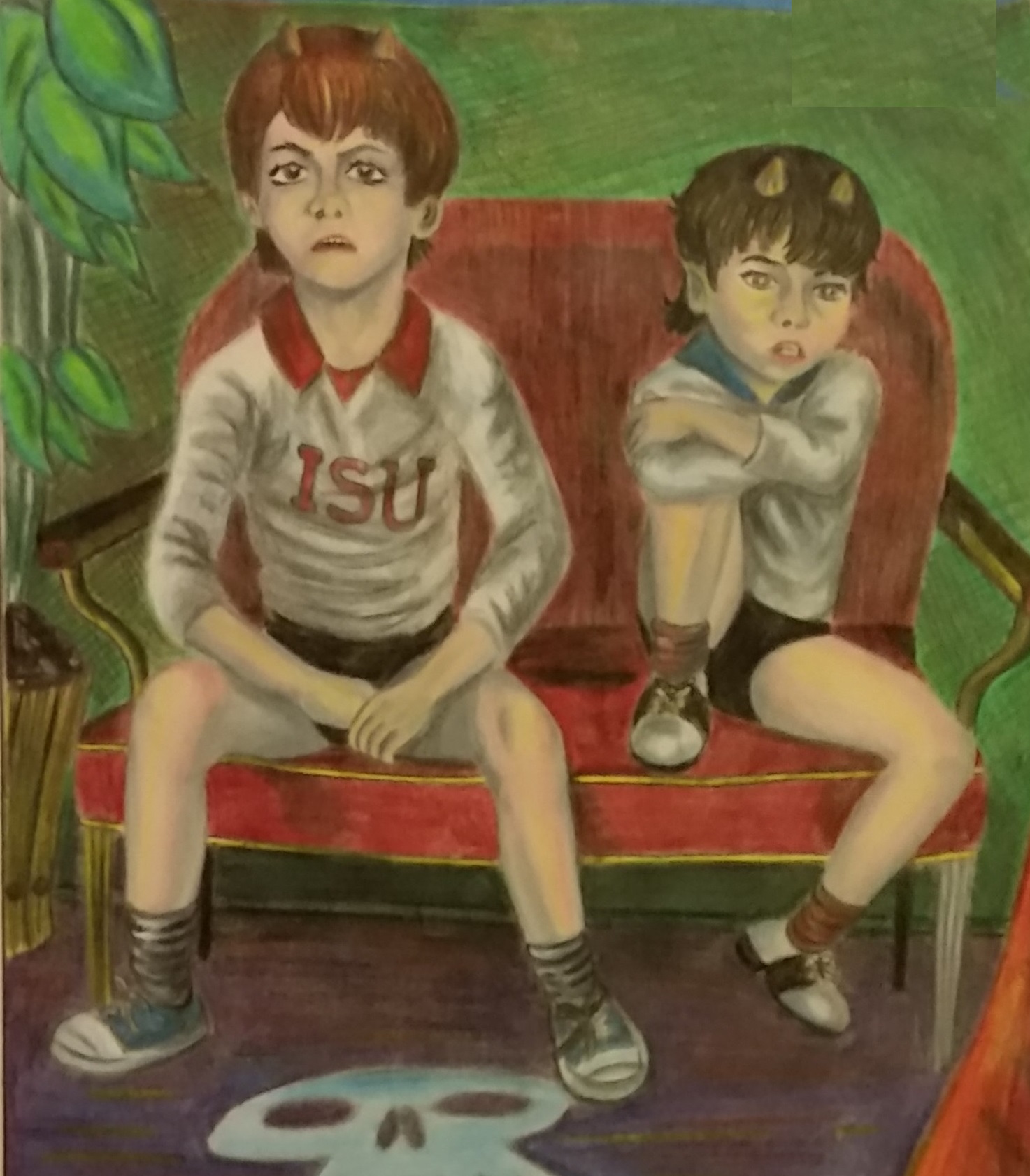
Art, especially on Saturdays, totally engages the mind. That is one of the reasons we keep art around to look at again and again. It is the purpose of art to make us see something. And not just once, superfluously. We must see it in depth, looking beyond the surface.






What the Lord Hath Given…
You know how that Bible lesson goes, right? What He hath given, He can also take away. And the Bible doesn’t suggest He ever owes us any explanation. God is subject to capricious whims, apparently.
This is part of the reason why I often have doubts about the fairness of most religions. How do you worship that which is cold, uncaring, and capricious? And yet, to say there is no God above… or below… is anathema to the way I was raised and the fundamental structures of my moral and inner self.
If there is no God, then why is there any life at all? Life is complex and intricately ordered. How can that be if the universe is random and mindless? Physics already says all order is headed for eventual chaos. Our chance to control the climate crisis and save the planet is now down to seven more years. If we don’t get our act together before 2027, we are doomed. What is the need for order at all? Why do you need to have a counterpoint to chaos if there is no underlying point to the whole process?
Philosophical questions like this are why what I really am is a pure and simple agnostic. I am open to all possible answers. But I have no scale to weigh any of it.
One way that the Lord is taking things away right now is through the capitalist system worshipped by wealthy and greedy men. Especially the Septuagenarian Mutant Turtle currently in charge of the Senate. He and his billionaire mutant overlords don’t want to raise the national debt to help ordinary people through the Covid crisis and the economic chaos it caused, even though they were fine with ballooning the debt in 2017 to give tax breaks to billionaires and corporations while actually raising taxes on pensioners like me.
My house is falling apart. I can raise no extra income because of the pandemic. And the bank is making noises about balloon payments and raising the specter of homelessness for the four of us.
And, of course, the biggest thing God may soon take away is my very life. I am having problems with high blood pressure, fainting spells, and numerous symptoms that could easily be interpreted as the onset of Parkinson’s, the disease that took my father’s life. Of course, going into the clinic to find out for sure could financially sink me, as well as infect me with Covid and kill me even though I previously survived my son’s experience with the disease without becoming infected.
This January and February are expected to be the worst part of t the pandemic that we have yet experienced.
But this little exercise in philosophical whining and complaining will, in the long run, do nobody any good. I don’t blame a God for my troubles because of the atheist in me. I know difficult times lay ahead for everybody, not just me. And just as Muckman, the superhero, turns his unfortunate condition of nearly-deadly body odor into his super-power for fighting evil guys, I need to turn my misfortunes into something good.
2 Comments
Filed under angry rant, artwork, commentary, grumpiness, humor, illness, Paffooney
Tagged as complaints about Covid