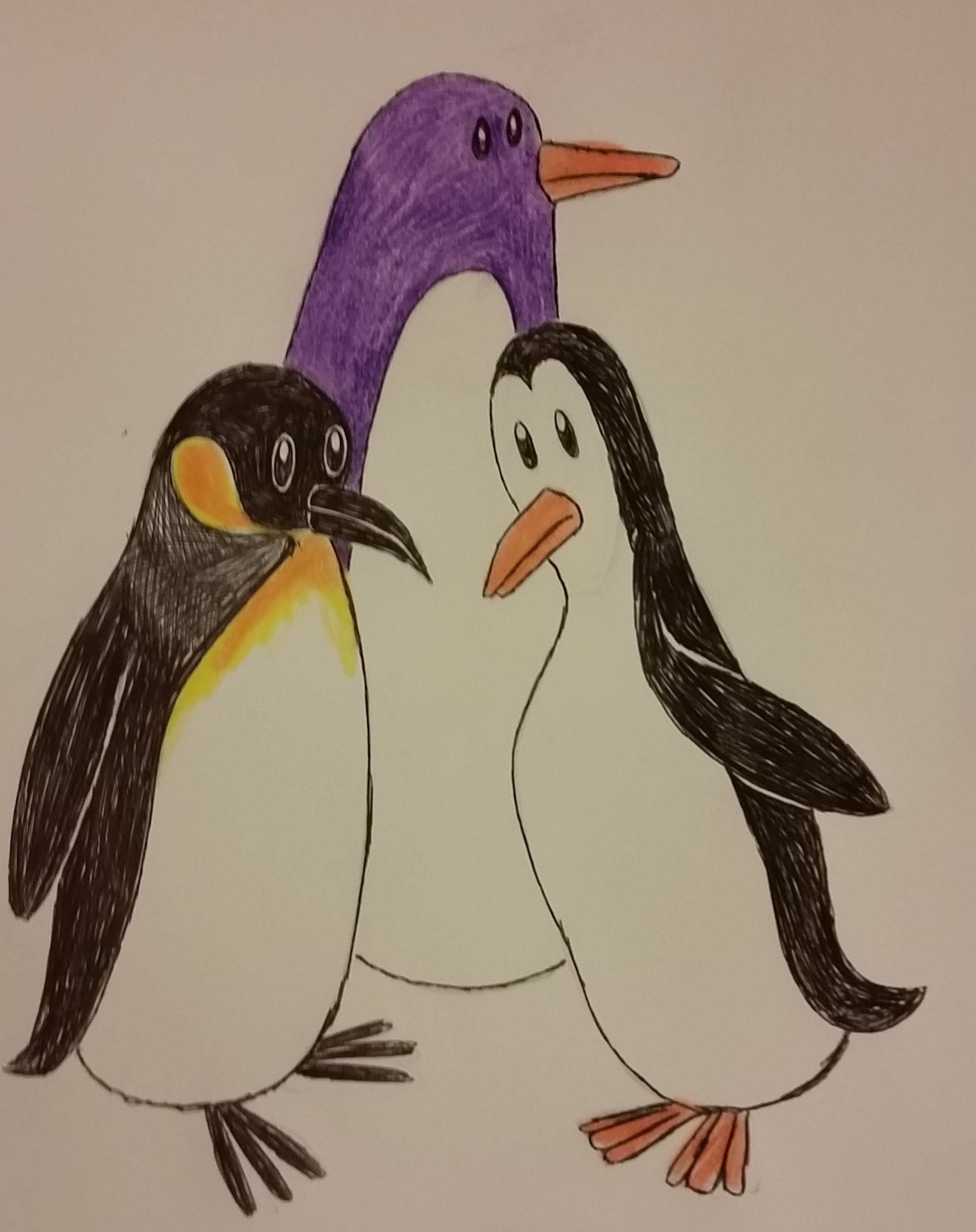
You know how creepy penguins in cartoons can be, right? The Penguins of Madagascar are like a Mission-Impossible Team gone horribly wrong and transformed into penguins. The penguin in Wallace and Gromit’s The Wrong Trousers disguised himself as a chicken to perform acts of pure evil. Cartoonists all know that penguins are inherently creepy and evil.
I recently learned a hard lesson about penguins. You know the joke, “What’s black and white and red all over? A penguin with a sunburn.” I told that joke one too many times. Who knew the Dallas metroplex had so many loose penguins lurking around? They are literally everywhere. One of them overheard me. And apparently they have vowed a sacred penguin vow that no penguin joke goes unpunished.
As I walked the dog this morning, I spotted creepy penguin eyes, about three pairs, looking at me from behind the bank of the creek bed in the park. When I went to retrieve the empty recycle bins from the driveway, there they were again, looking at me over the top of the neighbor’s privacy fence.
“Penguins see the world in black and white,” said one of the Penguins.
“Except for purple ones,” added the purple one.
“Penguins can talk?” I tried unsuccessfully to ask.
“Penguins only talk in proverbs,” said one of the penguins.
“But the purple one gives the counterpoint,” said the purple one.
“The wisdom of penguins is always cold and harsh,” said one of the penguins.
“Except on days like this when it’s hot,” said the purple one.
“You should always listen to penguins,” said one of the penguins.
“Of course, people will think you are crazy if you do,” said the purple one.
“People who talk to penguins are headed for a nervous breakdown,” said one of the penguins.
“Unless you are a cartoonist. Then it is probably normal behavior,” said the purple one.
“Is this all real?” I tried unsuccessfully to ask.
“Everyone knows that penguins are real,” said one of the penguins.
“But there are no purple penguins in nature,” said the purple one.
So, I sat down to write this post about penguins and their proverbs with a very disturbing thought in my little cartoonist’s head… Why am I really writing about penguins today? I really have nothing profound to say about penguin proverbs. Especially profound penguin proverbs with a counterpoint by a purple penguin. Maybe it is all merely a load of goofy silliness and a waste of my time.
“Writing about penguins is never a waste of time,” said one of the penguins.
“And if you believe that, I have some choice real estate in the Okefenokee Swamp I need to talk to you about,” added the purple one.



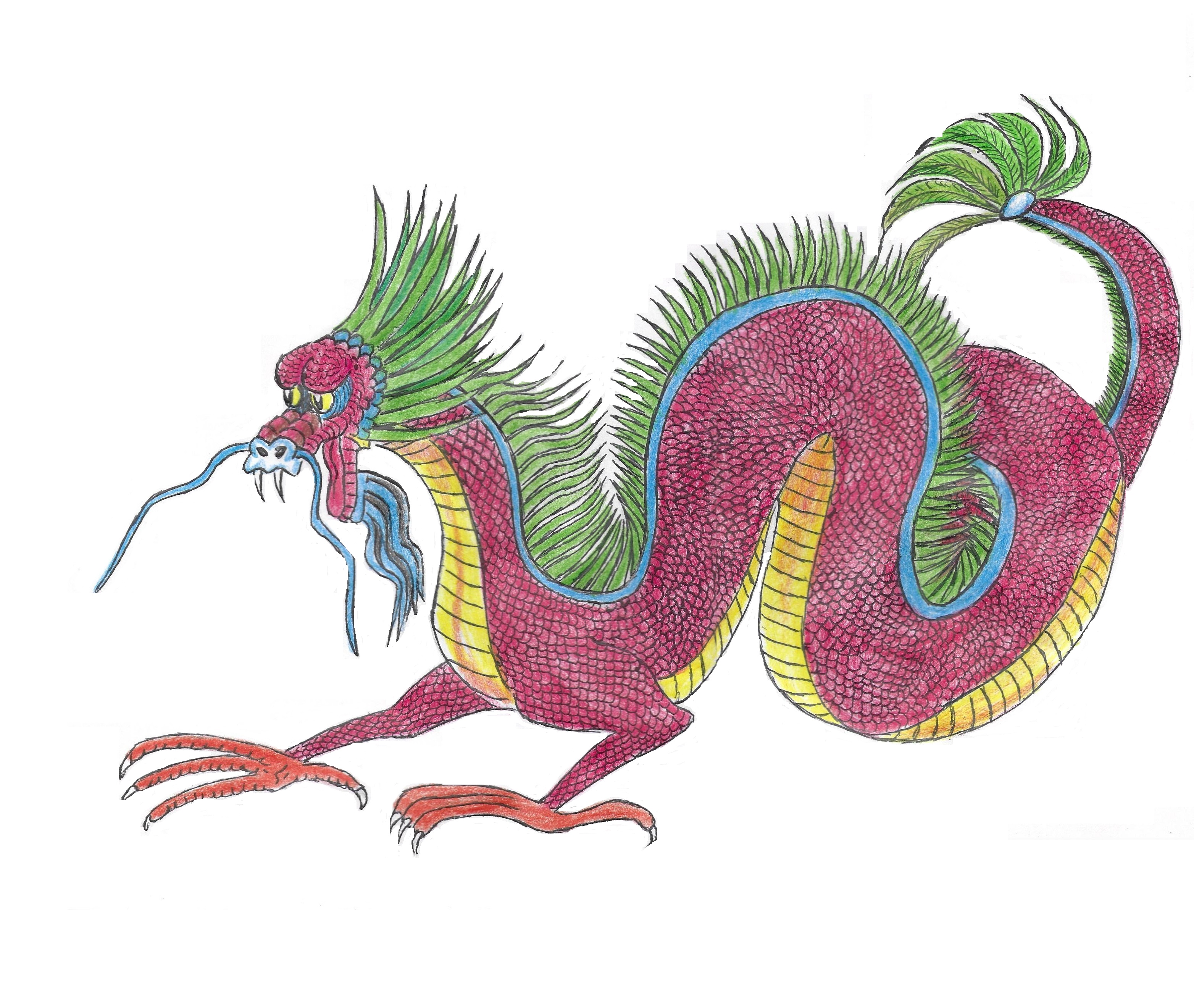


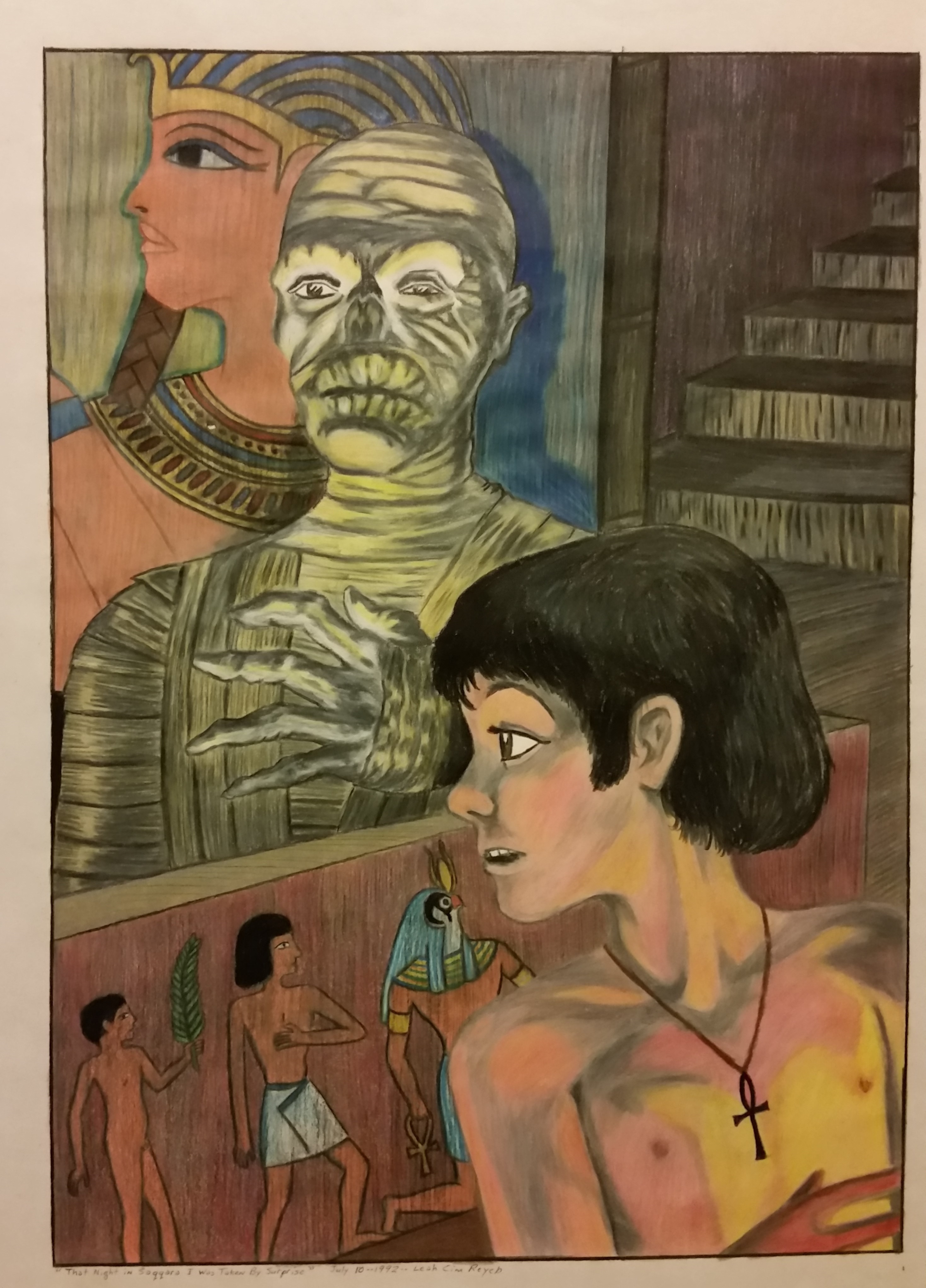
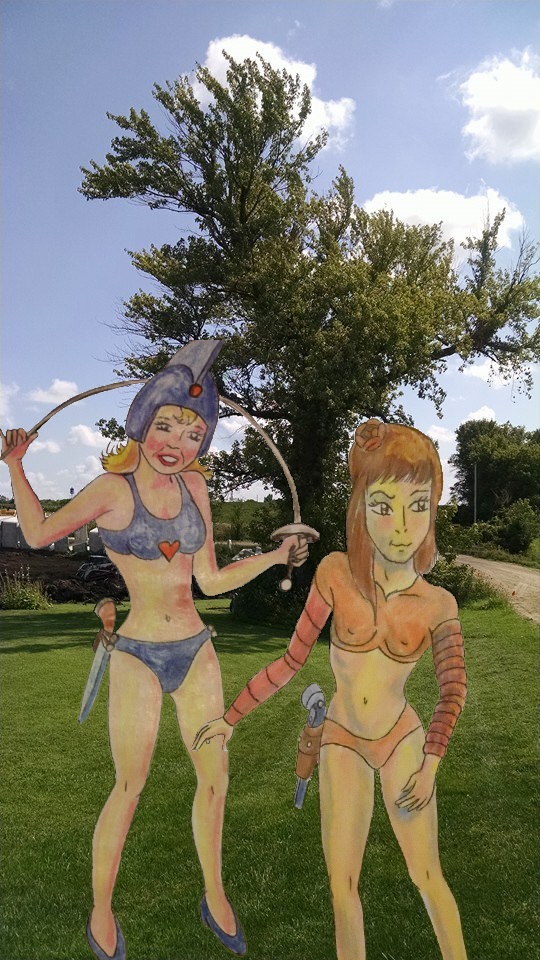




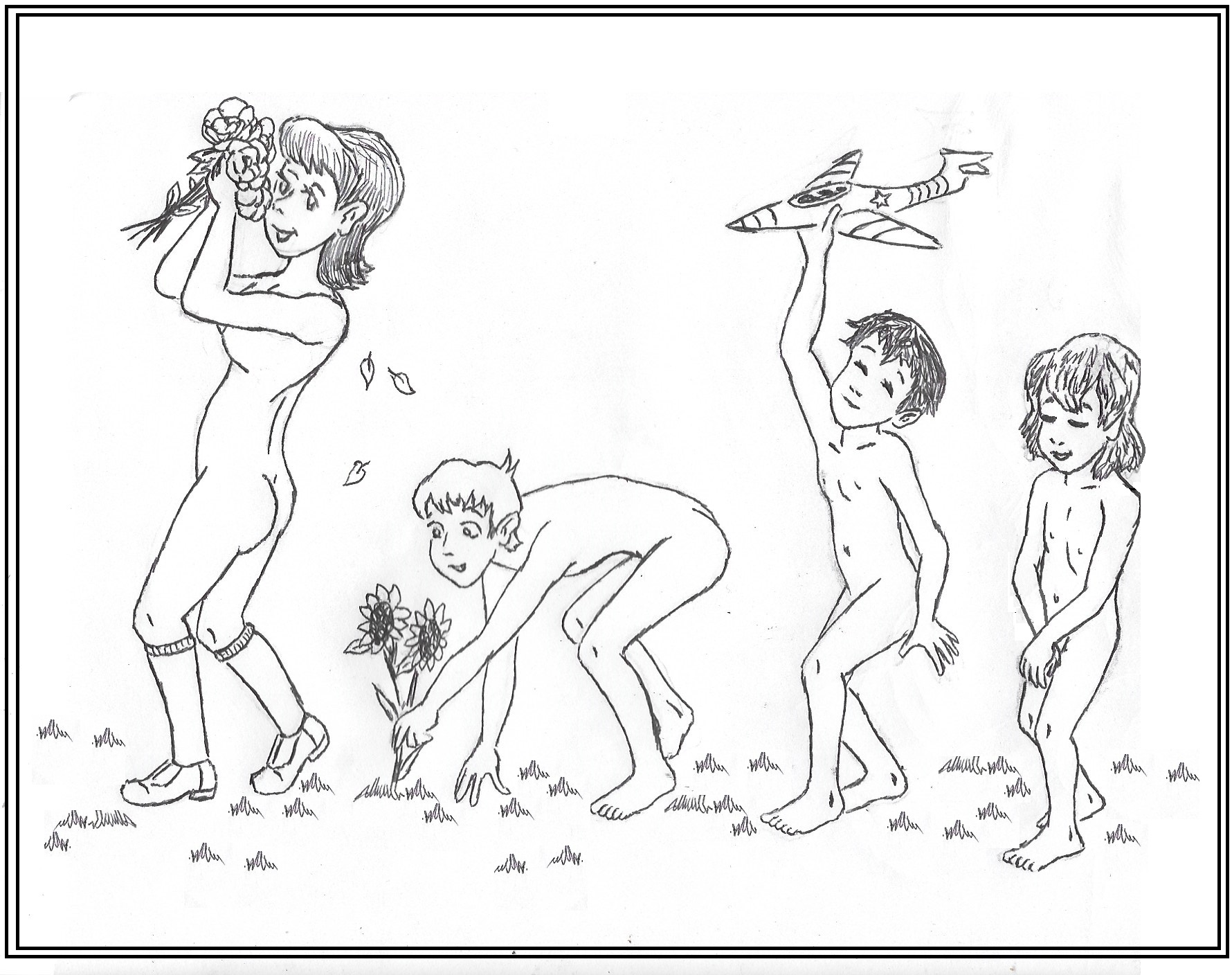
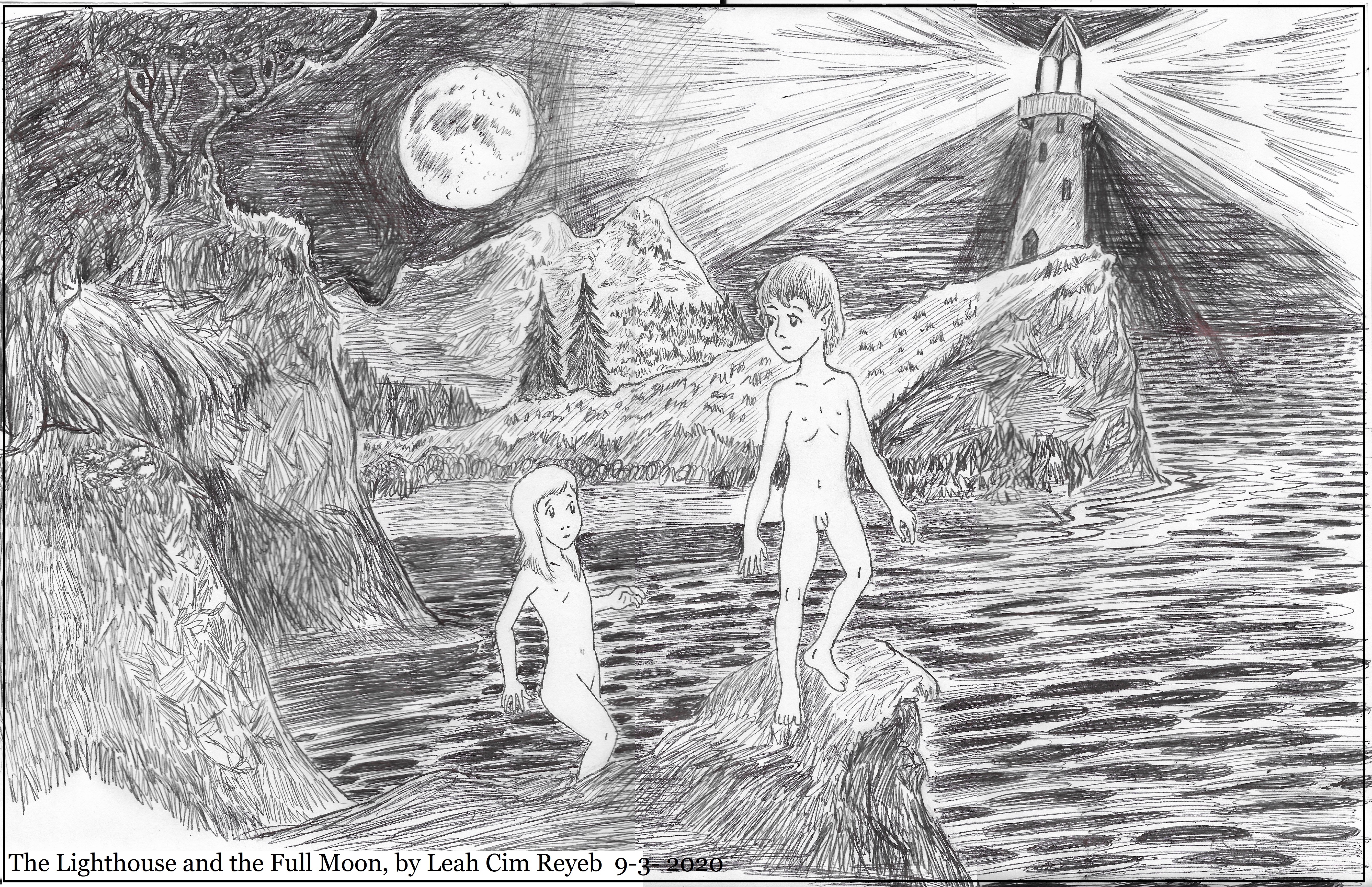
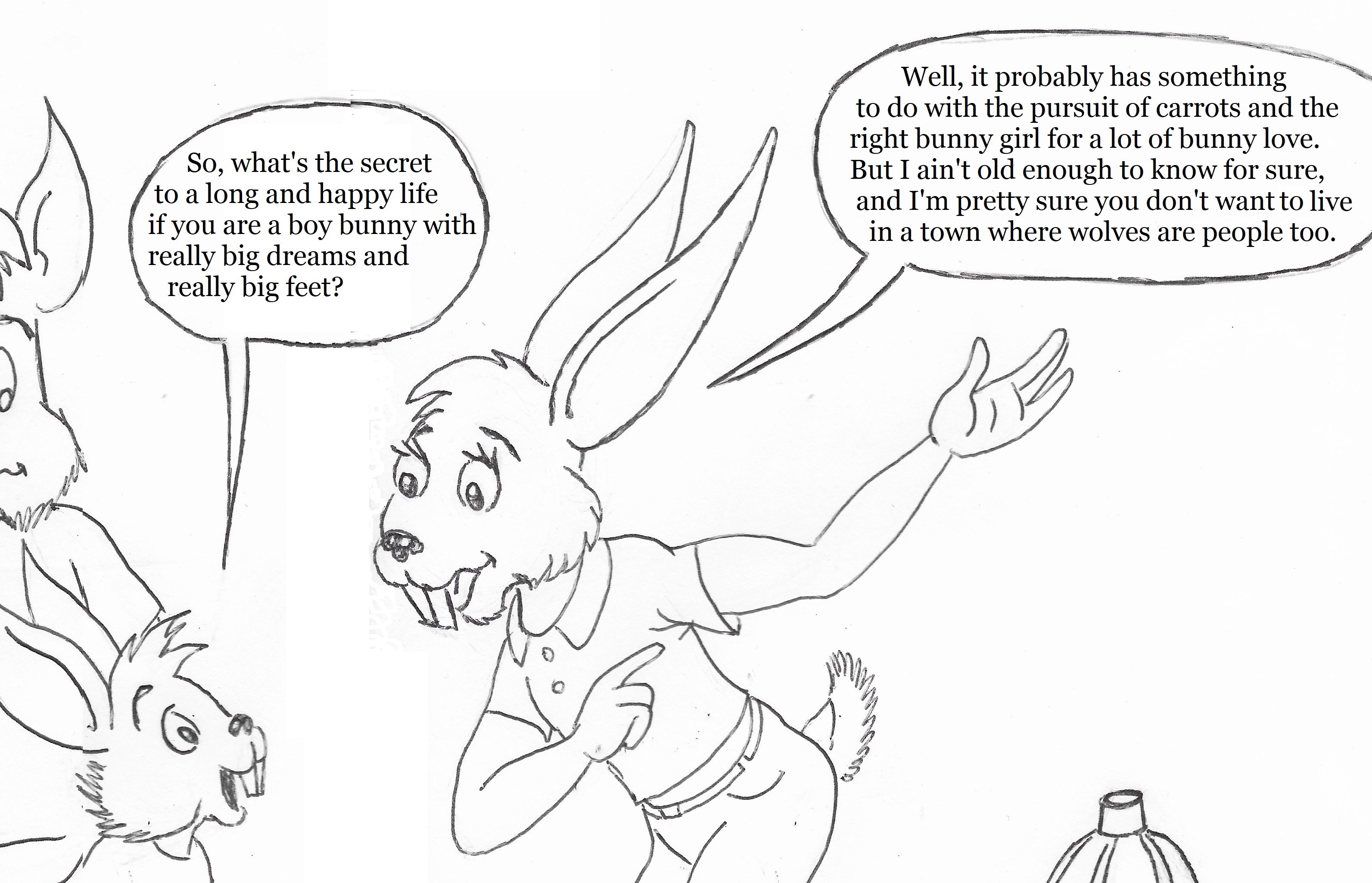
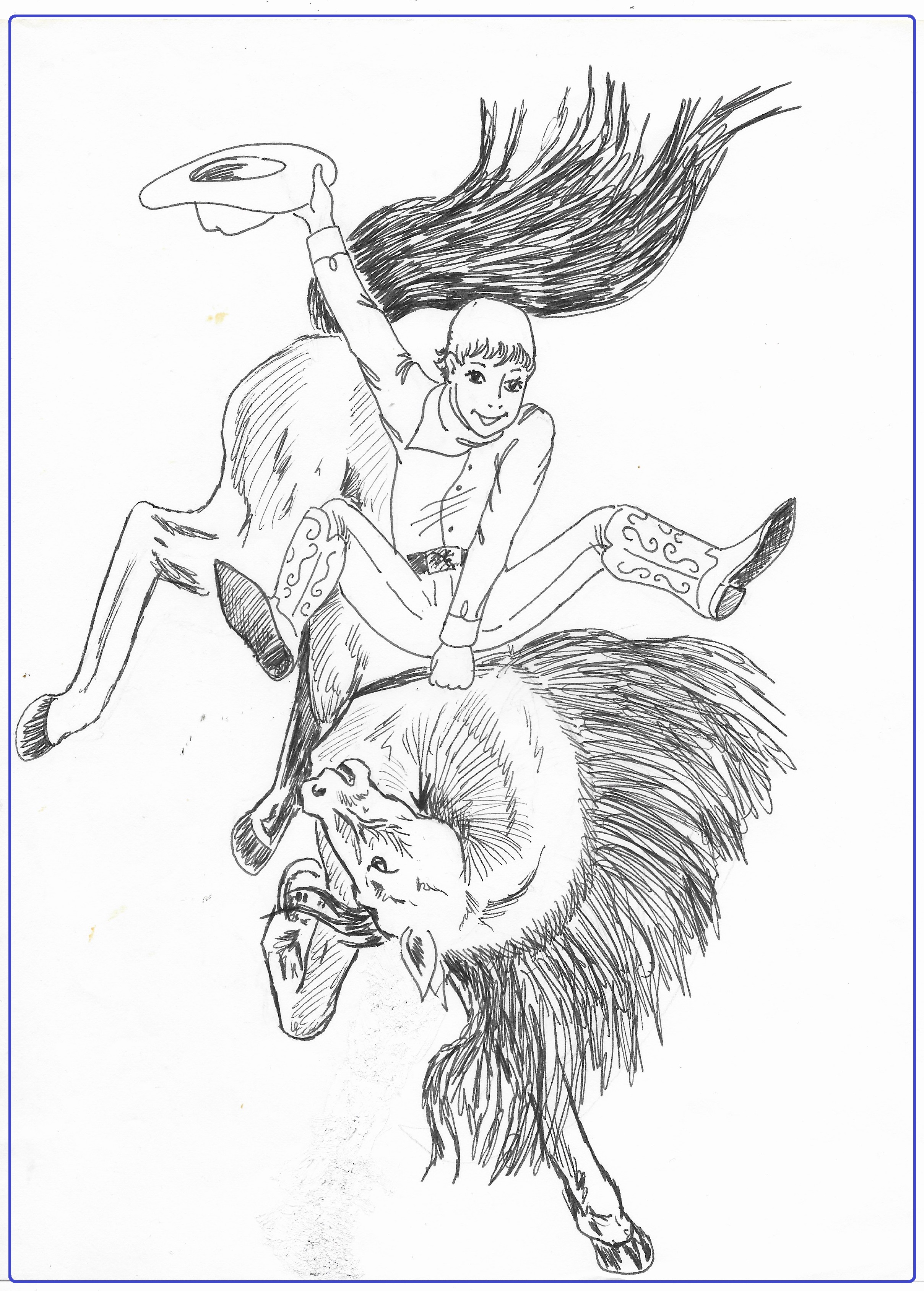

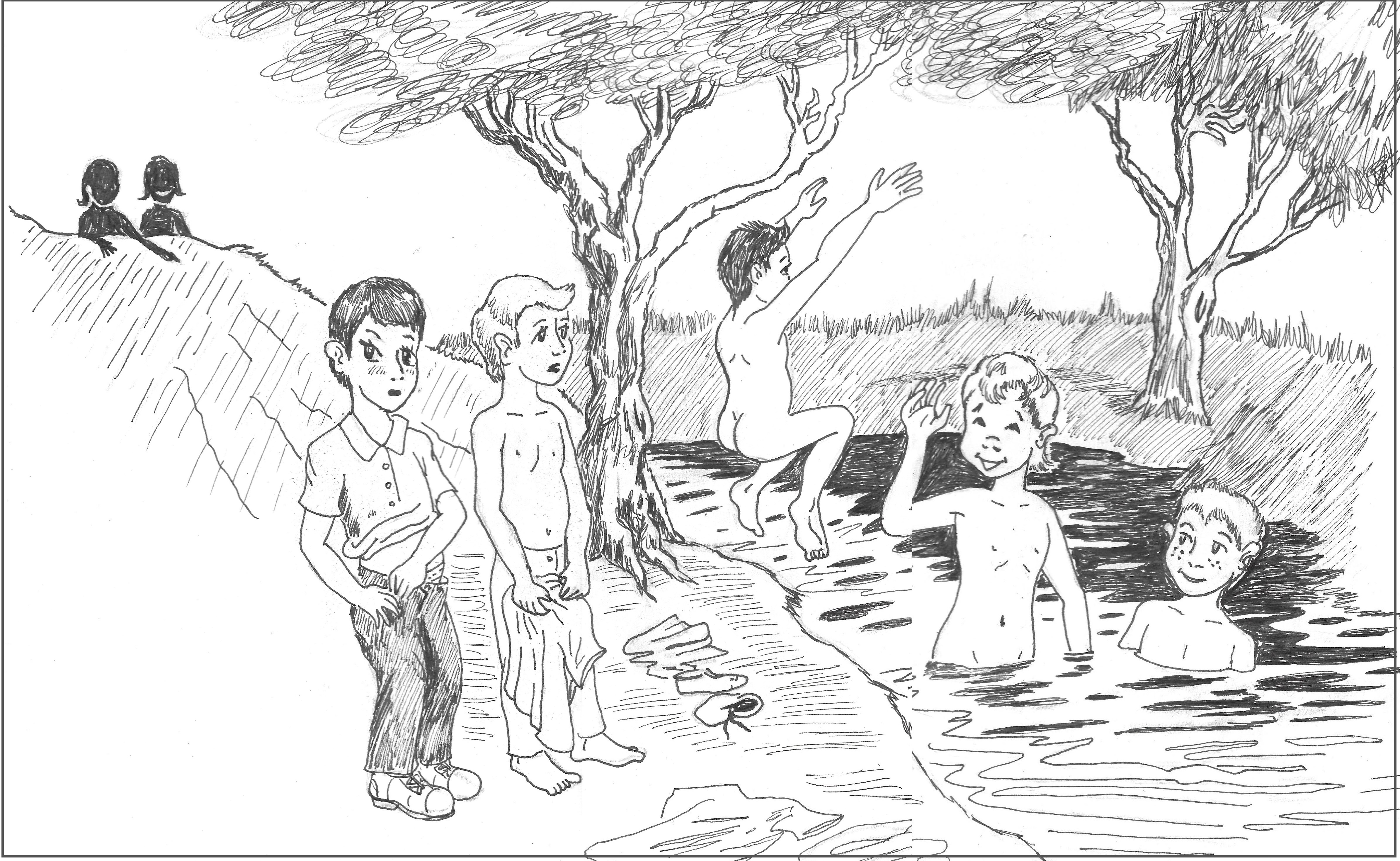
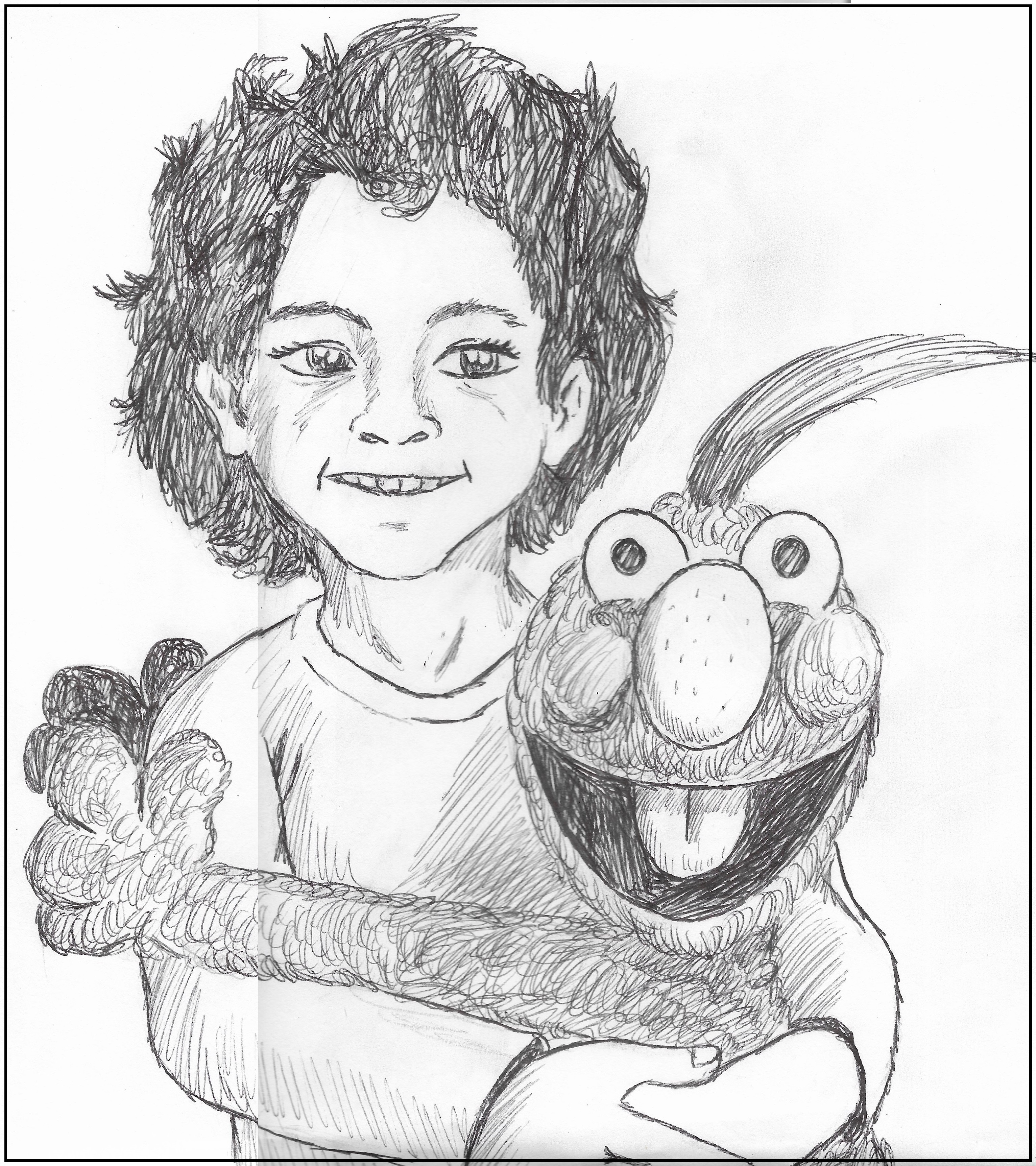


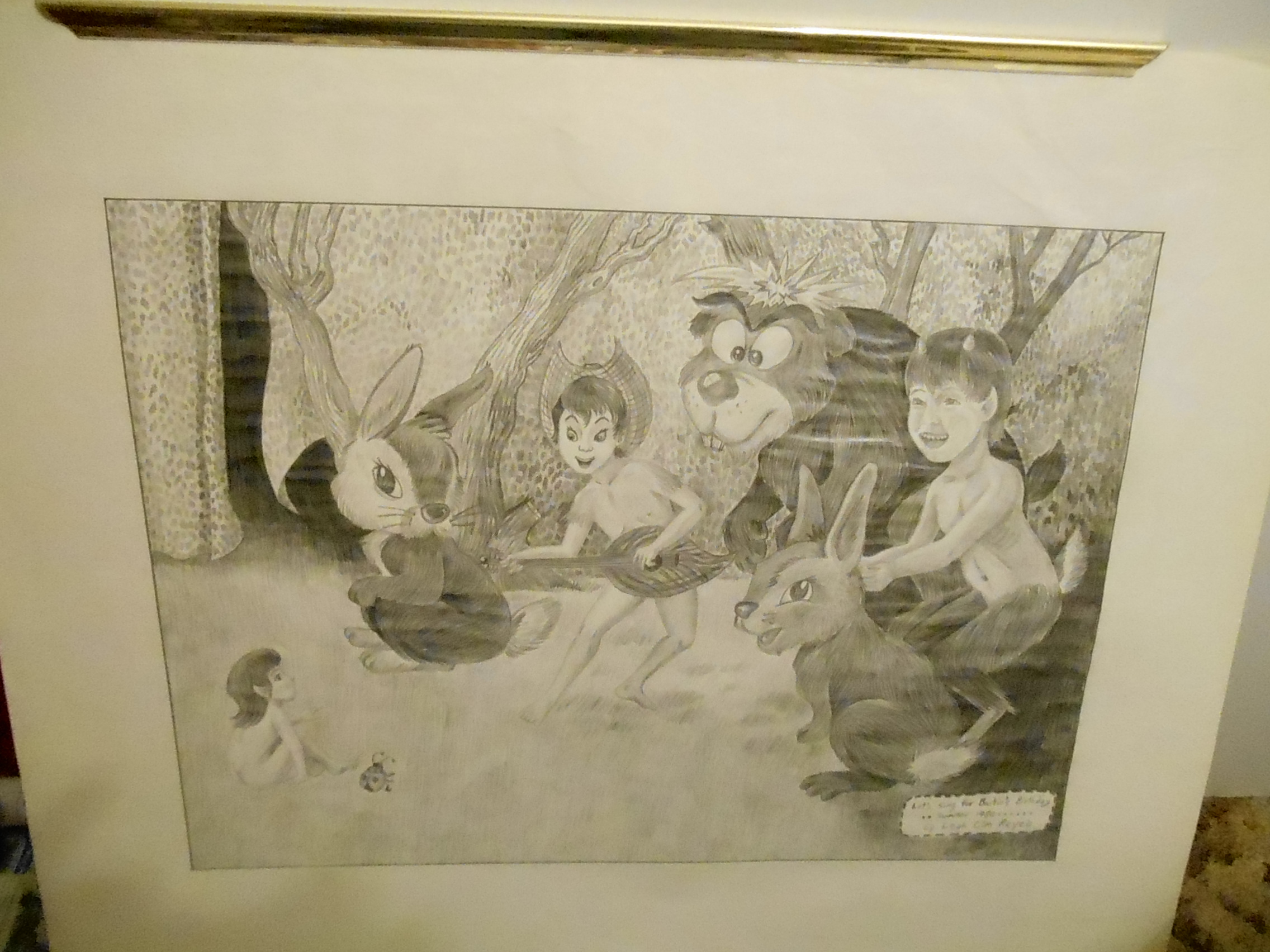


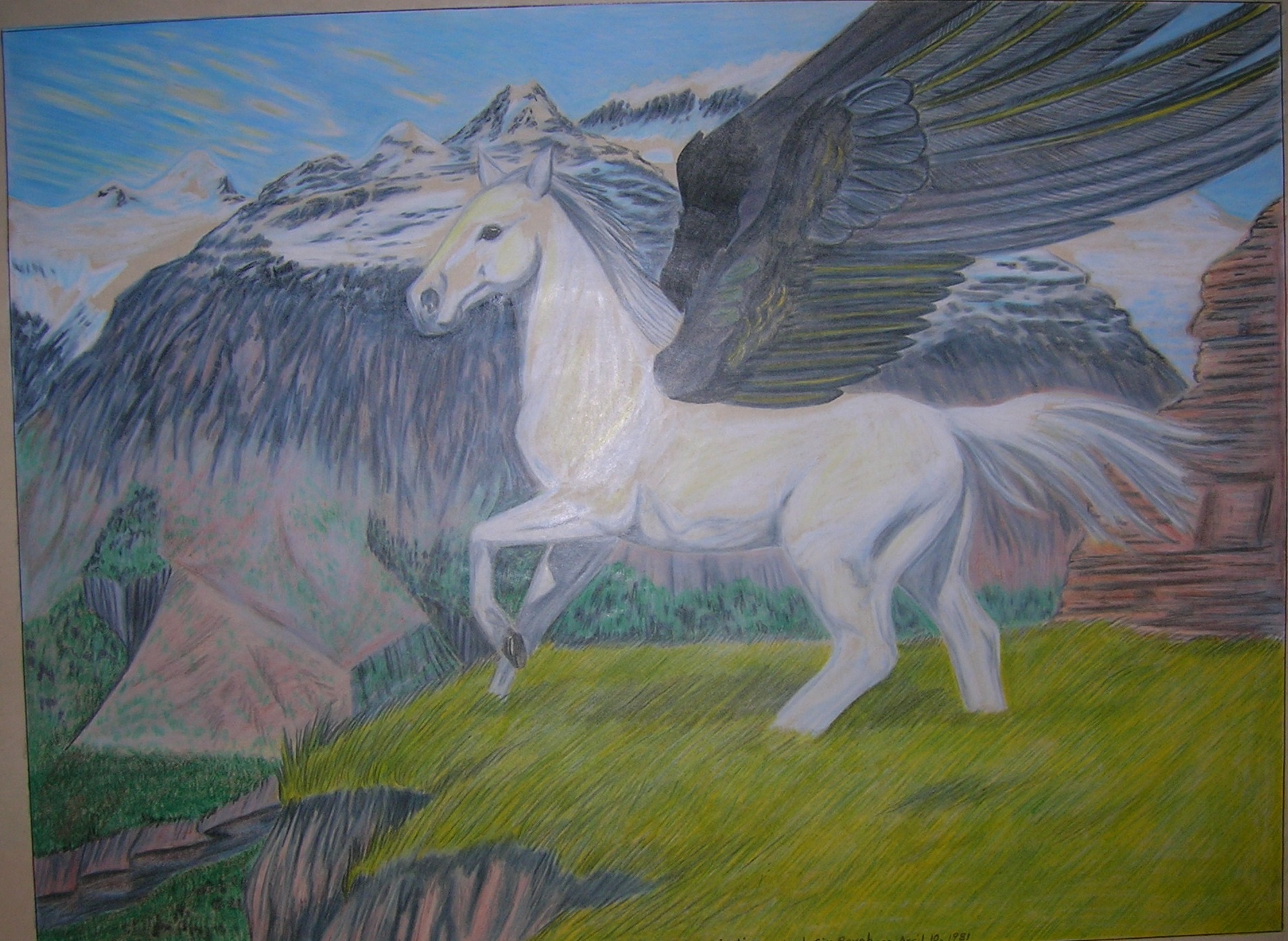
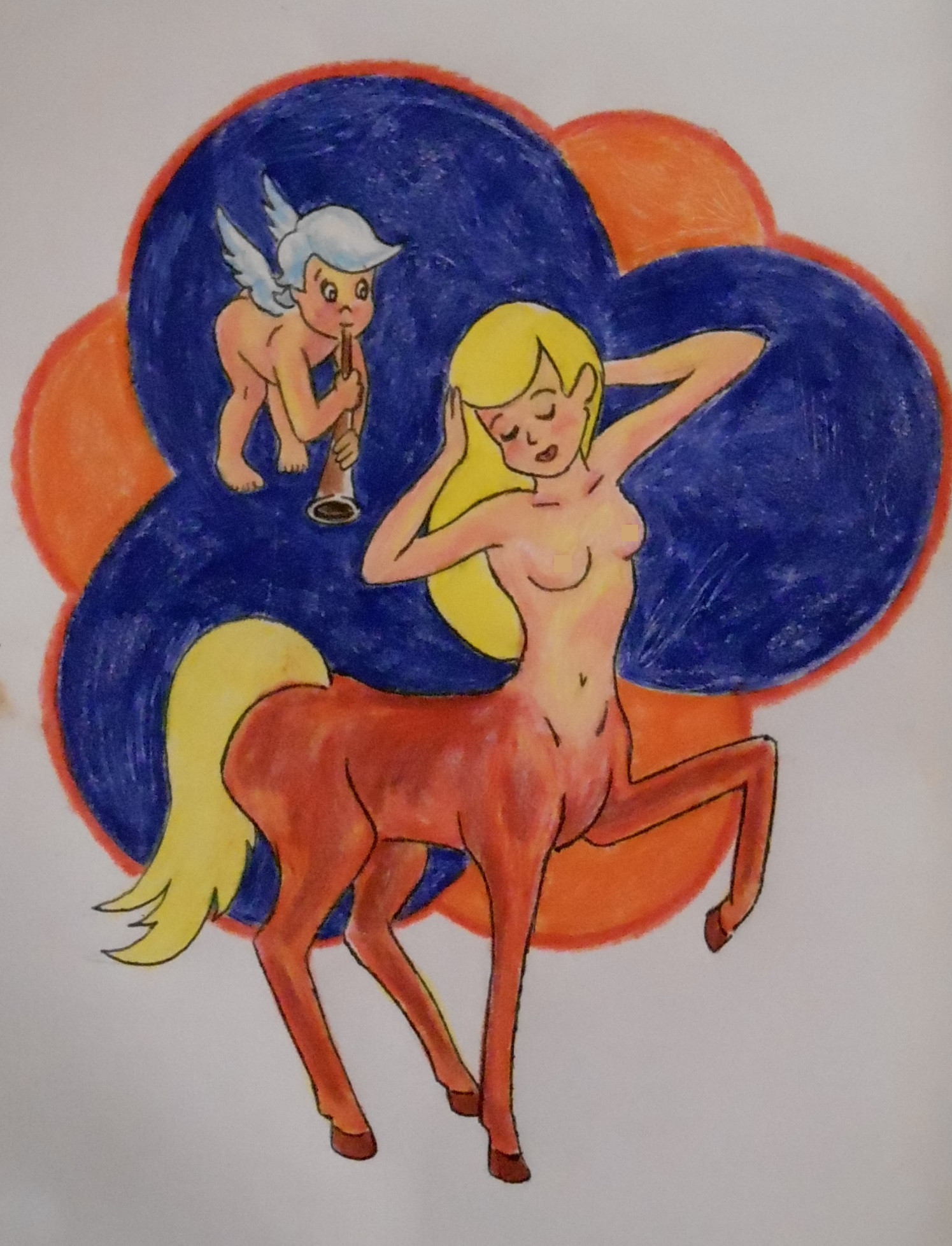
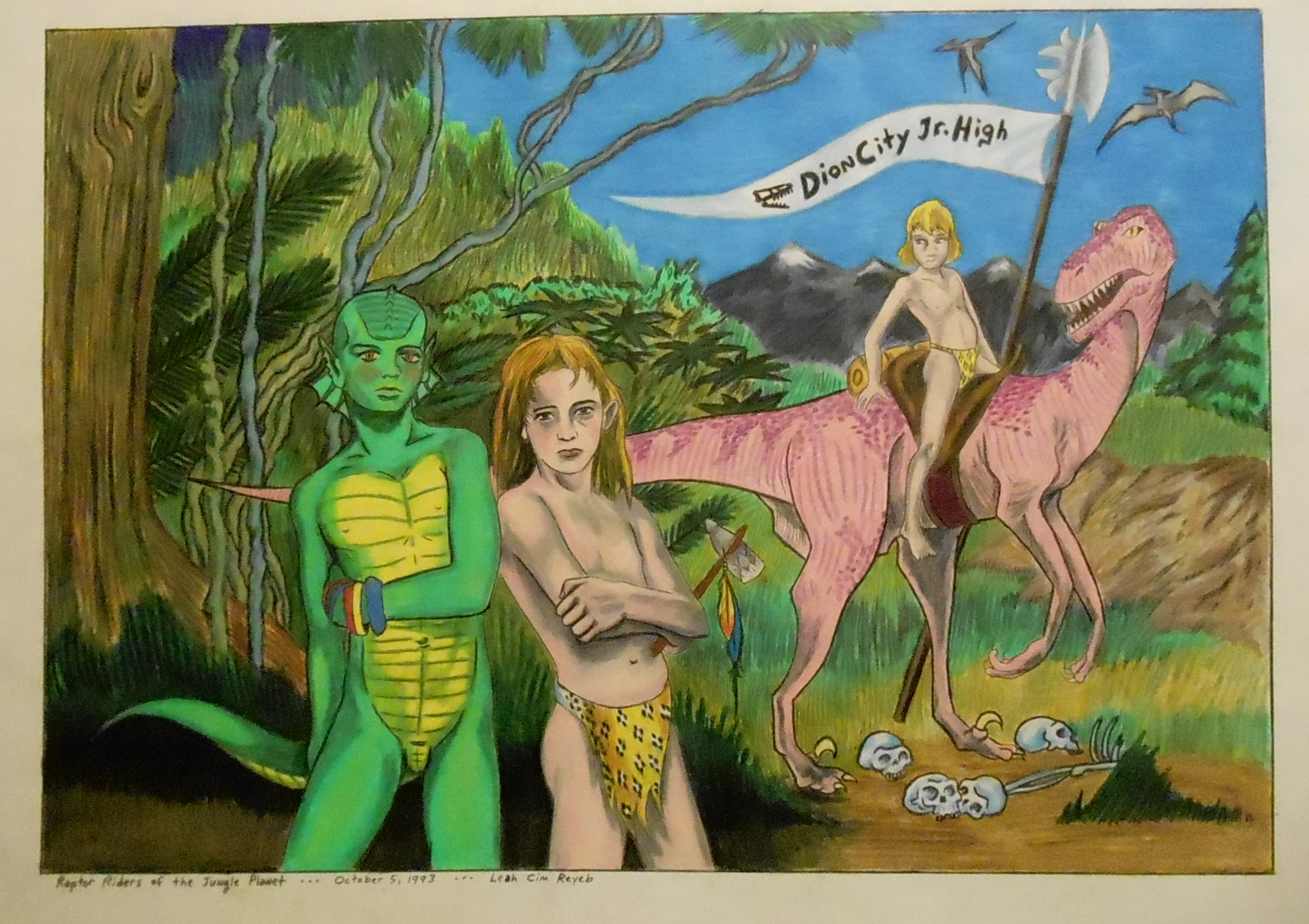

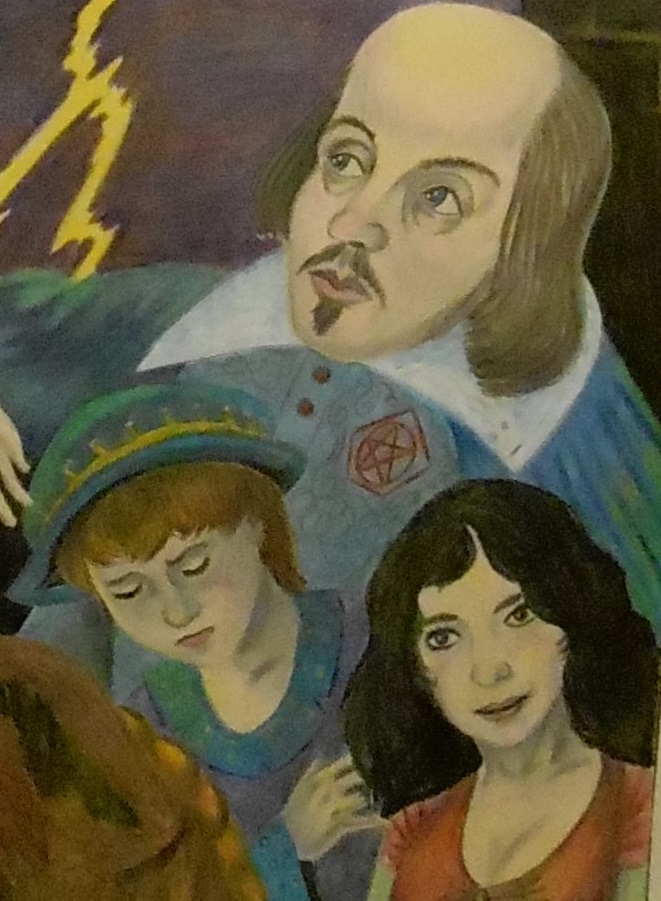
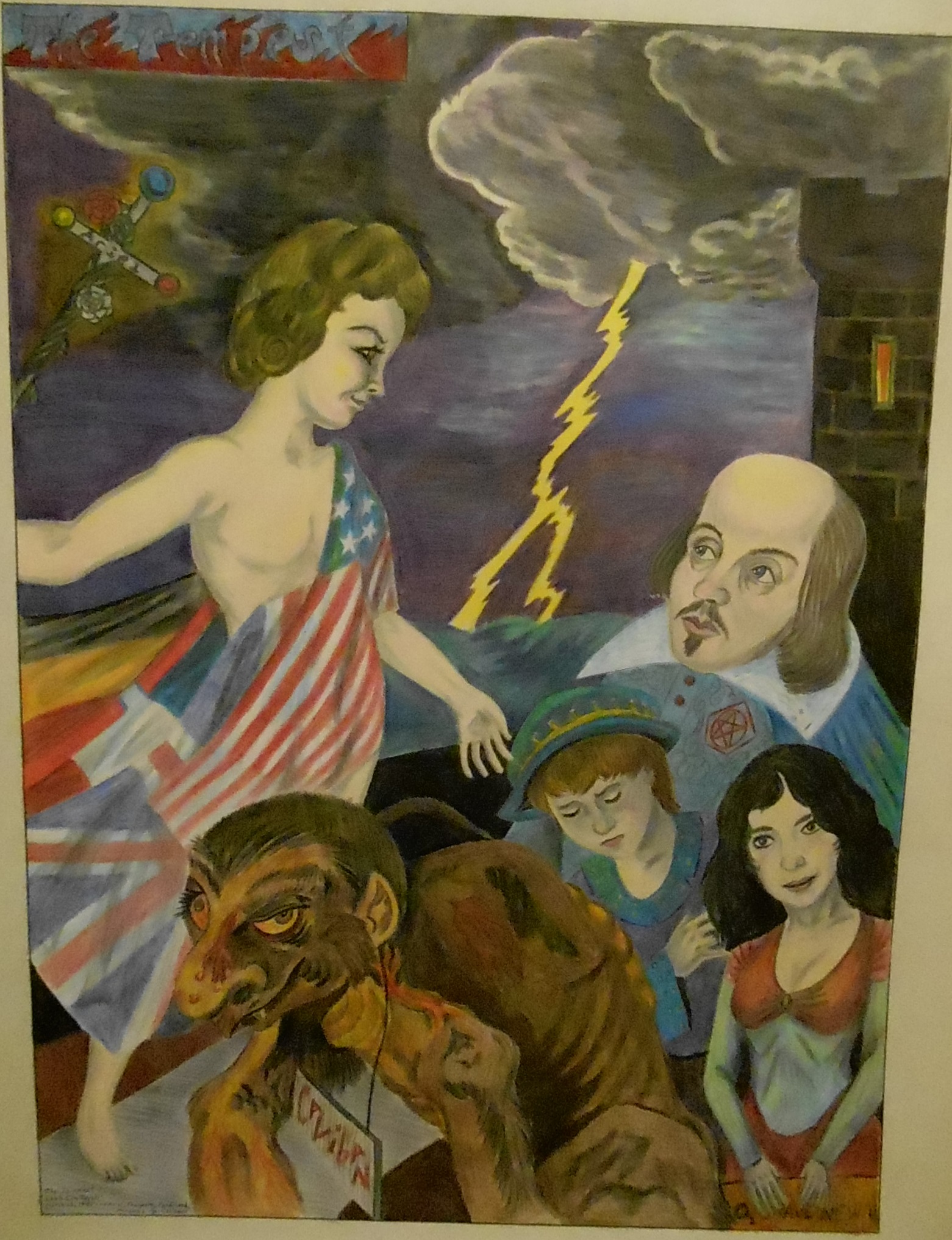
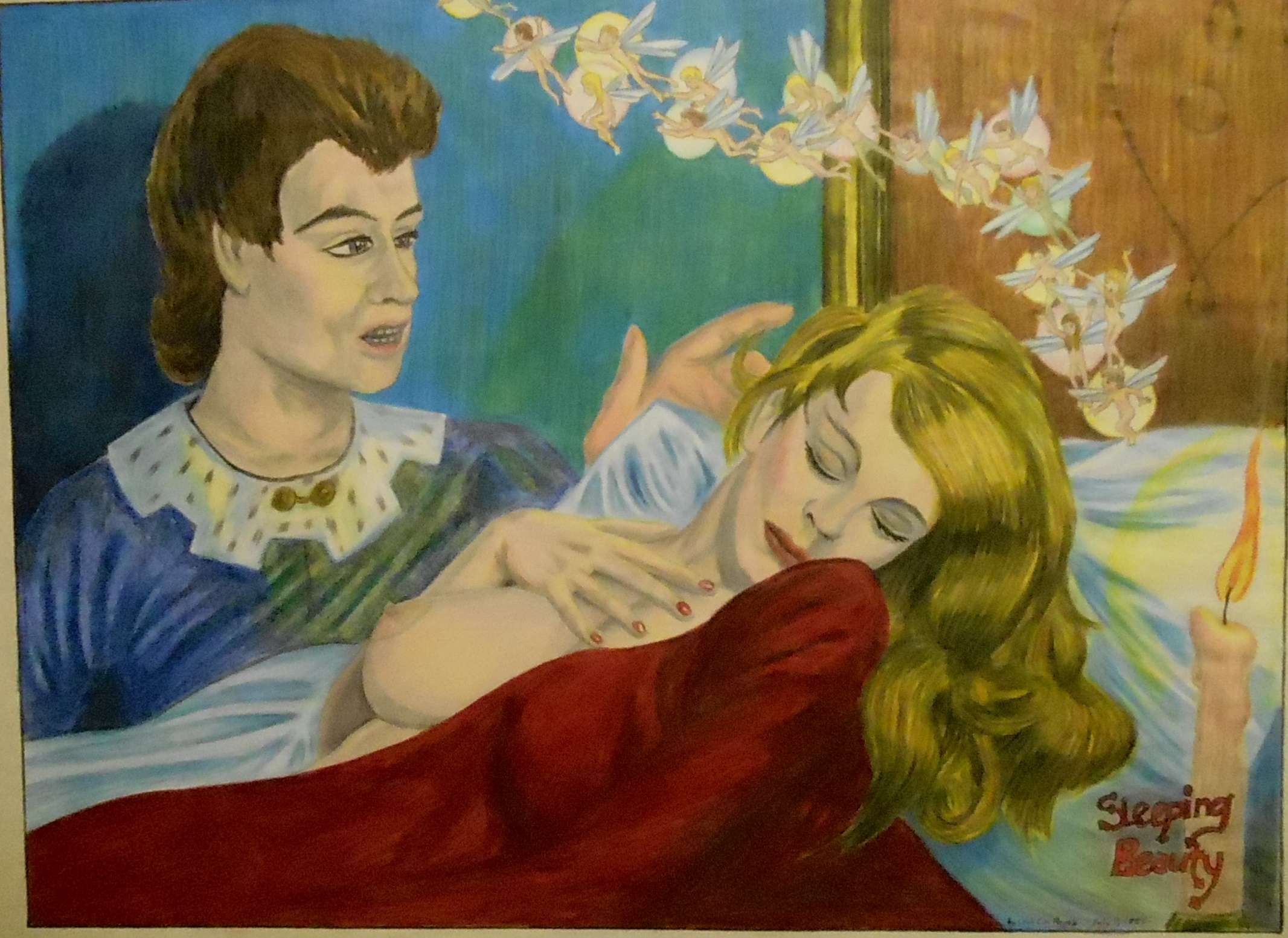
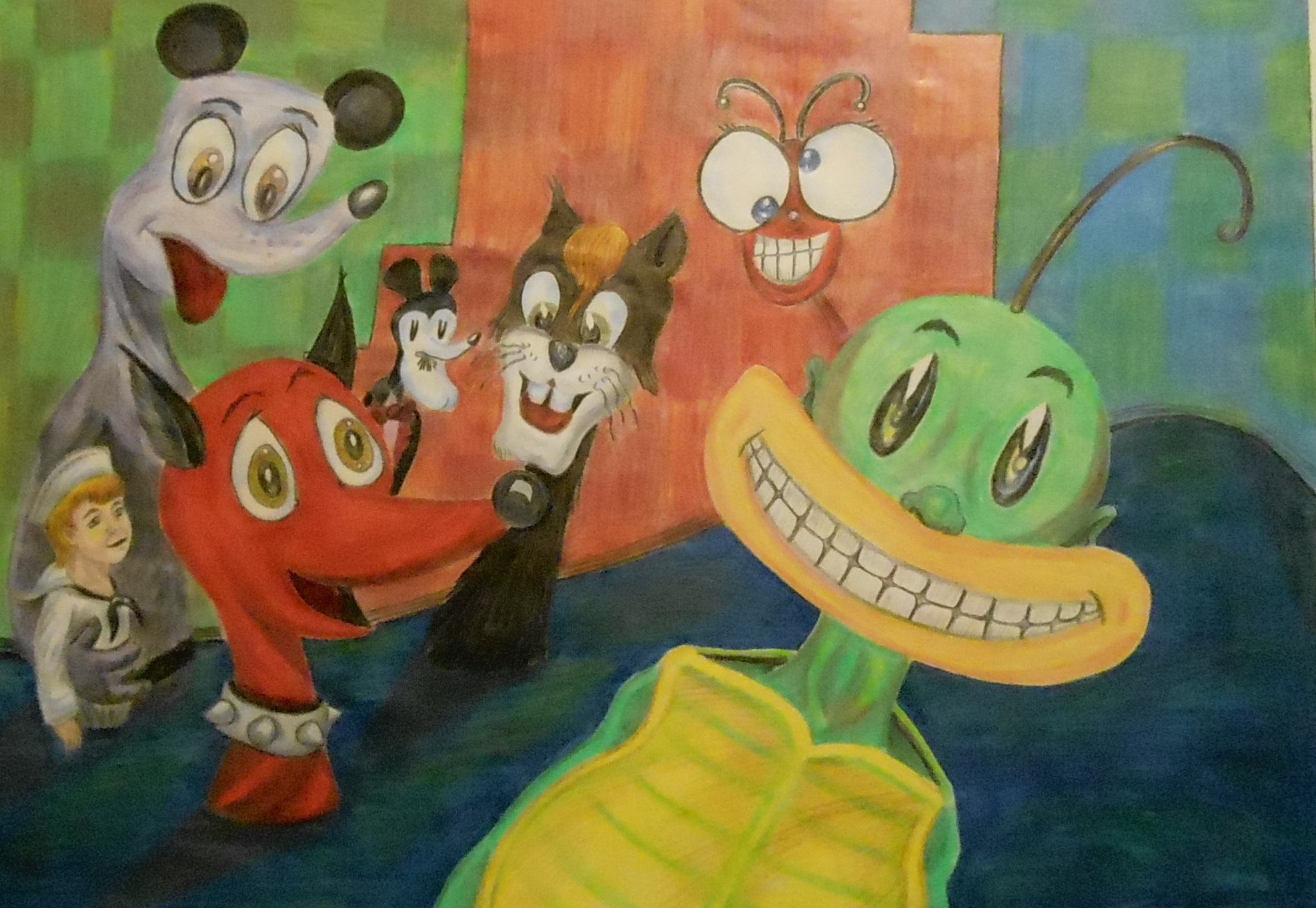
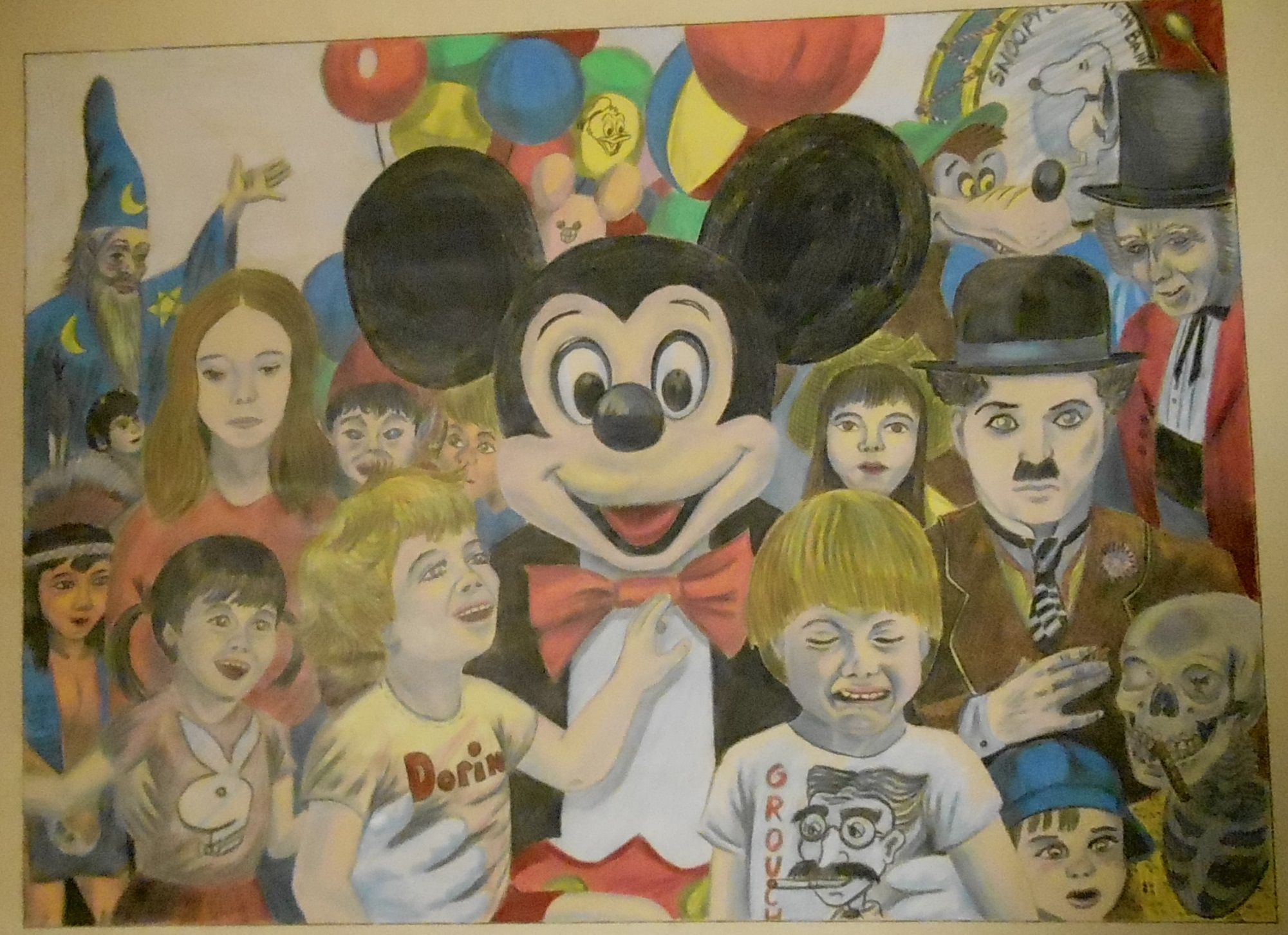


The Iris of the Eye
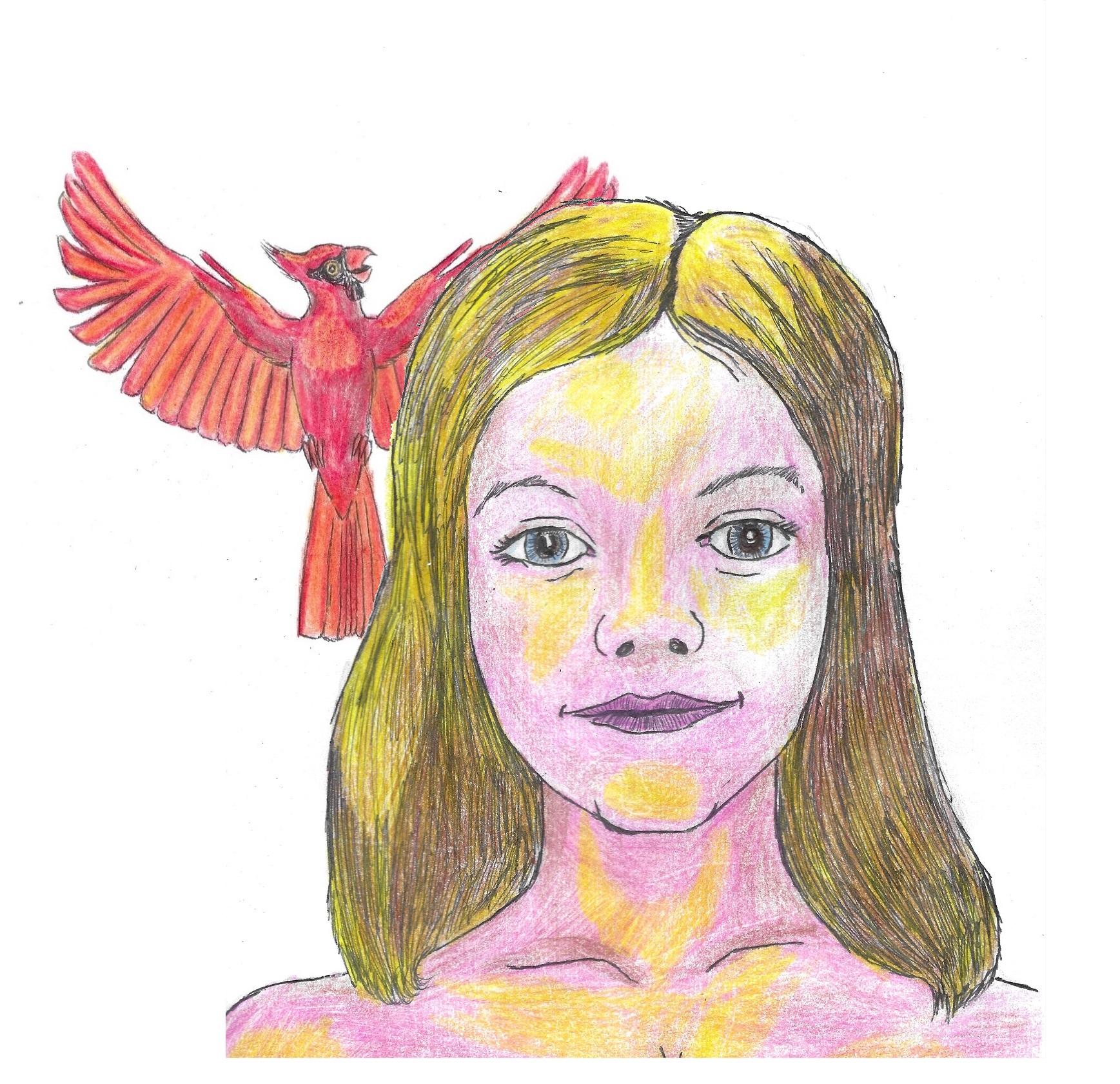
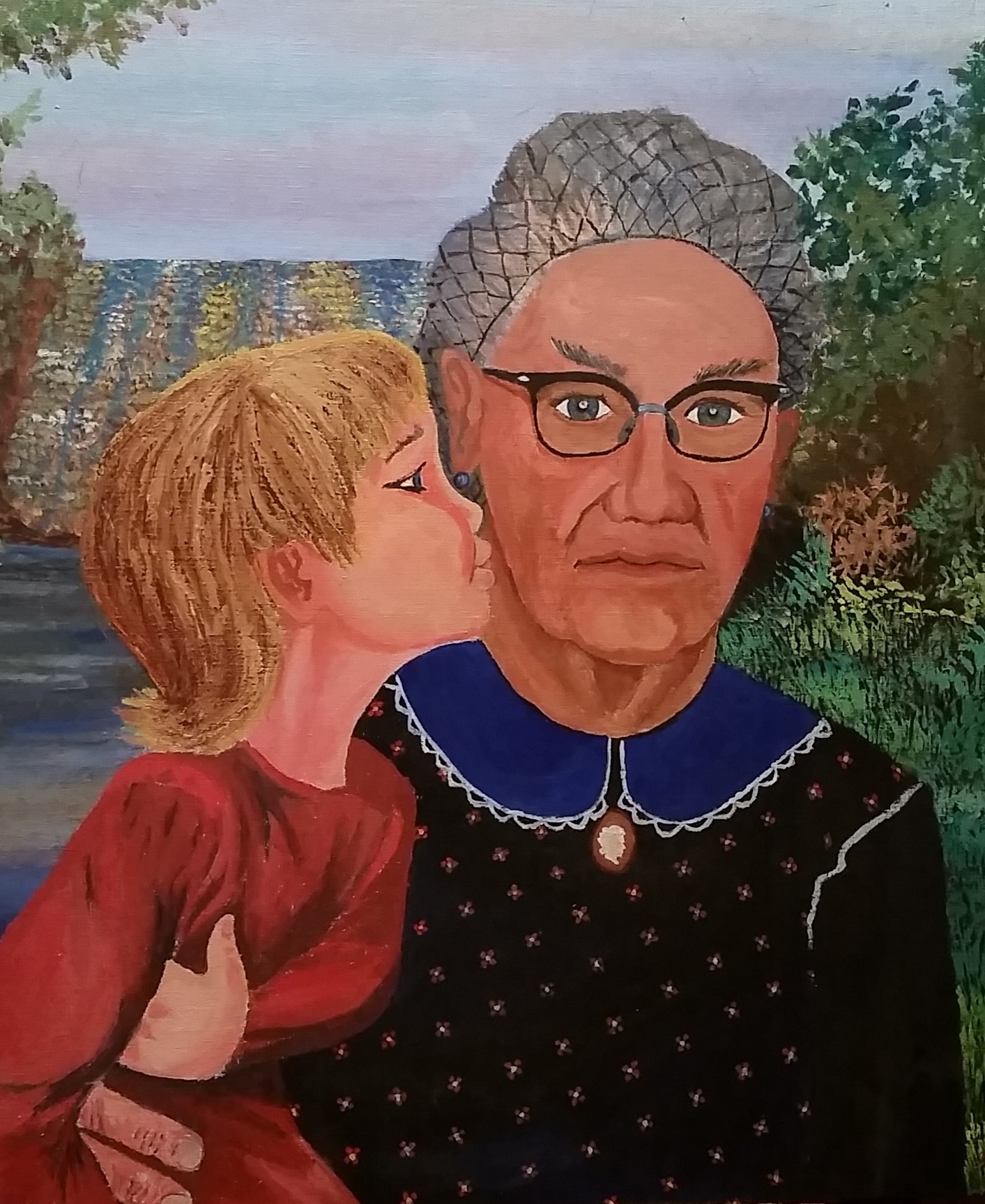
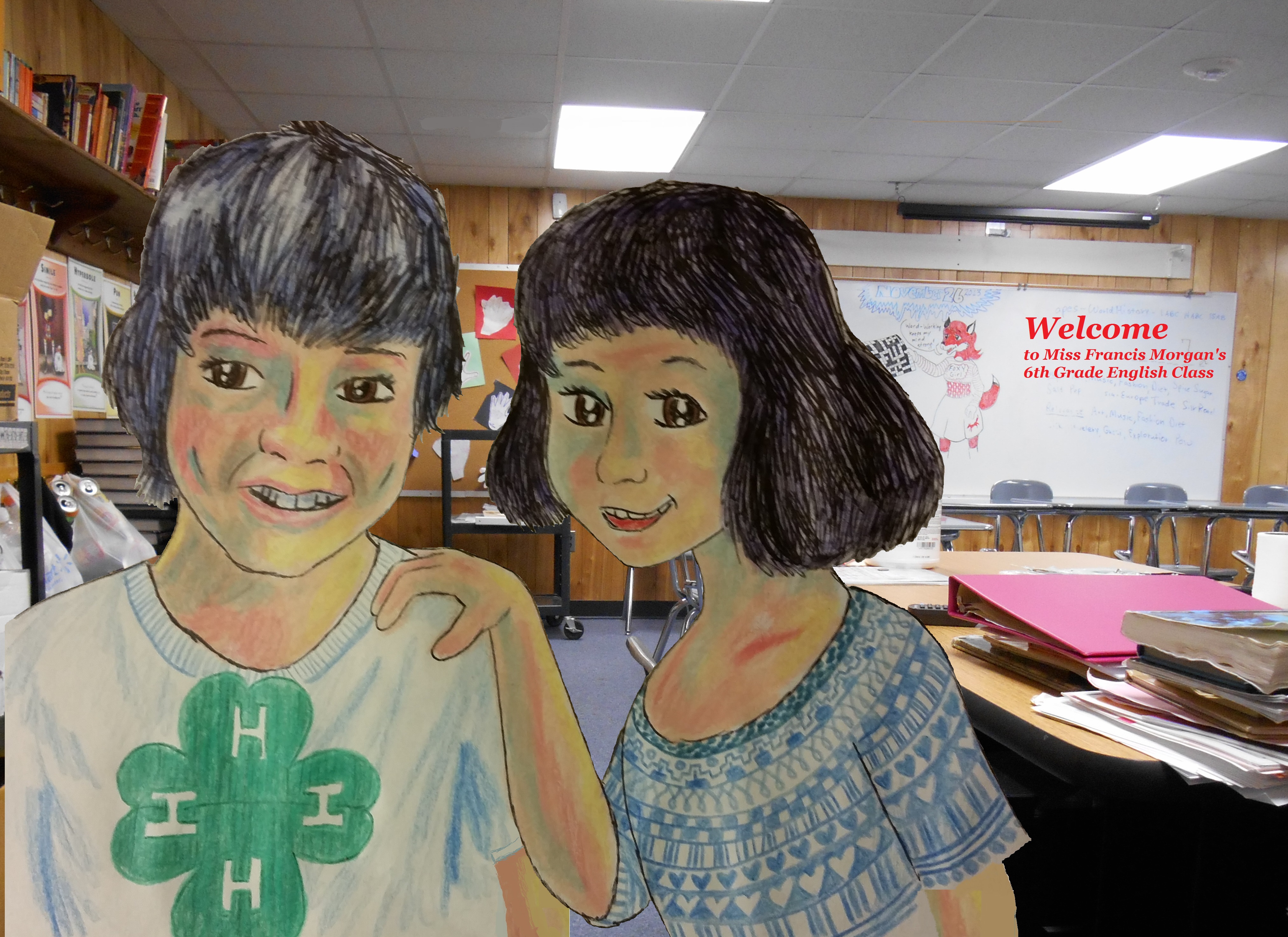
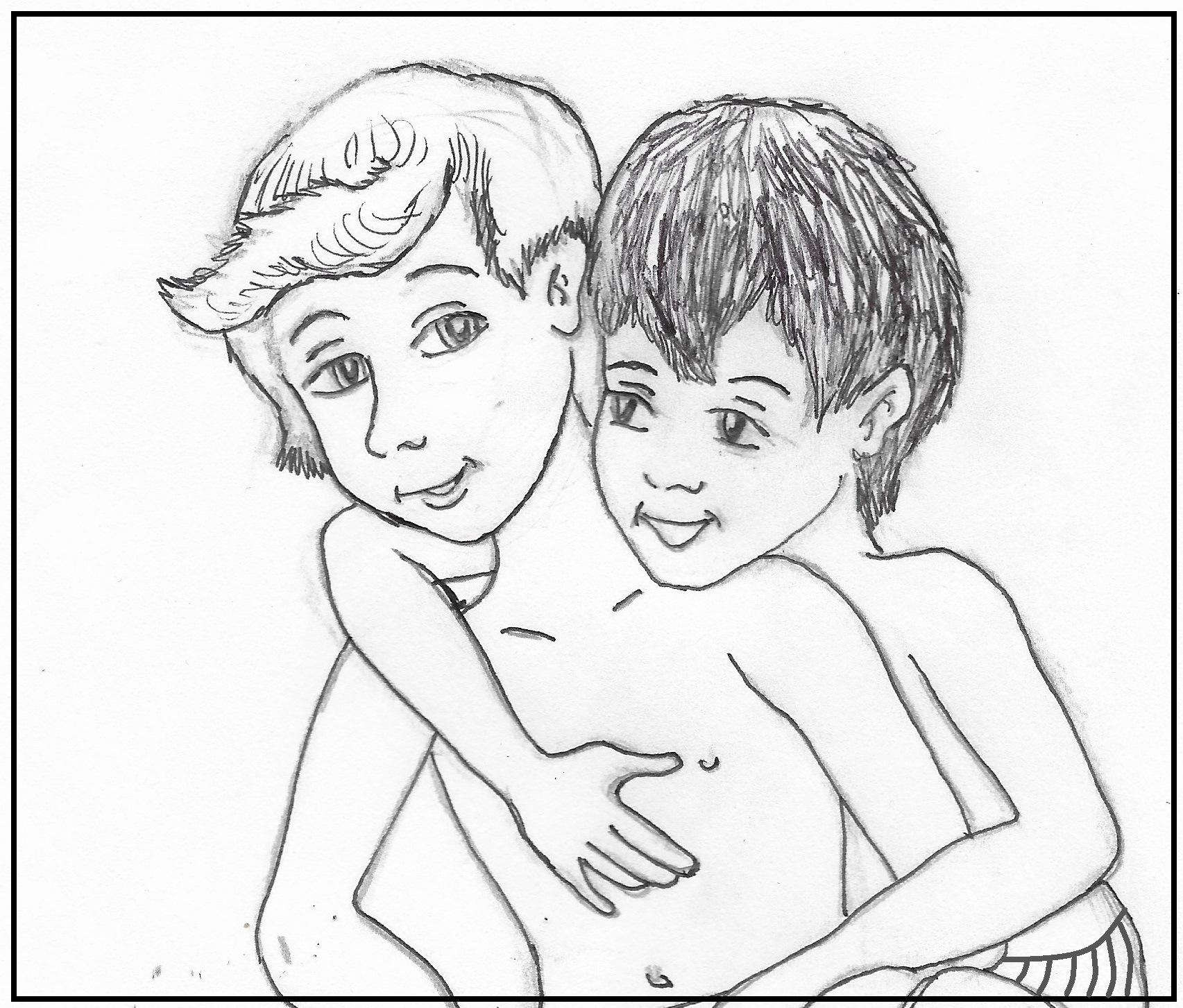
Blue eyes, brown eyes… see differently,
Bur the eyes still see,
Immune to bright sun
Or comfortable with the blue-black shadow.
Whatever the color of the eye… the seeing is the important thing.
Have you ever noticed, that all the best artists,
The ones who see and record what they see the best,
Are now dead and gone?
And all we have left of them
Are the artifacts,
What their eyes beheld,
What their hand captured and interpreted,
In paint
Or picture
In book
Or song.
Or is it only that… the new eyes remain yet to be discovered?
Whatever color your eye is now,
The iris of the eye,
Won’t you look with me?
To see?
What yet we may uncover?
Leave a comment
Filed under artwork, commentary, empathy, insight, inspiration, poem, poetry