
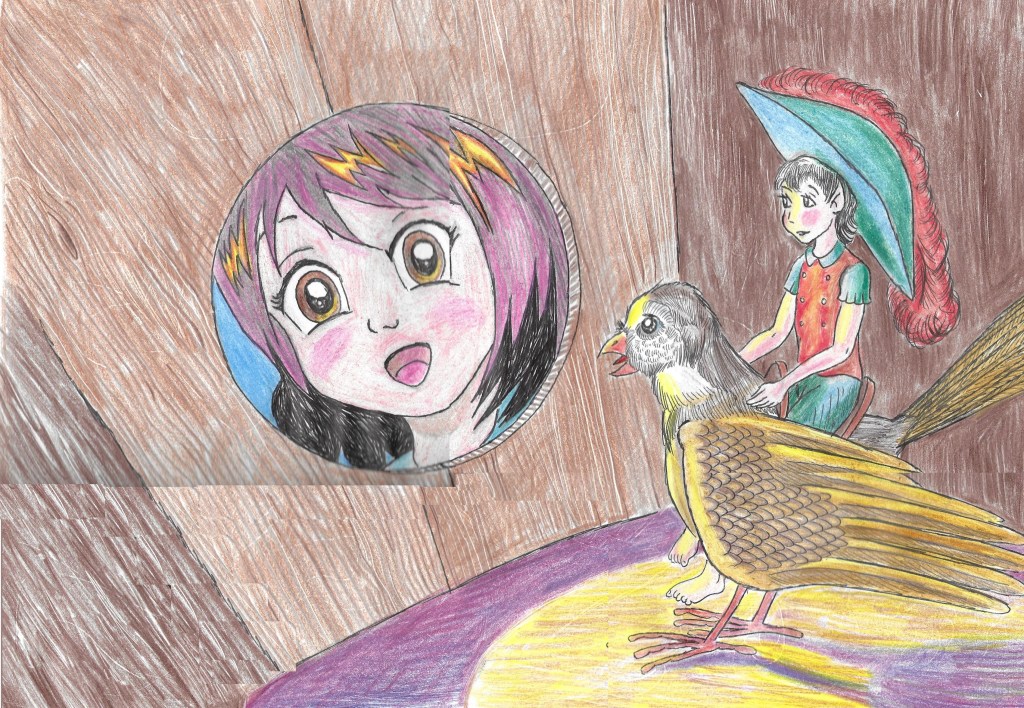
Filed under artwork, fairies, gingerbread, Hidden Kingdom, humor, illustrations, Paffooney
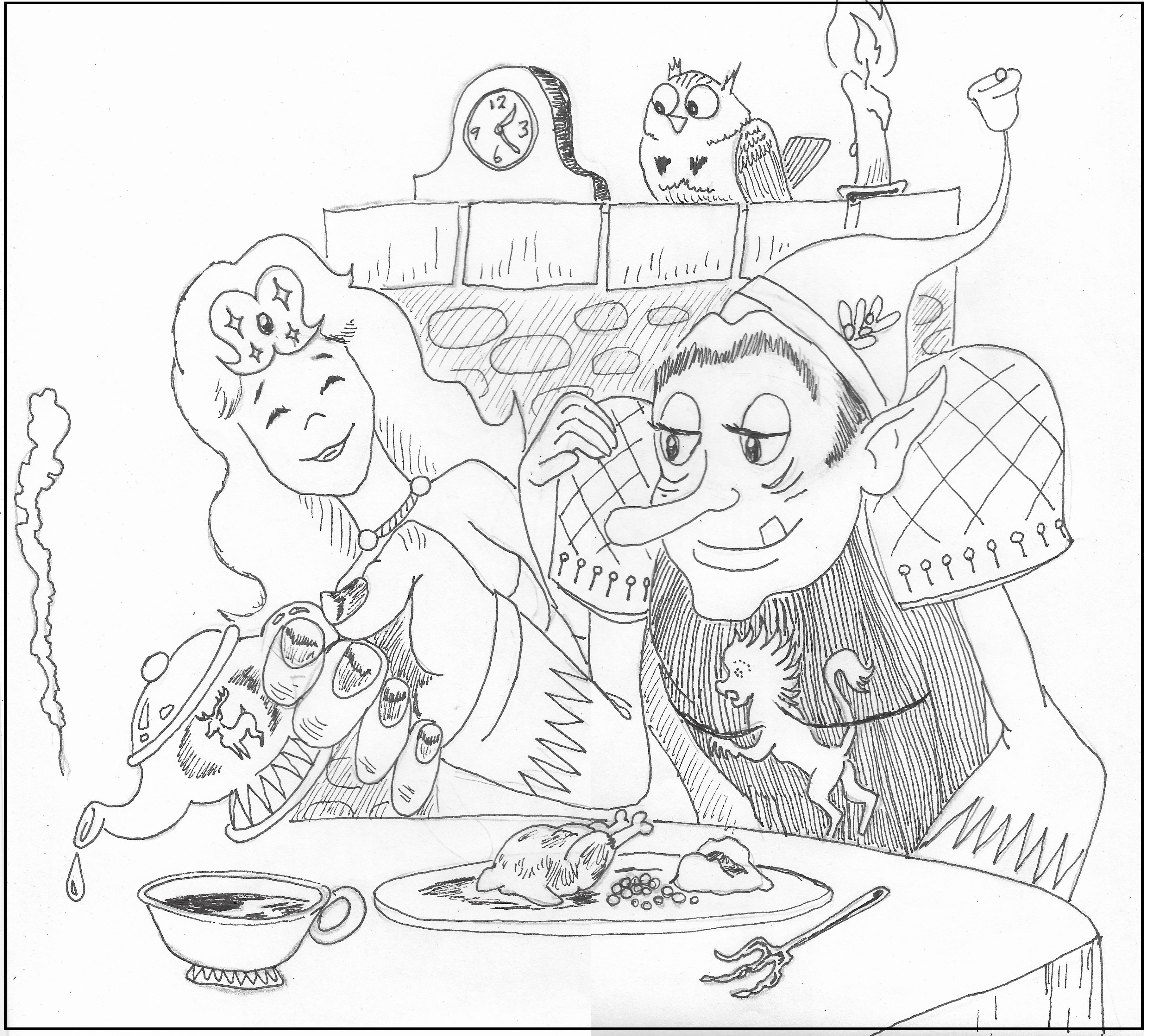
Today is a day I normally take it easy, relax a bit, and do some thinking and reflecting. On Simple Saturdays I simply post old artworks that I hadn’t thought of in a while. Now that I am going blind, losing the ability to travel, and possibly facing the last days of my life, it is important to pace myself and not rush anything. The finish line is near. And this race isn’t won by crossing the final line first.

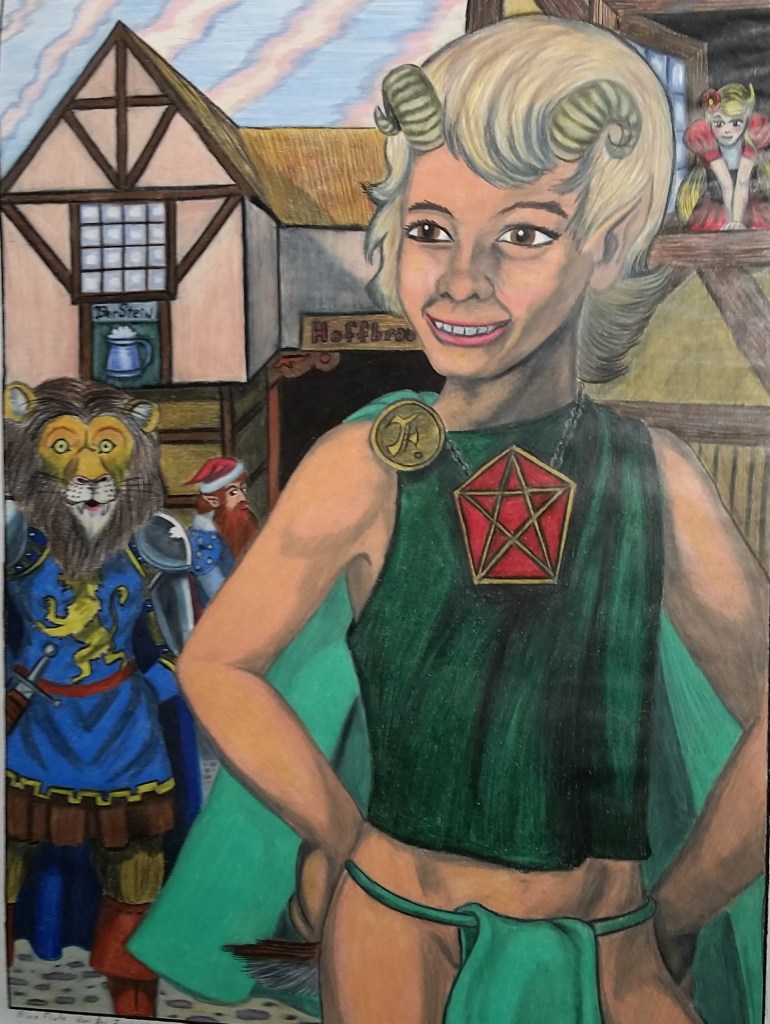
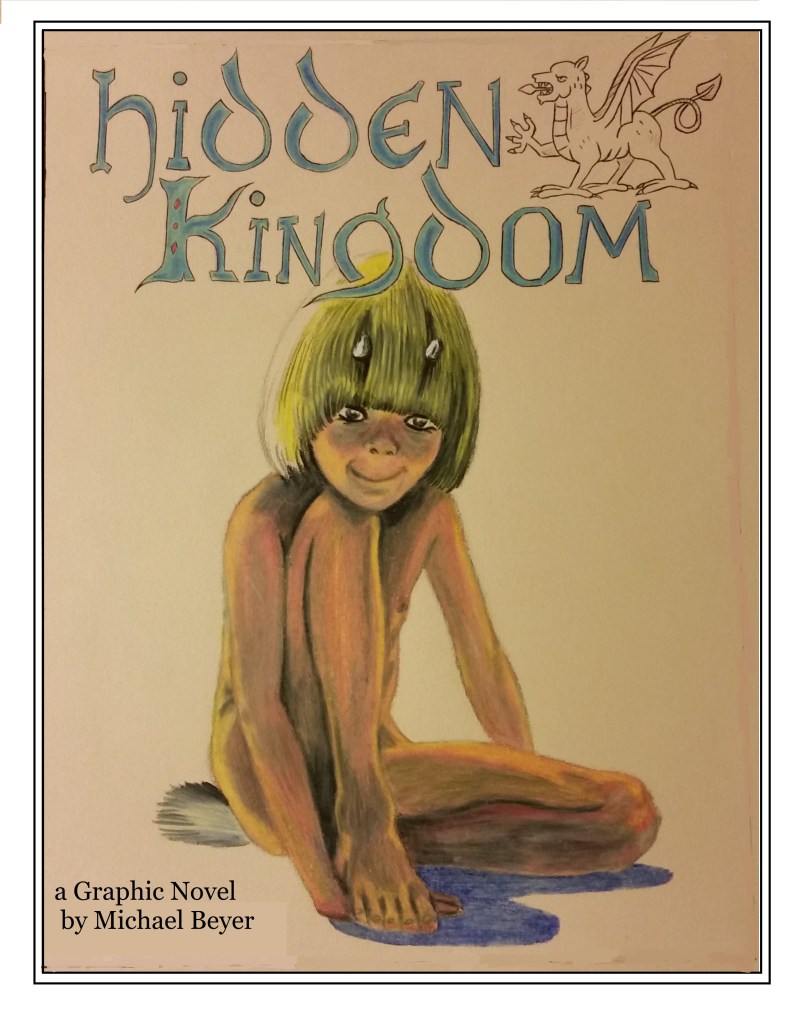
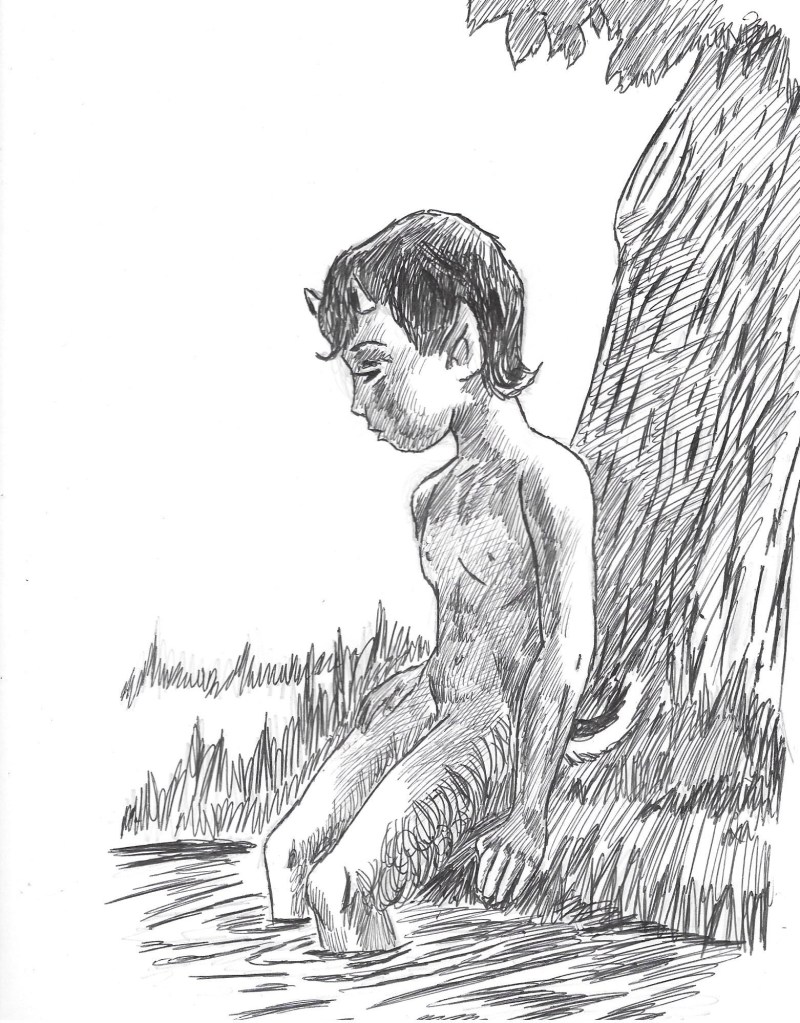
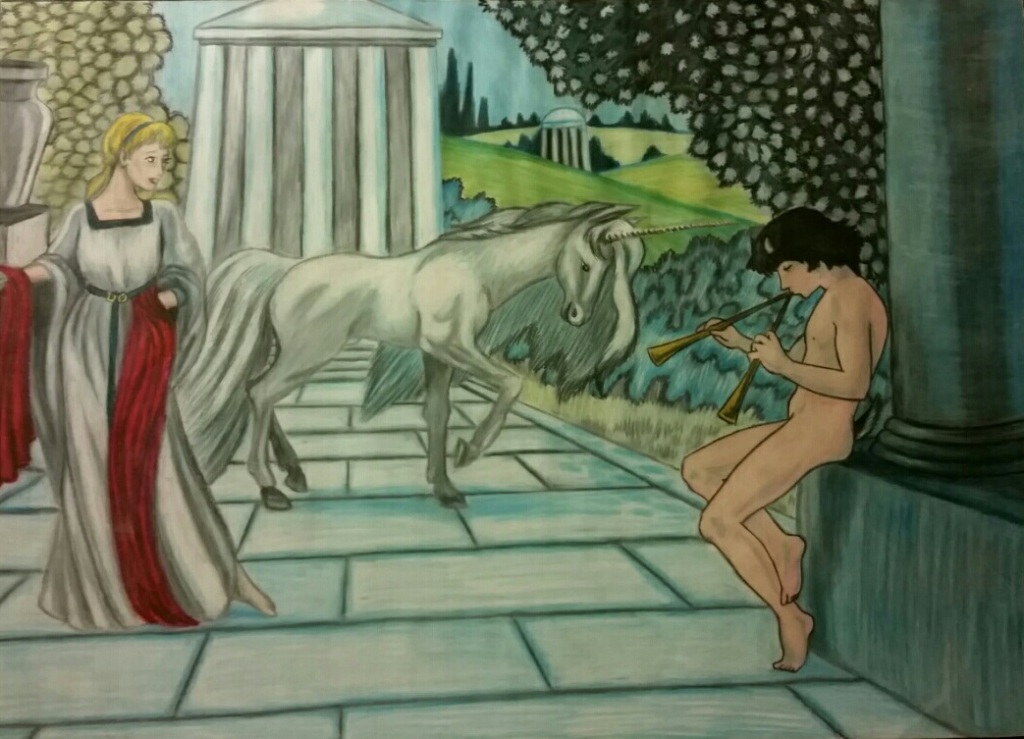
Not all works of art are done with pen and ink, or colored pencil. Some require dolls and camera.
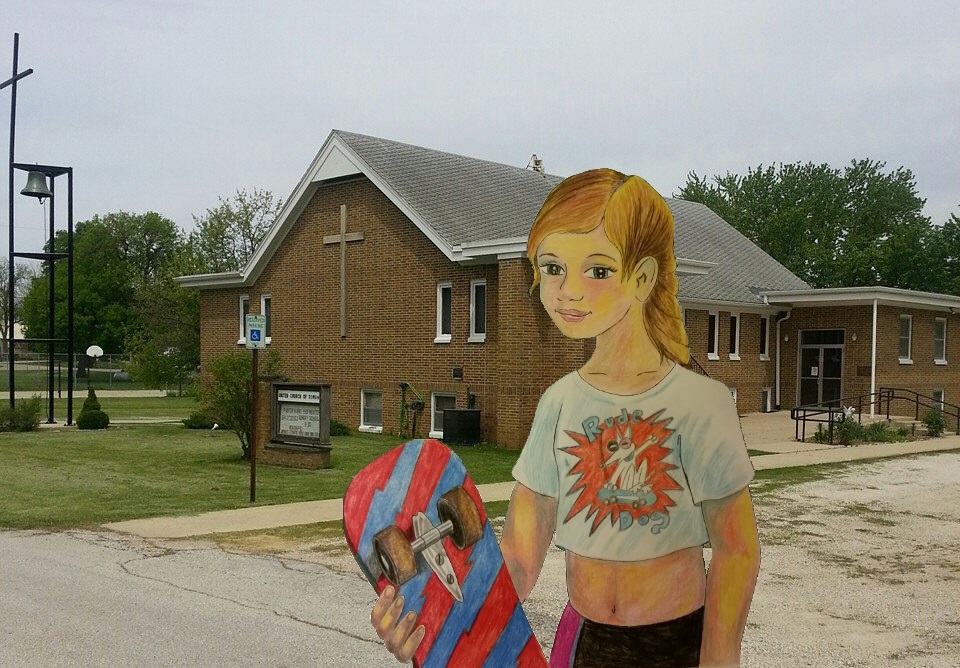
Some require camera and colored pencil.
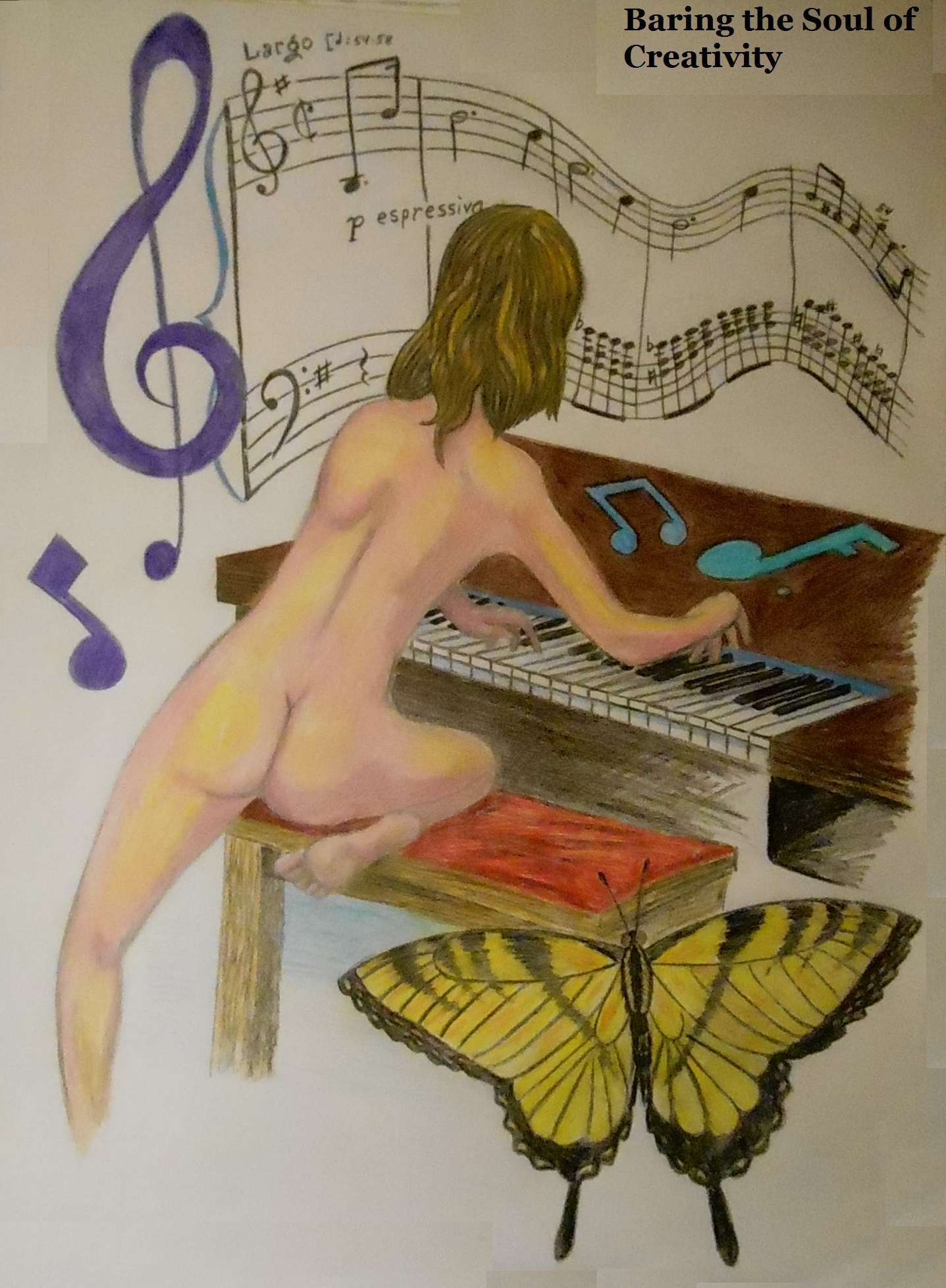
Some pictures require a little Chopin in the background.

Is this both funny and creepy at the same time?

Sometimes the individual pictures I select seem somehow strange and off-kilter.
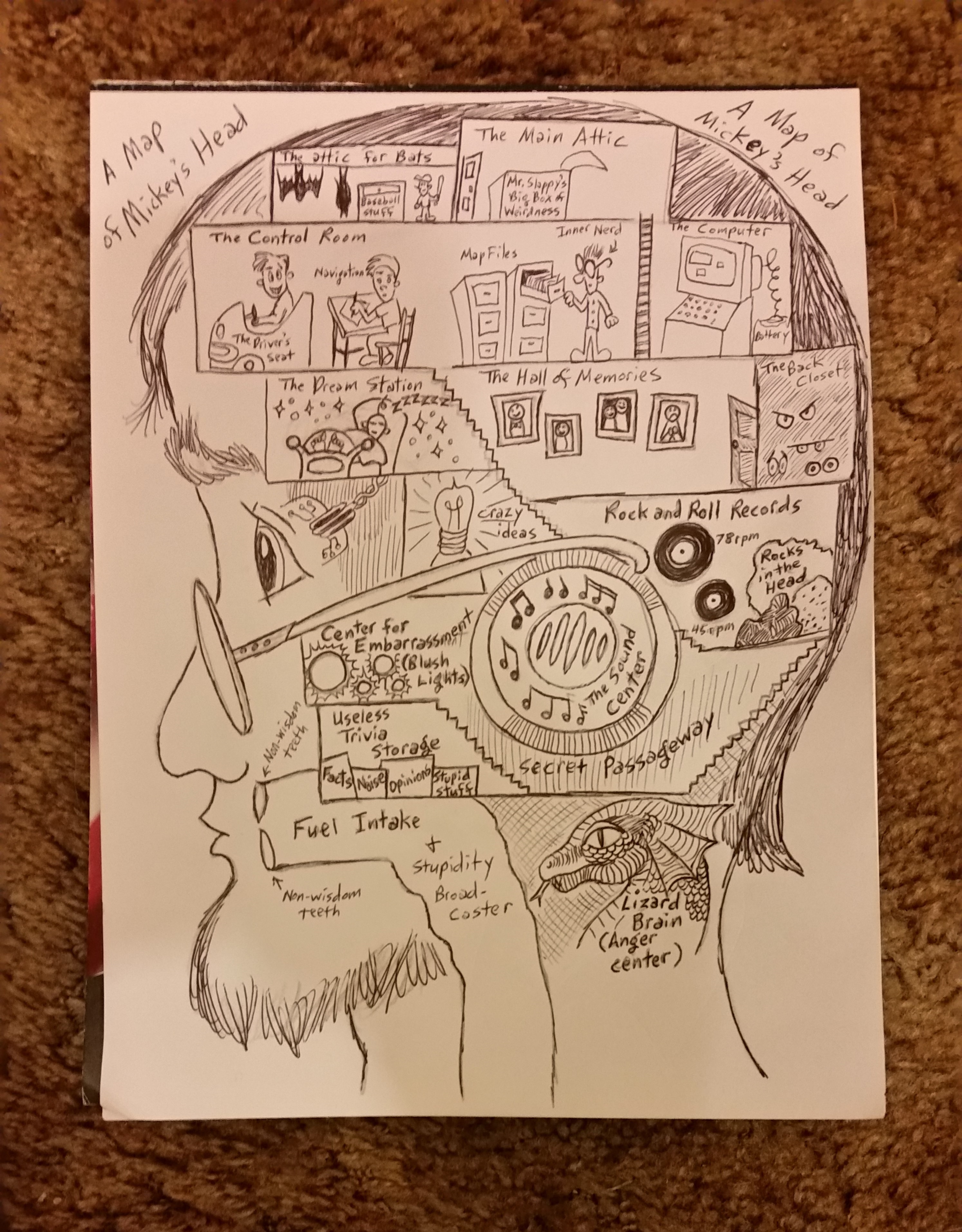
But mostly, I think, it’s just about the weird way my stupid old mind works.
I often go back and re-read old posts, particularly when I discover that someone else has read them. It is amazing to me how differently I perceive things from when I actually wrote the post. As you write, squeezing huge, boulder-sized portions of hot, magma-like burning ideas and passions out through writing orifices not nearly big enough to accommodate, you usually hate what you wrote and are still writhing in pain from the creation of it as you try to edit it, trim it and brush its unruly hair. (How’s that for a mixed metaphor to make you cringe?) But given time and distance, you can really appreciate what you wrote more than ever before. Things that you thought were the stupidest idea a man ever put in words suddenly have the power to make you laugh, or make you cry. You are able to feel the things the writing was intended to make you feel. You begin to think things like, “Maybe you are not the worst writer that ever lived, and maybe that’s not why nobody ever reads your books.” But then, of course, your sister reads the post and tells you that you write like a really old, really crabby, really ancient old man. And you use the word “really” too much too. I know I deserve that, Sis. Especially the “really” part.
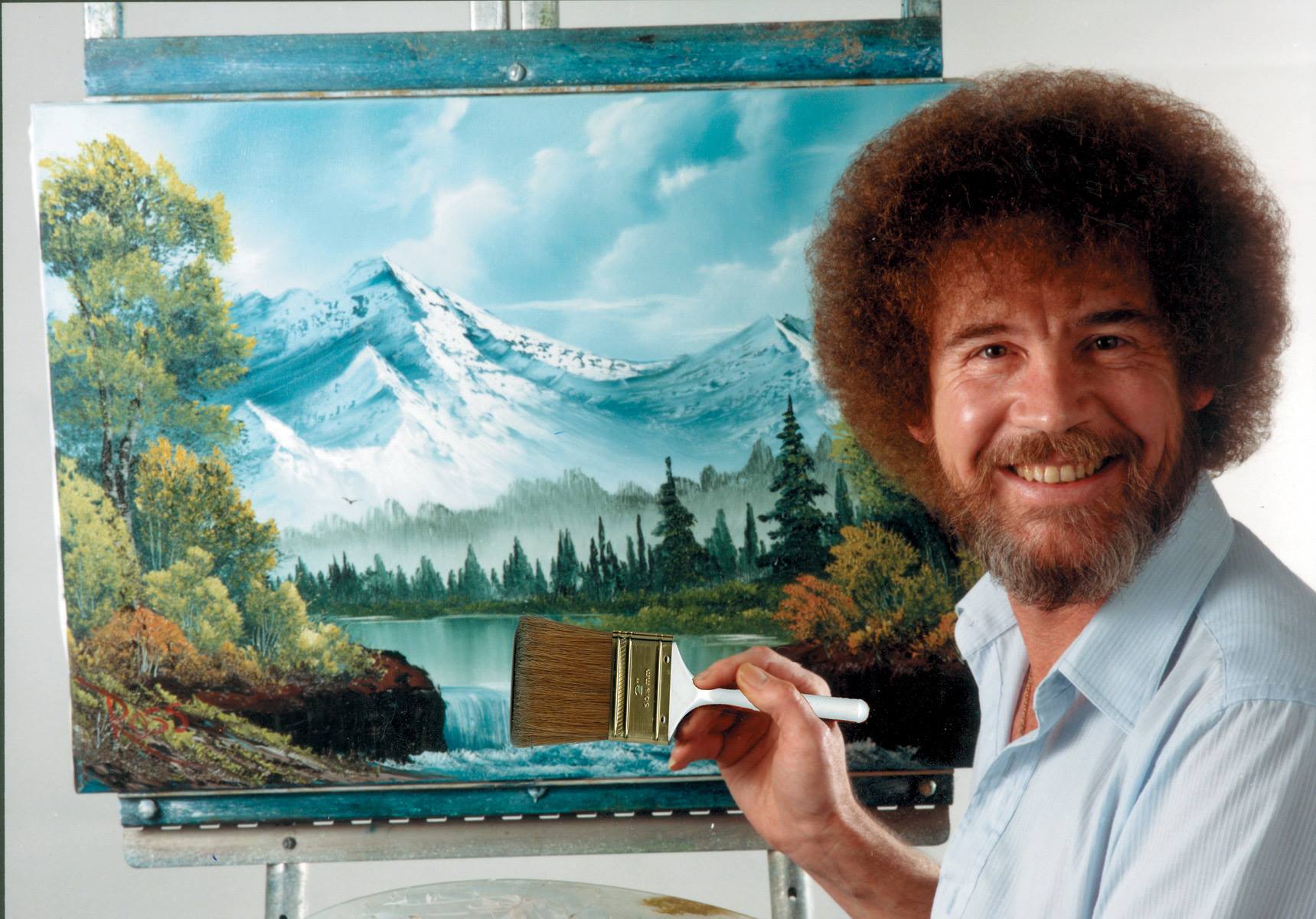
Here’s a post that I reread and liked today about Bob Ross.
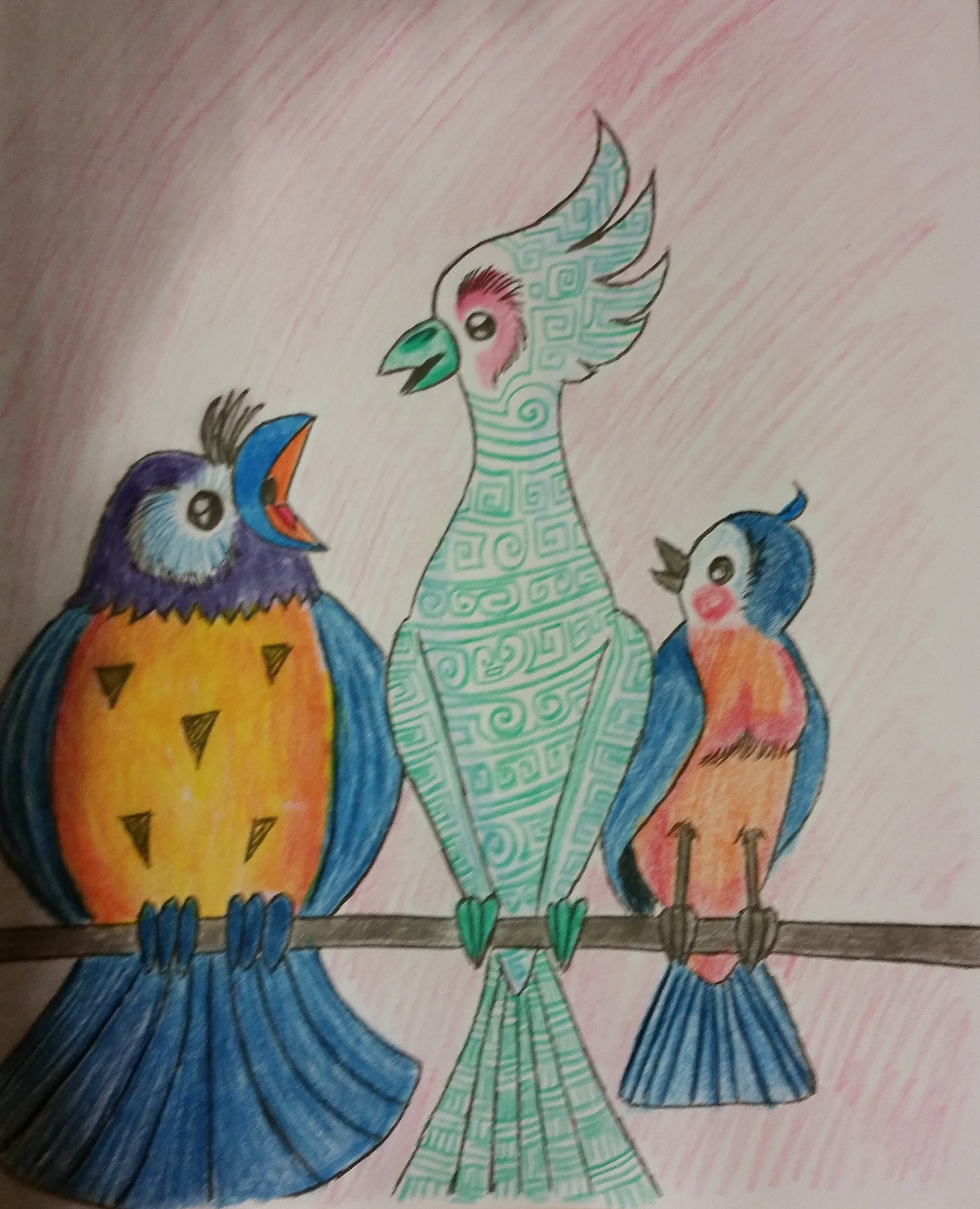
This is the thing about happiness; It is elusive and rare as a real-life blue bird. But capturing it for a moment is not impossible. And as long as you don’t try to salt its tail and keep it prisoner, you can encourage it to sing for you. (Much better metaphor this time, don’t you think?) 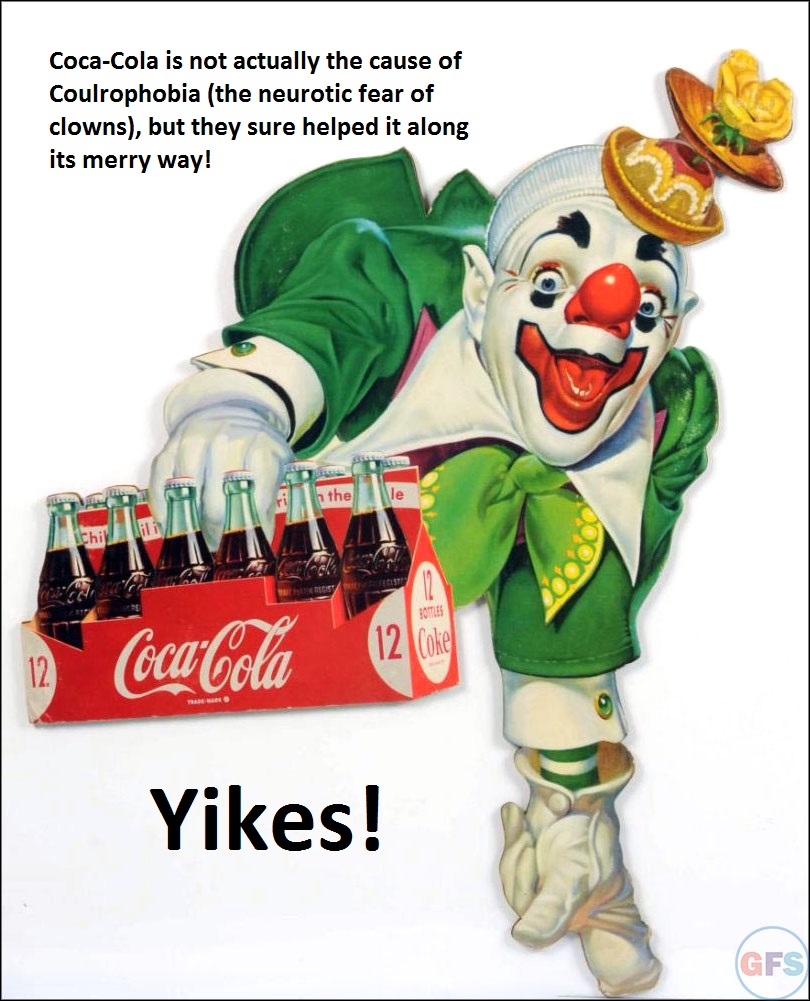
When I am accused of being gloomy, old, and boring, I can happily admit it and make it into something funny. I am something of a conspiracy nut, but not so serious that I believe all my own assertions. For those people who took offense at this conspiracy theory of mine; Coca-Cola Mind Control, I would like to point out that “Hey, I was joking. I actually like clowns.” Even though there is a serious side to everything and there can’t be laughter without some tears, I am basically happy with the way things are.

I started listening to “Live Happy Radio” on Sunday mornings on KLUV in Dallas. They point out on their program of endlessly droning happy-talk that happiness is something that you can work at. Like humor writing in blogs, it takes practice and practice and time. They even asked me to share the word about their happy magazine and products, so I am doing exactly that right here. Sometimes you simply have to put your cynicism in a jar on the shelf next to the lock box where you keep depression and self-loathing. So you can find their Live-Happy folderol right here.
So I am bird-watching again with an eye out for the bluebird. You know the one. It is out there somewhere. And I need to hear that song one more time.
Filed under artwork, goofy thoughts, happiness, humor, insight, inspiration, irony, Paffooney, strange and wonderful ideas about life
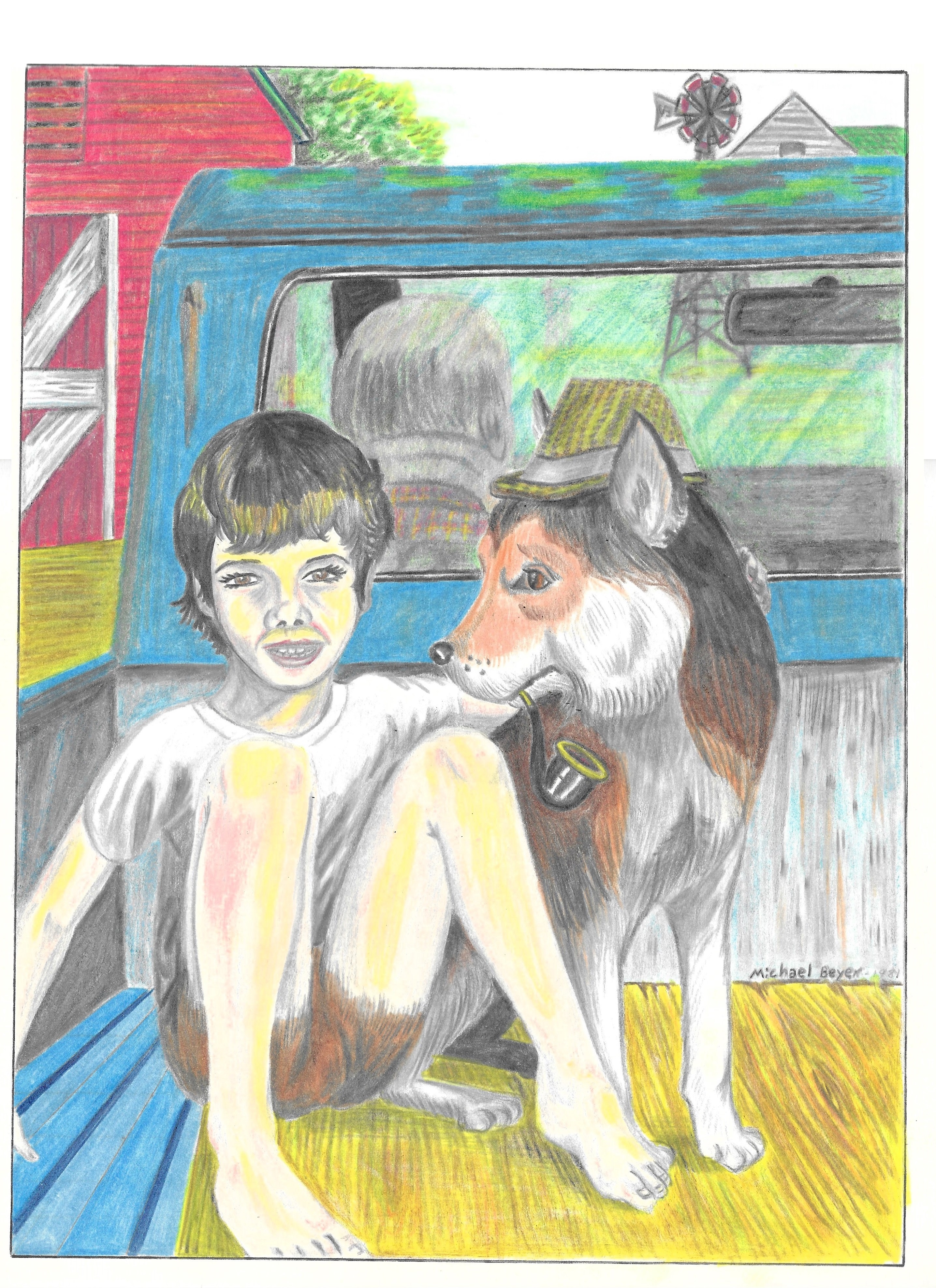
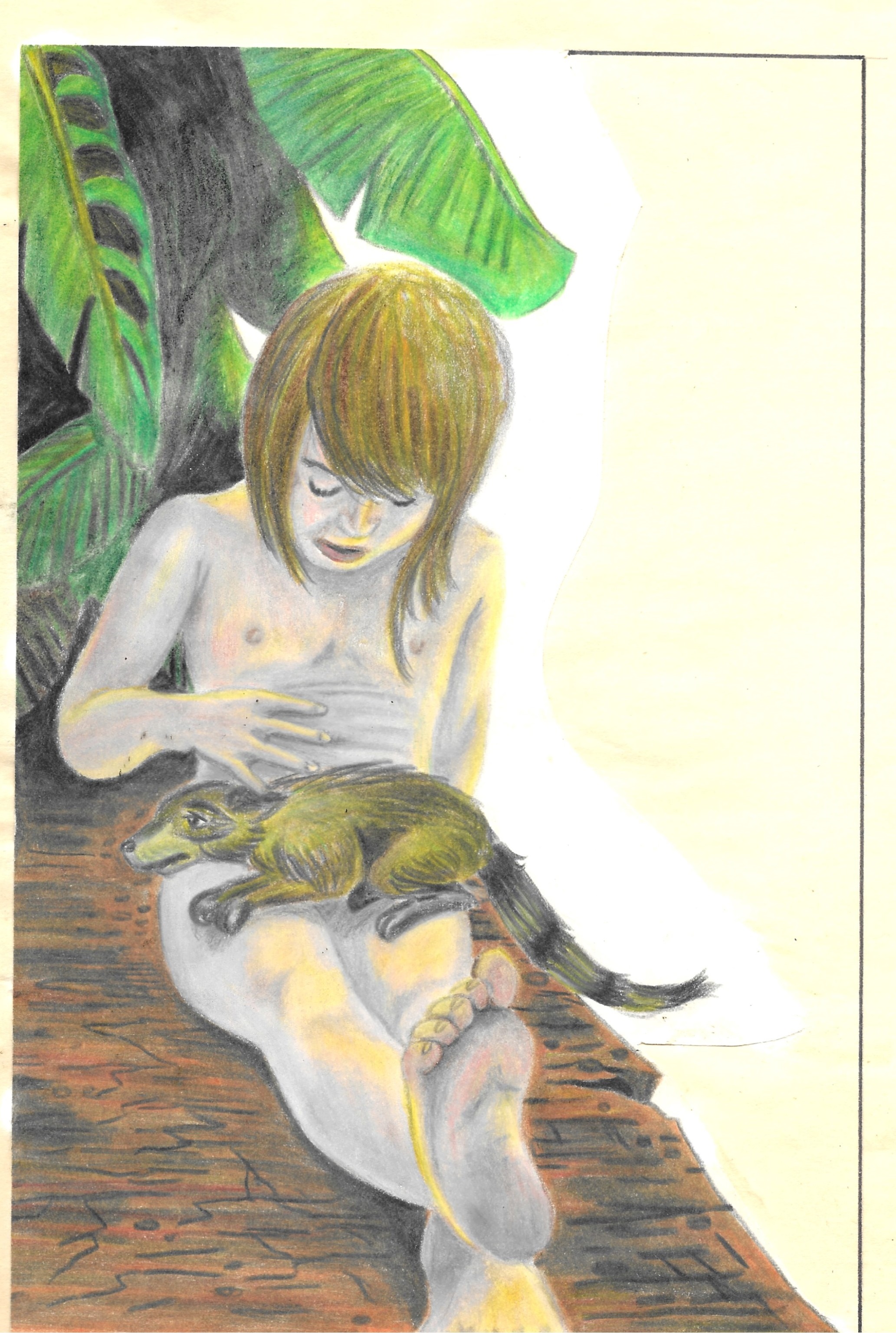
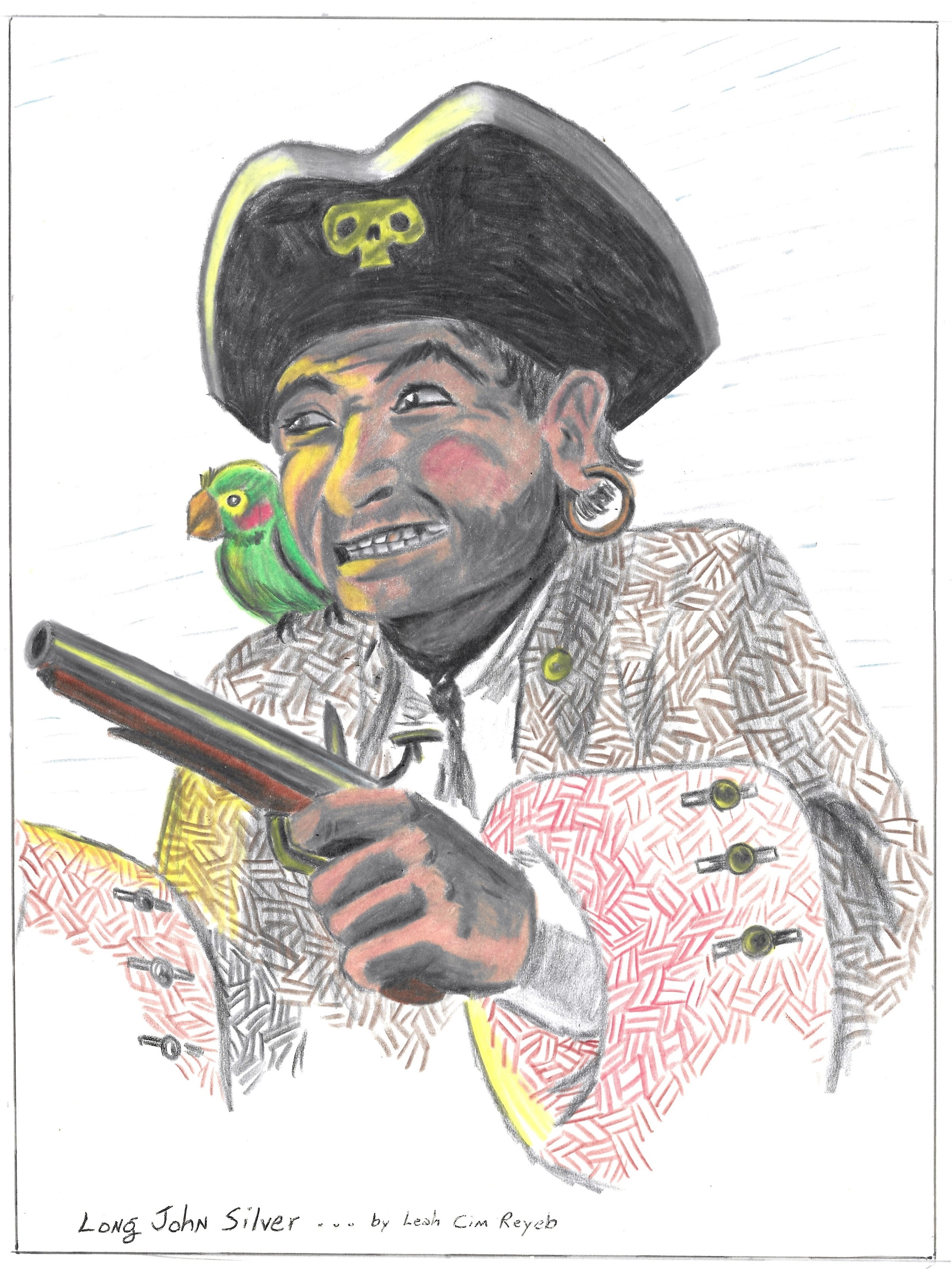
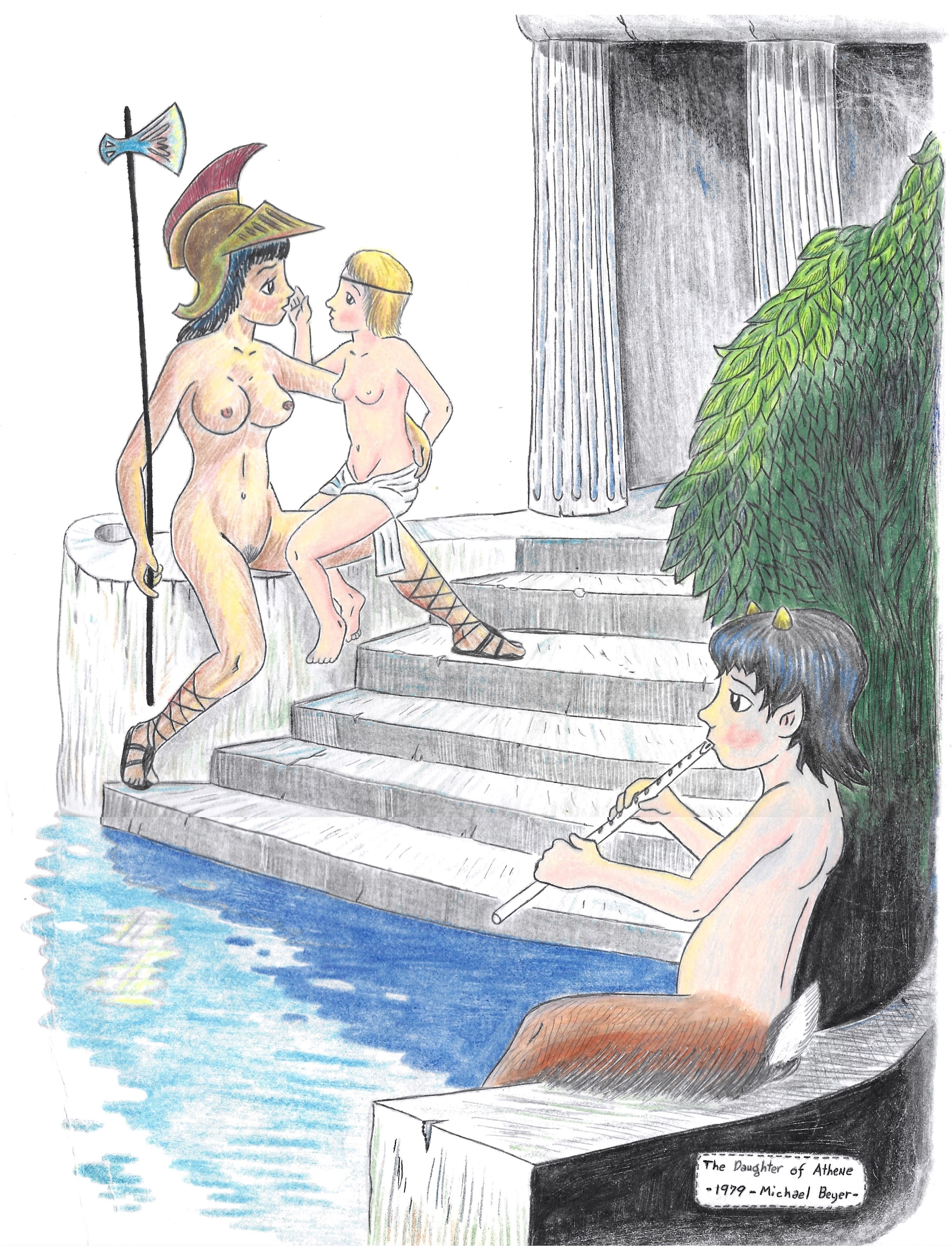
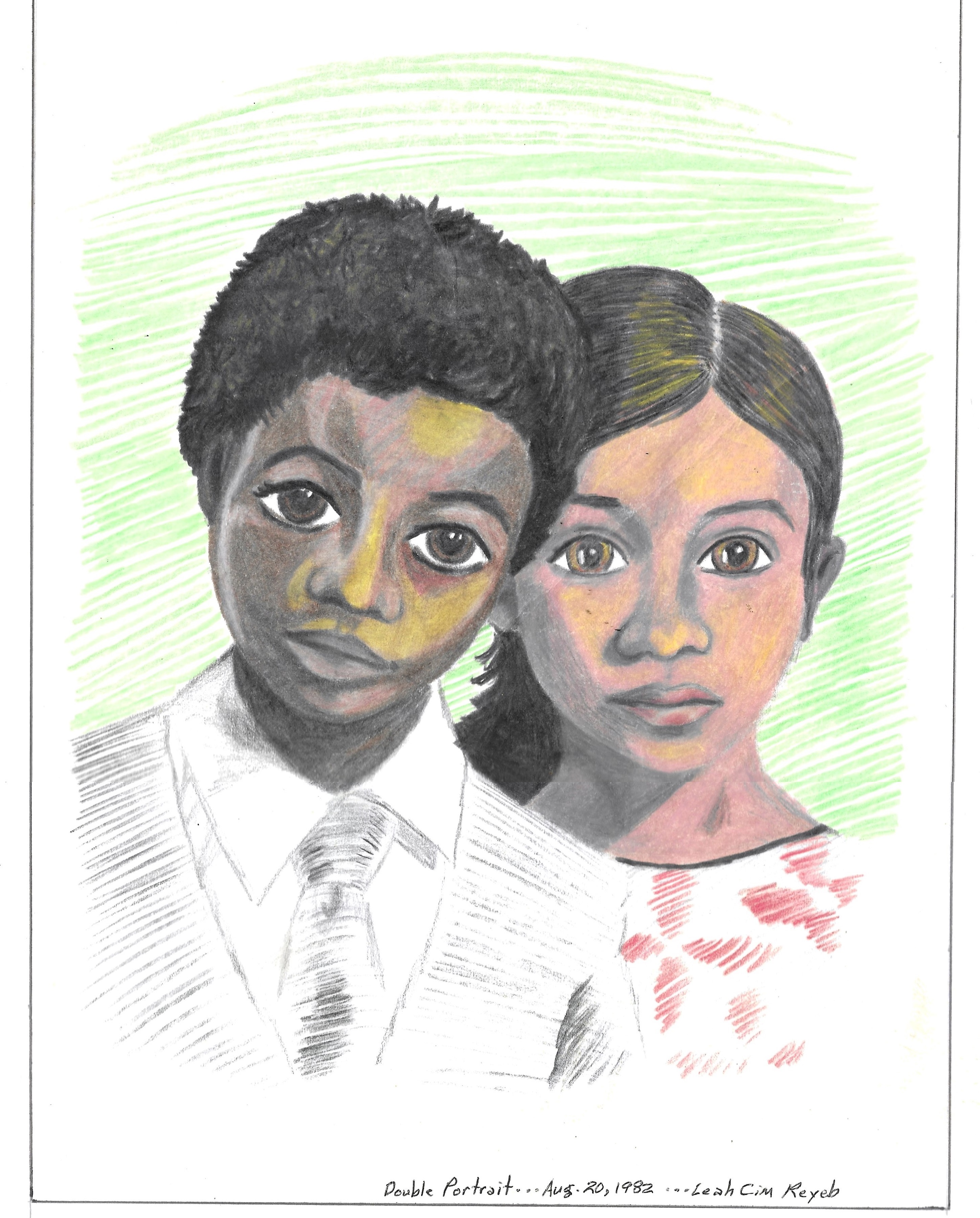
Sometimes I just need to update my portfolio in the world of modern technology. Some of these images may be used in upcoming projects. Some are just attempts at restoring things from the past that may never be useful for anything, but that I still wish to preserve. So, all of these pictures, whether you have seen them here before or not, are fresh scans with better color, alignment, and scan quality. It has helped to update software on old machines.
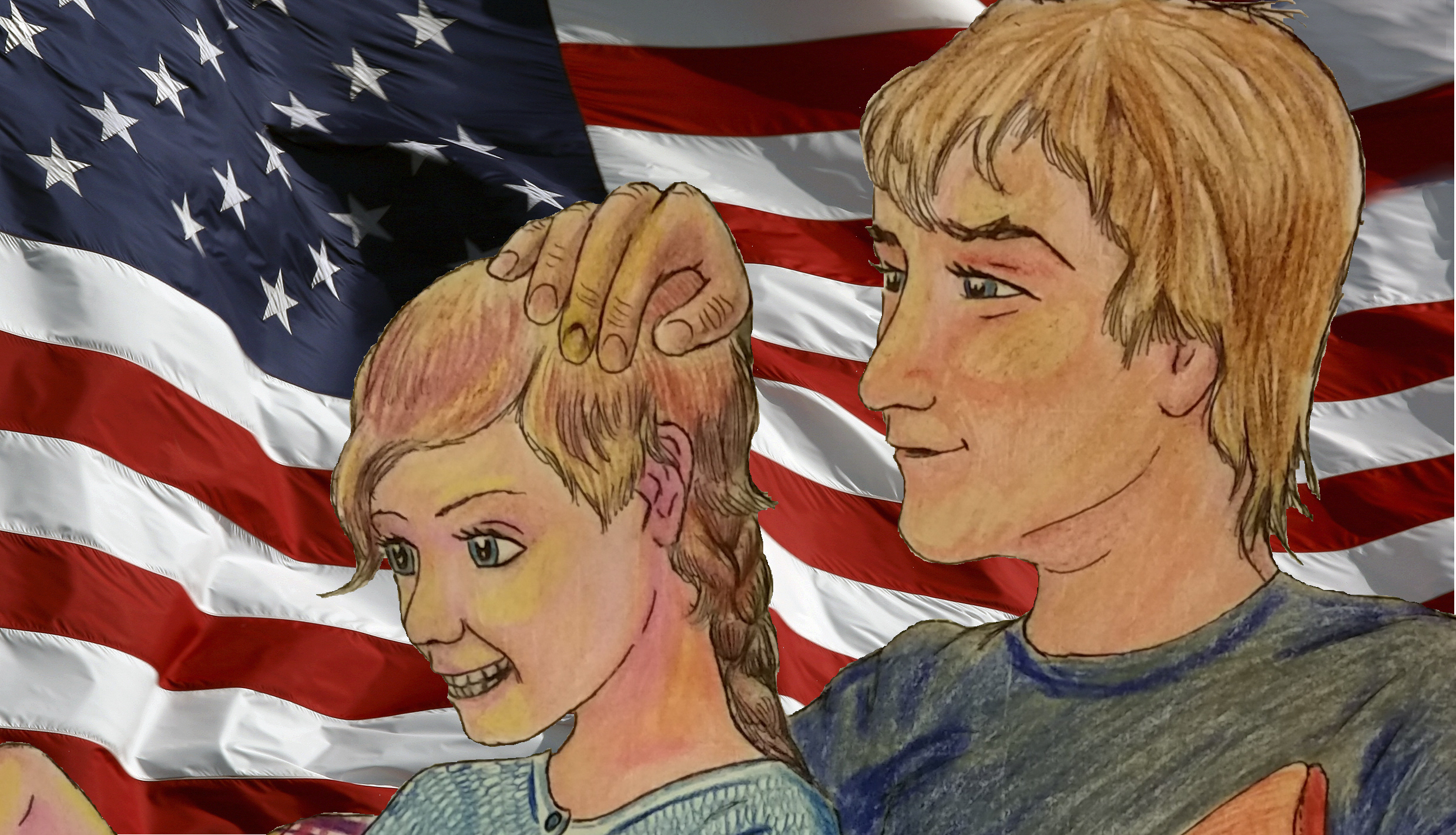
Illustrations for fiction often work best with two characters together in the same picture. Then you not only have the two individuals. You also have a relationship. Valerie and Kyle are father and daughter.
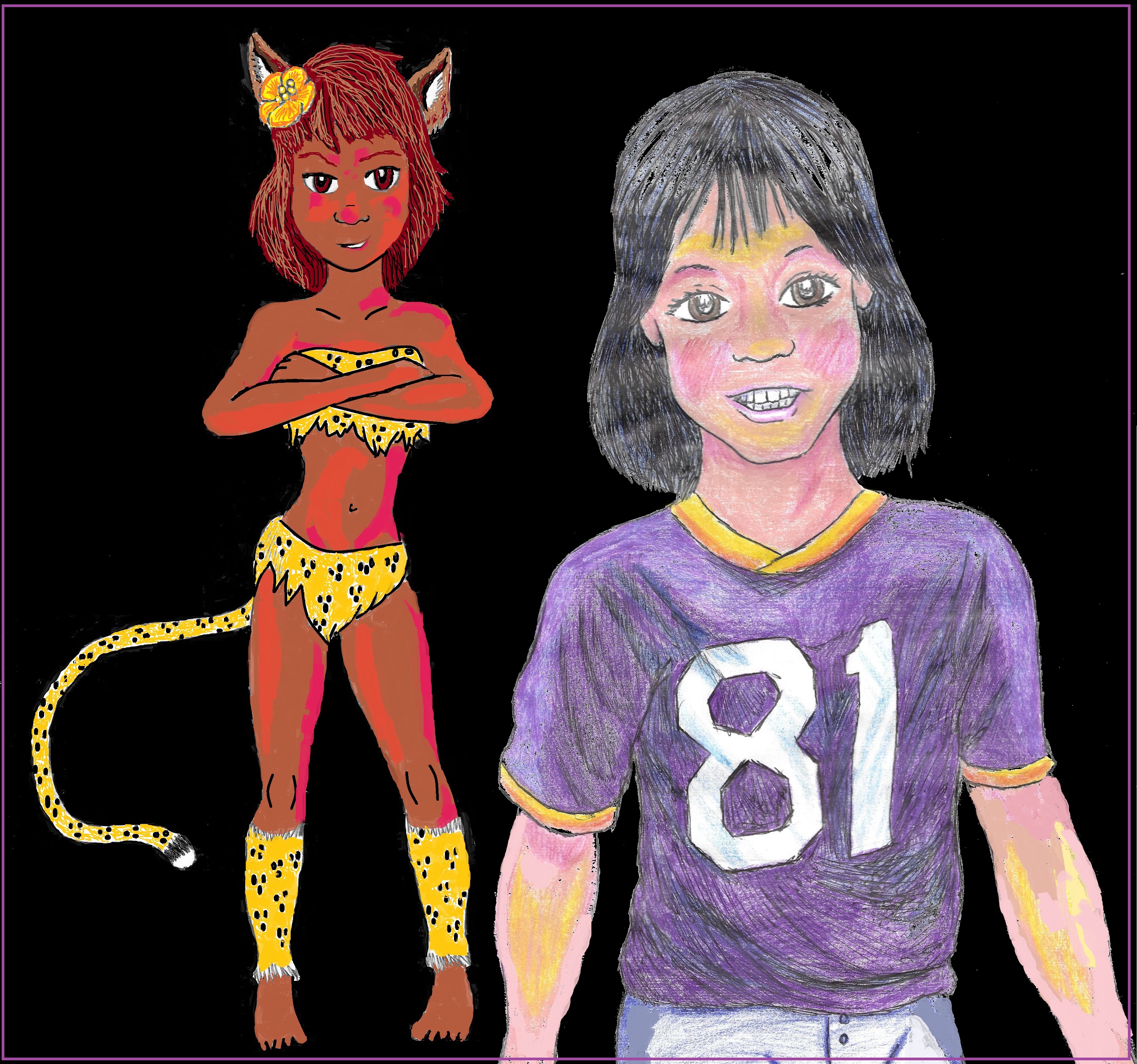
But what’s the relationship between Leopard Girl and Dilsey Murphy (#81- Carl Eller’s Jersey)? Possibly Dungeons and Dragons character and player?
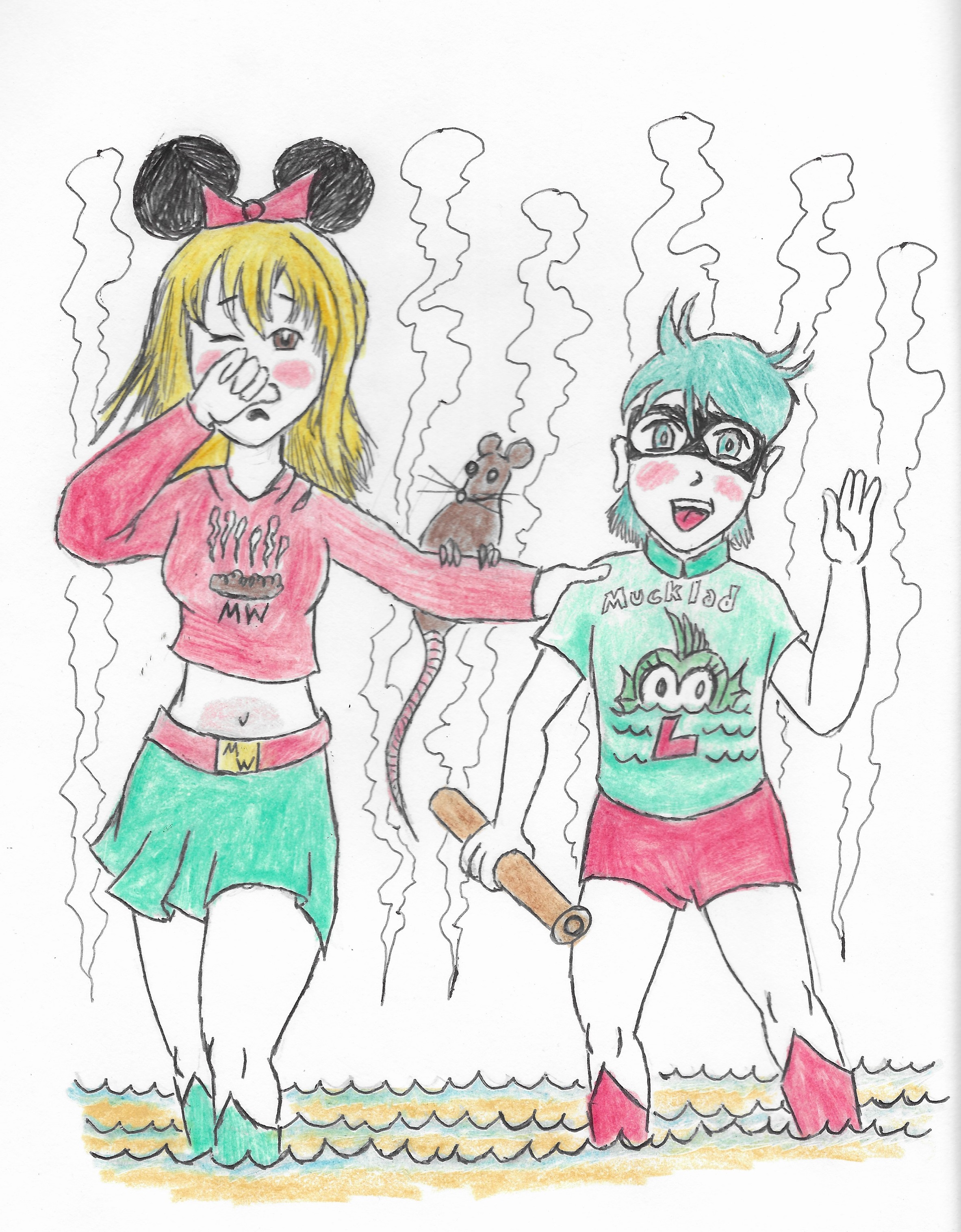
Brother and sister… the children of the superhero Muck Man (whose super power is his criminal-paralyzing body odor.) Muck Woman (NOT Muck Girl!) on the left, and Muck Lad (You can call him Muck Boy if you like. He doesn’t care.) on the right.

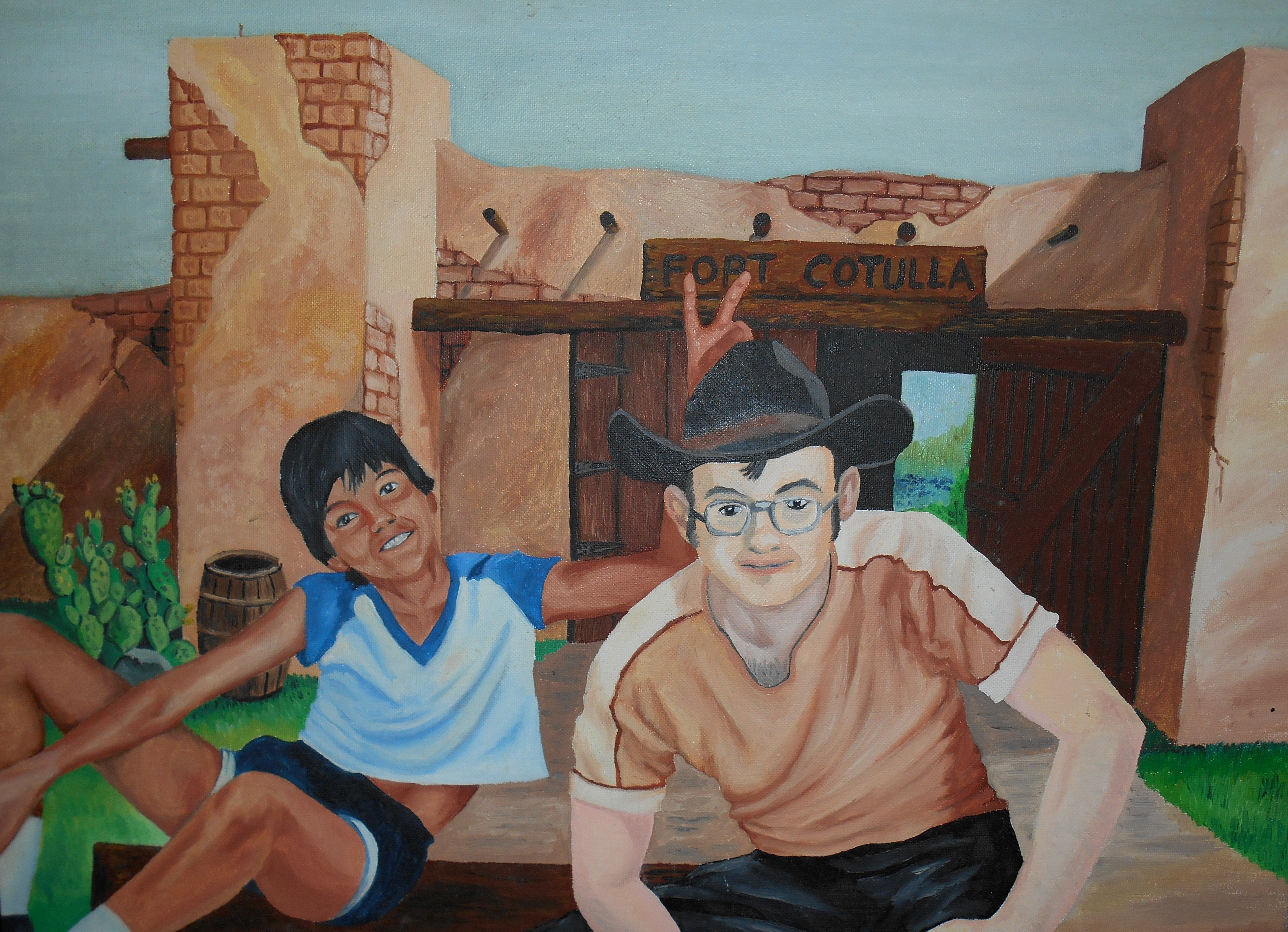
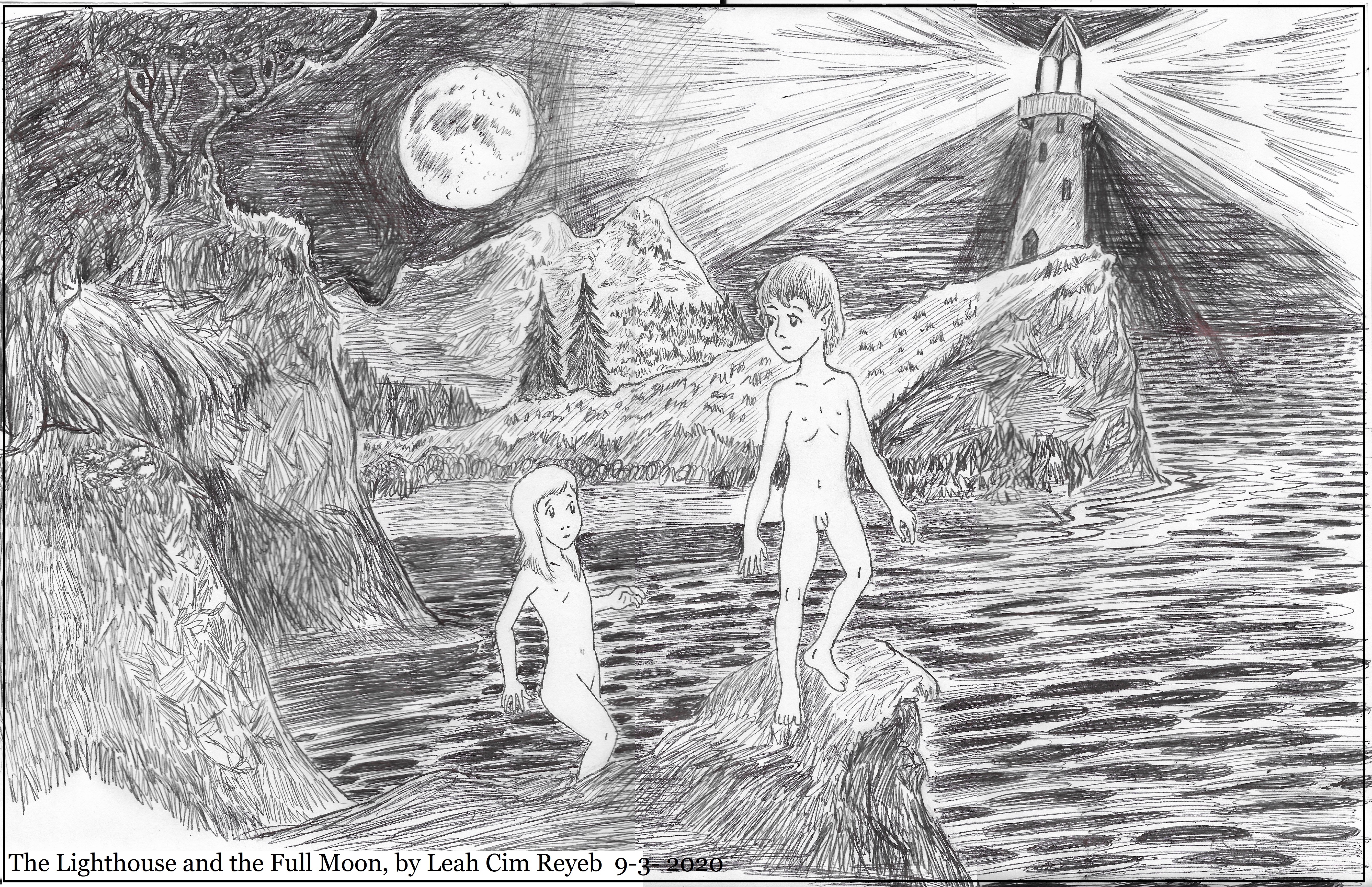
Two ghosts on the coast at night… not to boast.
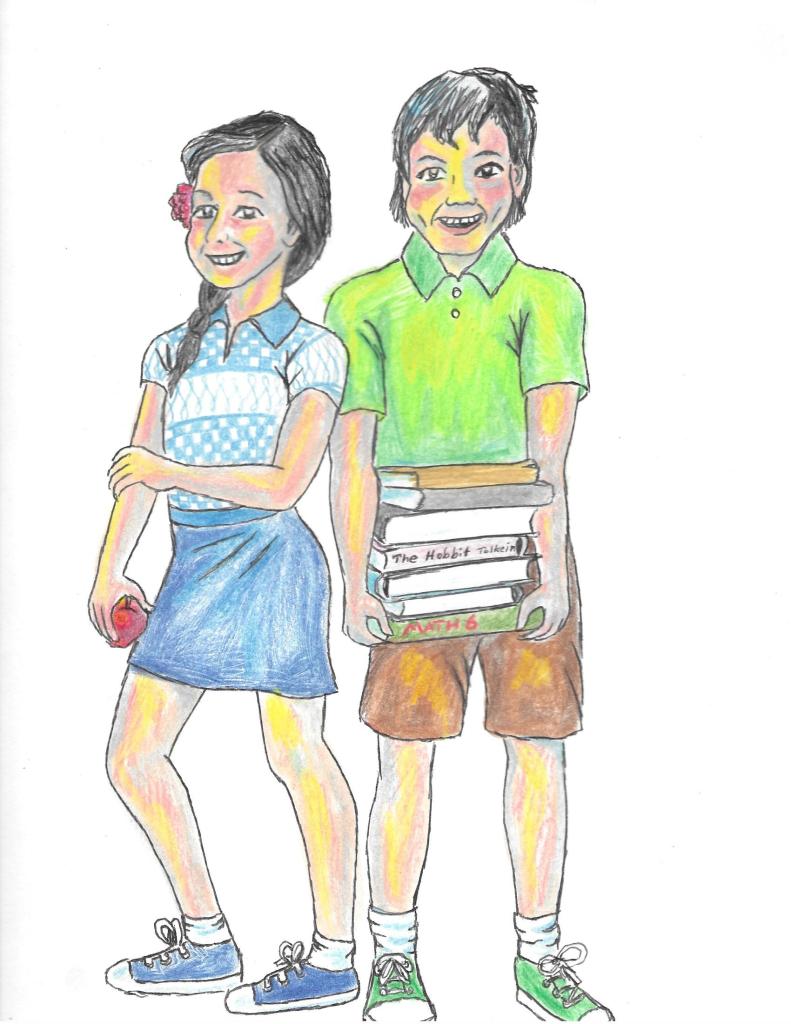
Blueberry Bates and her devoted boyfriend Mike Murphy.
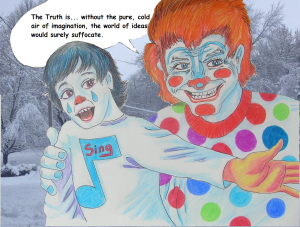
Francois and Mr. Disney, the dream-clown from Zoomboogadoo.
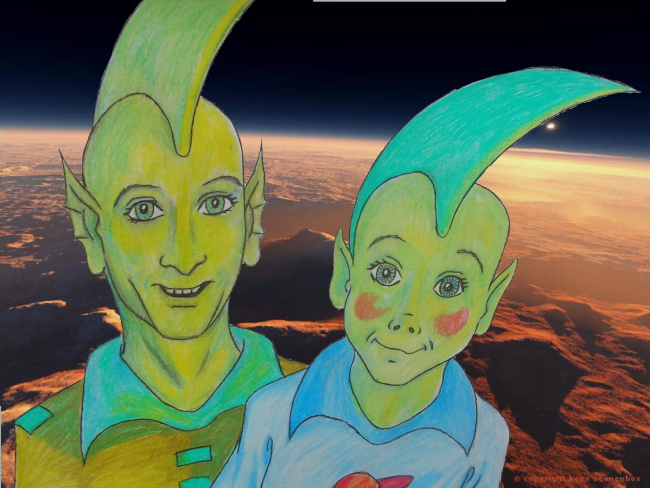
Farbick and Davalon with Mars in the background.
Filed under artwork, characters, humor, Paffooney
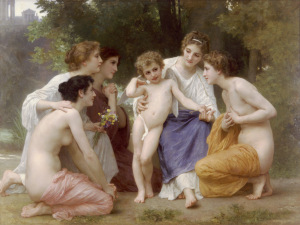
… Bouguereau spells his name funny. But he always painted from live models who posed in direct sunlight. He had a skylight and large windows in his studio.
… We probably only have less than twelve years to reverse the effects of climate change. If we don’t manage it somehow, we could cause the oceans to turn acidic and the heat to reach temperatures that would kill off life on the entire planet.
… I most likely will not live to see that happen, but my children probably will.
… Nudity is good for you. But you will never pose in a Bouguereau painting. He died in 1905.
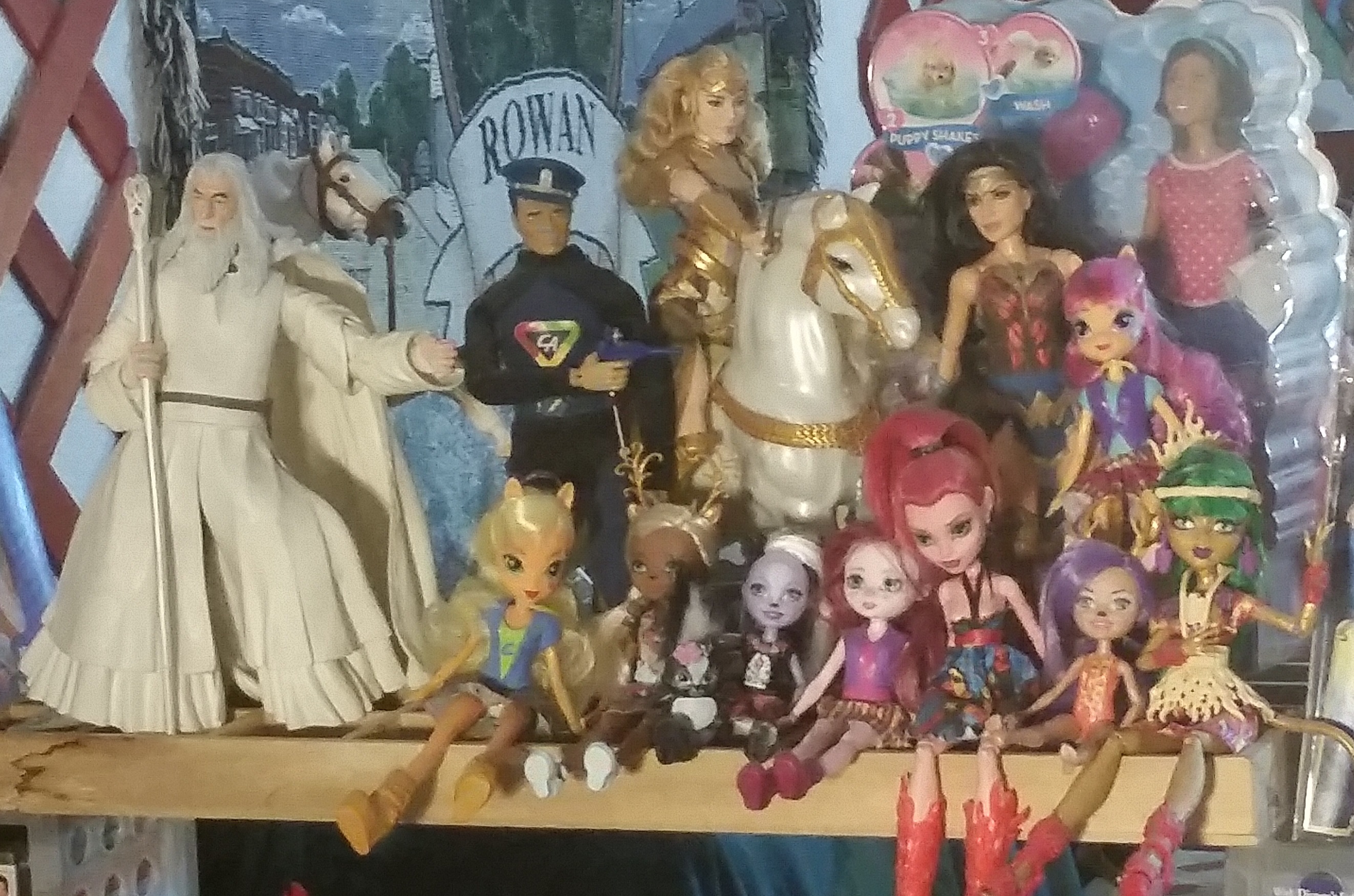
… Grown men who collect dolls, and sometimes still play with them, are not necessarily insane, or suffering from dementia, but I only know this based on a sample of one.
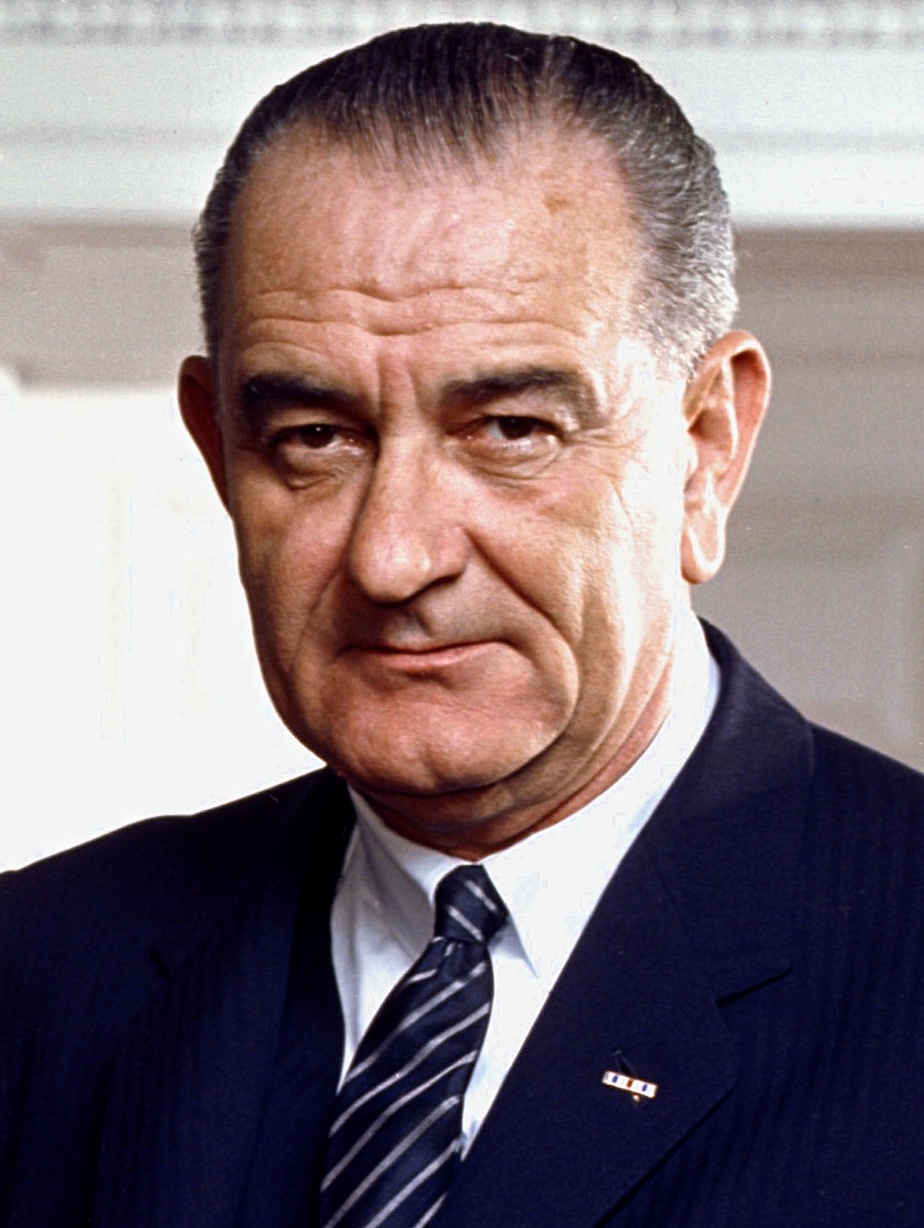
… John F Kennedy was assassinated in a plot that was probably orchestrated by LBJ who benefitted the most from his death. LBJ was facing serious legal consequences from the Billy Saul Estes investigation that simply went away after JFK’s death. Even though he was president the day JFK died, he would’ve had to have had the help of former CIA Director Alan Dulles. And when J. Edgar Hoover of the FBI found out through his informant, Lee Harvey Oswald, before the assassination, he was rendered helpless to do anything because LBJ and Dulles knew about his adventures as a gay man. Oswald was framed for the murder and silenced by Jack Ruby for having informed on the plot.
… This is only hearsay knowledge, gathered from books by Jim Marrs, a movie by Oliver Stone, testimony by Louisiana District Attorney Jim Garrison, and the deathbed confession video of CIA Agent E. Howard Hunt.
… The knowledge we store in our organic and malleable brains is never one-hundred percent correct. But it is much closer when backed up by sources, unless they are provably crazy sources… as all of the sources I mentioned for the JFK assassination theory have been accused of being at one time or another.
… I have personally seen three UFOs in my lifetime. None of them, however, are likely to be aliens from outer space. The one in South Texas seen at night and the one here in Dallas seen just before sunset, black triangles with rows of lights in a V shape, were probably military tests (there is a proving ground for pilots and experimental aircraft south of San Antonio, and there was a familiar-looking military jet following the one in Dallas. The other one in Dallas was probably a weather event, like a sun-dog.
… I choose to believe aliens from other worlds are visiting this planet, but the evidence I base that on comes in part from sources more wacky and discredited than the JFK ones. But there is actually less credible evidence on the side of the debunkers, and a reasonable skeptic finds holes in both arguments.
… Climate change will probably render both the JFK thing and the aliens thing irrelevant before too much longer. Maybe the Bouguereau/nude modeling thing too for that matter.
… These are things that I know to the best of my knowledge, but still wonder about anyway. And I could be completely wrong about all of it, (Except the Bouguereau being dead thing. I’m not wrong about that.)
Filed under aliens, artwork, autobiography, Barbie and Ken, conspiracy theory, doll collecting, goofy thoughts, humor
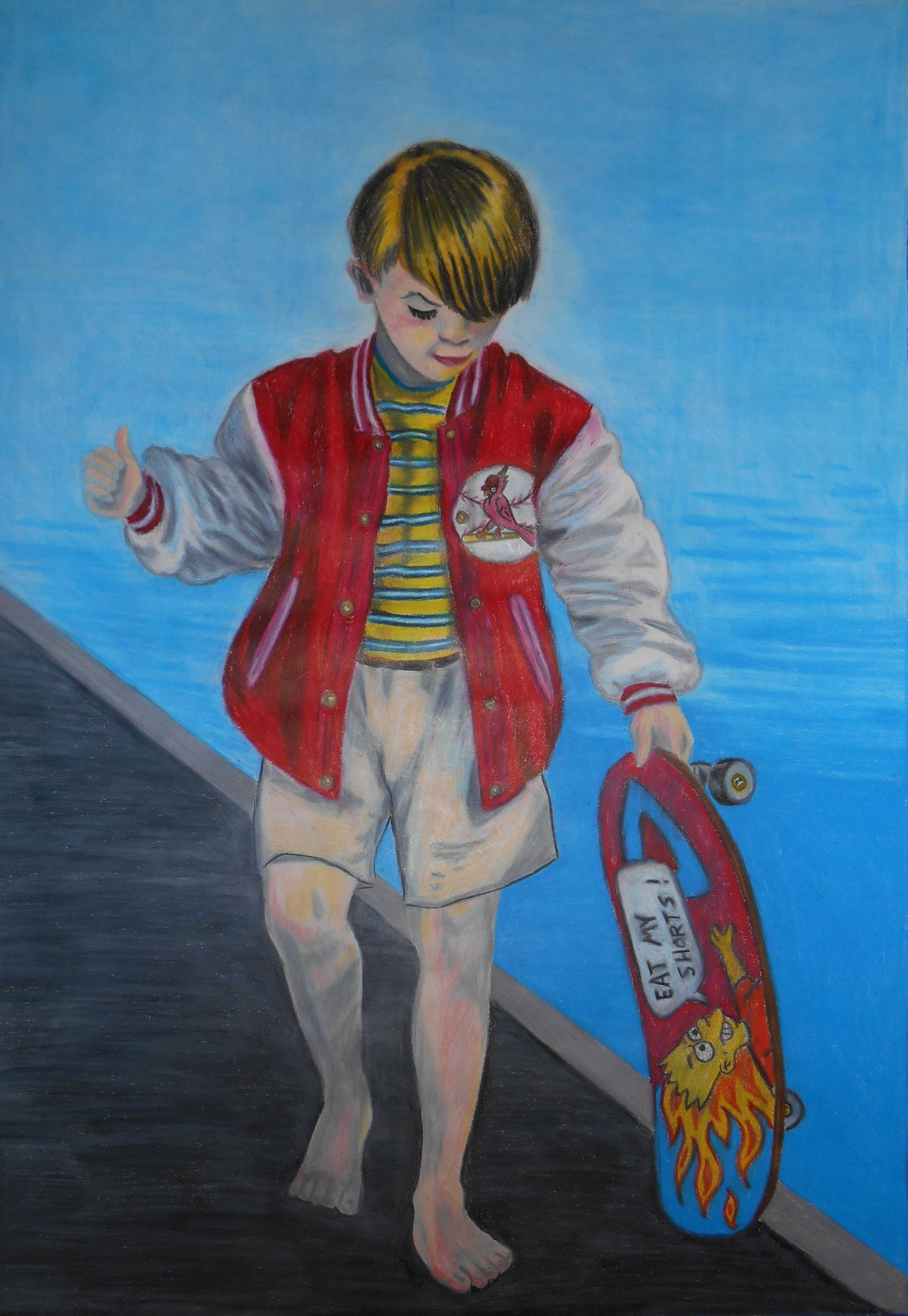
My boyhood in the 1960’s was complicated. There was fear and depression and growing awareness of violence and unfairness and evil in the world, starting in 1963 with the death of John F Kennedy.

There was magic and wonder in my childhood. I found comic-book heroes like Spiderman, fantasy movies like Captain Sinbad starring Guy Williams, and Science fiction movies like 2001; A Space Odyssey.
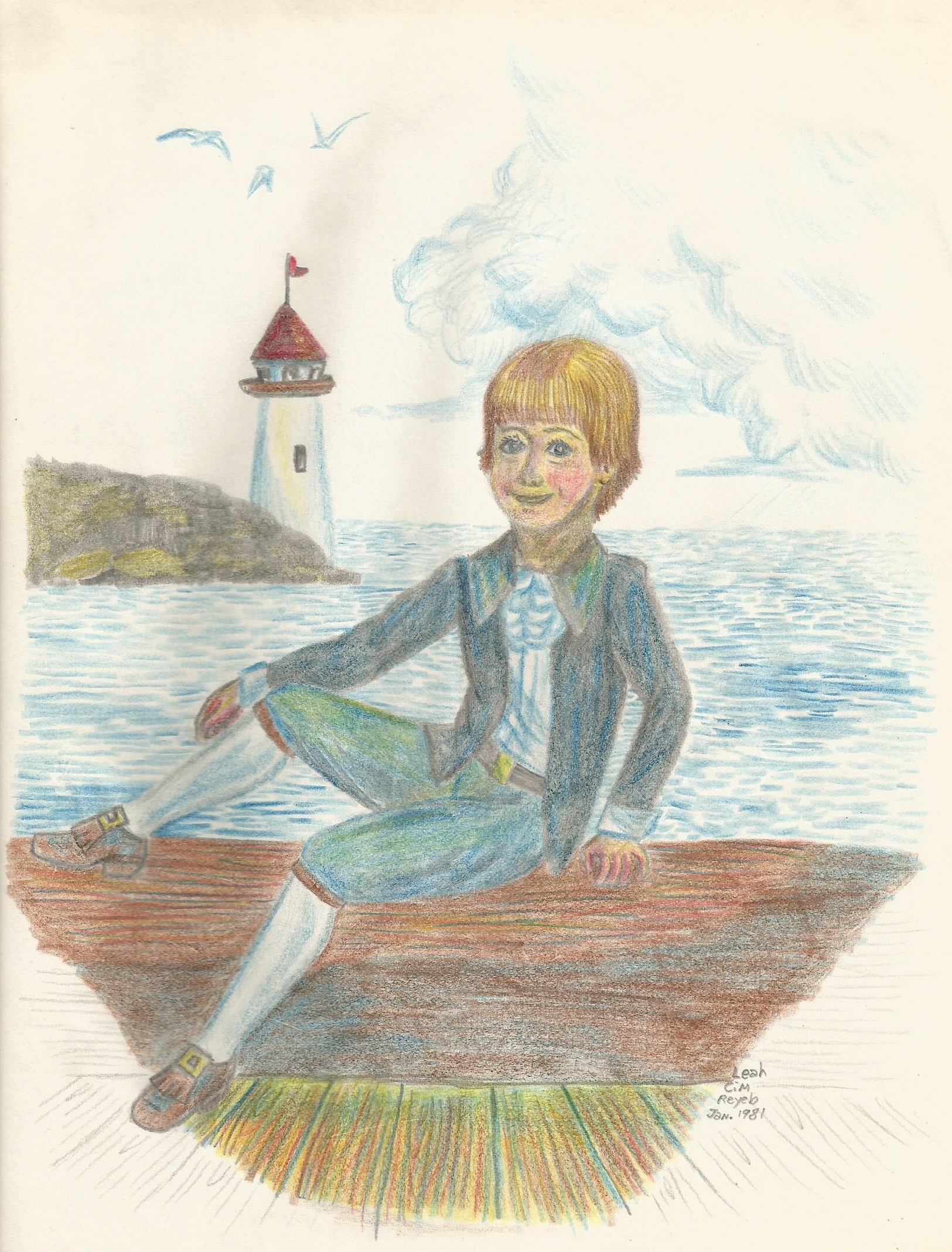
A sense of adventure and the wonders of the past came through reading. I read and loved Treasure Island and Kidnapped, both by Robert Louis Stevenson.
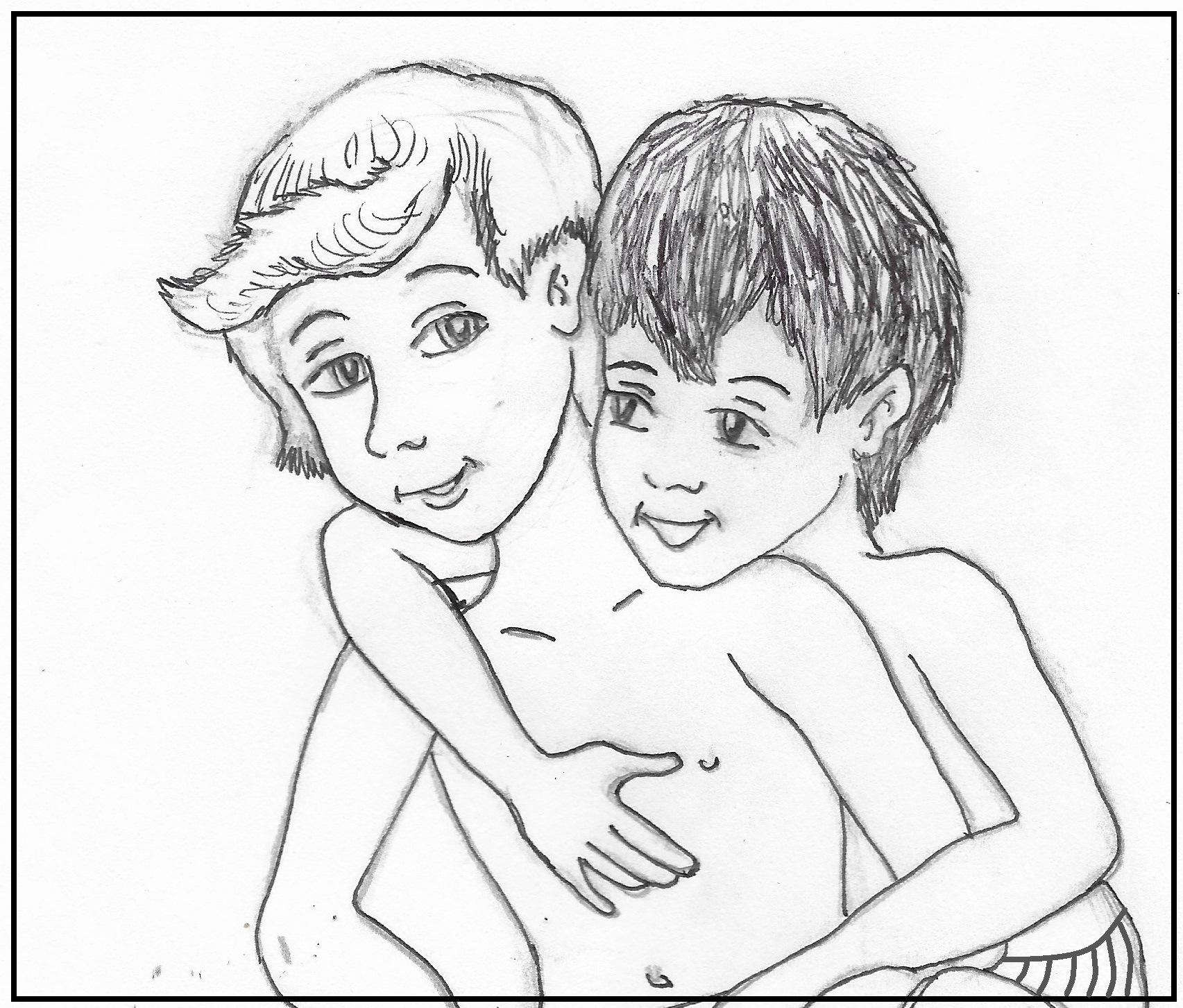
Of course boyhood is also the time in which we have to come to terms with sexuality and sexual identity. My battle was complicated by being sexually assaulted by an older boy. It took me a long time to sort out the fact that I was not a homosexual and being a victim does not make a boy into one. I was an untouchable child, but that didn’t stop me from obsessing about love and affection constantly.
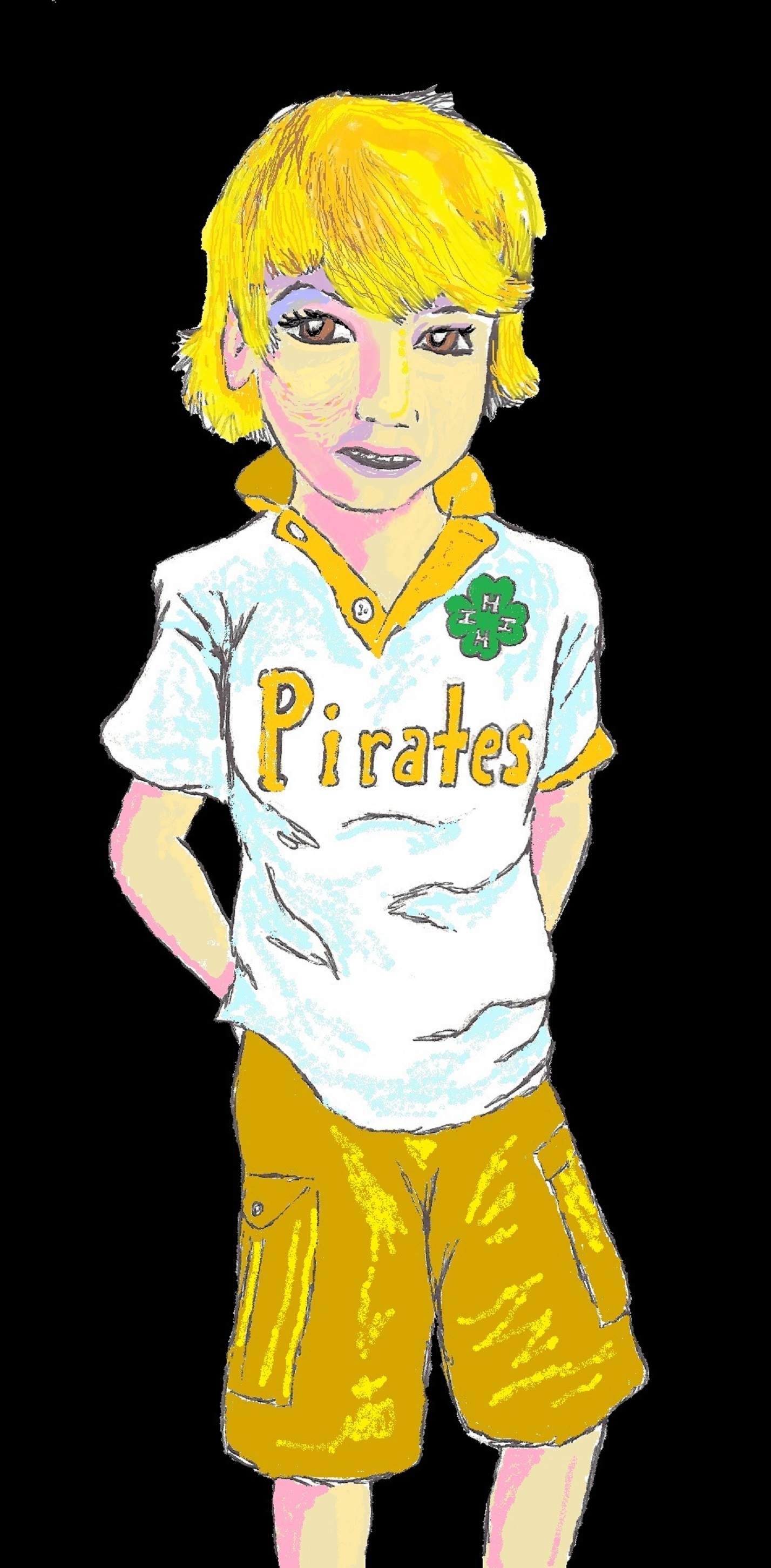
What you learn to be in boyhood is what you end up being in adulthood.
Nurture is more important to development than nature.
Education is what makes a boy into a man. Your genetic makeup has its effects, but is only the blueprint, not the building.
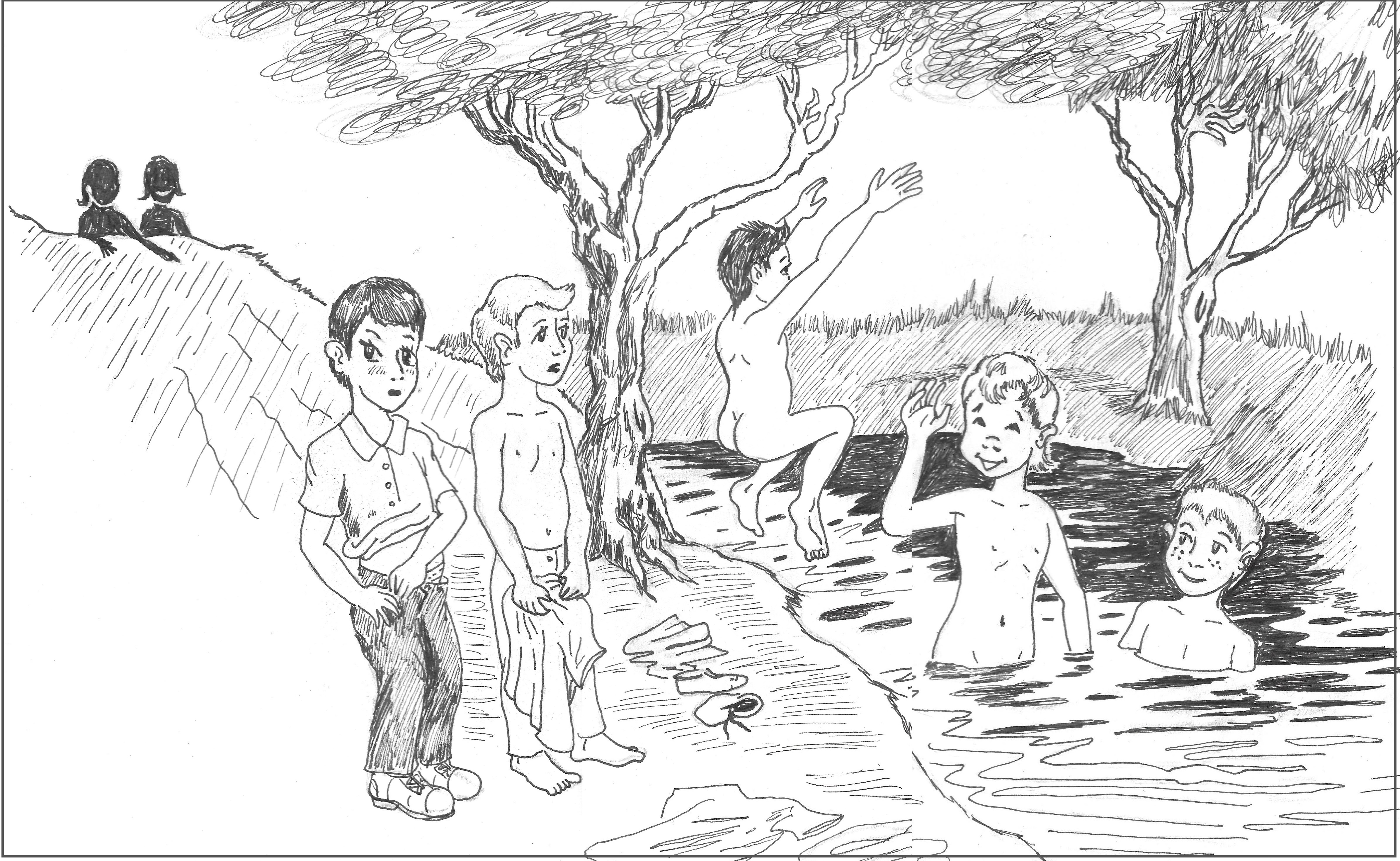
Boyhood behavior might not go exactly as parents plan, but it has to happen anyway.
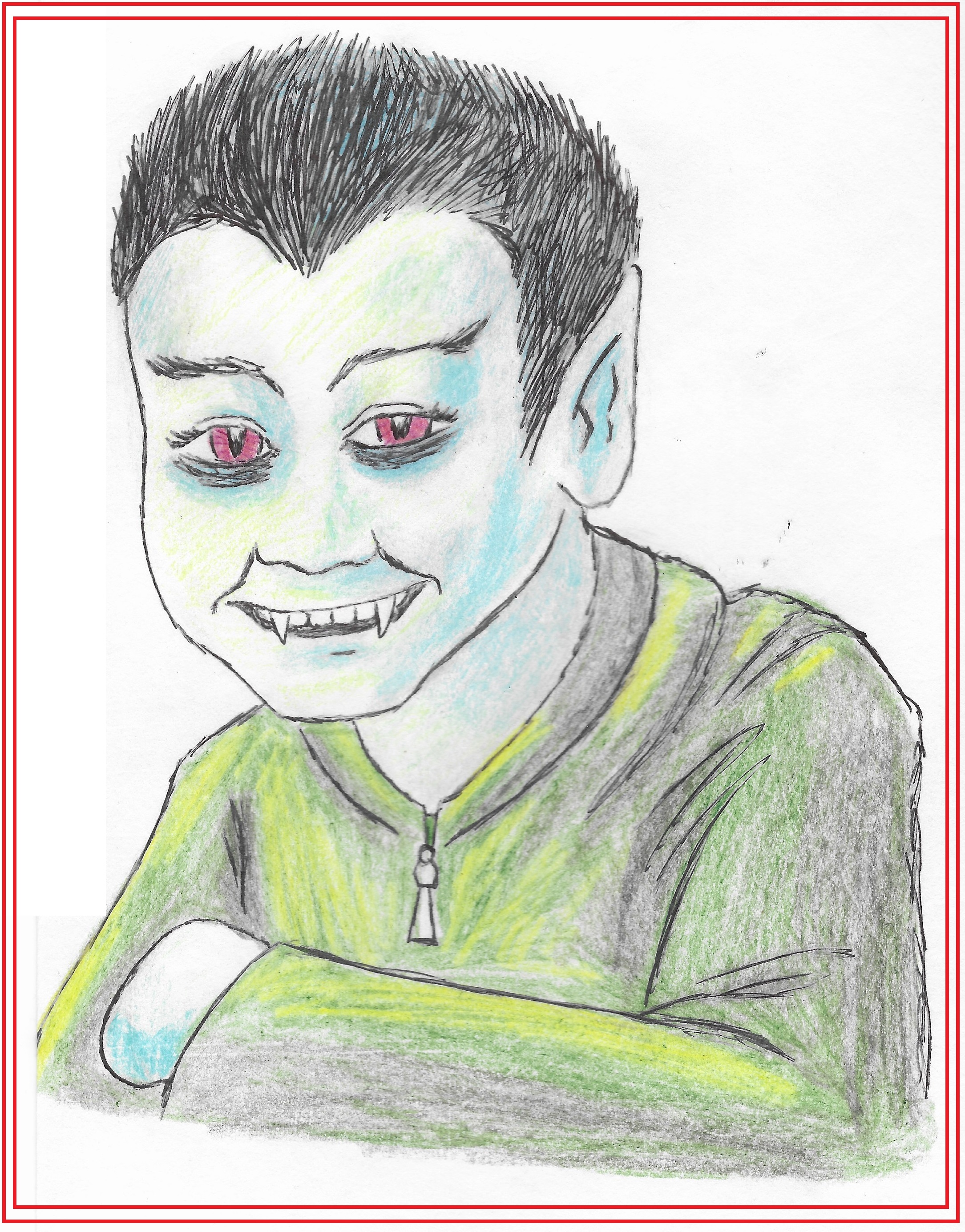
There is no such thing as a perfect boy.
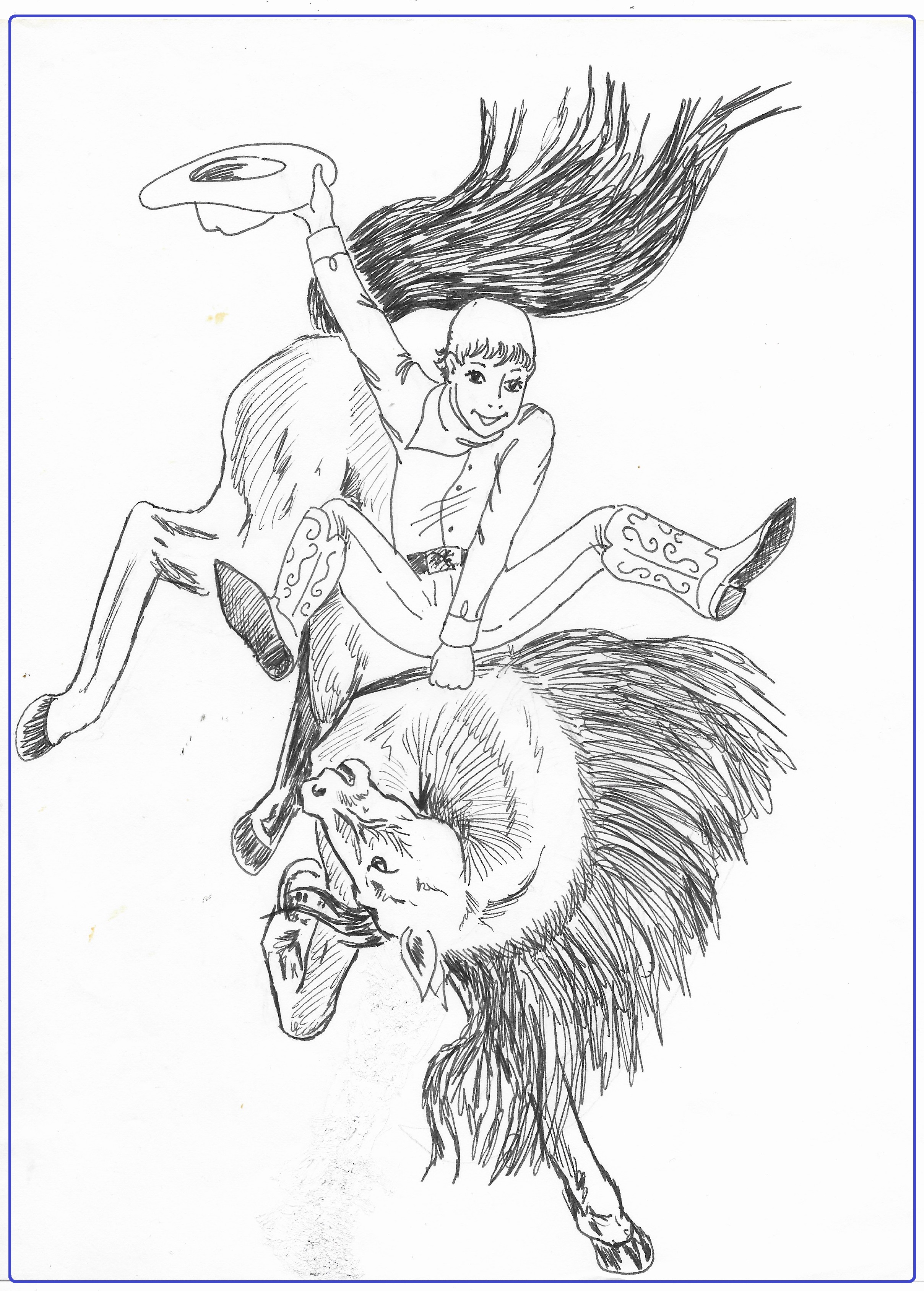
Boyhood always was and still is an adventure. I should know. I’ve been a boy for 64 years.
I discovered a new artist today. I was reading posts in the Facebook writer’s group, 1000 Voices for Compassion. And there in a post by Corinne Rodrigues was a YouTube video by Andrew Peterson. And it was a miracle. I clicked on the video and he sang my soul. Here is the original blog post. And here is the video.
Yesterday I posted a self-reflected goopy bit of nonsense about how I write and draw. Today, I realized I haven’t explained why I write and draw.

You can capture it in words. You can capture it in pictures. Like Andrew Peterson did, you can capture it in music. It is deep and profound and eternal… and you can’t really explain it, but it is the singularity… the right word… the way to caress the very face of God.
This music from Andrew Peterson is musical poetry that expresses love in terms of romance and religion. Love of the significant other is equal to and intertwined with the love of God. There is a truth in that, and a fundamental reason why despite how religion has let me down, I will never be an atheist again. Through the right words I have come to know God. I speak to him daily. I spent twenty years as a Jehovah’s Witness, even to the point of knocking on doors and sharing the little pamphlets that are supposed to contain the capital “T” Truth. I can’t do that any more, though. The thing is, they believe the chosen of God, the only people who can reach paradise, are the people who all say and do and believe the very same thing, the very same words. Anyone else is left to destruction. No paradise. No life after death. And they clearly tell you what the words are, and you must repeat them like a magic spell. Peterson’s music is forbidden. JW’s don’t want you to listen to anyone’s words but their own. So, since this is Christian music, but not JW Christianity, it is the work of the devil, trying to lead you to destruction. What kind of selfishness is this? And yes, I have repeatedly been shown the words in the Bible that say that this is so. But I have stopped believing that all words in the Bible are the right words. When the Bible speaks of love… those are the right words. When the Bible speaks about what you must hate and who is condemned… those are not.
You may have noticed that I have obsessively searched out and shared this Andrew Peterson music. I do that when I find the right words… good words… I obsessively want to find more and more. I did that once with butterflies. When I was a boy, I chased them down with nets and collected them. But you have to put butterflies in killing jars and then mount them on pins and Styrofoam boards to collect them. I realized too late that this was not the right way to treat them. You have to let them flutter in the sunshine and float on the breeze. You have to let them live. And so must you do with the right words when you find them. You must use them and share them and let them live.

Yes, the reason I write is because my life has been lived and it is coming to an end. But it is a good life. A life filled with wisdom and love and the very best of those words I have collected in butterfly nets over time. And I must share those very right words… and let them live because they are beautiful and true… and it is simply who I have to be.

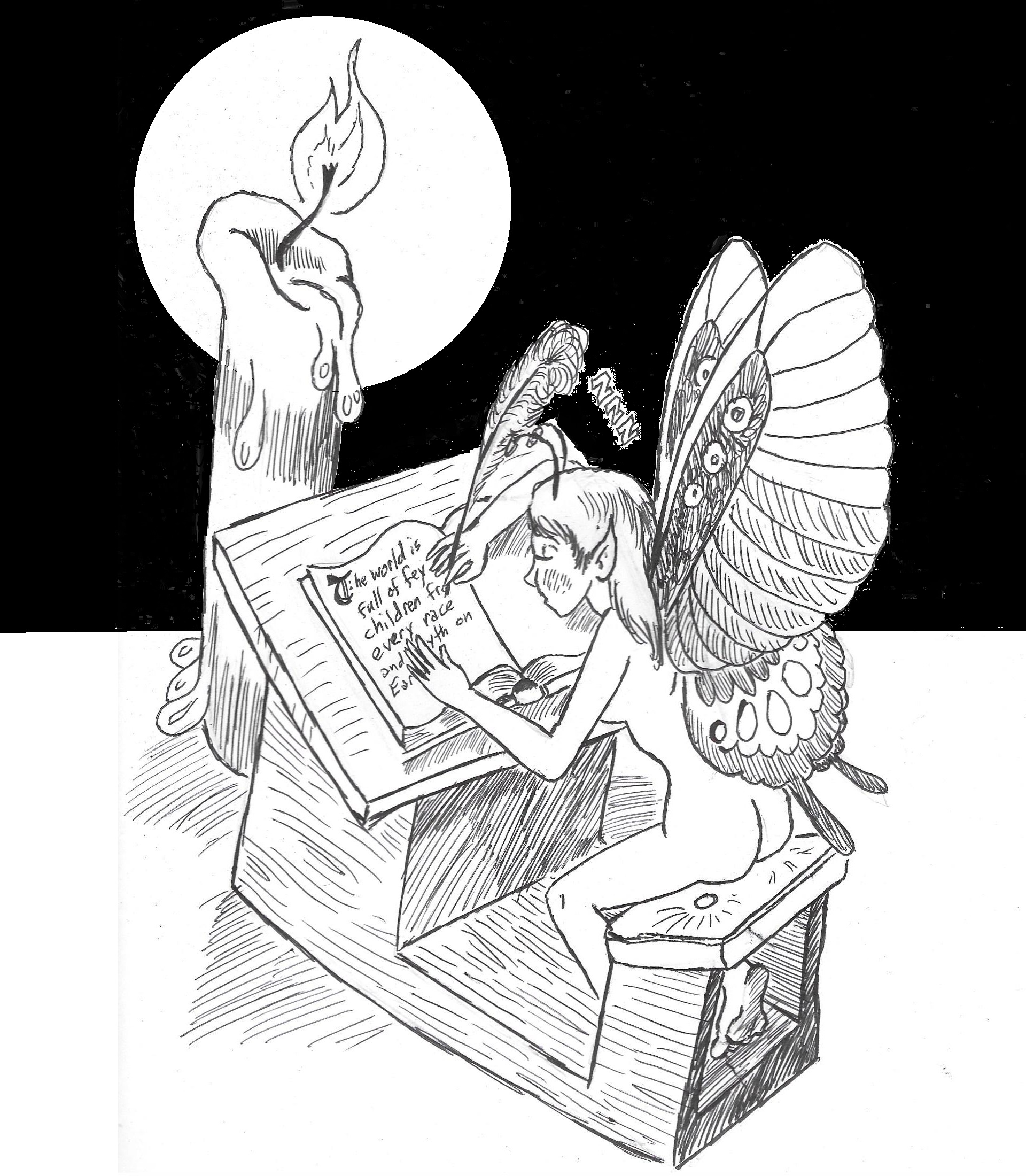
Writing, as I have repeatedly said in this blog, is necessary for life to me. I would not still exist today if I couldn’t put words to paper (I mean metaphorically, of course, since I wrote this on my malfunctioning laptop.)
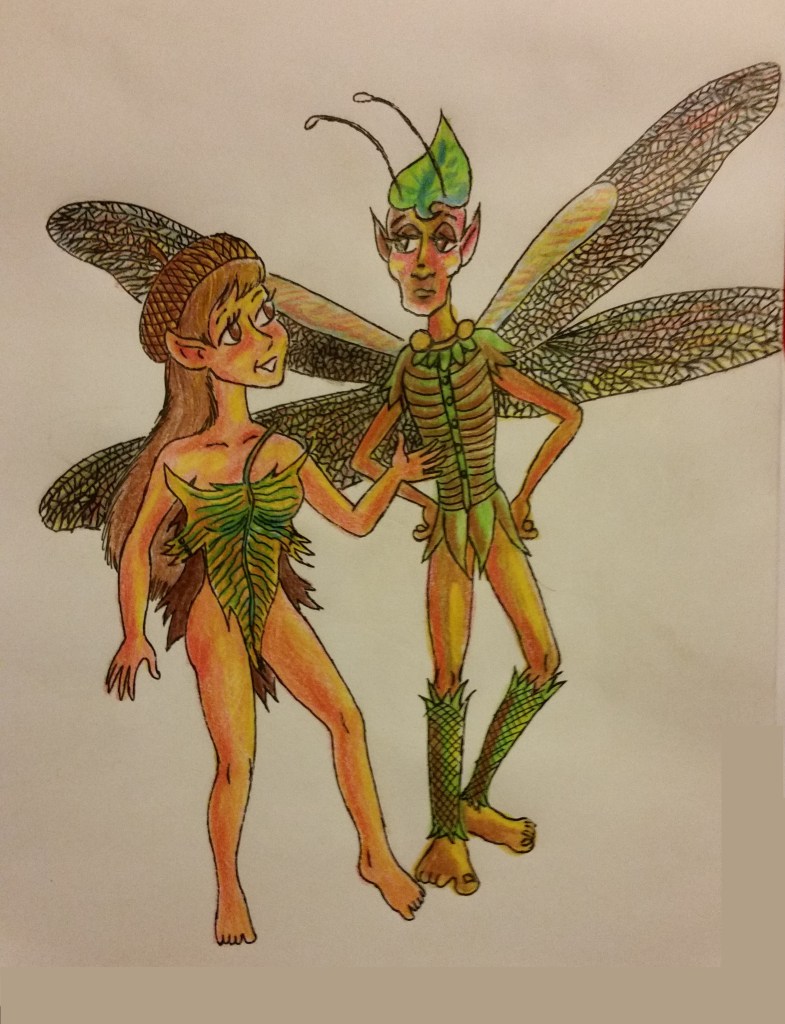
But I don’t mean in any way to imply that it is any kind of “normal human life” to be a blogger. It is, in fact, a rather bizarre and chaotic life where you have to juggle a multitude of wacky, crazy, depressing, unruly, and downright ugly things that happen at random to any and every human being (I was going to say, “living human being.” But the fact is, it happens like that for the dead ones too.) As a blogger, you are trying to take all that chaotic nonsense and organize it into words and paragraphs that makes it all into a reasonably sensible thematic something that people are tempted to actually read. (“Tempted” here probably means lured in to find out what this mass of typing is really all about by the naked fairy-girl that is in the lead illustration.) (You would be surprised at how often my penchant for drawing nudes draws in people looking for porn and gets them to stay and read the story that goes with the picture.)
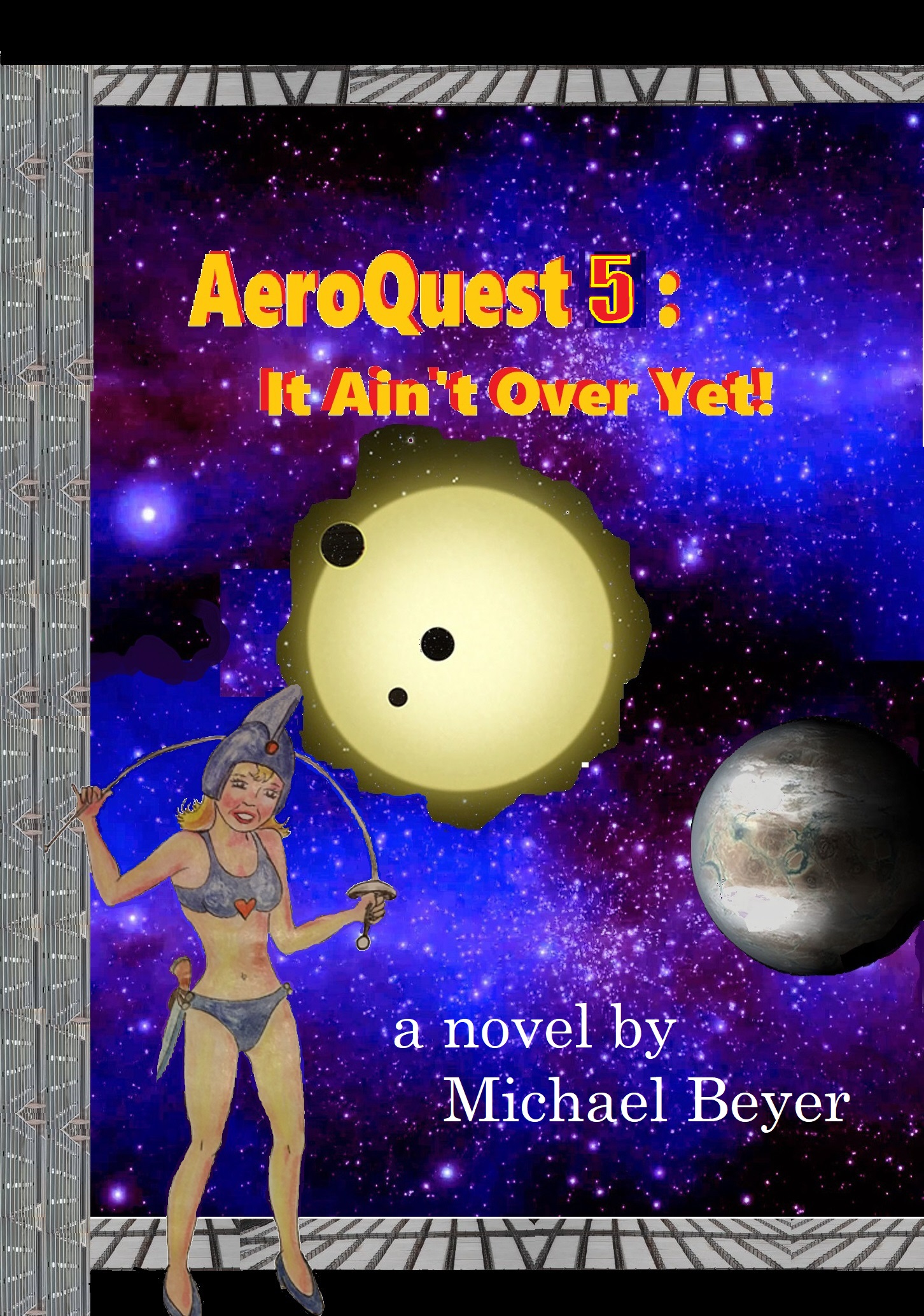
Technically this is a book blog. It was established for me as an author’s blog by I-Universe Publishing for my traditionally-published novel Catch a Falling Star, which is what this blog is named for. It is supposed to be an effective marketing tool for selling books and getting people interested in finding out more about my books, and about me, and especially about clicking on the ads that appear in this blog-space.
But I am apparently terrible at using it for what it was meant for. There is absolutely no correlation between this book blog and book sales. Through I-Universe I have made about $16,00 (really, sixteen dollars! since 2013, and they haven’t even sent that money to me yet, because the threshold for sending a check in the mail is $25,00,) They have made a lot more money off of selling me marketing services than they ever have off of my award-winning book (Really, again, the Editor’s Choice Award and the Rising Star Award, both together worth precisely diddly-squoot.) My blog itself costs me $98.00 a year, and I have only made back $10,00 on ads revenue. So, being an author is only going to make me a millionaire very, very, very slowly.
But what I do get from this blog is a couple of critical things.

It is a place where my artwork and story-telling skills can see the light of day outside of a middle-school classroom. I learned to fascinate people with my cartoons on a chalkboard and stories that begin with things like, “One time the former President of the United States, John Quincy Adams, was skinny-dipping in the Potomac River while…” (Yes, that one could’ve gotten me fired if kids had told their grandmothers what they were learning in Mr. Beyer’s class when they got home from school, but they laughed so hard that they forgot everything they learned in class.) (Unfortunately, they mostly forgot Math Class and Science Class as well.)
And I get some feedback about how well or how poorly my writing comes across to the reader. (I can get a “LOL” in the comments, or a good “What the hell was that supposed to be about?”) It gives me an idea about what to keep and what to change when I do it all again the next day.
People are actually reading this blog, and my books as well. Yesterday I got 204 views and 21 likes on WordPress and there was only one naked girl in the pictures I used with the blog post. Just today I got a very insightful five-star review on my book Sing Sad Songs. So, I am getting read and being successful as a writer. ($3.75 in royalties from Amazon was paid to me on Friday. So, I could almost claim to be a professional… if I cut down on expenditures quite a bit.)
Filed under artwork, autobiography, blog posting, humor, novel writing, Paffooney
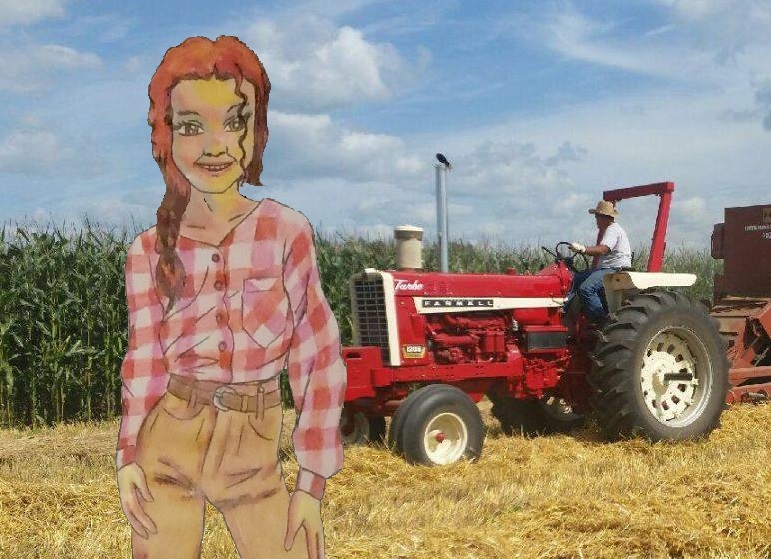
As a boy, drawing girls was always important to me. I didn’t understand them. I couldn’t control them other than to make them dislike me. I couldn’t get away from them… but I could draw them. I could completely control what the picture looked like. And I could make them be whatever I wanted.
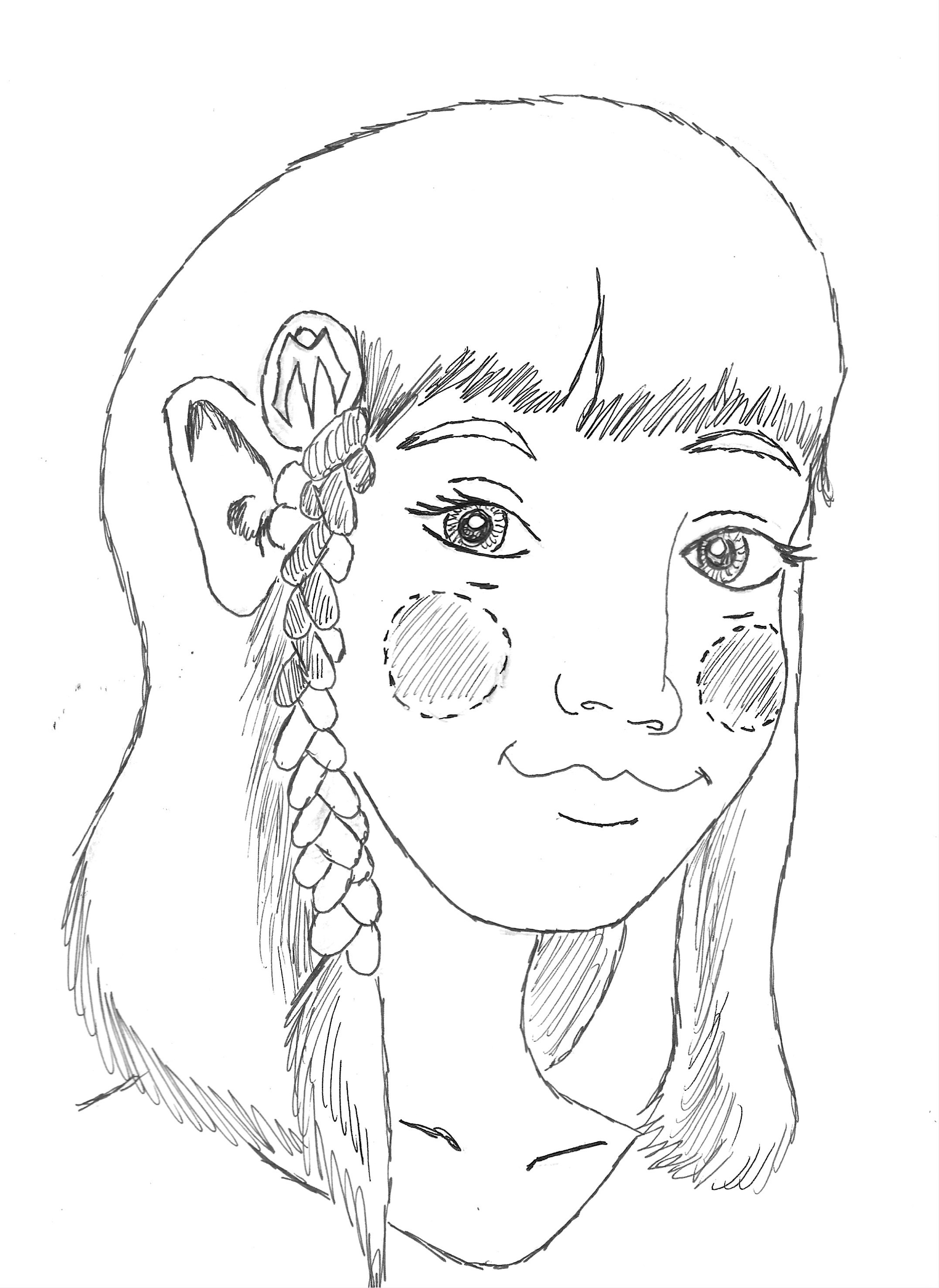
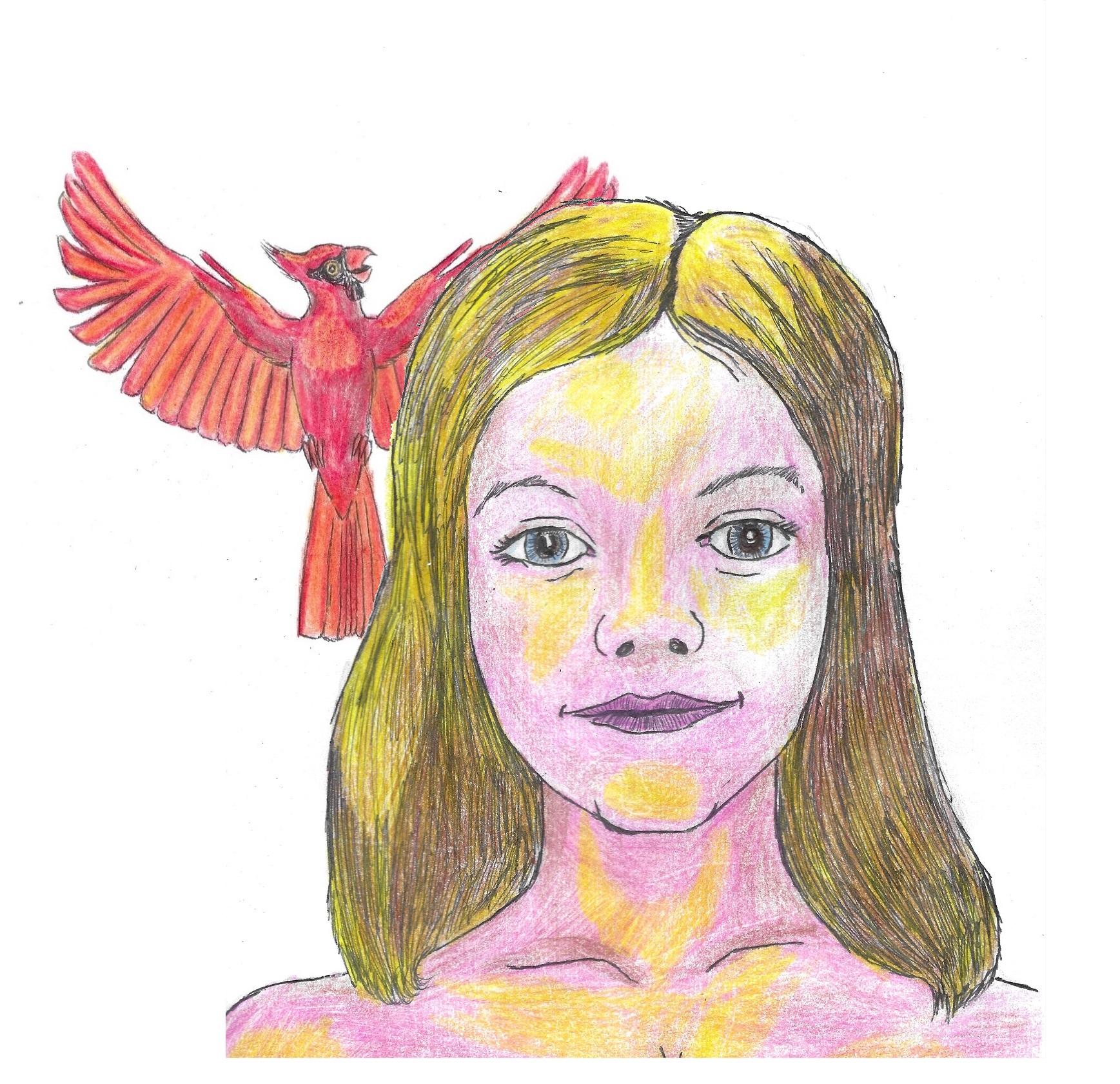
Mysterious… inscrutable… attractive… weird….
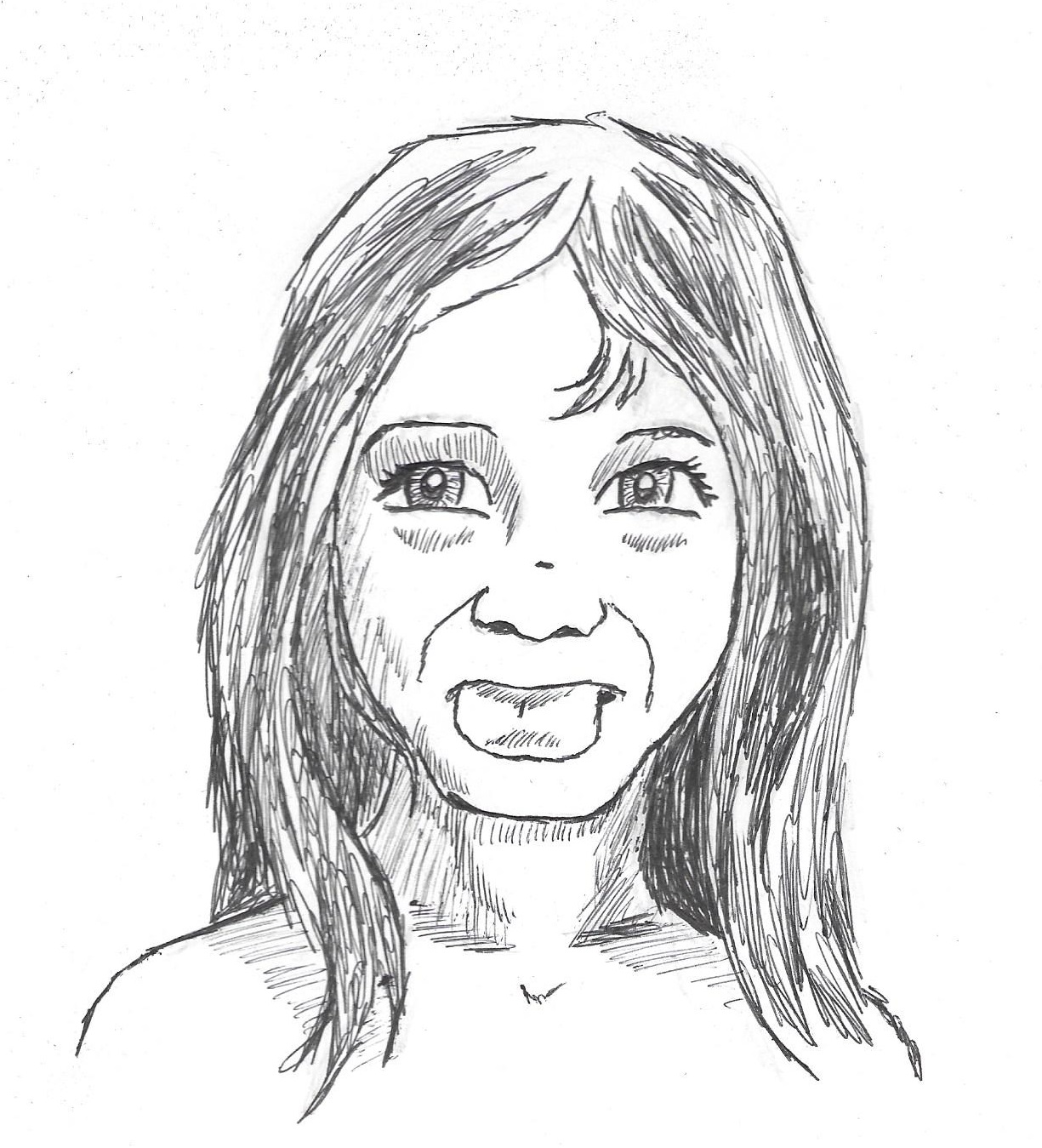
Infuriating… beautiful… sassy… and rude.
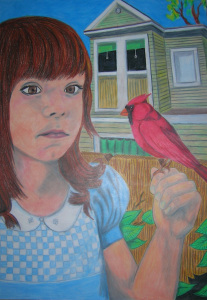
Sugar and spice, they say…
With everything nice, they say…
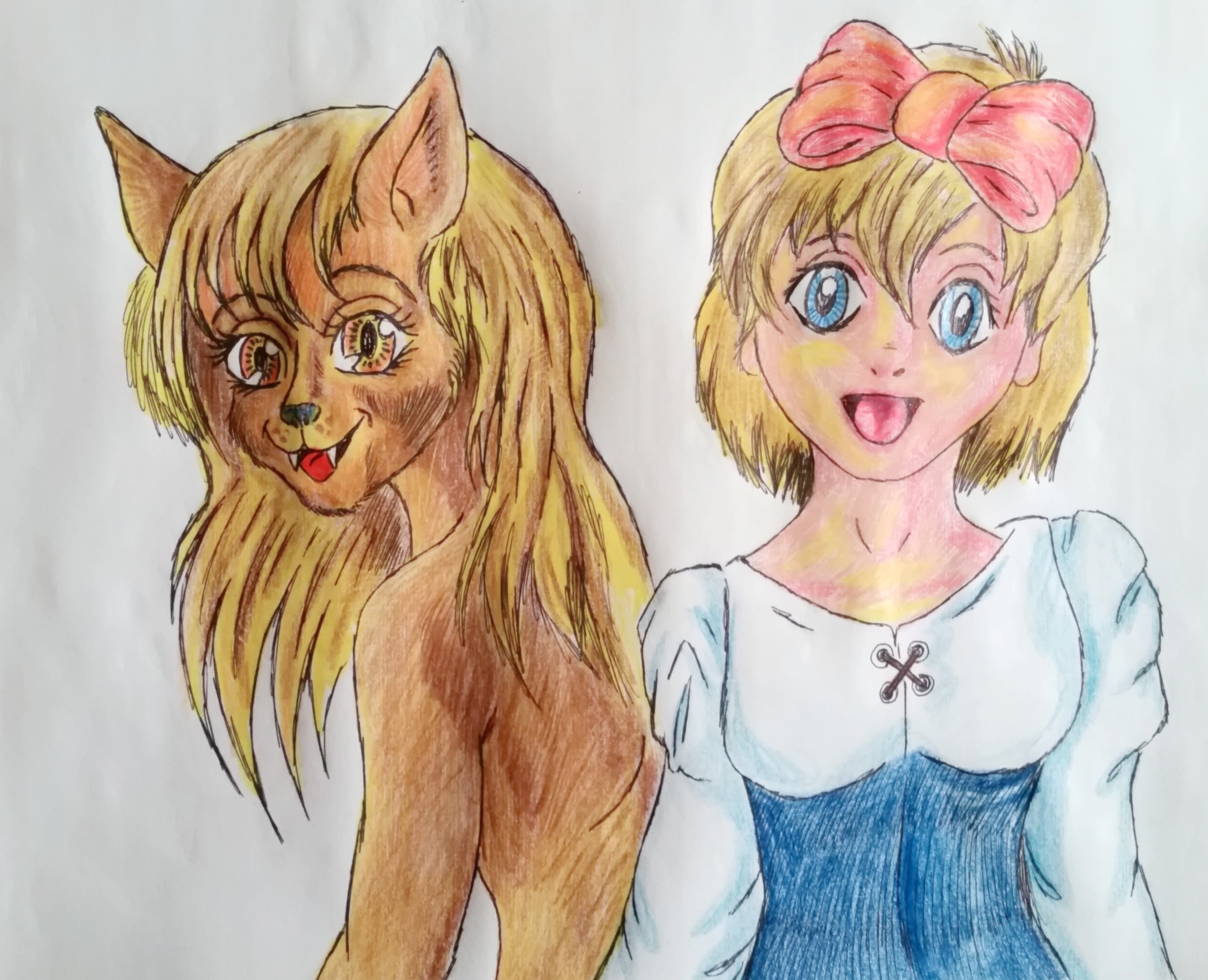
Yet still with the power to kill and to eat me.
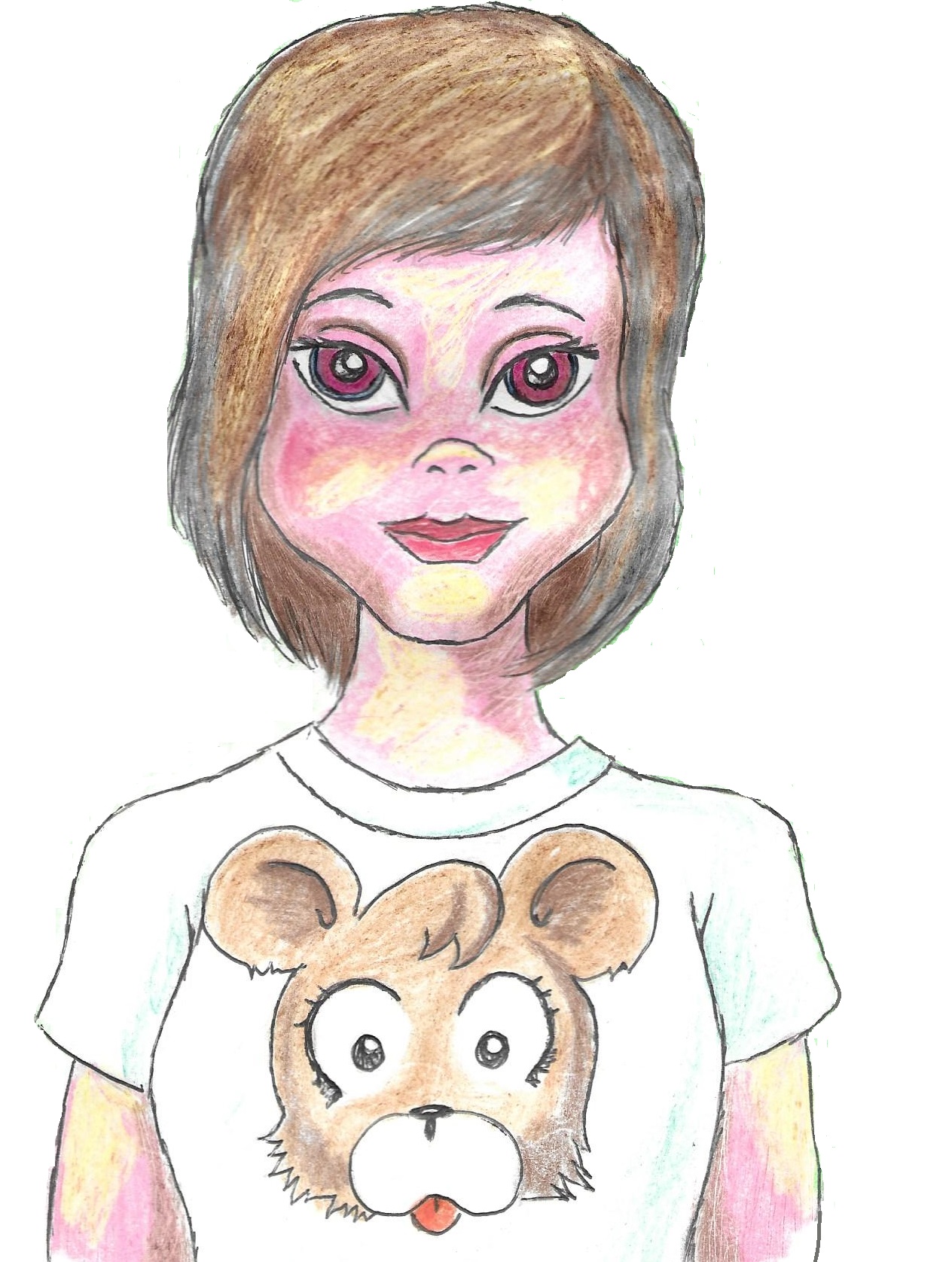
Cute girls and sweet girls…
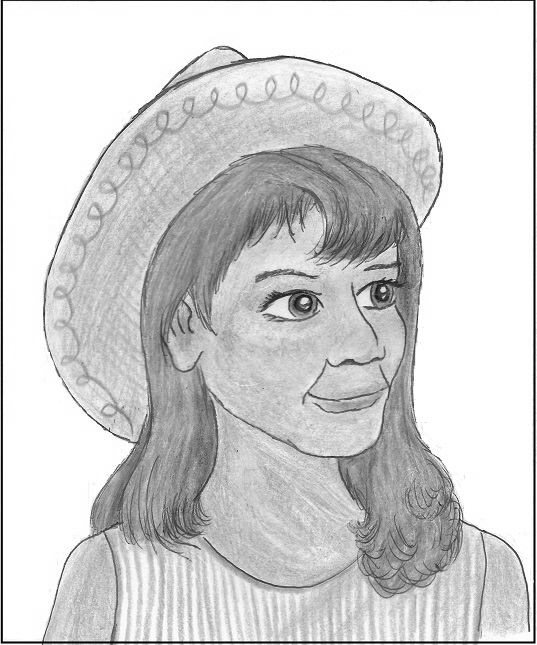
The proper and neat girls….
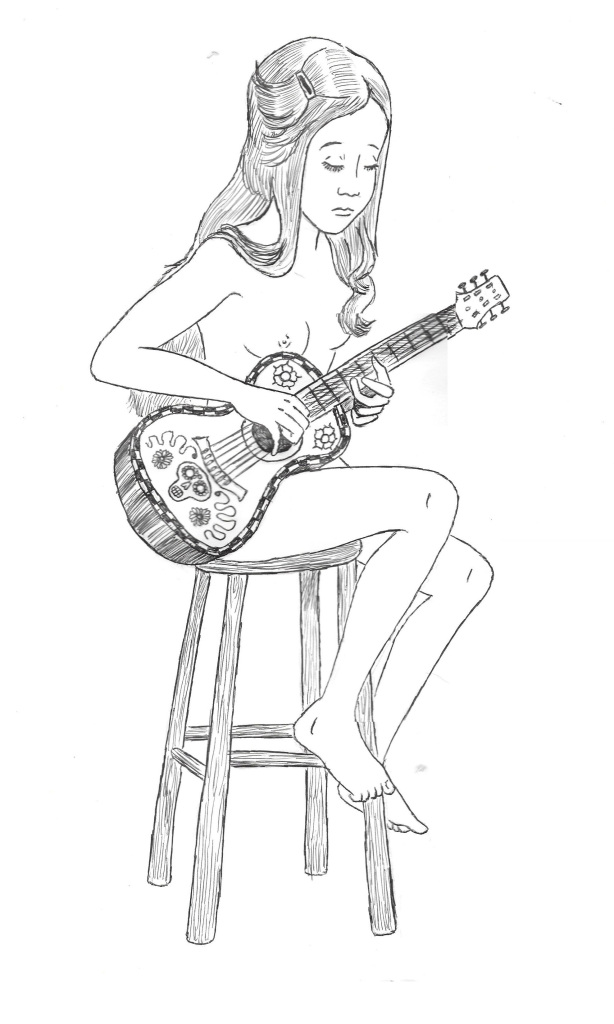
Girls with no clothes on…
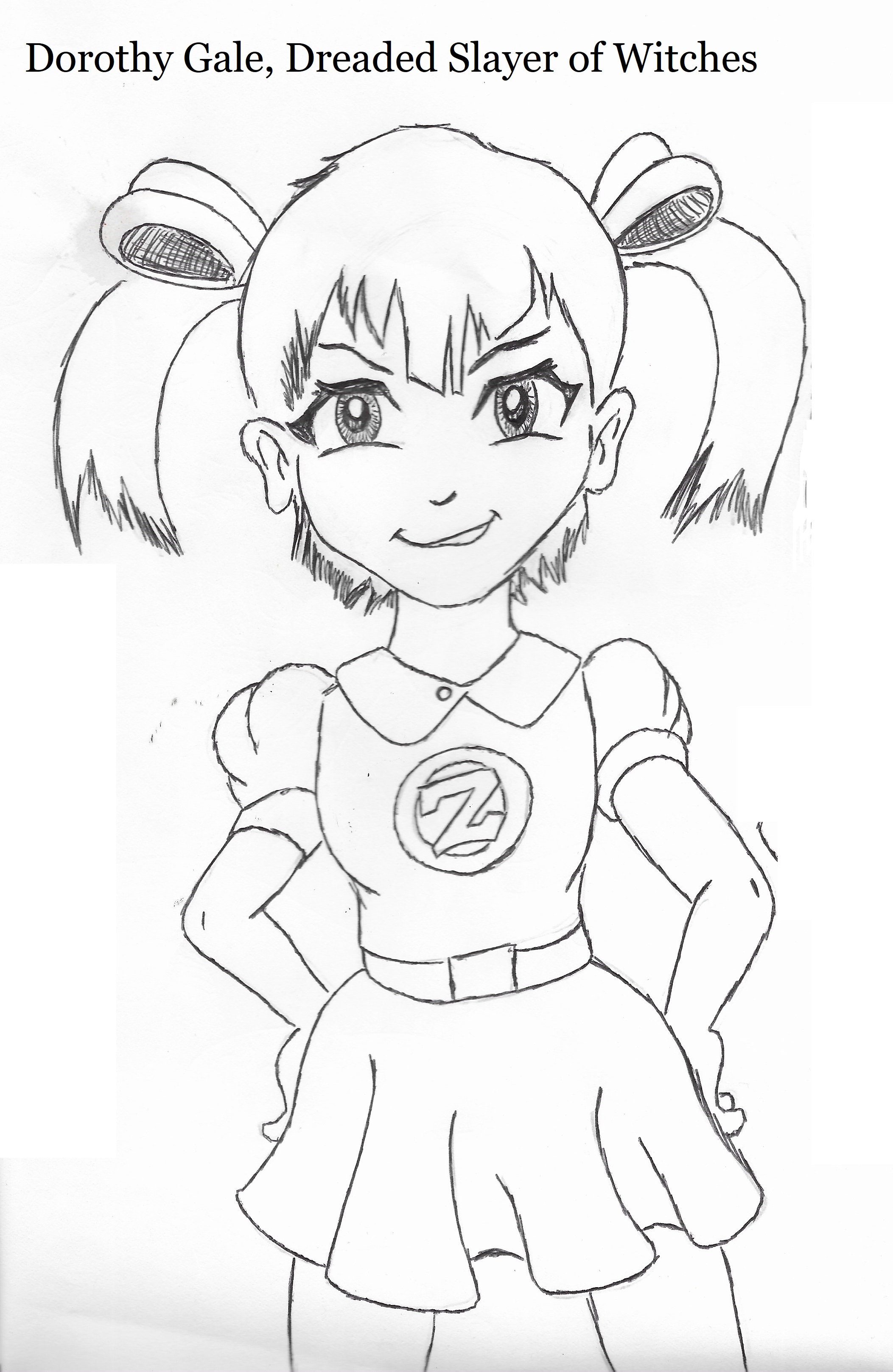
And girls I’m afraid of.
I have to draw girls just to understand me.

