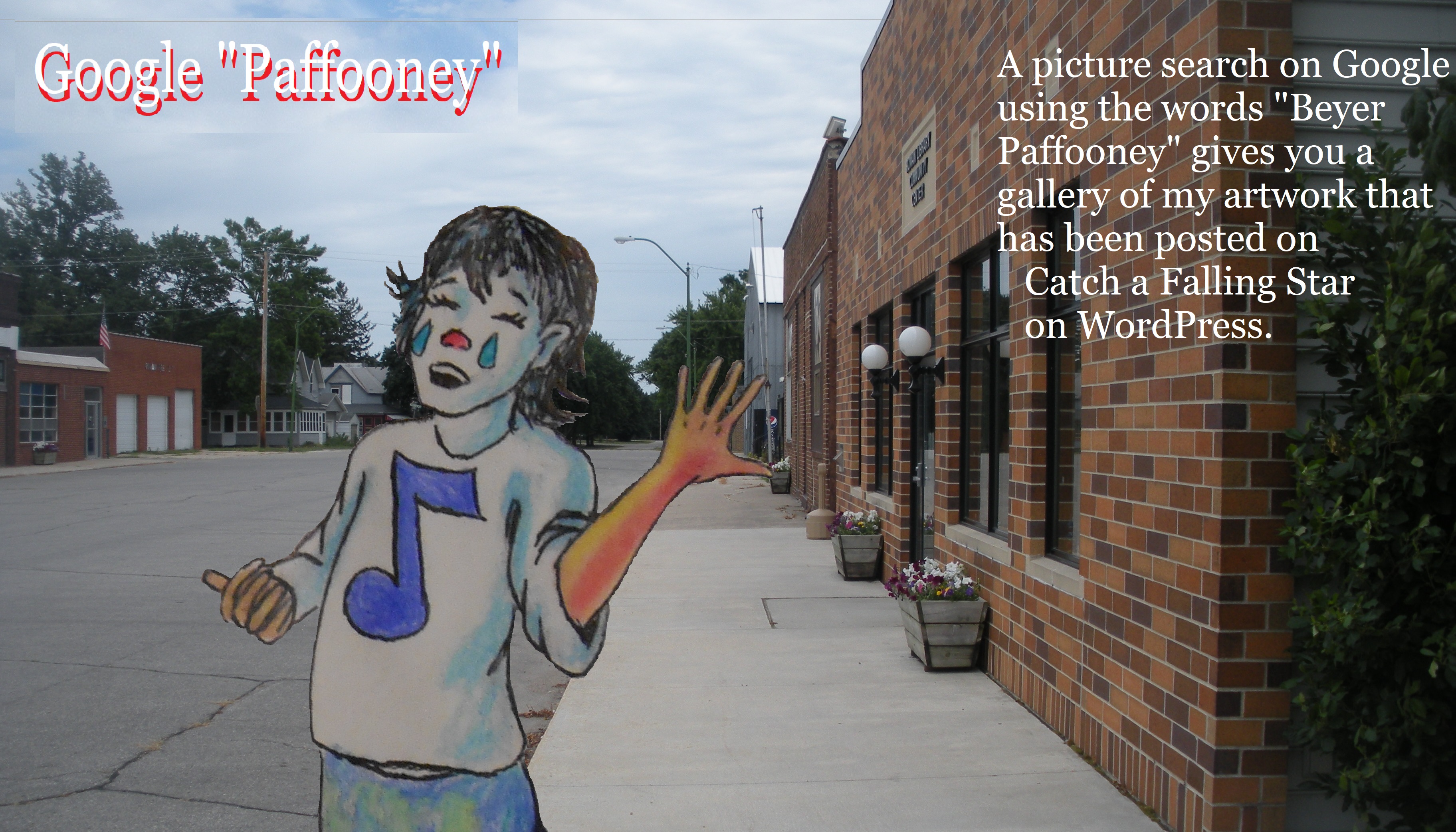
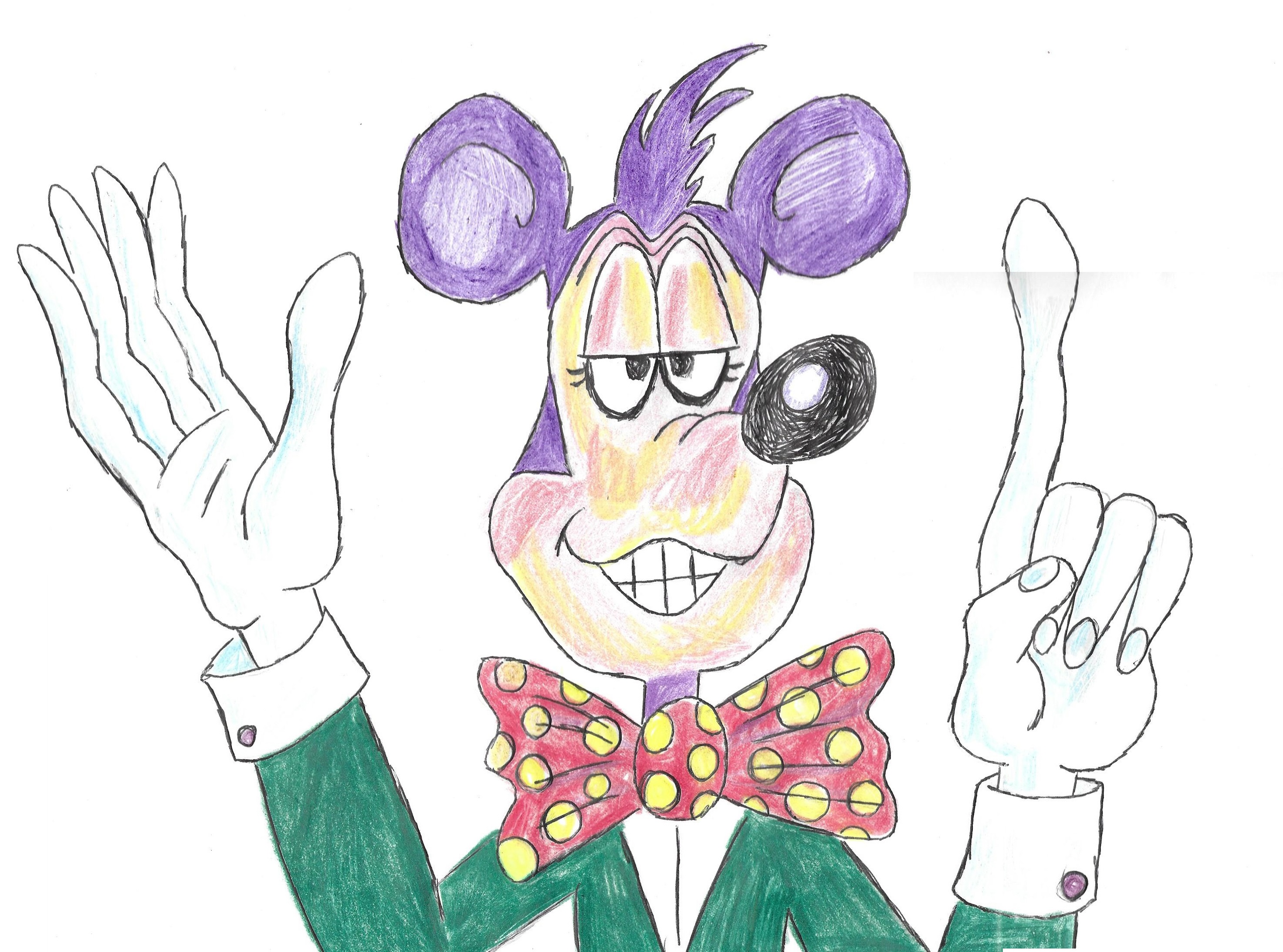
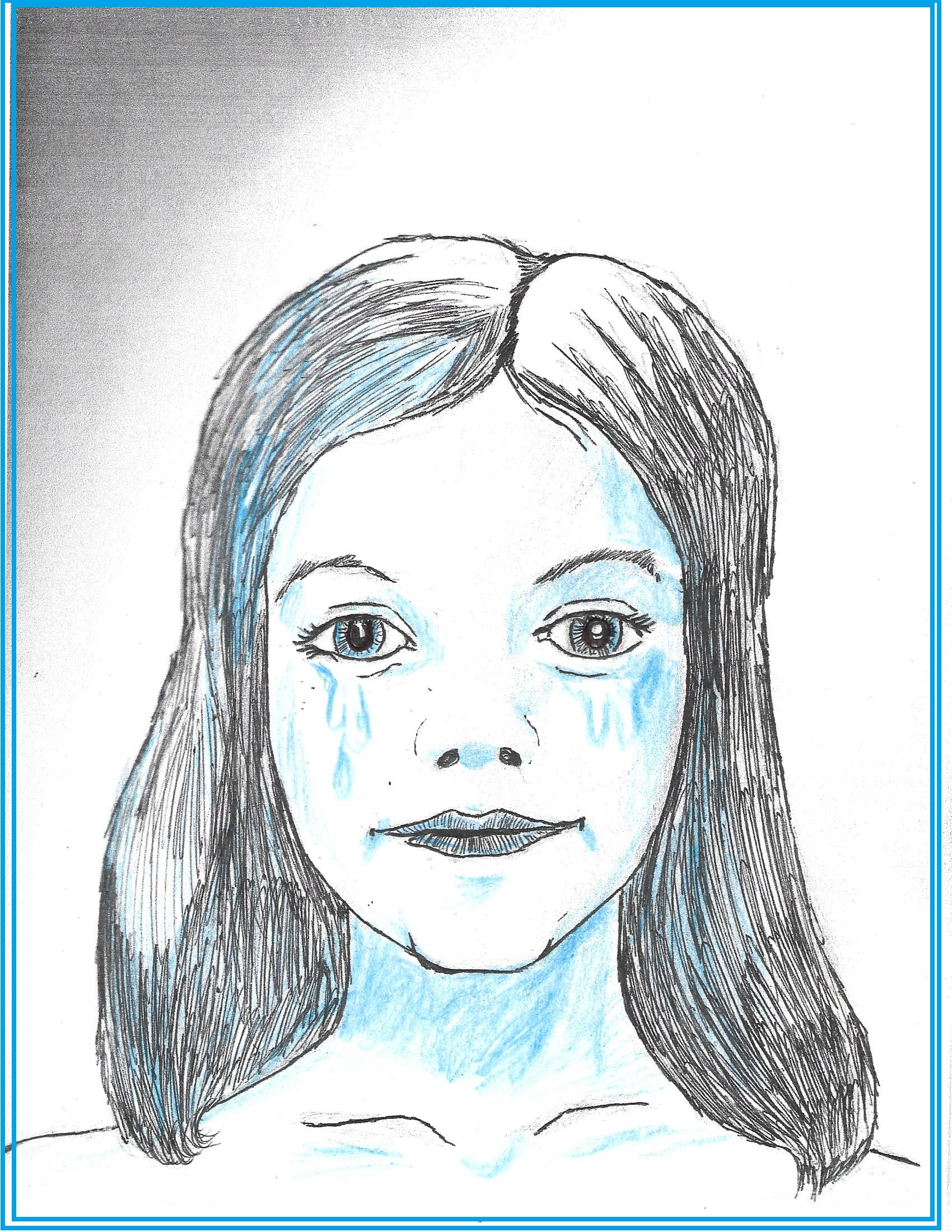
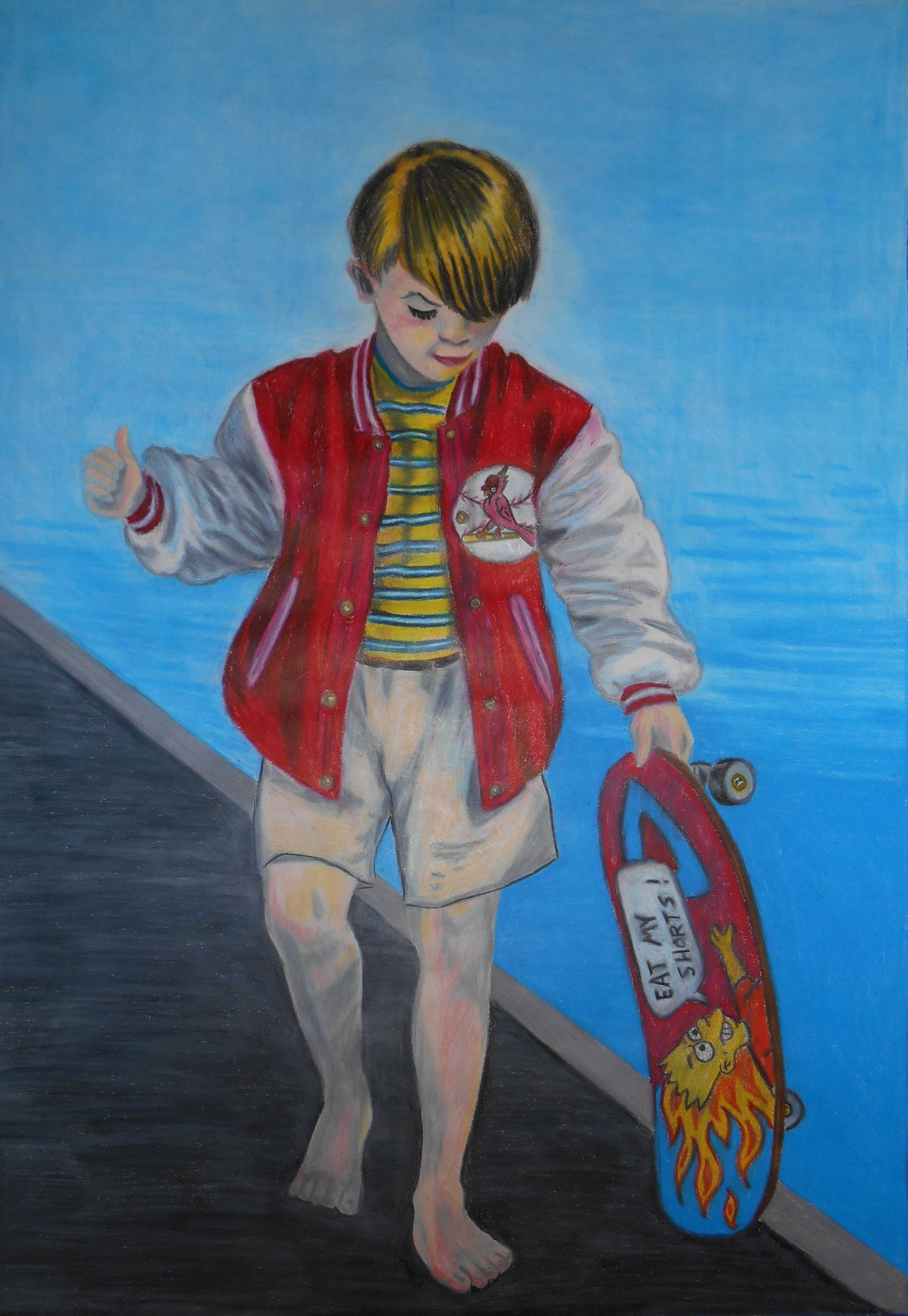
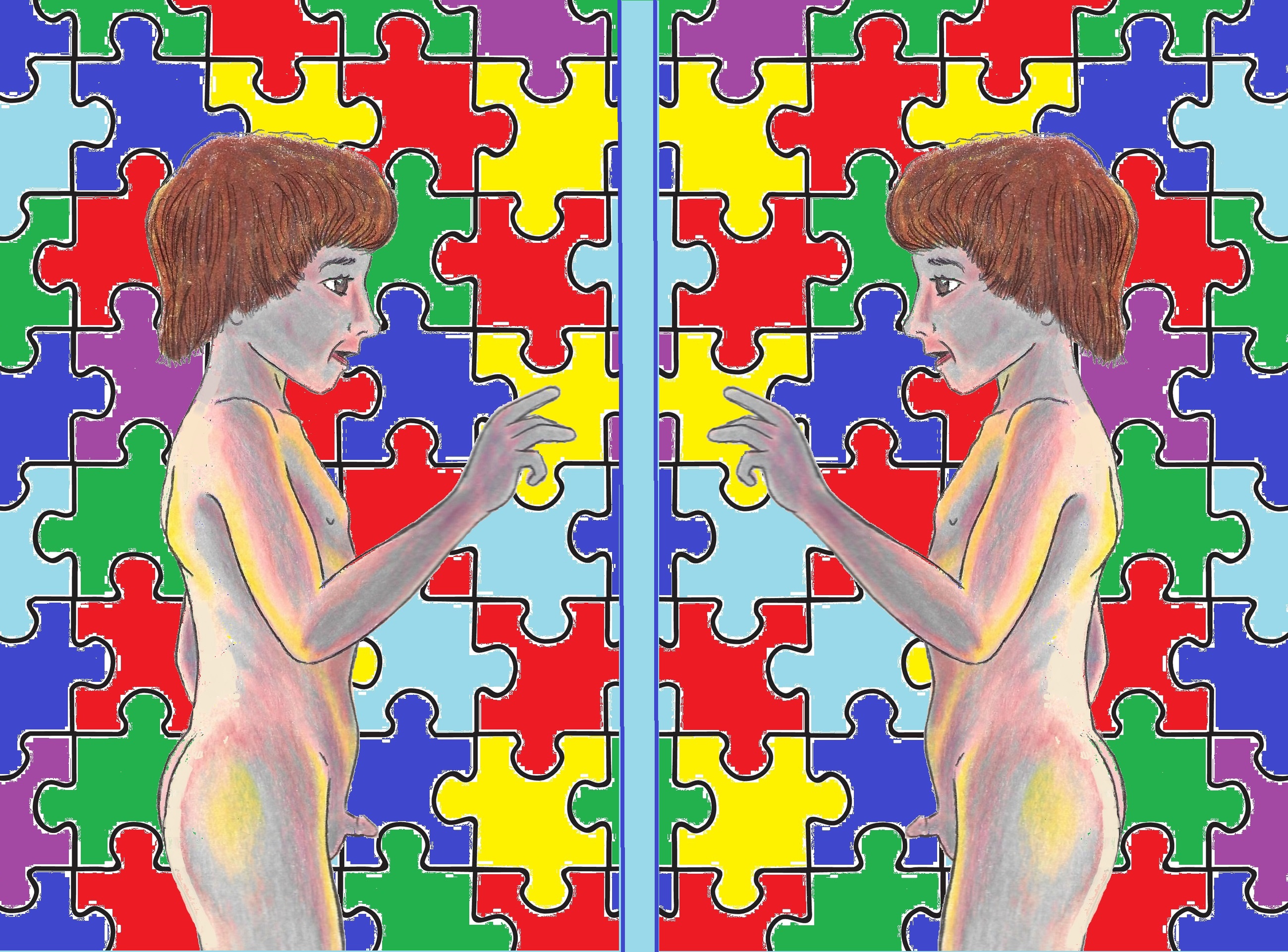
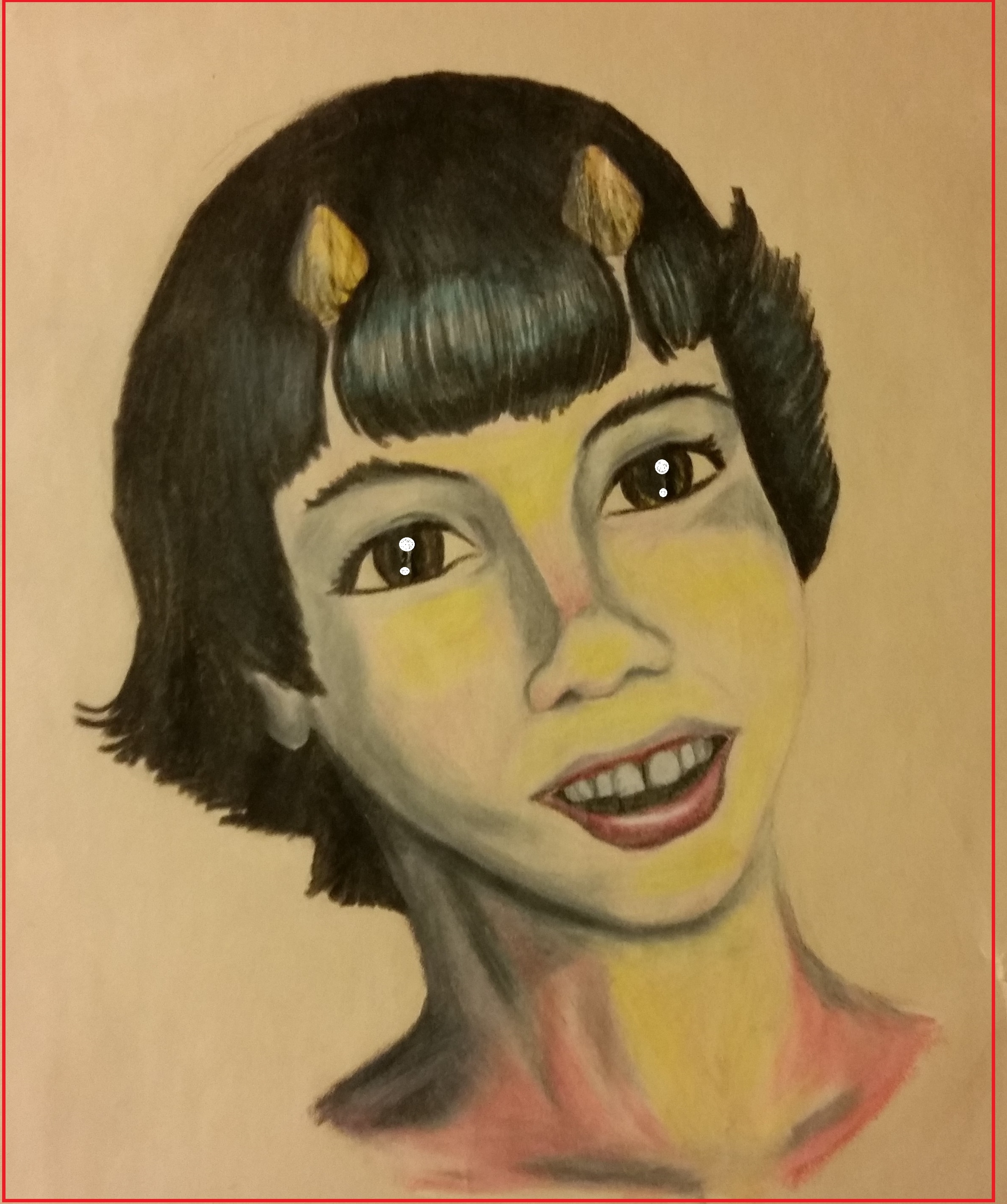
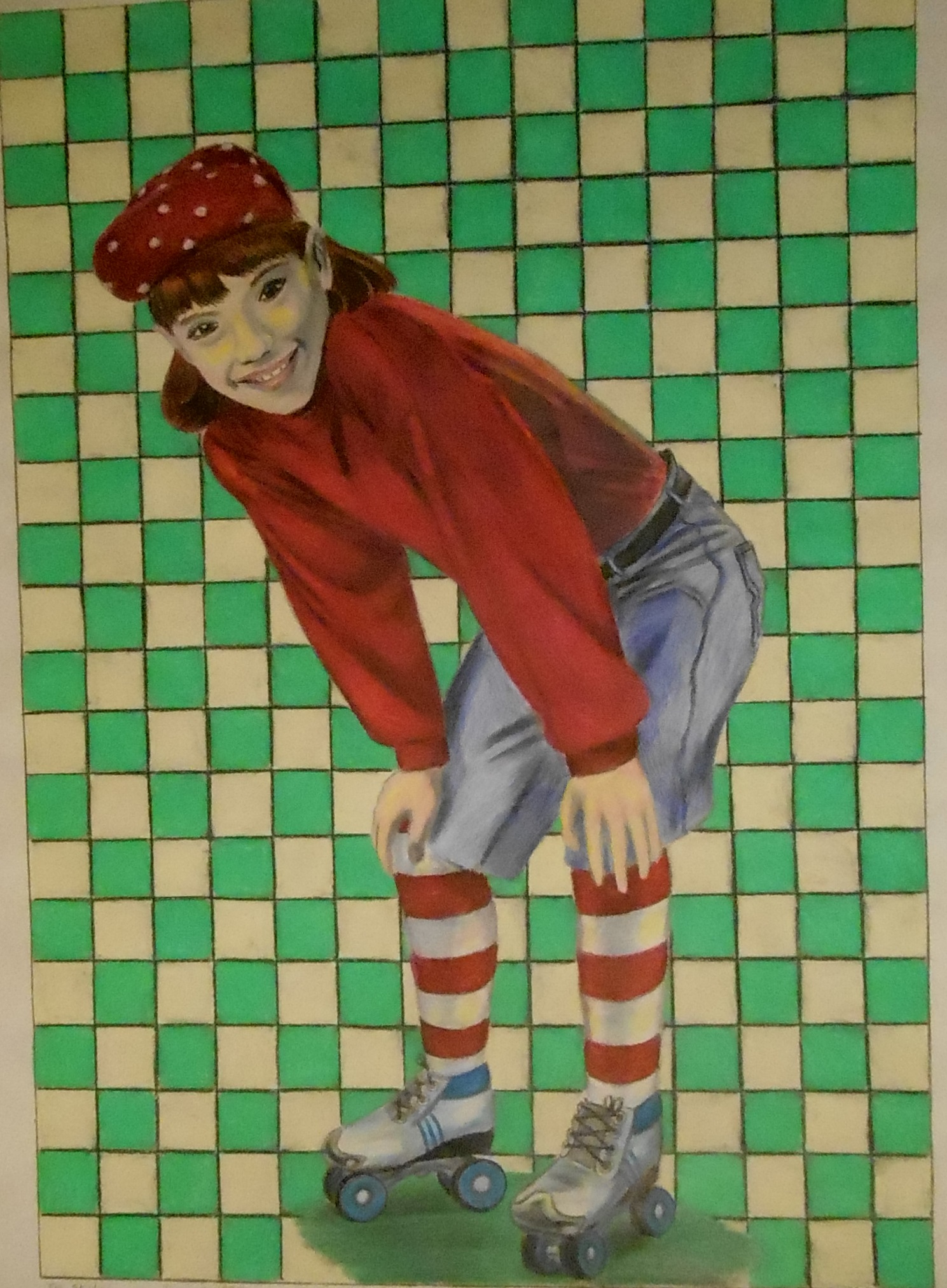
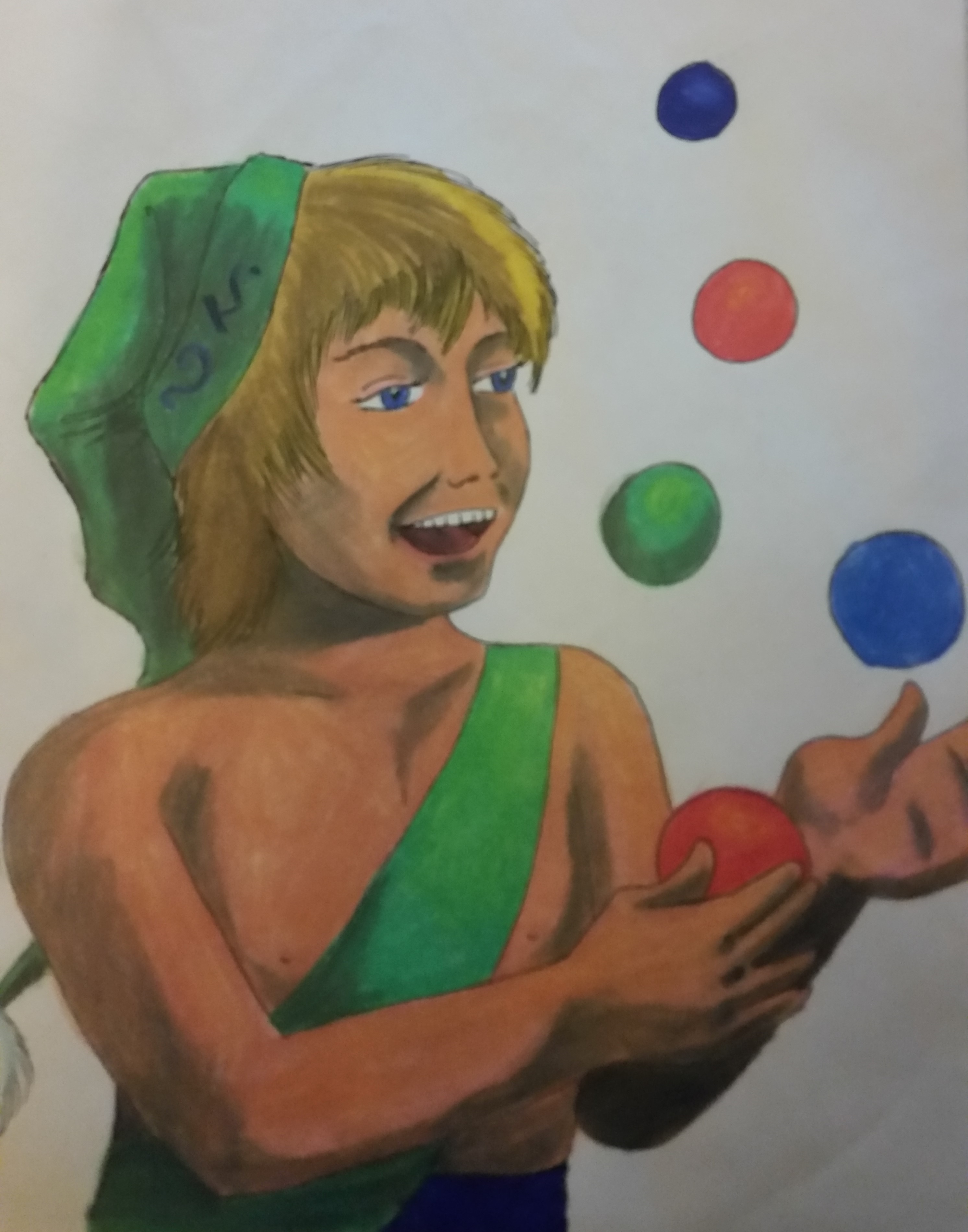
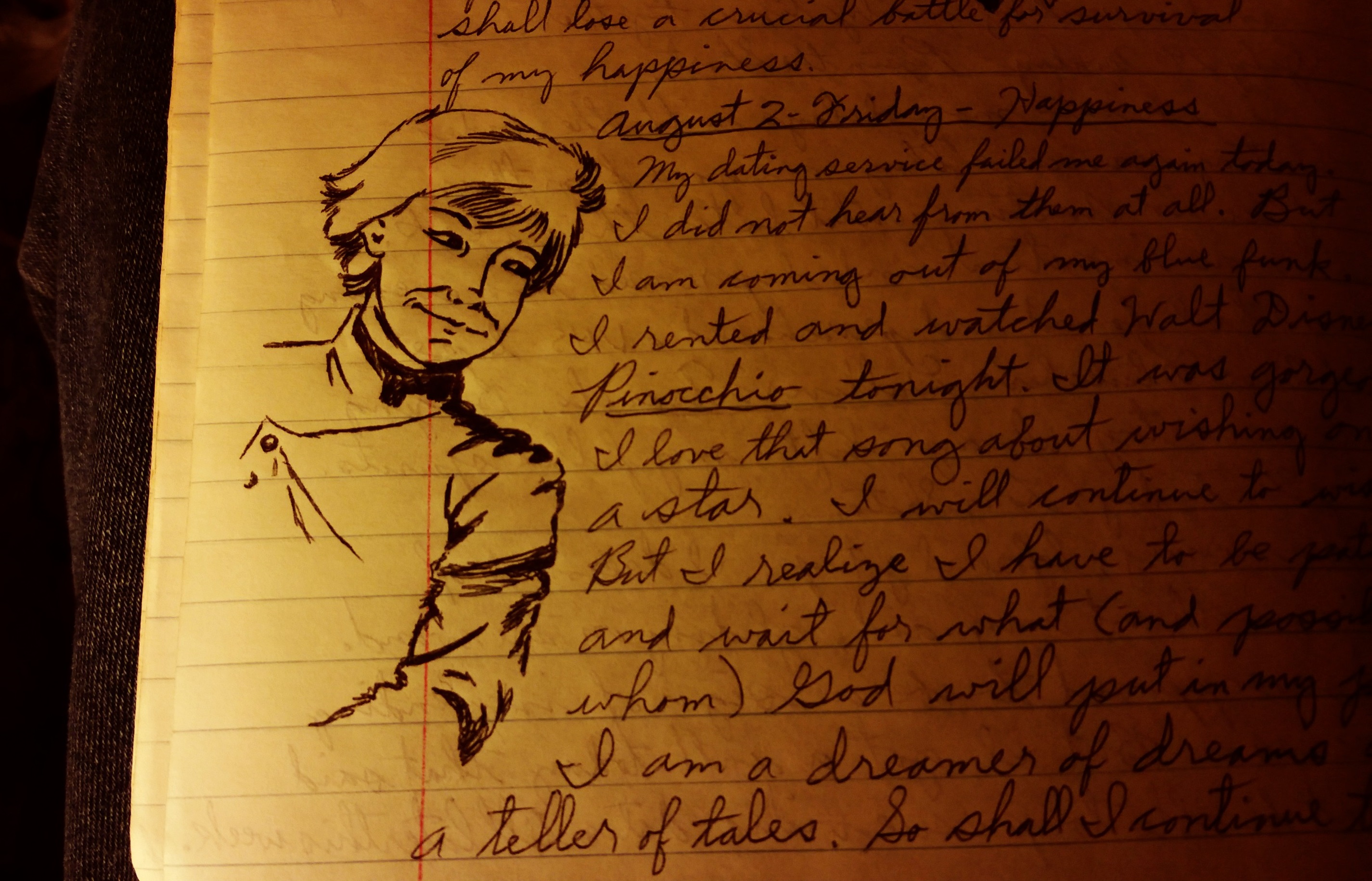
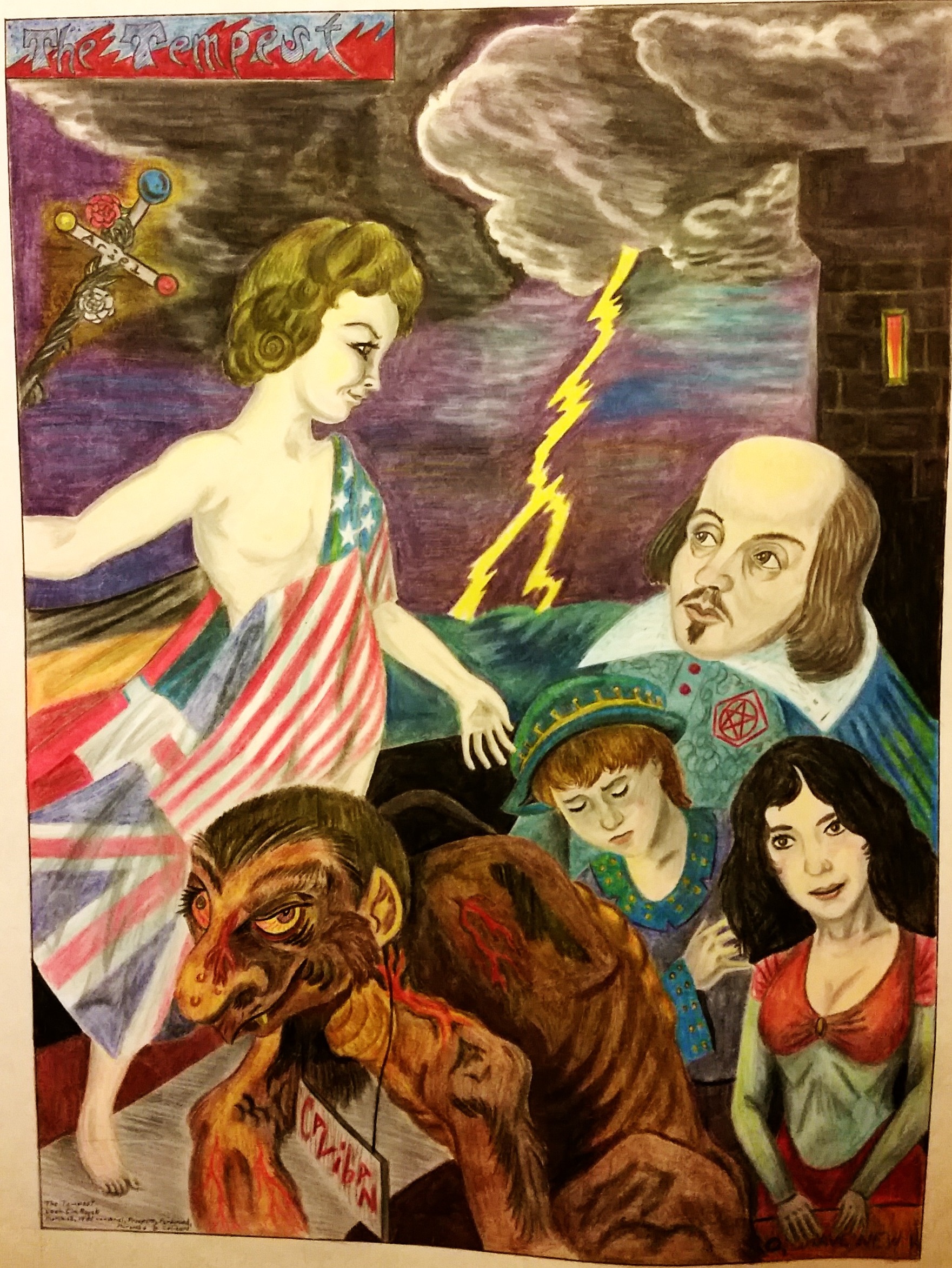
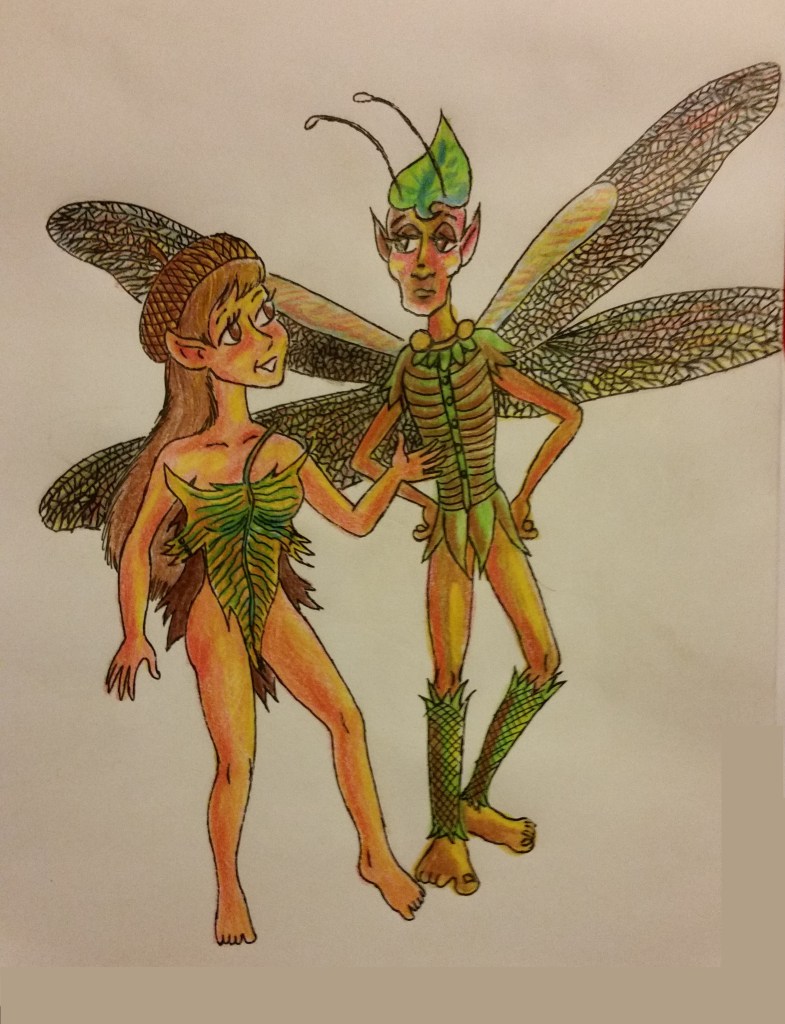
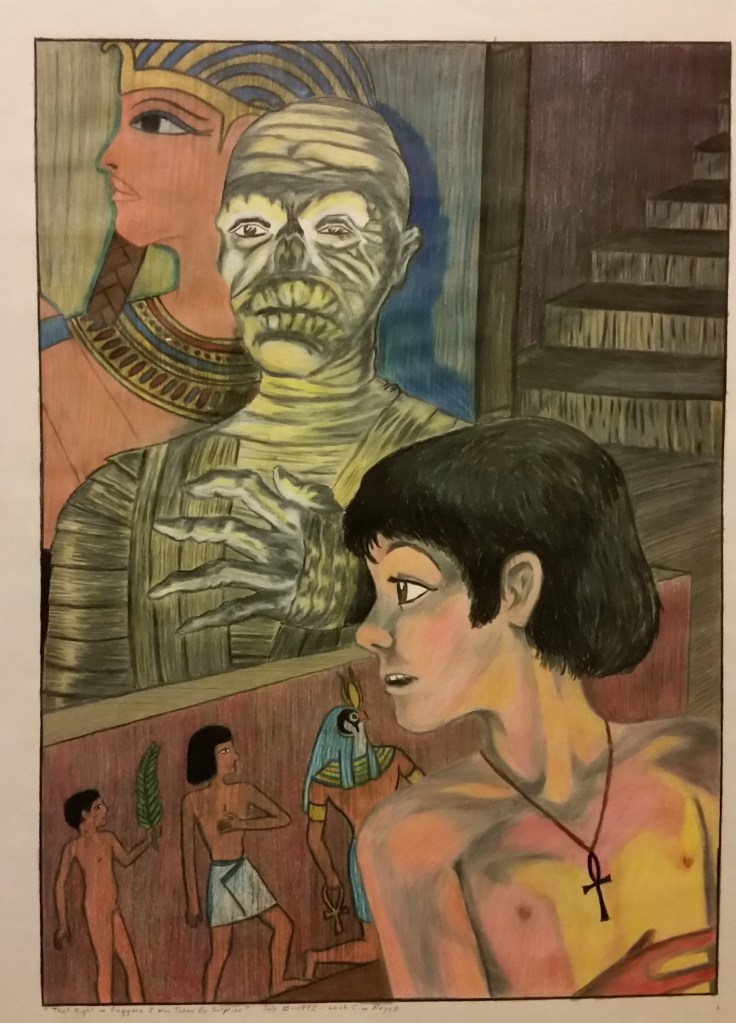
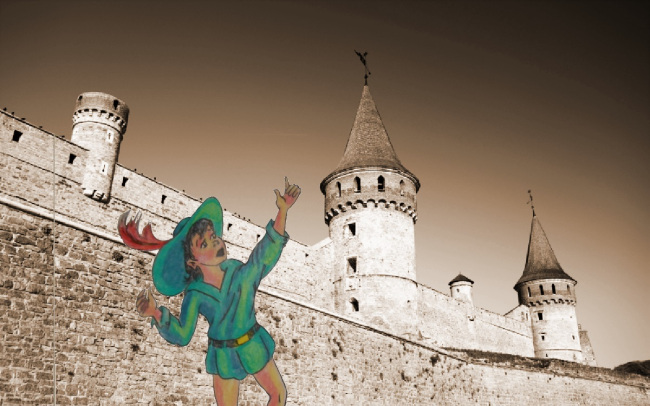
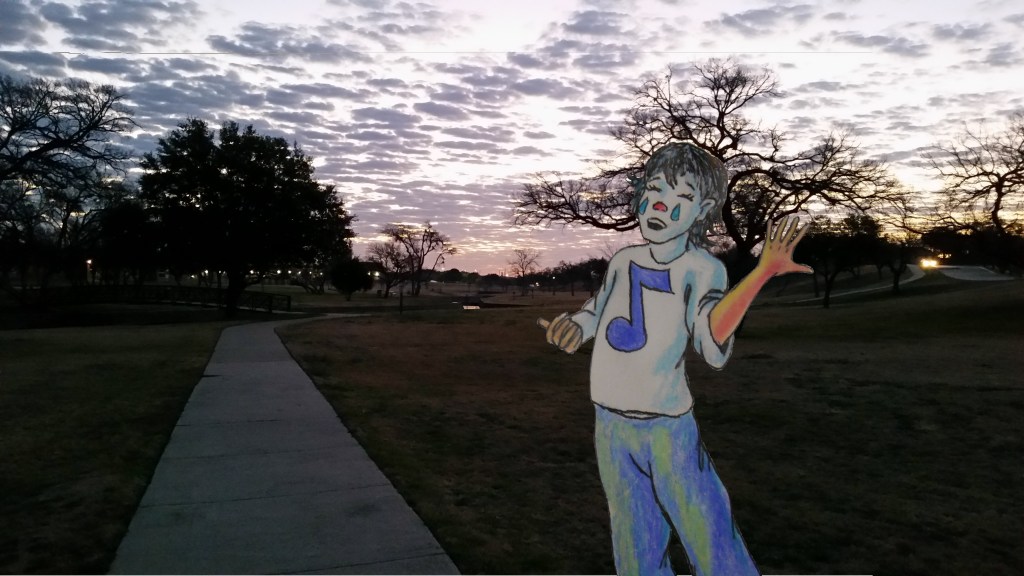
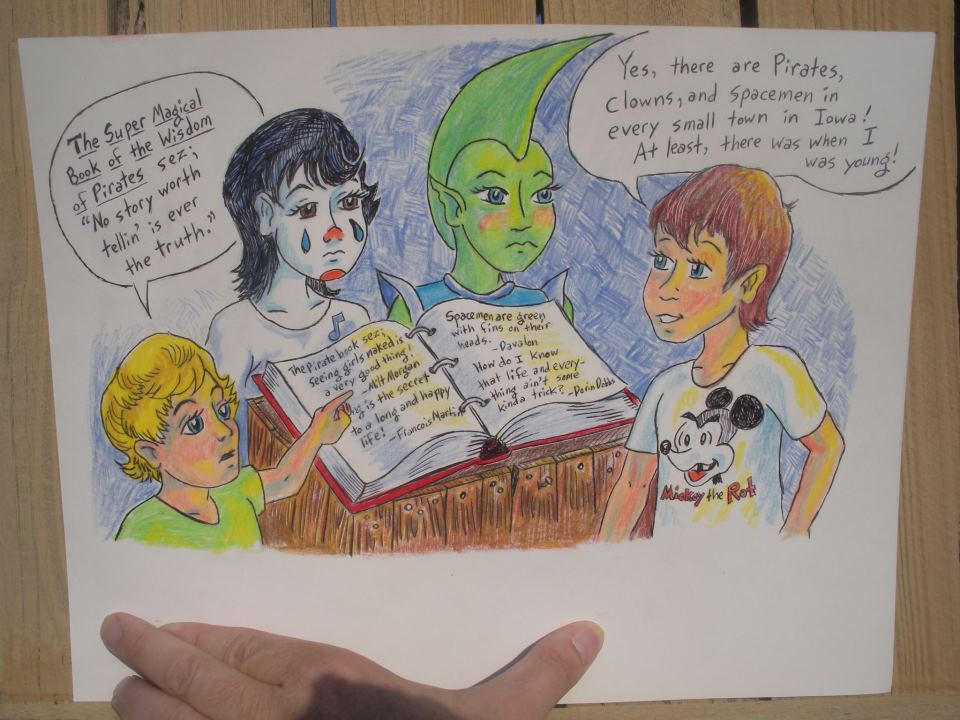
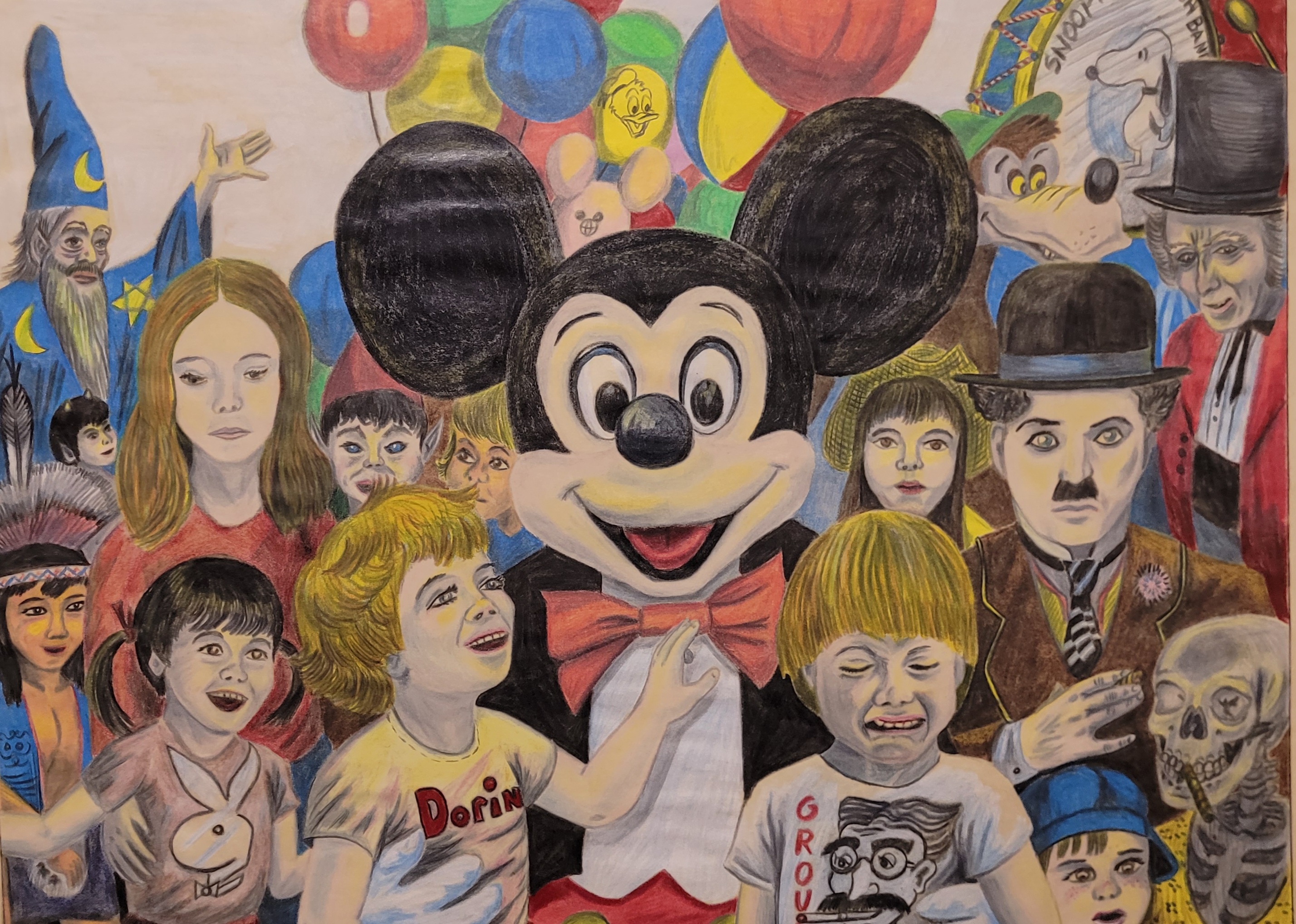
One of the most important things about my blog has been that I can share my artwork. I have always been capable of a reasonably high level of drawing ability. I can also paint and create artistically original photographs. I have that artist’s eye that sees creatively. If you follow directions in this first Paffooney, you will see a wider variety of the kind of Paffoonies I post than I will post here. This will be, however, a picture post. I intend to share a bunch of my artwork here, both old and new. Take a gander. (And while you hold on to that male goose, look at some of my pictures, too.)
You have to admit that I am clearly not an artist like Van Gogh or Picasso… certainly nothing like Andrew Wyeth or Winslow Homer. I am more of an illustrator, or … worse, a cartoonist.
So, this is at least partially about sharing artwork. I am not a professional artist. I have made no money from drawing, even though my artwork has been published before. I have been given this talent by God not to be famous and wealthy, but to be a better teacher and a better storyteller.
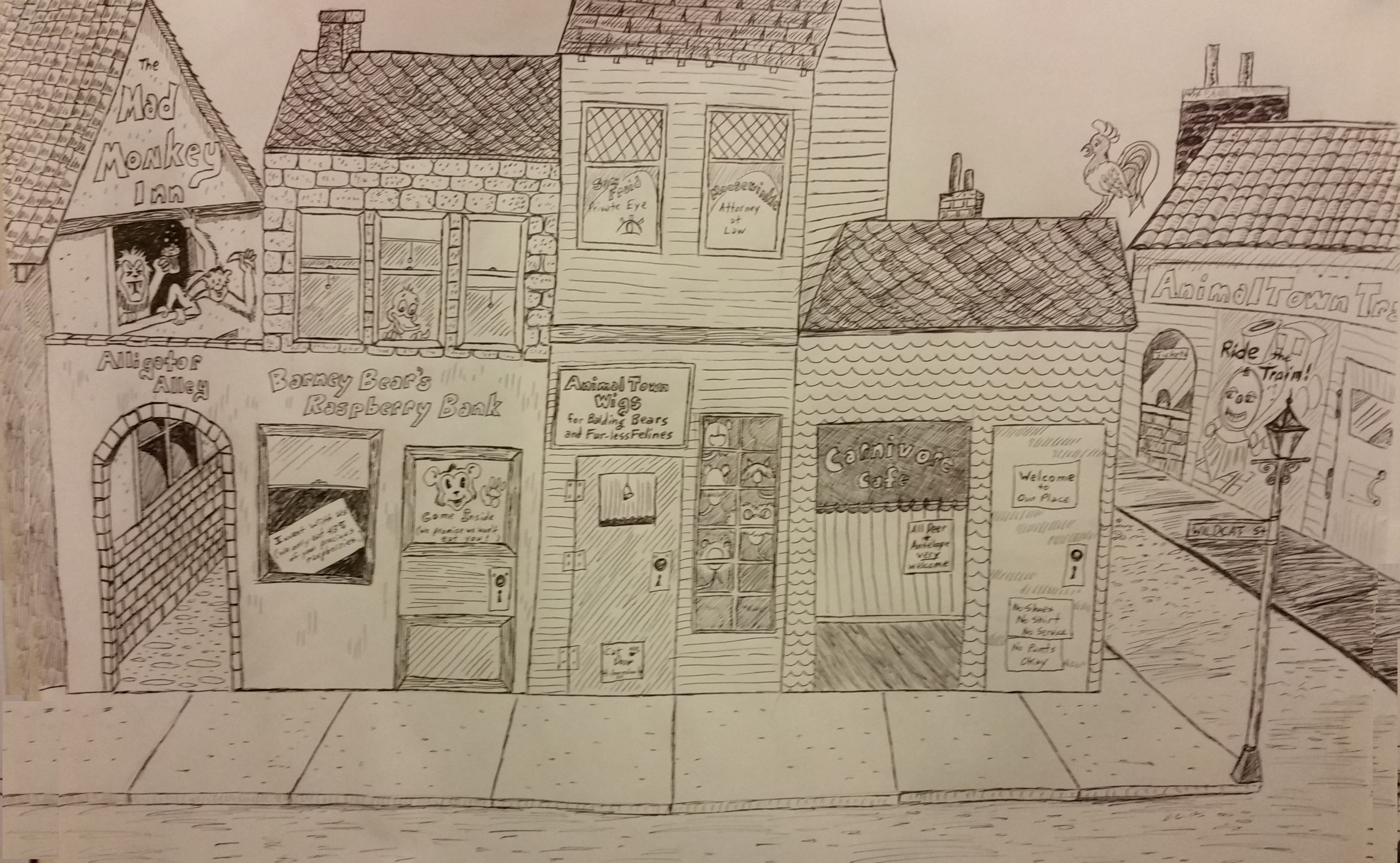
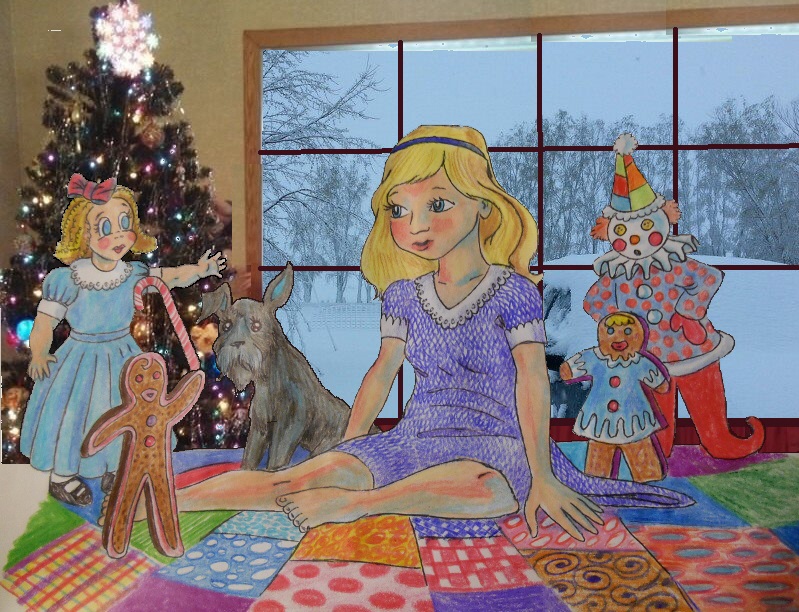
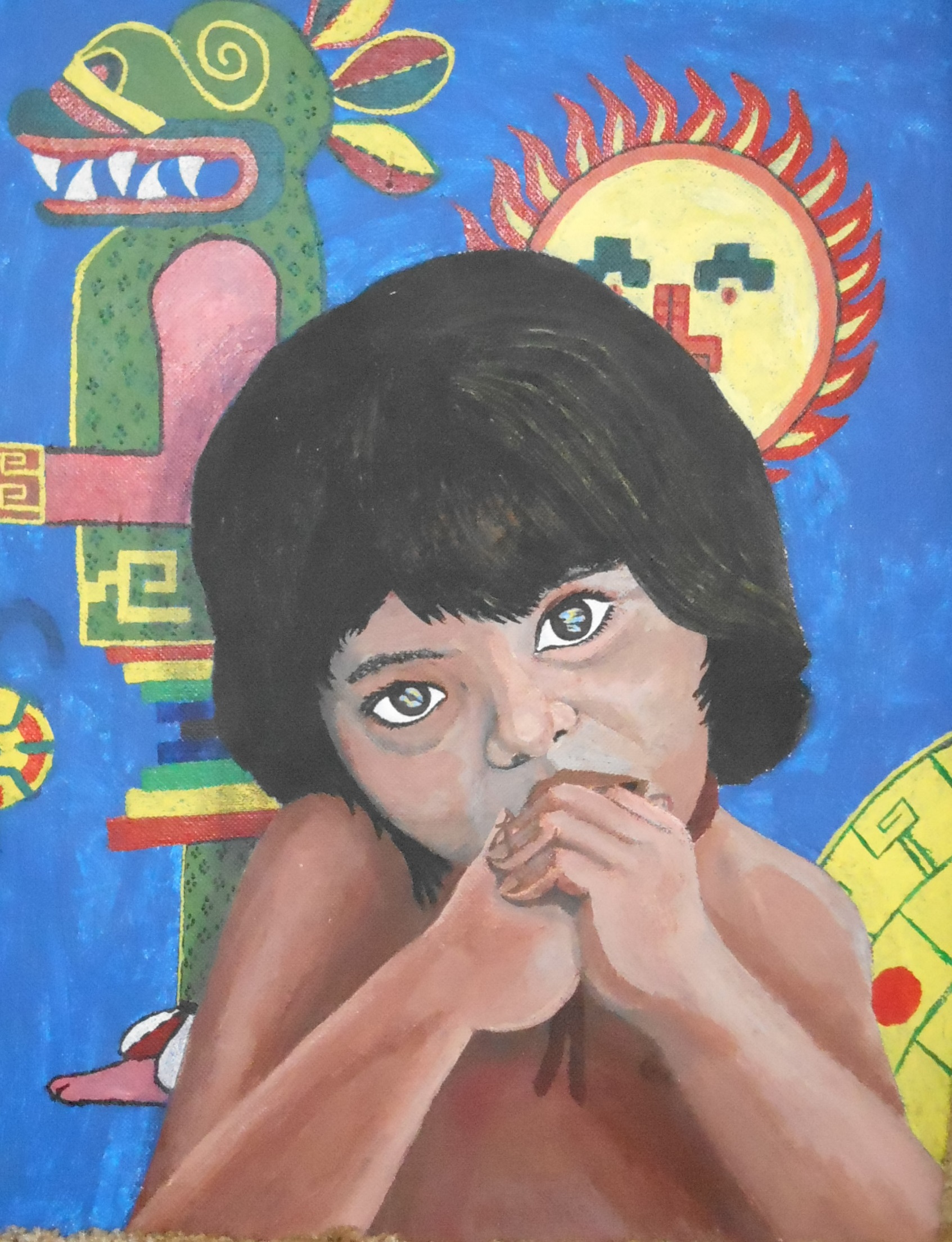
It’s true. You have seen these multiple times before. They are some of my favorite drawings , paintings, and pictures.
You may not agree that these are my best work. That isn’t why I included them. These are pictures I simply like, and I could’ve added another hundred or so easily.
Yes, today is another in a long, tepid series of Art-Day posts, but it is also about metacognitive thinking. Specifically thinking about thinking using pictures to think with. (Maybe that title should say, “Free-Thought Thinker” rather than, “Thought-Free.”)
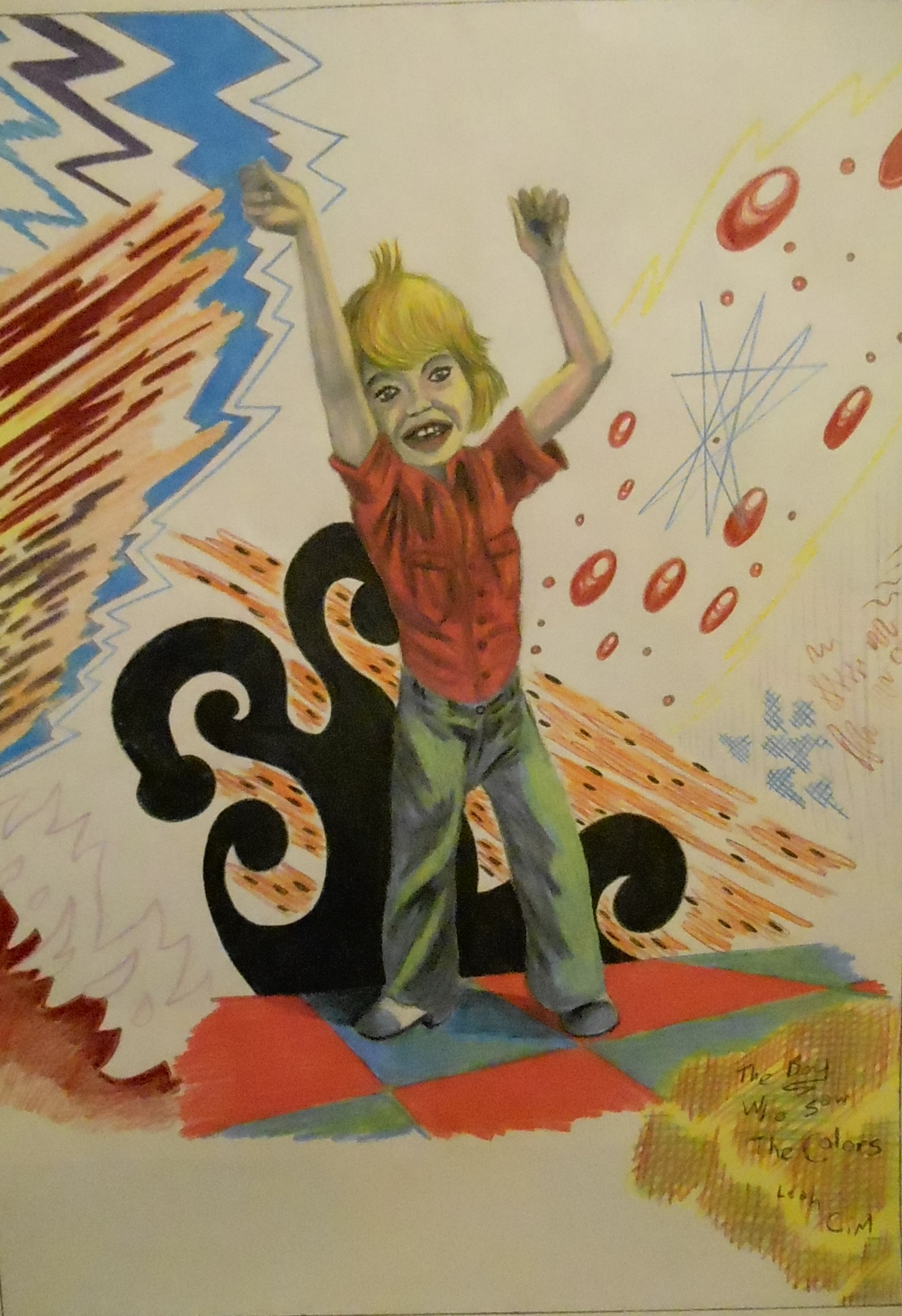
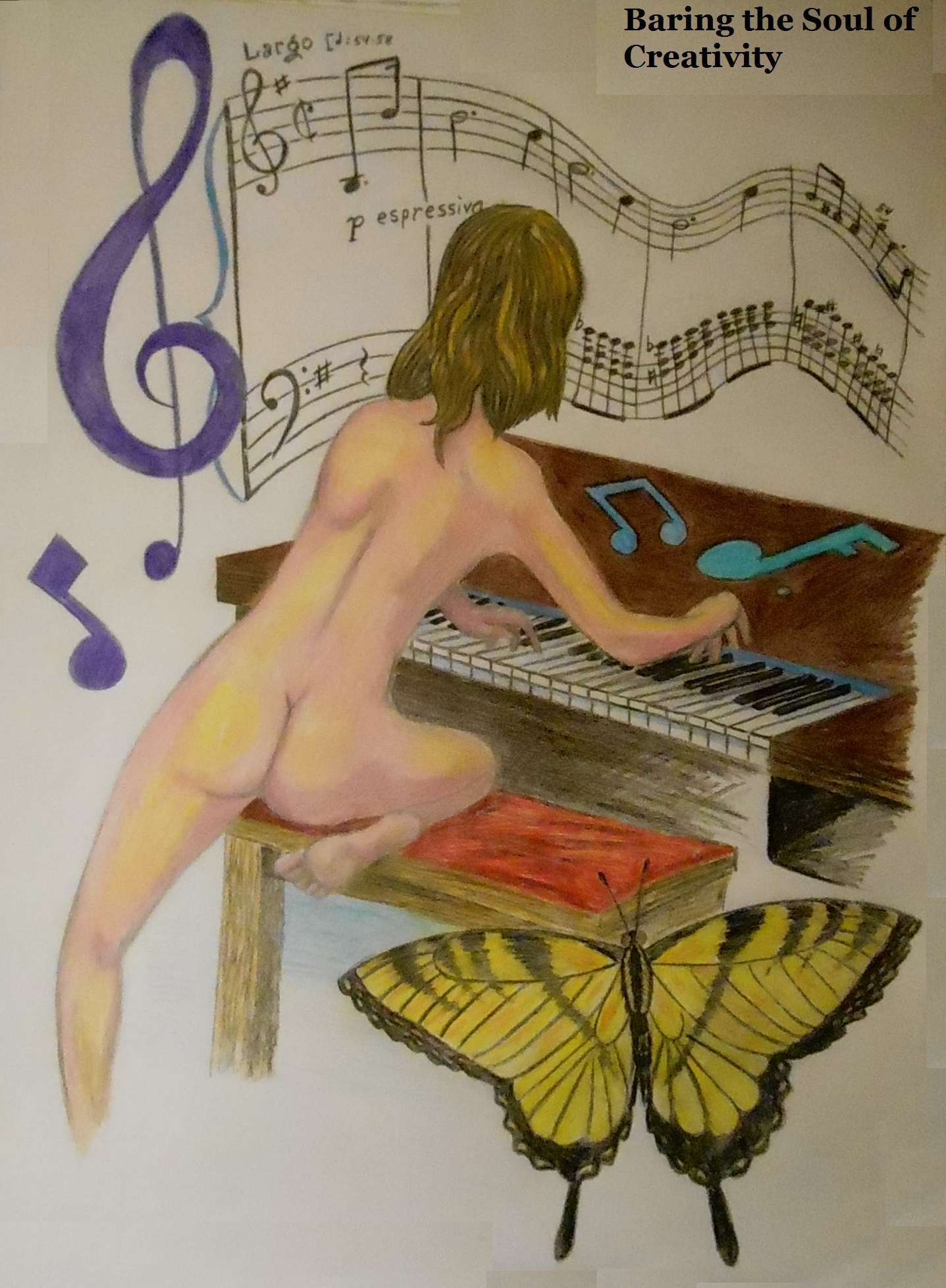
To start with, what does a person actually see when they close their eyes? My brain does not color everything on the inside of my eyelids black. Even in the dark of night with no nightlight so that nothing shines through my eyelids, my brain interprets the dark as shapes, patterns, and colors. Hence the inspiration for this picture.
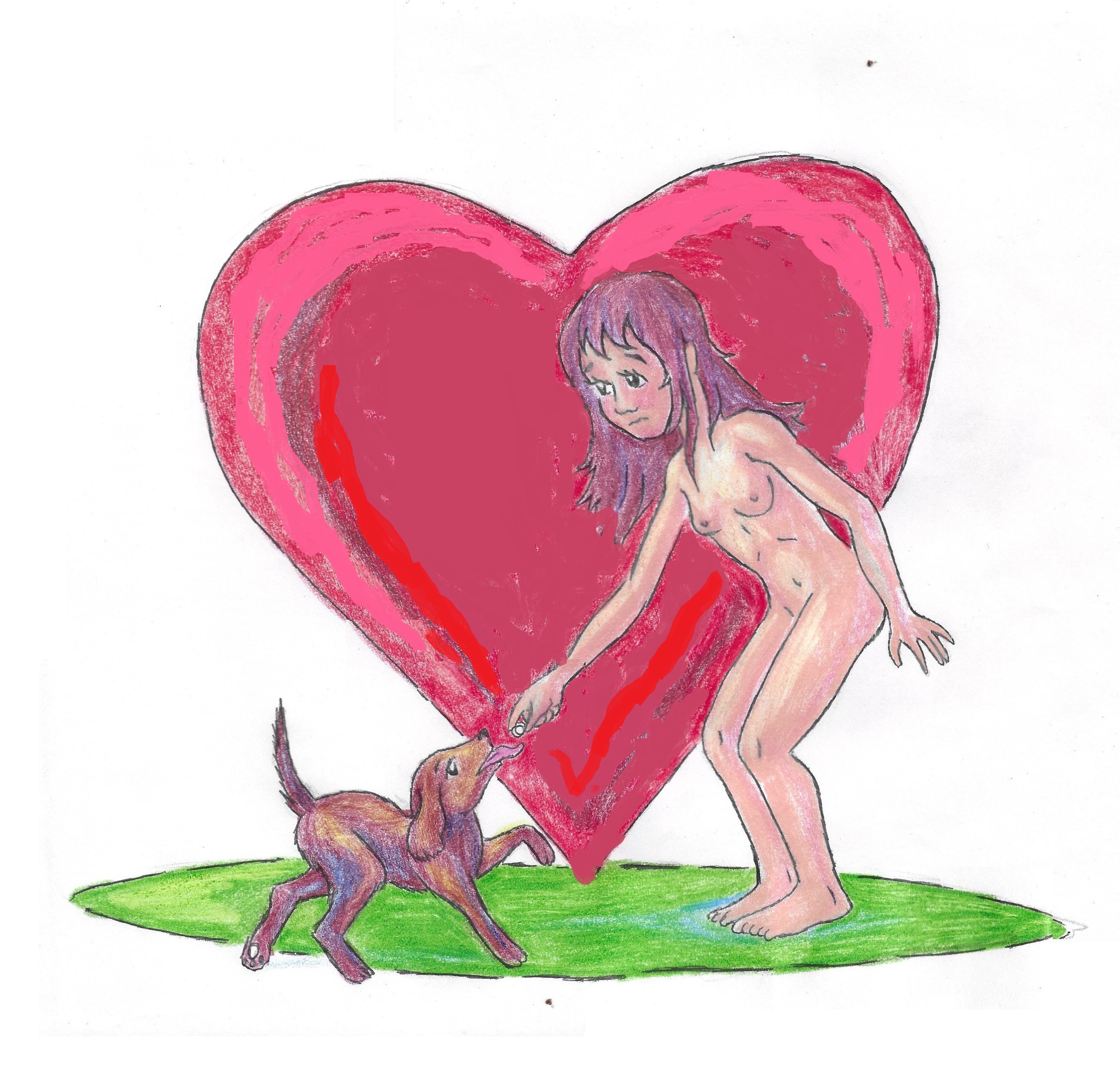
But my brain is never satisfied with raw shapes, colors, and patterns. It has to interpret ideas into them. The mass of yellow and black resolves into a butterfly, or a sunflower, or an etude by J.S. Bach. The pink mass becomes a blond girl playing the music in my head…. a girl from piano-lesson days in the early 70’s. But naked. The way I always thought about her while sitting and waiting for my piano lesson and listening to hers. How else does a boy think about a pretty girl when he is fourteen?
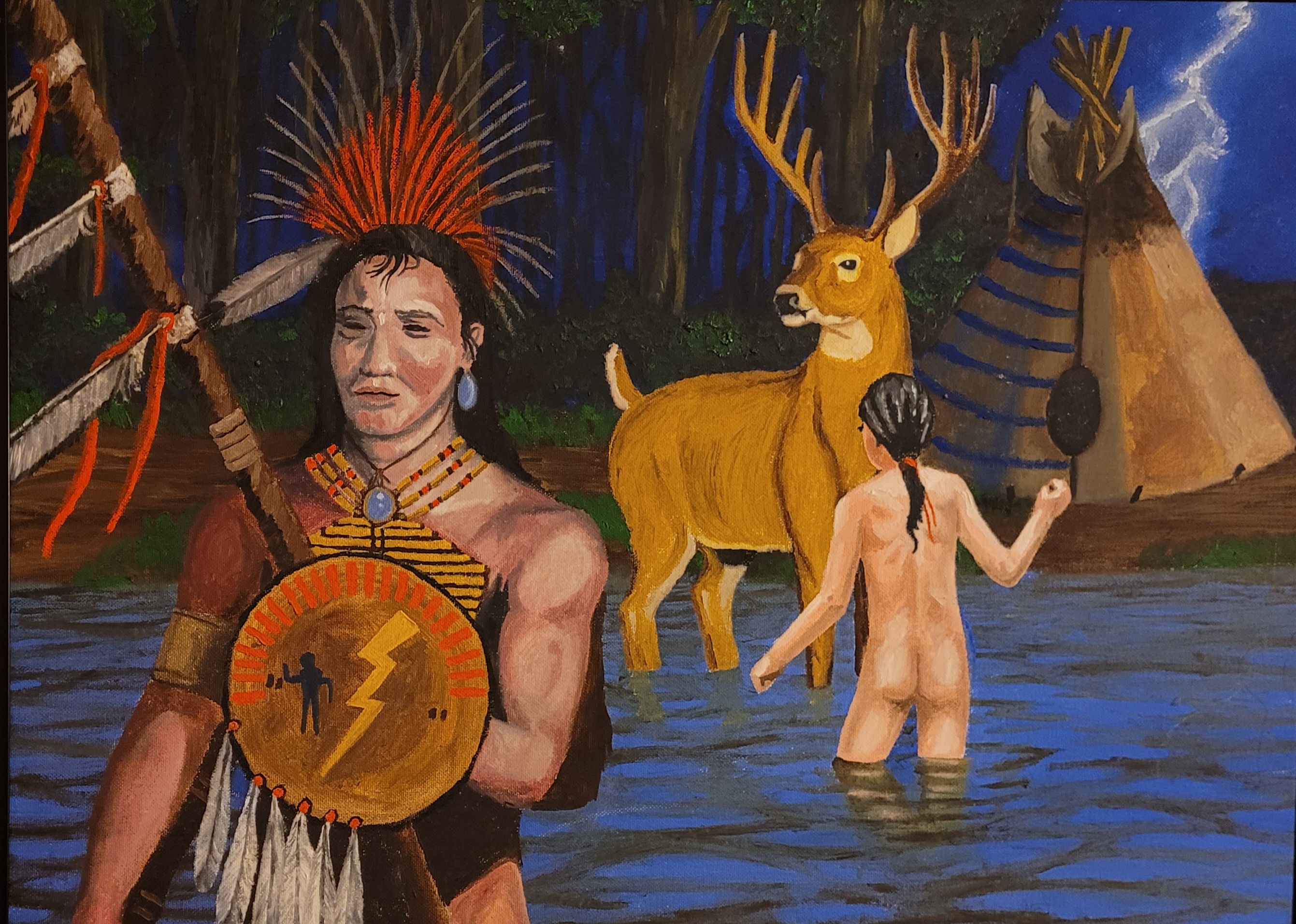
And as the items in the picture take shape, they do also begin to tell a story. Who is this Dr. Seabreez? Is he a shaman of the Republic of Lakotah People? Is he a white man? Seabreez is not a Native American name. The naked boy by the tent flap has a crutch, and there is a mouse silhouetted nearby. Does that make him a medical doctor? A veterinarian? A professor of Native-American Studies? The mind begins to piece together a script.
But here we see that Dr. Seabreez has set up a new practice in Japan. Again the boy near the door has a crutch and there is a silhouetted mouse near him. But now the other boy has horns on his forehead. Why horns? And pointed ears? Is he a Doctor of Magic and Wizardry? Demonology perhaps? And what is an anthropomorphized panda doing in Japan? That’s clearly a Japanese castle in the distance. The collar Kanji is definitely Japanese in character.
And now there are horns again. Three of them by my count. And another naked character. But a Grecian background. The mind is here making connections between the pictures, noticing patterns. Appreciating colors. And turning every detail over in the mind’s eye, evaluating and analyzing.
Art, especially on Saturdays, totally engages the mind. That is one of the reasons we keep art around to look at again and again. It is the purpose of art to make us see something. And not just once, superfluously. We must see it in depth, looking beyond the surface.
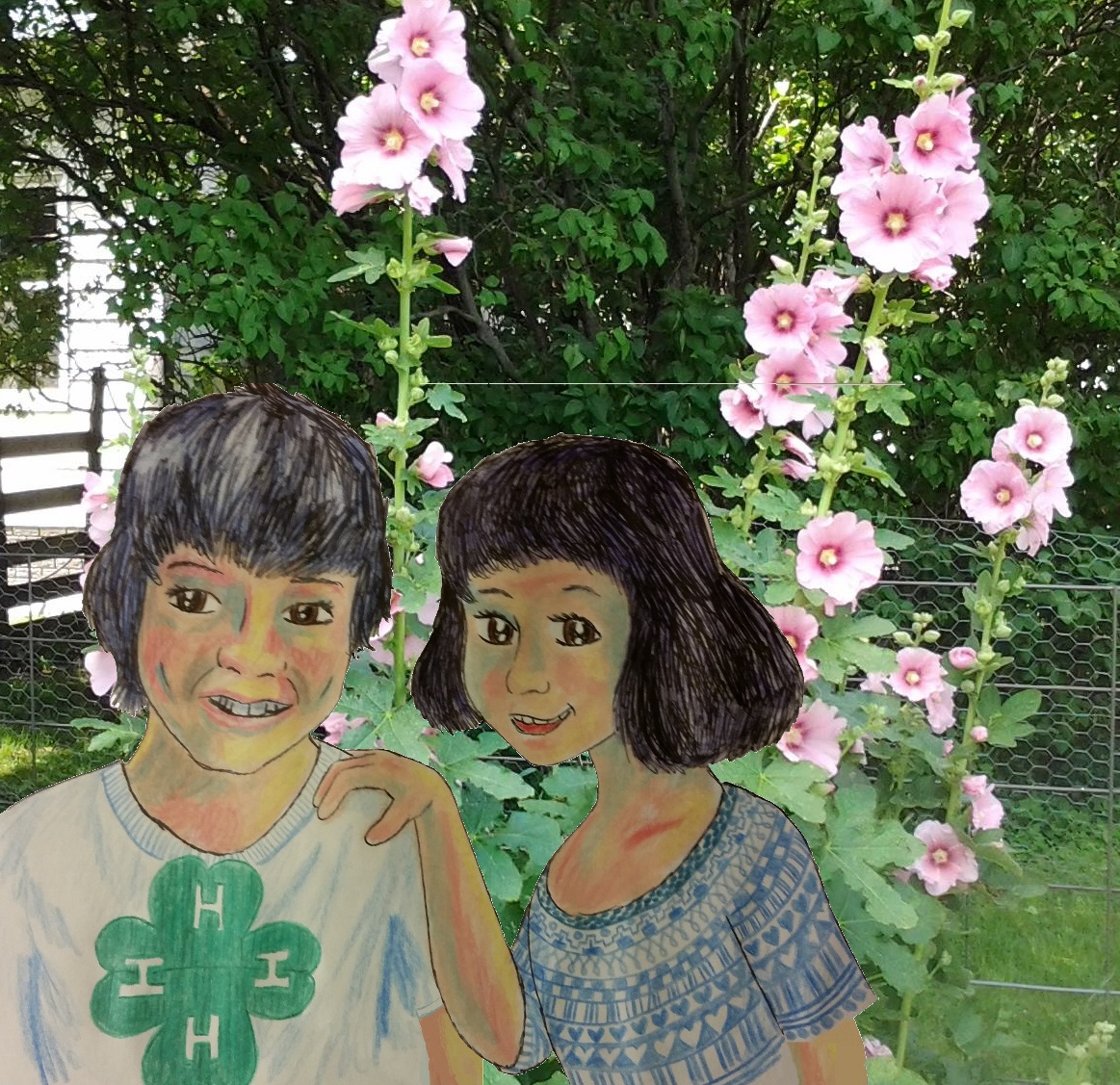
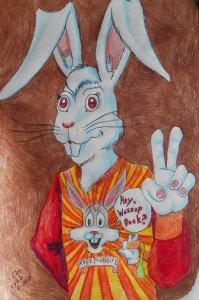
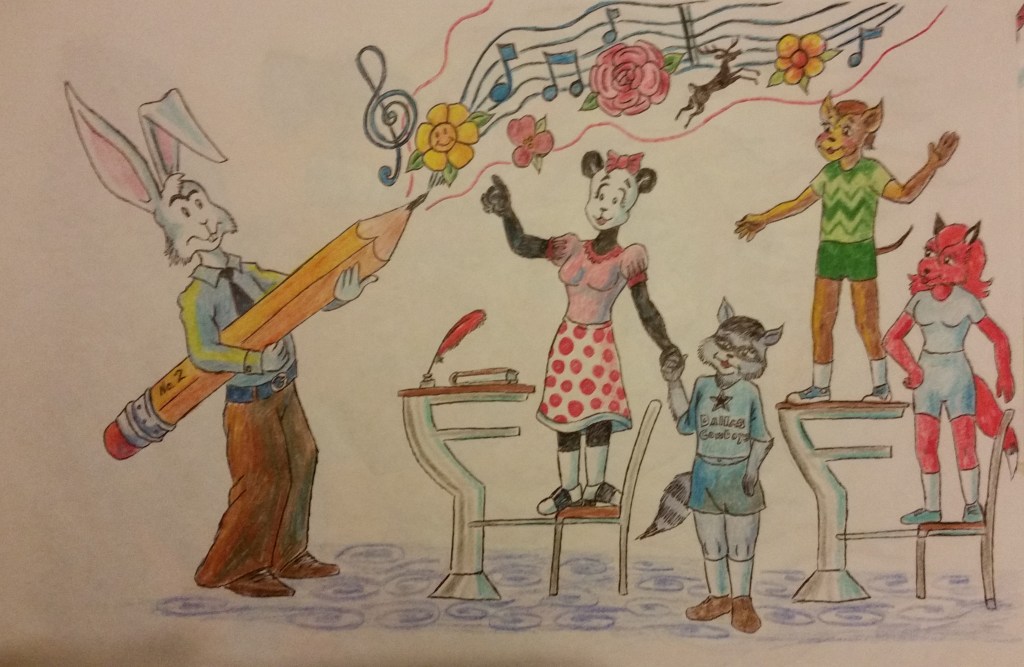
There is a reason why anything in my artwork starting with a rabbit is assumed to be autobiographical. I raised rabbits as a 4-H project from about the age of 10 and we kept rabbits in pens until I was finishing my undergraduate degree. (Rabbit chores fell to my little brother when I was away from home.) In many ways, I was a rabbit-man. My personal avatar as a school teacher was Reluctant Rabbit.
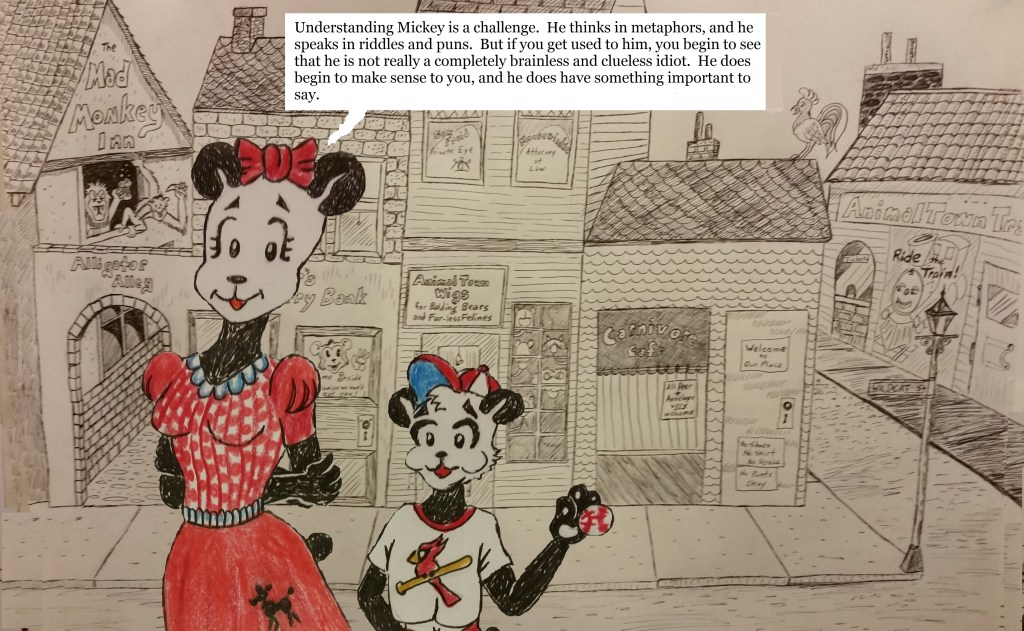
The panda known as Mandy in my cartoon world is an avatar of my wife, an immigrant from the Pandalore Islands.
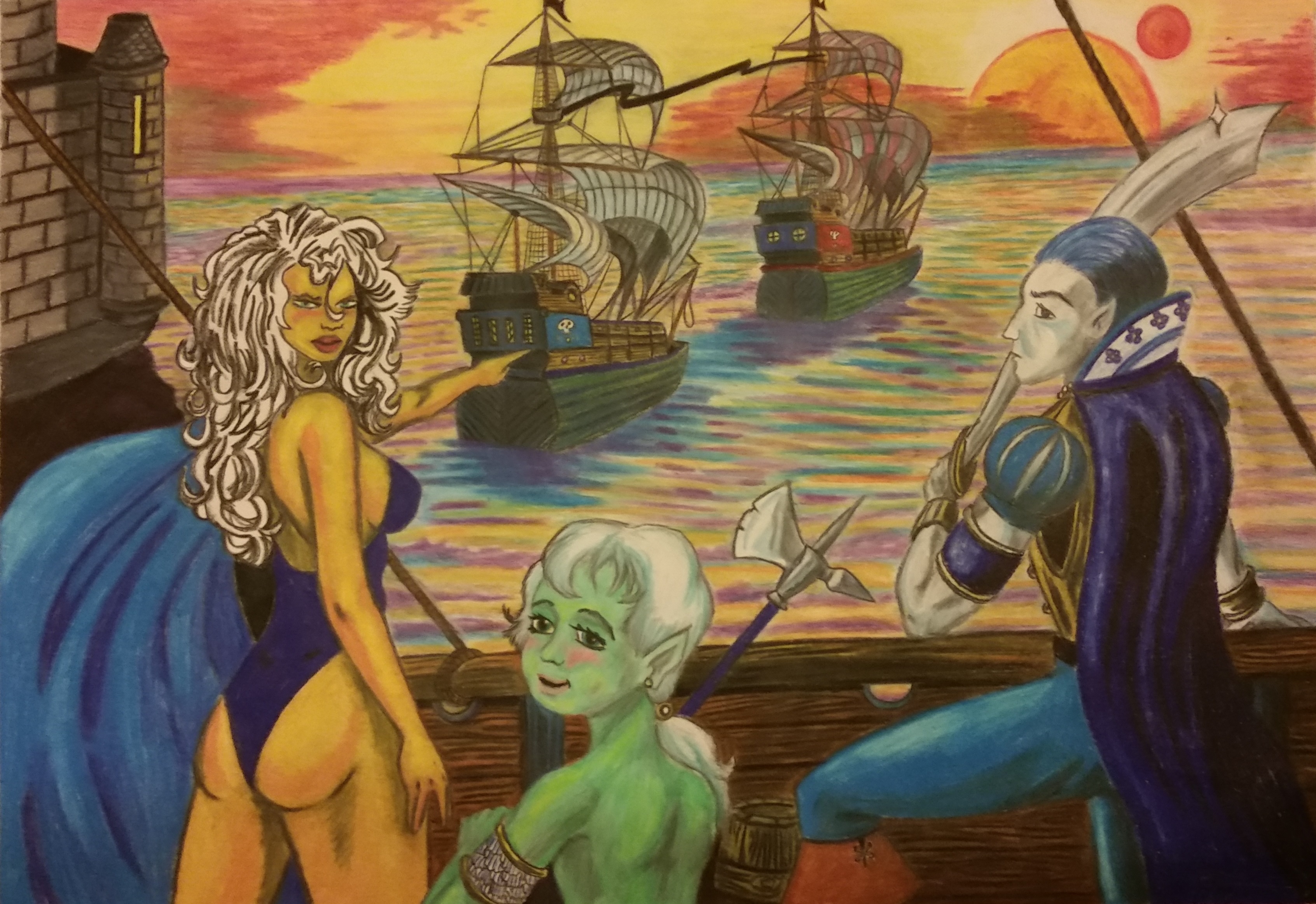
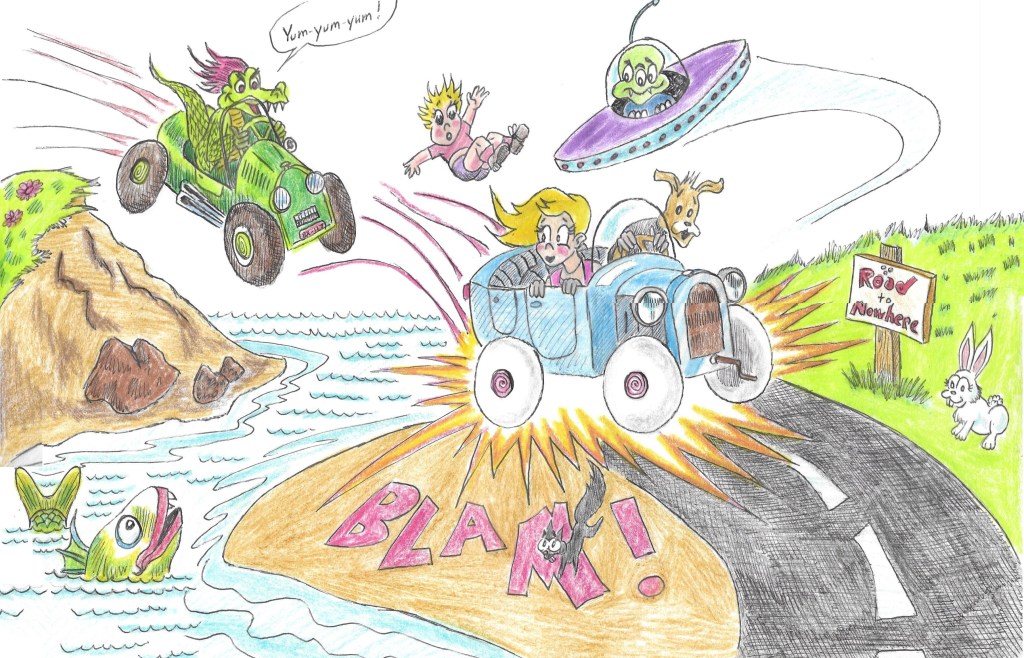
There is often an exaggerated sense of adventure in my cartoonally weird Paffoonies, the very name of which is a fantasy word.
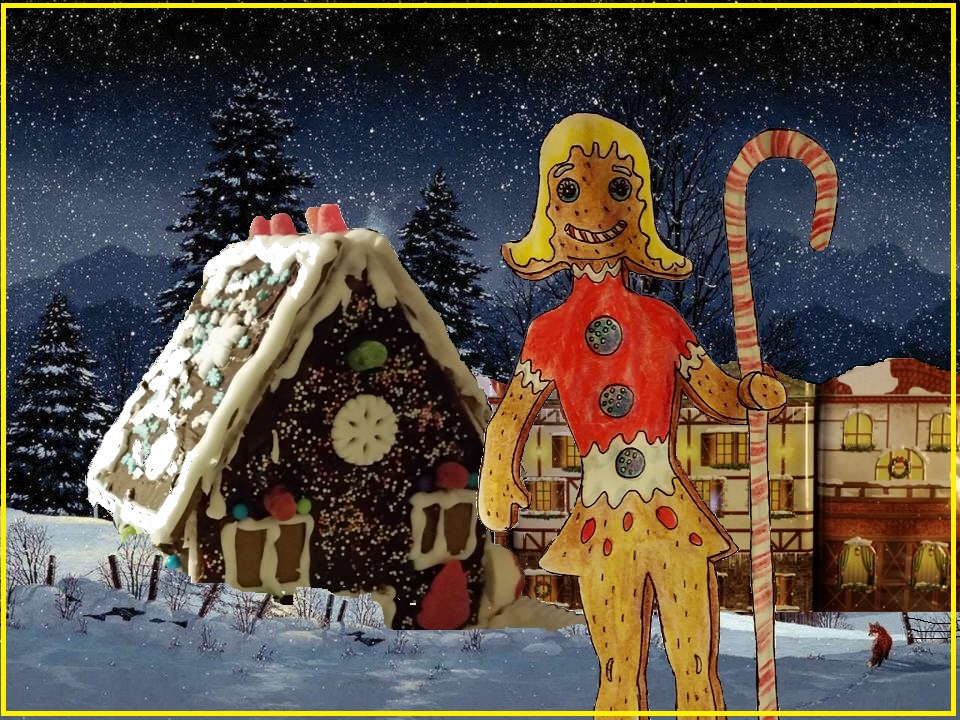
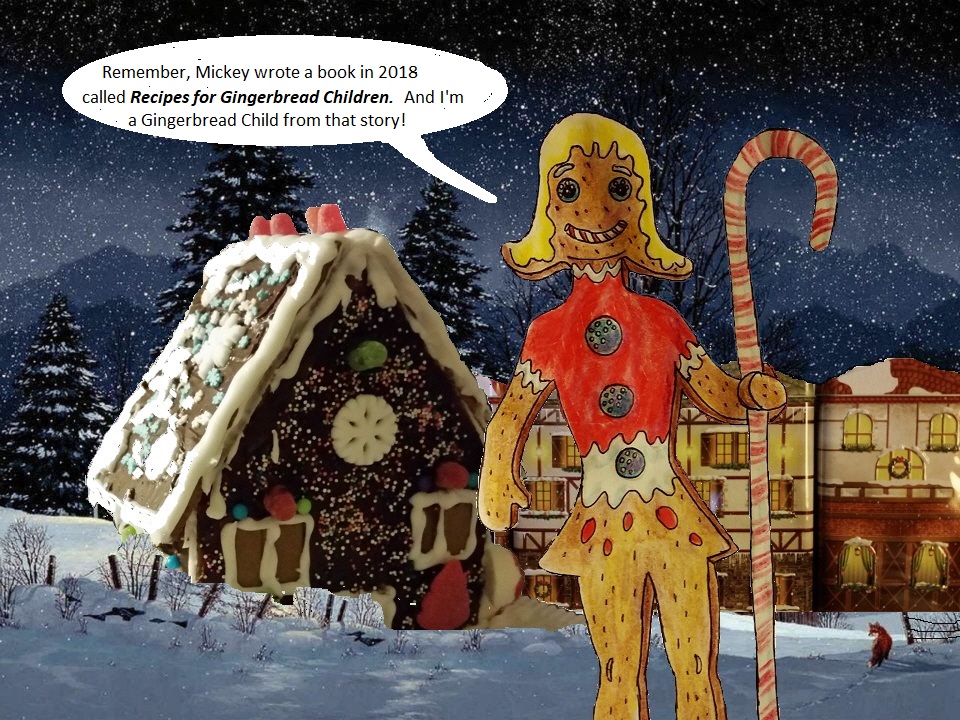
I have been known to actually believe gingerbread can be magical enough for gingerbread men to come to life once baked. It is the reason I bite the legs off first, so they can’t run away.
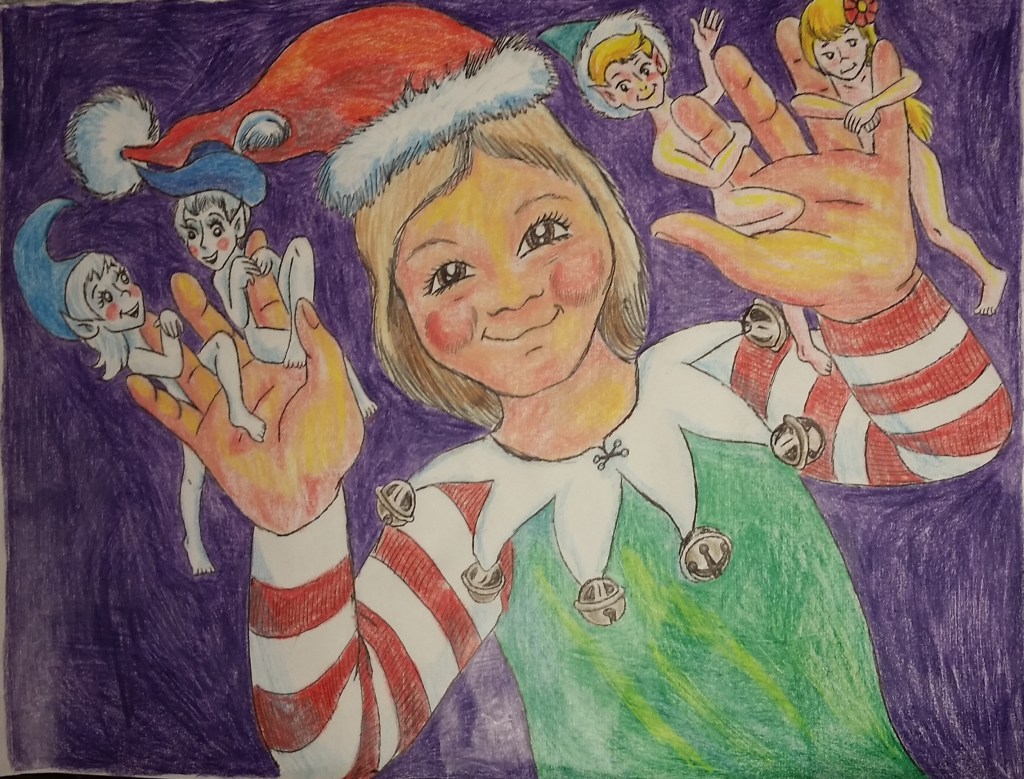
I have been known to see elves, fairies, and numerous other things that aren’t really there. In fact, a whole secret hidden kingdom of them inhabited the schoolyard in Iowa where I attended grades K through 6. They were all mostly three inches tall. The biggest ones, like dragons reaching only about six inches tall at their largest.
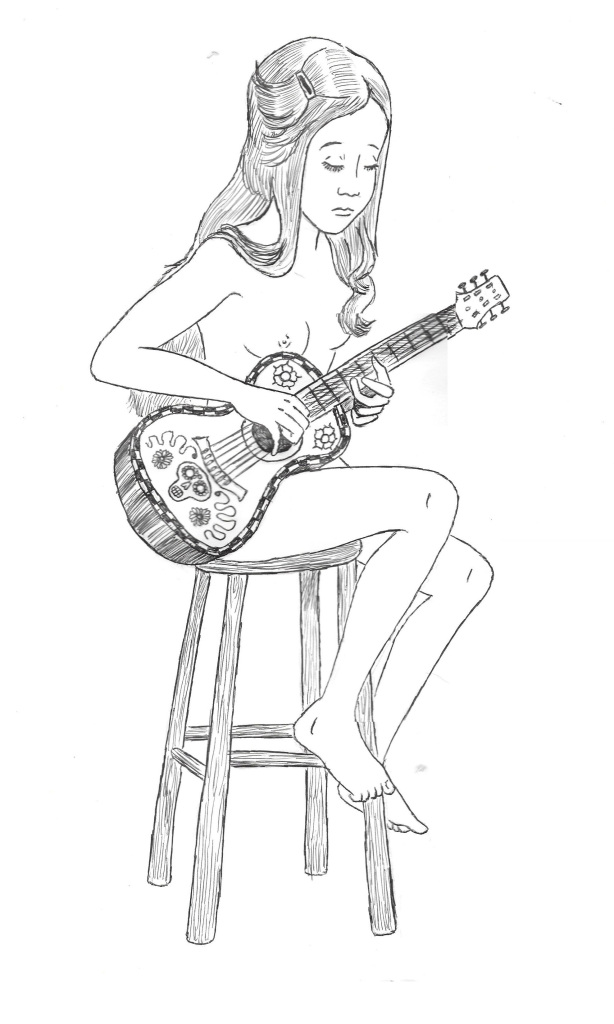
Of course I am afraid of death, evil, and… (shudder) mummies.I think of art and story-telling as a form of music. I am a troubadour whose songs (like this one) are often completely silent.My fantasy art tends to be more “comic book” than “art gallery”.
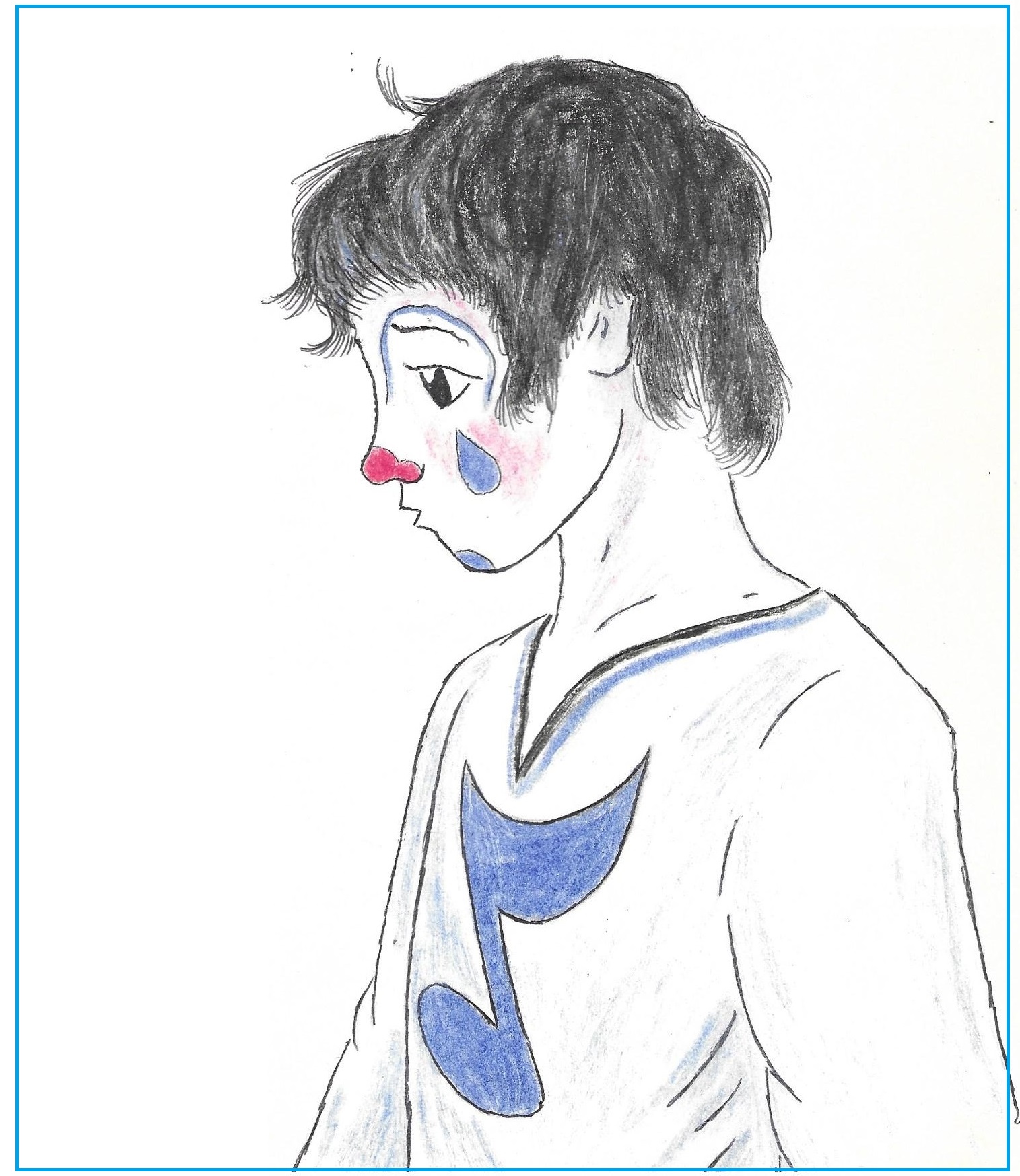
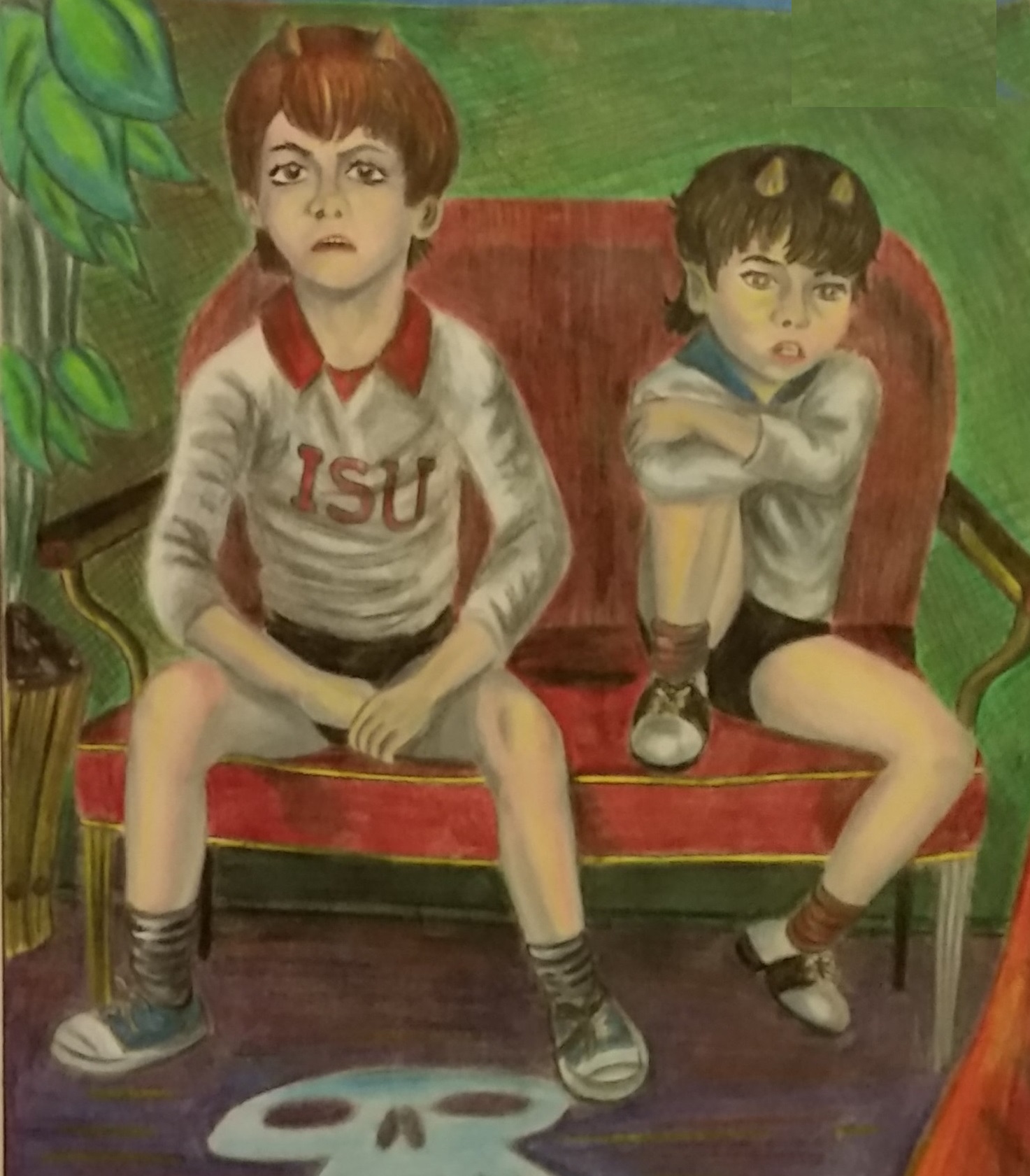
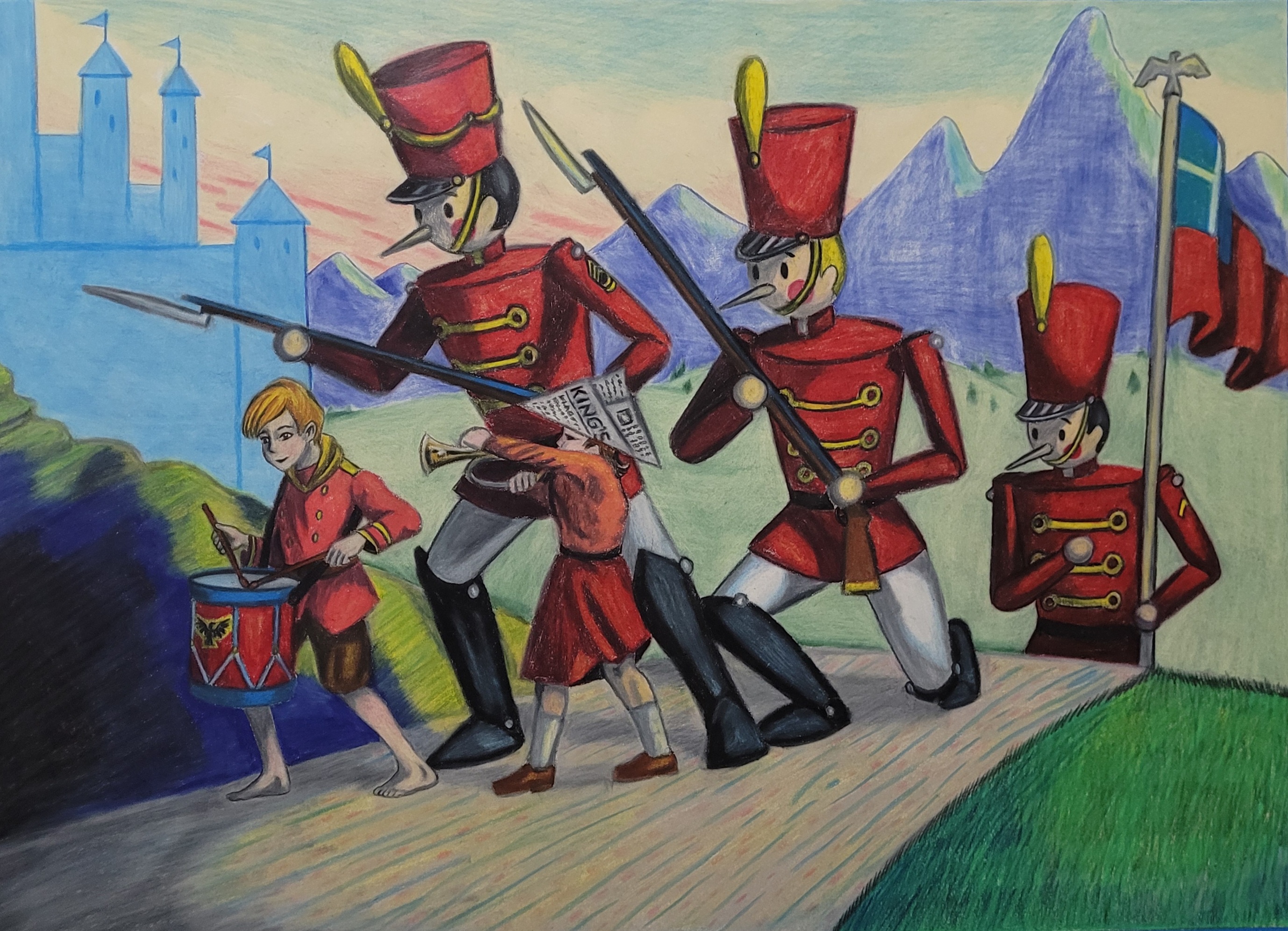
That phrase, “the Reds and the Blues,” is important to me because Red means “Happy” and Blue means “Sad.” Opposites that make a whole when taken together. This picture is of a boy that might have been my son if I had married the blond girlfriend that was closest to me (at times) in the 1980s. It is called, “Long Ago It Might Have Been.”
But Red also means “Anger.” Here’s a band of red-uniformed soldiers marching into the threatening darkness of the future. They are leaving the Blue mountains of sadness behind where Blue also means, “in the distance.”
Red, of course, is also symbolic of “Love.”
Blue can also mean, “Magic and Mystery.”
Blue can also mean, “Cold and even Depression.” While Red can mean a “Cardinal, the symbol of Resilience and Hardy Constitution.”
Red, Blue, and Yellow, especially when supported by the other colors, mean, “Completeness.”
One work of comic strip art stands alone as having earned the artist, Winsor McCay, a full-fledged exhibition at the Metropolitan Museum of Art in New York City. Little Nemo in Slumberland is a one-of-a-kind achievement in fantasy art.
Winsor McCay lived from his birth in Michigan in 1869 to his finale in Brooklyn in 1934. In that time he created volumes full of his fine-art pages of full-page color newspaper cartoons, most in the four-color process.
The New Year’s page 1909
As a boy, he pursued art from very early on, before he was twenty creating paintings turned into advertising and circus posters. He spent his early manhood doing amazingly detailed half-page political cartoons built around the editorials of Arthur Brisbane, He then became a staff artist for the Cincinnati Times Star Newspaper, illustrating fires, accidents, meetings, and notable events. He worked in the newspaper business with American artists like Winslow Homer and Frederick Remington who also developed their art skills through newspaper illustration. He moved into newspaper comics with numerous series strips that included Dreams of the Rarebit Fiend and Little Nemo in Slumberland. And he followed that massive amount of work up by becoming the “Father of the Animated Cartoon” with Gertie the Dinosaur, with whom he toured the US giving public performances as illustrated in the silent film below;
The truly amazing thing about his great volume of work was the intricate detail of every single panel and page. It represents a fantastic amount of work hours poured into the creation of art with an intense love of drawing. You can see in the many pages of Little Nemo how great he was as a draftsman, doing architectural renderings that rivaled any gifted architect. His fantasy artwork rendered the totally unbelievable and the creatively absurd in ways that made them completely believable.
I bought my copy of Nostalgia Press’s Little Nemo collection in the middle 70’s and have studied it more than the Bible in the intervening years. Winsor McCay taught me many art tricks and design flourishes that I still copy and steal to this very day.
No amount of negative criticism could ever change my faith in the talents of McCay. But since I have never seen a harsh word written against him, I have to think that problem will never come up.
My only regret is that the wonders of Winsor McCay, being over a hundred years old, will not be appreciated by a more modern generation to whom these glorious cartoon artworks are not generally available.
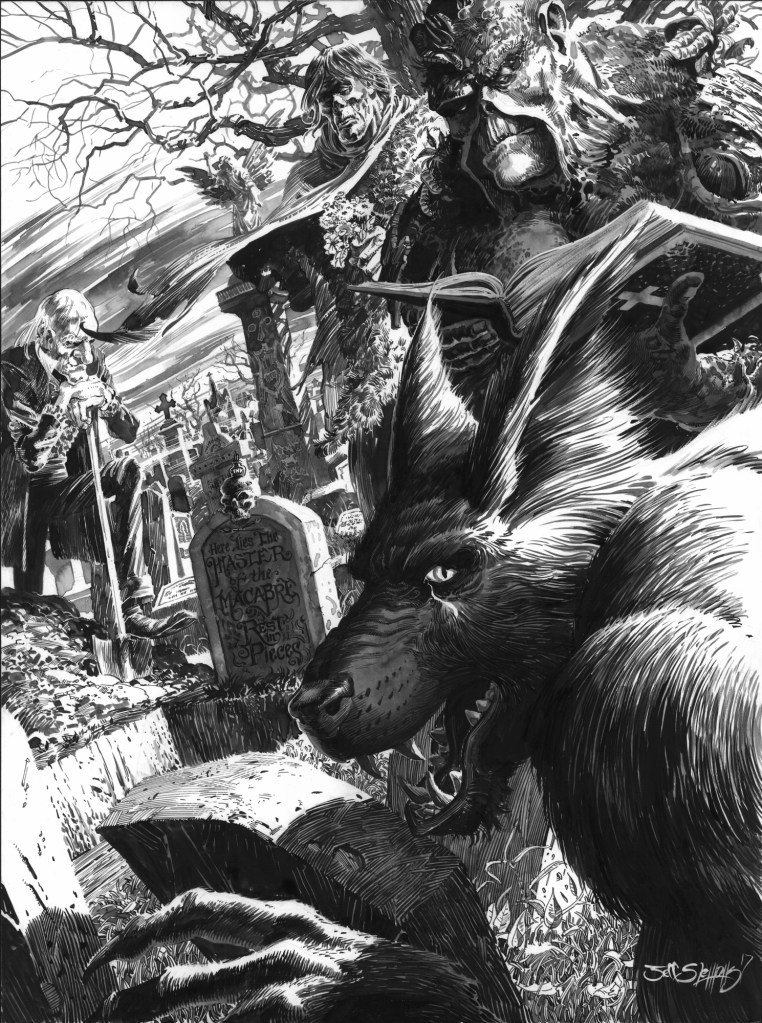
Bernie Wrightson in 1972, when I was a freshman and sophomore in high school, created for D.C. comics the character known as The Swamp Thing.
Of course,
being a stupid kid at the time, I totally ignored his genius with pen and ink, ink and brush, and fascinatingly dense forests of intricate detail.
I didn’t really get it until he joined The Studio with Jeffery C. Jones, Michael Kaluta, and Barry Windsor-Smith (whom I idolized for his work on Conan.)
And while in college, consuming everything available by The Studio that I could find and afford, I fell in love with his deeply dark and brooding illustration work for a new edition of Mary Shelley’s Frankenstein.
Frankenstein had 50 illustrations by Wrightson that firmly established the fact that by drawing with black ink you could show in startlingly real ways the qualities of white light. That appealed to me both literally as a way to make beautiful art and metaphorically, as that last thing was what I was doing with my own life, drawing the darkness to get to the beautiful light.
Most of his work
was drawing monsters; werewolves, zombies, the creatures of H.P. Lovecraft, and numerous things from nightmares.
But it has a definite beauty of its own. Darkness, evil, and corruption brings out the quality of what is light, righteous, and pure. There is truth in approaching reality from the dark side of the equation.
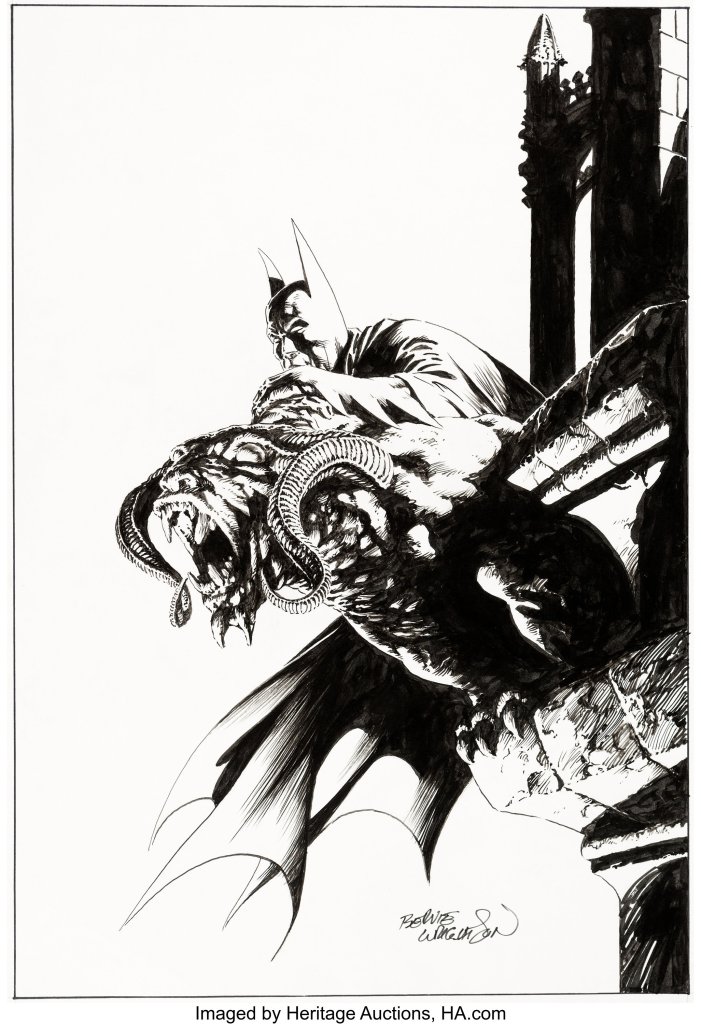
Of course, he would also do work on heroes like Batman, because the darkness breeds its own defenders of justice.
I am not so much a fan of monsters as I am a believer of taming the monsters who beset us as we try to make a worthy life for ourselves. But I can definitely see where Bernie Wrightson has been doing exactly that with his brilliant pen-and-ink artwork. Sadly, he will be doing no more of it since we lost him in 2017. But it is a legacy he left behind that will make his light continue to shine forth from dark places for a long time to come.
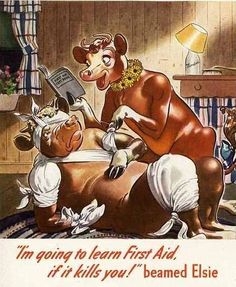
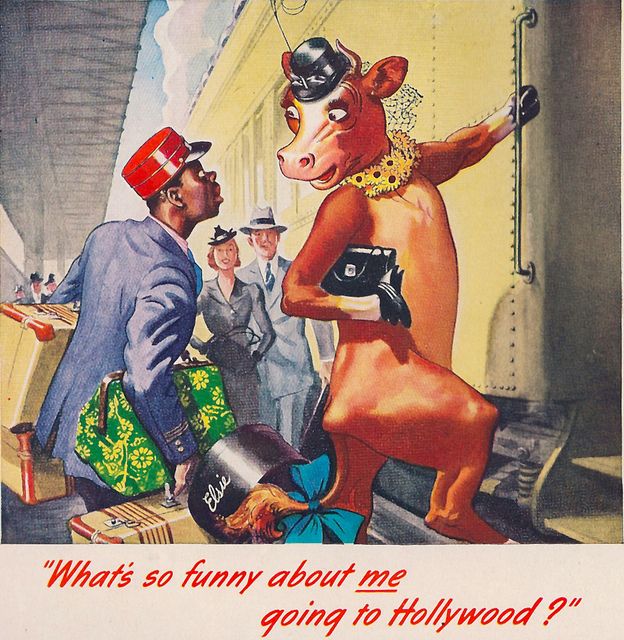
I was a boy back when the milk man still came around in his blue-and-white panel truck delivering bottles of milk with Elsie the Cow on them. I don’t remember clearly because I was only 4 years old back when I first became aware of being a boy in this world instead of being something else living somewhere else.
There were many things I didn’t know or understand back then. But one thing I did know, was that I loved Elsie the Cow. And why would a farm boy love a cartoon cow? There were many not-so-sensible reasons.
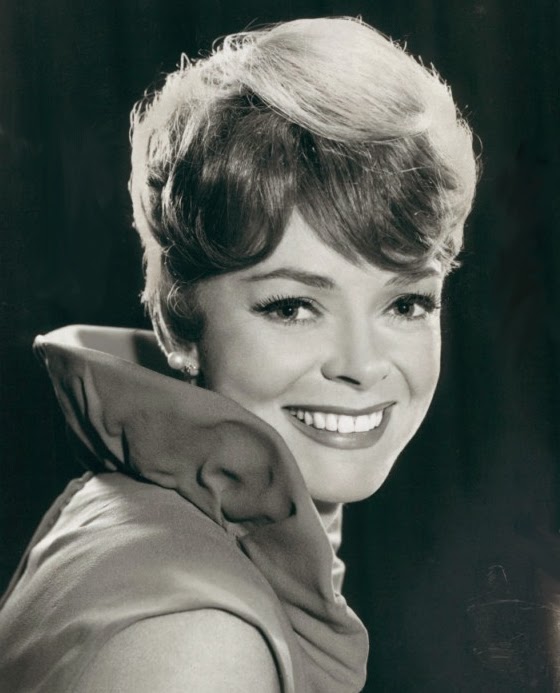
For one thing, Elsie the Cow reminded me of June Lockhart, Lassie’s mom and the mom from Lost in Space.
Lassie’s Mom, June Lockhart
It may be that June Lockhart’s eyes reminded me of Elsie’s eyes, being large, soul-full eyes with large black eye lashes. It may be that she starred in a TV commercial for Borden’s milk in which Elsie winked at me at the end of the commercial.
Or maybe it was because Elsie had calves and was a mom. And June Lockhart was Lassie’s mom and the mom of Will Robinson, so I associated both of them with my mom, and thus with each other.
Elsie gave you milk to drink and was always taking care of you in that way. Milk was good for you, after all. My own mom was a registered nurse. So they were alike in that way too.
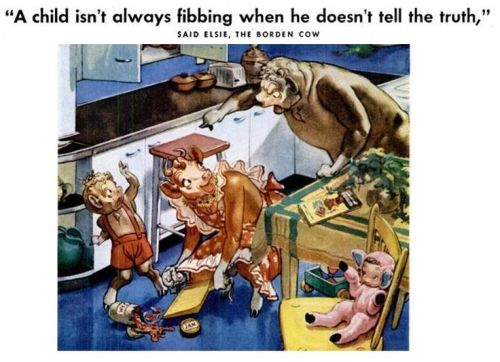
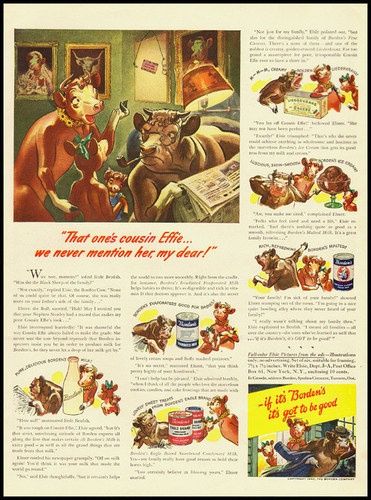
And she was constantly defending you against the bulls in your life. She stood up to Elmer to protect her daughter more than once. Of course, her son was usually guilty of whatever he was accused of, but she still loved him and kept Elmer from making his “hamburger” threats a reality.
And you can see in numerous ad illustrations that Elsie’s family were basically nudists. Although she often wore an apron, she was bare otherwise. And though her daughter often wore skirts and her son wore shorts, Elmer was always naked. And that didn’t surprise me, because no cow I knew from the farm wore clothes either. From very early in my life I was always fascinated by nakedness, and I would’ve become a nudist as a youngster if it hadn’t been soundly discouraged by family and society in general.
Proof that Elsie’s family lived the nude life.
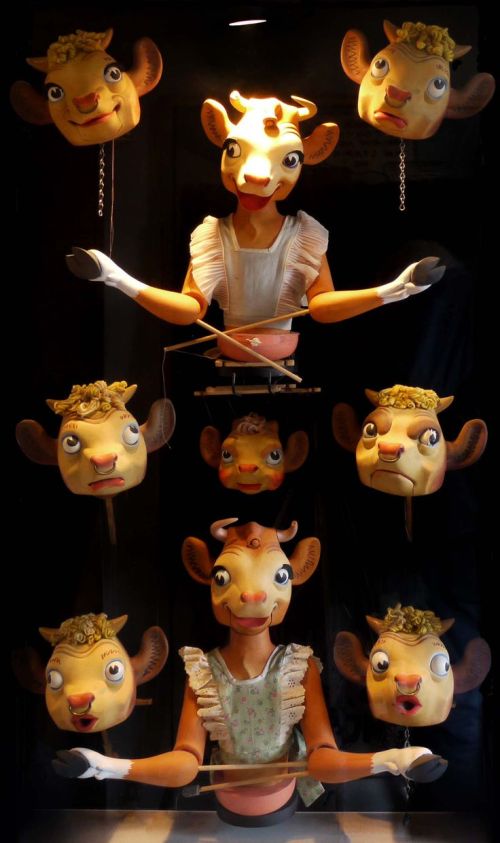
Puppets from a Borden’s commercial
So there are many reasons why I have always loved Elsie the Cow. And it all boils down to the love of drinking milk and that appealing cartoon character who constantly asked you to drink more.






















 Catch a Falling Star
Winsor McCay
One work of comic strip art stands alone as having earned the artist, Winsor McCay, a full-fledged exhibition at the Metropolitan Museum of Art in New York City. Little Nemo in Slumberland is a one-of-a-kind achievement in fantasy art.
Winsor McCay lived from his birth in Michigan in 1869 to his finale in Brooklyn in 1934. In that time he created volumes full of his fine-art pages of full-page color newspaper cartoons, most in the four-color process.
As a boy, he pursued art from very early on, before he was twenty creating paintings turned into advertising and circus posters. He spent his early manhood doing amazingly detailed half-page political cartoons built around the editorials of Arthur Brisbane, He then became a staff artist for the Cincinnati Times Star Newspaper, illustrating fires, accidents, meetings, and notable events. He worked in the newspaper business with American artists like Winslow Homer and Frederick Remington who also developed their art skills through newspaper illustration. He moved into newspaper comics with numerous series strips that included Dreams of the Rarebit Fiend and Little Nemo in Slumberland. And he followed that massive amount of work up by becoming the “Father of the Animated Cartoon” with Gertie the Dinosaur, with whom he toured the US giving public performances as illustrated in the silent film below;
The truly amazing thing about his great volume of work was the intricate detail of every single panel and page. It represents a fantastic amount of work hours poured into the creation of art with an intense love of drawing. You can see in the many pages of Little Nemo how great he was as a draftsman, doing architectural renderings that rivaled any gifted architect. His fantasy artwork rendered the totally unbelievable and the creatively absurd in ways that made them completely believable.
I bought my copy of Nostalgia Press’s Little Nemo collection in the middle 70’s and have studied it more than the Bible in the intervening years. Winsor McCay taught me many art tricks and design flourishes that I still copy and steal to this very day.
No amount of negative criticism could ever change my faith in the talents of McCay. But since I have never seen a harsh word written against him, I have to think that problem will never come up.
My only regret is that the wonders of Winsor McCay, being over a hundred years old, will not be appreciated by a more modern generation to whom these glorious cartoon artworks are not generally available.
1 Comment
Filed under art my Grandpa loved, artists I admire, artwork, book review, cartoon review, cartoons, comic strips, commentary
Tagged as Little Nemo in Slumberland, Winsor McCay