
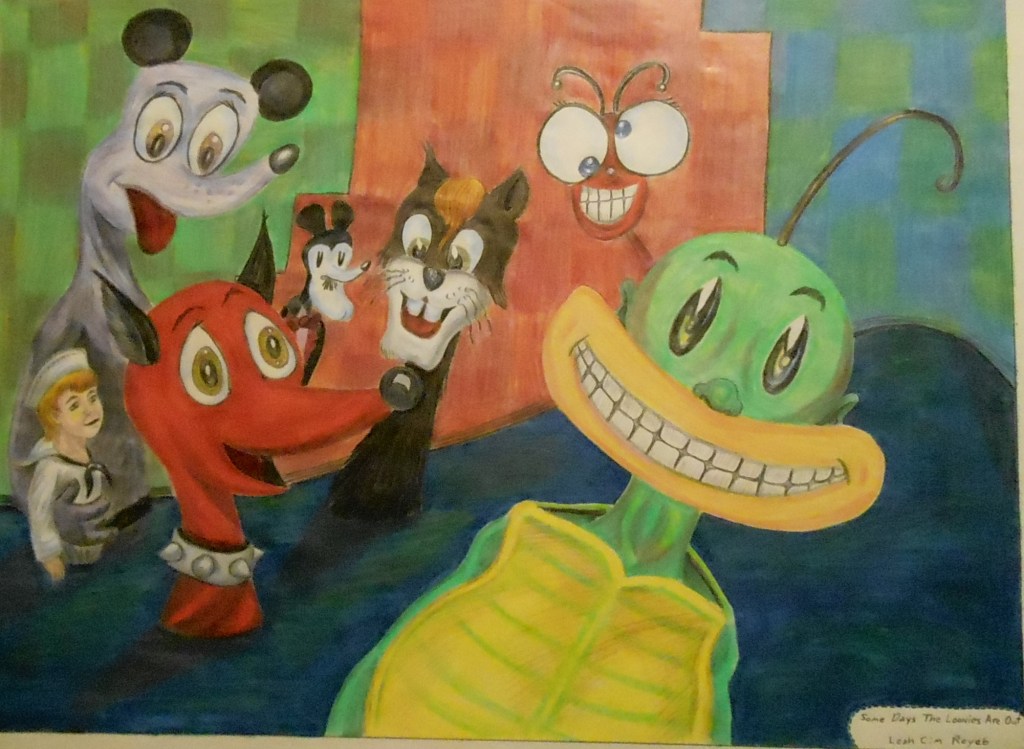
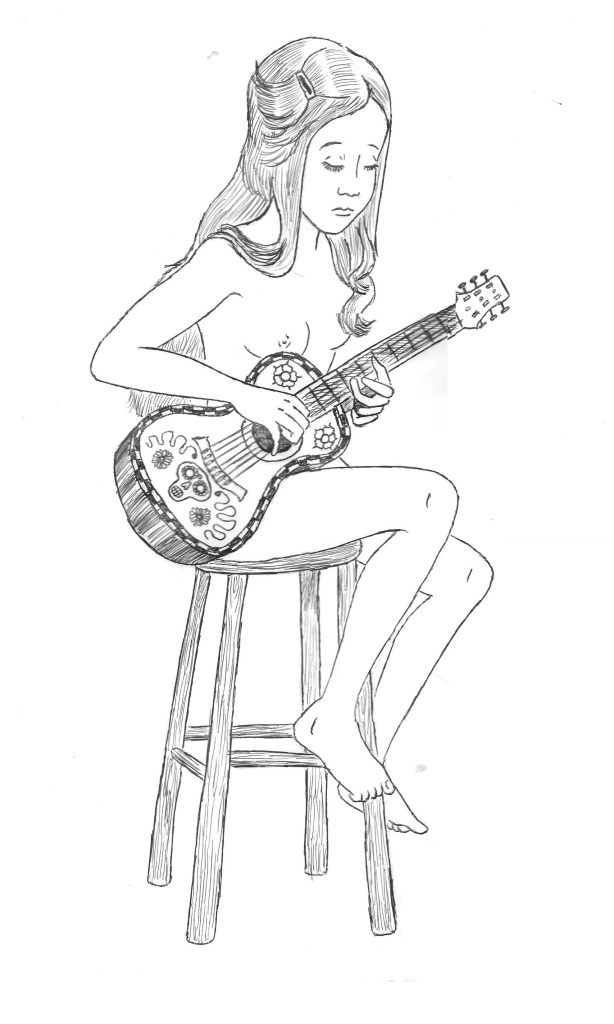
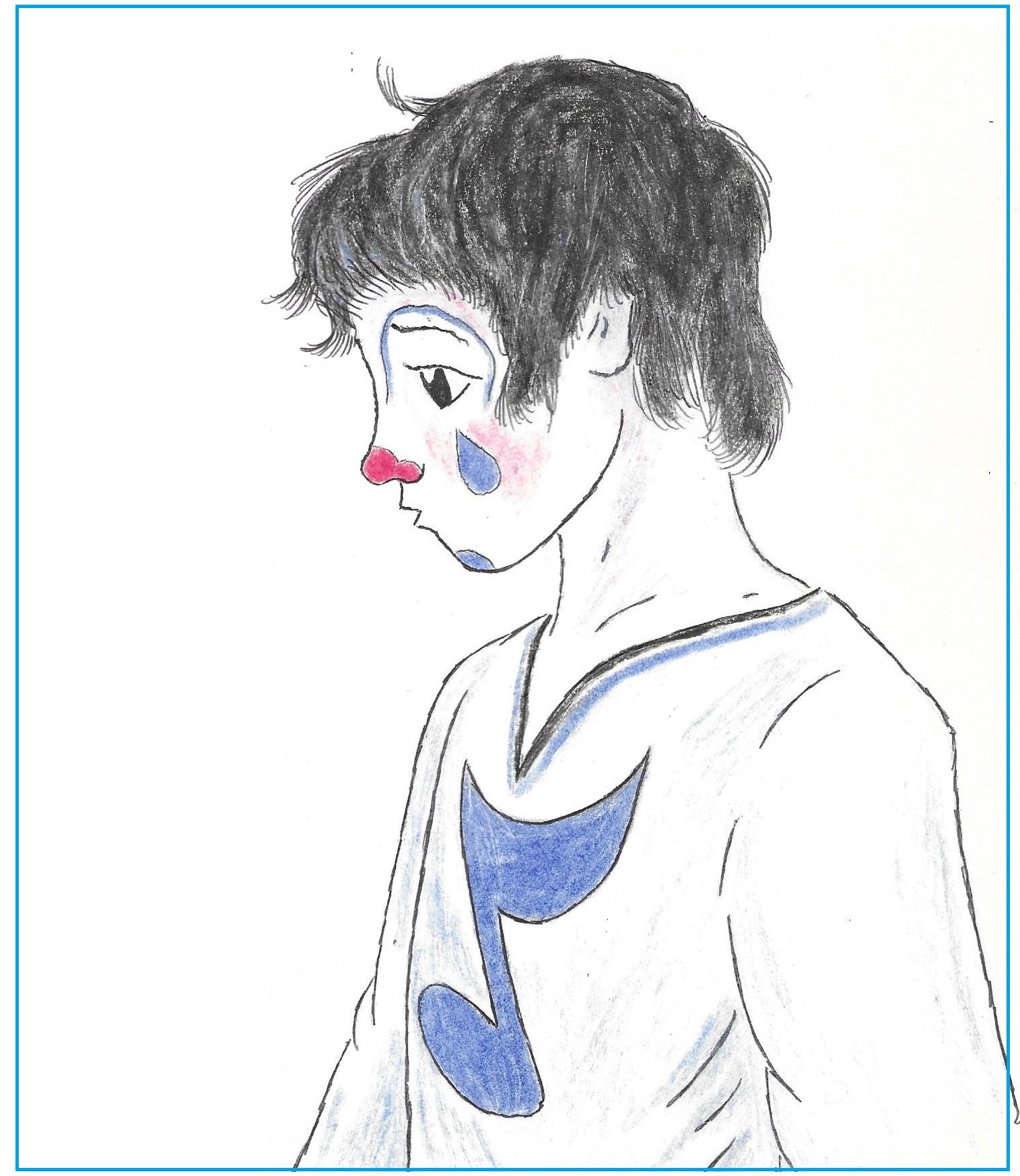
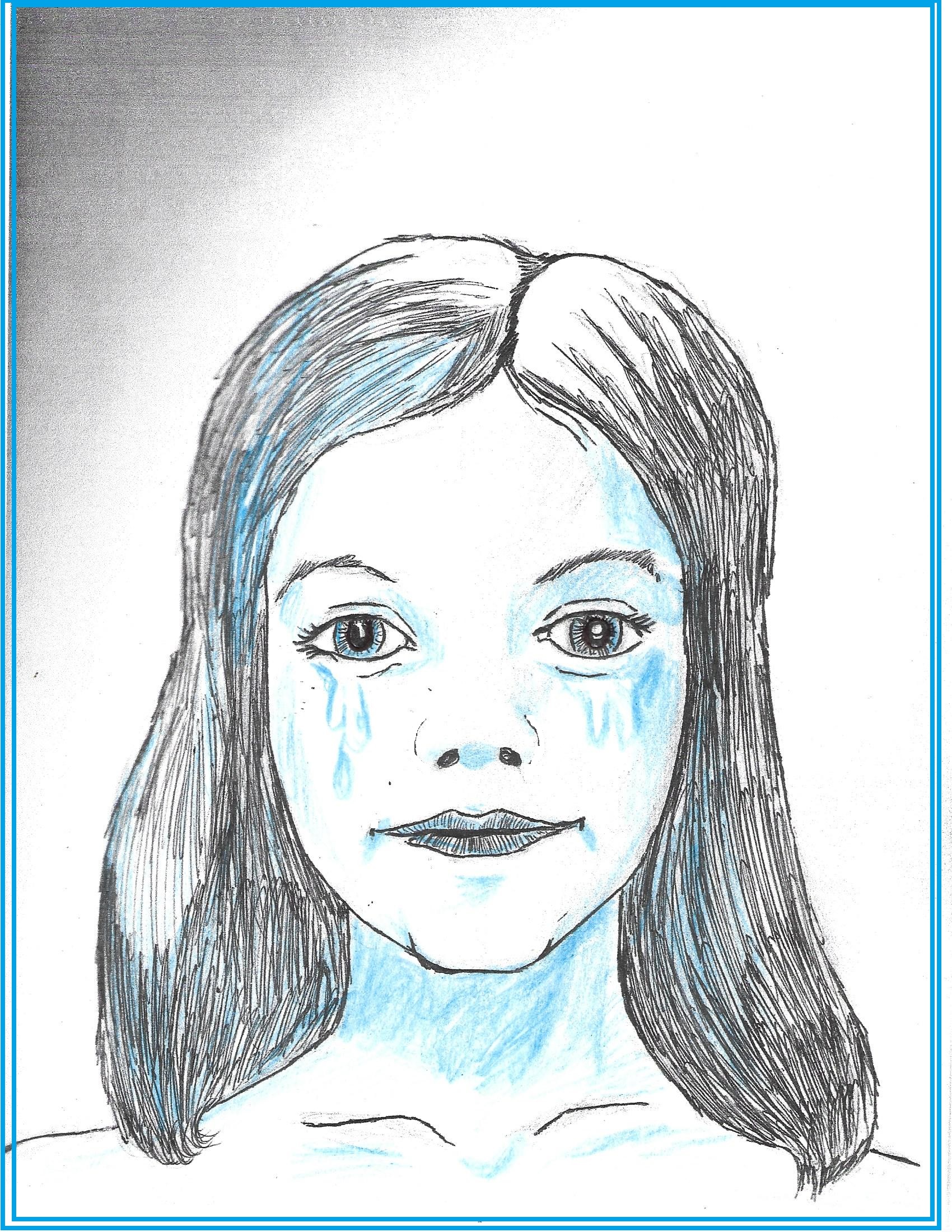
I have claimed that I am a humorist and all my novels are comic novels, to some degree at least. But it is often pointed out to me that I write about things that make people cry. And I freely admit that I most certainly do.
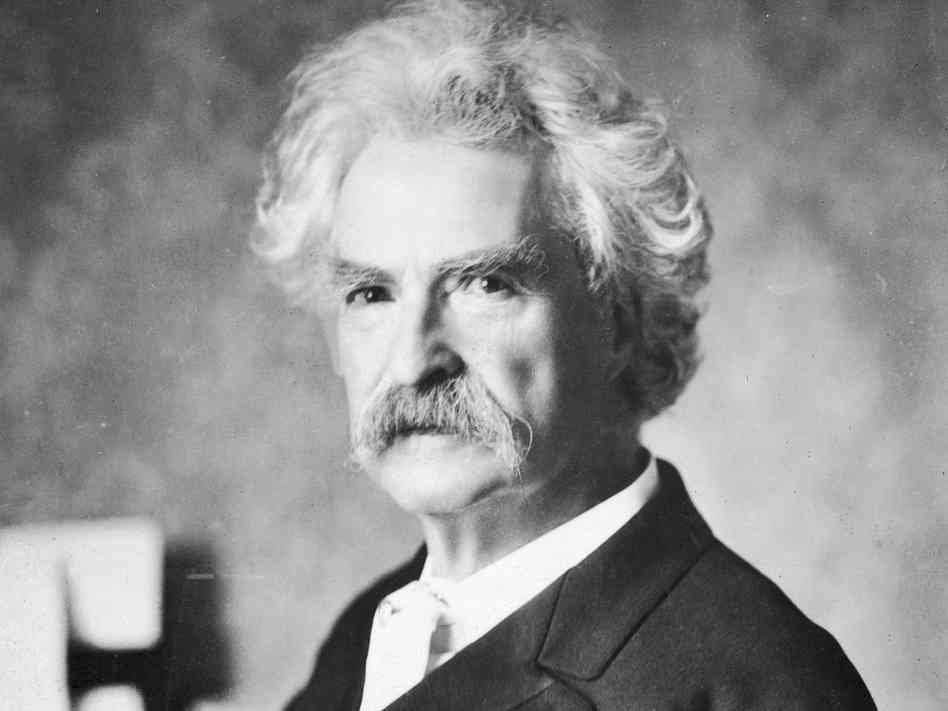
But if you think about it carefully, analytically, or even emotionally, you have to admit, even a book like Mark Twain’s The Adventures of Huckleberry Finn has some weep-worthy moments in it. I have read the book more than once myself, and I never get past the scene where Huck looks down at the body of his young friend Buck Grangerford, killed in the Shepherdson/Grangerford feud about something nobody living even remembers, without shedding gushers and gushers of heart-busting tears.
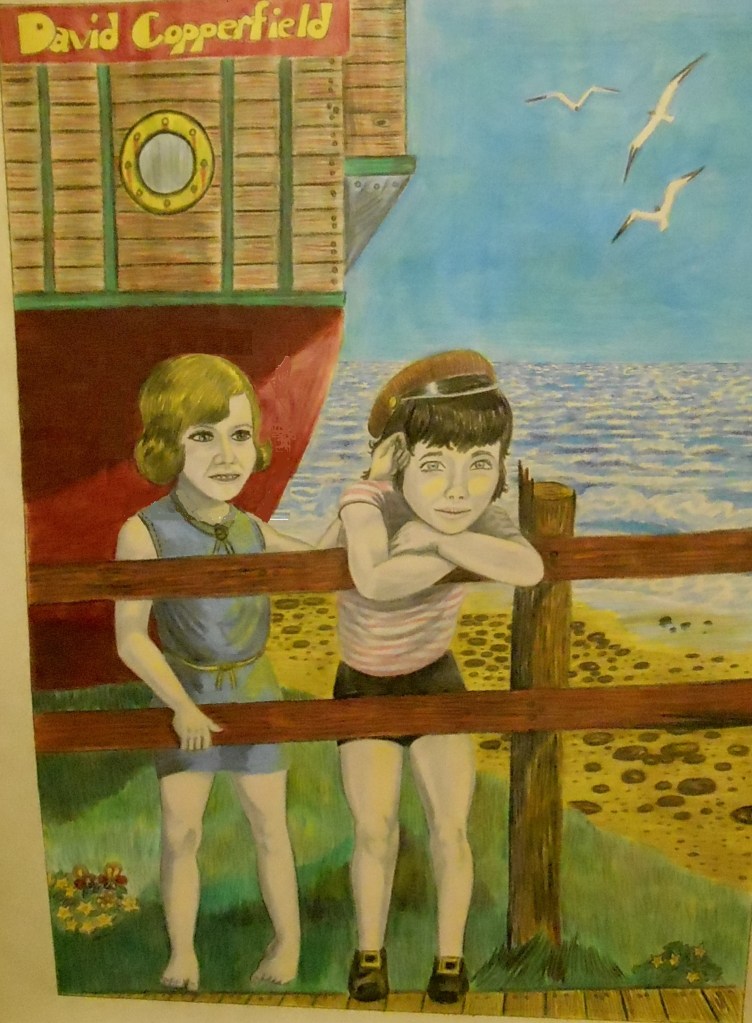
And in Charles Dickens’ David Copperfield, as much as I laugh and guffaw at the antics of quiet Mr. Dick and his kite, or the much deserved downfall of villainous Uriah Heep, it is the drowning of Little Emily on the boat with David’s school friend and idol Steerforth that leaves me surrounded by puddles… nay, lakes… that I have wept.
And I think that I may justify the sad parts in so many of my weary works with the fact that I am merely providing the necessary counterpoints to my merry-making and mirth.
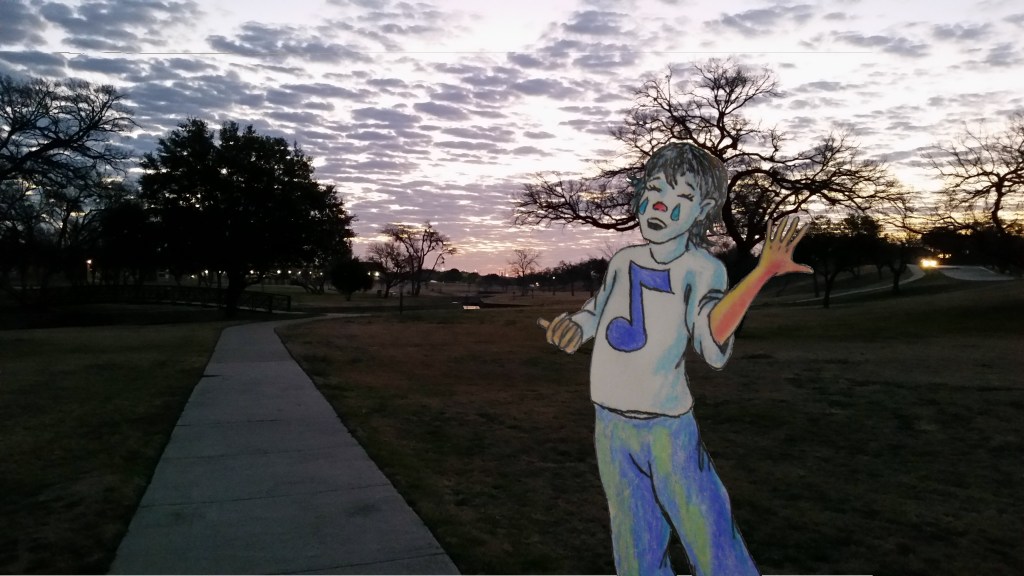
There has to be that necessary balance, that well-roundedness, to a story that makes it feel truly complete. And, of course, we know that even in a horror novel by Stephen King, you find humor used as a balance point to lighten the moments just before the monster delivers its liver-shaking, earth-tilting scare.
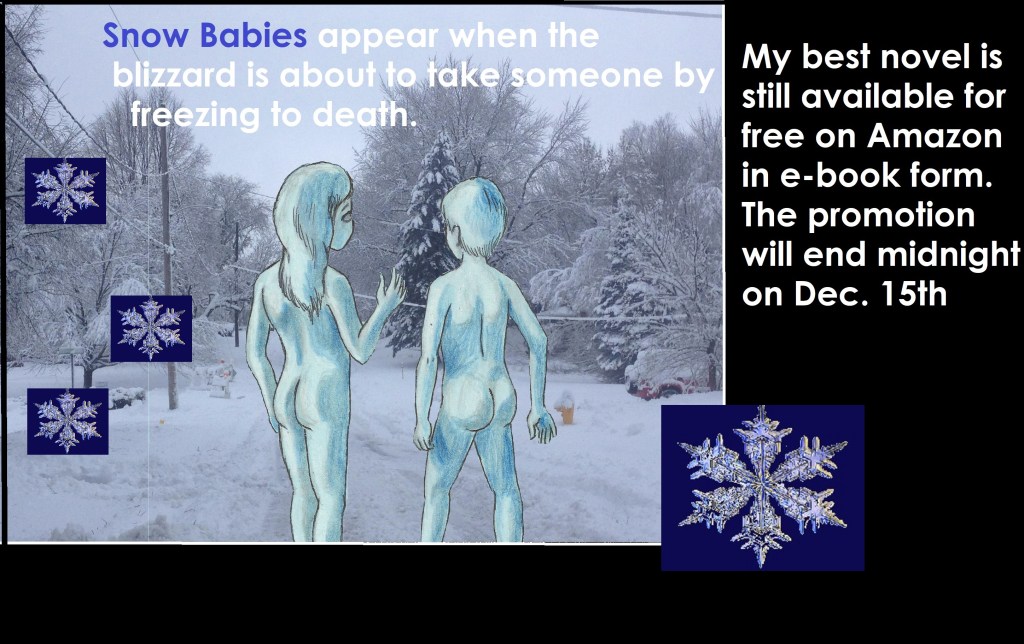
Snow Babies, among my published books, is a good example. It is a story that celebrates how a small Iowa town comes together to survive a deadly December blizzard. And while it tells funny stories of kooky characters battling the elements, and both surviving the blizzard and ’84 Reagan/Mondale political debates, as well as putting up Christmas trees, it is still also about death and loss of loved ones, finding and losing love, and just what sort of self-sacrifice or other accidental happening truly makes someone a hero. Or a bus driver… this book has more than one bus driver in it.
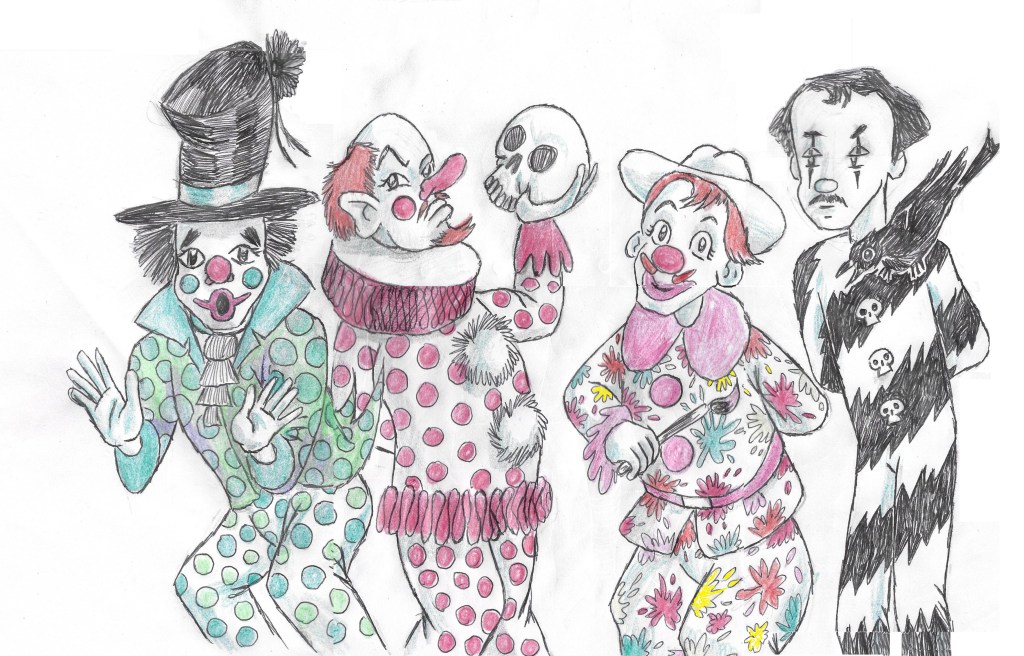
So, I think, in the end, that I have made a cogent case for the notion that in order to be a humorist, you have to manipulate many emotions, not just mirth, but sadness also. As well as fear, bitter irony, and pain. And that may well also be the underlying reason that comedy is harder to write than tragedy.









Winsor McCay
One work of comic strip art stands alone as having earned the artist, Winsor McCay, a full-fledged exhibition at the Metropolitan Museum of Art in New York City. Little Nemo in Slumberland is a one-of-a-kind achievement in fantasy art.
Winsor McCay lived from his birth in Michigan in 1869 to his finale in Brooklyn in 1934. In that time he created volumes full of his fine-art pages of full-page color newspaper cartoons, most in the four-color process.
As a boy, he pursued art from very early on, before he was twenty creating paintings turned into advertising and circus posters. He spent his early manhood doing amazingly detailed half-page political cartoons built around the editorials of Arthur Brisbane, He then became a staff artist for the Cincinnati Times Star Newspaper, illustrating fires, accidents, meetings, and notable events. He worked in the newspaper business with American artists like Winslow Homer and Frederick Remington who also developed their art skills through newspaper illustration. He moved into newspaper comics with numerous series strips that included Dreams of the Rarebit Fiend and Little Nemo in Slumberland. And he followed that massive amount of work up by becoming the “Father of the Animated Cartoon” with Gertie the Dinosaur, with whom he toured the US giving public performances as illustrated in the silent film below;
The truly amazing thing about his great volume of work was the intricate detail of every single panel and page. It represents a fantastic amount of work hours poured into the creation of art with an intense love of drawing. You can see in the many pages of Little Nemo how great he was as a draftsman, doing architectural renderings that rivaled any gifted architect. His fantasy artwork rendered the totally unbelievable and the creatively absurd in ways that made them completely believable.
I bought my copy of Nostalgia Press’s Little Nemo collection in the middle 70’s and have studied it more than the Bible in the intervening years. Winsor McCay taught me many art tricks and design flourishes that I still copy and steal to this very day.
No amount of negative criticism could ever change my faith in the talents of McCay. But since I have never seen a harsh word written against him, I have to think that problem will never come up.
My only regret is that the wonders of Winsor McCay, being over a hundred years old, will not be appreciated by a more modern generation to whom these glorious cartoon artworks are not generally available.
Leave a comment
Filed under art my Grandpa loved, artists I admire, artwork, book review, cartoon review, cartoons, comic strips, commentary
Tagged as Little Nemo in Slumberland, Winsor McCay