Category Archives: artists I admire

Antonín Dvořák – HUMORESQUES FOR PIANO

These eight short piano pieces represent work from Czech composer Antonin Dvorak’s “sketchbook”.  He composed these in his time as director of the Conservatory in New York from 1892 to 1895.  They represent a foreign-born composer’s take on being in America.  It is important to note that there is a very un-serious quality to the “sketches” in this portfolio.  His most famous piece from this set, the Seventh Humoresque in G Major would become the theme song of Slappy Squirrel in Steven Spielberg’s popular television cartoon show, Anamaniacs.  It also became well known as the tune behind the “train toilet song” where passengers began singing aloud the directions for toilet flushing in passenger cars beginning with the phrase “Passengers will please refrain from flushing while the train is in the station…”

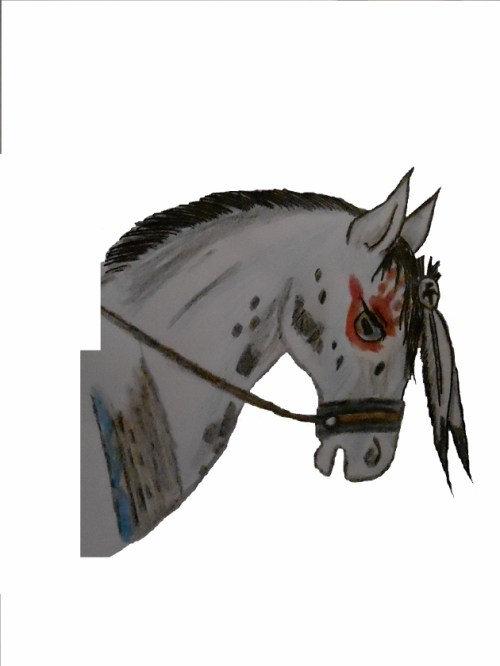
So what more perfect background music could there be for a look at some of the junk in my computerized version of a sketchbook?  These images all come from my Work in Progress folder.  I hope you will listen to the music while looking at these incomplete horrors and humoresques.

That is definitely a load of humoresques.  But like other forms of it, you spread it on your garden and it will help the flowers grow.

head2-630x840


Leave a comment

Filed under artists I admire, artwork, autobiography, humor, Paffooney, work in progress

About Bruce Timm

“Today I thought I would tell you about Bruce Timm.”

“Bruce Timm?  Who the heck is he?”

“You know. That artist with that style… you know, the Batman guy.”

“You mean he played Batman?”

“No.  He designed Batman; The Animated Series.”

“Oh, that guy… the guy who draws girls really good.”

“Yes, that’s the one.”

new-justice-league-series-bruce-timm

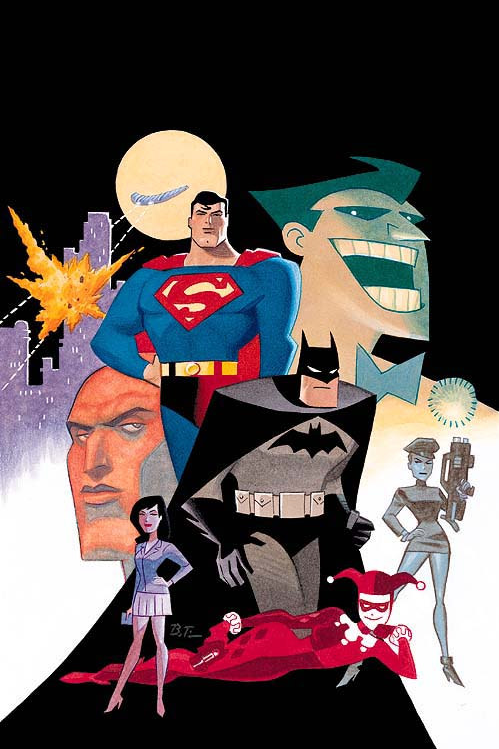
“He gave all the DC heroes their modern, animated look… their style and flair.  He made them angular, immediately identifiable, and powerful.”

4

“Yeah, I think he not only did the Batman cartoon, all film noir and retro-cool, but the Superman series that followed it, the Justice League, and all the cartoon series and movies that went along with those.”

“But that’s not all he did, either, is it?”

“No, there’s more.  He wanted to be a comic book artist, but before he got into animation, Marvel and DC turned him down.”

25e4094273e0d5a978ef3c3055e68176

“I heard he worked at Filmation for a while.”

“Yes, he got a chance to draw and design characters for Blackstar, Flash Gordon, He-Man and the Masters of the Universe, She-Ra; Princess of Power, and the Lone Ranger.

“Dang!  He was busy.  But only superhero stuff?”

“In 1989 he went to work for Warner Brothers.  He worked on Tiny Toon Adventures.”

“That Spielberg/Bugs Bunny thing?  The one with Buster and Babs Bunny?”

“Yeah, that one, believe it or not.”

gimeno-logo-5-tiny-toons-copy

“Tell me more about the girls.  I want to hear about him drawing girls.  Wonder Woman in Justice League was hot.”

“Showing you is probably better than telling you.  Be prepared to cover your eyes, though.  He liked to draw the female figure nude and semi-naked.”

91a861e9c261d53b1d77a8e929c92401

Betty and Veronica from the Archie comics.

brucee-timm-teaser-2012-b-800

bt-nan-book-pictures-01

“I like how he draws pretty girls.”

“You would.”

“He’s the artist you wish you could be, isn’t he?”

“Pretty much.  He’s about four years younger than me.  If I had gone the comic-book artist route instead of becoming a public school teacher, our careers might’ve been parallel.”

“Except he has talent.”

“Yeah, there’s that.”

1 Comment

Filed under art criticism, artists I admire, comic book heroes, humor

A Pair of Pertwees

4135-doctor-who-3rd-doctor-jon-pertwee-lg-320-640-240-480

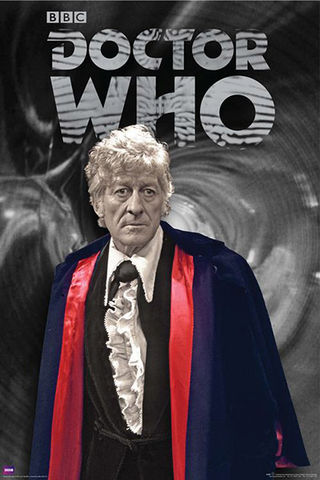
When I was a teenager in high school, PBS began running episodes of the BBC sci-fi show Doctor Who.  And back then, the show had already gone through two doctors before I ever saw it.  So the first Dr. Who Doctor for me was Jon Pertwee.

Now, for those of you unfamiliar with the whole idea of Doctor Who, a time-travelling fixer of plot holes in history who goes about appropriating young women as companions and travelling through time and space and other dimensions by using a T.A.R.D.I.S. that manipulates “timey-wimey stuff”, I am afraid there is no hope for you here.  I am a Whovian and am not inclined to be a chief explainer  of all things Whovian to basically non-Whovians, and especially not never-will-be-Whovians.

dw-quotes-jp

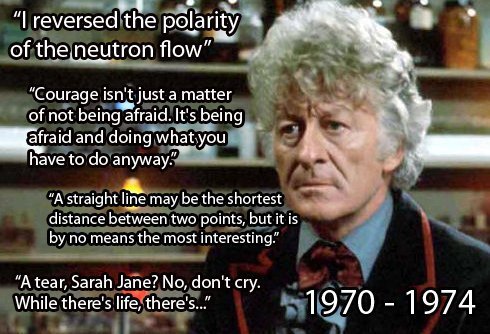
I was in college already by the time Jon Pertwee was no longer Dr. Who.  And though I also loved Tom Baker as the Doctor, I was forever caught by the heart with the first Doctor I watched and will forever hold in my heart the notion that Pertwee is the real Doctor.

And he was a gifted comedic actor that had a long career stretching back to Vaudeville and would also come to be identified with British comedies like Worzel Gummidge.

He had a prehensile face, capable of many comic contortions, and an ability with voices and characterizations that made you think “multiple personality disorder”.

Jon left us in 1996, but he has had a new life for me through his son, Sean Pertwee.  His little boy is practically a clone, though as far as I can tell, a very serious clone.  The comic DNA was apparently forgotten on the laboratory shelf.

48d7fb255c9c8911284b73bbfb8264f2

Sean Pertwee is now playing the ninja butler in the pre-Batman show on Fox called Gotham.  He has stepped into the role of Alfred Pennyworth, Bruce Wayne’s butler, and it’s like having my first Doctor back again.

Now, I admit that this post is mostly just fan-gush about people and characters that are mostly forgotten now.  But Jon Pertwee lives on in me.  I saw him play the Doctor back when some things in life could still be absolutely perfect just as they were.


2 Comments

Filed under artists I admire, characters, comedians, Dr. Who, humor, nostalgia, review of television

Oxfordian Rationalizations

Yes, I am, perhaps, a bit of a fool for believing Edward de Vere, the 17th Earl of Oxford, is the writer behind the works of William Shakespeare.  How do you prove something is true when it is so obvious that someone worked really hard to keep it a secret for all this time?  Is it a betrayal of the man to go against his apparent wishes and try to out him for his incredible secret?  It is hard for me to judge.  After all, I know I am a fool.

But even if he is not Shakespeare, and just sits at the apex of a mountain of coincidences, I am fascinated by the historical character of Edward de Vere.

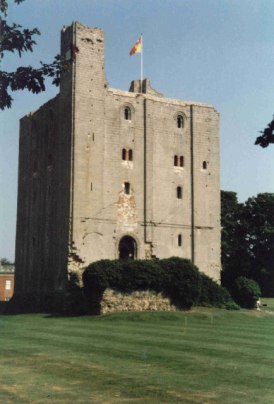
the_keep_at_castle_hedingham_-_geograph-org-uk_-_30510

The keep at Hedingham Castle, the de Vere family seat in Essex (photo by David Phillips)

He was born the only son of John de Vere, the 16th Earl of Oxford, and heir to the second oldest title among English nobility.  His father stood by Elizabeth when she was under house arrest under the reign of Bloody Mary, and went with her as a court favorite to the throne of England when she survived the ordeal.  So naturally Edward was a favorite of Elizabeth’s since childhood.  Later stories would suggest he became the Queen’s secret lover, but the rumors of the Virgin Queen’s harlotry were most likely the invention of Philip of Spain and other nobility in Catholic Europe who plotted endlessly against her because she chose to adopt her father’s protestant Anglican religion instead of returning England to Catholicism like her half-sister Mary before her.  Elizabeth’s personal integrity may not have been perfect, but the love she bore for young Edward was probably not the improper kind that the movie Anonymous by Roland Emmerich suggested.

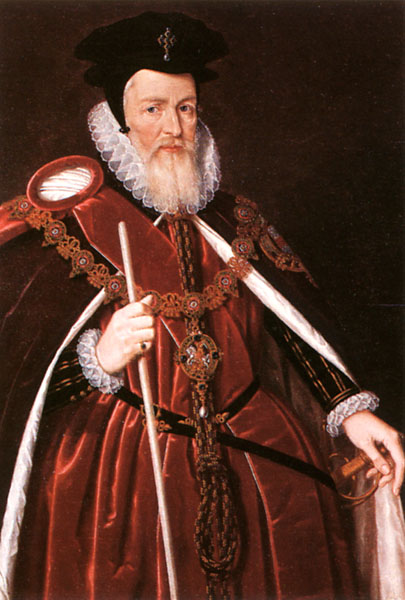
But even though de Vere was born lucky, I would not say he was particularly lucky in life.  He was only twelve when his father (though having completed his will) died.  The result being that he was made ward to Queen Elizabeth herself.  She was not exactly the foster-mother type, however.  She sent the boy to be raised in the home of her Secretary of State and chief adviser, William Cecil (later made Lord Baron Burghley).  Meanwhile Elizabeth took possession of some of his estates in payment for the wardship and bestowed them on Robert Dudley (her childhood friend and probable one true love, though he was married to someone else).  Young Edward was a difficult student.  His tutor, the famous scholar Laurence Nowell, resigned in frustration, probably because the boy was too bright and far-reaching for the antiquarian scholar to deal with, possibly himself being a bit dumber than advertised.   Edward quickly developed a reputation for love poetry at Elizabeth’s royal court.  He was a gifted, though somewhat conflicted, prodigy.

cecilwilliam1bburghley04

William Cecil, 1st Baron Burghley

And here is what I find most fascinating about his life story.  As you reread it, keeping the works of Shakespeare in mind, you begin to see Shakespeare’s source material coming to life.  Edward would end up marrying Cecil’s young daughter Anne, so that Lord Burghley was not only a man who raised him, but also his father-in-law.  But marrying off your offspring to nobility was an accepted manner of social climbing, and Cecil wasn’t entirely sure he couldn’t do better for his daughter.  And the meddlesome, lecturing, and self-righteous nature of the man comes out in Shakespearean characters like Polonius in Hamlet who spies upon the suicidal prince because he fears the effect Hamlet’s love for his daughter Ophelia might have on her reputation, causing him to spout all manner of cliches and stuffy, self-important advice.

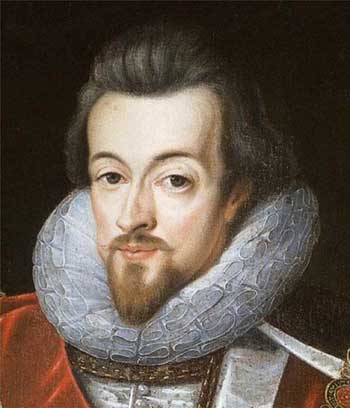
cecil

Robert Cecil, Lord Salisbury

Cecil’s son Robert, the hunchbacked boy who grows up to take over his father’s office as adviser to both Elizabeth and James I, is a crafty statesman and plotter who is the undoing of the Earl of Essex in a real-life plot against the throne of Elizabeth.  It is hard not to read about his real-life exploits without seeing the connections to Iago in Othello and the conniving hunchback Richard III.

So, once again I have overshot my target length in this essay because I get so wound up in the details of my discoveries.  There are numerous things written and published about the connections between de Vere and the Bard himself.  I have only begun to scratch the surface in this telling of it.  But I am just a fool with a humor blog.  If it interests you at all, I encourage you to go to as many of the available sources as you can possibly google.  I haven’t yet finished doing that myself.  And I do hope I haven’t told anything here that makes Shakespeare turn over in his grave (if, indeed, a grave could ever really hold him.)

2 Comments

Filed under artists I admire, conspiracy theory, foolishness, humor, strange and wonderful ideas about life, William Shakespeare

Kit Marlowe, Secret Agent

christopher_marlowe

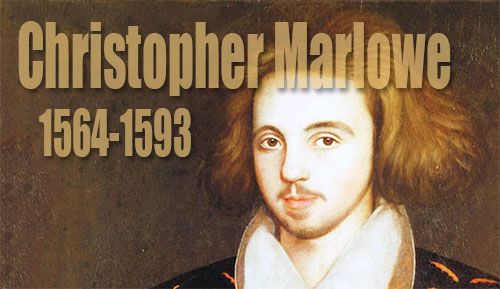
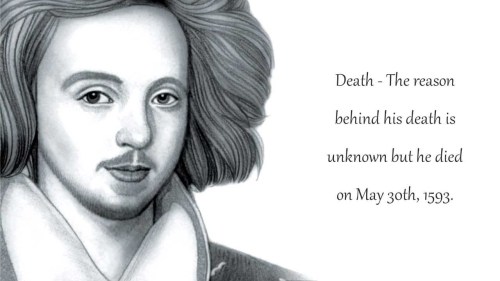
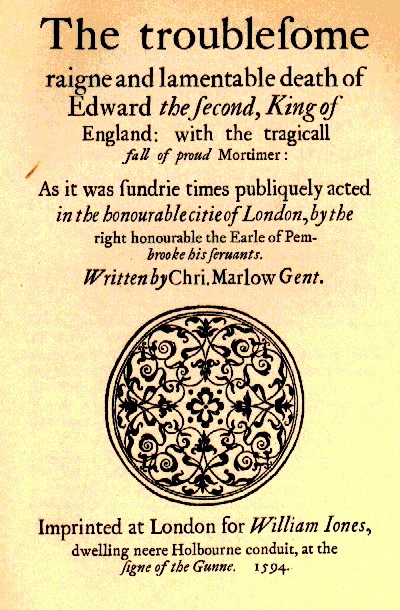
Christopher Marlowe is often sited as the real Shakespeare, a problematic assertion given that he would’ve been forced to write a number of plays after he was dead, giving new meaning to the term “ghost writer”.  But I would like to add to the assertion that “Marlowe is NOT Shakespeare!” that I also believe he did not die as they claim that he did.  Marlowe is a fascinating character of debauchery and misbehavior, intrigue and mystery, and undeniable genius.  As a writer, he was a maverick and risk-taker, having begun the ascendance of the theatrical play as one of the heights of Elizabethan literature with his play Tamburlaine the Great, about the historical figure who rose from shepherd boy to monarch.  This play, and its sequel, Tamburlaine the Great Part II, were among the very first English plays to be written in blank verse, meaning there is a very definite connection between the style of writing established by Marlowe and the later work of Shakespeare.  It is probable that for a few years, Kit Marlowe was a member of the Gray’s Inn group along with Sir Francis Bacon and several other suspicious literary luminaries like Sir Walter Raleigh and possibly Ben Jonson.  (I have to admit at this point that if I am wrong about the Stratford guy and he did write the plays, then he was a member of this group as well, because it was not closed to commoners, only to stupid people.  The Stratford guy was in no way stupid or a villain, no matter what you may believe about the authorship question.)  But here is where the link to Shakespeare’s plays and poetry both begins and ends.  Yes, Kit Marlowe was a capable enough author to have written such sublime plays.  He has all the individual skills to make up the whole.  But if you read his masterwork, The Tragicall History of the Life and Death of Doctor Faustus, you will see that the voice, the unique literary style of the work is simply not by the same author.  Although Shakespeare revisits some of the same themes that Marlowe used in his plays, his manner of development, handling of character, style of humor, and underlying conviction in the existence of God are all different and opposed to Marlowe’s.  Marlowe is NOT Shakespeare.  Shakespeare’s works have more in common with Bacon’s than Marlowe’s.  And I have already said that, “Shakespeare is NOT Bacon… or eggs either.”  And if I said it, it must be so.  (Don’t throw eggs and tomatoes at your computer screen when you read this.  Just call me stupid and vain in the comments like everybody else does.)
maxresdefault

And an even more compelling reason to those of you who don’t obsess over reading Shakespeare and Marlowe and Ben Jonson is that, at the time Shakespeare’s plays were probably written, Kit Marlowe was busy either being stone cold dead, or, having faked his death, was busy being a secret agent for Queen Elizabeth.


And why would a goofball like me think that Christopher Marlowe cunningly faked his own death and went into his own thrilling quest to be like James Bond more than 300 years before Ian Fleming?  Well, because I know how to read and am not generally bright enough not to believe what others have written about him and his connections to world of spying in Elizabethan times.

These authors have brought out the fact that Marlowe’s frequent absences from college and later public obligations coincide with things like the mysterious tutor called “Morley” who tutored Arbella, niece of Mary Queen of Scots, and a potential successor to Queen Elizabeth, in 1589.  He was also arrested in the Netherlands for allegedly counterfeiting coins related to the activities of seditious Catholics.  He was brought back to England to be dealt with by Lord Treasurer Burghley, the closest adviser to Queen Elizabeth, and was then not so much punished as let off the hook and even rewarded monetarily.  Still think he was not a spy?  Well, his demise probably came about through his relationship with Lord Francis Walsingham and his friendship with Walsingham’s son.  You see, Walsingham was Elizabeth’s “M”, leader of her spies and intelligence units.  After Walsingham died, there was deep concern that no one was still able to protect Marlowe from possible consequences of being both a homosexual and an atheist.  (Being gay was obviously not as serious a sin as atheism for which torture and death penalties lay in wait.)  It was possible that rival spies and nefarious forces could kidnap Marlowe and get information out of him that the Queen needed to be kept secret.

So, when Lord Burghley tortured Marlowe’s friend and sometime roommate, Thomas Kyd, into naming Marlowe a heretic and sending men out with a warrant to arrest Marlowe, Kit’s other friend, Thomas Walsingham probably warned Marlowe.  The bar fight that supposedly ended Marlowe’s life was witnessed by two friends of his, Nicholas Skeres and Robert Poley, both provably con men and professional liars.  The knife that stabbed him in the forehead above his right eye was wielded by Ingram Fizer, another of Marlowe’s disreputable friends, allegedly over an unpaid debt.  Fizer, of course, though he freely admitted killing Marlowe, was acquitted of the murder.  And the coroner’s report is suspect.  Rules of investigation were not followed, and the body was never independently identified by someone other than the three friends at the scene of the crime.  And the body was hastily buried before anyone else could get a close look at it.
edward2a

I am not only telling you that I believe Christopher “Kit” Marlowe was NOT Shakespeare… or eggs either (though that joke doesn’t really work here), but I believe he didn’t die the way it has been reported to us by history.  And why do I believe these things?  Because I think the story of Christopher Marlowe is a really great story, and it exists as a story whether it is historically true or not.


Leave a comment

Filed under angry rant, artists I admire, conspiracy theory, goofy thoughts, humor, poetry, satire, telling lies, William Shakespeare

Goodbye, Sweet Gene

gene-wilder-3

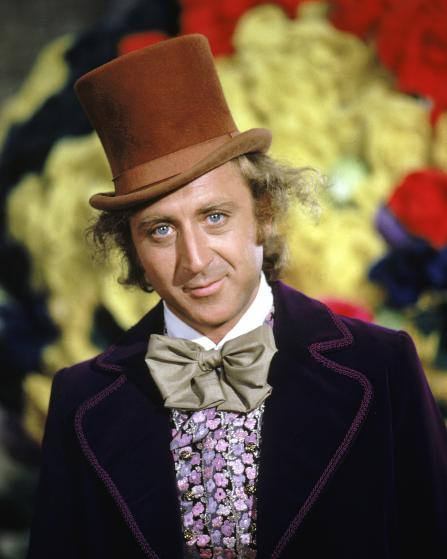
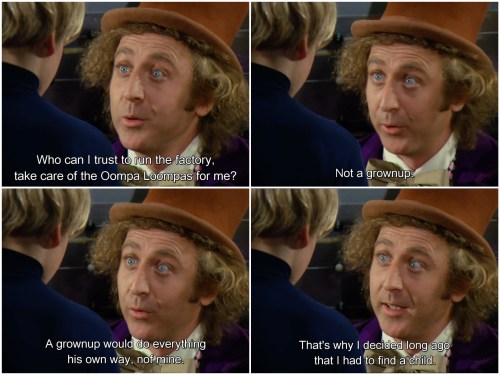
I’m going to miss him.  I’m really going to miss him.  I know he suffered from Alzheimer’s and hadn’t really done anything new and exciting in a while, but still, I always knew that he was still there.  He was still Gene Wilder.  Not only that, he was still Willy Wonka, still the Waco Kid from Blazing Saddles, still Dr. Frankenstein from Young Frankenstein, which he not only starred in, but wrote.

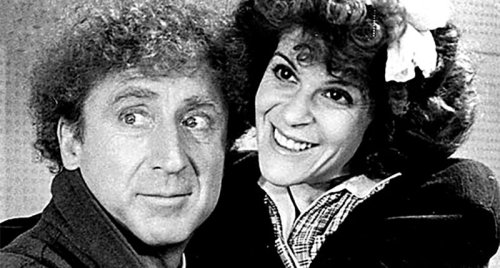
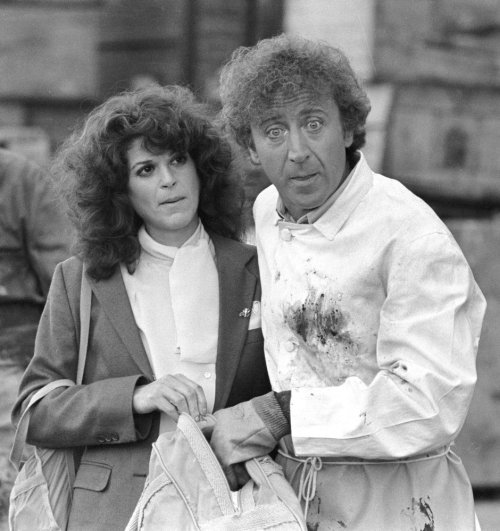
He was also Gilda Radner’s husband.  The great love of his life, gone too as a victim of cancer back in 1989.

Gene-Gilda-800x430

1035509_Obit-Gene-Wilder.JPEG-4b561

The first time I ever saw him on screen was in college, in film class.  We watched Mel Brooks’ The Producers on the classroom projector.

gene-wilder-producers

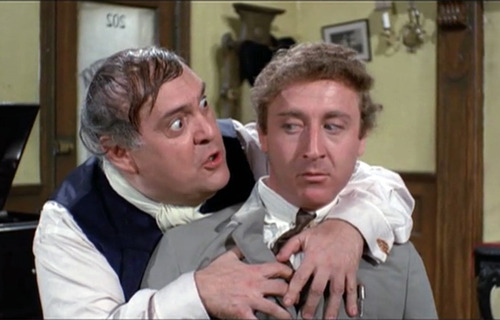
We studied the movie in class as evidence that comedy films are difficult to make, but have a potential to be truly great film achievements.  That same year, both Blazing Saddles and Young Frankenstein hit the big screens in Ames, Iowa.   I saw and loved them both.  Of course, I had watched the televised version of Willy Wonka and the Chocolate Factory on Grandma Beyer’s color TV sometime before that.

screen-shot-2015-02-26-at-4_fotor_collage

Gene Wilder helped me see that I could live in a world of pure imagination.  And that I could be whatever I truly wished to be.

I’m definitely going to miss that man.

3 Comments

Filed under art my Grandpa loved, artists I admire, feeling sorry for myself, finding love, humor, movie review

Sculpture Anatomy

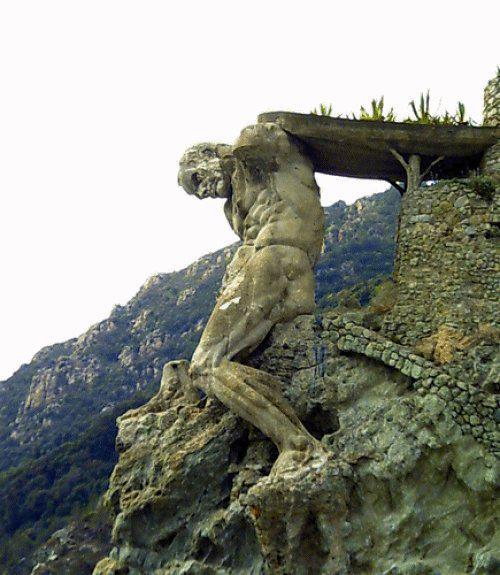
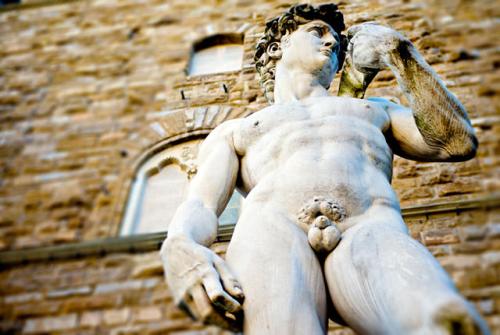
Here is a collage that represents one of my hoarding-disorder collecting diseases enabled by the internet.  The rules for this collection are basically;

  1. Only photographs.
  2. Only human bodies, or people parts.
  3. Only artistically created people parts made of non-people stuff.
  4. Naked is not only allowed, but preferred.

    539637_414849215220540_1199730384_n

  5. 988544_991166777562976_6597368353492715309_n

  6. 10501970_991148260898161_1611444846896190024_n

    1. This is a porcelain doll, not a real girl… just so you know I didn’t break any rules.
  7. david_1

    The point is, art is a depiction of us.  No matter how you create it, what it visually portrays is a reflection, like the one in the bathroom mirror every morning.  Beautiful, grotesque, sexy, repulsive, adorable, or disturbing… it is who we are.  The point is also, it allows me to point, click, and save and create a collection that I don’t have to hide from my wife.  Because, well, you know… it’s art.

2 Comments

Filed under artists I admire, artwork, collage, humor, nudes, old art

Happy Belated Birthday, Lucille Ball

Iranian scientist Shahram Amiri speaks to journalists as he arrives at the Imam Khomini Airport in Tehran

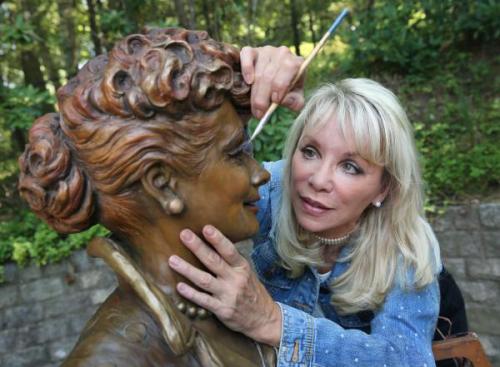
On Lucy’s birthday the “Scary Lucy” statue of her in her hometown of Celeron, New York was finally replaced with one that actually looks like her.

Carolyn Palmer

In this Wednesday, July 20, 2016 photo, artist Carolyn Palmer prepares to apply a cold patina to her bronze statue of Lucille Ball in Saddle River, N.J. The sculptor was chosen to create a replacement statue for one dubbed “Scary Lucy,” in the late actress Ball’s hometown. The much-maligned statue of Ball will be replaced after it drew worldwide attention as “Scary Lucy,” according to the mayor of the western New York village where the 1950s sitcom actress and comedian grew up and her life-size bronze has stood since 2009. (AP Photo/Mel Evans)

On Saturday, August 6th, Lucille Ball turned 105.  While it is true that she has also been dead since 1989, we never-the-less must acknowledge the fact that this comedienne and her singular body of work have been influencing life on Earth for over a century.  Perhaps we could even use more like her.

i-love-lucy-tshirt-115b

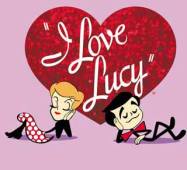
She has been subtly guiding my own life since the days of black-and-white television and the genre-establishing sitcom, “I Love Lucy”, where she has been advocating for a woman’s right to work and have a career of her own by making us laugh at the situation over and over until it becomes a mirth-filled, easy-to-swallow fact-of-life.  She was the first female film producer to run her own production company, Desilu Productions.  She is the producer behind such television milestones as Star Trek and Mission: Impossible.  Being a child of the 60’s, raised by television almost as much as by my parents, she is a big part of who I am as a person.  To this day she still influences how I feel about things.  She is one of the primary reasons I can laugh at life’s troubles and, by laughing, overcome them.

So, I want to wish Lucy a happy 105th birthday.  And I find it amusing and ironic that “Scary Lucy”, the bronze golem of Celeron, New York, has finally been replaced on her birthday with a statue that pictures her more accurately.  We all need to see Lucy more accurately.  We all need to laugh more and love more and live better lives.  It was the “Golden Age” of television not because of the technology and the craft, but because of the essential goodness we can still get from it, that has stood the test of time for a century.

And I don’t think that I am merely looking at the whole thing through the colored lenses of my own affection for things in the past.  I think more modern and definitely younger people than I can benefit from getting to know Lucy too.  Lasting  105 years is a pretty big thing, even if you are dead when you do it.

love_lucy

7 Comments

Filed under artists I admire, clowns, comedians, goofy thoughts, humor, review of television, sharing from YouTube, TV as literature, TV review

Tim Burton Movies

a665d0b2de53d87feabd021230a17af8

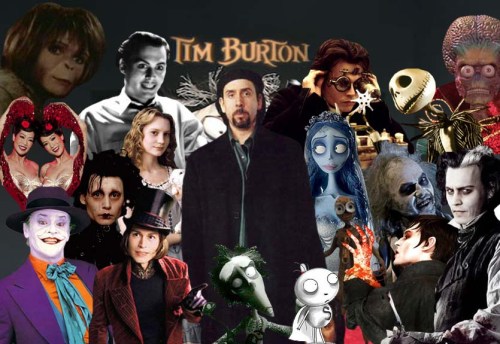
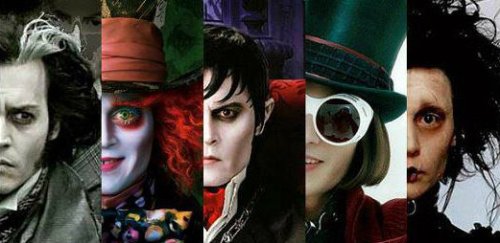
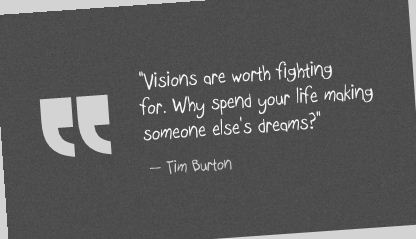
Last night the Princess and I went to see Alice, Through the Looking Glass, the latest Tim Burton movie.  Of course we loved it.  Burton is one of the most interesting story-tellers of our time.  Did you know he is two years younger than me?  And also, like me, he began as a cartoonist and is totally dedicated to the idea that every artist is a surrealist and must exaggerate, elucidate, equivocate, and numerous other things that start with the letter “e” and end with the suffix “ate” simply because that’s how surrealism starts.  You notice a little bit of weirdness in real life and blow it all out of proportion with lies and coloring of meaning and relentless “what-iffing?”  If you don’t see surrealism in those last two sentences of purple paisley prose… then maybe you can see it visually in Burton’s many masterpieces.

PeeWee

Tim Burton began his legacy as an apprentice Disney animator specializing in stop-motion animation.  But he was just another creative nobody like me until the launch of his small-budget monster hit, Pee-Wee’s Big Adventure.

Of course, any time you can pull in huge profits for little investments, you will have Hollywood executives ramming the heads of their unpaid interns like battering rams against your door so they can get in and throw money at you.

Hence, Batman.


Batman was the first time I actually took notice of Tim.  And not just as a director of a film… eventually two films.  He was gifted at assembling a cast.  And this would work to his advantage as several singular talents attached themselves to him and worked in his movie projects repeatedly.

20092482

56ba4d6705defa5b92592bcb3d5717b2

And his repeated collaboration with Danny Elfman and his music was easily as great a master-stroke of genius as John Williams with Spielberg and Lucas.

He has repeatedly used his movies to describe and rewrite his own life story as a misunderstood genius flubbing horribly in the quest to fit in with a world full of “regular people”.

562fefaf1c00002e00570bf0

Poster for the film ‘Edward Scissorhands’ (directed by Tim Burton), 1990. (Photo by Buyenlarge/Getty Images)

1000

505ad9e3-4113-438d-b10f-7727b9f4d7a8_560_420

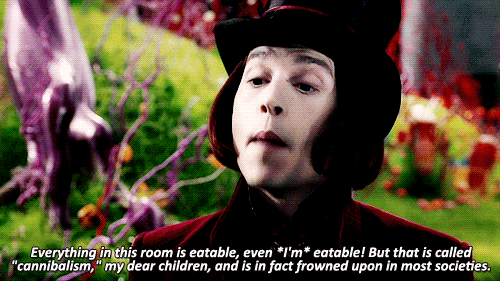
His sense of humor, of course, is distinctly and colorfully bizarre.

Dark Shadows

DSTF-0046r JOHNNY DEPP as Barnabas Collins in Warner Bros. Pictures’ and Village Roadshow Pictures’ “DARK SHADOWS,” a Warner Bros. Pictures release.

anigif_enhanced-buzz-1589-1390672243-0_preview

alice-au-pays-des-merveilles

Burton is, just like me, a child of the 70’s.  He references things like the old gothic soap opera, Dark Shadows, that were a part of his impressionable youth just as they were mine.  He picks stories about things he truly cares about, and that is also just like me.

582409894-Tim-Burton-Quote

gallery_movies-big-eyes-amy-adams-tim-burton

So, in a rather bizarre coincidence that is entirely appropriate to surrealists, I love any Tim Burton movie simply because it is a Tim Burton movie.  He is probably me in an alternate dimension.  And as such, I already know I will love his next movie, whatever the heck it is.

6 Comments

Filed under art criticism, artists I admire, humor, movie review, self portrait, strange and wonderful ideas about life

The BFG (a review by the Uncritical Critic)

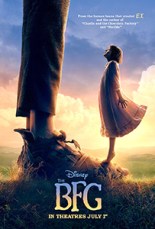
bfgmovie

I was predisposed to like this movie from the outset.  After all…  Spielbergh… Roald Dahl… a musical score by John Williams… almost Robin Williams as the BFG!  But I don’t like this movie after all.  I LOVE it!!!

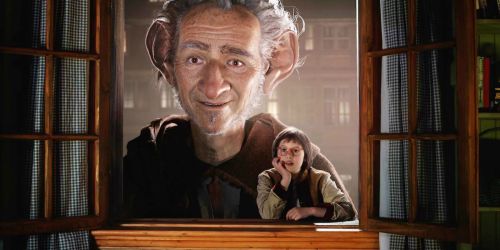
I am easily stunned by gorgeous settings, CGI magic, and artistically done visuals.  I am easily captivated by cute and gifted young actresses like the one who plays Sophie, Ruby Barnhill.  And I am especially won over by the smiling face of the BFG himself.  He reminds me so clearly of my Great Grandpa Raymond (who was no less a magical being in my life than the BFG is in Sophie’s).

bfg-movie-2016-mark-rylance-ruby-barnhill

The fact that the BFG’s job in Giant Land is the capturing, bottling, mixing, and gifting of dreams is the most winning feature of all.  And he uses it in the epic plan to overcome the bestial, cannibalistic, (and possibly Trump supporters) other, bigger giants.  He is a metaphor for the story-teller himself… enduring hardships and harrowing adventures to capture, package, and deliver the stories that are so important to life and people’s ultimate happiness.  It is true for Roald Dahl, the darkly silly genius who wrote the story.  It is also true for Steven Spielberg, the craft-master and movie-maker who put it on film.  It is true also for the magician of movie music, John Williams.  I hope, someday, it will also be true for me.

bfgthe-bfg-tree

So many things about this movie are the epitome of the best movie-theater experiences.  I do not understand how it could’ve done so poorly in the box office.  I believe it will become one of those beloved and much-watched DVDs like Spielberg’s previous fairy-tale masterpiece, Hook, did.  I pray that it won’t simply become an overlooked asterisk in the history of cinema.  It is too good of a movie experience for that.


2 Comments

Filed under artists I admire, goofy thoughts, humor, movie review