
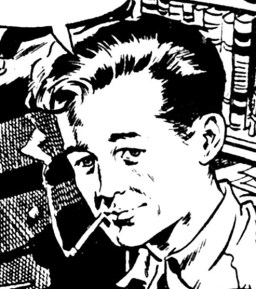
A self-portrait by Wallace Wood.
I am a bit of a cartoonist for a reason. I started drawing cartoons at the age of five. I read everything in the Sunday funny pages, not just for the jokes. I poured over the drawings and copied some. I drew Dagwood Bumstead and Blondie. I drew Lil’ Abner and Charlie Brown and Pogo. Cartoonists were heroes to me.
But my parents wanted to protect me from the evils of comic books. Superheroes were off limits most of the time. Things that are associated with evil were out of the question. So Daredevil was beyond reach. And Mad Magazine was full of socialist ideas and led kids down the dark path of satire. So the truth is, I didn’t discover Wally Wood until I was in college. His corrupting influence didn’t take hold of me until I was older and full of hormones. Ah, youth and the propensity for sin! Wally taught me that cartoons could be real.
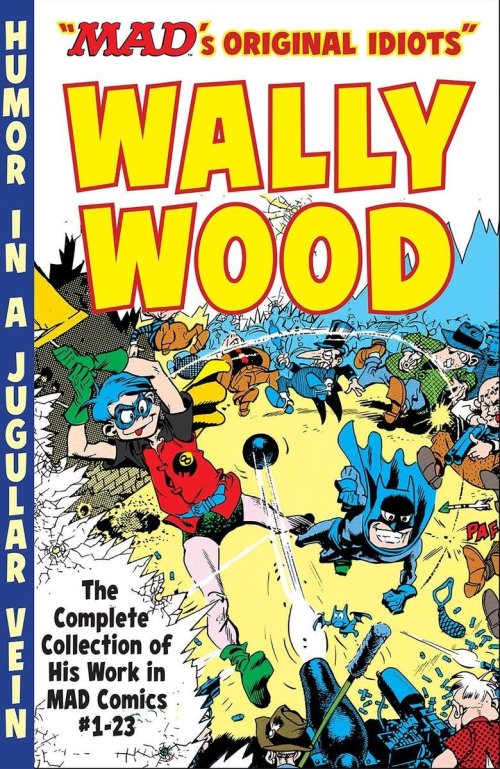
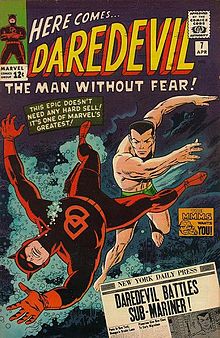
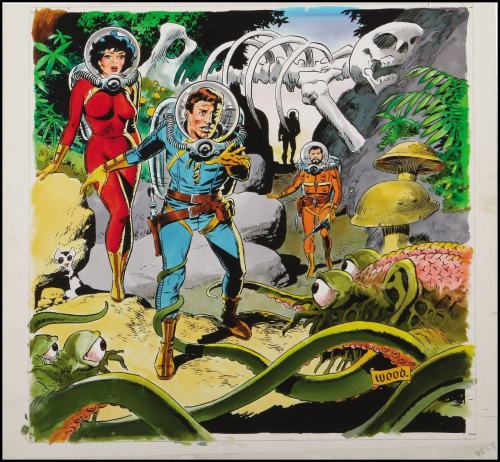
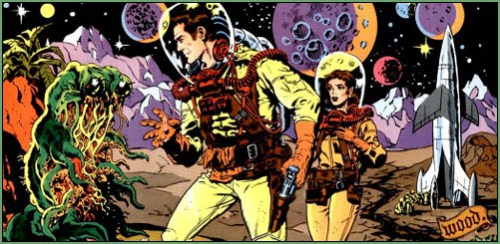
Wally Wood was one of the original artists working for EC comics who formed Mad Magazine with it’s spoofs and irreverent humor. Wood worked together with the Great Will Eisner on the Spirit. He went on to work for Marvel on the comic book Daredevil where he innovated the red suit and double-D logo, as well as doing the primary story-telling that brought that comic book from the bottom of the Marvel stack to almost the very top. His work on Daredevil resonates even until today where there is now a big controversy that the popular show on Netflix does not list Wood among the creators of Daredevil in their credits. I must remember to complain about that later.
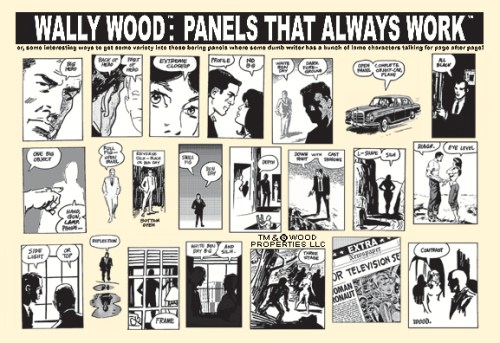
But the thing that drew me to Wood more than anything was the realistic style that he brought to the unreal realm of cartoons. The man could draw! He did marvelous detail work and was a leader in the development of dynamic composition in an artistic industry that tolerated and even often encouraged really poor-quality drawing. He took the comic book from the age of the glorified stick figure to an age of cinematic scope and know-how. Here it is revealed in his classic break-down of innovative comic-book panels;
But it is also important to realize that the more power you put into art, the more it can blow up and hurt people. Wood had a dark side that went a bit darker as he went along. He had an issue with the kind of false front comics had to throw up in front after the anti-comics crusade of psychologist Fredric Wertham’s book Seduction of Innocents. He is probably the artist behind the cartoon poster The Disneyland Memorial Orgy. He started his own cartoon studio that produced increasingly erotic and pornographic comics like Sally Forth, Cannon, and Gangbang. He became increasingly ill, lost the sight in one eye, suffered severe headaches, and eventually committed suicide in 1981. With great power comes great responsibility, and we are not all superheroes in the end. But I will always admire and emulate the work of this great artist… and selfishly wish he could’ve lived to create more of the wonderful art he gave us.
















 Catch a Falling Star
Truthfully…
Truthfully… for a fiction writer, a humorist, a former school teacher of junior-high-aged kids, telling the truth is hard. But in this post I intend to try it, and I will see if I can stand the castor-oil flavor of it on my tongue.
1 Comment
Filed under commentary, Disney, drawing, feeling sorry for myself, goofy thoughts, healing, humor, mental health, nudes, Paffooney, pen and ink paffoonies, pessimism, strange and wonderful ideas about life
Tagged as Annette Funicello, artwork, drawing nudes, humor, nudes, paffooney, pessimism, truth