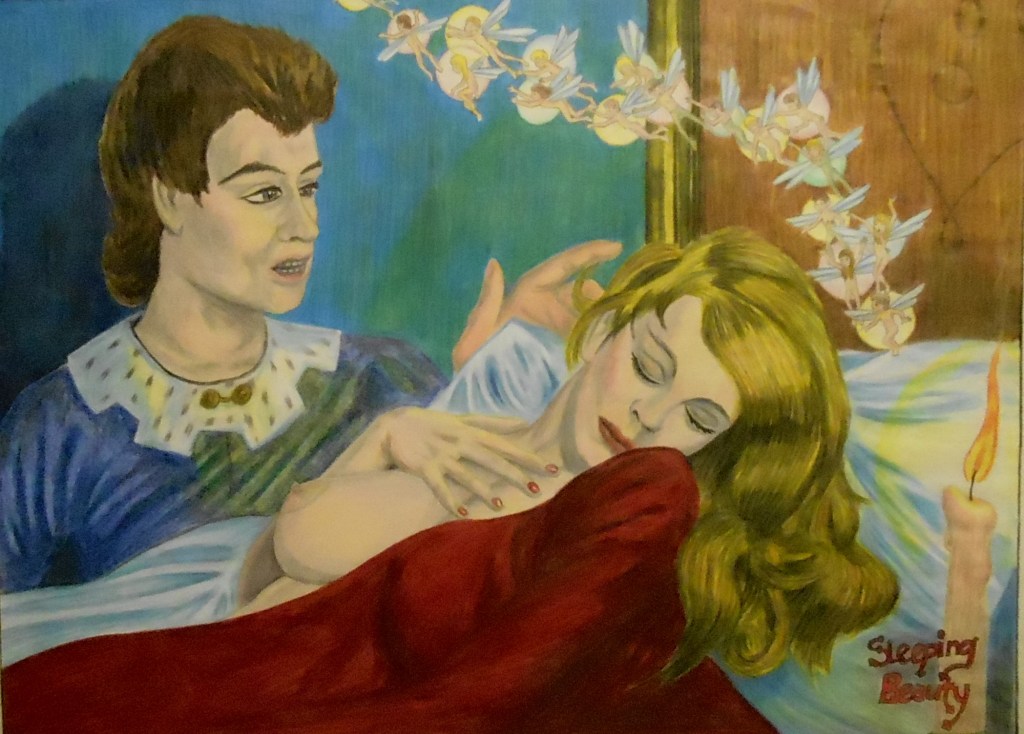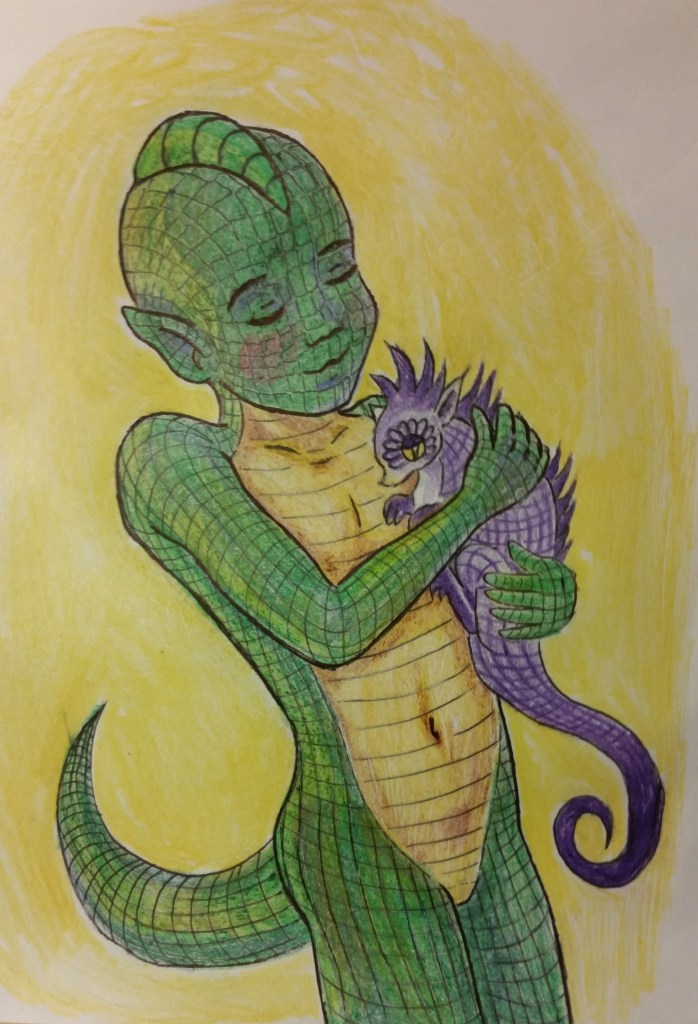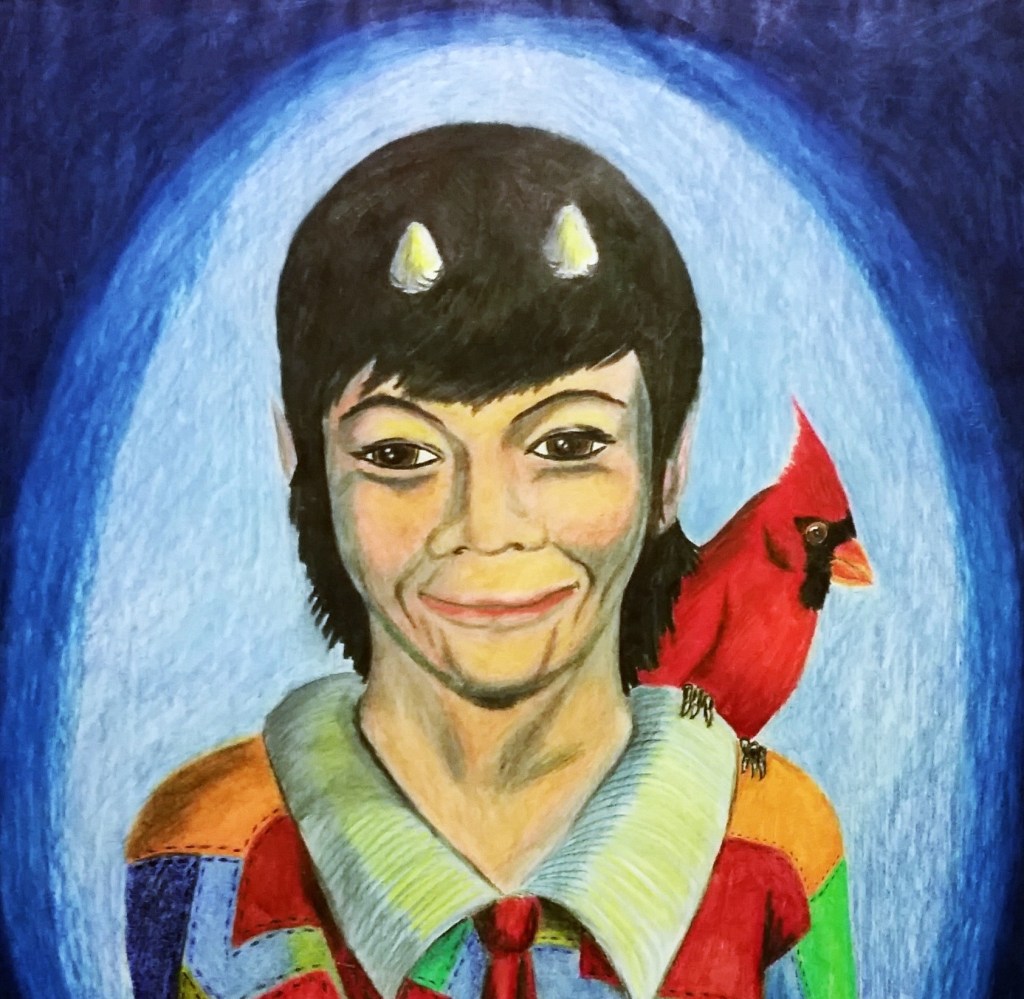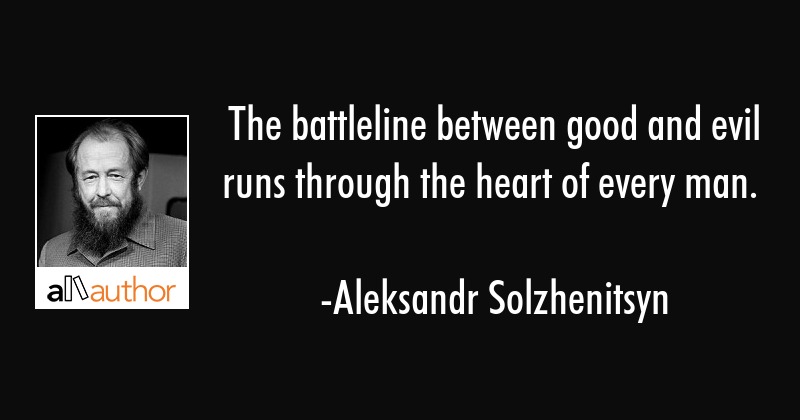
I recently learned from the eye doctor that I may be at the doorstep of glaucoma, a disease that darkened my grandmother Beyer’s vision and connection to the light.
I am doing some serious editing now on my completed manuscript, Sing Sad Songs. There is serious foreshadowing going on in this novel. I think I mentioned once or twice before that I only rarely write a comic young adult novel without having some important character dying at the end. Death and dying and going blind are all on my mind.
News on the global warming front is increasingly bleak. Temperatures are rising faster than predicted. The date cited for the end of life on Earth is now 2030 (possibly within the scope of my lifetime if I get luckier than I have been on past health issues). The outlook is bleak and getting bleaker. Soon there has to be an absolutely miraculous technological or cultural revolution to help the optimists prove themselves right, a thing that they are totally not good at.
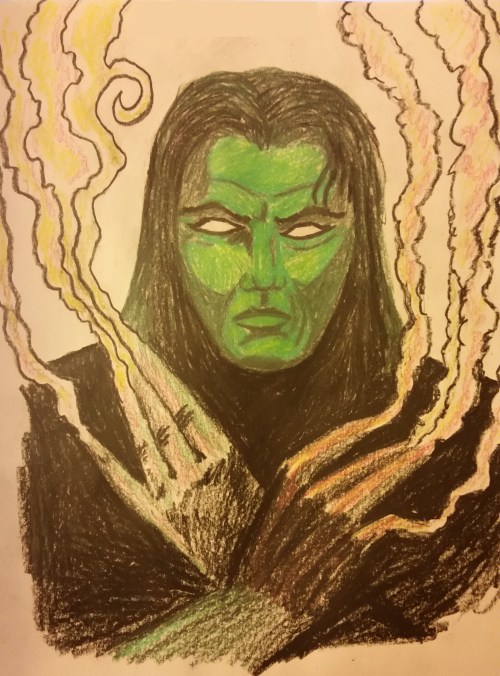
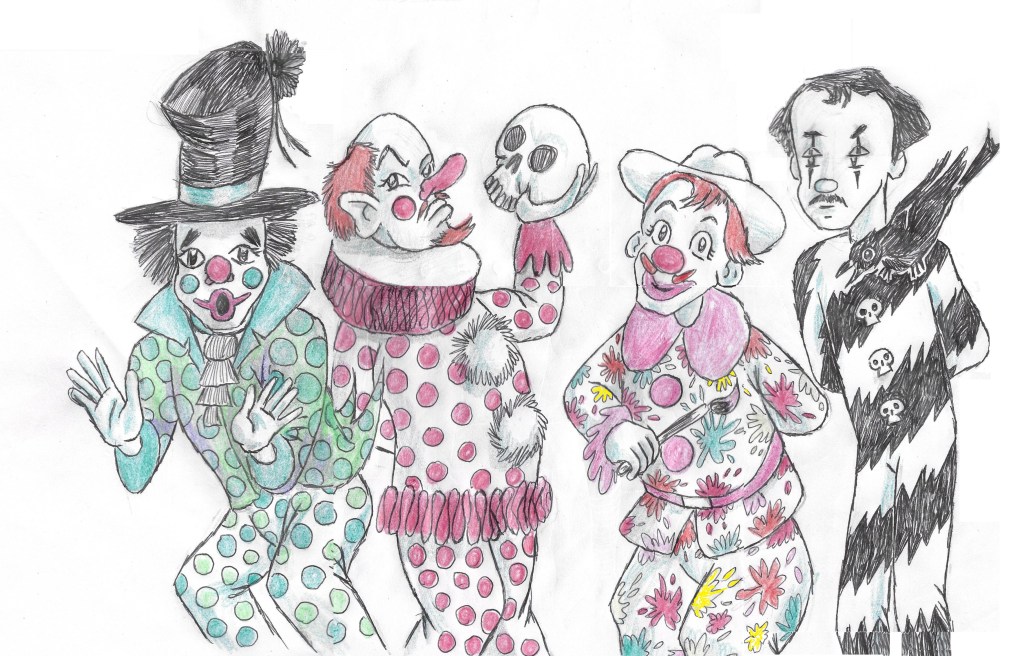
I wish I had a Steven Miller cartoon to place here, but he is much scarier and more evil than Stone, so maybe it is for the best that I only have the Stone head cartoon. It’s funnier than Racist Dracula.
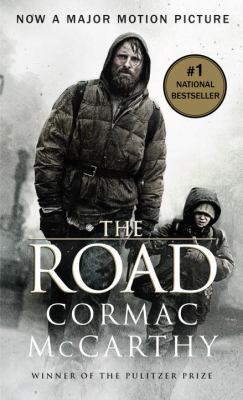
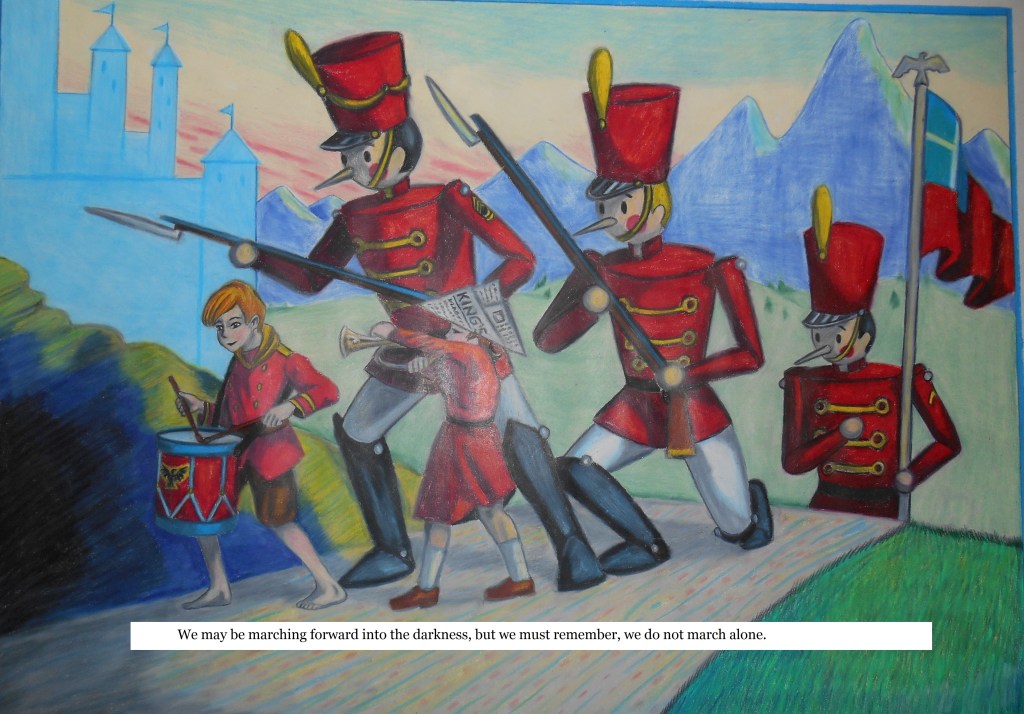
The government seems increasingly incapable of helping with anything, even though some of us are paying increasingly large tax bills thanks to insane tariff programs, a form of sales tax, which, of course, we can’t afford. (I do realize some of you who are not on a fixed income actually got a small benefit from Republican tax cuts. Did that solve your financial problems?) It increasingly looks like the corrupt clown show currently in charge is blowing themselves up. We stand to get a whole new government soon that is marginally better at best. So, we are, as a society, marching forward into the darkness with neo-fascist, goose-stepping zeal.
I am not saying that I have no hope. My grandmother got help and never went completely blind. There are breakthroughs happening all the time in science and sociology. But the darkness in my personal future is growing ever closer. And I have less and less control over its advance.
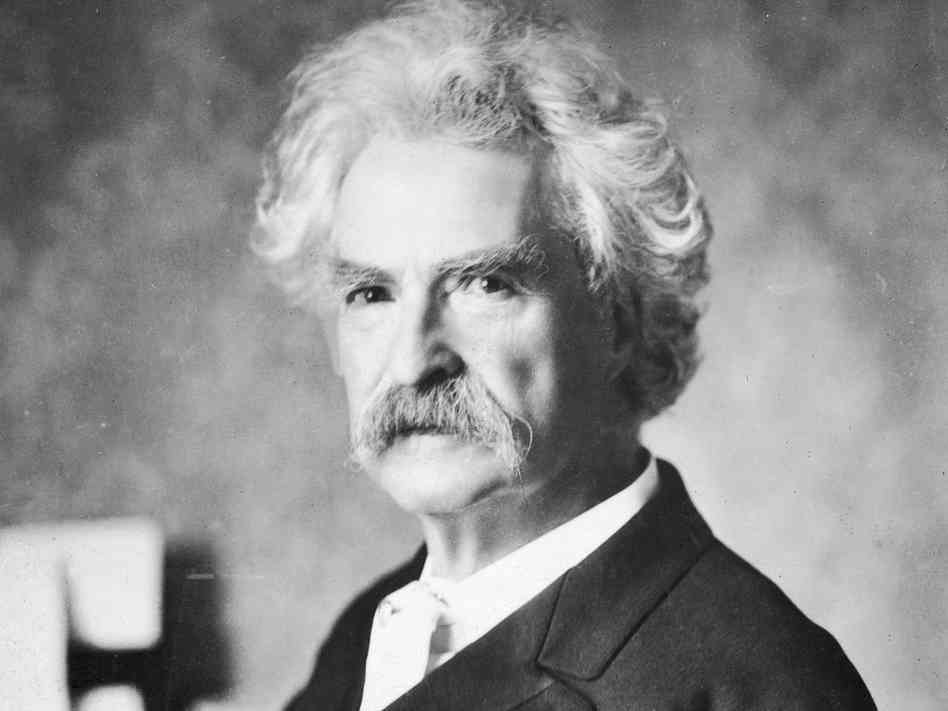
Yesterday I posted another maudlin doomsday post. I probably gave you the opinion that all I do with my time is mope around and think about death. And maybe write a little creepy black Gothic poetry. But that’s not me. I am a lover of the humor in stories by Mark Twain, Charles Dickens, and Kurt Vonnegut. I am a former teacher that managed to teach the entire zoological range of possible middle school and high school students in Texas and did it without being convinced to hate them rather than love them. Yes, my heart is full of mirth and love and memories of weird kids and troubled kids and kids that could melt the meanest of hearts.
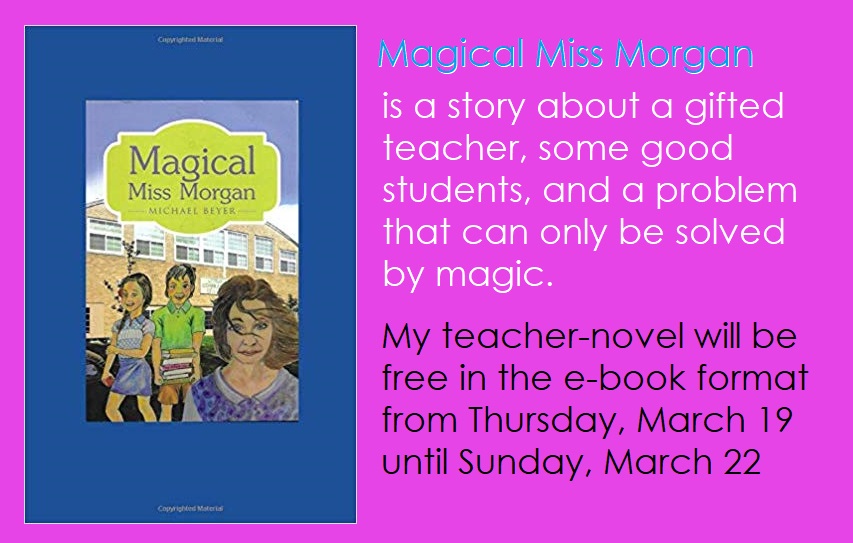
My passion is writing fictional stories about the kids I have taught, including my own three, and setting it in a fictionalized version of my little town, the place in Iowa where I grew up. And I put them in plots of impossible fantasy and science fiction in a way that can only be explained as surrealism.
Nobody reads my books. So far, at any rate.
But that isn’t the important thing. The important thing is that, despite my illness and deteriorating quality of life, my books now actually exist. I put off being a full-time writer for 33 years as I finished my teaching career. A writer has to have something to write about. So, teaching came first.
Writing novels was always the ultimate goal, however. I am a story-teller. The story itself is in the very center of my heart.
This is not a book review. I did finish reading this book in a 3-hour-end-of-the-book reading orgy, spending an hour last night, and two more early in the morning before the rest of my family was awake.
This is certainly not a book review. But I did read a Stephen King book, 1998’s Bag of Bones, which I picked up from the dollar sale shelves at Half Price Books. And I did love the story.
………………………………………………………………………This is not a book review. Instead, I want to talk about what a novelist can learn and reflect on by meta-cogitating over what this book reveals about King’s work habits and style and author’s voice.
Mike Noonan, the protagonist, is a novelist who writes books that routinely land in the numbers 10 through 15 slots in the New York Times Bestseller List. Obviously, this first-person narrative is coming directly out of King’s own writing experience. But, remember, this is not a book review. I am discussing what I have learned about how King puts a story together.
King sets a back-story for this novel that digs deep into the geographica and historica of the city in Maine where the story is set. The literal bag of bones revealed in the book’s climax is almost a hundred years old. And he takes a compellingly realistic tour back in time to the turn of the Twentieth Century more than once to reveal who the undead characters are and why they do what they do. One thing that makes a writer, a novelist, truly solid is his ability to set the scene, to grow the story out of the background in the most organic and realistic way possible. But this is not a book review. I am saying that King always does this with his books. And if you wish to write at that level, you must do that too. I know I am sincerely trying.
At the end of the story, he clearly tells the reader that he learned from Thomas Hardy that “the most brilliantly drawn character in a novel is but a bag of bones”. So, he is definitely aware that a character is a construct that has to be crafted from raw materials. It takes a master craftsman to build one with the right words to make it live and breathe on the page. He does it masterfully in this book with several characters. The protagonist, the beautiful young love interest, the love interest’s charming three-year-old daughter who is nearly slain in a horrific manner at the end of the book… The living villain is a well-crafted bag of bones, as is the ghost, the actual bag of bones in the story. But this is not a book review. Most of his books, at least the ones I have read, have the same sort of masterful characters.
There is so much more to be learned about novel writing from this book. He literally shows you how ideas are captured, how they are developed into stories, how you overcome “writer’s block”, and Noonan’s book he is writing within this book is even used as an example of how to poetically advance the plot. But this is not a book review. You should read this book. It is a very good and scary piece of work. But you should read it because it shows us how to write and do it like a master.
It seems sometimes, in a Judaeo-Christian society, that we are a constantly being scrutinized by a rather harsh all-knowing God who rewards getting the faith-words accurately correct, to the letter, and the faith-based actions perfect, without a single mistake. And He punishes missteps of word or deed with pain and suffering and the potential of an eternity in Sheol or Hell. And that is a tough God to live with. He is like a teacher who uses his or her God-like powers to reward or punish to lead his students all down an exacting, narrow path to a destination that does not have room for everyone when they arrive.
It doesn’t take long in childhood for a highly intelligent person to realize before childhood is over that this cosmology is actually a load of horse pucky. It didn’t even take long for somebody as semi-stupid as me.
What I like about listening on YouTube to Alan Watts’s wisdom is that he gives us an alternative way of seeing the universe and ourselves. This he can offer through his studies of Eastern and Buddhist philosophies. Everything appealing in John Lennon’s signature song, “Imagine,” comes from Lennon’s love of listening to Alan Watts’ lectures. He is obviously a wise guy.
Alan Watts teaches us the pathways that lead to finding yourself, who you truly are, and how you fit into the universe as a whole. When Carl Sagan says that we are all made of star-stuff, he is not only telling us what is literally true, as the elements our bodies were formed from were literally made in the nuclear forges at the centers of stars that later exploded in nova bursts to scatter the elements across the skies of everywhere. He is also telling us that what Alan Watts says is metaphorically true, that everything in the universe is part of the same thing and we are all one in this way.
There is plenty to worry about in my little life. I could easily drop dead at any time from any one of my six incurable diseases or even the return of the skin cancer I beat in 1983. I suffer from the consequences of disease daily, as I have for many years now. My sins are many. I broke my promise the other day to never show you the horrors of my naked body on this blog. I constantly eat the wrong thing and continue to do things that I know are bad for the environment and the health of my body. I am prejudiced against racists, stupidity, and the actions of dedicated Trump-lovers. In many ways I deserve God’s wrath and brutal correction. I have come to truly believe that climate change is going to end life on Earth. I am horrible.
But I have learned from Alan Watts that all of those concerns mean nothing. I don’t believe in Heaven or an afterlife. But I do not fear death. I am one with the universe. And the universe goes on even if I do not. And I will always be a part of it, even after I am no longer alive. The universe has a mind and is intelligent And I take part in that because one small part of that intelligence is me, and lives in my head.
There is comfort to be found in the words of Alan Watts. And living in pain as I do, I really need that comfort most of the time. That is why I have attempted to share a bit of that comfort with you.
As weekly rituals go, one of the most important ones came every Sunday morning when I was a kid. My parents were 50’s people. By that I mean they were teenagers and young adults during the post war boom of the 1950’s when everything seemed hopeful and bright and alive with wonderful possibilities. As a kid in the 1960’s the Sunday morning routine was this;
Wake up grouchy from staying up too late to sneak a look at the late-night monster movie on Saturday.
Read the funny papers.
Learn life lessons from Family Circus, Dagwood Bumstead, Pogo, Lil’ Abner, and Steve Canyon.
Eat scrambled eggs and toast for breakfast.
Complain about having to go to church and Sunday school.
Go to Sunday School and church at the Methodist Church in Rowan, Iowa.
Complain about having to go to church every Sunday on the way home from church.
Pray over Sunday dinner and be really, actually thankful for all the positive good things in life.
Obviously the most important thing in that routine was complaining, because I listed it twice. But when it got down to it, we were thankful for all the good things about life. We were positive people. We sometimes listened to Norman Vincent Peale on the radio. We knew we ought to be positive and thankful and love goodness and be kind.
Somewhere along the way, though, the world forgot the life lessons of Family Circus.
Somehow we managed to screw things up.
Environmental scientists like Paul Ehrlich, who wrote The Population Bomb, warned us that the world could soon be ending. And we ignored them.
Richard Nixon taught us not to trust politicians any more.
We stopped believing in things like the wholesome goodness of scrambled eggs.
We let corruption in our government and inequality in the economic sphere become the norm. The greedy people who were cynical and had no empathy for the rest of us took over. That is how we ended up with someone like Donald Trump. Racism, fear, and complaining now rule the emotional landscape in America and most of the world.
So, what is the answer? What do we do?
Well, The Family Circus is still out there. We can learn from it, laugh a little, and apply some of those life lessons. Especially this one;
Yes, I am, perhaps, a bit of a fool for believing Edward de Vere, the 17th Earl of Oxford, is the writer behind the works of William Shakespeare. How do you prove something is true when it is so obvious that someone worked really hard to keep it a secret for all this time? Is it a betrayal of the man to go against his apparent wishes and try to out him for his incredible secret? It is hard for me to judge. After all, I know I am a fool.
But even if he is not Shakespeare, and just sits at the apex of a mountain of coincidences, I am fascinated by the historical character of Edward de Vere.
The keep at Hedingham Castle, the de Vere family seat in Essex (photo by David Phillips)
He was born the only son of John de Vere, the 16th Earl of Oxford, and heir to the second oldest title among English nobility. His father stood by Elizabeth when she was under house arrest under the reign of Bloody Mary, and went with her as a court favorite to the throne of England when she survived the ordeal. So naturally Edward was a favorite of Elizabeth’s since childhood. Later stories would suggest he became the Queen’s secret lover, but the rumors of the Virgin Queen’s harlotry were most likely the invention of Philip of Spain and other nobility in Catholic Europe who plotted endlessly against her because she chose to adopt her father’s protestant Anglican religion instead of returning England to Catholicism like her half-sister Mary before her. Elizabeth’s personal integrity may not have been perfect. Still, the love she bore for young Edward was probably not the improper kind that the movie Anonymous, directed by Roland Emmerich, suggested.
But even though de Vere was born lucky, I would not say he was particularly lucky in life. He was only twelve when his father (though having completed his will) died. The result being that he was made ward to Queen Elizabeth herself. She was not exactly the foster-mother type, however. She sent the boy to be raised in the home of her Secretary of State and chief adviser, William Cecil (later made Lord Baron Burghley). Meanwhile, Elizabeth took possession of some of his estates in payment for the wardship and bestowed them on Robert Dudley (her childhood friend and probable one true love, though he was married to someone else). Young Edward was a difficult student. His tutor, the famous scholar Laurence Nowell, resigned in frustration, probably because the boy was too bright and far-reaching for the antiquarian scholar to deal with, possibly himself being a bit dumber than advertised. Edward quickly developed a reputation for love poetry at Elizabeth’s royal court. He was a gifted, though somewhat conflicted, prodigy.
William Cecil, 1st Baron Burghley
And here is what I find most fascinating about his life story. As you reread it, keeping the works of Shakespeare in mind, you begin to see Shakespeare’s source material coming to life. Edward would end up marrying Cecil’s young daughter Anne, so that Lord Burghley was not only a man who raised him, but also his father-in-law. But marrying off your offspring to nobility was an accepted manner of social climbing, and Cecil wasn’t entirely sure he couldn’t do better for his daughter. And the meddlesome, lecturing, and self-righteous nature of the man comes out in Shakespearean characters like Polonius in Hamlet who spies upon the suicidal prince because he fears the effect Hamlet’s love for his daughter Ophelia might have on her reputation, causing him to spout all manner of cliches and stuffy, self-important advice.
Robert Cecil, Lord Salisbury
Cecil’s son Robert, the hunchbacked boy who grows up to take over his father’s office as adviser to both Elizabeth and James I, is a crafty statesman and plotter who is the undoing of the Earl of Essex in a real-life plot against the throne of Elizabeth. It is hard not to read about his real-life exploits without seeing the connections to Iago in Othello and the conniving hunchback Richard III.
So, once again I have overshot my target length in this essay because I get so wound up in the details of my discoveries. There are numerous things written and published about the connections between de Vere and the Bard himself. I have only begun to scratch the surface in this telling of it. But I am just a fool with a humor blog. If it interests you at all, I encourage you to go to as many of the available sources as you can possibly Google. I haven’t yet finished doing that myself. And I do hope I haven’t told anything here that makes Shakespeare turn over in his grave (if, indeed, a grave could ever really hold him.)
If the two girls up above are Sherry and Shelly Cobble, the twins from several of my novels, they are wearing too many clothes. These two fictional characters are true nudists and go naked whenever possible. (The twins they are based on in real life were probably lying to me about going to nude beaches to embarrass their English teacher (me).)
I have often thought that the reason my novels are so rarely read by anyone (except nudists, of course) is that I use ridiculous situations and purple paisley prose to tell improbable stories. It is entirely possible that I am a lousy writer.
So, I spent the recent holidays rereading what I believe is my best book, Snow Babies. It is a comedy about a small town coming together to survive a severe blizzard. In other words, it is a humorous story about bus passengers, runaway orphans, and farm town citizens being harassed by snow ghosts and some of them freezing to death. It has many intense moments. There are witches, a mysterious stranger, a group of kids in a liars’ club, a couple of orphans with severe medical problems, and a clown or two to become vivid characters that someone somewhere will identify with. (After all, most of them are based on real people I was related to or met sometime in my nonfictional past life.) There are hauntings and magic and near-death experiences. And rereading it gave me chills down my spine as well as moments of loud laughter and a few spots where I shed a few tears. Maybe it isn’t so terrible. I found it fascinating in spite of having read it ten times or more, on top of writing it and editing it.
I am now rereading this book, The Bicycle-Wheel Genius. It is a story about friendship, losing friends, and renewing friendships. It is also about family, losing family, finding a new family, and learning to properly love the family you are stuck with. Besides having some serious themes, it is also a rollicking adventure about time-travelling, fighting a dogfight in World War I biplanes, killer alien robots, man-eating chinchillas, and rabbits who become human. And a girl with special problems to overcome gets to turn a boy into a girl for a while with an alien ray gun to exact the perfect revenge. You know, all very sensible, realistic stuff. And it makes me laugh in some parts, and cry in some parts, and even feel the tension in parts where good characters face terrible consequences. I am finding again that I enjoy my own writing when I go back to things I have already written and published.
Maybe I am not a bad writer. There is a good chance you will like them too if you try them.
.
This is the book to read to find out about the Cobble Sisters. Recipes for Gingerbread Children. It is the one I plan to reread next.
I know the last thing you would ever consider doing is to take up writing essays like these. What kind of a moronic bingo-boingo clown wants to take everything he or she knows, put it in a high-speed blender and turn it all into idea milkshakes?
But I was a writing teacher for many years. And now, being retired and having no students to yell at when my blood pressure gets high, the urge to teach it again is overwhelming.
So, here goes…
Once you have picked the silly, pointless, or semi-obnoxious idea you want to shape the essay around, you have to write a lead. A lead is the attention-grabbing device or booby-trap for readers that will draw them into your essay. In a Mickian essay, whose purpose is to entertain, or possibly bore you in a mildly amusing manner, or cause you enough brain damage to make you want to send me money (this last possibility never seems to work, but I thought I’d throw it in there just in case), the lead is usually a “surpriser”, something so amazingly dumb or off-the-wall crazy that you just have to read, at least a little bit, to find out if this writer is really that insane or what. The rest of the intro paragraph that is not part of the lead may be used to draw things together to suggest the essay is not simply a chaotic mass of silly words in random order. It can point the reader down the jungle path that he or she can take to come out of the other end of the essay alive.
Once started on this insane quest to build an essay that will strangle the senses and mix up the mind of the reader, you have to carry out the plan in three or four body paragraphs. This is where you have to use those bricks of brainiac bull-puckie that you have saved up to be the concrete details in the framework of the main rooms of the little idea-house you are constructing. If you were to number or label these main rooms, this one you are reading now would, for example, be Room #2, or B, or “the second body paragraph”. And as you read this paragraph, you should be thinking in the voice of your favorite English teacher of all time. The three main rooms in this example idea house are beginning, middle, and end. You could also call them introduction, body, and conclusion. These are the rooms of your idea house that the reader will live in during his or her brief stay (assuming they don’t run out of the house screaming after seeing the clutter in the entryway).
The last thing you have to do is the concluding paragraph. (Of course, you have to realize that we are not actually there yet in this essay. This is Room C in the smelly chickenhouse of this essay, the third body paragraph.) The escape hatch on the essay that may potentially explode into fireworks of thoughts, daydreams, or plans for something better to do with your life than a read an essay written by an insane former middle school English teacher at any moment, is a necessary part of the whole process. This is where you have to remind them of what the essay is basically about, and leave them with the thought that you want to haunt them in their nightmares later. The last thing that you say in the essay is the thing they are the most likely to remember. So you need to save the best for last.
So, here, finally, is the exit door to this masterfully mixed-up Mickian Essay. It is a simple, and straightforward structure. The introduction containing the lead is followed by three or four body paragraphs that develop the idea and end in a conclusion that summarizes or simply restates the overall main idea. And now you know why all of my former students either know how to construct an essay, or have several years left in therapy sessions with a psychiatrist.
Dancing With Alan Watts
It seems sometimes, in a Judaeo-Christian society, that we are a constantly being scrutinized by a rather harsh all-knowing God who rewards getting the faith-words accurately correct, to the letter, and the faith-based actions perfect, without a single mistake. And He punishes missteps of word or deed with pain and suffering and the potential of an eternity in Sheol or Hell. And that is a tough God to live with. He is like a teacher who uses his or her God-like powers to reward or punish to lead his students all down an exacting, narrow path to a destination that does not have room for everyone when they arrive.
It doesn’t take long in childhood for a highly intelligent person to realize before childhood is over that this cosmology is actually a load of horse pucky. It didn’t even take long for somebody as semi-stupid as me.
What I like about listening on YouTube to Alan Watts’s wisdom is that he gives us an alternative way of seeing the universe and ourselves. This he can offer through his studies of Eastern and Buddhist philosophies. Everything appealing in John Lennon’s signature song, “Imagine,” comes from Lennon’s love of listening to Alan Watts’ lectures. He is obviously a wise guy.
Alan Watts teaches us the pathways that lead to finding yourself, who you truly are, and how you fit into the universe as a whole. When Carl Sagan says that we are all made of star-stuff, he is not only telling us what is literally true, as the elements our bodies were formed from were literally made in the nuclear forges at the centers of stars that later exploded in nova bursts to scatter the elements across the skies of everywhere. He is also telling us that what Alan Watts says is metaphorically true, that everything in the universe is part of the same thing and we are all one in this way.
There is plenty to worry about in my little life. I could easily drop dead at any time from any one of my six incurable diseases or even the return of the skin cancer I beat in 1983. I suffer from the consequences of disease daily, as I have for many years now. My sins are many. I broke my promise the other day to never show you the horrors of my naked body on this blog. I constantly eat the wrong thing and continue to do things that I know are bad for the environment and the health of my body. I am prejudiced against racists, stupidity, and the actions of dedicated Trump-lovers. In many ways I deserve God’s wrath and brutal correction. I have come to truly believe that climate change is going to end life on Earth. I am horrible.
But I have learned from Alan Watts that all of those concerns mean nothing. I don’t believe in Heaven or an afterlife. But I do not fear death. I am one with the universe. And the universe goes on even if I do not. And I will always be a part of it, even after I am no longer alive. The universe has a mind and is intelligent And I take part in that because one small part of that intelligence is me, and lives in my head.
There is comfort to be found in the words of Alan Watts. And living in pain as I do, I really need that comfort most of the time. That is why I have attempted to share a bit of that comfort with you.
Leave a comment
Filed under artists I admire, commentary, feeling sorry for myself, finding love, foolishness, healing, health, humor, Paffooney, philosophy
Tagged as Alan Watts, consciousness, life, meditation, mindfulness, philosophy, spirituality