When I was a boy, the Western reigned supreme on both television and in the movie theaters. Part of the benefit of that was being indoctrinated with “the Cowboy Way” which was a system of high ideals and morality that no longer exists, and in fact, never did exist outside of the imaginations of little boys in the 1950’s and 1960’s. We learned that good guys wore white hats and bad guys wore black. You only won the shootout if you shot the bad guy and you didn’t draw your gun first.
Of course, the cowboys who were the “White Knights of the Great Plains” we worshiped as six-year-olds and the singing cowboys on TV were not the same ones we watched when we were more mature young men of ten to twelve. John Wayne starring in Hondo (after the book by Louis L’Amour) was more complicated than that, and we learned new things about the compromises you make in the name of survival and trying to do things the best way you can. From Jimmy Stewart and John Wayne in The Man Who Shot Liberty Valence we began to see that sometimes you shot the villain in the back from down the street to save your simple friend from the gunfight in the street when he was too naive and green to win.
Wyatt Earp at the OK Corral was the white hat we wanted desperately to be when we grew up. And then I saw on PBS in the late 60’s a documentary about the real shootout and the real compromises and consequences of the thing we once thought was so clearly good versus evil.
Wyatt went from the TV hero,
To the mostly moral man fighting what seemed like lawlessness,
To a morally ambiguous angel of death, winning on luck and guts rather than righteousness, and paying evil with vengeance while suffering the same himself from those dirty amoral cowboys, sometimes good, but mostly not.
And then along came Clint and “the Man with No Name”. More ambiguous and hard to fathom still…
Who really was The Good, the Bad, and the Ugly? What made any one of them worse than the other two? You need to listen to the music before you decide. We are all of us good, bad, and ugly at times. And all of it can be made beautiful at the end with the right theme music behind it. Did we ever learn anything of real value from cowboy movies? Of course we did. They made us who we are today. They gave us the underpinnings of our person-hood. So, why do they not make them anymore? The video essay at the end of my wordiness has answers. But basically, we grew up and didn’t need them anymore. And children and youths of today have different heroes. Heroes who are heroic without shootouts and letting the bad guy draw his gun first. Ideally, heroes who are us.
I have been running free-book promotions on Twitter and Facebook with limited results. But people are reading my books. Now that I will soon have 14 books published and available on Amazon, I can run one free-book promotion per month, as the author’s right to run that sort of promotion without paying for it renews every three months for each individual book.
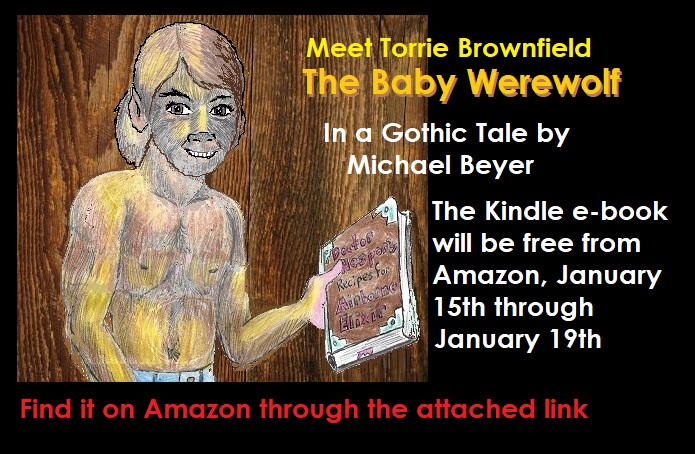
This month I am promoting The Baby Werewolf for the first time.
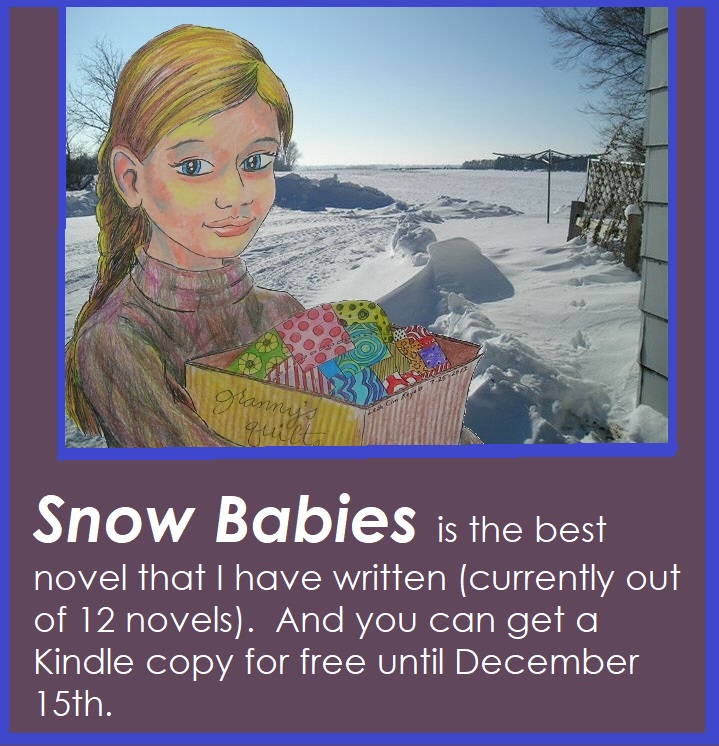
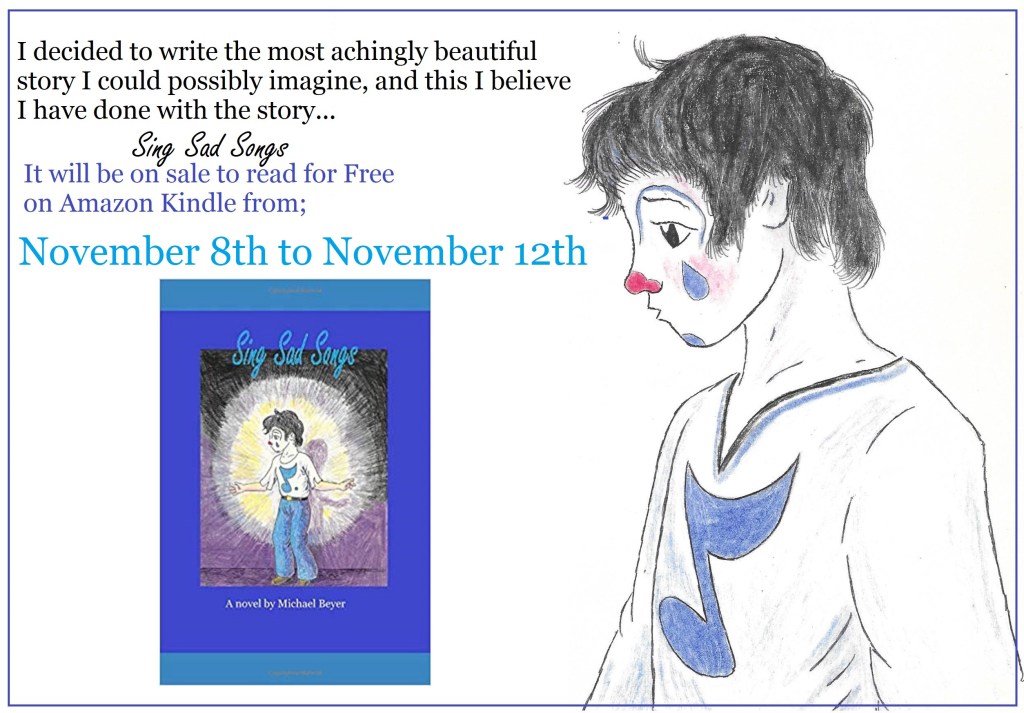
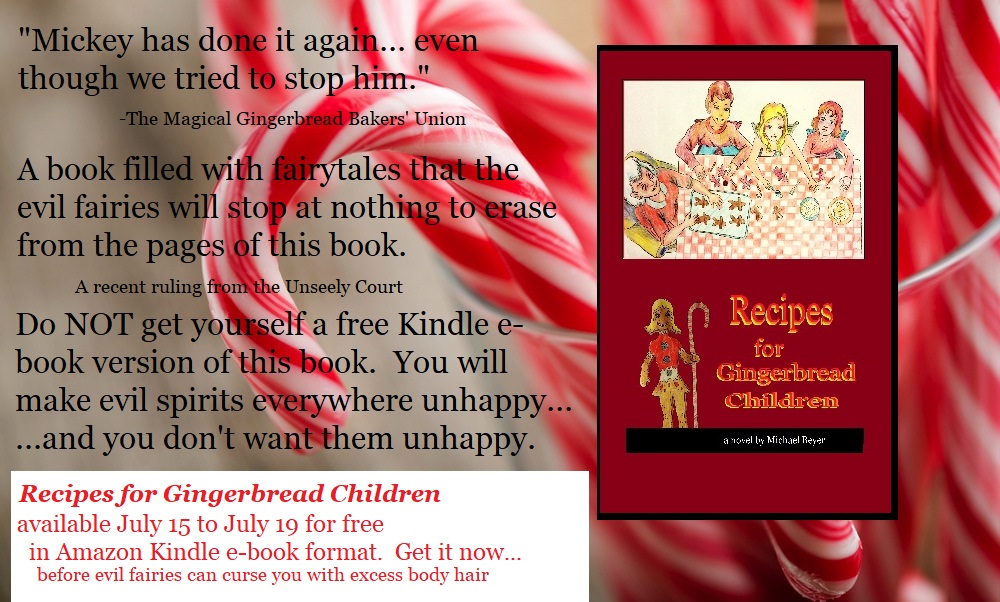
Here’s a run-down of the previous promotions.
So, as a reminder, the next promotion I am trying this next week is for the novel The Baby Werewolf.
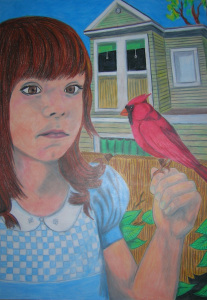
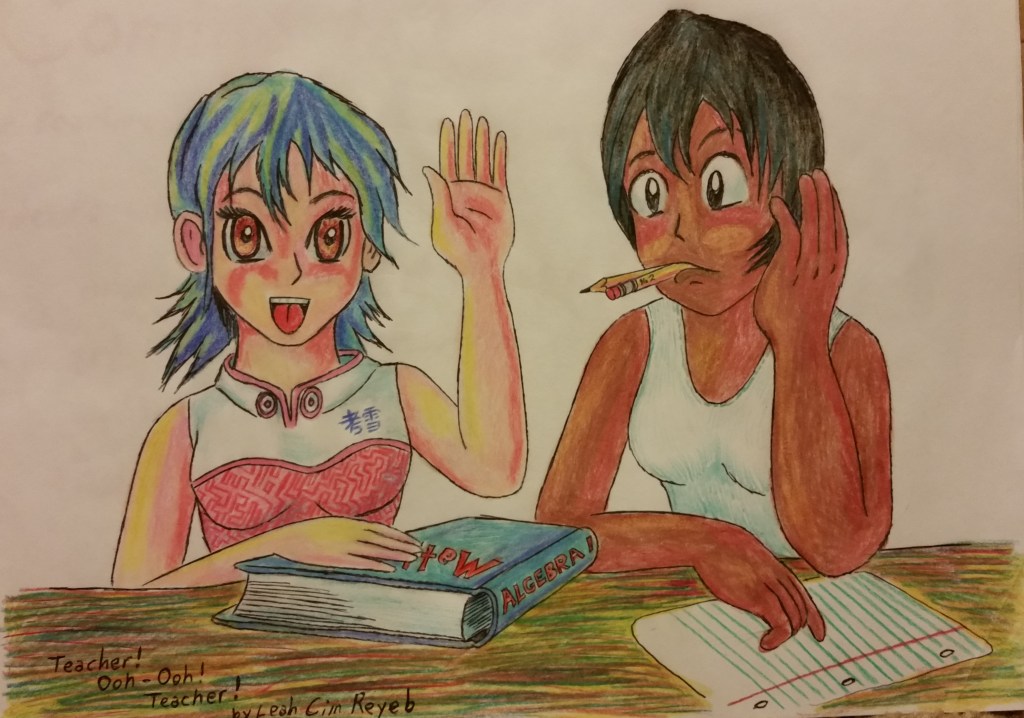
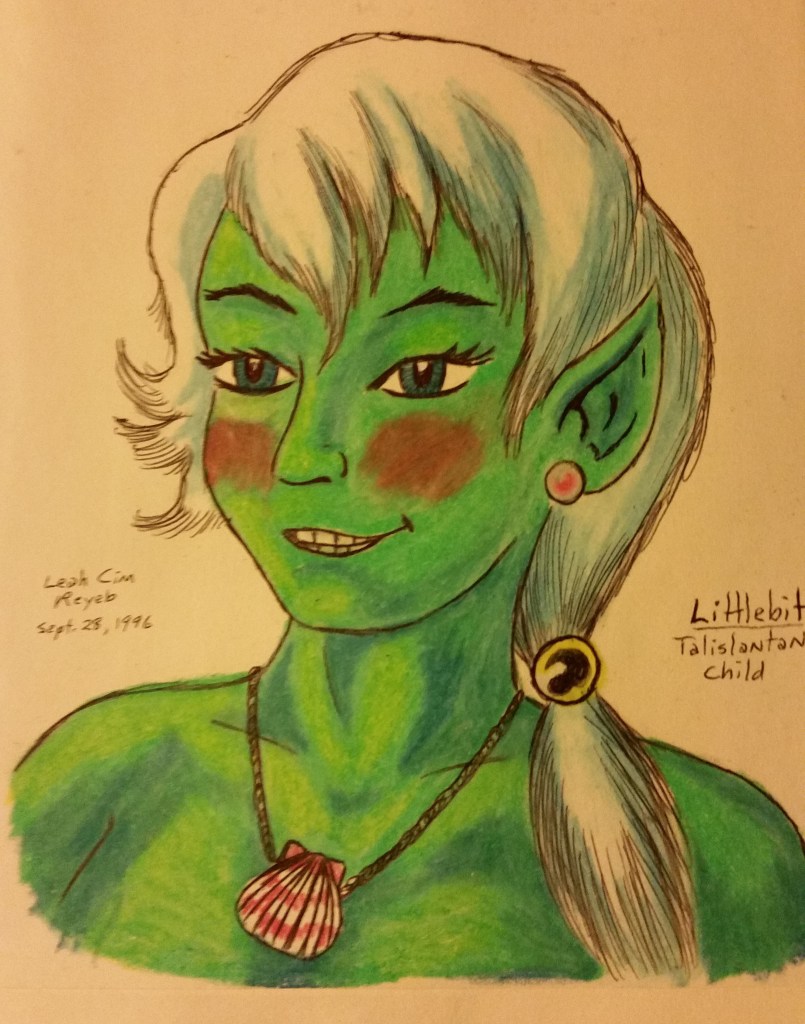
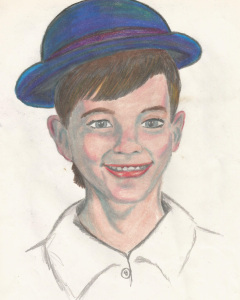
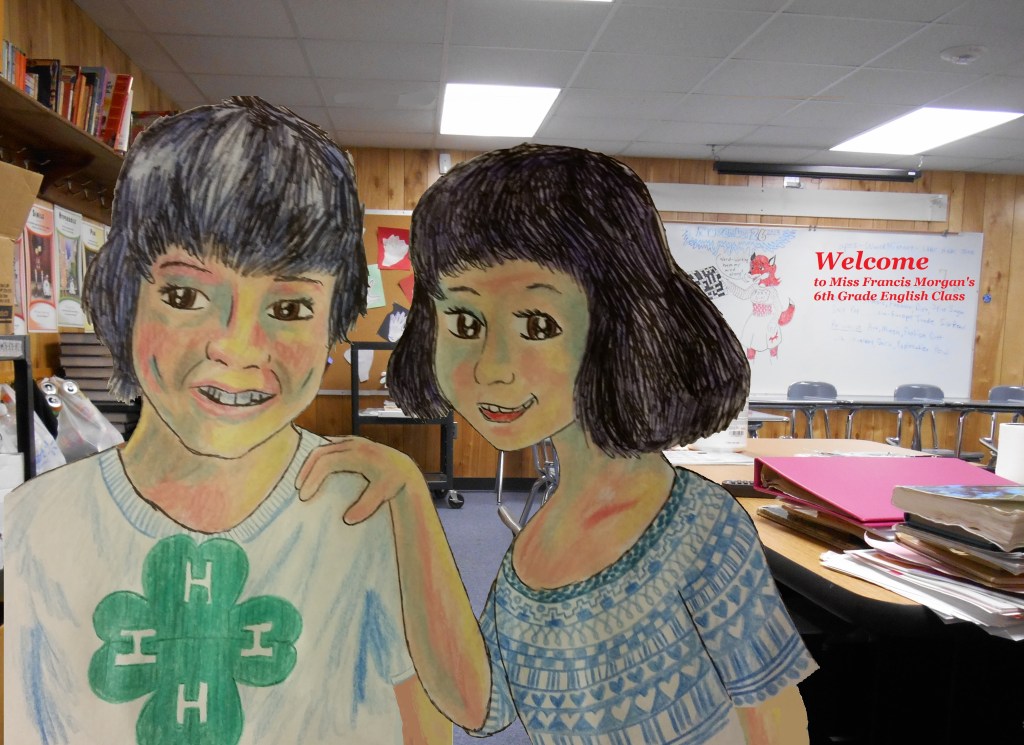
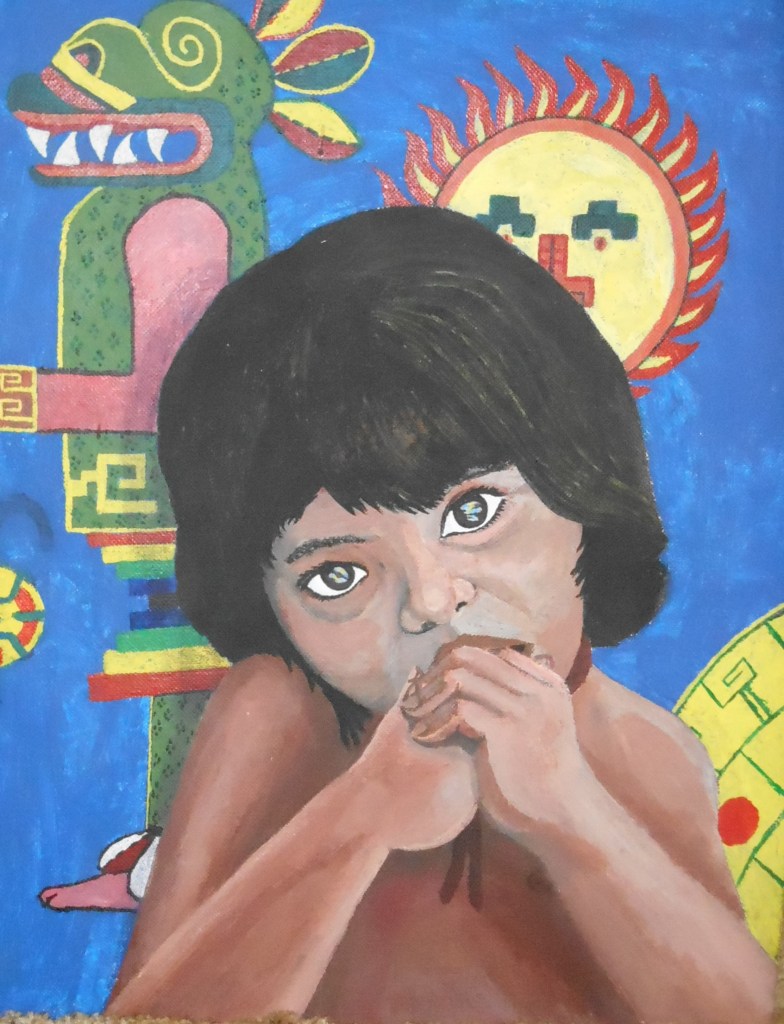
Because I was a teacher, I have a thing about kids, and making pictures of kids.Some kids, of course, tell lies… a lot. Or maybe all kids…
But kids have an inherent beauty.
And kids are naturally innocent and good.And they are naturally imaginative and individually unique.No matter what culture they come from…Or what color they are…They are worthy of making pictures of… And they are worthy of love.
My new novel, finished the first time the day before yesterday, is not what writers call a rough draft. My writing process consists of doing rough draft, revision, and proofreading chapter by chapter. Or, as I call them, canto by canto.
It was written following an outline that existed first in my imagination as it was played out like a television show, dreamed up episode by episode knowing what would ultimately happen by the end of the story.
So, the process about to begin is not a second draft. It is not a revision-step either, though minor revisions may happen in the final pass before publishing. It is merely a final proofread where the story is reread as a whole, and given necessary corrections of typos and boo-boos. As a writing teacher, I have seen too many young writers skip this final, critical step. They don’t go back and read the whole thing as one piece of writing, stepping back far enough to view the work of art as a whole. How can any good writer only read the thing through as he or she writes it and figure it is good enough as it is? It may be that, but it is probably not.
Adjustments will occur for me because this new novel uses characters from a series of novels in which time passes and people change. Those adjustments are what you can safely call revisions. The character of Milt Morgan is appearing in the novel as a narrator. He has appeared in the story cycle three times now, in three different novels, and this is the first time he is ever used as a first-person narrator. He has changed and grown up a bit from novel to novel. This time he is no longer a virgin. He has freed himself from the cycle of abuse that he and his older sister both endured from alcoholic parents. He has a deeper understanding now of what magic really means and what meaning it gives to his life to call himself a wizard. But he has yet to come to terms with how lying and fantasizing about life can lead to consequences. That part of his future story will be tackled in another story that is a novel in my head, but not yet written out in novel form. That is a future writing project called TheWizard in His Keep. So, I must check this novel to be sure that all the pistons in the engine of his personal story arc firing properly in this book to ensure that it carries him forward into that new adult character he must later become. Those pistons in the engine are what revision is really all about.
Characters will die in this novel, as they do in almost every novel I write. Usually at least one bad guy, and one good guy. Of course, the doomed ones are not fated to change in this book. The story is set. I won’t be surprised by a death in this story the way I was with Snow Babies, and The Bicycle-Wheel-Genius. Of course, this story is about Immortals, and it is possible that a character dies in this book who doesn’t stay dead.
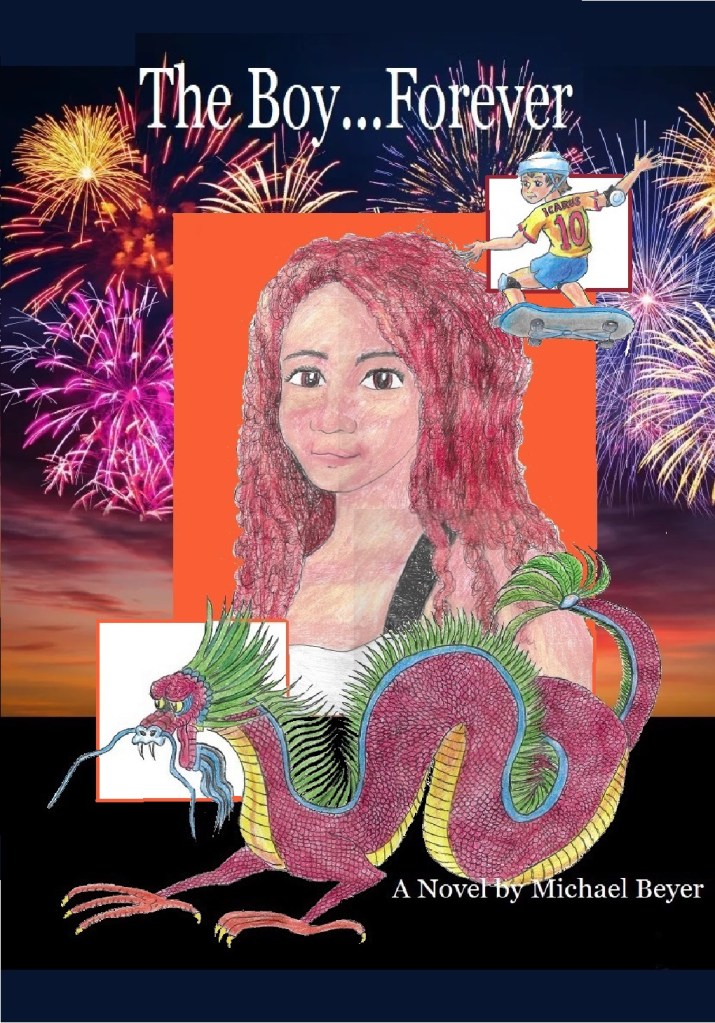
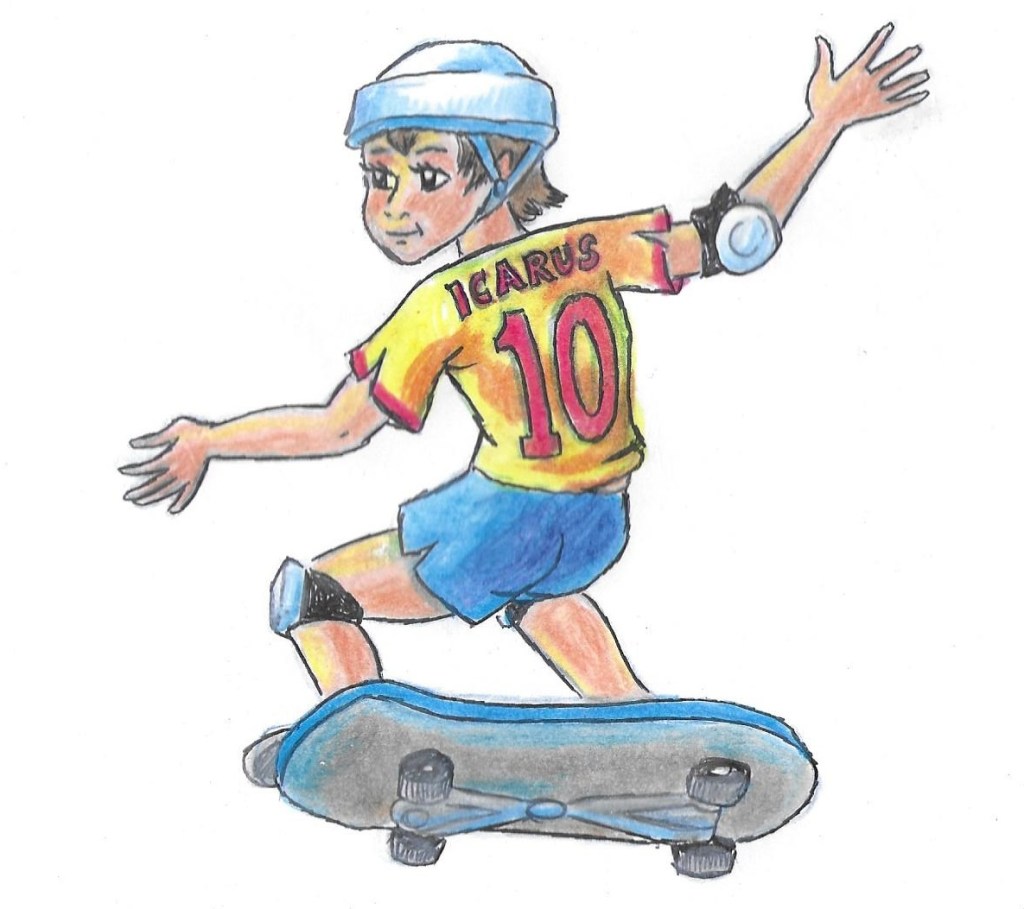
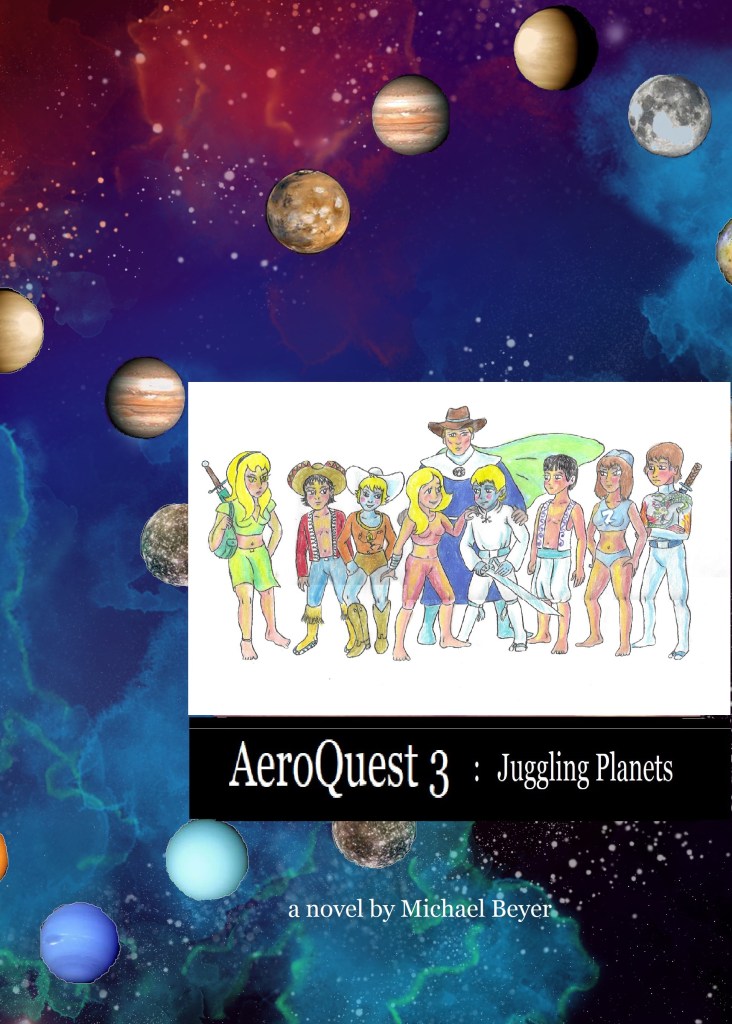
The final pass through The Boy… Forever will not be a rewrite either. Rewriting is what I am doing to AeroQuest where whole chapters (cantos) are added and left out, New characters are created. Old ones are deleted. And the plot changes in how the details come together. And though the main plot points remain, spread over four books instead of one, they are reorganized and better fleshed out.
That book is becoming books. The original and the rewritten are quite different from each other. For one thing, the new versions will make use of my cartooning skill and allow the books to be far more illustration-filled. Rewriting is a total do-over.
So, my baby book is still not quite ready to be born. But it is a complete book. Only the messy business of giving birth remains.
The planet Stanley was beautiful in a primitive sort of way, but covered with an endless, nearly unbroken jungle on its entire land surface. Strange reptilian birds fluttered through stifling, pollen-saturated air. Primitive Lemurians called out from height to height in the tops of the jungle canopy. Their simian cries spoke of fear and death and loneliness, the need of the semi-intelligent to cling to each other in the face of the predatory jungle darkness.
The pinnace rode upward on a pillar of repulsor force, using magnetic pulses to push away from the planet’s wild green surface. King Killer, Dr. Hooey, and Willie Culver watched it go with grim faces. Marooned on a jungle planet full of unknown creatures that hunt all that lives and breathes.
“What will we do now?” asked Willie.
“We’ll be fine,” assured Hooey. “What Admiral Tang doesn’t know is that I’ve already read how this turns out. There is an Ancient archaeological site in the southern hemisphere that contains an Ancient artifact known to the Time Knights as a “transmat”. It turns anything that steps onto it into a tachyon stream that can physically transport anyone or any physical thing to any other time and place in the galaxy that has another transmat.”
“What are you saying?” said King. “You are planning to scramble our molecules and send them on a particle beam across space? You really know how to do this? You’ve done it before?”
“Well… no. I’ve never done it before. But the book says I will figure it out in time to save us from certain death. You and I will be fine, King.”
“What about me?” asked Willie. “Do I make it out too?”
“Well,” said Hooey, “you’re kinda the one-episode character. The kind the writer sends along on the mission to allow for a terrible death without killing off a main character.”
“What! I’m gonna die? AAARGH!”
“Don’t panic yet,” said King. “We are quite capable of surviving this. All of us.”
“Yes, quite,” said Hooey, “now we need to head for the archeological site.”
“Is it close by?” asked Willie.
“About eight hundred kilometers to the south.”
“Good Lord!” growled King. “You aren’t making this any easier, are you?”
“What do you mean?” said Hooey. “I just have to follow the right timeline. I didn’t choose any of this.”
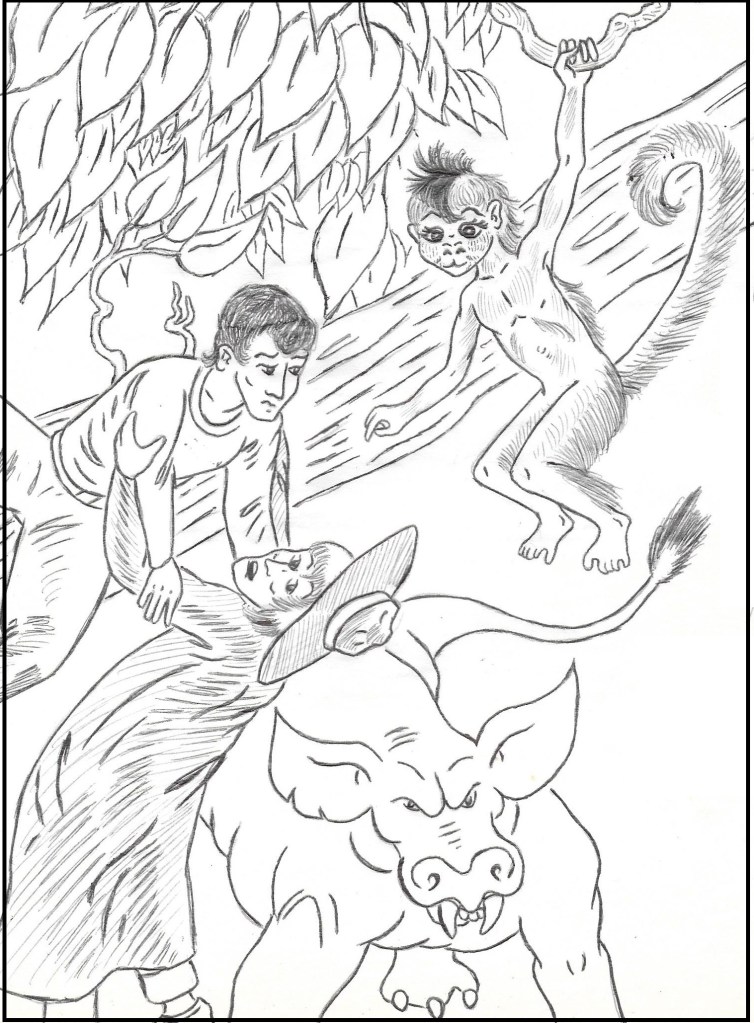
At about that moment something large gave them a glimpse of itself in the undergrowth. It was the creature soon to be known as the Stanley Damnthing. It was a large porcine predator with ears like an elephant, a mouth like a toothy wolverine, and the overall body shape of a ten-ton hog.
I am closing in on the end. It is hard to talk about anything other than what would spoil the ending as I am finishing that part. But there are certain things I have come to expect about how one of my hometown fantasy novels ends. Somebody dies. There is reason to cry. And life goes on. There are a few things to laugh about, and a few things to glow with pride about. And if it is a good novel, finishing it will leave me deflated and exhausted. I think this will be a good novel. I am feeling those effects already.
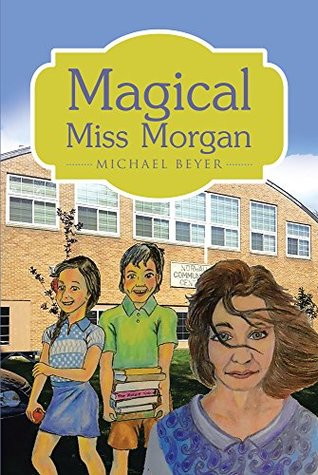
I am no longer willing to rely on the definition of the words, “traditional publishing”, anymore. My book, Magical Miss Morgan, is now out of print because Page Publishing has a need to charge me for keeping my book on their Print-on-Demand paperback book machine and in their e-book database . I paid those parasites to edit and publish my book. They made money off a totally incompetent job of editing, trying to pass off incorrect proofreading whose corrections all had to be re-corrected by me. Their publishing consisted basically of buying me an ISBN number and providing the same level of publishing services as Amazon does for free.
The cover was basically designed by me. I did the drawings and photoshopped them onto the background. They provided the the Title/Author graphic.
So, really, I paid them close to three thousand dollars for things I had to do myself anyway.
Well, I own the rights completely to the formatted manuscript and the cover. I spent three months getting it all legally returned to me, which they could’ve done in a week if my case manager hadn’t gotten married in the middle of the process. I am obviously not entitled to special treatment of any kind, since I wasn’t willing to pay their pointless maintenance fees.
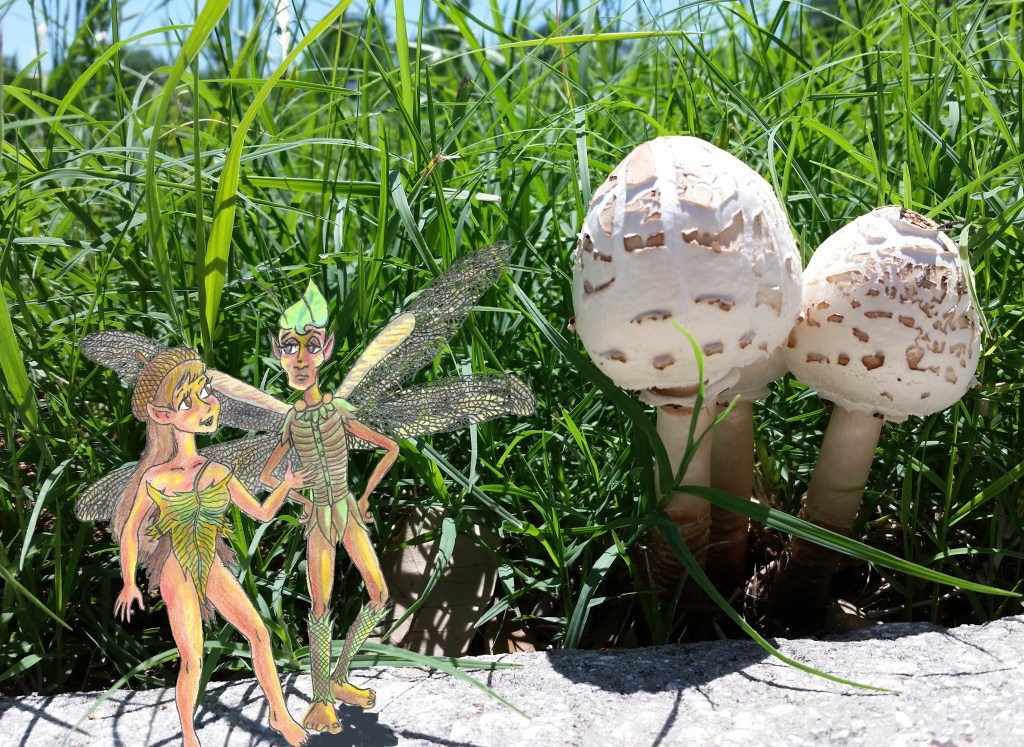
I will now republish this book on Amazon and never again publish anything where I rely on anybody but me in the process. It is a very good story about a Middle School English teacher who is a combination of me and a female colleague who was a very gifted teacher. It also tells a tale of making reading assignments such a magical experience that fairies invade your classroom. It was a contest novel that didn’t win anything but made it to the finals in the judging. Nobody reads my books because I have no means of effectively marketing them, but this is one of my best and deserves to be available for as long as I can make it so.








 Catch a Falling Star
Heroes of Yesteryear (Cowboy Movies)
When I was a boy, the Western reigned supreme on both television and in the movie theaters. Part of the benefit of that was being indoctrinated with “the Cowboy Way” which was a system of high ideals and morality that no longer exists, and in fact, never did exist outside of the imaginations of little boys in the 1950’s and 1960’s. We learned that good guys wore white hats and bad guys wore black. You only won the shootout if you shot the bad guy and you didn’t draw your gun first.
Of course, the cowboys who were the “White Knights of the Great Plains” we worshiped as six-year-olds and the singing cowboys on TV were not the same ones we watched when we were more mature young men of ten to twelve. John Wayne starring in Hondo (after the book by Louis L’Amour) was more complicated than that, and we learned new things about the compromises you make in the name of survival and trying to do things the best way you can. From Jimmy Stewart and John Wayne in The Man Who Shot Liberty Valence we began to see that sometimes you shot the villain in the back from down the street to save your simple friend from the gunfight in the street when he was too naive and green to win.
Wyatt Earp at the OK Corral was the white hat we wanted desperately to be when we grew up. And then I saw on PBS in the late 60’s a documentary about the real shootout and the real compromises and consequences of the thing we once thought was so clearly good versus evil.
Wyatt went from the TV hero,
To the mostly moral man fighting what seemed like lawlessness,
To a morally ambiguous angel of death, winning on luck and guts rather than righteousness, and paying evil with vengeance while suffering the same himself from those dirty amoral cowboys, sometimes good, but mostly not.
And then along came Clint and “the Man with No Name”. More ambiguous and hard to fathom still…
Who really was The Good, the Bad, and the Ugly? What made any one of them worse than the other two? You need to listen to the music before you decide. We are all of us good, bad, and ugly at times. And all of it can be made beautiful at the end with the right theme music behind it. Did we ever learn anything of real value from cowboy movies? Of course we did. They made us who we are today. They gave us the underpinnings of our person-hood. So, why do they not make them anymore? The video essay at the end of my wordiness has answers. But basically, we grew up and didn’t need them anymore. And children and youths of today have different heroes. Heroes who are heroic without shootouts and letting the bad guy draw his gun first. Ideally, heroes who are us.
8 Comments
Filed under autobiography, commentary, cowboys, heroes, movie review, review of television, sharing from YouTube, strange and wonderful ideas about life
Tagged as cowboys, westerns