

The Central Timeline of my Hometown Novels picks up again in 1988-1990
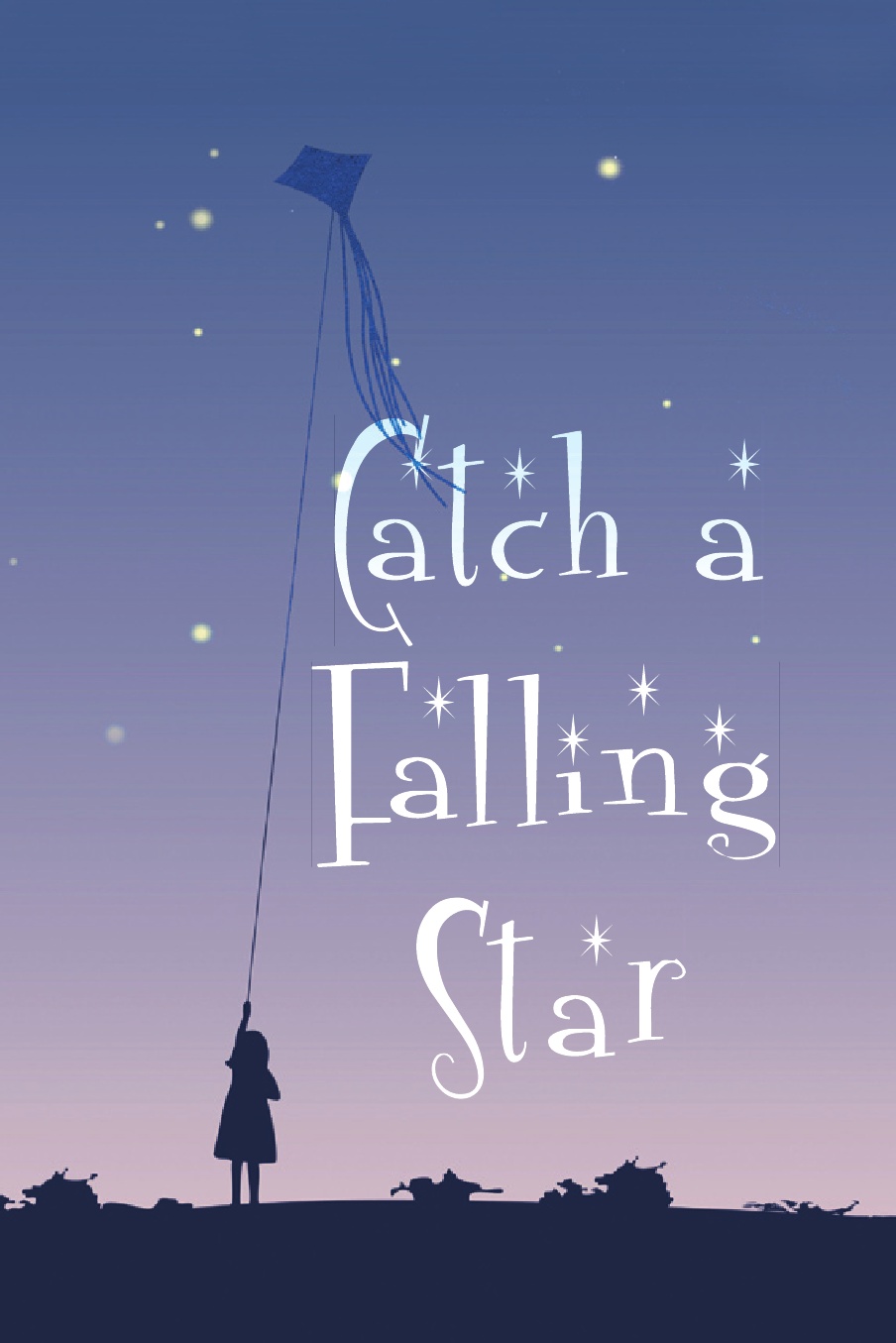
My first good published novel, Catch a Falling Star, was published in 2013 by I-Universe, an imprint belonging to Penguin Books of Random House Publishing. This is one of those special imprints where the author is expected to hire the editors, proofreaders, and marketing experts out of their own pockets and, essentially, pay to publish. I had to have my manuscript read and approved. This was serious publishing, and my book did win a Publisher’s Choice Award and a Rising Star Award. But I had to pay for everything and the publisher insisted on pricing the book out of competitiveness. The book has earned me $16.00 so far that I am aware of in spite of about $3,000.00 invested in making it salable. So, the theme of this book should be, “Traditional publishers screw beginning authors out of money as gleefully as any publication scam does.” Of course, they would never do that to Stephen King or J.K. Rowling. But I am definitely not them. All the books I wrote and talked about in Parts 1, 2, & 3 (except for Superchicken) were completed after this book.
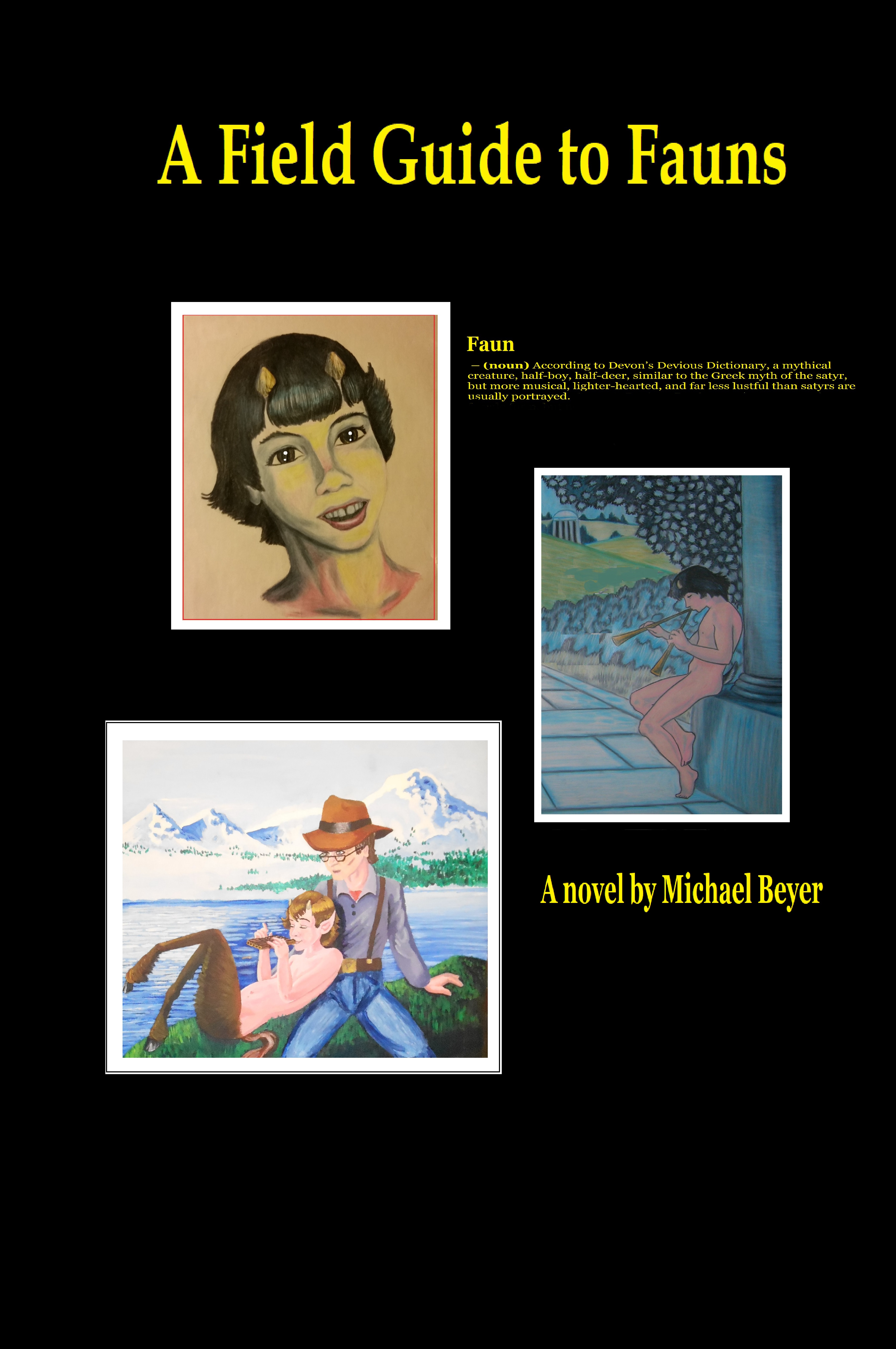
Catch a Falling Star
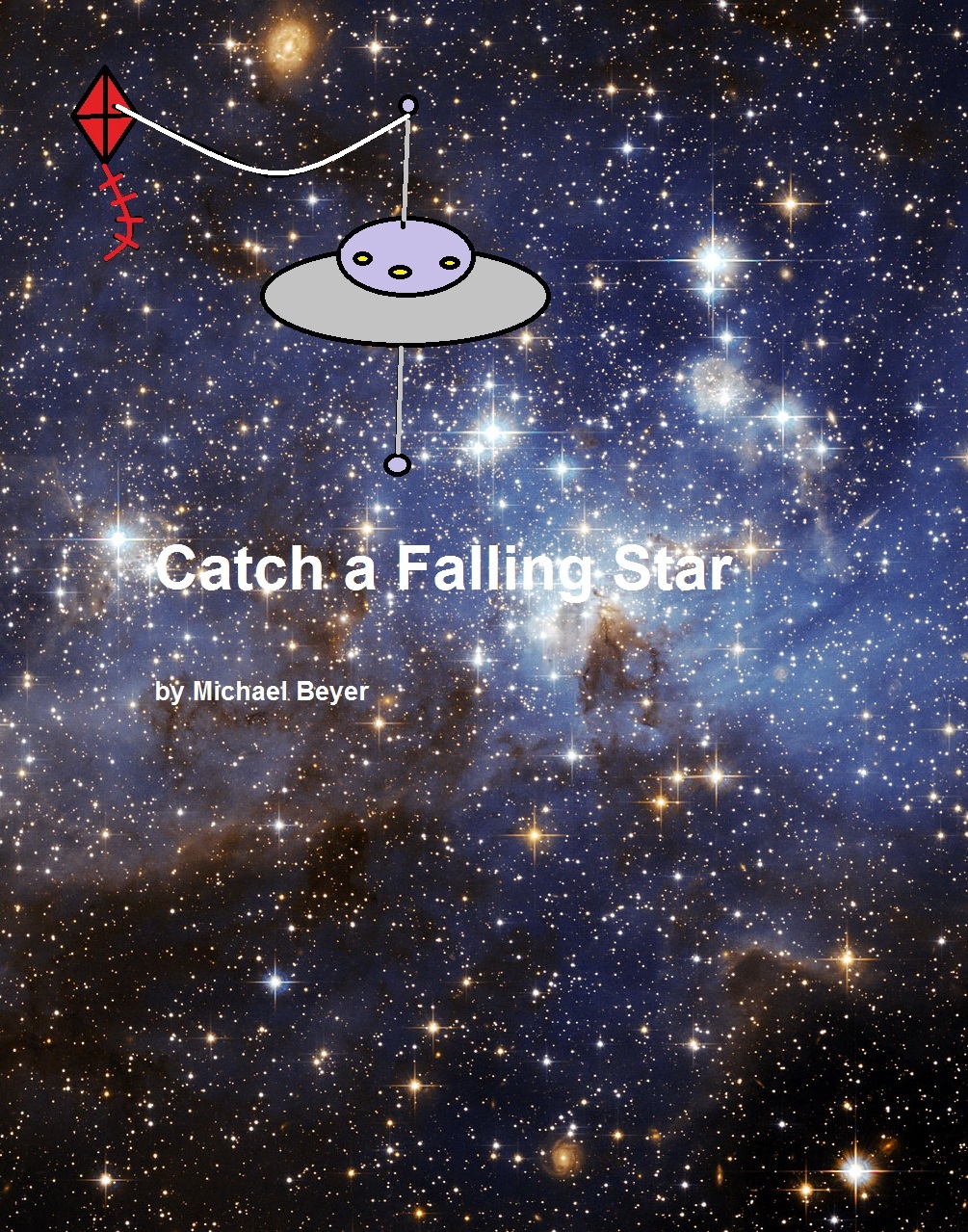
So, the main theme of this book is not about publishing and being cheated. It is about my small home town in Iowa being invaded by invisible aliens from outer space. But they are totally incompetent aliens who have in-bred almost all the intelligence out of their generational mother-ship, eat their own children to maintain their population, and have totally given up love, creativity, and empathy because of an over-reliance on their stolen technology. They are also descended from frog-like amphibians.
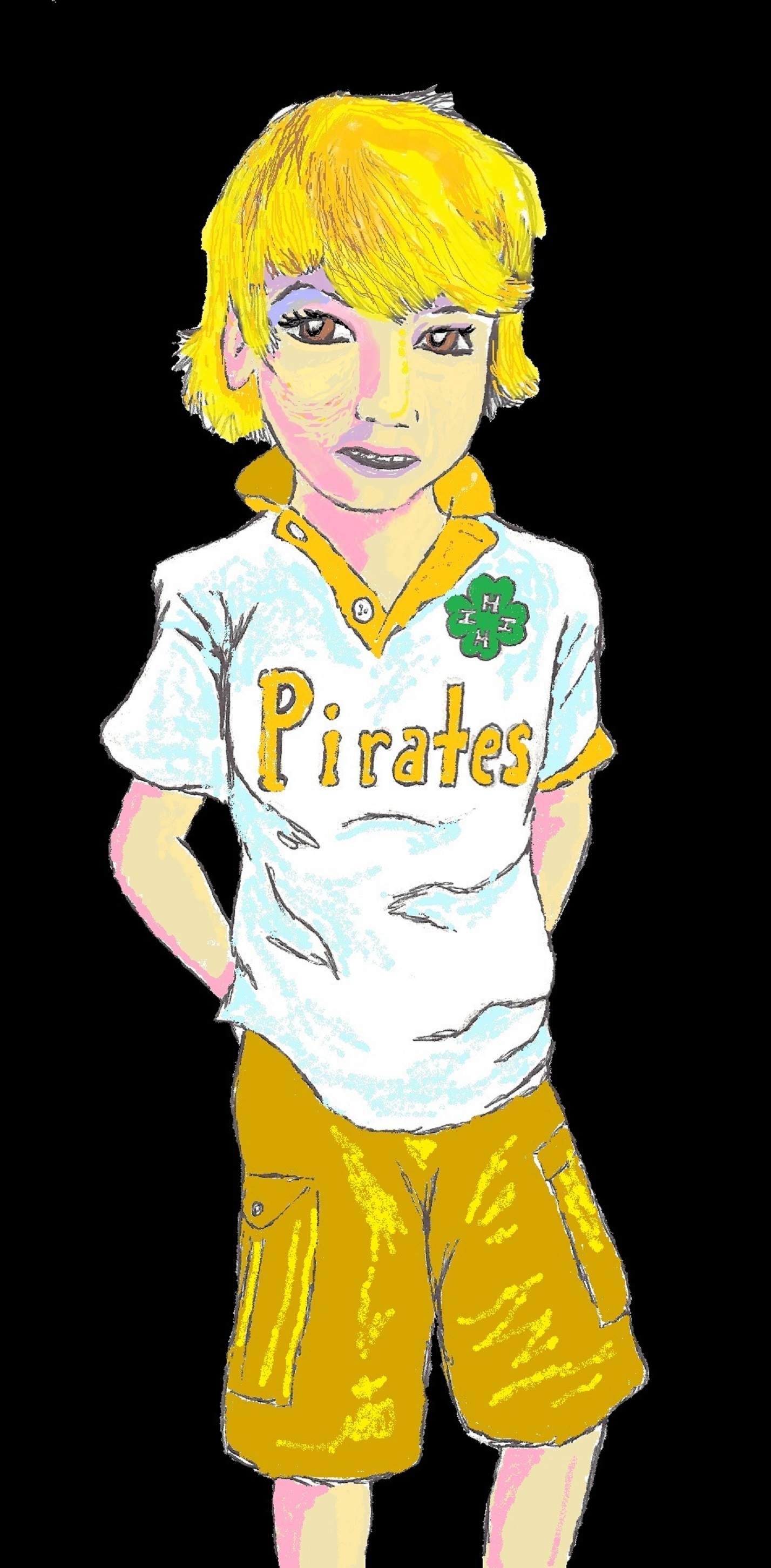
The aliens make a critical mistake in their sinister plan. They kidnap a young specimen to study for weakness, a member of the Norwall Pirates named Dorin Dobbs. And they accidentally lose one of their own tadpoles on Earth where he is adopted by a childless couple.
As each side learns about the other, the invasion is doomed and the alien children rebel against becoming dinner. The theme of this book is something like, “If only you get to know me, you cannot overcome me by force, especially not if you learn to love me.”

The Bicycle-Wheel Genius
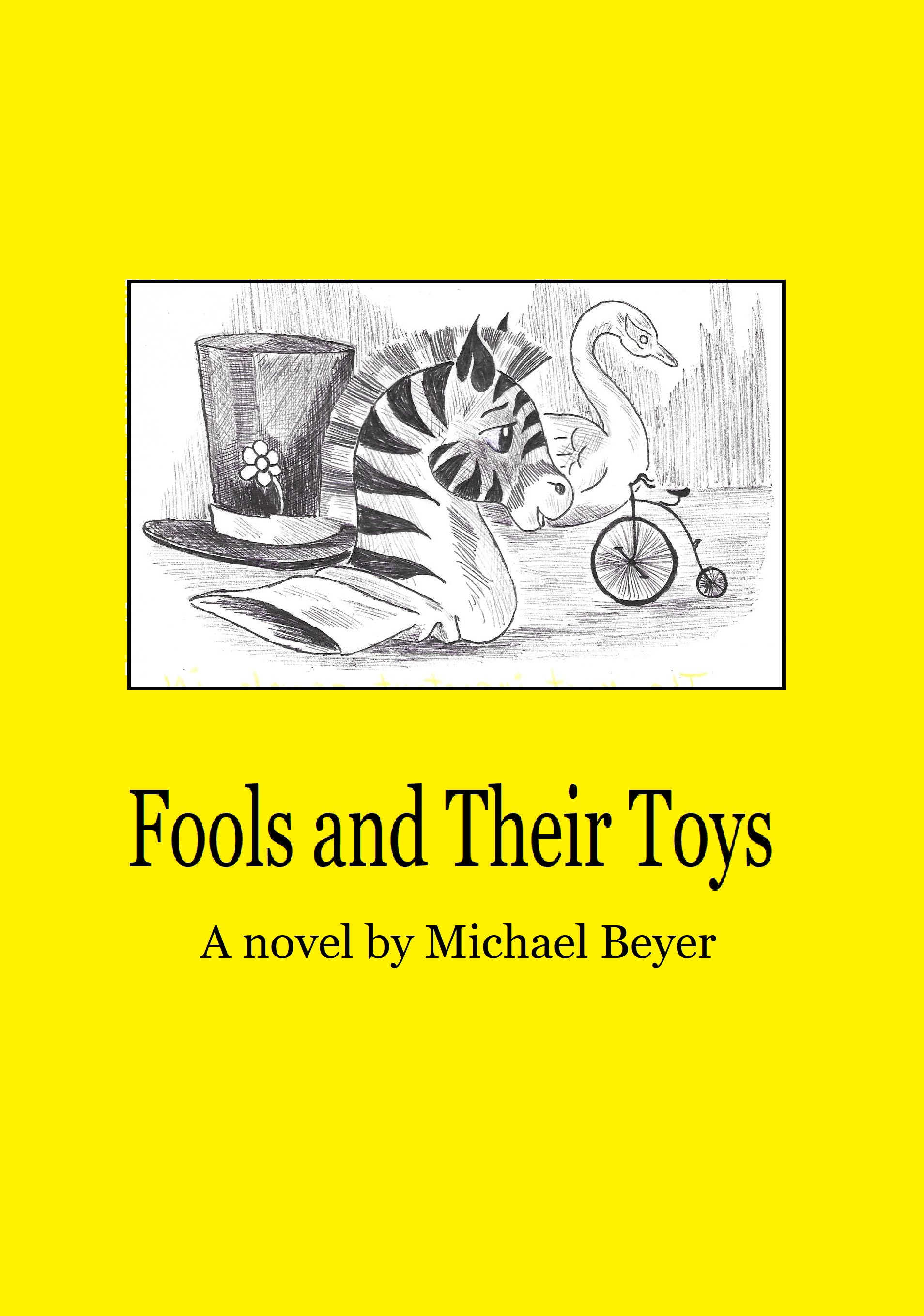
The second novel of the 90’s is this one, which I call a prequel/equal/sequel because it begins prior to Catch a Falling Star, includes untold events during the previous book, as well as retold events from a different point of view, and subsequent events that occur after the alien invasion goes away leaving an invisible starship behind. It involves an inventor who lost his wife and son in a fire caused by his experiment, making him now suspicious of electronics and only willing to invent new ways to use bicycle parts. And this sad inventor/scientist has moved in next door to Tim Kellogg, leader of the Norwall Pirates. Tim has had his best friend and key partner in crime move away. And he needs a new best friend. So, you can probably guess what Tim has in mind.
You can probably see already that this book is going to have a Toy-Story-sort of theme, “Everybody needs a good friend to make their way through life.” (And if you don’t have one, you can always make one. But not out of bicycle wheels. This is another example of a long-winded parenthetic aside.)

Magical Miss Morgan
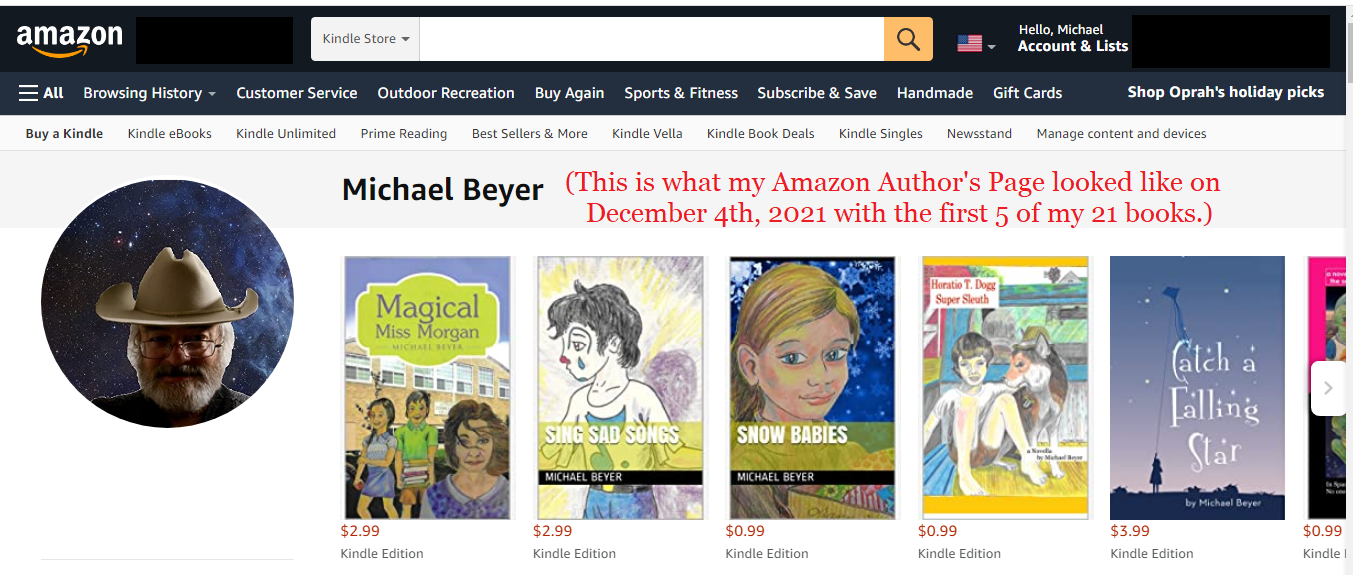
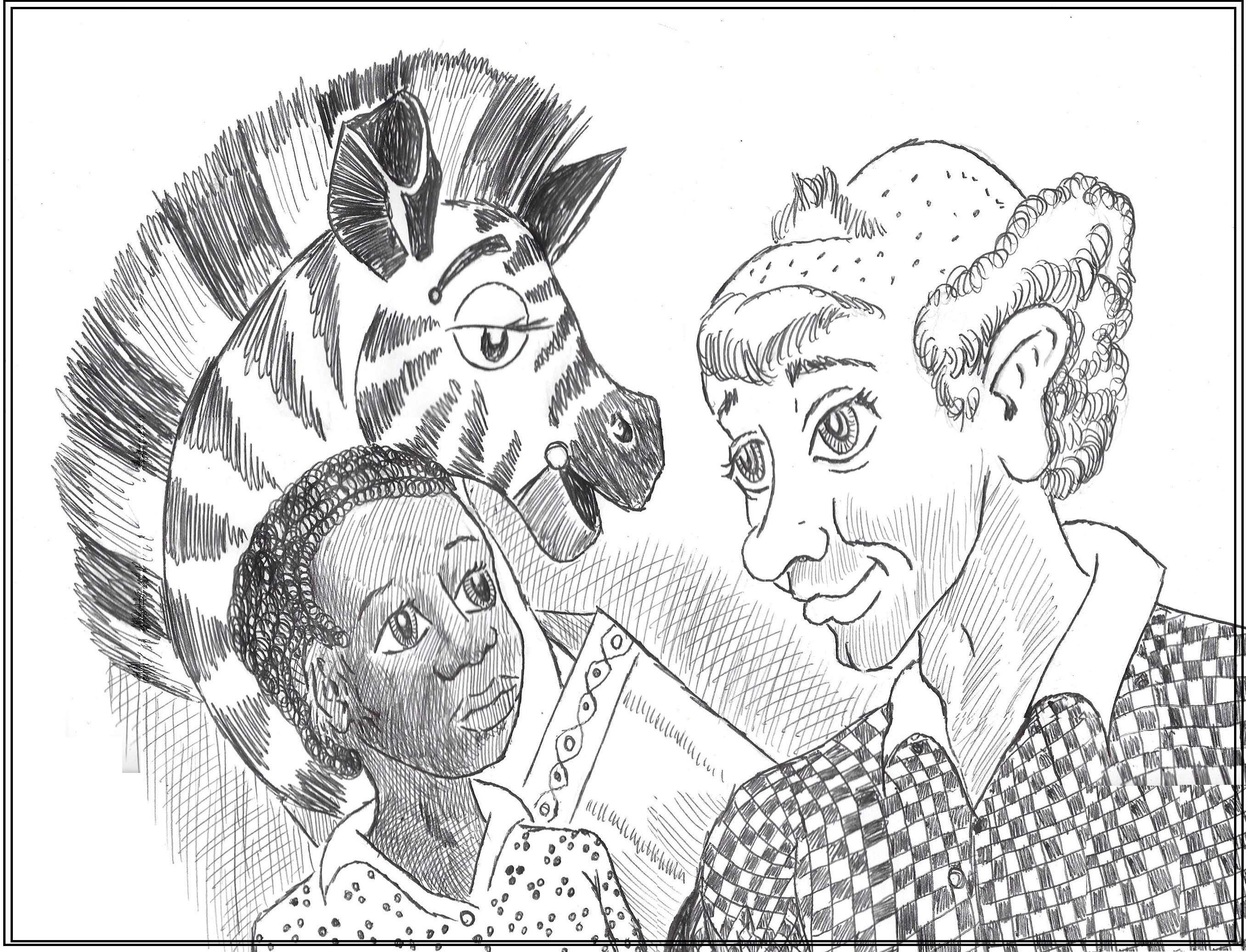
This is my teacher-story. Of course, Miss Morgan is not really me. I am not a woman. She is based on a gifted teacher I knew and worked with named Enedina Mendiola who gave her whole life to teaching, was naturally gifted with the power to teach kids and make them love her, and who died shortly after she was forced to retire from teaching for health reasons. She was an incredible human being, and I miss her mightily. But Miss Morgan teaches my subject, Language Arts, rather than the Science that Mother Mendiola taught.
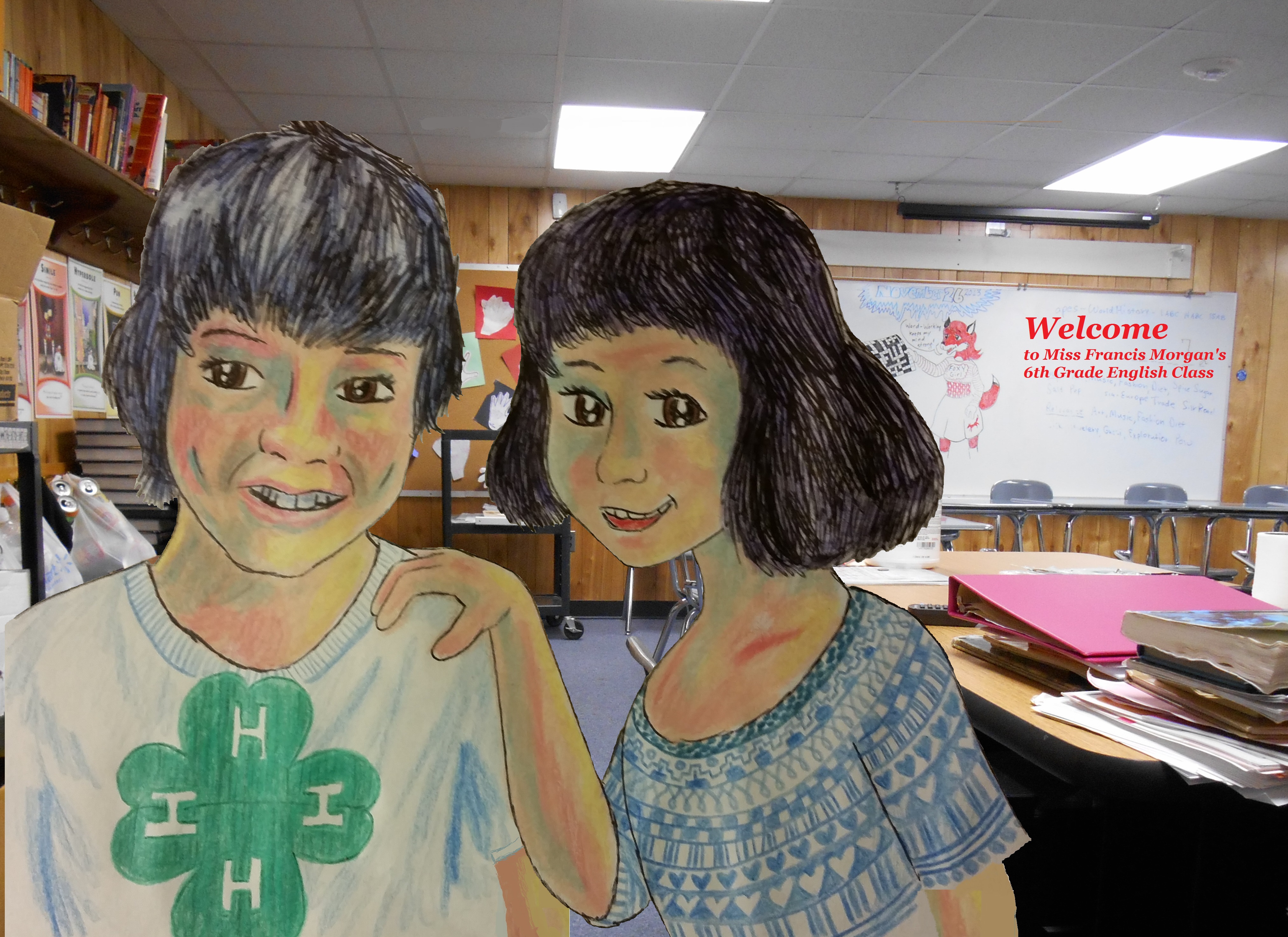
The story is about how a gifted teacher with her own way of doing things deals with the ups and downs of the classroom, difficult students, even more difficult parents, and nearly impossible administrators. She goes through a tough period where she proves that good teaching is a subversive act. The theme is simple, “A good teacher has her own set of golden rules, and to be successful, she must continue to apply them consistently. Even if she has to give up teaching to do it.”
Given enough time, there are two more titles in this series of 90’s stories that I hope to write. Kingdoms Under the Earth and Music in the Forest.
So, now I have some good news and some bad news. The good news is I have more things to teach you about my struggle with themes. The bad news is… that means there will be a Part 5 to this essay.
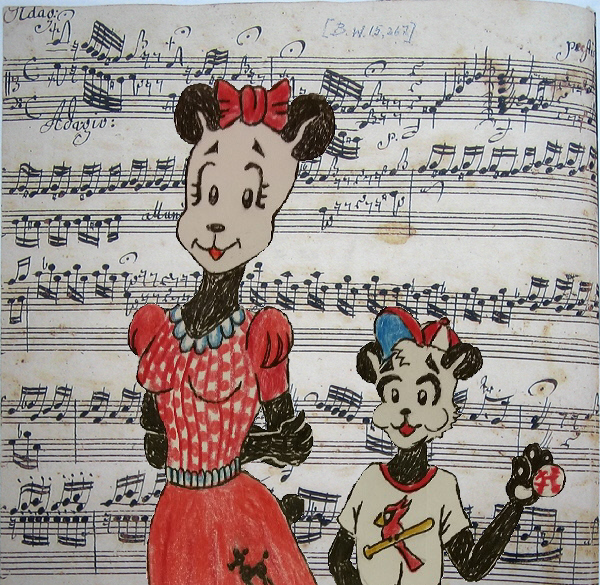
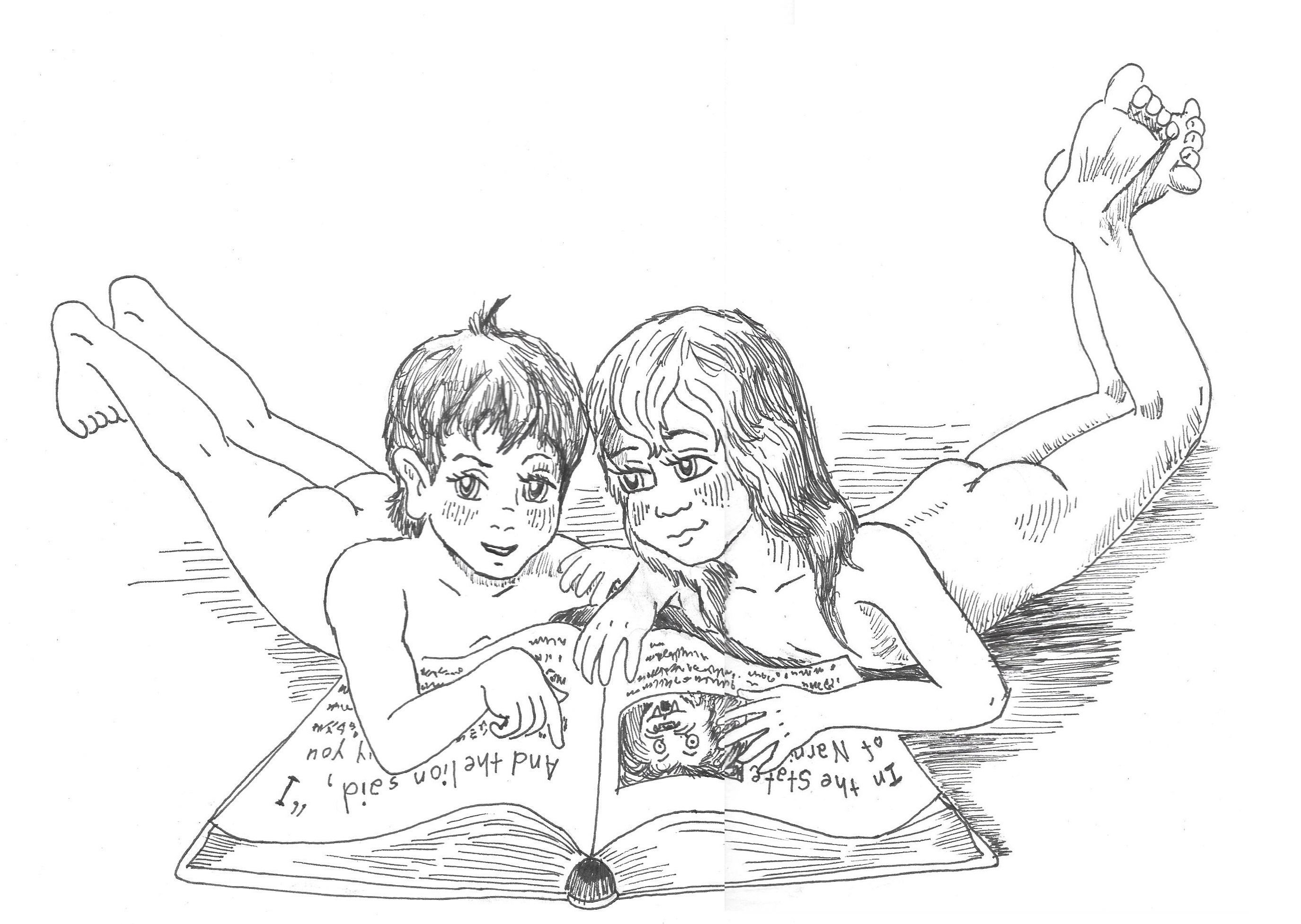

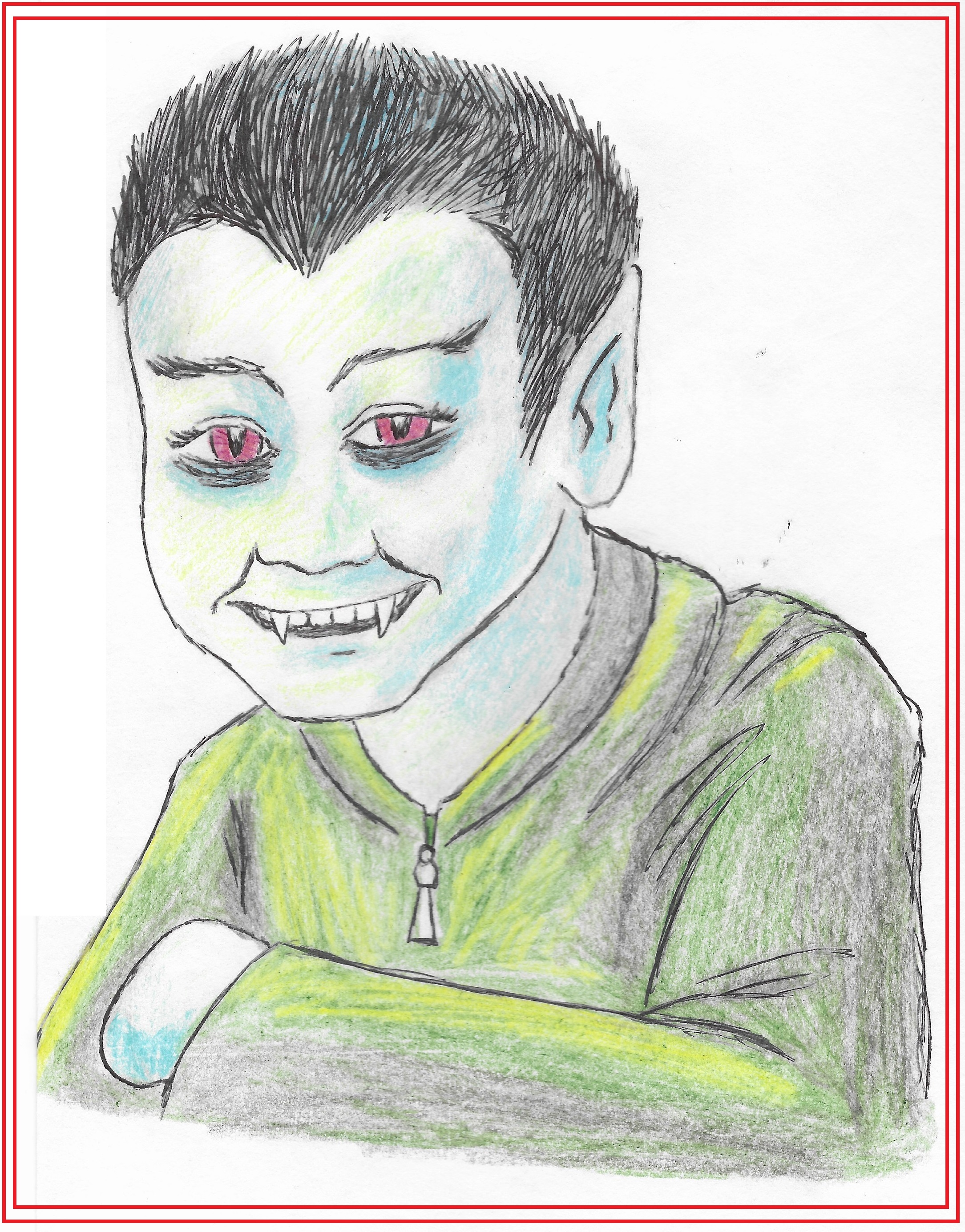







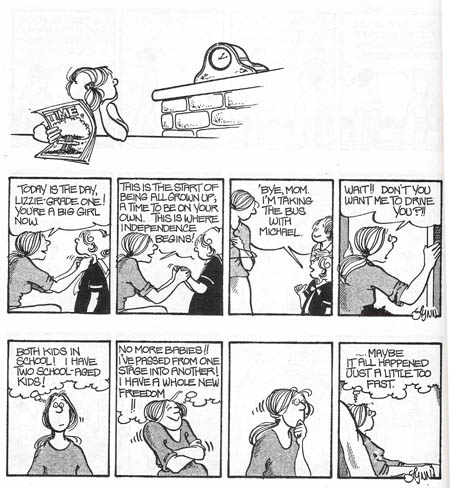 Lynn Johnston’s For Better or Worse is also an old friend. I used to read it in the newspaper practically every day. I watched those kids grow up and have adventures almost as if they were members of my own family. So the mashed potatoes part of the meal is easy to digest too.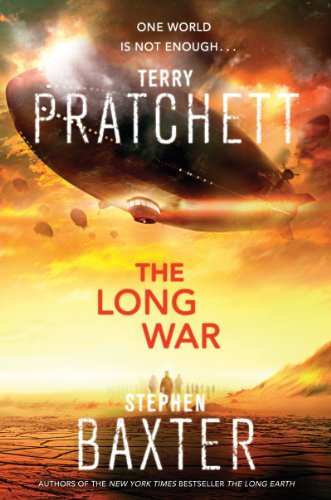





Milt Caniff
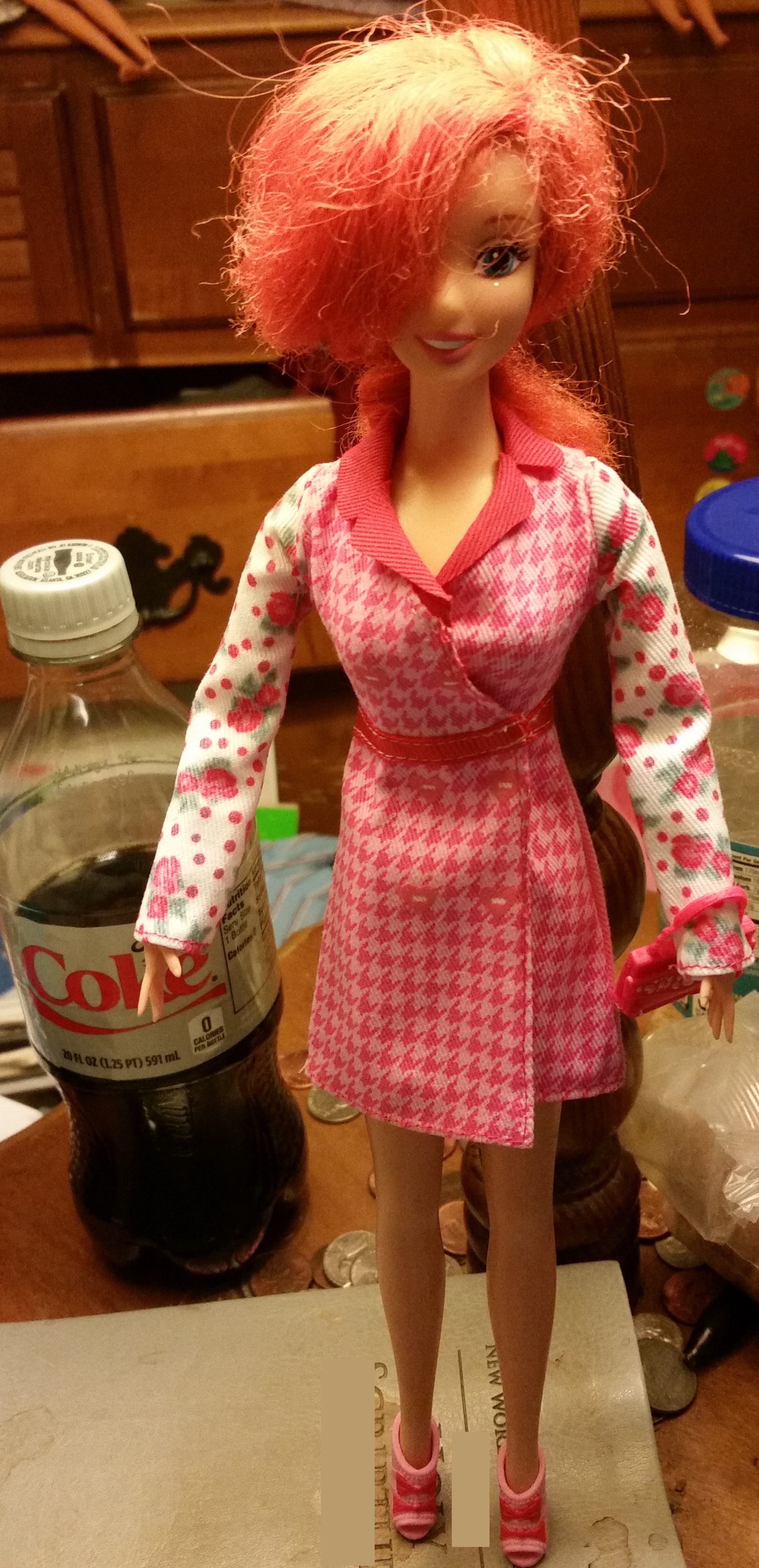
My 1967 Captain Action Steve Canyon action figure.
I have always been a deeply devoted fan of the Sunday funnies. And one of the reasons I read the comics religiously was the work of Milt Caniff. His comic strips, Terry and the Pirates, Male Call, and Steve Canyon set a standard for the age of action comics and adventure strips.
I read his comics in the 1960’s and 1970’s and always it was Steve Canyon. But this, of course, was not his first strip. I would discover in my college years the wonders of Terry and the Pirates. When Caniff started the strip before World War II, he set it in China, but actually knew nothing about China. So he did research. He learned about people who became oriental hereditary pirate families and organizations. He learned to draw authentic Chinese settings. His comedy relief characters, Connie and the Big Stoop, were rather racist parodies of Chinamen and were among the reasons that the original strip had to mature into his later work in Steve Canyon. But perhaps the most enduring character from the strip was the mysterious pirate leader known as the Dragon Lady.
Steve Canyon is a fascinating study in the comic arts. When he left the Terry and the Pirates strip in 1946, it went on without him. It was owned by the Chicago Tribune-New York Daily News distribution syndicate, not Caniff himself. Steve Canyon would change that. He created it and owned it himself, making Caniff one of only two or three comics artists who actually owned their own creations. Canyon started out as a civilian pilot, but enlisted in the Air Force for the Korean War and would remain in the Air Force for the remainder of the strip. Some of the characters in the strip were based on real people. His long-time friend Charlie Russhon, a former photographer and Lieutenant in the Air Force who went on to be a technical adviser for James Bond films was the model for the character Charlie Vanilla, the man with the ice cream cone. Madame Lynx was based on the femme fatale spy character played by Illona Massey in the 1949 Marx Brothers’ movie Love Happy. Caniff designed Pipper the Piper after John Kennedy and Miss Mizzou after Marilyn Monroe.
I am not the only cartoonist who was taken with the work of Milt Caniff. The effects of his ground-breaking work can be seen to influence the works of comic artists like Jack Kirby, Bob Kane, John Romita Sr., and Doug Wildey. If you are anything like the comic book nut I am, than you are impressed by that list, even more so if I listed everyone he influenced. Milt Caniff was a cartoonists’ cartoonist. He was one of the founders of the National Cartoonists’ Society and served two terms as its president in 1948 and 1949. He is also a member of the Will Eisner Comic Book Hall of Fame.
Leave a comment
Filed under action figures, comic strips, commentary, inspiration
Tagged as comic art, comic strips, Milt Caniff, Steve Canyon, Terry and the Pirates