Other books that are not Hometown Novels need to have themes too.
My novel-writing, book-publishing career began with a Sci-Fi Comedy published with a criminal book-publishing scam that has since gone out of business and was sued to oblivion by authors like me who it cheated.
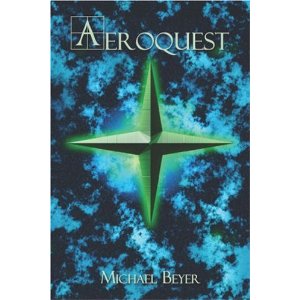
My novel Aeroquest was a huge moronic mess made from the stories I created as a science-fiction-role-playing game’s game master. It was very loosely based on Frank Herbert’s Dune trilogy and Douglas Adams’s five-book Hitchhiker’s Guide to the Galaxy trilogy (quintilogy?)
It had way too many characters in it (just like Dune.) It had super powers tied to religious practices (just like Dune.) And it had totally ridiculous science and technology in it (just like Hitchhiker’s Guide.)
After I got the publishing rights back from the criminals behind Publish America, I tried to make more sense of it by rewriting it as AeroQuest 1, 2, 3, 4, & 5.
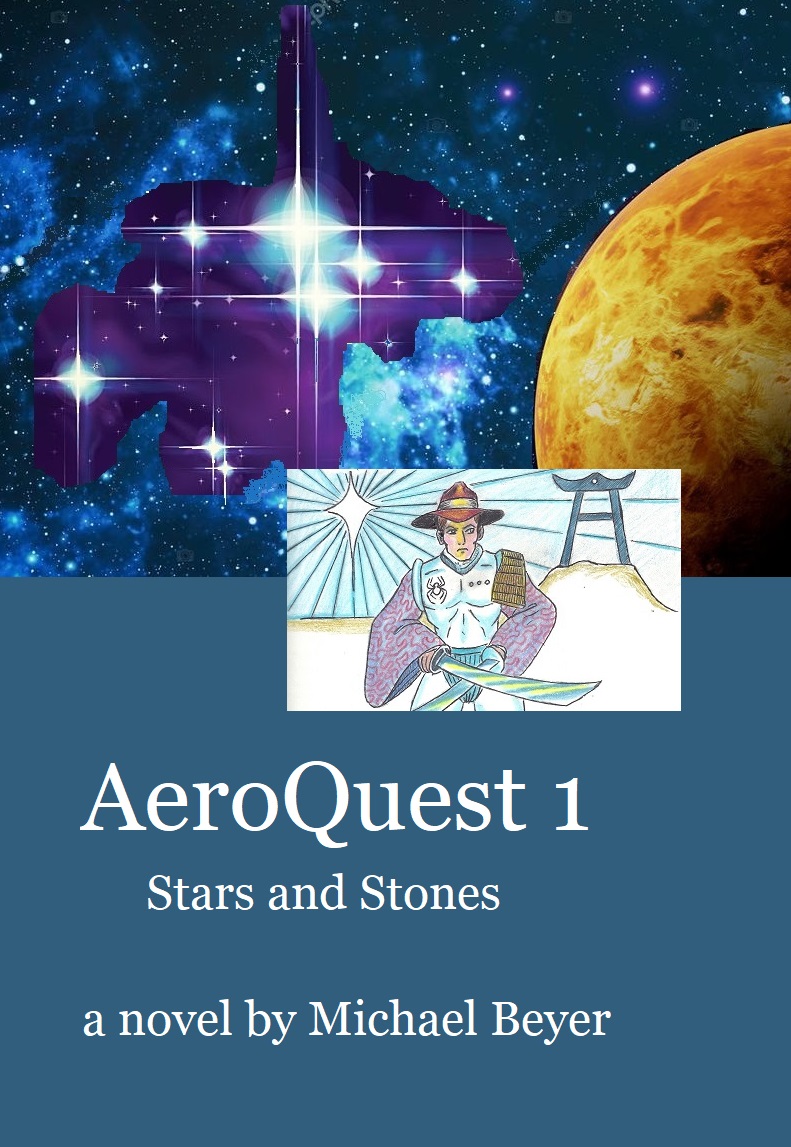
AeroQuest 1 : Stars and Stones
In the first book, Ged Aero and his brother Hamfast Aero are looking to find a safe place for Ged to pursue his trade as a space-safari hunter who is developing a strange psionic power to change his appearance, and eventually his shape and species. Since Ham is a pilot and owns his own space ship, they decide to set out into unknown space to get away from the Thousand Worlds of the Imperium where what Ged is becoming is made illegal.
He then encounters the Prophecy of Zhan (also known in the frontier as the Prophecy of Xan, the Prophecy of Shan, the Prophecy of Cyan, and… well, too complicated to re-explain because all of them identify Ged as the next White Spider of Prophecy, and he is destined to reweave the web of star travel in unknown and forgotten space.)
So, what is the theme? “You can’t solve your problems by running away from yourself.” Yeah, that’s probably it… But, as I said, this novel was a truly big mess that the scammers took advantage of rather than helping.
AeroQuest 2 : Planet of the White Spider
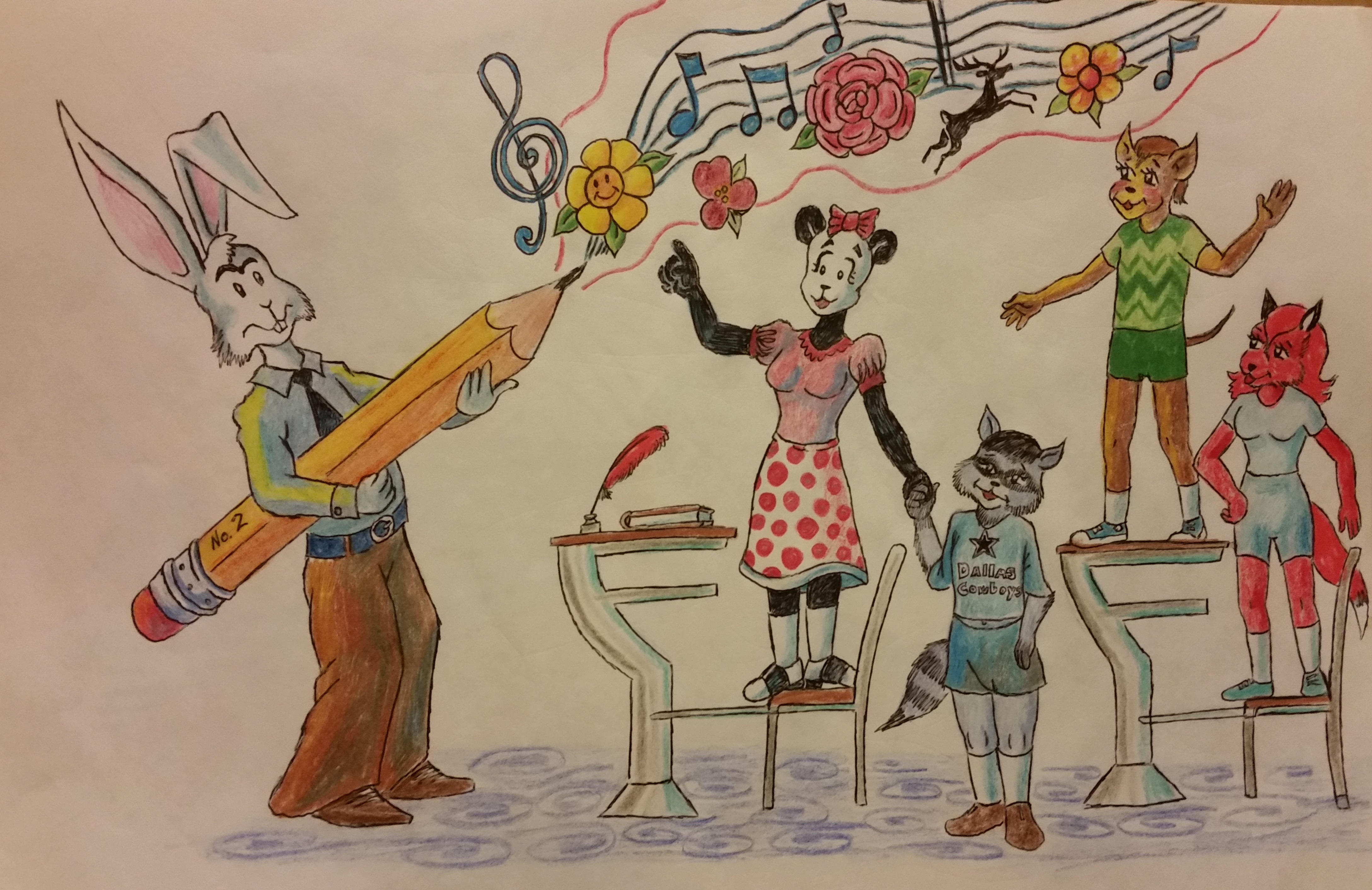
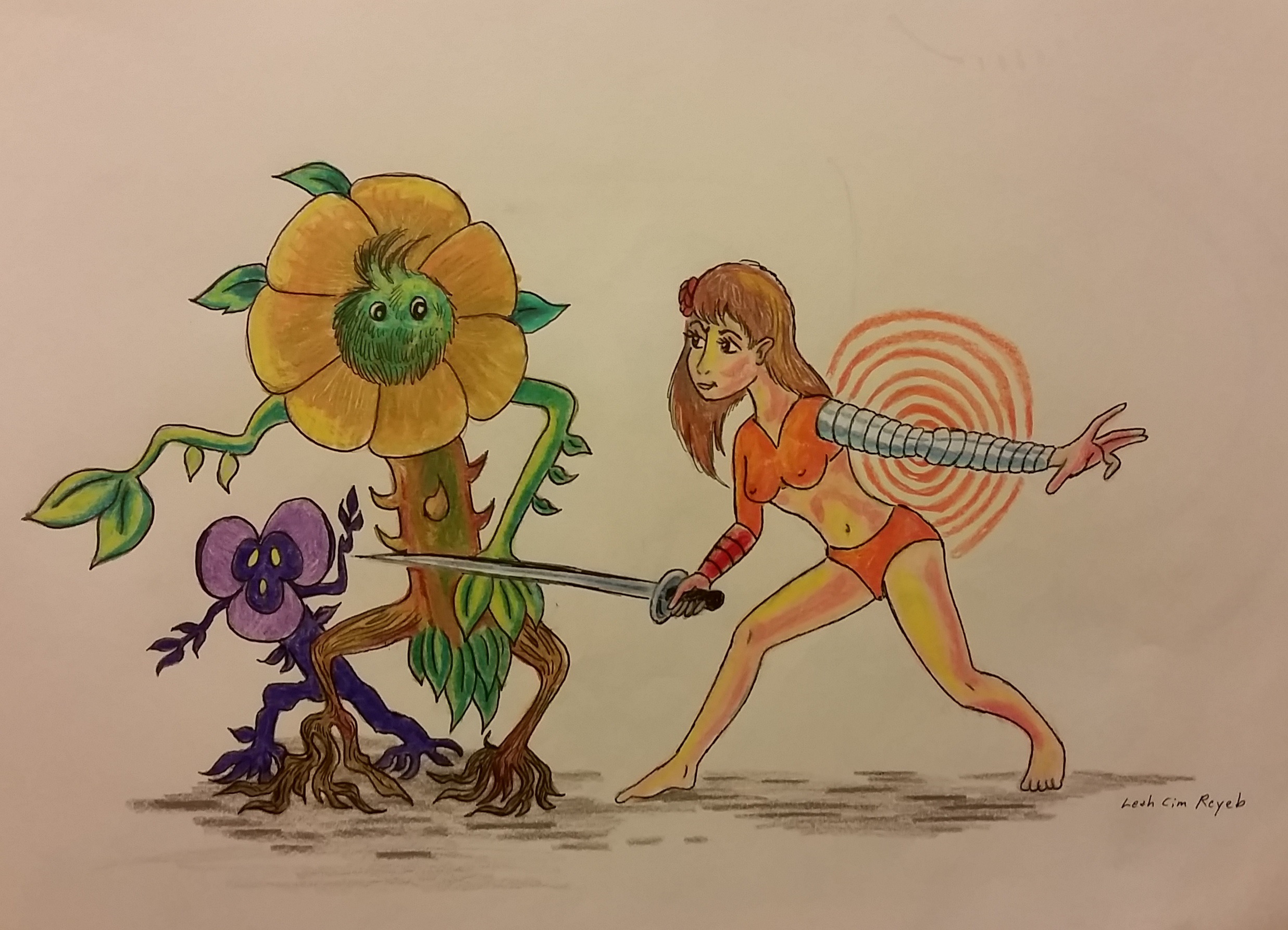
In the second book, among other business zipping from star to star system, Ged has to take on the role of the prophesied White Spider, which it turns out is stepping into the role of being a teacher to a class filled with students who have psionic powers. They turn out to be a mix of space samurai, space cowboys, space nudists, space lizard-people, and Nebulons (an alien race of blue-skinned people nicknamed Space Smurfs.) At the same time, Ham takes up his role as a pilot and warrior in the growing rebellion against the corrupt Imperium.
This book too has a broad general theme; “We are stronger when we make ourselves a part of a diverse group than we are when we stand alone.”
AeroQuest 3 : Juggling Planets
This is the hardest book to create a unified theme for. Ham and his allies are jumping from planet to planet, fighting battles and recruiting new systems into the New Star League. At the same time, Ged is working with his new students to establish a new school and a new way of teaching that optimizes the students’ abilities to deal with cosmic forces and interstellar problems.
The best theme I can make a case for is; “Adding new friends and building their skills is how you best rebel against an old order that is failing more and more people.”
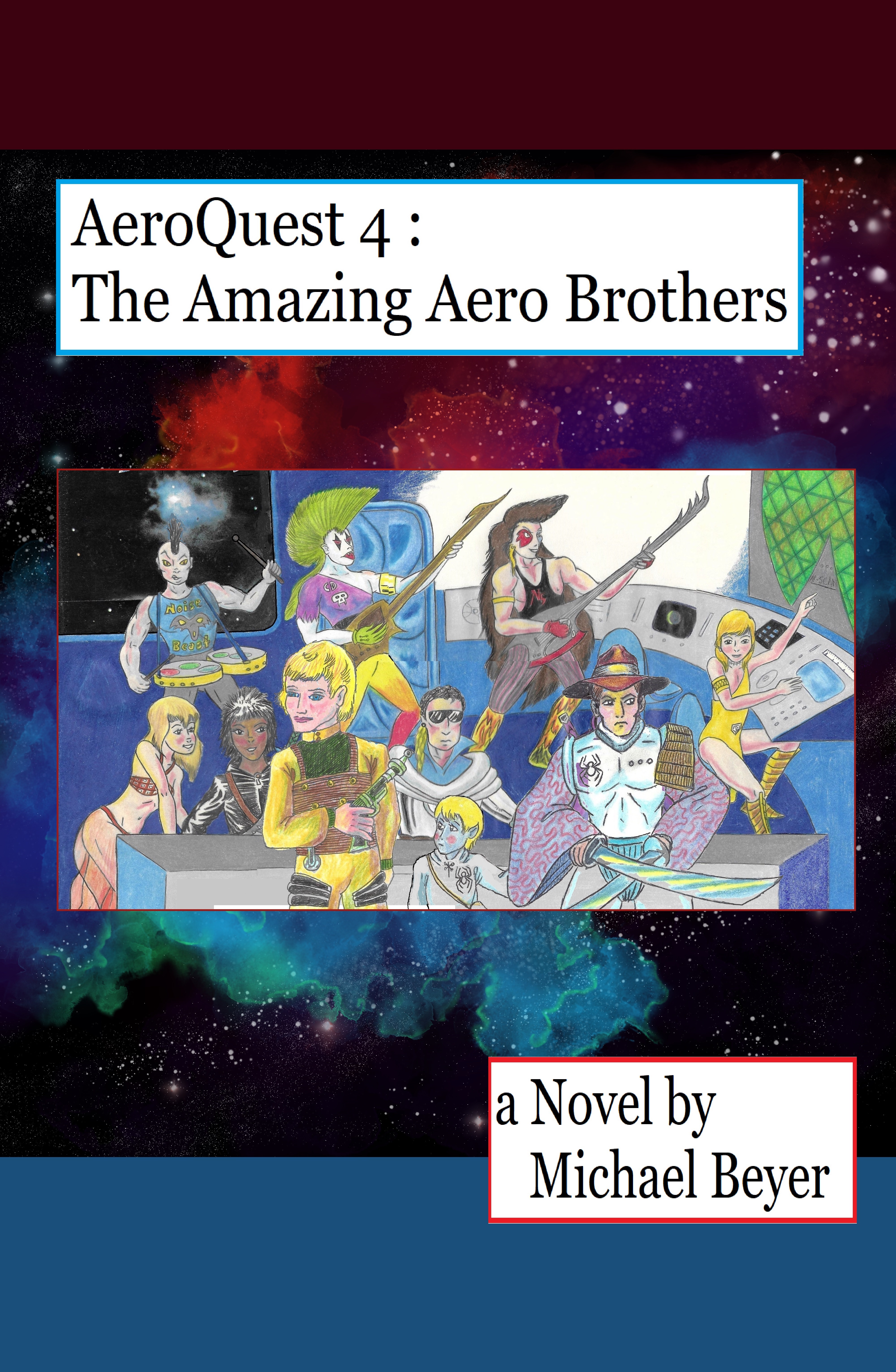
AeroQuest 4 : The Amazing Aero Brothers
This book is written, but not yet published. It is the story of how Ham and the rebels prepare for bigger battles yet to come, and face their first significant losses and reversals of fortune. Ged and his students battle their evil counterparts and only manage to defeat them by crossing moral lines that they never intended to cross.
The overall theme is; “It is harder to stay true to yourself than it is to win a battle.”
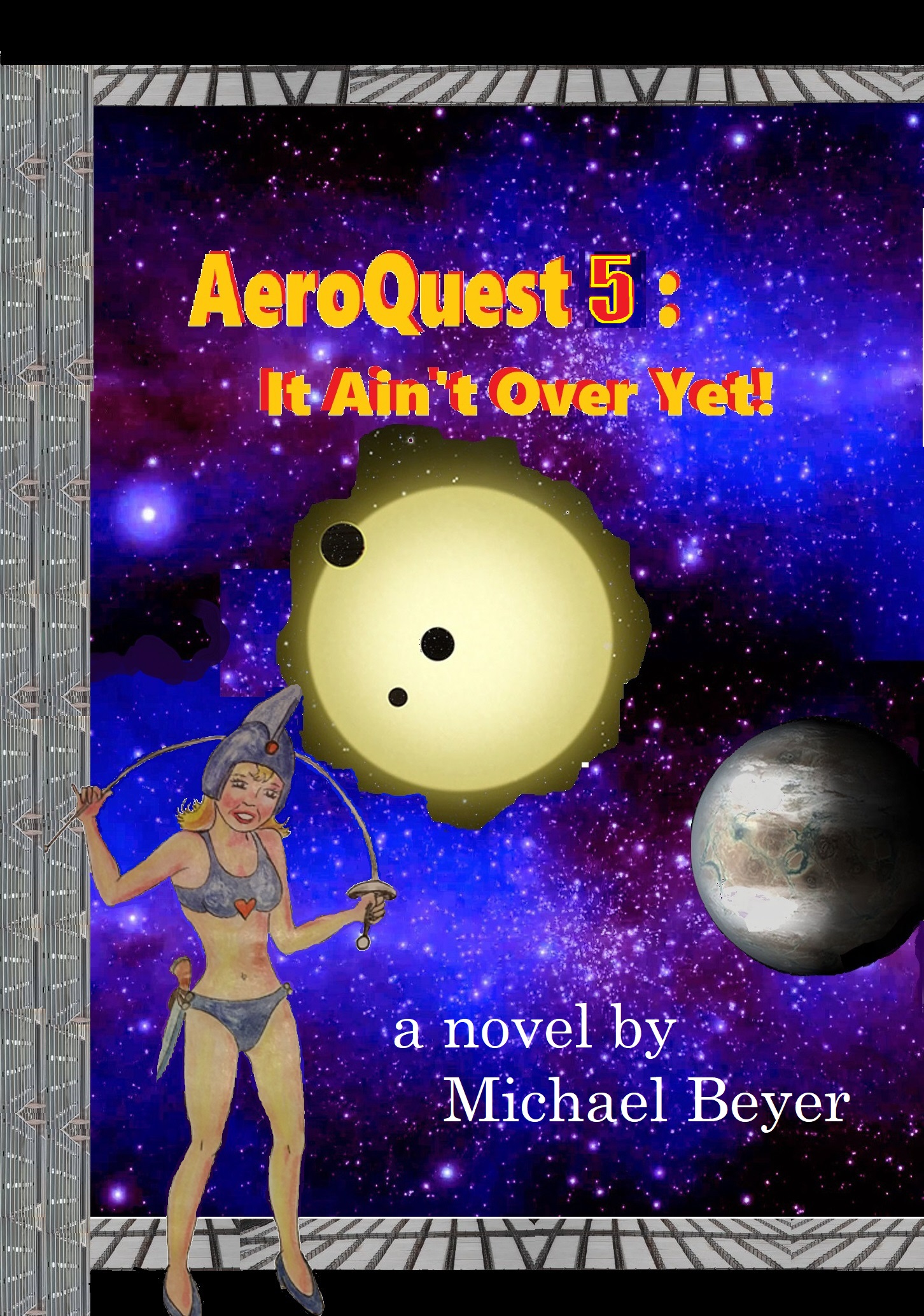
AeroQuest 5 : It Ain’t Over Yet!
Yep, it ain’t written yet. Started, but a long way from finished.
So, can I tell you what the major theme of this book is?
NO!
I am still wrestling with this theme. It has me in an illegal headlock.
But, as you probably guessed by now, I have more books to talk about in Part 6. So, beware!


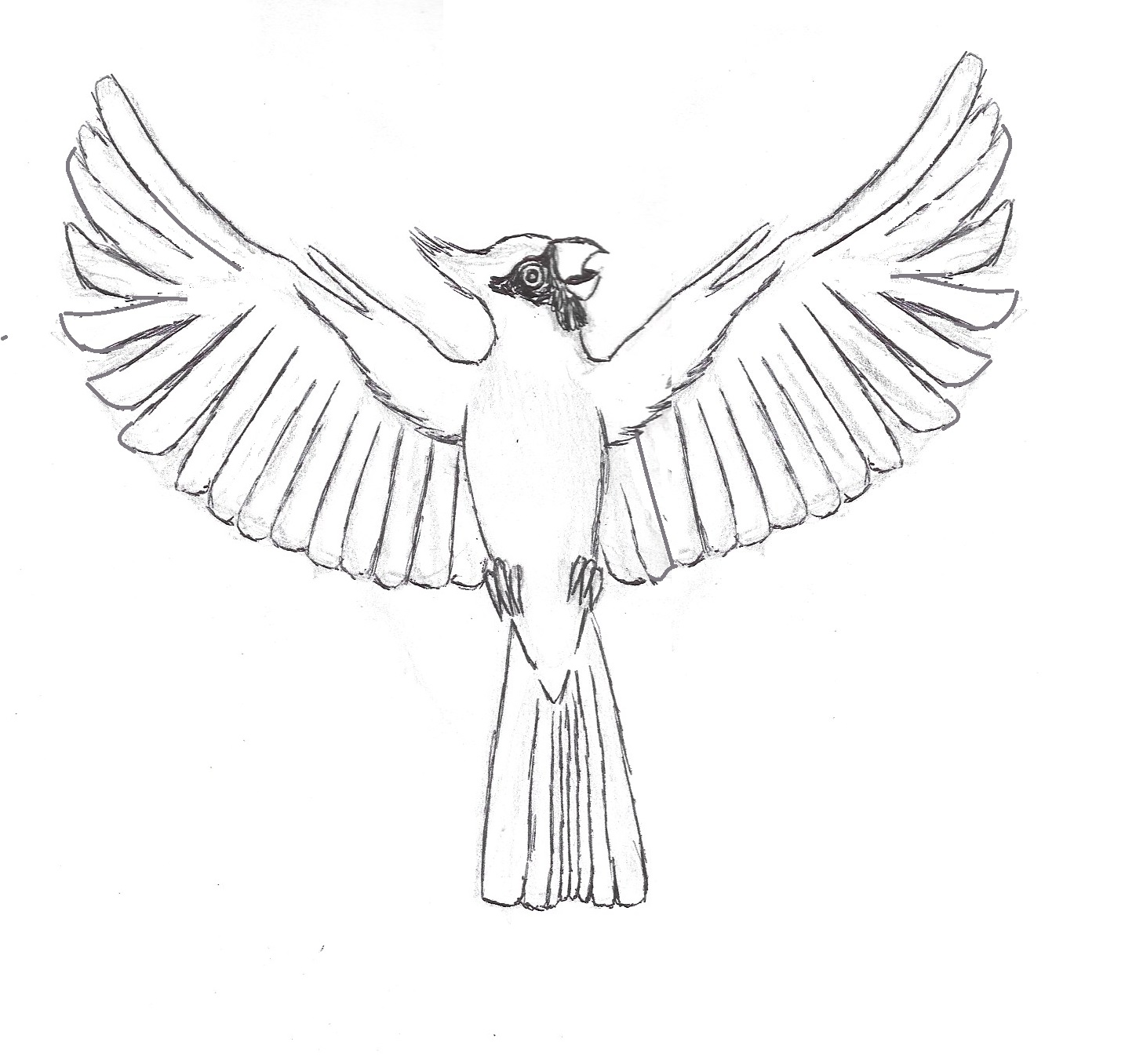










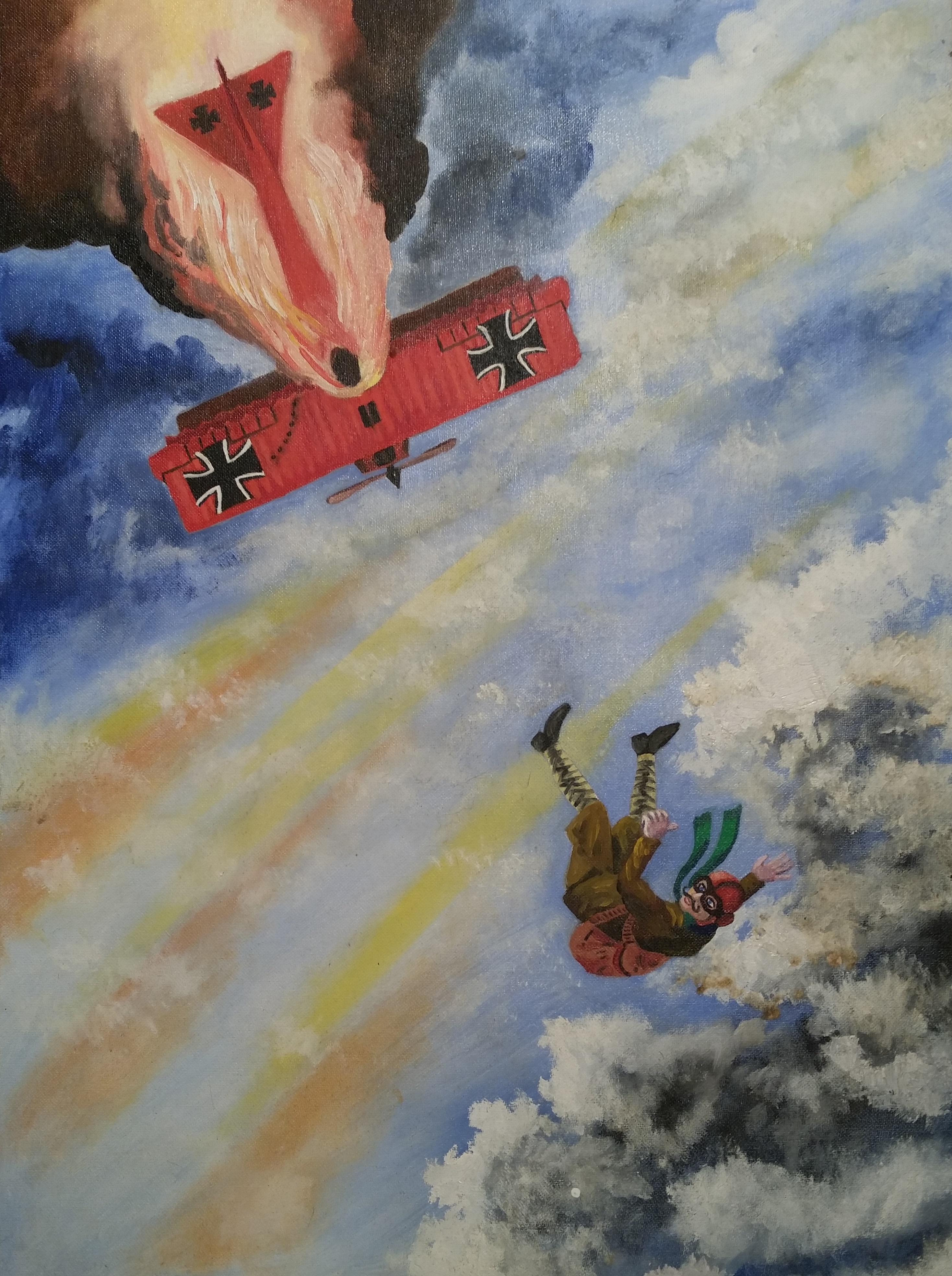
 Catch a Falling Star
Wrestling with Themes… Part 6
Concluding this meandering ridiculous rant about how you distill the meaning of your books into themes is no small task. My limiting goal was to identify one main theme for each of my books. It has to be limited because every well-written book has multiple themes of varying complexity and scope.
And then when you tie everything together as I have done with my Hometown Novels, there are themes that cross the borders from one book into the next. This essay will sum up by telling about the books I have written beyond the borders of my Hometown books.
The Wizard in his Keep
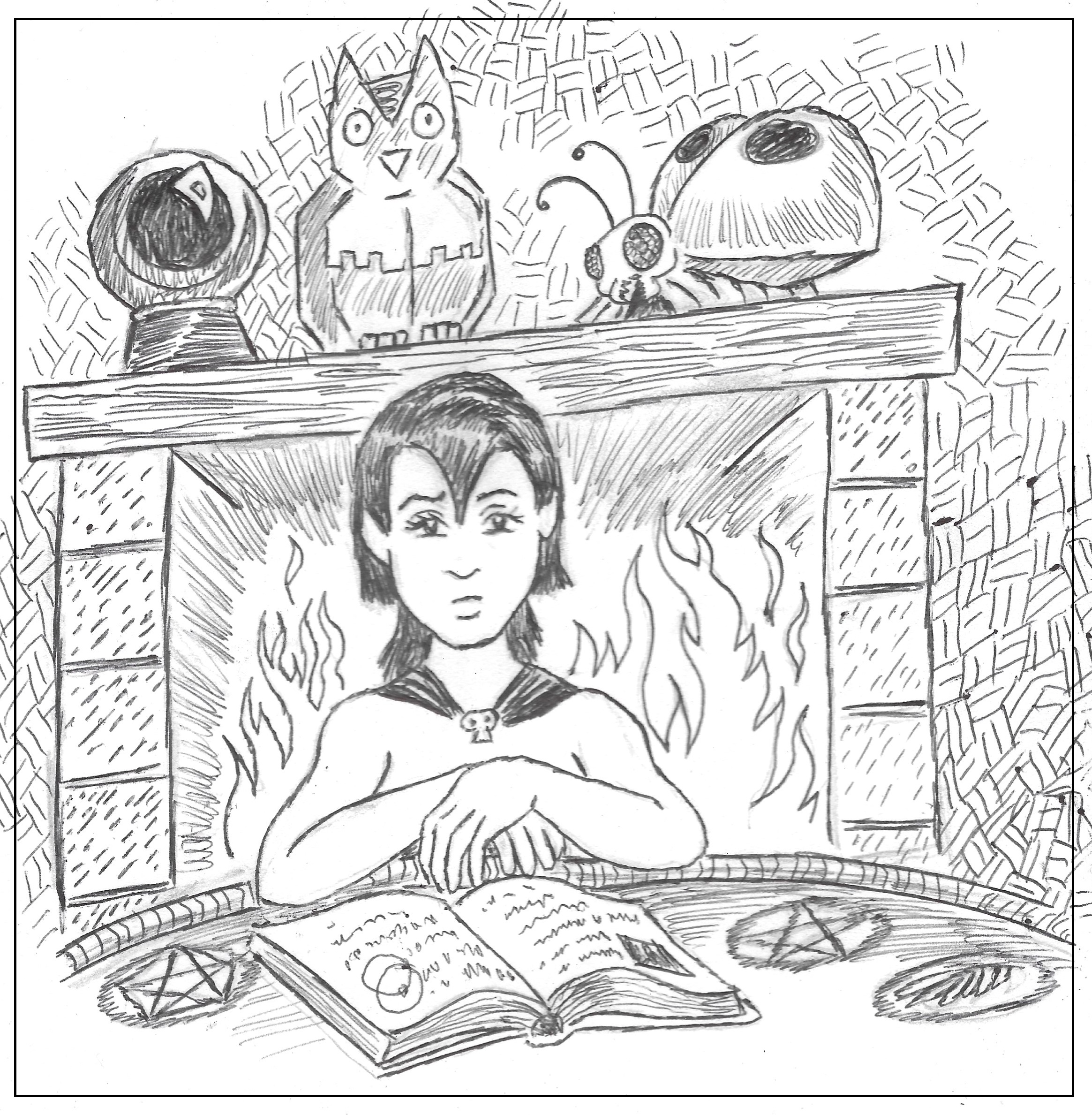
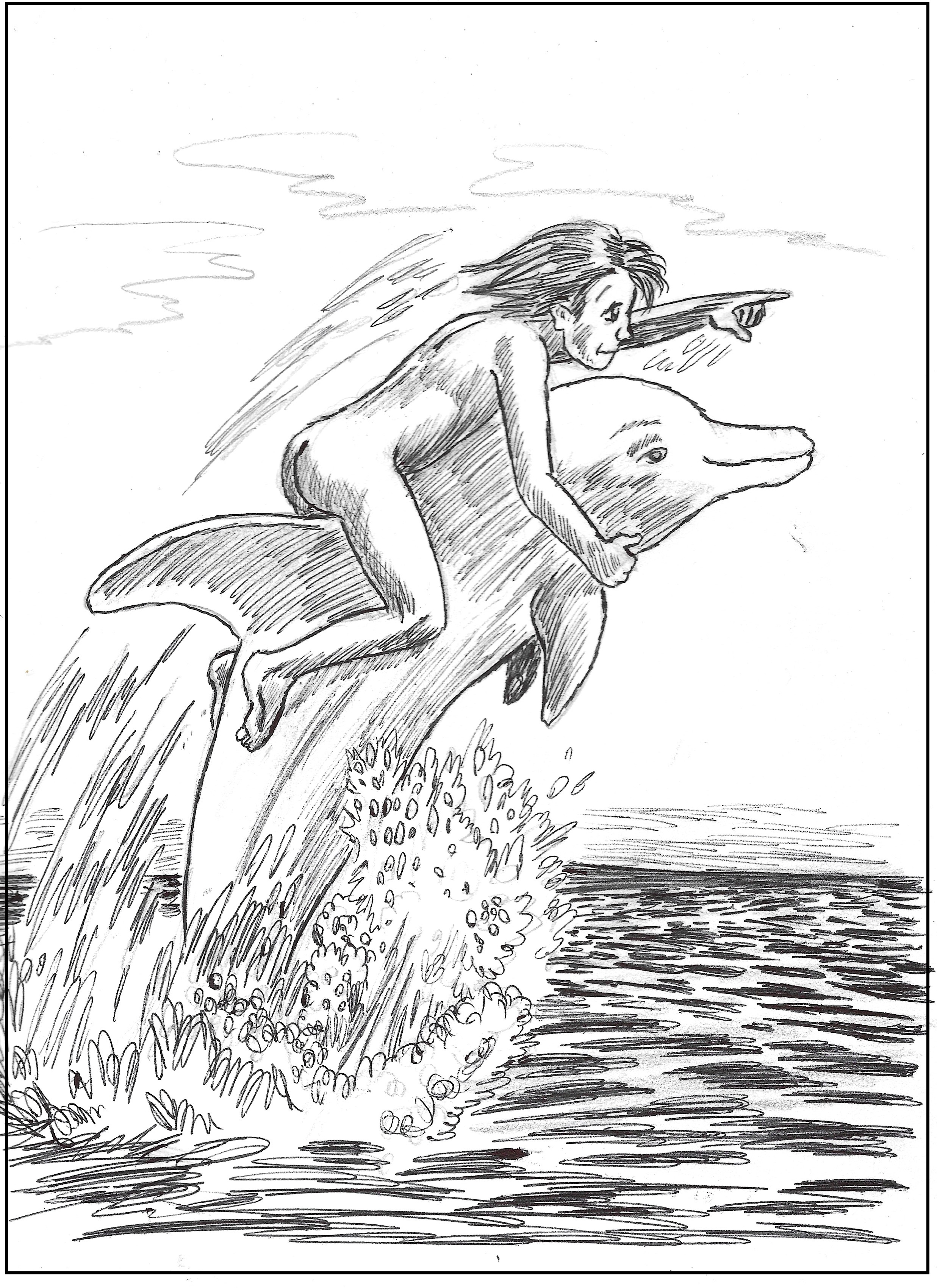
This book is unique in dozens of ways. It is an orphan-journey through a virtual-reality video game that you can actually live inside because of the full-body interface suits that get you into the game. It is science fiction because of the virtual-reality technology, but the competition within the game is set in a fantasy kingdom running on magic and super powers. And the plot is a parallel of Charles Dickens’s The Old Curiosity Shop.
This book is the conclusion to several character arcs that begin with the Hometown Novels’ very first book, Superchicken. One character’s life ends in death, but on his own terms. Another character finds the answers to his missing sister and the family she kept secret from him. And the orphans find a loving family that they never knew existed. So, one big theme is that; “You make your own happy endings by hard work, risk, and perseverance, not by magic or luck” But this is an overarching theme that covers more than one story in more than two or three other books.
The book also holds true to several other things that are true about my stories. It is a comedy with at least one character dying sometime before the story ends. It is surrealism, giving a rational grounding in realism to some rather fantastic things. And the characters who find success are empathetic types who realize that loving others is more important than loving ourselves.
A Field Guide to Fauns
An important facet of my novel-writing experience has come about through the general audience reception of my works. Specifically, nudists and naturists were attracted to my books through the nudist characters in my book Recipes for Gingerbread Children.
That is the reason this book, A Field Guide to Fauns even exists. I wrote it specifically for an audience of nudists, naturists, and people like me who have always been fascinated by nudism and were simply afraid to actually try it until we grew old, mature, and goofy enough not to care what other people think about me being a naked old man..
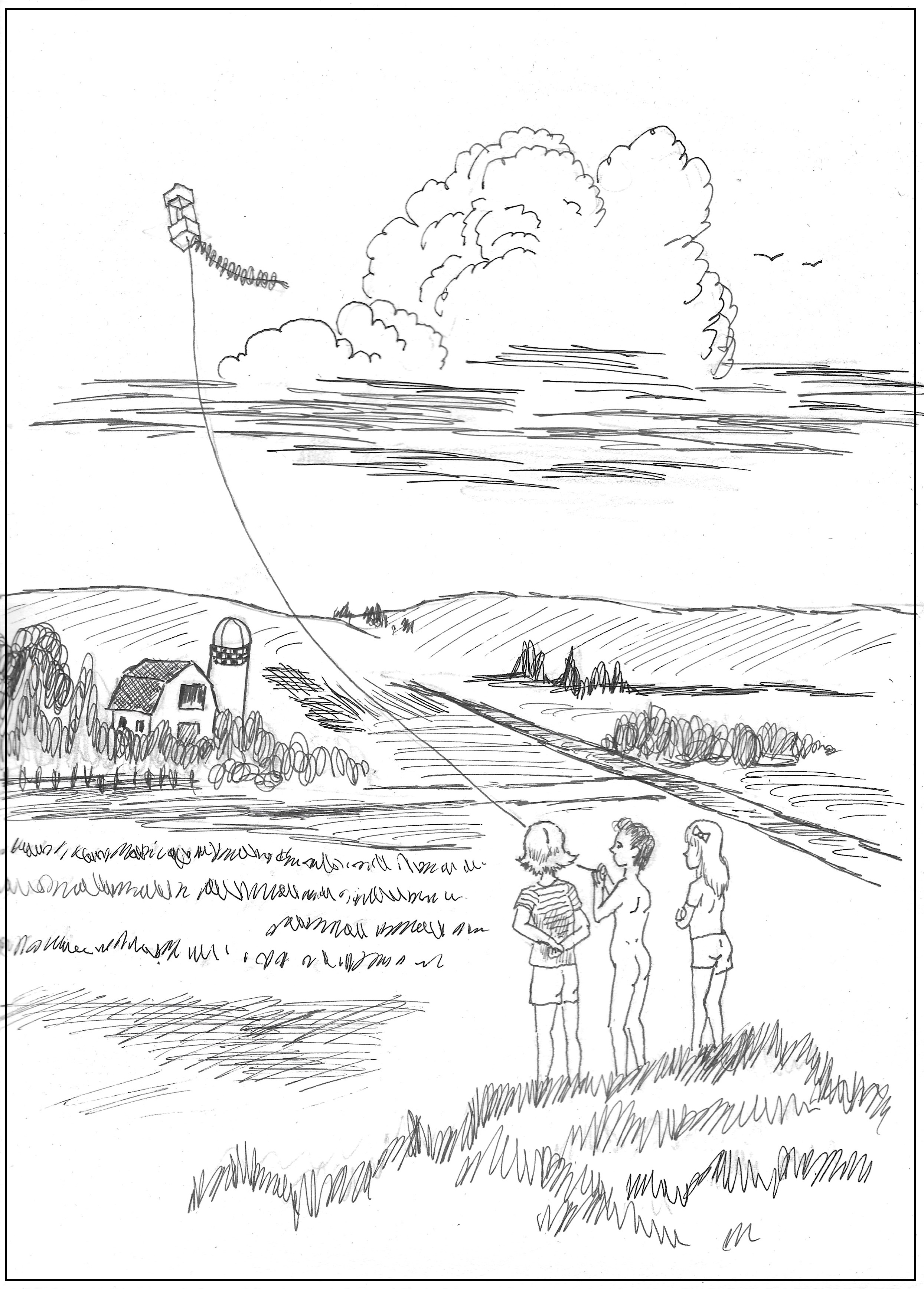
The book is about a boy named Devon who goes from a traumatic event that took him out of his divorced mother’s home and put him in his father’s house. But his father is remarried to a woman with twin daughters who are dedicated nudists, and live in a residence that is located in a South Texas nudist park. He has to recover from his trauma by becoming a nudist living a naked life himself. The theme is, “You can overcome childhood trauma if only you are open to being nakedly honest about yourself… especially being nakedly honest with yourself.”
Stardusters and Space Lizards
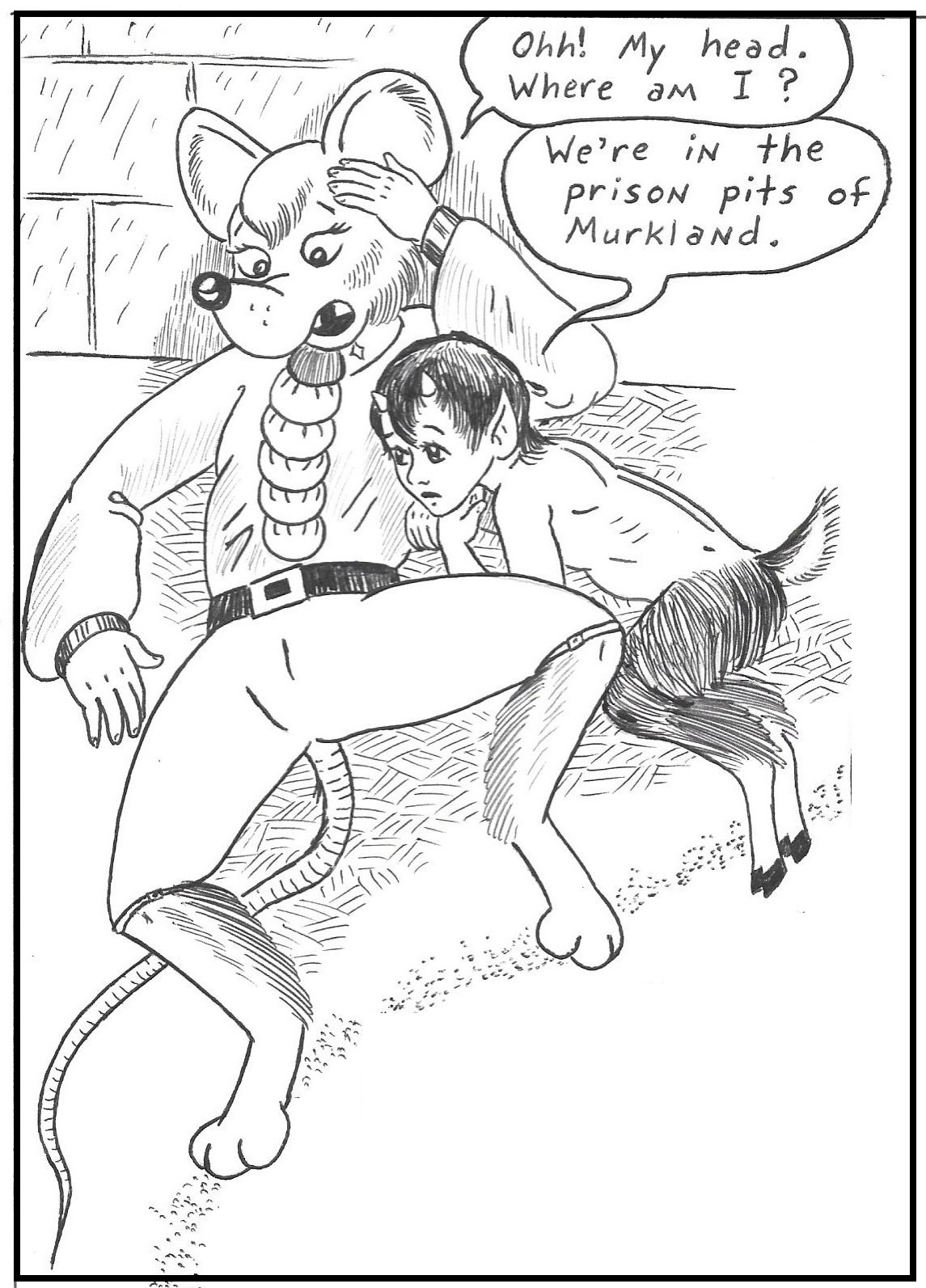
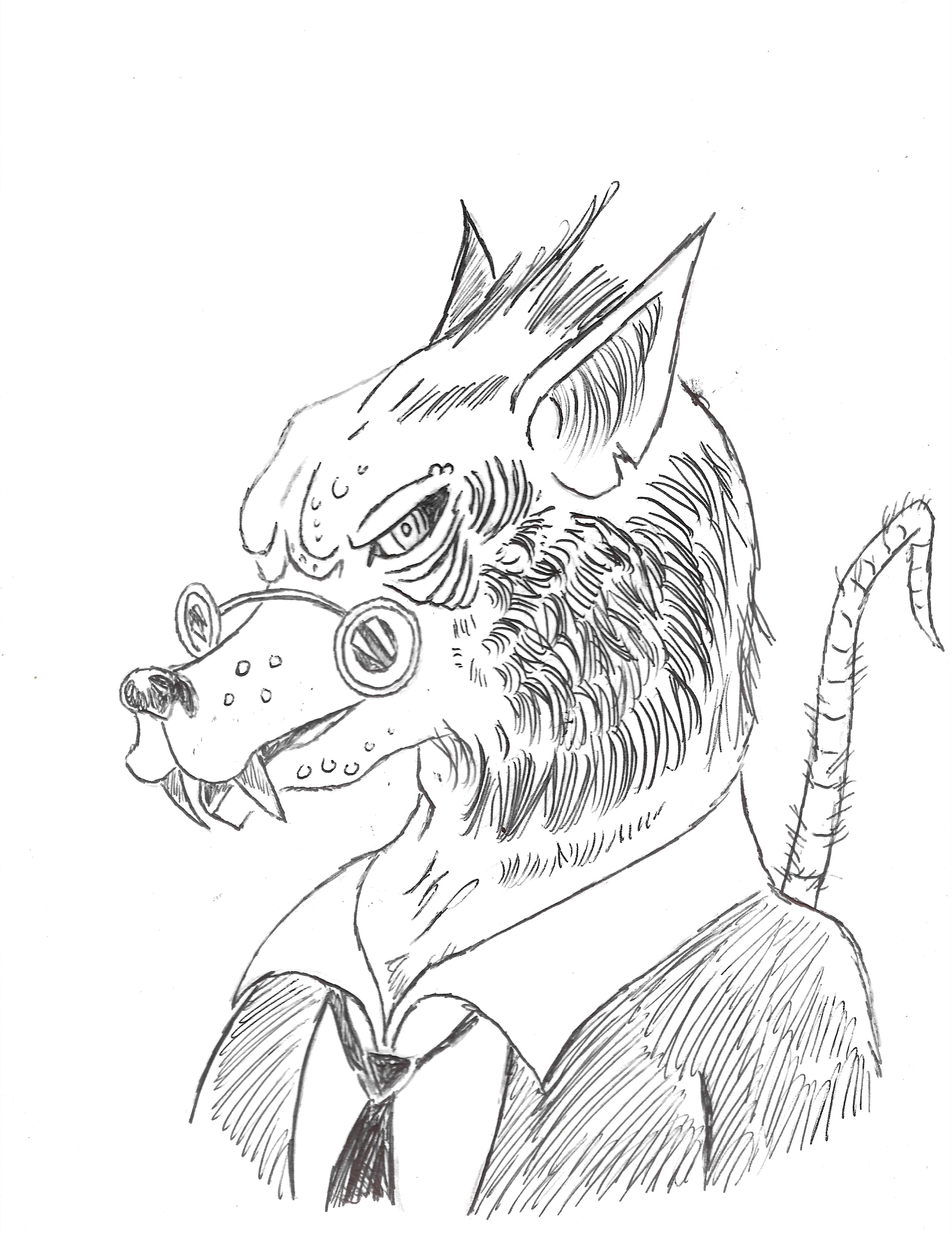
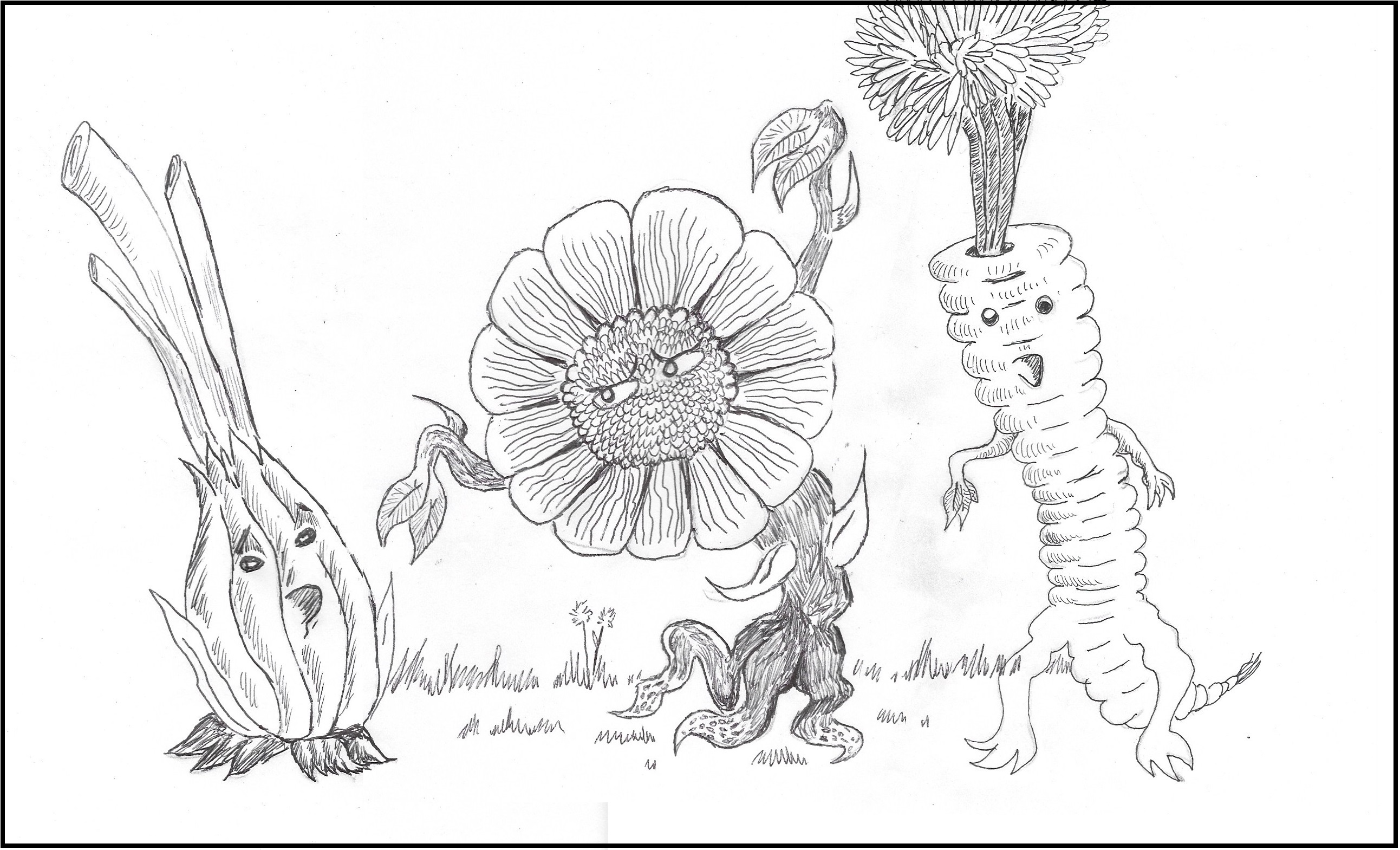
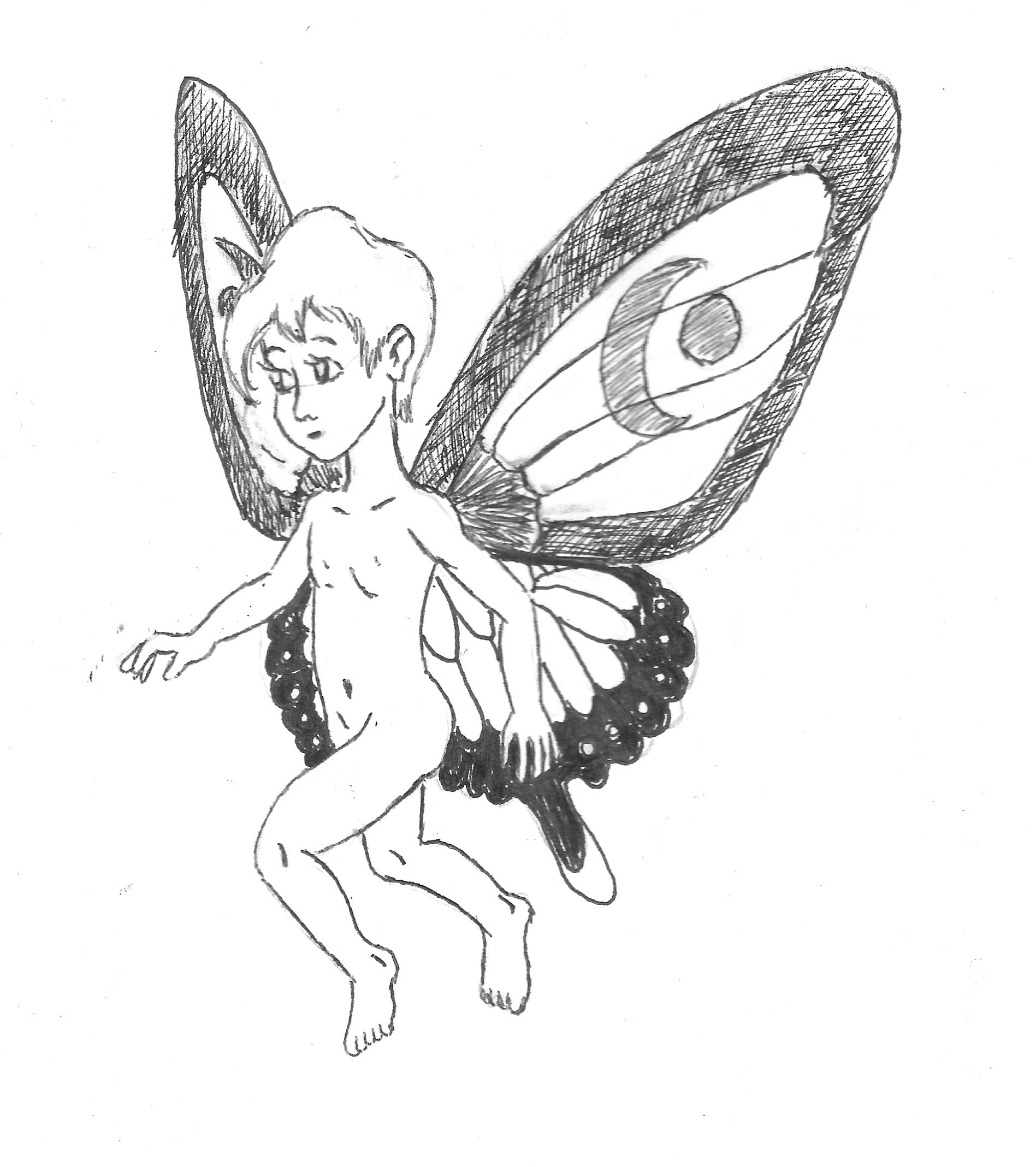
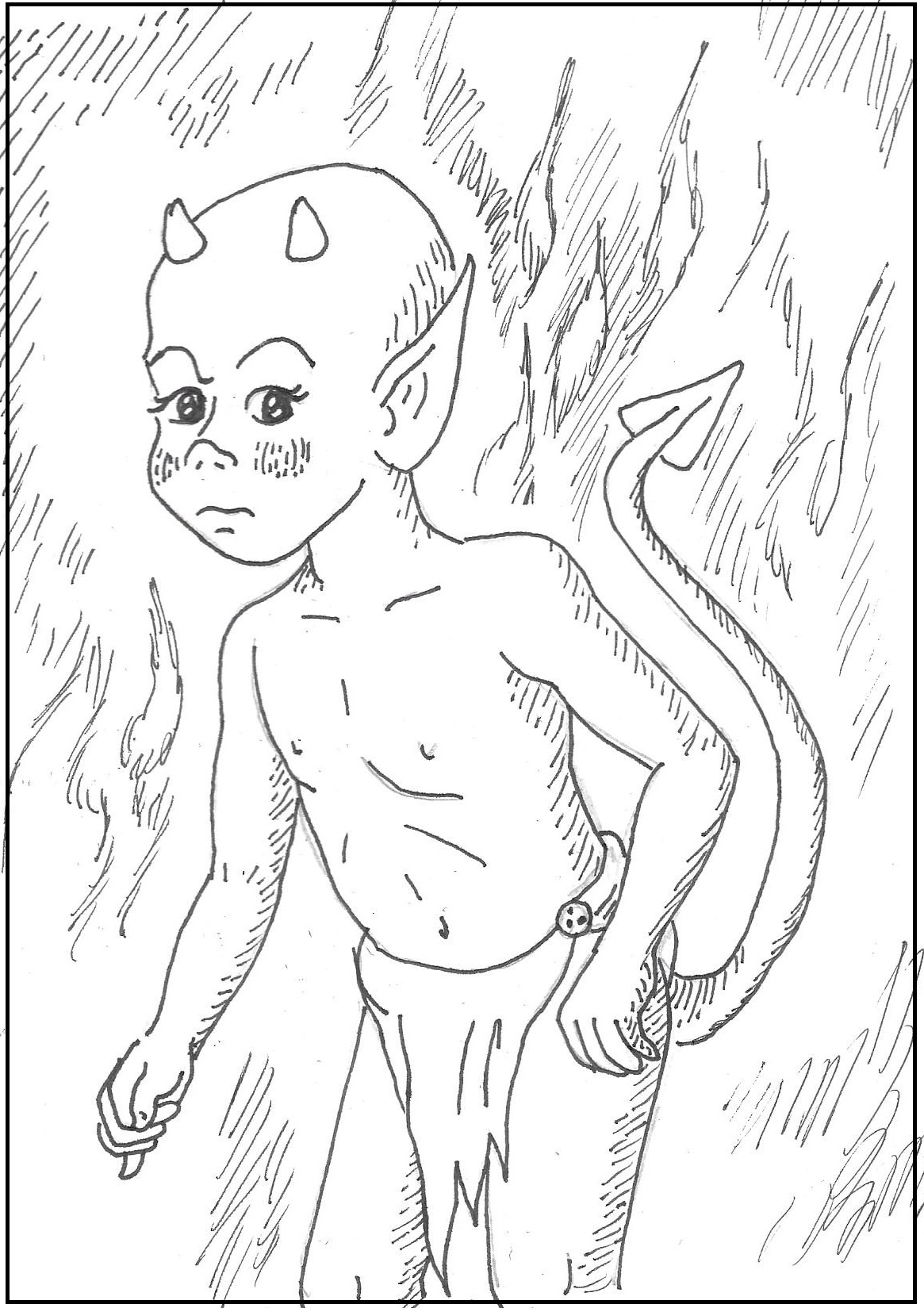
This story is one of the sequel messes written to go with Catch a Falling Star. It follows the alien characters and three of the human characters from that book out into the stars. It is basically an allegory for the climate-change crisis we face here on planet Earth. Besides the fact that this book offers the idea that inventive children can solve world-wide problems, and Texas politicians can be translated into lizard-people monsters who are actually to blame for everything, the theme of this book is really, “To solve ecological problems on a world-wide scale, we must first acknowledge that those problems are not caused by lack of understanding, but by the disregard for life that people have when they are motivated by personal gain, power, and reputation.”
Laughing Blue
This book is even harder to give a main theme to since it is a book of essays. Every entry, every single essay, has it’s own unique theme, ideally expressed in a topic sentence that states the theme.
But it is not impossible to find an over-arching theme. It is filled with short vignettes and stories about my childhood, my life as a teacher, my cartoons and bizarre sense of humor, my philosophical musings, and complaints about the things that have hurt me. It is largely autobiographical. And the main theme is basically, “When life gives you lemons, make a lemony joke of some sort because laughing is much better than crying and a better thing to do when you’re blue.”
I know, I know… purple paisley prose.
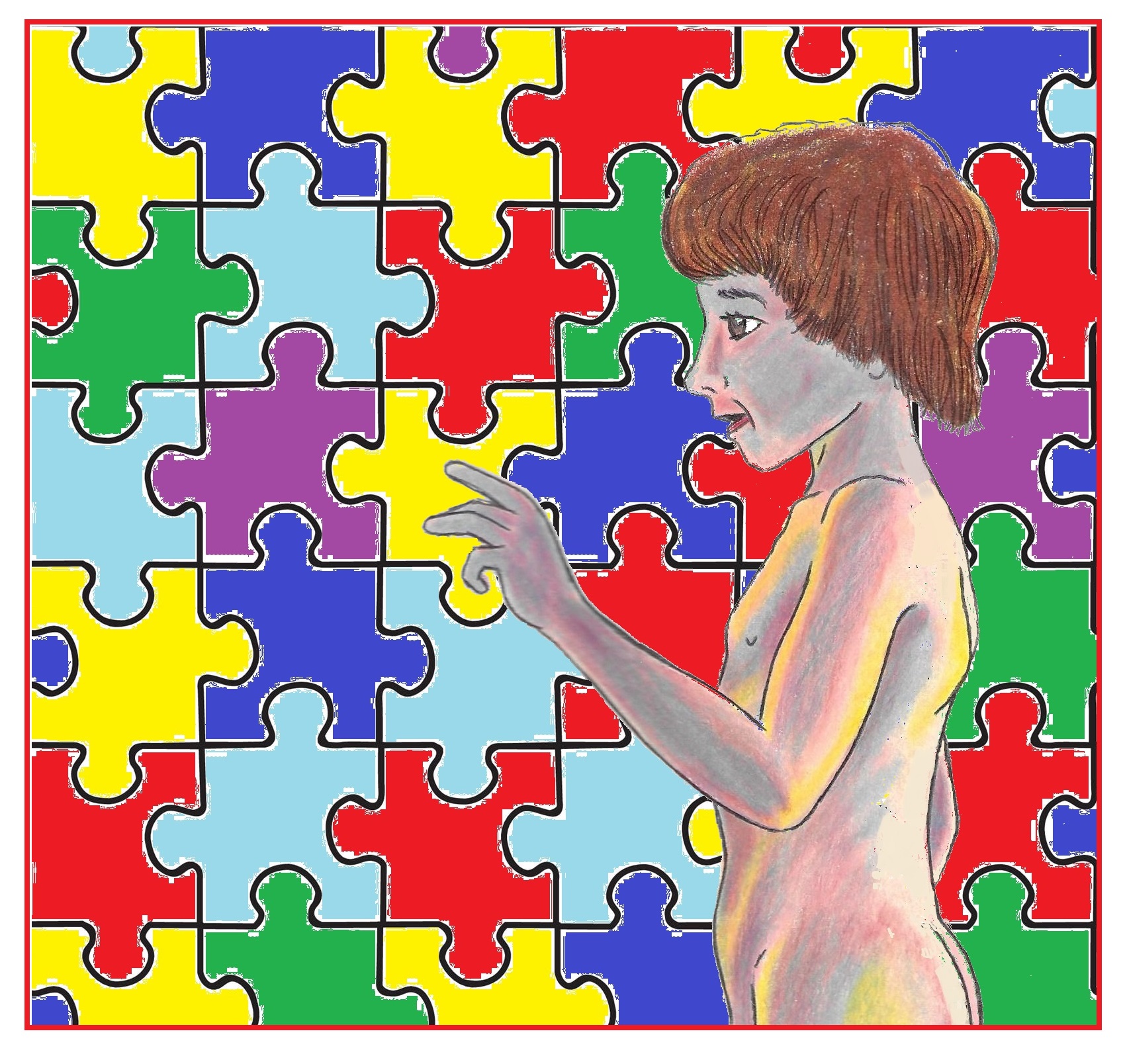
I am well aware that I have not put a theme to every single book I have written. But I think I have, in the course of 6 essays, done a fair job of puzzling together and proving my point that a novel, or even other kinds of books, need a coherent main theme, and the author should, hopefully, know what those themes are. So, the essay ends here. Mostly because I am old and cranky and tired of repeating myself endlessly.
Leave a comment
Filed under autobiography, commentary, humor, novel plans, novel writing, Paffooney, writing, writing humor