

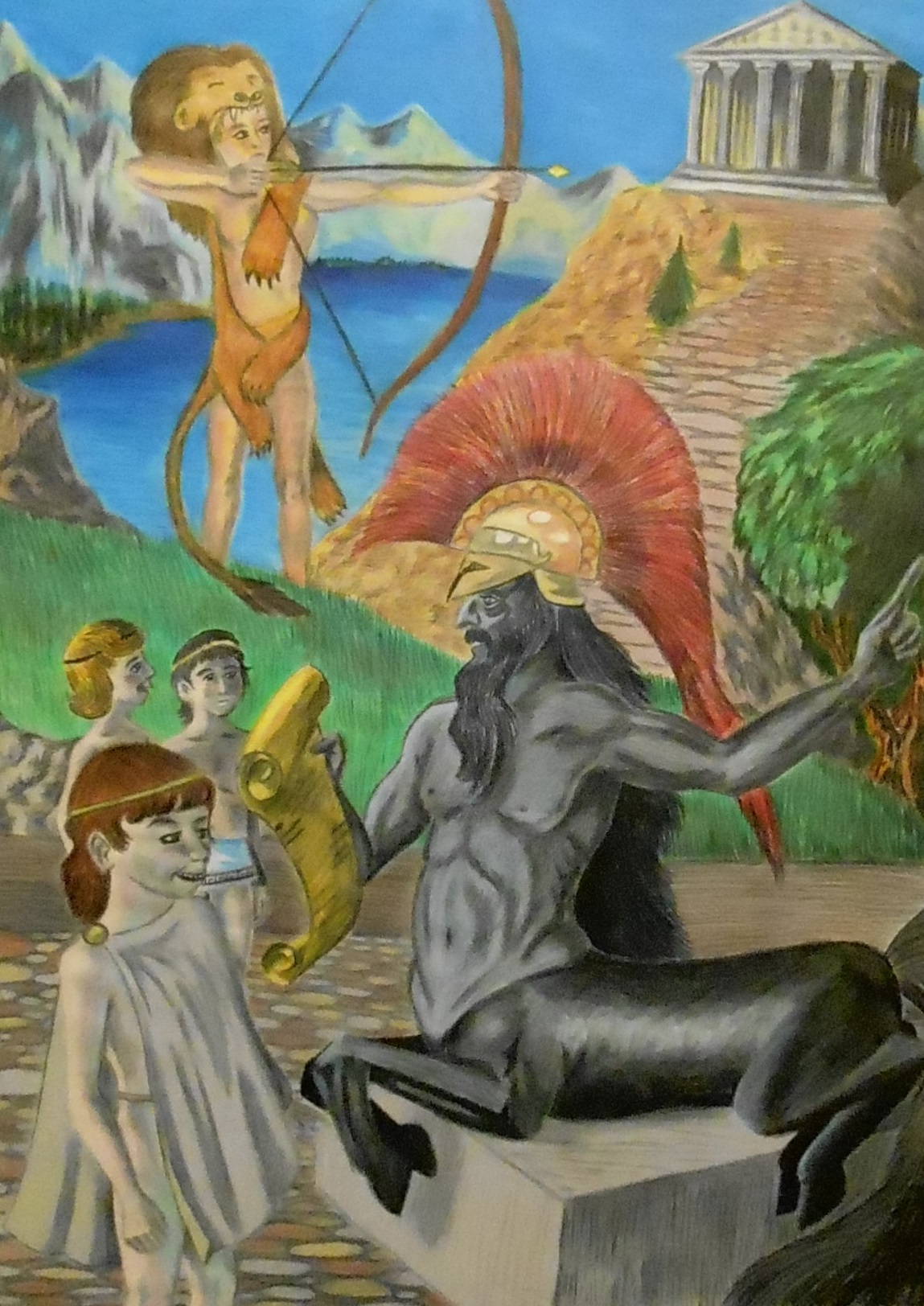
When I was in Cow College at Iowa State University I spent most of my study time listening to KLYF Radio in Des Moines. They would eventually transform into an easy-listening music station, but the time I truly lived a K-LYFe was when they played classical music. And it was there that I first fell deeply in love with the Saturday Matinee stylings of Erich Wolfgang Korngold, the first incarnation of John Williams of Star Wars fame. Yes, movie music. Classical movie music. And it seemed, mostly movie music for Errol Flynn movies.


My sister was always a lover of Errol Flynn movies, and when KGLO TV Channel 3 would play one on the Saturday Movie Matinee in the early afternoon, we would have to watch it, the whole thing, no matter how many times we were repeating the same four movies. Nancy would memorize the lines from the Olivia deHavilland love scenes. I would memorize the sword fight scenes with Errol and Evil Basil Rathbone (Good Basil was Sherlock Holmes, and we had to watch those too.) Early evenings on those Saturdays were all about playing pirate and Captain Blood adventures. Or better yet, Robin Hood.


But the music of adventure was by the composer Erich Wolfgang Korngold. He did the sound tracks for Captain Blood, Robin Hood, and the Sea Hawk.
I sincerely love the corny old movie matinee music because it was not only genius-level mood music and story-telling in a classical music instrumental masterpiece, but because even now it takes me back to the boy I was at twelve years old, playing pirate on Grandpa Aldrich’s farm. Making Robin Hood bows out of thin tree branches and arrows out of dried ragweed stalks. Sword fighting to the death with sticks with my cousin Bob, who was always Basil Rathbone in my mind. while I’m sure I was Basil Rathbone in his mind.
To be honest, there is much more to Korngold than I have relentlessly gushed about here like a hopeless nerdling fan-boy in the throws of a geeky movie passion. He was a musical child prodigy like Mozart. He wrote a ballet called Der Schneemann (the Snow Man) when he was only eleven, and became the talk of the town in Vienna, Austria in 1908. He became the conductor of the Hamburg Opera by 1921. He wrote some very fine classical music in the 20’s that still rings through orchestra halls to this day before coming to America in the early 30’s with film director Max Reinhardt. He scored his first film in 1935, adding music to Reinhardt’s Midsummer Night’s Dream. He was fortunate to escape Europe just as the Nazis were coming to power in Germany, and also at the right time to team up with new movie star sensation, Errol Flynn. He won his first Oscar for the musical score of the movie Anthony Adverse in 1936 and he won his second for The Adventures of Robin Hood in 1938. He died in 1957, a year after I was born. But I promise, I didn’t kill him. I was in college in the 1970’s when his music underwent a revival, complete with renewed popularity.
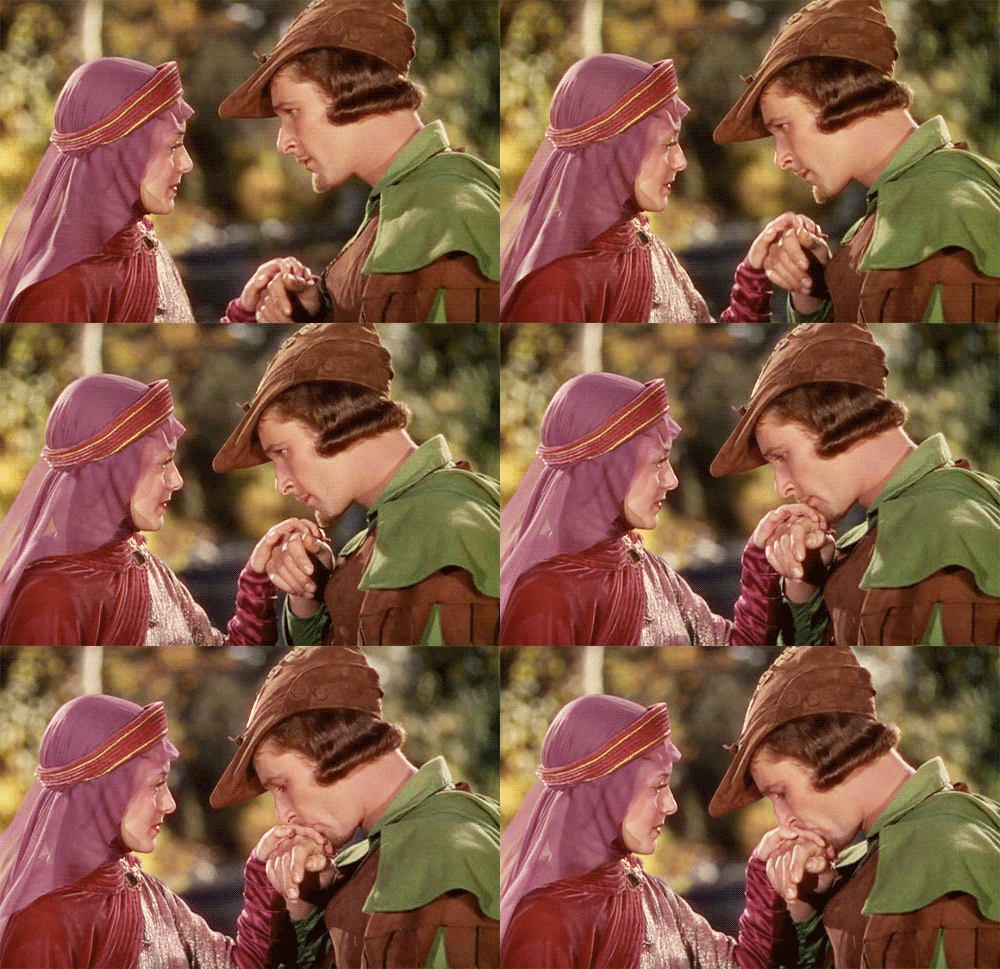
His music was pure gold to listen to in the fields of corn in Iowa in the 1970’s. It was just as good as that last pun was terrible. So, in other words, really, really, spectacularly good. It was the music that scored my childhood fantasy adventures.
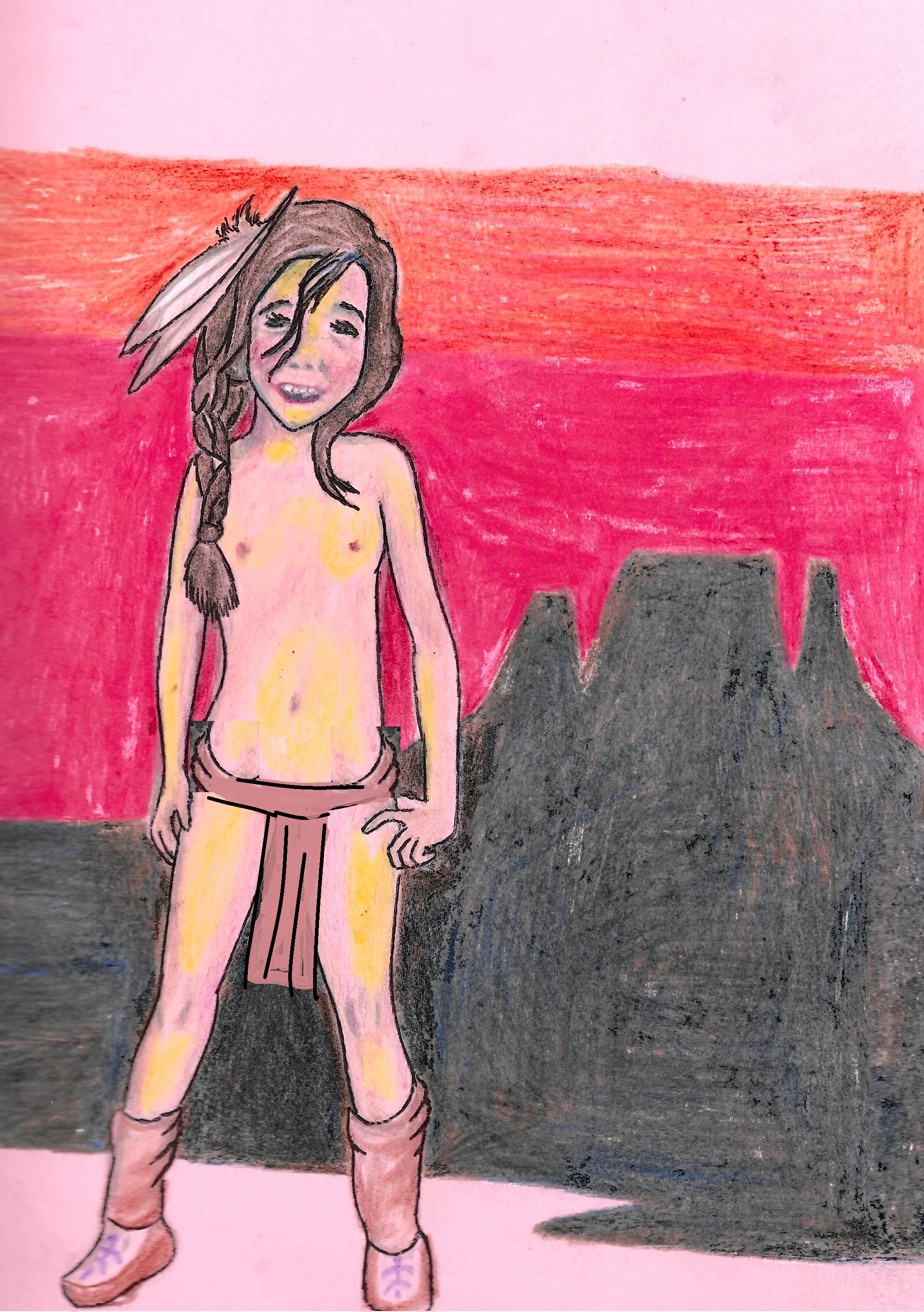


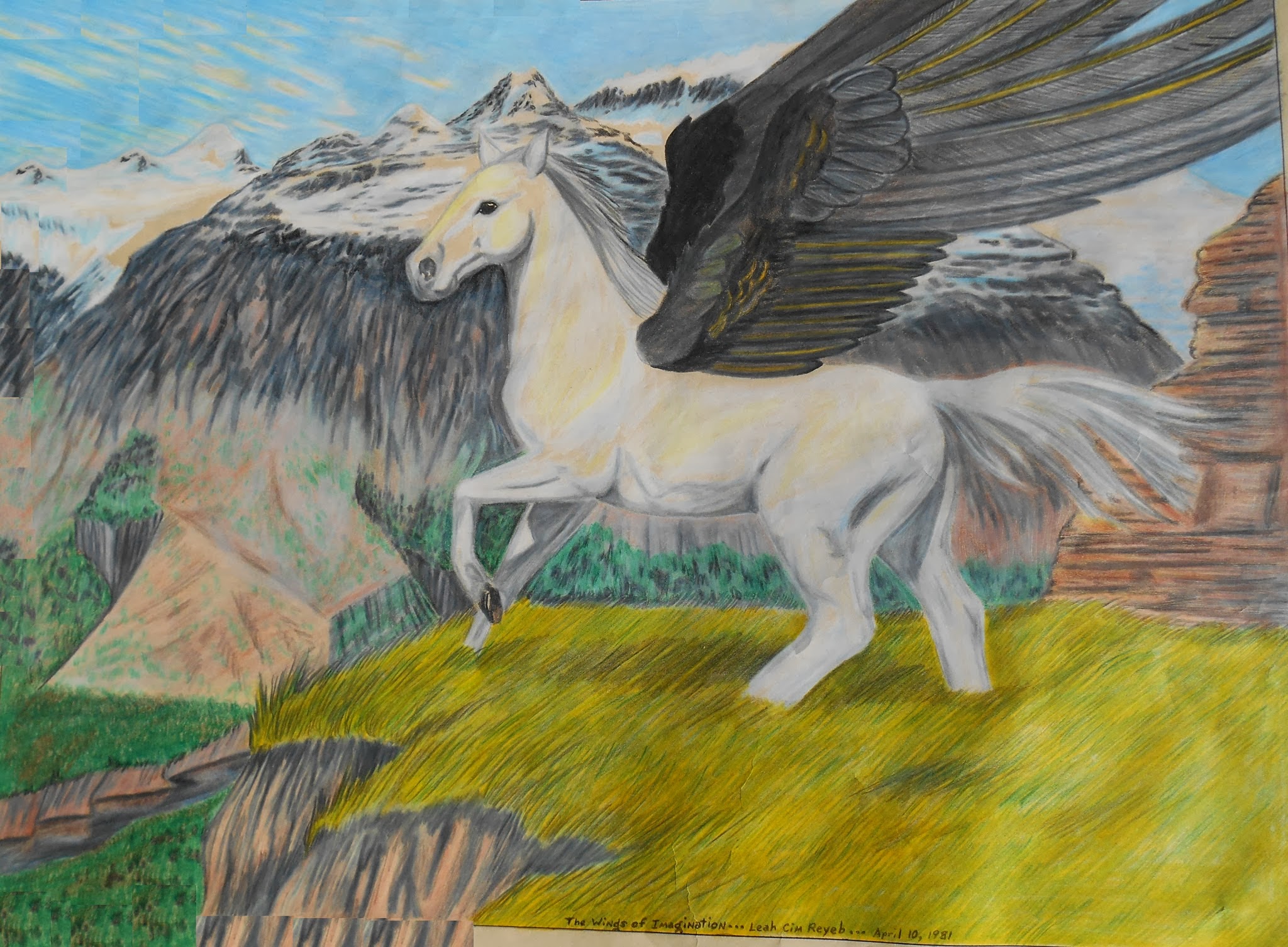

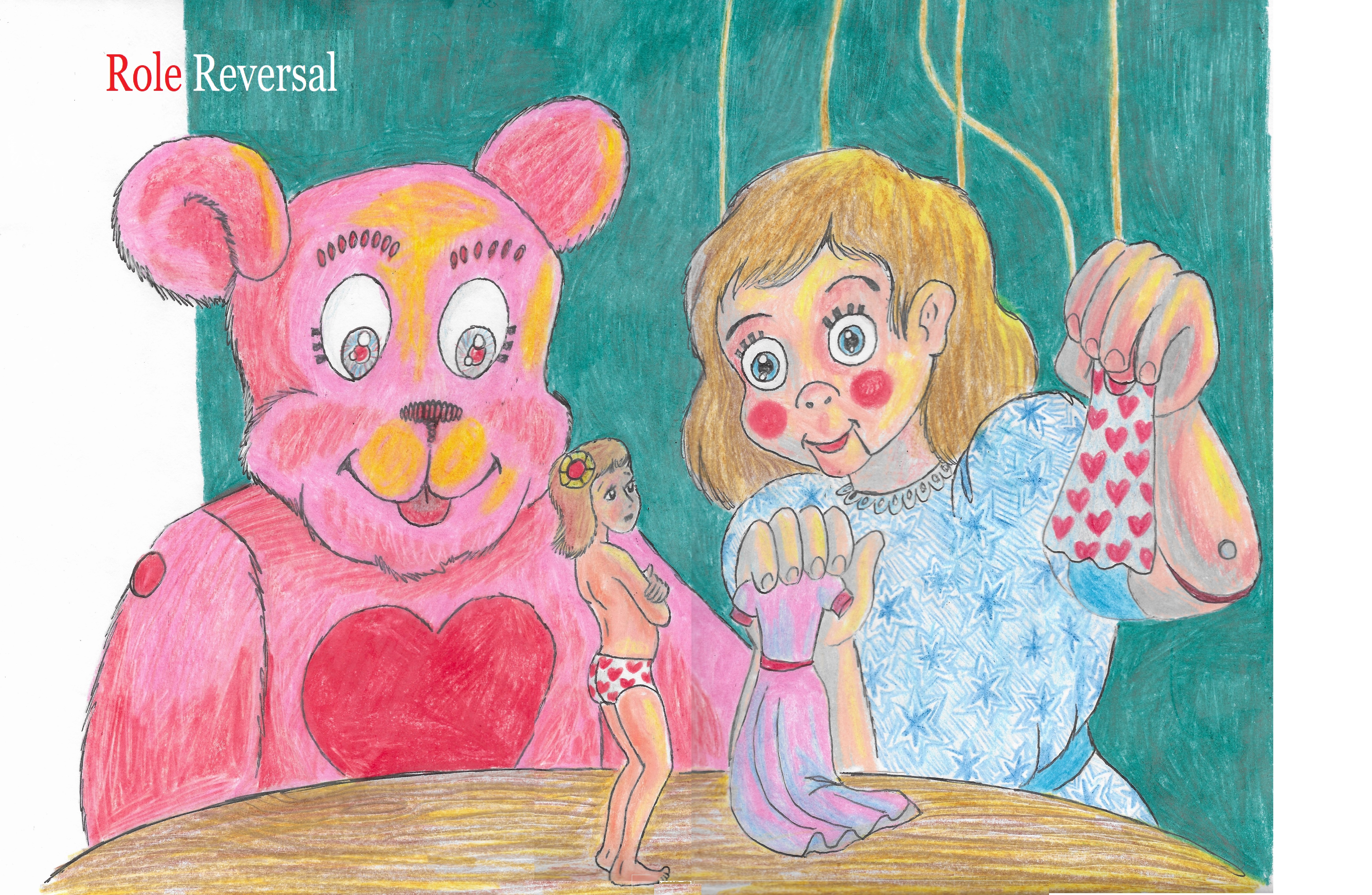



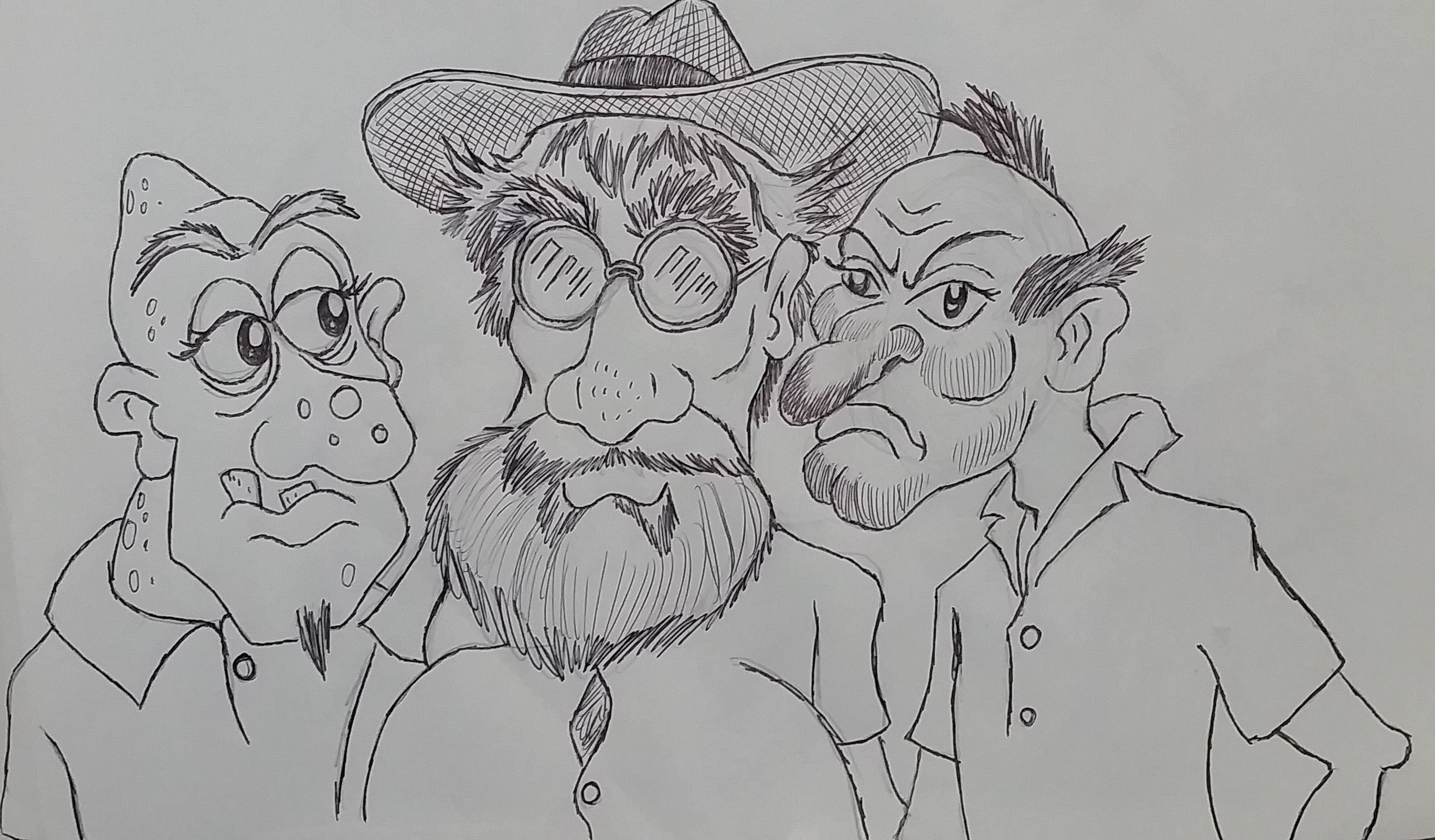






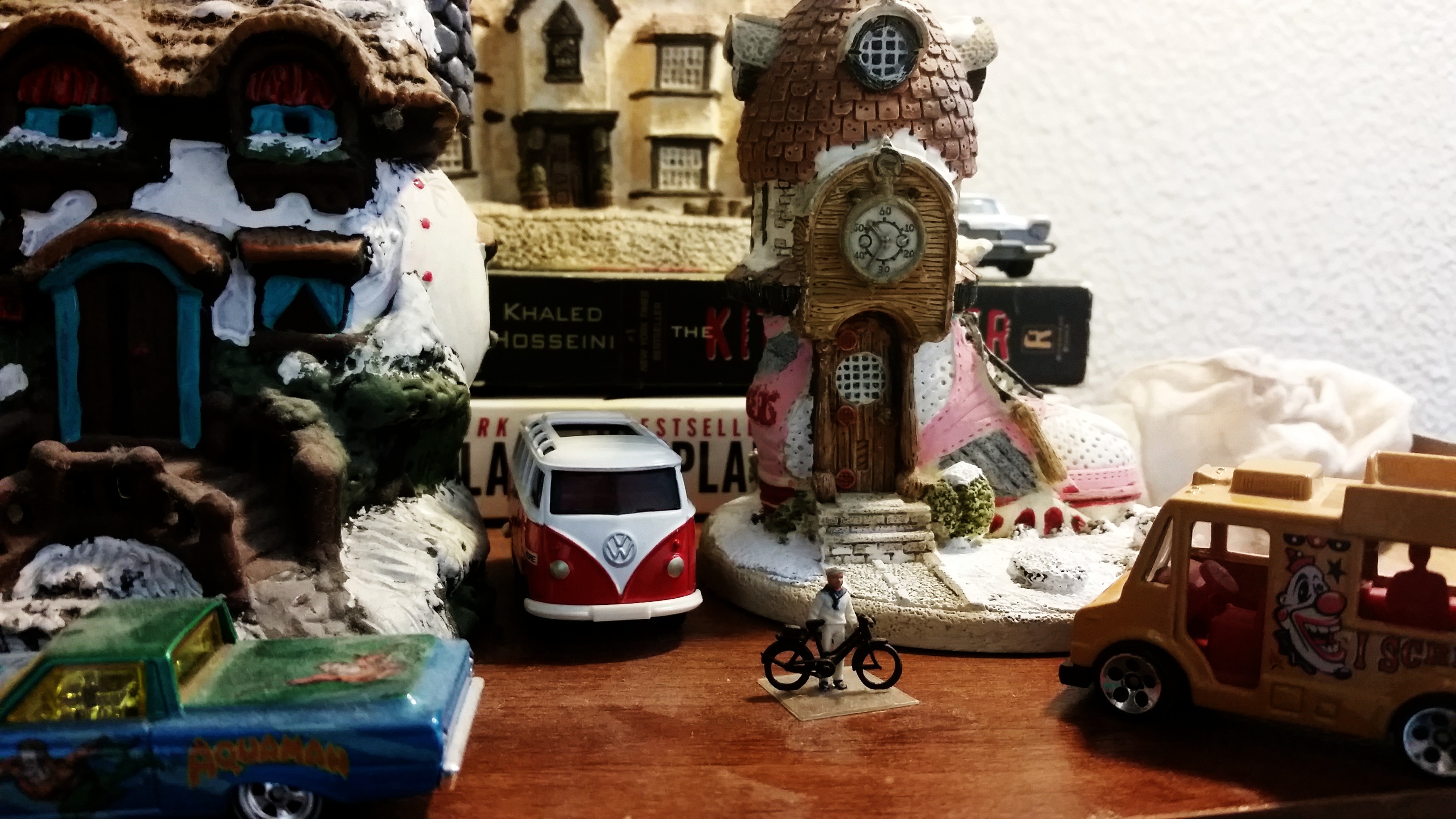
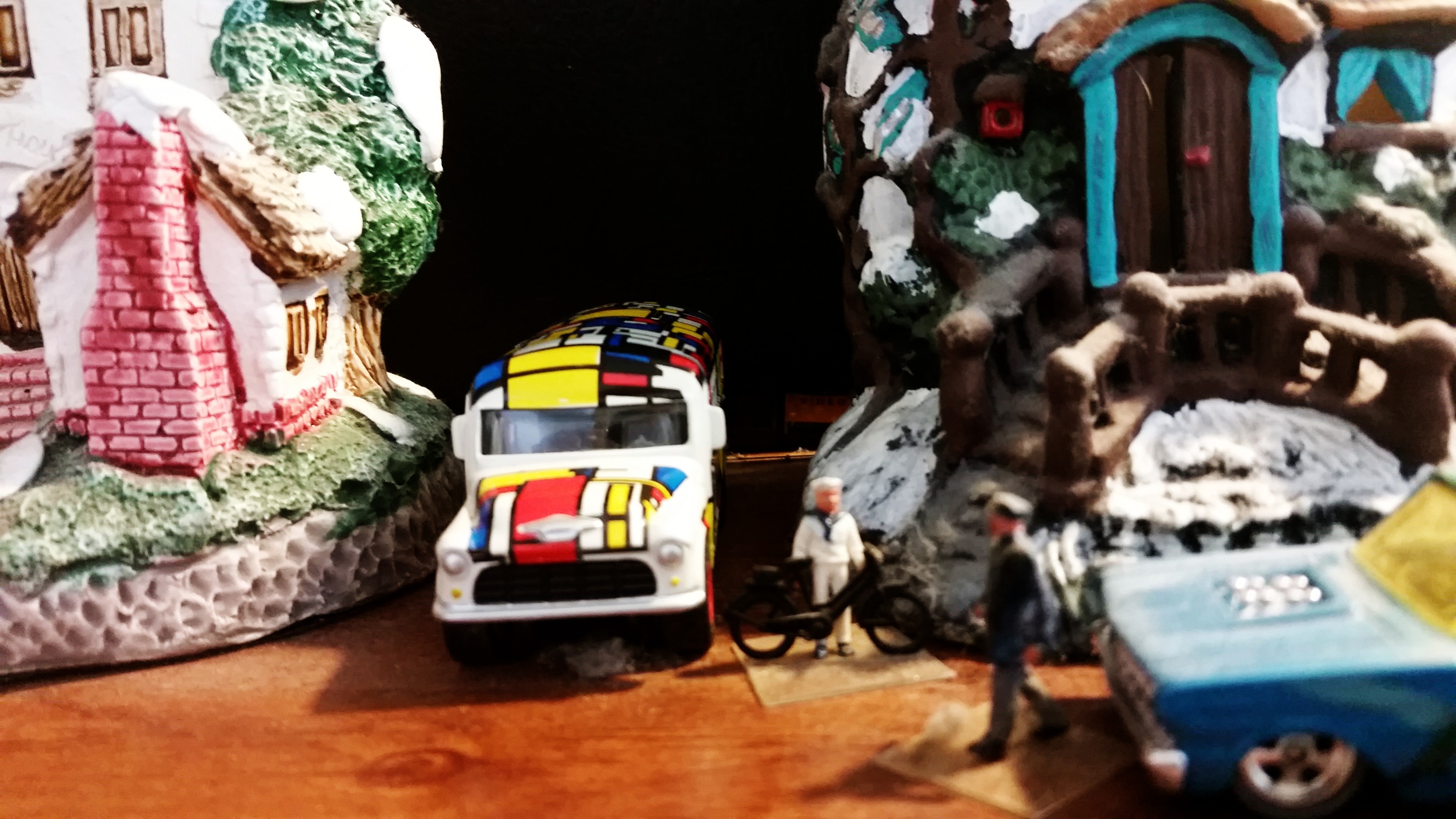 Here’s a view of the front of that same TV bus as it sits between Miss Wortle’s place and Eggbert Egghead’s Egg House. Dabney Egghead is the boy in the sailor suit showing off his brand new velocipede.

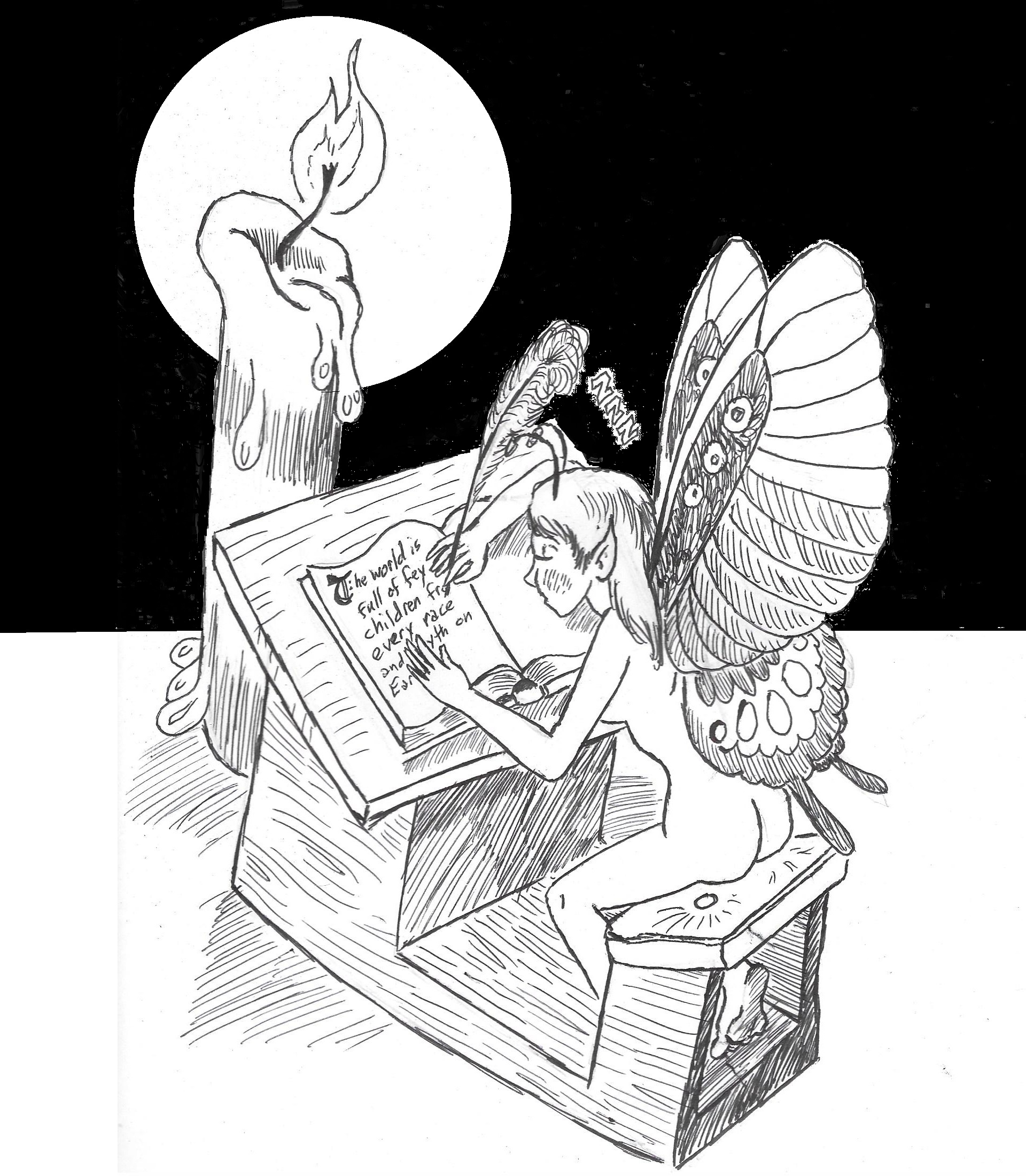

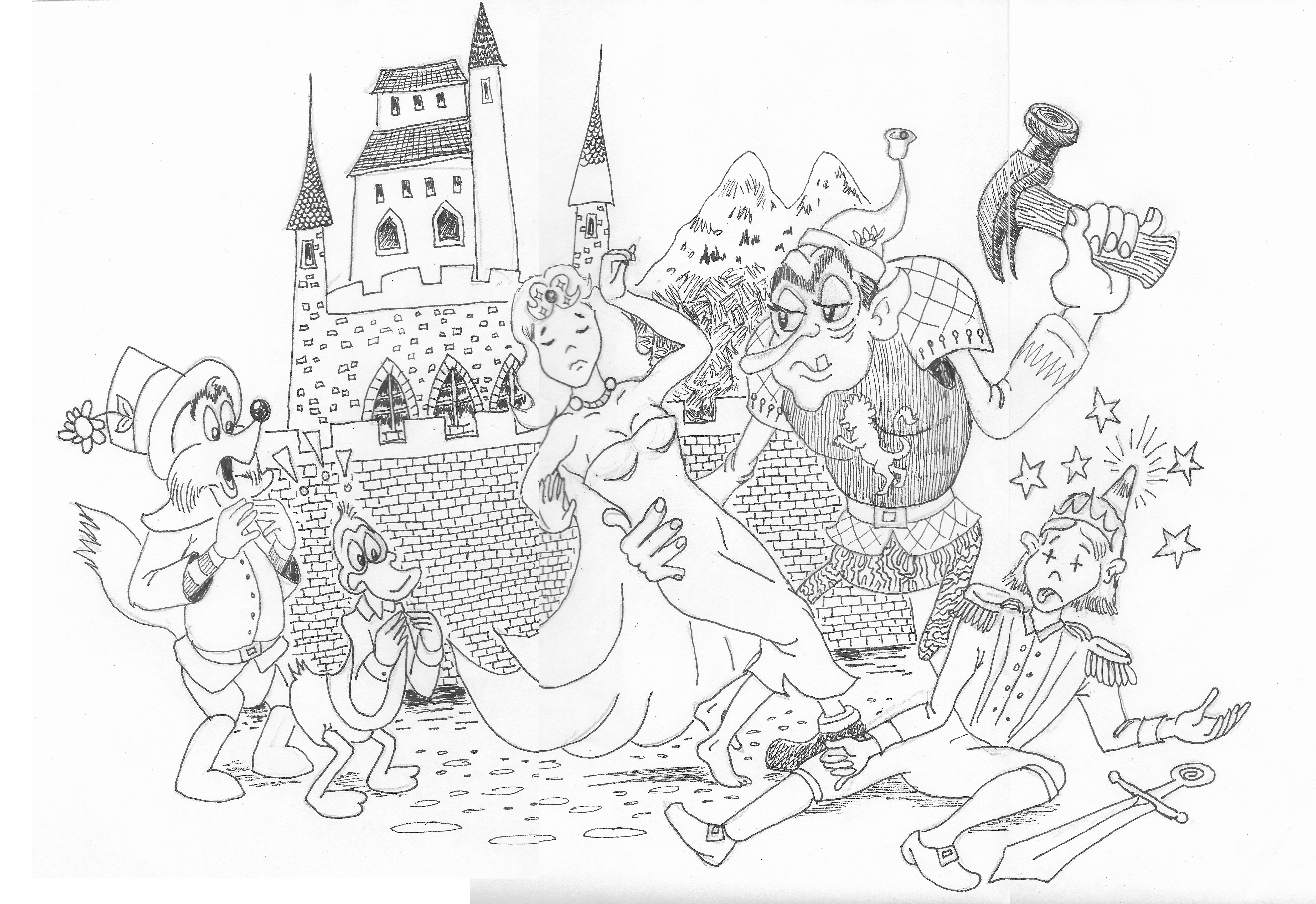
 Catch a Falling Star
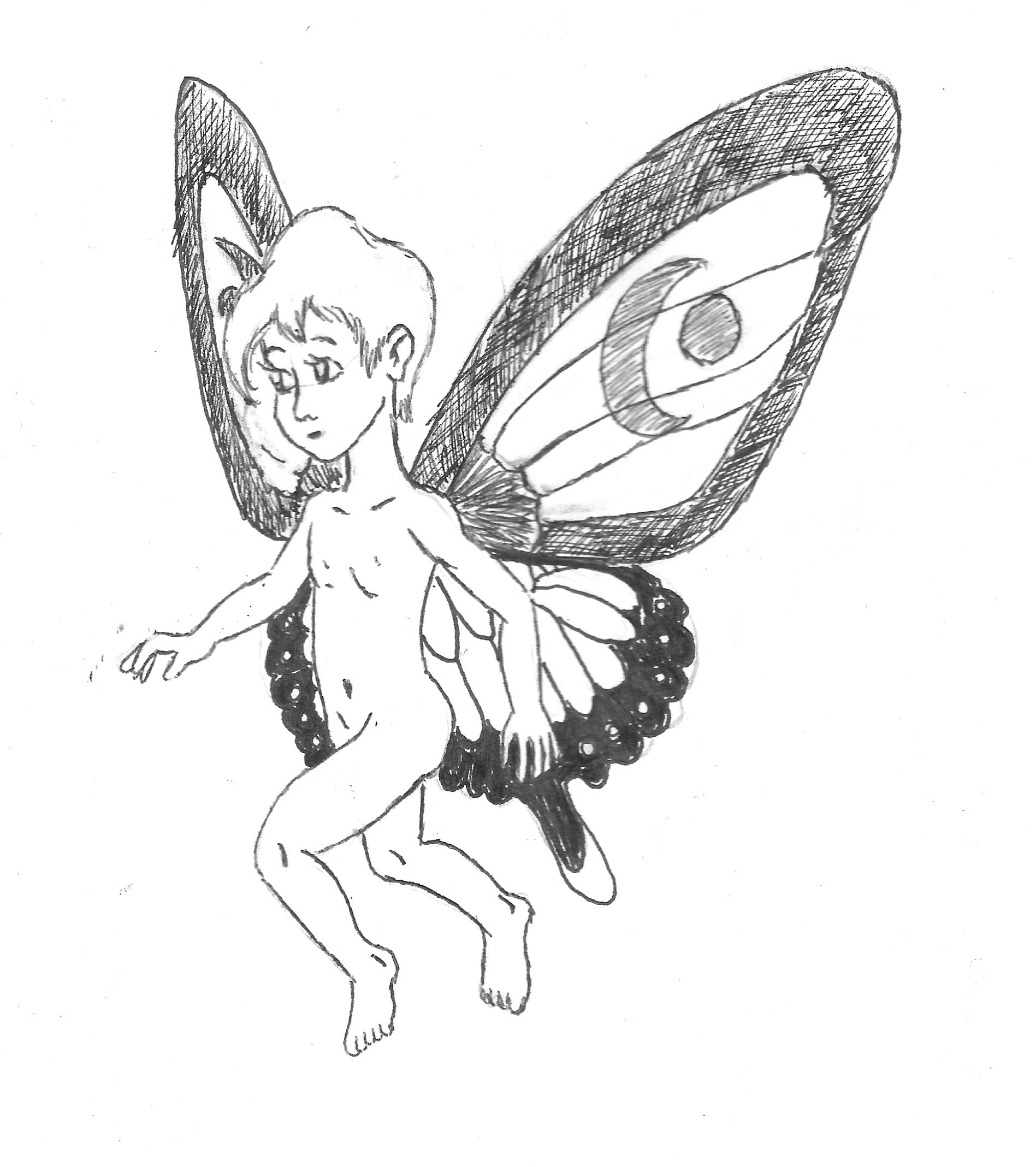
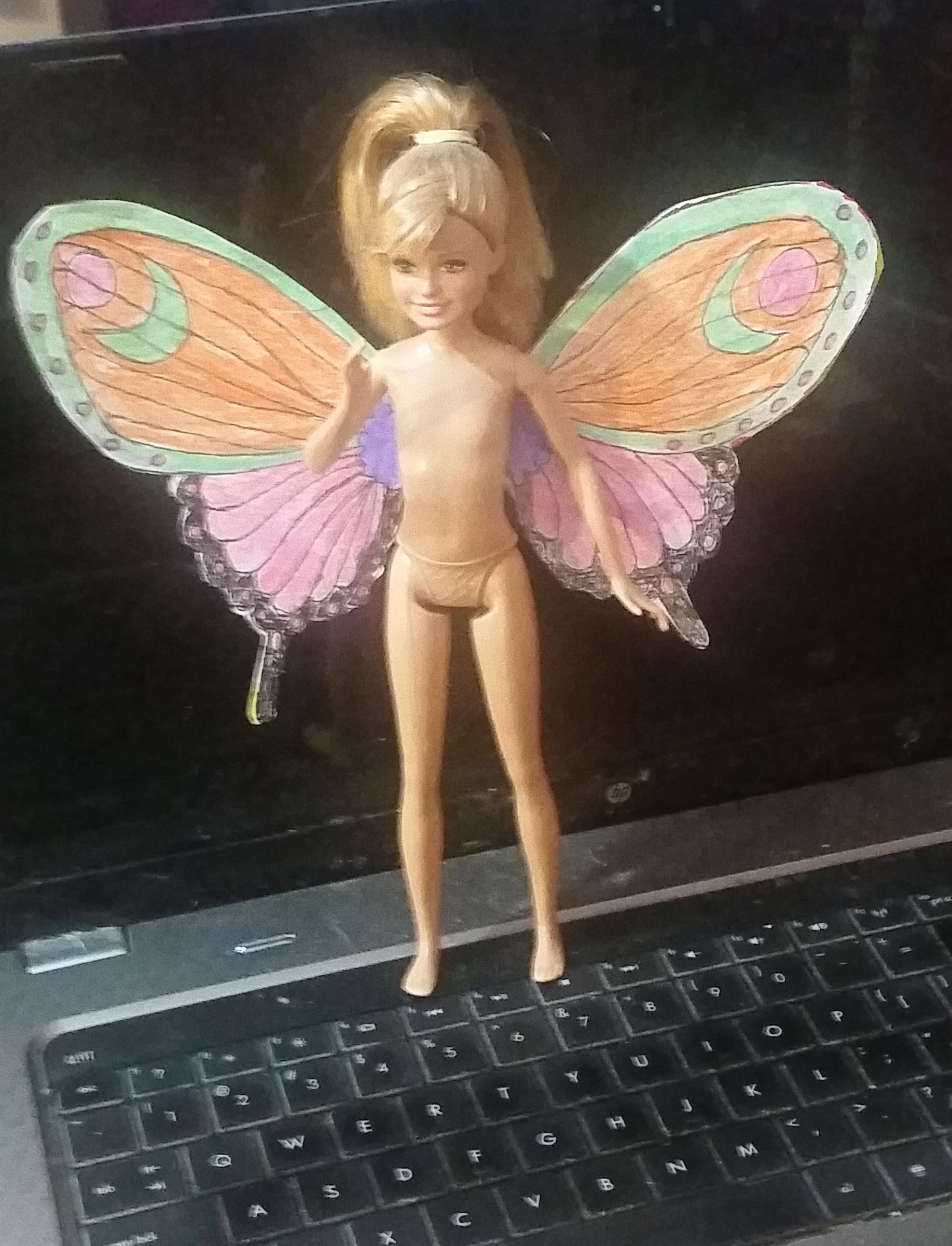
Do Not Crush the Butterfly…
Art on the bedroom wall, with Christmas lights being used as a night light.
Talking to a school administrator the other day about the challenges my children and I have been facing in the last year, I had one of those experiences where you get a look at your own life through someone else’s eyes. “Wow, you have really been on a difficult journey,” he said. I just nodded in response. Financial difficulties, health problems, dealing with depression… life has been tough. But you get through things like that by being centered. Meditation tricks. Things you can do to smooth out the wrinkles and keep moving forward.
I always return in the theater of my mind to a moment in childhood where I learned a critical lesson. My life has been one of learning how to build rather than destroy. It has been about creating, not criticizing.
Electric lights have come to Toonerville, helping to light the darkness.
When I was a boy, I was a serious butterfly hunter. It started when Uncle Don gave me a dead cecropia moth that he had found in the Rowan grain elevator. It was big and beautiful and perfectly preserved. Shortly thereafter, I located another cecropia in the garage behind the house, a building that had once been a wagon shed complete with horse stalls and a hay loft. I tried to catch it with my bare hands. And by the time I had hold of it, the powder on its wings was mostly gone. The wings were broken in a couple of places, and the poor bug was ruined in terms of starting a butterfly collection.
A cecropia moth
Undeterred by tragedy, I got books about butterfly collecting at the Rowan Public Library and began teaching myself how to bug hunt. I learned where to find them, and how to net them, and how to kill and mount them.
I discovered that my grandfather’s horse pasture had thistle patches which were natural feeding grounds for red admiral butterflies (pictured top left) and painted lady butterflies (top right). But if you wanted to catch the rarer mourning cloak butterfly (bottom picture), you had to stake out apple trees, particularly at apple blossom time, though I caught one on the ripening apples too.
The tiger swallowtail was the butterfly that completed my collection, and it was finished when one of my cousins caught one and gave it to me because she knew I collected them.
But then, one day, while I was sitting on a blanket under a maple tree in the back yard with my notebooks open, writing something that I no longer even recall what I wrote, the backyard tiger swallowtail visited me again. In fact, he landed on the back of my hand. I dropped the pencil I was writing with, and slowly, carefully, I turned my hand over underneath him so that he was sitting on my palm.
I could’ve easily closed my hand upon him and captured him. But I learned the lesson long before from the cecropia that catching a butterfly by hand would destroy its delicate beauty. I would knock all the yellow and black powder off his exquisite wings. I could not catch him. But I could close my hand and crush him. I would be victorious after a summer-long losing battle.
But that moment brought an end to my butterfly hunting. I let him flutter away with the August breeze. I did not crush the butterfly. It was then that I realized what beauty there was in the world, and how fragile that beauty could be. I could not keep it alive forever. But it lasted a little big longer because I chose to let it.
So, here is the lesson that keeps me whole. Even though I had the power, I did not crush the butterfly.
Leave a comment
Filed under commentary, compassion, feeling sorry for myself, healing, humor, insight, inspiration, wisdom
Tagged as bug hunting, butterflies, wisdom