
I read a lot of other people’s blogs for a lot of reasons. As an old writing teacher and retired Grammar Nazi, I love to see where writers are on the talent spectrum. I have read everything from the philosophy of Camus and Kant to the beginning writing of ESL kids who are illiterate in two languages. I view it like a vast flower garden of varied posies where even the weeds can be considered beautiful. And like rare species of flower, I notice that many of the best blossoms out there in the blogosphere are consistent with their coloring and patterns. In other words, they have a theme.
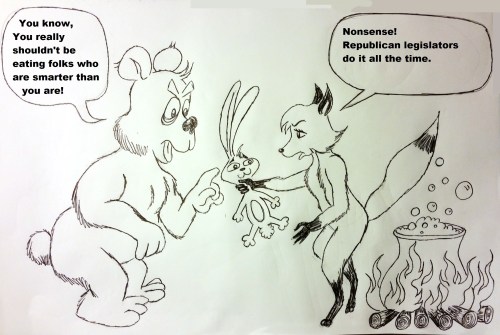
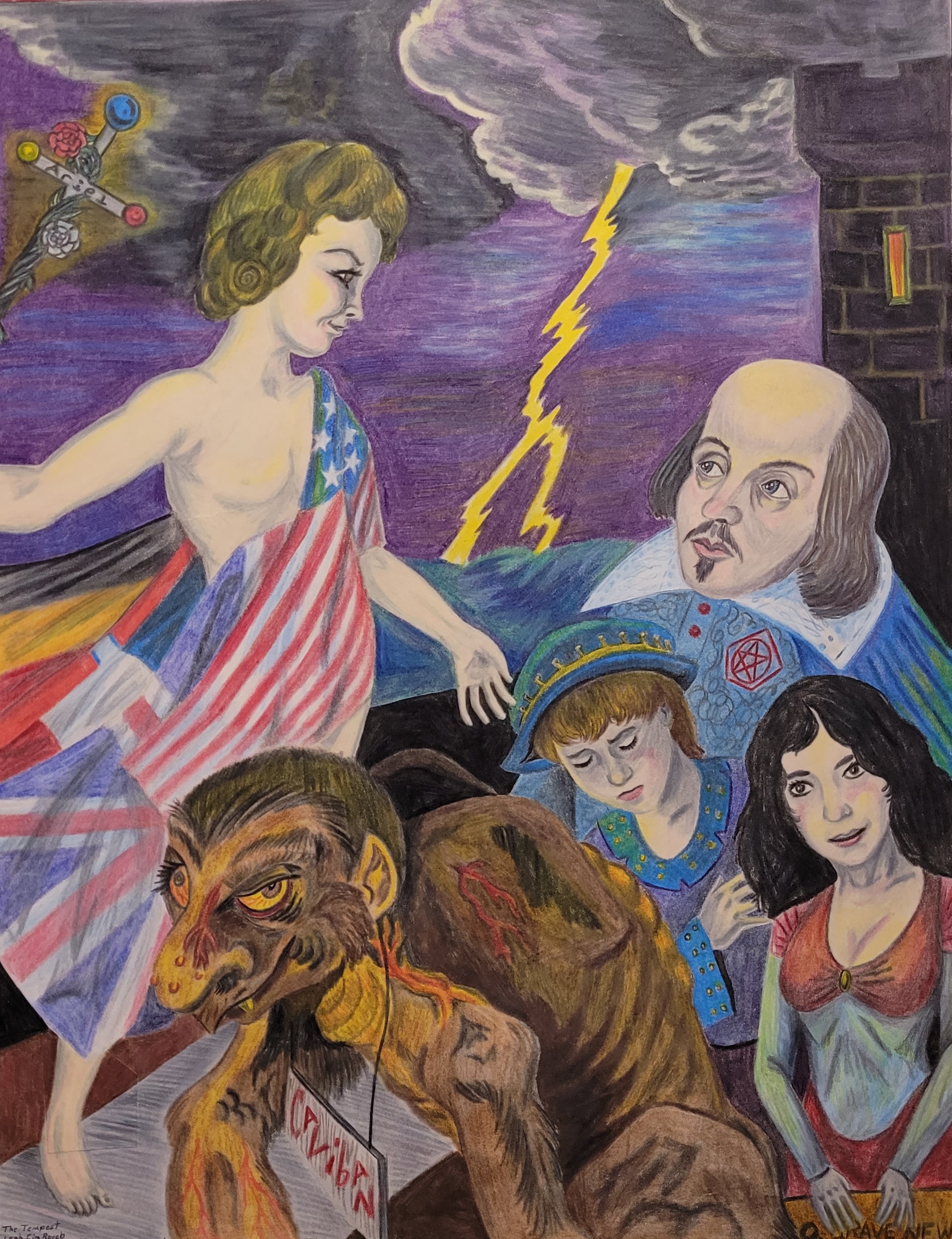
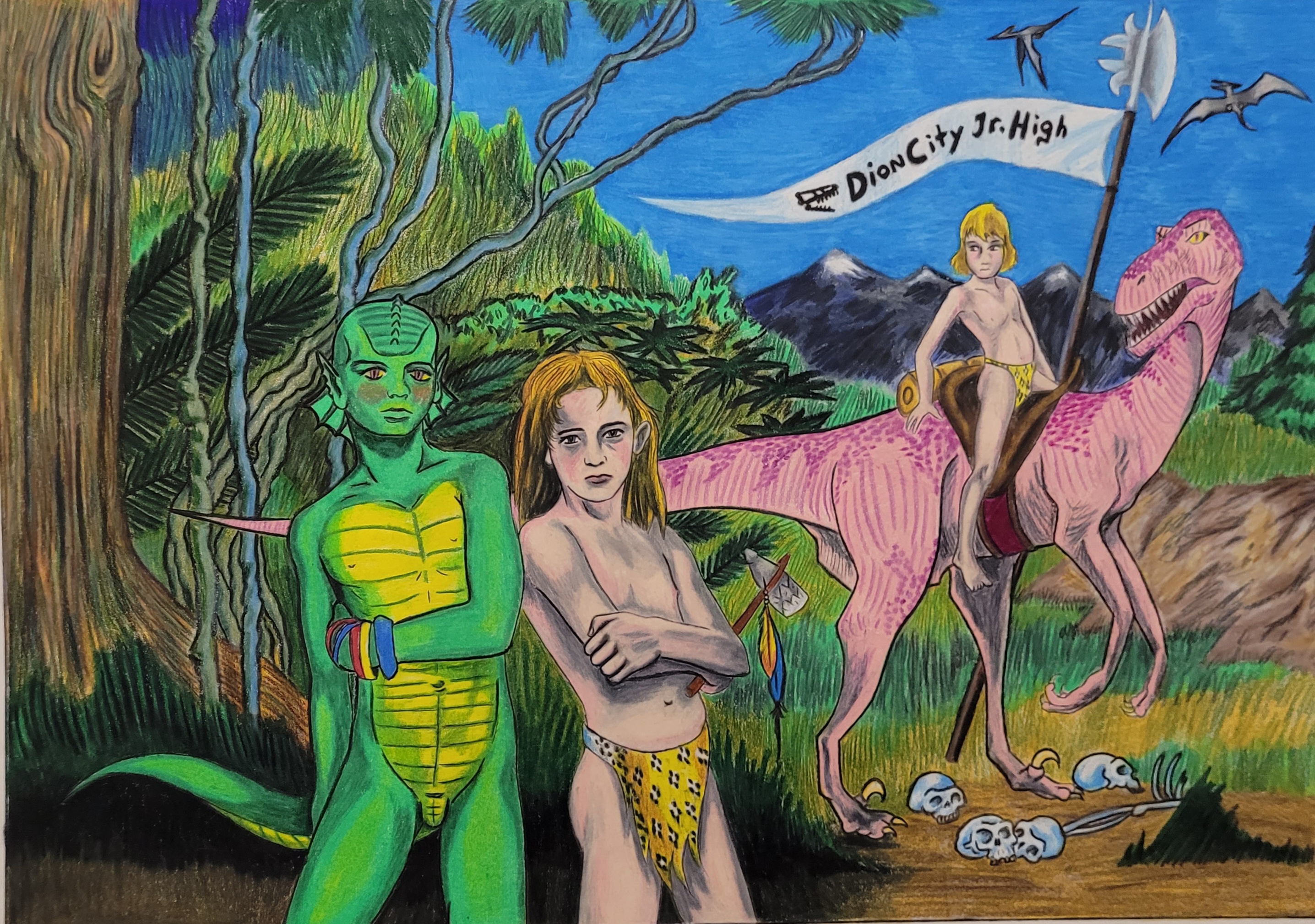
So, do I have an over-all theme for my blog? It isn’t purely poetical like some of the poetry blogs I like to read. I really only write comically bad poetry. It has photos in it, but it isn’t anything like some of the photography blogs I follow. They actually know how to photograph stuff and make it look perfect and pretty. It is not strictly an art blog. I do a lot of drawing and cartooning and inflict it upon you in this blog. But I am not a professional artist and can’t hold a candle to some of the painters and artists I follow and sometimes even post about. I enjoy calling Trump President Pumpkinhead, but I can’t say that my blog is a political humor blog, or that I am even passable as a humorous political commentator.
One thing that I can definitely say is that I was once a teacher. I was one of those organizers and explainers who stand in front of diverse groups of kids five days a week for six shows a day and try to make them understand a little something. Something wise. Something wonderful. Something new. Look at the video above if you haven’t already watched it. Not only does it give you a sense of the power of holding the big pencil, it teaches you something you probably didn’t realize before with so much more than mere words.

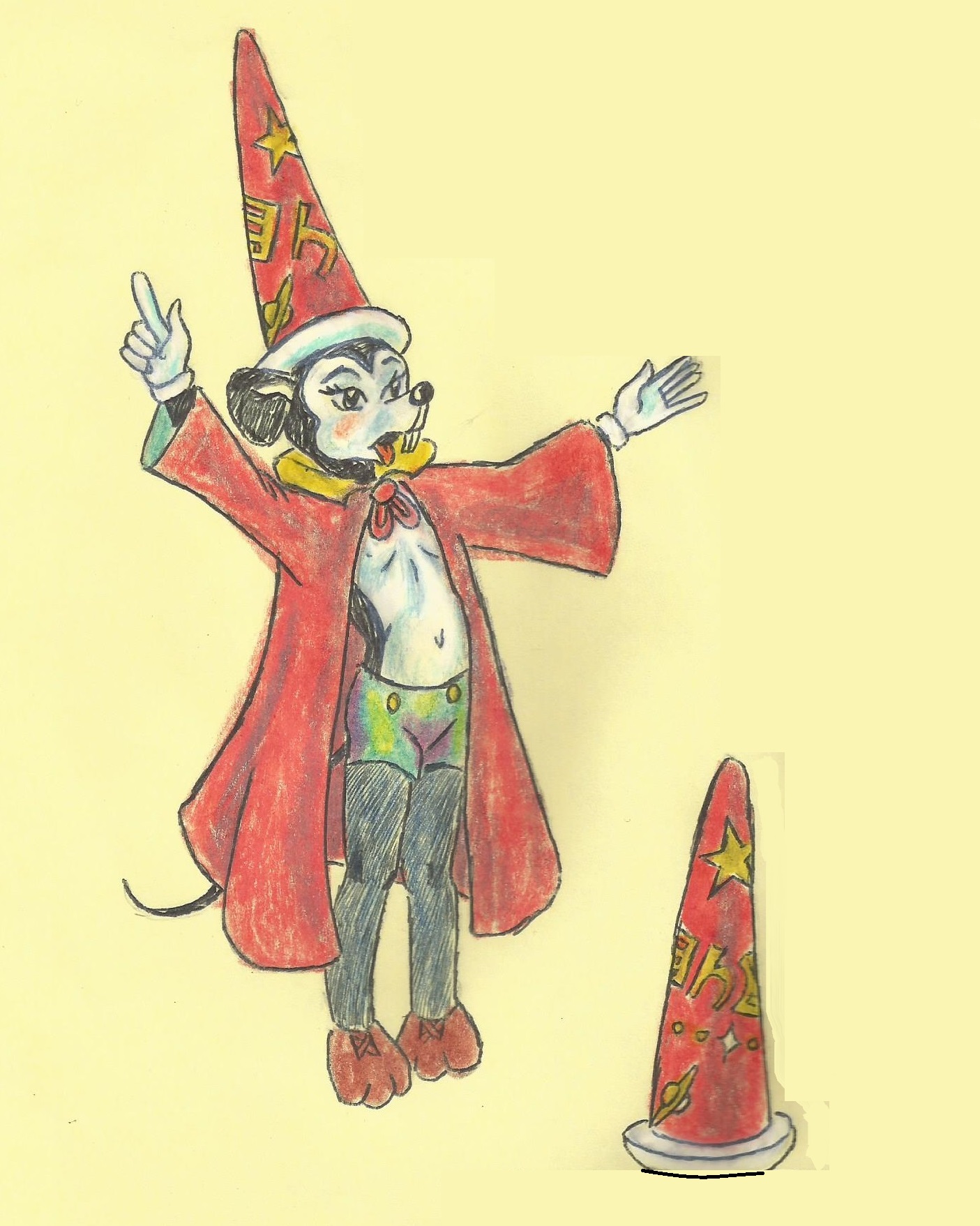
But can I say this is an education blog? No. It is far too silly and pointless to be that. If you want a real education blog, you have to look for someone like Diane Ravitch’s blog. Education is a more serious and sober topic than Mickey.
By the way, were you worried about the poor bunny in that first cartoon getting eaten by the fox and the bear? Well, maybe this point from that conversation can put your mind at ease.
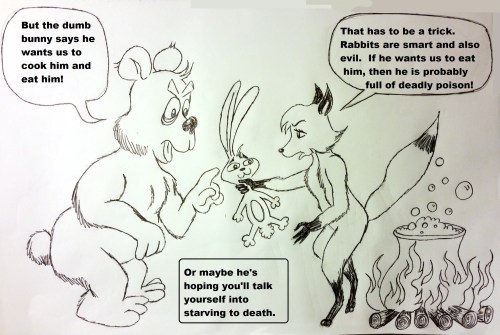
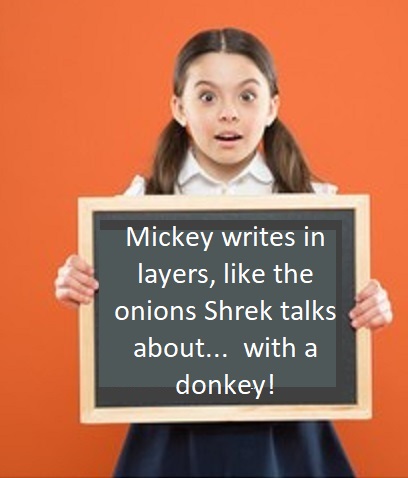
Mickey is tricky and gets good mileage out of his cartoons.
You may have gotten the idea that I like Bobby McFerrin by this point in my post. It is true. Pure genius and raw creative talent fascinate me. Is that the end point of my journey to an answer about what the heck this blog is about? Perhaps. As good an answer as any. But I think the question is still open for debate. It is the journey from thought through many thoughts to theme that make it all fun. And I don’t anticipate that journey actually ending anytime soon.




















 Catch a Falling Star
Milt Caniff
My 1967 Captain Action Steve Canyon action figure.
I have always been a deeply devoted fan of the Sunday funnies. And one of the reasons I read the comics religiously was the work of Milt Caniff. His comic strips, Terry and the Pirates, Male Call, and Steve Canyon set a standard for the age of action comics and adventure strips.
I read his comics in the 1960’s and 1970’s and always it was Steve Canyon. But this, of course, was not his first strip. I would discover in my college years the wonders of Terry and the Pirates. When Caniff started the strip before World War II, he set it in China, but actually knew nothing about China. So he did research. He learned about people who became oriental hereditary pirate families and organizations. He learned to draw authentic Chinese settings. His comedy relief characters, Connie and the Big Stoop, were rather racist parodies of Chinamen and were among the reasons that the original strip had to mature into his later work in Steve Canyon. But perhaps the most enduring character from the strip was the mysterious pirate leader known as the Dragon Lady.
Steve Canyon is a fascinating study in the comic arts. When he left the Terry and the Pirates strip in 1946, it went on without him. It was owned by the Chicago Tribune-New York Daily News distribution syndicate, not Caniff himself. Steve Canyon would change that. He created it and owned it himself, making Caniff one of only two or three comics artists who actually owned their own creations. Canyon started out as a civilian pilot, but enlisted in the Air Force for the Korean War and would remain in the Air Force for the remainder of the strip. Some of the characters in the strip were based on real people. His long-time friend Charlie Russhon, a former photographer and Lieutenant in the Air Force who went on to be a technical adviser for James Bond films was the model for the character Charlie Vanilla, the man with the ice cream cone. Madame Lynx was based on the femme fatale spy character played by Illona Massey in the 1949 Marx Brothers’ movie Love Happy. Caniff designed Pipper the Piper after John Kennedy and Miss Mizzou after Marilyn Monroe.
I am not the only cartoonist who was taken with the work of Milt Caniff. The effects of his ground-breaking work can be seen to influence the works of comic artists like Jack Kirby, Bob Kane, John Romita Sr., and Doug Wildey. If you are anything like the comic book nut I am, than you are impressed by that list, even more so if I listed everyone he influenced. Milt Caniff was a cartoonists’ cartoonist. He was one of the founders of the National Cartoonists’ Society and served two terms as its president in 1948 and 1949. He is also a member of the Will Eisner Comic Book Hall of Fame.
Leave a comment
Filed under action figures, comic strips, commentary, inspiration
Tagged as comic art, comic strips, Milt Caniff, Steve Canyon, Terry and the Pirates