I drew this picture back in my college days, the middle 1970’s. If you look at it closely, you will see my shorthand in action. The rose on the trellis is one. I have drawn a thousand roses since I did this one. It is the formalized set of lines, colors, and shading that I always put together whenever the thing I mean is “a ro se.”
You can see it in the orange bricks of the goldfish pond. Compare those to the gray foundation bricks. The same shorthand patterns. The brick grid in the background as well.
The shadow patterns of wrinkles in the boy’s clothing are also shorthand I almost always do when drawing from my imagination. The faces in profile, too.
There is a language here spoken silently in colored pencil. Complex ideas pictured in a simple colored-pencil picture-language.
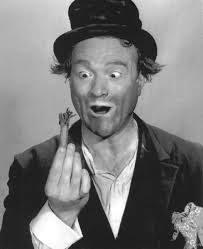
It began in childhood with the Red Skelton Show. Every Wednesday night it was a refuge for me. And refuge was a critical idea for me. I was a child hiding a terrible secret from the entire world. At times I hated myself. Twice as a teen I came very close to choosing suicide over life. The person I most needed to hide from was myself. And humor helped. Red Skelton’s gentle humor helped me to not only escape from myself for a while, it taught me to laugh at my own foibles and not take things quite so seriously.
media.npr.org
In my college years I discovered humor in written form. Mark Twain swiftly earned my utter devotion as I read not only Huckleberry Finn and Tom Sawyer, but Roughing It, A Connecticut Yankee in King Arthur’s Court, Pudd’nhead Wilson, The Mysterious Stranger, and The Autobiography of Mark Twain. You know, there are a large number of things in Mark Twain’s humorous books that make you cry, that make you angry, and make you think deep thoughts. I basically discovered that humor is a way that smart people choose to think of things which helps to keep you sane and basically un-suicided.
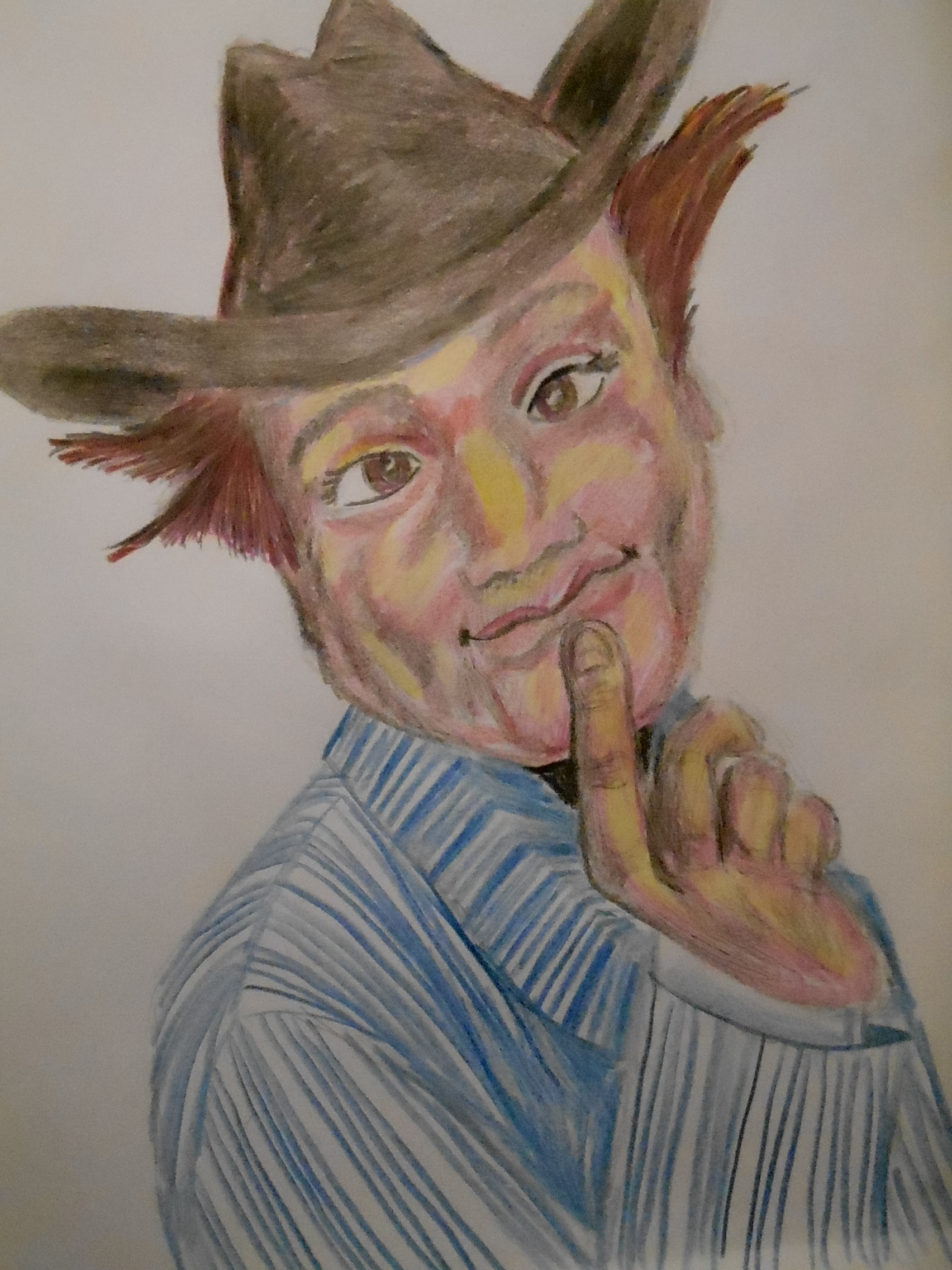
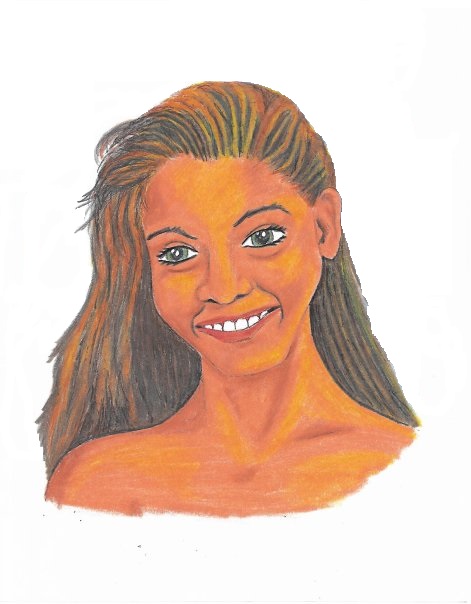
A beautiful portrait by artist Emily Stepp
It is obvious that some people become very skilled at humor because they have used it all their lives to fight the darkness . Robin Williams is only few years older than I am. In many ways his life has paralleled my own (obviously minus the wealth and fame in my case… but what would’ve happened if Robin had become a school teacher?) I have depended on Robin Williams’ movies to keep me going, giving me insights in how to talk to kids, how to be a parent, and how to empathize with others. Of course, I haven’t yet taken some of his movie advice. I never put on a mask and a dress to deceive my own children. But only time will tell.
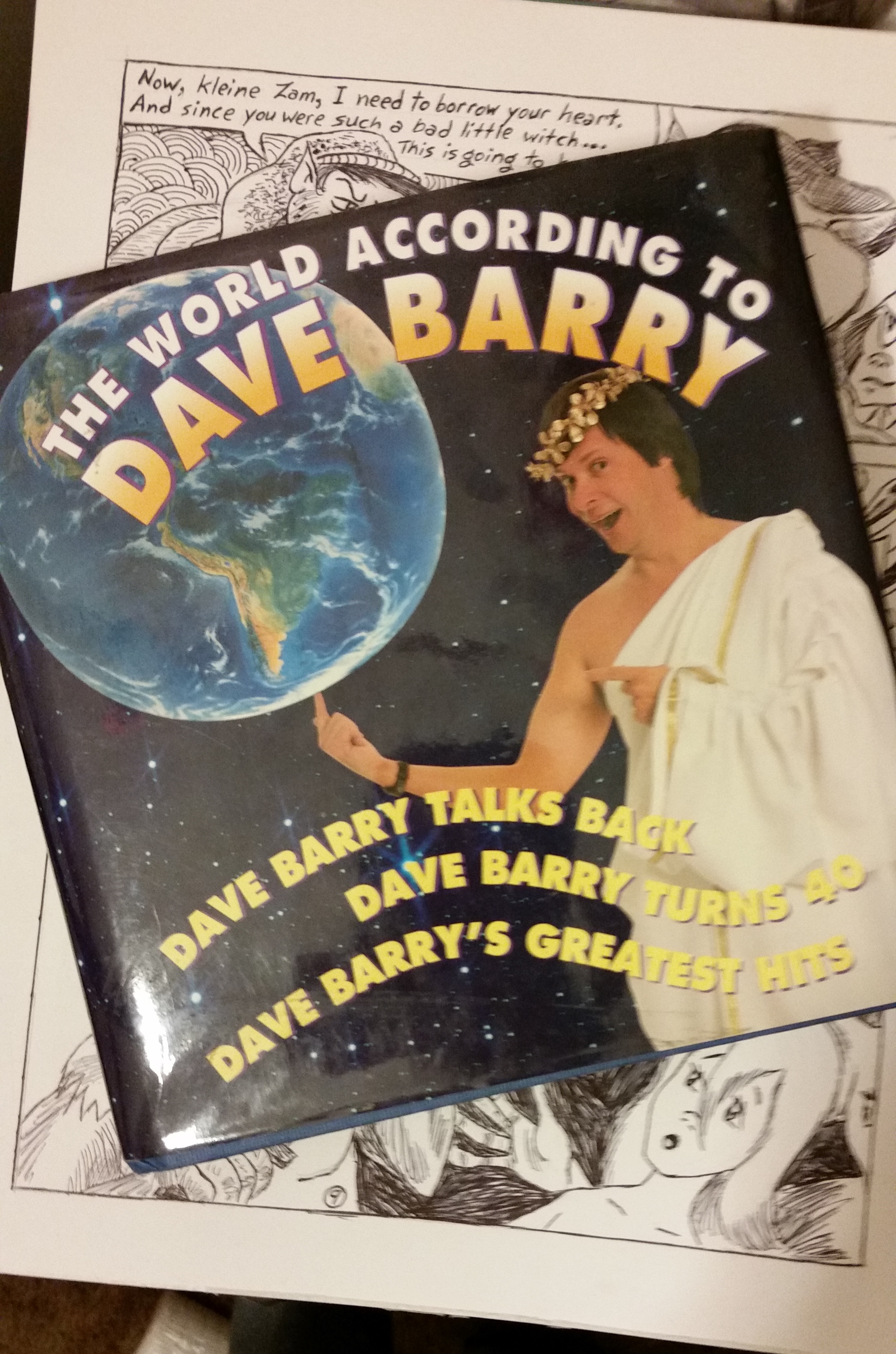
I obsess about humor and how you create it. I gorge on things like the works of Dave Barry. Do you know who he is? Florida newspaper columnist who writes books about everyday life and the fools who live it? I have to do a post on Dave Barry, because he makes me laugh so hard that milk shoots out of my nose, sometimes when I am not even drinking milk… believe me, I don’t know how that works either.
A bust of Herman Munster
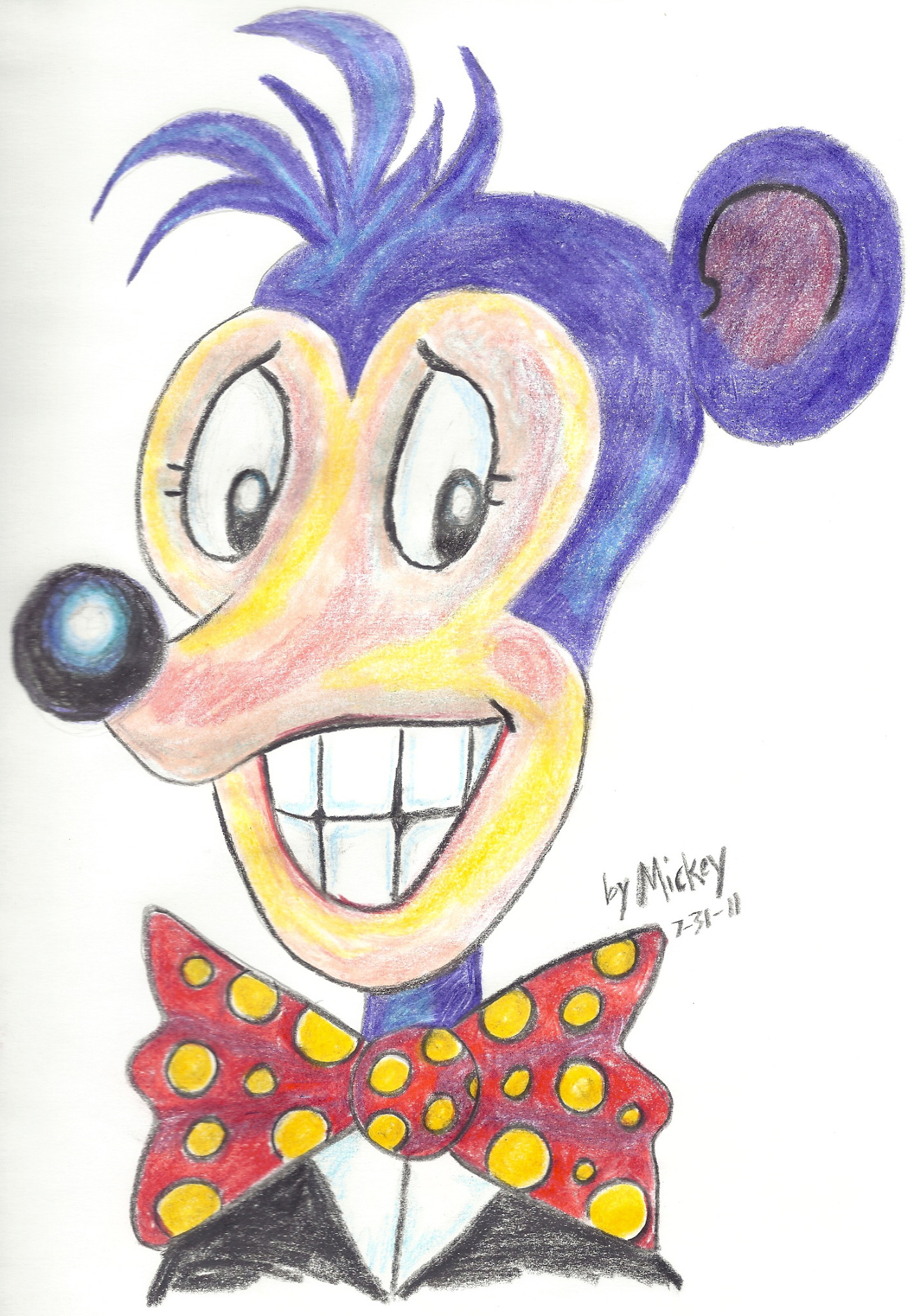
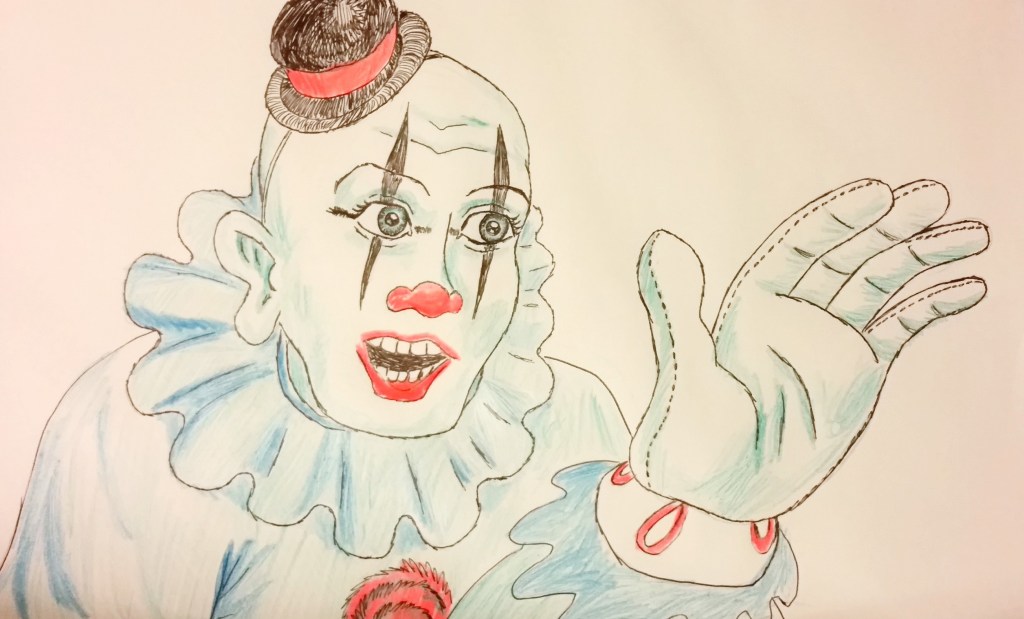
Doofy Fuddbugg here is an example of what a “Nolt” is.
I love to laugh. It makes the world right again. I have laughed an awful lot for almost an entire lifetime now. I treasure all the funny people I have known. And I need to continue to try to make people laugh up until the very end. Because the world is too often not a funny place. It can be full of badness and sadness and suffering. And as Mark Twain so aptly pointed out, “Against the assault of laughter… nothing can stand.”
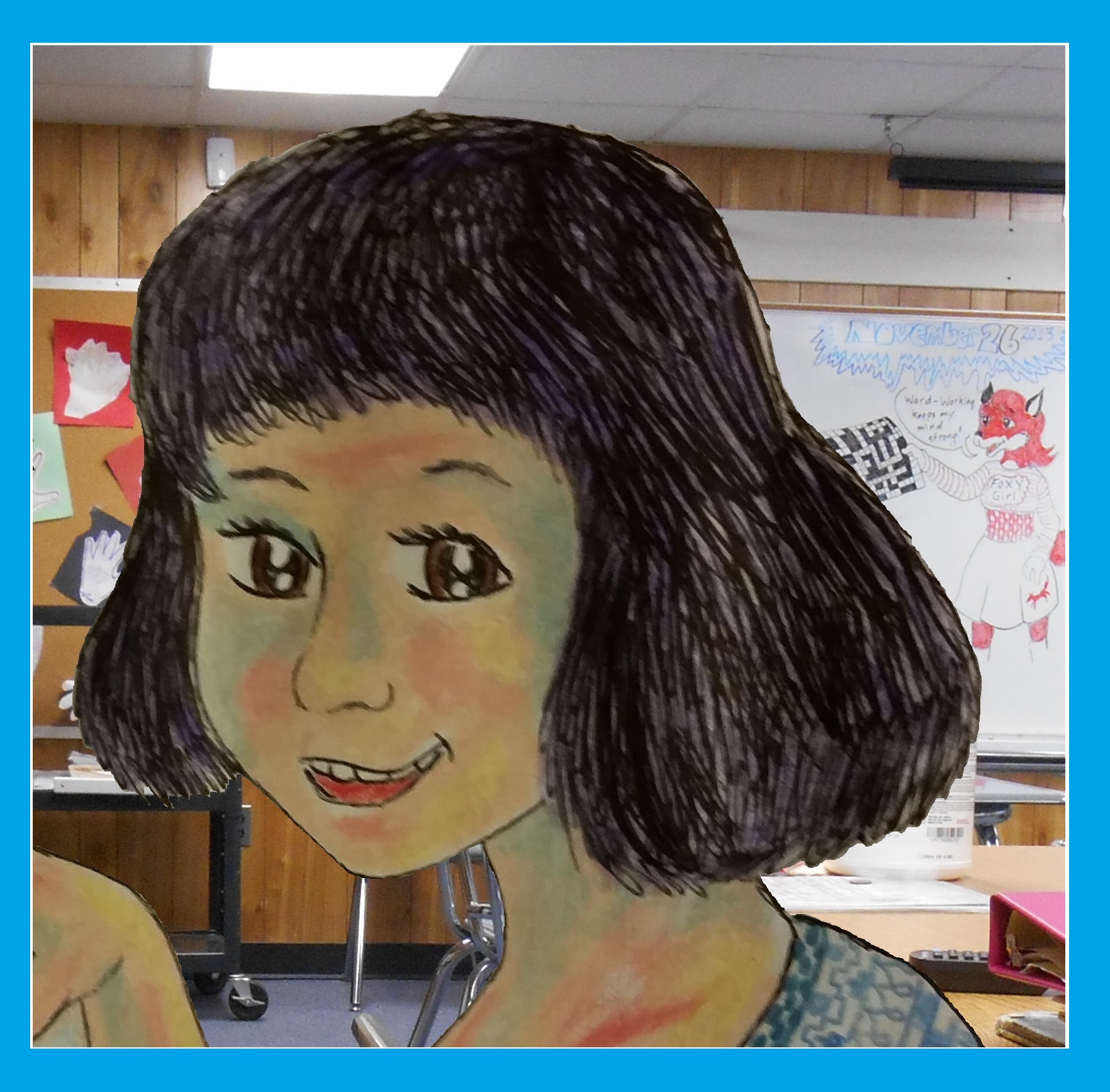
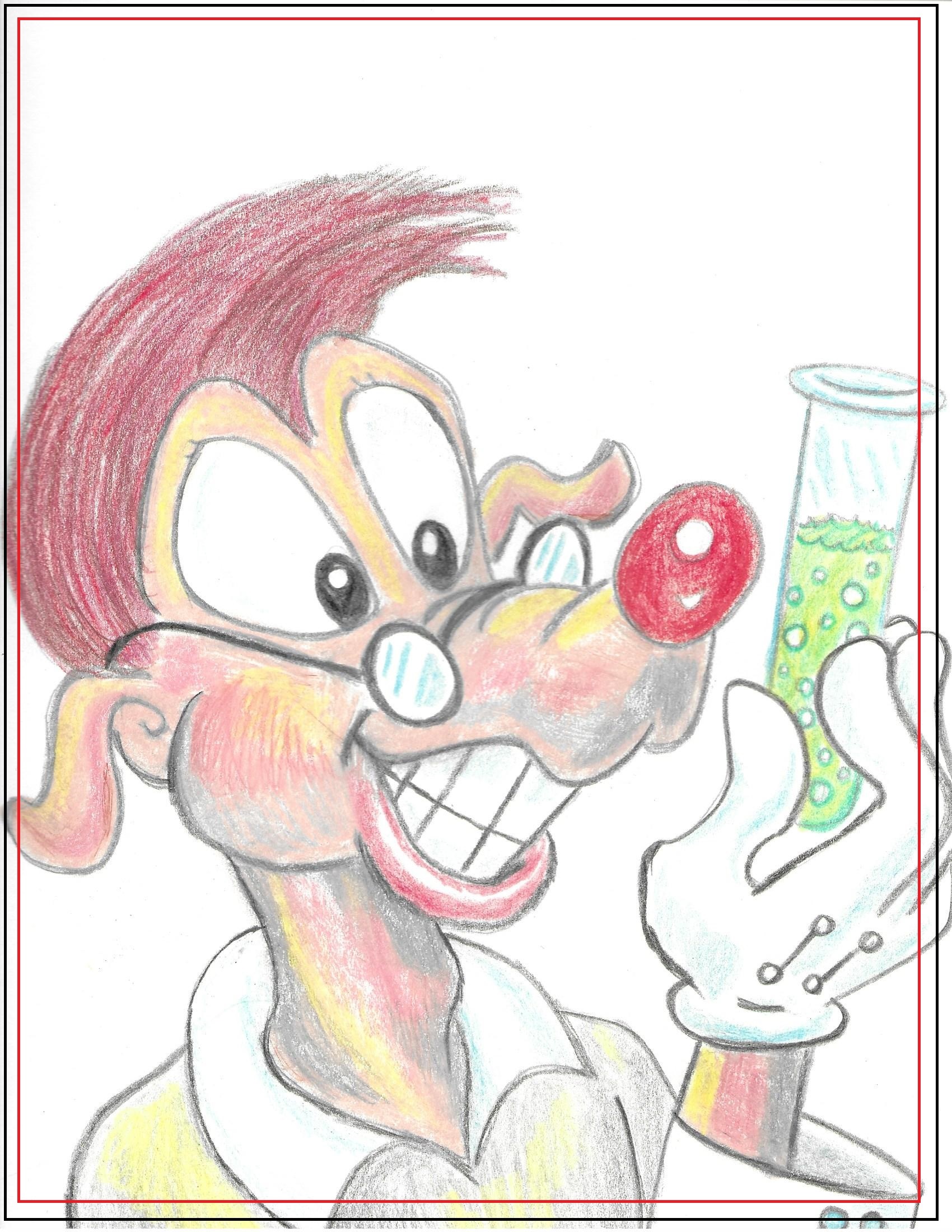
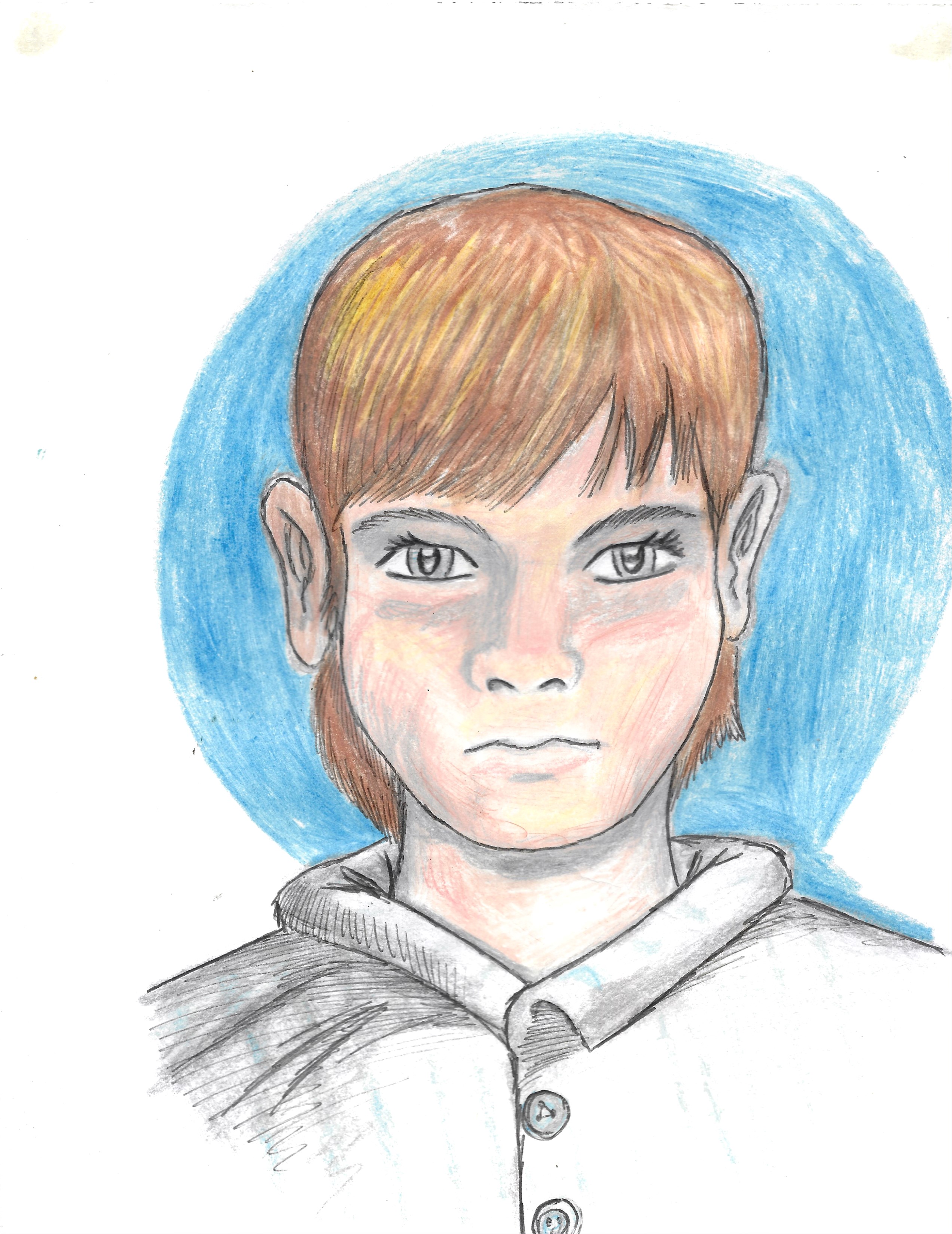
This is not going to be your usual yearbook picture day, is it?.Unusual choice for what to wear on picture dayBetter dressed, but… You mean to tell me this is a teacher?Cute smile, Blueberry.Which second grade class are you in, Ronny? Who’s your teacher?Were these yearbook photos actually taken in the school cafeteria?So, you must be the Science Teacher, eh, Mr. Purrdy?Tim, it would be nice if you could smile before the photographer takes the picture.So, Wally, you must be in Mrs. Nelson’s Art Class this period, right?
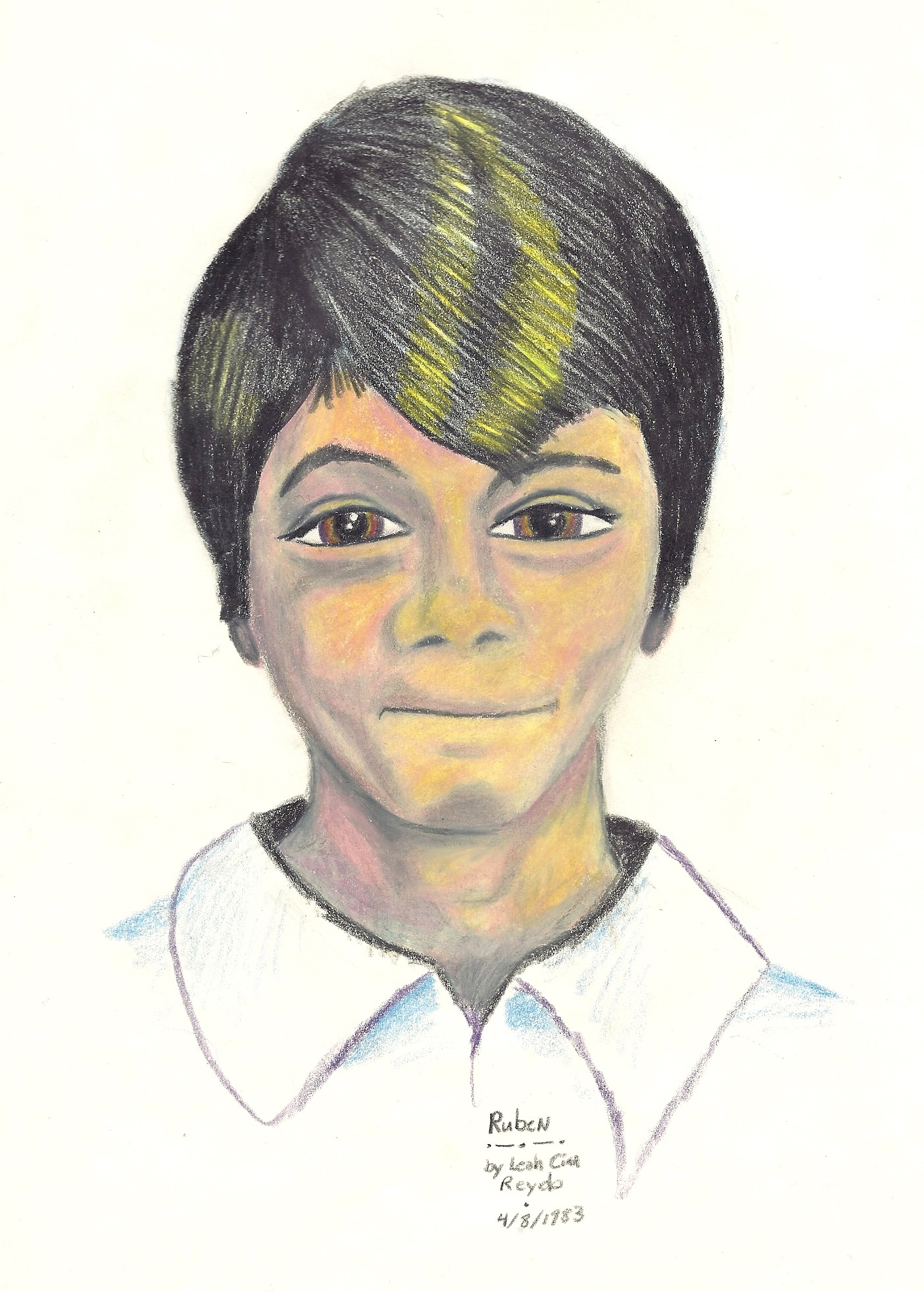
Now, that’s a picture done right, Ruben. Good job!
What subject do you teach, Mr. Enstein? Frank, take the cancer stick out of your mouth.
Is that a teacher pose, Mr. Beyer?
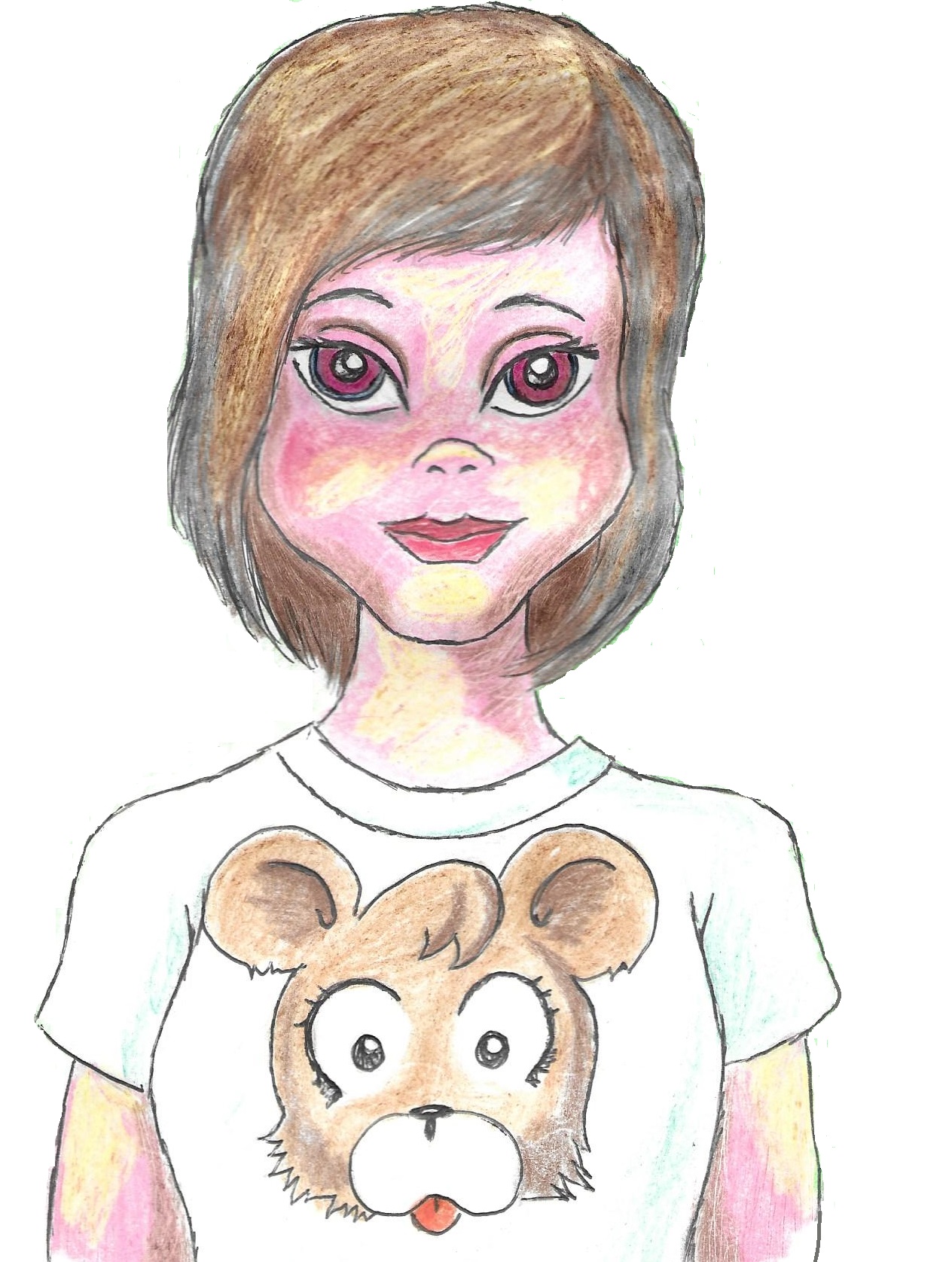
Why do so many teachers want to be pictured smoking in the yearbook, Mr. Dogg?Don’t we already have your yearbook picture, Michael?Rita, that’s an interesting t-shirt, but it feels like it is staring at me.Um, are you smiling yet, Murky?I honestly don’t want to take pictures for this yearbook again next year.
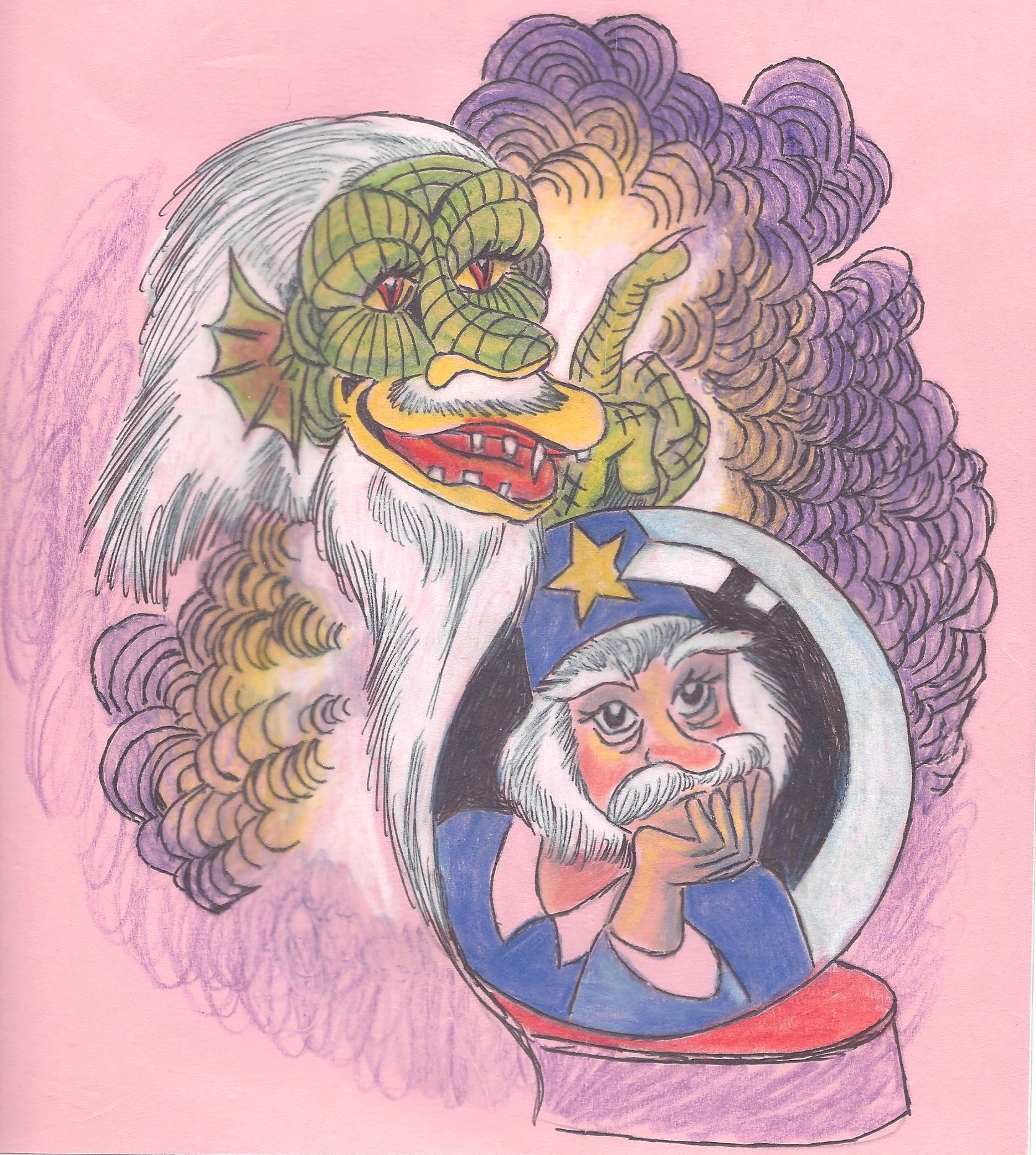
Wizards do magical spells. It kinda goes without saying. But to do magical spells, you have to know how the magic works… and why.
Me, imprisoned in my own crystal ball by my naughty familiar.
The secret is in knowing what the word “magic” actually means. It is not supernatural power, nor the creation of something out of nothing. It is entirely the act of uncovering and understanding the underlying truth, the actual science that most people don’t yet comprehend that underpins the thing you are trying to accomplish. Jonas Salk was a wizard. His polio vaccine was a successful magical potion. But magic can be evil too. Albert Einstein and Robert Oppenheimer were wizards. And the atom bomb was an act of necromantic evil.
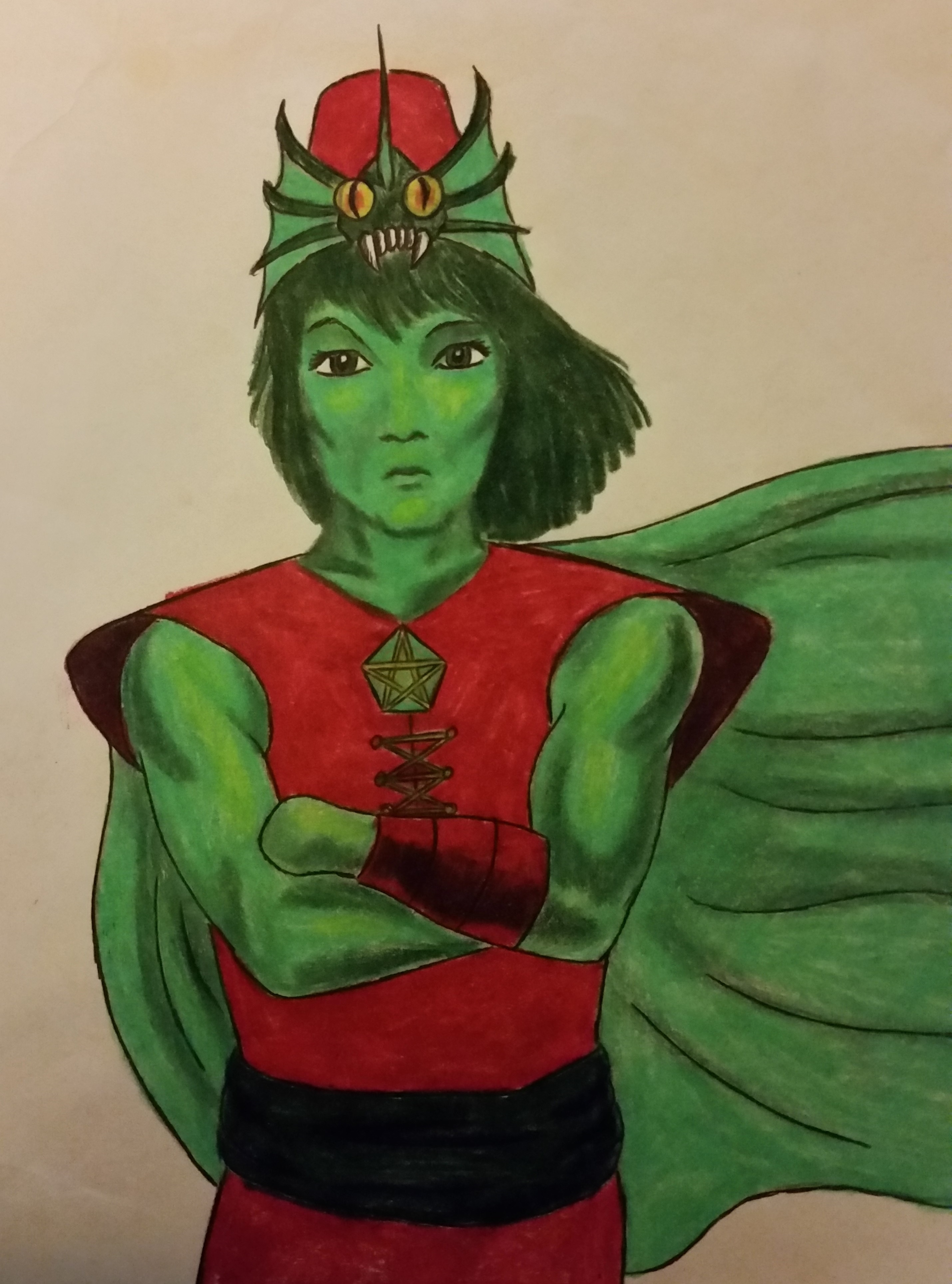
Me, in my early green wizard phase.
So, being a wizard, I have learned lessons over a lifetime that uncovered for me the secrets of practical interpersonal magic. Being a teacher has taught me far more than I taught to others.
So let me share with you some of my hard-won practical magic.
In a room full of rowdy children, most of whom are not minding any of the teacher’s directions, you can get their attention easily by shouting, “What the poop is going on here?” with the biggest evil grin on your face that you can manage. They will immediately quiet down like magic and look at you. Some will be wondering if their teacher is having a fatal stroke. Some will be wondering what punishments their behavior has earned as indicated by your evil grin (and here it should be noted, their little imaginations will cook up something much worse and much scarier than anything you could’ve thought of to unwisely threaten them with. A few will begin recording you with their cell phone cameras in hopes of future behavior they can post online and get you fired with. And the rest will laugh at the word “poop” and forget why they were acting out. At that point, with their full attention, you can ask them to sit down and look at page 32, and, not knowing what else to do, they will probably do it.
Here are some other rules of practical magic that apply to the wizarding arts of being a public school teacher;
Violence is never the answer. Change their actions and reactions by making them laugh, making them cry, or making them think about something else entirely. The last thing you would ever want to do is hit them, even if they hit you first.
Anything they can be forced to repeat eight times in eight different ways is something that will be fixed in their memory for more than just the duration of a class period. It moves things into their long-term memory, and that is itself a very magical thing.
Students laugh when you surprise them or present them with the absurd. Tell them they should imagine themselves as pigeons who have to act out Shakespeare’s play Romeo and Juliet. What costumes will they wear, and why? What stage directions are necessary to add to the play that are unique to pigeons, and how will they word them? How does pigeon Mercutio go about his death soliloquy when stabbed by pigeon Tibault? Will he have to say, “Look for me tomorrow and you will find me a very grave pigeon?” By the end of the lesson they will have learned more about this play they are supposed to learn about as ninth graders than they ever would have otherwise.
Being able to do any of those things is actually a manifestation of magical power, and only producible by a wizard. The simple fact is, every good teacher is a wizard.
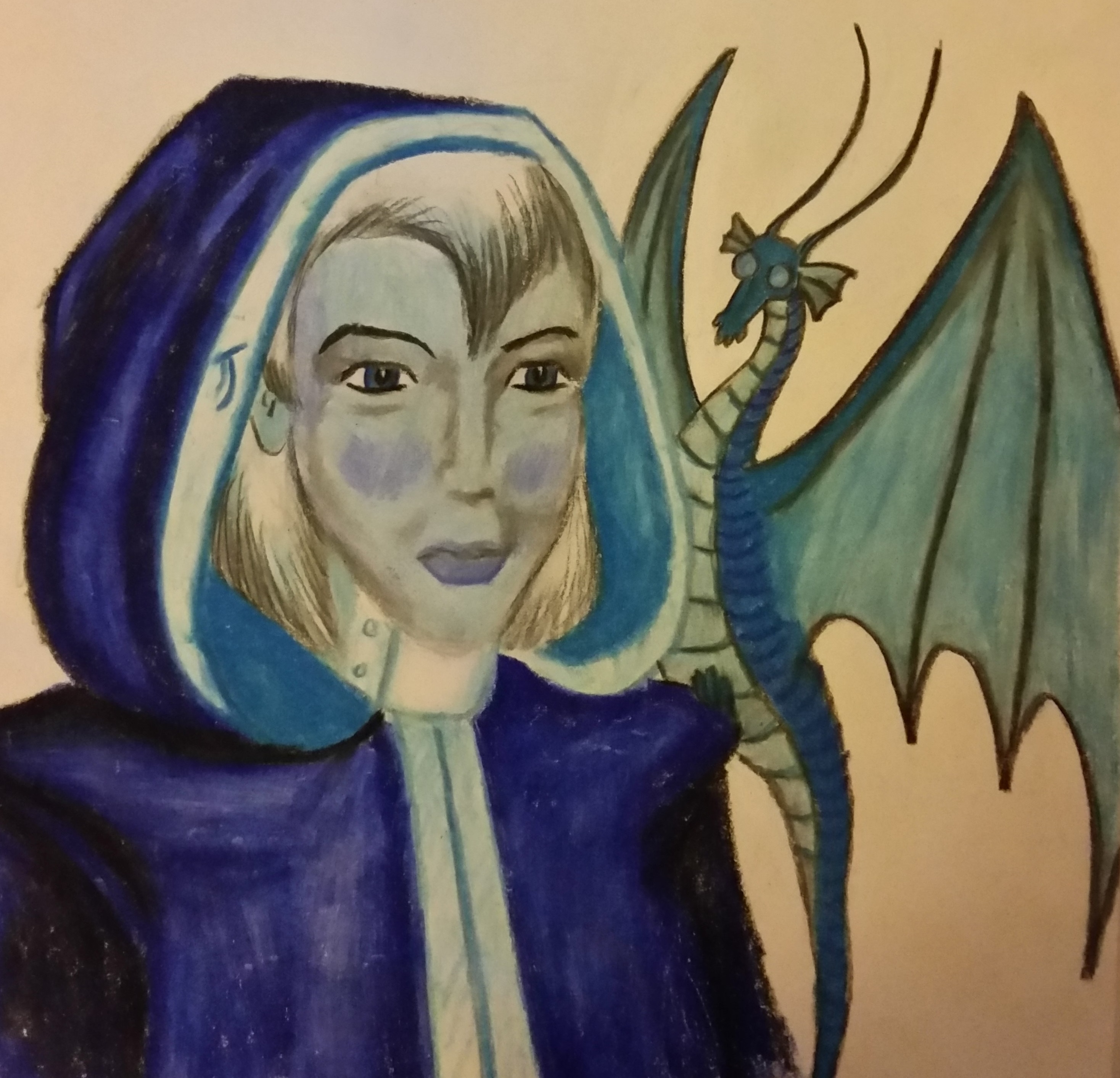
Me, as a wizard in my blue period. The period at the end of this essay.
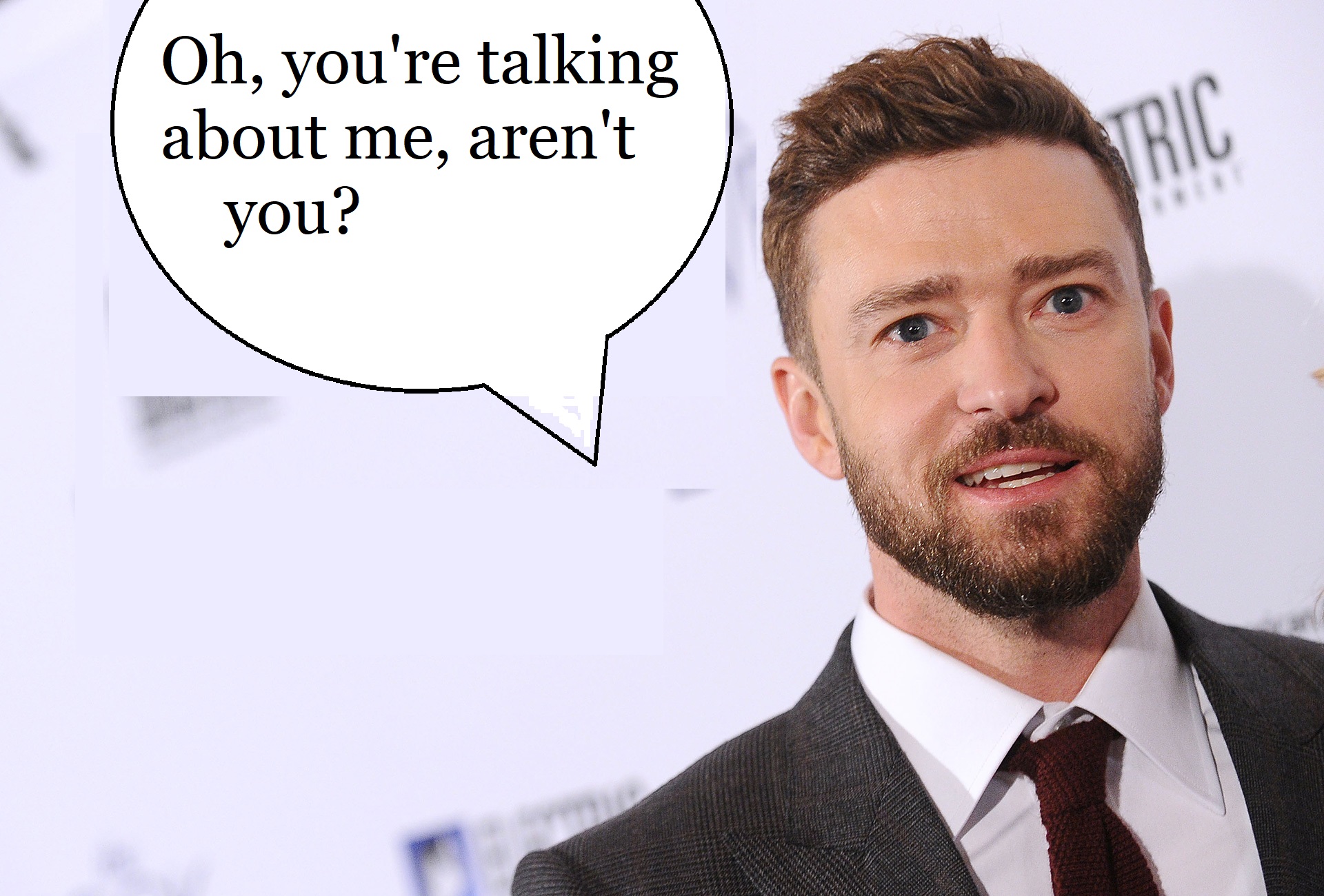
Have you ever noticed that some celebrities with weird names are recognizable no matter how badly you mess up or mangle their names?
For example, take a name like Justin Timberlake.
If you call him Timber Just-in-the-lake, everyone still knows who you mean.
Yes, I’m talking about Laker Timberjust, that singer who used to be famous when he sang with that group Out O’ Sink. You know, that guy named Joozin Mimbolake who caused Joanie Jackelson’s wardrobe malfunction in the Superbowl. Muffin Limbersnake… you know, that guy.
Well, there’s this other actor named Ving Rhames.
Actor Ving Rhames (Photo by Bryan Bedder/Getty Images)
Okay, that’s too scary to contemplate. Well, there’s always Kenderbick Bumbersnatch! He’s always good for a name-mangling good joke.
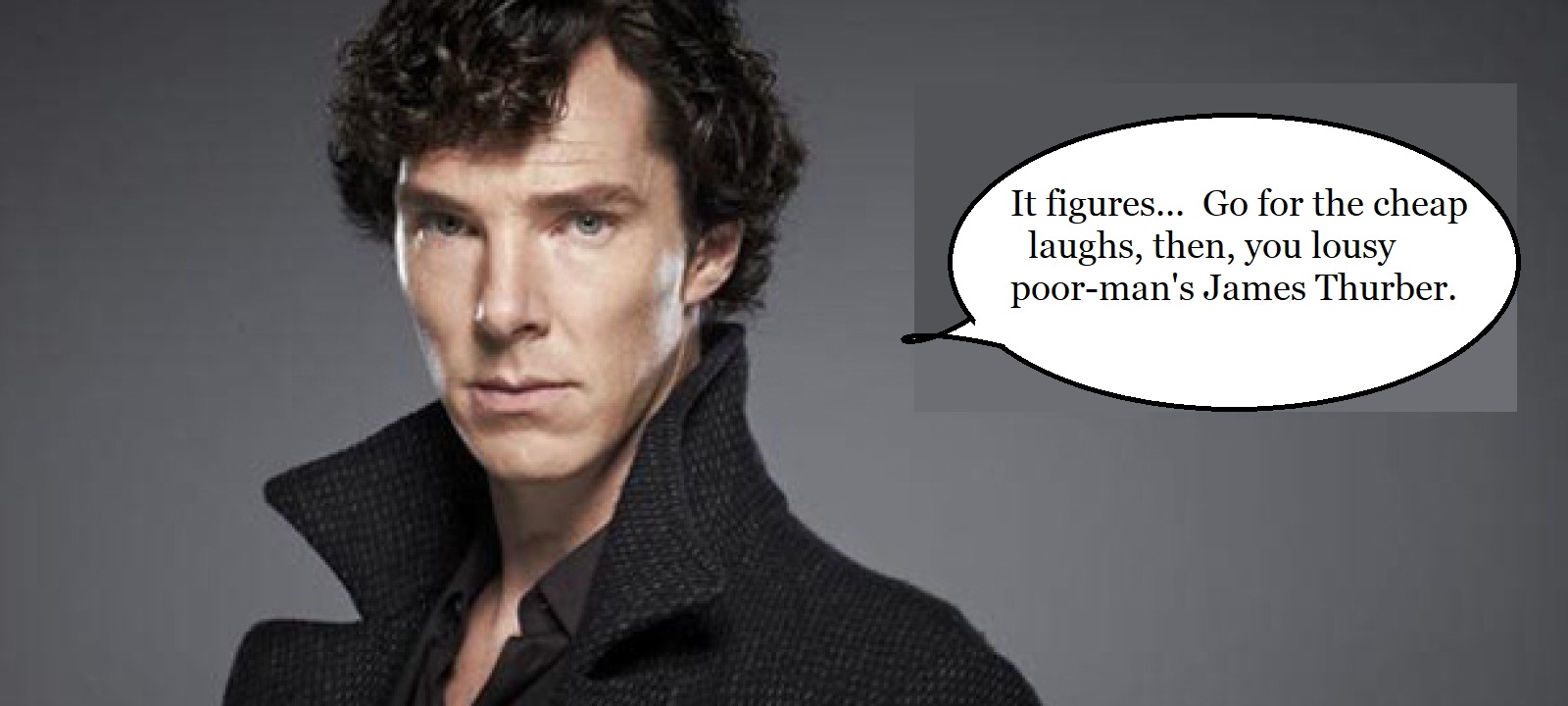
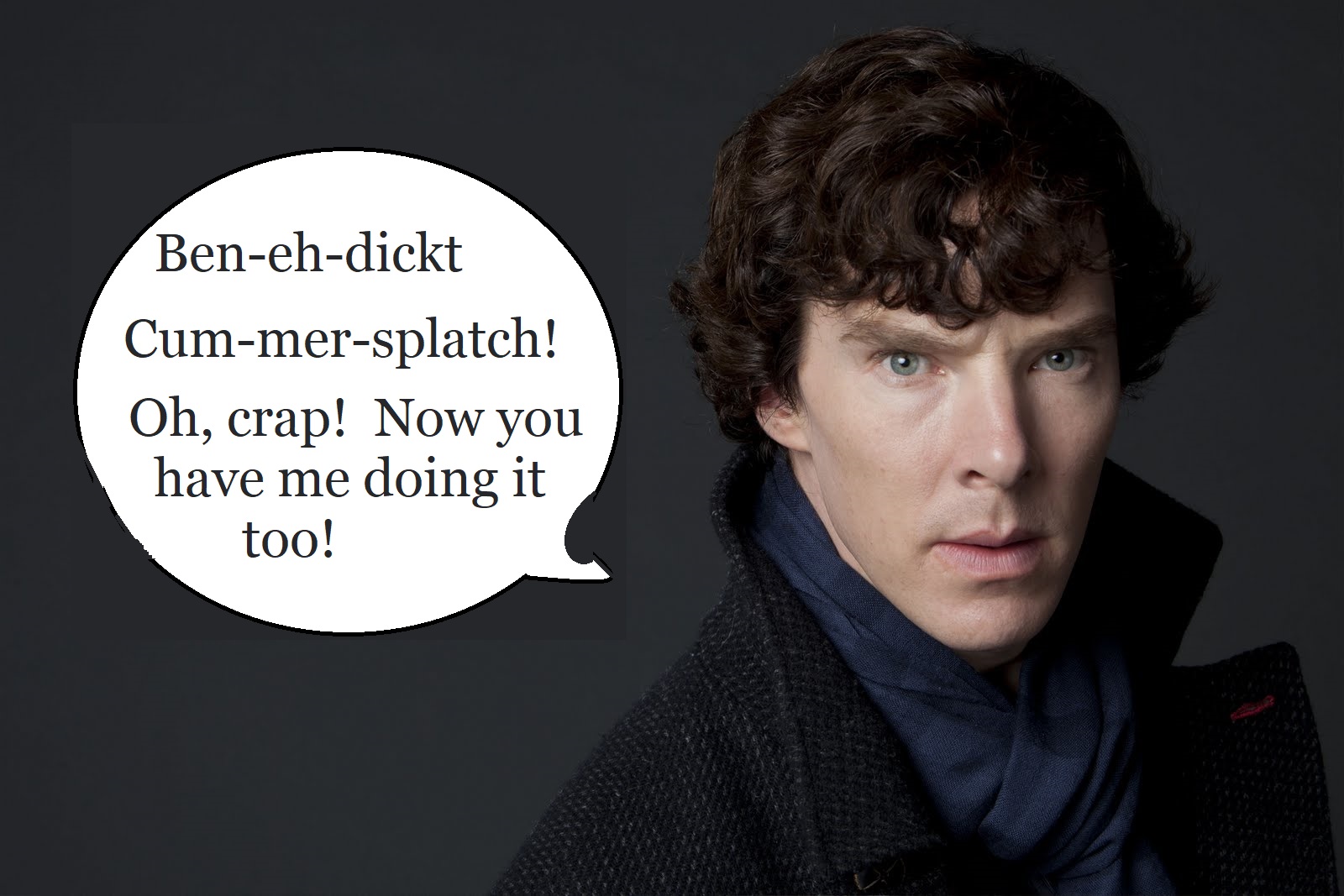
Very astute literary allusion delivered with Sherlockian poise, Benickle Bumberbatch!
I can think of a number of name mangles that make me laugh. Bumbershoot Bandersnatch, or Bimbleroot Snoodersnatch, or Smogthedragon Paddlebatch. What mangled names can you think of for the Mangled Name Game? You can put your bubbling genius-type answers to that question in the comments. For these guys, or any other mangle-able celebrity names you can think of.
I have been struggling to get writing done since the last time I had Covid. I have been feeling like I have lost my mojo after being sick with it twice in 2022. But I am getting better a little at a time. I got work done on two different books this last week.
Most of it was work on the book Naked Thinking. I have been wallowing in the poetry, philosophy, and obsession of being naked. It is very much a book of ideas, with naked metaphors and nudes in the artwork.
And I have reached the halfway point on The Haunted Toy Store. That goofy thing is a humorous story with ghosts in it where the people who go into the store turn out not to be the customers, but rather, the toys. It’s a hoot to write. And I should be done with it by now.
Believe it or not, I am writing again. Almost regularly.
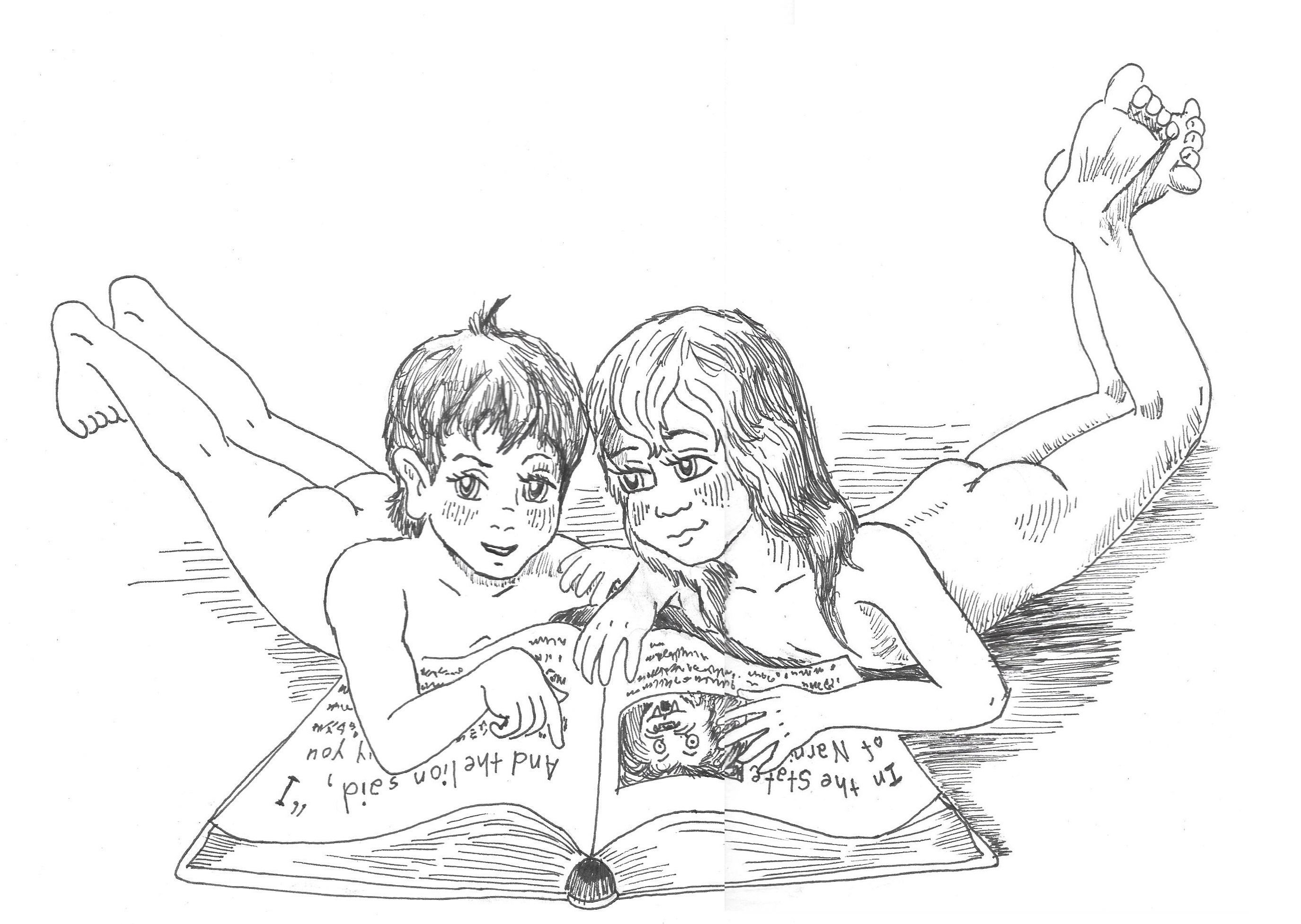
The question arises from this most recent illustration I drew, “Are you saying, Mickey, that kids can learn better if they go to school naked?”
No! Are you crazy?
I used to teach middle school students. Can you imagine kids from this current modern culture being given license to come to school starkers if they wish to do it? In the middle school world of half-brained sub-intellectuals passing judgement on everything? Especially judgments about appearance and attractiveness… or non-attractiveness? With brains fueled by hormones and the questionable values taught by TV and movies? Chaos! Fires being lit! Real and metaphorical! Windows being broken! Derisive laughter! Tears and sobbing from the offended! And that would just be the teachers.
But the truth is, if we look at the studies of B.F. Skinner and his recommendations for child-rearing in his Utopian propositions in the book Walden Two, children not taught to be ashamed of their nakedness from early on would develop more peacefully and naturally into perceptive and intelligent learners if allowed to be openly and happily naked.
Skinner, an experimental scientist, believed everything in life should conform to findings from scientific observations and scientific experiments. How loony is that? Why would we do something that is practical, natural, and beneficial just because it might enhance your ability to learn and enjoy your experience of the world?
In my illustration, I was actually intending to convey a notion of the relationship of openness and innocence to learning. The two children sharing the big danged book on the floor are nude because they are willing to approach the material with a sensory receptivity that can only be hampered by the barriers and limits we put on ourselves, like the clothing that we shield and limit our bodies with. So, I would never suggest it was appropriate to learn things while naked. Or even that, with the right training and cultural shifts, that going to school naked would be a good thing.
Even I have nightmares about being naked in school. In my dreams I sometimes dream about forgetting to put on clothes before going in front of a hostile classroom to teach something they all find boring and awful… while I am naked and awful myself. I still have that nightmare even now that I am retired.
No, I would never suggest that. Unless, somehow, you can suggest something by not suggesting it. Surely I am not tricksy enough to try to do anything like that. And remember, I was an actual teacher in an actual classroom for many years where I merely thought of them all as naked, because kids are all transparent about their lives and motivations and can’t keep a secret even if they didn’t want me to know everything about them, even the bad kids, and even things they wanted to hide from the teacher.
Communicating with a wife is complicated. In fact, I couldn’t do the whole writer-think thing about that topic without writing a book. But I can successfully ruminate for about 500 words on the that awkward first encounter, the first time I ever was embarrassed in front of a non-sister girl.
In grade school I met my first crush in kindergarten. Alicia Stewart was a honey-sweet little brown-haired girl with a bow in her hair. I was a boy. I was not allowed to like girls. Hating them was the only thing that made sense to my friends and I. But, secretly, I didn’t hate Alicia. In fact, if I was ever to be doomed to be married when I grew up, I would’ve only accepted that horrible fate if it was with her. And in my small town school I saw her practically every school day. In fact, in Miss Malkin’s music class on Tuesdays and Thursdays I sat right next to her in Miss Malkin’s seating chart for six years.
In Miss Malkin’s music class we always did musical stuff like listening to classical records, singing songs for the yearly musical review concert (we did the songs from the musical The Music Man one year… you don’t get more musicky than that), and we did square dancing. Yeah, you heard that right. Square dancing. You had to have a girl for a partner. And one year, Miss Malkin decided it would be cute to have the boys ask the girls to be their partners. Now, as boys… in top secret boy-conversations, we had generally agreed that if such a problem would ever occur, Alicia Stewart was the only acceptable choice. We all hated girls. But we all were secretly in love with Alicia. She was girl-hating-boy approved. When I was twelve, there was another girl that was making me uncomfortable too. Marla Carter was nine when I was twelve. She had big brown eyes and dimples. Her face was somehow heart-shaped, and only Alicia could make my palms sweat any worse than she did. But in top secret boy-conversations it was ruled that she was a booger-eating little girl and totally toxic. Well, I didn’t totally agree, but I was still subject to all girl-hating directives.
“Okay,” Miss Malkin said, “the boys will now pick their partners… one at a time in alphabetical order.”
My last name began with the letter “B”, but my best friend Mark had a last name starting with “A”.
“I pick Alicia,” Mark said.
My heart sank. I had my pick of any girl besides Alicia. Marla was standing about four feet away from me, her hands folded together behind her back, looking at me with those puppy-dog eyes. My throat was too dry to speak.
“Um, ah… I can’t pick anyone…” I croaked. “You pick it, I will dance with it.”
“Now, don’t be like that, Michael. Get on with it!” Miss Malkin commanded. Everyone loved the music teacher, and so everyone obeyed her. I had to submit.
I looked at Marla, dug my toe into the floorboards, and said, “I choose my cousin Diane.”
Talking to girls has always been a matter of embarrassment. The words are always awkward and shaped not by my brain, but by my bowels. This fact has always been a hindrance to my dealings with the female species, but it has been an unending source of potential for writing humor.

























 Catch a Falling Star