So, now I probably have skin cancer. This will be the first time since I won a battle with malignant melanoma in 1983 that a mole needed to be removed and was potentially cancerous. It is already treated. The dermatologist already used freeze spray on the site on my right temple. She froze a portion of my head to kill the cancer. Not a good thing for the thing I need most to think with. But hopefully preventing a spread of more deadly things to be discovered later. I get a biopsy on July 13th. Thank God it doesn’t happen on a Friday too.
Ouch! It hurts to get your head frozen.
But if that horrible two-part black thing makes me suffer a while before turning me into compost in an urn somewhere, I won’t be the only one punching my train ticket to Pandemonium, the capitol of Hell. Putin in Russia is not only losing a war, but he has a little civil war on the side. Talk about having a full plate of spaghetti. And the Texas heat isn’t evidence of the world ending in fire due to climate change. The Republican party refuses to let that stuff be true because 3% of all climate change scientists are still holding the matter open for debate. Joel tells me that the 3% Trumps all 97% of the rest of scientists and proves that it is all a Chinese/Democrat conspiracy to destroy our wonderful fossil fuel industry.
So, since we are all gonna die anyway, here’s a few thoughts about what we can do with our remaining pre-apocalypse months.
PLEASE BUILD MORE GODDAM SOLAR PANELS AS FAST AS YOU CAN!!!
Let’s also get used to living in very different ways. Learn to live in atmosphere-enclosed domes
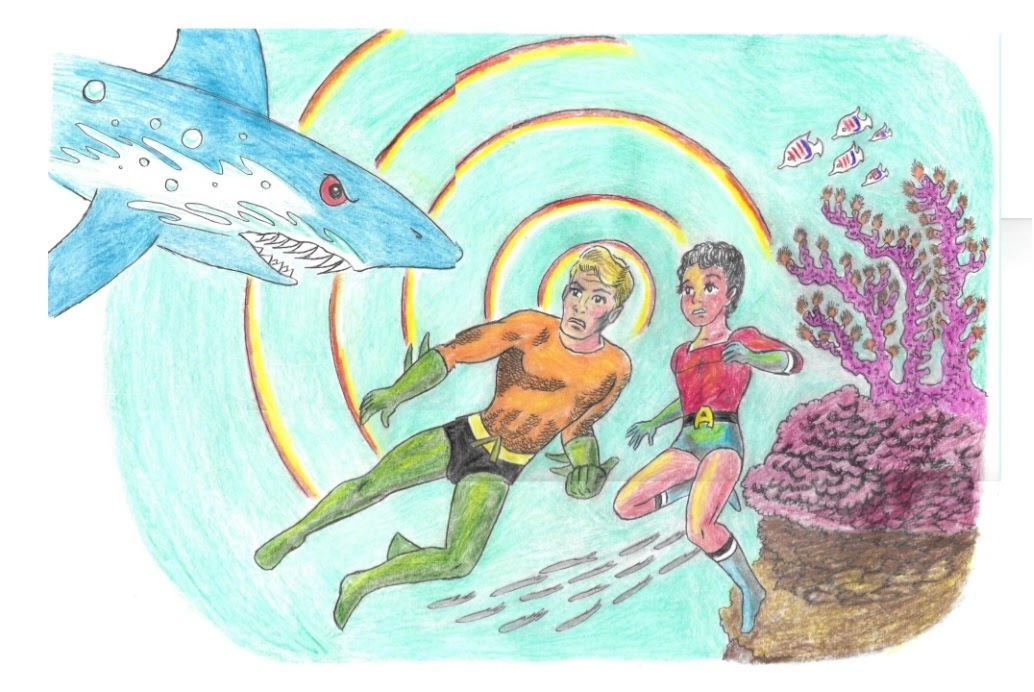
There will need to be underwater city-domes where they are safer from hurricanes and tornados and raging wild fires.
We will need to learn to desalinate and deacidify seawater.
6. We will need to create and manage fish farms and sea-plant farms for food in the refined waters of the United States of Oceania.
7. We will need to learn to travel between underwater, surface water, through the air, into outer space, and onto the surfaces of the Moon and Mars.
8. And living in space like Han Solo and Captain Kirk.
Things will simply not be the same. Of course, if we all don’t learn to do these things, we will have to adjust to being dead… even extinct. Being extinct stinks.
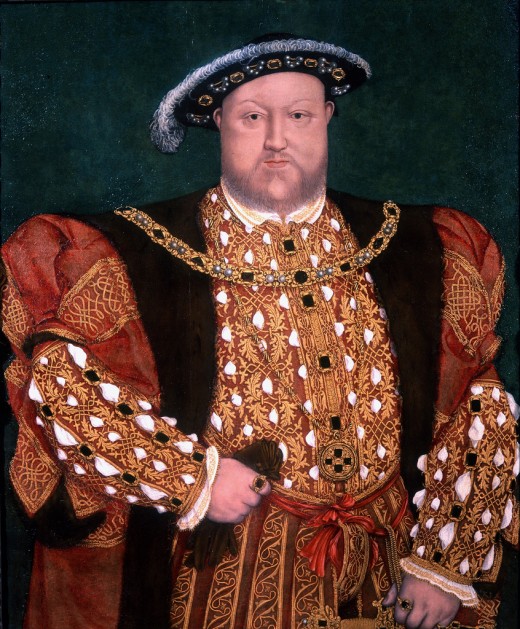
The case has been made in an article by John Welford (https://owlcation.com/humanities/Did-King-Henry-VIII-Have-A-Genetic-Abnormality) that English King Henry the VIII may have suffered from a genetic disorder commonly known as “having Kell blood” which may have made having a living male heir almost impossible with his first two wives. The disorder causes frequent miscarriages in the children sired, something that happened to Henry seven times in the quest for a living male heir. If you think about it, if Henry did not have this particular physical conflict at the root of his dynasty, he might’ve fathered a male heir with his first wife, Catherine of Aragon. Then there would’ve been no opening for the machinations of Anne Boleyn. It follows that Elizabeth would not have been born. Then no Elizabethan Age; no sir Francis Drake, Spain might’ve landed their armada, no Church of England, possibly no William Shakespeare, and then Mickey would never have gotten castigated by scholars of English literature for daring to state in this blog that the actor who came from Stratford on Avon and misspelled his own name numerous times was not the author of Shakespeare’s plays.
History would’ve been very different. One might even say “sucky”. Especially if one is the clown who thinks Shakespeare didn’t write Shakespeare.
Conflict and struggle is necessary to the grand procession of History. If things are too easy and conflict is not necessary, lots of what we call “invention” and “progress” will not happen. Society is not advanced by its quiet dignity and static graces. It is advanced and transformed by its revolutions, its wars, its seemingly unconquerable problems… its conflicts.
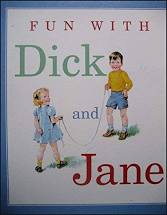
My Dick and Jane book, 1962
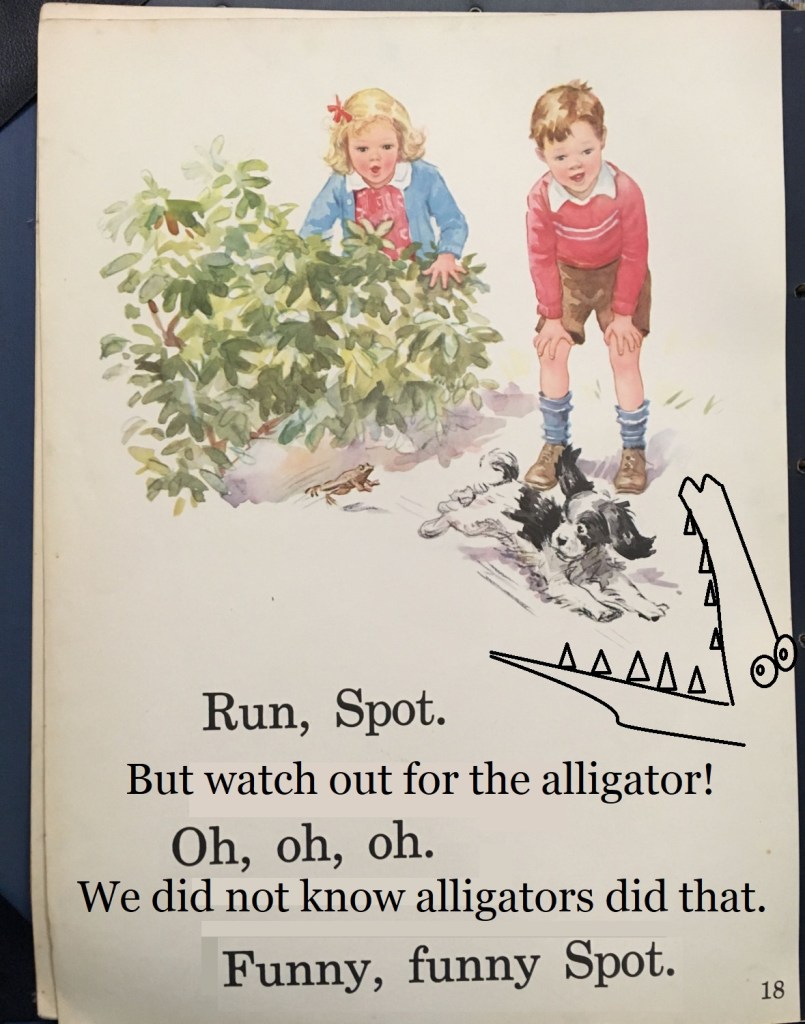
Similarly, a novel, a story, a piece of fiction is no earthly good if it is static and without conflict. A happy story about a puppy and the children who love him eating healthy snacks and hugging each other and taking naps is NOT A STORY. It is the plot of a sappy greeting card that never leaves the shelf in the Walmart stationary-and-office-supplies section. Dick and Jane stories had a lot of seeing in them. But they never taught me anything about reading until the alligator ate Spot, and Dick drowned while trying to pry the gator’s jaws apart and get the dog back. And Jane killed the alligator with her bare hands and teeth at the start of what would become a lifelong obsession with alligator wrestling. And yes, I know that never actually happened in a Dick and Jane book, except in the evil imagination of a bored child who was learning to be a story-teller himself in Ms. Ketchum’s 1st Grade Class in 1962.
Yes, I admit to drawing in Ms. Ketchum’s set of first-grade reading books. I was a bad kid in some ways.
But the point is, no story, even if it happens to have a “live happily ever after” at the end of it, can be only about happiness. There must be conflict to overcome.
There are no heroes in stories that have no villains whom the heroes can shoot the guns out of the hands of. Luke Skywalker wouldn’t exist without Darth Vader, even though we didn’t learn that until the second movie… or is it the fifth movie? I forget. And James Bond needs a disposable villain that he can kill at the end of the movie, preferably a stupid one who monologues about his evil plan of writing in Ms. Ketchum’s textbooks, before allowing Bond to escape from the table he is tied down to while surrounded by pencil-drawn alligators in the margins of the page.
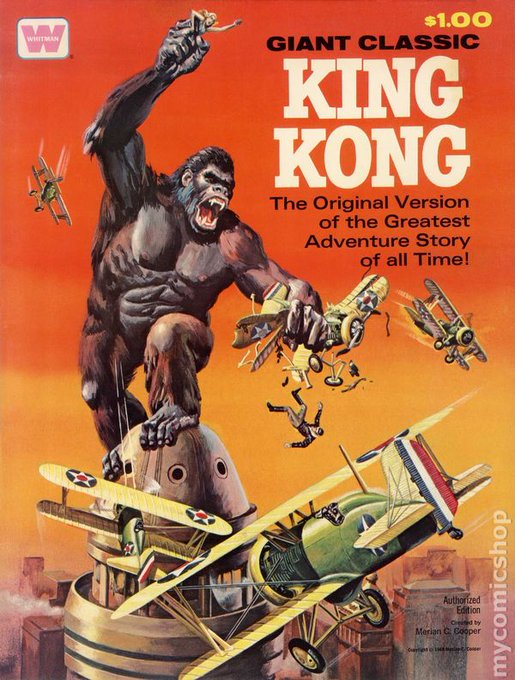
We actually learn by failing at things, by getting hurt by the biplanes of an angry difficult life. If we could just get away with eating all the Faye Wrays we wanted and never have a conflict, never have to pay a price, how would we ever learn the life-lesson that you can’t eat Faye Wray, even if you go to the top of the Empire State Building to be alone with her. Of course, that lesson didn’t last for Kong much beyond hitting the Manhattan pavement. But life is like that. Not all stories have a happy ending. Conflicts are not always resolved in a satisfying manner. A life with no challenges is not a life worth living.
So, my title today is “Conflict is Essential“. And that is an inescapable truth. Those who boldly face each new conflict the day brings will probably end up saying bad words quite a lot, and fail at things a lot, and even get in trouble for drawing in their textbooks, but they will fare far better than those who are afraid and hang back. (I do not know for sure that this is true. I really just wanted to say “fare far” in a sentence because it is a palindrome. But I accept that such a sentence may cause far more criticism and backlash than it is worth. But that is conflict and sorta proves my point too.)
Yes, he’s at it again. Silly old Mickey in his birthday suit is writing metaphorically about nudity, nakedness, and naturism. The gross old coot has to do something to survive the Texas heat.
You are probably thinking, and rightly so, that since the crazy old bird was a school teacher for 31 years, and a school student for 18 years before that to become one, he’d be a bit more circumspect about his teacher-honor than to be going around promoting public nudity on his silly little blog again. And you’d be right. This society we now live in doesn’t seem like it is going to approve public nudity generally anytime soon. Most places around the USA make it illegal to go outside your house in nothing but the skin you were born in. You can be arrested for public indecency. Especially if you are ugly when you are naked.
You know it didn’t used to be that way. The ancient Greeks were wild about public nudity. It was the rule for competing in the Olympics and doing business in the agora in the downtown of every Greek metropolis. In fact, the schools that ancient-Greek Mickey would have taught in required the students to be naked for half the day at the very least as they attended school. Of course, those laws only applied to boys. Nobody really wanted to see a naked girl back then. Unless she was made of marble and depicted Aphrodite. They were wild about her naked carcass.
But Mickey learned that being a teacher in the 20th and 21st Century schools of Texas was all about being metaphorically naked.
It’s true. College speech teachers would tell you that, to overcome stage fright on the first day of class, you needed to imagine your students were naked to put yourself at ease, feeling superior because you were dressed and they were not.
But Mickey looked out at those classes of 25 to 30 students, unwashed, feral, and completely hormone-fueled, and realized they really were naked… metaphorically. Even with what passed for clothing on their sweaty little monster bodies, you could still see every naked fault, attitude, indiscretion, and sometimes beauty about them, even when packed in layers with a snowsuit on top. But it never snowed in South Texas back then anyway. They were as good as naked all the time. You could literally see which ones were evil, which were shrinking violets, which were hungry predators, and which ones were imagining the teacher naked to swing the advantage over to themselves.
And teaching entire classrooms full of naked twelve-to-seventeen-year-olds, you learned to understand what their needs really were. You could see their naked shame at not being able to read as well as the smart girls in class. You could see which ones were bullied in school and probably belittled even at home. And you learned to love them… even the bad ones… in a non-inappropriate way. Teacher love. Because they were naked. Metaphorically. At least, that’s what stupid Mickey thought.
And being metaphorically naked means many things at once. In their unarmored form, naked people are vulnerable. They are also not hiding anything under disguises or costumes that make you think they are something they are not. That leather jacket on that metaphorically naked little boy doesn’t hide the fact that he’s insecure about his male peers thinking he is only acting tough because he’s trying to hide the fact that he may be gay. Or that naked little girl in the tight blue jeans and shirt two sizes too small is afraid that she will never find love amongst the male orangutans and gorillas she is most fascinated by.
And naked angels in European art in the Middle Ages symbolized metaphorically, purity and innocence. And some of the naked angels in Mickey’s classes were also metaphorically innocent, no matter how many times they may have goofed up and lost a bit of their innocence.
And they are especially metaphorically naked when they write in their journals, something Mickey made them do at least three days out of five every week. Mickey told them he would read them when he graded them, that they only had to get the two hundred words written in each entry to get an easy 100 percent. And Mickey emphasized that he would read them and not tell anybody else about what they wrote unless they volunteered to have the best stuff read out loud. And, boy howdy! When they told Mickey what they wanted him to know about their naked little lives, it was often stuff that could embarrass Marine Corps drill sergeants, longshoremen, and undercover vice cops. Extremely naked information… metaphorically.
And so, stupid Mickey thought that, just maybe… being metaphorically naked might be good for you. Cathartic and cleansing. And freeing in a way that can only be appreciated by someone who has long been repressed and imprisoned by lingering trauma and fear like Mickey secretly knew something about. Yes, the difference between being metaphorically and literally naked was not very great at all.
And you know what that meant a stupid Mickey was going to think.
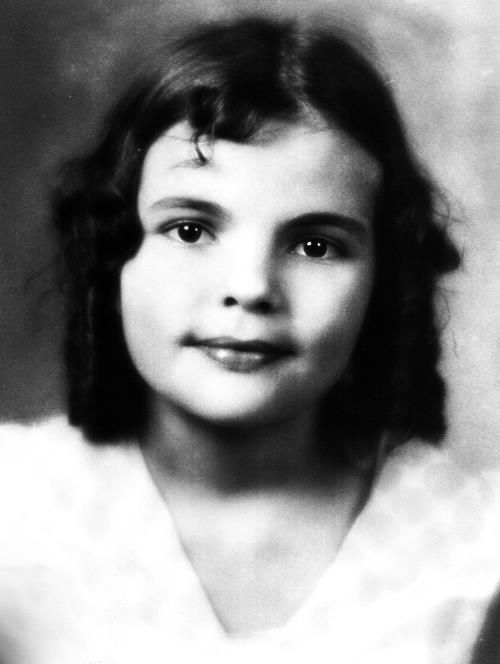
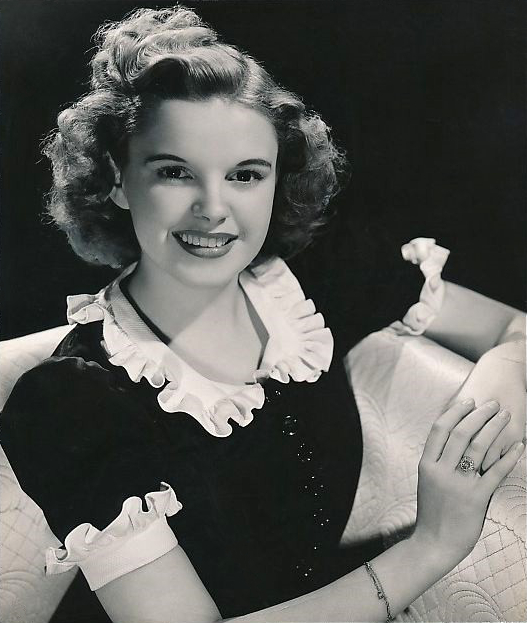
She is older than both my mother and my father. In fact, if she were alive today, if she hadn’t died young when I was thirteen, she would be 101, passing the century mark. She was born in Grand Rapids, Minnesota in 1922.
And even though that’s right next door to where I was born in Mason City, Iowa, we were never really neighbors. Our families never met in person, and didn’t know diddly-boo about each other.
But she had a profound impact on our lives. And, boy! Could she ever sing and dance!
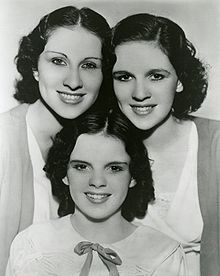
The Singing Gumm Sisters.
A little bit older Frances Gumm
I don’t know why she ever felt that way, but Frances from childhood onward was always desperate to not be seen as fat.
She took pills to keep the weight off. She eventually had to take pills to sleep at night. Pills would make her suffer through most of her life. In fact, pills would eventually take her life.
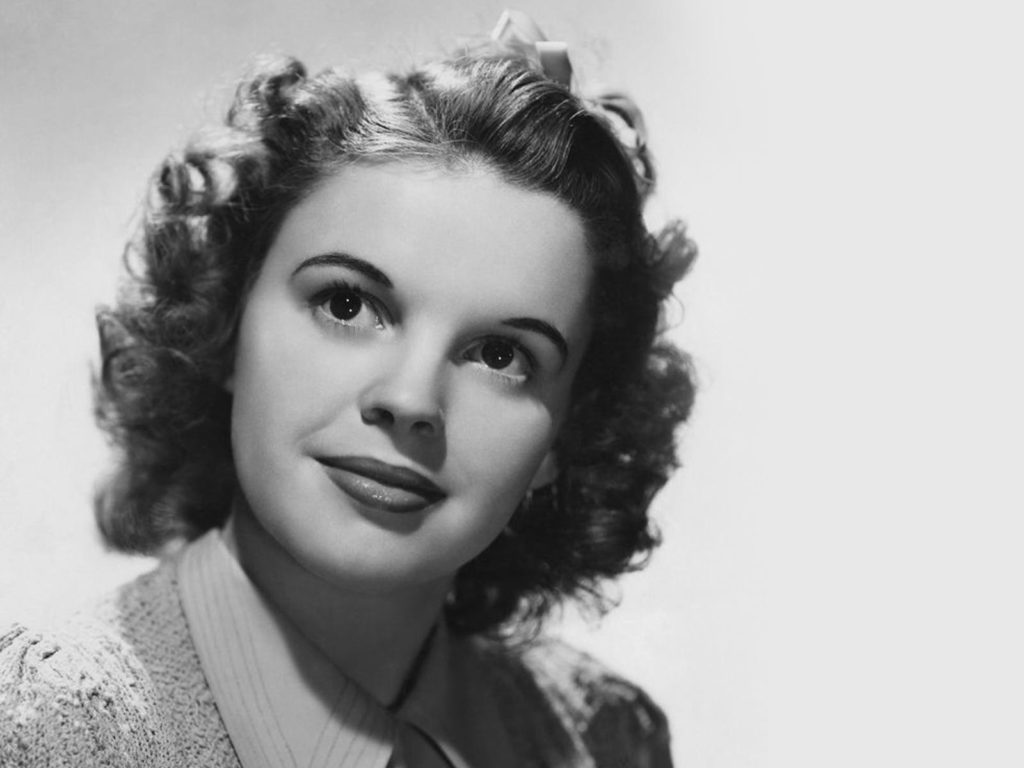
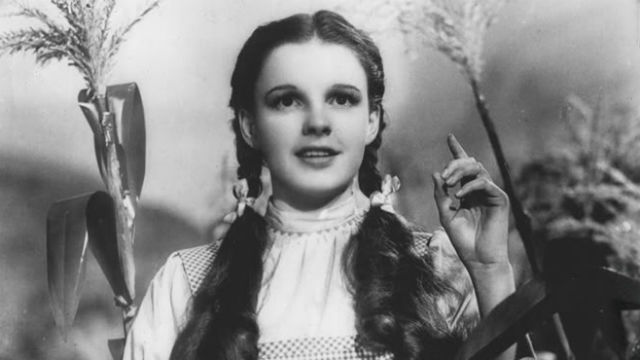
But Frances Gumm would have an impact on my life. Frances would have an impact on my parents’ generation through the movie theater, back when you paid a dime to watch a movie projected on a white sheet tacked up on the Rowan firehouse wall. And she had an impact on my generation when we watched her on TV, mostly in black and white like we saw Meet Me in St. Louis. But also around Thanksgiving time. That movie they played every year.
Yes, Frances was a movie star.
But she didn’t go by the name she was born with in the movies.
And, boy! Could she ever sing!
And now that I am old and fragile, that song can make me cry. Like it did just now. And why?
Because Frances Gumm taught me something important when I was a little boy. Something that stuck with me for a lifetime.
While it’s true that there is no place like home, we are allowed to think about what is over the rainbow… and even to go there… and back again.
And I owe Frances for that memory. Especially because she had to struggle so hard to give me that. Frances, I will always love you for it.
Yes, this post is a shameless promotion. But this is a good book that not enough people are reading to truly appreciate that fact. When I was a boy in the 1960’s, there really was an old German lady who lived in a small tar-papered house, all ginger-brown in color, which we all called the Gingerbread House. She really did love to give out sweets and cookies and popcorn balls to the kids in our town. And she really did love to talk to people and tell them little stories.
Grandma Gretel Stein
Her name, in real life, was Marie Jacobson. She was, in fact, a survivor of the holocaust. She had a tattoo on her right forearm that I saw only one time. Our parents told us what the tattoo meant. But there were no details ever added to the story. Mrs. Jacobson doted on the local children. She regularly gave me chocolate bars just because I held the door for her after church. But she was apparently unwilling to ever talk about World War II and Germany. We were told never to press for answers. There was, however, a rumor that she lost her family in one of the camps. And I have always been the kind that fills in the details with fiction when the truth is out of reach.
I based the character of Grandma Gretel on Mrs. Jacobson. But the facts about her secret life are, of course, from my imagination, not from the truth about Mrs. Jacobson’s real life.
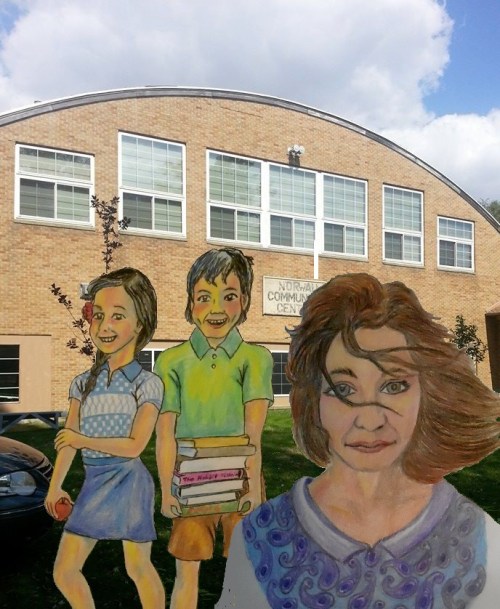
Marie Jacobson cooked gingerbread cookies. I know because I ate some. But she didn’t talk to fairies or use magic spells in cooking. I know because the fairies from the Hidden Kingdom in Rowan disavowed ever talking to any slow one but me. She wasn’t Jewish, since she went to our Methodist Church. She wasn’t a nudist, either. But neither were my twin cousins who the Cobble Sisters, the nude girls in the story, are fifty percent based on. A lot of details about the kids in my book come from the lives of my students in Texas. The blond nudist twins were in my class in the early eighties. And they were only part-time nudists who talked about it more than lived it.
Miss Sherry Cobble, a happy nudist.
But the story itself is not about nudists, or Nazis, or gingerbread children coming to life through magic. The story is about how telling stories can help us to allay our fears. Telling stories can help us cope with and make meaning out of the most terrible things that have happened to us in life. And it is also a way to connect with the hearts of other people and help them to see us for who we really are. And that was the whole reason for writing this book.
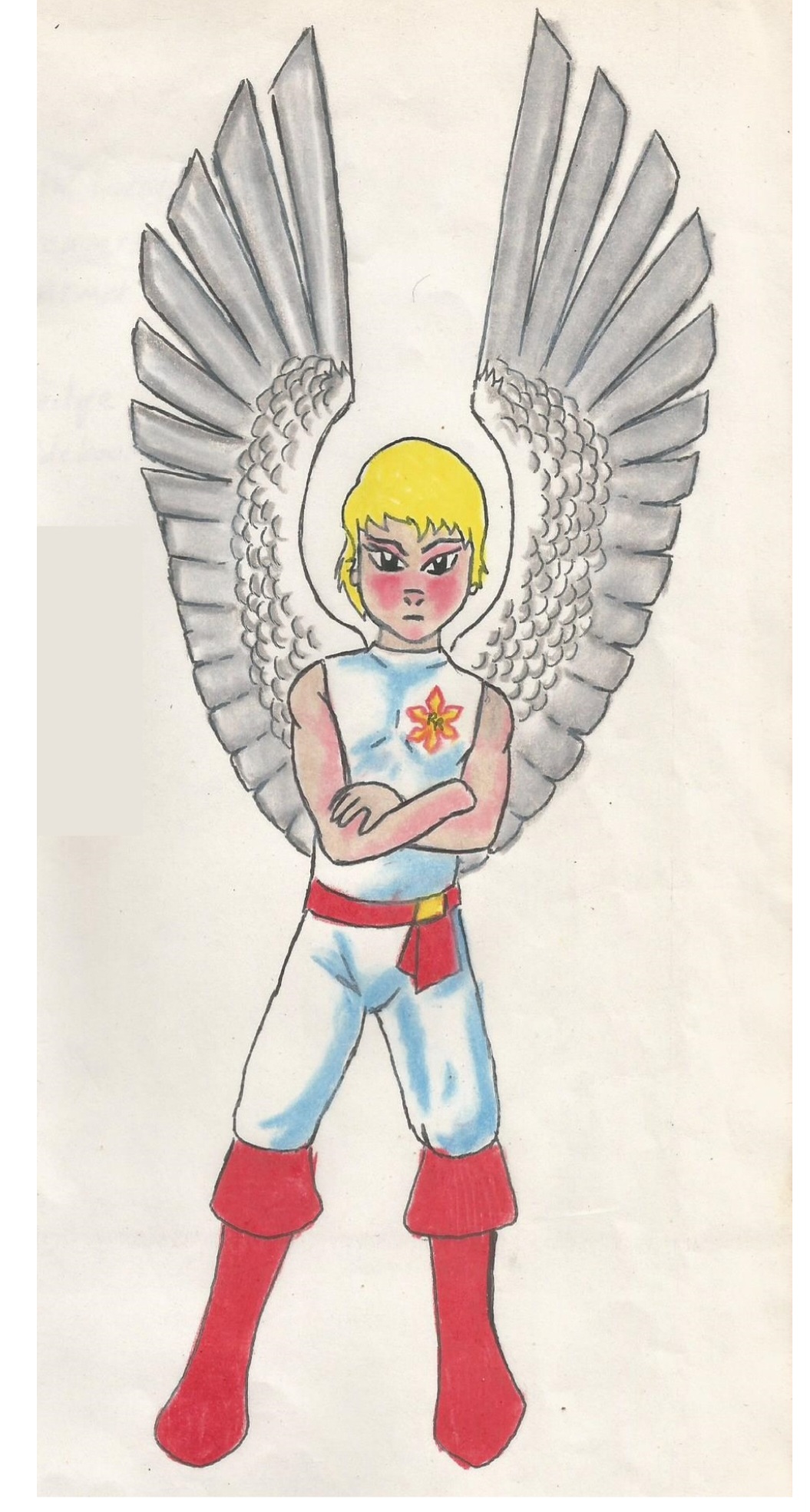
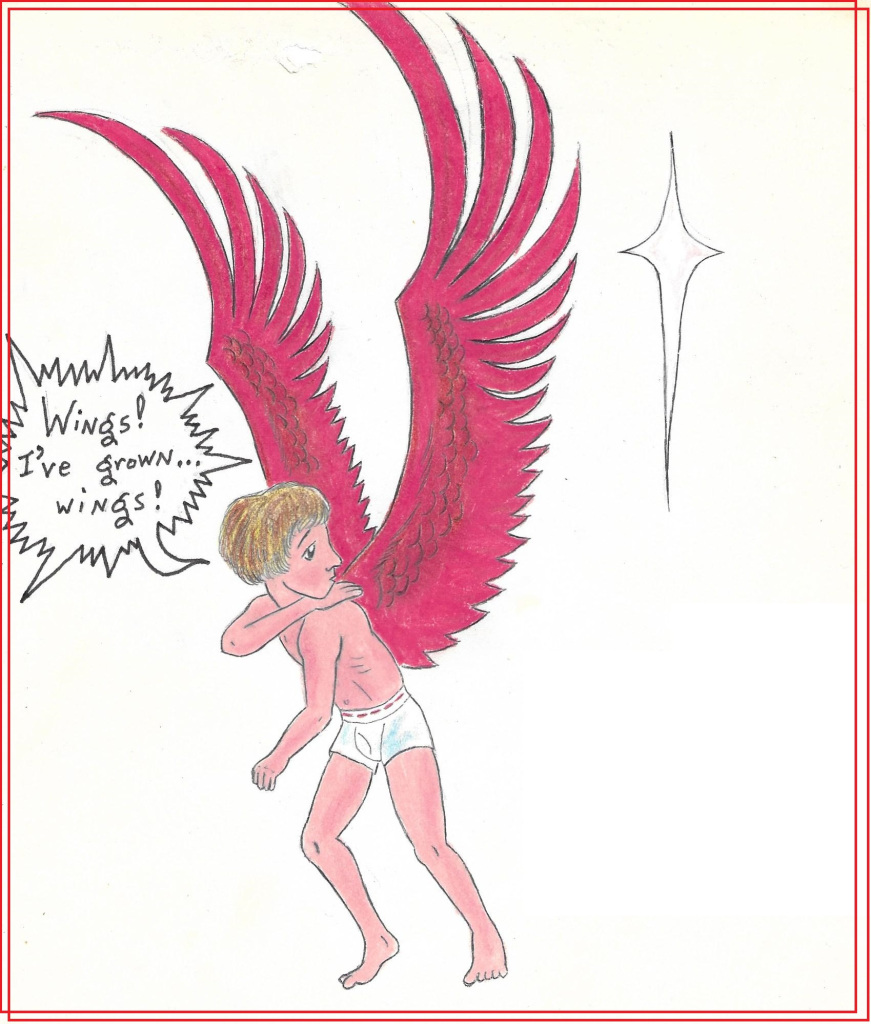
The angel of writing inspiration is angry with me. It has been too long since I buckled down to writing some WIP words every day. I used to do at least 500 words a day on the work in progress at the very least. Today, there were no words added to The, Education of Poppensparkle, He Rose on a Golden Wing, or The Haunted Toy Store. Three possible WIPs unfinished and available for daily attention. All of them are well along, but all of them have not been touched in three weeks. I haven’t written anything today but this post.
Susano, the angel of writing inspiration, doesn’t accept the fact that my health issues have been getting in the way. While it’s true I may have skin cancer once again, he points out that I have often coped with health worries in the past by losing myself in a good story.
So, what do I do? He looks like a small boy that I could maybe beat in an arm-wrestling match, but he IS an angel. He has special heavenly strength that I can’t possibly compete with. So, tomorrow… Buckle down, old Mickey, buckle down!
Posting every day keeps the imaginary writing muscles toned and renews my basic energy levels. But it also becomes a chore on certain days. Like today. The weather has got me down with arthritis woes. Typing like this is it not as easy as it should be. And when I have to labor at it to make the paragraphs flow, sometimes I just turn it all into rambling babbling. I spin my mental wheels and get nowhere.
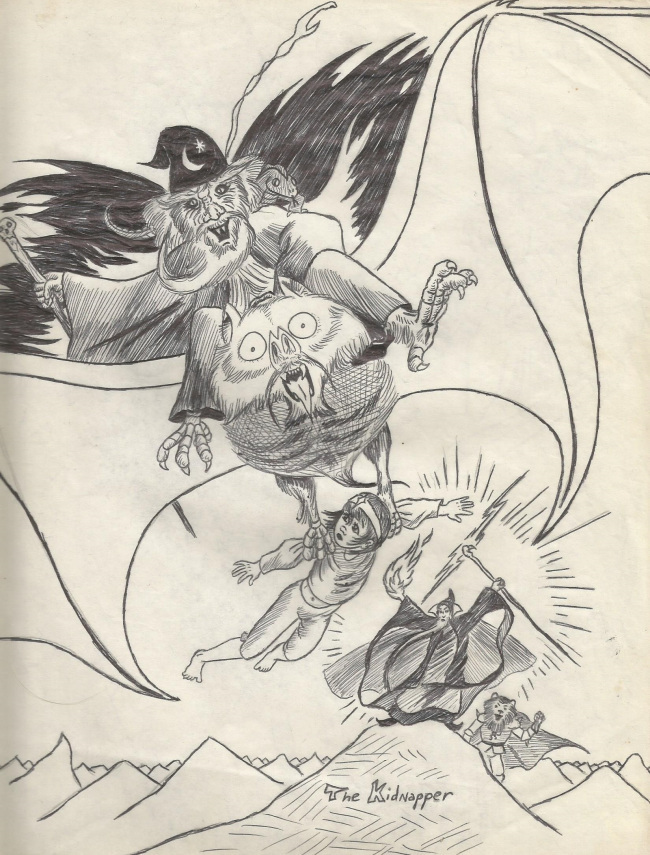
I can use this post to tell you, however, that I have now started a new work-in-progress. I have already pounded out the first four thousand words of The Wizard in His Keep.
This is the final story in the arc of the character Milt Morgan. This story has been gestating in my brain since 1995. Though, if I am honest, it began with fantasies I had back in fifth grade. The main character, Milt Morgan, is half me and half the other Mike from our gang back in Rowan in the 1960’s. Back when Mike and Michael were sometimes good friends and sometimes the brains behind evil plans and terrible tricks. He supplied the devious know-how, and I provided the creative spark that lit the schemes on fire.
But this story is advanced to the computer age.
Milt Morgan is 50% me and 50% my best nemesis, Mike Bridges
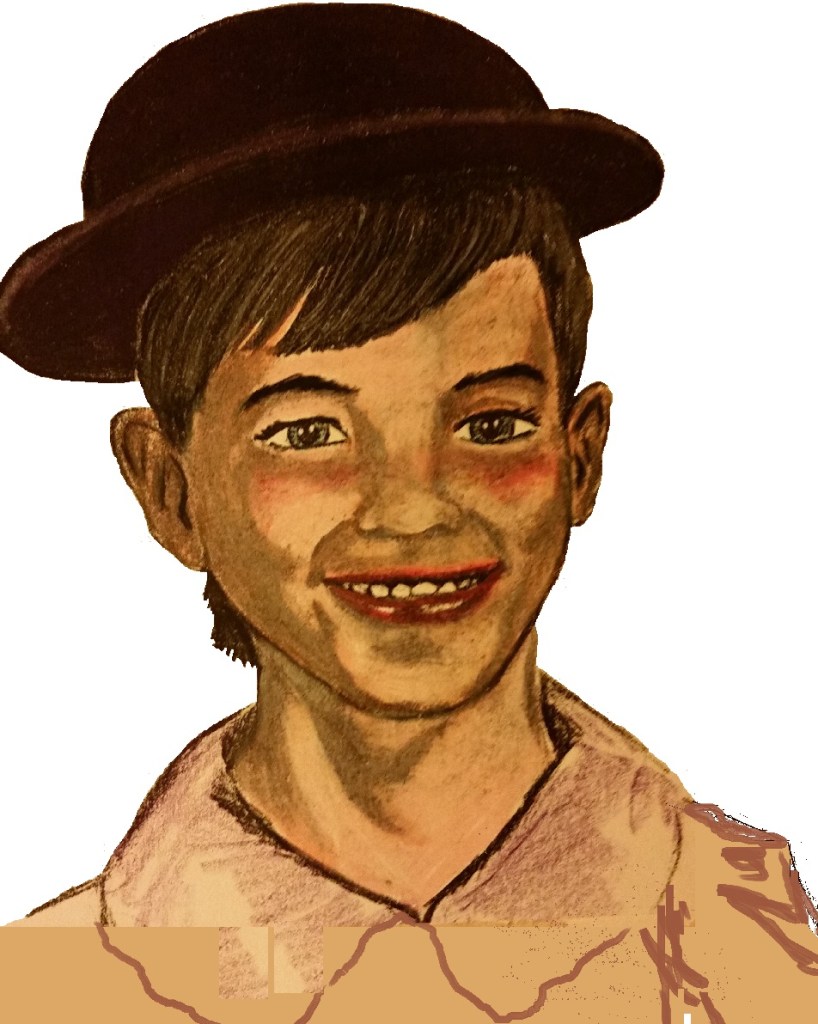
In 1996, Milt Morgan was a 34-year-old video game designer living a double life in a high-tech, state-of-the-art computer lab. It is then that he mysteriously kidnaps the three children of his child-hood friend’s sister and takes them away to a magical world that only two people in the entire world have the keys to. Milt is the Wizard. The other Key-Master is Daniel Quilp, the Necromancer. A battle for the soul of the world must take place, and Daisy, Johnny, and Mortie Brown are a part of it.
Anyway, the words are beginning to pile up again. And again I have made something out of nothing.
Johnny Brown in Purple Glammis (the Magical Kingdom)
The book I am talking about in this 3-year-old post is now available on Amazon.
WordPress has put in a new feature for finding old photos from Posts Past.
This allows me to pull from past years much more easily than the scroll-down feature I have been using. Thus, art from 2017.
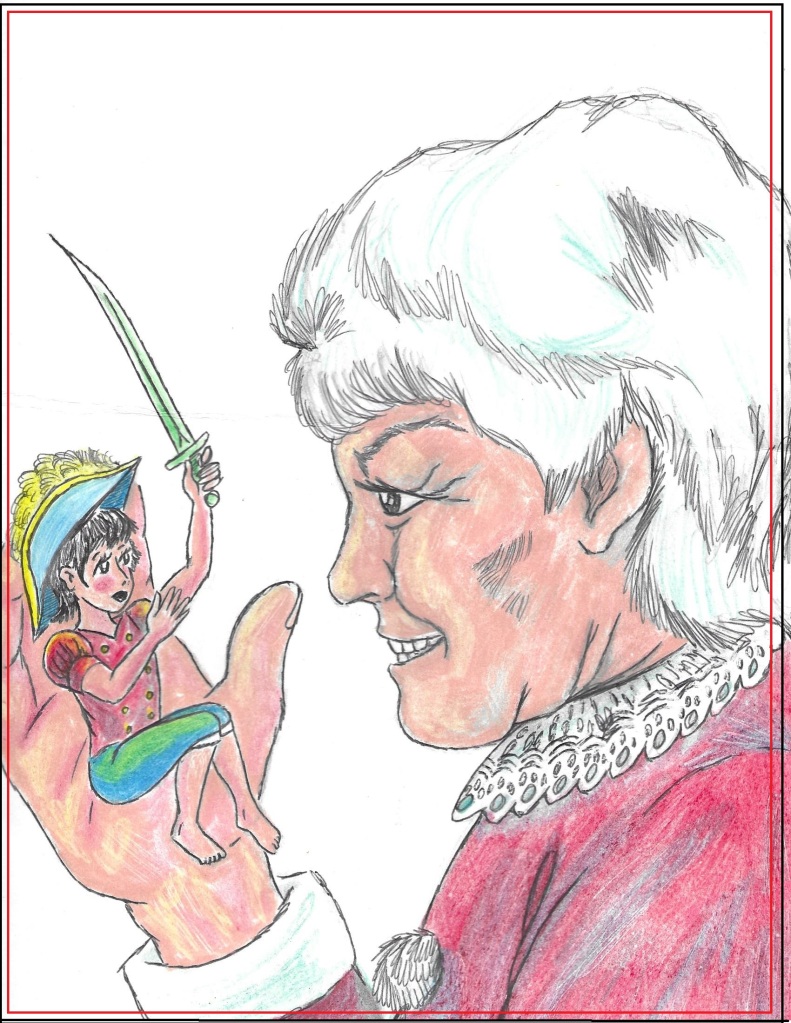
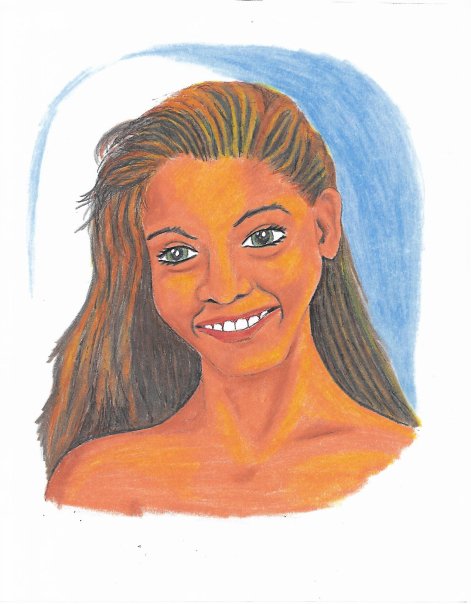
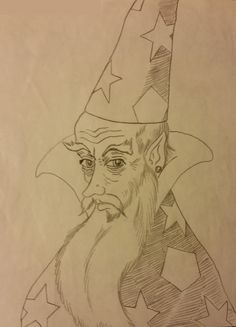
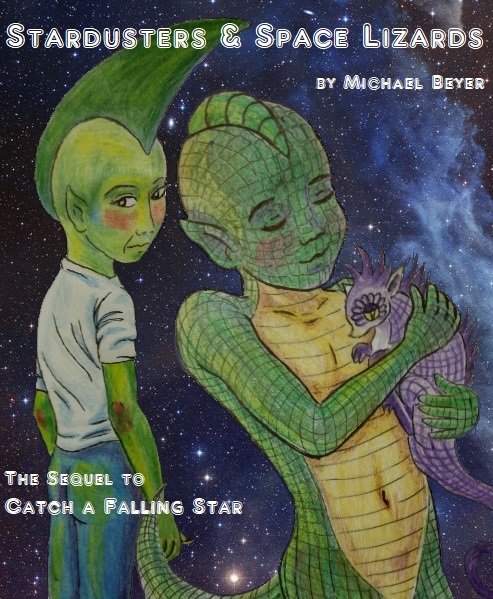
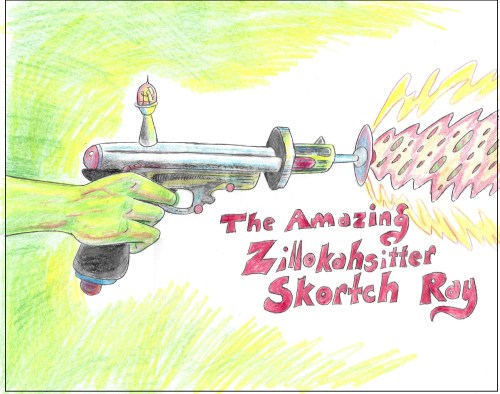
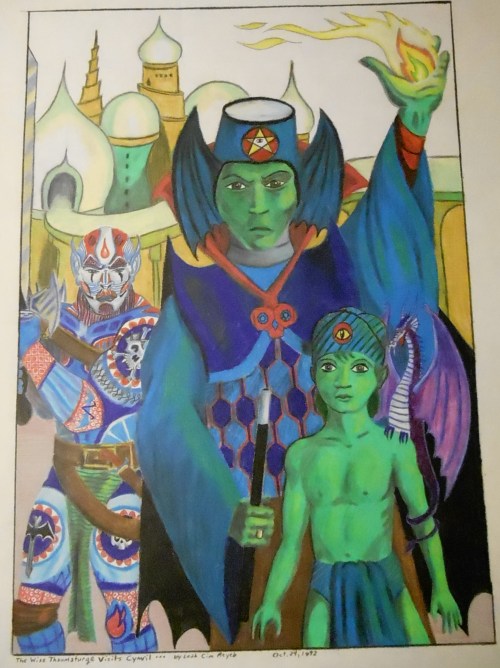
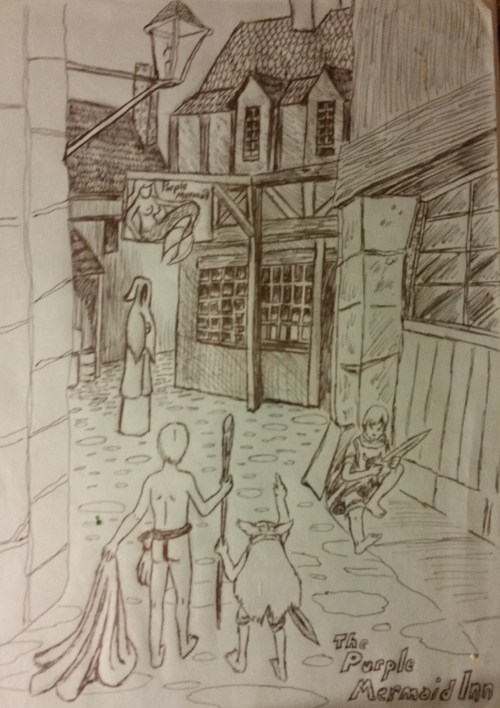
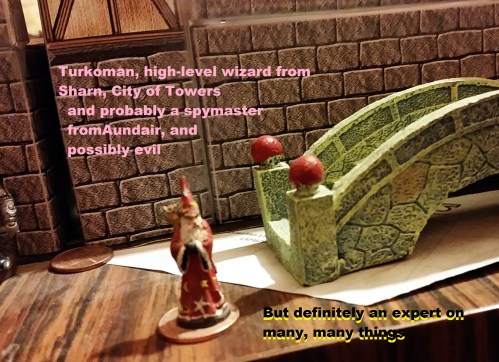
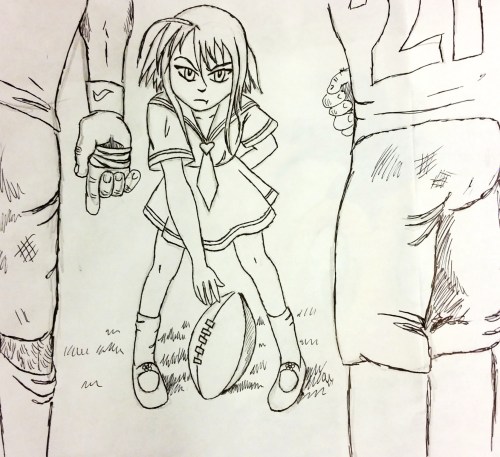
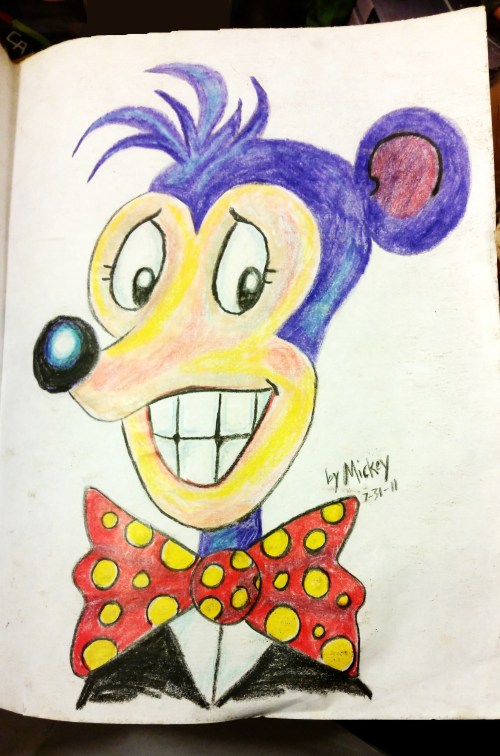
This is from the Star Wars Role-playing game that we stopped playing in 2008.the Murphy family (well, three of them anyway)The disintegrator pistol from Catch a Falling Star“The Wise Thaumaturge Visits Cymril”Eventual cover art for Magical Miss MorganI painted this miniature lead wizard, as well as made the castle from cardboard and paper.I also painted the buildings in the background, acrylic on plaster.“Their Most Feared Offensive Player Could Beat Them By Herself”All of these works of art are done by me, whether they are drawn, painted, or photographed.
This has been a look back at pictures posted in 2017, starting in December, and going back in time to January. There is at least one picture from every month.
Today I went to the dermatologist. The doctor and her assistant were both ladies. Both young enough that they could’ve been former students. And, of course, they needed to look at and survey my bare skin… all of it. Sometimes it is good to have experience as a nudist. And they gave me a cloth to drape over me in the most personal places. Of course they had to look at all of my skin. Eczema, psoriasis, and shingles don’t respect your privacy.
I have been a writer long enough that I have no secrets left anyway. Even the fiction I write reveals more of me than I would be comfortable telling the word about just five years ago. For instance, the picture above, of me naked, is not really what I looked like. My parents never let me wear my hair that long. And by the time I was eleven, I struggled to take my clothes off even at bed and bath times… after being assaulted. And the Belmond tornado. And the death of my Grandpa Beyer, And President Kennedy being shot, and the Apollo 1 astronauts burning up in the command module capsule. All of which happened around the time I was between ages seven to ten.
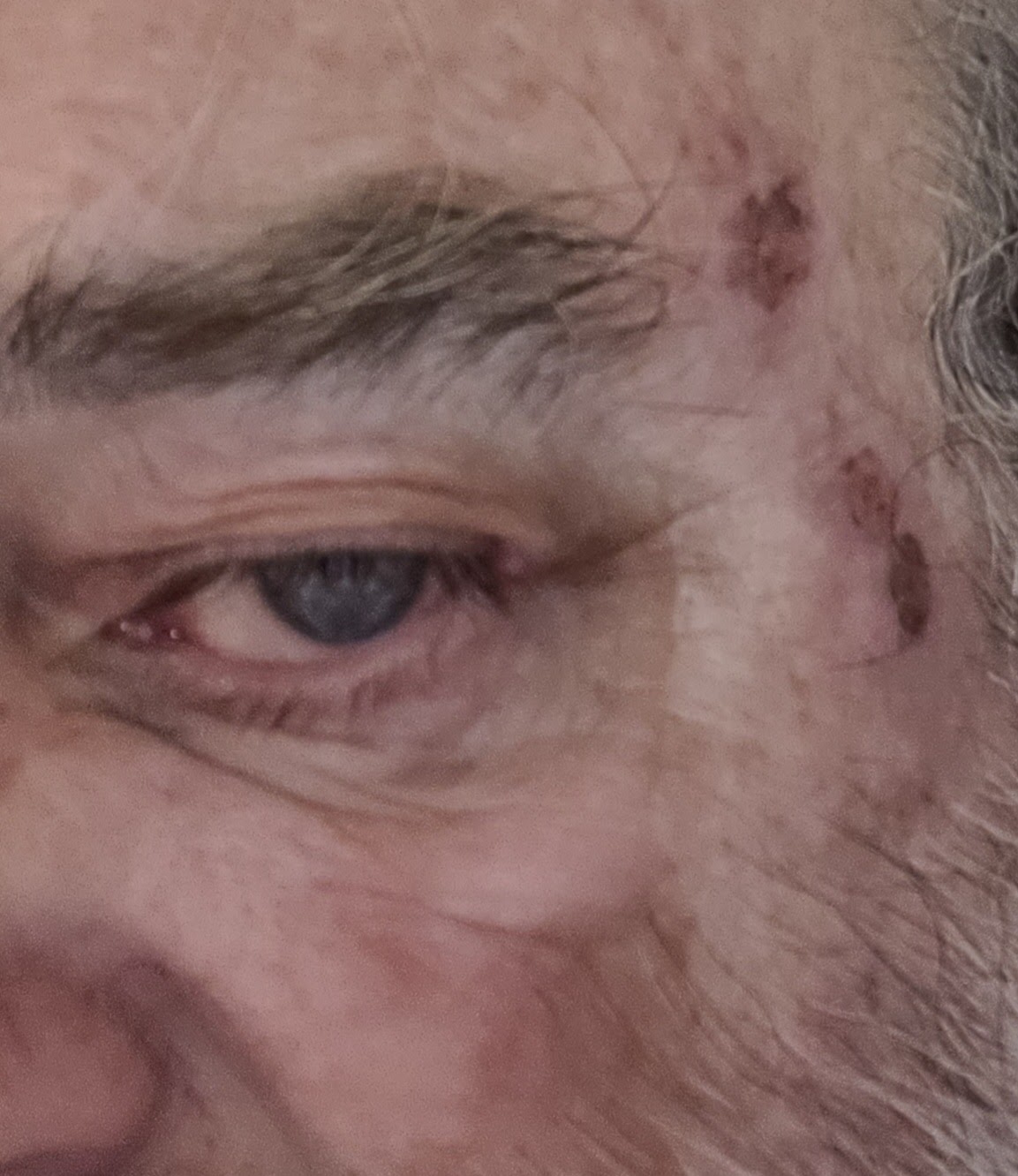
But as my dermatology team was surveying the various bumps and blots and warts and whatnots all over my old carcass, they found a spot on my right temple that is definitely pre-cancerous, and may be actual cancer. In three weeks I may need a biopsy. But for today, I got freeze spray sprayed on the side of my head. Yes, they froze part of my head to kill the potential cancer cells. And that kinda hurts when they freeze a chunk of the old gourd you think with all the time.
Will I die from this? It’s possible. But we live in an age when technology has made survival more probable, especially when you already have that sweet Medicare money that the Republicans and Ted Cruz are so desperate to take away from me.
But you have to understand. I am in no hurry to be dead. But I don’t fear it either.
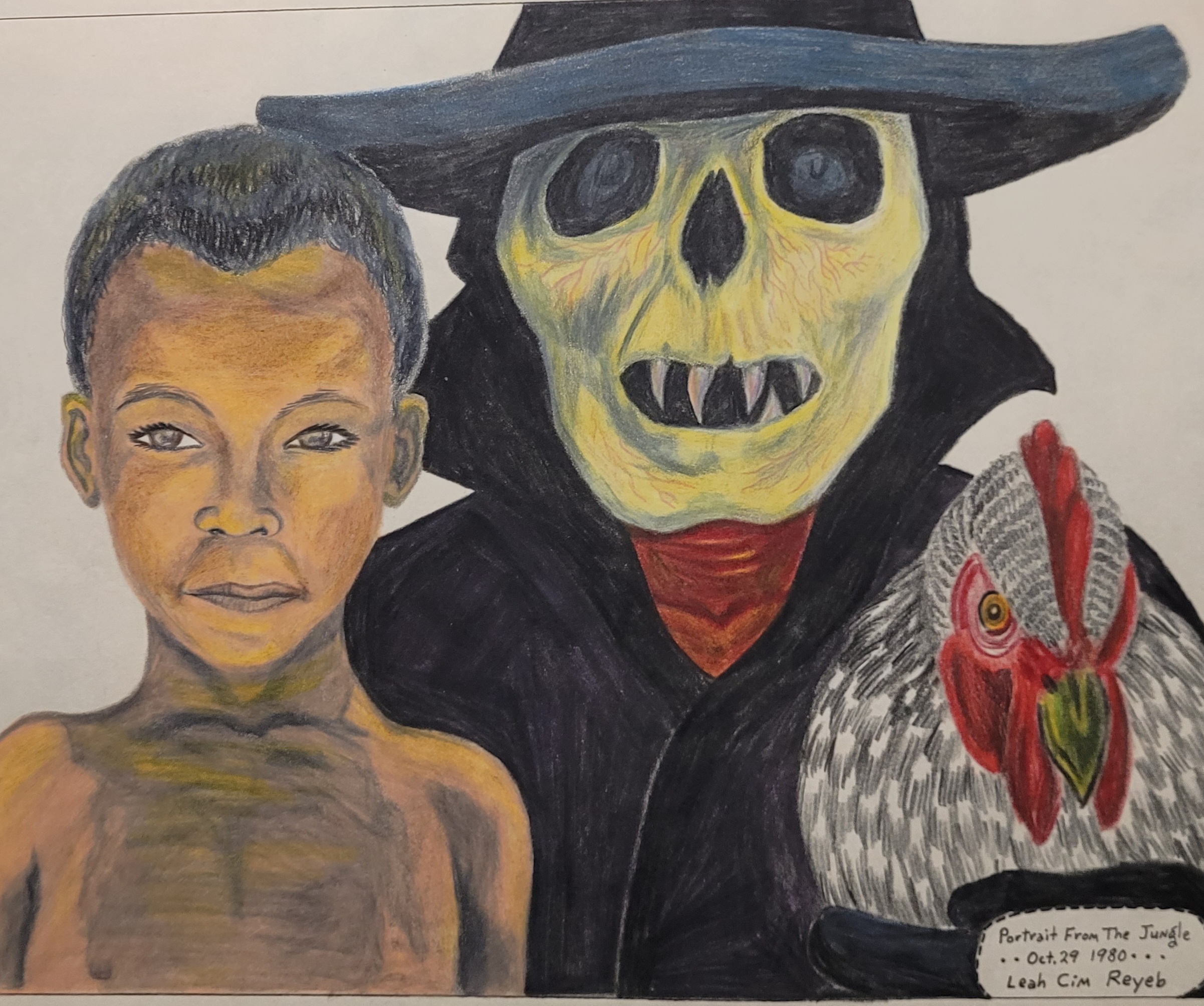
Mark Twain pointed out that he had been dead for billions of years before he was born and was never inconvenienced by it. Not even a little bit. And I am of the same opinion. Looking back at the time before I was born, all those past lives… being a crocodile with bad teeth… living in Patagonia with a seabird and an iguana… and that time in the Great Nebula… But I’ve already told you more of my secrets than you probably want to know. So, if you want to know the truth, the chess board is ready. And if the Grim Reaper wants to play me again, I’ve thought of a few gambits he’s probably not aware of. As long as the chicken refuses to give him hints on what moves to make.
This post was originally created in 2020 when my father was dying. It gave comfort to most of my family as the pandemic was raging and my father couldn’t even remember my mother. We had a Zoom funeral that I watched in Texas while they mourned him in Iowa. A year later, my mother passed away as well. She just couldn’t last any longer without him. It still makes me cry to hear these. But it also brings them back to life for me, if only for a moment.
My father is going into hospice care. Parkinson’s disease is winning against him. I am stuck in Texas until the results of my COVID 19 test come back. Needless to say, my heart is broken. I need magic to fix it now. Where do you find that kind of power? This is where I am looking today.
These are acapella songs. No instruments. Only voice. It comes straight from the heart. Out through the mouth and into the ever-present ether. Life may come to an end, but the sound of it continues… never-ending. Even God does not make a song unsung once it has been made real.
I have been watching these videos on my laptop, lying on my sickbed, and crying at the beauty, the truth, and the depths of sadness in my soul. It hurts to lose a parent. My father was born in 1930. In October of this year, his life-song will reach 90 years of age. It hurts now. But songs are never unsung once they finish. In this I find comfort.
I hope you will actually listen to these. I add a lot of music to my posts, and I never notice any reports of someone clicking on the videos. But these musicians; Pentatonix, Home Free, Peter Hollens, and BYU Vocal Point all have that magic… the power to both lift you up towards God and to make you weep for the bittersweet tragedy that is the experience of being alive and knowing… well, that every book has a final chapter, every song has a final note, and every life…
I don’t have to finish that thought, do I? Now is a proper time for sadness, for trepidation, for listening to music like this… and for remembering love. And I am not through crying just yet.
Since I originally posted this musical essay, my father passed away on my birthday in 2020. My mother did not last a year without him, rejoining him in September of 2021. I can’t listen to any of these songs now without weeping. But it is a good cry. It fills me up with the song of life. Who knows what tomorrow will bring? But today… today I am filled with the music of lives well-lived. He was 89. She was 87.







 Catch a Falling Star