
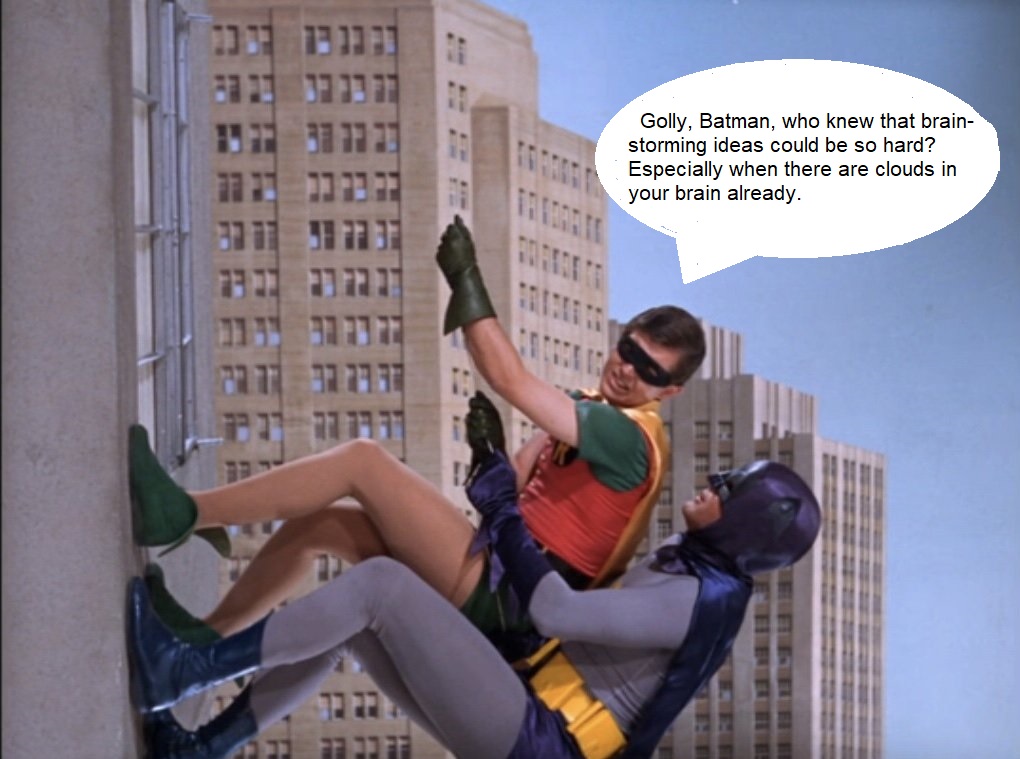
I am guilty of writing satire and parody. Many of the things I have said in this blog are written as firmly tongue-in-cheek. But people will often take you seriously… literally… misinterpreting everything you say. They will, via comment, reach into your mouth, pull out that tongue, and wrap it three times around your neck in order to strangle you with it. (I dare you to take that one literally, all you non-humor appreciators.)
Obviously it helps, when talking about satire and parody, that you define the terms so that your reader has at least a little bit of a sense that the idiot writer actually knows what he or she is talking about and not merely flinging big words and obscure ideas around the room. (And, of course, when I refer to myself as an idiot writer, I am hoping that the reader gets the sense that I am being ironic about the fact that truly wise people are the ones who realize how little they know in comparison to what the universe has available for them to know.)
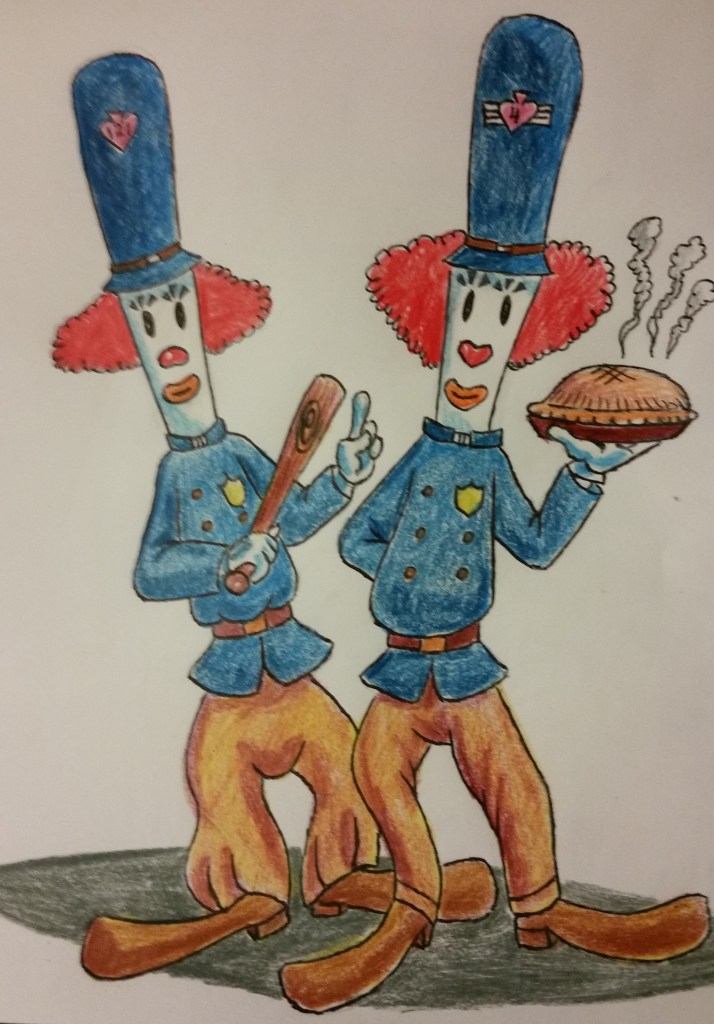
Parody is when you really love a piece of culture, literature, or art and you then imitate it in a humorous way. In my novel AeroQuest (which has now become 3 novels, and I am writing 4 & 5 too) I make fun of Star Wars, Star Trek, Dr. Who, Flash Gordon, Buck Rodgers, and numerous other science-fiction and adventure-fiction things. The humor tends to come from exaggeration, ridiculous situations, extreme irony, and wry observations about our world embedded in the story. And they are written as a homage, not as an attempt to tear those things down.

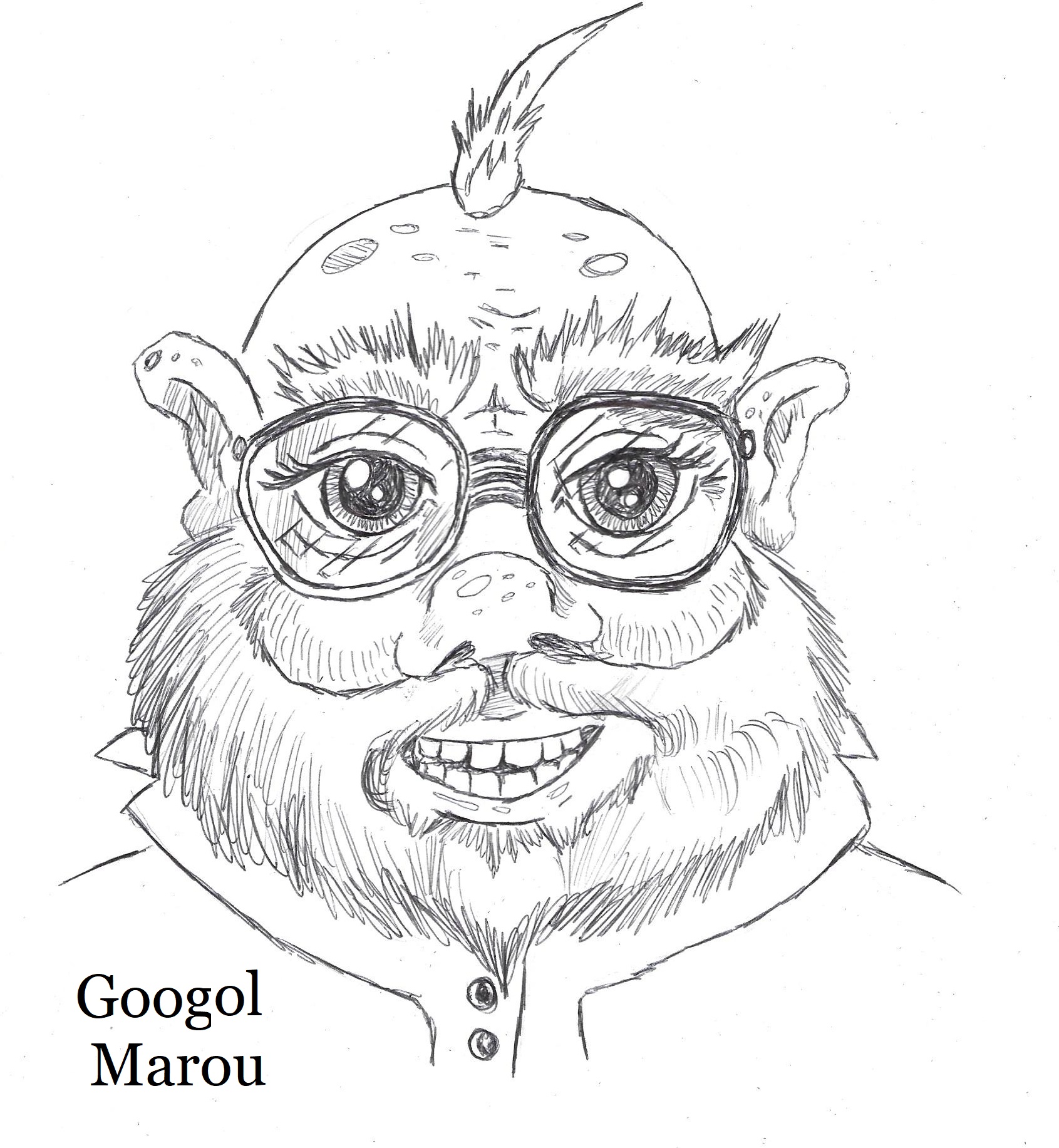
Satire, on the other hand, is comedy created where you don’t like a thing and you write highly critical commentary about it disguised as the very thing you are criticizing. My narrator in AeroQuest, Googol Marou, is mostly satire. He is a know-it-all, pompous gasser who often holds forth about what people are really like, how their institutions really work, and how the primary purpose of life in the universe is to blow things up.
So, both kinds of writing, I am obviously saying, are in direct opposition to what my title suggests this post is about. Don’t immediately try to pull my tongue out of my cheek. I told you before that was not literal. It is a joke. The tongue-thing, not my title.
I am completely serious when I say that a writer must write about the things he or she already knows. It also needs to be about things you really care about.
My parody novels, then, obviously show how much I care about the novel tropes and movie-serial action/adventure stories that I am reverently imitating, mostly for laughs.
And I mean it also when my stories refute the ideas that blowing up high-population planets is a good thing, done for fun and sometimes profit. We are, after all, busily destroying this planet to make the living Koch Brother insanely richer.
There you have it, then. The mewling excuses for my egregious attempts at committing acts of both parody and satire. I actually mean what I say, even though you may have to use your brain a little bit in order to understand what I am saying.









 Catch a Falling Star
Ugly Christmas Sweaters and the Criticizing of Them
In the Midwest
where I spent my childhood and early youth, there is a great tradition of making fun of the exceptionally eye-bonking ski sweaters and Norwegian-middle-layer clothing that dads and grandads are given as presents less often than only neckties.
Yes, they are functional in the land of 100-degree-below-zero wind-chill. And they also work as defenders of your male virginity when you are in college in Iowa. But we make fun of them not out of derision, but of love. These are gifts, after all, that are given on winter birthdays and Christmas because the giver loves you. And the creative criticism of them is given only as a sign of appreciation for what they are truly for.
And if you tried to click on the X’s on this sweater of mine, and it did not immediately close on your screen, that’s because this one has special meaning. I didn’t get this as a Christmas gift. I inherited it from my father who died in November 2020. And it will keep my heart warm now until it falls apart, or until the time comes to pass it on to my own eldest son.
What…
this essay is actually about is the nature of good criticism.
The fact that this one is a red Christmas tree decorated with lawn flamingos is not the actual point. One has to look past the flaws and try to judge the effectiveness of how it achieves… or fails to achieve… its intended purpose… apparently to keep rats and small birds out of your yard… or from within a hundred yards of the thing.
And…
if I were to be offended by the revelation of Santa’s sexy black thong, then the thing to do as a proper critic is not to use my power to condemn it, but not to take up the critique of it at all. I mean, if you are actually offended by the thing, you would not want to offer an opinion that some would take as a challenge.
“What? You are telling me that I can’t like Santa’s sexy black thong? I will not only like it, I will love it! And I will buy one for myself.”
Following…
the philosophy of the uncritical critic, I would only review this green nightmare sweater of a Christmas mutant demon-dog if I really liked it. Of course, since you are seeing a review of it here, it means I am actually quite charmed by the sweater itself, and amused by whatever seventy-plus-year-old grandmama that has the kitsch-defiant attitude that allows her to proudly wear it… even if it was given to her as a gift by a relative she probably doesn’t really like but, never tells them so.
Doing book reviews one after another (as I have been doing for Pubby in order to get reviews on my own books in return) I have done a lot of the uncritical critic bit. Some of the people I have been reviewing the books of should never have tried to write a book in the first place. But do I tell them that? Of course not. If I have taken the trouble to read the whole book, even though it may be horrible, I am not going to pour cold water on their flame. I have done reviews with innumerable editorial suggestions of what would make it a better story, or a better non-fiction book, or children’s book, or poetry book, or self-help book… I have read terrible books of all of these kinds. And I know the authors did not rewrite the books as I suggested. But in my many years as a writing teacher, I have learned well that you must always point out the fledgling writers’ strengths and ask them to build on those. And some will. Besides the points I earn to spend on reviews of Mickian books, that is reward enough.
Leave a comment
Filed under book reports, book review, commentary, writing, writing teacher