
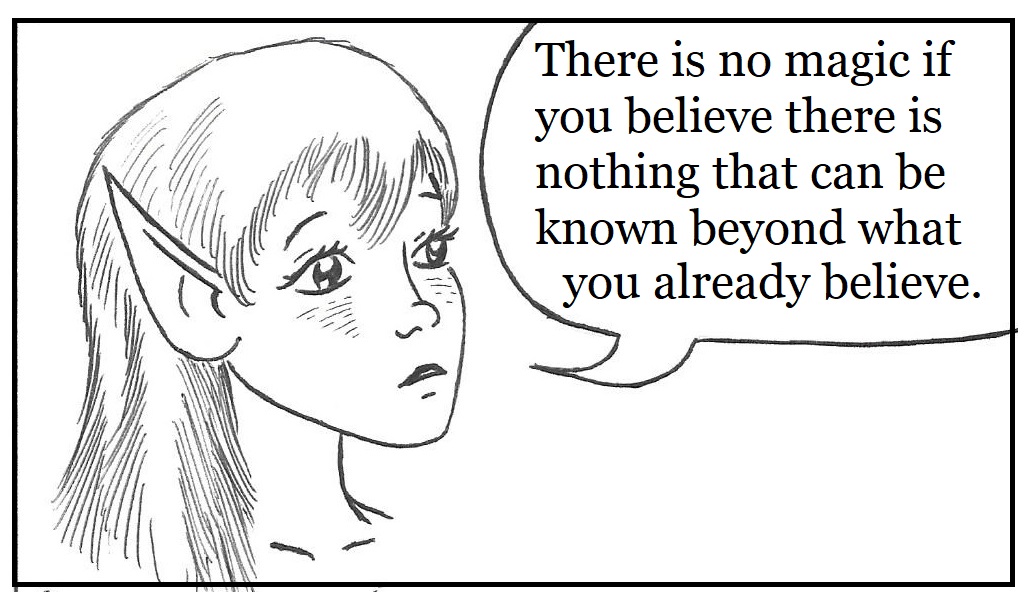
Wizards do magical spells. It kinda goes without saying. But to do magical spells, you have to know how the magic works… and why.
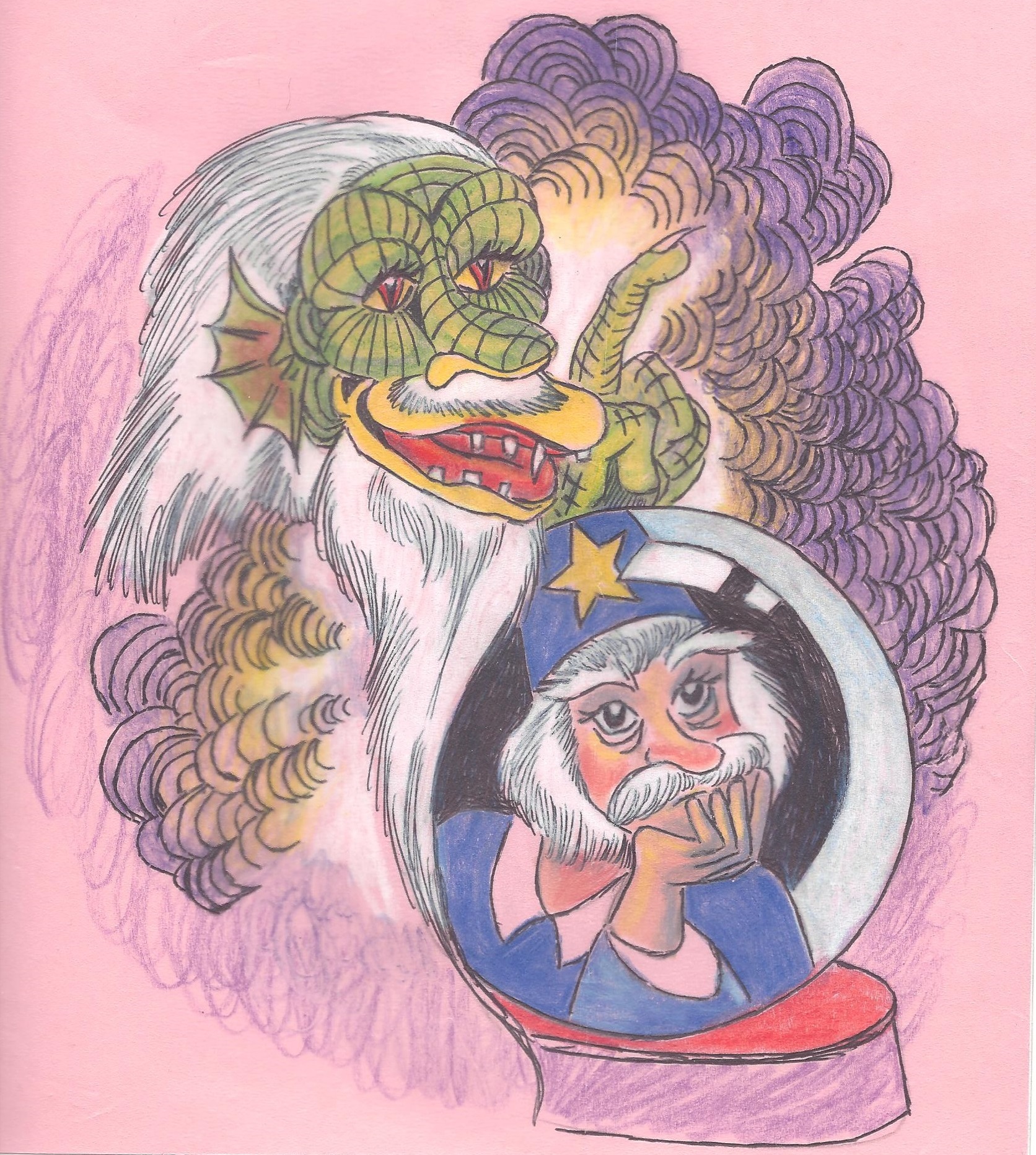
The secret is in knowing what the word “magic” actually means. It is not supernatural power, nor the creation of something out of nothing. It is entirely the act of uncovering and understanding the underlying truth, the actual science that most people don’t yet comprehend that underpins the thing you are trying to accomplish. Jonas Salk was a wizard. His polio vaccine was a successful magical potion. But magic can be evil too. Albert Einstein and Robert Oppenheimer were wizards. And the atom bomb was an act of necromantic evil.
So, being a wizard, I have learned lessons over a lifetime that uncovered for me the secrets of practical interpersonal magic. Being a teacher has taught me far more than I taught to others.
So let me share with you some of my hard-won practical magic.
In a room full of rowdy children, most of whom are not minding any of the teacher’s directions, you can get their attention easily by shouting, “What the poop is going on here?” with the biggest evil grin on your face that you can manage. They will immediately quiet down like magic and look at you. Some will be wondering if their teacher is having a fatal stroke. Some will be wondering what punishments their behavior has earned as indicated by your evil grin (and here it should be noted, their little imaginations will cook up something much worse and much scarier than anything you could’ve thought of to unwisely threaten them with. A few will begin recording you with their cell phone cameras in hopes of future behavior they can post online and get you fired with. And the rest will laugh at the word “poop” and forget why they were acting out. At that point, with their full attention, you can ask them to sit down and look at page 32, and, not knowing what else to do, they will probably do it.
Here are some other rules of practical magic that apply to the wizarding arts of being a public school teacher;
- Violence is never the answer. Change their actions and reactions by making them laugh, making them cry, or making them think about something else entirely. The last thing you would ever want to do is hit them, even if they hit you first.
- Anything they can be forced to repeat eight times in eight different ways is something that will be fixed in their memory for more than just the duration of a class period. It moves things into their long-term memory, and that is itself a very magical thing.
- Students laugh when you surprise them or present them with the absurd. Tell them they should imagine themselves as pigeons who have to act out Shakespeare’s play Romeo and Juliet. What costumes will they wear, and why? What stage directions are necessary to add to the play that are unique to pigeons, and how will they word them? How does pigeon Mercutio go about his death soliloquy when stabbed by pigeon Tibault? Will he have to say, “Look for me tomorrow and you will find me a very grave pigeon?” By the end of the lesson they will have learned more about this play they are supposed to learn about as ninth graders than they ever would have otherwise.
Being able to do any of those things is actually a manifestation of magical power, and only producible by a wizard. The simple fact is, every good teacher is a wizard.










I Hope You Dance…
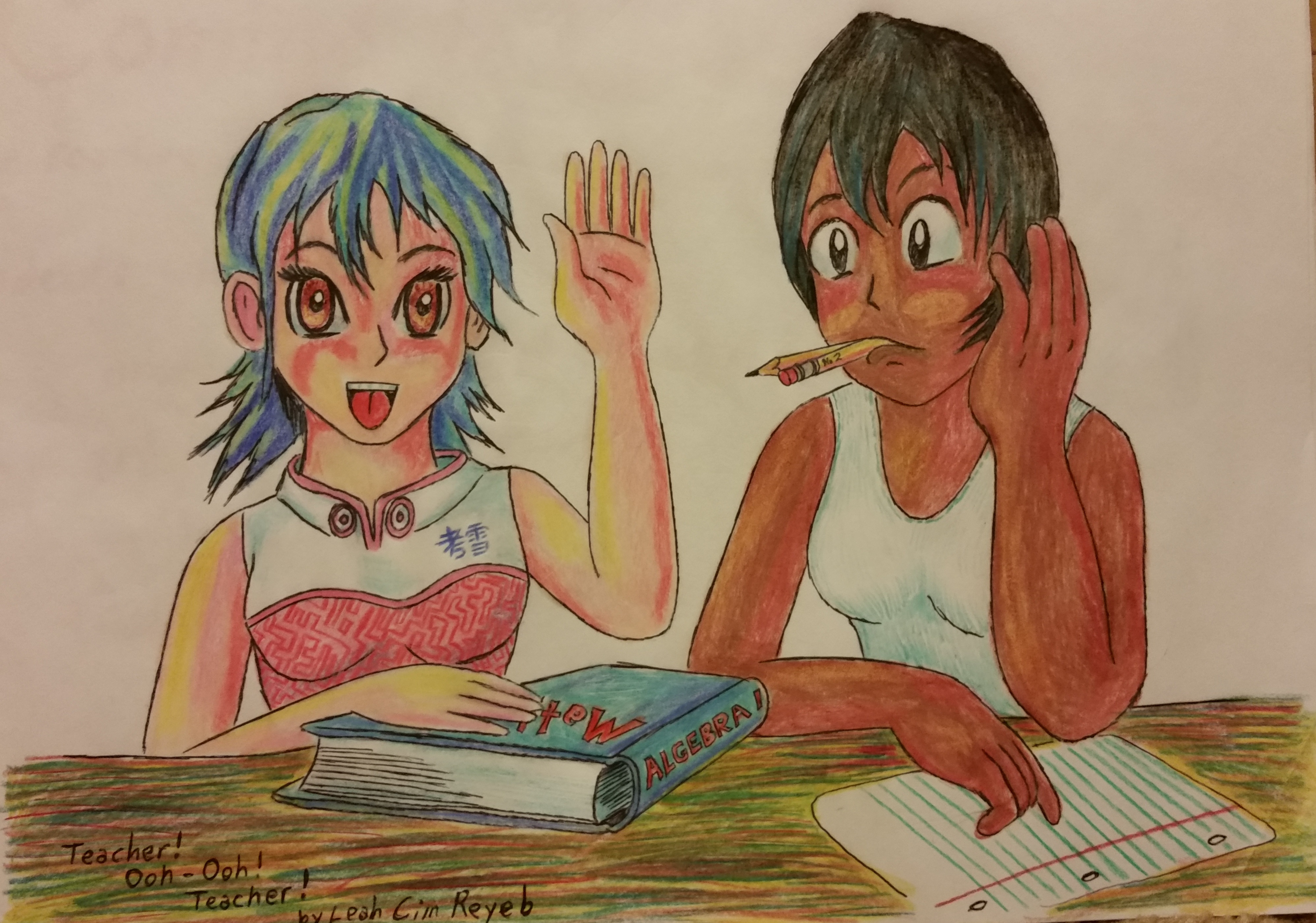
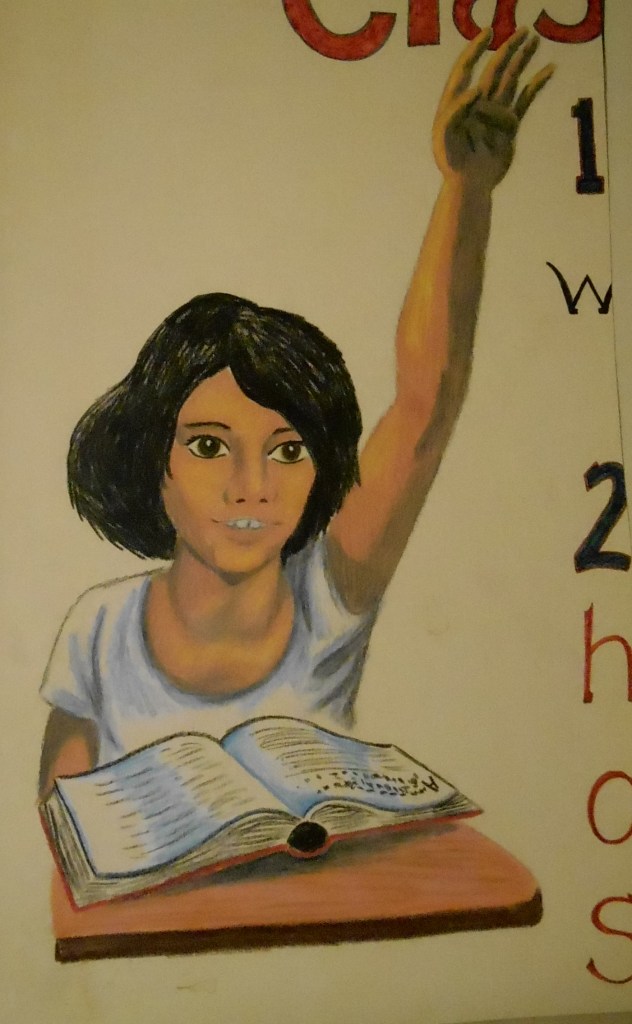
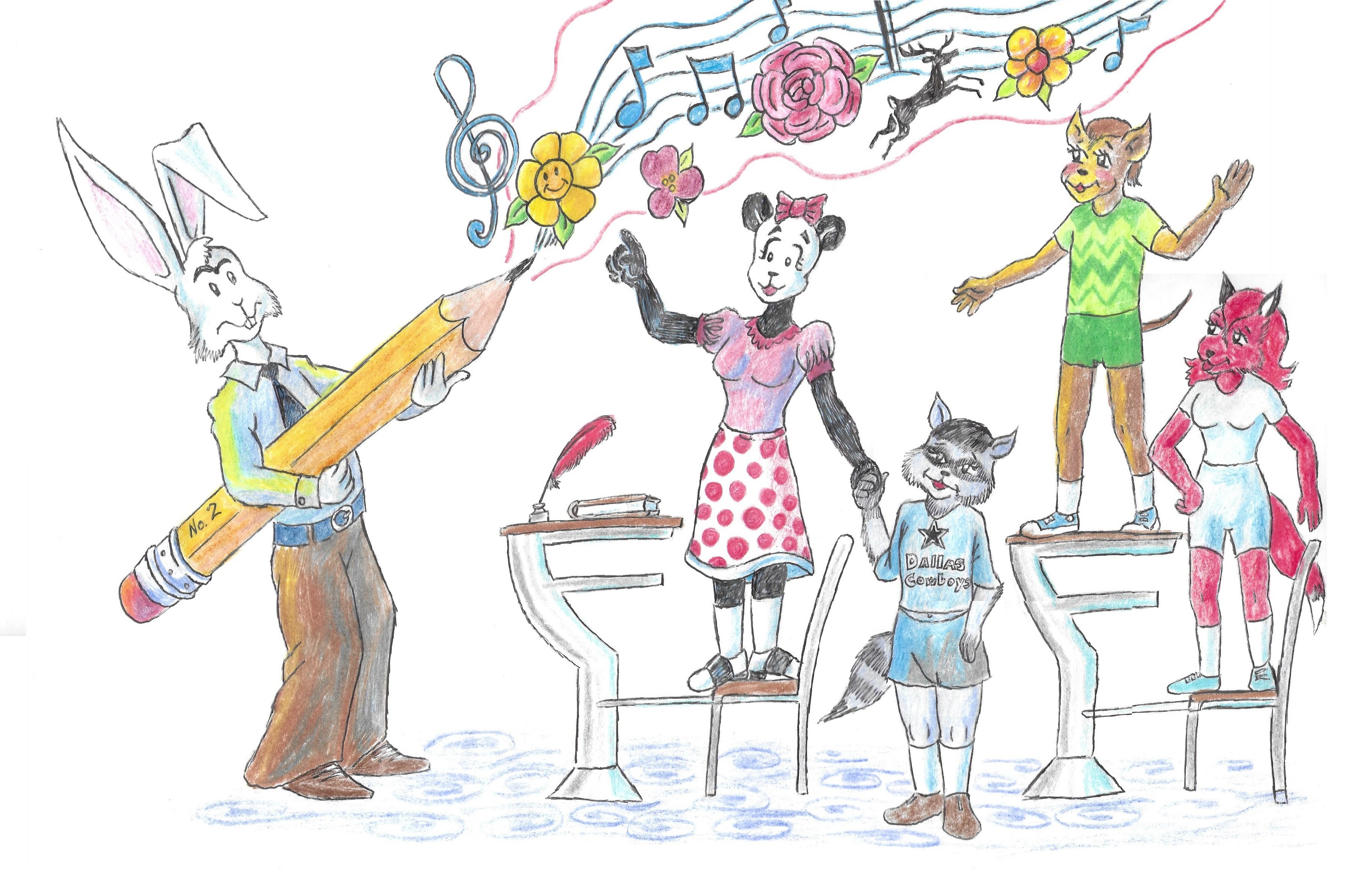
When you walk to the front of the classroom and take up the big pencil in front of a group of young teens and twelve-year-olds, there is a strong pressure to learn how to sing and dance. That, of course, is a metaphor. I was always too arthritic and clunky in my movements to literally dance. But I looked out over a sea of bored and malevolence-filled eyes, slack and sometimes drooling mouths attached to hormone-fueled and creatively evil minds. And I was being paid to put ideas in their heads. Specifically boring and difficult ideas that none of them really wanted in their own personal heads. So I felt the need to learn to dance, to teach in ways that were engaging like good dance tunes, and entertaining in ways that made them want to take action, to metaphorically get up and dance along with me.
I wanted them to enjoy learning the way I did.
But the music of the teacher is not always compatible with the dance style of the individual learner. The secret behind that is, there is absolutely no way to prompt them to dance along with you until you learn about the music already playing in their stupid little heads. (And you can’t, of course ever use the word “stupid” out loud, no matter how funny or true the word is,) You have to get to know a kid before you can teach them anything.
The discordant melodies and bizarre tunes you encounter when you talk to them is like dancing in a minefield blindfolded. Some don’t have enough to eat at home and have to survive off of the nutrition-less food they get in the school cafeteria’s free-and-reduced lunch program. Some of them have never heard a single positive thing from the adults at home, enduring only endless criticism, insults, and sometimes fists. Some of them fall in love you. Some due to hormones. Some due to the fact that you treat them like a real human being. Some because they just stupidly assume that everyone dances to the same tunes they hear in their own personal head.
Some of them automatically hate you because they know that if you hear their own secret music in their own self-loathing heads, you will never accept it. They hate you because you are a teacher and teachers always hate them. Some of them, deep down, are as loathsome as they think they are.
But, if you find the right music, you can get any of them, even all of them, to dance. It might be hard to find. It might be a nearly impossible task to learn to play that music once you find it. But it can be done.
And if you get them to dance to your music, to dance along with you, I can’t think of anything more rewarding, anything more life-fulfilling. Have you ever tried it for yourself? If you are not a teacher, how about with your own children or the children related to you? Everybody should learn to dance this dance I am talking about in metaphors. At least once in your life. It is addictive. You will want to dance more. So the next time the music starts and you get the chance… I hope you’ll dance!
Leave a comment
Filed under commentary, education, kids, metaphor, Paffooney, teaching
Tagged as being a teacher