
On my computer I keep a lot of picture files for inspiration both as an artist and a writer. One of those files is labeled simply the “Wrong File”. Everything in that picture file is in there for the wrong reason. Or does a wrong file need to be filled with the wrong stuff for the right reason? I don’t know. There is a lot wrong with this world. The fact that I am going to post stuff from the “Wrong File” is merely proof of that.

Liking Grumpy Cat posts on Facebook is an oxymoron of the lowest order. It is an example of what is wrong in the “Wrong File”.
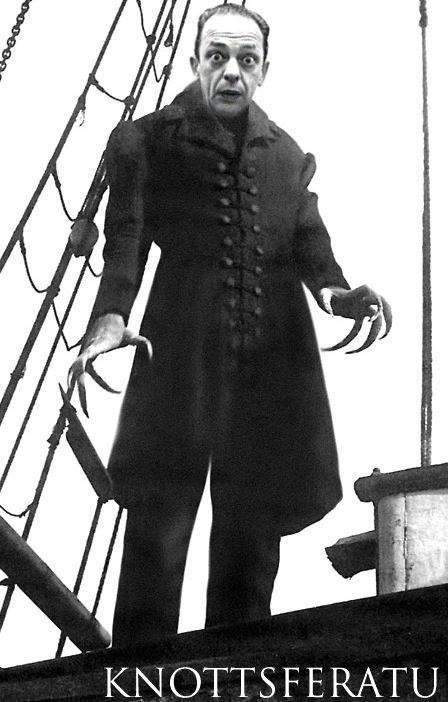
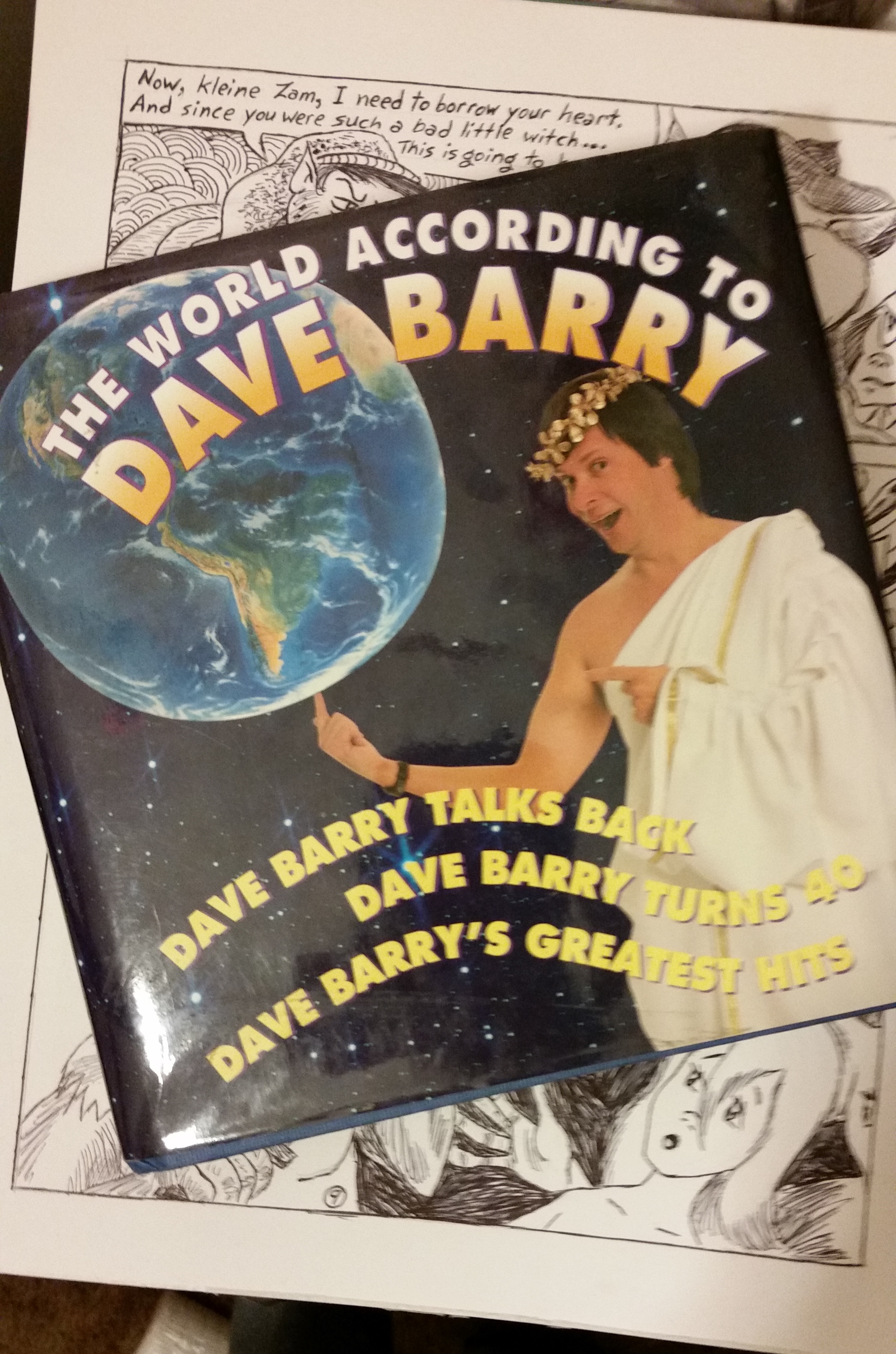
Certain puns are just so wrong in a fundamental way. That’s right. They are both fun and mental. So that’s wrong.

As an educator I am aware that this thing we thought was true is now an untrue fact. That’s wrong also. My left brain tells me so. But my right brain tells me it feels right.


Yes, these things are wrong. Just wrong.

Why did I put this in here? This is not wrong. This is right. So I must’ve put it in the wrong file. So that’s all right, then.

Putting this in a file my wife could find on my laptop… Yes, that was wrong.
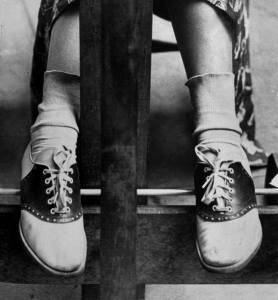
Saddle shoes have been wrong for many years now. I still draw them on the feet of kids, especially girls, especially school-age girls, and that is especially especially wrong because it means I am just too old and out of fashion.’
Boy! Is that wrong!


These things are all older than me, but I remember two of them. Is that wrong?

I’m not sure I believe this is wrong. So is that wrong? To believe that it is right, I mean? I’m probably wrong.
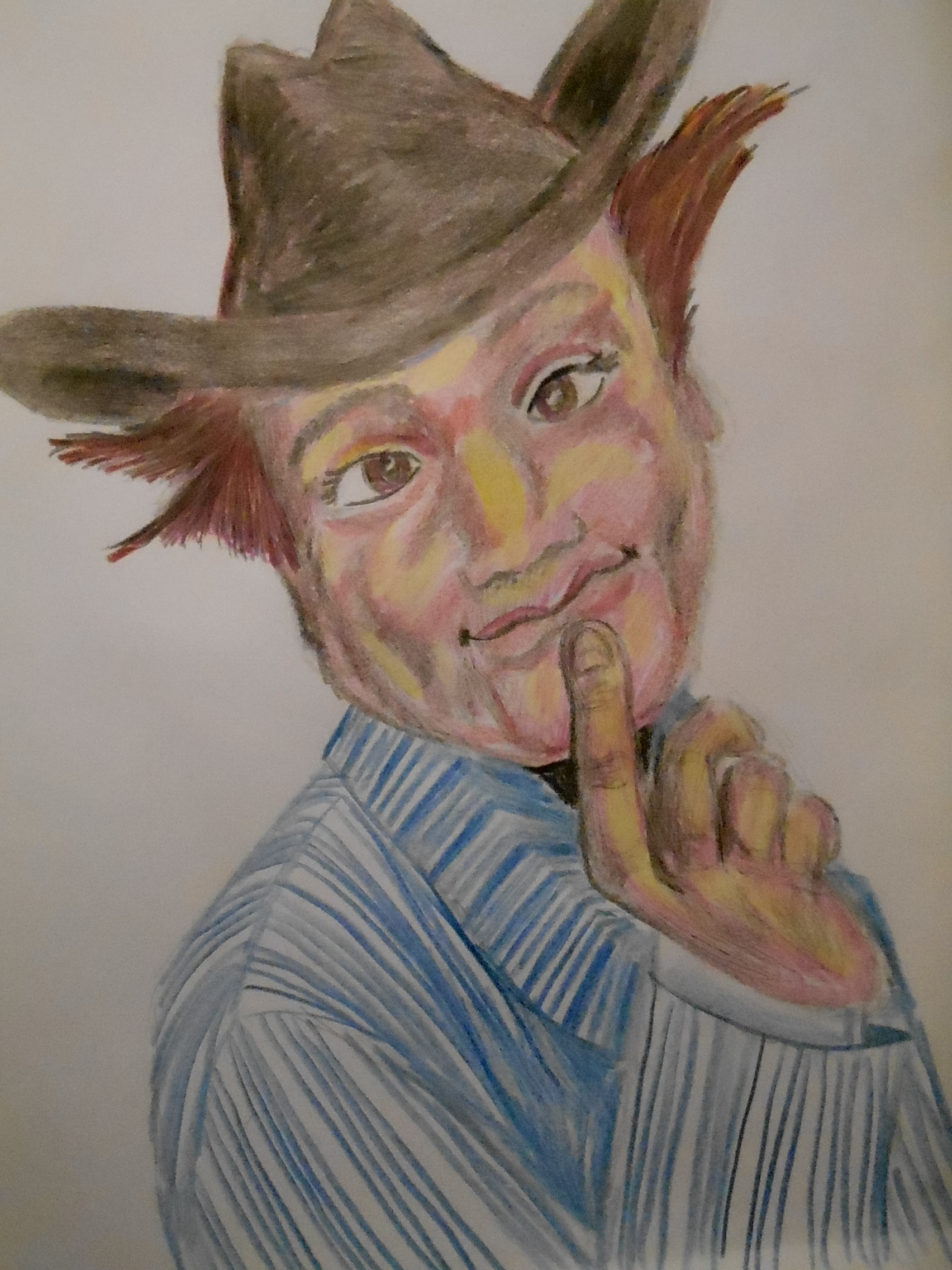
 My wife constantly tells me I am wrong… about everything. And I probably am. So that is not right. And if you think that’s my wife in the picture, you would be wrong. She’s much larger than that in real life.


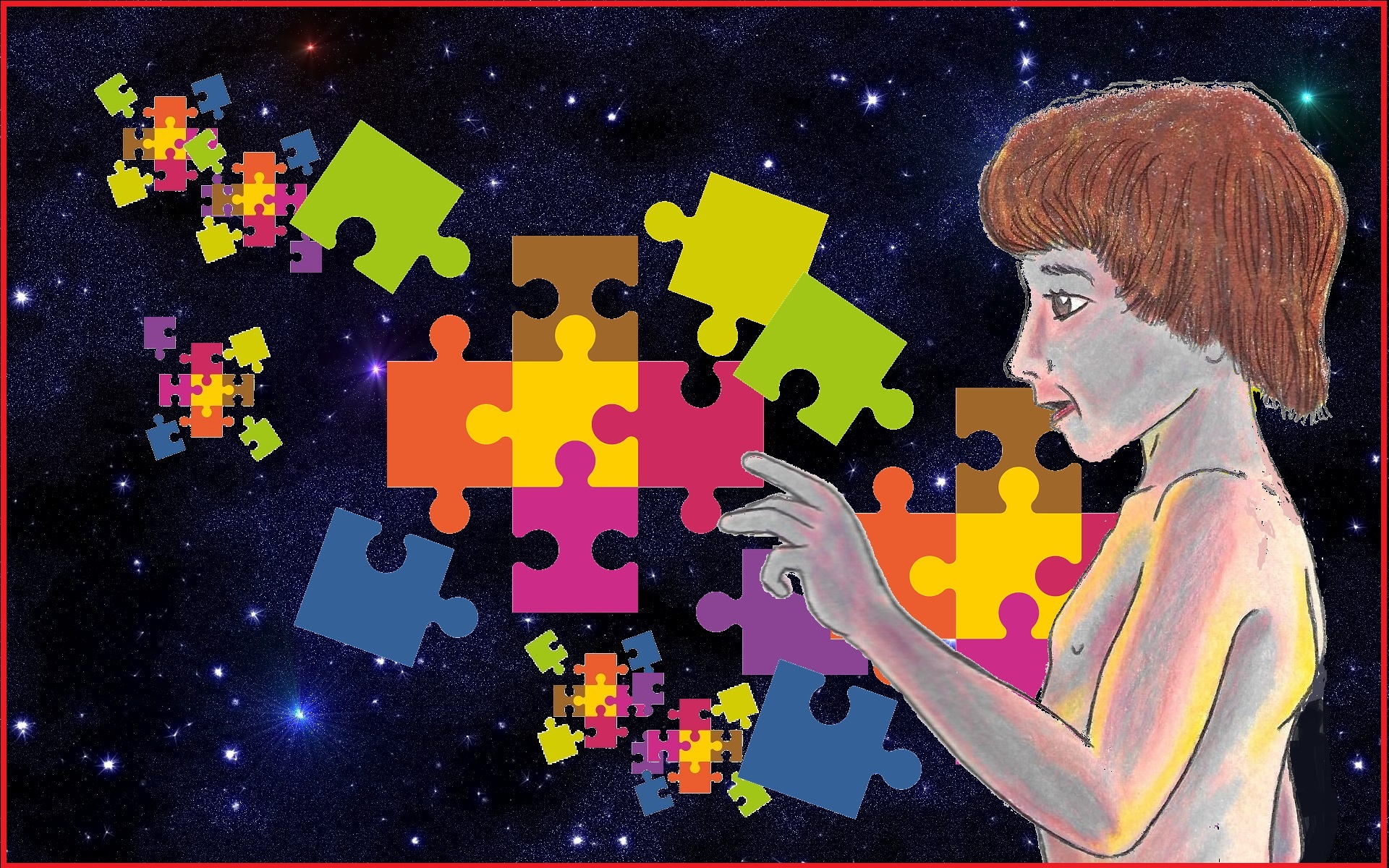
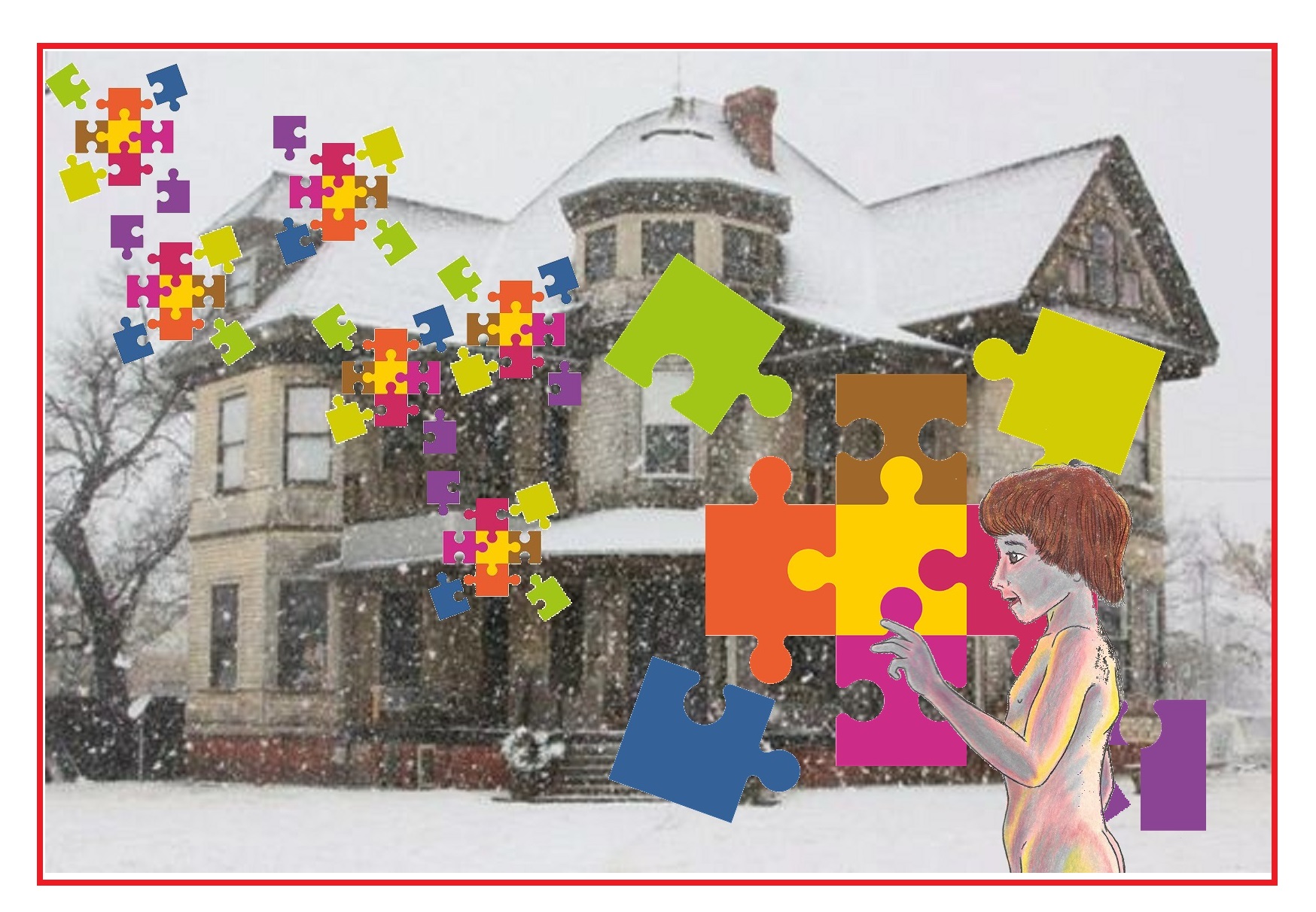
And many people find surrealism is wrong. Surreal is when you put wrong things together on purpose to make something that almost seems right.
So that’s what odd about the “Wrong File”, It is so wrong that it is right.

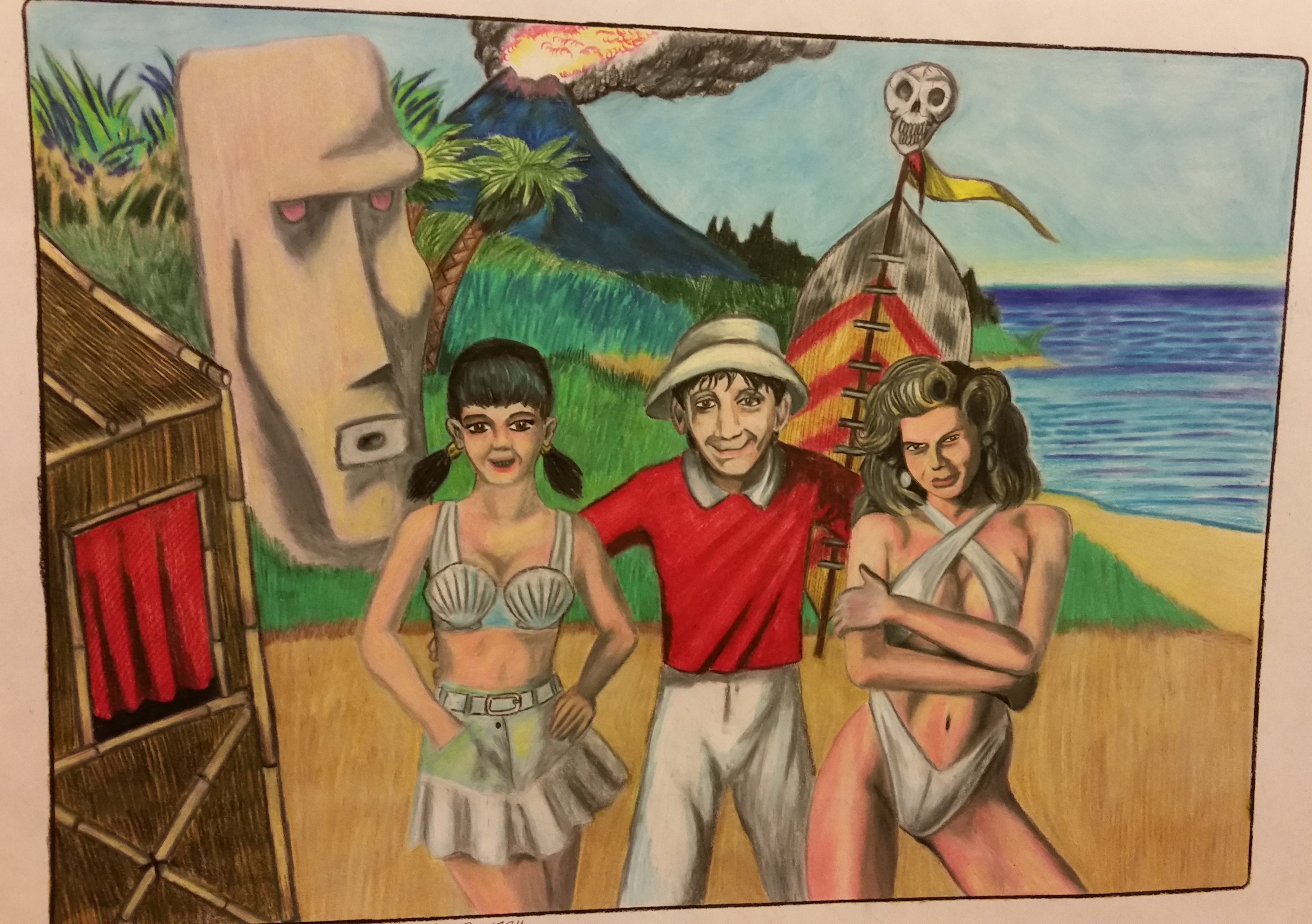
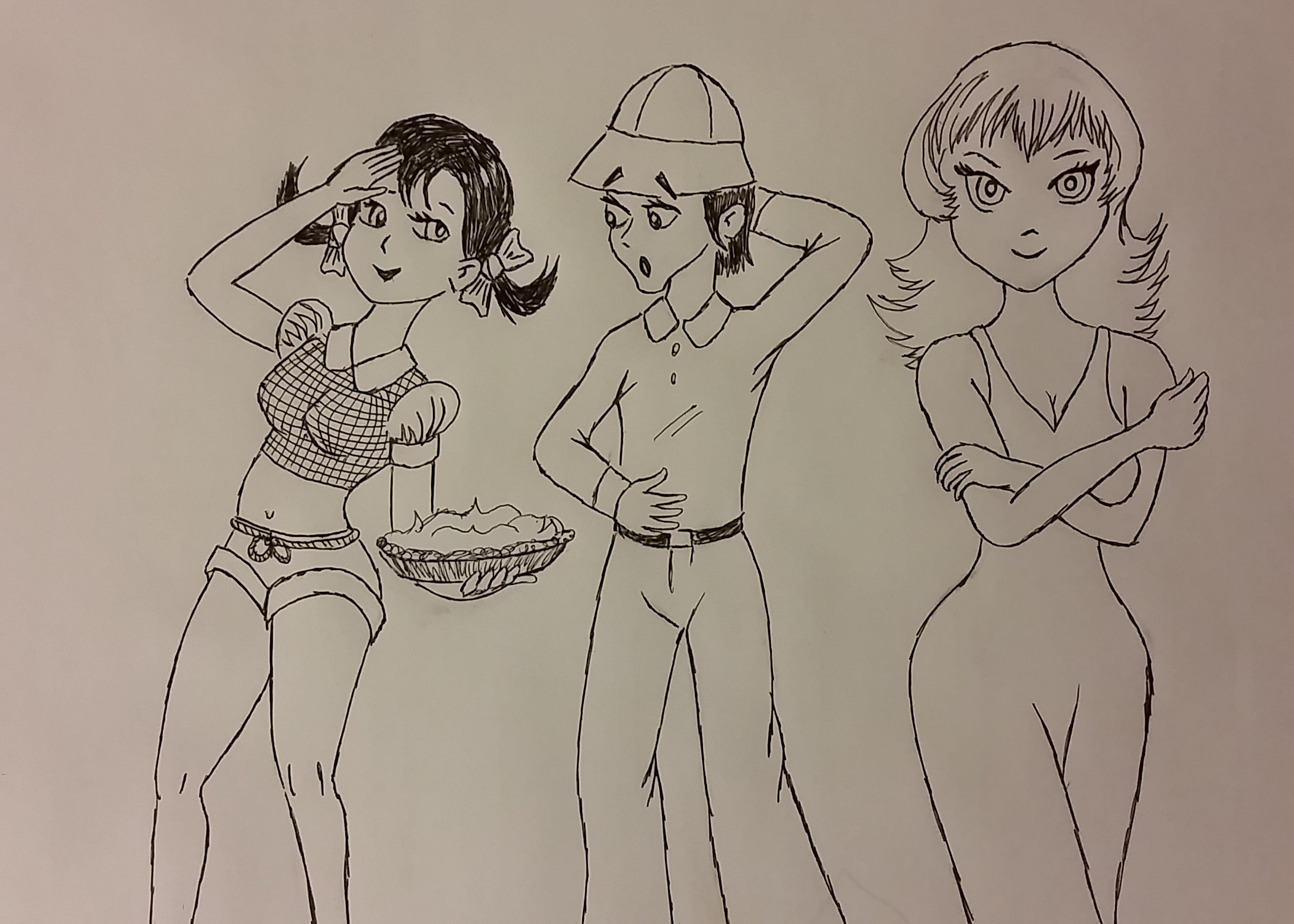













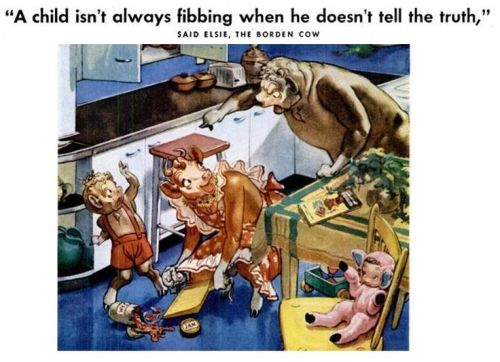
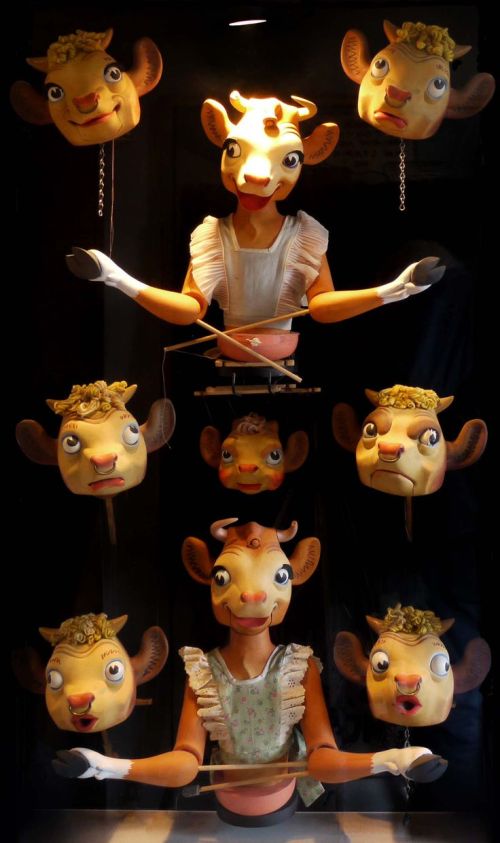
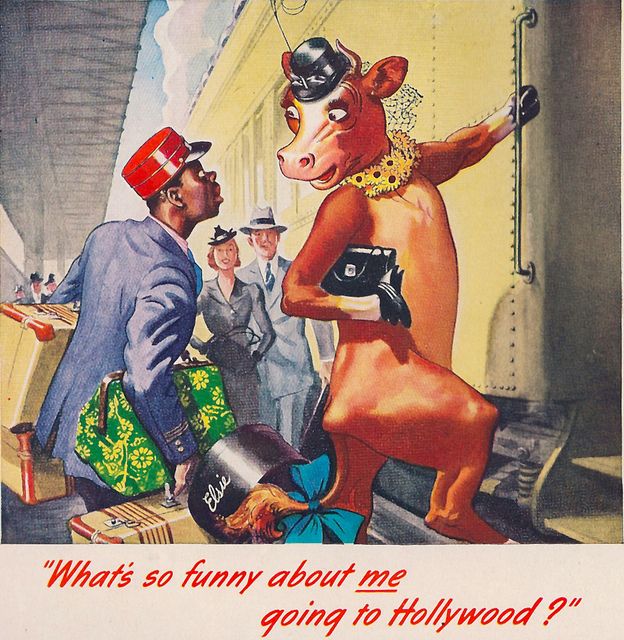
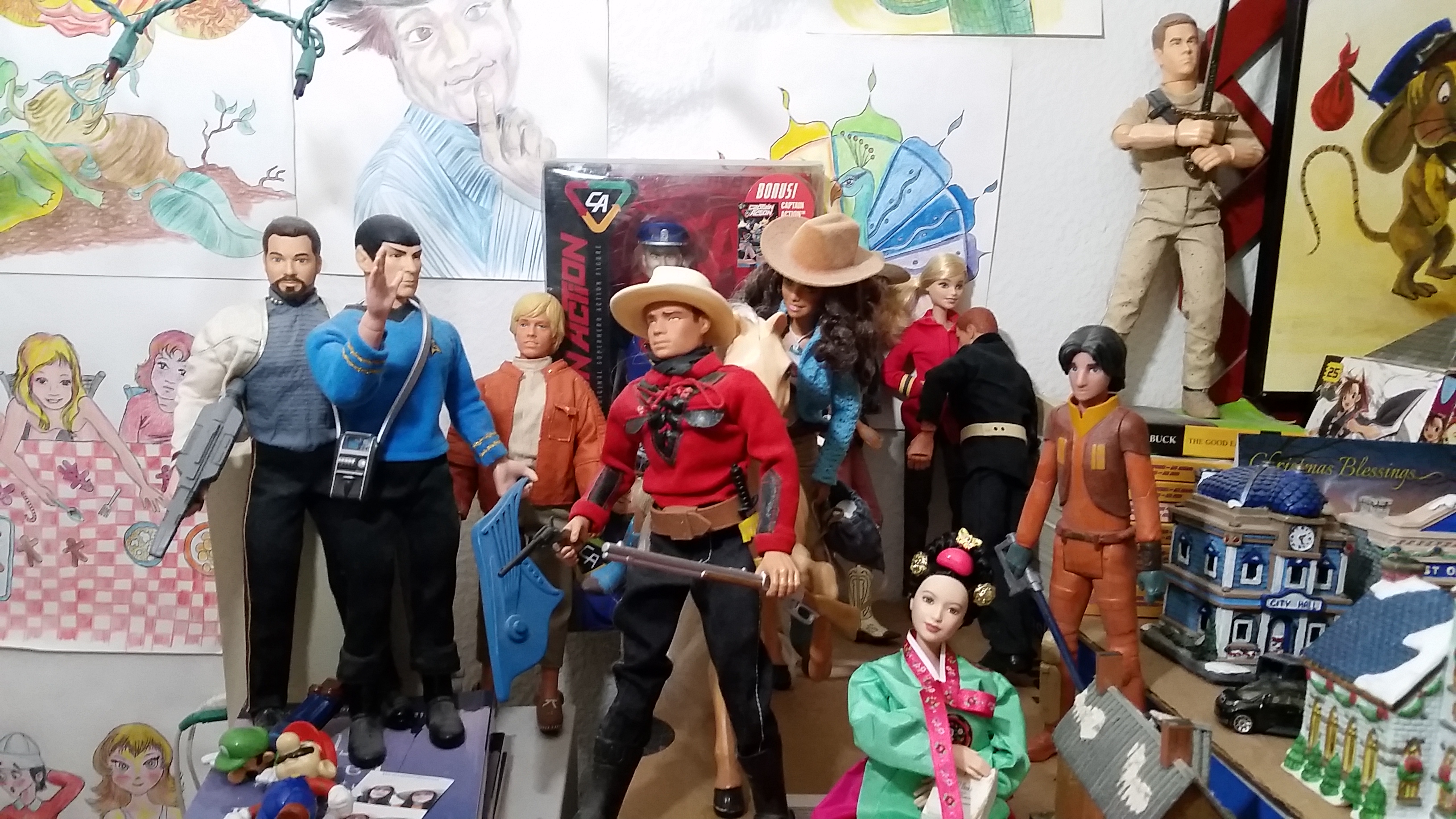
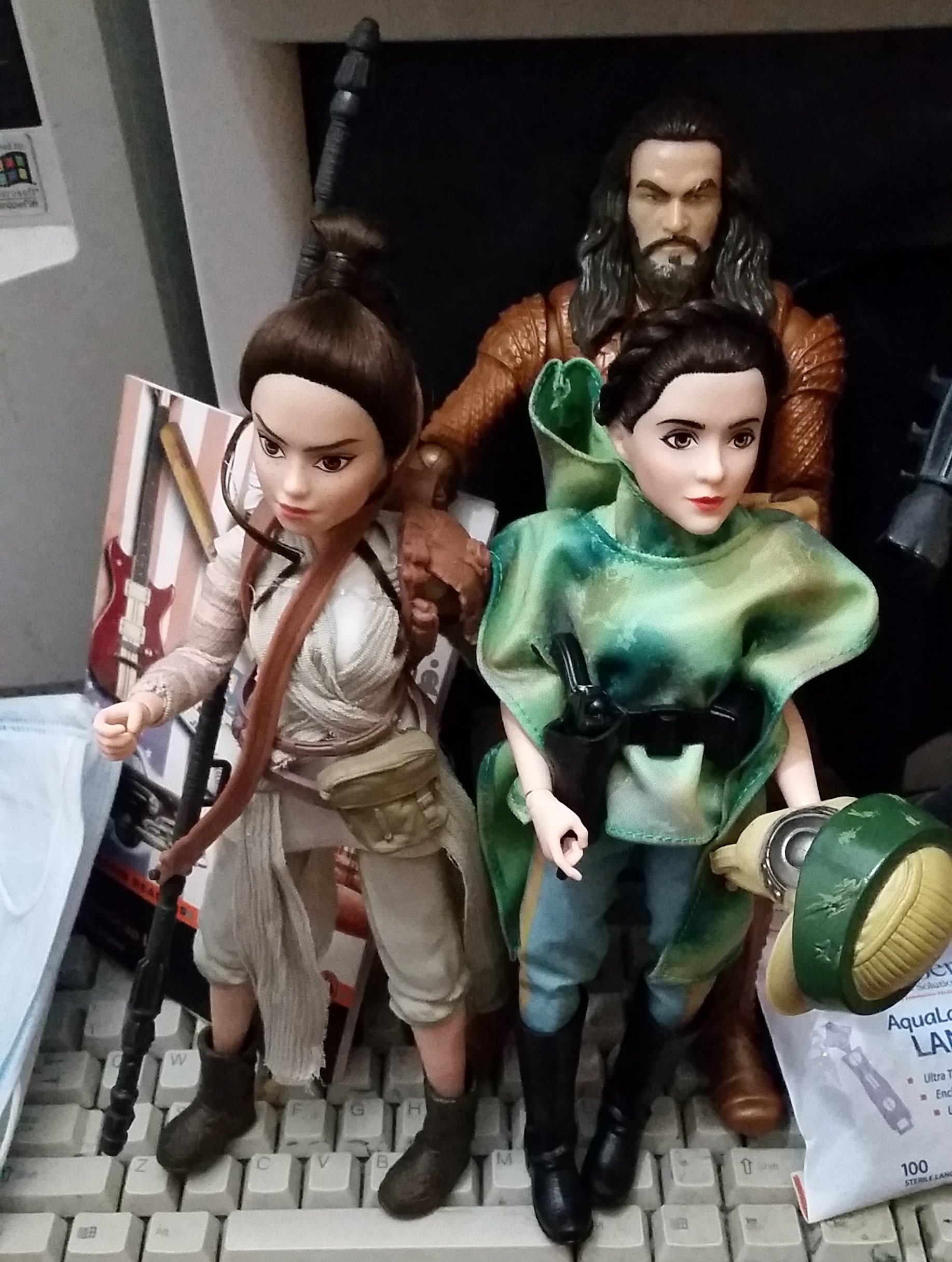 And, of course, I have hoarding disorder so bad that I can’t resist starting new collections of dolls when toy-makers are putting out the new stuff at Christmas, even though the Princess has thoroughly outgrown dolls. And I am not alone in having hoarding disorder. While we were cleaning bedrooms, my daughter found a fluffy rug that would be perfect for the bathroom. But no. My wife is saving it. It has to stay folded and put away where it won’t get dirty. We have closets stuffed full of clothing and other stuff that is rarely or never used. And I do not dare throw any of it out or move it to anyplace else. I can move my stuff, not hers.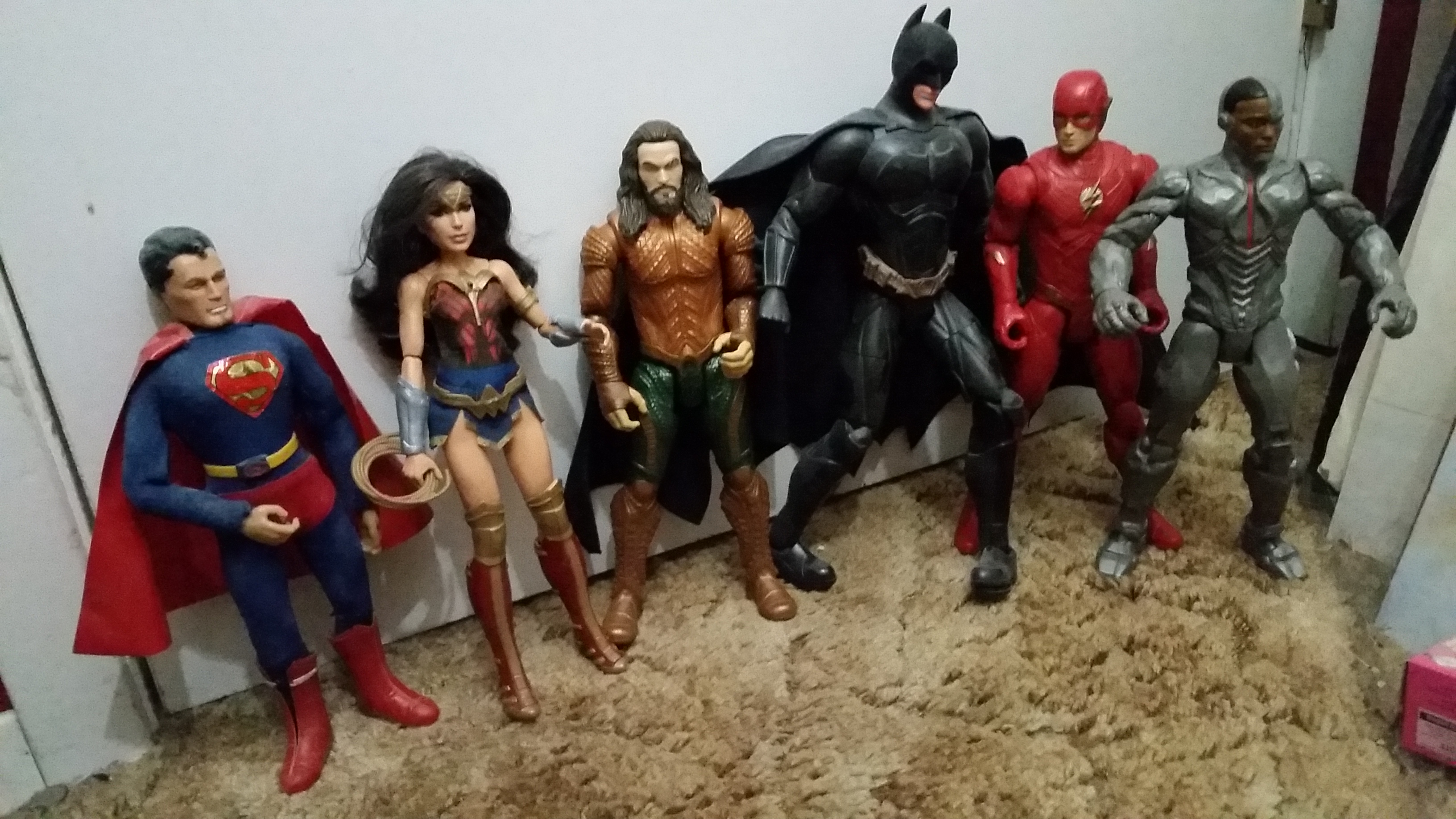
 ‘There are dolls everywhere in my room, so any attempt to clean starts with picking them up off the floor and putting them somewhere safer. These four are now living behind the TV. I just wish they would stay put for a while and quit leaping off shelves when they come alive after midnight every night.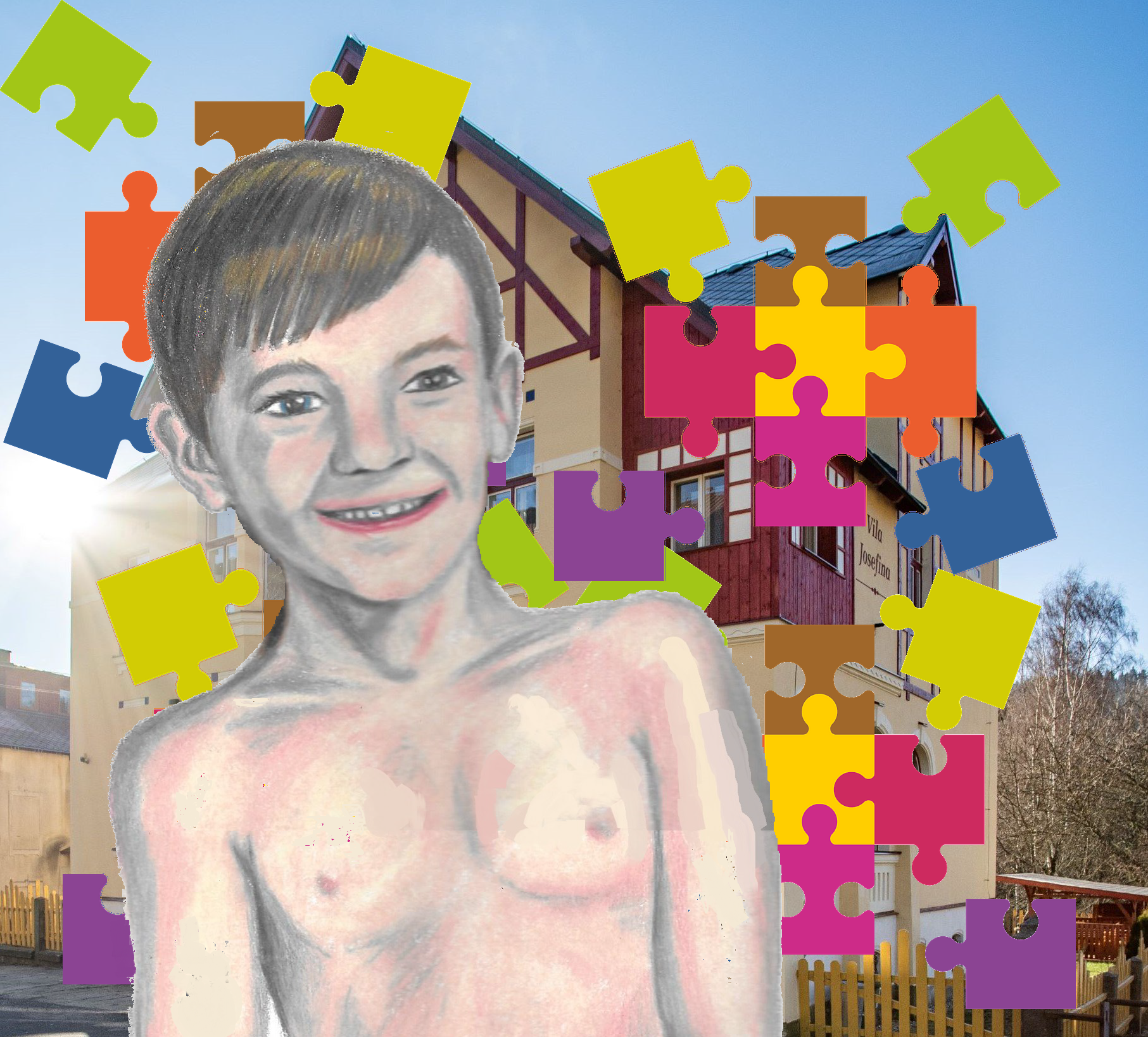


Humble Pie
The difference between who you want to be and who you are is humbling.
The recipe for humble pie requires good, clear eyesight.
And you need a reliable mirror that only shows the flaws in the reflected image, not in the mirror itself.
And you need to look at every detail in the whole of you. Even the secret things that you tend to conceal from everybody, especially yourself.
And writing a novel, if you do it right, is a form of baking humble pie.
The good and the not-so-good is reflected in reviews, which are often written with mirrors that have flaws.
But what you see, if you are honest with yourself, can show you that, even though you are far from perfect, you are exactly what you are supposed to be.
2 Comments
Filed under artwork, autobiography, commentary, empathy, feeling sorry for myself, irony, Paffooney, self portrait, strange and wonderful ideas about life